
Men & Womens Health

Donors.org First Million Projects

Donors.org is an awesome Charity that supports teachers projects. Bill & Melinda Gates often provide matching funds for projects. Please check out their website, the accomplishment of a MILLION teacher projects funded is mind-blowing. I personally  give to underserved with Learning Disabilities. You pick a project that tugs on your heart. Today only all funds are matched, great chance to spread the funds.

M

The DonorsChoose.org community is celebrating the first million classroom projects funded. What an extraordinary milestone! You’re one of the bona fide classroom heroes who brought us here.

Since joining the community in 2013, you’ve made a tangible difference in the lives of teachers and students. Thank you, Melinda, for helping to bring the first million projects to life.

Here’s to the next million!

The DonorsChoose.orgTeam

PS: Today only, all donations are being matched — including those to this local teacher who just posted their first-ever project!
 

Celebrate Life · Fun · Moving Forward

Double Shot Thursday *Country Young Love*

I remember the days. Looking back, things worked out for the best. Request Line is open 24X7, comment section is ready to play your favorite tune.  M


Moving Forward

Maybe it’s borderline — Re-blog from to aspie or not to aspie

Very interesting post you can’t pass up. Check out her site. M

My Anxiety Matters

I imagine this headline sung to the same tune as that age old Maybelline advert. Although I’m writing a lot about autism on this blog, I haven’t had my assessment yet and I still sometimes find myself analysing my symptoms and the equation coming back with borderline personality disorder or bipolar. Sometimes I’m so, so […]

Such a relatable and interesting post from To Aspie or Not to Aspie. Give it a read and follow her too. (Post here Maybe it’s borderline — to aspie or not to aspie)

View original post

Men & Womens Health · Moving Forward · Survivor

Survivors Blog Here Welcomes Heidi Sullivan from Braving Mental Illness

Survivors Blog Here is thrilled to announce Heidi Sullivan is our newest Contributor. Heidi is inspirational and committed to helping people with Mental Health challenges. Please stop by to meet Heidi and check out her personal site http://www.bravingmentalillness.com

I took the below information from Heidi’s ”About Me”page. She is so committed to share, help and answer questions. She is committed and I want you to see how she describes herself.

My life purpose is to inspire hope, courage, and strength within others one life at a time. The realization that my mind had taken over more than my body, but my spirit, was the day I took back my life. It’s one thing to experience pain and suffering on a surface level, it’s an entirely different experience when you look in the mirror and your spirit is lifeless. That’s when you’ve had enough. My life purpose is to inspire hope, courage, and strength within others one life at a time. I hope in sharing my story and listening to yours, we can encourage one another. One of my favorite quotes is, “I am only held back by the limits set within my mind.” Be well!

http://www.facebook.com/Heidi.Sullivan.526        www.twitter.com/HeidiInyama.com

Welcome, it’s only up from here.

M

Moving Forward

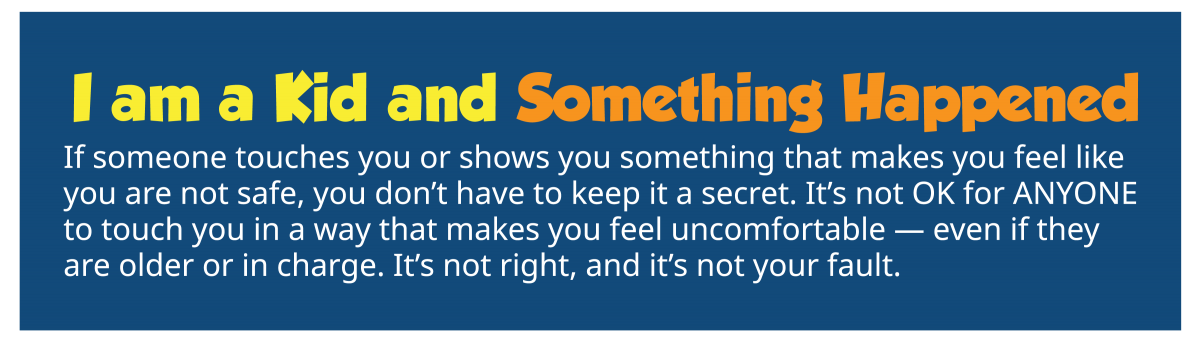
I Am a Kid and Something Happened

Presented by RAINN

I Am a Kid and Something Happened

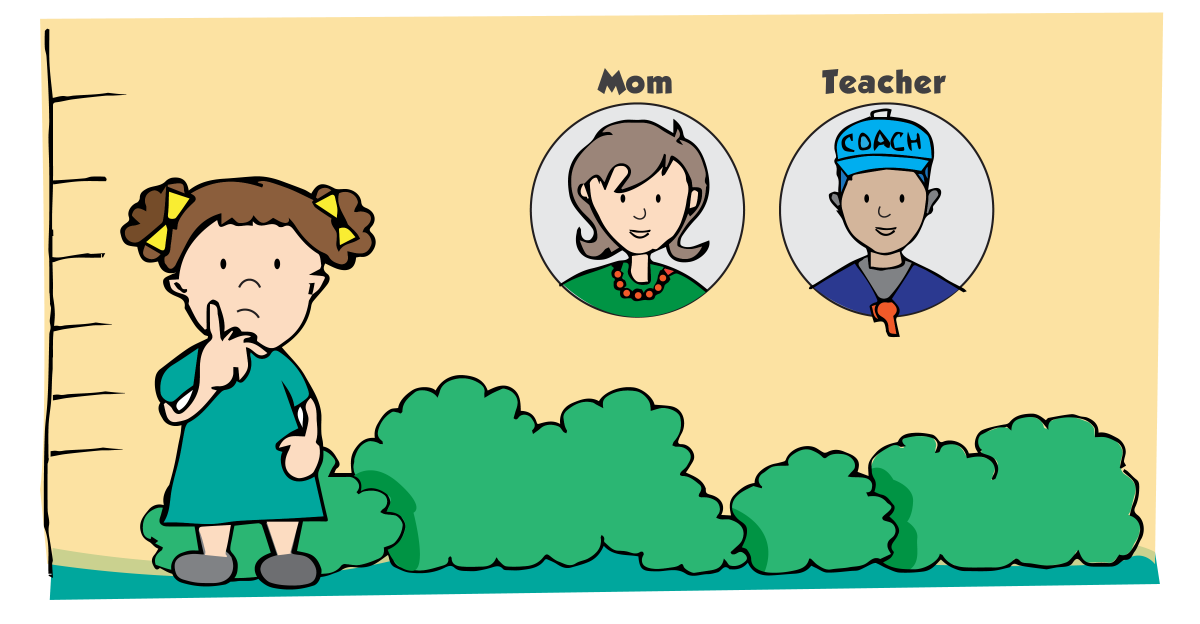
Tell Someone. If somebody touches you in a way you don’t like or touches an area covered by a bathing suit, tell someone you trust.

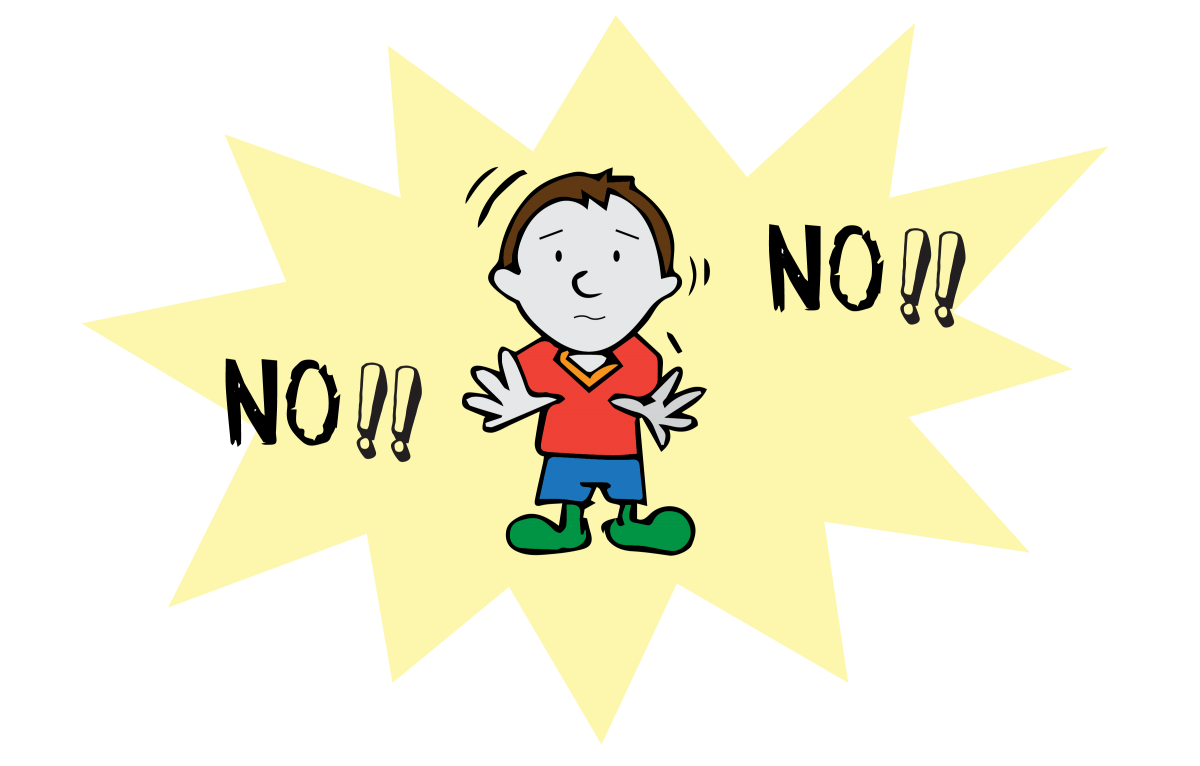
Say no. If somebody wants to hug you, kiss you, or touch your body, you can always tell them no. It’s not OK for ANYONE to touch you in a way that makes you feel uncomfortable — even if they are older or in charge, like your teacher. You can always say no to any touch that makes you feel unsafe.

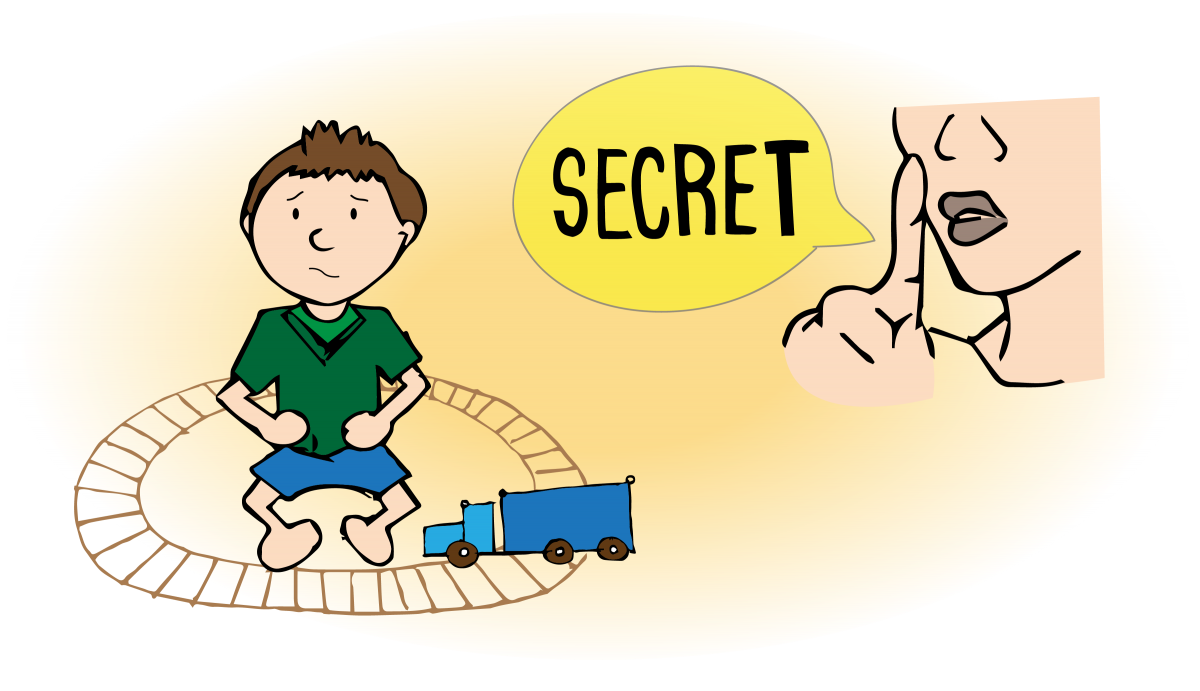
Some secrets are OK to share. You don’t have to keep secrets about spending time with someone or getting gifts from them. If someone makes you scared or upset, it’s OK to tell a grown-up you trust.

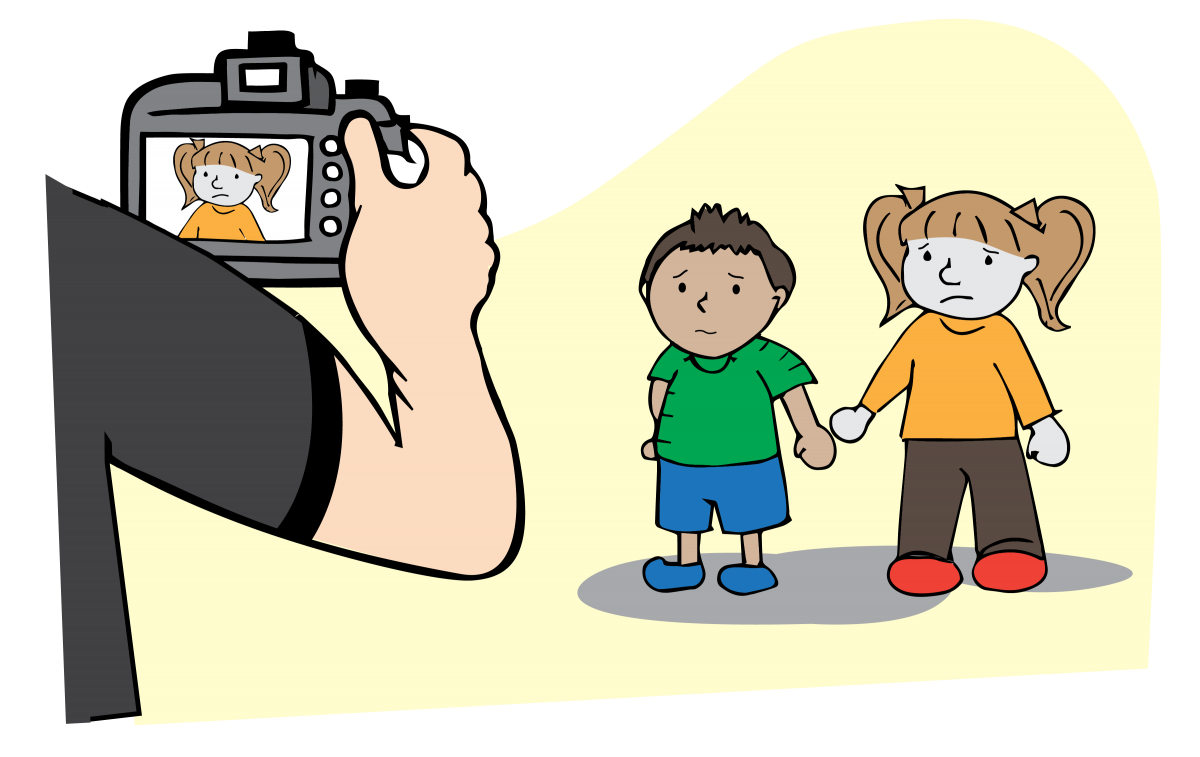
Pictures are private. If someone takes a picture of you, and you don’t want them to, that is not OK! If they want to take a picture of your private parts, that is not OK either! You can tell a grown-up you trust right away.

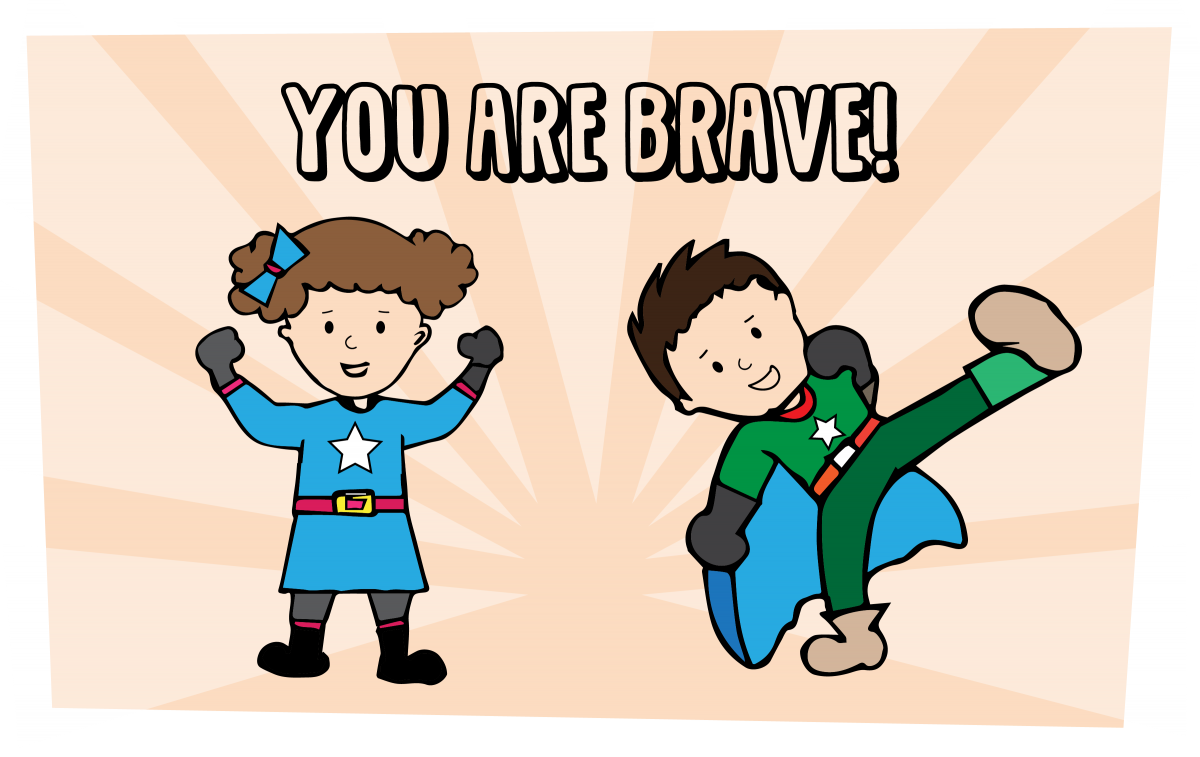
It’s OK if you are scared. It’s normal to feel scared about telling and getting in trouble. That’s OK. You are really brave to tell. Keep telling until someone helps you.

Men & Womens Health · Moving Forward

RAINN: Stalking Awareness Month


Stalking

What is stalking?

“Stalking is a pattern of repeated and unwanted attention, harassment, contact, or any other course of conduct directed at a specific person that would cause a reasonable person to feel fear,” according to the Department of Justice. Similar to crimes of sexual violence, stalking is about power and control.

Stalking laws and definitions differ from state to state. You can read more about your state’s laws by visiting the Stalking Resource Center. Stalking behavior can take many forms including:

  • Making threats against someone, or that person’s family or friends
  • Non-consensual communication, such as repeated phone calls, emails, text messages, and unwanted gifts
  • Repeated physical or visual closeness, like waiting for an someone to arrive at certain locations, following someone, or watching someone from a distance
  • Any other behavior used to contact, harass, track, or threaten someone

What is “the use of technology to stalk”?

One of the ways perpetrators stalk victims is through the use of technology. You may have heard the term cyberstalking to refer to these types of interactions. “Use of technology to stalk” is a broad term that is used to cover all forms stalking that rely on technology.

Some uses of technology to stalk include:

  • Persistently sending unwanted communication through the internet, such as spamming someone’s email inbox or social media platform
  • Posting threatening or personal information about someone on public internet forums
  • Video-voyeurism, or installing video cameras that give the stalker access to someone’s personal life
  • Using GPS or other software tracking systems to monitor someone without their knowledge or consent
  • Using someone’s computer and/or spyware to track their computer activity

As technology and digital platforms continue to grow, so do the chances that someone could interact with you in an unwanted, sexual manner. Not all of these behaviors are considered stalking, but they can be violating and make you feel uncomfortable. Learn more about the different ways people can use technology to hurt others.

What are some common reactions to being stalked?

The DOJ uses “fear” to define the experience of being stalked, but there are other reactions that are just as important to consider. You might feel anxious, nervous, isolated, become stressed, or develop signs of depression.

What should I do if I’m being stalked?

If you think you are being stalked, please know you are right to be concerned. Stalking may escalate in behavior. Consider the following tips to increase your safety and effectively report the crime.

  • Try to avoid the person stalking you. This can be difficult at times, especially if the person stalking you is close to you or your family.
  • If you are being stalked through communication technology, like email or text messaging, make it clear that you wish to stop contact. Once you’ve made it clear, do not respond to further communication.
  • Keep any evidence received from the stalker such as text messages, voicemails, letters, packages, emails, etc., but do not respond. You can do this by taking screenshots of conversations or even printing out email exchanges.
  • Inform family, friends, supervisors, and co-workers of the situation.
  • If you have children, create a code word that lets them know they need to leave the house or call the police.
  • Consider reporting the stalking to local law enforcement.
  • Keeping an accurate journal or log of all incidents connected to the stalking.
  • Become familiar with computer safety and ways to stay safe online.

To learn more about stalking and safety planning visit the Stalking Resource Center.

To speak with someone who is trained to help, call the National Sexual Assault Hotline at 800.656.HOPE (4673) or chat online at online.rainn.org.

Men & Womens Health · Moving Forward · Survivor

Mental Health Resources

Mental Health Resources

Depression and Bipolar Support Alliance

International Bipolar Foundation

Mental Health America

MentalHealth.gov

National Alliance on Mental Illness

National Institute of Mental Health

National Institutes of Health