Add all ingredients together in a glass spray bottle in the order listed above, leaving essential oils to go in last. Shake to combine. Try to use an amber glass bottle if possible to prevent the sun from penetrating the oils inside, which could lessen their potency. Keep Bottle out of direct sunlight and somewhere cool.
The Mr Potato Head scavenger hunt is a great accessible activity that can be set up for AAC (Augmentative and assertive communication). There are many other activities you can use Mr Potato Head for: Following Instructions Developing Fine Motor Skills Team work and interaction Emotions Playing with food Problem Solving Sequencing Senses (Worksheet available below) […]
Dear pain warriors, I hope you are staying safe and well. In our recent survey, when asked “What resources would be most helpful to you right now,” a majority of you responded that you need help handling the added stress and anxiety of COVID-19. With that in mind, we’d like to share details about an upcoming Zoom webinar: on Monday, May 4, at 7 pm ET, pain psychologist Shamin Ladhani, PsyD, will discuss strategies for staying mentally well during a crisis–including the current pandemic. She will also explain some of the emotions we experience during times of crisis, and talk about how stress affects the immune system, which is especially relevant for those with chronic illness. Dr. Ladhani will then take some time to answer questions from the audience.
I hope you can join us. And a reminder: if you’re feeling alone, please consider joining one of our upcoming Pain Connection support group calls. There’s even one today at 2:30 pm ET. Register here. Sincerely,
Your Friday prompt for Stream of Consciousness Saturday is “val.” Find a word that starts with “val” or if you’re not doing the A to Z Challenge, find a word that just has “val” in it, and use that word any way you’d like. Enjoy!
Join us for the fun and sharing good media stories.
For more on the Stream of Consciousness Saturday, visit Linda Hill’s blog. Here’s the link:https://lindaghill.com
Here are the rules for SoCS:
Your post must be stream of consciousness writing, meaning no editing, (typos can be fixed) and minimal planning on what you’re going to write.
Your post can be as long or as short as you want it to be. One sentence – one thousand words. Fact, fiction, poetry – it doesn’t matter. Just let the words carry you along until you’re ready to stop.
There will be a prompt every week. I will post the prompt here on my blog on Friday, along with a reminder for you to join in. The prompt will be one random thing, but it will not be a subject. For instance, I will not say “Write about dogs”; the prompt will be more like, “Make your first sentence a question,” “Begin with the word ‘The’,” or simply a single word to get your started.
Ping back! It’s important, so that I and other people can come and read your post! For example, in your post you can write “This post is part of SoCS:” and then copy and paste the URL found in your address bar at the top of this post into yours. Your link will show up in my comments for everyone to see. The most recent pingbacks will be found at the top. NOTE: Pingbacks only work from WordPress sites. If you’re self-hosted or are participating from another host, such as Blogger, please leave a link to your post in the comments below.
Read at least one other person’s blog who has linked back their post. Even better, read everyone’s! If you’re the first person to link back, you can check back later, or go to the previous week, by following my category, “Stream of Consciousness Saturday,” which you’ll find right below the “Like” button on my post.
Copy and paste the rules (if you’d like to) in your post. The more people who join in, the more new bloggers you’ll meet and the bigger your community will get!
As a suggestion, tag your post “SoCS” and/or “#SoCS” for more exposure and more views.
From an early age, I knew my great-grandmother had superpowers. “Mimi,” we called her.
She was born in the late 1800s, earned a graduate degree from Berkeley in 1919, sipped a glass (or two) of sherry every evening, and charmed us with her wit until the very end. And, like her mother “Nanan” before her, Mimi lived to be over 100.
During the course of her remarkable life that straddled three different centuries and two millennia, she survived tuberculosis (which killed her father), the 1906 San Francisco earthquake, the 1918 Flu, retro-peristalsis (the reversal of intestinal smooth muscle movement), and two C-sections before the discovery of penicillin.
In her late 90s — coincidentally, during the late 1990s — she recovered from a broken hip, sepsis, and flu that would have felled a woman half her age. Well into her hundreds, she still walked every day, required no prescription medications, and ate ice cream every night.
I thought she was invincible
When she died at 103 shortly after a bad fall, it wasn’t an infection that killed her. It was organ failure. Her own body simply turned off the switch.
I think about Mimi — and her immune system — a lot. Apart from the obvious privilege that comes with being a white, middle-class woman in California, she lived a charmed life.
And while Mimi’s immune system never faced this coronavirus, I wonder if some people are just born better equipped to fight infection than others? After all, each of us has that family member who “gets sick a lot” and that one relative who is “never sick” (lookin’ at you, Mom).
We don’t know much yet about what factors can influence our immune systems’ responses to COVID-19. Research shows there are clear genetic differences in susceptibility to other infectious diseases — with much of that variation found in genes involved in the immune system.[1] But our environment likely plays a big role in how well our immune systems function, too.[2] Good news for me because I probably only inherited around 12.5% of Mimi’s DNA.
The more I learn about the complexity of the human immune system, the more I realize it may not have been a particularly “strong” immune response that saved Mimi. It might’ve just been the “right” response. After all, an overzealous immune reaction — like anaphylactic shock — can kill a person.
And an overzealous immune reaction seems to be contributing to COVID-19 deaths.
COVID-19 vs. the Immune System
When a person is infected with SARS-CoV-2 (aka novel coronavirus), the virus invades cells lining the patient’s respiratory tract and hijacks their cellular machinery to make more coronavirus, which goes on to infect more and more cells.
Next, the body’s immune system starts to take notice. But in some patients, the immune system gets carried away and they become sicker from their body’s own inflammatory response than from the virus itself.
Widespread inflammation of the lungs — triggered by a wave of inflammatory molecules in your body called cytokines — can lead to a condition called Acute Respiratory Distress Syndrome, or ARDS. In ARDS, the barrier between the blood and the lungs’ delicate air sacs breaks down and the lungs fill with fluid. This breakdown impairs the lungs’ ability to oxygenate the blood and clear carbon dioxide, which can lead to organ failure.
The drugs being deployed in hospitals to fight COVID-19 are not just experimental antiviral drugs like remdesivir. [3] Some of them are drugs that dampen the body’s immune response, in the hopes that they will give the patients a chance to take a deep breath (literally and figuratively) and get back to the business of fighting the virus.
During recent infectious diseases division grand rounds at UCSF, Dr. Michael Matthay, an ARDS expert and professor at UCSF’s Pulmonary Medicine department, speculated that once a patient has arrived in the ICU and developed ARDS, antiviral therapy may “not be effective.”[4] Some experts think it may be more effective to intervene with antiviral drugs during earlier stages of the disease when symptoms are not yet severe.[5] Or, perhaps an immune overreaction only affects certain patients, while others with severe symptoms could still benefit from antiviral treatment.
So what can make some peoples’ immune response to COVID-19 different from others?
Sex and the Immune System
We’re beginning to see clear sex differences in the rate of COVID-19 infection and mortality: not only are men more susceptible to infection by SARS-CoV2, but they are also more likely to die from the disease. In a recent European surveillance report from the World Health Organization, about two-thirds of COVID-19 deaths that week were men.[6]
Some of these differences could be environmental. In many parts of the world, for example, men smoke more than women (which reduces lung health) and men are more likely to have preexisting chronic health conditions, such as heart disease, or high blood pressure.
But biological sex is known to play a differential role in the immune system. Women are much more susceptible to autoimmune diseases in which their own immune systems turn against them and attack healthy tissue such as rheumatoid arthritis, multiple sclerosis, and lupus.
At the same time, women often have a more robust immune response to pathogens like viruses and bacteria — a pattern that may be repeated with SARS-CoV-2.
Some researchers are speculating that women may have a stronger immune response to SARS-CoV-2 in the early stages of a viral infection than men. [7]Compared to SARS (the classic kind), COVID-19 viral replication seems to peak earlier and at higher levels during the course of the disease, meaning an early and robust immune response could be the difference between life and death. [8]
A delayed immune response can be doubly dangerous. After the virus has a chance to wreak havoc in the lungs, an overzealous immune reaction can set off a widespread inflammatory response that causes further damage, accelerating progression to ARDS.
But sex is not the only variable that influences our body’s ability to fight infection.
Age and the Immune System
You’ve probably heard by now that mortality from COVID-19 is much higher among older people. [9] (Though it’s important to note that all age groups are susceptible to severe infection and young people can die from it too.)
Apart from being more likely to have chronic “comorbid” conditions such as heart disease, type II diabetes, or high blood pressure, older people are more likely to have dysregulated immune systems. [10]
Like a trailer slowly fish-tailing out of control, our immune system’s ability to cope with pathogens decreases as we age, and our inflammatory response increases.[11]
Fewer precision-guided missiles. More carpet bombs.
While we may never be able to stop or reverse the aging of our immune systems — and genetics likely play a role that’s outside of our control — there are certain things we can do to slow it down and keep it in a “goldilocks zone” for as long as possible. [12]
Exercise. Get enough sleep. Avoid stress (where possible). And eat a healthy diet.
This week, US supermarket chain Publix announced a new initiative to purchase fresh produce and milk to assist farmers impacted by the coronavirus pandemic.
Publix will be donating these products directly to Feeding America member food banks in its operating area. The initiative, which is expected to result in more than 150,000 pounds of produce and 43,500 gallons of milk donated to Feeding America food banks during its first seven days, is expected to run for several weeks.
The program will support Florida produce farmers, southeastern dairy farmers and the growing number of families looking to Feeding America for fresh fruits, vegetables, and milk during the coronavirus pandemic.https://tpc.googlesyndication.com/safeframe/1-0-37/html/container.html
“As a food retailer, we have the unique opportunity to bridge the gap between the needs of families and farmers impacted by the coronavirus pandemic,” said Publix CEO Todd Jones. “In this time of uncertainty, we are grateful to be able to help Florida’s produce farmers, southeastern dairies and families in our communities.”
With numerous reports of farmers discarding produce and milk that isn’t being sold—mostly as a result of school, restaurant and hotel closures—Publix hopes to address the needs of both the farming community and its local partner food banks through this initiative.
“We are thrilled about Publix’s initiative to buy additional milk from Southeast Milk for processing and donation to Feeding America member food banks,” said Southeast Milk Inc. President Joe Wright. “It’s a win-win for our farmers who are feeling the impact of decreased demand and the families who are in need of nutrient rich milk during this pandemic.”
“Like so many others right now, Florida farmers are in a time of need. We are humbled Publix is purchasing additional fresh vegetables from us and other local farms to donate to food banks throughout the Southeast,” said Pero Family Farms Food Co. CEO Peter F. Pero IV. “Thank you to Publix, the participating food banks and their volunteers for making this initiative possible for those less fortunate while supporting local farms.”
“In addition to providing much needed produce and milk to food banks, this initiative provides financial support to farmers during this challenging time,” Publix’s Jones said. “We’re honored to be able to work with these groups and do good together for our communities.”
Throughout the company’s history, Publix has supported organizations working toward alleviating hunger in our neighborhoods. Since 2009, Publix has donated more than $2 billion in food to people in need and has pledged an additional $2 billion in food donations over the next 10 years.
Publix Super Markets Charities recently also made donations totaling $2 million to support Feeding America member food banks during the pandemic.
This is just one of many positive stories and updates that are coming out of the COVID-19 news coverage this week. For more uplifting coverage on the outbreaks, click here.
“We are the World” Blogfest” aims to spread the message of light, hope and love in today’s world. We are challenging all participants to share the positive side of humanity.
Also, pls add a link to your post here (This Facebook link will go live at 24 April 12.01 am GMT): https://www.facebook.com/1340888285958297/posts/2935629353150841/ Thanks for participating, and we look forward to your WATWB posts. Welcome participants and encourage all to join in during future months. #WATWB comes on the last Friday of every month.
Welcome back to Weekend Music Share; the place where everyone can share their favourite music.
Feel free to use the ‘Weekend Music Share‘ banner in your post, and don’t forget to use the hashtag #WeekendMusicShare on social media so other participants can find your post.
Thank you to all the front life workers across the globe, we can not make it without your perseverance and sacrifice. I appreciate you stopping by today! Please keep your distance and wash, your hands. Have a great weekend! Melinda
Instead of “How are you doing?”, what’s a better opening question to ask on a video call? And why is it OK — even good — to let your coworkers see the dirty dishes in your kitchen sink? Organizational psychologist Adam Grant and his mentor Jane Dutton explain how to forge real connections in your online meetings.
A psychologist offers tips she learned from her clients to cope with the threats posed by the COVID-19 pandemic.
During my 20 years as a psychologist and career counselor, I truly believe that I often learned more from my clients than they learned from me. During this global pandemic, I continue to be inspired by the courage shown by people who come to me for the treatment of their mental health disorders.
When the governor of my state issued a stay-at-home order, I stopped seeing clients at my office and offered counseling sessions via a simple telehealth platform. Providing services at no charge for those in need, I reached out to everyone on my caseload by email or phone per their contact agreements.
I beamed with pride to learn that my clients faced this crisis with amazing resilience and resourcefulness. Yes, they all were appropriately anxious. Yes, they exhibited more symptoms of OCD. Yes, they struggled more with sleep and overeating. And Yes, they all wished this too shall pass soon. But they all reported healthy ways to cope. Here I summarize them in a poem.
Many people held essential conversations with loved ones, often about unresolved issues that smoldered for years. Many clients made breakthroughs they once thought unimaginable, seemingly miraculously.
Bake Wholesome Bread
People who loved to cook, never had to cook, struggled to cook tried new recipes. Several created a few of their own. They felt empowered to nourish their families and themselves.
Clear Well Your Head
Having plenty of spare time, many folks finally tried some of the stress-management tips that I provided them over the months and years. The Five-minute rule, deep breathing, aromatherapy and guided-imagery practices led the list in popularity.
Savor Books Unread
Avid readers rediscovered treasures on their bookshelves. Others ordered books online. Still, others asked me to suggest books. A personal favorite is the Chicken Soup for the Soulseries.
Rest Plenty in Bed
No other event in our lifetime allowed people so much time to get plenty of rest. I often reminded everyone to stick to a consistent sleep schedule.
Tend the Homestead
I can’t count how many closets were cleaned, shelves were dusted, garages were de-cluttered and basements were transformed. Since home became the primary place to spend time, it needed to be as pleasant as possible.
Hear Talks by Ted
Ted Talks, PsychCentral.com and many informative websites allowed many to learn new things and keep their minds sharp.
Cry Tears Unshed
Left with far fewer distractions, several people faced their grief over recent and remote losses. They allowed themselves to cry and express their grief with rituals at home.
Let Creativity Spread
They write, they draw, they journal, they tell stories, they sing, they knit, they dance, they sew, they make crafts – all in pursuit of creative pastimes.
Laugh till You’re Red
Comedy shows, sitcoms, reruns and movies provide plenty of amusing diversions.
Play with Mr. Potato Head
Card games, board games, video games, word games, question games, trivia games fill many hours with fun. Vintage toys like Mr. Potato Head inspires fond nostalgic memories.
On Gratitude be Fed
No question, simple blessings become more critical. For example, I was thrilled merely because my husband bought two rolls of toilet paper at a local drug store.
Through God be Led
Most people deepened their relationship with God. Many joined in worldwide prayers, worshipped in online services, read devotional books and heard daily scripture readings. Such practices encourage the positive virtues of humility, simplicity, generosity, forgiveness, faith, hope and love.
During these trying times, live life to the fullest by utilizing effective strategies to cope. This, too, shall pass.
Jessica Loftus has worked as a licensed clinical psychologist and national certified career counselor for more than 20 years. She currently offers counseling sessions via telehealth in the state of Illinois. Her website easywaystoeasestres.com outlines details. See her retired blog, “Pet Ways to Ease Stress” on PsychCentral.com.
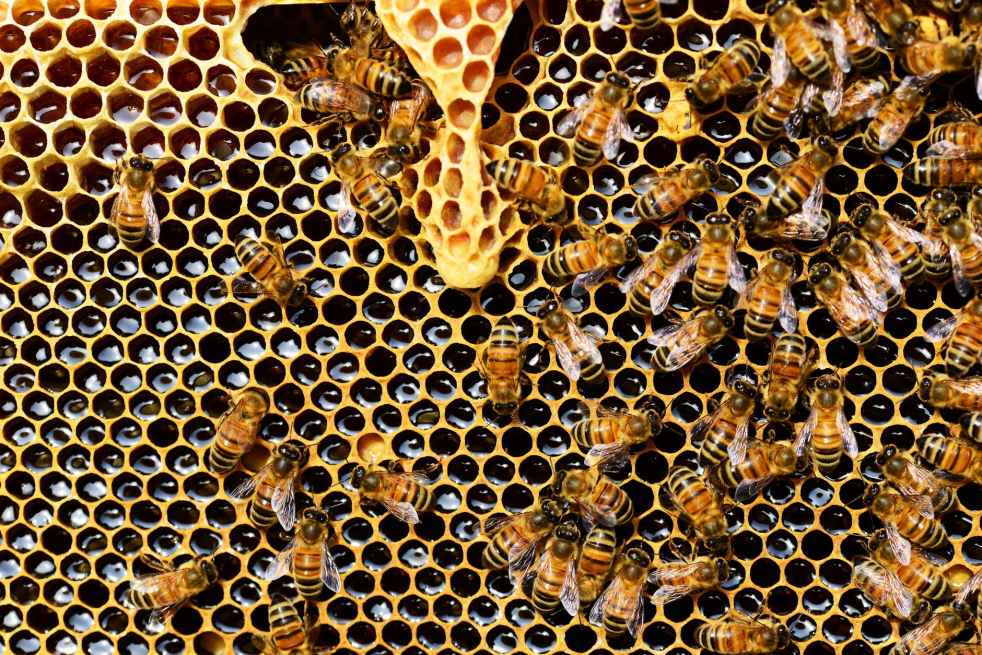
The Bee image made me think about how we are all working together much like Bees to protect our habitat and way of life. I appreciate you stopping by today! Please keep your distance and wash, your hands. Have a great weekend! Melinda
Welcome back to Weekend Music Share; the place where everyone can share their favourite music.
Feel free to use the ‘Weekend Music Share‘ banner in your post, and don’t forget to use the hashtag #WeekendMusicShare on social media so other participants can find your post.
Join Howard Fradkin for a free Interactive Webinar, Tuesday, April 21 at 7pm. In recognition of National Child Abuse Prevention Month, Howard Fradkin, Ph.D., to Reach Out to Male Sex Abuse Survivors Who Face Unique Pandemic Challenges – a live Webinar of Recovery for the MaleSurvivor community, Tuesday, April 21, 2020 at 7-8pm ET. Dr. Fradkin will be the featured panelist for the webinar. He is co-founder of MaleSurvivor in 1995, and a nationally recognized psychologist, consultant and author focusing on male survivors, and strategies for healing and recovery. Topics Will Include:+ Coronavirus / Social Distancing Impact to Survivors+ National Child Abuse Prevention Month+ Talking to Your Children About Child Abuse Prevention+ MaleSurvivor 25th Anniversary Celebration Kickoff – Recollections and Milestones+ After-hours Chat at MaleSurvivor Forum and Chat following the webinar Advance registration is required. Limit of 100 attendees.
I’ve been using CBD oil, sprays, gummies, gels caps, and vaping for several years. I can’t say that I’ve noticed a difference in my pain. It’s hard to say since pain changes day to day.
So, I decided to buy bulk Hemp buds and rolled smokes.
The first thing I did was smoke one of the rolled smokes, easy, just me and a lighter. It’s scary how quickly I was holding the smoke just like I held my cigarettes. I sat outside enjoying the fresh air getting some Vitamin D and smoking. No smoking allowed in the house.
The first thing I noticed is the acid feelings in my lungs like when I smoked cigarettes. I don’t know what I expected but I quess my mind went back to my pot smoking days, I don’t recall those days being so harsh on the lungs. Maybe age has a big difference.
I looked around at what to buy for smoking and decided on a pipe, good ole grandpa pipe. The package came with filters, pipe cleaners, tool to clean ashes out of and screens for the bottom of pipe.
This morning I took the pipe and put two clumps of hemp in there and went outside for fresh air and a smoke. I was surprised how long the buds lasted, I didn’t break them down, I just put straight into pipe.
The smoke in the lungs was a little better but not enough to convince me to continue to smoke after this purchase is complete. I’ll be going back to oils, gel caps, sprays and vaping. My mind is still open and look forward to the day Texas legalizes majaruana, but hell may freeze over before that happens.
The coronavirus pandemic is a devastating mass trauma—but some people with anxiety and depression have seen their symptoms improve.Laura BradleyEntertainment ReporterUpdated Apr. 06, 2020 10:27AM ET / Published Apr. 05, 2020 5:10AM ET
When the novel coronavirus lockdown first began in early March, Grace Weinstein noticed something strange. In the span of 48 hours, three people reached out to her because they’d experienced an anxiety or panic attack. Weinstein has a diagnosed panic disorder, in addition to anxiety and depression—so for her newly distressed friends, she was an obvious person to consult.
But Weinstein herself has not had even one panic attack since the quarantines started. In fact, she’s been doing pretty well—so much so that she’s become a stabilizer for those around her.
“It’s suddenly becoming like a steady pace throughout this,” Weinstein told The Daily Beast during a recent phone interview. “Where people can come and [say], ‘I’m freaking out. I don’t know why you’re not freaking out, but please tell me what to do and how to get to where you are.’”
“To some degree I feel like I’m conditioned for this,” Weinstein said, “based on things I’ve experienced in the past.”
As COVID-19, the disease caused by the new coronavirus, has spread around the globe, many people have found themselves struggling to cope, regardless of their mental health histories. And to be clear, many if not most depression and anxiety patients have seen their symptoms worsen. But a fraction have, paradoxically, actually felt their symptoms alleviate. Like Weinstein, I am one of those people.
It’s not that I’m unaware of the terrible toll the global pandemic is exacting. I’ve cried about it late at night, like I imagine most have. I’ve worried for my grandmother, and boiled with rage as various wealthy blowhards suggested that the best thing she and other elderly people could do for this country is to die. I’m furious at the gross incompetence and indifference to human life within our country’s leadership. I check the news often—too often—staring at my phone in disbelief every night into the early hours of the morning.
And yet, when I wake up, I don’t feel as sluggish as I normally do. I find it easier to get out of bed. The intrusive thoughts that normally buzz around my brain like flies on a feeding frenzy have disappeared. My family is healthy, I tell myself. I am healthy. We are all doing what we can. And for whatever reason, that has been enough. My mood has stabilized after years of oscillating between paralyzing anxiety and debilitating, at times suicidal, depression. Despite everything, I realize, I am OK. More OK than I have been in years.
That’s a strange thing to admit. But evidently I’m not alone.
Grace Weinstein has a panic disorder, but friends and family ate turning to her for advice on how to cope.
Elizabeth Cohen, who has practiced psychology for 15 years with a specialty in anxiety, estimates that 20 percent of her clients have actually seen their symptoms alleviate in recent weeks. Roughly the same portion have seen their symptoms worsen, she says, while the remainder have seen little change. Elizabeth Visceglia, a psychiatrist who has practiced for 16 years (and, full disclosure, is the wife of our editor-in-chief Noah Shachtman), has not seen such a substantial number of her clients’ symptoms alleviate amid the outbreak—only one out of 20 she’d seen during the week of our interview fell into that category. But both offered several possible reasons that a person with a history of depression and anxiety might find some relief at a time like this.
A big part of anxiety, Cohen pointed out, is the anticipation of the unknown—worry about something bad that will inevitably happen. With the outbreak, she said, “a lot of people are saying, ‘The terrible thing happened.’ So in a lot of ways you’re not in the anticipating state.”
Most people don’t think of Mental Health when discussing Chronic Pain. Mental Illness can be physically debilitating with many spending large amounts of time in bed. For someone like me who is challenged by both, daily life can be difficult. Today I’m in bed juggling my laptop on one knee trying to avoid the pain screaming on the left side of my body.
Pool Shade
Over the holiday weekend my husband installed a pool shade so I can swim and get exercise without burning to a crisp lobster. They are very inexpensive and easy to install. He bought the sail on Amazon for less than $50.
One of the therapies the Pain Management doctor suggested was swimming and water exercises. Every other day I spend 30-45 minutes with my water noodle paddling around and doing basic exercises. I have noticed a difference in the muscles not used in ages.
I work on my shoulders by doing wide arm paddling, leg scissors for my back and hips, tiptoes for calves, stretching my back out till it hurts, and lunges. After spending years in bed I’m building stamina for the good days ahead.
Doing exercises in the water puts less resistance on the body which can help injuries. I’m rehabilitating my knee and it’s much easier than walking up and down the stairs repeatedly.
It helps my mental health by getting away from all the noise, I watch the butterflies and see how my flowers are growing. I work on meditating to keep my head clear. I’m also getting Vitamin D from the sun.
Here in the UK, we are into our 4th week of “lockdown” although we are allowed to go outside for several reasons, many people are looking to find new ways to entertain themselves in their own home. I have spent the last few days being creative with these three activities. seed planting with recycled tins […]
New Orleans is a great city, there is an activity and cultural center for everyone. I’ve been twice and have to admit I find myself going back to my favorite sites instead of venturing outside of my comfort zone. I encourage you to do some homework on all the great things New Orleans has to […]
There’s never been a more important time to talk about mental health than now. Fortunately, there was already a growing movement to normalize mental health conditions and make the public more aware of early signs and symptoms. The movement was working and gaining momentum. It’s really a blessing to have greater awareness given we are […]
Your Friday prompt for Stream of Consciousness Saturday is “joint.” Use it as a noun, an adjective, or a verb–use it any way you’d like. Enjoy!
You never know where my mind will go when I read these prompts, this week is extra fun. My first I thought of the first joint I smoked, passed it around with a nice painted stone. It didn’t even work the first time. Another time I smoked a joint it worked so well my boyfriend and I got quite disjointed over a misunderstanding, probably who should get the next beer.
The second joint that comes to mind was a very painful one, my right knee. In 2017 my right knee joint finally gave out and I had to have replacement knee surgery. Not fun but well worth it to eliminate the ongoing pain.
It would have been nice to have several joints to smoke while recovering during my knee surgery but I obey the laws these days.
Melinda
Join us for the fun and sharing good media stories.
For more on the Stream of Consciousness Saturday, visit Linda Hill’s blog. Here’s the link:https://lindaghill.com
Here are the rules for SoCS:
Your post must be stream of consciousness writing, meaning no editing, (typos can be fixed) and minimal planning on what you’re going to write.
Your post can be as long or as short as you want it to be. One sentence – one thousand words. Fact, fiction, poetry – it doesn’t matter. Just let the words carry you along until you’re ready to stop.
There will be a prompt every week. I will post the prompt here on my blog on Friday, along with a reminder for you to join in. The prompt will be one random thing, but it will not be a subject. For instance, I will not say “Write about dogs”; the prompt will be more like, “Make your first sentence a question,” “Begin with the word ‘The’,” or simply a single word to get your started.
Ping back! It’s important, so that I and other people can come and read your post! For example, in your post you can write “This post is part of SoCS:” and then copy and paste the URL found in your address bar at the top of this post into yours. Your link will show up in my comments for everyone to see. The most recent pingbacks will be found at the top. NOTE: Pingbacks only work from WordPress sites. If you’re self-hosted or are participating from another host, such as Blogger, please leave a link to your post in the comments below.
Read at least one other person’s blog who has linked back their post. Even better, read everyone’s! If you’re the first person to link back, you can check back later, or go to the previous week, by following my category, “Stream of Consciousness Saturday,” which you’ll find right below the “Like” button on my post.
Copy and paste the rules (if you’d like to) in your post. The more people who join in, the more new bloggers you’ll meet and the bigger your community will get!
As a suggestion, tag your post “SoCS” and/or “#SoCS” for more exposure and more views.
Welcome back to Weekend Music Share; the place where everyone can share their favourite music.
Feel free to use the ‘Weekend Music Share‘ banner in your post, and don’t forget to use the hashtag #WeekendMusicShare on social media so other participants can find your post.
Add water, white vinegar and vegetable glycerin to a large jar. Close lid and shake vigorously. Add the essential oils. Close lid and shake again. Add cotton quilting squares or washcloths, and you’re done. Be sure to shake the jar and wring out the cloth before adding them to your load of laundry.
Note
Essential oils last longer in dark glass containers. Since I reused a clear jar, I store my dryer sheets in a dark place to extend shelf life.
It’s been possible to export your posts, images, and other content to an export file, and then transfer this content into another WordPress site since the early days of WordPress. This basic WordPress import moved content, but didn’t include other important stuff like themes, plugins, users, or settings. Your imported site would have the same […]





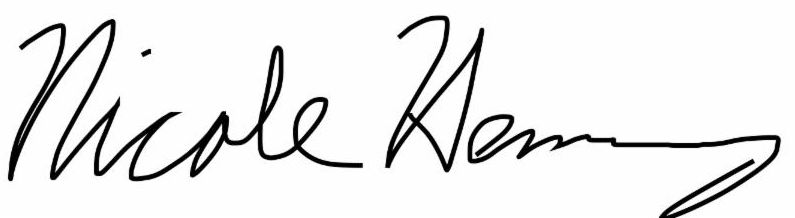
 Nicole HemmenwayInterim CEOU.S. Pain Foundation





























 lookingforthelight.blog