It’s natural that sometimes life gets away from you a bit. Stress from work or family commitments can take over and it can be hard to find balance. It’s important to step back and try and regain control. Fortunately, there are few basic steps you can take to get your life back on track. Make a list to check off and plan how to find balance again. Here are six simple ways to get organized and get your life back.
Keep on top of maintenance
Sorting out simple maintenance in the house or car is very satisfying and will relieve a lot of stress. There are plenty of online resources to help you. TDot Performancehas all the car parts and accessories you need, and you can easily find professional mechanics or technicians for anything you need. Spend a day making a maintenance checklist and work through it.
Work on your relationships
Once you’ve got the practical things out of the way it’s time to focus on your personal relationships. Make more time to dedicate to your friends and family. Follow the necessary steps to improve your personal relationships, and you’ll be able to regain balance in your social life.
Make a budget
In order to keep things manageable, you’ll need a realistic budget to organize your finances. If you’re feeling stressed about money, then a budget can help you take back control. Make sure you stick to it and if you are struggling you might need to make some changes.
Spend some time alone
Studies have shown that it’s actually very beneficial to spend time alone. The benefits of alone time include increased happiness, life satisfaction, and stress management. Being alone also gives you the opportunity to plan your life without distractions. Making time for yourself, or even going off the grid for a bit, means you’ll be more adapt to going back to your social life with more tolerance and openness.
Get in touch with nature
The therapeutic benefits of getting in touch with nature are numerous. One of the advantages is the perspective it gives you. Spending a little time outdoors will give you the time you need to reflect and rethink your plans. Try activities such as forest bathing which allow you to clear your mind and focus on the nature around you. Go for a walk into the woods alone and take in all the sights, sounds, and smells. You’ll immediately feel the benefits and more prepared to tackle life’s problems.
Learn something new
A new hobby or skill is another great way to gain a bit of perspective. It also helps to improve your mood and give you a new lust for life. The more positive you feel, the more you’ll be able to take control and get your life back on track. Whether you study something new for work, or take up a new sport or a creative hobby, learning something new can be very beneficial. Get your life back on track today.
I’m excited to let you know next month starts Pain Awareness Month. Over the past couple of years, you have seen posts from me for the U.S. Pain Foundation. I’m a Texas Ambassador and do advocacy work for them. While I haven’t been able to physically support my advocacy efforts, I do share important information as it pertains to the pain community or initiatives the U.S. Pain Foundation is involved in, as well as attend advocacy training seminars.
September marks an exciting and educational month which is recognized as Pain Awareness Month. The goal of the month is to raise awareness for the 50 million Americans who live with chronic pain.
Please check out U.S. Pain Foundation to find resources, support groups, news about Federal advocacy efforts, pediatric programs and support for families, and their magazine Invisible Project and more.
About U.S. Pain Foundation
The mission of the U.S. Pain Foundation is to empower, educate, connect, and advocate for individuals living with chronic illness that causes pain, as well as their caregivers and clinicians. Its programs and services include a national network of support groups, educational resources and events, a pediatric program for children and their families, federal advocacy efforts, an awareness magazine called the INvisible Project, and more. The U.S. Pain Foundation is a 501(3)(c) nonprofit organization. For more information, visit www.uspainfoundation.org.
About Pain Awareness Month
Pain Awareness Month, recognized annually in September, seeks to raise awareness about the need for improved care for the 50 million Americans who live with chronic pain. This year, U.S. Pain Foundation’s theme is #MyPainPlan and focuses on the vital importance of an individualized, multidisciplinary, multimodal approach to pain care. The signature initiative of the month is the MyPainPlan.org site, along with an in-depth survey and white paper about barriers to care and several special educational events. To learn more, visit www.uspainawarenessmonth.org.
Chicago Headache Doctor Brad Torphy, who is the managing director of the Chicago Headache Center & Research Institute, recently discussed the role of caffeine in migraine and headache. During the presentation, which can be viewed on the Chicago Headache Center & Research Institute’s Facebook page, Dr. Torphy shares that caffeine can be beneficial in some […]
Happy Friday! I am so glad you stopped by today. Have a great weekend and please wear a mask, the Covid19 virus is very serious and I want to see you and your family healthy and happy.
Social media platforms, such as Instagram and TikTok, are filled with inspiring images of happy relationships. A quick search reveals some of the most popular hashtags to elevate your relationship to an inspirational love story. All the #CoupleGoals images and videos have a central element in common: Couples have embraced the inclusion of the typical “you” and “me” identities into a new entity: “us”. When you think of a happy and successful relationship, you naturally depict a symbiotic communication where both individuals understand each other perfectly. The symbiosis is often the result of a strong “us”. Couples that can talk about their relationship as a “we” rather than a “me+you” approach have already unlocked one of the biggest secrets behind the Insta-worthy #CoupleGoals photos: Common projects.
What does a common project say about your couple? Sharing activities, ideas, and values with your other half allow you to build a new entity – the “us” – that can stand strong. Common projects are essential to the strength and survival of your relationship. The more you share, the more you define your couple goals, and the more you allow for an “us” to exist.
For each couple, a home is a special place where both need to feel happy and safe. Nobody wants to be in a relationship where they feel they only live in their partner’s home. Unfortunately, the situation can present itself naturally. Perhaps, when you met with your current partner, one of you already had a home. Yet, even though one moves in with the other, it doesn’t mean the interior decor should stay the same. On the contrary, seize the opportunity to make a home for both of you. Decorating together can be tricky – there’s no point denying it – especially if you have different tastes. But putting a place together that suits both of you will help create a healthy balance in your couple. You both have a say in the design and conception of a shared home. Think of it as the foundation of your couple.
Planning your next holiday
Another typical project that should be shared but is often one-sided is your holiday. Planning vacation with your other half is not just the opportunity to get away together and leave everyday routine behind. It’s also the chance to share the excitement and joy of the vacation. Couples who plan their travel together stay together. What does planning together mean? It’s a matter of creating a common purpose, such as deciding about the destination together. As you discuss each location, you can also identify areas that interest you both and areas that one of you would rather avoid. Additionally, you can also create daily itineraries together. Would you prefer a morning on the beach while your partner wants to visit the local zoo? Make sure the day has a little bit of everything. Working together to plan exciting holidays encourages you to compromise to ensure it works for both of you. What’s the point of creating new memories if only one of you has fun?
Not fearing the future
The future brings a world of uncertainties and questions. But you can face it together as a couple, discussing eventualities and considering how to best face some situations. Admittedly, nobody wants to think about the death of their loved one or their own, but planning the future together already includes that conversation. You can feel reassured about facing the worst-case situation if you’ve already considered your preferred course of action. Knowing that you have planned a pair of standing cemetery headstones, for instance, can remove a lot of the anxiety linked to the unknown. Unfortunately, some things are not preventable, and while you may delay them for as long as possible, there will be a time when one of you will be left behind. Yet planning together can give you more control and protect your sense of togetherness, even in death.
Improving your mental health day after day
Couples who embark on a self-improvement journey together are more likely to boost each other’s motivation and overall health. Starting a fitness challenge together can help to stick to your workout and encourage each other. More often than not, deciding on health changes together creates a shared dedication to get better. But that doesn’t only mean working out. Simple healthy additions to the home, such as an air purifier or anti-pollution houseplants, can have a bigger impact when both of you are involved in the decision. When both of us stand behind the decision to improve your health, you build a positive environment that supports your motivation. Motivation makes it easy to stay fit!
Sharing and making your happiness
At the core of a strong and happy “us”, there’s a need for clear, honest, and transparent communication. Secrets shatter a couple’s loyalty. Being open about what you both want and expect from the relationship from the start will ensure you are both walking in the same direction. As silly as it might sound, there’s only so much you can compromise for love. If one of you wants kids, for instance, and the other doesn’t, there will be a point when the relationship can’t grow any further before it doesn’t fulfill your needs. The bottom line? You are in charge of how to build and make your togetherness, and to do that, you need to have all the pieces.
Making memories together
Marriages – or unmarried long-term relationships – don’t create togetherness through their official or unofficial union. They build togetherness by giving the “us” space to grow. Creating traditions and rituals that work for your couple is the key to making meaningful memories. There is no right or wrong when it comes to your couple’s culture. Most couples build a language that is theirs, referring to shared experiences, or inventing sweet pet names for each other. Ultimately, you write a story that gives life to your relationship.
In conclusion, joint projects turn the “me + you” into an “us”. While it doesn’t mean that all projects should be together, it is your responsibility in a relationship to give enough space and opportunities for the “us” to grow into its own entity. You don’t have to share absolutely everything, me-time is something you can and should preserve. But sharing enough of the good times let you go through the stormy days safely.
OH CRAP!!!!!!!!!! The good ole stand by is now gone, so are the easy days of posting without all the complications. So now when you ask for Classic Editor it’s actually the previous Block Editor. What a nightmare! I didn’t learn it let alone the new one.
The new one is great for all the bells and whistles but if you like to keep things super simple those days are gone.
Here’s what WordPress told me this morning.
The classic editor has been retired, but we do have a classic block, which retains that functionality for you to use. We also made this video https://www.youtube.com/watch?v=BkQlTuJ4BH8&feature=emb_title on how to work with blocks and the block editor
Please express your thoughts by contacting a technical support.
Hi, it’s Wednesday! I’m so glad you stopped by today. Continuing on the theme of Yosemite National Park, this is a photo of Yosemite Valley with a side view of Yosemite Falls. The falls are 2,425 feet high. This photo was taken from up high from across the valley among the beautiful cliffs and trees.
Although school looks a bit different this year, we’d like to give a warm welcome back to our BC2M students and their communities. And to the parents and family members who are working through remote learning with your children, we honor you.We have committed ourselves across the country to be a pillar of stability, a presence for positivity, and a trusted portal of resources for our students. Our program will remain present in our regions: Arizona, California, Indiana, Ohio, and New York and expand into 60 new schools. We recently launched a new region in the North East which will create 35 additional mental health clubs. BC2M’s 2019-2020 school year surveys demonstrated both the impact and the critical need for BC2M Clubs on high school campuses across the country. The Center for Disease Control surveyed adults from June 24–30, 2020 on mental health challenges their communities have faced during the COVID-19 pandemic. U.S. adults reported considerably elevated adverse mental health conditions associated with COVID-19. Younger adults, racial/ethnic minorities, essential workers, and unpaid adult caregivers reported having experienced disproportionately worse mental health outcomes, increased substance use and elevated suicidal ideation.The public health response to the COVID-19 pandemic should increase intervention and prevention efforts to address associated mental health conditions. Community-level efforts, including health communication strategies, should prioritize young adults, racial/ethnic minorities, essential workers, and unpaid adult caregivers.Student support is more important now than ever before.Our program was featured on KPIX-TV, a San Francisco based news channel, and the impact COVID-19 has had on youth mental health. BC2M student, Colby Peck, referred to the pandemic as a lethargy where her anxiety feeds into insomnia that creates more anxiety. BC2M is proud to be a part of #MentalHealthForUS, a nonpartisan, educational coalition elevating mental health and addiction in policy conversations around the country. Right, left, center or anywhere in between—we can all agree that addressing America’s struggling mental health and addiction care systems should be a priority. Learn about how @MHforUSis fighting to improve #mentalhealth care in 2020. BC2M is excited to introduce you to a new supporter – Mantra Labs. They have developed a total nutrition solution that focuses on mental and physical health. Using chrono-nutrition formulations, the bundle of functional drink powders is designed to hydrate, focus, energize, and maximize rest without the morning jitters, mid-day crashes, or restless nights. Their mission is to support your health and elevate the conversation on mental health by working with BC2M and others. 1% of all sales go to mental health organizations. In addition use code BC2M and 15% of your purchase goes directly to BC2M and you save 25% off your first order!Support Youth Mental HealthThank you for your generous support of our work. Together we will save lives.
Many teenagers ask their parents for a dog, and it can be tough to decide as a family whether the time is right to add a canine companion. A dog can be a great way to teach your teenager to be more responsible, but a pet can also help with mental health. By getting a dog, your teen gets to experience the joy of owning and bonding with a true friend.
Pets can be especially beneficial for teens who are struggling with emotional or psychological issues. Many teenagers struggle with their mental health, so the idea of them being helped by owning a dog is worth investigating. For serious problems, professional therapy should be sought, but a dog can help with your teen’s self-care.
Growing Up With A Pet
Your teenage years are a turbulent time. Teenagers often start to pull away from their families at this time, as they search for their own identities, separate from their parents. Caught between childhood and adulthood, many teens struggle to find their place in the world, leading to a sense of confusion.
Many young people lack the skills in coping that they need to deal with troublesome emotions. Sometimes teenagers are left to face these worries alone, but that doesn’t have to be the case. Young people with a pet tend to function better emotionally than those without. Pets give teens a sense of purpose and force them to interact, even at times when they might not feel much like socializing.
Teens who care for an animal build stronger social relationships. Caring for a dog can help teenagers to connect more to their community too. High levels of attachments to a pet can also help teenagers to feel more connected to others, feel more empathy, and have more self-confidence.
If you’re thinking about getting your teen a dog from somewhere like Lucky Labs, then you might want to consider these benefits.
Dogs are easier to hug than a person
A lot of teens aren’t naturally very affectionate, but a pet can help to turn that around. Animals will always demand (and get) attention. It’s much harder for a teenager to ignore an animal seeking attention and expressing their love. This can be very important for teens who aren’t feeling much affection from their peers or are feeling more distant from their parents.
Dogs are all ears during tough times
Many young people don’t feel that adults understand them or what they’re going through. This means they’re likely to bottle up or push down their feelings instead of talking about them, which isn’t helping. A dog can be used as a listening ear, which is a great way to process and put into words any confusing thoughts and emotions that they might be having. After all, dogs are the best listeners.
Dogs melt away stress and anxiety
There are few things as effective as petting an animal for soothing and calming a stressed-out mind. Playing with a dog increases levels of oxytocin, which is a hormone that reduces stress, and decreases cortisol, the stress hormone. Having a pet is good for your physical health too. Owning a pet is associated with a decrease in blood pressure, cholesterol, and triglyceride levels, which all reduce the risk of a heart attack.
Dogs help with socialization and communication
Owning a dog can help young people to enhance their social skills, which is especially useful for teenagers with autism. Animals help young people to feel more assertive and increase their confidence when they interact with other people. Having a dog gives your teen something to talk about if they get stuck for conversation, and also act as a way of getting people to engage with them in social situations.
Having a dog can also help you to meet new people and start conversations, something which teenagers can struggle to do. Many teens are caught up in social interactions online, whereas a dog is a great ice breaker for real-life social situations. People always want to stop and talk to a dog.
Dogs are always by your side
A dog is always there for you, even when things are at their hardest. People can come and go in life, but a dog is loyal and with you through every step. A dog can help to fight feelings of depression and anxiety as they provide companionship. Owning a dog can have a positive impact on a person’s self-esteem, as well as other psychological benefits such as lessening feelings of loneliness and helping someone to become less introverted.
Dogs provide structure
Dogs are a great way to teach a teen to be more responsible and are also a good way of adding structure. Structure is helpful for teenagers who may be feeling adrift from their normal life. No matter how disconnected you feel, a dog will still need you to be up and ready to take it for a walk at least once a day. A dog can help to fight the urge to stay in all day when you feel down, which is an urge that teenagers can often fall victim too.
Dogs make your brain release the love chemical
Spending time with a dog releases the hormone oxytocin, sometimes known as the love chemical. This hormone plays a part in bonding and trust, as well as reducing stress. This feeling of being bonded to your dog can be very beneficial to a young person who is suffering from PTSD, anxiety, or depression.
Dogs also help you to release endorphins. Just seeing a dog can trigger your brain into releasing these endorphins, which are natural anti-depressants. Even when you’re doing the jobs that are a less pleasant part of dog-owning, like cleaning up after them, you’ll feel more positive just by having the dog around.
Dogs can help against allergies and asthma
Children who grow up in homes with dogs or other furry pets are less likely to develop common allergies. Children who are exposed to dogs and cats are a lot less likely to develop allergies such as dust, grass, ragweed, and pet allergies, and are at a lower risk of asthma. Allergies can make people become lethargic, apathetic, and struggle with insomnia. These problems make young people more vulnerable to mental health struggles, like depression.
Dogs make you laugh
Dogs can be very funny companions and are bound to make you laugh every day. Whether they’re being clumsy, adorable, or silly, your dog will cheer your teen up by making them laugh. Laughter is one of the best forms of stress relief.
Owning a dog can be very positive for people of all ages. If your teenager is begging you for a dog, it’s worth thinking about all the ways that the might benefit from dog ownership. Dogs are good for mental and physical health, as well as teaching your teenager to be more responsible and social. If you think your teenager is ready for the responsibility of owning an animal, the benefits could make the decision for you. Just remember that a dog is a big commitment, and you should be certain that your child is capable of providing the care that a dog will need. Agree in advance how much responsibility you as the parent will have, such as feeding and bathing. Choose a breed that suits your home and lifestyle, and prepare to see a real change in your teenager and the way they feel.
There are two kinds of brain fog in Lyme disease. Some people have both forms.
Type 1 Brain Fog. The first kind is a feeling or sensation of cloudiness or fogginess of the head.
Type 2 Brain Fog. The second type is a problem with brain function where a person cannot think. People with thinking problems usually have problems with short-term memory, confusion, poor attention, organization, word finding, or concentration.
Type 1 brain fog is caused by a buildup of cytokine inflammation chemicals and another chemical made in brain infections called quinolinic acid. It is also due to a buildup of toxins in the blood from mold or yeast overgrowth in the intestines. While the literature does not describe this type of brain fog or its treatment. I have observed great improvement in Type 1 brain fog by lowering cytokine inflammation chemicals with liposomal curcumin 500 mg 3 times a day, eliminating intestinal yeast, or removing mold toxins. See Step One: Treat Infections or Mold Toxins below for links to articles on this site regarding yeast and mold toxins. Note, fixing Type 2 brain fog also fixes Type 1 brain fog.
In this article I focus primarily on the treatment steps for Type 2 brain fog. Type 2 brain fog has three possible causes
inflammation caused by infections like Lyme and/or mold toxicity,
mitochondria cell energy factory dysfunction caused by oxidative stress from infections or direct damage from mold and other toxins, and
excess histamines due to allergies or Mast Cell Activation Syndrome.
Step One: Decrease Inflammation
Eliminate Infections or Mold Toxins
Determine which infections you have or if you have mold toxicity and treat them to lower inflammation that leads to Type 1 brain fog in Lyme disease.
For information about how to diagnose Lyme, yeast, bartonella, or mold toxin problems see:
Curcumin is a component of turmeric that lowers both cytokines and quinolinic acid which improves brain fog. Take a liposomal form of curcumin to increase the absorption. Liposomal means that it is microscopically wrapped in fat to increase its absorption.
Mitochondria provide power to cells in the body. This cell power provides energy to function and to heal. In mitochondria dysfunction, infections and mold toxins cause the immune system to make excess oxidizing agents that damage the covering of the mitochondria. This leads to poor uptake of sugar and fat into the mitochondria and damages chemical reactions in the mitochondria. Because of this brain cells cannot function nor do they have the energy to heal – this causes Type 2 brain fog.
For Type 2 Brain Fog I find there are two important steps to repair the mitochondria.
First, fix the outside of the mitochondria by repairing the damaged phospholipid fat covering. This is called phospholipid repair.
Second, repair the inside of the mitochondria using the antioxidant called glutathione.
Phospholipid Repair
There are two products I suggest to support phospholipid membrane repair. These products are both manufactured by Researched Nutritionals. These products are NT Factor Energy* and ATP 360*. The main difference in these products is that ATP 360 includes Co Q10 and NT Factor Energy does not. ATP 360 is the newest product. Co Q10 should not be used in Babesia treatments that include atovaquone (Mepron and Malarone) because it interferes with their ability to kill this germ. For more information see A Comparison of ATP Fuel, ATP 360 & NT Factor Energy by Researched Nutritionals.
Choose one of the products below based on whether you can take Co Q10 as I describe above. Do not use both of these products together at the same time.
NT Factor Energy take 2 pills 3 times a day for 2 months, then decrease to 1 pill 3 times a day for 4 months. (This product does not include Co Q10.)
ATP 360 take 3 pills 1 time a day for 6 months. (This product includes Co Q10)
Increase Glutathione
Glutathione is a powerful antioxidant that repairs cell injury and mitochondria energy from the inside. It is made in every cell. Liposomal glutathione is best. This type of glutathione is microscopically wrapped in phospholipid fats which increases its absorption. One can also breathe glutathione in using a nebulizer or take it by IV. The nebulizer and IV versions may work more effectively in some than the liposomal oral form. Read more about the nebulizer and IV versions including dosing and how frequent to take them in the article Glutathione: The Great Fixer.
An alternative to glutathione is to take a building block of glutathione called N acetyl-cysteine (NAC). Inside cells NAC is used to make glutathione. My preference is the liposomal glutathione but in some it does not work or is too expensive.
Liposomal Glutathione 500 mg/5 ml take 5 ml 1 or 2 times a day, or
N Acetyl-Cysteine (NAC) 500 mg 1 pill 3 times a day.
Histamines are made in excess in allergies and in a condition called Mast Cell Activation Syndrome. If you have either one of these conditions, then you should work to stabilize the cells where histamines are made. These cells are called mast cells. Histamines in the right amount actually help brain function. But in excess they can shut down brain function. Excess histamines cause a brain immune cell called microglia to make too many cytokine inflammation chemicals. As I note above, cytokine inflammation is a cause of brain fog. In addition the brain has an H3 histamine receptor that shuts down brain function when there are too many histamines.
To treat this condition, work to stabilize your mast cells so they do not produce or release as many histamines. The bioflavonoids quercetin and luteolin stabilize mast cells. You can use one or both of these.
At the beginning of treatment focus on removing the sources of inflammation like infections and removing mold toxins. In addition, lower inflammation cytokines with curcumin. If you have excess histamines, use the luteolin or quercetin.
Later, after three to six months if you have no improvement then add the mitochondria repair steps using phospholipid repair and liposomal glutathione. These additional steps can take up to six months for maximum effect.
Hyperbaric Oxygen
At times even the supplements and antimicrobials are not effective. In these situations treatment with hyperbaric oxygen can be helpful. This requires a minimum of 40 dives to a depth of 2.4 atmospheres. Hyperbaric oxygen lowers brain inflammation, improves nerve function and connections in the brain, and improves mitochondria function.
Disclaimer
The ideas and recommendations on this website and in this article are for informational purposes only. For more information about this, see the sitewide Terms & Conditions.
* These statements have not been evaluated by the Food and Drug Administration. These products are not intended to diagnose, treat, cure, or prevent any disease.
Marty Ross, MD is a passionate Lyme disease educator and clinical expert. He helps Lyme sufferers and their physicians see what really works based on his review of the science and extensive real-world experience. Dr. Ross is licensed to practice medicine in Washington State where he has treated thousands of Lyme disease patients in his Seattle practice.
Marty Ross, MD is a graduate of Indiana University School of Medicine and Georgetown University Family Medicine Residency. He is a member of the International Lyme and Associated Disease Society (ILADS) and The Institute for Functional Medicine.
Wooden diffuser sticks or other suitable decorative sticks
Lavender essential oil
Tea Tree essential oil
Fractionated Coconut oil
Glass bottle
Blend essential oils into fractionated coconut oil at a ratio of about 1-4, fill the glass bottle halfway, and insert sticks.
Use a bottle with the smallest opening possible, and use as many sticks as you can fit into the opening. This will discourage oil from evaporating quickly through the bottle opening and encourage it to evaporate more slowly through diffuser sticks.
Display the diffuser far away from sunlight, strong lights, and excessive heat to increase the longevity of the oil blend, or display closer to these things for a stronger and shorter diffuser.
It’s been years since I gave Survivor’s Blog Here a facelift and today started looking around at options. Does this theme work for how you like the post to pop out on the front page. What is missing? The COVID 19 virus has affected several of our contributors, I’m sure you’ve noticed less blogging […]
Wishing I could say I missed you but that would not be true. I do have some great snippets, little memories from my early childhood. Other memories, more unstable memories from my teens when I lived with you.
Driving down the freeway, the speed limit was 70, you drove 90 while punching the radio dials looking for something worth listening to while smoking Swisher Sweet cigars with the window closed as we choked in the backseat.
You would pick me up from daycare and take me to the convenience store around the corner, buy two RC Cola’s, sodas required a 10 cent deposit back then, we would sit in the car singing to Charly Pride and Hank Williams Sr. to the to of our lungs until we finished our soda’s and go in for our deposit.
I ran away, you drove around with a 357 magnum pointing it at my friends, threatening them to tell you where I was. Cary won an Academy Award for his ” I have no idea where she is speech” as I lay crouched on the floorboard.
You bought me a bag of weed so I would stay home and smoke with you and your friends instead of going out with mine. What is wrong with this picture, I was 13 years old. You thought everything was fine. Like any parent would do the same.
I tried to kill myself, instead of taking me to the hospital five minutes away, you called Granny saying you are going to drive me to see her thirty minutes away. When she said no, you took me to “the club” and had them give me a glass of milk before taking me to the hospital. I almost died just from your lack of action. You had no grasp on reality.
Making your own essential oil is easier than you think. Gather dried herbs and oil of your choice. Dried herbs are better than fresh ones to prevent mold.
Here are some single oils you can infuse along with their healing benefits.
Calendula Oil–Use for any skin remedies, like in lotion or facial oil.
Peppermint Oil–Wonderful for relieving aches and pains. It can be used as a massage oil or added to bathwater. If you have a headache, rub a bit on your wrist and breathe in the healing aroma.
Rosemary Oil–If you have hair troubles, such as poor growth, lice, or dandruff, rosemary is a great option. Add the infused oil to shampoo or use it as a hair mask.
Lemon Balm Oil–Lemon balm is a natural astringent and has antibacterial properties, which are amazing for healing cold sores and other skin irritations.
To Make
Place the dried herbs in a clean 1-quart mason jar. Cover the herbs with the oil of your choice with a 1-to-2 ratio. Add enough that the herbs are completely covered by at least an inch of oil. Seal the jar with an airtight lid, and add either place outside or in a sunny window. Let infuse for at least four weeks. When the oil is ready, strain it through cheesecloth, making sure to strain as much oil as possible. Store the oil in the same mason jar.
Essential oils can be used to soothe and help heal many ailments, and they are a great resource for relieving pain. Specific oils treat certain types of pain naturally without causing uncomfortable side effects that sometimes come with medications. Here we’ve broken down which oils are best to use when targeting each type of pain. Make sure to properly dilute the essential oil with a carrier oil before applying to skin.
TMJ
When dealing with jaw point pain, combine wintergreen and lavender essential oils to utilize the analgesic effects, and help ease muscle tension.
NECK AND SHOULDER
This pain often stems from a strain or prolonged sitting. Try using chamomile, lavender, and frankincense essential oils for their anti-inflammatory benefits.
NERVE
To help ease nerve pain, it’s best to use essential oils with anti-inflammatory properties to reduce swelling, such as eucalyptus essential oil.
BACK
This type of pain can stem from various causes like inflammation or menstrual cramps and it’s ideal to use ginger, wintergreen, thyme, or lavender essential oils for relief.
HIP
To naturally reduce inflammation and increase blood flow, apply a combination of lavender, frankincense, and wintergreen essential oils.
LEG
Whether growing pains or extended use fatigue, try rosemary essential oil to reduce swelling and wintergreen essential oil to increase blood flow.
KNEE
Rosemary, wintergreen, ginger, and frankincense essential oils are best for treating swollen knee joints.
*DON’T FORGET TO USE A CARRIER OIL TO PROPERLY DILUTE
Health and well-being company Humana Inc. announced a pilot home-testing program that will enable at-home COVID-19 test collection for members, making Humana the first insurer to offer LabCorp’s at-home test-collection kits. Humana also announced an innovative new collaboration with Walmart and Quest Diagnostics to help members more easily get tested, becoming the first health care company to offer its members drive-thru testing at hundreds of Walmart Neighborhood Market drive-thru pharmacy locations across the country. Humana will continue to waive member costs related to COVID-19 diagnostic tests.
To create a seamless experience for members, Humana has developed a coronavirus risk-assessment tool. Members who have symptoms consistent with COVID-19 infection, or those without symptoms who may be been exposed to the virus qualify for testing and will be given the option to request an in-home test or drive-thru testing. This is part of Humana’s ongoing effort to meet members where they are and ensure that they have a wide range of options and choices for COVID-19 diagnostic testing. Humana members with Medicare Advantage, Medicare Supplement, Medicaid, or Employer Group plans through Humana are eligible for the tests, with Humana waiving member costs for the tests.
Humana Inc. is committed to helping their medical and specialty members achieve their best health. Humana’s efforts seek to lead to a better quality of life for people with Medicare, families, individuals, military service personnel, and communities at large.
For more information, please contact:
Jim Turner, Corporate Communications, Humana, 500 West Main Street, Louisville, Kentucky 40202; 502-608-2897; Email: jturner2@humana.com; Website: www.humana.com
Disclaimer: The information provided through PsychU is intended for the educational benefit of mental health care professionals and others who support mental health care. It is not intended as, nor is it a substitute for, medical care, advice, or professional diagnosis. Health care professionals should use their independent medical judgement when reviewing PsychU’s educational resources. Users seeking medical advice should consult with a health care professional.The content displayed on this page was developed by OPEN MINDS, a national publishing, education, and consultation firm specializing in the mental health field. The expressed opinions, informational content, and links displayed do not necessarily reflect the position or policy of PsychU, PsychU Community members, or Lundbeck, LLC, and Otsuka Pharmaceutical Development & Commercialization, Inc.
Interestingly I’ve taken Ketamine for Pain Management but not for my Bipolar Disorder. When I spoke with my doctor about years ago he said that the percentage of people with my level of depression experiencing high results was low. The key to remember is everyone is different. The treatment is nothing like Electro Convulsive Therapy. It’s given in an IV and can take an hour to an hour and a half. During my treatments, I felt like I was on an LSD trip and stayed grounded by listening to calming music. If you let yourself fight the effect of the drug I can see where some would get anxious. Ask your doctor before the treatment of the ways to have the best experience.
Results of the study demonstrated that ketamine was well tolerated, with <5% of participants withdrawing from the study because of tolerability issues.
In adult patients with major depressive disorder (MDD) or bipolar disorder (BD), the use of intravenous (IV) ketamine is generally well tolerated and safe when administered mainly as an acute treatment, according to a study published in the journal Expert Opinion on Drug Safety.
In the current analysis, retrospective data derived from a post hoc analysis (ClinicalTrials.gov identifier:NCT04209296) from the Canadian Rapid Treatment of Excellence (CRTCE), conducted in Mississauga, Ontario, Canada, were examined. Individuals who had been referred to the CRTCE by primary care physicians, psychiatrists, or nurse practitioners for treatment-resistant depression (TRD)—that is, MDD or BP—were enrolled. Individuals with posttraumatic stress disorder or obsessive-compulsive disorder were also eligible for enrollment, provided the presence of a depressive episode was their main complaint. Patients with dementia, psychosis, and/or active substance or alcohol use disorder were excluded from this study.
Data were analyzed from a total of 203 patients with TRD who were treated with repeat-dose IV ketamine. The participants received 723 IV ketamine infusions at the CRCTE between July 2018 and December 2019. Safety was evaluated as hemodynamic changes. Tolerability was assessed via the reporting of adverse events and dissociation symptom severity, which were calculated with use of the Clinician-Administered Dissociative States Scale (CADSS).
Overall, approximately 40% (81 of 203) of participants did not have a dose optimization and received all 4 infusions at the index dose (ie, 0.5 mg/kg). In contrast, approximately 60% (123 of 203) of participants received 2 doses at the index dose and then received 2 optimized doses (ie, 0.75 mg/kg). In fact, a total of 203 infusions were received by the participants at the optimized dose.
Significant transient increases in patients’ mean blood pressure and heart rate were reported during the infusion. Overall, 44.3% of participants fulfilled criteria for treatment-emergent hypertension (ie, blood pressure ≥165/100 mm Hg), with 12% of the patients reporting hypertension that necessitated pharmacologic intervention. In particular, systolic blood pressure increased by 17.9 ± 13.4 mm Hg, diastolic blood pressure by 12.9 ± 10.3 mm Hg, and heart rate by 8.4 ± 10.1 beats per minute (P <.0001). Blood pressure and heart rate began to decrease, however, once the infusion had been completed. In fact, at 20 minutes postinfusion, most of the participants’ cardiovascular measures had returned to within 10% of their baseline values.
Results of the study demonstrated that ketamine was well tolerated, with <5% of participants withdrawing from the study because of tolerability issues. The adverse events most often reported included drowsiness in 56.4% of participants, dizziness in 45.2%, dissociation in 35.6%, and nausea in 13.3%. Additionally, the severity of dissociation was significantly diminished following the initial infusion but plateaued with subsequent infusions.
Limitations of the study include the nature of retrospective analysis of outpatients without a control group, and lack of data on long-term exposure. Furthermore, the CADSS was not developed primarily as a safety measure for ketamine treatment, and therefore may underestimate the extent of dissociation experience with ketamine.
The investigators concluded that the use of IV ketamine in this patient population was safe and well tolerated, with no participants exhibiting psychosis, mania, or new-onset suicidality. The researchers support the use of multidisciplinary treatments at the point of care, in order to guarantee the safe and skillful administration of IV ketamine.
Jill Ettinger is an LA-based writer and editor focused on vegan and cruelty-free living.
AUG. 13, 2020
7 Natural Ways to Treat and Prevent Maskne
Mandatory or not, wearing a face mask in public is helping save lives (maybe even your own) by reducing the spread of the coronavirus. The more consistently we wear them, the sooner we won’t have to wear them at all—in theory, anyway.
But even once masks are no longer required, many of us may still find ourselves wanting to wear them. Why? Because in addition to keeping us safe from disease, they can also hide our maskne—those unsightly breakouts caused by wearing masks in the first place!
For now, anyway, don’t lose your masks. But you can lose that maskne. Here’s how.
1. Wash your masks.
This should go without saying, but it’s so easy to pop your mask into your purse or take it off in the car and then forget about it until the next time you need it. Reusing unwashed masks is better than wearing no mask at all, but it’s best to have several masks you can rotate through and clean regularly. A clean mask is going to reduce the bacteria, reducing your risk of breakouts. Be sure to use a fragrance-free, natural detergent, too. Synthetic detergents can be rough on the skin as well, and you don’t want to be inhaling those chemicals either.
2. Stick with cotton masks.
Unless you’re an essential worker required to use a specific kind of mask, you may want to avoid heavier fabrics (like nylon) and stick with a breathable cotton. If you can find organic cotton, even better. Lighter masks, especially in the summertime, won’t trap as much heat, which reduces the risk of maskne and skin irritation. Cotton is also easier to clean.
3. Ditch the makeup—at least on the bottom part of your face.
No one can see much besides your eyes, anyway. So leave the foundation off (not ideal during summer, anyway), and focus on playing up your eye game, if you choose. Foundation and concealers can sometimes plug up your pores. That doesn’t work well in the humid environment your mask is creating. Not to mention, it’s also a waste of money to use all that makeup if your face is going to be covered with a mask!
4. Don’t go crazy with your skincare routine.
If it ain’t broke, don’t fix it, right? If your skincare routine was already working, chances are it’s the mask, not your daily cleanser or moisturizer, that’s causing the breakouts. If your skincare routine was due for an overhaul, anyway, try a natural (and cruelty-free) cleanser for acne-prone skin, like Willing Beauty Do-Over Cleanser(featured in the March 2020 Kinder Beauty Box). It may help reduce breakouts and speed up healing if they’re already happening.
5. Use the other kind of face mask.
There are lots of store-bought face masks to help reduce breakouts. But you can also whip up a quick and easy DIY face mask for acne prone skin with ground up oats, apple cider vinegar, and a few (just a few!) drops of lavender and tea tree essential oils. Mix the ground up oats with enough vinegar to create a thick but smooth paste. Add in the oils and mix well. You can use this all over your face or spot treat trouble areas. Pro-tip: If you don’t want to make your own, we recommend the Sonage: Saffron Energizing Vitamin Mask, featured in Kinder Beauty’s July 2020 Jasmine Collection.
6. Wear sunscreen.
Yep, even under your mask. The last thing you want is weird mask tan (or burn) lines on your face, especially if your skin is already aggravated. And since masks can fog up sunglasses, you may be going without them more often than usual. Skip the burn, and stay safe.
7. Stay home.
While many businesses have reopened and many people are returning to “normal,” keep in mind we’re still in the middle of a global pandemic. We’re all safer at home, and that’s good news for maskne sufferers, too. Order in, take a staycation, and only go out when necessary. The less often you need to wear your mask, the safer you are and the healthier your skin will be, too.
Happy Friday! I am so glad you stopped by today. Have a great weekend and please wear a mask, the Covid19 virus is very serious and I want to see you healthy and happy.
If you’re looking for ways to support your mental health but you don’t know where to begin then don’t worry, not alone. Although it can be overwhelming, you need to be sure you’re doing all that you can to look after yourself, including your mental health. Luckily, there are lots of ways in which you can do exactly that. From practising self-care to getting fresh air, there are lots of small changes you can make to your day-to-day life. With that in mind, here are 5 small ways to look after your mental health every day:
Make Sure You’re Drinking Plenty Of Water And Eating What Your Body Wants
Although you may not feel as though they’re intertwined, your mental health can often be improved by focusing on what your body needs. Whether that means ensuring you’re drinking enough water or listening to what your body wants to eat, you need to be sure you’re focussing on your physical health too. While it may not be your top priority each and every day, remembering to drink water and eat nutritious meals is important. For more information when it comes to the link between mental and physical health, you can visit this site here.
Practise Self-Care As Often As You Can
Another great way to help improve your mental health is to focus on practising self-care as often as you can. Whether you’re taking a long hot bath or you’re spending the evening watching your favourite TV, you may be surprised at how much comfort it can provide. As self-care is different for everyone, you may want to look at some self-care ideas here.
Consider Writing In A Journal
Although this doesn’t work for everyone, writing in a journal is a great way to get all of your thoughts down in one place. Whether you’re planning out your day or you’re writing down the events that have happened that day, writing things down is known to help many people when it comes to mental health. If you’re looking for inspiration when it comes to finding a mindfulness journal, you can visit this site here.
Do Things That Make You Happy
Another great way to focus on your mental health each and every day are to do things that make you happy. Whether that means seeing the people you love or cooking your favourite meal, the things that you love are guaranteed to make you smile. For a guide to finding things that make you happy, you can visit this site here.
Ensure You’re Getting Fresh Air
Finally, you may want to think about getting some fresh air. Although it doesn’t work for everyone, getting outside and going for a walk can help give you a moment of happiness.
With lots of helpful ways to look after your mental health, you can be sure you’re doing all that you can to put yourself first. What else could you do? Did we miss anything? Let us know your thoughts and ideas in the comments section below.
Pain Week is a publication specifically for Pain Doctors, one I haven’t heard of before. This mini article and Podcast shine a light on a topic those who suffer from chronic pain already know. Pain medication is not being prescribed when needed and specialized pain care is dwelling.
This Podcast is very interesting, we now know why most doctors are running for the hills, as they say.
Melinda
A SINGLE POINT OF ACCESS FOR FRONTLINE PRACTITIONERS
Aug 10, 2020
At the 2018 Department of Justice (DOJ) Opioid Summit, then-Attorney General Jeff Sessions remarked that opioid prescribing had reached its lowest point in 18 years. Still, the DOJ is committed to reducing opioid analgesic prescriptions an additional 30% to 33% within the next 3 years. More than ever, prescribers of controlled prescription medications are under intense scrutiny from lawmakers, regulators, and payers. At the same time, some 50 million adults in the US have persistent pain, nearly 20 million of whom experience pain that interferes with daily life or work activities.
As noted by the Pain Management Best Practices Inter-Agency Task Force (PMTF) in its December 2018 draft report, the trend of healthcare professionals opting out of treating pain has exacerbated the shortage of pain management specialists, leaving some patients without access to individualized care. In this session, a partner in a Washington, DC based health law firm will discuss recent legislative and regulatory activity at the federal level and trends in criminal enforcement. He will also discuss noteworthy developments at the state level and analyze the anticipated benefits, drawbacks, and unintended consequences of such actions on people with pain and those who treat them.
Topics will include the implications of recently passed comprehensive opioid legislation—the SUPPORT for Patients and Communities Act; a draft report on pain management best practices by PMTF and the pushback against it; and efforts to reform the federal approach to investigating controlled-medication prescribers.
Written by Dr. Eric Perry Image Credit: Pixabay “A friend is a gift you give yourself.” ~Robert Louis Stevenson What kind of friend are you? Are you attentive, kind and compassionate or, are you neglectful, uncaring and critical? Scrolling through quotes on the internet, I was reminded of the immense value we place on friendship. […]
I hope you enjoy the different renditions of Half Dome at Yosemite National Park, California in America. If you have not been, please consider going, or put on a bucket list. The park is a World Wonder! Thank you for stopping by today, I truly appreciate you and so glad to see you.
Which photo is your favorite? The first one reminds my of The Wild West, the old movies I watched with gramps growing up. I went for a slightly different effect with each one, not that any are masterpieces, remember I’m an amatuer photographer. I look forward to hearing your replies.
Self-care may seem like a luxury but in fact, it’s important for everyone to take time out for self-care. Self-care or taking a few minutes for ourselves is critical to our mental health. Our mind and body need a break, a chance to unwind, to refocus and there are many ways to unwind.
I do many things for self-care depending on how much time I have. If I have 30 minutes I may take a hot aromatherapy bath, give myself a manicure, if I’m crunched for time a hot foot soak is very relaxing. Simple ways are enjoying a candle for a few minutes, meditating, watching the birds, or just taking a walk around my backyard to clear my head.
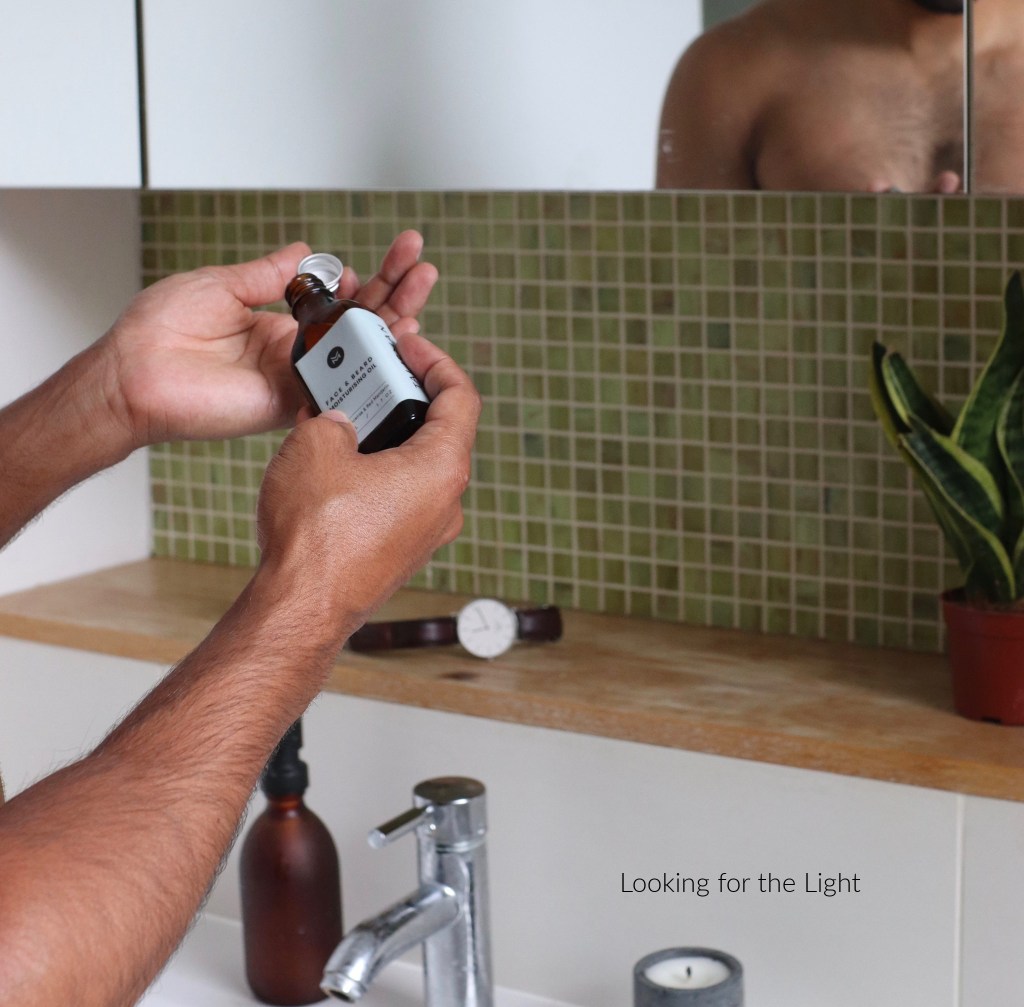
Men need self-care just as much as women, the manner in which you find a moment of joy may look different. A good foot soak is always a great way to relax, meditation, taking a 15-minute power nap, hot shave, scalp massage, hot bath, or even stretching exercises and aromatherapy is can be relaxing.
Does it seem like you can’t complete even the simplest task without being distracted? Texts, emails, social media alerts, noisy colleagues, ringing phones… Friends, you are not alone.
Distracted thinking — aka daydreaming or mind-wandering — affects everyone. In fact, researchers have found that people think about something other than what they’re actually doing — or supposed to be doing — almost half of the time. Turns out that a wandering, easily distracted mind is actually the default mode for the human brain.
Succumbing to distraction over and over, though, can build stress, foster unhappiness, and even lead to depression. So if you’re one of the many looking to figure out how to handle distractions and improve your ability to focus, take comfort in the fact that research has shown a way forward.
One word: mindfulness.
Mindfulness means maintaining moment-to-moment awareness of where you are and what you’re doing. At work, for instance, it means you’re focused on the project in front of you; walking with a friend, it gives you the ability to really focus on your surroundings and your conversation. Scientists have shown that you can actually train your brain to become more mindful. Like anything else, it just takes practice.
Ready to get started? These three practices have all proven useful in building mindfulness.
1. Mindfulness-based stress reduction (MBSR)
MBSR training has become a recognized way to help people learn to avoid distractions and increase their attention to the task in front of them. It can also help improve memory, motivation, and autonomy — all things likely to make you (and your boss) happier. MBSR programs typically include breathing, stretching, and awareness exercises.
2. Meditation
Meditation aims to increase your awareness of the present moment and help you develop a gentle, accepting attitude toward yourself. Regular meditation practice has been shown to actually alter the brain — in a good way. One study showed that the area of the brain dedicated to regulating your emotions was significantly larger in meditators. In other words, in a world determined to trip you up with distractions and unpleasant surprises, meditation can help you stay more positive and more focused.
3. Mindful movement
The hallmarks of mindful movement, or yoga — structured breathing, controlled movement, mental focus — make it sound like the perfect antidote to stress and distracted thinking, but does science back that up? Yes, over and over again. Many studies have found that, after beginning a yoga program, people feel less stressed, more focused, even more optimistic. In fact, yoga’s been found to be even more beneficial to people who’re highly stressed.
In today’s so-called attention economy, the world is actually being designed to distract you. Everybody wants your attention, and they want it right now. But you can take back control of your focus, shed that stress, and wake up happier to meet your day.
Ready to commit to becoming more mindful? Great, go for it!
Life can be stressful and times like these are not making it any easier. That is why spending time outside is encouraged for your mental health. Research has shown that time outdoors gardening can lift your spirits. Playing in the dirt can reconnect you with nature, allowing you to see the bigger picture and giving you a different perspective. Here are some surprising ways gardening can do wonders for your mental health.
Sometimes things are just the way they are and there may not be much you can do about it. In times like these, practicing acceptance comes in handy to keep your mental health in check. Life is unpredictable. Gardening will help you realize that life will blossom in the way it wants. Of course, you can provide an ideal environment for your plants to be strong, healthy and nutritious, but after a while, you have to let it do its own thing.
Allows You To Let Go Of The Need For Perfection
Life is not perfect. Nothing is perfect. Desperately trying to make things perfect will run you ragged and leave you frustrated. Wanting perfection can cause you to miss opportunities, damage your relationships, and can even paralyze you from trying something new. Nothing will teach you that more than planting your favorite vegetable or fruit. No matter how carefully you try to map out how your garden will look, how it will grow, or how many Ryobi trimmer reviews you read, there are many factors that cause imperfections in your garden. These are things like insects, diseases of your plants, bad weather, and pests. Gardening will force you to relinquish the need for perfection.
Allows You Change Your Mindset
One of the ways to maintain your mental health is to change your mindset from a fixed mindset to a growth mindset. When you have a growth mindset you believe that you are constantly learning even when things do not go as planned. You look at those situations as an opportunity to learn and grow instead of failure. It can change your perception of making mistakes. Gardening can help you work on building up that mindset. You cannot fail at gardening, even if all your plants die. All that you did is learn how to better take care of your plants for the next time.
Allows You To Connect
Gardening allows you to connect with people and the world. For one, gardening is a hobby enjoyed by many people around the world. If you garden, you will likely find a friend who enjoys gardening too. It also allows you to connect with the earth. Think about it; you are playing in its dirt all day and you are adding to it. You are creating an impact. Gardening almost feels like being a parent because you develop a bond with the plot of land you are tending as well as the plants that sprout out of it.
This post is from 2016 and on a topic I feel is important to discuss. When you take addictive medication, it’s essential to take the prescribed dosage. I was also suffering terribly from Lyme Disease at the time. You can see how out of control my life became by self-medicating and not taking the prescribed dosage.
Xanax is an anchor drug in my medication combo for treating Anxiety/Bipolar Disorder. I’ve taken Xanax for 15 years, it works miracles in keeping me grounded. Working quickly is an advantage with little to no side effects, EXCEPT ADDICTION. The downside side is addiction happens quickly after starting. For me withdrawal starts on the second day, my fourth day I look like a street addict who would sell my soul for a pill.
The emotional and physical breakdown took me to hell. My deep secrets/scars laughed and taunted me.
Here are some of the delusions I experienced.
Learned a new language
Surviving in the desert-like Jesus
Discovered potential link for Postpartum Depression
In touch with my families Indian blood
Could feel natural body rhythm
Felt small earthquake
Saw Bobcat tracks on the front tree
Started writing Country songs
Tweeting Gwen Stefani, Blake Shelton, and Pharrell, talked to Gwen and Blake several times, Pharrell retweeted twice. I was flooded with people wanting to follow me after seeing tweets from Gwen. I was overwhelmed.
Locked all computers down, trying to keep me from writing.
The physical pain is unbearable
Anger, pain, begging God to stop kicking me in the stomach, wailing, screaming, throwing up, four days without food.
Having to transition back one medication a day at a time
Delayed Lyme protocol by a week, reschedule the trip to DC by a month
More damage to areas already injured
Strain on marriage
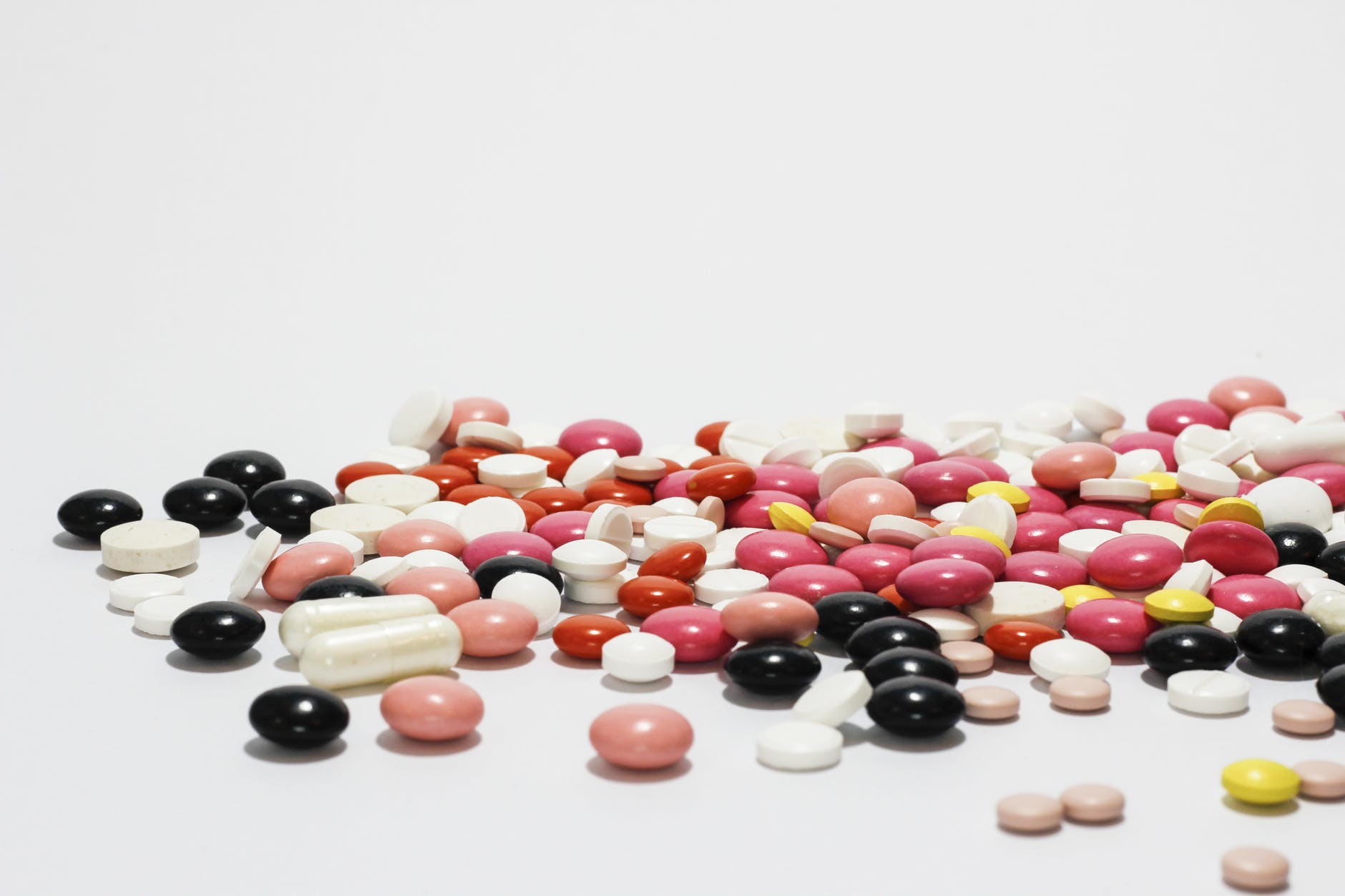
Xanax is a standard drug and withdrawal doesn’t cross my mind. I kept some pills in my purse, pills in my office, and the remaining pills went into master pill caddy. The trouble is not keeping up with how many total pills you’ve taken. I take several addictive medications for my mental illness and 4-5 addictive medications for Lyme treatment.
I am in pain 24/7 and resist taking pain medication instead I try to cover the pain with Xanax. I take two Xanax and I’m asleep a good 4-6 hours without pain. The Lyme Protocol calls for 4-5 addictive medications but they rarely put me to sleep. It worked the opposite and I would stay awake 2-3 days at a time which made my pain even worse.
Now all medications stay in the bottle or main pill cases.
I wrote most of this during or right after my withdrawal, you can see how my mind was not in control. Not only was my mental illness not under control but my physical health was badly damaged. Please keep all of your medication is one place and make sure you’re taking the prescribed dosage.
I am reblogging this post because I’m having to go thru withdrawal from Percocet & Belbuca since my Pain Management doctor fired me. I was scared to go to the office because of Covid and he didn’t offer Telehealth. The front desk kept insisting I had to come in, that he would not make any exceptions. So he fired me. He only wrote two weeks’ worth of medication and offered no referral. I can’t find and get into seeing another Pain Management doctor within two weeks. I asked for a month and was told NO. Belbuca is so expensive my pharmacy would not fill for just two weeks, they couldn’t have two weeks worth of an expensive drug setting on their shelves. I’ve since found out that Texas State Law required doctors who managed patients with chronic health conditions to offer Telehealth appointments thru September 1, 2020. I have filed a complaint with the Texas Medical Review Board.
Please remember to have a backup doctor should this happen to you. I did get a referral from my knee surgeon but I’m in no hurry to go in with Covid still on the rise in my area. I’ll deal with the withdrawal, just suck it up and wait. Covid is much worse!








 The Center for Disease Control surveyed adults from June 24–30, 2020 on mental health challenges their communities have faced during the COVID-19 pandemic. U.S. adults reported considerably elevated adverse mental health conditions associated with COVID-19. Younger adults, racial/ethnic minorities, essential workers, and unpaid adult caregivers reported having experienced disproportionately worse mental health outcomes, increased substance use and elevated suicidal ideation.The public health response to the COVID-19 pandemic should increase intervention and prevention efforts to address associated mental health conditions. Community-level efforts, including health communication strategies, should prioritize young adults, racial/ethnic minorities, essential workers, and unpaid adult caregivers.Student support is more important now than ever before.Our program was featured on KPIX-TV, a San Francisco based news channel, and the impact COVID-19 has had on youth mental health. BC2M student, Colby Peck, referred to the pandemic as a lethargy where her anxiety feeds into insomnia that creates more anxiety.
  BC2M is excited to introduce you to a new supporter –




















 lookingforthelight.blog