

Health and Wellbeing · Men & Womens Health

My Take On The Opioid Crisis

Photo by Andrea Piacquadio on Pexels.com

As we round out Pain Awareness Month I wanted to share my thoughts on the global opioid crisis. I have been fortunate to have seen the good and not so good but nowhere near the worst side of the opioid crisis.

First and foremost DOCTORS are responsible for educating themselves on each medication they prescribe and the side effects. Every doctor needs to share this information with the PATIENT who is also responsible for reading the directions, following the directions, report any side effects, and to be honest with the doctor when discussing your pain levels.

The type of doctors who have created this crisis is the ones who recklessly overprescribed patients and did not have a responsible follow-up and withdrawal plan. I heard a story on television about a man who was in a car wreck who has prescribed over 20 pain pills a day. No-one is in that much pain, you can’t function on that level of medication and no responsible doctor would prescribe that amount.

Doctors are responsible for monitoring their patients, if a patient can’t make it till the end of the month before needing a refill, it’s time to have a face to face and reaccess the pain. I did this with my doctor for months before reaching the right dosage.

The not so good experience I had was making the mistake of thinking my general doctor could manage my pain effectively. I went along this way for several years until I maxed out the dosage on my medication and he didn’t know where to do from there. I eventually sought out a Pain Management doctor and had real success and real failure.

The great success lasted two years, he required me to see him every time a refill was needed. We would talk about how my pain was, any issues with the medication, any other treatment options he might have in mind, have a urine sample, and discuss my concerns. After that, he would call in my refill. I think this is the responsible management of a patient.

The great failure came when COVID hit the shores. The first two months I had Telehealth visits and my refills were called in no problems. The third month I call to get my prescription refilled and I’m told I have to come into the office. I stressed to the admin that I had a new immune disorder and to talk with the doctor to see if he would make an exception. She said no, I have to come in it’s the law. I know better and cussed at her. It’s not a DEA law that a patient must come in every three months for a urine test, it’s the doctor’s call. I offered to go to the local lab for a urine test and was told no. End of story. I only received two weeks’ worth of medication and throw away like wet trash.

I did file several complaints with the Medical Review Board but I don’t think he will suffer any consequences.

Doctors should be bound by their license to not dismiss a patient who is addicted to pain medication and expect them to find another doctor within two weeks, let alone during a pandemic. He had no withdrawal plan, a responsible doctor would have said I no longer want your business, you cussed at my employee and over the next 30-45 days you need to find another doctor and I will start a withdraw plan with you now.

Every DOCTOR and PATIENT has a responsibility when taking any type of medication, it doesn’t matter if it’s addictive or not. All medications including over the counter medications, including children’s medications have side effects. It’s the doctor who needs to share the most common and the “when to call or go to ER” symptoms. We also have to reach out by asking questions and seeking information on the internet if necessary in order to manage our medications.

I still have not scheduled an appointment with a new Pain Management doctor. I am lucky enough to have had enough pills to go thru some type of withdrawal and will wait until the virus numbers stop spiking in the state. My hands still shake and I still need the medication but I need the virus less. I’m blessed my pain has not spiked.

In Health,

Melinda
Health and Wellbeing

October Domestic Violence Awareness Month

In a couple of days, we will come together once again to commemorate Domestic Violence Awareness Month. However, this year is different and, in some ways, more critical than ever. 

Domestic violence was an epidemic before COVID-19, with nearly one in four women and one in seven men reporting that they experience violence from their spouse or partner in their lifetimes. Unfortunately, the virus has dramatically exacerbated the problem. While home was supposed to be a safe place to go in the lockdown, it was even more dangerous for victims of domestic violence to be isolated and alone with their abusers. Reports of abuse have skyrocketed in the U.S. and around the world.

Even as COVID-19 restrictions are lifted, the abuse will not simply end. That’s why we need your support more than ever this October. We can only end the epidemic of domestic abuse when we talk openly about it; remove the shame, blame and stigma; support survivors; hold abusers accountable; and engage everyone—women AND men—to help end the violence once and for all. 

Today we’re asking you to consider using your voice and your platforms during Domestic Violence Awareness Month to do just that—be part of the solution. Please take the NO MORE pledge, print out your NO MORE signs, talk to your kids about healthy relationships, engage your workplaces, and help raise critical funds to support our efforts to change the culture and stop the violence before it starts. 

Now is the right time to plan a Domestic Violence Awareness Month Facebook fundraiser for NO MORE. Set your own goal and share it with friends and family to achieve it. Tag us in your fundraising posts so we can send our thanks and give you a shout out. Check out our Ways To Give page for more ideas on how you can champion NO MORE’s efforts this coming month and beyond. 

Thank you in advance! Your contribution will go a long way not only to support survivors but also to prevent violence from starting in the first place.
 Stay tuned! We’ll be sharing more of our efforts and ways you can get involved throughout Domestic Violence Awareness Month. 
LEARN MORE
Health and Wellbeing · Men & Womens Health · Mental Health

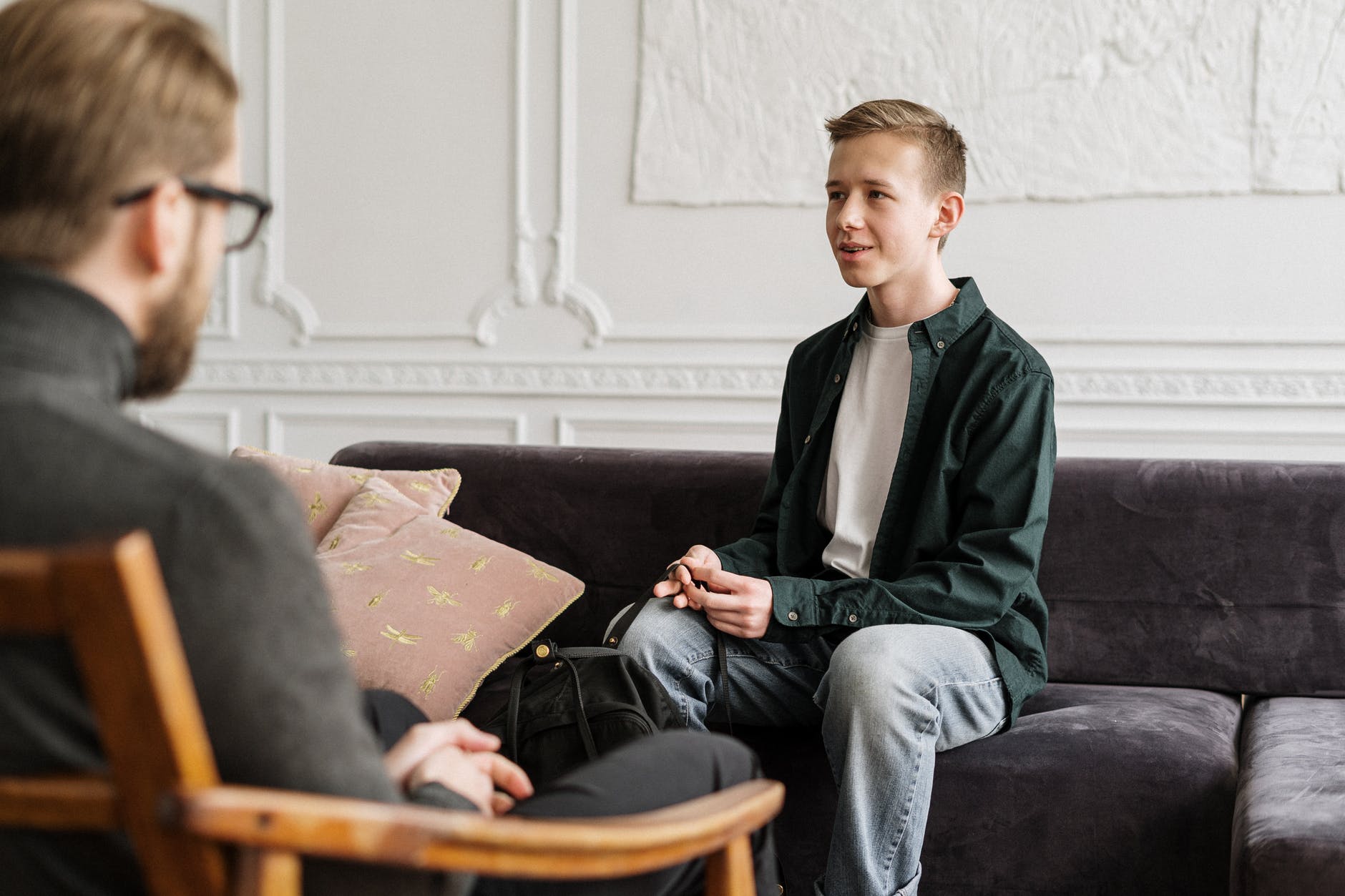
5 Simple Steps For Dealing With Mental Health Problems

Mental health issues affect one in four people. This could range from stress, anxiety, and depression, to severe mental health issues such as bipolar disorder, schizophrenia, or borderline personality disorder. 

Photo by cottonbro on Pexels.com

Often, it can be hard to understand the cause of these mental health problems. They may be triggered by something that has gone on in your life such as the loss of a loved one, or a big change such as moving to a new city, or a change in career. Whatever the cause, it is essential that you practice self-care. 

But what can you do to treat your mental health problems? 

Here are some of the steps you should take if you are experiencing any mental health difficulties in your life. 

Speak To Your Doctor 

If you are struggling with stress, anxiety, or depression in your life, then you should speak with your doctor at the earliest possible opportunity. Your doctor should talk you through what is happening in your life in order to understand whether you should be treated with self-care,

antidepressant medication, or whether you would be a suitable candidate for talking therapy such as cognitive behavior therapy

Speak To A Counselor 

If you are able to speak with a counselor, do so. You may be able to get referred to one by your doctor. If not, there are plenty of specialist counselors that will be able to take you on. 

Different counselors and therapists will have their own approaches to dealing with mental health issues such as depression and anxiety. Make sure that you are happy with the counselor’s approach before you commit to a course of sessions with them. 

Use CBD And Other Alternative Treatments

One of the areas that there is growing research into is the use of alternative treatments such as CBD. CBD comes from the same plant as cannabis except it doesn’t have any of the psychoactive ingredients as cannabis does. It just relaxes you and relieves symptoms of stress and anxiety. 

Another alternative treatment option may be psychedelics. You can read more about this at psychedelicspotlight.com

Eat Well

There is a lot that can be said about the way that you eat. By making sure that you are eating a balanced diet, you will be able to help to give yourself the energy that you need to keep going. 

To fight off stress and depression with your diet you should look at getting your starch fix with whole grains and beans. You should be sure to eat plenty of fresh fruit and vegetables. Instead of eating red meats, you should eat fatty fish like salmon or tuna. Finally, add in healthy fats, such as raw nuts and olive oil.

Exercise 

Exercising is a great way of clearing your head. It gives you endorphins which is a feel-good hormone that will balance out the stress hormones that your body will naturally be producing. 

Start small. Even going for a short walk will be very helpful. 

This is a collaborative post.

In Health,

Melinda

Health and Wellbeing · Men & Womens Health · Mental Health

Kanye West’s mental health battle is a wake-up call for empathy

Analysis by Lisa Respers France, CNN

Friday, September 18th 2020, 9:05 AM

I’m not asking you to feel sorry for Kanye West.

The rapper/designer/provocateur may have earned as many critics over the course of his career as he has fans. But West’s mental health, which he has been open about, should be observed with sensitivity.

His recent interview with Forbes, concerning tweets and a press conference in which he made inaccurate statements about Harriet Tubman have raised alarms about his current well-being.

His wife, Kim Kardashian West, appealed to the better nature of the public last week with a plea for compassion for her husband, who she acknowledged has bipolar disorder.

“Anyone who has this or has a loved one in their life who does, knows how incredibly complicated and painful it is to understand,” she wrote in a note posted on her Instagram stories. “I’ve never spoken publicly about how this has affected us at home because I am very protective of our children and Kanye’s right to privacy when it comes to his health. But today, I feel like I should comment on it because of the stigma and misconceptions about mental health.”

In terms of the spectacle of it all, we have been here before with Ye. But he’s not the only celebrity who has confronted such challenges in the fishbowl that is the entertainment industry:

Jenifer Lewis: In a 2018 interview with CNN, the “Black-ish” star spoke about West’s much-reported meeting with President Donald Trump in the Oval Office.

Lewis acknowledged knowing full well what living with bipolar disorder can feel like in the public glare.

She was first diagnosed with it in the 1990s and wrote about her struggles with mental illness in her memoir, “The Mother of Black Hollywood.”

Lewis wept with concern for West at the time.

“Part of the disorder is not wanting to tame the mania,” she told me. “The high is so high and it feels great, but it’s dangerous. It’s so dangerous.”

She and I discussed the need to remove stigma surrounding mental illness — especially in the Black community.

“I cannot say enough how dangerous this disease is,” Lewis said. “And it is a disease. People need to start treating it like a disease like they do cancer, not as something to point at and laugh.”

Britney Spears: West has indeed been treated as a joke by many. Much like another celebrity whose mental health has been back in the headlines.

Britney Spears’ younger sister, Jamie Lynn Spears, weighed in last week after singer Halsey posted a series of tweets about mental illness.

“No jokes right now. I have dedicated my career to offering education and insight about bipolar disorder and I’m so disturbed by what I’m seeing,” Halsey wrote. “Personal opinions about someone aside, a manic episode isnt a joke. If you can’t offer understanding or sympathy, offer your silence.”

Jamie Lynn Spears offered her perspective.

“If you deal with mental illness or care for someone dealing with mental illness, then you know how important it is to respect the situation with privacy for the person, and the family trying to protect their loved ones, no matter how it may appear to the public, and as the public we must learn to do the same,” Spears reportedly wrote on Instagram in a since-deleted post.

She went on to defend her older sister after a commenter implored her to “clarify assumptions” about Britney Spears’ mental state.

“I would never speak our just to clarify things to the public, when the person it pertains to does not want that to happen,” Spears wrote. “I’d rather take all the hate, [than] speak about someone else’s personal matter, that they want to be kept private.”

Britney Spears has been subjected to tabloid fodder about her health since 2007, when she was hospitalized for mental health treatment and her father was granted conservatorship over her affairs.

The #FreeBritney hashtag gained traction from those who want that conservatorship to end.

Spears posted on Instagram last year to let her followers know, “All is well.”

Still, the #FreeBritney campaign has continued — and this month intensified due to a pending legal matter regarding the conservatorship — as her health gets picked apart by the public.

Tamar Braxton: As was the case when Braxton, who stars on the reality series “Braxton Family Values,” was reportedly hospitalized last week.

“This is an extremely difficult time for Tamar and her family as she navigates professional and personal struggles including her battle with depression,” Braxton’s boyfriend, David Adefeso, said in a statement to People.

“Tamar is currently receiving the best available medical attention to address those struggles and strengthen her mental health, and her family and I will remain by her side throughout her treatment,” he went on to say in the statement. “Mental health is a common issue, affecting 1 in 5 Americans.”

During this time of the pandemic, those numbers could increase with so many of us stressed, anxious and worried for the future.

Those in the public eye who are challenged with mental health issues should evoke our empathy and serve as a reminder to reach out for help if needed.

CNN has contacted reps for all three celebs for comment but has not yet received responses.

Read here for some of the best ways to take care of your mental health during the Covid crisis.

Fun · Travel

#Wordless Wednesday Fall In Alabama

Hi, it’s Wednesday! I’m so glad you stopped by today, I appreciate you being here. This week I’m taking you to the state of Alabama. I love the photo and how it captures all the different shades of red.

In health,

Melinda

Health and Wellbeing · Men & Womens Health

Independence As You Age – How Do You Master It?

Staying independent as you age doesn’t have to be a stroke of luck, or hit or miss. You can ensure you remain independent as you age by taking some important steps as regularly as you can. Now, although the earlier you start the better, it’s never too late to start looking after yourself. Below, you’ll find some pointers that will allow you to master independence, whatever age you are:

Photo by Andrea Piacquadio on Pexels.com
  1. Start Exercising Regularly 

The first and one of the most important things is to make sure you’re exercising regularly. You don’t need to work out like an athlete or do crazy workouts that you don’t feel ready to do, but you should find a type of exercise that you enjoy and believe you can do in the long run and stick to it. In fact, mixing up the types of exercise you do is a great idea, as this will ensure you have all of your bases covered, whatever happens. For example:

  • Pilates, yoga and even simple stretches can help you to stay flexible and release tension in the body. 
  • Walking is a great way to ensure you’re balancing out the time you spend sitting down, and also helps you get fresh air and vitamin D if you do it outside. 
  • Swimming is a great low impact exercise for the joints and can strengthen the whole body.
  • Strength training keeps the muscles strong, which in turn can make living easier as you age. 
  • Classes can help to keep you motivated as you work out alongside others. They may not help you to reach ‘specific’ goals, but they can be a lot of fun and there’s no harm in doing them once in a while. 
  1. Stop Being Afraid To Ask For Help If You Need It 

When many think of being independent, they think of being hyper independent. This usually means not asking for help from anybody and doing things completely alone. However, humans are social creatures, and we do need some interaction from time to time. Not only that, we can’t always do things along. Fostering independence is great, but don’t become so independent that you can’t ask for help if you do need it. In fact, many elderly people opt for a senior care service so that they can continue to enjoy life in-home as they age. 

  1. Focus On Eating A Balanced Diet 

A balanced diet will work in harmony with your exercise routine to keep you healthy and happy. You don’t need to eat ‘clean’, but you certainly shouldn’t be eating a load of processed foods each day. Here are some pointers:

  • To make sure you’re eating enough without obsessing, opt for 3 meals and 2 snacks each day. Depending on the size of your meals, you may want to have more.
  • When plating your food, make sure you have carbs, healthy fats, and protein. Vegetables should be eaten with most meals and take up a large portion of the plate.
  • Ensure you’re getting enough fiber. 
  • Don’t ‘ban’ foods or get sucked into unhealthy marketing tactics. Many ‘low calorie’ meals are not healthy, they are just marketed to those who want to lose weight. You will still be hungry. You’d be better off cooking a meal from scratch and actually feeling satiated afterward. 

credit

  1. Stick To Regular Health Appointments 

Make sure you make a note of when your health appointments are due and keep up with them. Sticking to them will ensure you can catch anything early on and give you peace of mind. There may be nothing wrong with you at all, but visiting the doctor, dentist, and optician regularly is the only way to confirm this. 

  1. Practice Using Technology

Yes, technology can cause problems. However, it’s here to stay. Getting used to using it will only be a good thing for you. Don’t call yourself a ‘technophobe’ as you have no reason to learn to use it this way. With good technology, you can make living at home easier and staying in touch with your loved ones a breeze. 

  1. Keep Your Mind Alert

Keep your mind alert by doing puzzles, reading, and learning new things. Make sure you take care of your mental health, too!

  1. Look For New Hobbies and Challenges

Don’t stop learning just because you’re aging. Look for new hobbies and challenges and show yourself what you can do. It’s never too late to try something that you’ve always wanted to try. 

Independence, as you age, is achievable for all – start now and you’ll see. 

This is a collaborative post.

In Health,

Melinda


Health and Wellbeing · Men & Womens Health · Mental Health

Research Discovers Spending Time In The Garden Boosts Mental Health

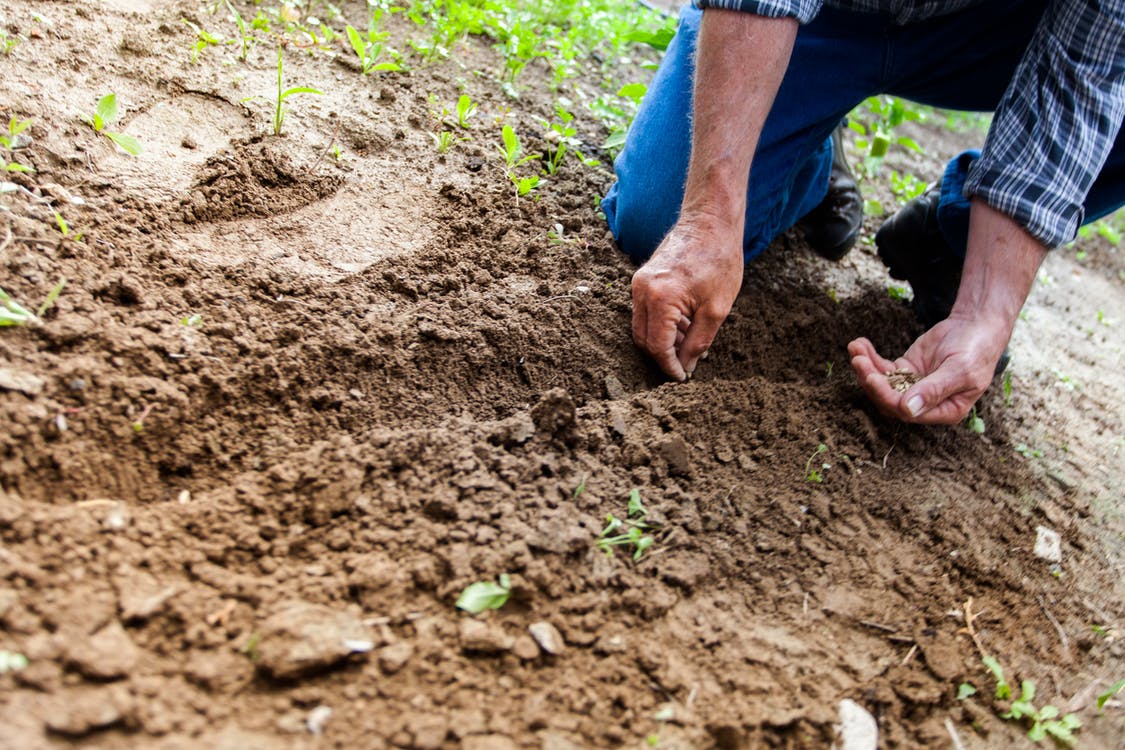
Spending time in the garden makes a massive difference in your overall wellbeing and longevity according to research by the Royal Horticultural Society – a UK-based based charity. Investigators studied more than 8,000 people between 2009 and 2016 following their daily gardening habits. They found that those who spent more time in the garden had better overall psychological and physical wellbeing. 

The findings were dramatic. The research indicates that the difference in health outcomes between the people who spent the most time in their gardens compared to the least was the same size as the difference of living in a wealthy area compared to a poor one. 

Pexels – CC0 License

The findings suggest, therefore, that we should all be looking for ways to open up our gardens and spend more time in them. We should view our outdoor spaces as both beautiful places to spend time and tools for improving our mental health. Like exercise, the areas around our homes are places that can potentially alter our neurochemistry and change the way that we feel. 

People With Access To Private Gardens More Likely To Report Psychological Wellbeing

The study also found that even people with access to private gardens were much more likely to be in good psychological health. Those who could have a yard or private space to themselves reported feeling much happier to the researchers. 

What’s more, the evidence suggests that merely having a garden is often sufficient to confer the benefits, not the process of gardening itself. Thus, people with an outdoor space beside their home were much more likely to experience the health and wellbeing benefits compared to those who didn’t. 

The lead researcher on the project suggested that the findings were indicative of the fact that people need to feel close to nature to have a sense of contentment. Gardens might have a crucial role to play in issues of public health she said. 

How To Spend More Time In The Garden

So, while this research is interesting, it doesn’t answer the practical question of how to spend more time in the garden. We’d all like to be outside as much as possible, but often, it’s not possible. So what can we do? 

Let’s take a look. 

Purchase A Laptop

If you can work from home, purchasing a laptop can be one of the best things you do to increase the amount of time that you spend in the garden. You can connect to the internet, take it out to the garden, and then spend all day among the flowers and the birds, weather permitting. 

Install Decking

Getting deck builders to install decking is another way to make your garden spaces more practical. Having somewhere off the grass to place garden furniture can encourage you to use your garden as an entertainment space. 

Build A Garden Room

A garden room is simply a room in your home that connects the garden to your indoor space, encouraging you to use both. 

Most modern garden rooms have sliding doors that act as a kind of interface between your indoor and outdoor spaces. But you can do it in other ways, such as bi-folding doors. 

Install A Summer House

In certain parts of the world, it’s not warm enough to spend time outdoors year-round. Spending time on your patio isn’t fun when it’s freezing cold. 

The obvious solution to this problem is a summer house – a strange name for something you’ll use in the colder months of the year. And because it provides shelter, you can place indoor furniture inside, making sitting in it more comfortable. 

Get A Vegetable Patch

Vegetable patches offer two advantages. First, they let you grow tasty organic food. And secondly, they force you to get out into the garden and take care of them. 

Your onions and leeks can become a real source of focus that takes your mind off other things. When you’re digging up soil and planting bulbs, you’re not thinking about all the things that affect your wellbeing. It’s a healthy physical activity that takes your mind off things and allows you to thrive. 

Subscribe To A Gardening Magazine

Pexels – CC0 License

Finally, subscribing to a gardening magazine is something that can inspire you to get out into the garden and create something beautiful. Editors introduce you to essential concepts, such as when you should plant bulbs and how you should arrange your beds. You’ll also learn practical things, such as how to weed and the tools you’ll need to keep your yard looking good all year long. 

This is a collaborative post.

In Health,

Melinda

Health and Wellbeing

Is Alternative Medicine Suitable For Your Pet?

If your furry friend is struggling with digestive problems, bad breath, dry skin, and more, your first port of call is to reach out to your vet to get him checked out, right?

We all want what’s best for our animals to keep them happy and healthy, but some pet parents are concerned with resorting to ‘Western medicine’ when it comes to their care. One of the reasons pet owners express concern in this area is the overuse of medicines to deal with some issues. Are some of the most common side effects worth it in the long run.

Photo by Snapwire on Pexels.com


Some pet owners have since looked into the use of alternative medicine for the treatment of some common animal complaints. Before considering the use of alternative treatments for your pets, it is important to speak to a registered veterinarian who will advise you on the best treatments for your pet. 

Here are some of the alternative treatments you can use to treat your animals, and some of the things you need to know about them. 

Acupuncture

The treatment that involves inserting small needles in certain parts of the body to balance the energy flow, thus treating pain and chronic ailments, acupuncture is a popular choice for pet owners to use on their animals, too. It is pain relief without the excessive use of chemicals from western medicine.  

Food 

Every animal has to eat, and a good way of sneaking medication into a pet is through their food as their favorite wet food will disguise the taste of nasty medicines. However, some companies such as petness.com provide animals with tasty hemp-based products for dogs that not only have a huge range of health benefits such as easing pet anxiety and sleeping issues, but they’re tasty, too! 

Supplements

Where there are perhaps some nutritional shortfalls in the diet, nutritional supplements can benefit pets by supplying additional vitamins, minerals, amino acids, and vital fatty acids to encourage optimal health

Massage 

Another popular treatment for humans. Pets can also enjoy the benefits of massage from lowering the stress hormones in the body, pain relief, increased circulation, and a boosted immune system. Once pet owners have the correct training, this could also be done at home saving a lot of time and money! 

What Do Vets Think About the Use of Alternative Therapy? 

While alternative therapy is increasing in popularity among pet owners, many vets do not like to encourage the use of alternative therapies. This is mainly due to the fact that, unlike western veterinary treatment and medicine, many of these therapies have not been scientifically proven to work for the treatment of various illnesses or complaints. 

This doesn’t mean that these treatments are always ineffective, however- it just means that highly funded case studies have yet to be completed meaning that these alternative treatments haven’t been put to the test.

Some vets are incredibly open to the idea of the use of alternative medicine, with some schools even offering training in the area to go alongside western treatments. 


Pexels-CC0 Licence

This is a collaborative post.

In Health,

Melinda

Health and Wellbeing · Men & Womens Health · Mental Health

Lady Gaga’s new book inspired by her childhood mental health struggles

By Celebretainment

Sep 16, 2020

Lady Gaga's new book inspired by her childhood mental health struggles

Lady Gaga’s personal trauma influenced the book she is penning with her mother.
The ‘Rain On Me’ hitmaker and her mum, Cynthia Germanotta, have worked together on ‘Channel Kindness’ – which is a collection of 51 stories of kindness from young people across the world – and the pair revealed the idea for the book stemmed from the singer’s experience with mental health problems at school.

Gaga told PEOPLE magazine: “I didn’t know how to stand up for myself without feeling embarrassed.”

Cynthia admitted she feels “horrible” that she wasn’t able to support her daughter, and blames generational differences for her lack of communication at the time.

She explained: “There was a shame of sharing some of this with me. And I feel horrible about that.

“I was raised differently, where you just have to be tough and not talk about your emotions. I didn’t always understand the difference between normal biological teenage development and a real problem.”

Gaga hopes that the book can encourage “resilience” in younger people suffering mental health problems and help develop an understanding, just as she has with her mother.

The 34-year-old singer – whose real name is Stefani Germanotta – said: “There are things that create highways from heart to heart, where we can hold compassion and empathy, where we can celebrate everybody’s resilience.

“When I was younger and had mental issues, my mom didn’t know how to communicate with me about it. We’ve found a way to channel kindness into our lives in a way that’s also healed our relationship.”

Gaga added: “I’m just really grateful that my mom holds space for me to be able to talk about how I feel. And because of that, we have a very healthy relationship that is beautiful.”