In a search and rescue scramble that gripped the world’s attention for more than two weeks, the last of 12 Thai youth soccer players and their coach are safely rescued and transported to a local hospital on July 10, 2018. On June 23, 2018, Ekkapol Chantawong, 25, and his players, …read more
In Auckland harbor in New Zealand, Greenpeace’s Rainbow Warrior sinks after French agents in diving gear plant a bomb on the hull of the vessel. One person, Dutch photographer Fernando Pereira, was killed. The Rainbow Warrior, the flagship of international conservation group …read more
On July 10, 1943, the Allies begin their invasion of Axis-controlled Europe with landings on the island of Sicily, off mainland Italy. Encountering little resistance from the demoralized Sicilian troops, the British 8th Army under Field Marshal Bernard Law Montgomery came ashore …read more
The United States Patent Office issues the Swedish engineer Nils Bohlin a patent for his three-point automobile safety belt “for use in vehicles, especially road vehicles” on July 10, 1962. Four years earlier, Sweden’s Volvo Car Corporation had hired Bohlin, who had previously …read more
On July 10, 1850, Vice President Millard Fillmore is sworn in as the 13th president of the United States. President Zachary Taylor had died the day before, five days after falling ill with a severe intestinal ailment on the Fourth of July. Fillmore was only the second man to …read more
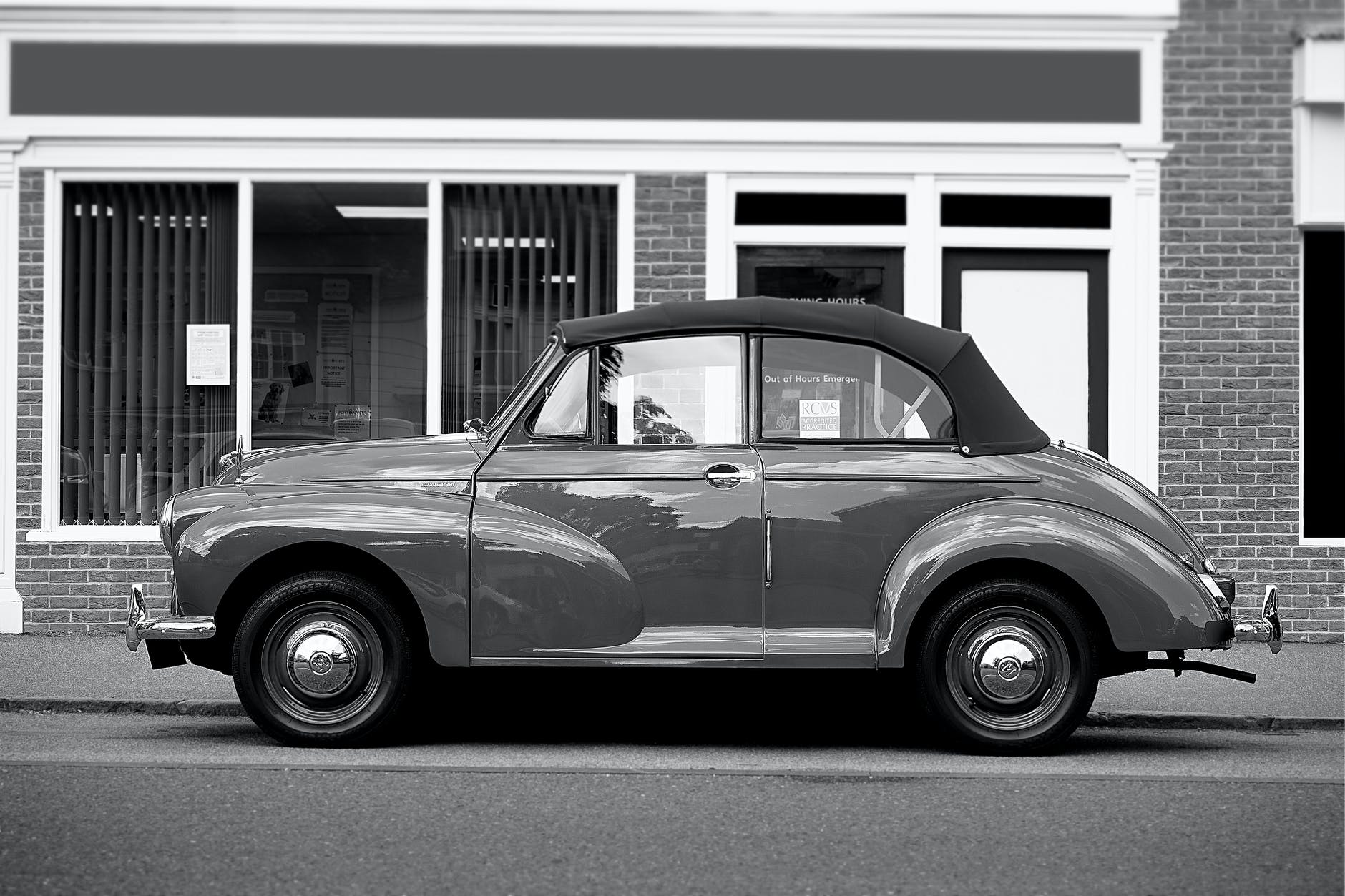
If you are like most people, you try as much as you can to avoid the thought of selling your car because you are holding on to an emotional viewpoint. However, cars come in the category of our most significant assets, but the ones that decrease in value. You might sometimes drive your vehicle thinking that it is in perfect shape, while the people around you clearly see that it is not. This means that you need to be smart enough to know when the ideal time to sell your car is.
The following are some signs that will let you know when it is time to sell your car:
You hear some strange noises
It is very wise to pay attention when your car starts making some strange sounds. A vehicle that screeches when braking means that the braking system, or rather the brake pad, is rubbing upon the rotor. On the other hand, a squealing sound coming from under the bonnet can indicate a loose or worn-out serpentine belt.
There are many other sounds that a car can make to indicate there is trouble, and none of them is pleasant. Strange sounds mean that your car is trying to tell you something, so listen carefully and act fast. Take your car for an inspection to identify the problem.
It no longer meets your needs
Life changes when you get married and start having kids. You cannot just go driving around in a deathtrap. So if you own a smaller car, you will need more space for your growing family. You might want to consider selling your car and buying a new one, preferably an SUV or a minivan.
Repairs cost more than the actual value
An aging car means more and more problems. The value continues to decrease, and every visit to the mechanic gets more expensive and finally starts taking over the actual buying price of the car. Car issues like engine and transmission problems can make a big hole in your pocket and significantly lower your car’s value.
At first, the repairs might seem like the best thing to do; besides, it’s just the engine and transmission. However, soon enough, other problems start to arise and crawl on your budget. This is a clear sign that you will need to sell that car as quickly as possible. It’s better to have a new car than an old one that requires many repairs.
It doesn’t feel safe anymore
The safety and well-being of your family are of the highest significance than the value of any car. It is time to sell a car that starts to show significant safety problems. Your vehicle doesn’t necessarily have to be old to tumble on major safety standards; it can be one of those cars that are due for a recall due to jeopardized factory standards or behind safety improvements. So, using this type of car will mean that you are putting yourself and your loved ones at risk and the other road users too.
Tire treads are deteriorating unequally
Uneven or premature tread wear can sometimes be caused by something as simple as overinflated or underinflated tires. However, sometimes, it could indicate an even bigger problem, like in the suspension. Keep in mind that suspension problems can be more complex and even expensive to fix. It might now be time to sell your car.
The Rust is Visible
Oxidation is a ruthless and troubling thing as it can spread like a rash on your car. You can solve this problem, but once it starts to spread, it gets harder to restrain. Rusting can spread to almost every part of your car, including the doors, suspension, exhaust, and unprotected undercarriage.
Remember that rust is one of the things that savvy car buyers check for when buying a car. So, whenever you notice rust, consider selling your vehicle before it spreads to other places.
It is still in good condition, and you want a new car
If you want to sell your car with less stress, it is better to do it when everything is still in good condition. This is because it can be way harder to sell a car that has many mechanical issues. Besides, when buyers realize the car needs repairs, they tend to ask for a deduction of the repair costs from the asking price.
Final Thoughts
Is your car spending a lot of time in the mechanic store rather than on the road? If yes, it is time to sell it. However, before you buy another car, it is essential to determine the value of your car to decide whether it is worth repairing or just selling it.
Are you planning to purchase your first motorcycle? While this can be an exciting moment, you need to consider several things to make an informed decision. You don’t want to make some mistakes that could cost you the investment. If you don’t know where to begin, you shouldn’t worry because this guide got you covered. It outlines vital tips anyone may need to know before purchasing a motorcycle.
It is essential to complete a motorcycle safety course to improve your safety on the roads. Much like driver’s training, this will ensure your safety and that of other motorists. Remember, you’ll be one of the most exposed bikers out there – so play it safe!
Are you an experienced motorcyclist? You may want to consider a refresher course and enhance your skills. If you already have a bike and are looking to accessorize it, you may want to check this website for great offers.
Motorcycle Insurance
Like when purchasing a family car, before you buy your new bike, you’ll need to make sure you have insurance as well. In many states, motorcycle insurance is mandatory, so this will be an additional cost on top of the purchase price. So why do you need insurance cover? It can protect you in many instances, including if you cause property damage or injure someone unintentionally.
One of the most critical motorcycle insurance covers includes liability coverage for protection against property damage and personal injury lawsuits. Other policies you may need after purchasing your motorcycle include:
Comprehensive insurance
Medical coverage
Collision coverage
Underinsured and Uninsured motorist policy
Should You Buy from a Dealer or Private Owner?
Whether you want a used or new motorcycle, you can buy from a private seller or a dealer. Evaluate your needs and choose what you think suits you. For example, a dealer can offer more comfort because their motorcycles may come with a warranty and assurance. On the flip side, a bike from a private seller could be less costly.
The Size of the Motorcycle
The size of the bike you want to buy is an essential consideration that you shouldn’t ignore. How do you know your proper size? First, know why you want to buy the bike. This way, you can understand the best motorcycle size you may need. For example, do you need a motorcycle for commuting and avoiding daily traffic? You may consider a small bike. On the other hand, for sports, a heavier bike can serve you better.
Consider Your Physique
If you’re like most bikers, chances are you want a motorcycle that you can use with utmost comfort. This is where your physical body comes into play. For example, you don’t want a bike that’s too tall or too small for you. The best way to ensure the bike you purchase won’t be uncomfortable is riding to test it before committing to the purchase.
Availability of Parts and Accessories
With a motorcycle, you can customize it according to your personality and needs. The good news is you can check the available accessories in the market and accessorize your bike. So whether you want highway bars, saddlebags, custom exhaust, backrest, or windscreen, the market has everything you may need.
Conclusion
If you evaluate your needs and establish what you want, purchasing your first bike shouldn’t be challenging. Consider these factors for your next purchase and avoid common pitfalls.
I’ve read books most of my life and some have made an impact on me personally and others professionally. Several of the books below are religious but are great reads that could change your life. Here’s a small list of books you may want to check out.
The Worst Hard Time by Timothy Egan
If you live in Texas or want to know about life in Texas during the 1930s, this is the book to read. When I bought the book I had not heard about the Dust Bowl so the book was a huge surprise. I can’t imagine living in drought, depression, and hopelessness. One story that sticks with me is an entire family was coming back from church and a dust storm blew through and killed the entire family, just suffocated them in the vehicle. Another story that hangs with me is how everyday people would take wet towels and put them in windows to prevent the dust from coming into the house. You have to remember this was also in the heat of summer when you could not open your windows.
Seven Choices by Elizabeth Harper Neeld, Ph.D.In
I bought Seven Choices when my gramps died. His death knocked the air out of me and I did know how to move forward. I had my therapist but knew I needed something extra to help me walk thru the phases of grief. It’s an interesting personal story and the learning you get is thru the learning she finds in her own life. The book helped me so much I know if I need it again it will be there.
Mad Mary by Liz Curtis Higgs
Mad Mary is a religious book that takes you by surprise. The book portrays Mary Magdalene as a homeless woman who people think has a mental issue. They shun her and treat her poorly. It’s an easy read and the bottom line is you never know who someone is and who you are treating badly. I have the highest regard for Mary Magdalene so it makes the book more special.
The Passion of Christ
I read this book after seeing the movie and I was surprised I could cry even more. What can you say? The story of Jesus’ death is profound, leaves me speechless, and sobbing. If you want to read about the last of day of Jesus life, his journey of carrying the cross to his final resting place this is the book for you
Man Search for Meaning by Viktor Frankl
I was blessed with a great teacher in boarding school who gave me books that changed my life. The most important book was Man’s Search For Meaning. I read this book at 13 years old and have read it many times since. How can you not appreciate the life you have after reading what Viktor Frankl went thru to stay alive. Viktor is a Holocaust survivor and an extraordinary man. He managed to engage his mind every day to keep learning in order to stay sane. This is a must-read book for everyone of all ages.
Shock by Kitty Dukakis and Larry Tye
Kitty Dukakis suffered terrible depression during her husband’s time in politics and she reached a point where she couldn’t go on any longer. Just like you or I, she checked herself into a Psychiatric Hospital and received Electroconvulsive Treatments in order to come out of her darkness. She raw, not pretenses, no special treatment just a patient who is suffering from severe depression. I read this the first time shortly after I spent time having ECT treatments myself. It was comforting to read about someone who is in the same place, same struggle, and see them come out on the other side.
90 Minutes in Heaven by Don Piper and Cecil Murphey
This is a short read book that will have you pulled in from the first minute. It’s a true story about a horrific car accident and the extraordinary measure the medical staff went thru to save Don’s life. During that tie, Don dies and he shares his account of his journey to the other side. It will open your eyes, make you remember life is short, and say what you have to say today not tomorrow.
Hope you find something you may not have heard of and want to take a look at it.
By changing your focus, you can find people with a track record for tackling and overcoming challenges, says HR consultant Suzanne Lucas.
This post is part of TED’s “How to Be a Better Human” series, each of which contains a piece of helpful advice from someone in the TED community; browse through all the posts here.
“Talent” is a prized commodity in the business world. Instead of employee assessments, now there are talent assessments. Companies used to have directors of recruiting; now they have directors of talent acquisition. What do senior leaders worry about most? Talent shortages.
Well, it’s time for organizations to stop fixating on talent and to focus on skills instead, says Suzanne Lucas. AsLucas, an HR consultant and writer of the Evil HR Lady blog, explains, “When we use the word ‘talent’ to refer to employees, what we’re implying is you need to have the knowledge, skills and abilities to do the job perfectly from day one.”
Lucas arrived at this conclusion thanks to a close friend with a unique profession — she’s a professional organist. One day after a fantastic performance, Lucas gave her “what I thought was a compliment,” she recalls. “‘Liz,’ I said, ‘You are so talented.’ ‘Thanks,’ she said. ‘But I’m actually not more talented than most people; I’ve worked very, very hard to get to where I am today.’”
Her reply opened Lucas’s eyes to the role of learning, effort and practice in our professional development. Yes, there are prodigies among us: “Mozart wrote his first minuet at five,” she says. Still, many great achievements — just like her friend’s performance — are the result of hard work. “It took Lin-Manuel Miranda a full year to write a single song for his musical Hamilton,” Lucas says.
So the next time you’re filling a job, shift how you evaluate applicants.Lucas explains, “We need to not only look at ‘Does this person already know how to do something?’ but ‘Can she learn it’?”
How can you tell if someone can learn something? “Well, have they learned hard things in the past?” asks Lucas. “Do they know similar things? Do they have a history of recovering from failure? Somebody that has failed and then succeeded has demonstrated they have the grit and guts necessary” to tackle and overcome new challenges. As we face a future of great uncertainty in terms of the kinds of jobs available, the people who can learn new skills — especially those with resilience and a growth mindset — will be among the most valuable.
Screening candidates for skill rather than talent might take you more time. You’ll need to look more closely at people’s resumes and cover letters and possibly even read between the lines. But the extra effort will be worth it, says Lucas. “When we remove talent from the equation, it’s easy to see that just about anybody can learn just about anything with hard work and dedication,” she says. “When businesses are willing to invest in training and development, they’ll find that the talent shortage disappears because it never existed in the first place.”
ABOUT THE AUTHOR
Daniella Balarezo is a Media Fellow at TEDx. She is also a writer and comedian based in NYC.
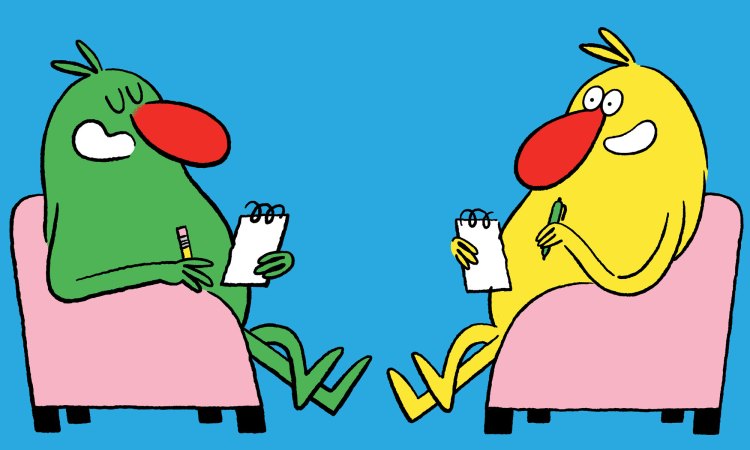
When people are trying out a new therapist, they often tend to put the therapist in the driver’s seat during their initial sessions. But this isn’t quite right — the client should be an equal partner too. What else should people keep in mind during that process? And how can they figure out if a therapist is right for them?
To answer these questions, Brianne Patrice, executive director of Sad Girls Club, a nonprofit dedicated to destigmatizing mental health and wellness in the Black and brown community, spoke with Taylor Blossom, clinical mental health therapist and practitioner at Well WildFlower. The following advice was adapted from that conversation.
1. If you’re a person of color or a member of the LGBTQIA+ community or another specific community, think about how important it is for you to find a therapist who identifies with your lived experience
In most cases, you’re going to foster a relationship easier and quicker with someone who is similar to you. I don’t think it’s impossible to find an excellent therapist who is different from you, but I do think it’s easier to do therapy with someone who’s more like you, especially if it’s your first time easing into that space.
You should also consider your particular issues. For instance, if you’re going to therapy because the world is feeling heavy and you’re trying to process and navigate what it means to be a Black person, then a Black therapist will likely be of most benefit.
Personally, as a woman of color, I will only see a therapist of color because I think all my experiences are shaped by that context in my life. But not everybody thinks like that, so consider your issues and how they affect you.
2. In your first session, ask the therapist about their style
I love it when first-time clients ask about my therapeutic framework, which is basically a therapist’s perspective and how they think problems are best solved. There are several different therapeutic frameworks — some common ones are psychoanalysis, cognitive behavioral therapy and person-centered therapy.
But I know when I first started therapy, I had no idea what a therapeutic framework was. So another way you can find out their approach is by asking them: “How do you do therapy?”
Their answers — whether it’s to the therapeutic framework question or to the “how do you do therapy” question — will tell you how they intend to work with you. For example, I’m a person-centered therapist so in our time together, I’m going to want to talk about all of the aspects of your life. It’s my treatment plan to address all of you, the whole person.
Meanwhile, a cognitive behavioral therapist will ask you about your thoughts and the behaviors that go along with them, while a psychoanalytic therapist would want to explore how you grew up and how you feel like that’s impacting you now.
If you’re going into therapy with a clear intention of what you want to work on in yourself, you’re going to want a style that goes along with that. In this case, it can be worth your doing some research on frameworks beforehand. But if you’re unsure about what you want to explore, you may find that different frameworks or styles could work for you.
Also, ask your therapist about what sort of homework they typically prescribe to clients and what activities they like to do in their sessions. Many therapists do more than just talk — they may incorporate art therapy, movement therapy, sound, healing or meditations.
3. And expect to be asked about your previous experiences with therapy
One of the first questions a therapist will ask when meeting a new client is: “Have you been in therapy before?” If your answer is yes, their next question will usually be: “What worked for you and what didn’t?” And if your answer is no, the next question should be, “What do you think your goal is for this space?”
So before you go into your first session, think about how you’ll respond because how you answer these questions will be incredibly helpful — both for you and for your therapist.
4. If you’ve never been to a therapist before, here’s how to figure out the right type of person for you
One way to evaluate whether they’re a good fit for you is to think about who you normally ask for help in your life — whether it’s a sibling, parent or close friend. What about that relationship and how they relate to you are most helpful to you?
Some people just need to vent, other people want feedback, other people want tools and to know what they can do next, and others want a mixture of both. If you already know what helps you, then you can know what kind of therapist you’re looking for.
Keep in mind that therapy is 100 percent your time. Your therapist should not have their own agenda. They should not have anything but themselves and their internal resourcing to show up and respond to what you’re bringing up.
5. Give yourself six sessions to see whether they’re a good fit for you
In the US, six sessions is typically the minimum amount of time that therapists are given to come up with a diagnosis (something they need to do for these sessions to be covered by health insurance). But even if your therapist is not covered by health insurance, six weeks is still a good amount of time to spend with them.
Why? It’s because we’re ever-evolving as people. At your first session, even though you’re being vulnerable, you’ll likely show up as the best version of you. In other words, the therapist will be in the teacher seat and you’ll be in the student seat, trying to be the best student possible. Even though you may not consciously be playing that role, it’s what most of us have internalized.
Over six sessions, the therapist can observe how you fluctuate. They’ll get more information about how you handle problems outside of therapy and in the real world, which can give them insight into an appropriate treatment plan. And by treatment plan, I don’t mean something as formal as “We’re going to talk about X for X weeks and then do Y.” I just mean how we’re going to deal with whatever is showing up for you.
For a therapist, with some clients it’s easier to see where you’re headed sooner. Some people show up to therapy more ready to do the work than others; they already have their questions and areas to explore. Other people are like, “I’m just here because I feel like I should be, but I don’t know what I’m looking for.” There is no one right way, so I think trying each other out for six weeks should be a standard. That said, if you feel they are absolutely wrong for you, it’s OK to stop seeing them sooner.
6. Your six sessions are over, and the therapist isn’t right for you — be direct
Make your exit similar to how you’d end any other relationship in your life — with respect and with transparency. In your last session, the top three things you should communicate are 1) what didn’t work for you; 2) why you feel now is the time for you to terminate therapy with them; 3) and what you think the therapist could improve on. Since they are someone who’ll be seeing other clients, you want to help them help the next person who will come to them.
Try not to ghost on your therapist. If I were seeing you every week for six weeks, I’m going to worry about your mental health if you’re just gone.
Yes, it will be awkward to give them criticism, but if you can’t model that awkwardness in therapy — which is a safe space for you to do just that — how will you do it in the other parts of your life?
7. When you find the right therapist …
My number-one takeaway is to allow therapy to act as a model space for the rest of your life. It’s your space, so make it yours. It’s the one time and place you get to be as vulnerable and as open as you want, without consequences. So use it to try out some of those things that are uncomfortable for you in the real world.
This post is part of TED’s “How to Be a Better Human” series, each of which contains a piece of helpful advice from people in the TED community; browse through all the posts here.
ABOUT THE AUTHORS
Brianne Patrice is a mental health advocate and sensuality doula. She is the executive director of Sad Girls Club, a nonprofit dedicated to destigmatizing the conversation around mental health and wellness within the black and brown community and is founder of Twenty Nine Thirty, a restorative community connecting the dots between sensuality, sexuality, healing and wellness.
Taylor Blossom is a clinical mental health therapist and practitioner whose work specializes in therapeutic consulting, workshop facilitation, and guided meditations for individuals, groups, and companies. Through her impassioned belief that there is space for us all to blossom in the direction of the highest good, Taylor works as the Founder and CEO of Well Wildflower – a community wellness garden for Black women and women of color, host of the hit well-being podcast The Blossom Pod, and a Soul Sessions facilitator for Sad Girls Club.
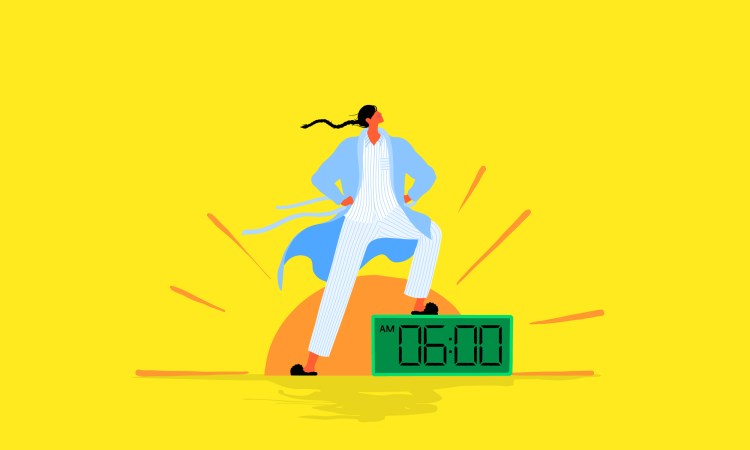
Most of us have been in its grip before — the alarm goes off, our mind starts whirring away, and before we know it, we’ve done a freefall into worry. Neuroscientist Lisa Feldman Barrett has been there, too, and she tells us how we can stop the spiral.
This post is part of TED’s “How to Be a Better Human” series, each of which contains a piece of helpful advice from someone in the TED community. To see all the posts, go here.
How often does this happen to you?
“You wake up, and as you’re emerging into consciousness, you feel this horrible dread, this real wretchedness. Immediately, your mind starts to race,” says neuroscientist Lisa Feldman Barrett. “You think about all the crap that you have to do at work — you have that mountain of email which you will never dig yourself out of, the phone calls you have to return, and that important meeting across town. You’re going to have to fight traffic, you’ll be late picking your kids up, your dog is sick, and what are you going to make for dinner? Oh my God. What is wrong with my life?”
OK, you may not have the dog, the kids or the meeting across town, but what about the rest — the cascading catalog of to-dos, the sinking feeling that you’re behind even before your day has started, and the headlong tumble into despair?
Whew.
According to Barrett, those last two sentences of the above scenario — the “Oh my God. What is wrong with my life?” part — are especially treacherous. Why? Because too often we come to the sweeping and inaccurate conclusion that our life stinks.
But we don’t have to take this misery lying down, says Barrett. Through her research at the Affective Science Laboratory at Northeastern University in Boston, she has come to some mind-shaking realizations about human emotions. Contrary to what many of us think, our emotions are neither hard-wired into our brains nor are they out of our control. Instead, our emotions are guesses that our brains generate on the fly, based upon our past experiences.
As she explains in her book How Emotions Are Made — read an excerpt here — “Anytime you feel miserable, it’s because you are experiencing an unpleasant effect due to physical sensations. Your brain will try to predict causes for those sensations, and the more concepts you know and the more instances you can construct, the more effectively you can recategorize to manage your emotions and regulate your behavior.”
When we start that AM spiral into anxiety, as Barrett explains, “Your brain is searching to find an explanation for those sensations in your body that you experience as wretchedness.” But, she adds, “Those sensations might not be an indication that anything is wrong with your life … Maybe you’re tired. Maybe you didn’t sleep enough. Maybe you’re hungry. Maybe you’re dehydrated.”
So, the next time you feel gripped by morning dread, she suggests you ask yourself: “Could this have a purely physical cause?”
Check in and see: What’s going on with your body? When the alarm went off, were you roused from a deep sleep and you’re rattled as a result? Or, perhaps you’re too hot, too cold, achy or itchy …
Barrett says, “You have the capacity to turn down the dial on emotional suffering and its consequences for your life by learning how to construct your experiences differently
Nature is a powerful force, and increasingly people are turning back towards nature to help keep themselves healthy and to enrich their lives. After years of relying on mass-produced items, many consumers are turning to handmade and natural alternatives. Incorporating more of nature into your daily life can bring many benefits to both your health and wellbeing. Take a look at some of the ways you could bring more of nature into your life:
Getting out into the fresh air is an excellent way to instantly boost your mood and help you reduce your stress levels. Ecopsychology is an area of study that focuses on the many benefits that can be gained from spending time in a natural environment. If you are able to visit a forest, take a walk through a park, enjoy a trip to the coast, you will be able to enjoy the positives that being outdoors and surrounded by nature brings. However, even if you cannot travel outside, simply stepping out into your backyard or even adding some indoor plants to your home can create a positive connection to nature and help your wellbeing.
Eat Natural Foods
Switching from a diet of processed foods to a natural, additive-free diet is something that many people find helpful. Avoiding highly processed foods can help you avoid that sluggish feeling that many people get after eating convenience foods. Swapping processed foods for whole natural foods has the added positive that you will be eating more nutrients your body needs while cutting out many of the additives that can harm your health. Some people also like to try taking supplements and look for products such as CBD hemp oil for sale when changing their diet. It is a wise idea to speak to your doctor before making any dietary changes or taking supplements to ensure they are suitable for you and are safe to use with any medication you currently take.
Natural Skincare
Getting back to basics with your skincare routine can be a useful opportunity to save money and incorporate more natural products into your daily life. Switching from expensive moisturizers and products with complicated ingredient lists and choosing natural moisturizers can be a great way to experiment with living life more naturally. Nowadays, natural skincare and beauty products are widely available to buy in stores. Still, if you are interested in taking your interest a little further, you could try following some skincare recipes and making your own.
Clean Naturally
If you are concerned about the chemicals that are contained within some household cleaning products, you may want to extend your interest in natural alternatives to your household chores. Choosing products that naturally clean your home can be a handy way to avoid the strong smell of chemicals. You may be able to find natural cleaning products in your local store, but be sure to check the label to ensure they are as natural as they claim to be before you buy them.
I’m a believer that every bump in the road prepares us for the next challenge in life but wouldn’t it be nice if we could go back and talk to our younger selves.
My angst started as a small child, as many of you know I was a child of emotional, physical, and sexual abuse. I spend many hours talking to myself trying to make sense of the pain in my life. I would tell that child, your day will come when people who love will walk into your path and change your life forever. You are loved and with love and therapy, all wounds heal.
I would tell that heartbroken teenager that sex doesn’t mean love and love doesn’t always mean love. I cried so many times played across my bed when I found out my boyfriend had cheated on me. My granny consoling me that he wasn’t the right one and the right man would come into my life. If she just had a magic wand to tell me when he would and how long it would take.
When you’re starting your career you’re going to get crappy work, that’s a fact of life. It’s what you do with it that makes the difference in your future. Embrace the worst task, do them to the best of your ability and do it for yourself, not for anyone’s recognition. IF you can do the worst jobs, the ones everyone else pushes aside, someday these skills will pay you back 10 fold.
If you get the chance to take a job you are scared of, you feel is out of your league, take it. Giving it a sincere effort and not succeeding is not failure.
In my 20’s I bought a house, the rent was less than renting an apartment so it sounded like the right decision. Little did I know about all the other expenses that come with keeping up a house. Don’t be fair to eat chicken noodle soup and bologna sandwiches to reach your dream.
During some dark depressive times, I didn’t want to go on. The fight wasn’t worth it, it took too much energy. I loved my family but could not see any light in my life and could not get out of bed. I would say to that woman, listen to your doctor, be honest, listen to that deep voice in your heart and follow it. Fight for life and keep fighting for the life you want.
For the woman I am today, I would say. Don’t be afraid of the future, your health, don’t stop living just to avoid any danger. You have to live, life is worth living and you have to dig deeper for your purpose in life.
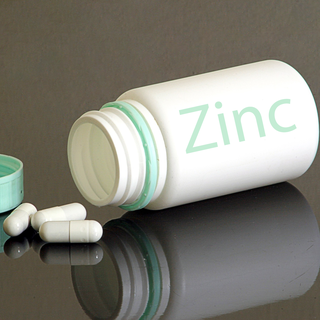
A paper in press in General Hospital Psychiatry, and written by Yosaee and colleagues (from Iran and the UK), reports evidence for the benefits of zinc in depression.
What is Zinc?
Zinc is a micronutrient (an essential mineral needed for growth and development). Zinc plays a role in many physiological processes, such as DNAsynthesis, protein production, cell growth, healthy immune function, sense of taste and smell, and the functioning of countless enzymes. Food sources of zinc include animal proteins (e.g., chicken, red meat, and seafood, particularly oysters), but also whole grains, nuts, and legumes.
Zinc supplements have been used for the treatment of a variety of conditions (e.g., colds, wound healing, diarrhea). However, consuming too much zinc can be harmful, so zinc supplements are not usually recommended for healthy people unless they do not get sufficient zinc from food sources or have trouble absorbing zinc.
For example, zinc supplements are sometimes recommended for vegetarians and vegans, individuals with alcohol problems and certain digestive conditions (e.g., inflammatory bowel diseases), and pregnantwomen.
Low zinc levels have been linked with a variety of health conditions (e.g., skin conditions, infections), including mental illness, especially depression. The review by Yosaee et al., described below, investigated the relationship between zinc and depression.
A Review of the Link Between Depression and Zinc Levels
The review began with a search of several databases (e.g., PubMed) for keywords “depression” and “zinc.” Original observational studies and randomized controlled trials (RCTs) in adult populations were included if they used depression as an outcome and zinc as an intervention or exposure factor.
The search resulted in 4,245 articles, from which 13 observational investigations (four cohort and nine cross-sectional designs) and seven RCTs met the final criteria.
Characteristics of the RCTs: 319 participants; 2-12 weeks in duration.
Characteristics of the observational research: 27,296 participants in cross-sectional investigations and 15,852 in cohort investigations.
The meta-analysis of the seven RCTs showed zinc supplementation was associated with a reduction in depression [weighted mean difference (WMD) = −4.15 point; 95% confidence intervals (CI): −6.56, −1.75 point; P < 0.01)].
Furthermore, zinc supplementation reduced depression scores in patients with depression who were not receiving antidepressants.
The results from the four cohort studies showed the highest zinc intake was linked with a nearly 28 percent reduction in the risk of depression [Relative Risks (RR): 0.66; 95% CI: 0.50, 0.82)].
And an analysis of the nine cross-sectional studies found having high zinc levels (serum zinc concentration combined with dietary zinc) was inversely linked with the risk for depression [RR: 0.61; 95% CI: 0.51, 0.70].
In summary, data from different types of studies showed an association between zinc levels and depression.
So, why might zinc be related to a lower risk for depression? The potential mechanisms are speculative and complicated—involving a variety of factors, like oxidative stress, N-methyl-D-aspartate (NMDA), brain-derived neurotrophic factor (BDNF), neurogenesis, cortisol, neural plasticity, and the endocrine and immune system.
Concluding Thoughts on Zinc for Depression
Here is a summary of the main findings of the meta-analysis:
Many depressed individuals appeared to have zinc insufficiency or zinc deficiency (determined by the amount of zinc in their blood and diet).
In cohort investigations, a 28 percent reduction in the risk of depression was seen in those with the highest zinc intake.
In patients with depression who were not treated with antidepressants, zinc supplementation significantly reduced depression.
The antidepressant effects of zinc supplementation were most pronounced in patients with mild to moderate depression.
The researchers note their findings may not be generalizable to healthy individuals (e.g., those without depression). Furthermore, most of the studies used in the analysis were limited in geographical location. Though some of these came from multiple countries (e.g., Germany, Finland, the U.S.), the majority were conducted in Iran and Australia. Therefore, one must await the replication of these findings. And given the correlational nature of the data (i.e. correlation does not mean causation), firm conclusions regarding the effects of zinc on depression cannot be drawn.
Nevertheless, this is not the first review to have observed a link between zinc and depression.
For instance, a 2013 meta-analysis noted depression correlated with lower blood concentration of zinc. That review, based on data from 1,643 depressed patients, concluded, “zinc concentrations were approximately −1.85 mmol/L lower in depressed subjects than control subjects,” and “greater depression severity was associated with greater relative zinc deficiency.” A more recent meta-analysis also found dietary zinc intake was linked with a lower risk for depression. In short, the relationship between zinc and depression is worthy of further research.
If you are depressed and are considering taking zinc supplements—especially if you are not getting enough zinc in your diet or have trouble absorbing zinc—please consult your physician first. As noted earlier, taking too much zinc is harmful, so it is important to determine how much zinc your body requires.
Arash Emamzadeh attended the University of British Columbia in Canada, where he studied genetics and psychology. He has also done graduate work in clinical psychology and neuropsychology in the U.S.
As a child I was very afraid of handheld fireworks like Sparklers, they scared me with the piping fire coming off of in no particular fashion. I loved watching the big firework shows at the local park or on television, the double and triple colors were always so amazing. How did they do that? Today fireworks are much more sophisticated than when I was a child with the big fireworks shows are like works of art.
As an adult, the Fourth of July takes on new meaning, one that I think of many more times than once a year. Being a free country means freedom of thought, speech, religion, and free from government control. How blessed am I to live in such a great country, and it’s up to me to work every day to keep this country moving forward.
I am so thankful for the men and women who sacrificed so much to build our country, build a way of life, and build a mindset. We are America, free of mind and spirit.
Children are learning a lot more from an earlier age. One area, in particular, they are becoming more accustomed to is technology. In fact, a lot of parents remark that their six-year-old daughter knows how to operate a computer better than they do. One of the main reasons for this is the huge array of games available on the Internet. In this guide, we will look at the relationship between children and mobile phones in further detail.
Children are not merely stopping at desktop computers and laptops anymore. More and more children are getting used to mobile technology through gaming as well. This is because of the wealth of different gaming apps available. Nowadays children can get their favorite games available through their very own mobile phone. This means that they can play games on the way to and from school. They can also play games when someone else from the family is using the computer. They can even play a few gaming apps whilst they are in bed. Mobile technology presents more gaming opportunities and, therefore, it is little surprise that children are deciding to use it. For parents, this means they need to source cost-effective packages, and they also need to make a dedicated effort to make sure that their children are not on their phones too much.
Playing with their friends
Mobile technology allows children to play against each other even if they are not together. Children usually simply need to connect to the WiFi connection in their home and they can then speak to their friends and play against them via the different apps that are available. Furthermore, gaming through using mobile phones is easier to do together than playing via a laptop or computer is. After all, it is unlikely your children and their friends will take their computers with them whenever they meet up. Moreover, it is hard for all of the children to gather around the computer and play. However, a mobile phone is small and compact and therefore all children can sit together and play on their smartphones.
Mobile technology is taking over
It is great that children are embracing mobile technology through gaming because the mobile Internet is booming. People can access their emails anywhere, they can log on to Facebook when they are on the train, they can play games whenever they like, and this is the reason why mobile internet is only going to rise. The fact that children are adapting to this is only going to serve them well later in life. While you need to monitor activity, it is also important that children are prepared for the connected world. You can redirect texts and use software to monitor your child.
All in all, there is no denying that mobile technology is taking over, and it is wise for our children to get used to this. However, it should not take over their lives and their usage does need to be monitored.
To the everyday eye under normal conditions, ripe bananas appear yellow due to organic pigments called carotenoids. When bananas ripen, chlorophyll begins to break down. This pigment is the element that makes bananas glow, or “fluoresce,” under UV lights and appear blue.
Fact: Bees can make colored honey
In France, there’s a biogas plant that manages waste from a Mars chocolate factory, where M&Ms are made. Beekeepers nearby noticed that their bees were making “unnatural shades of green and blue” honey, reported BBC. A spokesperson from the British Beekeepers’ Association predicted the bees eating the sugary M&M waste caused the colored honey.
Fact: Wimbledon tennis balls are kept at 68 degrees Fahrenheit
The temperature of tennis balls affects how the ball bounces. At warmer temperatures, the gas molecules inside the ball expand making the ball bounce higher. A tennis ball at lower temperatures causes the molecules to shrink and the ball bounces lower. To make sure the best tennis balls are used, Wimbledon goes through over 50,000 tennis balls.
Fact: Adult cats are lactose intolerant
Feeding your cat milk could be making them sick. Like some humans, adult cats don’t have enough of the lactase enzyme to digest lactose from milk, causing them to vomit, have diarrhea, or get gassy. Cats only have enough of that enzyme when they’re born and during the early years of their life.
Fact: Albert Einstein’s eyeballs are in New York City
They were given to Henry Abrams and preserved in a safety deposit box. Abrams was Einstein’s eye doctor. He received the eyeballs from Thomas Harvey, the man who performed the autopsy on Einstein and illegally took the scientist’s brain for himself.
Fact: The Pope can’t be an organ donor
Pope Benedict XVI was issued an organ donor card in 1970. Once he ascended to the papacy in 2005, the card was invalid, reports the Telegraph. According to the Vatican, the Pope’s entire body must be buried intact because his body belongs to the universal Catholic Church.
Fact: A one-armed player scored the winning goal in the first World Cup
Héctor Castro played on the Uruguay soccer team during the first ever World Cup in 1930. In the last game between Uruguay versus Argentina, Castro scored the winning goal in the last minute of the game. The final score was 4-2, making Uruguay the first country to win the World Cup title.
Fact: The world’s oldest toy is a stick
Think of how versatile a stick is. You can use it to play fetch with your dog, swing it as a bat, or use your imagination to turn it into a lightsaber. Its adaptability, along with how old sticks are, is among the reasons why the National Toy Hall of Fame inducted the stick into its collection as possibly the oldest toy ever.
This is the end of this fun series and I have another one ready to take it’s place next weekend.
So glad you are enjoying these post, I love hearing your hilarious comments.
When someone you love is having a panic attack, it can be tricky to know how to help. By responding with understanding and empathy, you can make a true difference.
Whether it’s your friend, relative, or partner, chances are you know someone who has had, or will have, a panic attack. If you happen to be nearby when it happens, it’s only natural to want to do everything in your power to understand and support them.
Research shows that at least 13%Trusted Source of people will experience a panic attack in their lifetime.
In the United States, 1 in 3 people will have an anxiety disorder at some point in their lives, according to the National Institute of Mental Health. Statistics show that women are twice as likely as men to have a panic disorder.
If your loved one is having a panic attack, there are several ways you can help. With a few research-backed techniques, you’ll be better equipped to provide support.
Gently name it, and tell your loved one that you believe they are having a panic attack. This can provide some context for what’s happening and relieve the fear of the unknown.
You can let them know that it will pass. Panic attacks can last anywhere from 5 to 30 minutes, though the worst symptoms usually subside within 10 minutes, according to the Anxiety & Depression Association of American (ADAA).
If this is the first time your loved one has had a panic attack, it might be advisable to seek medical attention to rule out other causes of their symptoms.
Everyone experiences anxiety differently. It’s important to keep in mind that what works for one person may not work for someone else. Don’t be afraid to try different strategies.
One of the best ways to help someone is to remain calm yourself, even if you’re feeling a little uneasy about what’s happening.
Keep yourself calm by taking deep breaths and reminding yourself that this is temporary. If the situation becomes overwhelming for you, reach out to someone else for help.
Your loved one may need some space during a panic attack. The hyperarousal state of panic — when your brain’s limbic system is on “high alert” — can mean that usual elements in the environment feel overstimulating, like touch, music, bright lights, or other sounds.
After reminding them that they can handle their symptoms, you can give your loved one space until their panic attack passes. They might ask you to stick around. If they do, reinforce their ability to independently experience their symptoms by uttering the coping statement once or twice and letting them ride out their symptoms until they pass.
If the two of you had plans, it can help to suggest going through with them once the panic attack has ended to help your friend see that they can get through the day even if they’ve had a panic attack.ADVERTISINGADVERTISEMENTAffordable therapy delivered digitally – Try BetterHelp
Choose from BetterHelp’s vast network of therapists for your therapy needs. Take a quiz, get matched, and start getting support via secure phone or video sessions. Plans start at $60 per week + an additional 10% off.START QUIZ
While someone is having a panic attack, we do want to be empathic, but we don’t want to reinforce the idea that panic is dangerous, harmful, or needing to be reduced, minimized, or escaped.
So, rather than giving your loved one lots of reassurance and fussing over them, it can help to remind them that they can cope with what’s happening on their own. This gives them back their power to deal with the situation.
You can do this by offering supportive statements like:
“You can handle these symptoms.”
“This will pass.”
“The feelings aren’t comfortable, but you can accept them.”
“This will roll over you, like a wave.”
Remind them that, although panic attacks can feel never-ending, they typically peak in about 10 minutes. It’s not possible for the body to stay ramped up for much longer than that.
While panic attacks might make us feel like something is very wrong, they’re just false alarms — a misfiring of the body’s fight, flight, or freeze response. The sympathetic nervous system is responding to a perceived threat by driving physical processes like your heart and breathing rate. Panic attacks are simply an example of the flight-or-fight response out of context.
If your loved one lives with panic disorder — where they experience unexpected, recurring panic attacks and avoid behaviors or situations that might cause them — the most loving thing you can do is not reinforce the panic cycle by making a big deal out of panic attacks.
It’s also helpful to avoid reinforcing their escape behaviors, which could happen by staying near them or providing excessive reassurance. If you do this, it might unintentionally reinforce the feeling that something must be wrong after all.
A great way to help a friend with panic disorder is to support them once they get connected to a therapist who is doing exposure therapy with them. You can cheer them on as they gradually expose themselves — with the guidance of a trained therapist — to increasingly challenging situations that might provoke panic. In this controlled environment, they will practice resisting escape or safety behaviors.
While it’s tempting to help your loved one avoid the feelings of panic by distracting them from their bodily sensations or taking them away from the situation, these are considered “safety behaviors.” While safety behaviors might help to ease anxiety in the moment, they could actually reinforce a cycle of panic that exists in panic disorder.
Safety behaviors and distractions can prevent people from learning that panic attacks, while uncomfortable, are not actually harmful or dangerous.
Your loved one can handle panic without actually doing anything, and it’s important for them to know that anxiety about panic goes away on its own without causing them harm.
Cognitive behavioral therapy (CBT) — a major method for treating panic disorder — teaches you strategies to reduce your anxiety and avoidance around panic attacks. The idea isn’t to prevent them but to sit with them until they inevitably pass. And often, you experience fewer panic attacks over time as you grow to fear them less.
The most effective way to react to a panic attack is just to ride it out instead of resisting or escaping it. While escaping a panic attack in the short term reduces anxiety, it just drives the panic cycle in the long term because you reinforce beliefs that panic is dangerous, harmful, or something that must be avoided at all costs.
The idea is to allow the symptoms to just be, which helps you to view panic attacks as a manageable experience, not one that needs to be escaped.
Try not to ask someone over and over if they are alright, as this can reinforce the idea that panic is dangerous or harmful. Also, avoid saying phrases that might invalidate their experience, like:
“It’s all in your head.”
“Snap out of it.”
“Nothing’s happening.”
“You’re fine.”
“I know exactly how you feel.”
“What’s wrong with you?”
“Why are you so upset over that?”
“There’s nothing to be afraid of.”
Do not offer substances. It may be tempting to give your loved one something to take the edge off, but this could make a panic attack worse. Certain strains of cannabis, like sativa, can increase anxiety and lead to paranoia. Alcohol changes levels of serotonin in the brain, which can make anxiety feel more intense.
If your loved one wants medication to help with future panic attacks or an anxiety disorder, suggest a visit to a primary care physician or a psychiatrist. A clinician may prescribe them selective serotonin reuptake inhibitors (SSRIs), or benzodiazepines for occasional use.
A panic attack usually goes away in just a few minutes. If it doesn’t, it could mean a more serious medical event is happening, like a heart attack. Remember to stay calm as you assess the situation.
Look for these warning signs:
squeezing chest pain that moves to arms or shoulders (rather than stabbing)
shortness of breath does not improve
symptoms that carry on for 20 minutes
chest pressure lasts longer than 1 to 2 minutes
vomiting
If you see any of those warning signs, call 911 immediately.
Some symptoms of a panic attack are similar to those of a heart attack. You can read about how to tell the difference between a panic attack and a heart attack here.
Supporting someone during a panic attack can be stressful — not just for them, but for you too.
After the panic attack subsides and your friend is in a more relaxed headspace, it’s important to take some time for your own self-care.
Go easy on yourself for a few hours or the rest of the day. Take some time to recharge by practicing yoga, taking a warm bath, journaling, or doing anything else that relaxes you.
If taking care of someone is interfering with your own quality of life, consider reaching out to a therapist to talk about what you’re going through. Check out the ADAA’s Find a Therapist Directory to find a local clinician or a teletherapy option that might work for you.
Remember, we can only love others as much as we love ourselves. You also can’t give from an empty cup. Take care of your energy first, then whatever’s left can flow toward those that you love.
Bindi Irwin is stepping out of the spotlight to focus on her family just three months after welcoming daughter Grace Warrior with husband Chandler Powell. The conservationist and Crikey! It’s the Irwins star announced on Monday, a day after she opened up about her relationship with her estranged grandfather on Father’s Day, that she would be taking a month-long break from social media and public appearances in a message discussing mental health.
“Surround yourself with the light of people who genuinely care about you and will support you during the good times and the hard times,” Irwin added. “Remember there are helplines available. Mental health deserves more understanding and support instead of being dismissed or patronised. You are absolutely worthy of love and kindness.”0COMMENTS
Shortly after Irwin shared the update, her husband expressed his support. Powell, whom Irwin married back in March 2020, reshared his wife’s post to his own Instagram account, praising Irwin’s ability to “stand up for what is right.” He said his wife inspires him “with your unwavering kindness and your ability to stand up for what is right. You are the strongest and most beautiful person inside and out. Grace has an amazing mama to look up to.”
Irwin’s message came just hours after she shared another post about mental health. On Sunday night, the zookeeper shared a quote from motivational speaker and author Steve Maraboli that read, “I don’t think people realize how much strength it takes to pull yourself out of a dark place mentally. So if you’ve done that today or any day, I’m proud of you.” She has not shared any further messages since her Monday morning announcement.
I’m so glad you’ve joined me this week for another edition of Weekend Music Share. I don’t know what is going on with YouTube these days, they won’t let you download the cover art for the video.
This week is Ed Sheeran’s new tune Bad Habits. It’s a catchy tune with some interesting costumes and lots of flying around!
Have a great weekend!
Melinda
Welcome back to Weekend Music Share; the place where everyone can share their favorite music.
Feel free to use the ‘Weekend Music Share‘ banner in your post, and don’t forget to use the hashtag #WeekendMusicShare on social media so other participants can find your post.
If you’re feeling low today, don’t assume you have to manage your negative emotions alone. Help is out there so reach out if you need support or a listening ear.
As our title suggests, it’s good to talk when you’re feeling low. And this isn’t a glib statement. Research has proven that talking to somebody can be helpful. As discussed in an article at Psychology Today, talking with someone you trust can help you to:
In short, you will start to feel better when you open up to somebody.
Of course, it’s not always easy to turn to others. There are times when we might worry about looking weak in front of the people around us. Or we might lack the courage to get the help we need.
But it’s important to think of the alternative. When we bottle up our pent-up emotions inside, we can become anxious and stressed, and we can prolong our depression. For the sake of our mental health, we should try to find a safe outlet to deal with whatever is going on inside of us. By doing so, we will:
Benefit from the listening ear of another
Gain perspective on the things that are bothering us
Release negative emotions in a safe way
Receive the support we need to overcome our particular situation
Talking is certainly a better tactic than some of those other things we might do when we’re feeling low. Comfort eating, excessive drinking, smoking, and drug-taking are just some of the bad habits that many people succumb to when trying to make themselves feel better. As you will understand, these are not good solutions to managing negative emotions.
Who Can You Talk To?
In the first instance, talk to a trusted family member or friend. You should do this for two reasons. Firstly, you will have somebody you can regularly turn to and be with. And secondly, you will have somebody who can help you reach out to professional organizations if you need specific help.
You can also talk to those people who are affiliated with your spiritual beliefs. If you’re part of a church group you will probably find prayer support useful, so talk to your minister or another trusted member of the church you are a part of. Some people benefit from the services of a psychic, so if this is you, pick up the phone and speak to a psychic reader. Psychic Lights is just one service you might consider.
And then there are the support organizations that can help you deal with the things that are affecting your mental health. Some of these are set up to support people with specific life issues, and there are those that can help people who are feeling suicidal. Many offer phone, live chat, text, and drop-in services, so you need never be alone when you are in desperate need of somebody to talk to. Check out this list of organizations that could help you.
Never assume you have to manage the way you are feeling alone. Help is out there so talk to those closest to you, draw on the support of those affiliated with your faith, and seek specialist help if you need to. It’s good to talk so if you’re feeling low today, get in touch with the person or people that can care for your personal needs.

































 lookingforthelight.blog