

Hi, I’m glad you stopped by and I look forward to seeing you soon.
“I admire the people who drink from the water of the storms in their lives and grow flowers in the most unlikely places because of it.”
S.C. Lourie
Melinda

Hi, I’m glad you stopped by and I look forward to seeing you soon.
Melinda
I’m glad you stopped by and I hope to see you soon.
Melinda
It’s the weekend!!!!!!
I’m glad you joined me this week for another edition of Weekend Music Share.
Have a great weekend!
Melinda
Welcome back to Weekend Music Share, the place where everyone can share their favorite music.
Feel free to use the Weekend Music Share banner in your post, and use the hashtag #WeekendMusicShare on social media so other participants can find your post.
Many if not most prescribed medications require a ramp-up period called efficacy, this is the time it takes for the medication to reach a therapeutic level.
For example:
I started Trintellex several weeks ago for my ongoing depression. The Prozac wasn’t working any longer which is common when you take a drug for a long time. The efficacy of Trintellix is 6-8 weeks, during this period you can experience common side effects and they often subside once the drug reaches efficacy. It’s important to track these symptoms but it’s not always time to call your doctor. Never stop taking medication before talking to your doctor, stopping medication abruptly can send your brain into a tailspin. If you can’t wait to hear back from your doctor, go to your nearest ER for help ASAP. It may save your life.
The most important side effects to be aware of are adverse side effects, which are the worst side effects that can be deadly and require immediate attention. It’s easy to forget the side effects after reading the prescribing instructions the first time so I keep them handy.
The past week I was overcome by nausea and vomiting and thought I was getting sick. After reading the prescribing instructions again I was reminded that those are common side effects, not ones to be alarmed about. I have experienced sparks in the brain as the medication reaches efficacy, like crying, returned energy, improved cognition, and feeling better overall.
All medications including over-the-counter items still have side effects, especially for children.
Always call your doctor if you are concerned about anything, not just medication side effects.
Melinda
I get such a thrill out of seeing what countries stop by my blog, and I like to shout out to countries new to my site.
Thanks. :)
Melinda
It’s really sad to say, but to a degree self-care has become a buzzword frequently portrayed in media and online as indulgent bubble baths, retail therapy, and the occasional junk food binge. Not just in shows, or in advertisements triyng to sell you stuff, but even on social media by the people you know, and of course by content creators too.
While yes, buying indulges and buying things that you love can actually be a really nice way to show yourself some life, you have to keep in mind that these also only offer temporary relief, and so true self-care is far more profound and personal. It’s about nurturing your mental, emotional, and physical well-being in ways that genuinely enrich Dr your life. So, with that said, it’s best to explore what self-care really means and how you can embrace it in a more meaningful way.
Self-care is often misunderstood as a quick fix or an escape from reality. However, true self-care involves intentional actions that support your overall health and happiness. It’s about listening to your body and mind, understanding your needs, and taking steps to meet those needs in healthy and sustainable ways. This might mean setting boundaries, saying no to commitments that drain you, or seeking help when you need it.
Basically, the less love and care you show yourself, the higher the chances of stress and even the potential of forming anxiety. Actually, true self-care is often found in the small, mindful practices that help you stay grounded and connected to yourself. This might include a daily walk in nature, practicing yoga, or spending time on a hobby that you love. It’s about finding joy and peace in the everyday moments.
But this isn’t always the case; mindful practices will vary from person to person. While one person might feel relaxed walking out on a trail in nature, there might be someone else who feels more at ease and relaxed if you’re at home and using delta-8 THC gummies since these offer a more calming and gentle effect. But overall, mindful practices help prevent chronic anxiety from forming, and again, the best way to go about it really varies from person to person.
The media often promotes self-care as something that provides instant gratification—like a shopping spree or indulging in comfort food. By all means, yes, while these activities can offer momentary pleasure, they don’t address the deeper issues that may be affecting your well-being.
In fact, relying on these quick fixes can sometimes lead to feelings of guilt or regret afterward. So, you have to understand that true self-care involves making choices that contribute to your long-term well-being, even if they don’t provide immediate pleasure.
Just think of it this way: You’re spending money on things that give you small bits of gratification immediately, like junk food, but at the end of the day, you’re going to feel bad for the money you spent, and you might feel physically bad too because, well, it’s junk food. The same goes for shopping sprees too. Now, emotional health usually gets overlooked in mainstream portrayals. You need to understand your thoughts and gain clarity on what you need to feel balanced and fulfilled.
This is a collaborative post.
Melinda
We all experience stress. That’s a normal part of life. However, there are different levels of stress, and, for some people, it can be much more than they may be equipped to deal with, alone.
If you have experienced some form of trauma in the past, and you have begun to experience nightmares, mood swings, and flashbacks, and you’re having difficulty controlling your emotions and reactions to things, such as becoming much more easily startled, then you might be experiencing PTSD. Here, we’re going to look at what you can do to start to heal from it, and how you can begin to feel like yourself again.

Seek professional help with it
First of all, it’s worth noting that PTSD is well beyond the average person’s ability to deal with it on their own. A lot of people are reluctant to seek help because of the lingering stigma associated with mental health, but at some point, you have to put your wellness in front of how you fear you might be perceived. Cognitive behavioral therapy, or CBT, has been noted as being particularly helpful, allowing individuals to reframe negative thoughts and develop healthier thought patterns. Talk to your doctor about the help available to you.
Considering medication
There are also medication options that can help manage the symptoms that are associated with PTSD. For instance, you might want to consider antidepressants such as SSRIs that can help you regulate your moods to some degree. Anti-anxiety medications are also typically prescribed on a short-term basis to help people avoid the more extreme symptoms of anxiety disorders, such as panic attacks. Talk to your doctor about the medical options available to you, but do be aware that therapy and medication together tend to provide the best odds of success, rather than choosing just one.
Find the right therapeutic relief
While direct therapy is going to do a lot of heavy lifting in helping you process the thoughts and emotions associated with PTSD, some treatments can help you find comfort, improve your mood, and heal, such as service dogs for PTSD. Service dogs are very effective, and forming a relationship with one can also provide a sense of purpose and motivation when it might feel like life is otherwise directionless. Service animals can even sense when their human partner is experiencing a stressful or anxious episode to provide comfort when it’s needed.
Finding a support group that understands
While talking to loved ones can help you, and a therapist can give you many of the tools to work through your emotions, there is a specific benefit to spending time with people who understand your experience that’s well worth seeking. Consider finding a PTSD support group, allowing you to connect with others who have similar experiences, and providing a sense of community and understanding. Peer support can be incredibly validating and can help reduce feelings of isolation. You can also get some practical tips from others who have been on the same journey as you.
Be mindful of your psychological triggers
While it is likely to be, in part, a subject of part of your therapy sessions, it’s worth starting to become aware of the concept of psychological triggers. Triggers are stimuli, whether they’re sights, sounds, smells, emotions, people, places, or otherwise, that can elicit a strong emotional or stress response from you. A lot of people who have experienced trauma in the past can develop these triggers in association with them that, even when you’re safe and comfortable, can suddenly rise up to completely change your emotional state. Becoming aware of your triggers is the first step to dealing with them.
Taking care of yourself
Your mental and physical states are intrinsically linked. By putting care into yourself, physically, it can help you mentally, as well. For one, exercise can help reduce stress and anxiety, improve mood, and enhance overall well-being. A balanced diet can be vital to good mental health, and good sleep hygiene is crucial, as poor sleep can exacerbate PTSD symptoms. Even taking the time to show yourself a little self-care can be good for your self-esteem, which can make your mood swings less severe.
There is no magic pill for PTSD. A lot of people who live with it will experience the symptoms for a long time, and some aspects might never go away entirely. However, there is always a way to get better and to heal. Keep that in mind and consider the tips above.
This is a collaborative post.
Melinda
I’m glad you joined me on Wordless Wednesday and I hope to see you soon.
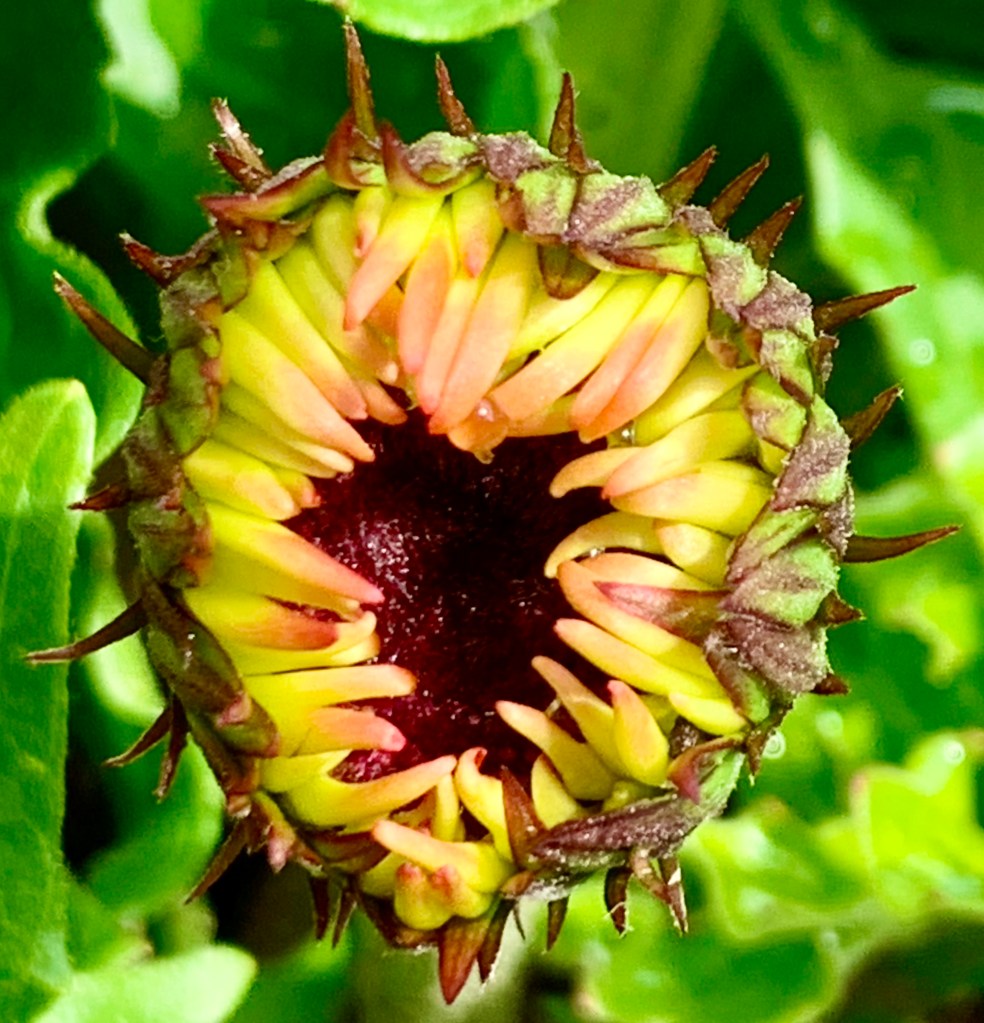
I think this photo hits the mark.
Melinda
Lightening lights up the sky
Shaking me to the core
Trees sway from side to side
Violent rain pouring down
Hail stones beat against the house
The aftermath spread across the streets
Melinda
Lightening Strikes comes from a song for which I no longer remember. I can hear John Mayer singing. Maybe you know?
The family cookbook contains recipes, my Granny’s & Gramps used often and is the type of food I grew up on. Many with veggies and tomatoes from the garden. Good ole Southern food like my Gramps dumplings, to Grannies pecan pie.
This is from my husband’s Aunt Dorthy’s recipes who writes BEST at the top of the card.
Recipe
1 pkg yeast in 1/4 cup warm water and 1 TSP sugar
Let stand 5 minutes
Sift 4 cups flour, 4 TBS sugar and 3/4 TSP salt
Melt 1/2 TBS of butter
Add in 1 cup of canned milk
4 eggs yolks beaten
Pour over flour
Add yeast
Knead
Cover
Place in refrigerator overnight or for 5 hours
Divide into 4 sections on a lightly floured surface to approx 10″x13″
Size to fill
Roll up
Let rise
Bake 350 degrees for 25 minutes
Filling
Beat 4 eggs whites with 1/2 cup powdered sugar, 1/2 cup ground walnuts
Okay, from here my guess is that you get an icing tube, add the filling insert into the roll, and by squeezing until you see the filling has spread in the roll.
This sounds great because I like walnuts, which are so good for you. This one I’ll have to try.
If you make the recipe, please provide feedback on your thoughts or what the recipe brings to mind.
Melinda
Millions of candles are bought every year, but few share detailed instructions on how to care for your candles. Gone are the days of throwing candles away because they are caved in. I discovered a candle maker that provides step-by-step instructions, and they have served me well. I’m not sharing the in-depth instructions that come with each candle but what I’ve learned from them.
Candlemaking is an art that includes consideration of the container, wick, wax, and the right mix of fragrance, not to mention the shape of the candle itself.
A few things I’ve learned
Before lighting the candle the first time, trim the wick leaving enough to light easily.
The flame should not crackle but instead burn a steady flame. When the flame flickers it’s time to trim the wick once it has cooled, making sure to put the wick back in the center while the wax is still melted but don’t cut the wick back at this time.
Trim the wick before lighting each time.
Diffuse the flame by using a candle tool, and put the wick back in the center of the candle.
Keep spent matches and candle tools safe by using a fireproof tray.
Use oversized matches to prevent burns.
Keep the candle away from drafts.
Cover candles to keep the dust away or lightly brush the dust away before lighting.
Candles are relaxing and a big part part of my self-care routine but it’s also a hobby that fascinates me. It doesn’t matter how inexpensive the candle is, it’s important to know how to care for it if you want it to last the longest.
I’ve included the Byers Guide lists of its recommended candles.
Melinda
References:
Here’s what I’ve learned, it may not be the only way to view those stats but the stats are telling even if you don’t look at your traffic numbers. The stats are directly tied to each post, the links inside of the post, and the percentage of click-through rate.
I can look at my Home stats to see what posts are getting the most traffic however I find the information Email Stats more useful although they are not completely accurate.
I’m looking at the Traffic stats for the post, Baked Potato Wedges Recipe By Guest Blogger Stay… and I then click on Highlights to see the big picture. It’s not a measurement tool for me to focus on but the stats give you insight into the reading community.
The click-thru percentage was interesting because it tells me how many people clicked on a link within your posts. That’s information to have, for nothing else than to see what your community is responding to. Which is most important to me. It’s not how many, it’s the quality of the engagement.
When you click on Email Opens you see a bigger picture of the stats on each post. The percentage of opens reflects how many people read your post through email who actually opened the email. The Email Clicks reflect how many clicked on a link within the page. In the case of this post, it had a 23% open rate which is good. From the answers I received from Copilot, it sounds like an average open rate is 8%. That’s critical information to me.
These stats are a great way to see what posts have high open rates, which to me say the post topic was a success. If you want to drill down on the behavior of your email community, that’s a journey I’m not taking. Good luck.
I write as a hobby and love it but for me, it’s not about how many followers but the engagement of the community. I’m happy in my corner in the blogging world and it’s cool to be a small fish. I don’t write to make money, although there have been times when I’ve been paid, my blog is not a money-making business, it’s not a business at all, it’s a personal blog. I’ve worked hard to leave my competitive nature out of blogging because it doesn’t suit me well.
I love learning, it opens my mind to ideas and opens the world to me. That natural curiosity helped me achieve many goals including being successful in my career, traveling, learning how to scuba, and hiking off-trail, but most importantly my confidence grew exponentially.
Now, I have the pleasure of being at home and have since gotten in touch with what makes me happy. Having interactions with people worldwide hit my button is one of them.
The weird twist on the post is that it started out technical in nature and turned into an affirmation. That can happen as your body adjusts to new medication which I’m going through now.
Melinda
I’m leery of Artificial Intelligence, so much hype, fear, and unanswered questions leave me on the fence. However, today I saw one benefit of AI thanks to my Canadian blogging friend David Kanigan at Live & Learn.
Last week I asked for help with a WordPress issue and came up short. This morning David ran my questions through CoPilot and there was the answer. The statistics are industry-wide marketing information such as how many people click on a link within a page. This is pertinent if you are a business or running an Email campaign.
Copilot is a Microsoft Bing Artificial Intelligence tool that I can have a field day with. The answers you get are not facts but instead a deeper dive/broader look at the Internet. This will help with the daily questions I have. Gone are the days of exhausting searches if you’re looking for a quick answer. This is not factual research, just a deeper dive.
I noticed when adding a Featured Photo to this post that WordPress has an AI Assistant tool listed right under the Move To Trash button. Time to see which tool they are using.
Here’s the link to the Copilot answer.
Having a positive experience with AI opens my mind enough to find out more information.
Melinda
Thank you for all the great feedback on the Blogger Highlight series, I’ve enjoyed meeting each blogger and sharing their site with you. This week we highlight the blog The Sifted Field.
About
Oh my, cooks and nature lovers worldwide will want to check out her blog.
Melinda
Thank you for reading!
When you’re looking at stats in the Email Section, what is the difference between opens and clicks? I’ve asked WordPress before but the answer is still unclear. I was told that the Email Section stats were from those who have signed up for my blog by Email and readers who visit from outside of WordPress. Is this accurate? I have no clue. What I know is that I don’t have many followers who receive my posts via Email so the stats have to include something else.
What does the open mean? What do the clicks reference? I’m not clear on how to interpret the stats.
How are the stats updated and do they represent one week or a cumulative stat?
Maybe you can help me to prevent me from flying blind.
I appreciate all the help the WP community has provided me over the years.
Melinda
The family cookbook contains recipes, my Granny’s & Gramps used often and is the type of food I grew up on. Many with veggies and tomatoes from the garden. Good ole Southern food like my Gramps dumplings, to Grannies pecan pie.
This is a recipe my Granny cut out of the newspaper and it became a regular holiday dessert. I don’t know who to give credit for this most outstanding recipe.
What you need to make the cake
Four eggs
2 cups sugar
Two sticks of melted butter or margarine
1 1/2 cups sifted flour
1/3 cup cocoa
1 TSP vanilla
1 cup flaked coconut
1 cup pecans
1 small jar of marshmallow cream
How to make
Beat together eggs and sugar
In a separate bowl combine butter, flour, cocoa, vanilla, coconut, and sugar mixture
Bake at 350 degrees for 30 minutes
Add marshmallow cream to hot cake
Frosting
1 stick melted butter
6 TBS milk
1/3 cup cocoa
1/3 TSP vanilla
1 cup pecans
1 box powdered sugar
Combine ingredients and frost the cake.
This is a keeper! If I remember correctly this dessert can be made a day or two before mealtime. Use your gut.
Melinda
I feel cozy. The fireplace is on and I have a new coffee fragranced candle burning.

A glimpse at my collection of candles minus the new one.
Melinda
As we approach several holidays and warmer weather mocktails are great for those who chose not to drink.
Here are a few great recipes

INGREDIENTS
Add the lime pieces, lemongrass slices, ginger syrup, and sugar to a sturdy highball glass or a cocktail shaker. Muddle until the sugar has dissolved and the aromas are released. Add the mint leaves and muddle a bit more.
1 wedge lime
4 ounces *brewed jasmine green tea, chilled
4 ounces ginger beer, chilled (I used Gosling’s)
Garnishes: Fresh sliced strawberries and additional lime wedges
Fill a glass with ice cubes. Squeeze the juice of a lime wedge over the ice and drop the lime wedge into the glass. Add the chilled green tea and ginger beer; stir gently. Garnish with strawberries and additional lime wedges.
Makes 1 drink
Here are the ingredients in a virgin piña colada recipe:
Throw these in a blender, and you’ve got a tasty signature drink in no time. Except you need one last required item…drink umbrellas!
Brilliant green matcha makes this healthy mocktail creamy and comforting. Plus, it’s packed with antioxidants and features a little caffeine kick.
We recommend using plant-based milk as the foundation for your Green Russian. This renders the drink accessible to those not consuming dairy, but it also allows the matcha to shine; milk proteins can block the absorption of matcha’s beneficial compounds.
2 ½ cups plant-based milk
Tip: Use a richer, fuller plant milk, such as cashew, macadamia, or barista-grade oat milk.
1 ½ tablespoons matcha powder
2 oz cold coffee
Tip: Try to use cold-brew coffee. Since we’re only using a little bit, you’ll want your flavor to be as full as possible. Alternatively, use mushroom coffee to achieve an earthy taste and added nutritional benefit.
2 tablespoons sugar or other sweetener
1 pinch cacao powder (optional)
1 cup ice
Warm 2 cups of your milk over low heat. Add the sugar and stir. Next, add the matcha powder and stir until fully dissolved. Remove from heat and set aside.
Next, add ice to your glasses. Once the matcha mixture has cooled, pour it into the glasses. Add a quarter cup of the remaining milk to each glass. Pour a splash of cold coffee on top of the milk for a beautiful combination of colors and flavors. Dust the mocktail’s top with cacao powder for added glamor (and superfood power). Serve and enjoy!
Melinda
References:
I’m glad you stopped by and hope to see you soon.
Melinda
It’s the weekend!!!!!!
I’m glad you joined me this week for another edition of Weekend Music Share.
Have a great weekend!
Melinda
Welcome back to Weekend Music Share, the place where everyone can share their favorite music.
Feel free to use the Weekend Music Share banner in your post, and use the hashtag #WeekendMusicShare on social media so other participants can find your post.
What personal belongings do you hold most dear?
Without question, it’s the photos and mementos of my Grandparents.
Melinda
No one wants to be unhappy or feel sad in a marriage. However, the reality is that relationships are hard and take a lot of work. Not all are successful, and some will eventually end. The upside is that there are actions you can take if you’re unhappy in your marriage.
What you don’t want to do is nothing and be miserable in silence. It’s better to address your emotions and problems and try to work through them than to brush them aside for another day. Be proactive and do your best to rectify the situation and then see what happens. Remain flexible adaptable and open to where life takes you after you put in the hard work.
If you’re unhappy in your marriage, then you should take a step back and evaluate what’s not working and know the warning signs. There may be problem areas that you can identify and work through to help you two get to a better place. For example, maybe it’s that you don’t spend enough quality time together or that there’s a lack of communication in your marriage. Identify the issue or obstacle and then get together to try to come up with solutions you both feel comfortable with and can get behind.
You may also want to seek professional help if you’re unhappy in your marriage. There are marriage counselors out there who specialize in this type of therapy and can try to mediate and offer suggestions for improvement. For it to work, you both must be willing to go and be open and honest about your emotions and feelings. It’ll be an ongoing process instead of a quick fix so you need to be committed to it for the long haul if you’re going to come out stronger on the other side as a couple.
You may have thought about it and have concluded that you’re truly unhappy in your marriage. Maybe you’ve tried all you could do and feel like there’s no going back or it won’t get better. In this case, you might want to consider a split and hire a team of divorce lawyers who can guide you through the process and ensure the best outcome for you. They can assist you in making the tough decisions and stand up for you to protect your rights.
It’s easy to get lazy about taking good care of yourself or feel unmotivated to do so when you’re unhappy in your relationship. However, you’re only hurting yourself when you take this approach. Instead, practice self-care and do your best to stay healthy and well even though it may be a tough situation for you. Get enough sleep, talk to your friends and family, and exercise to help reduce the stress and anxiety you’re feeling.
These are a few choices you have if you’re unhappy in your marriage and looking for ways to improve your circumstances. While it’s okay to feel sad or down about it, you also need to remain positive and take actions that will help move your relationship or life in the right direction.
This is a collaborative post.
Melinda
Repost from 2020
My Gramps came from a long line of family members serving in the Military, and he took such pride in serving America. I admired him for all the pain he carried inside that he wouldn’t discuss which is common for those who served during a war. Before he shipped out to Germany, he was called to protect the Panal Canal after Pearl Harbor. He had so many great memories from his time there. He loved to tell the story of his buddy having a pet monkey and the crazy stunts the Air Force did.
At the core, he was a soldier who fought for America’s Freedom. All military members deserve our gratitude regardless of your politics, that doesn’t play into your thoughts of the men and women who have served our country for our Freedom!
The area I am most concerned about is the number of homeless Veterans, addiction, and the lack of PTSD support. We must follow our commitment to support all military members for the sacrifices they made.
It’s most important to remember the families who live a nomadic life as a military family which can create cracks in their marriage. There’s a backstory.
I admire all of the military for protecting my freedoms as a Proud American.
Melinda
The videos are by Toby Keith, God rest his soul. Your impact on our lives is felt every day.
The first video is Courtesy of the Red, White, and Blue and the second is Made In America.
I haven’t used Blue Emu but had no idea an animal was killed in the process. I avoid all products that require the killing of animals. It goes against my grain.
This post contains affiliate links that do not cost you more to use and help support my coffee habit. :)
Posted by Aromalief Team on May 07, 2021
In continuing our series of comparing the top pain relief creams in the market, we would like to share the comparison between Aromalief Vegan Hemp Pain Relief Creams and Blue Emu. We understand that there are many choices for Pain Relieving creams and we collected some key information for you to make a decision. Aromalief does NOT make or represent Blue Emu.
You can also read about the comparisons with Voltaren Gel and Aspercreme. (not made or represented by Aromalief)
Blue Emu is a pain relieving cream brand made by Nutrition & Fitness, Inc. (dba / NFI Consumer Products). The company was started in 1988 in Fayetteville, NC.
Pros:
Cons:
https://www.ewg.org/skindeep/ingredients/705335-propylparaben/
I encourage you to check out Aromolief’s blog and the entire product line here.
Melinda
I’m glad you joined me on Wordless Wednesday and hope to see you soon.
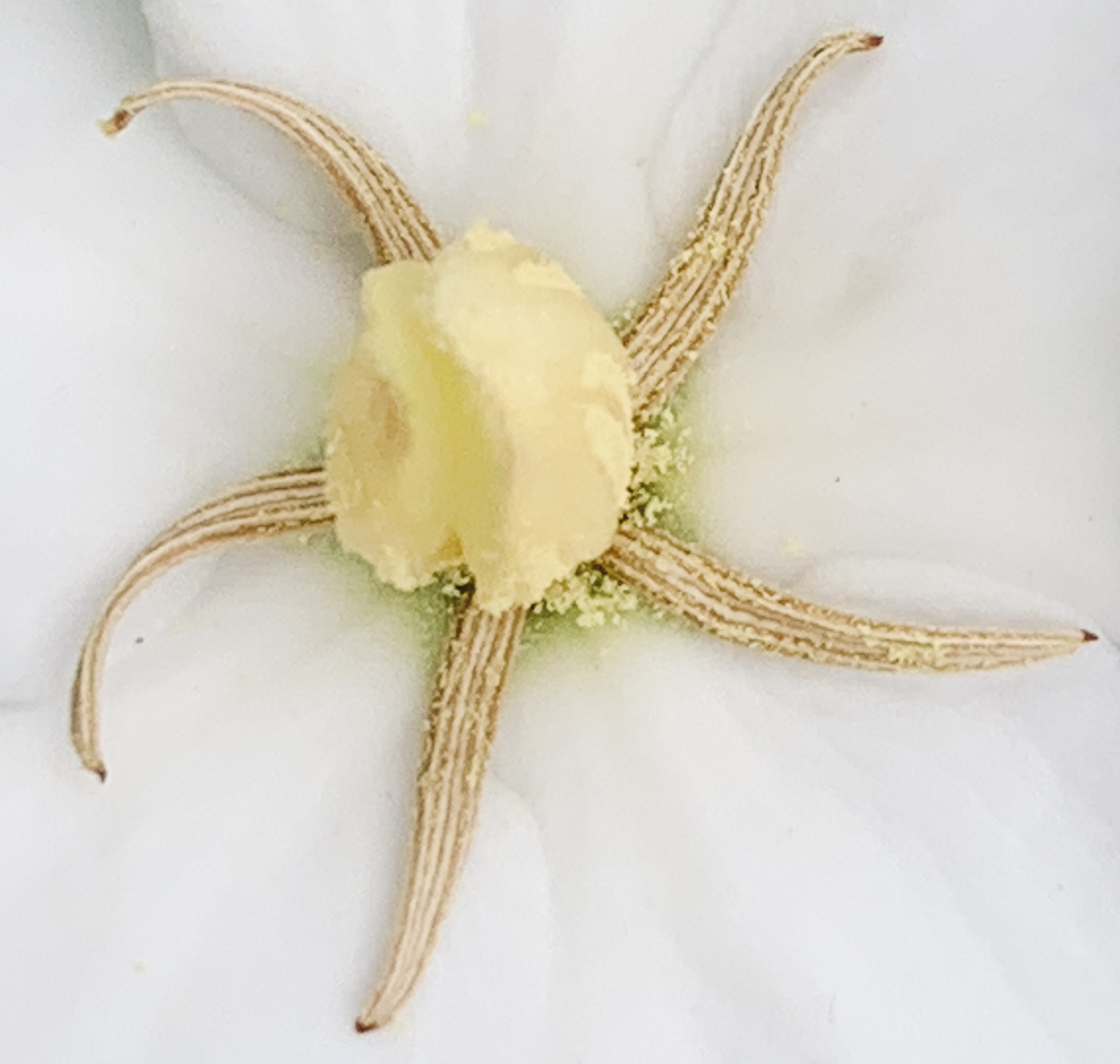

Magnolia Flower Starfish
Melinda
Honor Our Flag is written with the assistance of the National Flag Foundation to ensure the accuracy of the content. These are special days beyond flying every day.
New Year’s Day, January 1
Martin Luther King’s Birthday, (third Monday in January)
Inauguration Day, January 20th
Lincoln’s Birthday, February 12th
Washing’s Birthday, February 22nd
Presidents Day, (third Monday in February)
Easter Sunday
Mother’s Day, (the second Sunday in May)
Peace Officers Day, May 15th (half-staff)
Armed Forces Day, (third Saturday in May)
Memorial Day, (the last Monday of May) fly half-staff until noon.
Melinda
Repost



















 lookingforthelight.blog