

Women have made huge strides in leveling the playing field but it’s still very lopsided. Women have fought for their rights for over 100 years, and we’re not there yet. I’m so glad there are younger generations who have the skills and determination to keep pushing forward. Make 2024 the year you stop settling and stand your ground for equal rights!
Where it began
The Woman Suffrage Amendment was first introduced on January 10, 1878. It was resubmitted numerous times until it was finally approved by both the House and Senate in June 1919. The bill needed to be approved by two-thirds of the states, so suffragists spent the next year lobbying state legislatures to gain support for the bill. On August 24, 1920, Tennessee became 36th and final state to ratify the amendment, which passed by only one vote. That one vote belonged to Harry Burn, who heeded the words of his mother when she urged him to vote for suffrage. Secretary of State Bainbridge Colby signed the amendment into law on August 26, 1920.
Fifty years later on August 26, 1970, Betty Friedan and the National Organization for Women organized a nationwide Women’s Strike for Equality. Women across the political spectrum joined together to demand equal opportunities in employment and education, as well as 24-hour childcare centers. This was the largest protest for gender equality in United States history. There were demonstrations and rallies in more than 90 major cities and small towns across the country and over 100,000 women participated, including 50,000 who marched down Fifth Avenue in New York City.
In addition to the marches, groups of women participated in publicity stunts aimed at garnering more recognition of gender inequality. Women in New York City took over the Statue of Liberty, hanging two 40 foot banners from the crown reading “March on August 26 for Equality” and “Women of the World Unite.” An organized group stopped the ticker tape at the American Stock Exchange, and held signs such as, “We won’t bear any more bull.” Female teachers also filed a lawsuit against the New York City Board of Education in which they demanded gender equality in appointing educational administration positions. The case lasted about 10 years and finally resulted in an increase in female principals.
While the strike did not halt the activities of the nation, it drew national attention to the Women’s Movement. The New York Times, for example, published their first major article on the Feminist Movement by covering the events of the day. It even included a map of the route the marchers took through the city.
In 1971, Representative Bella Abzug (D-NY) introduced a successful bill designating August 26th of each year as Women’s Equality Day. Part of the bill reads that Women’s Equality Day is a symbol of women’s continued fight for equal rights and that the United States commends and supports them. It decreed that the President is authorized and requested to issue a proclamation annually in commemoration of woman suffrage and the 1970 Strike for Equality. Women today continue to draw on the history of these brave and determined women.
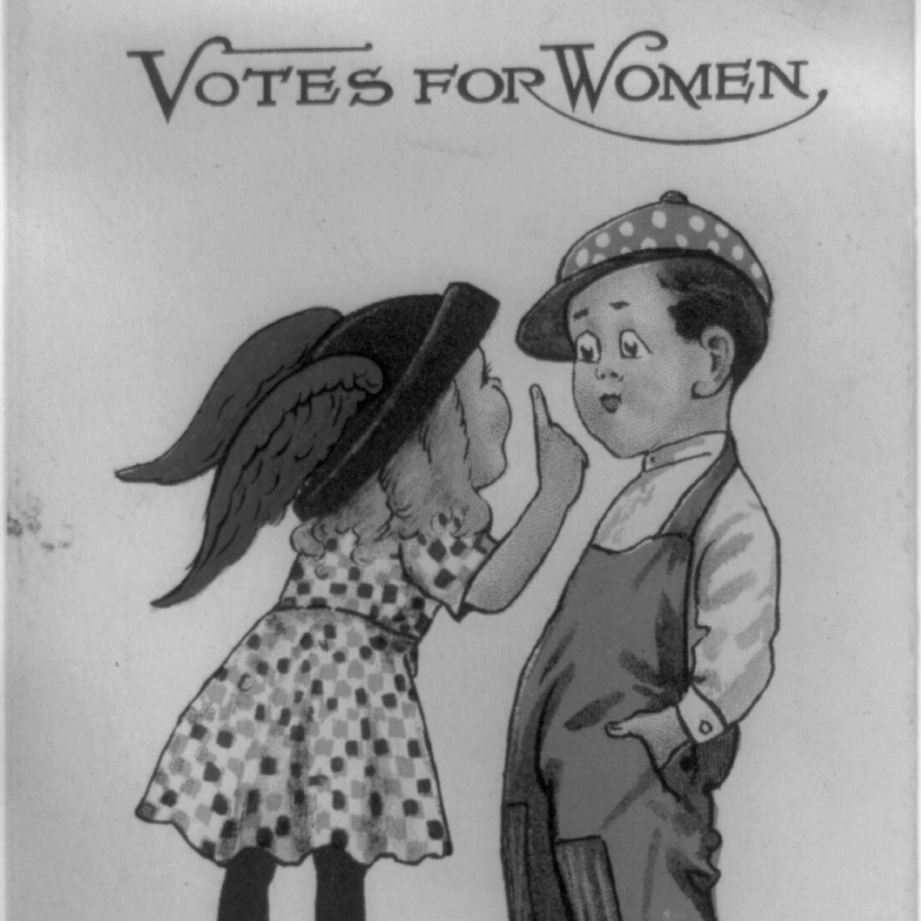
Women’s Equality Day is celebrated in the United States on August 26 to commemorate the 1920 adoption of the Nineteenth Amendment (Amendment XIX) to the United States Constitution, which prohibits the states and the federal government from denying the right to vote to citizens of the United States on the basis of sex. It was first celebrated in 1971, designated by Congress in 1973, and is proclaimed each year by the United States President.
he date was chosen to commemorate the day in 1920 when the Secretary of State Bainbridge Colby signed the proclamation granting American women the constitutional right to vote.[1] In 1971, following the 1970 nationwide Women’s Strike for Equality,[2] and again in 1973, as the battles over the Equal Rights Amendment continued, Congresswoman Bella Abzug of New York introduced a resolution to designate August 26 as Women’s Equality Day.[3]
In 1972, President Richard Nixon issued Proclamation 4147, which designated August 26, 1972, as “Women’s Rights Day” and was the first official proclamation of Women’s Equality Day.[4] On August 16, 1973, Congress approved H.J. Res. 52, which stated that August 26 would be designated as Women’s Equality Day and that “the President is authorized and requested to issue a proclamation in commemoration of that day in 1920 on which the women in America were first guaranteed the right to vote”.[5] The same day, President Nixon issued Proclamation 4236 for Women’s Equality Day, which began, in part: “The struggle for women’s suffrage, however, was only the first step toward full and equal participation of women in our Nation’s life. In recent years, we have made other giant strides by attacking sex discrimination through our laws and by paving new avenues to equal economic opportunity for women. Today, in virtually every sector of our society, women are making important contributions to the quality of American life. And yet, much still remains to be done”.[6]
As of 2023, every president since Richard Nixon has issued a proclamation each year designating August 26 as Women’s Equality Day.[7]
I’m proud there is a day on the calendar but that doesn’t satisfy me in the least. Equality is an everyday, day-after-day effort to level all playing fields. Women have fought hard for the progress we’ve made but there is so much more to go. Gone are the days of the good old boys at the workplace and sports is a dinosaur with its pay scale. Women don’t have the same size contracts with advertisers as men and I’m sure the list is longer than I have the wind to write.
Melinda
References:
https://en.wikipedia.org/wiki/Women’s_Equality_Day
https://www.womenshistory.org/articles/womens-equality-day
 Looking for the Light
Women need to keep on fighting, and the young women coming up who are teens now, I think they will!
LikeLiked by 1 person
I haven’t seen that here in texas but i don’t watch much news or have children to fill me in.
LikeLike
Wouldn’t publishing the fully ratified Equal Rights Amendment be a fitting way for the White House to celebrate? The American Bar Association is on board https://msmagazine.com/2024/08/15/equal-rights-amendment-american-bar-association/
LikeLiked by 1 person
That is great to know.
LikeLike
Hear!, hear!
LikeLiked by 1 person
Love it lots.
LikeLiked by 2 people
Thank you, I feel the hug.
LikeLike
Another very interesting post Melinda. Did you know Helen Reddy’s song I am Woman is synonymous with women’s empowerment, Reddy always maintained that “I Am Woman” was not intended to just be about a feminist message. “It’s not just for women,” she said in 2003. “It’s a general empowerment song about feeling good about yourself, believing in yourself. But it really fits the contents big this post!
LikeLiked by 2 people
Know the song very well, used to sing at the top of my lungs. :) I’ve updated my other post to reflect a more accurate situation for many.
LikeLike
its a great song to unite us all , if only we could all have equality 💜
LikeLiked by 1 person
That is so true, not just women and men but all.
LikeLike
yes indeed 💜💜💜
LikeLiked by 1 person
You inspired me to post the song, two videos for Weekend Music Share. I mention you and have a link to your blog. :)
LikeLike