

Subscribe to continue reading
Subscribe to get access to the rest of this post and other subscriber-only content.

Subscribe to get access to the rest of this post and other subscriber-only content.
Subscribe to get access to the rest of this post and other subscriber-only content.
Subscribe to get access to the rest of this post and other subscriber-only content.
Subscribe to get access to the rest of this post and other subscriber-only content.
Subscribe to get access to the rest of this post and other subscriber-only content.
Subscribe to get access to the rest of this post and other subscriber-only content.
Subscribe to get access to the rest of this post and other subscriber-only content.
New York resident Holly Ahern is a professor emerita of microbiology, a researcher working on improved diagnostic tests for Lyme disease, a member of state and federally convened working groups that examined all aspects of Lyme-infection associated chronic illness, and the mother of a Lyme disease patient.
In the following guest opinion in Syracuse.com, she offers a thoughtful response to an earlier article that overlooked important, established information about Lyme disease.
Lyme disease is a complex illness caused by a bacterium whose ingenious life strategy doesn’t match the classic model of how bacterial infections affect human physiology.
Although we all want to believe that the current one-size-fits-all medical guidelines represent an evidenced-based framework to guide diagnosis and treatment — quite frankly, they don’t.
Health care providers continue to rely on and defend practices that may work for a small percentage of Lyme disease patients, but leave the majority in limbo.
Patients seek “nontraditional methods” of treatment from “functional providers” because the longstanding guidelines directing diagnosis and treatment have failed many people over many years.
First, the legend. Fifty years ago, a researcher at Yale University identified an outbreak of a previously unrecognized bacterial infection and named it Lyme disease. A diagnostic test was developed. Antibiotics became the standard treatment for this disease. Treatment-resistant cases were noted in nearly half of diagnosed cases, and were treated with more antibiotics. Persistence of the bacteria after treatment was acknowledged. Transmission during pregnancy leading to adverse outcomes was discovered and researched.
Then early research progress stalled, and by 2001, Lyme disease became known as a disease that was “hard to catch and easy to cure.”
A conflict developed between patients and researchers that resulting in patients being labelled “Lyme loonies” by the retiring NIH official who in 2007 oversaw federally funded Lyme disease research in the U.S. And it’s apparent from the opinions previously expressed that medical mislabeling of Lyme disease patients with persistent illness continues to this day.
There are more than 500,000 diagnosed Lyme disease cases a year in the U.S., so obviously it’s not all that hard to catch. A significant percentage of those cases will have persistent and debilitating symptoms that last for months to years, so it’s not so easy to cure, either. That’s the truth.
And now the myths, starting with the one about how Lyme disease is easy to diagnose because almost everybody knows they were infected by a tick bite and show up to their doctor with a unique, bull’s-eye shaped rash that enables early diagnosis and curative treatment.
Here’s the science behind that medical myth. In the early years of research into Lyme disease, a handful of epidemiological studies proclaimed that over 70% of diagnosed cases started with this rash.
However, all of those early studies relied almost entirely on the bull’s-eye rash for case determination, a strong research bias that should be apparent to all. From newer research it’s clear the bull’s-eye rash isn’t the diagnostic tool it was thought to be.
Fewer than half of all Lyme patients recall the tick bite, and 40% report seeing no rash at all. Only 10% of rashes are actually shaped like a bull’s-eye. Not such a great clinical sign after all.
Then there are the diagnostic tests, which starting 40 years ago were acknowledged as being not all that accurate. Yet today we’re still using those same tests. Positive results are often disregarded as “false positive” and those patients go untreated. Negative test results can’t be used to rule out a diagnosis of Lyme disease. Huh?
With regard to symptoms, numerous published studies point out that symptoms are variable. Women experience Lyme disease differently than men. Men are more likely to develop the bull’s-eye, give a positive diagnostic test result and experience more obvious symptoms.
Women are significantly less likely to develop the rash or test positive with the current two-tier testing approach, and more commonly experience non-specific symptoms like fatigue, headache, heart palpitations, vomiting, photophobia and higher severity of memory loss and psychiatric issues.
Which means men get treated, and women get referred.
Since the rash is unreliable, symptoms are variable and the tests don’t help, early diagnosis is missed more often than not. And late diagnosed patients, who are more often women, are at a higher risk of becoming chronically ill. That’s the truth.
Which brings up treatment. Because Lyme disease is a bacterial infection, the recommended treatment is a short course of one oral antibiotic. But Lyme isn’t caused by your typical bacterium, and that treatment doesn’t always work. The longstanding assertion that additional antibiotic treatment isn’t warranted, because there’s “no evidence” that it works, needs to be balanced with the reality that there is “no evidence” it doesn’t, either. There’s just not enough evidence, period.
The truth is more federally funded, well-designed clinical studies that aren’t designed to just reinforce what investigators want to believe, are desperately needed. An update to outdated Lyme disease medical school curricula appears to be needed, as well.
Republished by permission of the author.
Reference:
As tick‑borne diseases continue to rise, scientists are working to create better diagnostic tools.
The idea behind this work is simple: doctors can’t treat an infection if they can’t reliably detect it. And to detect these microbes, researchers first need to understand how they behave inside the body.
In a recent educational webinar, Jennifer C. Miller, PhD, of Galaxy Diagnostics, explained how tick‑borne pathogens spread, how they hide, and why testing can be so challenging.
Her main message was clear: improving diagnostic accuracy starts with understanding what these organisms do once they enter the human body.
Ticks usually pick up bacteria or parasites from small animals like mice, squirrels, and birds. Humans are most often infected by nymphs — tiny ticks that are so small many people never notice the bite.
Once a tick attaches, microbes enter the skin and immediately face the immune system. Some are destroyed, but others survive, move into the bloodstream, and spread into tissues. This helps explain why tick‑borne infections can affect so many parts of the body, including joints, muscles, nerves, the heart, skin, and the brain.
A major point in the webinar was how well these pathogens can hide from the immune system. Dr. Miller explained that some microbes change their outer surface or interfere with immune signals, making it harder for the body to recognize and fight them.
When the immune system can’t easily detect an invader, the infection may last longer and become harder to diagnose and treat. Understanding these survival tricks is essential for developing better tests.
The biology of tick-borne pathogens directly influences the difficulty of testing. Some pathogens evade immune recognition, migrate into tissues, or remain present in small numbers. This makes them harder to detect and requires highly sensitive diagnostic methods.
Dr. Miller explained that pathogens like Bartonella and Babesia don’t stay in one place. They may appear in the blood one day and disappear the next, even though they’re still in the body.
This fluctuating presence can make them harder to find, particularly when testing captures only a single moment in the infection process.
Encouragingly, the scientific community is actively working to close these diagnostic gaps. Researchers are studying how tick-borne pathogens survive, move through the body, and evade detection so that testing methods can better reflect these biological realities. This growing body of research represents an important step toward more accurate diagnostics and earlier identification of infection.
For many patients, this research helps explain why diagnosis can be so complex. Understanding how these organisms persist and evade detection provides important context for interpreting test results and seeking appropriate care.
Tick-borne infections are biologically complex conditions capable of affecting multiple systems throughout the body. Continued research, education, and clinical awareness remain essential to improving diagnosis and care.
Because ultimately, better detection begins with better science.
Note: Dr. Miller’s webinar was originally designed for medical professionals, so some sections may feel overly technical to general audiences. Still, Galaxy Diagnostics has made the full presentation freely available for anyone who wants to learn more. You can watch it here.
Terri McCormick is a writer and advocate with LymeDisease.org. She is author of the forthcoming book Being Misdiagnosed: Stories That Reveal the Hidden Epidemic of Lyme Disease.
Melinda
Source:
Melinda Bergeron, a member of the family that founded the Northeast Lyme and Associated Diseases Resource Foundation (NELAD.org), wrote this on the first anniversary of her father’s death.
365 days around the sun since you’ve been earthbound.
I remember the long drive to Boston, selfishly thinking, “all these false alarm calls over the years and you choose the days leading up to my birthday….”
I begged doctors to promise me he’d surpass the actual day. The thought of marking an end to our complex relationship on my birthday felt like a tragedy I’d never fully be able to grieve.
I remember the beautiful, young resident doctor who had such a remarkably warm presence, telling me at the time, that perhaps the duality of our relationship and the duality of celebration and grief, the duality of life and death, simultaneously around this time, might mean something to me–someday.
I thought, “what an absurd comment… I will never be able to celebrate my birthday ever again!”
I haven’t shared this with anyone outside of my immediate family, but after his death, I had nightmares. For about a week straight, anytime I fell asleep, I’d find myself standing in a cemetery and there was an empty casket sitting there beside an empty pre-dug hole.
My father was standing outside his casket REFUSING to get inside of it. It wasn’t a surprise that we’d be fighting, even in my dreams. I demanded that he “get in,” and let me close the book on his death. I needed to work through this. He said, “I’m not getting in, until you’ve figured it out.”
I was ENRAGED! Figure what out? I’ve always felt like the “forgotten” middle child. Besides, I thought I had it all figured out. I thought, “I get it, Dad, you want us to forgive each other. I do. So, get in the casket!”
This EXACT nightmare, with very little deviation in the script, went on for a week straight. I was taking melatonin, Benadryl, Unisom, and magnesium baths to help me sleep, while trying to stop the dreams. I was becoming disheartened, knowing I’d close my eyes and fight with my deceased father again, and again.
The stress of this was beginning to, again, trigger many of the debilitating physical symptoms I’ve had for years– all sorts of unexplainable symptoms prompting all sorts of weird diagnoses.
I had been struggling with syncope episodes, (aka, passing out). I was having right-sided weakness and paralysis, PNES (non-epileptic seizures), and migraines so bad I was bedridden for days at a time, until I got an IV cocktail to break the migraine. I had aphasia when I’d talk. I spent seven months of my pregnancy with my daughter, completely blind in my right eye, then several week long hospitalizations –only to be discharged once confirmed it wasn’t a stroke.
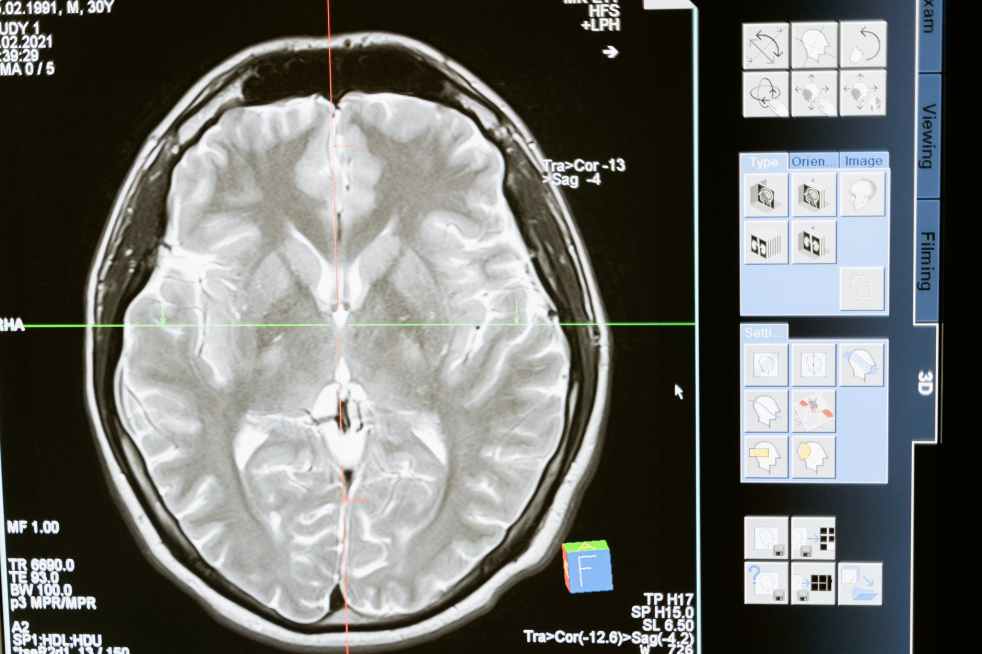
It was believed my father had Lyme disease and co-infections for a long time that caused his brain atrophy. What we would call “dementia” was shown to be induced by Lyme/vector-borne disease.
While my family and I were in the hospital with my father, my aunts had looked at me having heard these stories the last several years, my suffering, and my horrible quality of life. They told me I needed proper Lyme disease testing and a proper evaluation.
I shared the story of Maelynn, my youngest daughter, who had unusual and inconsistent allergic reactions and a mast cell activation diagnosis. At this point, I was willing to do anything just to feel better. So, I called the doctor they referred me to and I scheduled an appointment.
The dream stopped that NIGHT. Initially, I chalked it up to it being over a week out from the trauma, and the stress levels coming down.
I got my test results several weeks later, I DID have Lyme disease and a few co-infections. I started treatment, and while treatment has had its hurdles while trying to find what works for me, I haven’t had a SINGLE syncope episode, I haven’t had a single non-epileptic seizure, and I haven’t lost my vision in my right eye. I haven’t even had a migraine that has bedridden me for longer than a day in almost a year.
Furthermore, my littlest baby, who was tested and confirmed to have been born with the same strain I have, is also being treated–and her reactions have subsided! Truth.
That resident doctor was right. The duality of our complex relationship WOULD someday signify something so much more. This year on my 30th birthday, I was given the gift of better health and an early diagnosis for my daughter. While the anniversary of my father’s death was looming, it was almost impossible to think of him without immense gratitude and hope for the way in which his passing changed our lives.
I figured it out, Dad!
Thank you for loving me. Thank you for leading me down a path I wouldn’t have otherwise sought out on my own. Thank you for the rekindling of family relationships. Thank you for continuing to show up for me.
I miss you. I miss you so much, that when I cry, it hurts my chest. But I cry with love and praise in my heart now, rather than bitterness or angst.
Note: Melinda’s father, Matthew DiBara, passed away in 2024. Since then, his siblings and other family members have founded NELAD, which offers education, advocacy, resources, and support to families impacted by Lyme disease and other tick-borne conditions. Click here to learn more about NELAD.
Melinda
Reference:
| From artists to athletes, these biopics portray bipolar disorder with empathy — without reducing anyone to a diagnosis. Sometimes, Hollywood gets it right. On-screen stories about the bipolar experience can help foster empathy and educate audiences. The following movies tell the narratives of real people with bipolar disorder, from famous writers and painters to athletes. Although the films delve into the symptoms of bipolar and the impact a brain-based disorder has on the lives and careers of the characters, their identities are never reduced to their diagnosis. Seeing your journey reflected in a story can be a powerful reminder that you’re never alone. Exploring the Life of Jackson Pollock in Pollock Starring Ed Harris and Marcia Gay Harden, this 2000 docudrama portrays Jackson Pollock’s life of art, struggle, and love. The abstract expressionist was famous for his distinctive drip painting style. Throughout his life, Pollock battled with alcoholism, and although the film does not explicitly name bipolar disorder, the connection to his mood cycles is implied. Pollock’s story illustrates the complex relationship between creativity and the management of a psychiatric condition. Cobb: A Complicated Look at Baseball’s Ty Cobb Al Stump is a celebrated sports journalist selected by baseball great Ty Cobb (played by Tommy Lee Jones) to author his official, authorized, and sugar-coated “autobiography.” To put it mildly, Cobb is a difficult figure, and he doesn’t want to leave this world without telling his side. Historical accounts report that he was prescribed lithium — a common mood stabilizer — during his last years. Click to Read More Melinda Source: https://www.bphope.com/bipolar-buzz/7-best-biographical-movies-featuring-bipolar-disorder/?utm_source=iContact&utm_medium=email&utm_campaign=bphope&utm_content=BUZZ+-+Mar1+-+Movies  |
|---|
The two chronic illness are often mistaken as the same yet they are very difference.
Parkinsonism is an umbrella term that refers to conditions with similar, movement-related effects. These conditions involve slowed movements, and other symptoms are possible depending on the condition. These conditions are usually lifelong, and most (but not all) involve deterioration of your brain. However, most are also treatable.
Parkinsonism is an umbrella term that refers to brain conditions that cause slowed movements, rigidity (stiffness) and tremors. These conditions can happen for many reasons, including genetic mutations, reactions to medications and infections.
Parkinsonism refers to several conditions — including Parkinson’s disease — that have similar symptoms and features. However, Parkinson’s disease makes up about 80% of all cases of Parkinsonism, making it the most common form by far. Other conditions that fall under the term Parkinsonism include multiple system atrophy or corticobasal degeneration.
Another key difference is that Parkinsonism can happen for reasons that are treatable or even curable. Some of the causes of Parkinsonism can also go away on their own and only need treatment for some of their symptoms.
I have Parkinsonism and it can through my days for a loop. I have ongoing, tremors, slowed movements, yet no doctors have mentioned treatment. It’s time to see a Neurologist again, I would be so thrilled to learn there is a treatment, even if it handles some of the symptoms.
Another interesting fact is that most patients with Parkinson will also will have Parkinsonism.
Keep an eye on new symptoms and see if they match up to Parkinsonism, maybe you can get treatment.
To you health. :)
Melinda
Reference:
https://my.clevelandclinic.org/health/diseases/22815-parkinsonism

Melinda
When my children were at their sickest with Lyme and other tick-borne diseases, I was pushed into a level of caregiving I never expected. It felt as if we had been swept into a storm without warning, the sky suddenly dark and the path forward impossible to see.
I searched constantly for direction, for steady ground, for someone who could help us navigate the uncertainty. Instead, we were often left to make critical decisions alone. What I needed most was clarity—a compass to help chart a path forward.
It was perhaps no surprise, then, that I felt an immediate connection when I met siblings Carter and Payton Bradsky in Washington, DC, last May, while advocating on Capitol Hill with the Center for Lyme Action.
Between meetings, they shared that they were building a digital health platform designed specifically for people living with complex tick-borne illness. Their vision resonated with me instantly. They understood this journey because they had lived it.
Years earlier, the Bradskys had watched their once-vibrant mother decline from an illness no one could explain. This woman who had once filled their home with energy and warmth became increasingly exhausted, and even simple daily activities grew more difficult. She was eventually diagnosed with Lyme disease, but only after the family endured a long search for answers.
Her diagnosis also brought a deeper awareness within the family about the many ways tick-borne illness can present. Yet the family’s journey with illness was far from over.
Carter developed neurological and psychological symptoms, including brain fog, anxiety, and dissociation, that disrupted both his academic focus and athletic pursuits. Ultimately, his illness derailed what might have been a promising Division I basketball career. He was later diagnosed with Lyme disease and multiple co-infections.
Payton’s path to diagnosis was different. During her senior year of college, she developed severe headaches and fatigue, which she attributed to academic stress. The seriousness of her condition became clear only after she suffered a seizure and awoke with no memory of the event. She was diagnosed with epilepsy and began anti-seizure medication.
When a second seizure occurred despite treatment, the family’s expanding awareness of Lyme disease prompted deeper investigation. Payton was ultimately diagnosed with Lyme disease along with multiple tick-borne co-infections.
Over time, the family had collectively consulted more than 40 physicians and spent over $300,000 seeking answers and treatment.
Although their symptoms varied, their experiences revealed the same truth: tick-borne illness rarely follows a predictable course. The knowledge their family gained through their mother’s persistent search for answers helped shorten their own paths to diagnosis and deepened their understanding of this complex disease.
As they researched tick-borne illness, the Bradskys discovered an expansive Lyme community they had never known existed. What once felt like uncharted territory gradually revealed a network of physicians, researchers, advocacy organizations, and patient resources devoted to helping individuals navigate complex disease.
The more they learned, the clearer it became that access to reliable information can profoundly shape a patient’s care journey. Guided by these insights, and informed by their educational and professional backgrounds, Carter and Payton committed themselves to making that knowledge more accessible.
After years of development and collaboration with patients and Lyme-literate clinicians, the brother and sister launched LymeLess Health. It’s a digital platform created to bring clarity and organization to the often overwhelming realities of complex care.
LymeLess Health helps patients manage evolving treatment plans, multiple therapies, and the unpredictable nature of complex illness. Available as a mobile app through the App Store and Google Play, it supports patients in tracking their health, recognizing patterns, and preparing for more productive conversations with their clinicians. It is not intended to replace medical care but rather to complement it.
At the center of the LymeLess platform is Ella, an AI-powered health companion created to help patients living with Lyme and associated conditions. Unlike general health apps, Ella draws from Lyme-literate resources and is designed to support the realities of complex care, where treatment plans often require ongoing adjustment.
Ella is designed to support patients in several important ways:
Tracking: Log symptoms, medications, supplements, and therapies in one place.
Care reminders: Customizable alerts help patients stay organized with treatment schedules.
Pattern recognition: Compiles health data over time to identify trends and treatment responses.
Visit preparation: Generates concise summaries for you to take to your doctor appointments.
Health timeline: Organizes medical records, labs, rash images, and appointment notes in one secure location, enabling Ella to generate summaries for provider visits and insurance requests.
Care navigation: Access educational resources and locate Lyme-literate providers.
Adaptive support: Adjusts alongside changing care plans without requiring patients to rebuild their records.
Through a conversational interface, Ella helps patients build a personalized record of their health, enabling them to better understand their condition and monitor progress over time.
The Bradsky siblings set out to place Lyme-literate knowledge directly into the hands of patients. Their goal is simple yet powerful: to help patients navigate illness with greater confidence, clarity, and support.
For patients and caregivers living with the uncertainty of tick-borne disease, tools that provide support and structure can feel like a long-awaited point of direction. While no platform can calm the storm entirely, having guidance along the way can make the path forward easier to see.
To learn more, visit LymeLess.com or download the mobile app from the App Store or Google Play. The first month is offered at no cost, giving new users time to explore the platform and see if it’s right for them.
Melida
Source:
https://www.lymedisease.org/meet-ella-ai-assistant-for-lyme/
From Olympic podiums to the Super Bowl, these athletes have used their platforms to show that mental health challenges can affect anyone.
Elite athletes endure relentless pressure to perform, often facing fierce public scrutiny in a culture that has historically discouraged seeking help. From an early age, these competitors are conditioned to be invincible — physically superior and mentally bulletproof. Yet, physical strength offers no immunity to clinical depression, anxiety, or bipolar disorder. Performance anxiety, the isolation of injury, and the weight of expectation can take a serious psychological toll.
Fortunately, the tide is turning. A growing number of sporting legends are shattering the silence, proving that mental well-being is just as critical as physical conditioning. By sharing their stories, these athletes are dismantling stigma and redefining what it means to be strong.
British heavyweight boxing champion Tyson Fury, known as “The Gypsy King,” has spoken publicly about living with bipolar disorder. Despite dethroning Wladimir Klitschko in 2015, Fury spiraled into a dark depression that included substance use and suicidal ideation, famously revealing that he nearly drove his Ferrari off a bridge during his lowest moment. Diagnosed with bipolar in 2017, he credits his recovery to his Christian faith, family, and a disciplined return to training. With a scheduled return to the ring on April 11, 2026, against Arslanbek Makhmudov, Fury continues to act as a powerful voice for destigmatizing mental illness. “I have flaws, and I have many of them,” he once said. “But I’m an ambassador for mental health.”
While celebrated as a four-time Super Bowl champion and NFL Hall of Famer, Terry Bradshawis equally prolific as a broadcaster, actor, and musician. However, behind the public persona, he struggled silently until a diagnosis of clinical depression in 1999. Following years of anxiety attacks, intense anger, and alcohol abuse, Bradshaw found stability through medication, therapy, and faith. He remains unapologetic about his journey. “You know what, I’m not ashamed of who I am,” he told esperanza magazine. “It’s the way I was made. I just got some issues here, and I dealt with them. And I’m proud of it.”
Widely considered the greatest gymnast of all time, Simone Biles changed the definition of strength when she withdrew from the Tokyo Olympics to protect her mind and body from “the twisties ” — a dangerous mental block. She prioritized her safety over gold medals, sparking a global conversation about the pressure placed on elite athletes. Biles returned to the world stage at the 2024 Paris Olympics with a renewed perspective, proving that taking a step back is often the bravest move of all. “I have to focus on my mental health and not jeopardize my health and well-being,” she said. “It’s okay not to be okay.”
Originally known as one of the greatest professional wrestlers of all time, Dwayne “The Rock” Johnson has successfully transitioned into a global superstar on the big screen. Recently, he drew attention for a dramatic turn in the A24 biopic The Smashing Machine (2025), portraying MMA legend Mark Kerr’s battle with addiction. Despite his massive success, Johnson has been remarkably open about his own history of major depressive disorder, using his platform to encourage men to seek support. He emphasizes that psychological well-being is as vital as physical strength. A dedicated father and philanthropist, Johnson actively contributes to social causes ranging from animal welfare to natural disaster relief.
As the most decorated Olympian in history, swimmer Michael Phelps has been candid about the price of perfection. He revealed to esperanza magazine that he spiraled into deep depression, anxiety, and substance use even while at the peak of his career. “With athletes or celebrities, people think they’re so much different than everybody else,” he said. “But I’ve gone through the same troubles.” In December 2025, Sports Illustrated honored Phelps with the Muhammad Ali Legacy Award for his enduring commitment to mental health advocacy.
Retired WWE superstar and author A.J. Mendez (formerly known as AJ Lee) is dedicated to combating the stigma surrounding bipolar disorder. Now a New York Times best-selling author and executive producer of WOW (Women of Wrestling), Mendez uses her platform to discuss her bipolar diagnosis. In her memoir, Crazy Is My Superpower, she detailed her childhood struggles and the cultural pressure to hide weakness, specifically challenging the “machismo” often found in the Puerto Rican community. Although she retired in 2015, Mendez made headlines with a surprise return to WWE SmackDown in late 2025.
As a four-time Grand Slam champion, tennis superstar Naomi Osaka made headlines not just for her dominance on the court, but for her refusal to compromise her peace. In 2021, she withdrew from the French Open to prioritize her mental health, revealing a long battle with depression and anxiety that made mandatory press conferences unbearable. Her decision forced the sports world to re-evaluate how it treats athletes. After taking time away to become a mother, Osaka returned to tennis with a mission to advocate for player well-being. “I felt like it was important to stand up for myself,” she said. “And I hope that my actions encourage others to do the same.”
For years, NBA champion Kevin Love struggled in silence, viewing his challenges as a weakness he had to hide. That changed in 2017 when he experienced a panic attack during a game, leaving the court unable to catch his breath. He later penned a groundbreaking essay, “Everyone Is Going Through Something,” which dismantled the stigma of vulnerability in men’s sports. Love founded the Kevin Love Fund to provide mental health education and support. “Nothing haunts us like the things we don’t say,” he wrote. “So if you’re reading this and you’re having a hard time, you’re not alone.”
WNBA legend and Olympic gold medalist Chamique Holdsclaw was initially treated for major depression, but later re-diagnosed with bipolar disorder after antidepressants triggered a manic episode and impulsive spending sprees. She has since turned her struggles into advocacy. “I want others to understand it can get better. I went through a period when I had no hope, when I didn’t want to be here,” she revealed to bp Magazine. “I hope they see my journey and get inspired to keep moving forward.” She remains an active speaker, recently headlining the 2025 MLK Convocation to discuss the intersection of civil rights and mental wellness.
With 10 international wins and a successful second career as a commentator, former pro golfer David Feherty has lived a full life alongside the challenges of attention deficit hyperactivity disorder (ADHD) and bipolar depression. He views his condition with a unique perspective. “You know, I tell people I don’t suffer from bipolar disorder, I live with it,” he told Rolling Stone. He even credits it for his broadcasting success: “I see from a different side of the street than most people. And I think one of the reasons I got hired to do commentary is the ability to describe something differently.”
A seven-time Olympic medalist and former world record holder, swimmer Amanda Beardfaced battles out of the pool that included bulimia, drug use, major depressive disorder, and self-harm. “Some days, it was hard to just get out of bed,” she told esperanza magazine. Her life turned around when she embraced a combination of medication and therapy. Beard has since transitioned into mentorship, returning to the University of Arizona as an assistant coach in 2023.
Former NHL goaltender Clint Malarchuk is best known for surviving a devastating, life-threatening injury on the ice in 1989. Following that incident, he faced a different battle: post-traumatic stress disorder (PTSD), alcoholism, and obsessive-compulsive disorder (OCD). After pulling himself out of a deep depression through medication, talk therapy, and meditation, he found a new calling. “I realize now that playing hockey gave me the platform for my real purpose,” Malarchuk said. “To raise awareness of mental illness, and to help reduce the stigma surrounding depression and anxiety so that no one has to feel alone.”
As an Olympic silver medalist and former World Champion, American weightlifter Kate Nye (Vibert) appeared to have it all — until a diagnosis of bipolar disorder in 2019 revealed that her periods of intense productivity were actually symptoms of hypomania. After realizing that her ability to train on nearly zero sleep was a warning sign rather than a superpower, she sought help to stabilize her mood. She has since become a vocal advocate for athletes, proving that medication does not dull a competitor’s edge. “I felt weak for thinking I needed help,” she admitted to BarBend. “But honestly, it has taken a weight off my shoulders knowing what I have to do to feel like a functioning human being.”
Olympic middle-distance runner Suzy Favor Hamilton experienced intense hypersexuality linked to bipolar disorder, as well as acute peripartum depression. She has courageously shared how her condition drove her toward risky behaviors, using her story to demystify the often-misunderstood symptoms of mania. “In my case, my bipolar was driving me toward sex. It could have just as easily been driving me toward drugs and alcohol,” she told bp Magazine. While she has since stepped back from the public eye to live a private life in California, her candor remains a powerful testimony that diagnosis and treatment can provide a path forward.
As the first five-time Super Bowl champion and a Pro Football Hall of Fame inductee, Charles Haley became an NFL icon. However, his post-NFL life was rocky until a 2002 diagnosis of bipolar disorder helped explain years of struggle, including a decade-long battle with substance use. Haley eventually found balance through medication, therapy, and a men’s prayer group. Today, he dedicates his time to charity work and mentoring the next generation of football players.
I’m so proud of each athlete for sharing their story because when we share the stigma lessons.
Melinda
Reference:
Subscribe to get access to the rest of this post and other subscriber-only content.
Subscribe to get access to the rest of this post and other subscriber-only content.
If you’ve spent any time navigating the world of tick‑borne disease, you already know this: people don’t always take steps to protect themselves, even when they live in high‑risk areas.
And for years, public‑health messaging has chalked that up to a simple explanation — people just don’t know enough.
But a new Cornell University study suggests something far more complicated is going on. And honestly, it’s about time someone asked.
Researchers reviewed more than 1,000 survey questions from 36 studies conducted across the U.S., Canada, and Europe.
These surveys are the backbone of many public‑health campaigns. They’re supposed to tell us what people understand about ticks, what they fear, and what they do to protect themselves.
Except, as the Cornell team found, they mostly tell us what people know — not what they do, and certainly not why they don’t do what they ought to.
Lead author Emily Mader put it bluntly: many surveys “measure things that don’t impact behavior.” In other words, we’ve been asking the wrong questions.
The review found that:
If you’ve ever tried to get a teenager to use repellent, or a neighbor to do a tick check, you already know the truth: awareness doesn’t automatically lead to action. People skip prevention for all kinds of reasons — inconvenience, discomfort, cost, forgetfulness, or simply because no one around them is doing it.
The authors note that understanding the risk isn’t the same as believing prevention is doable or worthwhile. And that public‑health messages only work when they connect to something people care about — and when they come from trusted messengers.
That rings true for anyone who has watched tick‑borne disease spread while prevention campaigns stay stuck in the same loop: “Use repellent. Wear long pants. Do tick checks.” Good enough advice, but that alone doesn’t get the job done.
Tick‑borne illnesses continue to rise across the country. And yet, prevention behaviors remain stubbornly low.
The Cornell team isn’t calling for more surveys — just better ones. Surveys that ask:
If we want people to protect themselves, we need to understand the real‑world decisions behind their actions. And that starts with asking better questions.
Click here to read the Cornell study.
TOUCHED BY LYME is written by Dorothy Kupcha Leland, President of LymeDisease.org. She is co-author of Finding Resilience: A Teen’s Journey Through Lyme Disease and of When Your Child Has Lyme Disease: A Parent’s Survival Guide. Contact her at dleland@lymedisease.org.
Melinda
Every month, there are national and international celebrations dedicated to raising awareness and support for meaningful causes.
Please visit their site for the remaining awareness days.
Melinda
Reference:
I want to thank Leslie L. McKee for sharing an advanced copy of Hope Amid the Pain: Hanging On to Positive Expectations When Battling Chronic Pain and Illness (a 60-Day Devotional Journal) for an honest review.
Leslie is an author, editor, and reviewer. She is a member of American Christian Fiction Writers and The Christian PEN. Some of her devotionals were published in compilations by Ellie Claire in 2017 and 2020. Her flash fiction stories have been published with Havok, Splickety, and Spark (websites, magazines, and anthologies). Her devotional journal (HOPE Amid The Pain: Hanging on to Positive Expectations When Battling Chronic Illness and Pain) will soon be published with Ambassador International. She enjoys reading, playing piano, crocheting, spending time with family and friends (and her turtle!), and rooting for the NY Giants.
Why me? Is God punishing me? Is my faith not strong enough for God to heal me? How can I achieve my dreams? What’s my purpose?
If you’re someone living with a chronic illness or chronic pain, these are just a few of the questions you’ve likely asked on more than one occasion. You may feel overlooked or even resentful. You try to stay positive, but some days it’s hard. It’s natural to feel this way and grieve, but it’s still possible to have a hope-filled life. God has a purpose for the pain.
Christians aren’t immune from pain and illness, but we don’t have to go through it alone. Jesus promised that He would “never leave you nor forsake you” (Deuteronomy 31:6 NIV).
Millions of women suffering from chronic pain and illness want the reassurance they’re not alone. The devotions in Hope Amid the Pain are written by a chronic pain warrior with over twenty-five years’ experience and will point the reader to hope and encouragement. It’s possible to Hang On to Positive Expectations (HOPE) even amid the pain.
Beautifully written, HOPE Amid the Pain tugs at the heart with both practical and spiritual instruction. Anyone who is or has suffered with crippling and debilitating pain or illness will find encouragement and support in this devotional. Spirit-lifting, wise, and filled with inspiration, this devotional is sure to strengthen hearts for wherever the Lord is leading.
Debbie Macomber | #1 NYT Bestselling Author
McKee writes with compassion and understanding. Words of grace and compassion for those struggling with chronic pain.
Vannetta Chapman | USA Today bestselling author
As a mental health therapist I often look for resources for clients who struggle with chronic mental and physical illnesses. Leslie L. McKee speaks from personal experience as a woman who suffers from chronic illness. She has combined her personal experience, her deep faith in Christ, and her writing skills to provide a devotional which will truly minister to women who are fellow travelers on the chronic illness journey. Her format provides encouragement with practical application based on Scripture. I can’t wait to be able to offer such a devotional to my clients.
Patricia J Edwards| LCSW, TheAntioch Group
Leslie has been a chronic pain warrior for over twenty years and understands the challenges we face daily. She does a great job of lifting you up; it’s like a gentle hug from a friend.
The journal covers topics like:
Don’t Settle
You Are Enough
Rest Stop
Through The Fire
Leslie also offers a Resource guide at the back of the book and a chapter on Scriptures.
I think it’s a great gift for you or someone you care for who has a chronic illness or suffers from chronic pain. Self-care is critical to our overall health and especially our mental health.
Leslie’s book is a must buy and will be a resource you will refer to again and again.
Melinda
Repost
I am fortunate to have traveled to Russia alone, jumped out of a plane, took a hot balloon ride, and scuba dived on several islands. In the past I was up for adventure yet my health conditions have slowed me down completely.

As for lost interest, playing cards, street racing, embroidery, and knitting. I have a couple of activities to try once I’m able.
Have a great day!
Melinda
Looking for the Light
I apologize, WordPress is still not letting me add a link.
Whatever this obstacle is, it started 18 months ago, there wasn’t a moment I can pin this inability on. Inability is the right word, I’m not afraid to leave the house, I’ve driven a few times in the past year, I know how to drive within three miles of house.
Yet, I have my husband take me to all my appointments even if there just a mile or two away. I never feel nervous when we’re getting ready to go, no uncomfortable feelings on the way there and no sigh of relief when we’re back home.
For the longest time, I denied I had Agoraphobia but now understand people drive while suffering from Agoraphobia. The famous Chef Paula Dean was Agoraphobic for years, she drove and took care of business as needed but she feared it, didn’t want to drive, couldn’t even walk around the block at one point. Her book helped me understand you can function, reintroduce yourself slowly, the technique works on some patients.
I feel tremendous pressure to drive to my doctor’s appointments so my husband won’t have to take off work. He has to take an average of five days a month to drive me, sometimes very short distances. Even thou he’s been with the company 20 years that is still a lot of days off. I hate to think of how many days I lost since I first got sick in 2012.
There is only one factor I can come up with, my dementia. I have lost big chunks of knowledge, simple things like where I used to go shopping. I don’t remember how to get there. One other factor is our city has grown so big since I got sick nothing looks the same. We passed a restaurant we use to frequent and I barely noticed it because everything had grown around it.
I’m not sure I could drive the 30 miles to my grandparent’s house. I had to really think hard about what streets I would take, exits, what freeways and then doing in reverse. My husband said he wouldn’t feel comfortable with me driving to their house.
I am afraid of getting lost, not being able to take care of myself as before or forgetting my phone, which I did the first appointments I drove to. Not only did I get lost but forgot my phone. Another small part is I have a different car than before. My previous car was a sexy BMW hot rod and I knew how fast it could get to the on the freeway ramp. I now have a Suburu which is really cool but not the same get up and go. I’m still adjusting to how fast I have to turn in front of someone and all the good things you learn when you get a new vehicle. My Suburu is two years old and has 1300 miles on it. I have driven about 15 of those miles.
Please give any feedback you have, I want to hear every thought and idea. Thanks a million.
Melinda
Repost from 2019
This is my first Bucket List and when I saw someone liked it today, I had to read the post. My life has changed dramatically due to my health yet I never stop thinking about seeing a Turkish rug being made. I’m still having issues adding a link for you to compare the Bucket List written in 2025.
—
I had many adventures in my head and wrote my first Bucket List in 2015, it was invigorating to have it in writing yet I was struggling with Chronic Lyme and IV Therapy, my joy didn’t last until I went into remission years later.
A sincere thank you and a big hug for all the well wishes. I love hearing from you, you bring a smile on days when there are none. It will take a while but “I’ll Be Back”. XO Warrior
BUCKET LIST STARTED 2015
Tango Lessons
Visit Germany where my family lived before coming to America
Dive again, in 1999 I had panic attack and have not tackled fear
Enjoy Argentinian Wine Country
Be a RAINN Advocate Speaker for Child Abuse and Rape
Volunteer for RAINN to offer support to women while going thru Rape Kit process
Provide pastoral support as Ordained Minister with a focus on dying children and the elderly.
Swim with Manatees, Dolphins, and Sharks, Sharks only while in a cage.
Ride a Camel and Elephant in a native environment, treated ethically.
See every inch of Australia. Australia is several countries in one.
Hot air balloon ride through the French countryside.
Visit countries safe for American women traveling alone. To build confidence, I like to travel alone to foreign destinations. Germany, Istanbul, India, Dubai, and Alaska, that’s a good start.
Learn to rescue animals who coexist in our neighborhoods, like ducks, rabbits, owls, bobcats, and coyotes.
See fine Turkish rugs being made
See Silver Back Gorillas in Uganda
My organs save a life
I think seeing photos of past adventures will jack up my motivation. The photos do not represent all of my travels, just a snippet.




Melinda
Repost
Facts About Blood Needs
The Red Cross provides about 40% of our nation’s blood and blood components, all from generous volunteer donors. But supply can’t always meet demand because only about 3% of age-eligible people donate blood yearly. Each new donor helps us meet patient needs.
For years, people living with Lyme disease and other infection-associated chronic illnesses have reported cognitive decline, mood changes, memory problems, and unexplained psychiatric symptoms. Yet these symptoms are routinely dismissed as psychological rather than biological.
At the 2nd Annual Alzheimer’s Pathobiome Initiative (AlzPI) & PCOM Symposium, a new conversation is reshaping that understanding.
In a special live recording of Pathobiome Perspectives, author and Galaxy Diagnostics CEO Nicole Bell shares how her family’s search for answers revealed the role of infection in her late husband Russ’s devastating neurological decline.
In her presentation, “When the brain pathobiome becomes personal,” Bell describes laboratory findings from Russ’s donated brain, including:
These data, now being prepared for publication, reinforce a growing scientific model: polymicrobial infection and toxic exposures may converge to drive neuroinflammation and Alzheimer’s-like symptoms.
Bell also outlines why so many patients fall through the cracks:
She highlights hallmark Bartonella clues often mistaken for psychological disorders — irritability, anxiety, OCD, tics, vision changes, and stretch-mark-like striæ — noting that exposure risk extends beyond ticks to fleas and household cats. Bell advocates for precision diagnostics that assess pathogen load, immune dysfunction, and toxic exposures together, rather than in isolation.
Bell’s story underscores a pivotal shift: what looks psychiatric or “idiopathic” may be a complex, biologically driven pathobiome process — and recognizing it early could change outcomes.
Tune in to this episode of Pathobiome Perspectives, presented in collaboration with Tick Boot Camp and LymeDisease.org, to learn how cutting-edge research could transform our understanding of chronic illness and cognition–and offer hope to millions navigating life through the haze.
Pathobiome Perspectives was developed in collaboration with the Pathobiome Research Center at PCOM, led by Founding Director Nikki Schultek, and Director Dr. Brian Balin and the Center for Chronic Disorders of Aging (CCDA).
New episodes of Pathobiome Perspectives will roll out every Tuesday night at 7:30 p.m. Central.
Ali Moresco is a tick-borne disease survivor, advocate, speaker and founder of Moresco PR, a healthcare communications firm. She also serves as Executive Board Chair of Project Lyme. You can connect with Ali on Instagram at @AliTMoresco or on YouTube.
Melinda
Reference:
“Forever chemicals” are synthetic compounds found in products like non-stick pans, waterproof clothing, dental floss and more items
Researchers have found a new link between exposure to “forever chemicals” — synthetic compounds found in non-stick pans, waterproof clothing, dental floss and more items — and one lifelong health condition.
A new study, published in the scientific journal Environment International, found that people exposed to two major environmental toxins — known as perfluorooctane sulfonic acid (PFOS) and polychlorinated biphenyls (PCBs) — are more likely to be diagnosed with multiple sclerosis, or MS.
“We saw that several individual substances, such as PFOS and two hydroxylated PCBs [substances that arise when PCBs are broken down in the body], were linked to increased odds for MS,” Kim Kultima, who led the Sweden-based study, said in a press release.
“People with the highest concentrations of PFOS and PCBs had approximately twice as high odds of being diagnosed with MS, compared with those with the lowest concentrations,” she added.
According to the Mayo Clinic, multiple sclerosis is a chronic autoimmune disease that causes a breakdown of the protective covering of nerves, causing numbness, weakness, trouble walking, vision changes and other symptoms.
MS causes an interruption in communication between the brain and the rest of the body, and can eventually lead to permanent damage of the nerve fibers.
In this study, researchers analyzed blood samples from 900 people who had been recently diagnosed with MS, and compared them to samples from people who do not have MS.
Kultima and her team then measured the toxin levels in each group’s blood samples, using statistical models see how chemical exposure corresponded with the odds of developing MS. According to the study, people are often exposed to a mixture chemicals at the same time, so researchers also investigated how exposure to more than one toxin affected them.
“We could then see that an increase in total exposure was linked to higher odds of MS, even after adjusting for previously known lifestyle and genetic risk factors,” said Aina Vaivade, the first author of the study.
The final phase of the study also explored the relationship between genetics, chemical exposure and the odds of being diagnosed with MS.
Researchers found that people who carry a certain gene variant have a reduced risk of MS. People who carry the gene and participated in the study saw “unexpected increased odds” of being diagnosed with MS when they had higher PFOS exposure.
“This indicates that there is a complex interaction between inheritance and environmental exposure linked to the odds of MS,” Kultima added.
Melinda
Reference:

The lone star tick, notorious for spreading disease and causing a red meat allergy called alpha-gal syndrome, has long plagued the eastern United States.
Now, UC Davis researchers warn it may be edging closer to establishing itself in California.
Their study uncovered seventy-six lone star ticks reported across the state, including recent finds in the Bay Area and San Clemente. While field teams in 2024 and 2025 didn’t recover any during surveillance, climate models show coastal California offers prime conditions for the species.
Experts say the tick isn’t officially established yet, but the risk is real. With climate change and increased movement of animals and people, scientists caution that Californians should stay vigilant, check for ticks after outdoor activities, and report unusual sightings.
Click here to read the study in the journal Ticks and Tick-borne Diseases.
Melinda
Reference:
.png "Five More Fabulous Fibro Bloggers")
We’re back with another round of inspiring fibro bloggers who continue to write, reflect, and uplift despite the daily challenges of chronic illness. These storytellers offer wisdom, humor, and solidarity to the fibromyalgia community—and beyond.
Glenys writes with gentle honesty about home life, aging, and the quiet rhythms of living with fibromyalgia. Her blog is a space of peace and acceptance, where chronic illness is acknowledged but not allowed to eclipse joy.
“I write about home keeping, aging, peace and acceptance. My blog is a place to reflect on the small things that make life meaningful—even when pain is present.”
Fibro-related posts include:
Dale combines photography and storytelling to explore life with fibromyalgia. His YouTube channel and blog are filled with creative therapy ideas, including how photography can be a healing outlet.
“I use photography to express what words sometimes can’t. Living with fibromyalgia has taught me to see beauty in stillness and resilience in imperfection.”
Fibro-related content includes:
Carrie blends advocacy, art, and lived experience to illuminate life with fibromyalgia and also axial spondylarthritis. Her blog, My Several Worlds, is a vibrant hub for chronic illness awareness. From her home in Taipei, she writes with clarity and compassion, offering both practical resources and emotional resonance within Asian healthcare and the wider world.
“Blogging is a great coping tool because it allows me to vent when I need to. Plus, it’s a great way to meet other people in the chronic illness community.”
Fibro-related content includes:
Her work is especially powerful for those seeking validation in complex medical systems, and for anyone who needs to hear: you are not alone, and your story matters.
Melinda’s blog is a blend of advocacy, interviews, and personal reflection. Her “Blogger Highlight” series lifts up other voices in the fibro community, and she writes candidly about mental health and invisible illness.
“I want to shine a light on the stories that often go unheard. Fibromyalgia is invisible, but our voices don’t have to be.”
Fibro-related posts include:
Windy writes about her experience with fibromyalgia and physical therapy, weaving in reflections on faith and healing. Her blog is heartfelt and grounded, offering hope to those navigating similar paths.
“My connection to God has helped me through the hardest parts of this journey. I write to share what I’ve learned and to remind others they’re not alone.”
Fibro-related posts include:
We hope you’ve enjoyed meeting these five fabulous fibro bloggers. Their voices are part of a growing chorus of resilience, creativity, and advocacy. Stay tuned for the next spotlight in our Focus on Five Fibro Blogs series or review the previous one.
Sending a special thanks you to all the Fibro Warrior’s who contribute to Fibro Directory, speading awareness is critical.
Fibro Bloggers Directory is the brainchild of Lee Good, the community of Fibro Warriors contribute post focused living with Fibromyalgia. If you are interested in learning about how to join the group, reach out Firbo Directory for information.
If you don’t want to join at this time, you can visit for invaluable resources.
Melinda
Reference:
https://www.fibrobloggerdirectory.com/search/label/fibro%20bloggers
I have updated the resources for Fibromyalgia and as always continue to look for more. I created this page to add to Organizations That Can Help pull down menus but because I don’t do it often, it’s not showing up in the right place yet. I’m working on because these resources are critical.
Patient Advocate Foundation
A pharmaceutical co-payment assistance program for insured patients suffering with chronic pain.
Together RX Access
Uninsured Americans gain access to immediate savings on prescription products right at their neighborhood pharmacies AND resources that help people take care of what’s most important—their health.
800-444-4106
www.togetherrxaccess.com
RxHope
RxHope is exactly what its name implies…a helping hand to people in need in obtaining critical medications that they would normally have trouble affording. We act as your advocate in making the patient assistance program journey easier and faster by supplying vital information and help.
Needy Meds
NeedyMeds is not a patient assistance program, but rather a source of information on thousands of programs that may be able to offer assistance to people in need. NeedyMeds does not have an application, nor can we answer questions about individual assistance programs. We strive to provide accurate and current information, but ask that you contact specific programs directly with questions.
800-503-6897
www.needymeds.com
Healthcare Bluebook
Helps consumers save money on medical expenses — everything from drugs to x-rays — by giving them access to a nationwide database that estimates a “fair price” for watever they’re paying for.
(888) 866-8159
healthcarebluebook.com
Free Drug Card Program
Nationwide Prescription Assistance Program (PAP) sponsored by a non-profit organization to help all Americans lower their prescription drug costs. This program has LOWEST PRICE LOGIC to guarantee that you get the best deal on your prescriptions. – See more at: http://freedrugcard.us/#sthash.IbJo8Fdh.dpuf
Benefits and Checkup
A patient assistance program that provides certain GSK prescription medicines to qualified patients who need help paying for treatment.
866-728-4368
www.bridgestoaccess.com
Melinda
When many people see a big, beautiful pile of colorful autumn leaves, it feels like an open invitation to dive in. The scene evokes joy, nostalgia, and the simple thrill of childhood.
But for Isabel Rose, it brings up something very different. It reminds her of a moment that marked the beginning of her lifelong struggle with Lyme disease.
What others see as innocent fun, she now views with alarm.
Ticks thrive in damp, shaded environments close to the ground. Leaf piles, tall grass, and wooded edges are prime habitats for them. Children playing in these areas are at increased risk, often unaware that a single tick bite can lead to years of misery.
For Isabel, what began as a carefree childhood leap into a leaf pile became the start of a medical nightmare.
Isabel is now a writer, Lyme disease advocate, and founder of Mothers Against Lyme, a support network for families affected by congenital and pediatric Lyme. She also serves on the board of Project Lyme, a national nonprofit.
In a recent essay published on her Substack, Isabel shares the story of how a tick bite at age 8 led to decades of misdiagnosed symptoms, chronic illness, and eventually, the discovery that both she and her children had Lyme disease and co-infections.
Her experience is a powerful reminder of the importance of tick awareness. Ignoring the risks can be hazardous to yourself–and future generations.
Click here to read her raw and deeply informative essay.
Click here to learn more about Mothers Against Lyme.
TOUCHED BY LYME is written by Dorothy Kupcha Leland, President of LymeDisease.org. She is co-author of Finding Resilience: A Teen’s Journey Through Lyme Disease and of When Your Child Has Lyme Disease: A Parent’s Survival Guide. Contact her at dleland@lymedisease.org.
Melinda









 Looking for the Light