Celebrate Life · Fun · Health and Wellbeing · Men & Womens Health

Fun Facts That Will Amaze You

I’m so glad you enjoy Fun Facts. I learn something new each week, even if it’s weird. I love hearing your comments! 

In ancient Greece, the word for “cook” and “priest,” was the same: “mageiros,” which shares its etymological root with the word “magic.
New Yorkers bite 10 times more people than sharks do worldwide each year.
According to legend, cats were created when a lion on Noah’s ark sneezed and two kittens came out
Knitting acts as a natural antidepressant and can help ease anxiety, depression, and chronic pain. It can also protect the brain from aging.
Candy Land was created 70 years ago to give kids stuck in polio wards a way to vicariously move freely in the pursuit of delights. The original board featured a boy in a leg brace about to walk through starting gate of the game
Just 30 minutes of daily complaining can physically damage your brain. Listening to someone constantly complain also negatively affects brain function.
A German word for nightmare is “alptraum,” which literally means “elf dream.” In German folklore, elves were dangerous figures who could control dreams and create nightmares.
Rocky Road ice cream was originally marketed during the Great Depression as a metaphor for coping with the economic crash
The Titanic‘s chief baker nonchalantly stepped off the stern of the sinking liner and calmly paddled around until he was rescued at dawn. Experts note that he survived the disaster by getting completely drunk.
“Moonglade” is the bright reflection of the moon‘s light on an expanse of water.
Snakes do not have eyelids. Although they cannot close their eyes while they are sleeping, they can close their retinas

Enjoy the humor and try not to laugh too hard like I do each week.

Melinda


Celebrate Life · Health and Wellbeing · Medical · Men & Womens Health

What To Do If You Suspect You Have Allergies

While over 100 million people in the US alone have allergies, not everyone is born with them, and they can develop as an adult, during childhood, or be present from birth. The only way to know you are truly allergic to something is to be exposed to the potential trigger. And, you can be allergic to thousands of different things. You can have pet allergies, be allergic to bee stings, severe food allergies, and common household materials and chemicals such as hair dyes and cleaning products

Talk to your doctor.

In the first instance, you should talk to your doctor if you are concerned you might have an allergy. Your doctor can arrange tests for you to identify if you are allergic to anything and exactly how you are allergic to it. Keep notes of any symptoms and potential triggers you voiced and how you feel. They can talk you through the allergy treatments available and get you started if needed. 

Know Your Signs 

Prevention is always better than a cure for allergic reactions, but knowing the signs and symptoms of an allergy attack can help you get the treatment you need fast. Some people only experience mild discomfort when coming into contact with their allergens, for others, it is an instant severe reaction that quickly becomes life-threatening. Know your signs, your triggers, and how best to help yourself. This is especially important if you have yet to be diagnosed, as medical professionals can use this information to analyze your allergy and treat your symptoms quickly.

Common allergy symptoms include;

  • Runny nose or sneezing
  • Pain or tenderness in or around your face, nose, and throat
  • Bodily swelling
  • Difficulty breathing
  • Itchy skin or rash
  • Feeling sick

If you experience these symptoms, you should head to your doctor or pharmacist. In the event of more severe reactions, you should go to the nearest emergency room for immediate treatment.

Treatment Options

Some treatment options are available for people with allergies, from using an Epi-pen for more severe reactions, which can be life-saving, to using OTC allergy relief medication. Your doctor can advise you on the right type of medication for you. Be it antihistamines, topical creams for itch relief, desensitization, or immunotherapy to lessen the reaction or avoid the trigger altogether. You can work with them to help you develop a suitable treatment plan based on your lifestyle, specific triggers, and the severity of your reaction. From here, you can adjust your lifestyle to accommodate your allergy and live as healthy as possible.

It is vital that if you are diagnosed with an allergy, you take the proper steps to keep yourself safe. This can be via informing others of your allergy to reduce exposure, carrying around your medication should you need it, or being proactive in asking if your allergens are present in food or environments so you can make a more informed decision. Failure to do this can put you at risk of triggering an allergy, and you will likely suffer the consequences. Always remain vigilant regarding your allergies to ensure you are always prepared.

This is a collaborative post.

Melinda

Repost

Celebrate Life · Fun · Health and Wellbeing

Fun Facts That Will Amaze You

I’m so glad you are enjoying Fun Facts. I learn something new each week, even if it’s weird. I love hearing your comments! 

Flamingoes are only pink because of chemicals called carotenoids in the algae and fish (which also eat the algae) they eat; their feathers are grayish white when they’re born.

 Mosquitoes are the deadliest animal in the world: They kill more people than any other creature, due to the diseases they carry. (cdc.gov)

What do Miss Piggy and Yoda have in common? They were both voiced by the same person, puppeteer Frank Oz.

 Psycho was the first movie to show a toilet flushing. (npr.com)

One of the most famous movie lines in history was never said. We often quote, “Play it again, Sam,” from Casablanca; but the real line is, “Play it, Sam. Play ‘As Time Goes By.’” 

Enjoy! 

Melinda

Repost


Celebrate Life · Fun · Men & Womens Health · Travel

Daily Writing Prompt

Daily writing prompt
Describe your most memorable vacation.

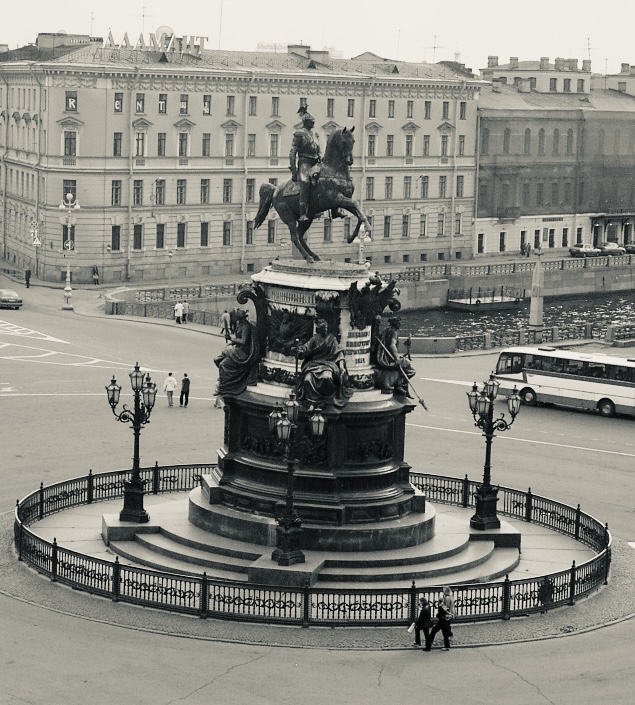
I was on the way to the airport to fly to St. Petersburg, Russia when 9/11 happened, we heard about the disaster on the radio. Back home I called my gramps to ask him if he thought this was the beggining of WW3, he replied it to soon to tell.

The airspace was closed for two weeks before I could make the trip. What was so surprising is people from around the globe were coming up to me to say how sorry they were, some were offering hugs, it was comforting.

The city was more than In could ever ask for, the people, the food, the art, the architecture, the ballet, I could go on. I was told that most women do not travel alone so people would know I was American. The hotel staff took great care of me including calling the restaurants to let them I was coming and to look for me.

View out of my room

I was not alarmed or scared the entire time. Traveling back to St. Petersburg is a desire of mine, the political situation would have to change greatly.

Happy travels.

Melinda

Looking for the Light

Celebrate Life · Fun · Music Videos

#Weekend Music Share-Pharrell Williams – Happy (Video)

I love this song and can’t help but get up and dance, not just phsycaly but also in my heart.

It’s the weekend!!!!!!

 I’m glad you joined me for another edition of Weekend Music Share this week.

Have a great weekend!

Melinda

Welcome back to Weekend Music Share, the place where everyone can share their favorite music.

Feel free to use the Weekend Music Share banner in your post, and use the hashtag #WeekendMusicShare on social media so other participants can find your post.

Celebrate Life · Communicating · Family · Fun · Health and Wellbeing · Men & Womens Health

Daily Writing Prompt

Daily writing prompt
What’s your definition of romantic?

It’s hard to define romantic because romance is different to everyone. Romance has to be pure without an agenda or expecting something in return. The action makes you happy as well, meaning that you are happy because they are happy. Romance doesn’t have a price tag or have to be a big deal, a hug or helping to fold clothes works great for me.

Melinda

Looking for the Light

Celebrate Life · Holiday · Men & Womens Health

Let’s Celebrate The 4th Of July With Colors Of Red, White And Blue

The 4th of July is one of the most significant holidays in American history as it established that the British were no longer in control of the colonies. The Declaration of Independence paved the way for America to grow as it’s own country.

Independence Day, in the United States, the annual celebration of nationhood held on July 4. It commemorates the passage of the Declaration of Independence by the Continental Congress on July 4, 1776. This document announced the separation of the 13 North American colonies from Great Britain. In 1870 the U.S. Congress made Independence Day an unpaid holiday for federal workers, and in 1938 it became a paid federal holiday. Also called the Fourth of July, the holiday is celebrated across the United States with parades, fireworks shows, picnics, concerts, and other festivities. Independence Day is also notable for its displays of patriotism, as many Americans commemorate the day by flying the American flag and dressing in the flag’s colors of red, white, and blue.

Melinda

Reference:

https://www.britannica.com/topic/Independence-Day-United-States-holiday

https://www.history.com/articles/july-4th

Celebrate Life · Fun · Health and Wellbeing · Mental Health

It’s My WordPress Anniversary

It’s exciting to recieve a reminder of the years I’ve been blogging, it’s something I love to do. My writing skills have improved over the years but what is most important is the connections made through my blog. Thank you for your support.

16 Year Anniversary Achievement

Happy Anniversary with WordPress.com!

You registered on WordPress.com 16 years ago.

Thanks for flying with us. Keep up the good blogging.

My first blog on WP was called Defining Memories which I started in 2005 and closed when I started Looking for the Light. It’s been a wild ride!

Melinda

Celebrate Life · Fun · Health and Wellbeing · Men & Womens Health · Mental Health

How To Make Your Garden Gorgeous

Your Garden needs gentle care and attention throughout the year. Of course, in the spring and summer, we clean away the winter debris, ready for outdoor parties and barbecues. Or simply just to relax in your little private space. 

However, when the winter is coming upon us, leaves from a Fall, as well as the severe weather, can cause damage to your garden. It is very important that you take a couple of steps to get your garden looking gorgeous.

Debris

Throughout the autumnal months, there will be many leaves falling, and a lot of rain too. It is very easy for your garden to go from clean and tidy to look a little bit messy, and it eventually will become hard to keep tidy. 

Head out and pick up all of the debris; then set it aside because you can use this for a protective layer of mulch for your seedlings.

Take a pair of shears or some secateurs and strip away any loose or dead branches. 

Furniture

If you have furniture in your garden, it is a great idea now to buy some furniture covers; this can protect your furniture when the weather gets more severe. Bring your furniture over the winter months also makes it much easier to clean when springtime comes around. 

Now is also the perfect time to cover your barbecue or put it in the shed, ready for use next year.

Pond

Depending on what type of pond, you will change how you need to prepare it for the winter months. If you have wildlife in your pond, it is essential that you prepare it correctly for the winter months. Getting a pond maintenance services company out to check over your pond it’s a great idea and can avoid any costly repairs or severe damage over the winter months.

Bottom to top

You must start at the bottom and work your way up. Sweep up as much as possible, and also, it is a great time to scrub your patio or your decking. This will mean there is limited damage or weathering over the fall and winter months.

To clean your decking, you simply need to have a firm, stiff brush and apply pressure or use a pressure washer. The pressure washer, of course, being in the fastest way to clean those stains. 

After that, move to trimming back trees and bushes, wrapping roots in protective layers, and topping up any birdhouses with food. 

Pots

If you have plans that are dead or dying, you might have many planters that can be good and used for springtime planting. Remove all of the dead or dying plants and their roots and put them into your compost if you have one. 

Most often, the soil can be re-used, so put it somewhere safe ready for your big springtime planting session.

Your garden can be perfect all year round with just a few hours of maintenance here and there. 

This is a collaborative post.

Melinda

Repost

Celebrate Life · Communicating · Health and Wellbeing · Medical · Men & Womens Health

July Awareness Months

Summer is picking up speed and July brings us new awareness. If you want to see the complete list that included awareness days, click HERE.

Disability Pride Month

Minority Mental Health Awareness Month

National Cleft & Craniofacial Awareness & Prevention Month

Plastic Free July

Sarcoma and Bone Cancer Awareness Month

UV Safety Awareness Month

Wild About Wildlife Month

Take good care.

Melinda

Reference:

https://www.goodgoodgood.co/articles/july-awareness-days-months

Celebrate Life · Health and Wellbeing · Men & Womens Health

Daily Writing Prompt

Daily writing prompt
What are you most worried about for the future?

The first major concern is the state of politics around the world. Since I live in America I’m more concered than ever. Some county’s dislike Trump so much they are now taking it out on American travelers. I’ve seen locals in Italy carring water guns and shotting them on Americans, and the protest over Jeff Bezos wedding was pure hatred. I understand why other countries are unhappy with Trump but direct your energy towards him. I don’t like him either, he’s an embarrassment but hating all Americans because of him is ridiculous.

This isn’t about politics, it’s about countires like Italy who are unhappy in uptick of visitors. Before you shoot that water gun at a traveler remember, tourist generates a huge amount of money in businesses across the board, if tourist stop coming people will loss their jobs and the economy will down slide. Get over yourself. This is one way hatred starts.

Climate Change has concerened me for many years, it started with recycling newspaper and once recycling was expaned to others items I was able to more to help. We use less water, set the temperature up or down a couple of degrees, bought thermal windows, and I’m looking for ideas every day.

I slowly learned more about what Climate Change looked like, large icebergs melting at record speed which has increased the water levels which has created flooding in areas is one example. Now when buying items, I think about how they may impact the environment and is the packaging recyclable.

Melinda

Looking for the Light

Celebrate Life · Health and Wellbeing · Men & Womens Health · Mental Health

5 Surprising Ways Gratitude Improves Your Health

Psychology Today

Posted Jan 08, 2021 

When life knocks you down, drains you of energy, and weakens your resolve, the last thing on your mind is gratitude. It’s hardly surprising; after all, gratitude is an emotional response of appreciation for what we have. When we feel depleted it can feel impossible to draw from an empty reservoir.

And yet, developing gratitude during hard times is precisely what fills the void. What’s more, gratitude is the key to preventing emotional and physical breakdowns during times of stress.  

The difficult circumstances we find ourselves in are not the only challenge to practicing gratitude. While it’s certainly true that gratitude can be an automatic emotional response to many of our life events, it rarely is. Rather, what’s more true is that gratitude is an internal perspective—a lens we view the world through—and one that we in fact control. The struggle to find gratitude comes from expecting life to be a certain way (and being disappointed and angry when it is not).

Evaluate Your Perspective

Maybe you have not thought about this before—what do you expect life to be like? Take the year 2020, for example—were you expecting a global pandemic? Probably not!

But really, when have we ever known what is going to happen? Over this past year, many good people developed cancer; many kind souls lost a loved one to a drunk driver; many hopeful new parents had a child born with birth defects. They weren’t expecting these life-changing events to occur, but nevertheless, they did. When our perspective of life is limited by the belief that life “should” be a certain way, we will find gratitude difficult to express.

Gratitude is only possible when we realize that all that we have is a gift.

Having worked and traveled in many countries around the world, here is my impression about differing cultures—the more we have, the less we express gratitude for it. In other words, excess leads to a feeling of entitlement. However, the opposite is true for those who live in extreme poverty: people who live in the poorest countries in the world tend to express tremendous appreciation for what they have. Moreover, they are not dissatisfied, anxiously waiting for the next good thing to come their way.

Life as a Gift

There is nothing like sharing a simple meal of bread and tea in the home of a person of modest means; indeed, the experience is humbling. Instead of a sense of anger, bitterness, or irritation for what they lack, they express gratitude for the things they do have—the ability to walk and breathe, to survive; they take note of the beautiful sky at night and the richness that friends and family provide them. Even in their poverty they willingly give away what they have to others in need.

Here’s a simple exercise to try. The next time you are stuck in traffic, frustrated that you “should” be arriving at your destination on time, try to change your focus and see what it does for your mood. A simple yet startlingly effective way to do this? Follow your senses: feel the warmth of the sun coming through the window (or perhaps your car’s heater); smell the cup of coffee sitting at arm’s reach in your cup holder; take a sip, perhaps marveling at the insulated mug that keeps it warm long past the pot; listen to a favorite song on the radio; look at your fellow travelers and allow curiosity to fill in the blanks of where they all might be headed to. Like you, they are people with hopes, dreams, and disappointment. Taking a break from focusing on your current stress will allow a brief reprieve by shifting your perspective to these small gifts in life, (and maybe even seeing all of life as the gift that it is).

The Benefits of Gratitude

When we get a hold of the idea that everything we have is a gift—and we express appreciation for the gift of life itself—we shift our perspective away from what we don’t have to what we do have. In appreciating what we have, we invite important changes to take place in our brain and body. Indeed, expressing gratitude on a daily basis provides many benefits—here are five that might surprise you.

  1. Reduction in physical and mental symptoms of distress. Based on a study of 200 chronic pain sufferers, those who expressed gratitude for the good things in their lives reported less depressionanxiety, fatigue, inflammation, and insomnia.
  2. Creation of positive changes in your brain. When we feel—and express—gratitude, we can increase the volume of gray matter in the right inferior temporal gyrus of the brain; this helps us to regulate our emotions more effectively. It also enhances dopamine and serotonin and changes the hormones that regulate fear and anxiety.  
  3. Enhanced connection with others. When we express gratitude to others, we not only realize their importance to us, but we build stronger connections and feel more supported by those around us. And social support is a well-documented key factor in developing resilience in hard times.
  4. When we keep a daily journal of our blessings, we are likely to experience less pain and be more willing to engage in physical activities that help us move toward health and away from dysfunction.
  5. Regulation of stress. Gratitude helps us regulate the stress hormone cortisol. Keeping our cortisol levels in check in turn improves our cardiac function when we are under stress and increases our ability to stay balanced.  

Plant the Seeds of Gratitude

Think of gratitude as a garden you plant. When you start incorporating gratitude practices into your activities of daily living, at first you won’t see any immediate change in your outlook on life. Lasting improvements in your emotional and physical health take time, but they will come if you are diligent. In fact, setting the intention to “plant a gratitude garden” in and of itself speaks to your capacity for hope and a more fulfilled life.  And when the fruits of gratitude do show up?  It will have been well worth the effort.

Melinda

Reference:

Evan Parks, Psy.D., is a clinical psychologist at Mary Free Bed Rehabilitation Hospital and an adjunct assistant professor at Michigan State University College of Human Medicine. He is the host of the Pain Rehab podcast. Online:Chronic Pain Rehabilitaiton bookTwitterFacebookLinkedIn

Celebrate Life · Health and Wellbeing · Medical · Men & Womens Health

3 ways that your memory stays sharp even as you get older

Ideas.TED.com

Oct 4, 2018 

While overall memory declines as we age, that’s far from the end of the story. In fact, there are certain things older people continue to remember quite well, says researcher Alan D. Castel.

Our memories are our identities, and at my lab at UCLA, I’ve worked to understand how we remember what matters to us, especially as we age. Memory decline is one of the first things that concern people about growing older — it can start after the age of 20, so being more forgetful when you are 60 or 70 is often normal. And while a vast amount of research has shown the deficits that accompany aging, it’s far too simplistic to say that the elderly have impaired memories. In fact, there are many things older adults remember quite well. Here’s a look at a few of them:

Older people tend to remember the essentials

A great deal of memory research focuses on what might be considered by some of us to be mundane — word lists, face-name pairs, studying and being tested on pictures — and it’s unclear why this might be important to remember. But how about things that are of real concern or interest?

Imagine you’re packing for a trip. You want to make sure you’ve put in the most important items, the ones that would be extremely costly and/or inconvenient if you forgot them (e.g., your passport, your credit cards). While I wish we could have followed people on their vacations to see what they left behind, we created an experiment to examine this in the lab. We presented subjects with 20 possible items that you might pack on a trip (e.g., medications, passport, sunscreen, toothbrush, phone charger, deodorant, swimsuit, sandals). When we later asked them to recall the items, the older adults (average age was 68) recalled more of the items that they felt were important than the younger adults (average age of 20.4), even though they remembered fewer items overall. We’ve since done other studies showing older adults will have a greater memory for important medication side effects from a long list and for a grandchild’s dangerous allergens than younger adults.

We did another experiment when we came up with a list of words to remember. Some were more important and paired with higher point-values or rewards, while others were less important and associated with lower point-values or rewards. The goal was to maximize one’s overall memory reward — to do that, you needed to remember the words paired with the highest values. We found that older adults remembered fewer words overall but recalled just as many of the highest-value words as younger adults.

Older people tend to remember what they need to do in the future

Sometimes the most important things for us to remember involve future actions. This is called “prospective memory” — and it might take the form of remembering to take medications at a certain time tomorrow, or paying a credit card bill on a particular date or else we’ll get penalized. While prospective memory might be worse in older age, there are important exceptions. Researchers have found a “prospective memory paradox”: despite older adults doing poorly on laboratory tasks of prospective memory, they fare well in the real world.

For example, in research studies older adults may be asked to perform a future task such as “When you see the word ‘president’ on the next page, please raise your hand.” Sometimes they get so focused on reading that they forget to react when “president” appears — but does that mirror the forgetfulness of not taking one’s medication at noon in 2 days? As many of us know, older adults have often developed strategies to prompt their prospective memories, like putting their wallet by the front door or their medications by their eyeglasses. To bridge this gap between lab-based prospective memory tests and real life, one study asked people who came to the lab to mail back postcards every week; researchers wanted to determine how younger and older adults would compare in remembering to do this future-focused task. To their surprise, it was the older adults who diligently mailed in the postcards each week.

Of course, some older adults remember to do things the old-fashioned way: they write it down in a calendar they consult every day. When I called then-97-year-old John Wooden, retired from a legendary career as a basketball coach, to schedule an interview, he wrote it in a calendar. Then, he called me the day before to confirm I was still coming to see him — he was reminding me!

Older people tend to remember what intrigues them

Humans are curious from an early age. My young son loves the adventures of the mischievous Curious George and of learning about the world. Our curiosity blossoms with age, but we typically become interested in different things as we get older. After all, Curious George is not the favorite bedtime reading of most adults.

To test your own level of curiosity and memory, read the following trivia questions, decide how interested you are in learning the answers (on a scale of 1 to 10, with 1 being not interested at all, and 10 being extremely interested), and then try to come up with answers (the answers are at the very bottom of this article):

What mammal sleeps the shortest amount each day?
What was the first product to have a bar code?
What was the first nation to give women the right to vote?

These are fairly difficult trivia questions, and some are probably more interesting to you than others. In one study done in my lab, younger and older adults were given questions like those that you just read. Much like those, all of the queries were chosen such that we guessed almost none of the participants knew the correct answers. Afterwards, the subjects gave each a curiosity rating — showing how interested they were in learning the answer. They were then told the answers. A week later, the same subjects were presented with the same questions and asked to recall the answers. It was the older adults who remembered the ones they were more curious about — and they forgot the less interesting ones. The younger adults didn’t show this pattern.

There’s a certain pleasure in recalling trivia and absorbing new information about the world. I’ve noticed the most popular games at senior centers and retirement communities often involve this kind of random knowledge. People sometimes worry about having too many stray facts in their minds. But even though trivia may appear to have little useful value, the fact that it continues to arouse curiosity — and sticks in older people’s minds — shouldn’t be discounted.

OK, older people may forget what they’re doing in a particular room, but they can jog their memory

Our surroundings can influence how we remember things. Have you ever found yourself in the kitchen and not had the faintest idea what compelled you to go there? This is a common occurrence for everyone, but especially for older adults. Some research suggests that walking through doorways or crossing physical boundaries may actually trigger forgetting. When you move from one place to the next, the doorway leads to a new environment that does not provide the necessary cues to remember what you were doing in the other room. As you enter the new room, your brain must either keep in mind or re-create what you were thinking when you were in the earlier room — but our minds often wander as we go to another room or we start thinking about something else.

The best way to remember what you need is to walk back into the first room where you originally had the thought of why you needed to go to the other room. The context of that original room can trigger your original intention. In addition, walking is one of the best ways to keep your memory sharp. With enough time and walking, you’ll find the memory eventually comes back.

P.S. But don’t get too hung up on what you can and can’t remember.

Our beliefs about our memory can be very influential. In fact, many of us have negative beliefs and expectations about aging’s impact on the brain. This kind of “stereotype threat” can make people perform stereotypically — in a way that is consistent with what they think is expected of them. Stereotype threat has been examined to determine if it causes older adults to underperform on tests of memory. Labeling something a memory test, or asking people to come to a memory study, does appear to invoke anxiety, and research has shown that renaming it as a “wisdom test” (and then administering the same memory test) leads to better performance by older adults. So, the next time you start to worry about forgetting a world capital or a famous actor’s name and wonder what this means about your brain and your memory, try not to sweat it.

Note: The research covered here involves mostly healthy older adults who report memory changes in older age. However, if you experience more frequent and concerning memory problems, you should consider consulting a neurologist.

Answers to trivia questions: giraffe; Wrigley’s chewing gum; New Zealand.

Excerpted with permission from the new book Better With Age: The Psychology of Successful Aging by Alan D. Castel PhD. © 2019 Oxford University Press. All rights reserved.

Watch his TEDxACCD talk:

Celebrate Life · Fun · Health and Wellbeing · Men & Womens Health

Fun Facts That Will Amaze You

I’m so glad you are enjoying Fun Facts. I learn something new each week, even if it’s weird. I love hearing your comments.

Cows don’t actually have four stomachs; they have one stomach with four compartments. (fda.gov)

 The platypus doesn’t have a stomach at all: Their esophagus goes straight to their intestines. (nationalgeographic.com)

This is one animal myth that’s true: Eating parts of a pufferfish can kill you because, in a defense mechanism to ward off predators, it contains a deadly chemical called tetrodotoxin. There’s enough in one pufferfish to kill 30 people—and there’s no antidote. Still, pufferfish, called fugu, is a highly-prized delicacy in Japan, but can only be prepared by well-trained chefs. (nationalgeographic.com)

Polar bears have black skin. And actually, their fur isn’t white—it’s see-through, so it appears white as it reflects light.

Tigers’ skin is actually striped, just like their fur. Also, no two fur patterns are alike.

Enjoy! 

Melinda


Celebrate Life · Chronic Illness · Fun · Health and Wellbeing · Men & Womens Health

Daily Writing Prompt

Daily writing prompt
What are your daily habits?

My life has changed so much because I have several chronic illness and I don’t leave the house that often. So my habits are a bit boring. The first thing is start the fireplace in my office, give the dogs a snack, eat breakfast and hit the computer to work on my blog. After the writing is done I play with the dogs, if needed do laundry and eat lunch and take a short nap.

I do any chores I can, spend time for self-care, make calls and at 4:30 I join my husband downstairs. A short time later we start working on dinner, watch the news and two shows we’ve recorded and then I’m off to bed an hour before bedtime so I can unwind and be relaxed when it’s time to sleep.

Its not a habit but each week there a couple of doctor apptoinments.

My life is the opposite of life before Lyme, cognitive impairment and agrophobia.

I keep looking for brighter and more exciting days.

Melinda

Looking for the Light

Celebrate Life · Fun · Mental Health · Music Videos

#Weekend Music Share-Cheap Trick – The Flame (Official Video)

It’s the weekend!!!!!!

 I’m glad you joined me for another edition of Weekend Music Share this week.

Have a great weekend!

Melinda

Welcome back to Weekend Music Share, the place where everyone can share their favorite music.

Feel free to use the Weekend Music Share banner in your post, and use the hashtag #WeekendMusicShare on social media so other participants can find your post.

Book Review · Celebrate Life · Health and Wellbeing · Men & Womens Health · Mental Health

Book Review Navigating Loneliness By Cheryl Rickman

I was kindly gifted an advanced copy of Navigating Loneliness by Cheryl Rickman from Maddie Kirby-Dunne at Wellbeck Publishing Group for an honest review. Thank you, Maddie.

About the Author

Cheryl Rickman is a qualified Positive Psychology Practitioner and Sunday Times bestselling author and ghostwriter of twenty self-help, wellbeing and business books.

After her parents’ lives were cut short, Cheryl decided to devote her life to helping others make the most of their own precious lives through the books she writes.

She specializes in writing practical books to help people fret less and flourish more, and is a Wellbeing Ambassador for the Network of Wellbeing.

Having qualified with a Certificate in Applied Positive Psychology in 2016, Cheryl also runs wellbeing retreats and delivers workshops on acceptance, balance and compassion, The ABC of FlourishingTM.

Cheryl lives with her husband, daughter and two dogs in a country cottage in Hampshire, UK. She is an unashamed tree- hugger and nature-lover, has an overflowing bookshelf and her favourite colour is rainbow. She loves pizza and the seaside, but is not a fan of mushrooms or spiders.

You can find out more at http://www.CherylRickman.co.uk

OTHER WELLBEING BOOKS BY THIS AUTHOR

Be More Wonder Woman: Fearless Thinking from a Warrior Princess

(DK, 2020)

The Flourish Colouring Book: Art Therapy Mindfulness

(CreateSpace, 2015)

The Flourish Handbook: How to Achieve Happiness with Staying Power, Boost Your Well-Being, Enjoy Life More and Reach Your Potential (CreateSpace, 2013)

The Happiness Bible: An Ultimate Guide to Sustainable Wellbeing

(Godsfield Press, 2019)

The Little Book of Resilience (Gaia, 2019)

The Little Book of Serenity (Gaia, 2020)

May You Be Well: Everyday Good Vibes for the Spiritual (Pyramid, 2021)

You Are Enough: Embrace Your Flaws and Be Happy Being You

(Summersdale, 2021)

Blurb

Navigating Loneliness is part of a Trigger Publishing series of books about managing mental health issues. Throughout this book you’ll learn what actions you can take to tackle the main causes of loneliness and reduce it.

My Thoughts

The book is a very fast read at only 155 pages long and includes helpful resources at the back of the book. 

Welbeck Publishing Group

Welbeck Publishing Group is an exciting, fast-growing independent publisher based in London, dedicated to publishing only the very best and most commercial books spanning a number of genres and categories, from leading authors and well-known brands to debut talent. We live for books that entertain, excite and enhance the lives of readers around the world.

Melinda

Celebrate Life · Fun · Health and Wellbeing

How To Make Your Garden Inviting

Your Garden needs gentle care and attention throughout the year. Of course, in the spring and summer, we clean away the winter debris, ready for outdoor parties and barbecues. Or simply just to relax in your little private space. 

However, when the winter is coming upon us, leaves from a Fall, as well as the severe weather, can cause damage to your garden. It is very important that you take a couple of steps to get your garden looking gorgeous.

Debris

Throughout the autumnal months, there will be many leaves falling, and a lot of rain too. It is very easy for your garden to go from clean and tidy to look a little bit messy, and it eventually will become hard to keep tidy. 

Head out and pick up all of the debris; then set it aside because you can use this for a protective layer of mulch for your seedlings.

Take a pair of shears or some secateurs and strip away any loose or dead branches. 

Furniture

If you have furniture in your garden, it is a great idea now to buy some furniture covers; this can protect your furniture when the weather gets more severe. Bring your furniture over the winter months also makes it much easier to clean when springtime comes around. 

Now is also the perfect time to cover your barbecue or put it in the shed, ready for use next year.

Pond

Depending on what type of pond, you will change how you need to prepare it for the winter months. If you have wildlife in your pond, it is essential that you prepare it correctly for the winter months. Getting a pond maintenance services company out to check over your pond it’s a great idea and can avoid any costly repairs or severe damage over the winter months.

Bottom to top

You must start at the bottom and work your way up. Sweep up as much as possible, and also, it is a great time to scrub your patio or your decking. This will mean there is limited damage or weathering over the fall and winter months.

To clean your decking, you simply need to have a firm, stiff brush your brush and apply pressure or use a pressure washer. The pressure washer, of course, being in the fastest way to clean those stains. 

After that, move to trimming back trees and bushes, wrapping roots in protective layers, and topping up any birdhouses with food. 

Pots

If you have plans that are dead or dying, you might have many planters that can be good and used for springtime planting. Remove all of the dead or dying plants and their roots and put them into your compost if you have one. 

Most often, the soil can be re-used, so put it somewhere safe ready for your big springtime planting session.

Your garden can be perfect all year round with just a few hours of maintenance here and there. 

This is a collaborative post.

Melinda

Celebrate Life · Fun · Health and Wellbeing · Mental Health

How Dogs Can Enrich Your Life

Have you ever wondered why people say dogs are a man’s (and woman’s) best friend? Well, if you’ve ever been around one, you probably get the gist. But if not, let’s jump into the glorious, tail-wagging world of how dogs can seriously upgrade your life game!

Cardio Buddy

Who needs an expensive gym membership or a fancy treadmill collecting dust in the basement? Dogs are the ultimate workout buddies. They’re always ready for a walk or run, rain or shine. And let’s face it, when those big ol’ eyes are pleading for a jaunt around the block, who can resist?

Social Butterfly Boost

Have you ever been on a walk with a dog? You’re basically a local celebrity. People stop to chat, other dog owners give you the nod, and before you know it, you’re in a full-blown conversation about breeds, dog parks, and that cute thing your dog did last Tuesday.

Ultimate Stress Reliever

Had a rough day? Dogs have this magical ability to sense it. A snuggle on the couch, a wagging tail, and the sheer joy they show when you walk through the door can melt away the stresses of the day faster than ice cream on a hot summer’s afternoon.

While not all dogs are guard dogs, most have an innate sense of protection when it comes to their human family. Even the smallest Chihuahua can raise the alarm with their mighty bark!

 Boost That Immunity

Dogs are messy, and they’re explorers. While that means occasionally you’ll be questioning what they’re eating off the ground, it also means they’re exposing you to a world of new germs – in a good way! Regular exposure can actually boost your immunity. Who knew Fido was also your personal health guard?

Unconditional Love

Ever tried explaining to a dog that you made a mistake at work or that you forgot to pay a bill? They don’t care. They love you with a kind of purity and loyalty that’s rare in the world. It’s unconditional and unwavering. Talk about a confidence boost!

Laughter Overload

Dogs are downright goofy. From chasing their tails, getting spooked by their reflection, or just the goofy ways they play with toys, they’re a constant source of entertainment and chuckles.

A Purpose and Routine

Dogs thrive on routine, and having one can encourage you to build and maintain a daily rhythm. Morning walks, feeding times, play sessions, and bruising your labradoodle’s hair (did you know labradoodles come in many colors?) – these activities create a structure that can be incredibly beneficial, especially if you’re someone who tends to feel a bit lost without a plan.

Safety First

While not all dogs are guard dogs, most have an innate sense of protection when it comes to their human family. Even the smallest Chihuahua can raise the alarm with their mighty bark!

Learning Patience

While dogs bring joy, they can also test your patience (looking at you, chewed up shoes). But, in these moments, they teach us patience, understanding, and problem-solving. It’s all part of the package and, in the end, makes us better humans.

They Keep You Present

Dogs live in the moment. Whether they’re chasing a ball or just lounging in the sun, they’re all in. And that’s a beautiful lesson for all of us. In a world constantly pulling our attention in a million directions, dogs remind us of the beauty of the here and now.

In short, dogs aren’t just pets; they’re an upgrade to your life. They’re a constant source of fun, joy, and purpose, which is why, if you think you could give one a loving home, you should definitely consider the benefits of having a pampered pooch of your own. 

This is a collaborative post.

Melinda

Repost

Celebrate Life · Health and Wellbeing · Men & Womens Health · Mental Health · Self-Care

Daily Writing Prompt

Daily writing prompt
How do you practice self-care?

Self-care is critical to my mental health and I take time every day to take care of myself. It can be as simple as closing my computer and enjoying a candle. At night I have a relaxing routine which consist of laying down at least 45 minutes before bedtime to unwind, slather myself in body cream, use a roller ball with essential oils to use on my pulse points and turn on the ultrasonic diffuser with relaxing essential oil. I meditate to clear and head a shake off the stress and I relaxed come bedtime.

Melinda

Looking for the Light

Celebrate Life · Family Cookbook · Health and Wellbeing · Men & Womens Health

5 Anti-inflammatory Summer Foods

The summer is in full swing. We may not be going out as much, but the heat is here and in this blog post I want to share with you 5 Anti-Inflammatory Summer Foods to fight the heat and pain. 

  1. Who doesn’t love a tall glass of iced tea? We found this amazing recipe for Cinnamon Turmeric Iced Tea for you to try. Green Tea or Black Tea would be some great choices, but most teas would do. The recipe calls for a sweetener of your choice, but you may want to stay away from sugar as much as possible. You can go with a few drops of stevia or a little honey. Extra points if you skip the sugar. 
  2. Frozen berries are another tasty way to stay cool this summer. Every supermarket has a frozen fruits section. Berries are full of anti-inflammatory properties and antioxidants to help you fight all sorts of nasty germs. You can eat them alone or blend them into a smoothie with some almond coconut milk. 
  3. Enjoy a traditional greek salad with cucumbers, tomatoes, olives, olive oil, vinegar, and feta cheese (or skip the cheese if you are vegan). 
  4. Another favorite snack for the summer is hummus with pita chips or whole grain toasted bread. Extra points if your hummus has garlic! 
  5. Finally, don’t forget to drink plenty of water. You can throw watermelon and mint into a jar with cool water the night before and the next day you can stay hydrated. 

Stay cool and fight the pain with these 5 Anti-inflammatory Summer Foods and don’t forget the sunblock!!

What are some of your favorites? Send us your suggestions and if chosen you will be featured in our social media and win a free Aromalief Cream. Send submissions to info@aromalief.com

Melinda

Reference:

Aromalief

Celebrate Life · Health and Wellbeing · Men & Womens Health · Mental Health · Travel

Tips For Leaving Your Pet Behind When You Travel

Traveling is exciting, but for pet owners, it may come with some guilt and anxiety about leaving a pet behind. Whether it’s a short weekend trip or a long vacation, leaving your pet can be difficult. But doing this is a great option if you’re worried about your pet not adjusting well to new surroundings. Thankfully, with proper preparation and planning, you can ensure your pet is safe, comfortable, and happy while away. Here are some tips for leaving your pet at home when traveling. 

Update your pet’s ID

You may think you have your pet secured indoors before you leave home, but some pets always have a way of sneaking out. So, before setting off, you should ensure your pet is wearing a collar with updated ID information on their tag. This way, you wouldn’t worry too much about your pet not returning home if it gets lost. Updating your pet’s ID tag information gives it a better chance of being returned home when it gets lost. 

Leave your pet with someone they know

There are countless reasons why you shouldn’t leave your pet at home alone. A better and safer option is to send them to someone they know. But if you choose to leave them at home, have a friend, family member, or a neighbor your pet knows and recognizes to come around. Better still, leave your pet with them at their home. And be sure to provide some supplies like food, water, waste bags, a pet first aid kit, etc. It’s important to leave your pet with someone they already know or at least someone they see regularly.

Provide your pet sitter with the updated information

After updating your pet’s ID information, be sure to tell your pet sitter if you’re opting for one. Also, please provide them with any other information they need to care for your pet in your absence. For example, what personality does your pet have? Is it quirky? Does it struggle with anxiety? Are there any health issues the pet sitter should know about? 

You might also want to allow your pet sitter to meet with your pet several times before you leave. They way, the two will establish a good relationship and get to know each other. That makes it easier for both parties to get along in your absence. 

Assess your pet’s needs

Different pets have different personalities. And while some pets do well when left alone, other pets will pretty much get depressed without the presence of their caretakers, especially if it’s a long absence. In general, pets that are used to having a lot of interactions with others may struggle on their own when left alone for longer periods, while pets that prefer isolation will not mind (perhaps not even notice) your absence. Dogs, for example, are very social, with most breeds experiencing separation anxiety when left alone for longer periods. If your dog does not do well alone, consider hiring a dog sitter or enrolling them in a boarding school for dogs. Also, younger pets may not do well alone, compared to older ones, as they still need a lot of interaction. 

This is a collaborative post.

Melinda

Repost