Celebrate Life · Family · Health and Wellbeing · Men & Womens Health · Moving Forward · Trauma

9/11/2001 Changed America But It Does Not Define Us

On 9/11/01 America was rocked by Islamic terrorists and we continue to feel the pain every day. One point I want to be clear on is the attack was from Islamic terrorists, not Muslims or Middle Easterners. The terrorists were very calculated and spent years learning to fly and where to make the most impact. No doubt they had the backing of a country who we are not friendly with. It is heartbreaking that so many had to die for us to learn a few lessons.

The pain I felt that morning was overwhelming. I was on the way to the airport to fly to St. Petersburg, Russia when the attack became clear to me, someone on the shuttle asked who would do this and I said Osama Bin Ladin. There was no question in my mind. If I knew so clearly in my gut, why didn’t we see this coming?

There have been many questions asked no doubt but one thing you can count on is America will rally, heal from the pain, and walk forward standing tall.

I’m sending love to everyone who was affected by the attacks and I pray for those who lost a loved one.

America Strong

Melinda

Reference:

https://www.history.com/topics/21st-century/9-11-timeline

Celebrate Life · Fun · Travel

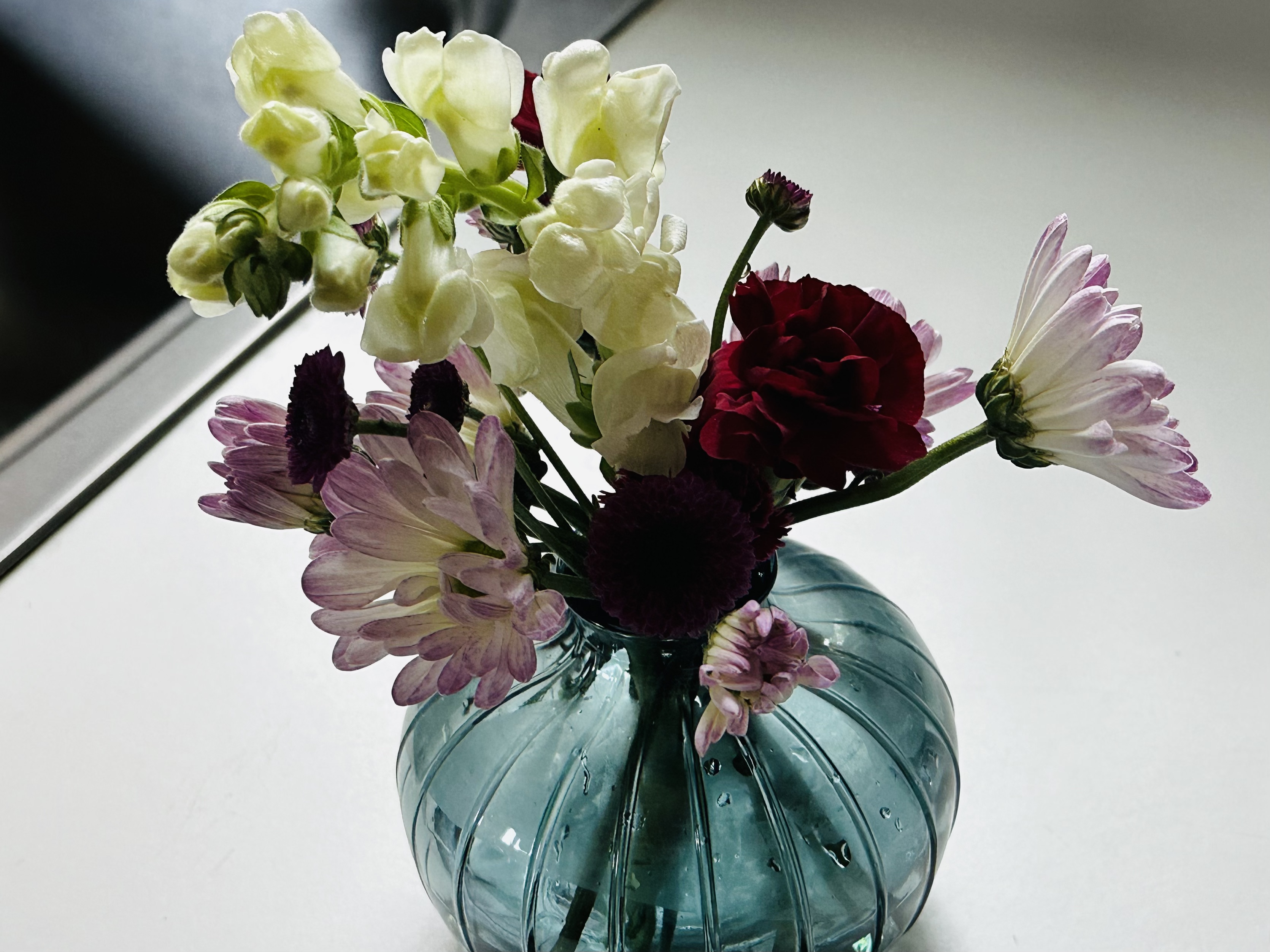
Wordless Wednesday-White Snapdragon

I’m glad you joined me on Wordless Wednesday and I hope to see you soon.

It’s frustrating when the photo looks good in the editor yet comes out blurry. I love Snapdragons, the white ones don’t have as strong of an alluring scent. They did have a choice at the market so I had to get my fix. Maybe they will have another great pick next time I drive to that market to get Almond milk. The floral section is large and the flowers are so fresh.

Have a great day.

Melinda


Celebrate Life · Health and Wellbeing · Medical · Men & Womens Health · Mental Health · Mental Illness · Moving Forward

Accepting Your Bipolar Disorder Diagnosis

By Donna Jackel 

Medically Reviewed by Allison Young, MD

Last Updated: 10 May 2024

Accepting a bipolar diagnosis can be immediate, offering clarity on past experiences, or it may be a gradual process of coming to terms with a lifelong condition.

At age 29, Julie C. seemed to be at an enviable place in life. She had good friends. She had come out as a lesbian and was comfortable with her sexuality. And she had a fulfilling job that took her to far-off places: She was coordinator of a Toronto-based foundation.

That life began to slip away from her in 2007, when she was beset by money and relationship problems. Julie was hospitalized twice, and treated for depression. But her psychologist knew another side of the young woman — the high-energy, high achiever who could sometimes work at a furious pace with little sleep. In 2008, the psychologist told Julie that she believed she had bipolar disorder.

Fearing the Unexpected, a Diagnosis of Bipolar

“I was terrified at first,” Julie recalls months later. “I had this dropping feeling in my gut. All the stereotypes I had about bipolar came flooding into my head. I have a friend who has bipolar, and she has been almost homeless a couple of times, and in and out of the hospital. I thought, ‘Oh my God — is this what my life is going to be?’”

Julie has since accepted her diagnosis. She is stable and feels much better than in the past. She takes her medication daily, maintains a regular sleep schedule, works out, and has improved her eating habits. She still works for the foundation, but is planning to move back to her hometown and work long-distance.

For others, the road to acceptance can be long and circuitous. Peggy M. of Wisconsin has experienced highs and lows since her teens. Although Peggy was diagnosed with bipolar in 2002, acceptance did not come until six years later when she had her first negative work evaluation.

Peggy received a poor rating in several areas; the comment that hurt most was “poor communication skills.” “I have a master’s degree in communications. [The review] was a direct contradiction to what I knew about myself,” Peggy says. “That’s when I finally had to admit it was the bipolar affecting my work.”

Your Journey to Acceptance of Bipolar Is Unique to You

Many factors influence how well a person is able to adapt to bipolar. These include the severity of the illness, level of self-awareness, one’s attitude about mental illness, availability of a support system, and access to quality health care.

Some are able to accept their illness after one or two manic episodes. Others remain in denial for years, burning through relationships, jobs, and money until they hit rock bottom.

“Bipolar is one of the illnesses people have the hardest time accepting,” says Sagar V. Parikh, MD, deputy psychiatrist-in-chief at the University Health Network in Toronto and professor of psychiatry at the University of Toronto.

“Maybe one-third accept the diagnosis right away. At least a third totally reject it, and a third believe it, but when they are better for a while, begin to doubt it again,” explains Dr. Parikh.

“It’s common for acceptance to take years,” agrees Evette J. Ludman, PhD, a clinical psychologist and researcher at Group Health Cooperative in Seattle and coauthor of Overcoming Bipolar Disorder: A Comprehensive Workbook for Managing Your Symptoms and Achieving Your Life Goals.

Fully accepting the diagnosis is “almost like joining the priesthood,” Parikh says. “The commitment to treatment is a major one that involves going to the doctor regularly and paying a lot of effort to regulating one’s lifestyle. It’s not just a commitment to medication, but a way of life.”

In his research, Parikh found that people living with bipolar 2 have greater difficulty acknowledging the diagnosis than do those with bipolar 1, which is typically characterized by clear-cut episodes of mania and depression.

The symptoms of bipolar 2 are more subtle, he explains, making it difficult to perceive the hypomania as a symptom of the mental health condition, rather than part of one’s identity. 

“Your highs are mild, your brain is working faster, you have more confidence and energy, you need less sleep — it’s the ideal human condition,” says Parikh. Because hypomania is less obvious than mania, “it is difficult to conceptualize it as an illness,” he adds.

Personal Research, Reflection, and Ultimate Acceptance of the Diagnosis

In his 20 years as a Methodist minister, Ron M. encountered people with bipolar disorder — there was the female parishioner who had threatened him with a knife, and the wild young man who had stripped off all his clothes. Because Ron associated the illness with such extreme behavior, he missed his own symptoms when they began in early 2003. He attributed his racing thoughts, restlessness, and crying jags to depression.

His behavior resulted in Ron being placed on disability leave by his denomination; he began seeing a psychiatrist and a therapist and started taking an antidepressant. Eight months later, Ron was diagnosed with bipolar 2 and prescribed a mood stabilizer.

He continued to tell himself he was “only” suffering from depression, however.

“I was convinced that if I could tough it out, I’d be fine,” he says. “I told myself, ‘There is no way I’m bipolar.’”

During this period, his marriage of 20 years ended. Looking back, Ron says it was this denial that prevented him from getting adequate treatment. Despite his skepticism, Ron began reading about bipolar disorder and keeping a mood chart.

By the summer of 2004, he had accepted his diagnosis. “The research indicated that my moods and cycling were pretty consistent with the disease,” he says.

Since this breakthrough, life has “gotten a lot easier,” Ron says. He is more open-minded about taking medication. And by continuing to chart his moods, he can predict the ups and downs

“I will have five to seven good days and then I will crash and have about seven to 10 dark days,” he says. “You can almost set your watch by my cycling.”

Meanwhile, a series of changes have enriched Ron’s life. He moved from St. Louis to Tucson to be near family and friends; medication adjustments have brought him greater wellness, and he fell in love and remarried.

“When I grieve for how my life used to be, I remind myself that if it was like it used to be, I would never have met her,” he says of his wife.

Because of his rapid-cycling, Ron, now in his fifties, does not believe he will be able to lead a congregation again. However, he finds great fulfillment in helping others as president of the Tucson chapter of Depression and Bipolar Support Alliance (DBSA).

“I force myself to go to meetings when I’m not feeling good,” he says, “And when I am feeling good, I need to go so I can share with someone to help them in their time of struggle.”

Stigma, Discrimination, and Denial of Bipolar

Indeed, the stigma and discrimination associated with mental illness is a huge barrier to coming to terms with bipolar, consumers and experts agree. It is because there are so many misconceptions and preconceptions about mental illness that Dr. Ludman hesitates using phrases like “accepting the diagnosis.”

“I’m not very fond of labels,” she explains. “Everyone has their own story of what ‘accepting’ [the illness] means. It may mean ‘I’m crazy,’ or ‘No one loves me.’”

Jo R., an executive assistant for an Atlanta-based optometry association, resisted her 1997 diagnosis for eight years. To her, bipolar disorder meant that she could no longer trust her own mind.

“After 36 years of living, I couldn’t think my thoughts were incorrect,” says Jo, who grew up in poverty in the small hamlet of Jasper, Florida. “I was intelligent and had accomplished a lot, so I couldn’t be ‘crazy.’”

Jo told herself that her sleeplessness and psychoses were side effects of her antidepressant. Denial cost her deeply: She lost two jobs, resulting in bankruptcy and the loss of her home. But it was not until she spent a week in a state mental hospital that the reality of her situation fully hit.

“There was a beautiful woman there who yelled and barked like a dog; there was another girl who urinated on herself,” she says. “The people there were ‘crazy,’ and I was among them, so I was one of them. I told the doctor, ‘I’m ready to do whatever I need to do to manage this.’ That’s when I accepted the diagnosis.”

Jo made good on her promise, learning all she could about bipolar and what she needed to do to stay well. Today, she works full-time and has her own apartment. She keeps a mood chart and a journal, exercises, takes her medication, and avoids “toxic” people.

Indeed, Jo is so vigilant about maintaining her downtime and getting enough sleep that friends and family know not to call her after 9 p.m. She carefully tracks her spending, keeping to a strict budget, and recording all her purchases.

“The bipolar diagnosis has been a true blessing,” Jo now will tell you. “Having bipolar forces you to change to be the best you can be … to live a good life.”

Moving Toward Accepting and Embracing Your Bipolar

The first step following a diagnosis of bipolar — even before medication — should be learning about your illness, says Parikh. “It is the single most effective remedy aiding acceptance. You’re not going to follow any treatment plan unless it makes sense to you.”

Mental health experts generally agree that accepting the diagnosis makes it easier to follow a treatment plan. Yet disagreement exists as to how to best approach patients who are in denial. Gary S. Sachs, MD, founder and director of the Bipolar Clinic and Research Program at Massachusetts General Hospital and an associate professor of psychiatry at Harvard Medical School, doesn’t “push acceptance as a requirement.”

“Many patients will be willing to accept some form of intervention if I don’t require that they accept the label as well,” he says.

“Ambivalence about treatment is kind of the norm,” agrees Mark S. Bauer, MD, professor of psychiatry at Harvard Medical School, director of the Harvard South Shore Psychiatry Residency Training Program, and a coauthor of Overcoming Bipolar Disorder.

“Studies show that only 20 percent [of consumers] come to treatment fully on board,” says Dr. Bauer.

Rather than try to convince skeptical patients, Bauer teaches them how to recognize their mood swings, understand how episodes have affected their quality of life, and how to control these patterns. He also helps people “develop a detailed plan for living a full life, based on their values and core goals.”

But others believe that accepting the diagnosis is integral to treating the mental health condition effectively. “By accepting what the problem is and informing yourself about the disease and treatment, you are empowering yourself to control the disease,” says Francis M. Mondimore, MD, assistant professor at Johns Hopkins University School of Medicine’s Department of Psychiatry and Behavioral Sciences and author of Bipolar Disorder: A Guide for Patients and Families.

“My message to people is that we know a lot about how to treat this problem and manage the symptoms,” says Dr. Mondimore. “You need to know all the options so you can make an informed healthcare decision. Once you’ve named something, you’ve got some control over it.”

Lise, of Vermont, grew up around mental illness. Her father died when she was 17, and her late sister dealt with a mental health condition.

“I was always in fear of being like my sister,” Lise admits. A librarian at Norwich University in Northfield, and the mother of three teenage boys, Lise had for years been treated sporadically for depression. Then a 2003 car accident — a drunk driver totaled the car she and her family were riding in — heightened her depression.

Her family doctor switched her antidepressant, and before long, Lise became manic. She left her husband and sons and moved into an apartment. Hospitalization and a diagnosis of bipolar 2 followed.

“At first, I was just dealing with the ramifications of what I had done, and was kind of in shock — how could I lose sight of my kids and my family?”

Then, Lise had to learn to live with a new diagnosis. Instead of the more socially acceptable label of depression, she had a severe, chronic mood disorder. “It was scary, and it made me sad,” she recalls.

In fact, people often “get very caught up in whether symptoms indicate depression or bipolar,” says Mondimore. “What we’re learning about mood disorders is there is a lot of overlap.” 

Although sometimes there are discrete manic or depressive episodes, people can also experience mixed episodes, which have symptoms of both.

As time goes on, we probably won’t even have separate categories for depression and bipolar. Instead, there will be a classification for mood disorders.”

Lise found that her family history actually strengthened her resolve to reclaim her life. “I lost my father … and I will not do that to my kids, no matter how hard it is,” she says. “I go get help as soon as I feel those thoughts coming.”

Medication Can Make a Difference in Bipolar Mood Management

Medication adherence is the biggest roadblock to fully accepting bipolar disorder, according to Mondimore. “That is the hardest thing — admitting that you are not always able to control your emotional life,” he says.

But these feelings subside with the support of loved ones and by undergoing psychotherapy, he adds.

Side effects are a more tangible reason people refuse, or go off, psychotropic medication. For example, Jo had to learn to live with a 100-pound weight gain and hand tremors.

For her part, Julie initially refused to take lithium because it was so heavily associated with bipolar disorder. “I had talked myself into thinking I had bipolar-lite — that I had a very mild version of what other people had,” she says wryly. “Friends also told me not to take it — that I could manage without it.”

But then Julie began cycling more noticeably. “One week I would be excited and the next, I would think the world was ending,” she says. “My therapist said lithium would help that.”

It can also be deeply frustrating to accept that medications can only manage, not cure bipolar, Ludman points out.

The notion of having to take pills every day for the rest of her life intimidated Wendy L., of Owensboro, Kentucky, who has “trouble doing anything routinely.” But there was a more basic reason Wendy at first resisted medication: “I liked my manic highs — I felt very productive. I didn’t want them taken away,” she says.

After discussions with her husband, however, Wendy decided that, for his sake, she needed to stabilize her moods. “We’d been married for 30 years and I put my husband through hell those 30 years,” she says.

Diagnosed at age 50, Wendy has gradually learned to live with “flat” moods. “I was used to flying high and feeling all these ranges of emotions, and that wasn’t there anymore.”

Missing the soaring highs and bursts of energy leads many to stop their medication and land back in the hospital. “It’s very common for patients to stop taking mood-stabilizing medication when they begin to feel better,” Ludman says.

Social Support to Stay on Track With Bipolar Treatment

Dr. Sachs believes that having someone in your life to help you stay on track is so crucial for individuals with bipolar that he helps those who don’t have an existing support system to develop one. “Mood disorders include periods when your perceptions are distorted, so the most important thing to include in your treatment plan is a care partner,” he says.

Those fortunate enough to have a loved one willing to join them on the road to recovery travel a less lonely path. “My husband educated himself. We sat down, talked about the symptoms, signs, and different triggers that had happened over years,” says Wendy. “He was willing to work through the changes. He was so accepting of it that it helped me accept it.”

You don’t have to be in a romantic relationship to find support — an understanding boss who lets you come to work a bit later because a new medication is making you sleepy; family and friends who visit you in the hospital; or a relative with bipolar who shares what worked for him — all can contribute to your wellness.

Julie, who was living in a small town when she came out as a lesbian, believes society is more accepting of homosexuality than mental health conditions. “In my office, I don’t care if people know I’m gay,” she says. “The few co-workers who do know about my bipolar will be like, ‘So are your meds working now?’ as if I’ll get on some meds, and then I’ll be ‘normal.’ That’s not going to be it — I’ll have to manage my bipolar — even when I’m well.”

When Julie told her boss she had bipolar, the woman, who is also a good friend, responded: “You are still the same person. Nothing has changed, except that you know something about yourself that can make you feel better.”


UPDATED: Printed as “Accepting The Diagnosis,” Summer 2009

Donna Jackel

Donna Jackel specializes in mental health, animal welfare and social justice issues. She earned a bachelors degree in journalism at the S.I. Newhouse School of Public Communications at Syracuse University. For 15 years, Donna was a staff reporter at the Democrat and Chronicle, a daily newspaper in Rochester, NY, where she still lives. As a freelancer, in addition to contributing to bp Magazine and esperanza, Donna’s work has appeared in ReWireThe ProgressiveLilithTexas MonthlyYes! MagazineThe Chicago TribuneBark MagazineCityLab, Leap Magazine and other national publications. A story Donna wrote about her mother’s (Marie Rogers) service in the British Air Force during World War II was included in the anthology, Before They Were Our Mothers: Voices of Women Board Before Rosie Started Riveting (copyright 2017). In 2019, Donna won an honorable mention in health writing from the American Society of Journalists & Authors for a feature story she wrote for The Progressive about college students who were denied transgender hormone therapy. When Donna isn’t working, she can be found hanging out with her Lab, Bear, horseback riding or catching a movie at the Little Theatre. Her work can be seen at donnajackel.com.

Melinda

Celebrate Life · Chronic Illness · Health and Wellbeing · Medical · Men & Womens Health · Self-Care

Barometric Pressure May Affect Fibromyalgia Symptoms


Medically reviewed
 by Angelica Balingit, MD — Written by Alysa Hulletton August 19, 2024

Lower barometric pressure is associated with higher self-reported pain scores in fibromyalgia patients, but more research is needed to determine causation. 

People with fibromyalgia often report that the weather, particularly the barometric pressure, affects their symptoms. 

Also called atmospheric pressure, barometric pressure is the amount of air pressure in the atmosphere. It is higher when oxygen molecules are more concentrated and is basically a measure of the heaviness of the air at a given time.

The thinking behind this theory is that when barometric pressure drops, the “lighter” air may make joints, tendons, and muscles swell to compensate, causing pain.

While there’s evidence to support the idea that air pressure does indeed affect conditions like arthritisheadaches, and generalized chronic pain, so far, the research on the link between barometric pressure and fibromyalgia is limited. Here’s what to know.

In a 2019 studyTrusted Source of 48 patients with fibromyalgia, researchers compared self-reported pain scores over a 30-day period with local weather data. They found lower barometric pressure to be strongly correlated with higher pain scores in the majority of patients studied. The breakdown was as follows:

  • 40 out of 48 patients reported more pain on lower barometric pressure days. 
  • 8 out of 48 patients reported more pain on higher barometric pressure days. 

Researchers noted that the second subgroup had lower baseline anxiety levels than the control group. Lower barometric pressure was also linked to higher stress levels. As a result, scientists speculated that there may be a mental-emotional component to pain levels in those with fibromyalgia, though it’s not yet well understood. 

Other key findings include the following:

  • Higher humidity was associated with higher pain scores.
  • Colder temperatures were associated with higher pain scores.

In a 2021 studyTrusted Source, researchers found that 58% of 64 patients with fibromyalgia said weather-related factors aggravate their symptoms. Here are some other key findings:

  • Researchers used a self-reported quality-of-life measure where 1 is perfect health and 0 is many health difficulties. On average, fibromyalgia patients reported a score of 0.55.
  • Researchers found that the 37 people with weather sensitivity had worse quality of life scores (by an average of 0.16 points) than those who didn’t report weather sensitivity. They also reported an average of 1.5 more pain points on a scale of 0 to 10.

Keep in mind that these sample sizes are small and that there are few studies on the link between barometric pressure and fibromyalgia in particular. Although there appears to be a strong association, scientists have not conclusively shown that barometric pressure causes increased pain.

However, in a 2020 study of 10,584 patients with chronic pain, researchers also found a strong association between lower barometric pressure and higher pain scores over the course of 15 months. About 26% of those surveyed had fibromyalgia, while the rest had other health issues, including various forms of arthritis, neuropathic pain, headaches, and migraine episodes.

Based on the (somewhat limited) data, the best weather for those with fibromyalgia appears to be

  • higher barometric pressure
  • lower humidity
  • less rain
  • calmer winds
  • warmer temperatures

Keep in mind that fibromyalgia flare-ups tend to be individualized, with some patients reporting increased pain on higher barometric pressure days, for instance. Many people with fibromyalgia also don’t report experiencing weather-related sensitivity at all.

As noted above, fibromyalgia symptoms tend to be highly individualized, so it’s challenging to pinpoint the optimal climate for those with fibromyalgia.

However, since many people with fibromyalgia report improved symptoms with warmer weather, less rain, and less humidity, desert regions may offer the most relief. In fact, there are many anecdotal reports of people living with fibromyalgia experiencing pain reduction after moving to these areas.

In the United States, this includes regions like:

  • The Mojave Desert, which covers parts of southeastern California, southern Nevada, southwestern Utah, and northwestern Arizona. This includes areas around Las Vegas and Death Valley.
  • The Sonoran Desert, spanning parts of southern Arizona and southeastern California, including areas around Phoenix and Tucson.
  • The Chihuahuan Desert, which covers parts of southern New Mexico and west Texas, including areas around El Paso.
  • The Colorado Plateau, including parts of southeastern Utah, northern Arizona, northwestern New Mexico, and southwestern Colorado. While this region can have cooler temperatures at higher elevations, lower areas often meet the criteria.
  • The Great Basin, including parts of Nevada, western Utah, and southeastern Oregon. Some areas, particularly at lower elevations (such as Reno), meet most of the criteria.
  • The Southern California Interior, including inland areas of southern California such as the Coachella Valley (where Palm Springs is located) and Imperial Valley.

Will climate change affect fibromyalgia symptoms?

So far, there’s no evidence that climate change will affect fibromyalgia symptoms. However, since climate change is associated with moisture evaporation that worsens severe rainfall, increased rain and humidity may affect people negatively in some regions.

Meanwhile, hotter temperatures shouldn’t negatively affect those with fibromyalgia and may even improve symptoms for some. On the other hand, climate change is also associated with more frequent and more severe storms, so those experiencing pain during times of shifting barometric pressure may be negatively affected. 

Potential strategies for managing weather-related fibromyalgia pain include the following:

  • Monitor your symptoms and local weather patterns to identify your unique triggers. A symptom journal may be helpful with this. 
  • Use climate control support in your home, including dehumidifiers, to reduce moisture in the air.
    • You may also want to keep your home at a slightly higher temperature or use a heating unit (e.g., by your desk or bed) to reduce symptoms. Heated blankets may also help lend relief at nighttime or while lounging on the couch. 
  • Talk with your doctor about your symptoms and discuss adjustments to your pain medications. 

Remember, treating fibromyalgia typically requires an individualized, multifaceted approach. Learn more about general treatments for fibromyalgia.

While research into the relationship between weather and fibromyalgia pain is ongoing, evidence increasingly supports a connection between lower barometric pressure and higher pain scores in fibromyalgia patients.

Keep in mind that everyone with fibromyalgia is different, with many people saying that they don’t experience any weather-related sensitivities at all. Ultimately, understanding your personal triggers can help you better manage your symptoms and improve your day-to-day quality of life.

Melinda

Celebrate Life · Communicating · Fun · Health and Wellbeing · Men & Womens Health · Travel

Sending A Special Thanks To The Countries That Have Visited My Blog-Iceland, Equatorial Guinea, Jordan, Peru and Cameroon

Thank you for visiting my blog and allowing me into your life. I have not been to any of your countries but they are on my bucket list and all are so inviting. My travel fix comes from you as I often do a search on each country to learn more about it.


I hope you found a post or two that caught your attention and that you will return soon.

Melinda

Celebrate Life · Family · Family Cookbook · Health and Wellbeing · Men & Womens Health · Photography · Travel

Blogger Highlight-Everyday Lillie

Thank you for all the great feedback on the Blogger Highlight series, I’ve enjoyed meeting each blogger and sharing their site with you. This week we highlight Everyday Lillie. We have followed each other for some time now and her posts never disappoint. Her posts with recipes are carefully explained and photos are taken along the process of making. Her travel posts are a deep dive accompanied by great photos and they make me want to visit. Lillie enjoys living life to the fullest and it shows through in her blog. 

Everyday Lillie

Everyday Lillie is my platform to share my passion for family, cooking, travel, and DIY projects, and to inspire others to embrace these aspects of life. As a wife and mom of many young adults and a Canadian, I’m passionate about exploring the unique experiences and issues that come with family life, retirement and living in Canada.

My content is always authentic, relatable, and honest. I believe in sharing my struggles and successes to help others on their own journey. From easy-to-follow recipes to easy DIY projects, my goal is to provide you with inspiration and ideas that you can use in your everyday life.

My family shares a passion for preparing and enjoying food together. Our recipes range from my husband’s authentic and classic meals, our chef daughter’s beautifully plated vegan preparations, to preserves, and home made pasta – all fit to please a large family.

We are also avid travelers. My husband and I just like to get in the car and go! I believe that travel is an essential aspect of life, and I’m dedicated to sharing my experiences and tips to help you plan your own adventures.

Clearing Brush and Eating an Elephant is a recent favorite post, sounds like way too much work yet the payoff is tenfold. 

I asked Lillie for two of her favorite posts. 

My favourite post is about our Cottage Memories: https://everydaylillie.com/2024/05/16/cottage-memories/ because it’s about memories of going to summer cottages growing up – it brings out warm emotions in me!

My favourite travel picture is from our trip across Canada – https://everydaylillie.com/2020/07/25/canadian-road-trip-day-3-regina-to-calgary/ – I loved the scenery of Dinosaur Provincial Park – but there is one photo of my children in the distance misbehaving at the Dinosaur Park.

Please stop by and tell Lillie hello, pull up a chair, and enjoy reading through her archives, you’ll be glad you did. 

Melinda

Looking for the Light


Celebrate Life · Chronic Illness · Health and Wellbeing · Medical · Men & Womens Health · Mental Health · Moving Forward

Health Update September 2024

Over the past six months, my health has gone haywire, and the past two have been the worst. I’ve been working closely with multiple specialists including keeping them up to date with the ongoing symptoms. None are concerned about my quality of life and I hit a wall this week. I contacted The Mayo Clinic, one of the top hospitals in America, and now have an appointment for next month.

The greatest thing about going to The Mayo is they have a team of specialists working on your case, giving them a bigger picture of what is happening. I’ll be there for at least seven days and they will be full of tests, blood work, and meetings with specialists. Your days are full from when you arrive until they have an answer. It’s exhausting but you get what you came for which will improve your health.

I stayed at The Mayo for a week in 2010 so I have an idea of what I can look forward to. At the time I had been having issues with my heart for two years, I had worked with two cardiologists and had been through multiple catheterizations but no answers. I was experiencing what I now know is Supra Ventricular Tachycardia, it’s just like having a heart attack but you’re not. These events were happening every day and sometimes multiple times. It was so painful and you never knew when they would happen. I had Nitro for when they started but it often didn’t work.

After a week of intensive tests including a catheterization, I had the answers. Luckily nothing major was wrong with my heart, several small things were causing the arrhythmia. I took medication for a short time and have only had issues when my potassium is low.

I am looking forward to the day when my health has improved, my quality of life has improved and I have answers.

Melinda

Celebrate Life · Communicating · Family · Health and Wellbeing · Men & Womens Health · Mental Health

Nourish Your Mind and Heart: A Guide to Mental and Emotional Well-being by Guest Blogger My Mind Strength

Mukta has been a regular Guest Blogger on Looking for the Light because she writes about complex topics in a style all can understand and her writing is smooth. I have followed her for a long time and always find her posts enlightening. Be sure to stop by and say hello, pull up a chair, and read through her archives, no doubt there are many posts you will relate to. 

Learn how mindful inputs can transform your mental and emotional health. “When you are mentally and emotionally strong, you are able to handle your thoughts skillfully and regulate your emotions in healthy and helpful ways.” This seemingly simple sentence holds a profound truth about the essence of our mental and emotional well-being. Our thoughts, which … Continue reading

Melinda
Celebrate Life · Fun · Health and Wellbeing · Medical · Men & Womens Health · Mental Health · Moving Forward

The Paralypmics Is Coming To An End On the 8th

The Paralympics is a great joy for me to watch, it’s a world stage showcasing people who are disabled performing a sport they have achieved great talent in. The athletes don’t get special treatment, what you see is the pure grit of each athlete competing with another disabled athlete for the top honors. Each of the athletes has endured setbacks in life and on the field. I admire the commitment they have made to the sport and then go on to push themselves to make the Paralympic team. This in itself tells you so much about the people competing in the Paralympics. They are all winners in my book, everyone who participates is a winner and needs to take tremendous pride in returning to their home country.

Paralympics 2024: Know Facts, Figures, Venues, List of Sports - Edudwar

If you would like to participate in the closing ceremony it is happening on Sept. 8, 2024, at  13:30. The opening and closing ceremonies are thrilling to watch.

Melinda
Celebrate Life · Fun · Music

#Weekend Music Share-Duran Duran – Come Undone (Official Music Video)

One of the best Duran Duran tunes and that says a lot when they have so many great ones.

It’s the weekend!!!!!!

 I’m glad you joined me for another edition of Weekend Music Share this week.

Have a great weekend!

Melinda
Welcome back to Weekend Music Share, the place where everyone can share their favorite music.

Feel free to use the Weekend Music Share banner in your post, and use the hashtag #WeekendMusicShare on social media so other participants can find your post.

Celebrate Life · Family · Fun · Health and Wellbeing · Travel

Wordless Wednesday-Retro

I’m glad you joined me on Wordless Wednesday and I hope to see you soon.

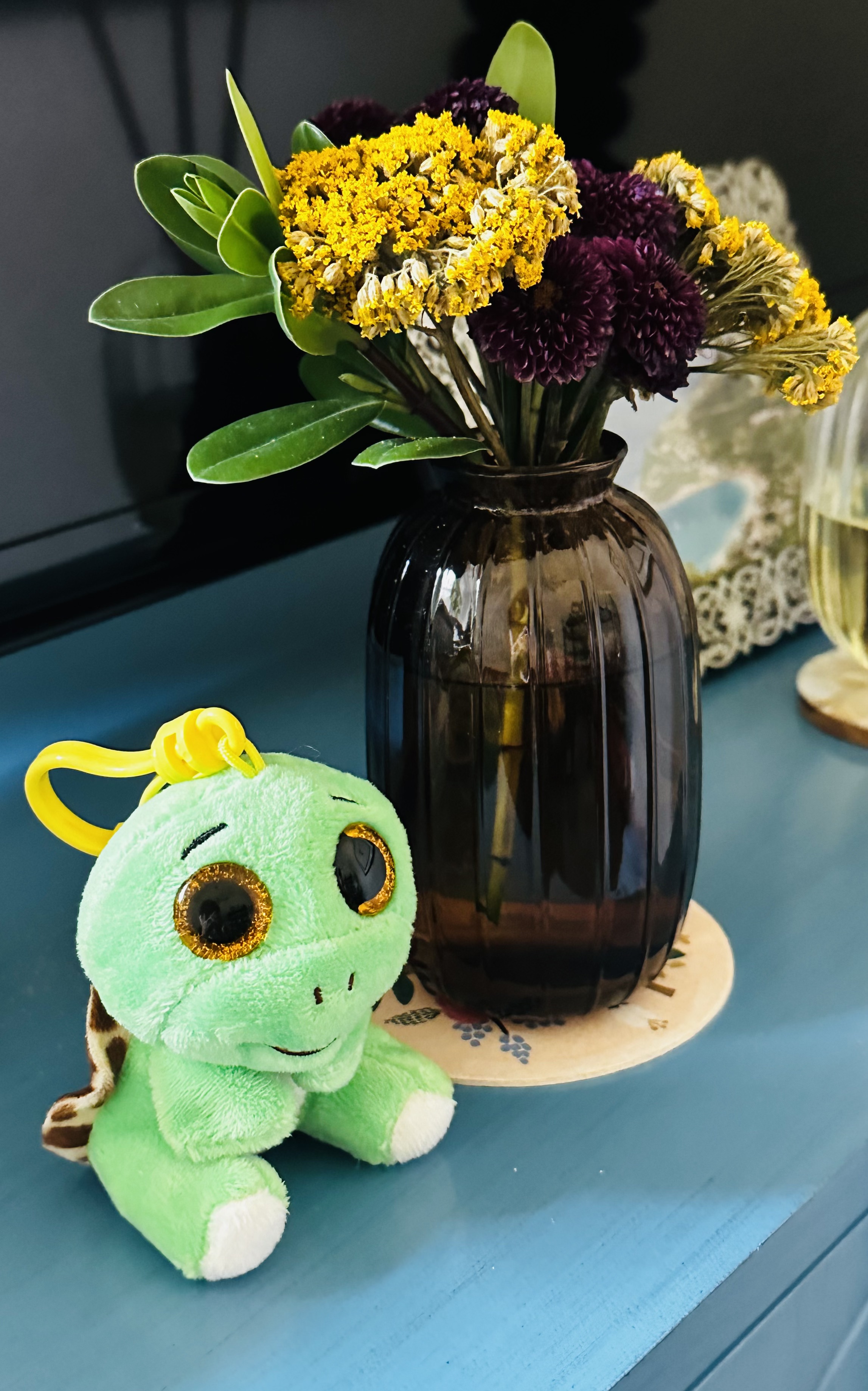
Beanie Babies! I had no idea they were still on the shelves until I went to CVS last week. It reminded me of my Granny’s love for them, I bought her a huge collection of the little plush babies. I wasn’t into them but Granny was so crazy for them, she got so much joy out of getting a new one for her collection. Feeling nostalgic, I had to bring this little turtle home. I won’t be buying others but this one with its big eyes is so cute to look at.

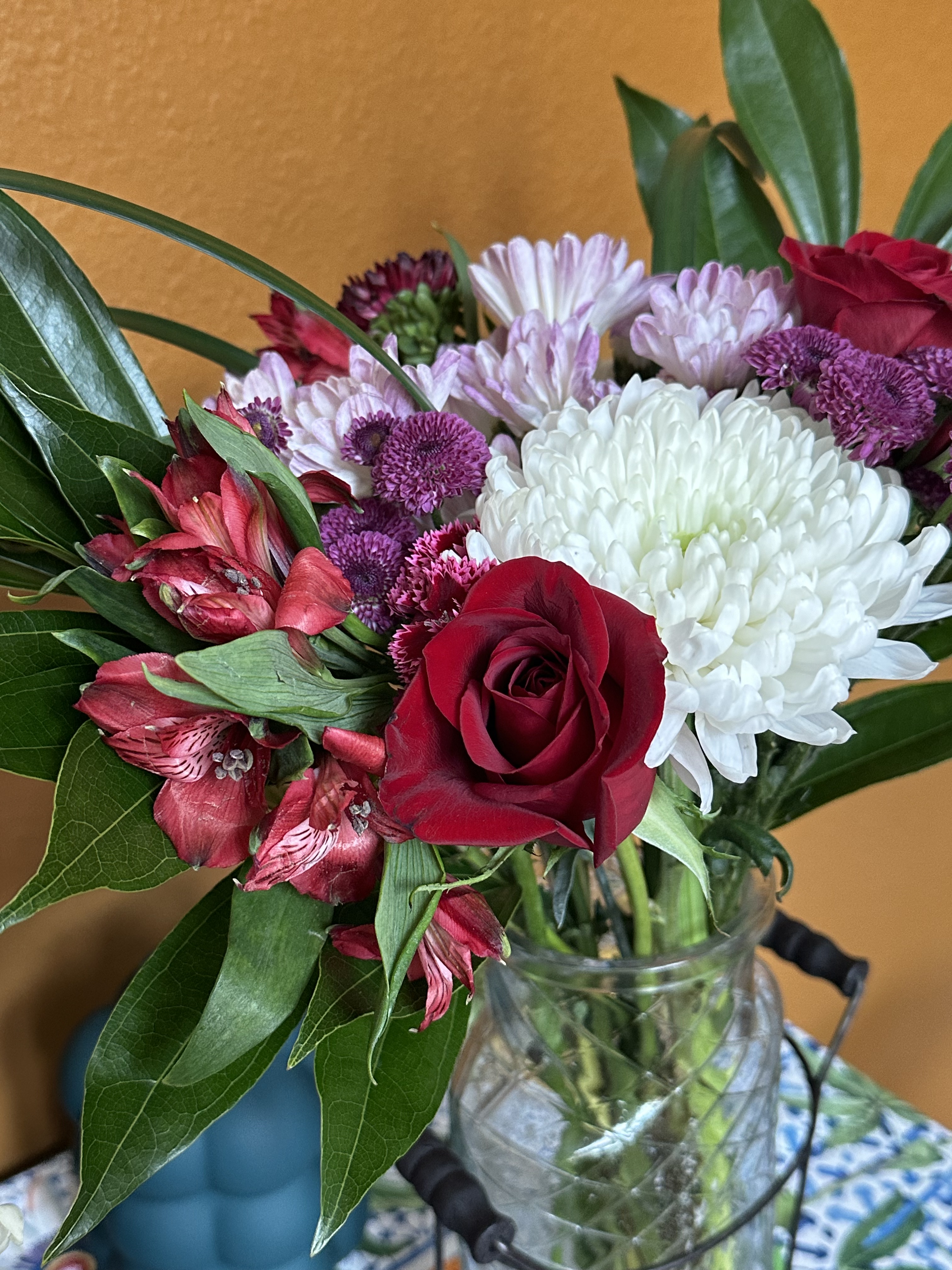
The arrangement is from leftover flowers from the mini arrangement in my office.

Melinda
Celebrate Life · Chronic Illness · Communicating · Health and Wellbeing · Medical · Men & Womens Health · Mental Health · Mental Illness

12 Celebrity Quotes That Perfectly Describe Life With Bipolar Disorder

By Tanya Hvilivitzky 

When famous people share their personal battles with bipolar disorder, it serves as a reminder that no one is isolated in this struggle. After all, bipolar disorder is indifferent to wealth, fame, or success.

It’s easy to believe that celebrities — actors, musicians, or comedians — enjoy lives of perfection. However, what is publicly seen represents just a fraction of their actual lives. The truth is, bipolar disorder doesn’t discriminate. It makes no distinction between a person’s age, gender, race, or bank account size.

So, when stars living with bipolar disorder share their own struggles, it signals to others that they are not navigating the complexities of this brain-based disorder alone, reinforcing the message that, together, managing it is within reach.

Here are personal and powerful quotes from 12 such celebrities:

1. Taylor Tomlinson

It took a little while for comedian Taylor Tomlinson to accept her bipolar diagnosis. She explains to E! News her reaction upon learning about her mood disorder. “I was surprised that I felt embarrassed when I first found out. Because I think I’m very open-minded. I have friends who have bipolar. And you never judge your friends. You never felt like that was a big deal. But then when it’s you, you somehow realize you have all this deeper stuff from when you were a kid.”

2. Cameron Esposito

After telling her fans earlier this year of her bipolar diagnosis, Cameron Esposito, standup comic, actor, and writer, took to her Instagram channel on her birthday in October 2023 to reflect on the year: “… you know what? I’m lucky. I’m lucky that I figured it out. I’m lucky that I had a place to go. I’m lucky that I was enough in my faculties that I was extremely persistent with following up after that experience, and getting my meds and finding a psychiatrist. All that s&*t is impossible and so expensive. I have healthcare coverage; I have insurance. I just want to say to anybody who’s had to navigate this [mental health care] system … you are a hero! Look at you! Look at what you’ve been able to do!

3. Alan Ritchson

Actor Alan Ritchson, star of Prime Video’s Reacher, was diagnosed with bipolar at age 36. In a February 2024 interview with CBC Radio’s “Q” program, Ritchson explains why he’s been sharing his story to help others: “As much as I would like to ignore that I’m a suicide survivor, if I didn’t share what I’ve learned I feel like my life would be meaningless,” he says. “I’ve always been a happy-go-lucky guy, but once you experience the grip [of depression] — the talons it can sink into you — you realize how sinister this thing is and how out of control the biology can really be for somebody in the midst of it.”

4. Carrie Fisher

“In my opinion, living with manic depression takes a tremendous amount of balls. Not unlike a tour of Afghanistan (though the bombs and bullets, in this case, come from the inside). At times, being bipolar can be an all-consuming challenge, requiring a lot of stamina and even more courage, so if you’re living with this illness and functioning at all, it’s something to be proud of, not ashamed of. They should issue medals along with the steady stream of medication.” — Carrie FisherWishful Drinking, 2008

5. Ye (Kanye West)

As a guest in 2019 on David Letterman’s Netflix series, My Next Guest Needs No IntroductionYe (Kanye West) uses the term “ramping up” to convey the process of entering a hypomanic or manic bipolar mood episode: “When you ramp up, it expresses your personality more. You can become almost adolescent in your expression. … When you don’t take medication every day to keep you at a certain state, you have the potential to ramp up … and even end up in the hospital.”

6. A.J. Mendez

In an interview with bp Magazine, former pro wrestler A.J. Mendez (AJ Lee) says, “I see bipolar disorder as the gift of extraordinary emotions. It makes me bold, brave, loud, and capable of withstanding whatever obstacles the world throws at me. It has made me empathetic. It has given me a lofty imagination, a belief in the impossible, and has made me confident beyond reason. I was 90 pounds and five feet tall and believed I could succeed in the world of giants … because I didn’t have that voice of doubt holding me back.”

7. Richard Dreyfuss

Richard Dreyfuss has starred in blockbusters like JawsAmerican GraffitiClose Encounters of the Third Kind, and The Goodbye Girl (which earned him an Academy Award for Best Actor). Of his bipolar diagnosis, he says, “No matter what you call it, this is an illness no different from, say, diabetes or asthma — and like those conditions, [it] should be neither ignored nor stigmatized. Feeling ashamed would mean surrendering to someone else’s judgment — an ignorant judgment at that.”

8. Linda Hamilton
The Terminator actress Linda Hamilton uses a holistic health plan to help her stability, with a structured and balanced lifestyle, exercise, and medication. “Exercise is an incredible key to feeling well. But for people with mental illness, taking care of the body is not an automatic thing. The mind is in such chaos, it’s hard to come up with a plan. So, to people like us, it’s more important than ever to follow a regimen.”
9. Maurice Benard

Daytime actor Maurice Benard — who plays Michael “Sonny” Corinthos Jr. on General Hospital — talked with bp Magazine on life with bipolar“I’ve lived a productive life having bipolar. I’ve talked to people who don’t want to talk about [having bipolar] because it’s embarrassing. I’m proud of it because I know it’s made me the actor I am and the person I am. It’s given me strength. If I can go through being in a mental hospital, and that kind of pain, and that kind of fear, I can do anything.”

10. Maria Bamford

In an interview with bp Magazine’s Melody Moezzi, the comedian Maria Bamford talked about being diagnosed: “I was surprised how prejudiced I was against myself. They tell you it’s the brain chemistry also working its magic, but I was really surprised at how resistant I was to going on a mood stabilizer, taking any time off of work, acknowledging that I needed to be hospitalized. I was just so angry. I didn’t want to go on the meds. It wasn’t until it got bad enough to where I was starting to feel unsafe by myself that I reconsidered.”

11. Stephen Fry

In an interview with bp MagazineStephen Fry said of creativity, “It is not a coincidence, it can’t be, that so many comedians suffer from depression. As for whether the hypomanic side of bp can be said to help creativity, I hesitate to say yes because of all those out there living with the disorder who are not in creative industries. … But certainly, the energy, self-belief, exuberance, tirelessness, optimism, and, yes, grandiosity that mark out hypomania can really help one achieve much in terms of writing and creation.”

12. Mariah Carey

In 2018, during an interview with People magazine, Maria Carey spoke about the confusing ups and downs of bipolar disorder: “For a long time I thought I had a severe sleep disorder, but it wasn’t normal insomnia. … I was working and working and working. … I was irritable and in constant fear of letting people down. It turns out that I was experiencing a form of mania. Eventually, I would just hit a wall. I guess my depressive episodes were characterized by having very low energy. I would feel so lonely and sad, even guilt that I wasn’t doing what I needed to be doing for my career.”

UPDATED: Originally posted June 19, 2020

Tanya Hvilivitzky

Tanya Hvilivitzky has spent more than 30 years in the communications field — a career that has included stints as an investigative journalist, managing editor for a lifestyle and wellness magazine, corporate communications director, and researcher/writer. She has been with bpHope (and bp Magazine) since 2016, serving in roles such as features editor, interim editor, and, currently, senior editor. She has been devoted to mental health awareness since she was the editor of Schizophrenia Digest in her early days, and now with a particular focus on highlighting the complexities of bipolar disorder through compassionate, service-based journalism. As an award-winning writer/editor, Tanya received the Beyond Borders Media Award for her 2012 investigative exposé about human trafficking for Niagara Magazine. Her work on this critical topic also earned the Media Freedom Award “Honouring Canada’s Heroes” from the Joy Smith Foundation to Stop Human Trafficking.

I dislike what Carrie Fisher had to say. It’s not appropriate to compare an illness to those who fought in Afghanistan and I do not think people with Bipolar Disorder deserve a medal and more medication. My thoughts about her have remained the same, she used her Bipolar Disorder as an excuse for her bad behavior and to make money. My opinion. 

Melinda

Celebrate Life · Communicating · Family · Health and Wellbeing · Men & Womens Health · Mental Health · Moving Forward

What Is Your Family’s Experience With School-Based Mental Health Services?


Hello Advocates!   NAMI Texas is continuing our efforts to elevate your stories and lived experience! As we prepare for the 89th Legislative Session starting January 2025, we are focusing on gathering specific stories. This is the third month in our Storytelling Series, for the month of August , we are featuring school-based mental health services. Your stories related to this issue are vital, and rest assured, confidentiality is imperative to us. With your permission, we may reach out for further insights. Additionally, if you are interested, you could participate as a storyteller at one of our events or at the Texas Capitol. Your story has the power to strengthen written and/or oral testimony, presentations, policy briefs, and media coverage.   School-based mental health services are vital in promoting students’ well-being and academic success. These services may include counseling, psychological assessments, and the development of individualized education programs (IEPs) for students with mental health needs. For instance, a student struggling with anxiety might receive regular counseling sessions with a mental health provider such as a psychologist or social worker to develop coping strategies. Another student with ADHD might have an IEP that includes accommodations like extended test-taking time or a quiet space for exams. These comprehensive support systems not only address immediate mental health issues but also equip students with the tools they need for long-term success. We invite you to share your experiences with school-based mental health services. Your stories and insights can help us better understand the impact of these services and advocate for their continued support and improvement.  Additionally, if your child or children are enrolled in Medicaid and are facing significant issues with hard limits on treatment services (whether in policy or practice), behavioral health services, or services for medically complex conditions, we would greatly appreciate it if you could share your story with us.  Head over to our Advocacy Campaign  to share your lived experience! Your story can provide valuable insights into the landscape of school-based mental health services. By sharing your experiences, you can help us advocate for the strengthening of these services, ensuring they better meet the needs of all students.  Please feel free to share with your networks! As always, feel free to reach out to our Public Policy Director, Lyssette Galvan, publicpolicy.director@namitexas.org, or Peer Policy Fellow, Christine Busse, peerpolicy.fellow@namitexas.org.       

With gratitude,   The NAMI Texas Public Policy Team   


Melinda


Celebrate Life · Chronic Illness · Health and Wellbeing · Medical · Men & Womens Health · Mental Illness · Moving Forward

Denial in Bipolar Disorder: The Manic Fallacy of Wellness

By June Rawlston 

Last Updated: 7 Aug 2024

During my first manic episode, I was convinced I’d finally recovered from my chronic depression. But my therapist saw symptoms of bipolar disorder.

I’m a doctor by training, so you’d think I would have guessed I had bipolar disorder, for heaven’s sake. I certainly manifested every symptom of mania in the Diagnostic and Statistical Manual of Mental Disorders, Fifth Edition (DSM-5), from boundless energy and soaring spirits to severe insomnia.

I should have known something was up when I treated myself to a $4,000 antique French buffet table. (The credit card company considered shutting down my account, but I convinced them that my finances were under control.)

I subscribed to delusions of grandeur, scouring my home for a spot to exhibit the writing award I was guaranteed to win. My sexual appetite spiked to new heights, too (no complaints from my guy on this point).

Friends and Loved Ones Were Baffled by My Behavior

Certainly, my friends and loved ones noticed a bizarre new me bursting onto the scene. One friend, irritated by my self-absorption, said she felt I had come across “like a bomb exploding in my face.”

My boyfriend raised his voice at me for the first time in our friction-free relationship, because I was passionately scrubbing his bathroom at 3 a.m.

A fellow choir member, flabbergasted at what I took to be my brilliant plans to eradicate mental health conditions in the world, shot me a disbelieving look and said, “I’ve never seen you like this.” I wasn’t sure whether he was worried or jealous.

RELATED: Do You Know These Symptoms of Bipolar Mania?

Delusions of Wellness

To me, it just seemed like I had reached a pinnacle in my life after years of chronic depression. I couldn’t wait to thank my psychiatrist for his contribution to my greatness. I wrote him a card saying I had completed my arduous journey to wellness and would no longer be requiring his services.

Instead of clapping and stomping his feet for me, my doctor became more and more appalled as I tried to convince him of my freedom from the frenzy. I, in turn, became furious at the party pooper for raining on my parade.

It wasn’t until he called my sister and begged her to come watch over me that I began to entertain a sliver of doubt.

My sister, a family physician, hopped on the next plane and flew down to Toronto to babysit me and dispense copious amounts of medication and advice. If anyone can convince me of anything, it’s my sister. (She persuaded me that I was adopted when I was 12 — it took my parents months to undo the damage.)

Bit by bit, her certainty that I was experiencing a psychotic episode superseded my insistence that everything was great.

Before 24 hours had passed, I was loaded up on heavy-duty doses of antipsychotics. I actually slept through the night.

By the end of the week, I had come down to earth.

Lack of Insight and 20/20 Hindsight

Looking back on my current (and carefully managed) stability, I’m still blown away by the depths of my denial. After all, I had been exhibiting a textbook case of mania. Why hadn’t I used my medical judgment to uncover my self-evident diagnosis?

I was so certain that I was just happy, at last, and I was furious at those who wanted to pathologize my well-earned contentment.

My sister reminded me of something I already knew: My lack of insight was not my fault; my delusion of wellness was part of the symptom package of mania.

I shudder to think what might have happened if my mania had continued unchecked. My psychiatrist told me I was hours away from requiring urgent hospitalization. I’m lucky that he and my sister prevailed on me to accept that I was unwell instead of special.

I’m also fortunate that my first manic episode led to a diagnosis of bipolar. With my new drug regimen (including a mood stabilizer) and lifestyle changes (regular running, a balanced diet, and mindfulness meditation), I feel a sense of peace I’ve never experienced before. For the first time in my life, I have faith that I will be okay.

UPDATED: Printed as “On My Mind: Queen of Denial,” Summer 2013

June Rawlston

June Rawlston is a pseudonym for a Toronto physician who is forging a new career as a writer.

————-

When you’re manic you think you are on top of the world, magnified creativity, and know better than others, rarely listen to logic when it comes to your behavior, quite simply you don’t want the high to end. The truth is it always ends and the higher you go the further you fall. When you fall you may find yourself disoriented, or not knowing where you are, It’s extremely frightening.

Recovering from a manic episode depends on how hard you hit the ground and what happened while you were manic. The recovery time could take months possibly even longer. It’s a long climb up. This is why I keep a close look each day to see if my mood is elevated, it can go from joy to sheer madness very quickly. The key is to track your moods, be aware that your mood is escalating and reach out for help if you continue to escalate.

I spent close to 10 years hypo manic or manic before I fell down the rabbit hole. Crawling out was not pleasant and I spent several weeks in a Psychiatric Hospital to recover.

Stay aware and don’t be tempted by the escalated state, it will bite back.

Melinda

Celebrate Life · Fun · Health and Wellbeing · Holiday · Men & Womens Health · Mental Health

Let’s Celebrate Labor Day

It’s great to have a paid day off of work but do you know why and when the Labor Holiday began?

Labor Day is a federal holiday in the United States, celebrated on the first Monday of September. It honors the contributions and achievements of American workers and the labor movement that fought for their rights and dignity.

Labor Day became a federal holiday in the United States in 1894 when Congress passed a bill designating the first Monday in September as Labor Day. The holiday was created by the labor movement in the late 19th century to pay tribute to the contributions and achievements of American workers. President Grover Cleveland signed the legislation into law on June 28, 1894.

Having the first Monday in September off from work was remarkable for American workers in 1894 when Labor Day was declared a national holiday. Working conditions in the country’s factories, railroads, mills, and mines were grim. Employees, including children, were often required to work 12 or more hours a day, six days a week, in crowded, poorly ventilated spaces.1

Calls for shorter workdays and better conditions came from worker strikes and rallies in the decades after the Civil War. Union leaders in New York City organized what’s thought to be the first Labor Day parade on Sept. 5, 1882.2

Tens of thousands of labor union members including bricklayers, jewelers, typographers, dress and cloak makers, and many other tradespeople took unpaid leave and marched with their locals. The day culminated in picnics, speeches, fireworks, and dancing.

Melinda

References:

msn.com

https://www.history.com/topics/holidays/labor-day-1

https://www.investopedia.com/news/history-labor-day/

Celebrate Life · Communicating · Fun

The Email Open Statistic Is Incorrect, Another Failure From WordPress

I have known for some time that the statistics provided by WordPress are not accurate and today it was cemented in my mind. When you publish a post it goes to each follower including those who subscribe to receive the post via email. The catch is that WordPress counts all of your posts as email which is the opposite of what the explanation of what the statistics are.

I have around 20-25 followers who receive my posts via email yet today I looked at a post from a few days ago and it showed 917 received my posts along with the number of email opens and unique opens, whatever that means. If you take the numbers at face value that means that out of close to 4K followers only 917 received the posts and that even fewer read the posts and fewer are commenting.

Commenting I understand, I don’t comment on every post I read but I have a hard time swallowing that the community has turned off receiving my posts. Maybe this is naive of me but when I see the level of long-time followers, new followers, comments, and the level of conversations I’m having with many people the number isn’t consistent.

This is no surprise, I have a long-time follower friend whose husband is a Statistical Engineer and he stated that the statistics on WordPress are inaccurate. This is not a rant, just an explanation for others who are perplexed with their statistics.

I’ve been blogging on WordPress for 24 years and have spent countless hours frustrated working with the Happiness Engineers to understand the issue I was having. Many, many years ago asking for help became futile and I gave up on contacting them. I did recently contact WordPress to let them know about the Bots that were enjoying my archives but as usual, I received no response. When I have a question now, I ask the community or go to Copilot for an explanation. Copilot has helped me understand what the statistics mean at a high level however the answers don’t apply to WordPress.

I hope this information helps others make sense out of what doesn’t make sense. :)

Melinda

Celebrate Life · Chronic Illness · Health and Wellbeing · Medical · Men & Womens Health · Moving Forward

September Awareness Months And Days

The main days and months you should know about for September are:

National Suicide Prevention Awareness Month September 1
Blood Cancer Awareness Month  September 1
National Food Bank Day 1st Friday
International Literacy Day September 8
R U OK Day September 9
World Suicide Prevention Day September 10
Hispanic Heritage Month September 15
International Day of Peace September 21
International Day of Sign Language September 2

National Public Lands Day                                                                                                 Saturday 4th

Achalasia Awareness Month

Alopecia Awareness Month

Animal Pain Awareness Month

Blood Cancer Awareness Month

Childhood Cancer Awareness Month

Craniofacial Awareness Month

Falls Prevention Month

Gynecologic Cancer Awareness Month

Healthy Aging Month

Hispanic Heritage Month


We have so much to educate ourselves on and to advocate for to make a better future. I apologize for the inconsistent graph, that is the way it was copied. 

Melinda

Celebrate Life · Fun · Music

#Weekend Music Share-Triple Shot of Bryan Adams, Plus Bonus Video With Bryan Adams, Rod Stewart And Sting

WOW! What a dent in music history Bryan Adams has made. I could listen to him for hours on end, his voice is powerful and calming. The last video of the three is out of this world fun! They are having fun and the friendship they have shines through.

It’s the weekend!!!!!!

 I’m glad you joined me this week for another edition of Weekend Music Share.

Bryan Adams – (Everything I Do) I Do It For You

Bryan Adams – Summer Of 69 (Official Music Video)

Bryan Adams – Cuts Like A Knife

Bryan Adams, Rod Stewart, Sting – All For Love (Official Music Video)

Have a great weekend!

Melinda

Welcome back to Weekend Music Share, the place where everyone can share their favorite music.

Feel free to use the Weekend Music Share banner in your post, and use the hashtag #WeekendMusicShare on social media so other participants can find your post.

Celebrate Life · Fun · Health and Wellbeing · Men & Womens Health · Mental Health · Self-Care

Things I’m Loving-Health, Wellness And Household

Here are a few products I’m loving with right now. I hope you find a product to add to your household or self-care routine. The list may also give you ideas for a surprise for friends, and family. Most products are found on Amazon. I am not an Amazon Affiliate and do not make a commission on any product you choose to buy. All links take you directly to the company of the product on Amazon. Clicking on the links does not cost you more.


FIRST HONEY®

Manuka Honey Cream for Dry & Itchy Skin | Fast Relief for Eczema, Rosacea, Psoriasis, & Dermatitis | Natural & No Fillers | Safe for Babies & Toddlers | 3.5 oz

Made with the highest quality medical grade Manuka honey to target the treatment of distressed skin. Anti inflammatory, moisturizing, and naturally soothing, our fast-acting skin cream can help reduce swelling, increase skin regeneration, and calm skin irritations. Gentle enough for everyday use, our formula works with the nature of your skin, not against it,
to rebalance, restore and protect.

30% medical grade Mänuka honey with natural healing and anti-inflammatory properties draws moisture into the skin while creating a barrier to protect distressed skin from pathogens. All natural emollients deliver additional antioxidants and vitamins A, C and E to soothe skin irritations and increase
skin regeneration. Aids in healthy skin barrier function and prevention of transepidermal water loss.

Visit the FIRST HONEY Store

I have Ecxema on my face and ears and my prescription cream wasn’t working. I tried another balm but it didn’t provide any results but this balm is a miracle worker. It has diminished all the spots except for the worst one on my left eyelid however it has improved and I’ve only used it for three days. I’ve already purchased another one in case I can’t find it next time. 


Fruit Fly Trap for Indoors

Fly Traps Indoor for Home Bug Zapper Indoor Insect Trap with Suction, Time Setting, Bug Light & 10 Pcs Sticky Glue Boards (White)

  • Effective Result: Place insect traps indoor near fruits, plants or garbage cans and turn off lights for best effect. Fly traps catch fruit flies, mosquitoes, small insectsmoths and small bugs, paired with sticky glueboards, insects have nowhere to escape.
  • Time Setting Option: Plug in the usb cable and adapter, press the bug traps indoor on/off button to work. Continuous run or 6/12 hours timing function, more convenient to daily use.
  • Widely Use and Low Noise: Fruit fly traps for indoors adopts physical mosquito control, safe and low noise. Mosquito trap are commonly used in homes, kitchen, living room, restaurants, and other areas where flies can be a nuisance or a health hazard.

Brand: FVOAI

We have Zevo traps in multiple places in the house but the backdoor attracts more than you can believe. The refills are not inexpensive so I bought this one for the backdoor, you can get 50 refills for under $20 which is a bargain compared to Zevo. It’s quiet and attracts the tiny flying bugs as well as Zevo or maybe better. 


Theraspa Professional Nail & Cuticle Oil

2.0 fl oz – Nourished with Jojoba, Avocado, Vitamin E, and Biotin (B7) for Superior Hydration, Repair, Revitalization, and Strengthening (Olive)

  • Comprehensive Nail Care: A harmonious blend of these ingredients creates a powerhouse formula for overall nail and cuticle health.
  • Holistic Approach: Addresses multiple aspects, from hydration to strength and appearance, for comprehensive nail and cuticle care.
  • Portable: Compact design allows for on-the-go nail care, ensuring your nails stay nourished anytime, anywhere.
  • Free from Harsh Chemicals: Formulated without common irritants, the Avocado Oil, Jojoba Oil, Biotin, and Vitamin E provide a soothing experience for your nails and cuticles.
  • Suitable for All Skin Types: The formula is gentle and well-tolerated, making it suitable for individuals with sensitive skin.

I’ve used an expensive brand for years, it had a built-in brush and smelled out of this world but it didn’t last long. When it was time to buy again I went looking for one without a brush and a larger size. Boy, I hit the jackpot with this brand. I purchased the Olive blend and it smells great and the bottle holds so much more that it will last a long time. 

Visit the THERAPISPA Store


Waiakea Hawaiian Volcanic Coffee

Vanilla & Mocha Combo Pack – Ready to Drink Canned Coffee

Natural Volcanic Filtration

Waiakea Hawaiian Volcanic Water

Naturally alkaline with pH range of 7.6-8.2

LIVE ETHICALLY BS 4

Visit the Waiakea Store

Due to the problems I’m having with my Eshophgus my morning coffee is out of the question for now. After two months I was missing my coffee so badly that I started trying cold-brewed lattes. One of the biggest issues I had with the brands I tried was they were too sweet which isn’t my style. This brand has 70% less sugar and tastes so good. They are more expensive but life is too short to drink bad coffee. 


Blink Tears Lubricating Eye Drops

0.5 fl oz (15 mL) Eye Care for Mild to Moderate Dry Eyes, Hyaluronate for Boosting Hydration, Moisturizing & Soothing Eye Drops for Dry Eyes

  • Relief with Every Blink: Experience immediate and long-lasting dry eye symptom relief with Blink Tears Lubricating Eye Drops. These moisturizing eye drops instantly soothe & hydrate, restoring your tears’ natural salt balance and maximizing hydration
  • Hydration Boost with Hyaluronate: Our lubricating eye drops for dry eyes instantly moisturize mild to moderate dry eyes. The unique formula of the eye drop quickly thickens and stabilizes your tear film
  • Moisture Hold: Blink eye drops are formulated to stay in the eye for long-lasting dryness relief. These lubricant eye drops maximize hydration and provide comfort
  • Reduce Everyday Discomfort: These drops provide lubrication and hydration to the surface of the eye, keeping the eye moist

Visit the BLINK Store

I have struggled with Dry Eyes for as long as I can remember and have tried so many brands it’s crazy. I first used the regular version and bought this at CVS when I noticed it was an improvement. Boy, what a difference they have made. I still use a prescription but they burn so I put these in afterwards and use it during the day. No more dry eye! 

I hope you find one or more of these products useful for you or a family member. 

Melinda

Celebrate Life · Family · Fun · Health and Wellbeing · Men & Womens Health · Music · Self-Care

Update On Party Of The Summer On September 4, 2024

The ultimate end-of-summer party is fast approaching, and I want to give an update on the events. Start preparing for yourself and the family to have the time of your life.

There are a host of additional tents and activities you will find upon arrival and here are a few.

A creative arts tent with watercolors and rocks to paint. 

A calm, relaxing, and quiet tent away from the action to take a break.

A movie tent showing old and new movies and a complete list to choose from. 

All tents are soundproof for your enjoyment.


The open areas have every type of activity you and your family can imagine. Bring your friends along as well, the more the merrier.

Clean vegan and allergy-free food is on the menu and the wait staff can provide the entire ingredient list.

Dancing is a given and all types of music will rotate throughout the day and night. 

I realize it is not the end of Summer in most countries but just imagine the fun you could have thinking about the perfect summer. It’s not too hot, there’s a slight breeze, and the humidity is low. Great weather to get outside and make memories.

Unlike the photo I created, the race track will not be close to the tents and outdoor activities and all tents are closed, not open as depicted. AI can only do so much when creating images, or I gave up before the correct image came up.

I can’t wait to see you there and will keep you updated on the festivities on the day of the party.

Melinda

Celebrate Life · Fun · Mental Health · Photography · Self-Care · Travel

Wordless Wednesday-Flowerama

I’m glad you joined me on Wordless Wednesday and I hope to see you soon.


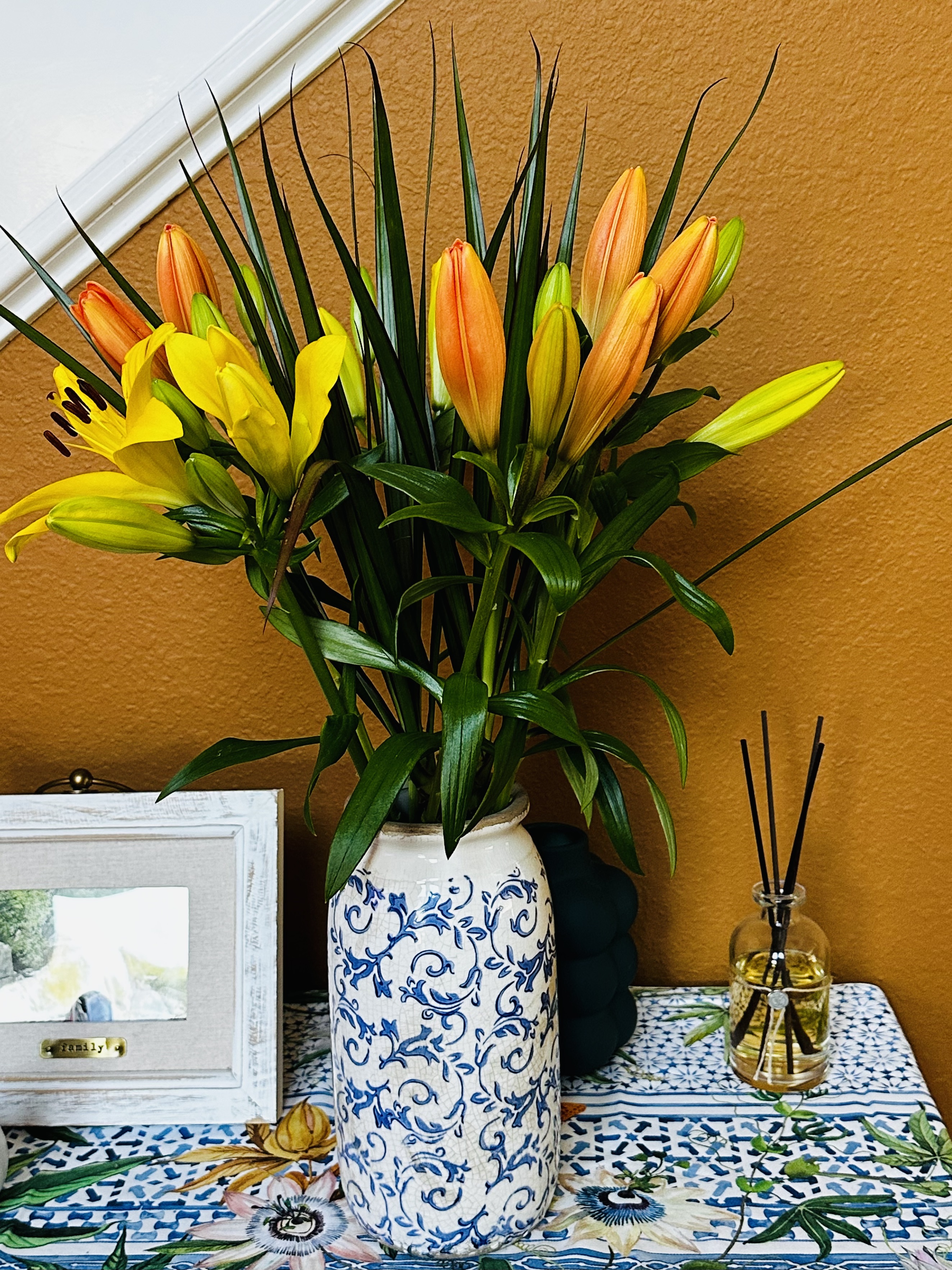
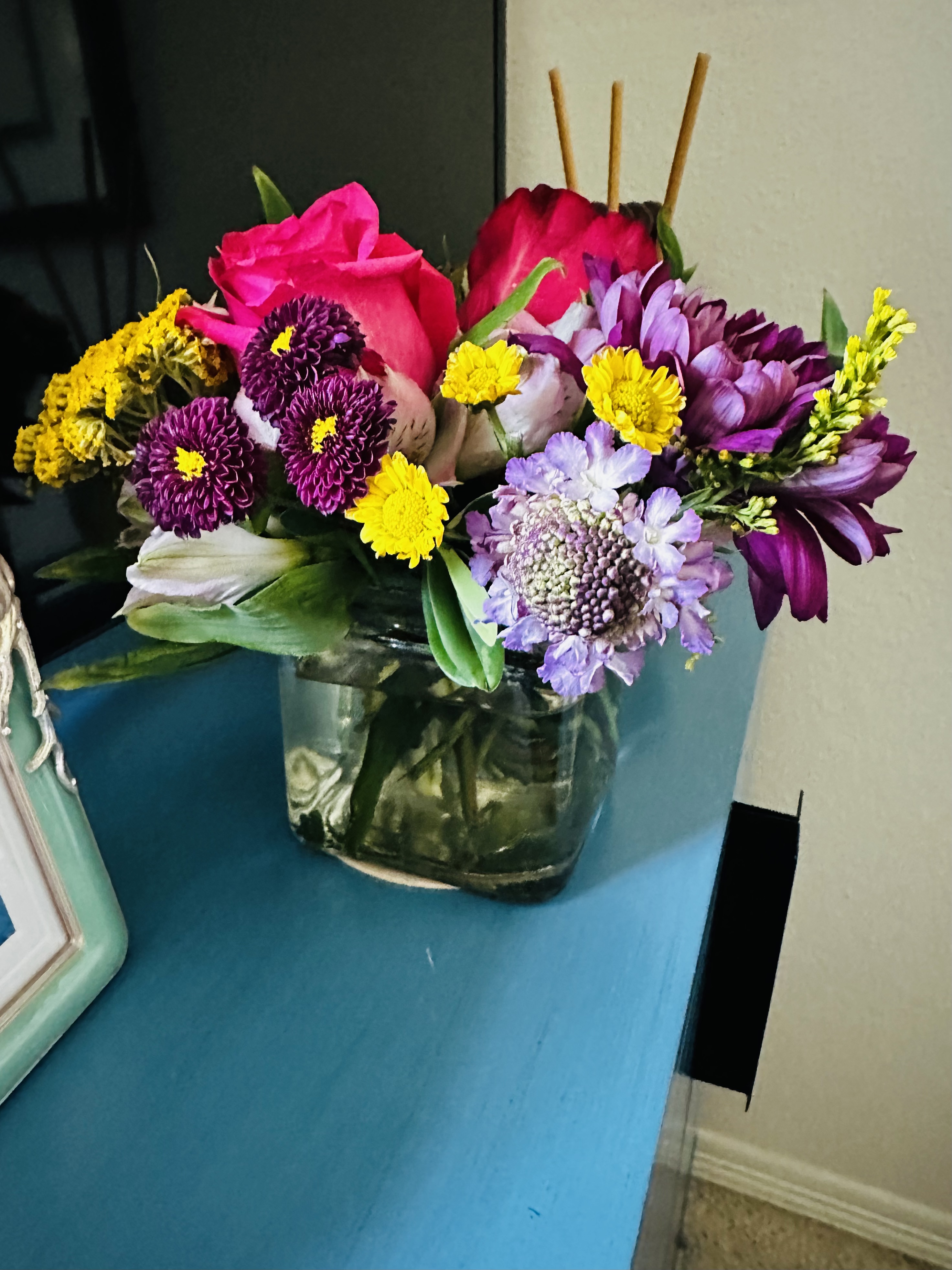
My husband went to Costco and bought flowers as usual but I had fresh flowers already. Then I went to a store across town to get my almond milk and I could not pass up the mini arrangement for my office. I am overjoyed this week with all the fresh flowers, this rarely happens.

Melinda

Celebrate Life · Fun · Men & Womens Health · Mental Health · Travel

Sending A Special Thank You To the Countries Who Have Visited My Blog-Malta, Argentina, Cyprus And France

Thank you for inviting me into your life by visiting my blog. I appreciate you and get my itch to travel through you. The only country I’ve traveled to is France. I stayed in Paris for a week and had the time of my life. I’m from Texas and have an accent, you can imagine how the few words I could say in French sounded. I stayed in the welcoming 12th arrondissement, and my replies were met with a smile. I saw the touristy areas which were amazing, spent a half day at the Palace of Versailles, and took a train to the Taittinger winery. I looked forward to a tour even though I didn’t understand French but the cellars were amazing. Taittinger is one of my favorite champagnes and rivals several of the more expensive brands I’ve tasted. Bringing back six bottles was an effort.

I look forward to returning to France to visit the wine country and tour more wineries.

As for the other countries, a visit to your country is on my bucket list. I am ready to travel Internationally again but not ready to get on an airplane, it’s not safe right now. Too many systems going down, understaffing and widows blowing out of aircraft for my comfort level.

I hope this post finds you happy and healthy. :)

Melinda

Celebrate Life · Health and Wellbeing · Men & Womens Health · Mental Health

Blogger Highlight-Willie Torres Jr.

Thank you for all the great feedback on the Blogger Highlight series, I’ve enjoyed meeting each blogger and sharing their blog with you. This week we highlight Willie Torres Jr. We have only followed each other for a short time but we become fast friends. He is a joy to talk to, a talented writer, and a is a man of God. I feel comfortable talking to him in a way that I don’t with most others.

Willie Torres Jr.

My name is William Torres, but my family and friends call me Willie. It is a pleasure to be here with you today, and I am excited to share my faith journey with you.

My journey has been amazing and fulfilling as a new Christian. I have seen God work in my life in ways I never could have imagined. I have grown closer to my faith and have seen Him work in my life and the lives of those around me. I am truly blessed to call myself a Christian, and I am excited to continue to grow in my faith.

I began writing stories that I believe were inspired by the Holy Spirit. These stories are my testimonies about the different trials I have gone through, and how the Lord has helped me to overcome them. Through this process, I’ve discovered that I can forgive those I once vowed to never forgive, and in turn, my relationships with them have been restored. They are now a huge blessing and a special part of my life.

I have also started a Social Media Ministry on Facebook, which I invite you to visit here. Being Crazy For Christ is a platform where I share my journey of faith, and I am also on YouTube – Willie Torres Jr. and I am excited to see all that God will do through it.

I find all of Willie’s posts inspiring and enjoyed this recent post. It’s called One Stormy Might.

Rain Stormy Might

Be sure to stop by and say hello. Pull up a chair, and read through his archives. You will find his style of writing uplifting and down-to-earth.

Melinda

Looking for the Light


Celebrate Life · Chronic Illness · Communicating · Health and Wellbeing · Medical · Men & Womens Health · Mental Health · Mental Illness · Moving Forward

13 Celebrities Who Embrace Their Bipolar Disorder


These 13 celebs accept their bipolar and are using their platforms to break the stigma and push for acceptance of brain-based conditions.

By Jade Zora Scibilia

Whether you love them or “love to hate them,” celebrities can make a real difference, especially when they take a stand for something positive. The following stars with bipolar disorder use their fame (and occasional notoriety) to draw our attention to what really matters, start meaningful conversations among loved ones and policymakers, break the silencing effect of social stigma, and enhance both awareness and acceptance of this brain-based disorder. These celebrities — among others — have had a life-affirming, morale-boosting impact. Whether through a “tell-all” interview or memoir, a powerful pop song, or a moving on-screen performance, these stars continue to rally people with bipolar — and their supporters — to power through and find the hope of a new day.
1. Faye DunawayIn the HBO documentary Faye, the iconic Faye Dunaway, now 83, talks about her lifelong battle with mental health, including her bipolar disorder diagnosis.“Emotion is a strength, not a weakness,” she shared with The Independentat the documentary’s premiere in Cannes in May 2024. Dunaway reflects on how her intense emotions fueled her performances but also contributed to her reputation for being difficult on set — earning her the nickname “the dreaded Dunaway” (and “Dread” for short) from Jack Nicholson during Chinatown. In the documentary, Dunaway candidly discusses how she’s worked with doctors and taken medication to manage her mood swings. She acknowledges it’s been difficult, but “it’s something I’ve had to deal with and overcome and understand. It’s part of who I am.” 
2. Alan RitchsonYou may know Alan Ritchson as the star of Prime Video’s Reacher, but did you know he also lives with bipolar disorder? Diagnosed at 36, the now 41-year-old actor has been open about his struggles.“As much as I would like to ignore that I’m a suicide survivor, if I didn’t share what I’ve learned, I feel like my life would be meaningless,” Ritchson told CBC Radio’s “Q” program. “I’ve always been a happy-go-lucky guy, but once you experience the grip [of depression] — the talons it can sink into you — you realize how sinister this thing is and how out of control the biology can really be.”

Click to Read More

Jade Zora Scibilia is a former editor at bpHope, bp Magazine and Esperanza. She was formerly the managing editor at Prometheus Booksand the senior editor of Seventh Street Books and Pyr. She is also the author of two nonfiction children’s books.


I applaud anyone who steps out and embraces their mental illness, there is still a stigma, and those who are public about it are brave and very strong.

Melinda

References:
https://www.bphope.com/bipolar-buzz/celebrities-who-embrace-their-bipolar-disorder/?utm_source=iContact&utm_medium=email&utm_campaign=bphope&utm_content=BUZZ+-+Aug25+-+Celebrities

Celebrate Life · Chronic Illness · Communicating · Health and Wellbeing · Men & Womens Health · Mental Illness

Are TV Depictions of Bipolar Helpful or Harmful? 

By Stephanie Stephens 

Medically Reviewed by Allison Young, MD

Last Updated: 16 Feb 2024

TV characters with Bipolar Disorder can show that treatment leads to stability. But dramatized portrayals of manic extremes may perpetuate stigma and misconceptions.

“Surely there is someone out there who will take me for who I am: the good, the bad, the full story of love.”

That’s award-winning actor Anne Hathaway as Lexi, prognosticating optimistically about her romantic future as a woman with bipolar disorder. Lexi’s adventures take up the third episode of Modern Love, an Amazon Prime Video streaming series that debuted in October 2019.

At the splashy New York City premiere that Amazon hosted to launch the series, Hathaway did a bit of optimistic prognosticating herself — namely, that her Modern Love segment would help make it easier for people to put bipolar on the table.

“I think those conversations are starting to happen,” she told Variety, adding that people weren’t putting off those talks because of shame “but because we don’t know how to start.”

Hathaway brought up another important point about seeing characters with bipolar on TV: Making the condition, and those who live with it, visible in the mainstream.

“This episode is going to mean so much because it offers some form of representation,” she said.

How Bipolar Disorder Is Represented on TV

For viewers today, the question isn’t so much whether people with bipolar are represented on TV shows, but rather what form that representation takes. Is it more like reckless Ian Gallagher on Showtime’s Shameless? Or more like Kat, the struggling figure skater at the heart of the Netflix original series Spinning Out?

Ian (played by Cameron Monaghan) embraces denial and mostly avoids treatment. Over the show’s 10 seasons, he’s been prone to poor judgment and rash acts — including trying to steal an Army helicopter. He’s gone through stints of sexual promiscuity and fallen into religious fanaticism. (Truth to tell, though, he’s far from the only troubled member of the dysfunctional Gallagher clan.)

Over on Spinning Out, which debuted in January 2020, Kat (Kaya Scodelario) couldn’t be more different. Sure, she’s got her romantic difficulties, her mother-daughter drama, her angst over where to take her skating career. But managing her bipolar slots quietly alongside all the other challenges in her life.Lest we miss out on negative stereotypes, however, Kat’s mother also has bipolar. She’s shown behaving unpredictably and aggressively when she gets lackadaisical with her meds.

Do These Representations Help or Harm?

For Anita of Mt. Vernon, Illinois, portrayals of bipolar on TV do more to mislead than to educate because there’s no way they can be well-rounded and realistic. For one thing, there’s a lot about living with bipolar that just doesn’t make for good drama — or comedy.

“There’s absolutely nothing glamorous, hilarious, or entertaining about actually having bipolar illness,” says Anita, who received her bipolar 2 diagnosis at age 15. “The audience would not be interested in a character who just lies in bed [onscreen] and cries for 30 minutes straight.”

For another, the time limits on television programming make it impossible to accurately show the long, arduous arc of maintaining wellness.

“People are conditioned to believe that all of life’s problems can be resolved in less than an hour because television and movies have taught us that,” Anita says.“Having people around us who are ‘enter-trained’ to believe that their favorite beloved character got through her panic attack in the last episode with flying colors doesn’t help the rest of us at all,” she says. “Real life doesn’t work that way.”

Aiming for Accurate Depictions of Bipolar Disorder

Within the constraints of the genre — and the selective editing that necessarily goes into shaping a script — the people who produce and write TV shows nowadays try not to let gross inaccuracies filter through. Actors do their research, too, reading up on bipolar and consulting with people who actually walk the walk.

Each of Modern Love’s eight episodes is based on a first-person essay from the weekly New York Times column of the same name. Hathaway’s episode was inspired by a piece titled “Take Me as I Am, Whoever I Am,” by Hollywood entertainment lawyer-turned-author Terri Cheney.

Translated to the small screen, we have Hathaway as an attractive, successful Manhattan attorney hoping to move beyond dating into a meaningful relationship. That’s not so easy while trying to hide her bipolar moods.

Instead of dishing up a happily-ever-after romantic finale, the episode ends on a hopeful, truthful note. Hathaway’s character decides to be upfront about all aspects of herself, adding her diagnosis to her online profile on a dating website.

Of course, the hope and the truth originally belonged to Cheney. Before her essay was published on January 13, 2008, Cheney kept her bipolar 1 disorder on the down low. Publishing in the NYT column was her loud-and-proud moment.

“At that time, there wasn’t a vocabulary for the way it really feels to have bipolar disorder,” recalls Cheney, who went on to publish the memoirs Manic and The Dark Side of Innocence. “Writing helped me feel like I control the experience, that I own it and it doesn’t control me anymore.”

For the TV adaptation, Amazon’s production team sought Cheney’s input. She also had discussions with Hathaway, who pored over Manic to get a better feel for her role.

Is the episode perfect? Cheney wouldn’t change a thing about it — and especially adores the musical elements, a trademark of director John Carney — but concedes that “you can’t be all things to all people. A 30-minute episode has to be condensed for dramatic purposes. For example, my own mood switches are not that instantaneous.”

A Daytime Drama’s Truth About Bipolar Treatment

In 2006, half a decade after prime-time TV took the plunge, mob boss Sonny Corinthos was diagnosed with bipolar 1 on ABC’s iconic soap opera General HospitalMaurice Benard, whose own bipolar was diagnosed at age 22, has played Sonny since 1993 — netting two Emmys over the years.

Even as his character brought bipolar to the notice of the show’s viewers, Benard spoke candidly about real-life experiences in interviews and other public settings.

In his memoir Nothing General About It: How Love (and Lithium) Saved Me On and Off General Hospital, Benard writes more in-depth about the challenges of controlling his mood symptoms while filming on a daily basis and about the support he received from colleagues.

Benard has told bp Magazine that he “gave a ton of input” on how a mood episode and managing bipolar might play out. For example, he insisted Sonny be shown taking his meds.

On occasion, Benard objected to elements in certain scripts. As an industry insider, however, he accepts that the nature of a melodrama sometimes works against accuracy.

The Young and the Restless, aka Y&R, gave long-running character Sharon Newman a bipolar diagnosis in 2012. Josh Griffith, co-executive producer and head writer of the CBS soap, put considerable thought into responsibly portraying a character with bipolar.

“I looked at some of the emotional journeys the character had taken over the years, picked up what seemed to be a pattern of up-and-down behavior that might fit with bipolar disorder, and saw a chance to, (a) tell a compelling and dramatic story, and (b) explore an important and topical issue that affects millions of people,” he says. “We wanted to be medically accurate with both behavior and treatment, and as dramatic as possible,” he adds.

The Harm of Stereotypes on TV

As far as greater representation in mainstream programs, Cheney doesn’t think television in general has normalized bipolar because stereotypes still prevail most of the time. Notably, “plotlines when a character goes off their medications and becomes manic. … I felt it inferred blame on people for their condition,” she explains, apologizing if she sounds “cranky” about it all.

Nevertheless, Cheney remembers being “so excited that bipolar disorder was being acknowledged at all” when the NBC hospital drama ER introduced the character of Maggie Wyczenski 20 years ago.

Sally Field won an Emmy for her portrayal of Maggie, who first appeared in the November 16, 2000, episode called The Visit. She dropped in on her daughter, Abby Lockhart, one of the show’s main characters. Maggie returned in another 11 episodes over the following seasons, usually demonstrating some extreme or disruptive behavior feeding into a dramatic conflict.“Now I sort of cringe to see how over-the-top her character was when she was manic — wearing a skimpy red dress and flirting shamelessly with all the young interns,” Cheney says. “It’s not exactly inaccurate, just less nuanced than we are today.”

Increased Representation of Bipolar Disorder on TV

Maggie seemed to blow open a door for the industry. In 2001, the HBO comedic drama Six Feet Under went even further, including a character with bipolar as a regular part of the ensemble cast. While not one of the central figures, Billy Chenowith (Jeremy Sisto) familiarized viewers with the fact that bipolar is a treatable condition.

Over the show’s five seasons, however, Billy sometimes went off his meds with stereotypically destructive results. As the Los Angeles Times noted, “Billy can be sullen, seductive, filled with rage or decimated by self-loathing, depending on whether he’s taken his medication.”

Throughout the decade, that remained the motif on a variety of programs: a minor, recurring or ensemble character exhibiting manic behavior if not in treatment — but also demonstrating that medication can pave the way to stability.

Then came Homeland.

The Showtime spy thriller, which premiered in October 2011, puts its character with bipolar front and center. That would be CIA officer Carrie Mathison, played by high-profile actor Claire Danes. Carrie is a top-ranking counterterrorism agent, operating in a high-pressure environment. Her bipolar is an integral aspect of her characterization and a seamless element in the plot.

No one would put Carrie on a pedestal for carefully managed wellness, but she introduced viewers to a more complex view of living with bipolar. She’s shown choosing to go off her meds in order to exploit the sharper thinking of hypomania. She demonstrates obsessive behavior during manic episodes. Her depressive episodes get written into the script.

Some critics slammed Homeland for sensationalizing the disorder. Hannah Jane Parkinson, a columnist for the British newspaper The Guardian, was one viewer who argued back. Parkinson, who has bipolar, found Danes’ portrayal “accurate and refreshing.”

The 2014 opinion piece continued: “Most of the time, the show gets it right. … In a world in which mental health stigma is still devastating, it’s fantastic that films and TV programs are upping their game when it comes to representation.”

How Actors Prepare to Play a Character With Bipolar Disorder

Danes captured two Emmys for her work on Homeland. As with Hathaway on Modern Love, she turned to Cheney’s memoir Manic as part of her research on how to play the character.

“Claire is a terrific actor, and yes, there were episodes of [Carrie] going off her meds, but she paid more attention than usual to her character’s bipolar disorder,” says Cheney. “She did a very good job at representing depression.”

Showtime initially consulted Julie A. Fast, an author, speaker, and personal coach specializing in mood disorders. Homeland’s showrunners enlisted Fast’s help before filming the pilot and used her book Take Charge of Bipolar Disorder to help develop Danes’ character.

“Claire was wonderful, lovely, down-to-earth and very welcoming, and tried really hard to get bipolar right,” says Fast, a longtime bp Magazine columnist. “She treated me beautifully as an equal and asked very intelligent questions, especially about mania.”

Unfortunately, Fast says, her own illness didn’t sync well with the stressful demands of that job.

“I love the work, but have to find a balance between the TV world and my own stability. This creates a lot of loss — and [that’s] not something the TV shows talk about very often,” she muses.

What TV Shows Have Gotten Right About Bipolar

One thing Homeland did get right, Fast says, was illustrating “the superpowers we feel during a euphoric manic episode.”

She adds, “Going off meds to intentionally get manic is a very realistic portrayal of how we want the meds to help with depression, but often we miss the high energy of being manic.Mania makes us feel invincible. And as always happens, Claire’s character made terrible decisions when she went off her meds.”

Fast praises Homeland for showing the fallout of Carrie’s decisions when they didn’t end well or safely.

Alas, Homeland wrapped in spring 2020. Ditto for Fox’s Empire. That series about scheming music executives in New York City, which first aired in 2015, also concluded in 2020. 

The character of Andre Lyon on Empire moved depictions of bipolar a huge step forward. He has a successful management career, nimbly navigating the treacherous waters of the family dynasty. He has a business degree from the prestigious Wharton School. He’s in a stable marriage with his college sweetheart. (He’s also a Black man, bringing a whole new dimension to representation.)

Mental health activist Ruth C. White, PhD, MPH, MSW, singles out Andre as a more realistic example of someone with the disorder than is usually seen. He’s active and effective, follows his treatment plan, and is able to successfully manage stress.

“He sees his doctor to tweak his meds on occasions and… doesn’t fall apart when his baby dies,” White, a clinical associate professor of social work at the University of Southern California, told VH1.

Storytelling and Social Awareness of Bipolar

“On screen, it’s really important to continue to reinforce what bipolar disorder is and what it is not,” says Marie Gallo Dyak, president and CEO of the Entertainment Industries Council.

“Stories tell us that people can be accurately diagnosed, can be safely treated, be productive, and sustain a lifestyle they are comfortable with,” she says. “These are really important stories that need to be told.”

The council is a Hollywood watchdog group established in 1983 to promote accurate depictions of behavioral health and social issues in films, TV shows, and other media. It provides science-based resources to scriptwriters and their colleagues.

Dyak has definitely seen big strides forward. She says bipolar “is more mainstream than when we first started talking about it — especially in a clinical way.… Now, when someone says something about bipolar disorder, it’s not uncomfortable.”

Some advancements may be more subtle, she notes. For example, “instead of someone asking, ‘What’s wrong with you?’ [in a scene], a character can ask, ‘What’s happened to you?’”

Fast keeps her finger on the pulse of how bipolar is shown in various media and measures progress in increments. In her opinion, greater representation on the small screen has increased awareness of mental health challenges.

Compared to a decade ago, she sees more open and uplifting dialogue in both post-show chatter on social media and in general. Despite the limited lens on living with the illness, every character we see on TV does a little bit to chip away at silence and stigma.

“Is it positive?” Fast asks rhetorically. “Absolutely.”

The Persistence of Bipolar Stereotypes on TV

In fall 2017, Declan O’Hern, then a communications student at Elon University in North Carolina, authored a research paper that analyzed portrayals of bipolar disorder in television dramas over the preceding decade.

O’Hern noted that at least 16 TV shows since the early 2000s incorporated characters with bipolar either as a protagonist or recurring character. She tracked the accuracy of depictions in ERFriday Night LightsShamelessHomelandEmpire, and the Canadian franchise Degrassi.

Factors included how treatment and recovery were shown, the character’s social and professional functioning, and incidents of dangerous or violent behavior blamed on the illness.

O’Hern cited earlier entertainment tropes that linked “the actions of murderers, molesters [and] egomaniacs” to mental disorders. That was in the dark ages before mental health awareness campaigns and school curricula on mental wellness. However, more recent TV scripts still rely on exaggerated behaviors — as might be expected from writers looking to provide a dramatic hook.

“All shows collectively hit on almost every stereotype at least once and, in general, television depicted violent and criminal behavior far too often,” O’Hern concluded.

Furthermore, the shows frequently failed to put such behaviors in context to make the actions more understandable.

On the plus side, O’Hern added, viewers were given more realistic exposure to the existence of professional incompetence, unwillingness to accept treatment, and the fact that recovery doesn’t happen instantaneously.

The final verdict: “Despite recent progress, contemporary bipolar protagonists still have progress to make before depictions can be classified as wholly realistic.”

Stephanie Stephens, M.A is an 18-year journalist and content producer, specializing in health and healthcare, investigations, celebrities, pets, lifestyle, and business. She writes for magazines and online publications, networks, hospitals and health systems, corporations, nonprofits, government agencies, as well as advertising and marketing agencies. Her work has appeared in Kaiser Health NewsEveryday HealthWebMD, in content for the American Academy of NeurologyNational MS SocietyAmerican Heart AssociationAmerican Lung Association, and more. She has written for TODAY.com, Family Circle, Cooking LightParadeUSA Today and others. She’s currently producing a television series, and completed her master’s in journalism at New York University. Stephanie has lived in 16 cities, is a resident of New Zealand by application, and is committed to improving animal welfare. Follow Stephanie at mindyourbody.tvLinkedInTwitterInstagram, and YouTube.

I have often felt the media does not depict Mental Illness correctly, how could they if the writers do not have a Mental Illness. Not to mention that media is all about drama and making money. If depicted correctly it wouldn’t always make for the best ratings. That’s why we have to look beyond the surface for reality, reality TV is not the least bit of reality.

Melinda

Celebrate Life · Communicating · Health and Wellbeing · Men & Womens Health · Mental Health

Bots Are Back! Today 756 Are From Facebook/Meta

I’ve had a total of 921 Bot hits on my archive but what’s worrying is that 756 came from Facebook, what is Meta doing? This has happened three days in a row and the numbers are going up. I’ve never had this happen before and I can’t help but be alarmed. Of course, I’ve heard nothing back from WordPress and don’t expect to. I have to believe the Bot is targeting WordPress versus my blog.

I don’t know if this is a security risk or just searching for content to use to answer questions asked by their system. I was stalked several years ago by a blogger I knew, they hacked my system, terrorized and made it look like it was two bloggers I trusted. They had a mental illness that consisted of several personalities of which I did not know the names. They sent me texted and sent messages while I was typing. I came to believe they didn’t plan to hurt me and one day she used her real name. Once I confronted her the stalking stopped. I was a long seven months and it affected me greatly. 

To say I’m concerned when these types of events happen is an understatement. I don’t know if this is the future of AI or something more sinister. 

Can anyone enlighten me on what is happening and if I need to be alarmed. I would truly appreciate your feedback. The number of countries that have seen an increase in the views of the archives have gone and it’s from countries that never read through my archives. Today it’s up to six countries.

Thank you.

Melinda