Health and Wellbeing · Medical · Men & Womens Health

Cancer-Causing ‘Forever Chemicals’ Found in Nearly Half of U.S. Tap Water, Study Finds

The U.S. Geological Survey found that at least 45% of tap water in the U.S. is estimated to have one or more types of PFAS, known as “forever chemicals,” which are linked to serious health issues

Nearly half of the country’s tap water could be contaminated with cancer-causing “forever chemicals,” according to a new study.

The study — released Wednesday by the U.S. Geological Survey — found that at least 45% of tap water in the United States is estimated to have one or more types of per-and poly-fluoroalkyl substances.

The United States Environmental Protection Agency (EPA) states that PFAS, or per-and poly-fluoroalkyl substances, are a group of about 14,000 man-made chemicals that are “very persistent in the environment and in the human body – meaning they don’t break down and they can accumulate over time.”

PFAS, also known as “forever chemicals” by the NIH, can last for years without breaking down and are linked to cancer, fetal complications, liver disease, kidney disease, thyroid disease, fertility problems, autoimmune disorders and other serious health issues.

The USGS said the study is the first to test for PFAS in tap water from both private and public water supplies, testing 716 locations across the country between 2016 and 2021. Of the locations, both rural and urban areas, 447 rely on public water supplies and 269 rely on private wells.

Scientists estimate that there is about a 75% chance of PFAS being found in rural areas and about a 25% chance in urban areas. High exposure areas were reported in the Great Plains, Great Lakes, Eastern Seaboard, and Central/Southern California regions. 

“USGS scientists tested water collected directly from people’s kitchen sinks across the nation, providing the most comprehensive study to date on PFAS in tap water from both private wells and public supplies,” said USGS research hydrologist Kelly Smalling, the study’s lead author. “The study estimates that at least one type of PFAS – of those that were monitored – could be present in nearly half of the tap water in the U.S. Furthermore, PFAS concentrations were similar between public supplies and private wells.”  

The EPA regulates public water supplies while private water supplies are maintained, tested and treated by homeowners. Anyone interested in testing and treating private wells should contact their local and state officials for guidance as testing is the only way to confirm the presence of PFAS in wells. 

“If the average American is worried about the quality of their drinking water, they can use this and other studies to get informed, evaluate their own [personal] risk and reach out to their local health officials about testing or treatment,” Smalling told NPR.

Melinda

Reference:

https://people.com/cancer-causing-forever-chemicals-found-in-nearly-half-of-u-s-tap-water-7557908

Family · Health and Wellbeing · Medical · Medication & Food Recalls · Men & Womens Health

Major Farm Issues Egg Recall Due to Possible Salmonella Contamination

Consumers are encouraged to dispose of any contaminated food products immediately

Residents in Sacramento and Davis, Calif., may want to check the eggs in their fridge following a recall from a local distributor.

According to the California Department of Public Health (CDPH), Veg Farms, based in Dixon, Calif., issued a recall on Friday, Dec. 5, due to the potential of Salmonella contamination.

12-count cartons and 30-count flats of eggs with sell-by dates of Dec. 22 and earlier, or Julian dates of 328 and earlier are affected by the recall. Contaminated products with a handler code of 2136 were shipped to both restaurants and farmers’ markets.

Vega Farms Eggs

A Veg Farms spokesperson confirmed with local news outlet KCRA3 that the company’s processing equipment contaminated the roughly 1,515 dozen eggs, not the farm’s flock of chickens.

Veg Farms stated that it disposed of all of the product from the affected store locations. The company also encourages any consumers who have purchased the eggs to throw them away immediately.

According to the Food & Drug Administration (FDA), symptoms of Salmonella infection can include stomach cramps, diarrhea, fever, headache, nausea and vomiting. While most cases may resolve without medical treatment within a few days, the illness can be more serious (and potentially fatal) for infants, senior adults, people with weakened immune systems and individuals living with sickle cell disease.

Vega Farms Eggs

This is only one of the many recalls reported this year due to potential Salmonella infection. Earlier this month, Wegmans, a popular regional grocery store, recalled two types of mixed nuts.

While the company didn’t specify where the Salmonella contamination originated, it’s important to read labels, wash hands and dispose of potentially affected food items to avoid any bodily harm.

Melinda

Reference:

https://people.com/california-farm-issues-egg-recall-due-to-potential-salmonella-contamination-11865038

Chronic Illness · Health and Wellbeing · Infectious Diease · Medical · Men & Womens Health · Mental Health · Tick Borne Illnesses

PATHOBIOME PERSPECTIVES: Borrelia, Bartonella & Babesia in the Brain

For years, people living with Lyme disease and other infection-associated chronic illnesses have reported cognitive decline, mood changes, memory problems, and unexplained psychiatric symptoms. Yet these symptoms are routinely dismissed as psychological rather than biological.

At the 2nd Annual Alzheimer’s Pathobiome Initiative (AlzPI) & PCOM Symposium, a new conversation is reshaping that understanding.

In a special live recording of Pathobiome Perspectives, author and Galaxy Diagnostics CEO Nicole Bell shares how her family’s search for answers revealed the role of infection in her late husband Russ’s devastating neurological decline.

What lab tests later showed

In her presentation, “When the brain pathobiome becomes personal,” Bell describes laboratory findings from Russ’s donated brain, including:

  • Borrelia burgdorferi (Lyme)
  • Chlamydia pneumoniae
  • Babesia otocoli (previously thought to be deer-restricted)
  • Elevated heavy metals (lead and mercury)

These data, now being prepared for publication, reinforce a growing scientific model: polymicrobial infection and toxic exposures may converge to drive neuroinflammation and Alzheimer’s-like symptoms.

Bell also outlines why so many patients fall through the cracks:

  • Standard two-tier Lyme serology can miss true infection, especially in late-stage disease
  • Direct detection methods can identify active pathogens that serology overlooks
  • Bartonella and Babesia must be considered alongside Lyme when neuropsychiatric symptoms appear

She highlights hallmark Bartonella clues often mistaken for psychological disorders — irritability, anxiety, OCD, tics, vision changes, and stretch-mark-like striæ — noting that exposure risk extends beyond ticks to fleas and household cats. Bell advocates for precision diagnostics that assess pathogen load, immune dysfunction, and toxic exposures together, rather than in isolation.

A turning point for chronic illness science

Bell’s story underscores a pivotal shift: what looks psychiatric or “idiopathic” may be a complex, biologically driven pathobiome process — and recognizing it early could change outcomes.

Tune in to this episode of Pathobiome Perspectives, presented in collaboration with Tick Boot Camp and LymeDisease.org, to learn how cutting-edge research could transform our understanding of chronic illness and cognition–and offer hope to millions navigating life through the haze.

Pathobiome Perspectives was developed in collaboration with the Pathobiome Research Center at PCOM, led by Founding Director Nikki Schultek, and Director Dr. Brian Balin and the Center for Chronic Disorders of Aging (CCDA).

New episodes of Pathobiome Perspectives will roll out every Tuesday night at 7:30 p.m. Central.

Ali Moresco is a tick-borne disease survivor, advocate, speaker and founder of Moresco PR, a healthcare communications firm. She also serves as Executive Board Chair of Project Lyme. You can connect with Ali on Instagram at @AliTMoresco or on YouTube.

Melinda

Reference:

https://www.lymedisease.org/pathobiome-hicole-bell/

Chronic Illness · Chronic Pain · Health and Wellbeing · Medical · Men & Womens Health

‘Forever Chemicals’ Linked To Multiple Sclerosis, Study Says

“Forever chemicals” are synthetic compounds found in products like non-stick pans, waterproof clothing, dental floss and more items

Researchers have found a new link between exposure to “forever chemicals” — synthetic compounds found in non-stick pans, waterproof clothing, dental floss and more items — and one lifelong health condition.

A new study, published in the scientific journal Environment Internationalfound that people exposed to two major environmental toxins — known as perfluorooctane sulfonic acid (PFOS) and polychlorinated biphenyls (PCBs) — are more likely to be diagnosed with multiple sclerosis, or MS.

“We saw that several individual substances, such as PFOS and two hydroxylated PCBs [substances that arise when PCBs are broken down in the body], were linked to increased odds for MS,” Kim Kultima, who led the Sweden-based study, said in a press release.

“People with the highest concentrations of PFOS and PCBs had approximately twice as high odds of being diagnosed with MS, compared with those with the lowest concentrations,” she added.

According to the Mayo Clinic, multiple sclerosis is a chronic autoimmune disease that causes a breakdown of the protective covering of nerves, causing numbness, weakness, trouble walking, vision changes and other symptoms.

MS causes an interruption in communication between the brain and the rest of the body, and can eventually lead to permanent damage of the nerve fibers.

In this study, researchers analyzed blood samples from 900 people who had been recently diagnosed with MS, and compared them to samples from people who do not have MS.

Kultima and her team then measured the toxin levels in each group’s blood samples, using statistical models see how chemical exposure corresponded with the odds of developing MS. According to the study, people are often exposed to a mixture chemicals at the same time, so researchers also investigated how exposure to more than one toxin affected them.

“We could then see that an increase in total exposure was linked to higher odds of MS, even after adjusting for previously known lifestyle and genetic risk factors,” said Aina Vaivade, the first author of the study.

The final phase of the study also explored the relationship between genetics, chemical exposure and the odds of being diagnosed with MS.

Researchers found that people who carry a certain gene variant have a reduced risk of MS. People who carry the gene and participated in the study saw “unexpected increased odds” of being diagnosed with MS when they had higher PFOS exposure.

“This indicates that there is a complex interaction between inheritance and environmental exposure linked to the odds of MS,” Kultima added.

Melinda

Reference:

https://people.com/forever-chemicals-linked-to-another-health-condition-multiple-sclerosis-study-says-11873993

Family · Family Cookbook · Health and Wellbeing · Medical · Medication & Food Recalls · Men & Womens Health

More Than 60,000 Lbs. of Chicken Recalled Nationwide Due to an ‘Undeclared Allergen’: Here’s What You Need to Know

The product should be thrown away and not consumed, per the U.S. Department of Agriculture’s Food Safety and Inspection Service (FSIS) 

A food production company in Georgia has issued a nationwide recall for more than 60,000 lbs. of chicken that was shipped to restaurants across the United States.

The company, called Suzanna’s Kitchen, issued the recall on “approximately 62,550 pounds” of its eight-piece cut, fully-cooked, bone-in breaded chicken product “due to misbranding and an undeclared allergen,” per the U.S. Department of Agriculture’s Food Safety and Inspection Service (FSIS).

The product contains soy, which is a known allergen, but it is not listed on the label, per FSIS.

The chicken was produced on Oct. 16, 2025, and has case code “P-1380 126237 B30851 23:11 K04” printed on the side of the packaging. It is shipped in 18 lb. cases containing four units.

FSIS is currently “concerned that some product may be in restaurant refrigerators or freezers,” and restaurants are urged to throw the chicken away should they have it, per the recall.

FSIS first became aware of the contamination when they were alerted to the issue by Suzanna’s Kitchen, which realized some of the chicken had been mislabeled, per the recall statement.


Melinda

Reference:

https://people.com/more-than-60000-lbs-chicken-recalled-nationwide-what-you-need-to-know-11868792

Celebrate Life · Health and Wellbeing · Medical · Men & Womens Health

Once unwanted, these dogs are now on the front lines of wildlife conservation

These incredible pups catch poachers, sniff out invasive plants and diseases, and more, thanks to the work of wildlife biologist and conservation-dog expert Megan Parker.

What happens to those dogs that are just too much dog for people to handle? “You know them — you go to your friend’s barbecue, their dog is so happy to see you that she pees on your feet, and she drops a slobbery ball in your lap,” says Megan Parker (TEDxJacksonHole talk: Dogs for Conservation), a wildlife biologist and dog expert based in Bozeman, Montana. “You throw it to get as much distance between you and the dog as possible, but she keeps coming back with the ball. By the 950th throw, you’re thinking, Why don’t they get rid of this dog?” All too often, their owners reach the same conclusion and leave their pet at a shelter.

Thanks to Parker and the team at Working Dogs for Conservation (WD4C), some of these dogs have found a new leash lease on life. They’re using their olfactory abilities and unstoppable drive in a wide variety of earth-friendly ways, working with human handlers to sniff out illegal poachers and smugglers, track endangered species, and spot destructive invasive plants and animals.

Chai is shown here with a trainer. After a dog learns to recognize a particular scent, the education isn’t over — their handler works with them regularly so they maintain their skills. These days, you can find this sweet German shepherd protecting wildlife in Zambia, along with her brother Earl.

Parker first considered using dogs in conservation when she worked on the reintroduction of wolves to Yellowstone Park and was asked how researchers could track wolves through their scat, or droppings. “I started thinking how best to detect their scat off a large landscape, and the idea came up for dogs,” she says. In 2o00, she cofounded WD4C to train and use canines in conservation work. Most of their dogs are adopted from shelters or from organizations or work settings where they didn’t quite fit in.

While it’s fair to say almost all dogs love toys, wildlife-detection dogs areobsessed with them. “They’ll do anything to chase a ball or a tug toy,” says Parker. If their preferred plaything is thrown far into the brush or buried in a massive pile of leaves, no worries — they won’t stop looking until they find it. No food, obstacle or distractions can deter them, and WD4C staff have turned this single-minded focus into a powerful incentive. Their canine friends are rewarded with their favorite toy every time they locate a desired wildlife-related scent, anything from elephant ivory and poachers’ guns in Zambia and trafficked snow leopards in Tajikistan to predatory Rosy wolf snails in Hawaii and invasive Argentine ants on California’s Santa Cruz Islands. The dogs are careful not to disturb or touch any specimens they pinpoint; it’s all about the toy.

Lily, a yellow Lab, is one of the group’s many sad-start-happy-ending stories. When the then-three-year-old came to the attention of WD4C trainers, she’d already bounced her way in and out of five different homes. She couldn’t sit still and she never, ever wanted to stop playing. Oh, and she was a bit of a whiner. Since joining WD4C in 2011, she has been trained to recognize a dozen different conservation-related scents and been deployed to track grizzly bears and sniff out the eggs, beetles and larvae of emerald ash borers, an insect that has killed millions of trees in the US and Canada.

Hilo was originally meant to be a guide dog for the blind, but when that didn’t work out, he found a place at WD4C. Here, he wears the standard orange vest that tells conservation dogs it’s time to get to work. Hilo helps detect quagga and zebra mussels on boats.

The three-dozen-strong WD4C pack also includes purebred working dogs who weren’t right for their intended occupations. Orbee, a border collie, had the enthusiasm and live-wire energy required of ranch dogs, but there was one problem: he had zero interest in herding sheep. He also barked a lot. Since joining WD4C in 2009, Orbee has had a globe-trotting career — he has spotted invasive quagga and zebra mussels on boats in Alberta and Montana, monitored the habitats of the endangered San Joaquin kit fox in California, and assisted scientists in northern Africa in counting up Cross River gorillas, the world’s rarest gorilla.

Jax is a Belgian malinois, a sturdy breed frequently used by the police and military. He was in training to serve with the US Army’s special unit, the Green Berets, until his handlers realized Jax doesn’t like to bite people — just toys. And, boy, does he loves toys; he’s even tried to climb trees to reach prized objects. Since 2017, Jax’s athleticism and high spirits have been used by the WD4C to perform tasks such as mapping the movements of bobcats in the western US.

Tule gets to roam the great outdoors for WD4C, using her keen nose — dogs have around 300 million olfactory receptors compared to humans’ 6 million — to track animals such as the endangered black-footed ferret in Wyoming.

“Different dogs have different strong suits,” says Parker. She and the WD4C team try to place their charges in environments that match their skillset, likes and dislikes. Unlike many dogs, Tule (above), a Belgian malinois who flunked out of a job with US Customs and Border Patrol, has absolutely no desire to chase small animals such as cats, squirrels and rabbits. This made her the perfect fit to help researchers monitor black-footed ferrets, which live in the same territory as a large, scampering prairie-dog population. The ferrets, once thought extinct in the US, were reintroduced in Wyoming in recent years. Tule alerts her handlers to the scent of live ferrets or their scat, information that allows state wildlife officials to map their distribution and see if the population is recovering. Without Tule and her pack, researchers would be forced to study the elusive creatures with cameras or live traps, undependable methods at best.

The dogs’ efforts have resulted in positive, substantial changes. The organization teamed up with the nonprofit Wildlife Conservation Society so their dogs could track the scat of four keystone carnivores (grizzly bears, black bears, mountain lions and wolves) through the Centennial Mountains in Idaho and Montana. Five years of doggie data showed that all four species depended on the mountains to move between the Greater Yellowstone ecosystem and central Idaho wilderness areas. Thanks to this information, activists were able to stop construction of a housing development that would have interrupted their migratory pathway.

Tobias is a former stray who was found on the streets of Helena, Montana. He has searched for Argentine ants on California’s Santa Cruz Island, and now he spots invasive mussels on watercraft in and around Glacier National Park.

Some dogs are searching for animals and plants that are most wanted for the opposite reason: they’re invasive species proliferating where they don’t belong and driving out native flora and fauna. There’s the previously mentioned zebra and quagga mussels, which spread by clinging to boats and watercraft, and which clog water and sewage pipes, foul up power plants, and destroy good algae. Tobias (above) is a specialist in finding them. In one test, WD4C dogs identified 100 percent of the boats with mussels aboard (human screeners spotted 75 percent). The dogs did the job more quickly, and they could also detect the mussels’ microscopic larvae.

Former shelter dog Seamus (shown at the top of the post), a border collie, is an expert in searching out dyer’s woad on Mount Sentinel in Montana.Humans have tried to eradicate the invasive weed by spotting its flowers and pulling out plants by hand, but these attempts barely made a dent. By the time it’s found, it’s often already seeded (and a single plant can produce up to 10,000 seeds). Seamus’s keen nose, along with those of three canine colleagues, learned to sniff out woad before it flowered, a time when it’s extremely hard for human eyes to see. They also found root remnants left in the ground. At a recent checkup, just 19 of the invasive plants were found on the mountain. “It will be a complete extermination,” says Parker. “It’s just going to take a long time because we don’t know how long their seeds last in the soil.”

The dogs’ hunting grounds even extend into the water. Although prized in their native habitat, brook trout are an invasive species elsewhere; in some places in the Western US, they are pushing out the native cutthroat trout. WD4C was brought to Montana by the US Fish and Wildlife Service, the US Geological Survey and the Turner Endangered Species Fund to see whether their animals could learn to sniff out live fish in moving water. Reports Parker, “This project confirmed what we long suspected: that dogs can detect and discriminate scents in water.”

Pepin can recognize 20 wildlife scents, including the scat of snow leopards, wolverines and cheetahs. In one cheetah study, he and another conservation dog located 27 scats in a 927-square-mile area. How many did humans find in the same territory? None.

Pepin (above), who worked on the brook trout project, is part of an ambitious charge to train the dogs to detect infectious diseases in animals.“He’s done the first of a lot of things for us, because he’s so game,” says Parker. Some wildlife carry brucellosis, a bacterial disease that is particularly harmful to cattle. It’s difficult to tell when animals are first infected because they typically don’t display symptoms, so in areas where the disease is prevalent, ranchers tend to keep livestock and wildlife as far away from each other as possible — severely limiting the territory and movement of both kinds of animals. The hope is that dogs could provide a fast, reliable way to identify infected herds. So far, Pepin has shown he can discriminate infected elk scat with higher and lower concentrations of the bacteria, and W4DC is eager to explore this use of dog power. “We have proof of concept,” says Parker. “I’d like to move that work forward.”

There are so many other unexplored capacities and environments where dogs could help, Parker believes. To that end, WD4C started a program in 2015 called Rescues 2the Rescue, which aims to help shelters around the world identify would-be detection dogs and place them with wildlife and conservation organizations. What kind of dogs are they looking for? Ones that are, uh, crazy.

To clarify that adjective, we’ll close by telling you about Wicket, a black Lab mix who retired from WD4C in 2017 at the top of her game, having detected 32 different wildlife scents in 18 states and seven countries. Wicket languished in a Montana shelter for six months, barking up a storm and scaring away potential owners, until WD4C cofounder Aimee Hurt found her there in 2005. When she went to adopt her, the shelter director said, “You don’t want that dog — that dog’s crazy!” To which Hurt replied, “I think she might be the right kind of crazy.”

Health and Wellbeing · Medical · Men & Womens Health · Mental Health · Trauma

January Awareness Month

Each month there is a long list of awareness months, days and weeks, To keep the post short I only write about the awareness months. To read to complete list CLICK HERE or the link at bottom of post.

Cervical Health Awareness Month

Glaucoma Awareness Month

Mental Wellness Month

National Blood Donor Month

National Eye Care Month

National Slavery and Human Trafficking Prevention Month

National Stalking Awareness Month

Poverty Awareness Month

Self-Love Month

National Mentoring Month

Many of the awareness months hit close to home for me, not only through experience but as missions I’m dedicated to by advocating and sharing information with you.

Melinda

Reference:

Good Good Good

Children · Family · Health and Wellbeing · Medical · Medication & Food Recalls · Men & Womens Health

Nationwide Recall Issued for Thousands of Crayola-Branded Toys Due to Risk of Death or Injury to Children

Around 9,400 of CreateOn’s Crayola-branded pip-cubes have been recalled

This story has been updated to reflect that the manufacturer of the recalled toys is CreateOn, not Crayola. The recalled pip-cubes were Crayola-branded, a representative for Crayola confirmed to PEOPLE.

A recall has been issued for toys that could potentially kill or injure children.

The Consumer Product Safety Commission (CPSC) announced in a news release on Thursday, Dec. 4, that CreateOn’s Crayola-branded pip-cubes are being recalled after “posing an ingestion hazard to children.”

Around 9,400 units of the toy product are affected, according to the CPSC, as they contain magnetic building cubes “that can become loose if the seams separate.”

CreateOn Recalls Pip-Cubes Due to Risk of Serious Injury or Death from Magnet Ingestion Hazard

“When high-powered magnets are swallowed, the ingested magnets can attract to each other, or other metal objects, and become lodged in the digestive system,” the CPSC said.

This potential hazard can cause perforations, twisting or blockage of the intestines, blood poisoning and death, according to the organization.

The recalled pip-cube sets sold for around $20 at Michael’s Stores across the U.S. and online at Michaels.com and Amazon.com from May to July.

The affected products were sold in sets of 24 or 27 “Bold Colors” packs containing red, green, blue and yellow cubes, and “Glitter “packs containing purple, pink, blue and green cubes.

The brand name “Crayola” is imprinted on the left side of each cube. The model/UPC numbers of the recalled toys can be found on the bottom of the product packaging, according to the CPSC.

Consumers are being advised to “immediately stop using the recalled magnetic building cubes” and return the product using a pre-paid label provided by CreateOn. Replacement pip-cubes are also being offered.

Melinda

Reference:

https://people.com/recall-issued-for-thousands-of-crayola-branded-toys-due-to-risk-of-death-injury-to-children-11863557

Family · Family Cookbook · Health and Wellbeing · Medical · Medication & Food Recalls · Men & Womens Health

Hidden Valley Ranch Recalled Due to ‘Foreign Objects’ Inside — Here’s How to See Which Bottles Are Affected

Another recall! Maybe it’s time to grow our own food and make everything from scratch.

Costco, which was among the impacted retailers, previously issued a warning in November

Thousands of cases of salad dressing have been recalled following concerns that a “foreign object” could be inside.

In a newly released exposure report from the Food and Drug Administration (FDA), the federal agency announced that 3,556 cases of various salad dressings from Ventura Foods had been affected in multiple states across the country.

The California-based company warned the public that “foreign objects (black plastic planting material) in granulated onion” might be found inside its products. 

The alert was assigned a Class II label, which refers to “a situation in which use of, or exposure to, a violative product may cause temporary or medically reversible adverse health consequences or where the probability of serious adverse health consequences is remote.”

Impacted condiments include Creamy Poblano Avocado Ranch Dressing and Dip, Ventura Caesar Dressing, Pepper Mill Regal Caesar Dressing, Pepper Mill Creamy Caesar Dressing and Hidden Valley Buttermilk Ranch. 

Two Caesar dressings specifically sold at Costco are also impacted.

“Costco and Ventura foods are announcing the recall of select Sell By dates of Item #19927 Caesar Salad and Item #11444 Chicken Sandwich w/ Caesar Salad due to the possible presence of plastic foreign material in the salad dressing of the items,” the brands said in a joint statement in November. 

After sharing the “sell by” dates of the affected products, customers were urged to “Please stop eating the product and return the item to your local Costco for a full refund.”

In the most recent recall, the FDA said Ventura Foods had distributed the products to seven retail customers across 42 locations.

Affected states include: Arkansas, Colorado, Florida, Georgia, Illinois, Indiana, Kansas, Kentucky, Louisiana, Maryland, Michigan, Minnesota, Missouri, Nebraska, New Hampshire, New Jersey, North Carolina, North Dakota, Ohio, Oklahoma, Oregon, South Carolina, Texas, Virginia, Washington and Wisconsin. 

Melinda

Reference:

https://people.com/hidden-valley-ranch-recalled-due-to-foreign-objects-inside-here-is-how-to-see-which-bottles-are-affected-11871847

Family · Health and Wellbeing · Medical · Medication & Food Recalls · Men & Womens Health

Holiday Chocolate Bark Sold at Aldi Recalled amid Warning Products May Cause ‘Serious or Life-Threatening’ Symptoms

BEWARE, THE PRODUCT CONTAINS NUTS

Food allergies cause 2,000 hospitalizations and 150 deaths in the U.S. annually

Holiday chocolate sold at Aldi recalled - Choceur Cookie Butter Holiday Bark Choceur Cranberry & Cinnamon Holiday Bark

Holiday chocolate sold at Aldi stores across the U.S. have been recalled.

Silvestri Sweets Inc. announced a voluntary recall of its 5-ounce bags of Choceur-branded Holiday Barks sold at the stores, as it may contain “undeclared allergens,” according to a release from the Federal Drug Administration (FDA).

Silvestri Sweets Inc. said the recall was initiated after it was discovered that the Pecan, Cranberry & Cinnamon Holiday Bark had been packaged in Cookie Butter Holiday Bark packages and vice versa. 

A subsequent investigation by the company indicated the problem may have been caused by a “temporary breakdown in the company’s production and packaging process.”

Due to the mixup, the company said its Choceur-branded Cookie Butter Holiday Bark may contain undeclared pecans. This means that anyone who may be allergic to pecans could have a “serious or life-threatening allergic reaction if they consume these products.”

That product comes in a light blue packaging and shows a piece of the light-colored bark surrounded by holiday-inspired illustrations. At the top, the words, “Choceur Cookie Butter Holiday Bark” can be seen. The company noted that the bag had a best buy date of “05/2026,” printed on the back.

The company also noted that its Choceur-branded Pecan, Cranberry and Cinnamon Holiday Bark may contain undeclared wheat, and those who are allergic to it could also run the risk of having a “serious or life-threatening allergic reaction” if they consume the product. 

Those bags are a dark red color and have the words, “Choceur Pecan, Cranberry & Cinnamon Holiday Bark,” above a piece of light brown bark decorated with pecans and cranberries. The bag is framed with holiday decoration illustrations including pieces of cranberry and twigs. These bags have a best by date of “08/2026” printed on the back.

The company said that the products were distributed nationwide through Aldi grocery stores, and noted that as of Nov. 26, no illnesses have been reported in connection with this issue.

Customers who purchased the products are urged to discard them.

Melinda

Reference:

https://people.com/holiday-chocolate-bark-sold-at-aldi-recalled-due-to-undeclared-allergens-11870006

Chronic Illness · Health and Wellbeing · Infectious Diease · Medical · Men & Womens Health · Tick Borne Illnesses

Are lone star ticks taking hold in California?

The lone star tick, notorious for spreading disease and causing a red meat allergy called alpha-gal syndrome, has long plagued the eastern United States.

Now, UC Davis researchers warn it may be edging closer to establishing itself in California.

Their study uncovered seventy-six lone star ticks reported across the state, including recent finds in the Bay Area and San Clemente. While field teams in 2024 and 2025 didn’t recover any during surveillance, climate models show coastal California offers prime conditions for the species.

Experts say the tick isn’t officially established yet, but the risk is real. With climate change and increased movement of animals and people, scientists caution that Californians should stay vigilant, check for ticks after outdoor activities, and report unusual sightings.

Click here to read the study in the journal Ticks and Tick-borne Diseases.

Melinda

Reference:

https://www.lymedisease.org/lone-star-ticks-california/

Health and Wellbeing · Medical · Medication & Food Recalls · Men & Womens Health

How To Track All Recalls & Safety Information On FDA.gov

If you want to stay on top of Recalls, Safety Alerts and Adverse Reporting you can turn to FDA.gov for the most current trusted source for information.

On the FDA.gov website, all recalls are tracked to keep the public safe. Three key sections to look under are:

Recalls, Market Withdrawals, & Safety Alerts

https://www.fda.gov/safety/recalls-market-withdrawals-safety-alerts

Major Recall Products 

https://www.fda.gov/safety/recalls-market-withdrawals-safety-alerts/major-product-recalls

MedWatch: The FDA Safety Information and Adverse Event Reporting Program

https://www.fda.gov/safety/medwatch-fda-safety-information-and-adverse-event-reporting-program

Melinda

Reference:

https://www.fda.gov/

DIY · Health and Wellbeing · Medical · Men & Womens Health

Throat Got You Down?

alone bed bedroom blur
Photo by Pixabay on Pexels.com

Magnolia Issue #10

Throat Soother

1 large lemon

Ginger root, fresh 2″ knob

Turmeric root, fresh 2″ knob

2 cinnamon sticks

1 Tbsp. apple cider vinegar

1/2 cup honey

Slice

lemon, ginger, and turmeric paper-thin using a mandolin or sharp knife. Layer slices in a half-pint jar. Break cinnamon sticks lengthwise into several pieces and tuck them in jar. Add apple cider vinegar.

Pour

Pour honey into the jar, covering the other ingredients. Place jar in the refrigerator. The honey becomes thin syrup and read to use in 12 hours.

To Use

Stir up 1/4 cup into a hot tea or water: or take 1-2 tsp. syrup each hour as needed to soothe sore throat or cough. Shake the jar occasionally. Keep Refrigerated for up to three weeks.

BONUS Grannies Recipe

Mix equal parts honey, whiskey and lemon. Refrigerate in a pint jar, leave a spoon in and take a spoonful or two every time your throat needs it.

Super Bonus Gramps Recipe

Keep the bottle of Black Velvet on the nightstand, when you wake yourself up coughing, take a sig.

Melinda

Repost

Chronic Illness · Health and Wellbeing · Medical · Men & Womens Health · Self-Care

Updated List of Fibromyalgia Resources

I have updated the resources for Fibromyalgia and as always continue to look for more. I created this page to add to Organizations That Can Help pull down menus but because I don’t do it often, it’s not showing up in the right place yet. I’m working on because these resources are critical. 

National Fibromyalgia Association: Offers resources, support group directories, and advocacy activities to help individuals manage fibromyalgia.

The Mighty: A platform for sharing stories, support, and information for people living with fibromyalgia.

Fibromyalgia Coalition International: Provides a listing of healthcare providers and support groups for those with fibromyalgia.

National Fibromyalgia & Chronic Pain Association: Offers information about fibromyalgia, resources for legal issues, mental health, and a healthcare provider directory.

Fibromyalgia Information Foundation: Publishes the Fibromyalgia Frontiers Journal and provides information about the condition and resources for learning more.

Fibromyalgia Forum: A community forum for those affected by fibromyalgia and chronic pain to seek support. 

Living with Fibromyalgia Patients Support Community: An online community powered by BensFriends.org for patients and caregivers.

Support Fibromyalgia Network: Offers various initiatives, including support groups and health coaching. 

Patient Advocate Foundation

A pharmaceutical co-payment assistance program for insured patients suffering with chronic pain.

 (800) 532-5274
 www.copays.org

Together RX Access

Uninsured Americans gain access to immediate savings on prescription products right at their neighborhood pharmacies AND resources that help people take care of what’s most important—their health.

 800-444-4106
 www.togetherrxaccess.com

RxHope

RxHope is exactly what its name implies…a helping hand to people in need in obtaining critical medications that they would normally have trouble affording. We act as your advocate in making the patient assistance program journey easier and faster by supplying vital information and help.

 877-979-4673
 www.rxhope.com

Needy Meds

NeedyMeds is not a patient assistance program, but rather a source of information on thousands of programs that may be able to offer assistance to people in need. NeedyMeds does not have an application, nor can we answer questions about individual assistance programs. We strive to provide accurate and current information, but ask that you contact specific programs directly with questions.

 800-503-6897
 www.needymeds.com

Healthcare Bluebook

Helps consumers save money on medical expenses — everything from drugs to x-rays — by giving them access to a nationwide database that estimates a “fair price” for watever they’re paying for.

 (888) 866-8159
 healthcarebluebook.com

Free Drug Card Program

Nationwide Prescription Assistance Program (PAP) sponsored by a non-profit organization to help all Americans lower their prescription drug costs. This program has LOWEST PRICE LOGIC to guarantee that you get the best deal on your prescriptions. – See more at: http://freedrugcard.us/#sthash.IbJo8Fdh.dpuf

 www.freedrugcard.us

Benefits and Checkup

A patient assistance program that provides certain GSK prescription medicines to qualified patients who need help paying for treatment.

 866-728-4368
 www.bridgestoaccess.com

Melinda

Looking for the Light

Celebrate Life · Health and Wellbeing · Medical · Men & Womens Health

Verification Seals On Suppliments Are Critical To Ensure Quality

Here’s a clear comparison chart of the major third‑party supplement testing seals and what each one guarantees. This way, when you’re shopping, you’ll know exactly what to look for on the bottle to avoid “mystery pills” that may not dissolve or contain what they claim.

Supplement Quality Seals

Major Supplement Testing Labels & What They Mean

Seal / Program What It Tests What It Guarantees

USP Verified (U.S. Pharmacopeia) Identity, strength, purity, dissolution Contains listed ingredients in correct amounts, free of harmful contaminants, dissolves properly

NSF Certified Contents, contaminants, manufacturing Matches label claims, no unsafe contaminants, facility meets strict standards

NSF Certified for Sport Same as NSF + banned substances Safe for athletes, tested for doping‑related substances

ConsumerLab Approved Independent product testing Confirms ingredient amounts, screens for contaminants, tests dissolution when relevant

Informed Choice / Informed Sport Sports nutrition supplements Tested for banned substances, safe for athletes under anti‑doping rules

BSCG Certified Drug Free® Broad contaminant & banned substance testing Screens for >500 drugs, contaminants, and label accuracy

Labdoor Certification Independent lab analysis Ranks supplements for purity, label accuracy, and value

International Seals (Canada NPN, Australia TGA, Japan FOSHU) Country‑specific regulatory frameworks Confirms compliance with national supplement standards.

How to Use These Seals

Check the bottle: USP and NSF logos appear directly on packaging.

Verify online: ConsumerLab and Labdoor list approved products on their websites.

Athletes: Look for NSF Certified for Sport, Informed Sport, or BSCG seals to avoid banned substances.

Global shoppers: If buying international brands, check for NPN (Canada), TGA (Australia), or FOSHU (Japan).

Practical Takeaways

USP Verified is the most widely recognized for everyday vitamins and minerals

NSF Certified is especially important for protein powders, sports drinks, and supplements marketed to athletes.

ConsumerLab is great if you want independent reviews before buying, though you’ll need to check their website.

Informed Choice/Sport matters if you’re worried about banned substances in sports nutrition.

Choose the Right Form

Capsules and softgels often dissolve more reliably than hard tablets.

Powders and liquids can be easier to absorb if you’re worried about breakdown.

Buy from Trusted Retailers

Pharmacies, well‑known health stores, or established online platforms are safer than unknown sellers.

Ask Your Pharmacist or Doctor

They can recommend brands with proven absorption and safety.

Don’t waste your money on the hype of manufactures say about their products, they are not regulated by the FDA which means you do not know what the ingredients are and how they are tested.

Melinda

References:

Copilot

https://www.nsf.org/consumer-resources/articles/supplement-vitamin-certification

https://www.nanoscalenutrition.com/resources/what-to-look-for-in-third-party-certified-supplements

Celebrate Life · Health and Wellbeing · Medical · Men & Womens Health

Do you benefit from Mega dosing vitamins over the recommended daily requirement?

I did the search on Copilot using my age however the same is true for everyone, mega dosing does not give you extra benefits and can be harmful.

No — a 62‑year‑old woman who is not very active does not need vitamin or mineral intakes above the recommended daily amounts. In fact, exceeding them can be harmful. What matters most is meeting the recommended levels, especially for nutrients like calcium, vitamin D, and vitamin B12, which become more important with age.

Key Points for a 62‑Year‑Old Woman

  • Recommended Daily Allowances (RDAs):
    • Vitamin A: 700 mcg
    • Vitamin B6: 1.5 mg
    • Vitamin B12: 2.4 mcg
    • Vitamin C: 75 mg
    • Vitamin D: 15 mcg (600 IU) until age 70, then 20 mcg (800 IU)
    • Calcium: 1,200 mg
    • Vitamin E: 15 mg
    • Folate: 400 mcg
    • Vitamin K: 90 mcg

Inactive lifestyle:

  • Energy needs are lower (about 1,600–1,800 calories/day for women 60+ who are sedentary).
  • Because fewer calories are consumed, it’s important to choose nutrient‑dense foods so that vitamin and mineral needs are met without excess calories.

No need for “megadoses”:

  • High percentages above the RDA don’t provide extra benefit for most vitamins.
  • Too much can be harmful — e.g., excess vitamin A can cause liver damage, excess calcium can increase kidney stone risk, and high vitamin E can raise bleeding risk.

Special considerations for older adults:

  • Vitamin D & Calcium: Needed for bone health; many older adults fall short.
  • Vitamin B12: Absorption decreases with age, so fortified foods or supplements may be necessary.
  • Fiber, potassium, magnesium: Often under‑consumed and important for heart and digestive health.

Practical Guidance

  • Stick to the recommended daily amounts — not higher.
  • Focus on a balanced diet: fruits, vegetables, whole grains, lean protein, and low‑fat dairy.
  • Supplements should only be used if a doctor identifies a deficiency or absorption issue.
  • Avoid “high‑percentage” or “megadose” supplements unless medically prescribed

Melinda

References:

Copilot

https://www.nia.nih.gov/health/vitamins-and-supplements/vitamins-and-minerals-older-adults

https://www.fda.gov/food/nutrition-facts-label/using-nutrition-facts-label-older-adults

Health and Wellbeing · Medical · Men & Womens Health · Mental Health

Eating Disorders Often Undiagnosed In Boys And Men

It may surprise you that more boys and men are diagnosed with Eating Disorders than girls and women? Part of the reason for not reaching out is the stigma around Mental Health support and the lack of education about the disorder.

Eating Disorders are complex and treatment directed toward males can be limited. Helping someone overcome an Eating Disorder requires patience, therapy, or a stay at an in-house treatment center. I’ve only read a couple of books on Eating Disorders and will say it’s a very long road of relapses to reach recovery.

Due to their own stigma parents and family often overlook the early warning signs and do not reach out for help until it’s a crisis.

EATING DISORDERS IN MEN & BOYS

In the United States alone, eating disorders will affect 10 million males at some point in their lives. But due in large part to cultural bias, they are much less likely to seek treatment for their eating disorder. The good news is that once a man finds help, they show similar responses to treatment as women. Several factors lead to men and boys being under- and undiagnosed for an eating disorder. Men can face a double stigma, for having a disorder characterized as feminine or gay and for seeking psychological help. Additionally, assessment tests with language geared to women and girls have led to misconceptions about the nature of disordered eating in men according to the National Eating Disorder Association.

COMMON SYMPTOMS OF AN EATING DISORDER

Emotional and Behavioral Symptoms

  • In general, behaviors and attitudes that indicate that weight loss, dieting, and control of food are becoming primary concerns
  • Preoccupation with weight, food, calories, carbohydrates, fat grams, and dieting
  • Refusal to eat certain foods, progressing to restrictions against whole categories of food (e.g., no carbohydrates, etc.)
  • Appears uncomfortable eating around others
  • Food rituals (e.g. eats only a particular food or food group [e.g. condiments], excessive chewing, doesn’t allow foods to touch)
  • Skipping meals or taking small portions of food at regular meals
  • Any new practices with food or fad diets, including cutting out entire food groups (no sugar, no carbs, no dairy, vegetarianism/veganism)
  • Withdrawal from usual friends and activities
  • Frequent dieting
  • Extreme concern with body size and shape
  • Frequent checking in the mirror for perceived flaws in appearance
  • Extreme mood swings

Physical Symptoms

  • Noticeable fluctuations in weight, both up and down
  • Stomach cramps, other non-specific gastrointestinal complaints (constipation, acid reflux, etc.)
  • Menstrual irregularities — missing periods or only having a period while on hormonal contraceptives (this is not considered a “true” period)
  • Difficulties concentrating
  • Abnormal laboratory findings (anemia, low thyroid and hormone levels, low potassium, low white and red blood cell counts)
  • Dizziness, especially upon standing
  • Fainting/syncope
  • Feeling cold all the time
  • Sleep problems
  • Cuts and calluses across the top of finger joints (a result of inducing vomiting)
  • Dental problems, such as enamel erosion, cavities, and tooth sensitivity
  • Dry skin and hair, and brittle nails
  • Swelling around area of salivary glands
  • Fine hair on body (lanugo)
  • Cavities, or discoloration of teeth, from vomiting
  • Muscle weakness
  • Yellow skin (in context of eating large amounts of carrots)
  • Cold, mottled hands and feet or swelling of feet
  • Poor wound healing
  • Impaired immune functioning

The list of symptoms is long because it’s all-encompassing.

I encourage you to visit National Eating Disorder Association for a breakdown of the seven types of Eating Disorders and other behavioral and food concerns. Finding the underlying causes requires a trained professional in the right setting, an individual plan, and most importantly support from family and friends.

When looking for the right professional, talk with them about their approach and experience before introducing them to the patient. Finding the right approach may require research and time. It’s important to do this on the front end if possible. An approved method and training will make all the difference on the road to recovery. Disruptions during treatment can interfere with the recovery process making the patient resistant to continued treatment.

Melinda

References

National Eating Disorder Org.

Celebrate Life · Fun · Holiday · Medical

Fun Facts That Will Amaze You

I’m so glad you are enjoying Fun Facts. I learn something new each week, even if it’s weird. I love hearing your comments! 

The wedding of Princess Diana and Prince Charles was watched by 750 million people worldwide in 1981; sadly, 2.5 billion watched her funeral in 1997. (bbc.com)

With 3.572 billion viewers, half the world’s population watched the 2018 FIFA World Cup of soccer (or football, as many international fans call it), which is held every four years. That number is on par with the 2016 Summer Olympics; but only a quarter of the world watched the less-popular Winter Olympics in 2018. (fifa.com)

There are no muscles in your fingers: Their function is controlled by muscles in your palms and arms. (assh.org)

The hardest working muscle in your body is your heart: It pumps more than 2,000 gallons of blood a day and beats more than 2.5 billion times in a 70-year life span. (heart.org)

 Enjoy! 

Melinda


Celebrate Life · Health and Wellbeing · Medical · Men & Womens Health · Mental Health

December Awareness Month

Every month there is a long list of awareness months, weeks and days which is why I only include a partial list. I encourage you to read the full list, and you can find it by clicking here or at the bottom of the post.

HIV/AIDS Awareness Month
National Drunk & Drugged Driving Prevention Month
National Human Rights Month
Seasonal Affective Disorder Awareness Month
Universal Human Rights Month
Worldwide Food Service Safety Month

Melinda

Reference:

https://www.goodgoodgood.co/articles/december-awareness-days-months

Health and Wellbeing · Medical · Men & Womens Health · Mental Health

How Grief Shows Up In Your Body

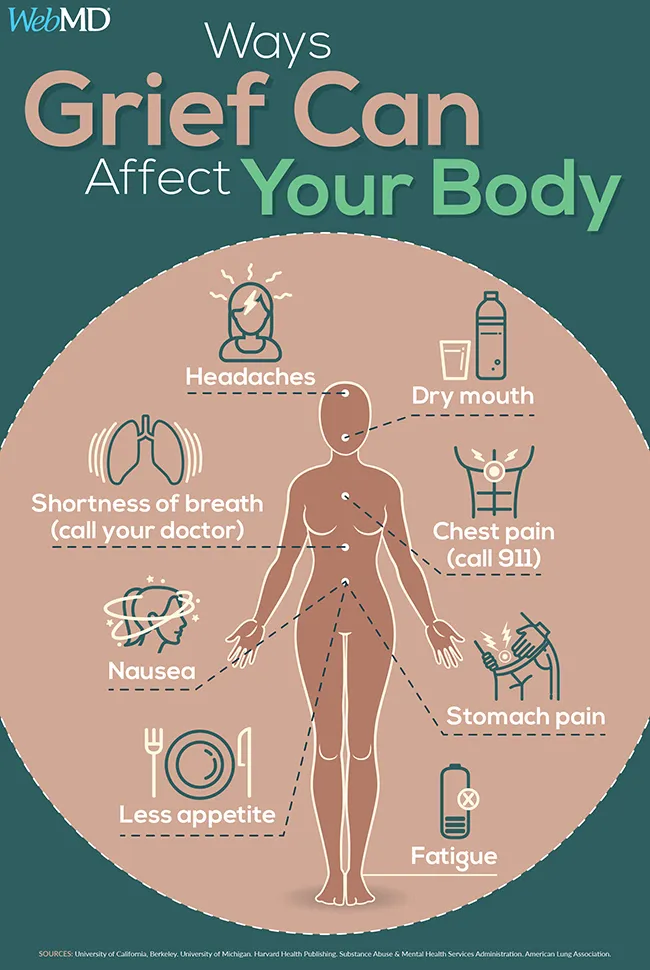
It’s surprising how physical grief can be. Your heart literally aches. A memory comes up that causes your stomach to clench or a chill to run down your spine. Some nights, your mind races, and your heart races along with it, your body so electrified with energy that you can barely sleep. Other nights, you’re so tired that you fall asleep right away. You wake up the next morning still feeling exhausted and spend most of the day in bed.

Amy Davis, a 32-year-old from Bristol, TN, became sick with grief after losing Molly, a close 38-year-old family member, to cancer. “Early grief was intensely physical for me,” Davis says. “After the shock and adrenaline of the first weeks wore off, I went through a couple of months of extreme fatigue, with nausea, headaches, food aversion, mixed-up sleep cycles, dizziness, and sun sensitivity. It was extremely difficult to do anything. … If there’s one thing I want people to know about grief, it’s how awful it can make your body feel.”

What causes these physical symptoms? A range of studies reveal the powerful effects grief can have on the body. Grief increases inflammation, which can worsen health problems you already have and cause new ones. It batters the immune system, leaving you depleted and vulnerable to infection. The heartbreak of grief can increase blood pressure and the risk of blood clots. Intense grief can alter the heart muscle so much that it causes “broken heart syndrome,” a form of heart disease with the same symptoms as a heart attack.

Stress links the emotional and physical aspects of grief. The systems in the body that process physical and emotional stress overlap, and emotional stress can activate the nervous system as easily as physical threats can. When stress becomes chronic, increased adrenaline and blood pressure can contribute to chronic medical conditions.

Research shows that emotional pain activates the same regions of the brain as physical pain. This may be why painkilling drugs ranging from opioids to Tylenolhave been shown to ease emotional pain.

Normal vs. Pathological Grief

Depression is not a normal part of grief, but a complication of it. Depression raises the risk of grief-related health complications and often requires treatment to resolve, so it’s important to know how to recognize its symptoms. Sidney Zisook, MD, a grief researcher and professor of psychiatry at the University of California, San Diego, says people can distinguish normal grief from depression by looking for specific emotional patterns.

“In normal grief, the sad thoughts and feelings typically occur in waves or bursts followed by periods of respite, as opposed to the more persistent low mood and agony of major depressive disorder,” Zisook says.

He says people usually retain “self-esteem, a sense of humor, and the capacity to be consoled or distracted from the pain” in normal grief, while people who are depressed struggle with feelings of guilt and worthlessness and a limited ability “to experience or anticipate any pleasure or joy.”

Complicated grief differs from both depression and normal grief. M. Katherine Shear, MD, a professor of psychiatry at Columbia University’s School of Social Work and director of its Center for Complicated Grief, defines complicated grief as “a form of persistent, pervasive grief” that does not get better naturally. It happens when “some of the natural thoughts, feelings, or behaviors that occur during acute grief gain a foothold and interfere with the ability to accept the reality of the loss.”

Symptoms of complicated grief include persistent efforts to ignore the grief and deny or “rewrite” what happened. Complicated grief increases the risk of physical and mental health problems like depression, anxiety, sleep issues, suicidal thoughts and behaviors, and physical illness.

How Does Avoidance Harm Your Health?

Margaret Stroebe, PhD, a bereavement researcher and professor of clinical psychology at Utrecht University, says that recent research has shed light on many of “the cognitive and emotional processes underlying complications in grieving, particularly rumination.”

Research shows that rumination, or repetitive, negative, self-focused thought, is actually a way to avoid problems. People who ruminate shift attention away from painful truths by focusing on negative material that is less threatening than the truths they want to avoid. This pattern of thinking is strongly associated with depression.

ways grief can affect your body infographic

Rumination and other forms of avoidance demand energy and block the natural abilities of the body and mind to integrate new realities and heal. Research by Stroebe, and others shows that avoidance behavior makes depression, complicated grief, and the physical health problems that go with them more likely. Efforts to avoid the reality of loss can cause fatigue, weaken your immune system, increase inflammation, and prolong other ailments.

How Do Role Adjustments Affect Your Health?

When someone close to you dies, your social role changes, too. This can affect your sense of meaning and sense of self.

Before losing Molly, Davis says she found a personal sense of value in “being good at helping other people and taking care of them.” But after Molly died, she felt like she “couldn’t help anyone for a while.” Losing this role “dumped the bucket” of her identity “upside down.” Davis says, “I felt like I had nothing to offer. So I had to learn my value from other angles.”

Caregivers face especially complicated role adjustments. The physical and emotional demands of caregiving can leave them feeling depleted even before a loved one dies, and losing the person they took care of can leave them with a lost sense of purpose.

“Research shows that during intense caregiving periods, caregivers not only experience high levels of stress, they also cannot find the time and energy to look after their own health,” says Kathrin Boerner, PhD, a bereavement researcher and professor of gerontology at the University of Massachusetts in Boston.

“This can result in the emergence of new or the reemergence of existing ‘dormant’ health problems after the death of the care recipient. These health issues may or may not be directly related to the caregiver’s grief experience, but they are likely related to the life situation that was created through the demands of caregiving,” Boerner says.

It can be hard to make life work again after a close family member dies. Losing a partner can mean having to move out of a shared home or having to reach out to other loved ones for help, which can further increase emotional stress and worry. Strobe says the stress of adjusting to changes in life and health during and after a loss can “increase vulnerability and reduce adaptive reserves for coping with bereavement.”

What Can You Do to Cope With Grief?

Emotional and physical self-care are essential ways to ease complications of grief and boost recovery. Exercising, spending time in nature, getting enough sleep, and talking to loved ones can help with physical and mental health.

“Most often, normal grief does not require professional intervention,” says Zisook. “Grief is a natural, instinctive response to loss, adaptation occurs naturally, and healing is the natural outcome,” especially with “time and the support of loved ones and friends.”

For many people going through a hard time, reaching out is impossible. If your friend is in grief, reach out to them.Amy Davis

Grief researchers emphasize that social support, self-acceptance, and good self-care usually help people get through normal grief. (Shear encourages people to “plan small rewarding activities and try to enjoy them as much as possible.”) But the researchers say people need professional help to heal from complicated grief and depression.

Davis says therapy and physical activities like going for walks helped her cope. Social support helped most when friends tried to reach out instead of waiting or asking her to reach out to them.

“The thing about grief and depression and sorrow and being suicidal is that you can’t reach out. For many people going through a hard time, reaching out is impossible. If your friend is in grief, reach out to them. Do the legwork. They’re too exhausted!”

Davis’ advice to most people who are grieving is to “Lean into it. You only get to grieve your loved one once. Don’t spend the whole time trying to distract yourself or push it down. It does go away eventually, and you will miss feeling that connected to that person again. And if you feel like your whole life has fallen apart, that’s fine! It totally has. Now you get to decide how to put yourself back together. Be creative. There’s new life to be lived all around you.

Melinda

Reference:

“WebMD News Special Report Reviewed by Neha Pathak, MD on July 11, 2019

Chronic Illness · Family · Health and Wellbeing · Medical · Men & Womens Health · Mental Health · Mental Illness

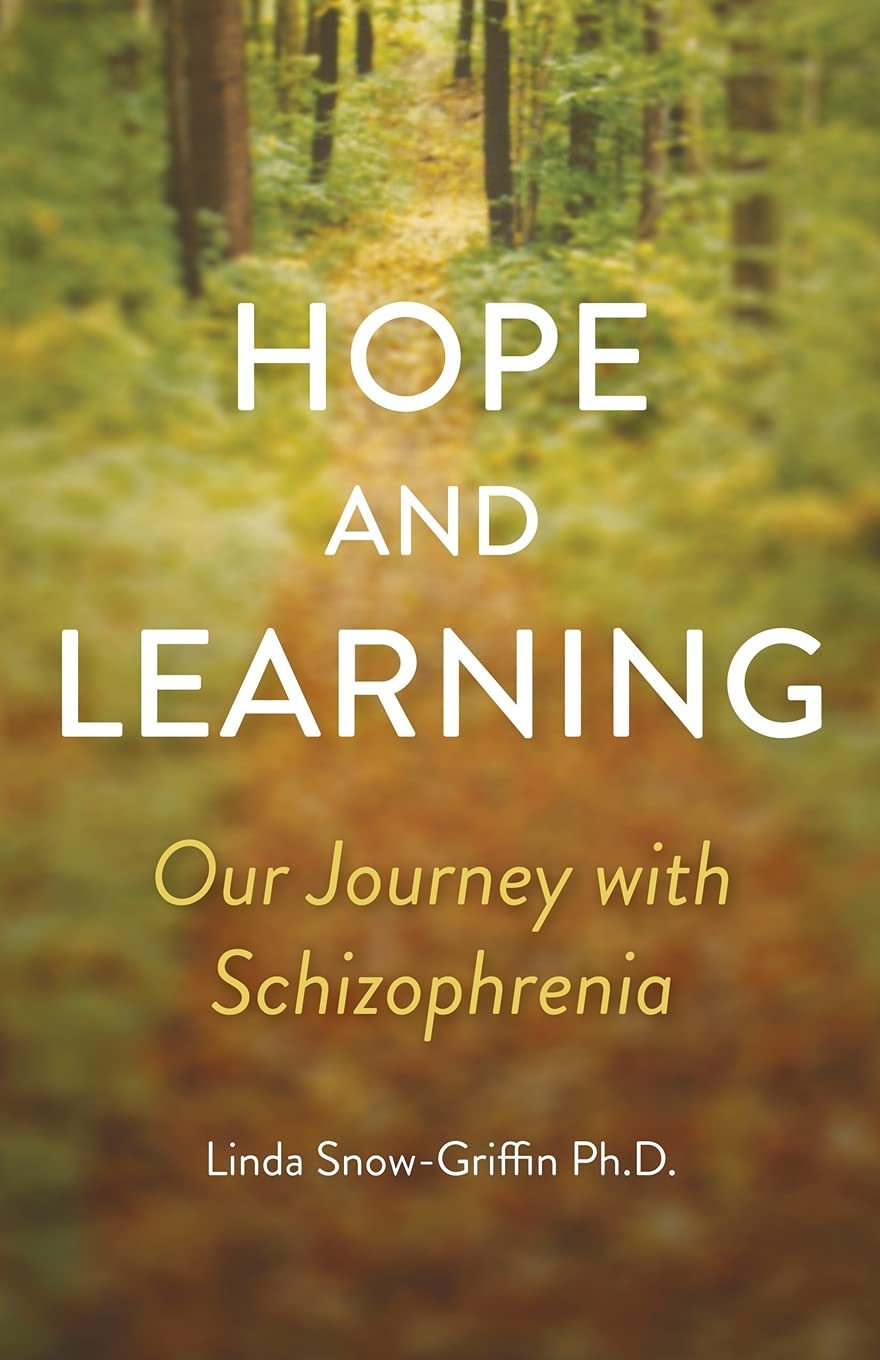
Book Review-Hope and Learning Our Journey with Schizophrenia by Linda Snow-Griffin

I want to say a special thanks to Linda Snow-Griffin for providing me a copy of her book Hope and Learning, Our Journey with Schizophrenia for a review.

Published 2021

Cherish Editions

About the Author

Linda Snow-Griffin, Ph.D. is a retired psychologist. She is the mother of two, stepmother of three adult children and grandmother of sixteen. She has practiced in a variety of settings – college, university and community mental health – and spent the last 30 years in private practice in Cincinnati. Her desire is to provide hope to families coping with mental illness, especially schizophrenia.

Blurb

When her son was diagnosed with Schizophrenia, Linda Snow-Griffin, a psychologist in private practice, felt devastated and overwhelmed. There were thousands of questions going through her mind: How can I help him? What does he need to get better? Will he be able to get better?

Hope and Learning narrates the 20-year journey Linda and her son embarked on, as they navigated their way towards recovery and a better understanding of what it is like to live with schizophrenia.


This book combines personal experience with schizophrenia with substantial data to create a heartwarming and informative resource.

My Thoughts

Linda shares her journey of her son’s diagnosis with Schizophrenia thru her intimate and raw writing. She discovered a journal of her son’s written in high school that set the wheels in motion that changed their life forever and in surprising ways.  

I have Bipolar Disorder, which is a serious mental illness, yet I have been around only one person with Schizophrenia and it was during one of my hospital stays. Being around “John” was not scary but he was totally detached, walked the halls constantly talking to other beings who controlled his life. As you can imagine, that was my perception of Schizophrenia. A stigma/myth that Linda changes in this wonderful book. 


Her son is highly functioning with medication and even attended college, it was quite difficult and presented some unique challenges when it came to writing his papers but with the understanding of his mother and love of his family, he made it thru. Linda’s book is heart-wrenching, at times it’s hard to imagine how difficult it must have been on a mother and family but what she shows us is love and understanding concurs all. 


I am so glad I read her book, my stigma of what Schizophrenia looked like changed and for that I am thankful. 


I recommend this book to anyone who thinks they may have or suspect a family member or a loved one has Schizophrenia, you will learn so much and walk away with answers and tools to take on your journey. 

Melinda

Repost

Family Cookbook · Health and Wellbeing · Medical · Medication & Food Recalls · Men & Womens Health

Dietary Supplements Recalled Nationwide After 11 People Got Sick with Salmonella

Several dietary supplements containing the popular moringa leaf powder have been recalled after multiple consumers contracted Salmonella

Products manufactured using a single lot of recalled organic moringa leaf powder from Vallon Farmdirect of Johdpur, India, have been linked to at least 11 illnesses and three hospitalizations included in a multi-state outbreak of Salmonella, according to the U.S. Food and Drug Administration (FDA).

Cases have been reported in Florida, Kansas, Michigan, New York, North Carolina, South Carolina and Virginia, and the affected products include Food to Live brand’s Organic Moringa Leaf Power (8-ounce, 1-pound, 2-pound, 4-pound, 8-pound, 16-pound, and 44-pound bags) and Organic Supergreens Power Mix (8-ounce, 1-pound, 1.5-pound, 3-pound, 6-pound, and 12-pound bags) with lot codes of SO-69006 through SO-72558.

Africa Import’s Organic Moringa Leaf Power (1-kilogram box) sold after June 5 is also affected, as are all Member’s Mark Super Greens dietary supplement powder products, regardless of lot codes and best by dates. 

Outbreak Investigation of Salmonella: Moringa Leaf Powder

The supplements were distributed nationwide through both retail and wholesale channels.

The FDA is now encouraging consumers and retailers to refrain from eating, selling or serving the recalled products and is instead urging that the products be thrown away, and that any surfaces or containers they may have touched be sanitized.

Outbreak Investigation of Salmonella: Moringa Leaf Powder (October 2025)

Salmonella is a group of bacteria that can cause gastrointestinal illness and fever called salmonellosis, according to the FDA.

Symptoms often begin to develop 12 to 72 hours after infection, and they may include diarrhea, fever, abdominal cramps, high fever, aches, headaches, lethargy, a rash and blood in the urine or stool. In some cases, it may become fatal. 

After illnesses were reported in October, the Virginia Department of Health collected an open sample of Africa Imports moringa leaf powder from an affected individual’s home.

It later tested positive for Salmonella, based on a whole-genome sequencing that matched the strain causing illnesses in the outbreak. 

Outbreak Investigation of Salmonella: Moringa Leaf Powder (October 2025)

After more products, including an open sample of Member’s Mark Super Greens dietary supplement powder, yielded similar results, retailers ceased distribution and sales of the products and issued the voluntary recall. 

According to the FDA, the investigation is ongoing and authorities are continuing to “determine what additional products were made with the implicated lot of moringa leaf powder.”

As more and more recalls happen, we have to be vigilant with our food safety.

Melinda

Health and Wellbeing · Medical · Men & Womens Health · Mental Health · Self-Care

Woman Found Cutting This 1 Food Stopped The Migraines She’d Had for 10 Years

For nearly a decade, Megan Miller woke up every day bracing for pain. What began as the occasional migraine spiraled into years of confusion and fear — until one phone call, and a viral TikTok, changed everything.

“I cried like that,” Miller tells PEOPLE, recalling the emotional video that captured her raw reaction when she finally learned what could be causing her chronic migraines. “That video that was posted was literally, like, my real reaction to getting the call.”

The call that inspired her tears didn’t bring certainty at first. “The call wasn’t like, we know for sure that this is what’s doing it,” Miller says. “But the call was more of like, ‘Hey, this is kind of what we think could be causing it. Let’s try to cut out gluten. Let’s see what’s going to happen.’ ”

Miller’s pain began when she was just 17. “The very first one that I got, I woke up in the middle of the night screaming because I was in so much pain,” Miller recalls. “My parents rushed me to the ER, and the doctors actually thought I was having a stroke.”

Tests came back clear, but the cause remained a mystery. Over the next decade, Miller visited countless doctors and tried everything from prescription medications to lifestyle changes. “I had to learn really quickly, I need to file with the disability offices because, like, if I can’t make a class because I physically cannot move, you cannot hold that against me,” she explains. “So that’s been a big thing. Learned how to advocate for myself pretty young.”

Life became a balancing act between ambition and pain. “I would rather not take anything and just deal with the migraines,” Miller says, remembering how one medication dulled her mind and made her feel detached.

Each day revolved around uncertainty — would she make it through work or class without collapsing? “When they hit, they were completely debilitating,” she says. “I couldn’t see, couldn’t function, couldn’t even get out of bed.”

For years, she kept searching for a solution that never came. “I’ve been to neurologists, primary care doctors, even allergy specialists,” she says. “And no one could tell me why this was happening.”

That changed when she switched to a new primary care doctor who looked at her case differently. “It was the first time that a doctor really wanted to find an answer,” Miller recalls. “I’ve been to so many doctors that are just like, ‘We don’t know,’ and this was the first time that she really ran all the tests.”

The results revealed something no one had suspected: a severe gluten allergy, and possibly celiac disease. For the first time, Miller had an explanation that made sense.

“It was the first time that someone finally looked at all of it and said, ‘Wait a second, this could actually be connected,’ ” she recalls. “And that was such a relief, but also so frustrating because it took so long to get there.”

She had never imagined gluten could be behind her suffering. “People think gluten allergy, they think you eat a piece of bread, you’re throwing up, you’re having stomach cramps, all this stuff,” she says. “It can present really differently for a lot of people.”

For her, the allergy didn’t cause digestive issues. Instead, it looked like headaches and fatigue — symptoms she’d never linked to food. “I had no idea gluten could even do that,” she says. “If I’d known that, maybe I could’ve figured it out sooner.”

But a decade of pain management had taken its own toll. “Results that came back from my endoscopy … the stomach pain I was getting was actually from all of the aspirin-based products I’ve taken in the past 10 years [that] have just eaten away at my stomach,” she tells PEOPLE. “So now my stomach lining is basically not there.”

She had spent years trying to relieve her pain, not realizing those same medications were quietly damaging her body. The discovery was both freeing and devastating.

“That was a hard pill to swallow,” she admits. “I was just trying to make it through each day, and now I’ve got a whole new thing to heal from.”

Still, the diagnosis gave her something she hadn’t had in years — hope. When she shared her emotional reaction on TikTok, she had no idea it would strike such a chord. “Everyone was just so kind,” Miller says, smiling. “So many people commented like, ‘Oh my gosh, the same thing happened to me — when I stopped eating gluten, my migraines just went away.’ ”

Her story quickly became a space for others to share their own experiences. People offered encouragement, gluten-free recipes and even restaurant tips in the comments.

“Everyone just started giving their different suggestions, giving the recommendations, people offering their recipes for homemade bread,” she recalls. “It turned into this really positive community.”

That sense of belonging carried her through the hardest parts of learning to live gluten-free. “It is hard because there’s gluten in things I would have never thought there would be,” she says. “Having that support and just kind of having people that it’s like, ‘Yeah, it’s gonna suck … but you’re gonna feel so good not eating it that you’re not gonna want to.’ ”

When she returned to her hometown, she stumbled upon a fully gluten-free bakery that instantly made her feel welcome. “I walked in and I told her, ‘Okay, I’m like, newly gluten free,’ and she’s walking me through like, everything they have to offer,” Miller says. “It was just so sweet — she really cared.”

Now, each day without a migraine feels like a small miracle. “I’ve gone longer not eating gluten and not having a migraine than I have in 10 years,” she tells PEOPLE. “So I’m finally at the point that I’m like, I will take not eating gluten any day over having this head pain two or three times a week.”

After years of living in fear, she’s finally free from the constant dread. Her body, once a source of suffering, now feels like a source of peace. Within six weeks of completely eliminating gluten, Miller says she hadn’t had a single migraine — a stunning turnaround after years of two or three attacks a week.

“You have to fight for answers,” Miller says. “And you have to find a doctor that’s willing to actually advocate for you, willing to put in those tests.”

Through her videos, she continues to raise awareness about how gluten sensitivity can present in unexpected ways.

Now, pain-free for the first time in her adult life, Miller hopes her story will encourage others to listen to their bodies and keep searching for answers. “Your body doesn’t feel right, there’s a reason why,” she says. “And you kind of have to figure it out.”

As she continues to heal, gratitude has replaced frustration. Each migraine-free morning feels like a victory she once thought impossible.

“I feel like I finally get to live again,” Miller says. “It’s like I’m getting my life back, one day at a time.”

I am so happy for her, migrains can consume your life and it’s a blessing when I here a story of someone living a migraine free life.

Melinda

Reference:

https://people.com/after-10-years-of-chronic-migraines-woman-finds-solution-is-cutting-this-1-food-exclusive-11846211

Chronic Pain · Health and Wellbeing · Medical · Men & Womens Health

Pain Medications and Kidney Health

It’s almost a reflex: You have an ache or pain, so you reach for an over-the-counter (OTC) pain medication. But as routine as this behavior is, not everyone should casually take pain medications, as there can be potential negative interactions. 

For example, people with kidney damage or reduced kidney function might not be able to use every OTC pain medication. Let’s look at why and what you can safely do for pain relief.

Which pain medication is safest if you have kidney problems?

Before taking any pain medication, you should speak with your physician or a health professional to determine any possible interactions or risks that you might encounter.

For people with kidney disease, aspirin can increase the risk of bleeding. And in those with reduced kidney function, aspirin is not recommended unless prescribed by a physician. The recommended alternative can vary depending on the type and severity of kidney problems that you have. 

Often, acetaminophen (Tylenol) is the preferred alternative. But it’s encouraged that you use the lowest dose possible that still manages pain or fever symptoms, decreasing doses gradually. And likewise, you should not exceed more than 3,000 milligrams per day.

Alternatively, if an OTC acetaminophen drug doesn’t control pain symptoms, a physician may suggest a temporary prescription alternative like tramadol. In its immediate release form, tramadol can be used in individuals with chronic kidney disease (CKD) or end stage renal disease (ESRD).

However, extended release dosing for tramadol is not recommended for people with advanced CKD or ESRD.

Which pain medication is safe for kidney transplant patients?

Similar to people with kidney disease, transplant recipients should only consider acetaminophen to manage post-operative pain symptoms. Again, best practices include using the lowest dose possible and never exceeding 3,000 milligrams per day. 

Which pain medication is safe for kidney stones?

The short answer to this question is, it depends. If a patient has kidney stones with no underlying renal issues, then any OTC pain medication can be used to manage the pain symptoms associated with passing a kidney stone. 

This includes ibuprofennonsteroidal anti-inflammatory drugs (NSAIDs), and acetaminophen. Multiple studies and reviews have consistently shown positive patient outcomes when using OTC medications of all types to treat pain associated with renal colic or passing a kidney stone

However, if someone also has impaired kidney function and kidney stones, NSAIDs are not recommended. A physician will provide the best guidance, but typically, sticking with acetaminophen is the best choiceTrusted Source for managing kidney stone pain when you have kidney disease or impaired kidney function. 

Which pain medication can damage your kidneys?

Misusing any pain medication can increase your risk of kidney damage. This includes aspirin, ibuprofen, acetaminophen, NSAIDs, and of course, prescription opioid medications. The most common risks center around consuming too high a dose or taking medications for longer than recommended. 

But of all the OTC pain medication categories, NSAIDs pose the greatest risk of continuous kidney damage. Specifically, these medications can increase the risk of progressive kidney damage or sudden kidney failure. 

2019 studyTrusted Source involving over 764,000 U.S. Army officers found that participants who were prescribed more than seven daily doses of NSAIDs per month had an increase in the potential for an acute or chronic kidney disease diagnosis. 

Takeaway

Regardless of whether you have a diagnosed kidney disorder or have healthy kidney function, OTC medications should be used with care.

Excessive use by consuming too high a dose or for prolonged periods can lead to a variety of health problems throughout your body — including damage to the kidneys.

For people with kidney disease or impaired kidney function, avoiding NSAIDs unless directed by a physician is the safest way to avoid further harm. Instead, opt for acetaminophen and be sure to use the lowest dose for the shortest period to control pain symptoms. 

And when in doubt, speak with a physician or health professional before taking an OTC pain medication.

I have Stage 3 Chronic Kidney Dieases and it is hard to deal with pain when you can’t take NSAIDS and choose not to take pain pills. Ice works well for the short term.

Melinda

Reference:

https://www.healthline.com/health/kidney-health/which-painkiller-is-safe-for-kidneys?utm_term=feature&utm_source=Sailthru%20Email&utm_medium=Email&utm_campaign=fibro&utm_content=2025-10-21&apid=36735751&rvid=7f053d6ecf820dccd09e4914833cbd49bdfe95bb517404ee9b41601767d1bace#fa-qs

Chronic Illness · Health and Wellbeing · Medical · Men & Womens Health · Self-Care

Can You Benefit From A Weighted Blanket?

It’s that time of year when many of us are pulling out heavier blankets for the colder months of winter. If you have a chronic illness maybe you’ve already heard about weighted blankets, maybe even sleep with one year-round. If not familiar with weighted blankets, I’ll share some of the basics of buying one.

Weighted blankets come in all sizes, including children’s and throws. The blankets work by distributing weight evenly across the body to imitate a hug to induce better sleep by increasing Serotonin levels inducing a deeper sleep.

Weighted blankets have been known to help with many types of chronic illnesses and sleeping problems.

The key difference from your average blanket is they are made with glass beads as a filler. You purchase the weight of the blanket based you your own weight. It is also suggested that if you are a first-time user to buy a lighter one to start off.

The blankets come in a variety of fabrics and many have slipcovers you can purchase as well. I’m a very hot sleeper and they even make weighted blankets for people like me. Look for Cooling in the description.

I started my search last night for a new one since the first one I purchased was too heavy. I learned a lot about how they are made and why some are more expensive than others.

When you’re looking for a blanket you want small sewn 5″-3″ squares, that way the beads are more evenly distributed. The larger the square the more the beads can roll around.

Another important feature to look for is if it is machine washable, I found several that were hand wash only and I can’t go for that. I would recommend a duvet cover for your blanket which will allow you to keep it clean and only have to wash the blanket occasionally.

There are many lists of the top brands to buy, after looking at a few lists, I went to Amazon. I could not justify the $300 price of the top-rated blankets, it just doesn’t make sense. I found several including one on the list that cost $100 for a small size. I’m only buying a blanket for my side of the bed, not the entire King Size bed. He sleeps with the heavier blanket I bought years ago.

I found something interesting as I did more research. One brand I discovered said on more than one occasion, they are not for people with sensitive joints and back pain! Wait, hold the phone! What! I have sensitive hip joints and bad back pain. Do I need one of these blankets?

If you do decide to buy one, make sure you buy the right weight for your body. I’ve heard the praises of weighted blankets for years but for me, it was not the right choice.

Ask lots of questions and shop around before buying there are so many nuances to each blanket.

Melinda

Repost

Celebrate Life · Family · Health and Wellbeing · Medical · Men & Womens Health · Mental Health

Caregiver To Grieving In Four Days

I’ve reposted this post several times over the years and 2010 was the original post. It’s critical to acknowledge how difficult life is for a caregiver and to think of ways to support them.

——

Each day was a roller coaster of how he felt and how exhausted I was. I learned so much being a caregiver to my grandmother and grandfather. As the population ages, many of you will take on the responsibility. One of the most difficult changes was going from granddaughter to caregiver. Even at 92 my grandfather had a strong mind and felt he didn’t need help. I pray for strength every day.

My grandfather died in 2010 at the young age of 92 years old. I spent more time with him in 2010 year than I spent at home. I cherish the time we had together, no matter how painful. They are my memories and my life changed forever with his death. His health declined so fast that for two days I did not realize that he was dying now, not in a couple of weeks. He was at home under hospice care and would not get in the hospital bed until two days before he passed. He fell out of bed that morning, he was so weak it was difficult for me to get him back in bed. I don’t think we would have been able to talk him into moving to the hospital bed if he had not fallen. For him the bed meant death and he was still fighting. My grandfather had End Stage Kidney Disease. An emergency trip to the hospital for his AFIB is how we learned he had about two months to live. We knew his kidneys were losing function but I was not ready for a timeline. His doctor had not given me that impression on a recent visit so I asked her to review the hospital records. I was not surprised but very saddened that she agreed with the prognosis. It took a couple weeks for my grandfather to believe the doctors were right. Kidney failure is a silent killer and luckily not a painful one. You start sleeping more until you sleep yourself into a coma.

I arrived on Sunday afternoon after two days of relief and he didn’t look any different. Monday morning I knew he was out of it by the things he was saying but thought it was a bad day. Tuesday I knew he was weak when he fell out of bed and felt like dead weight. It took everything in me to get him back in bed. My grandfather died on Thursday. What the doctors did not tell me is people his age die faster, the end came weeks sooner than we thought. I’m so thankful that my grandfather and I had time together to say what we wanted to say, cry about the loss and enjoy the memories. I have no regrets.

Cleaning out the house was so hard, 46 years of memories were everywhere. My grandmother left notes on everything, it was like mourning her death as I found each note. Notes on the back of photos, on little pieces of paper, and even on masking tape. I knew all the notes were there, we had looked at them many times but it was different this time. Everything was packed up this time and the house cleared out. My grandparents raised me so I’ve lost parents, they were the best you could ever pray for.  The house is empty but I see my life in every room, the great memories with my grandparents are everywhere you look. I am starting a new chapter in my life. It’s a long journey ahead.

Melinda

Repost from 2010

Health and Wellbeing · Medical · Medication & Food Recalls · Men & Womens Health

Over 2 Million Pounds of Pork Jerky Recalled for Potential Contamination with ‘Pieces of Wiry Metal’

The Food Safety and Inspection Service announced that multiple consumers reported finding metal in their Golden Island Korean barbecue pork jerky

A South Dakota company is recalling approximately 2.2 million pounds of barbecue pork jerky due to potential contamination with metal fragments.

The Food Safety and Inspection Service (FSIS) announced in a press release on Friday, Oct. 24, that LSI, Inc., based in Alpena, is recalling 2,277,540 pounds of Golden Island Korean barbecue pork jerky following reports of consumers finding “pieces of wiry metal” in the product. 

“LSI, Inc. determined that the metal originated from the conveyor belt used in production,” FSIS said in the release. “There have been no confirmed reports of injury due to consumption of this product.

“Anyone concerned about an injury should contact a healthcare provider,” they added.

Golden Island Korean Barbecue Pork Jerky,

The recalled product was shipped to Costco and Sam’s Club retail locations across the U.S. and displays “best by” dates ranging from Oct. 23 through Sept. 23, 2026. 

The recall includes 14.5-oz. and 16-oz. plastic pouches of ready-to-eat pork jerky with the label “Golden Island fire-grilled pork jerky Korean barbecue recipe,” per the release. 

Consumers can also identify the products by the establishment number “M279A” on the inside of the USDA mark of inspection.

The FSIS is urging consumers who might have already purchased the product “not to consume it” but to throw it away or return the item to the place of purchase.

“FSIS routinely conducts recall effectiveness checks to verify that recalling firms notify their customers of the recall and that steps are taken to make certain that the product is no longer available to consumers,” the FSIS said.

Consumers with questions about the recall are advised to contact info@goldenislandjerky.com.

The pork jerky recall comes after more than 1,000 pounds of Ada Valley frozen ground beef were recalled in July after pieces of metal were also reportedly found in the product, according to the FSIS.

Melinda

Reference:

https://people.com/barbecue-pork-jerky-recalled-metal-contamination-11837133

Family Cookbook · Health and Wellbeing · Medical · Medication & Food Recalls · Men & Womens Health

Over 6 Million Eggs Have Been Recalled by the FDA amid Ongoing Salmonella Risk

The U.S. Food & Drug Administration (FDA) has issued a nationwide alert, instructing consumers, retailers and distributors not to eat, sell or serve certain eggs after the recall of more than 6 million eggs produced by the Arkansas-based Black Sheep Egg Company due to potential Salmonella contamination.

According to the announcement posted by the FDA on Monday, Oct. 20, the recall includes 12- and 18-count cartons of the company’s Free Range Large Grade A Brown Eggs with Best By dates between August 22 and October 31, 2025, and UPC 860010568507 and 860010568538.

Over 6 Million Eggs Have Been Recalled Due to Salmonella:

The agency also classified the action as a Class I recall, the highest risk level, given that eggs could pose a serious health threat of Salmonella.

The symptoms, which include diarrhea, fever and abdominal cramps, can usually last four to seven days and can be experienced 12 to 72 hours after ingesting the contaminated food. Vulnerable demographics — children under the age of five years old, those with comparable immune systems and the elderly — are subject to experiencing more severe infections. 

As the notice explains, the alarm was raised after 40 environmental samples collected at the company’s processing facility tested positive for Salmonella, including seven different strains known to cause human illness.

While no illnesses have yet been reported and the FDA has no current evidence linking the firm to an outbreak, the recall is being handled as a precaution.

Over 6 Million Eggs Have Been Recalled Due to Salmonella:

Although the eggs were originally shipped to retail and wholesale locations in Arkansas and Missouri, they may have been further distributed and repackaged before reaching other states.

That broader footprint extends the recall beyond the immediately identified region. A related Oct. 16 recall by the Texas-based brand Kenz Henz, which sold eggs sourced from Black Sheep in Houston, further underscores the distribution reach.

Retailers and food-service operators have been instructed to halt sales and distribution of the suspect eggs immediately. Consumers are advised to check any egg cartons in their refrigerators for the affected codes and dates, and either discard or return them to the location of purchase. Surfaces and containers that came into contact with the contaminated eggs should be thoroughly washed and sanitized. 

Anyone who has consumed the recalled eggs and develops symptoms is encouraged to contact a health-care provider and report the situation to the FDA for further investigation.

Not again?

Melinda

Reference:

https://people.com/over-6-million-eggs-have-been-recalled-by-fda-amid-salmonella-risk-11834683

Health and Wellbeing · Medical · Men & Womens Health · Mental Health · Moving Forward · Trauma

Agoraphobia: Symptoms, Causes and Treatment Options

Agoraphobia is a common but often misunderstood anxiety disorder that can make everyday situations feel overwhelming or even impossible; understanding the signs and seeking the right support can help you reclaim your freedom, 

Many mental health conditions are simply extreme degrees of minor challenges that most people face regularly. It’s perfectly natural to feel some nervousness when you’re going somewhere you’ve never been before or going to a crowded place where there are a lot of people you don’t know; But, agoraphobia is different.

If that slight tinge of nervousness becomes intense anxiety that prevents you from doing things you normally would, it might be a condition called agoraphobia.

What Is Agoraphobia?

Agoraphobia is an intense fear of situations where there may not be an easy way to escape or where you may feel trapped or helpless.

At its core, it’s a phobia of being in a situation where you’re panicking and there’s not an easy way out. This typically translates into a fear of familiar places, crowds, public transportation and very open areas like large parking lots and open water.

In any given year, about 2% of people experience agoraphobia. That is about 6.8 million people in the US. It’s more commonly diagnosed in women than in men.

Agoraphobia can have a profound impact on your daily life. It can range in severity from avoiding certain activities you might otherwise enjoy, like parties, concerts or other large social events, to being unable to leave your home.

Some people become homebound for years or are unable to maintain a career and care for themselves because of it.

The Relationship Between Agoraphobia and Anxiety and Panic Disorders

Agoraphobia, like any other phobia, is a type of anxiety disorder. But it also has a unique relationship to panic disorders.

Agoraphobia often develops after a panic attack in a public place where escape feels impossible. Even if you were able to get out of the situation the first time, you have a fear that next time you won’t be able to.

Symptoms of Agoraphobia

The symptoms of agoraphobia include an extreme fear of:

  • Unfamiliar places
  • Public spaces, especially crowded places
  • Waiting in line
  • Leaving home by yourself
  • Using public transportation
  • Enclosed spaces outside your home, like elevators or movie theaters
  • Large open spaces like parking lots or open water

Agoraphobia is specific to these types of circumstances, where you might not have a clear path to safety. Extreme anxiety in situations other than these might indicate other anxiety disorders.

Where’s the Line Between Worry and Agoraphobia?

One of the tricky aspects of phobias is understanding the difference between a “normal” amount of anxiety about a particular situation and a phobia. While only a mental health professional can diagnose agoraphobia, you could have this condition if:

  • Your level of anxiety in the situation is out of proportion with the actual danger
  • Your fear prevents you from doing things you would otherwise enjoy, like certain social outings
  • You stop doing certain things or going places unless you have a trusted companion with you
  • You’re experiencing these symptoms for six months or longer

When you’re in a situation that triggers your agoraphobia, the symptoms can manifest in physical, emotional or psychological and behavioral ways.

In these situations, physical symptoms can include:

  • Tightness in your chest
  • Rapid heartbeat
  • Shortness of breath or hyperventilating (breathing too fast)
  • Dizziness or disorientation
  • Shaking or trembling
  • Sweating even though you’re not warm
  • Upset stomach

Meanwhile, the emotional or psychological symptoms can include:

  • Dread
  • Fixating on what could go wrong
  • Feeling a loss of control
  • Fear that you’re dying

During agoraphobia triggering situations, you may also have these behavioral symptoms:

  • Avoiding certain situations, like crowded places
  • Only going to certain places if you have someone with you
  • Only going to certain places or events after planning out escape routes or what to do if you need to get out

Causes and Risk Factors of Agoraphobia

How do you know if you’re at risk for developing agoraphobia? It usually develops in the teenage or early adult years and does seem to have a genetic link. People who have a close relative with agoraphobia are more likely to develop it. Some studies indicate that the heritability is as high as 48-61%.

Genetics isn’t the only factor, though. There are often traumas and life experiences that contribute to agoraphobia, especially trauma that occurs in childhood. This can include abuse, being attacked or the loss of someone with whom you felt safe, such as a parent.

It’s also important to note that many people with agoraphobia have other mental health conditions too, like panic disorder, depression or PTSD. In particular, a large number of people with agoraphobia already had a panic disorder.Their agoraphobia may have been triggered after having a panic attack in a place where they felt unsafe or helpless.

While a panic attack in a public place might trigger agoraphobia, often these people already had some level of anxiety in these situations. So it may be a combination of panic disorder and existing agoraphobic tendencies.

How Agoraphobia Affects Daily Life

One of the hallmarks of a phobia or other anxiety disorders is its impact on your daily life and the limitations that it creates for you. It can affect your work, romantic relationships, family relationships and social life in numerous ways.

You may decline social events and invitations due to anxiety about the situation, or struggle to complete work assignments if they involve situations that make you anxious. You could be limited in the types of jobs you can accept.

Maybe you can only able to perform jobs where you can work from home or jobs that don’t involve situations in public or crowded places. Finally, your relationships may suffer because you aren’t able to join loved ones for the things they enjoy doing.

Agoraphobia can even prevent you from taking care of yourself and living independently, especially when it is severe. It could prevent you from doing essential tasks like going to the grocery store or running other errands, such as going to the doctor.

Finally, agoraphobia can have a substantial impact on your mental health, especially if you have co occurring conditions already. It can worsen conditions like depression, because you feel trapped at home or aren’t able to do activities that could boost your serotonin. In some cases, it can make substance use disorder worse, too.

Agoraphobia changed my life over five years ago. I don’t drive, walk outside of house, only leave the house for doctors appointments or to see my hairdresser. It’ also affected the activities I did in the past with my husband. I’ve read some great information on how to slowly gain confidence on being by myself. I have a plan to start as soon as my shoulder heals from surgery.

If Agoraphobia is impacting you quality of life, I hear you, and wish you all the best at venturing out when the time is right for you.

I am in no way supporting the site or it’s service offers, it is just the great information.

Melinda

To read the entire article click HERE.

Reference:

https://therapy.com/conditions/agoraphobia/

Celebrate Life · Health and Wellbeing · Medical · Medication & Food Recalls · Men & Womens Health

Blood Pressure Medicine Recalled After Drug Makers Say It Was Tainted with Cancer-Causing Chemical

The FDA announced that various doses of prazosin hydrochloride have been voluntarily recalled

Drug makers have recalled more than 500,000 bottles of a blood pressure medication over concerns it may include a cancer-causing chemical.

The U.S. Food and Drug Administration (FDA) announced that New Jersey-based Teva Pharmaceuticals USA and drugs distributor Amerisource Health Services issued voluntary nationwide recalls for various doses of prazosin hydrochloride, according to the Associated Press.

The drug makers said the pill capsules may have nitrosamine impurities — or “No-nitroso Prazosin impurity C” — that are considered potentially cancer causing. About 580,000 bottles of various strengths have been recalled for having the impurities.

The FDA classified the recall as having a Class II risk level, “in which use of or exposure to a violative product may cause temporary or medically reversible adverse health consequences or where the probability of serious adverse health consequences is remote.”

Blood Pressure Medicine Recalled After Manufacturer Says It Was Tainted With Cancer-Causing Chemical
Pill bottles (stock image).Getty

statement from the California State Board of Pharmacy reads: “According to the Health Hazard Assessment by Teva USA, exposure to the product of concern could lead to severe adverse health consequences, but the likelihood of harm was assessed as remote. The overall risk of harm in the patient population is considered to be medium.’

The recalled bottles included 181,659 of 1 mg bottles, 291,512 of 2 mg bottles and 107,673 of 5 mg bottles. The bottles may have up to 1,000 capsules each with expiration dates ranging from November 2025 to February 2028.

The lot numbers and expiration dates can be found on the FDA’s website.

According to the AARP, anyone who has affected medication should contact their doctor or pharmacy for specific guidance, return their medication to the pharmacy to dispose of it, and to report any side effects or issues to the FDA.

The Mayo Clinic states that prazosin is prescribed to patients to treat high blood pressure, also known as hypertension, which can cause the heart and arteries to not function properly and then damage brain, heart and kidneys. It can also result in a stroke, heart failure or kidney failure.

The medication is also sometimes prescribed for nightmares and other sleep disturbances caused by post-traumatic stress disorder, according to the AP.

Play it safe!

Melinda

Reference:

https://people.com/blood-pressure-medicine-prazosin-hydrochloride-recalled-due-to-cancer-causing-chemical-contamination-11841751