Celebrate Life · Family · Fun · Health and Wellbeing · Men & Womens Health

Daily Writing Prompt

Daily writing prompt
What is the biggest challenge you will face in the next six months?

I have several challeges rolled into a big challenge. We closed on our new house a couple of weeks ago and my husband is working feverishly to get the upgrades and repairs completed so we can move in.

After we move in, it’s time to do upgrades on our house and sell it. We go back and forth on how much money we need to put into our house to sell it, I’ve stopped having the conversation. I know he has changed his mind because he is doing upgrades we had not planned on. YEAH!!!!!

Then there is timing of the contractors at the same time pushing hard because we would like to have our house on the market by May.

My health and hand conditions don’t allow me to pack as fast or as heavy as in the past. I have been in charge of picking out a few pieces of furniture we need and decorating. The last thing we are doing before moving in is having a maid service do a move-in clean so we can’t pack the house with boxes for them to deal with. I was there yesterday stuffing everything in cabinets to clear the counters.

The big unknows are what is next in my TMJ Therapy and if my right thumb needs surgery.

Not to mention all the money we are spending after being savers all these years. I have to remember, I don’t like this house and we have saved for 23 years to make my dream house a reality.

Not to worry, God has me in his palm.

Melinda

Looking for the Light

Men & Womens Health · Health and Wellbeing · Medical · Children · Medication & Food Recalls

More Than 200,000 Items of Children’s Sleepwear Recalled for Potential Burn Risk: Here’s What to Know

The recalled items violate “the mandatory flammability standard for children’s sleepwear,” per a release from the United States Consumer Product Safety Commission.

More than 200,000 items of children’s clothing have been recalled due to potential burn risk.

Meijer, a Midwestern superstore chain, has issued a recall for select MCS and Lullaby Lane branded one-piece footed sleepwear for babies, according to a release from the United States Consumer Product Safety Commission.

MThe products violate “the mandatory flammability standard for children’s sleepwear, posing a risk of burn injuries to children,” per the release.

The specific MCS and Lullaby Lane onesies in question are sized for children ages 12 months, 18 months and 24 months and were made in Thailand. The brand, size and country of origin are printed on the neck of the garments.

The styles affected by the recall are: 

MCS: Heart, XOXO, Shamrock, Bunny, Beige Heather, Beige Heather Halloween and Cupids Bows. 

Lullaby Lane: Airplane, Animal Print, Animals, Apples, Camping, Daisies, Dinos, Duckies, Elephants, Forest, Highland Cow, Safari Lilac, Safari White, Sheep, Toile Floral, Bees, Meadow, Sharks, Star and Moon, Strawberries, Chalk Blue, Green, Heather Grey, Pastel Lilac, Pink A Boo, Powder Blue, Fair Isle, Heart, Multi Check, Penguin Pink, Penguin Iced Aqua, Polar Bear, Trees, Buffalo Check, Reindeer Heads and Gingerbread.

The onesies were sold at Meijer locations in Michigan, Ohio, Indiana, Illinois, Wisconsin and Kentucky from December 2024 through October 2025 for about $5 to $12. Approximately 211,520 onesies with the defect were sold.

Meijer urges anyone in possession of any of the recalled onesies to return the item(s) to the store for a refund.

No injuries or incidents have been reported in connection with the products at this time.

Melinda

https://people.com/more-than-200-000-items-childrens-sleepwear-recalled-potential-burn-risk-11911415

Celebrate Life · Fun · Health and Wellbeing · Men & Womens Health

Fun Facts That Will Amaze You

The last time I did Fun Facts people raved about how informative and funny they were so I wanted to start a new weekend tradition.

At Medieval Times dinner attractions, you eat with your hands because people didn’t use utensils in the middle ages. (medievaltimes.com)

Freelancers originally referred to self-employed, sword-wielding mercenaries: literally “free lancers.” (merriam-webster.com)

We shake hands to show we’re unarmed. (bbc.co.uk)

Although no longer connected to the beer company, Guinness World Records was founded by the managing director of Guinness Brewery in the 1950s. (guinnessworldrecords.com).

Michelin stars are highly coveted by elite and upscale restaurants the world over—but they’re actually given out by the Michelin tire company, the same one whose mascot is the marshmallow-like Michelin Man. If you want to get fancy, pronounce it in the original French, “mich-LEH.” (michelin.com)

Enjoy!

Melinda

Celebrate Life · Health and Wellbeing · Men & Womens Health · Mental Health · Moving Forward · Self-Care

15 Ways to Soothe Your Mind and Body During Times of Distress

When upsetting thoughts and feelings pop up, you might find yourself plummeting into a deep well of dread and overwhelm. During such stressful moments, you might start to believe there’s not much you can do about those emotions.

But that’s not actually the case. In fact, practicing self-soothing activities can help you climb out of that dark well and work toward feeling better.

How? According to psychologist Rebecca Leslie, PsyD, self-soothing activities can:

So, the next time you start to feel distressed, consider trying these 15 lesser-known self-soothing strategies.

Fill up the balloon

Diaphragmatic (deep) breathing “helps calm you down and tells your mind and body you are safe,” says Leslie.

Research suggests that deep breathing can bring increased comfort and relaxation while helping decrease symptoms of anxiety, anger, confusion, and depression.

Leslie suggests imagining you have a balloon behind your belly button that fills up with your breath as you breathe in.

  • Inhale slowly through your nose until the balloon feels “full.” This might take about 4 to 5 seconds.
  • Purse your lips and slowly exhale for the same amount of time until you feel the balloon “empty.” 
  • Repeat until you start to feel calmer.

Practice square breathing

Square breathing, also called box breathing, offers another powerful technique. 

To try this type of breathing:

  • Breathe in for 4 seconds.
  • Hold your breath for 4 seconds.
  • Breathe out for 4 seconds.
  • Relax for 4 seconds.

In short, each step forms one side of the “square.” 

Try this for 4 rounds or more, recommends Selma Bacevac, LMHC, a psychotherapist specializing in childhood trauma and attachment.

Focus on a color

Scan your surroundings for the color blue or for your favorite color, suggests Bacevac. 

“Gently rest your eyes in the hues of the color as you bring awareness to your breath, and slowly breathe in for 7 seconds,” she says.

Follow the inhale with a long, slow exhale.

It’s worth noting, too, that challenging yourself to find different objects in the same color could offer a distraction from the source of your distress.

Give yourself a hug

A hug or any kind of compassionate touch causes your brain to release oxytocin. This hormone can make you feel safe, connected, and loved, explains Joree Rose, LMFT, a therapist and mindfulness and meditation teacher.

Bonus: Your brain can’t tell the difference between a hug someone gives you and one you give yourself. Wrapping your arms around your chest can instantly soothe your tense body.

Paint with watercolors

“Art is an active tool we can use to move stress out of our body, express distress, and distract ourselves from what is bothering us by externalizing it,” says Jackie Tassiello, a board certified creative arts therapist and co-founder of Soulutions Therapy, based in Montclair, New Jersey.

One art technique to try? Watercolor painting. According to yoga teacher Namita Kulkarni, benefits reside in the “tactile pleasure of touching the paint to the paper, visual surprise and delight of watching the pigments swirl into the water and the ever-present unpredictability of water’s behavior.”

To start, simply buy a watercolor set at any craft or big box store.

Provide validation

When you’re upset, you might tell yourself stories like “This isn’t that bad,” “I’m overly sensitive,” or “I shouldn’t be feeling this way,” says Sera Lavelle, PhD, a clinical psychologist and hypnosis expert. 

But this kind of dismissive, invalidating self-talk often just leaves you feeling worse. 

Instead, validate your experience with self-compassion. According to Lavelle, this might involve:

  • noticing your inner dialogue
  • placing your hands over your heart
  • using language that offers comfort, such as “I recognize I feel scared right now and that’s hard. In this moment, the things I fear aren’t happening, and I am safe.”

Try autogenic training

Considered a form of self-hypnosis, autogenic training promotes relaxation in the body and a state of emotional calm.

To start, you might repeat certain phrases three times, says Leslie. Examples of soothing phrases might include:

  • My right arm is heavy.
  • My left arm is heavy.
  • My arms are heavy. 
  • I am calm and relaxed.
  • My left leg is heavy. 
  • My right leg is heavy. 
  • My legs are heavy.
  • I am calm and relaxed.

Play with something you’re wearing

Kaylin Zabienski, LMFT, a therapist and yoga teacher, used to get overwhelmed when running groups at her treatment center. To self-soothe, she’d wear a long necklace with a pendant or charm that she’d move up and down the chain.

“It doesn’t look like anything special, but the subtle vibration and sound that it made was extremely calming to me,” says Zabienski.

She suggests doing the same with your own clothing and accessories. “Using mindfulness and curiosity, it can be soothing to explore the item with your hands, to move it around on your skin, to notice its texture or any sounds it makes.”

Surround yourself with love

Sending messages of love to yourself can go a long way toward helping ease emotional distress.

Liz FitzGerald, a yoga instructor and co-founder of Daygold, suggests doing this loving practice for at least 5 minutes:

  • Sit comfortably with your eyes open or closed.
  • Starting with both hands at the top of your head, gently move your hands over your head while saying “I am with me.”
  • Move your hands across your face and say, “I see me.”
  • Move your hands across your ears and the front and back of the throat and say, “I hear me.”
  • Move your hands over your chest and say, “I trust me.”
  • Move your hands over your belly and say, “I am safe.”
  • Move your hands over your legs and feet and say, “I am loved.”

Practice Legs Up the Wall

According to Kulkarni, this restorative yoga pose activates the parasympathetic nervous system, which is responsible for rest and relaxation.

To try this pose, simply lie down with your legs up a wall. Hold the pose for up to 20 minutes.

Tip: If putting your legs up against a wall feels uncomfortable, you can put your legs on a couch, chair, or bed, says yoga and meditation teacher Catherine Tingey.

Perform repetitive tasks

“Anything that we have to do over and over creates a rhythm, which can ease tension and create an outlet for our anxiety or stress,” says Tassiello.

Examples of repetitive tasks that may help soothe stress include: 

  • knitting
  • dicing vegetables
  • folding laundry
  • washing dishes
  • doodling patterns

Observe the tornado

During periods of intense distress and overwhelm, it can feel like you’re in the center of a tornado, at the whims of “wherever it’ll take you, making you feel helpless and more stuck,” says Rose.

Instead, try to shift your vantage point and imagine yourself as the meteorologist commenting on the tornado, she says, not someone trapped in the center.

In a nutshell, picturing yourself on the sidelines of an emotional storm can help reduce its power over you.

Savor your senses

Immerse yourself in a sensory experience, recommends Neha Chaudhary, MD, a psychiatrist at Massachusetts General Hospital and chief medical officer at BeMe Health

Chaudhary notes that this could mean:

  • putting on headphones and playing your favorite songs
  • using aromatherapy oil
  • dipping your hands in a bowl of cold water

Practice heart breathing

Heart breathing, based on work from the HeartMath Institute, helps us “gain a deeper awareness and sense of calm, and return to center,” says Bara Sapir, an integrative life coach, MBSR-Trained provider, and founder of City Test Prep.

To practice, perform these three steps:

  • Heart focus. Place one hand over your heart and the other over your belly. Focus your attention on the area around your heart.
  • Heart breathing. As you inhale, feel as if your breath is flowing in through your heart. As you exhale, feel it leaving through this area. Continue breathing with ease until you find a natural rhythm that feels good to you.
  • Heart feeling. As you maintain your heart focus and heart breathing, recall a time you felt good. Take a moment to re-experience this positive feeling.

Set up a preventive plan

Using self-soothing tools in the moment can help a lot, but it’s equally as important to work on creating calm in your day-to-day routine. 

According to Tassiello, you could:

The bottom line

When you experience a difficult emotion, a self-soothing technique can reduce distressing thoughts and help relax a frazzled body.

It can help to try these activities before you’re upset to see which ones resonate with you. You can even keep a list of your top five soothers in your phone.

Remember that learning to soothe yourself can take time, says Lavelle. Try to be patient with yourself while “reminding yourself that you deserve to feel peaceful and taken care of.”


Margarita Tartakovsky, MS, has been writing for Psych Central and other websites for more than a decade on a wide range of topics. She’s the author of the mental health journal “Vibe Check: Be Your Best You” (Sterling Teen). She’s especially passionate about helping readers feel less alone and overwhelmed and more empowered. You can connect with Margarita on LinkedIn, or check out her writing at her website.

Melinda

Reference:

https://www.healthline.com/health/self-soothe?utm_term=roundup&utm_source=Sailthru%20Email&utm_medium=Email&utm_campaign=alzheimers_carejourney&utm_content=2026-02-03&apid=36735751&rvid=7f053d6ecf820dccd09e4914833cbd49bdfe95bb517404ee9b41601767d1bace

Chronic Illness · Health and Wellbeing · Infectious Diease · Lyme · Medical · Men & Womens Health · Self-Care · Tick Borne Illnesses

What’s the real reason people don’t protect themselves from ticks?

If you’ve spent any time navigating the world of tick‑borne disease, you already know this: people don’t always take steps to protect themselves, even when they live in high‑risk areas.

And for years, public‑health messaging has chalked that up to a simple explanation — people just don’t know enough.

But a new Cornell University study suggests something far more complicated is going on. And honestly, it’s about time someone asked.

Researchers reviewed more than 1,000 survey questions from 36 studies conducted across the U.S., Canada, and Europe.

These surveys are the backbone of many public‑health campaigns. They’re supposed to tell us what people understand about ticks, what they fear, and what they do to protect themselves.

Except, as the Cornell team found, they mostly tell us what people know — not what they do, and certainly not why they don’t do what they ought to.

Knowledge isn’t the problem — behavior is

Lead author Emily Mader put it bluntly: many surveys “measure things that don’t impact behavior.” In other words, we’ve been asking the wrong questions.

The review found that:

  • Surveys overwhelmingly focused on risk perception — “Do you think ticks are dangerous?”
  • Very few asked about barriers — “What makes prevention hard for you?”
  • Only 11 questions out of more than 1,000 touched on “cues to action,” the reminders or social nudges that might actually change behavior.

If you’ve ever tried to get a teenager to use repellent, or a neighbor to do a tick check, you already know the truth: awareness doesn’t automatically lead to action. People skip prevention for all kinds of reasons — inconvenience, discomfort, cost, forgetfulness, or simply because no one around them is doing it.

Fear‑based messaging isn’t enough

The authors note that understanding the risk isn’t the same as believing prevention is doable or worthwhile. And that public‑health messages only work when they connect to something people care about — and when they come from trusted messengers.

That rings true for anyone who has watched tick‑borne disease spread while prevention campaigns stay stuck in the same loop: “Use repellent. Wear long pants. Do tick checks.” Good enough advice, but that alone doesn’t get the job done.

Better questions could lead to better outcomes

Tick‑borne illnesses continue to rise across the country. And yet, prevention behaviors remain stubbornly low.

The Cornell team isn’t calling for more surveys — just better ones. Surveys that ask:

  • What gets in the way
  • What motivates people
  • What makes prevention feel realistic
  • What support or reminders actually help

If we want people to protect themselves, we need to understand the real‑world decisions behind their actions. And that starts with asking better questions.

Click here to read the Cornell study.

TOUCHED BY LYME is written by Dorothy Kupcha Leland, President of LymeDisease.org. She is co-author of Finding Resilience: A Teen’s Journey Through Lyme Disease and of When Your Child Has Lyme Disease: A Parent’s Survival Guide. Contact her at dleland@lymedisease.org.

Melinda

Celebrate Life · Chronic Illness · Communicating · Health and Wellbeing · Men & Womens Health

February Awareness Months

Every month, there are national and international celebrations dedicated to raising awareness and support for meaningful causes.

Black History Month

Humpback Whale Awareness Month

American Heart Month

Jewish Disability Awareness and Inclusion Month

National Cancer Prevention Month

Teen Dating Violence Awareness and Prevention Month

Pet Dental Health Month

Please visit their site for the remaining awareness days.

Melinda

Reference:

https://www.goodgoodgood.co/articles/february-awareness-days-months


Chronic Pain · Health and Wellbeing · Men & Womens Health · Self-Care

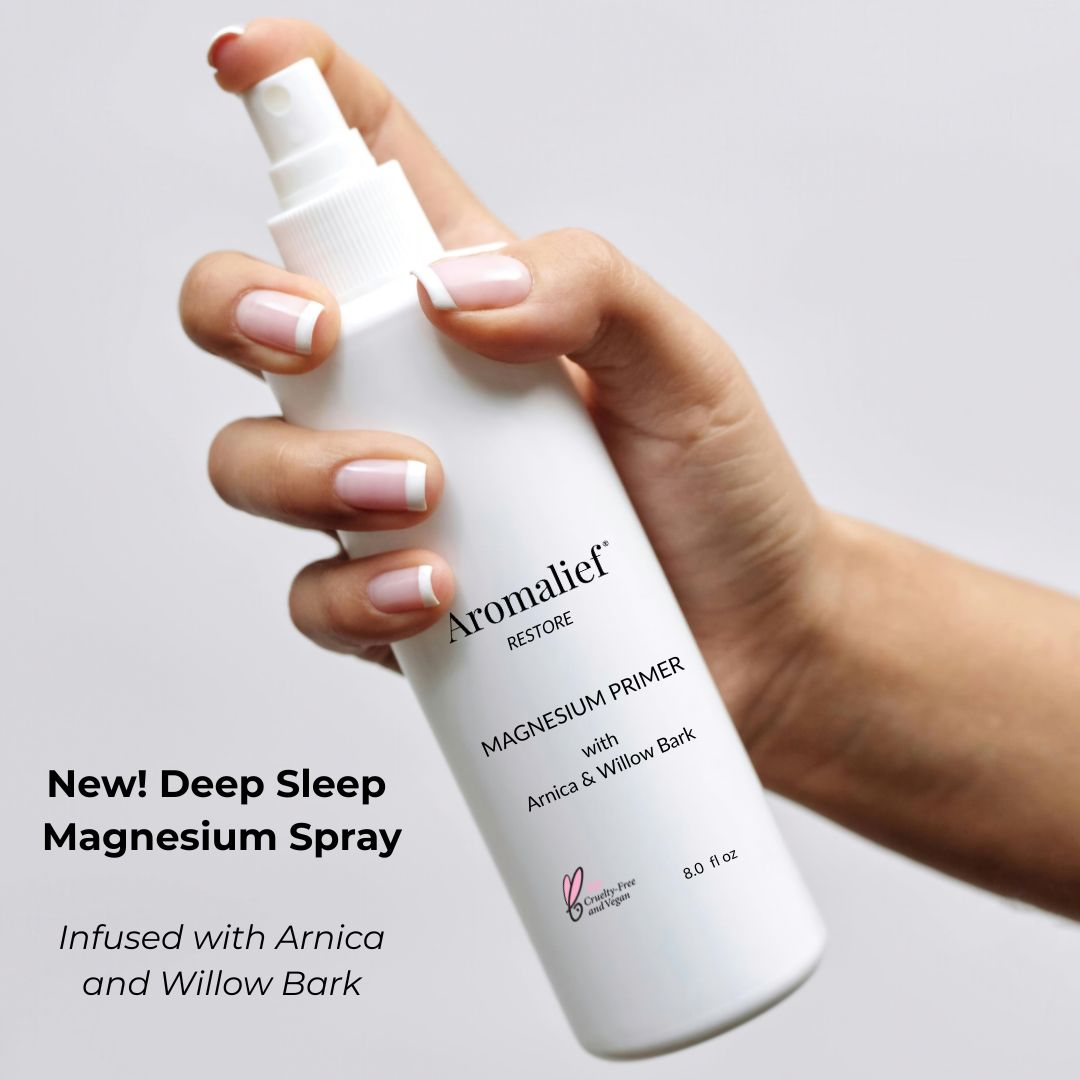
Aromalief Introduces Deep Sleep Magnesium Spray

Do you ever have those nights where nothing that you try can help you fall asleep? It’s not pain. It’s more like a general discomfort that you can’t quite pinpoint, but it has you tossing and turning. It’s such a horrible feeling because as you look at the clock, it keeps getting later and later and you just know that the following day you will be too exhausted to function. 

We have been working on a new magnesium spray formula to calm overactive nerves and help muscles to relax and we are finally ready to share it with you. Our Deep Sleep Magnesium Spray goes on perfectly as a primary layer to restore magnesium levels in the body and to increase absorption of your favorite pain relieving creams.

I am a proud Affliate for Aromalief, that means I make a small commission from using the links. Using the links do not cost you more and will take to the Aromalief website.

Why Topical Magnesium Works

Magnesium plays a key role in nerve signaling and muscle relaxation, but many people are deficient — especially those dealing with stress, poor sleep, or chronic tension.

By applying magnesium directly to the skin, you bypass digestion and allow for fast, targeted absorption right where nerves and muscles need support.

New Aromalief Magnesium Spray on Hand 8 oz Bottle
The spray is good for relaxing, calming the nerves and enjoying your day without pain. The Deep Sleep Magnesium Spray works great with all Aromalief hand cream. What has helped me is using the spray and the Lavender Pain Hand Cream together. Lavender essential oil smells so good and adds to the relaxing.

It’s a must buy.

Melinda

Reference:

https://www.aromalief.com?sca_ref=244289.feW8IbRFn2

Communicating · Health and Wellbeing · Men & Womens Health

WordPress leaves Bloggers in the Lurch Again-Help

Since last week, I have not been able to add a link and when I paste the link, nothing shows up, it won’t let you add any link except for the link at bottom of page.

ARE YOU HAVING THIS ISSUE AND HOW DID YOU FIX IT?

I have cleared my cache several times, closed the laptop and even tried a different browser, nothing has worked.

Please leave any comments that may help me, posts are piling up.

Melinda

Looking for the Light

Celebrate Life · Chronic Illness · Health and Wellbeing · Men & Womens Health · Mental Health

Book Review for Hope Amid the Pain by Leslie L. McKee

I want to thank Leslie L. McKee for sharing an advanced copy of Hope Amid the Pain: Hanging On to Positive Expectations When Battling Chronic Pain and Illness (a 60-Day Devotional Journal) for an honest review.

About the Author

Leslie is an author, editor, and reviewer. She is a member of American Christian Fiction Writers and The Christian PEN. Some of her devotionals were published in compilations by Ellie Claire in 2017 and 2020. Her flash fiction stories have been published with Havok, Splickety, and Spark (websites, magazines, and anthologies). Her devotional journal (HOPE Amid The Pain: Hanging on to Positive Expectations When Battling Chronic Illness and Pain) will soon be published with Ambassador International. She enjoys reading, playing piano, crocheting, spending time with family and friends (and her turtle!), and rooting for the NY Giants. 

Blurb

Why me? Is God punishing me? Is my faith not strong enough for God to heal me? How can I achieve my dreams? What’s my purpose?

If you’re someone living with a chronic illness or chronic pain, these are just a few of the questions you’ve likely asked on more than one occasion. You may feel overlooked or even resentful. You try to stay positive, but some days it’s hard. It’s natural to feel this way and grieve, but it’s still possible to have a hope-filled life. God has a purpose for the pain.

Christians aren’t immune from pain and illness, but we don’t have to go through it alone. Jesus promised that He would “never leave you nor forsake you” (Deuteronomy 31:6 NIV).

Millions of women suffering from chronic pain and illness want the reassurance they’re not alone. The devotions in Hope Amid the Pain are written by a chronic pain warrior with over twenty-five years’ experience and will point the reader to hope and encouragement. It’s possible to Hang On to Positive Expectations (HOPE) even amid the pain.

What Others Are Saying

Beautifully written, HOPE Amid the Pain tugs at the heart with both practical and spiritual instruction. Anyone who is or has suffered with crippling and debilitating pain or illness will find encouragement and support in this devotional. Spirit-lifting, wise, and filled with inspiration, this devotional is sure to strengthen hearts for wherever the Lord is leading.

Debbie Macomber | #1 NYT Bestselling Author

McKee writes with compassion and understanding. Words of grace and compassion for those struggling with chronic pain.

Vannetta Chapman | USA Today bestselling author

As a mental health therapist I often look for resources for clients who struggle with chronic mental and physical illnesses. Leslie L. McKee speaks from personal experience as a woman who suffers from chronic illness. She has combined her personal experience, her deep faith in Christ, and her writing skills to provide a devotional which will truly minister to women who are fellow travelers on the chronic illness journey. Her format provides encouragement with practical application based on Scripture. I can’t wait to be able to offer such a devotional to my clients.
Patricia J Edwards| LCSW, TheAntioch Group

My Thoughts

Leslie has been a chronic pain warrior for over twenty years and understands the challenges we face daily. She does a great job of lifting you up; it’s like a gentle hug from a friend.

The journal covers topics like:

Don’t Settle

You Are Enough

Rest Stop

Through The Fire

Leslie also offers a Resource guide at the back of the book and a chapter on Scriptures. 

I think it’s a great gift for you or someone you care for who has a chronic illness or suffers from chronic pain.  Self-care is critical to our overall health and especially our mental health. 

Leslie’s book is a must buy and will be a resource you will refer to again and again.

Melinda

Repost

Celebrate Life · Chronic Illness · Fun · Health and Wellbeing · Medical · Men & Womens Health

Daily Writing Prompt

Daily writing prompt
Are there any activities or hobbies you’ve outgrown or lost interest in over time?

I am fortunate to have traveled to Russia alone, jumped out of a plane, took a hot balloon ride, and scuba dived on several islands. In the past I was up for adventure yet my health conditions have slowed me down completely.

As for lost interest, playing cards, street racing, embroidery, and knitting. I have a couple of activities to try once I’m able.

Have a great day!

Melinda

Looking for the Light

I apologize, WordPress is still not letting me add a link.

Celebrate Life · Chronic Illness · Health and Wellbeing · Medical · Men & Womens Health

Agoraphobia Is Not Logical

Whatever this obstacle is, it started 18 months ago, there wasn’t a moment I can pin this inability on. Inability is the right word, I’m not afraid to leave the house, I’ve driven a few times in the past year, I know how to drive within three miles of house.

Yet, I have my husband take me to all my appointments even if there just a mile or two away. I never feel nervous when we’re getting ready to go, no uncomfortable feelings on the way there and no sigh of relief when we’re back home.

For the longest time, I denied I had Agoraphobia but now understand people drive while suffering from Agoraphobia. The famous Chef Paula Dean was Agoraphobic for years, she drove and took care of business as needed but she feared it, didn’t want to drive, couldn’t even walk around the block at one point. Her book helped me understand you can function, reintroduce yourself slowly, the technique works on some patients.

I feel tremendous pressure to drive to my doctor’s appointments so my husband won’t have to take off work. He has to take an average of five days a month to drive me, sometimes very short distances. Even thou he’s been with the company 20 years that is still a lot of days off. I hate to think of how many days I lost since I first got sick in 2012.

There is only one factor I can come up with, my dementia. I have lost big chunks of knowledge, simple things like where I used to go shopping. I don’t remember how to get there. One other factor is our city has grown so big since I got sick nothing looks the same. We passed a restaurant we use to frequent and I barely noticed it because everything had grown around it.

I’m not sure I could drive the 30 miles to my grandparent’s house. I had to really think hard about what streets I would take, exits, what freeways and then doing in reverse. My husband said he wouldn’t feel comfortable with me driving to their house.

I am afraid of getting lost, not being able to take care of myself as before or forgetting my phone, which I did the first appointments I drove to. Not only did I get lost but forgot my phone. Another small part is I have a different car than before. My previous car was a sexy BMW hot rod and I knew how fast it could get to the on the freeway ramp. I now have a Suburu which is really cool but not the same get up and go. I’m still adjusting to how fast I have to turn in front of someone and all the good things you learn when you get a new vehicle. My Suburu is two years old and has 1300 miles on it. I have driven about 15 of those miles.

Please give any feedback you have, I want to hear every thought and idea. Thanks a million.

Melinda

Repost from 2019

Health and Wellbeing · Medical · Men & Womens Health · Mental Health · Self-Care

More Than Postpartum Depression: Addressing Maternal Mental Health Through the Life Cycle

Psychiatric Times

What are the implications of maternal mental health not only for mothers, but also for children, families, and society as a whole?

May is Maternal Mental Health Month, and moms around the world could probably use a break. During the COVID-19 pandemic, they have done even more of the childcare and housework, while also, in many cases, keeping up with their careers. How has the pandemic affected their mental health—either by creating new problems or by exacerbating perennial concerns?

In this edition of PsychPearls, Anita H. Clayton, MD, explores the wide and varied field of maternal mental health. Along with the effects of the pandemic, Clayton discusses prenatal mental health care, new and emerging treatments for postpartum depression and psychosis, and how what she saw in a courtroom set her on a path to becoming a renowned expert on maternal wellness.

https://embeds.audioboom.com/posts/7863094/embed/v4

Dr Clayton will speak further on these issues at the Annual Psychiatric TimesTM World CME Conference.

Dr Clayton is the David C. Wilson Professor and chair of the Department of Psychiatry and Neurobehavioral Sciences at the University of Virginia, with a secondary appointment as professor of clinical obstetrics and gynecology. She is the author of Satisfaction: Women, Sex, and the Quest for Intimacy, published by Ballantine Books in 2007, and an editor of the 2005 Women’s Mental Health: A Comprehensive Textbook. She is also a program co-chair of the Annual Psychiatric TimesTM World CME Conference.

Melinda

Celebrate Life · Family · Fun · Health and Wellbeing · Men & Womens Health · Moving Forward

7 household habits from the 1980s that no one does anymore

From phone habits to VHS etiquette, here are some of the most nostalgic rituals from the 80s that have since been forgotten.

Every era has its household hallmarks, and the 80s were certainly no different. Long before smartphones and streaming took over, daily life had its own set of rules that families considered essential – many of which have since faded into nostalgia.

Today, we’re taking a look at 7 household habits from the era that practically no one does anymore, from the rituals that defined home life to the little customs that make the decade so unmistakably 80s.

Letting answering machines handle your calls

Before the age of voicemail, answering machines did all the heavy lifting. If the phone rang while you were deep in an episode of Cheers, you could let the machine handle it and decide later whether it was worth picking up. Though we definitely don’t miss swapping out those cassettes every time they filled up…

Watching TV on the network’s schedule

Prime time was serious – if you missed an episode of Dallas, there was no bingeing it in your free time on catch-up TV. Being at the mercy of the network had kids up and awake on Saturday morning, ready to watch cartoons – and bonus points for the towering stack of TV guides on the table, which were somehow less annoying than juggling a dozen streaming subscriptions today…

Answering the phone without caller ID

Was it a friend? Telemarketer? A wrong number? You had no idea until you picked up the phone, making every call a heart-palpitating gamble. Though no matter who it ended up being, you didn’t have an ounce of privacy unless you stretched the phone cord to its limits (and probably knocked the base off the kitchen counter in the process).

Kids roaming all day with no tracking

No hourly check-ins over text or social media, just a promise that you’d be home at a certain time (probably when hunger struck). Kids were trusted to be street smart, often disappearing on a Sunday to a friend’s house or local park and not reappearing until sunset. Hearing nothing all day wasn’t a cause for panic, it was just the norm.

Handwriting everything

From letters and notes to grocery lists and random reminders, handwriting was how you recorded just about anything. Unless you owned a typewriter – or, if you were really lucky, a computer – everything was written by hand, and there was certainly no notes app to jot down a quick phone number or reminder to pick up milk.

Vacuuming appliance coils

Crawling behind your fridge or freezer armed with a vacuum to clean out dust and pet hair from its coils used to be an essential task (that no one would ever volunteer for). Clean coils meant your devices kept humming along happily – thankfully nowadays, it takes more than a bit of dust to send a fridge into meltdown.

Rewinding VHS tapes

Though you may be longing for bed after staying up late to watch a VHS of Flashdance before it went back to Blockbuster, rewinding your tape before returning was imperative or you’d be chancing a nasty fine. As we all used to say – be kind, rewind!

Melinda

Reference:

https://www.hellomagazine.com/homes/881077/household-habits-from-the-eighties-no-one-does-anymore/

Celebrate Life · Fun · Health and Wellbeing · Men & Womens Health

Today in History January 31st

1734 Robert Morris, merchant (signed Declaration of Independence)

1865 Congress passes the 13th Amendment, abolishing slavery in America (passes 121-24)

1872 Zane Grey, American West novelist (Riders of the Purple Sage)

1925 Charles Aidman, American TV narrator (New Twilight Zone), born in Frankfort, Indiana

1949These Are My Children‘ is broadcast live on Chicago’s NBC station. It’s the first in what will become an institution of daytime drama serials, many of which will be sponsored by–yes–soap manufacturers. Television soap operas will begin dying out in the 21st century as tastes change. 

BIRTHDAYS

Norman Mailer
(19232007)

Lisa Marie Presley
Turns 50

1927 Lorraine Warren, American paranormal investigator (Amityville haunting), born in Monroe, Connecticut

1933 Bernardo Provenzano, Mafia Boss (Cosa Nostra), born in Corleone, Sicily (d.2016)

1978 Brad Rutter, Jeopardy! champion, born in Lancaster, Pennsylvania

Melinda

Celebrate Life · Daily Writing Prompt · Family · Health and Wellbeing · Men & Womens Health

Daily Writing Prompt

Daily writing prompt
Write about a few of your favorite family traditions.

I went to live with my grandparents at 14 and my gramps was a year from retirement. Why would grandparents take on a 14 year old wild child a year before the freedom of retirement. WHY? Unconditional love.

Like all families, we have our issues yet that doesn’t stop us from getting together, mostly during the holidays and birthdays. My granny would cook enough for the neighborhood, not literally but everyone took goodies home with them.

My favorite tradition from childhood is going to a mexican restaurant with my grandparents and brother because they had a flag on your table to use when you wanted more food. My brother wore the flag out every time we went.

David and I have created a few traditions of our own, mostly holiday traditions. On Christmas Eve we eat a wide variety of cheeses, hard meats, olives, fresh rolls and a French Tart. We open our gifts after eating and kick back to relax after all that eating.

On Christmas morning David makes pancakes, another longstanding holiday tradition. He spends most of the day watching football until it’s time to start dinner. It’s much easier when you only have two people to plan for. Dinner is traditional with a spiraled backed ham, sweet potato, rolls and another desert!

selective focus photography of man preparing food beside smiling women and kids
Photo by cottonbro on Pexels.com

Traditions can start or change at any time. I love my grandparents with my whole heart but that doesn’t mean I have to continue it.

I’m thinking of a tray of cheese, hard meats and a hot roll right now. :)

Melinda

Celebrate Life · Family · Health and Wellbeing · Men & Womens Health

What Do First Time Home Renovators Wish They’d Known?

Home renovation is an exhilarating, frustrating, emotional, challenging, and often addictive process. The journey of seeing a house go from unloved wreck to home of your dreams is a feeling quite unlike anything else. Getting there can be quite the ride, but you may find that you love the end result so much you’re soon itching for your next big project. There are many reasons to renovate an older home. Generally speaking, you can get much more for your money and it may enable you to buy a bigger plot or in a nicer area that would normally have been just out of your budget. If the property is liveable, you can then give yourself some extra time to save up the money needed for construction work.

It can also prove a good investment – if you buy at the right price and are able to make the renovation budget work, and you don’t overdevelop the property when it comes time to sell hopefully you will have made a profit. It’s also a chance to design and develop a home exactly as you want it, specific to all your own needs and preferences. There are a lot of plus points to renovating your first home.

On the other hand, being prepared is everything, or first-time renovation projects can be quite a shock. The expense, noise, mess, unexpected problems, and missed deadlines can be enough to put some people off for life. So how do you get ready for renovation if you’ve never done it before? And what do more experienced home renovators wish they had known before their first project?

Photo by Rene Asmussen on Pexels.com

It may not be very romantic to hear, but everything within your project is driven by one factor: budget. There’s no denying the extensively redeveloping property is hugely expensive, so understanding from the outset exactly what your renovation budget is, and estimating realistically are vital. After all, no one wants to run out of cash part way through a building project. It’s quite likely you may have to scale back some of your expectations, especially on a first project, when you’re unlikely to have huge cash reserves to fall back on. Plan out the projects you want to do in phases, in order of how urgent they are.

You may have to wait a while between phases if you need to save up more money or secure a loan for the building works. Keep a close eye on the budget during the project and remember that the small things can be expensive and quickly add up. Decide in advance what features of the renovation are an absolute deal-breaker for you, and what you will be prepared to compromise on if you have to. Always create a contingency fund. It’s likely that there may be unforeseen issues that pop up during the course of the project – especially with older properties – that you haven’t budgeted for, so this margin could save you. You may find yourself having to pay for additional structural work, new electrics, or even things like local pest control. And if by some miracle, you don’t spend it, it can be spare cash to spend on the final decorative touches. Remember that it is possible to save money on a home renovation.

Learning to DIY some of the slightly easier bits yourself can be very cost-effective, so jobs such as painting, adding skirting, etc are all easy wins. Shop around for everything, from equipment hire to kitchens, to get the best price, and consider what preloved elements you could either reuse from the original property or source elsewhere.

Get The Layout Right

The key to a successful renovation is to find a new layout that works. You will either be working within the original floorplan of the house, but with the option to remove and add walls and reconfigure the space – or you may be extending your home to add on additional space. You’ll be surprised what the right layout change can do to transform both the feel and the usability of a property – for example, opening up a maze of little rooms to form a free-flowing, open-plan space. If you do want to keep smaller rooms, there are lots of tricks to make them appear more spacious, from the clever placement of mirrors to dressing the windows so that they look taller and choosing paint techniques that make the room look bigger. 

It’s a time in your life you will always remember, so be prepared, do your research and embrace the chaos – your ideal home is now within reach.

This is a collaborative post.

Melinda

Repost

Celebrate Life · Health and Wellbeing · Medical · Men & Womens Health

Eight Benefits to Tamanu Oil

Tamanu oil is derived from the Tamanu tree, which originates in the Polynesian islands, tropical Southeast Asia, south India, and the tropical African Coast. With antioxidants, antibacterial, anti-inch, and healing properties, it has been used for skin care as well as hair care. The smell is slightly sweet and someone nutty, the color is greenish-yellow, and the shelf life is normally two years, depending on how it’s stored. Here are eight ways this oil benefits your overall health.

  • Treats Acne by reducing bacterial growth.
  • Soothes dry skin by moisturizing and adding antioxidants.
  • Smooths wrinkles with fatty acids and antioxidants.
  • Heals wounds, cuts, and abrasions with antibacterial, anti-inflammatory and moisturizing properties.
  • Reduces the appearance of scars and stretch marks thanks to the cell regenerating and renewal characteristics.
  • Treats ingrown hairs with antibacterial property.
  • Fights scalp irregularities and antibacterial and anti-inflammatory agents.
  • Restores hair health and shine by sealing in moisture.

Notes

Before using Tamanu oil, test it on a small area of your skin to make sure you’re not allergic or sensitive to it. 

Avoid using Tamanu oil if you have a tree nut allergy.

For deep, infected wounds, please seek immediate care from a healthcare provider.

Melinda

Reference:

Willow & Sage

Celebrate Life · Health and Wellbeing · Men & Womens Health

3 Ways To Stop Wasting Money On Your Car

When many people think of car costs, the first thing that pops into their heads is the purchase price. That’s far from all you’ll have to pay for it, however. You’ll have to put quite a lot of money into maintaining it.

These car expenses add up quickly, especially with older cars. It can often seem like a money sink. Figuring out how to stop wasting money on your car can be difficult. Your car will need some TLC, but you might want to spend much money on it.

Thankfully, there are more than a few ways you can do so. While you’ll need to put some time into it, it’ll be more than worth the effort. Three particular ways are suggested, as they’re quick and easy ways to look after your car.

Top Three Ways

1. Buy Parts Online

Perhaps the most obvious way to spend less on your car is to buy auto parts online. These will usually be much more affordable than the ones you can get at a mechanic’s. Since they’ll be the exact same parts, there’s no reason not to take this route.

You could save quite a bit of money on this, especially if you’re able to replace any parts yourself. While this approach involves spending a bit of time waiting for parts, the savings are worth the wait.

2. Change The Air Filter Yourself

Your car’s air filter needs to be changed regularly. You could be surprised to hear that focusing on this is one of the better ways to figure out how to stop wasting money on your car. You can do this yourself, with the car owner’s manual showing you how and when to do so.

Buying the air filter online – as recommended above – lets you save a significant amount of money on the fix. Replacing the air filter doesn’t take much time. If you’re good with your hands, it should only take you a few minutes to do so.

3. Shop For Prices

As much as you could DIY many of your car repairs, there comes a point where you’ll need to hire a mechanic to take care of things. Many people simply go to the first mechanic they can think of – or the closest one to them – and stick with that. Doing this costs more than you’d think.

Instead of taking this approach, you should shop around for prices. Depending on the issue at hand – and several other factors – the mechanics mightn’t even need to see your car before giving you a quote. While this could vary when you get there, taking this approach gives you an idea of how much each mechanic costs.

Choosing a more affordable option helps you stop wasting money on your car.

How To Stop Wasting Money On Your Car: Wrapping Up

Figuring out how to stop wasting money on your car is a difficult process. Your car will need some maintenance and attention. Depending on how you go about it, that could prove costly. With each of the above strategies, however, it’s something you won’t need to worry about.

This is a collaborative post.

Melinda

Repost

Celebrate Life · Family · Fun · Health and Wellbeing · Men & Womens Health

Daily Writing Prompt

Daily writing prompt
If you could make your pet understand one thing, what would it be?

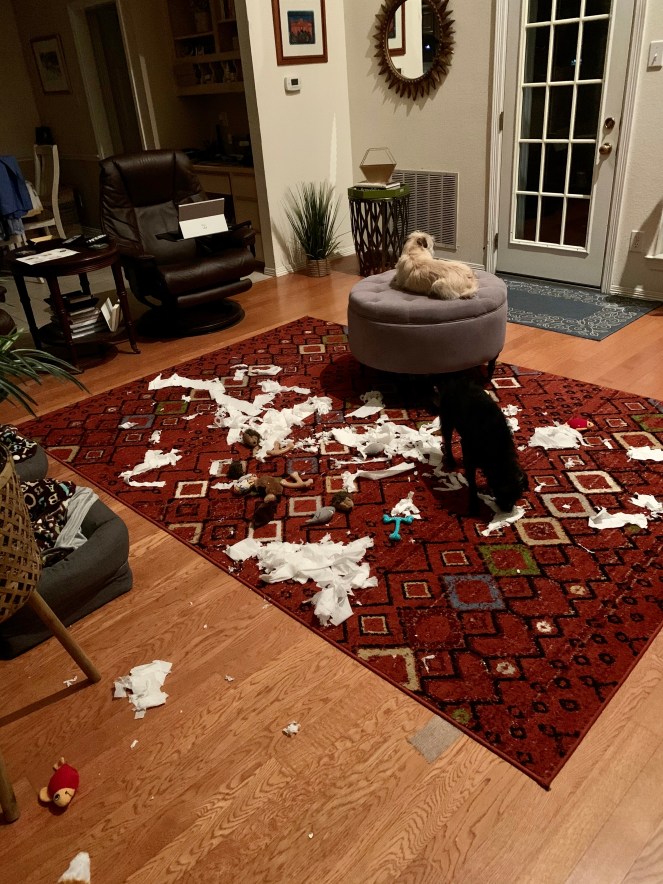
To potty on the potty pads and not somewhere else, like my husbands bathroom. Griffy is totally laid back until she wants a snack. Jet’s close to the same size and is calm until he thinks it’s time of a snack ot petting.

Melinda

Looking for the Light

Celebrate Life · Daily Writing Prompt · Fun · Health and Wellbeing · Men & Womens Health

Daily Writing Prompt

Daily writing prompt
What’s your dream job?

I’m retired so by far this is the best job. At 12 I had a paper route to make some play money and my second job was being a cashier in a grocery store. Every job I’ve worked has taught me new lesson’s. There were plenty of jobs I didn’t like and other’s I gave all to.

After retiring and giving my body time to decompress, I had a store on Ebay for five years. It was a blast and kept me busy. I won’t forget the guy who bought one homeade soap a month, and when I offered a deal on three soaps for the price of two, he continued to buy one soap.

Not working has been a blessing and life contiues to teach me lesson’s. My days are slower now and I know how difficult it can be to balancce work with health issues.

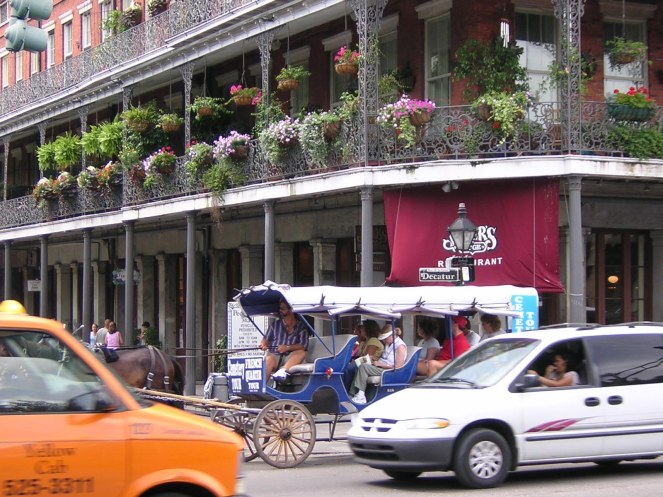
New Orleans

Melinda

Looking for the Light

Health and Wellbeing · Men & Womens Health

Take Advantage Of Savings Cards Where You Shop!

We’ve saved plenty of money without sacrificing quality, by joining company Saving Card’s like CVS ad Kroger or pay for a membership at a big box companies like Costo or Sam’s.

The free savings copay cards:

Amazon-Paid Membership-Prime Members get free shipping and returns on most items.

Starbucks

JCrew

Madewell

Petco

HEB

CVS

Kroger

Sam’s Club- paid membership

Costco-paid membership

Golf Pass

A few restaurant we frequent also have memberships to co-pay card’s free of charge. Your points add up based on what you buy and when you’ve reached a certain tier you see your coupons or more.

I have disover that many companies including include a savings program to dine there and even Starbucks offers a membership available. Keep you eye open where you shop or dine.

Amazon-Pharmacy

Wow, talk about saving money! Always ask the pharmacist what the price is to fill for 90 days. Most of mine at 90 days when possible. Take a look at Amazon Pharmacy and you may be surprised at how little you being you’re being charged. Take a look at see if the support the medication and insurance. The easiest way for me was to completely start over, had all scripts sent to Amazon and thus far, I’m impressed by how quik they turned the script and no issues to date.

We shop the Costo’s ad each week, they have the great deals, if it’s not in the catalog you have, keep your eye’s open for the next catalog. David makes a monthly trip to stock up.

When we don’t plan for the future, we can find ourselves there without any savings.

Save every penny saved and is put back into savings, will be surprised you how quickly the money adds up.

Costco is one membership that is worth every penny. If living alone, maybe buying in bulk isn’t the answer unless you visit with a free to see what they offer.

I’m working on a post on ways to save money on your medication cost, and learn where to go for help when medical insurance denies your claim. I have some great referrals to share.

Melinda

Celebrate Life · Health and Wellbeing · Men & Womens Health · Mental Health

Your Mental Health Is Important: Tips On Moving To A New Town

Moving to a new town can be challenging. You’re uprooting your life and starting over in unfamiliar surroundings where no one knows you or where no familiar faces exist. However, with an open mind and positive approach, moving can be both enjoyable and beneficial for your mental well-being. It will help to expose you to new people from various walks of life, and there may be exciting opportunities out there that lead to improved quality of life. Here, we will cover everything from how to find housing in a new town to practical advice for making it feel like home in your new environment. So read on for advice on settling comfortably into life in a brand new city and its potential impact on mental health.

Photo by Ketut Subiyanto on Pexels.com

Research Your Options

A new town can be both exciting and overwhelming. Before making the leap, it is wise to research its characteristics – neighborhoods, parks, and community events are good places to begin exploring your options, as are local schools and businesses. Spend some time getting acquainted with its amenities, such as shopping centers, medical facilities, and recreational activities, so you can form positive associations between yourself and the place you will soon call home.

Find An Experienced Realtor

Whether selling or renting out your current home, consulting with a realtor can be invaluable in the process. Their expertise and market knowledge will ensure you obtain the maximum return for your property sale or rental investment. Finding the best realtor for yourself is key; seek someone who understands your individual needs, who will guide the process in an optimal way, and who will help you find a home in your new town that fits both your requirements and budget.

Declutter Before Moving

Moving can introduce feelings of excitement and anxiety all at once, and decluttering before the big day can make all the difference. While it might be tempting to simply pack everything up and deal with it later, reducing clutter will create a more organized and soothing atmosphere when you arrive in your new home. Not only will you have less to unpack, but you’ll be able to easily find what you need and avoid feeling overwhelmed in your new surroundings. 

Get To Know Your Neighbors

Making new friends in a new town may be daunting, but getting to know your neighbors can be one of the easiest ways to build a new community. Remember that building relationships take time; one way of making this transition more manageable is by getting acquainted with your neighbors – they may become your close friends, gym partners, or trusted pet sitters! So take the time to introduce yourself, invite them over for a meal, or offer to lend a hand whenever they need it.

Make Time For Yourself

Take time for yourself by participating in yoga classes, going for leisurely walks, or sitting quietly and meditating – however, you choose. Doing this will allow you to unwind, assess your emotions, and process changes in life more easily. Making this investment in yourself will reduce stress while improving your overall well-being; your mental well-being should be treated just as seriously as your physical well-being, so take the time needed for both!

Technology Makes Making Friends Easier

Moving away from those you love and places you are familiar with can be daunting, particularly when you don’t know anyone in your new town. But thanks to technology, making friends has never been simpler: friendship apps such as Bumble BFF are a great way to meet people who share similar interests or hobbies – you could meet potential friends within seconds by signing up. And who knows, you might just find your soulmate!

Explore Local Attractions

One of the best ways to familiarize yourself with a new town is by visiting its attractions. Take time out to visit landmarks, take part in outdoor activities, and try local eateries; doing this can quickly break down any barriers you might be feeling around meeting new people. It will also provide the opportunity for you to socialize with locals as well as learn about the town’s history while discovering hidden gems that will enhance your life experience.

Final Thoughts

Moving to a new city can be an immensely enriching experience for many, which is why it’s essential that it be done the correct way. Your mental health and well-being should always come first, so use the tips given above to make sure you have a successful transition into your new home. With a little effort, you’ll soon be feeling like a local in no time.

This is a collaborative post.

Melinda

Daily Writing Prompt · Fun · Health and Wellbeing · Men & Womens Health

Daily Writing Prompt

Daily writing prompt
If you could un-invent something, what would it be?

My gut says Social Media platforms, have you seen the “dares” going around Tic Tok? Teens and younder adults walking on moving trains, and the list is long. I was a teen and made plenty of mistakes yet I’m smarter than the people doing the stunts.

I closed all of my accounts last year because a company I worked with was hacked and all of my data was released. I took the comments Apple said about safety, and applied every ounce of help they provided. Because my personal information was leaked and confirmed the information is on the Dark Web, that’s data is roming around which can lead to identity theft the rest of my life

I wouldn’t un-invent something because as life goes on, we get to watch new versions of a product eveolve.

Photo by Karola G on Pexels.com

Melinda

Celebrate Life · Health and Wellbeing · Men & Womens Health · Mental Health · Self-Care

Book Review One Step At A Time By Francesca Giacomozzi

I was kindly gifted a copy of One Step At A Time, by Francesca Giacomozzi from Soraya Nair at Cherish Editions for an honest review. Thank you, Soraya.

About Author

“Francesca Giacomozzi has lived in the UK since April 2016.

After quitting a full-time job that wasn’t fulfilling her, she studied to become a yoga teacher and reflexologist and now owns her own yoga teaching and massage therapy business.


Her drive to help others overcome mental health issues has pushed her out of her comfort zone, leading her to raise awareness about eating disorders as a daily mission.


Francesca has two degrees and can speak five languages.”

Excerpt From: Francesca Giacomozzi. “One Step at a Time.” Apple Books.

Blurb

“My long-winded journey into a fuller and healthier self. Written with the hope that if you are lost, you will soon be found. This is the honest and unfiltered truth about me and my experiences as a warrior in eating disorder recovery. All the people mentioned in this book are real, and therefore have been made anonymous unless they provided consent to be spoken about by name.”

Francesca Giacomozzi found herself on the verge of a crisis, exhausted from waking up day after day without a sense of purpose. Determined to get her life back on track, she decided to take on a challenge to engage both her mind and body: a two-week walk along the South West Coastal Path.

She invested in kit and prepared – or so she thought – for the solo trek. Little did she know, her journey would leave her with a completely different outcome to the one she expected. Her diary pages are filled with two tales: what happened on the trail, and how it made her feel on the inside.

My Thoughts

When you’re faced with demons, you have two paths you can take. You can tackle them head-on or you can turn and run. Francesca found herself at a crossroads and decided to face her demons in the most interesting way. She set out to trek 360 miles across England to find herself and found so much more. 


Armed with her diary, she sets out and discovers the generosity of others feeds her need for food. When you struggle with an eating disorder, you over focus on food and look for an emotional fulfillment which doesn’t come. Fran struggles with her thoughts and self loathing along the way but as she reaches her destination there is a new sense of self. A sense she can overcome and ask for help. 


Ask for help she does, she sees a therapist for the first time and starts a new, more informed and self assured chapter. I beleive she is living her best life and inspires others with deep rooted struggles that there is light at the end of the tunnel. 


Fran sprinkles in poetry throughout the chapters. She is a great writer and the book is a fast read, you can’t wait to see what adventure she will encounter next. You can also fully relate to the insecurities she feels about herself and in social situations. 


I struggled with an eating disorder for years and can say this book hit home. It’s real and gives a look at the true mental and physical toll an eating disorder can take in the body. 


This book is a great read for most types of mental health struggles, not just eating disorders. The guilt, anger, insecurities and shame are universal. 


I highly recommend One Step At A time to everyone and give it 5 stars! 

Cherish Editions

Cherish Editions is the self-publishing division of Trigger Publishing, the UK’s leading independent mental health and wellbeing publisher.

We are experienced in creating and selling positive, responsible, important and inspirational books, which work to de-stigmatise the issues around mental health, as well as helping people who read them to maintain and improve their mental health and wellbeing. By choosing to publish through Cherish Editions, you will get the expertise of the dedicated Trigger Team at every step of the process.

We are proud of what we do, and passionate about the books that we publish. We want to do the very best for you and your book, holding your hand every step of the way.

Happy Reading!

I know you will enjoy the book as much as I did and encourage you to pick up a copy today.

Melinda

Celebrate Life · Health and Wellbeing · Men & Womens Health · Mental Health

Book Review Navigating Loneliness By Cheryl Rickman

I was kindly gifted an advanced copy of Navigating Loneliness by Cheryl Rickman from Maddie Kirby-Dunne at Wellbeck Publishing Group for an honest review. Thank you, Maddie.

About the Author

Cheryl Rickman is a qualified Positive Psychology Practitioner and Sunday Times bestselling author and ghostwriter of twenty self-help, wellbeing and business books.

After her parents’ lives were cut short, Cheryl decided to devote her life to helping others make the most of their own precious lives through the books she writes.

She specializes in writing practical books to help people fret less and flourish more, and is a Wellbeing Ambassador for the Network of Wellbeing.

Having qualified with a Certificate in Applied Positive Psychology in 2016, Cheryl also runs wellbeing retreats and delivers workshops on acceptance, balance and compassion, The ABC of FlourishingTM.

Cheryl lives with her husband, daughter and two dogs in a country cottage in Hampshire, UK. She is an unashamed tree- hugger and nature-lover, has an overflowing bookshelf and her favourite colour is rainbow. She loves pizza and the seaside, but is not a fan of mushrooms or spiders.

You can find out more at http://www.CherylRickman.co.uk

OTHER WELLBEING BOOKS BY THIS AUTHOR

Be More Wonder Woman: Fearless Thinking from a Warrior Princess

(DK, 2020)

The Flourish Colouring Book: Art Therapy Mindfulness

(CreateSpace, 2015)

The Flourish Handbook: How to Achieve Happiness with Staying Power, Boost Your Well-Being, Enjoy Life More and Reach Your Potential (CreateSpace, 2013)

The Happiness Bible: An Ultimate Guide to Sustainable Wellbeing

(Godsfield Press, 2019)

The Little Book of Resilience (Gaia, 2019)

The Little Book of Serenity (Gaia, 2020)

May You Be Well: Everyday Good Vibes for the Spiritual (Pyramid, 2021)

You Are Enough: Embrace Your Flaws and Be Happy Being You

(Summersdale, 2021)

Blurb

Navigating Loneliness is part of a Trigger Publishing series of books about managing mental health issues. Throughout this book you’ll learn what actions you can take to tackle the main causes of loneliness and reduce it.

My Thoughts

The book is a very fast read at only 155 pages long and includes helpful resources at the back of the book. It’s a great read with a long list of resources.

Wellbeck Publishing Group

Wellbeck Publishing Group is an exciting, fast-growing independent publisher based in London, dedicated to publishing only the very best and most commercial books spanning a number of genres and categories, from leading authors and well-known brands to debut talent. We live for books that entertain, excite and enhance the lives of readers around the world.

Melinda

Repost