Documenting your every move on social media can take its toll
The rise of social media has meant that we as a global population are more connected than we have ever been in the history of time.
However, our reliance on social media can have a detrimental effect on our mental health, with the average Brit checking their phone as much 28 times a day.
While social media platforms can have their benefits, using them too frequently can make you feel increasingly unhappy and isolated in the long run.
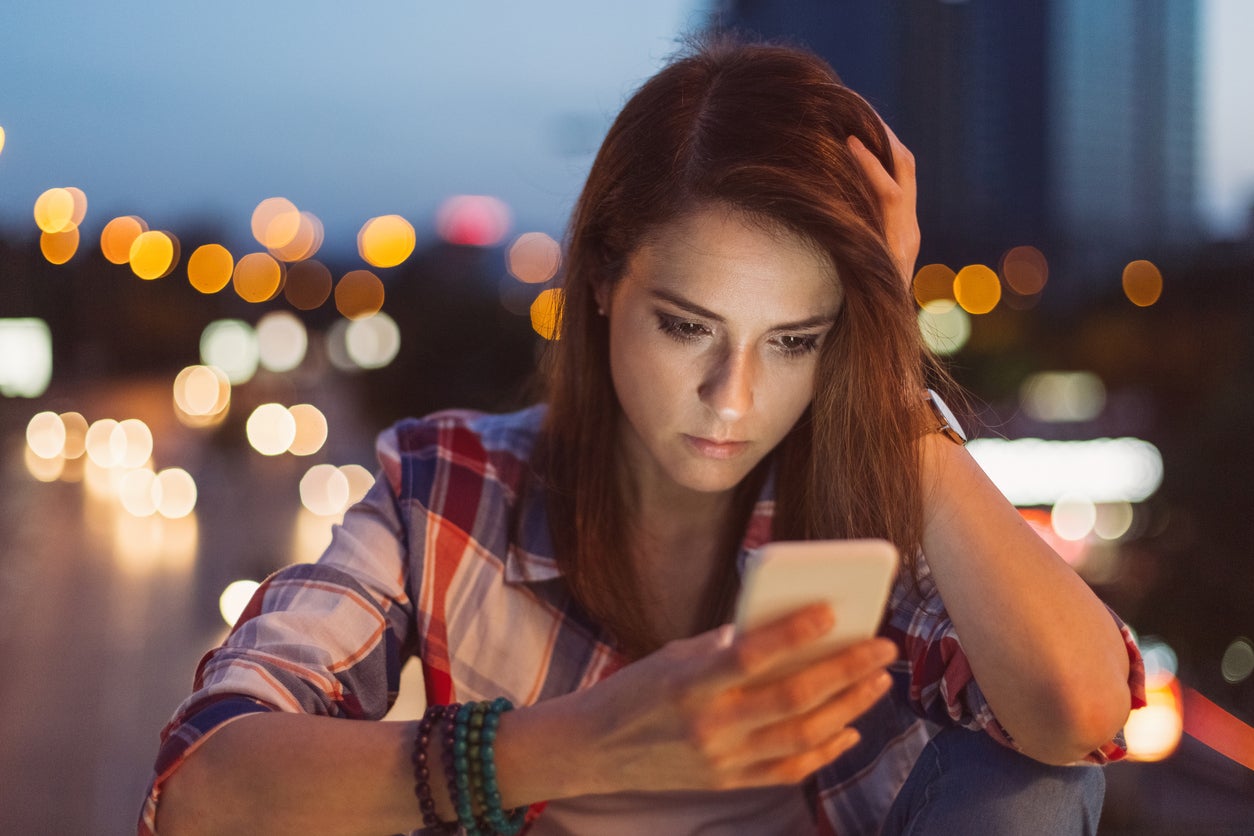
Do the pros of social media outweigh the cons? (Getty Images)
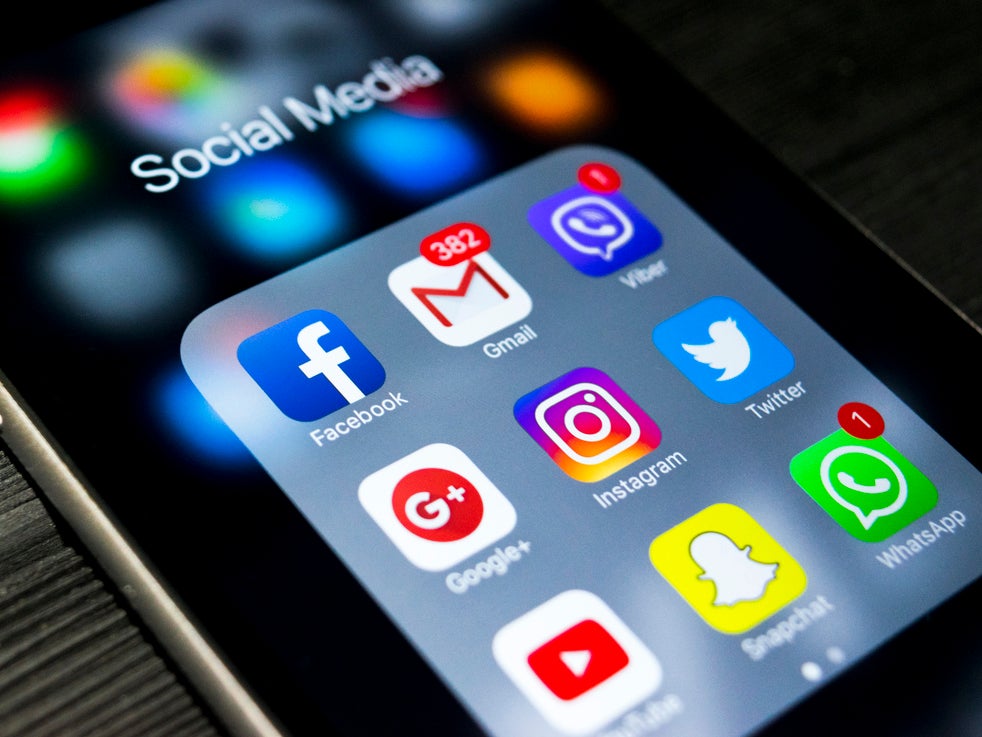
The constant barrage of perfectly filtered photos that appear on Instagram are bound to knock many people’s self-esteem, while obsessively checking your Twitter feed just before bed could be contributing towards poor quality of sleep.
Here are six ways that social media could be negatively affecting your mental health without you even realising.
Self-esteem
We all have our fair share of insecurities, some that we speak about openly and others that we prefer to keep to ourselves.
However, comparing yourself to others on social media by stalking their aesthetically perfect Instagram photos or staying up to date with their relationship status on Facebook could do little to assuage your feelings of self-doubt.
A study conducted by the University of Copenhagen found that many people suffer from “Facebook envy”, with those who abstained from using the popular site reporting that they felt more satisfied with their lives.
“When we derive a sense of worth based on how we are doing relative to others, we place our happiness in a variable that is completely beyond our control,” Dr Tim Bono, author of When Likes Aren’t Enough explained in Healthista.
Becoming more conscious of the amount of time you spend scrolling through other people’s online profiles could help you focus more on yourself and boost your self-confidence.
Human connection
As human beings, it’s so important for us to be able to communicate and forge personal connections with one another.
However, it can be hard to do so when we’re glued to rectangular screens, becoming more acquainted with our friends’ digital facades than their real-life personas.
Stina Sanders, a former model who has 107,000 followers on Instagram, explained how social media sometimes makes her feel like she’s being left out.
“I know from my experience I can get FOMO when I see my friend’s photos of a party I didn’t go to, and this, in turn, can make me feel quite lonely and anxious,” she told The Independent.
A study published in the American Journal of Epidemiology that assessed 5,208 subjects found that overall, regular use of Facebook had a negative impact on an individual’s wellbeing.
Memory
Social media can be great for looking back fondly on memories and recounting how past events occurred.
However, it can also distort the way in which you remember certain tidbits from your life.
Discover more from
Subscribe to get the latest posts sent to your email.
….when I did have a Facebook account, I got abused (trolls). I tried going ‘friends only’, only to find these ‘so called’ friends would also turn on me too.
to me it represents to state of the human condition….anger, guilt, shame, etc.


 lookingforthelight.blog
Excellent points. We’re giving away our lives day-by-day. Some of it is good but some could be detrimental. Thanks.
LikeLiked by 1 person
Almost like Orwell’s book 1984
LikeLiked by 1 person
….when I did have a Facebook account, I got abused (trolls). I tried going ‘friends only’, only to find these ‘so called’ friends would also turn on me too.
to me it represents to state of the human condition….anger, guilt, shame, etc.
LikeLiked by 1 person
Facebook is the devil. The perfect breeding ground for trolls.
LikeLike
‘These hashtags could put your children in danger on social media’.
I freak out each time I see someone putting a lot of photos of their children on instagram.
maybe they are just oblivious to the consequences.
LikeLiked by 1 person
uninformed or uninvolved in the Childs life
LikeLike
Reblogged this on Survivors Blog Here and commented:
Social Media has changed all of our lives, not all for the better. There are great points in the article. M
LikeLike