

Month: December 2018

Friday Quote: Quality Living
I can’t change the direction of the wind, but I can adjust my sails to always reach my destination.
Jimmy Dean

You gain strength, courage, and confidence by every experience in which you really stop to look fear in the face. You are able to say to yourself, ‘I lived through this horror. I can take the next thing that comes along.’
Eleanor Roosevelt
There is a great message in the video, I don’t know much about Drake but I know a true believer, pure heart to help and a stand up man. M
For the Love of Art: Plans for Next Year
Please provide comments on what you want to see in an Art site. Thanks. Melinda

Today in History December 27
The huge Art Deco theater is the anchor for John D. Rockefeller Jr.’s 12-acre complex, the Rockefeller Center in Midtown Manhattan. Tonight’s opening is a lavish stage show featuring dance by Martha Graham and vaudeville acts by Ray Bolger and others. It will be the top tourist destination in New York for years to come.
Delayed by weather, the Beagle finally sets sail with a 22-year-old Charles Darwin on board, setting out on what will be a five-year journey to explore the far reaches of the southern Atlantic and Pacific oceans. Darwin’s extensive notes during the expedition will later be published as a popular travelogue.
The author of the bestselling book ‘Gorillas in the Mist‘ is found hacked to death at her isolated research station. Fossey was considered the leading expert on the endangered mountain gorilla, but the reclusive zoologist had made enemies in her campaigns against poachers and wildlife tourism.
Birthdays
Savannah Clark Guthrie 1971
Louis Pasteur 1822
John Allen Amos Jr. 1939
Claudio Castagnoli 1980

Make Your Own Essential Oils

Recipe from Willow and Sage by Stampington
Making your own essential oil is easier than you think. Gather dried herbs and oil of choice. Dried herbs are better than fresh to prevent mold.
Here are some single oils you can infuse along with their healing benefits.
Calendula Oil–Use for any skin remedies, like in lotion or facial oil.
Peppermint Oil–Wonderful for relieving aches and pains. It can be used as a massage oil or added to bath water. If you have a headache, rub a bit on your wrist and breath in the healing aroma.
Rosemary Oil–If you have hair troubles, such as poor growth, lice, or dandruff, rosemary is a great option. Add the infused oil to shampoo or use as a hair mask.
Lemon Balm Oil–Lemon balm is a natural astringent and has antibacterial properties, which are amazing for healing cold sores and other skin irritations.
To Make
Place the dried herbs in a clean 1 quart mason jar. Cover the herbs with the oil of your choice with a 1-to-2 ratio. Add enough that the herbs are completely covered by at least an inch oil. Seal the jar with an airtight lid, add either place outside or in a sunny window. Let infuse for at least four weeks. When the oil is ready, strain it through cheesecloth, making sure to strain as much oil as possible. Store the oil in same mason jar.


What is Autoimmune Dysautonomia?
Have an Awesome day!


Powering Down at Nighttime

Great suggestions from Willow and Sage by Stamptington
Simple Sleep Remedies
Set a consistent sleeping schedule. Going to sleep and waking up at the same time each day helps regulate your internal clock, making it easier to fall asleep and get up in the morning refreshed.
Drink plenty of water throughout the day, but stop at least two hours before bed. Otherwise, you’ll be waking up in the middle of the night to use the bathroom. Helpful tip: Start the morning with a cold glass of water to jump-start your day.
Put down your smartphone or tablet, and journal before bed to quiet your thoughts. When you stare at your electronics before bedtime, the blue light can suppress your body’s natural melatonin production, thus interrupting your sleep.
Utilize white noise to clear your mind. Use a sound app or a noisy fan to quite your surroundings.
Enjoy an Epsom salt bath. To detox and calm your body, dissolve Epsom salt in a warm bath, add baking soda to reduce itchiness and a few drops of essential oil if desired, and soak for twenty minutes.
Apply moringa oil to help with insomnia. Use either aromatherapy or apply on your temples or chest.
Incorporate essential oils into your nighttime routine. Diffuse blends as you prepare for bed or spray a lavender blend on your pillow for a soothing effect.
Go-to Nighttime Essential Oils
Lavender
Cedarwood
Chamomile
Frankincense
Sage
Ylang Ylang
Bergamot
We Are Now Offering Affordable Online Therapy! — The Psych Talk

Charity Navigator: Go Here Before Donating
Charity Navigator tracks information on all charities and how the money is spent or is the overhead to high. It will show how much is spent on administrative cost, those mailers every week after you’ve begged to take you off list. This is the best place to confirm the charity you support is spending your money as you would.
https://www.charitynavigator.org

Round And Round, The Hamster Wheel
I’ve struggled with Chronic Lyme, Fibromyalgia and Dementia for six years, every week it’s a follow-up or test for the latest ailment. I’ve made the decision to step off the Doctor Hamster Wheel in 2019.
I saw a Rheumatologist a two months ago, the clueless PA told me there wasn’t Lyme in Texas. REALLY? The doctor named a few possible illnesses and took my blood. The doctor’s visit was a bust but the lab work revealed my Calcium is high. Which can cause serious complications. She suggested to have my Parathyroid checked. WOW, something came out of the lab work, I have another ailment to deal with!
I saw the Endocrinologist, it was straight forward. A blood test, a scan at the hospital and possible surgery. We scheduled the scan immediately since it was effecting my heart. I fell down the stairs and banged myself up a good one. I landed a perfect 10! NO, I can’t lean my head back for two forty-five minute sessions. The test was rescheduled.
2019 is starting like the other six years, with a heart test scheduled, Parathyroid scan with possible surgery, test for Traumatic Brain Injury from the fall. There are few days left in 2018, I want to know who I am, how have I changed in that time. I developed Agoraphobia, haven’t driven in six years and have only seen the inside of doctor’s offices.
I took the first step for 2019, decided which test to cancel, bought two patterns for knitting and opening an Ebay store. Most importantly I get decide who I am, not remain another patient.
I can’t begin to say how much I appreciate your support, the comments and emails helped push me forward. The WordPress family means so much to me. I pray your year starts healthy as possible. I look forward to developing new friendships and reading and learning from your post.
Melinda

RAINN.org Christa’s Story
Christa is a Survivor of Sexual Assault, her story is hard to read and yet she comes out on top. She was able to more forward and rebuild her life. She has the strength like many of you. She turned to RAINN.org for support.
I support RAINN and want to share a postcard with the good news of how many SURVIVORS were helped in 2018. The bad news is many are not receiving the support due to long hotline wait times. Please consider RAINN when you give this season. You can donate at donate.rainn.org/2018. Thank you for reading and your continued support. Melinda
More than 260,000 SURVIVORS and their loved ones this year have turned to RAINN’s victim services programs to seek help–a record and the need continues to increase.
Unfortunately, because of hotline wait times that have reached 5 1/2 hours, thousands of survivors have left before we were able to be there to provide support. We need your help to be there for the survivors today and everyday.
This month, your gift will go twice as fast to ensure SURVIVORS get the help they need. When you give to RAINN through December 31st, a group of generous donors will match your gift, dollar for dollar.

Charity Project Gave Me The Best Gift
As a teacher in a Title I elementary school I serve students with a low socioeconomic status. My students are faced with several challenges both in and out of the classroom. Despite the many challenges they face, I am aiming to increase Social/Emotional intelligence, the understanding of feelings, and using them to inform actions. Children who exhibit healthy social, emotional, and behavioral adjustment are more likely to have good academic performance in elementary school.
The sharp distinction between cognition and emotion that has historically been made may be more of an artifact of scholarship than it is representative of the way these processes occur in the brain (Barrett and others 2007). From the minute they walk in the door of my classroom I focus on their potential and growth while they are with me. I may not be able to control their home lives, but I can certainly guide/influence their experiences during the school day.
Donors will be helping bring Children’s Fiction Social Issues Emotions Feelings Books in my classroom to help build
Social-emotional development including the child’s experience, expression, and management of emotions and the ability to establish positive and rewarding relationships with others.
My Project
As a teacher, I feel it’s important to recognize that social intelligence is different from just “getting along” with others or following rules. The books that I have selected will help students be able to find solutions during conflicts with others, demonstrate respect for the feelings of others, and adapting to different social situations.
Social/Emotional intelligence is the understanding of ones feelings and using them to inform actions.
Although there is some disagreement about the exact terminology to use, social and emotional intelligence both refer to the ability to understand your own and others’ feelings and emotions and then to use this understanding to inform your decisions and actions.
Socially/emotionally intelligent people solve interpersonal problems quickly by understanding what is upsetting others and being empathetic to these concerns. They tend to recognize when they’ve said something that made someone uncomfortable and know what makes others “tick.” Socially/emotionally intelligent people are able to thrive in many different relationships and settings because they quickly learn the social rules.
Teachers love to read books not only to invoke a students love of reading, but also to help them make connections. The books I have chosen were specific to the behaviors I have seen over the last three years of teaching the 5th grade. One example is the book “That Rule Doesn’t Apply to Me!” A lot of my students think they can get around the rules or they can bend the rules enough without breaking them so this book was perfect. Also, the students in 5th grade tend to ask why and challenge every rule so this book had great examples of why rules were needed in many different settings.
I still gather all my students to the carpet and read to them. With the book mentioned above I would read a few pages and then ask them to turn and talk to their shoulder partner about a time they, or someone they know broke the same rule and how it impacted the class or them directly. We then come back together to talk about a few whole class. We reference the book the entire year.
I have found that all of my students benefit from the books and they love the social stories. It makes learning “rules” or anything really much more fun. You are setting your expectations but through a funny social story. Almost all of them can relate to the stories I have chosen.
With gratitude,
Mrs. Orozco
Her letter she sent and surprises were the best gift!
I received handmade cards from 50 students.They were funny, cute, some had pictures drawn on them, reading each one was quite emotional, these are 5th graders. Mrs. Orozco sent photos of the kids working on projects and a group photo.
Donors.org post teachers across the states who need projects funded. There is a process of approval but there are so many teachers who need tools for their classrooms. Please think of Donors.org when you support charities.
Charity doesn’t require a dollar amount, anything is welcome. Their are times when $5 is all I can give to a new Charity. We have a core list of Charities we donate to each year. During the year I receive emails and occasionally will fund but on a smaller scale.
Melinda :)
Friday Quote


This Day in History December 20th
1946
Frank Capra’s film starring James Stewart and Donna Reed debuts at New York’s Globe Theatre. Though not a critical or box office hit right away, it will become a holiday classic, showing in theaters and on TV for decades to come.
1957
The 22-year-old refuses special treatment, despite thousands of fans writing letters asking for this national treasure to be spared. Presley will serve two years and reach the rank of sergeant. An Army pal will introduce him to 14-year-old Priscilla Beaulieu, whom he will later marry.
1803
The French surrender Orleans to the U.S.
Without a shot fired, the French hand over New Orleans and Lower Louisiana to the United States. In April 1803, the United States purchased from France the 828,000 square miles that had formerly been French Louisiana. The area was divided into two territories: the northern half …read more
“Funky Drummer” is recorded
Hip hop was born when DJs began rapping over dance records, and no dance records were better suited to rapping than those that included a “breakbeat”—a drum break that could be repeated almost endlessly as an accompaniment to rapping. It is impossible to know who first employed …read more

How to Keep Calm and Survive Your Pregnancy Brain
Psycology Today
Dawn Kingston Ph.D.
The secret is living in your upper brain.
Some pregnant women find family events, work parties or holidays more difficult than usual because they are often laden with conversations and comments about what they’re not doing right, what they should be doing, or horror stories of birthing or parenting.
How do you navigate the challenges of relationships that are often part of large group gatherings?
Living in your upper brain is a life strategy that will help you to manage difficult relationship situations. I call this a life strategy because it will help you now…and well beyond your pregnancy. You can use it in your daily life, and it will help you to be calmer.
Your Upper Brain
Our brains can be roughly divided into three parts:
1) Our upper brain, which is where we do our best thinking, creating, and decision-making;
2) Our middle brain, which is largely emotional; and
3) Our lower brain, which is our stress and survival brain.
You know you are living from your upper brain when you feel calm, you are clear-headed, you come up with several creative solutions to a problem, and you are not experiencing conflict or stress.
But when you are working from your lower brain, you feel stressed, your muscles tense, your thinking narrows to black-and-white, you’re irritable and edgy, and you’re literally poised to jump on anyone who disagrees with you or simply says something the wrong way. This is normal! After all, the stress and survival brain is meant to protect you from danger and threat. When you feel stressed, you’re actually experiencing threat.
Unless we’re in a war-torn country, the threats we face are largely social threats. And these social doubts and uncertainties feel even worse when we’re pregnant. We worry about what others think about our appearance. We angst over the thought that others might think we’re not going to be good mothers.
We can’t avoid dipping into our lower brain 100% of the time. After all, detecting threat is our brain’s job to keep us safe. The goal is to understand and manage our brain’s signals.
Living in Your Upper Brain: The Secret to Calm Living
Here are four how-tos for living in your upper brain:
- Decide to operate from your upper brain. Even if the world around you is falling apart, you have control over whether you are thinking from your upper brain or reacting from your lower brain. If you stay in your upper brain, you’ll be able to deal with the chaos around you better.
- Catch your thoughts before they spiral. You can only stay in your upper brain when you are aware of your thoughts and catch them before they spiral downward.
- Take deep breaths. At the moment that you realize that you’ve slipped into your lower brain (e.g., you feel stressed, you can only see the situation as good or bad, you want to escape the situation), breathe deeply several times. This is the best in-the-moment way to get back to upper brain living.
- Make sure that you are getting the rest you need. It’s harder to live from your upper brain when you’re sleep-deprived. This is especially important before you head into (and during!) holiday festivities.
How to Apply Upper Brain Living to a Work Party: A Scenario
Imagine that you are in the middle of a conversation with your co-worker, and she says: “Wow, you look like you’ve gained a lot of weight since I saw you last.” Your immediate thought might be: “That is such a cruel thing to say!” At that moment, you take a deep breath. You catch that reactive thought and don’t let it go to a second one. Instead, your second thought is intentional – meant to keep you in your upper brain: “I have gained weight. After all, we haven’t seen each other in 4 months. And my doctor is happy with my weight.” Your intentional response (not reaction!) to your co-worker might then be: “Yes I have! I’m so glad I feel great and am healthy.” You have purposefully redirected the thought. Instead of ending in conflict, you created calm in the moment and preserved the relationship.
Feed Your Brain Healthy Thoughts
Living in your upper brain takes practice. But, taking control of your not-so-helpful thoughts has spin-off benefits. You’ll be calmer because you’re not dipping into your stress reaction as often. You’ll feel energized because you’re not letting stress chemicals flow and you’re keeping your thoughts healthy. And, you’ll feel more confident because you’re mastering your mind…and, therefore, your actions and relationships.
Living from Your Upper Brain as You Prepare for Holidays, Work Parties, Visit With Friends, and Family Gatherings
Plan to live from your upper brain. Anticipate what situations you might face that could lead to lower brain thinking. Reflect on your responses ahead of time. Let your get-togethers be marked by wonderful memories rather than stress!
Not sure what the difference between depression, anxiety, and mood swings are? Check out this post to help tell the difference.

Is it Passive-Aggression, or Just Fear of Expressing Your Needs?
By Mike Bundrant
~ 3 min read
I wrote an article recently on the various ways in which passive-aggressive behavior can undermine and destroy relationships. And it certainly can do just that.
But as I was outlining the behaviors and language typically associated with the passive-aggressive personality, I couldn’t help but feel that several of the traits and habits seemed out of place. At the very least, they seemed to require a separate category of their own.
What is Passive-Aggression?
Passive-aggression is described as the indirect expression of anger and hostility, and is largely considered a learned behavior in response to an environment or upbringing in which these ‘negative’ feelings are not permitted. Veiled insults and criticisms, a generally sullen or negativistic attitude, stubbornness, sabotage, and deliberately failing to take care of required tasks are all ways in which the passive-aggressive person might express their underlying hostility towards another as a means of control or manipulation.
What About Fear?
But what of those of us who struggle to express any strong emotions, such as jealousy, worry, fear, hurt feelings, even love?
In a culture where appearing strong, independent and capable at all times is considered a marker of success, expressing emotionality is often viewed as weakness, neediness, or ‘softness’. As a result, many are hesitant to reveal their true feelings and emotional needs out of a fear of judgement, reprisal or rejection. We don’t want to appear as though we don’t have it all together.
Carrying this fear of expression into our personal relationships can lead to many of the same behaviors and language associated with passive-aggression, but without the underlying desire to control or manipulate.
For example, if a man believes it is a sign of weakness to express insecurity, fear or sadness, he will likely feel far too vulnerable to show these emotions, and so his need for reassurance or consolation may go unmet. He may eventually resent his partner for not meeting his buried and unexpressed needs, engaging in passive-aggressive behavior such as childishness or stubbornness, or he may become detached and ‘emotionally unavailable’ in order to avoid his painful feelings.
Girls and women are often taught that it is unacceptable to express anger or assertiveness, and as a result may feel that it is unattractive or undesirable to communicate these feelings or needs. Instead of addressing their anger in a healthy way, or of stating their needs in a direct and tactful manner, they may instead engage in nagging, complaining or passive-aggressive tactics such as withdrawing affection or giving the cold shoulder.
Learning to express our strong emotions and needs in our close relationships can be intimidating. Our culture does not encourage vulnerability, and yet it is this very vulnerability that leads to healthy, strong relationships in which trust and non-judgement make us feel safe enough to do so.
Taking that first leap into the unknown and frightening territory of vulnerability can be daunting, but it is the only way to overcome our fear and give voice to our very personal, very normal feelings and needs.
How to Express Your Emotions and Needs
- Become aware of your true feelings; we often skip over the really uncomfortable ones of pain, fear and insecurity, and jump into anger as an avoidance tactic. When you feel yourself getting angry, ask yourself what the originating feeling is. If you have difficulty naming your feelings, take a look at a list of emotions to get you started.
- If you have veered into anger, wait until you have calmed down before discussing with your partner. You’re much more likely to say things you don’t mean when in the grips of anger. Count to 10, take a series of deep breaths, go for a walk around the block – whatever it takes.
- Start small, perhaps letting your partner know the next time you feel sad or worried. When he or she asks you what’s wrong, instead of answering with a defensive “I’m fine” or laughing it off with a joke, try “Actually, something is wrong. I feel lonely today for some reason.”
- Always speak from your own perspective instead of accusing or pointing the finger. This is a key component of Non-Violent Communication. For example, instead of “You’re so insensitive. You really acted like a jerk today”, try “I feel very hurt right now. Can we talk about the comments you made today in front of our friends?”.
- Once you have shared your feelings, follow it up by talking about what you needfrom your partner or the relationship, if anything. For example, perhaps you’re feeling disconnected and lonely, and you’d like more time together. Don’t demand or whine, just state your need: “I feel like I need a little more alone time with you. Could we schedule in a date night once a week?”, instead of “We never spend time together anymore because you’re always working!”
- Address emotional issues and needs as soon as is practically possible. You may not want to launch a heavy emotional discussion right before your partner leaves for work, but waiting and allowing feelings to fester will only make things harder to bring up, and this is how hidden and building resentments blow up into arguments and shouting matches.
- Not all emotions need to be shared and discussed; at times, simply sitting with a feeling and looking at a situation from a calm perspective is enough to resolve it. Journalling, meditation, and body work such as yoga or tai chi are all very helpful in this regard.
Healthy expression of our emotions and needs, without judgement (from self or others) and without demands or accusations, is vital to creating strong, healthy relationships. Though many of us have been taught that it is unwise and unsafe to be open and vulnerable with others in this way, it is only by having the courage to do so that we create the safe, supportive and resilient relationships we deserve.

What to say to someone experiencing anxiety or a panic attack
/ Source: TODAY
By Meghan Holohan
“Don’t worry” falls short when someone experiences anxiety. There are better things to say when a love one needs support.
Everyone experiences anxiety differently, but if you’ve ever been around someone who is having a panic attack, suggesting “Try not to worry” is not the best idea.
“You can say things that make anxiety worse,” Dr. Ken Duckworth, medical director of the National Alliance on Mental Illness (NAMI), told TODAY. “People don’t like to be dismissed.”
Anxiety is unique because everyone experiences it in normal amounts. It helps people avoid danger and be successful, for example. But anxiety can become worrisome.
“Anxiety has always been interesting because it is the only psychiatric illness that is also experienced by people without a psychiatric illness,” Dr. Robert Hudak, an associate professor of psychiatry at the University of Pittsburgh, told TODAY.
Saying “Don’t worry” might seem helpful, but in reality, it falls short as advice for someone experiencing serious anxiety. While there are different types of anxiety disorders and one script won’t work for everyone, the experts agree a few supportive words can help.
1. ‘TELL ME ABOUT A TIME WHEN THINGS WENT WRONG.’
When people experience anxiety, they often worry about what may happen in the future. That’s why Ken Yeager, director of the Ohio State University Wexner Medical Center Stress Trauma and Resilience Program, recommends that people engage in constructive discussions.
“Help them carry out the concern to the future,” he told TODAY. “People could say, ‘Give me an example of when things went wrong.’”
After hearing what went wrong, people should ask the person what they could “have done differently to change the outcome.”
“You’re working this through,” he said. “You hear what’s going on and you help the person to process.”
2. PROVIDE ENCOURAGEMENT.
After talking about when things went wrong, Yeager said it is important to consider what the person does right.
“Build their strength,” he said. “You can say, ‘What are the times you have done this and it worked out for you? What did you do then and would it work for you now?’”
3. OFFER SUPPORT IN A HELPFUL WAY.
When people receive treatment for anxiety disorders, their clinicians often give them “homework assignments” or coping mechanisms to help them manage their anxiety. It could be something like deep breathing, for example.
“Some of what you offer is help focusing. ‘I am here for you. What did the therapist say to do?’” Hudak said. “Give support and redirection.”
4. SHARE YOUR EXPERIENCES.
If people have dealt with anxiety before, they might feel comfortable sharing their experience and coping mechanisms with a loved one. It’s still important not to be dismissive when offering help.
“Sharing one’s experience brings people closer as a general rule,” Duckworth said. “You could say, ‘Here’s what I learned from my own experience’ so it is about you and not (the other person). Instead of saying, ‘You should not feel that way’ or ‘You should ignore your feelings.’”
5. ‘WHAT DO YOU NEED?’
If you frequently experience panic attacks, it may be beneficial to tell loved ones what would help, prior to an attack occurring.
It would require a good working knowledge of the medical problem,” Duckworth said. People can offer suggestions to loved ones like:
“I want you to be quiet, supportive.”
“Pick me up from work.”
“Please don’t judge me.”
“Be kind to me. Be warm to me.”
“Please don’t dismiss this.”
Remember, saying “calm down” or “don’t worry” isn’t very helpful. If you don’t know what to say, listen, and just try to be there to support your loved one.

Invisible Men: Male Victims of Sex Trafficking
Posted by Michelle Lillie | 2014
I want to see the day when men are supported when we think of Sexual Assault and Sex Trafficking. The numbers are staggering and if we sit by change can’t take place. M
Men are the most overlooked victims of sex trafficking. The International Labor Organization (ILO) reported that 98 percent of people trafficked for the purpose of sexual exploitation are women, but what about the other two percent? Male survivors of sex trafficking are the silent victims of an already hidden crime. Rarely does the public hear about cases of male sex trafficking and due to feelings of shame or humiliation, victims are unlikely to report the crime. As the number of people forced into human trafficking has increased, so has the number of male victims.
Domestic Male Sex Trafficking Survivors
For male victims of sex trafficking the path to recovery and rehabilitation in the United States is long and full of challenges. Male victims of sex trafficking are less likely to receive support services than female victims. In a recent study of the number of beds in residential treatment centers for domestic victims of sex trafficking only 5 percent of the beds were allocated for men. While this statistic is troubling, it becomes even more dismal when its revealed that until 2014, there was not a single bed available for minor male victims of sex trafficking in the United States. Shared Hope International’s newest report interviewed domestic human trafficking service providers and found that none of the 43 organizations provided services exclusively for male survivors. Lack of residential housing for survivors of human trafficking has been a continual problem for service providers and continues to be a complex issue for the anti-trafficking community.
International Male Sex Trafficking Survivors
Internationally, there has been a greater response to male victims of sex trafficking, especially in Asia and the Middle East where the crime is much more rampant. Service providers in the UAE recently opened the first center for male victims of human trafficking in Abu Dhabi and anti-trafficking organizations focusing solely on men such as Urban Light are common in Southeast Asia. In general, there are more foreign organizations working with male victims of sex trafficking because of the high rates of HIV / AIDS in Asia and the global south. Treatment for HIV / AIDS is often part of the rehabilitation and recovery services offered for male victims of sex trafficking. Even in developed countries, there has been a concern for male victims of sex trafficking. For example, in the United Kingdom there is growing awareness of the number of male victims after a report by the Salvation Army stated that 41 percent of human trafficking victims in the United Kingdom were men. Regardless of location or gender, what it really comes down to is that all victims of sex trafficking need a safe place for recovery and rehabilitation.

Learn More about Building Hope & Resiliency Through DoD Safe Helpline
The program is overdue and my hope is the word gets out for people to use the services. M
RAINN.ORG
Department of Defense Safe Helpline is excited to share that their program, Building Hope & Resiliency: Addressing the Effects of Sexual Assault has been redesigned. Building Hope & Resiliency: Addressing the Effects of Sexual Assault is a self-guided, online, anonymous, educational program that seeks to help individuals begin to recover, heal and build resiliency within themselves after sexual assault. In 2015, the Secretary of Defense directed the development of a self-guided educational program to assist members of the Department of Defense (DoD) community, including cadets and midshipman, who have experienced prior sexual trauma. Recognizing the impact that trauma can have on an individual’s performance, this program is part of a comprehensive effort to enhance individual and collective resilience and improve readiness across the Total Force.
The program features definitions, helpful information about coping mechanisms, practical relaxation exercises, and links to resources and referrals for on-going support. Also included is a brief, optional self-assessment for survivors to gauge how effective their current coping strategies are and whether they may benefit from additional support and resources. Learn more about the program here.
Safe Helpline launched in February 2011 and is operated by the Department of Defense Sexual Assault Prevention and Response Office (DoD SAPRO) through a contract with RAINN (the Rape, Abuse & Incest National Network)—the nation’s largest anti-sexual violence organization. DoD SAPRO is responsible for the policy and oversight of the Department’s sexual assault prevention and response program. SAPRO works hand-in-hand with the Services and the civilian community to develop and implement innovative prevention and response programs.
DoD Safe Helpline provides anonymous, confidential, specialized support, information and resources to help empower sexual assault survivors in the DoD community as they take the next steps in their healing process. Safe Helpline services are available worldwide, 24/7—ensuring access to help, anytime, anywhere.

Christa’s Story
RAINN.ORG
Christa is a Survivor of Sexual Assault, her story is hard to read and yet she comes out on top. She was able to more forward and rebuild her life. She has the strength like many of you.
“When you speak with a survivor of sexual assault, imagine that they are a loved one who has gone through this. How would you want them to be treated?”
Christa Hayburn was sexually assaulted by a superior at the Police Department where she served as a law enforcement officer.
For the next two years she did not report the assault to the department for fear of losing her job. When she experienced an unrelated injury and found out that she could no longer work as a police officer, she finally felt that she could report the assault to the Internal Affairs Department. After turning in a written description of the assault, she was taken to an interrogation room and questioned by two detectives for 6-8 hours.
“They whisked me away as soon as they saw that this involved a person in a position of power. That day was very retraumatizing.”
Christa says the department and the city did not take her report seriously or take measures to ensure that the perpetrator could not sexually assault others. After filing her report, Christa faced retaliation from the city. They expressed doubt about Christa’s medical reports regarding the injury that prevented her from continuing to serve on the police force, and appointed a private investigator to follow her.

Over the next four years, Christa fought against city officials to make sure that her report of sexual assault was investigated appropriately and that her injury was taken seriously. She eventually resigned from the department. Later, two more women reported being sexually assaulted by the same perpetrator, who had been promoted to deputy inspector.
Christa filed a federal retaliation lawsuit against the city, entering an extended legal process. She ultimately decided to discontinue the case for the good of herself and her family. “The day before my deposition I read through my internal affairs report and saw all the transcripts attacking me and attacking my credibility…trying to find flaws in me and my story,” says Christa. “I thought to myself—I’m done. How much more can I put myself through? When do I say, ‘enough is enough? That’s when I started a journey of setting boundaries for myself.’”
Christa is disappointed in the way her case was handled and believes that police departments need to have more training about how to work with survivors and those who have experienced trauma. At the department where she worked, Christa says that “Not only are these incidents happening, but then the institution goes after the victim and protects the perpetrator.”
As a law enforcement officer herself, she saw her role as someone who should act with integrity to protect and serve her community. “I’ve led my life following the law. It’s so disheartening to see the department not following the standards of honor and integrity they hold others to.”
Christa is thankful that she can continue to help survivors through sharing her own story and letting others know they are not alone. “Who am I? I had no position of power within the police department. But I knew that consistently telling my story would help someone else.” Christa served as a star witness for another victim of the same perpetrator, and her testimony helped win the case.
Because of the sexual assault, Christa has experienced PTSD, depression, and suicidal ideation. She found therapy and medication helpful in getting her through some particularly difficult periods of her healing, but regaining her sense of self has been most crucial. ”What’s been helpful for me has been learning who I am again. My identity was ripped away from me, and I had to relearn who Christa Hayburn was.”
She has also found meditation, exercise, and spending time outdoors to be helpful. “I’ve learned to treat myself with more self love than I have ever done in my life. I make sure to do things with my family, go out in nature, cook, spend time with my pets, spend time with friends—just be a normal human.”
Christa’s advice for other survivors is to not be afraid of relying on a support system of people you trust during the healing process. For Christa, her husband has been her greatest advocate. “He’s walked through this journey with me—through some ugly points. We are still together, and he is my biggest supporter,” says Christa. “I know what it’s like to have that support from someone, and that’s why it’s so important for me to give that support to others. If they can feel heard, then they’ll pass it on. It’s a ripple effect of love, compassion, and empathy.”
Christa finds strength, purpose, and healing in being an advocate for other survivors. “I never wanted to be a victim of my circumstances. I had to be an advocate for others and through that, for myself.” Christa recently worked with city officials to create a bill that would require all city workers to regularly receive sexual harassment training. “Being part of that was wonderful.”
Christa now works at a crisis center for sexual assault survivors where she finds fulfillment and continued healing through helping others and sharing her story. “I’m so glad I can be there for survivors. I will continue to advocate for change until true change takes place across the country. People in these institutions have to take sexual assault seriously and be more supportive of those who come forward.”
“Having the opportunity to share this is truly a gift—no one talks about it,” Christa says in regards to speaking about sexual assault within police departments. “But this is something we desperately need to talk about so that we can offer support and create true change in these communities.”
Christa’s hope for the future of sexual violence is that no one will have to fear coming forward to share their story. “No healing can be done when you’re afraid of losing everything from under you.”
“I’ve learned to step outside of my experience and realize that I have the ultimate control over my story and what the ending to that story looks like. The moment I realized that, I got my power back.”
[Wellness Wednesday] Discovering Our ‘Why’ For Wellness Changes — Reclaiming HOPE

Happy Wednesday everyone, and welcome to the final Wellness Wednesday of 2018! My son is coming home for Christmas, so I’ll be taking a little break for the last week of the year. Thanks so much to everyone who gave me input last week about our upcoming Wellness Wednesday posts. You all gave me some […]
via [Wellness Wednesday] Discovering Our ‘Why’ For Wellness Changes — Reclaiming HOPE
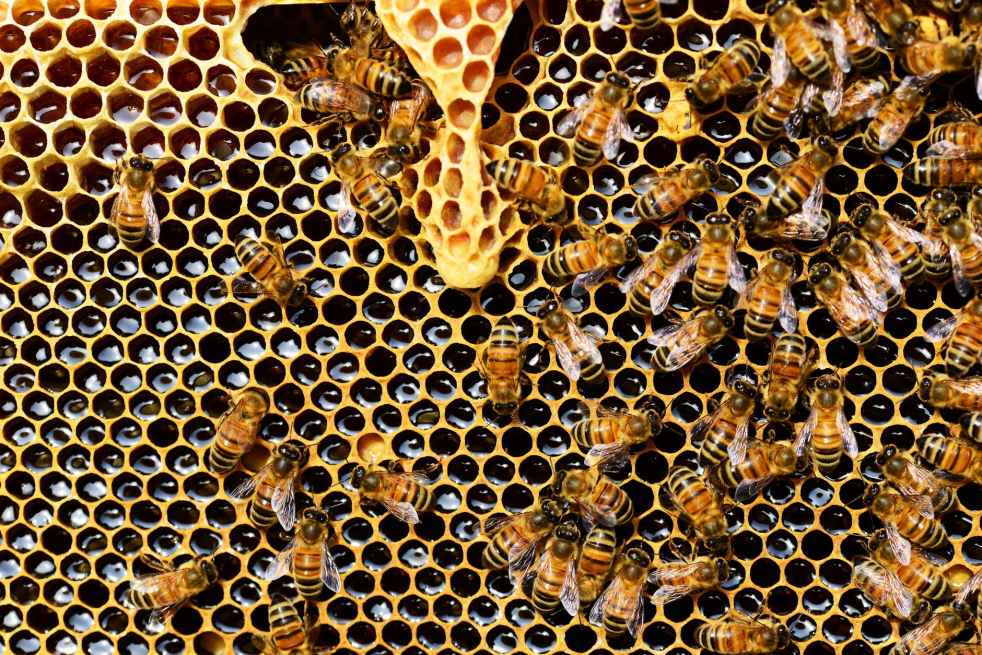
Go To Honey Facial Massage
Honey Facial Massage
The recipe is provided by Willow and Sage by Stampington by Kari Peters.
Honey is an humectant, with means that it draws water to itself, helping to helping to keep your skin moisturized. It’s antibacterial, antifungal and antiviral, making it the perfect spot treatment as well as mask. Honey is suitable for all skin types.
You will need
- 1 table Honey
To make
Apply about one tablespoon of honey to your clean face. Start by dabbing some on your forehead and both checks. Slowly begin to massage in to your skin, taking care around the eyes area. Massage face your face for a couple of minutes to help circulation, and then let the mask set for a minimum of five minutes before washing off.For extra benefits let the mack set for 15-20 minutes.

New Resource: Rehabcenter.net
I added this great resource to Organizations Who Can Help, on the right at the top. Please take a look to see if they can help you or someone you know.
Rehabcenter.net proudly offers an extensive list of centers, rehab programs and treatment facilities to choose from. It is important to keep in mind there are many different factors that contribute to successful recovery. Finding the right rehab program is a huge part of that, and it can be helpful to have an advocate on your side who can assist you in examining all of the options relating to cost, accessibility, length of stay, location, methods of treatment and more.
To contact Megan the Outreach Coordinator directly at https://www.rehabcenter.net/inpatient-rehab-centers/
I appreciate your time and help spreading this important information.
Megan
Outreach Coordinator
RehabCenter.net
Melinda

Friday Quote
“A dog is the only thing on earth that loves you more than he loves himself.”
—Josh Billings (a.k.a. Henry Wheeler Shaw; humorist and lecturer)
“Dogs are not our whole life, but they make our lives whole
―Otto von Bismarck (1st Chancellor of Germany)
“The world would be a nicer place if everyone had the ability to love as unconditionally as a dog.”
—Agatha Christie (author, Death on the Nile

GRIFFY

SHAGGY

Asian tick that clones itself could spread fast and far in the US
By Susan Scutti, CNN 17 hours ago
“This tick can bite humans, pets, farm animals and wildlife,” said Ilia Rochlin, author of the study and an entomologist and researcher associated with the Rutgers University Center for Vector Biology.
Until recently, this species was found only in China, Japan, Korea and southeastern Russia as well as in parts of Australia, New Zealand and the Pacific islands. Then, in 2017, the first established Asian longhorned tick population was discovered in New Jersey, followed by detections in Virginia, West Virginia, Pennsylvania, North Carolina and Arkansas.
Although the tick is capable of causing infectious disease, no cases of illness, either in humans or in animals, have been reported in the United States.
“There is a good chance for this tick to become widely distributed in North America,” Rochlin said. “Mosquito control has been very successful in this country, but we are losing the battle with tick-borne diseases.”
Unusual reproductive abilities
Dina M. Fonseca, director of the Center for Vector Biology, a Rutgers professor of entomology and co-author of a previous report published by the US Centers for Disease Control and Prevention, explained the Asian longhorned tick’s strange capacity to reproduce asexually.
“These ticks are parthenogenetic, which means that females create diploid eggs (with a full set of the mother’s DNA) that develop into adults without needing the DNA of a male,” she wrote in an email. (Fonseca did not contribute to the new study.)
Of nearly 700 species of “hard” ticks — of which the Asian longhorned tick is one — only a handful are known to be parthenogenetic. “So it is a rare ability but not exceptional,” said Fonseca. This unusual method of creating clones means it is possible for the tick to cause “massive” infestations of its hosts. “We have seen very large numbers on livestock as well as on dogs.”
One of the diseases Asian longhorned ticks can transmit is severe fever with thrombocytopenia syndrome, a hemorrhagic illness that has recently emerged in China, South Korea and Japan, according to the previous CDC report.
This syndrome, which also causes nausea, diarrhea and muscle pain, results in hospitalization for most patients and leads to death for up to nearly a third of those infected. This possibility is a concern because a close relative of the illness, the Heartland virus, circulates in Midwestern and Southern states, Rochlin noted.
The tick can also carry other pathogens, including viruses that cause Lyme disease,ehrlichiosis and anaplasmosis, Rochlin said. Each of these illnesses can lead to severe disability.
In Australia and New Zealand, the Asian longhorned tick has transmitted theileriosis to cattle. Also called “bovine anemia,” the illness causes lethargy, lack of appetite and, in pregnant cows, spontaneous abortion or stillbirth. “In some regions of New Zealand and Australia, this tick can reduce production in dairy cattle by 25%,” the CDC report says.
‘Where could it go or where could it be?’
Because the tick has been found in widely separate regions of the United States, Rochlin believes that it “has been present in the United States for a number of years” and is likely to gain additional ground. For his new study, he modeled likely habitats in North America.
He looked at climate data from Asia, Australia and New Zealand where the tick is established and then compared that with climate reports for North America.
The most suitable habitat for the tick included coastal areas as far north as New Brunswick and Nova Scotia to as far south as Virginia and North Carolina, Rochlin found. On the West Coast, the coastal area where the tick is likely to survive ranged from southern British Columbia to Northern California.
Large inland swaths might also become home to this tick: from northern Louisiana to Wisconsin and into southern Ontario and Quebec, as well as westward into Kentucky, Tennessee and Missouri, his study showed.
Asian longhorned ticks can become “very abundant” in favorable habitats, Rochlin said. “Coupled with the aggressive biting behavior of this species and its potential for carrying human and animal pathogens, this species represents a significant public health concern.”
Putting the Asian longhorned tick in perspective
Erika Machtinger, an assistant professor of entomology in Pennsylvania State University’s College of Agriculture, said what’s “wonderful” about the new study is that it gives the “information everybody’s wanting to know: Where could it go, or where could it be?”
Machtinger, who was not involved in the new research, said she likes to “put these scary new things in perspective. The Zika virus was one of those.”
“When you think about the native pathogens that we have here that are a problem, Zika virus was a blip on the radar,” Machtinger said of Zika concerns in mainland United States during 2016. The native pathogen of Lyme disease infects about 320,000 people every year and “can cause mortality. It can cause serious debilitating affects,” she said. “That’s a problem. This [tick] is something we need to be aware of and continue to monitor, but people don’t need to be afraid of this.”
Because there have been few instances of this tick feeding on humans, the bigger concern may be cows and other veterinary issues, Machtinger said. Still, she did not downplay the threat entirely because this is the first introduction of an invasive tick that the United States has seen in 80 years, she said.
Very similar to the rabbit rick, the bird tick and other native species, the Asian longhorned tick was “overlooked for quite a few years,” said Machtinger, who believes that it may have been here since 2010 or even earlier. “That’s the important piece: It’s here, but it’s been here,” she said. “And it’s not going to take over the northeast or eastern part of the US quickly if it does build up numbers.”
Although its ability to clone itself means a tick can easily produce a couple thousand eggs, “so can our native black-legged ticks,” Matchinger said. Ultimately, she said, the Asian longhorned tick may be no more scary than some native species.
Rochlin said this tick species infiltration of the United States “strengthens the need to develop a comprehensive strategy for tick control and tick-borne disease prevention.” He added the best defense for those who are worried is to practice “the usual precautions against tick bites recommended by the CDC,” such as treating clothing and gear with products containing 0.5% permethrin and checking your body for ticks after being outdoors.
Machtinger advised, “be diligent in protecting yourself and your animals.” And, if you happen to find a tick you’ve never seen before, bring it to a veterinarian or a university and ask for help.
“We rely on our community scientists,” she said. “We rely on folks who are out there and find weird things on their animals that they haven’t seen before to bring it [in] and say, ‘Where can I get this identified? Can you help me?’ ”
On This Day December 13th
2000
Vice President Al Gore reluctantly concedes defeat to Texas Governor George W. Bush in his bid for the presidency, following weeks of legal battles over the recounting of votes in Florida, on this day in 2000.
1951
After meeting with FBI Director J. Edgar Hoover, President Harry S Truman vows to purge all disloyal government workers.
1972
Astronaut Gene Cernan climbs into his lunar lander on the moon and prepares to lift off. He is the last man to set foot on the moon.
Birthdays
1925
Dick Van Dyke, actor, singer, producer; (The Dick Van Dyke TV series, Mary Poppins)
1934
Richard D. Zanuck, film producer; won Academy Award for Best Picture in 1989 (Driving Miss Daisy)
1985
France sues the United States over the discovery of an AIDS serum.
1951
Ted Nugent, singer, songwriter, musician, actor.

Where’s WALDO? Packed for Christmas?
The past two days have been one of the worst on WordPress. For a company the size of WordPress with businesses relying of the support, bloggers like me who spend close to $200 a year and all the free sites, we are owed a heads up. Not once has WordPress sent out a notice to bloggers they are aware of the problem and working hard to fix. WordPress takes no accountability for their services.
- Will not save drafts
- Post on other bloggers sites will not come up
- Reblogging doesn’t work
- Deleted two post deleted
- Want to see your site, page is blank
WHAT the hell is going on. I’ve seen other comments this morning, how many of you have experienced the same or other issues.
M
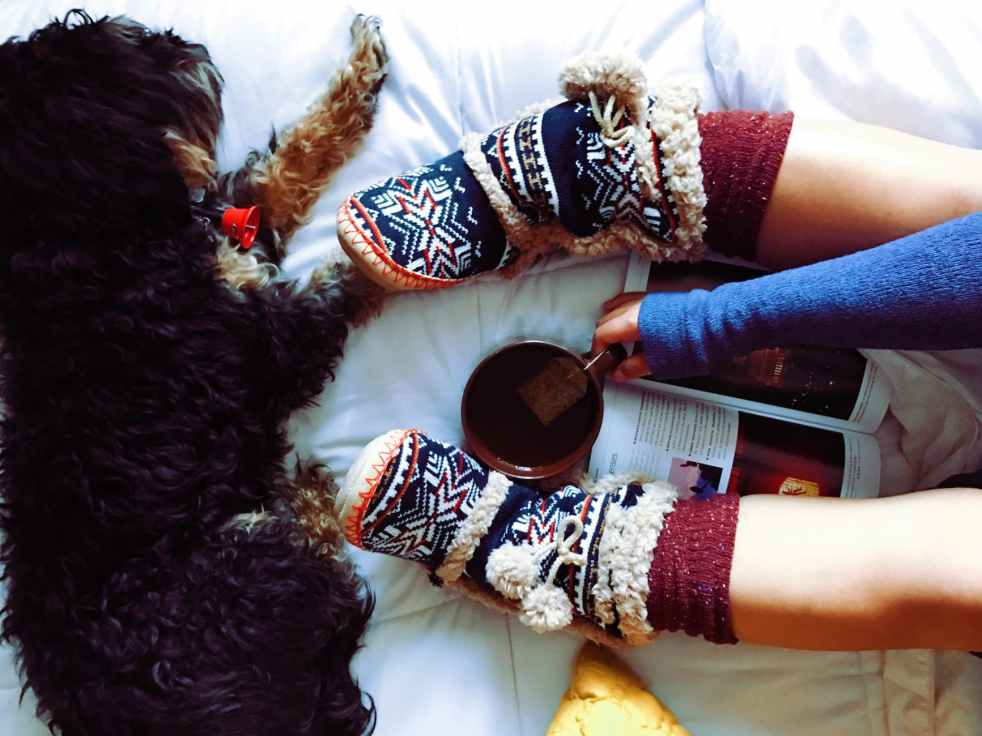
Favorite Socks Challenge
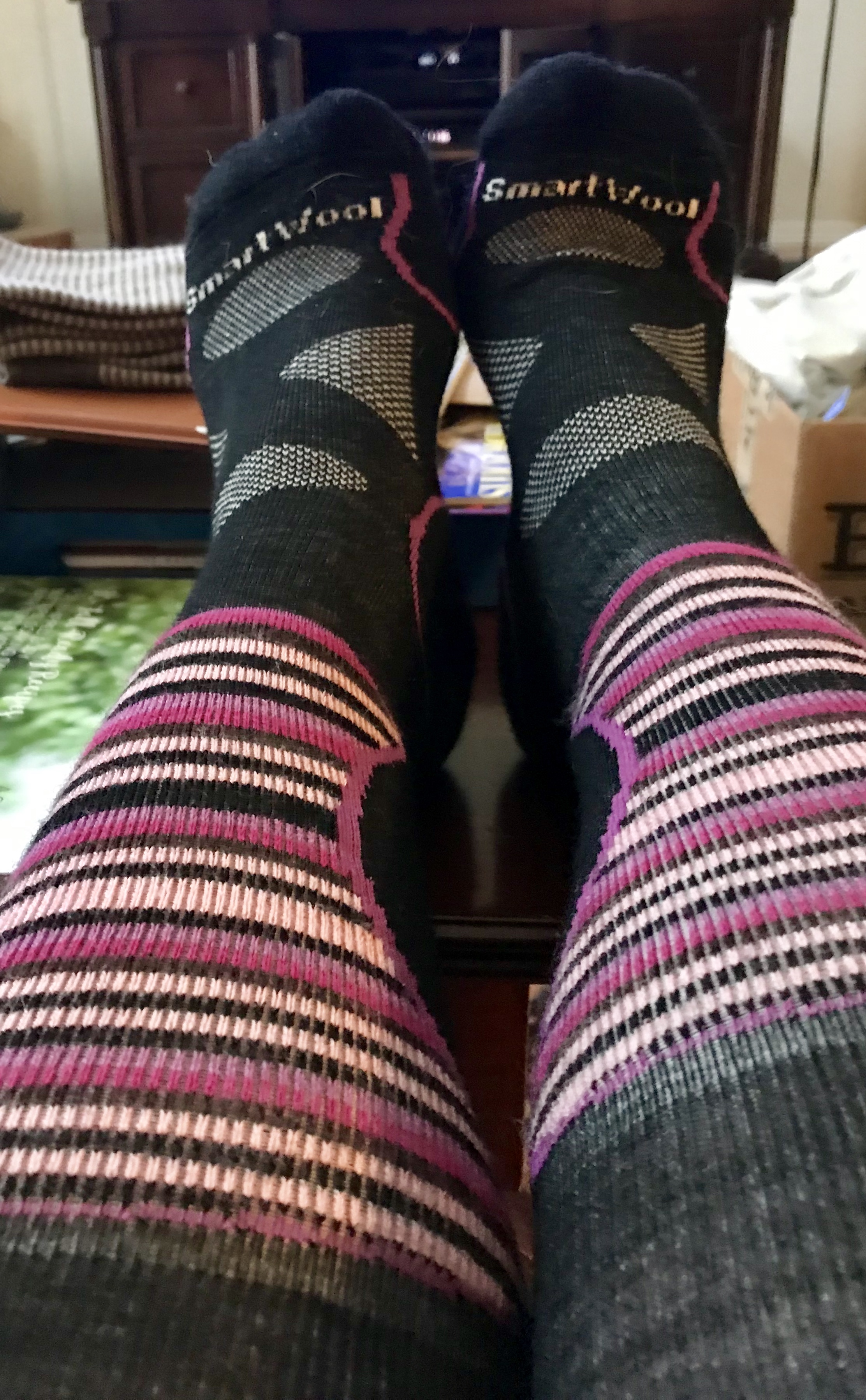
Daniel from http://www.retunrofdragons@wordpress.com has challenged all to show their favorite socks. This is a challenge I can take on and hope you will take part. Show your favorite socks.
The rules are easy, link your post on http://www.returnofdragons.wordpress.com. A panel of WP followers will judge and let us know who has the coolest socks!
These are Smart Wool long hiking socks, they are cool colors and very warm. I look forward to seeing everyone socks!
M
My Secret Obsession — Return of Dragons

“I don’t have a photograph, but you can have my footprints. They’re upstairs in my socks.” ― Groucho Marx NSFW My Secret Obsession I must confess to you, my dear reader, my judge, and jury. I have an obsession. Ahh, see. You caught me in a lie already. I have many obsessions. There, that’s better. […]
 lookingforthelight.blog