Men & Womens Health

Maisie Williams on how ‘Game of Thrones’ stardom impacted on her mental health

Nick Reilly May 16, 2019 10:13 am BST

Read more at https://www.nme.com/news/tv/maisie-williams-says-game-of-thrones-stardom-affected-her-mental-health-2488647#ZzzRIZF429jpTWLX.99

“You can just sit in a hole of sadness”

Game of Thrones actress Maisie Williams has explained how finding fame on the hit show adversely affected her mental health.

The actress, who has drawn widespread acclaim for her portrayal of Arya Stark, told Fearne Cotton’s Happy Place podcast how it was tricky to navigate fame as a teenager.

The star was just 13-years-old when she was cast in the role and said that she often became overwhelmed by negative comments on social media.

“It gets to a point where you’re almost craving something negative, so you can just sit in a hole of sadness,” Williams said.

While Williams now gives less attention to negative thoughts, she admits that she still considers how they affected her.

Maisie Williams

Maisie Williams as Arya Stark

” I still lie in bed at, like, 11 o’clock at night telling myself all the things I hate about myself,” Williams said. “It’s just really terrifying that you’re ever going to slip back into it. That’s still something that I’m really working on, because I think that’s really hard. It’s really hard to feel sad and not feel completely defeated by it.”

Describing her desire for a “normal life” after the show ends on Sunday, Williams admitted: “I don’t want any of this crazy, crazy world because it’s not worth it.”

It comes as fans gear up for the end of the show after eight years – although the final season has proved divisive.

Some have petitioned for the last slice of the fantasy show to be remade, while the penultimate episode scored the lowest rating on Rotten Tomatoes.

RESOURCES

Fun

Hero Biker Helps Father Get Unconscious Daughter To The Hospital Through Heavy Traffic #WATWB #24

We Are the World Blogfest


May 31, 2019

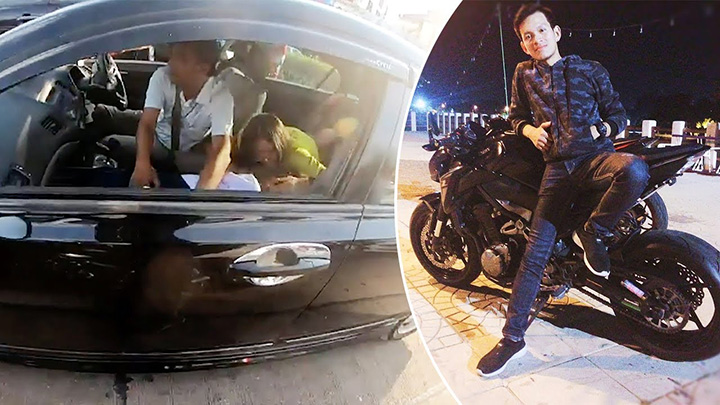
This is the incredible moment a hero biker saved the life of a young girl having an epileptic fit by rushing her to the hospital while her family was stuck in a traffic jam.

biker helps girl get to hospital in traffic jam
Credit: Viral Press

The girl’s father Sorachat Sadudee, 51, was driving home after picking up his two daughters from school in Phitsanulok, central Thailand last week.

His youngest daughter Kaimook, 8, told him that she felt sick and very tired, so he tried to make his way home as quickly as he could.

But the girl had a potentially deadly seizure and started to foam at the mouth before she eventually passed out on the passenger seat while they stuck at a junction.

The father was trying to drive the child to the nearest hospital but he was stuck in heavy traffic. So, he opened the window and shouted for help.

Passing biker Itthiphon Petchphibunpong, 28, noticed the panic-stricken family inside the black sedan frantically trying to wake the girl up. He offered to ride her to the hospital.

Footage shows the motorcycle weaving through rows of cars waiting at junctions.

Kaimook finally arrived at the emergency ward within four minutes – far quicker than her father would have been able to have arrived if he had stayed in the traffic jam. She was saved and later transferred to another hospital.

“I couldn’t thank him enough for his kindness,” Sorachat said. “He saved my daughter’s life. As soon as she is fully recovered, I’ll take her to meet him and thank him again in person.”

Watch the video below.


Please post on that Friday or over the weekend, or, If you have other schedule conflicts, you could post later within the week or add a positive news link and the WATWB badge with another of your regular posts.

This Blogfest is all about spreading the love, so we are happy to exempt you for a month or two if you let us know in advance on this email.

We’ll have to remove you from the list if you don’t post for 2 months after signing up. (Sadly, some people exploit this list for page hits, with no intention of participation.) 

For participants, we take you off the list after 3 months of non-participation, and we hope you understand that. We make every attempt to contact you before taking your link off the list. If you want to join back at another time, just sign up again.

Your cohosts for this month are:  Shilpa Garg, Dan Antion, Mary Giese, Simon Falk , Damyanti Biswas.
Please link to them in your WATWB posts and go say hi!
 

Please link to them in your WATWB posts and go say hi!

Once again, here are the guidelines for #WATWB

1. Keep your post to Below 500 words, as much as possible.

2. Link to a human news story on your blogone that shows love, humanity, and brotherhood. Paste in an excerpt and tell us why it touched you. The Link is important, because it actually makes us look through news to find the positive ones to post.

3. No story is too big or small, as long as it Goes Beyond religion and politics, into the core of humanity.

4. Place the WE ARE THE WORLD badge or banner on your Post and your Sidebar. Some of you have already done so, this is just a gentle reminder for the others.

5.Help us spread the word on social media. Feel free to tweet, share using the #WATWB hastag to help us trend!

Tweets, Facebook shares, Pins, Instagram, G+ shares using the #WATWB hashtag through the month most welcome. We’ll try and follow and share all those who post on the #WATWB hashtag, and we encourage you to do the same.

Have your followers click here to enter their link and join us! Bigger the #WATWB group each month, more the joy!

We will send you another reminder a few days prior– we look forward to reading all your positive, heartwarming WATWB posts!

Many thanks and best wishes,

#WATWB team

Men & Womens Health

We Need To Stop Focusing On the Mental Health of Mass Shooters

By Deborah DoroshowDeborah Doroshow is a physician and historian of medicine at Yale University and the author of “Emotionally Disturbed: A History of Caring For America’s Troubled Children.”May 20

In the two decades since the massacre at Columbine High School, digging into the psychology of mass shooters has sadly become an all-too-familiar habit — now something we seem to do almost weekly.

After the Virginia Tech shooting in 2007, media coverage pointed to the shooter’s odd behavior as a child and his near-mutism as a college student. After the mass shooting at Sandy Hook Elementary School in Newtown, Conn., in 2012, newspapers described the shooter as “withdrawn and meek” and suggested that he might have had Asperger syndrome. The two people responsible for the shooting at STEM School Highlands Ranch in Colorado on May 7 are already the subjects of forensic investigation of their presumed troubled pasts.

This practice is not just a phenomenon of the post-Columbine era of mass shootings. It has its roots in the early 20th century, and it represents an effort to shift blame and find an area of consensus after massacres that could otherwise force uncomfortable conversations. In the process, this practice fosters stigma against one of the most vulnerable groups of Americans: the mentally ill.

In the late 19th century, reports of mass shootings were typically very brief. But by the turn of the century, coverage grew more detailed, often describing how the shooter had gone “suddenly insane” as a result of financial losses or a romantic mishap.

Starting in the 1930s, newspaper coverage of shootings expanded. Journalists and those affected by the shootings searched for clues in the shooter’s past that might explain why the tragedy took place. They used the Freudian language of “complexes” that had become a part of daily conversation and the psychiatric language of diagnostic categories to offer an answer.

The first case dissected in this way was the murder of two professors and the wounding of a third at the Columbia University dental school by technician Victor Koussow in 1935. The New York Herald Tribune and the New York Times immediately speculated on the shooter’s mindset. Koussow was a Russian immigrant who claimed to have served in numerous lofty positions and been awarded medals for military bravery while in Russia. Colleagues described him as suffering from a “Napoleonic complex” and a “persecution complex,” while journalists concluded that his menial work in light of his (real or imagined) past in Russia contributed to a “superiority complex” and led him to kill colleagues who had not properly respected his achievements.

Five years later, Verlin Spencer, a junior high school principal, killed five colleagues in South Pasadena, Calif., soon after he had learned that his contract was in jeopardy. Immediately, speculation abounded that his attack was caused by a “persecution complex,” because Spencer had frequently blamed his colleagues for gossiping about him and trying to get him fired. Journalists and colleagues noted a medical leave a year prior for a “nervous breakdown,” suggesting that the problem was not new. Over the next several days, the Los Angeles Times continued its investigation of Spencer’s mind. He had been overworked and lacked sleep; he had been dismissed from a previous job because of mysterious “morals charges” involving a female student; he was terrified of failure; he was addicted to bromides for constant headaches and to amphetamines for his fatigue.

In both cases, this analysis mingled with tributes to the victims, but reporting did not include discussions about how to prevent future shootings. This began to change in the 1940s and 1950s. After 14-year-old Billy Prevatte shot and killed one teacher and wounded two others at his junior high school outside Washington, D.C., in 1956, citizens wrote letters to The Washington Post arguing for increased attention and resources, not only to treating emotionally disturbed children, but also to preventing childhood mental illness in the first place.

A sea change occurred with the 1964 release of the Warren Commission report, which investigated the assassination of President John F. Kennedy. Among its findings, the commission determined that Lee Harvey Oswald had been an emotionally disturbed child. Mental health experts and journalists seized on Oswald’s story as a means of fomenting fear about a potential epidemic of childhood mental illness sweeping the nation. This conversation fostered results: In 1969, the presidentially commissioned Joint Commission on the Mental Health of Children announced that 1 million emotionally disturbed children in the United States were going without treatment, declaring a crisis in child mental health and recommending a renewed commitment to offering support to combat this national epidemic.

This newfound focus helped start the now-familiar pattern, where we look to the abnormal psychology at the root of a shooter’s actions when trying to come to grips with senseless violence. Many then conclude that the mental health system is broken, proffering solutions that have all too often not come to fruition.

This psychoanalysis serves several purposes. Fundamentally, it’s an attempt to figure out how someone so dangerous could slip through the cracks. Blaming mental illness, which is increasingly understood as a result of abnormal biology, allows us to avoid tough or uncomfortable questions such as why specific people, like parents or teachers, didn’t see it coming and do something to prevent it. Focusing on mending a broken mental health system also redirects blame from individuals to infrastructure. Blaming mental illness also allows people to sidestep the inflamed and often vitriolic battle over gun control that erupts in these moments. Consensus is often easier to come by on mental health issues.

But we must resist this tendency, sensible though it may seem, to make mass shootings a cautionary tale about our broken mental health system. Although the mentally ill are depicted in the popular imagination as dangerous, unpredictable and violent, decades of research have shown that mental illness accounts for only a small proportion of violent crimes. By linking mass shootings to debates about mental health, we are perpetuating the stereotype of the mentally ill as violent and the stigma that this already vulnerable group of people must contend with on a daily basis. And it’s a stigma with consequences: People with mental illness are less likely to seek out help.

Mental health services undoubtedly need and deserve increased funding. But we should take care not to make this the defining lesson of each mass shooting. Doing so stigmatizes the mentally ill and prevents us from having the sorts of hard conversations that we need to have about what really causes mass shootings and how we can prevent them.

Fun

Today in History May 30

Photo by Andrey Grushnikov on Pexels.com

1806

Already infamous for his quick temper, Andrew Jackson challenges Charles Dickinson to a duel for publishing an article citing Jackson’s wife’s bigamy. America’s future seventh president takes a bullet that lodges near his heart, and then carefully aims at his foe, fires, and kills him.

1911

The world’s best drivers compete for a purse of $27,550 at the 1911 International 500-Mile Sweepstakes Race, Indianapolis Motor Speedway’s first ‘500’ competitionRay Harroun comes out of retirement for the race, and he wins it in his self-built six-cylinder Marmon ‘Wasp.’

1935

Playing for the Boston Braves, Babe Ruth appears in his final Major League Baseball game, striking out once before injuring his knee in the first game of a double-header. He will officially retire three days later, with records for career home runs and RBIs, among others.

BIRTHDAYS

1903 Countee Cullen American Poet

1909 Benny Goodman Clarinist

1974 CeeLo Green Musician

1979 Clint Bowyer Race Car Driver


Fun

Gardening Guru’s what is this creepy crawly hanging around.

This year I planted Dill around some flowers to prevent the creepy crawlers eating my flowers. They love the dill and so far have stayed away from my flowers.

They are non-stop eaters and are a bright green striped color. I saw one digging in the ground, slowly making a hole for, what I don’t know. Later in the afternoon, the hole was covered.

I would appreciate any help you can provide on what they are, are they good pest and do they just eat and have babies?

Thanks for all your help!

M

Fun

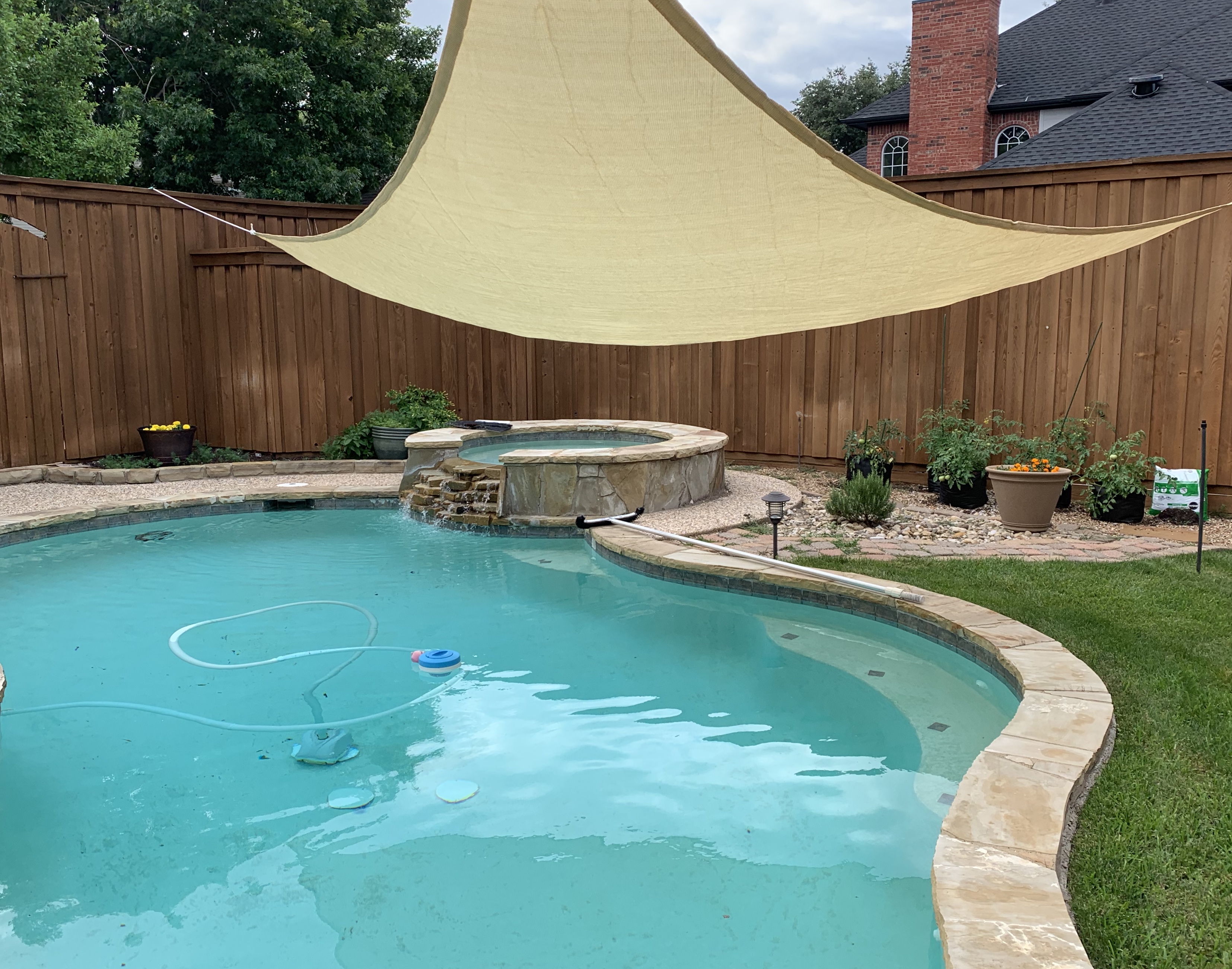
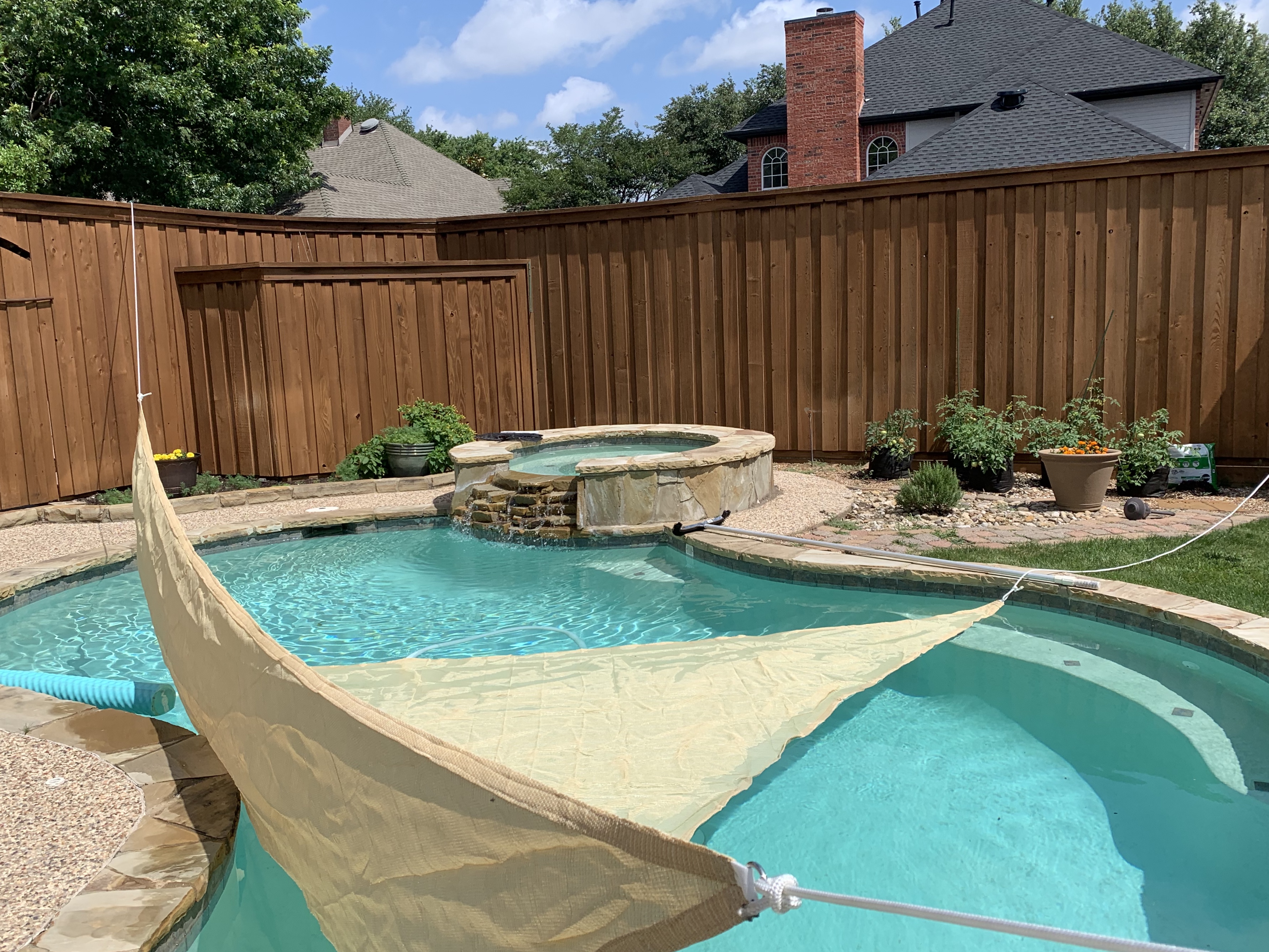
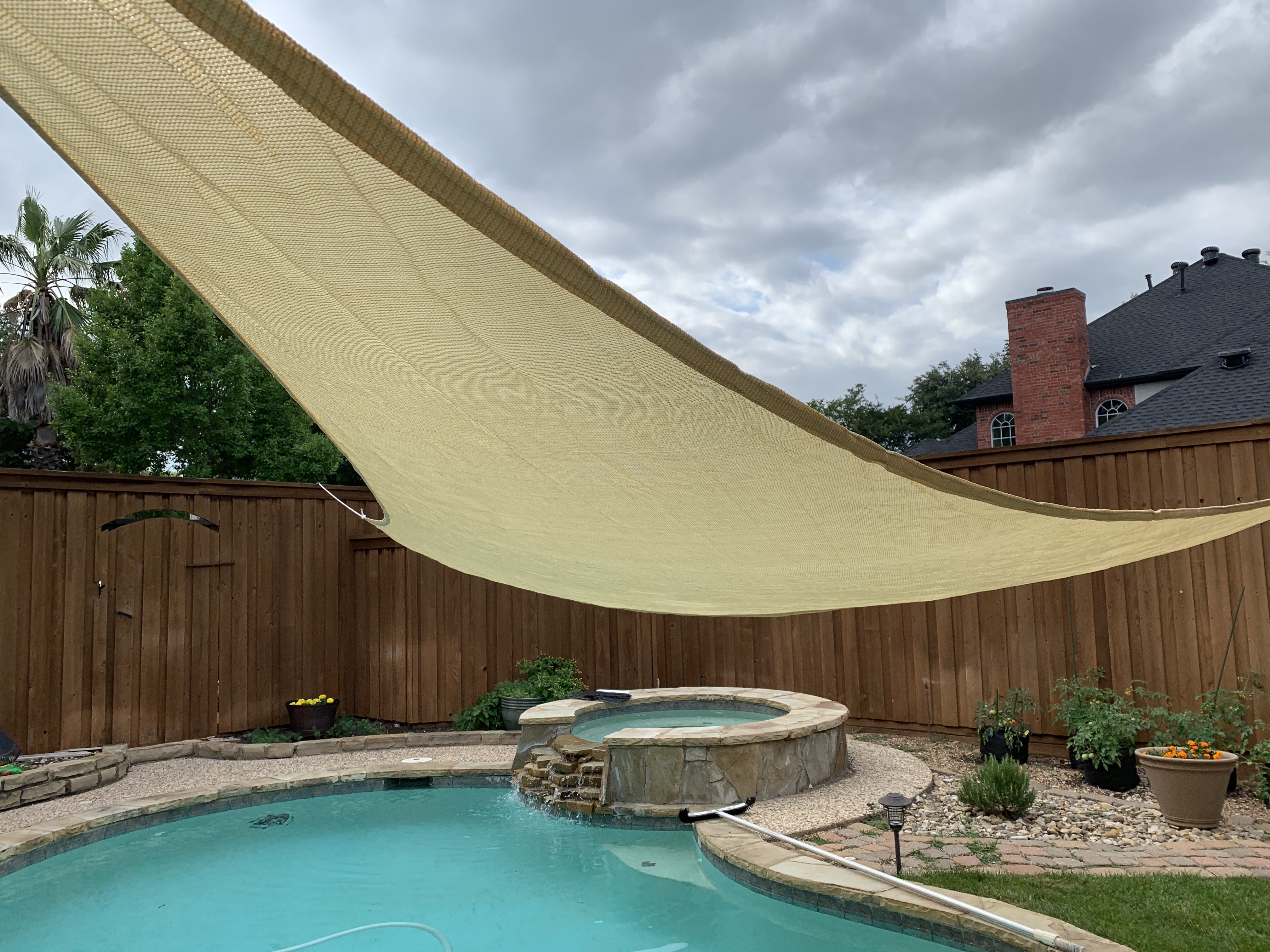
Weekend DIY Pool Sun Shade

I enjoyed the swimming pool for the first time in years. Because of massive antibiotics to treat Lyme dieases I couldn’t be in sun for more than 5-10 minutes without a major burn. My husband installed a sun shade for my swimming enjoyment. Yeah!

I hope you had a great holiday weekend.

M

Health and Wellbeing

Anesthesia for Chronic Pain?


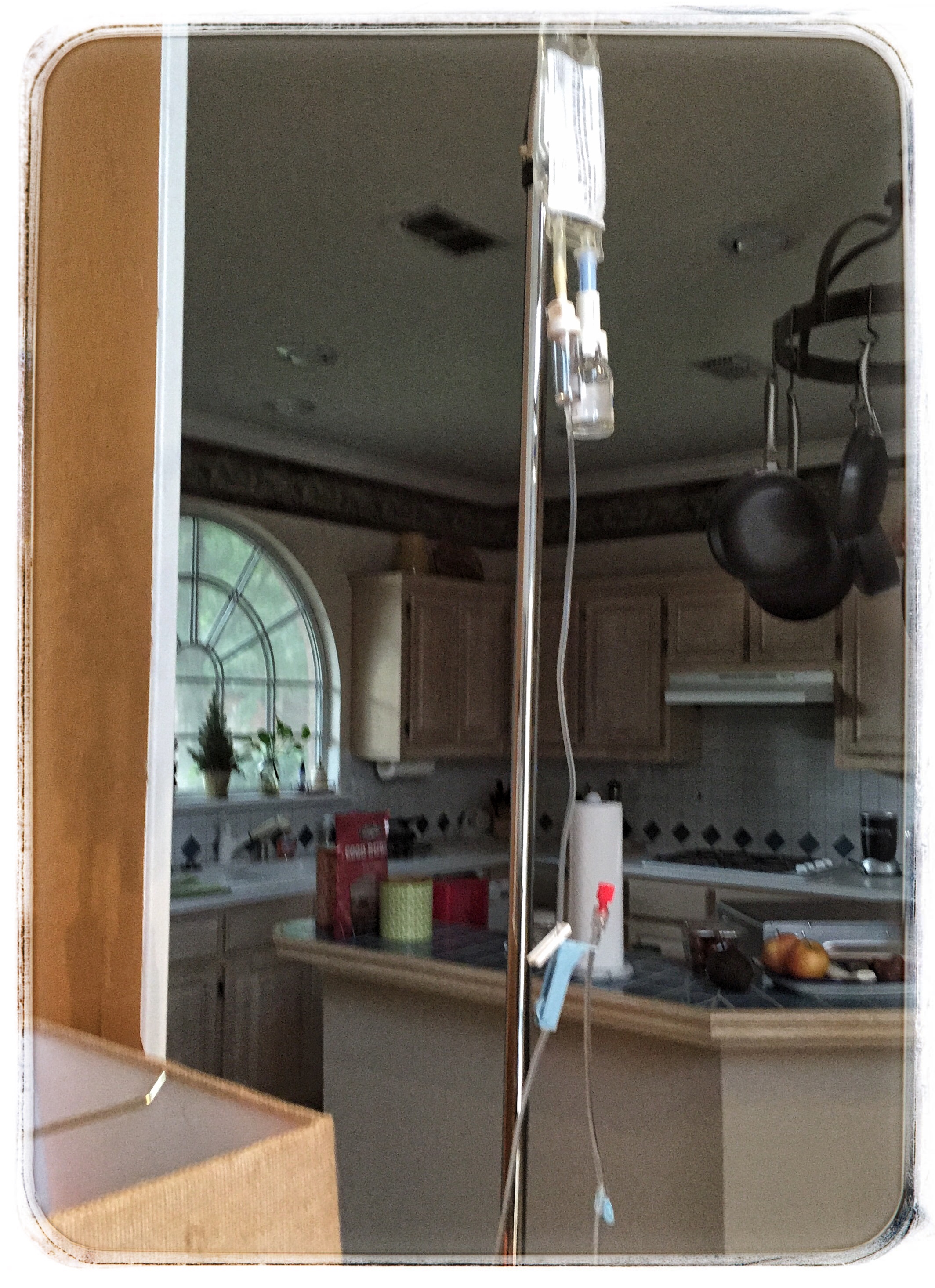
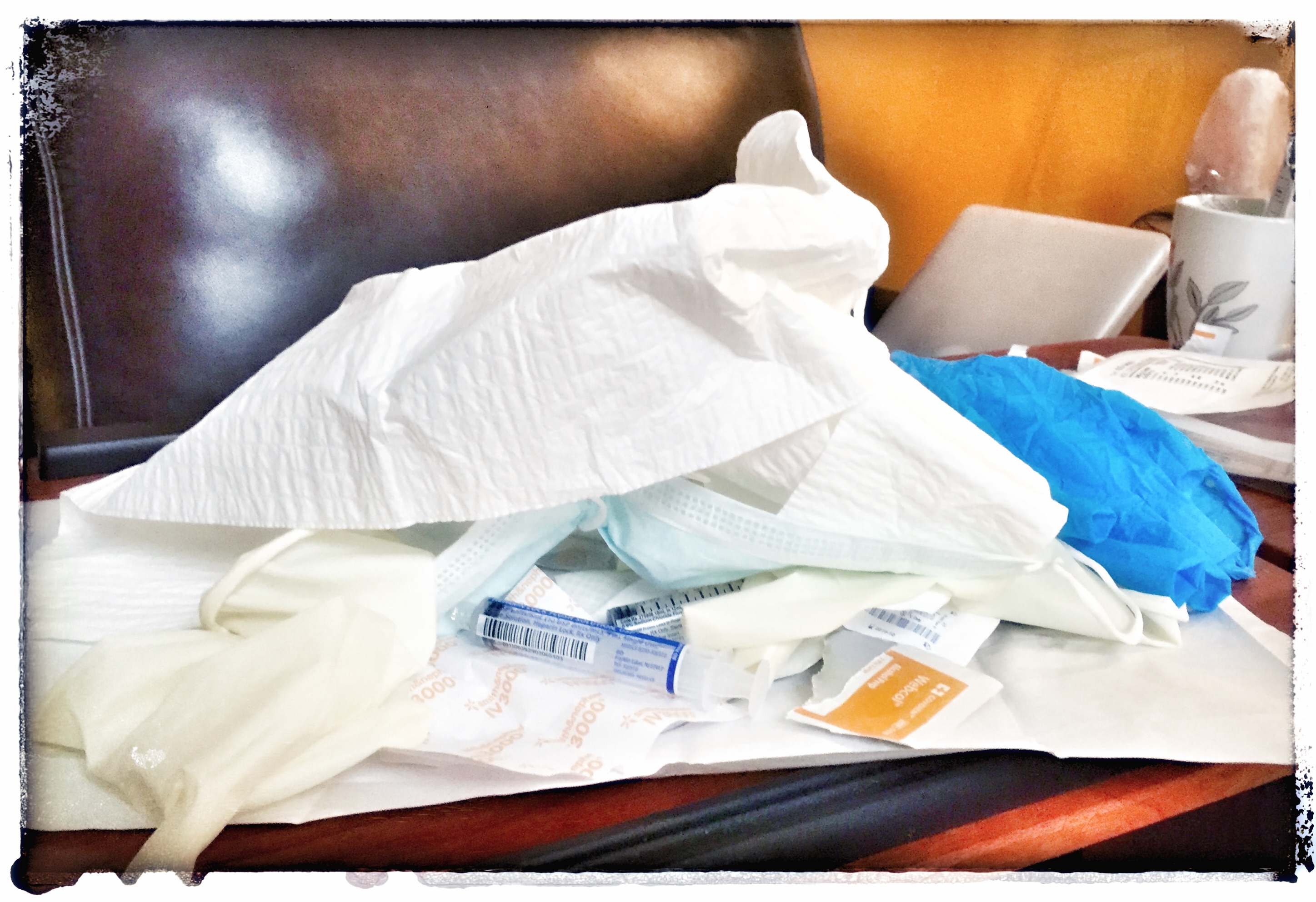
Ketamine is an anesthesia used since the 1960s and has since been proven to work for Chronic Pain and Mental Illness. My pain levels have been through the roof and walking the last 15 days has been difficult. I made the decision to try something radically different. I had my first Ketamine treatment was yesterday.

I  read about the LSD effect of Ketamine, this helped me prepare. First, it’s been ages since I’ve done LSD (Acid) and one experience was not pleasant at all. If you’ve not taken LSD you may keep a couple of things in mind.

I wasn’t afraid but started to get nervous as we arrived, I started preparing for this out of body experience. I ask the doctor to include anxiety medicine, the last thing I wanted was a panic attack.

You lay on a table in the patient room, bring your own pillow if you like. That was the worst part of the treatment, those little pillows doubled over. You are in full control of your limbs but maybe be a slower response, the medicine starts to work immediately and you may feel nausea.

Many people go to sleep or half-sleep at this point. I wanted to feel the entire “trip”, the anesthesiologist said if you’re not tripping it’s not working. One of the most common experiences was feeling outside of my body. The people’s voice around me sounded amplified yet I couldn’t make out what they were saying.

I couldn’t get my earbuds to work, crap! I wanted to listen to 70’s Rock & Roll. Instead, I positioned my self sideways and looked outside at the streets. If I let myself there could have been a few anxious moments, I focused on breathing.

I was in a semi-numb state but could handle phone without dropping. Your mind is twisted and turning during the 1.5-hour treatment.

I’m ready to see how this treatment helps.

P.S. It’s hard to know how much the Ketamine treatment worked by itself since the doctor doubled my pain med and wrote a script for topical pain relief. I’ll keep you posted after my next treatment.


Medical information provided by Wikipedia.


Ketamine is a medication mainly used for starting and maintaining anesthesia.[18] It induces a trance-like state while providing pain reliefsedation, and memory loss.[19] Other uses include for chronic pain, sedation in intensive care, and depression.[20][21][13][22] Heart function, breathing, and airway reflexes generally remain functional.[19] Effects typically begin within five minutes when given by injection and last up to about 25 minutes.[18][23]

Common side effects include agitation, confusion, or hallucinations as the medication wears off.[24][18][24][25] Elevated blood pressure and muscle tremors are relatively common.[18][25]Spasms of the larynx may rarely occur.[18] Ketamine is an NMDA receptor antagonist, but it may also have other actions.[26]

Ketamine was discovered in 1962, first tested in humans in 1964, and was approved for use in the United States in 1970.[23][27] It was extensively used for surgical anesthesia in the Vietnam War due to its safety.[27] It is on the World Health Organization’s List of Essential Medicines, the most effective and safe medicines needed in a health system.[28] It is available as a generic medication.[18] The wholesale cost in the developing world is between US$0.84 and US$3.22 per vial.[29] Ketamine is also used as a recreational drug for its hallucinogeniceffects.[30]

See also: Esketamine § Depression

Ketamine has been found to be a rapid-acting antidepressant in depression.[13][49][50][51][52] It also may be effective in decreasing suicidal ideation, although based on lower quality evidence.[53][54][55] The antidepressant effects of ketamine were first shown in small studies in 2000 and 2006.[10] They have since been demonstrated and characterized in subsequent studies.[10] A single low, sub-anesthetic dose of ketamine given via intravenous infusion may produce antidepressant effects within four hours in people with depression.[10] These antidepressant effects may persist for up to several weeks following a single infusion.[10][56] This is in contrast to conventional antidepressants like selective serotonin reuptake inhibitors (SSRIs) and tricyclic antidepressants (TCAs), which generally require at least several weeks for their benefits to occur and become maximal.[10]Moreover, based on the available preliminary evidence, the magnitude of the antidepressant effects of ketamine appears to be more than double that of conventional antidepressants.[10]On the basis of these findings, a 2017 review described ketamine as the single most important advance in the treatment of depression in over 50 years.[56] It has sparked interest in NMDA receptor antagonists for depression, and has shifted the direction of antidepressant research and development.[57]

Ketamine has not been approved for use as an antidepressant, but its active enantiomeresketamine, has been.[57] Esketamine was developed as a nasal spray for treatment-resistant depression and is approved for use in the United States.[10] While there is evidence to support the effectiveness of ketamine in treating depression, there is a lack of consensus on optimal dosing and the effects and safety of long-term therapy.[52][58] Ketamine can produce euphoria and dissociative hallucinogen effects at higher doses, and thus has an abuse potential.[10][59] Moreover, ketamine has been associated with cognitive deficitsurotoxicityhepatotoxicity, and other complications in some individuals with long-term use.[10][59] These undesirable effects may serve to limit the use of ketamine for depression.[10][59] Dozens of “ketamine clinics” have opened across the United States, where intravenous ketamine is used off-label to treat people with depression.[60]


Fun

#Weekend Music Share Bon Jovi

Welcome back to Weekend Music Share; the place where everyone can share their favourite music.

Feel free to use the ‘Weekend Music Share‘ banner in your post, and don’t forget to use the hashtag #WeekendMusicShare on social media so other participants can find your post.


Memorial Day Weekend is a day to honor our military who made the ultimate sacrifice. I will never say enough thank you’s to our military. The American Military keeps America a FREE country.

Being a long holiday it can also mean time spent on the water, grilling out and sharing good times with friends and family. I’m going with a great party tune.

Be safe and enjoy time with friends and family. Make some memories.  M