More than two years into the movement, male victims grapple with consequences after speaking out, from mockery to job offers drying up: “I’ve never been so vulnerable in my life.”
Last fall, Johnathon Schaech was running out of options. After making a living as an actor for 30 years — 1996’s That Thing You Do! was his breakout — he was in danger of losing his SAG health insurance from lack of work, and he and his wife were trying to have a baby. Schaech, 50, had become something of an unwitting spokesman for male #MeToo victims in 2018 after he said Italian director Franco Zeffirelli had sexually assaulted him on the set of the movie Sparrow in 1993. (Before Zeffirelli died in June 2019, his son, Pippo, denied the allegations in People magazine.) In the aftermath of that disclosure, Schaech found his acting opportunities drying up, and he parted with his agency, APA, and manager, Risa Shapiro.
“I’ve never been so vulnerable in my life,” Schaech says. “Like, whoa, wait a minute. What did I just do?” Schaech was unsure if his newfound vulnerability was hurting his confidence as an actor or if he was being blacklisted for speaking out. “People were taking one side of the #MeToo movement or the other, like a friend of theirs was called out or a friend of theirs was affected,” he says. “They didn’t necessarily hear my story. They heard their story.” Schaech began reaching out to friends for help and secured a meeting with showrunner Greg Berlanti, for whom he had worked on The CW show Legends of Tomorrow. They spoke about parallels between the way gay people in Hollywood had historically been shunned after they came out and the way Schaech worried the industry might be treating him now. Berlanti re-hired Schaech, allowing the actor to retain his health insurance.
It was a small act of kindness during what has been a turbulent time for Schaech and for many men like him who were inspired by the mostly female-driven #MeToo movement. For entertainment industry men, as with women, sexual assaults and harassment have often come from powerful agents, executives and directors. But male accusers have often faced a different set of stigmas and questions than their female peers: Couldn’t a “real man” fend off another man? What does their experience say about their sexuality? Are they being homophobic or outing someone by going public? “If this happens to you as a man, it’s looked upon as a weakness,” Schaech says.
Daniel Zuchnik/WireImage; Brian To/FilmMagic; Arnaldo Magnani/Getty ImagesFrom left: Spacey, Venit and Zeffirelli
Among the first Hollywood men to counter that narrative was Brooklyn Nine-Nine star and former NFL player Terry Crews, who reached a settlement with WME in 2018 after alleging that Adam Venit, then head of the agency’s motion picture department, repeatedly grabbed his genitals at a 2016 industry party. In a string of tweets posted days after TheNew York Times and The New Yorker first ran stories on Harvey Weinstein’s abusive behavior, the 6-foot-2, 240-pound Crews detailed his alleged sexual assault. Venit apologized, was suspended and stripped of his title at WME and ultimately retired. Crews would go on to endure mockery, including from 50 Cent, who posted on Instagram that had he been the man assaulted, “they would have had to take me to jail.” Crews, who declined to comment for this piece, also was heralded for speaking out, including being named one of Time‘s 2017 people of the year (as part of a group of “silence breakers”). And he has continued to work steadily, including serving as a host on America’s Got Talent and keeping his role as a lieutenant on Brooklyn Nine-Nine, which is set to shoot its eighth season.
My migraine journey started off very quickly, painful, and terrifying. I had no idea what was happening since I had not had a migraine before. I thought something else was wrong with me. Maybe my eyes were strained, maybe I was under to much stress, maybe my brain tumor had come back, I just didn’t know.
I would leave work as soon as I could to go home and lay down and pray for sleep. The pain was unlike any headache I ever had and my doctor called me “a headache person”. I was at the height of my career as a Senior Sales Manager, my whole week was spent in front of clients. It was excruciating to make it through a meeting before I could rush home and take a shot.
I was at more than one corporate meeting and have to leave, take an injection, and go back to the meeting. Those injections make you feel very strange, drugged, almost stoned. I would sit through the rest of the meetings and not remember half of what was said. Thank goodness I can take notes.
After experiencing several migraines in a month I went to my general doctor for help. At first, he gave me the injections to take, since I was only having a couple a month the injections should help. When my migraines starting happening every week the doctor put me on Beta-Blockers. I took them until the side effects were too much and I was still getting migraines.
He then put me on a daily pill for prevention and I continued to use the injections. I hobbled along like this for almost two years. Multiple migraines a week, missed work, missed family outings, and missing out on life. Migraines ruled my world.
One day while talking with my doctor and him scratching his head for answers, he said wait a minute, I read an article that might help us. He pulled it out and read it over and made a referral to an Ear, Nose, and Throat doctor.
Sure enough, I had a deviated septum and the pressure was causing my migraines. I had the out-patient surgery and have had far fewer migraines since.
Here’s some technical information about deviated septum.
For most patients, a deviated septum is something they are born with or that they developed as they were growing up. In some cases, a septum can become crooked as time passes or as a result of traumatic injury. Aside from irregular air flow, the following symptoms may arise from a deviated septum:
Nosebleeds
Congestion
Sinus infections
Snoring
Runny nose
Headaches
When a Deviated Septum Causes a Headache
The association between a deviated septum and the migraine condition can be found in sinus infections. When mucus becomes blocked, it can lead to infections, discomfort and headache, which may in turn cause stress and trigger a migraine episode in some patients. It is important to note that the sinus infection is acting as a trigger of stress rather than a direct trigger of migraines.
A deviated septum can be cured with a surgical procedure known as a septoplasty, which can be performed on an outpatient basis. For patients who suffer from major sinus infections, headaches and snoring, a septoplasty can bring about a major improvement in terms of quality of life. This may also be the case for patients who live with chronic migraine conditions, but only if the majority of their episodes were actually triggered by stress emanating from sinus infections or lack of sleep. According to Migraine Relief Center.
I’m so glad my doctor kept up with reading the medical journals or who knows how much longer I would have had to suffer. If you have constant or more than normal migraines, see an Ear, Nose and Throat doctor. Maybe you will be lucky enough to have a fixable problem.
*Just a note about having nose surgery*
My surgery was around 1994 so the way doctors approach nose surgery may be different today. At the time there were two schools of thought. Packing the nose and not packing the nose after surgery. Thank God my doctor was of the “not packing” school of thought. What that means is after my surgery there were no gauzes packed into my sinuses. I had to take these long q-tips and put Neosporin way up my nose for two weeks. During that time I had to be careful when sneezing and blowing my nose. At the end of the two weeks I went in for a check-up and he gave me the green light everything had healed fine.
The “packing” school of thought is packing your sinuses with gauze. I don’t remember how long you had to leave them in. When it is time for them to be removed, the doctor pulls them out through your nose. Most people I talked to said you want to lose your cookies when they come out. The only comparison I have is when my belly button was pierced. I felt like my stomach was coming up through the needle when he pierced me. To say it was painful is an understatement.
I hope the technology is different today but you might want to ask your doctor before surgery.
For those of you who continue to suffer from migraines, my heart goes out to you. I know how they can disrupt your day and your life. Keep looking for answers, keep reading the medical journals.
Anxiety, chronic pain, and depression are among some of the most common issues in the world and a lot of medicines do not really assist purely with these symptoms. That is why there are plenty of alternatives that can assist, such as CBD. There are plenty of different types of CBD and they work in different ways. They can also be ingested in many forms. Why not take a look at CBD Living Gelcaps to see the benefits. Taken as supplements that can really assist.
CBD has proven benefits on the body and they are renowned as essential supplements that support a healthy immune system, which can benefit your body and boost your natural defenses. Vitamin C supports all aspects of immune function needed for optimal antibody production, whilst Vitamin D is important for improved resistance, and Bilberry is packed with antioxidants that are beneficial to improving the overall immune system. By keeping your immune system healthy, you are keeping your body healthy as the immune system is key to keeping our bodies working healthily. Anxiety and depression often come hand in hand and you can look at some of the ways in which they can affect daily life.
Rapid heart rate
Palpitations
Chest pain or tight chest
Headaches
Sweats
Fear
Mental symptoms such as entrapment, doom, or fear.
You should always talk to your doctor if you have any of these symptoms as there are plenty of ways in which you can help yourself to overcome the symptoms. They are certainly not pleasant and can affect daily activities, including work, which is why taking supplements and also maintaining a healthy lifestyle can really help. Distraction is a huge key for people with anxiety and depression. Focusing on other things and looking at the benefits of new tasks and new adventures. When you don’t have access to your doctor or therapist, then there are some little things that you can add to your life just to give yourself that little boost when you need it.
Listen to music that is upbeat and inspires you.
Have a real laugh! (With friends if possible)
Take a walk around the park or the streets.
Declutter things, keep things simple in the house.
Give someone a hug and start smiling more, it helps reset the brain.
Think about the good things that you have and when things went well.
Allow yourself time to talk things through.
Talking through problems is so important because a problem shared is a problem halved and without this mentality, you will block things in your mind and keep yourself from progressing further. You need to be open to talking and to appreciate that mental health issues are common and you are never alone. With the help of CBD supplements and a great network, you are on the way to recovery. If you feel you have nobody to talk to then be sure to look at places online to help you where you can join online groups and forums.
Moving through the world as a black woman, I am accustomed to not being represented as “the norm.” Everything from the hue of the Band-Aids that cover my wounds to the heroes in the movies I watch makes me acutely aware of my deviation from what is typical and expected: I am black and female, whereas the world represented around me is often white and male. For me and for many members of minority groups in the United States, this realization does not come as an epiphany but is instead an essential fact that we must come to understand to navigate the world in which we live. It was not until I started medical school, however, that I realized the ways in which the standard representation of white and male might affect medical education — and consequently the quality of care that my peers and I will provide to our future patients.
I began to ponder this issue after taking my school’s mandatory in-person CPR training course. The paramedics walked in with large bags filled with plastic mannequins and opened them to reveal that all our “patients” were white male bodies. I left the 2-hour course without any knowledge of the nuances of performing CPR on patients with breasts or the potential precautions we should consider for pregnant women. These gaps are particularly troubling since women are less likely than men to receive bystander CPR because of fears regarding inappropriate touching, potential accusations of sexual assault, and causing injury.1
I had a similar feeling during a microbiology class as our professor swiftly moved through the final points of a lecture. The topic of the day was extracellular pathogens, and the star of the lesson was Borrelia burgdorferi, the bacterium known to cause Lyme disease. “A hallmark of stage 1 Lyme disease is a bull’s-eye rash, erythema migrans, which typically appears 3 days after infection,” the professor explained confidently. Behind him was an image from the Centers for Disease and Control and Prevention of a prominent red bull’s-eye rash on white skin. Shortly after the explanation, a classmate raised his hand and asked the professor, “How do you recognize this rash in patients with darker skin?” The professor responded that it is more difficult to see the rash on melanated skin (see figure) and moved on to the next slide.
Class ended and I felt unsatisfied with the idea that the answer could be so simple: “Stage 1 Lyme disease is hard to see in patients who are not white, so therefore we don’t depend on rash recognition for diagnosis.” It didn’t feel right, so I decided to look for answers. My first stop: Google. I searched “bull’s-eye Lyme disease” and the first page of images was populated with photos similar to the ones I had seen in class: a homogeneous representation of the rash on white skin. I was not surprised, but I was disappointed.
My mind started racing with questions: “Is the diagnosis of Lyme disease in black and brown patients delayed? Do these patients therefore present with more advanced symptoms, such as neurologic disorders and arthritis, than white patients?” More research revealed that my hypotheses were correct. One study of patients with Lyme disease found that there was a higher proportion of diagnoses of arthritis (late-stage Lyme disease) and a lower proportion of diagnoses of erythema migrans (stage 1 Lyme disease) among black patients than among white patients.2 The authors concluded that this difference could be attributed to a failure to recognize early signs of the disease in black patients.
From the images in textbooks used in medical schools to the photos displayed at medical conferences, patients of color are grossly underrepresented in medical educational material.3 If medical students and trainees are taught to recognize symptoms of disease in only white patients and learn to perform lifesaving maneuvers on only male-bodied mannequins, medical educators may be unwittingly contributing to health disparities instead of mitigating them. Most worrisome, the United States may be in danger of graduating large numbers of physicians who are unable to serve the needs of our ever-diversifying patient population.
Many medical schools throughout the country have integrated courses about health disparities into their curricula and have made diversity and community engagement key pillars of their institutional missions. Such efforts may fall flat, however, if we don’t ask ourselves important questions: What is the true value of these institutional reforms if we continue to underrepresent minority populations and women in our foundational learning material — or exclude them altogether? How might this lack of representation indirectly contribute to the disparities we seek to address? And, what moral responsibility do medical schools have to ensure that students graduate with the tools and experience necessary to equitably treat these patient populations?
As a first-year medical student, I have considered steps we can take to address these inequities during the early stages of medical education. First, it is essential that medical schools obtain female-bodied mannequins so that students can comfortably learn about the nuances of performing CPR on patients with breasts. Schools could also develop a complementary curriculum addressing common misconceptions about female bodies, appropriate touching, and follow-up conversations about consent. Second, medical educators should strive to include images of more than one skin type in their learning material. Reference photos of patients with nonwhite skin have already begun to be collected on online platforms such as Brown Skin Matters and VisualDx; such collections could be used as a starting point for developing new material.4 Finally, these reforms cannot be merely isolated changes, but should be part of broader policy changes and ongoing requirements implemented at all medical institutions. This approach will ensure that these changes are lasting and become ingrained in competencies for medical practice.
Medical education is missing the bull’s-eye. The current standardized, homogeneous representation of white males in medical education is exclusionary and puts patients of color and women at risk for adverse health outcomes. These exclusionary practices are pervasive throughout medicine and are indicative of a larger problem: the systemic exclusion of these patients from clinical trials, like their underrepresentation in anatomy courses, affects the quality of care we provide to these populations.5
As a black woman and future health care practitioner, I believe that educators should reevaluate their learning material and develop curricula for all levels of medical education that ensure equal representation of all people. The existing antiquated standard of white male representation may lead even the most well-meaning medical students to perpetuate health care disparities in their future practices. Our inaction will be especially harmful for patients with intersecting marginalized identities, such as women of color, who already bear the brunt of some of our most pressing health disparities. We must act expeditiously — going beyond written commitments to diversity and inclusion — if we seek to advocate for and equitably serve these patients.
I decided to become a physician because of my goal of advocating for and serving patients of all backgrounds — including those who look like me. My hope now is that the institutions that have pledged to teach me and my peers to become mission-driven physicians will provide us with adequate tools to achieve this goal.
Disclosure forms provided by the author are available at NEJM.org.
Virtual hugs. So glad you joined me this weekend. I do take request! Just drop your suggestions in the comment box. Have a great weekend.
Melinda
Welcome back to Weekend Music Share; the place where everyone can share their favorite music.
Feel free to use the ‘Weekend Music Share‘ banner in your post, and don’t forget to use the hashtag #WeekendMusicShare on social media so other participants can find your post.
Six months ago I was diagnosed with Hypogammaglobulinemia, an immune disorder where the body doesn’t create enough antibodies to fight off disease. The Immunologist ran a comprehensive round of labs and found I have low antibodies for all types of Pneumonia except one. He wanted me to get a Pneumonia vaccine now even though they are normally not given until age 65.
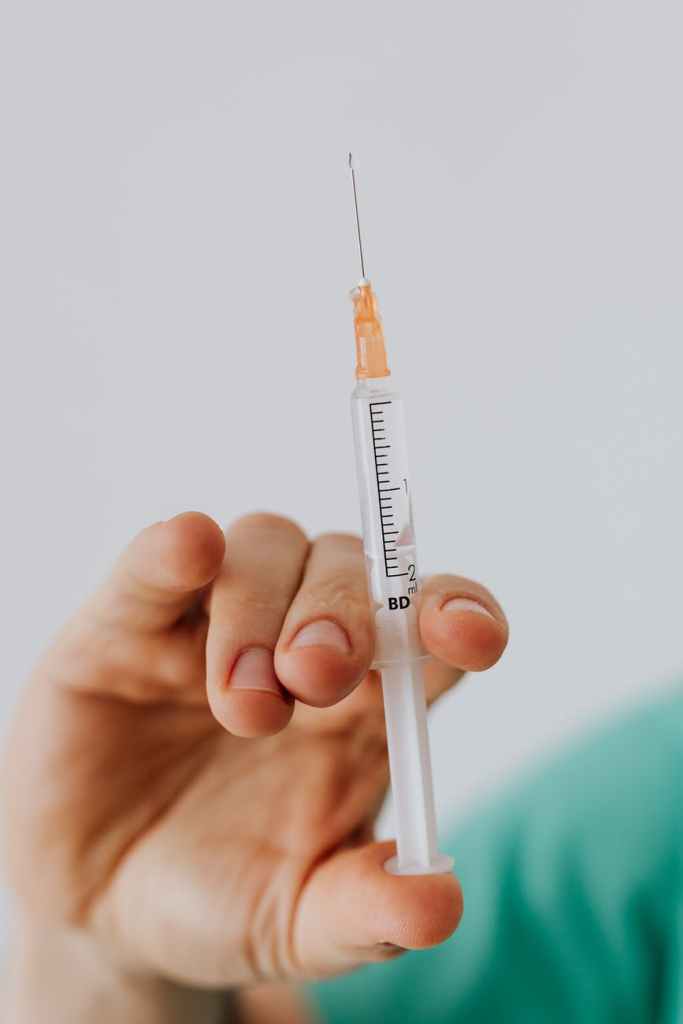
My General Practitioner has now given me both rounds of the vaccine. The pneumonia vaccine is a two-prong, one-shot then another eight weeks later. While there she asked if I had Chicken Pox as a child. Yes, I had Chicken Pox so she suggested I get a Shingles vaccine once we completed the Pneumonia vaccines. I go back after September 17th to get my Flu and Shingles round one shot. Yes, Shingles is also a two-round shot.
Shingles is another vaccine that isn’t normally talked about until your 65 but with my weekend immune system, it is better safe than sorry by waiting. Shingles are terrible and extremely painful. The Chicken Pox virus lives in your body and can reactivate by becoming Shingles later in life.
I already knew about the vaccinations because of my grandparents but had not thought about needing them at 55 years versus 65 years old.
Talk with your doctor about your risk for Pneumonia, it was a simple lab test and it clearly showed my body could not fight off all but one type. Who knew there were different types of Pneumonia?
As a parent who is also a survivor of incest, I want nothing more than to protect my children from sexual violence. I constantly wonder what it will take to improve, if not end, rape culture in our society.
Every 73 seconds, an American is sexually assaulted, according to the Rape, Abuse and Incest National Network, or RAINN. According to the Centers for Disease Control and Prevention, nearly 1 in 5 women and 1 in 38 men have experienced completed or attempted rape — forced or coerced vaginal, anal or oral sex. Rape can happen at the hands of known or unknown assailants, including spouses or significant others.
My oldest daughter is 9, and my twins — a boy and a girl — are 6. They are not too young to be educated about sexual health and what healthy relationships look and feel like. We refer to their body parts with the appropriate names; we talk about hygiene, privacy and boundaries. I have taught them about tricky people, and the thing we probably talk more about than anything else is consent.ADADVERTISING
At the core of its meaning, consent is about permission or an agreement to give and take something. When we use the word “consent,” we often use it in a sexual context because when someone is raped, permission has not been given, and something incredibly personal has been taken.
My goal is to protect my children, but I also have a responsibility to send them into the world with respect for all bodies and an understanding of how consent works and why it is important. The nuances of communicating our wants and then hearing the response or seeing it in a person’s body language during nonsexual situations are lessons we can teach our kids now so that later, when the stakes are higher, they already have the tools to build safe sexual relationships.
I was in the kitchen one evening and could hear my kids trading Pokémon cards. My 9-year-old daughter asked her 6-year-old brother if he would give up one of his cards for one she was offering. He hesitated and told her he wasn’t sure. She tried again. He considered but was reluctant. She tried to negotiate. He said no. She continued to offer him cards he might like, but he clearly didn’t want to trade. She was badgering him. I knew it was making him uncomfortable because he wanted to please her, but he didn’t want to say yes; he was saying no but, in my daughter’s opinion, not enthusiastically enough.AD
The situation was making me uncomfortable, too, so I stepped in. I praised my son for using his voice to communicate what he didn’t want. I told my daughter that she needed to walk away from the situation. He was telling her and showing her that he didn’t want to trade. I explained that her desires should never be forced onto someone else.
I reminded my daughter of the phrase “You asked, I/she/he/they answered.” This is meant to eliminate nagging when my kids want me to change my mind, and it helps me teach them that they can’t always get what they want. The phrase is a lesson in consent. “You asked for the card, he said no.”
Lexx Brown-James, a licensed marriage and family therapist, certified sex educator and author of“These are My Eyes, This is My Nose, This is My Vulva, These are My Toes,” is also a parent navigating these issues. “When we teach consent to our children — across the gender spectrum — we also have to teach and model respect, [but] respect has changed so much even throughout my own lifetime,” she says. Brown-James grew up in the South and was taught to obey authority without question, but she points out that the definition of respect has changed. It can be a shared goal of treating others how we would want to be treated, no matter the age or power difference, she says.
Brown-James says it is important to empower our children to say yes as well as no, and to make them feel like they will be heard. But kids can’t be in control all of the time, so it’s necessary for adults to model informed consent. Brown-James gives the example of a child going to the dentist. It’s scary, and a child may not want to go, but healthy teeth are important. She suggests giving power to a child’s voice even in those situations. Let them choose the side of the mouth the dentist can look at first. Allow the child to say when they need a break. And be sure you or the dentist check in to see how the child is doing.AD
Consent also needs to be visible and identified in everyday acts. Asking kids if we can hug them, tickle them or take a bite of their food are great ways to model patterns of asking before taking and then showing them that their voice has power. Notice how none of the situations discussed so far have anything to do with sex? This is important.
I emphasize “no means no” and “stop means stop” with my kids, but it’s not always easy. If something hurts or makes us uncomfortable, telling someone to stop is still confrontational. We may want to keep the peace rather than face another person’s negative reactions. Although I hope my kids will speak up for themselves, I also want them to be able to interpret the other side of the no. If they are ever in a situation where consent is not clear through words, I want my kids to learn how to read body language so they can safely stop an action that is making someone uncomfortable.
Joe Navarro, 25-year FBI veteran and author of “What Every Body is Saying” and “Louder Than Words,” writes that parents should start to teach about body language as soon as their children can understand simple instructions. He emphasizes that all nonverbal communication has meaning and that body language conveys our emotions. Navarro encourages parents to remind children that learning to read body language is a way to make people comfortable.AD
But what happens when consent is given, but with hesitation? Not all consent is enthusiastic, so Brown-James refers back to teaching kids how to check in. Kids provide plenty of teachable moments for this when they want to do something but are nervous. Brown-James uses an example of her daughter wanting to pet a dog but feeling anxious. She said yes, but her body language did not convey excitement. By using a slow, check-in-as-you-go approach, Brown-James’s daughter got close to the dog, decided where and when she wanted to pet the dog, then finally touched the dog and was ecstatic. With each step, Brown-James asked whether her daughter felt okay.
The work and mindfulness necessary to teach these nuances are worth the initial stumbling points or emotional labor involved. Rape culture will not improve with a one-time talk at puberty. A foundation of empowerment, respect and thoughtfulness for others needs to be put in place early so kids’ intuition can guide them, whether because someone has touched them inappropriately or because they are navigating a new physical relationship as a teen.
Before our kids become teenagers, though, they need the skills to say no for themselves and for others if a situation doesn’t feel right. Deliberate, ongoing and forward-thinking conversations about consent in nonsexual situations will help them navigate higher-stakes sexual decisions when they are older.AD
Amber Leventry is a writer and advocate who lives in Vermont. They run Family Rhetoric by Amber Leventry, a Facebook page devoted to advocating for LGBTQ families one story at a time. Follow them on Twitter and Instagram@amberleventry.
If your only choice is seeing a General Practitioner for chronic or mental illness, you will have to take on the additional responsibility to make sure you’re getting the best healthcare. What you can’t expect is a General Practitioner to be a one-stop shop, they have 15 minutes per patient and treat the most common illnesses. Once your 15 minutes is up, you have to save questions for the next appointment. And while it may be particularly frustrating to have to leave, it can help you to get into the right mindset for research.
We’re not talking about Dr Google here (which can be a very dangerous rabbit hole to go down), but there can be changes in lifestyle and pain management that may work. It’s not a one size fits all approach, but there are remedies like CBD cream that could work (the https://www.health.com/condition/pain/best-cbd-cream-for-pain is a handy resource) or it could be about focusing on mindfulness or more natural techniques like embracing the cold, as has been popularized by people like Wim Hof in recent years. But these approaches shouldn’t replace the help a General Practitioner can provide, just as long as you go into each appointment prepared.
If seeing a General Practitioner for all your chronic illnesses, go into each meeting expecting three questions to get answered, if the conversation doesn’t go off track. Go prepared with questions, concerns or medicine issues but don’t expect more than 15 minutes unless your insurance company allows 30-minute appointments. I schedule 30 minutes with my GP on each visit, that lowers my stress level and allows us to talk more in-depth if needed.
This itch-relief scrub is therapeutic on so many levels. It contains sugar to help exfoliate, oils to help hydrate, and oatmeal to help alleviate any irritation. The ground lavender buds are optional but they do add some spa-like qualities-yes, please.
You Will Need
1 cup steel-cut oats
Blender/Food Processor
1 TB. dried lavender buds
Mortar & pestle
1/2 cup sugar
1 TB. sweet almond oil
1/4 cup avocado oil
1 TB. coconut oil softened
Lavender essential oil
Bowl
Airtight Jar/Container
To Make
Add the steel-cut oats to a blender or food processor and pulse until the oats have a powder-like texture. Grind the lavender buds into a powder using the mortar & pestle. Combine the oats, flowers, sugar, and oils together in a bowl. Store in airtight jar or container.
Summer has arrived in Texas and we’ve been blessed with rain for three days. The tomatoes are rolling in and are sure good this year. We’ve had luck with a couple of varieties we had not been successful with in the past. Have a great day, I’m so glad you stopped by today.
Thank you for nominating me for Advocating for Another in the 9th Annual WEGO Health Awards. I’m honored to be nominated, there are so many heavy hitters at WEGO Health.
I would be honored if you voted for me. Voting is open until the end of July.
Thank you.
Melinda
What are the WEGO Health Awards?
The WEGO Health Awards program was created to recognize and honor those making a difference in the online health community. Since its inception in 2011, the WEGO Health Awards have proven to be one of the best ways to celebrate the patient advocates, influencers and collaborators sharing their story and raising awareness for their communities. Last year alone, we celebrated over 6k nominees!
This year’s winners will receive:
$500 prize to be used towards advocacy efforts or travel
Compensated WEGO Health 2021 Patient Leader Advisory Board Seat (estimated cash value $1500)
Opportunity to be featured as a worlds’ top patient expert in HLTH’s patient-centered webinar series, as well as industry exposure opportunities throughout the year
Still have questions about the program? Click here to get your answers!
There are many ways for nominees to get involved in the WEGO Health Awards, and you’ll be hearing from us with more details soon. In the meantime, be sure to share your nomination with your community.
Thank you for nominating me for Best in Show in the 9th Annual WEGO Health Awards. I’m honored to be nominated, there are so many heavy hitters at WEGO Health.
I would be honored if you voted for me. Voting is open until the end of July.
Thank you.
Melinda
What are the WEGO Health Awards?
The WEGO Health Awards program was created to recognize and honor those making a difference in the online health community. Since its inception in 2011, the WEGO Health Awards have proven to be one of the best ways to celebrate the patient advocates, influencers and collaborators sharing their story and raising awareness for their communities. Last year alone, we celebrated over 6k nominees!
This year’s winners will receive:
$500 prize to be used towards advocacy efforts or travel
Compensated WEGO Health 2021 Patient Leader Advisory Board Seat (estimated cash value $1500)
Opportunity to be featured as a worlds’ top patient expert in HLTH’s patient-centered webinar series, as well as industry exposure opportunities throughout the year
Still have questions about the program? Click here to get your answers!
There are many ways for nominees to get involved in the WEGO Health Awards, and you’ll be hearing from us with more details soon. In the meantime, be sure to share your nomination with your community.
Thank you for nominating me for Best Kept Secret in the 9th Annual WEGO Health Awards. I’m honored to be nominated, there are so many heavy hitters at WEGO Health.
I would be honored if you voted for me. Voting is open until the end of July.
Thank you.
Melinda
What are the WEGO Health Awards?
The WEGO Health Awards program was created to recognize and honor those making a difference in the online health community. Since its inception in 2011, the WEGO Health Awards have proven to be one of the best ways to celebrate the patient advocates, influencers and collaborators sharing their story and raising awareness for their communities. Last year alone, we celebrated over 6k nominees!
This year’s winners will receive:
$500 prize to be used towards advocacy efforts or travel
Compensated WEGO Health 2021 Patient Leader Advisory Board Seat (estimated cash value $1500)
Opportunity to be featured as a worlds’ top patient expert in HLTH’s patient-centered webinar series, as well as industry exposure opportunities throughout the year
Still have questions about the program? Click here to get your answers!
There are many ways for nominees to get involved in the WEGO Health Awards, and you’ll be hearing from us with more details soon. In the meantime, be sure to share your nomination with your community.
June 29, 2020 at 7pm ET The event will address the transgender community, and its experience with male sexual abuse. The free, one-hour event will have three keynote panelists — Lexie Bean, Charlie Hidalgo and Devin-Norelle. Bean will read excerpts from his recently published book – The Ship We Built. Panelists also will respond to questions from webinar attendees. About Bean’s new book, one […]
Over the years, you might have heard the term ‘superfood’ used increasingly. But what really does it mean? Well, in simple terms, these are foods that are packed with nutrients such as minerals, vitamins, and antioxidants, and so are associated with positive impacts on your health. But how do you know what superfoods to eat then?
The thing is, you may currently include a good number of superfoods in your diet without even knowing, so this list of the 10 most popular superfoods has been put together so that you are made away of well-known superfoods, as well as to inform you about some superfoods that you may not be familiar with.
1. Eggs
Eggs are one of those foods that have stood the test of both time and criticism. No doubt, they are pretty healthy and come loaded with very high-quality proteins. More than that, eggs contain a plethora of minerals and vitamins, some of which include vitamin A, B vitamins, choline, and iron. They also contain two very powerful antioxidants, namely zeaxanthin and lutein, which are known for protecting vision and boosting eyesight. That being said, if you are having issues with your vision, don’t hesitate to visit https://eyeglasses.com for some more information.
2. Dark leafy greens
A lot of people aren’t fans of dark leafy greens, but they’re one of the best superfoods to exist. These types of greens contain several nutrients that the body needs to heal, including zinc, iron, magnesium, fiber, and vitamin C. More so, dark leafy greens have earned their place in the superfoods hall of fame. They might also help reduce your risks of suffering from chronic illnesses such as heart disease and type 2 diabetes. Some examples of these dark leafy greens are kale, spinach, collard greens, and Swiss chard which can be incorporated into your diet via smoothies, soups, and salads.
3. Berries
Many of us who love berries are unaware of the amazing effects that eating them have on the body. For one, berries are very rich in vitamins and minerals as well as certain antioxidants. In fact, berries are particularly effective when it comes to treating digestive issues and are often used in modern medical therapies. Examples of these fruits include blueberries, blackberries, strawberries, and raspberries. You can eat them as they are, or add them to smoothies and desserts.
4. Avocado
Simply put, avocados are great. Yes, they’re good for guacamole, but more than that, this superfood is very rich in healthy fats that keep you feeling full for longer. It also comes packed with antioxidants and fiber that all work to protect against heart diseases. Additionally, this food is can be eaten even on a diet and is even recommended on the Keto diet. Delicious ways to incorporate avocado in your diet include serving it on your morning toast to adding it as an essential ingredient to smoothies and salads.
5. Chia seeds
Chia seeds are tiny, black seeds that have taken the health industry by storm over the past few years. No doubt, these seeds pack a powerful punch when it comes to nutrition. Firstly, they contain pretty much all the essential minerals including calcium, manganese, magnesium, and phosphorus. In addition, vitamin B1, B2, and B3 are also available in abundance. More so, 28 grams of chia seeds contain 11 grams of fiber and just one gram of digestible carbohydrates, making it one of the most suitable foods out there for a low carb diet.
6. Coconut
When it comes to versatile foods, coconuts are out there at the top. They can be consumed as coconut water, coconut oil, coconut flour, coconut flakes, and even just coconut meat. More so, this super food can easily be incorporated into your diet without any headache.
That said, in terms of what makes it so ‘super’ coconut oil especially contains medium-chain triglycerides, which are used as a source of energy once in the body. Furthermore, coconut water is high in vitamins and minerals including potassium, magnesium, sodium, and vitamin C.On top of this, coconut flour is low in gluten and carbs and can be used for baking and desserts.
7. Flax seeds
Flax seeds are one of those foods that didn’t become popular until recently. These seeds contribute towards a healthy heart as they come packed with omega 3 fatty acids that work as anti-inflammatory agents. More som flax seeds can be added to your salads and smoothies by grinding them into a semi fine powder. That being said, they do have other uses apart from consumption. In fact, flax seeds also come in handy as a home remedy for hair growth.
8. Hemp seeds
Yet another super seed is hemp seed. This is a great source of healthy proteins and contains omega 3 and omega 3 fats; both of which work together to reduce the risk of cardiovascular diseases in the body. More recent studies also associate hemp seeds with relieving the symptoms of menopause in women. For consumption, these seeds are typically toasted lightly and then added to foods like salads, oatmeal, and cereal.
9. Salmon
When next you go grocery shopping, be sure to pick up some salmon. This fish is rich in healthy oils that are a great source of energy and contains inflammation reducing omega 3 fats. More so, this fish is packed with wildly sourced protein that can provide you with almost 60 percent of your daily recommended protein intake. It also contains vitamin D as well as bioactive peptides that help in collagen production.
10. Cocoa nibs
Cocoa nibs are essentially just healthier chocolates. These foods range from really sweet to very bitter, so you get to choose just how you like it. More so, it is a great source of fiber and it also contains a good amount of iron and magnesium. More than that, research has shown that eating cocoa nibs can help elevate your mood and brain activity. As for preparation, they can be used in desserts, smoothie bowls, or just on their own as a nice snack.
I’m a perfume wearer and I’ll definitely tell you that it smells good but the million dollar question is “Is it Toxic?” Perfumes tend to draw on essential oils in their formulations, but also include a number of chemicals (many known and probable carcinogens) that can outrightly cause a lot of health hazards. Fragrance is […]
I felt an opportunity to raise a young man who finds his worth in building the worth of others. I felt an opportunity to raise a young man who creates safety for those around him.
I felt an opportunity to raise a young man who respects people not for their worldly position or achievements, but for their humanity. I felt an opportunity to raise a young man who will pull a master off of a prisoner’s neck, because it is right.
I felt an opportunity to raise a young man who will ask if she is okay, who will ask if this is okay, and will ask again because in that moment “she is greater than I”. I felt an opportunity to raise a young man who leads his followers in faith, in love and humility because he knows that in every moment “He is greater than I”.
Today I watched.
Today I was reminded of the weight of fatherhood. A weight that I will never take for granted.
It is my greatest honor to raise you into the good man I know you will become.
This movie is riveting, heartbreaking, frustrating and will make you mad as hell at the way patients with chronic pain are treated. The story also looks at how doctor’s who try to help pain patients are treated and sometimes shunned. This is a movie for anyone who suffers from chronic pain, loves or knows someone who sufferers from chronic pain or wants to better understand how patients with chronic illnesses can get treated by the medical community. It’s for the whole family to see and from my perspective the more people around you who see this movie, the more understanding they will be of your limitations.
A long-awaited documentary about chronic pain in North America is shining a light on the other side of the opioid crisis – how chronic pain patients and their doctors have been marginalized and persecuted in the name of fighting opioid addiction.
The 80-minute film takes an intimate look at the lives of four chronic pain patients and their loved ones, including an 11-year old boy living with cancer pain and a doctor who nearly lost his medical license due to allegations he overprescribed opioids.
Two of the “pain warriors” featured in the documentary commit suicide after losing all hope that their pain will be properly treated.
“That captures the essence of our film — invisible, shunned and disbelieved. This is the story of their fight. Pain Warriors is a civil rights movement for our time,” says Tina Petrova, who produced and directed the documentary along with filmmaker Eugene Weis.
“Doctors have been incarcerated, committed suicide, gone broke standing up for appropriate treatments for intractable pain. Families have lost loved ones due to suicides from chronic pain and medical complications such as spinal leaks. This is no small disease. It steals husbands and wives, sons and daughters.”
Pain Warriors is dedicated to Sherri Little, a California woman who took her life at the age of 53 after a last desperate attempt to get treatment for her fibromyalgia and colitis pain. (See “Sherri’s Story: A Final Plea for Help”). Sherri was a good friend of Petrova, who is well-acquainted with the issues faced by chronic pain patients – because she’s one herself.
“I began pre-interviews for the film around 2014, gathering collections of heartbreaking, compelling stories. A pain patient struggling with her own pain demons donated money to the cause, wanting her story told alongside others, and we began making the film in earnest,” she told PNN.
“Has it been easy? I’d say it’s been a hell of a lot of painstaking work by all involved, including the cast, who bravely offered up their vulnerability and very intimate stories. Has it been worth it? Absolutely.”
The release of Pain Warriors was initially delayed due to funding problems, and then because Petrova suffered a severe back injury during physical therapy. She was bedridden and housebound for over a year.
“I’m hopeful that I’m on the mend at long last, and will be able to take the film across North America, once COVID restrictions are lifted, and lead in-person screenings with the people the film was made for — chronic pain patients and the healthcare professionals that sometimes risk everything fighting for their rights,” says Petrova.
Ibsen’s legal battles have not ended. The Board of Medicine has refused to formally close his case, leaving Ibsen in professional limbo. Pharmacists won’t fill his opioid prescriptions and he was forced to close his urgent care clinic in Helena. Now he travels the back roads of Montana writing prescriptions for medical marijuana.
“I’ve been marginalized,” says Ibsen, who plans to sue the Board of Medicine for monetary damages. “Anything the board would say would not completely clear me. I need the judge to say, ‘This is bogus. Stop it. Dismiss the case.’”
If you’re looking for ways to look after your mental health but you don’t know where to begin then don’t worry, you’re definitely in the right place. Although it can be overwhelming, you need to be sure you’re doing all that you can to look after yourself, including your mental health. Luckily, there are lots of ways in which you can do exactly that. From practising self-care to getting fresh air, there are lots of small changes you can make to your day-to-day life. With that in mind, here are 5 small ways to look after your mental health every day:
Make Sure You’re Drinking Plenty Of Water And Eating What Your Body Wants
Although you may not feel as though they’re intertwined, your mental health can often be improved by focussing on what your body needs. Whether that means ensuring you’re drinking enough water or listening to what your body wants to eat, you need to be sure you’re focussing on your physical health too. While it may not be your top priority each and every day, remembering to drink water and eat nutritious meals is important. For more information when it comes to the link between mental and physical health, you can visit this site here.
Practise Self-Care As Often As You Can
Another great way to help improve your mental health is to focus on practising self-care as often as you can. Whether you’re taking a long hot bath or you’re spending the evening watching your favourite TV, you may be surprised at how much comfort it can provide. As self-care is different for everyone, you may want to look at some self-care ideas here.
Consider Writing In A Journal
Although this doesn’t work for everyone, writing in a journal is a great way to get all of your thoughts down in one place. Whether you’re planning out your day or you’re writing down the events that have happened that day, writing things down is known to help many people when it comes to mental health. If you’re looking for inspiration when it comes to finding a mindfulness journal, you can visit this site here.
Do Things That Make You Happy
Another great way to focus on your mental health each and every day is to do things that make you happy. Whether that means seeing the people you love or cooking your favourite meal, the things that you love are guaranteed to make you smile. For a guide to finding things that make you happy, you can visit this site here.
Ensure You’re Getting Fresh Air
Finally, you may want to think about getting some fresh air. Although it doesn’t work for everyone, getting outside and going for a walk can help give you a moment of happiness.
With lots of helpful ways to look after your mental health, you can be sure you’re doing all that you can to put yourself first. What else could you do? Did we miss anything? Let us know your thoughts and ideas in the comments section below.
There’s no doubt about it, we’re on the verge of a mental health crisis. Although lockdown measures have been eased all over the country, critics claim that the measures put in place to get the economy back up and running are too much, too soon. However, while many debate the wisdom of reopening the economy at a time when so many are still dying to COVID-19 on a daily basis, one could argue just as fervently that an extended lockdown is a mental health crisis waiting to happen. We all need to do our part to safeguard and improve our mental health. But before you call your doctor for a prescription, you might want to consider the natural mood enhancers that are all around us. We’re talking about the healing and rejuvenating qualities of plants. Letting plants into your life can boost your mental health in a variety of ways.
Here are 5 ways in which plants can ease your stress and anxiety and help to improve your mental health.
Eat more of them
A plant-based diet has a wide range of health benefits. But did you know that certain veggies and fruits contain natural compounds that can help to correct your brain chemistry, ease your stress and boost your mood naturally? Get more of the following in your diet and you may find that your outlook gets a little sunnier;
Blueberries, strawberries and raspberries
Spinach, kale and other leafy greens
Tomatoes
Surround yourself with them at home
Even with relaxed lockdown measures, you’re probably spending a lot more time at home these days. Why not share your home with some beautiful mood-boosting pals? Houseplants are a great addition to any interior design aesthetic. They oxygenate your living space and imbue your environment with a sense of calm and tranquility.
Spend more time with them outside
Of course, your home isn’t the only place where you can enjoy being close to plants. Indeed, when things get you down, getting out in the open air among trees, plants and flowers can be a real tonic for your wellbeing. Taking a walk in your local park is a great way to do this, as spending some quality time in the garden watching your plants grow.
Use herbal supplements
Plant based health supplements like CBD oil have been linked to positive mental health outcomes in some studies, especially when it comes to managing stress, anxiety and depression. Aches and pains can exacerbate your mental health issues, and there’s also evidence to suggest that topical application of CBD oil can ease pain caused by inflammatory conditions like arthritis.
Use them to make a relaxing drink
Finally, while your cup of joe may give you a jolt in the morning, too much caffeine can actually exacerbate your stress levels and make you jittery. Instead, try a soothing infusion of green tea which is found to have calming effects on the body as well as being an excellent antioxidant.
Make plants your friends to keeping you smiling through this difficult moment.
Thank you for nominating me for Rookie of the Year in the 9th Annual WEGO Health Awards. I’m honored to be nominated, there are so many heavy hitters at WEGO Health.
I would be honored if you voted for me. Voting is open until the end of July.
Thank you.
Melinda
What are the WEGO Health Awards?
The WEGO Health Awards program was created to recognize and honor those making a difference in the online health community. Since its inception in 2011, the WEGO Health Awards have proven to be one of the best ways to celebrate the patient advocates, influencers and collaborators sharing their story and raising awareness for their communities. Last year alone, we celebrated over 6k nominees!
This year’s winners will receive:
$500 prize to be used towards advocacy efforts or travel
Compensated WEGO Health 2021 Patient Leader Advisory Board Seat (estimated cash value $1500)
Opportunity to be featured as a worlds’ top patient expert in HLTH’s patient-centered webinar series, as well as industry exposure opportunities throughout the year
Still have questions about the program? Click here to get your answers!
There are many ways for nominees to get involved in the WEGO Health Awards, and you’ll be hearing from us with more details soon. In the meantime, be sure to share your nomination with your community.
You know you have a problem, and your addictive behaviour is beginning to impact other parts of your life. Quitting any kind of addictive behaviour can be very difficult to do, even if you know that what you’re doing is bad for you.
You can quit, although quitting can be a complicated process. There are many physical, mental, and emotional factors that can make giving up hard. This is why many people seek treatment for addiction, like hypnosis, counselling, or even pet friendly rehabs, although some people are successful quitting on their own.
Understanding why quitting is so hard can help you to learn how to overcome your addiction. You can recognise that you are not weak-willed or are failing of you find it difficult.
Tolerance
Tolerance and withdrawal both contribute to addiction. Both are a large part of what get you hooked in the first place, whether your addiction is food, nicotine, or something harder. Without tolerance and withdrawal, you would find quitting much easier.
When you experience an addictive substance or behaviour for the first time, it can be overwhelming, or even unpleasant. If you feel the effects strongly, then you might feel as though there is a low risk of you being tempted to overdo it.
If the effects are mild, then you might think your behaviour is harmless. The more you repeat the behaviour, the less sensitive you become to it and the more you need to feel the same effects. Drugs, including alcohol, work on the brain to create physical tolerance.
Some behaviours, like gambling, produce a feeling of excitement. This excitement may become less intense over time. As your tolerance level develops, you might want to repeat the behaviour more to get the same feelings or effects.
Withdrawal
As you start to become addicted, you can begin to experience withdrawal when you aren’t able to partake in the behaviour. You might experience physical symptoms, like shaking, feeling unwell or an upset stomach, or you might experience emotional symptoms, like anxiety or depression. These symptoms go away when you act on the addictive behaviour.
Physical withdrawal can vary, and usually takes a few days. Withdrawal from drugs or alcohol can be very unpleasant, and even dangerous, so is best undergone under medical supervision.
Impediments For Quitting
Addiction can reach a level where it creates a lot of enternal conflict. You might feel conflicted within yourself, as you want to quit, but also still have urges to engage in whatever you are addicted to. You may also have a conflict with others, both with those who want you to quit, but also with those who want you to keep engaging in the thing you’re trying to give up.
Even after getting through the withdrawal phase, conflict can still exist. Quitting is stressful, and now you’re managing without something you used to use to cope, so this will be tough.
It is important to learn other ways of coping with stress and to have those firmly established, ideally before you quit. This gives you other options to cope. A therapist can help you with this. Without these strategies already in place, you’re likely to experience stronger urges to relapse.
Guilt And Justification
Feeling guilty and uncomfortable about your current behaviour can be a great motivator to help you make a change, whether you want to drink less, or give up gambling. Sometimes, guilt can also work against you, as you find ways to justify the behaviour that you aren’t happy with to yourself and to others. Justification can a big obstacle to quitting.
Common justifications can include:
Denial – it’s not a problem
Minimization – I’ve already cut down
Comparison – My friend smokes more than I do
Defiance – I’d rather carry on than quit and be miserable
Rationalisation – I’m more confident in social situations after I’ve had a drink
Lesser of two evils – It’s better to do this than be miserable and hard to live with
Misinformation – It has medicinal uses, so it’s ok
Glorification – Cool people drink alcohol and smoke
How Can You Quit?
Therapy can be a great starting point to help you to cope with any uncomfortable feelings and to help you pinpoint the thoughts and feelings that keep you addicted or led you to the behaviour in the first place. Quitting is rarely easy or straightforward, but with a good treatment program, you have a better chance of achieving your goals when you’re ready.
I would be honored if you voted for me. Thank you.
Be Well
Melinda
What are the WEGO Health Awards?
The WEGO Health Awards program was created to recognize and honor those making a difference in the online health community. Since its inception in 2011, the WEGO Health Awards have proven to be one of the best ways to celebrate the patient advocates, influencers and collaborators sharing their story and raising awareness for their communities. Last year alone, we celebrated over 6k nominees!
This year’s winners will receive:
$500 prize to be used towards advocacy efforts or travel
Compensated WEGO Health 2021 Patient Leader Advisory Board Seat (estimated cash value $1500)
Opportunity to be featured as a worlds’ top patient expert in HLTH’s patient-centered webinar series, as well as industry exposure opportunities throughout the year
Still have questions about the program? Click here to get your answers!
There are many ways for nominees to get involved in the WEGO Health Awards, and you’ll be hearing from us with more details soon. In the meantime, be sure to share your nomination with your community.
I met Lukas Lange CEO of Probably Genetics thru Chronic Illness Bloggers. I did not test their product but want to write about the company since I feel strongly about how genetic testing can help improve the medical community.
There are diseases misdiagnosed every day or take years to diagnose. Genetic testing can shorten the timeline dramatically in determining if you have certain illnesses.
One important factor to consider when doing genetic testing is counseling a part of the service. Why is this so important? Genetic testing is a complex science and needs interpretation by an expert in genetics.
I had my DNA sequenced for family history knowledge and discovered I had several genetic markers for certain illnesses or higher risk for illnesses. This information doesn’t help without an expert spelling out what this means and what I can do with the data.
Probably Genetics provides genetic counseling with their testing services. Here’s a little more about the company. I also included a great post about Fibromyalgia and genetic testing below.
About Probably Genetic
Probably Genetic’s mission is to end the diagnostic odyssey. They have built what they believe is the fastest way to access clinical genetic testing anywhere in the US.
Genetic conditions are not always obvious and certain chronic illnesses may be caused by or have an underlying genetic component. Symptoms like chronic pain, severe fatigue, unexplained muscle or joint pain are common across several conditions. This is why rare genetic conditions can take years for doctors to diagnose.
Probably Genetic combines cutting-edge genetic science with software and technology to get fast, accurate results and shorten diagnostic times from 7 years to 8 weeks. Probably Genetic helps you get the appropriate care with physician-ordered tests and genetic counseling included in our service to help you make the best decisions for you and your family’s care. You can find out more about them here.
This excerpt is taken from the Probably Genetics Blog.
There are many rare genetic conditions that look like fibromyalgia and it is often the case that patients with these conditions first get a fibromyalgia diagnosis.
There is substantial evidence that some fibromyalgia cases might have a genetic origin but the exact causes still remain unknown.
Introduction
Fibromyalgia is estimated to affect between 2% and 8% of the world’s population. To put that into perspective, the total number of potential people impacted by fibromyalgia could be nearly twice the population of the entire United States. Yet, for a condition that is so prevalent, its cause remains uncertain. Fibromyalgia is mainly characterized by chronic, widespread pain across the body. Many fibromyalgia patients also suffer from a combination of other symptoms that impact sleep, energy levels, digestion, and even mental health. The complex symptom combinations and the significant overlap of these symptoms with many other conditions can make fibromyalgia incredibly challenging for doctors to diagnose.
So how are genetics, or what’s in a person’s DNA related to fibromyalgia? There are many rare genetic conditions that have symptoms which strongly overlap with fibromyalgia
Like fibromyalgia, rare genetic conditions are difficult to diagnose. This is why it takes on average 7 years after the onset of first symptoms for doctors to recognize the condition. Many rare genetic conditions have symptoms that look like those of fibromyalgia. For patients with these conditions, many will receive a fibromyalgia diagnosis first before doctors identify what they have. For example, many people with Ehlers-Danlos syndrome (EDS) report having chronic widespread pain and chronic fatigue, classic symptoms of fibromyalgia. There are many different types of EDS, but some varieties are also characterized by symptoms such as thin or stretchy skin, or hyper-mobile joints (for example when a person can bend their elbow past 180 degrees). According to this research study: “[hyper-mobile] EDS may often be misdiagnosed as fibromyalgia because of diffuse pain, but they are considered as two distinct conditions”. Of course, it is entirely possible that a patient can have both fibromyalgia and EDS; however, having a complete picture what what a person has is crucial for helping them manage treatment. In addition to EDS, Myotonic dystrophy type 2 (DM2), a genetic condition characterized by muscle pain, weakness and stiffness also has a strong symptomatic overlap with fibromyalgia. In a study conducted in 2008, doctors found that 3.2% of their cohort of patients with fibromyalgia tested positive for the genetic mutation that causes DM2. Their recommendation with regards to fibromyalgia was that “clinicians should be aware of overlap in the clinical presentation of these [two] distinct disorders”.
Other such genetic conditions where patients might initially be diagnosed with fibromyalgia include female carriers of Fragile X (see this study) and Myotonia Congenita (see here). The conditions mentioned here certainly do not represent a complete list. Furthermore, it’s important to understand that not all cases of fibromyalgia are related to an underlying rare genetic condition
A special thank you to Lukas Lange CEO of Probably Genetics for the opportunity to speak with him. http://www.probablygenetic.com
What’s your passion? Social entrepreneur Noeline Kirabo reflects on her work helping out-of-school young people in Uganda turn their passions into profitable businesses — and shares the two questions you can ask yourself to begin doing the same.
This talk was presented at an official TED conference, and was featured by our editors on the home page.
















 lookingforthelight.blog