This post was inspired by Maria Shiver’s newsletter Sunday Paper. Every week she has an influential person or celebrity talk about their “To Be List”. I’ve been reading these for about a month now and was inspired to write my own.
Some heartfelt advice from writer Bill Bernat, who’s been there
When I lived with severe depression and social anxiety, I found it extremely difficult to talk to strangers. Yet the one conversation that uplifted me more than any other occurred in the dining hall of the mental health wing of a mountain-town hospital. I met a woman who told me that a few days earlier, she’d driven her Jeep Wrangler to the edge of the Grand Canyon. She sat there, revving the engine and thinking about driving over.
She described what had been going on in her life in the days and months leading up, what her thoughts were at that exact moment, why she wanted to die, and why she didn’t do it. We nodded and half-smiled, and then it was my turn to talk about my journey to our table in that fine dining establishment. I had taken too many sleeping pills. After the doctors treated me, they were like, “Hey, we’d love it if you would be our guest in the psych ward!”
That day, she and I talked shop. She allowed me to be deeply depressed and simultaneously have a genuine connection to another person. For the first time, I identified as someone living with depression and I felt, oddly, good about it — or rather, like I wasn’t a bad person for having it.
Now, imagine one of the people at that table was a member of your family or a close friend who told you they were really depressed. Would you be comfortable talking to them?
Depression doesn’t diminish a person’s desire to connect with other people, just their ability.
The World Health Organization says that depression is the leading cause of ill health and disability worldwide, affecting more than 300 million people. In the United States, the National Institute of Mental Health reports 7 percent of Americans experience depression in a year. But while depression is super common, in my experience most folks don’t want to talk to depressed people unless we pretend to be happy. So we learn to put on a cheerful façade for casual interactions, like buying a pumpkin spice latte. The average barista doesn’t want to know that a customer is trapped in the infinite darkness of their soul.
Depression doesn’t diminish a person’s desire to connect with other people, just their ability. And despite what you might think, talking to friends and family living with depression can be easy and maybe fun. Not like Facebook-selfie-with-Lady-Gaga-at-an-underground-party fun — instead, I’m talking about the kind of fun where people enjoy each other’s company effortlessly, no one feels awkward, and no one accuses the sad person of ruining the holidays.
There’s a chasm that exists. On one side are people with depression, and on the other side is everyone else and they’re asking, “Why you gotta be so depressed?”
I’ve noticed there’s a chasm that exists. On the one side are those people living with depression, who may act in off-putting or confusing ways because they’re fighting a war in their head that nobody else can see. On the other side is everyone else, and they’re looking across the divide, shaking their heads, and asking, ‘Why you gotta be so depressed?’
I began battling depression when I was eight, and decades later, to my surprise, I started winning that battle. I shifted from being miserable much of the time to enjoying life. Today I live pretty well with bipolar disorder, and I’ve overcome some other mental health conditions, like overeating, addiction and social anxiety. As someone who lives on both sides of this chasm, I want to offer you some guidance based on my experiences to help you build a bridge across. I’ve also talked to a lot of people who’ve lived with depression to refine these suggestions.
Please don’t let our lack of bubbly happiness freak you out. Sadness doesn’t need to be treated with the urgency of a shark attack.
Before I get to the do’s, here are some some things you might want to avoid when talking to someone who’s depressed.
Don’t say “Just get over it.” That’s a great idea – we love it — but there’s just one problem: we already thought of that. The inability to “just get over it” is depression. Depression is an illness, so it’s no different from telling someone with a broken ankle or cancer to “just get over it.” Try not to fix us — your pressure to be “normal” can make us depressed people feel like we’re disappointing you.
Don’t insist that the things which make other people feel better will work for us. For example, you cannot cure clinical depression by eating ice cream, which is unfortunate because that would be living the dream.
Don’t take it personally if we respond negatively to your advice. I have a friend who, about a year ago, messaged me saying he was feeling really isolated and depressed. I suggested some things for him to do, and he was like, “No, no, and no.” I got mad, like, “How dare he not embrace my brilliant wisdom!” Then I remembered the times I’ve been depressed and how I thought I was doomed in all possible futures and everybody hated me. It didn’t matter how many people told me otherwise; I didn’t believe them. So I let my friend know I cared, and I didn’t take his response personally.
Don’t think that being sad and being OK are incompatible. Please don’t let our lack of bubbly happiness freak you out. Sadness does not need to be treated with the urgency of a shark attack. Yes, we can be sad and OK at the exact same time. TV, movies, popular songs and even people tell us if we’re not happy, there’s something wrong. We’re taught that sadness is unnatural, and we must resist it. In truth, it’s natural and it’s healthy to accept sadness and know it won’t last forever.
Talk to a depressed person as if their life is just as valuable, intense and beautiful as yours.
And here are some do’s.
Do talk to us in your natural voice. You don’t need to put on a sad voice because we’re depressed; do you sneeze when you’re talking to somebody with a cold? It’s not rude for you to be upbeat around us.
Do absolve yourself of responsibility for the depressed person. You might be afraid that if you talk to them, you’re responsible for their well-being, that you need to “fix” them and solve their problems. You’re not expected to be Dr. Phil — just be friendly, more like Ellen. You may worry that you won’t know what to say, but words are not the most important thing — your presence is.
Do be clear about what you can and cannot do for us. I’ve told people, “Hey, call or text me anytime, but I might not be able to get back to you that same day.” It’s totally cool for you to make a narrow offer with really clear boundaries. Give us a sense of control by getting our consent about what you’re planning to do. A while back when I was having a depressive episode, a friend reached out and said, “Hey, I want to check in with you. Can I call you every day? Or, maybe text you every day and call you later in the week? What works for you?” By asking for my permission, she earned my confidence and remains one of my best friends today.
Do interact with us about normal stuff or ask us for help. When people were worried about a friend of mine, they’d call him and ask if he wanted to go shopping or help them clean out their garage. This was a great way to reach out. They were engaging with him without calling attention to his depression. He knew they cared, but he didn’t feel embarrassed or like a burden. (Yes, your depressed friends could be a good source of free labor!) Invite them to contribute to your life in some way, even if it’s as small as asking you to go see a movie that you wanted to see in the theater.
This is, by no means, a definitive list. All of these suggestions are grounded in one guiding principle: speaking to someone like they belong and can contribute. That’s what allowed the woman in the Jeep Wrangler to start me on my path to recovery without even trying: She spoke to me like I was OK and had something to offer exactly as I was at that moment. Talk to a depressed person as if their life is just as valuable, intense and beautiful as yours. If you focus on that, it might just be the most uplifting conversation of their life.
Bill Bernat is a technology marketer, Comedy Central comedian, and The Moth Radio Hour storyteller living in Seattle. He brings awareness and humor to mental health in his award-winning show, Becoming More Less Crazy. He also leads storytelling workshops and fundraisers for nonprofit organizations.
Mental health is in decline across the world. Many people are quietly struggling with stress and depression, and it is causing mental breakdowns and suicides. It is especially sad considering that these conditions can be managed and treated.
Here are five easy and reliable tips to overcome stress and depression:
Social support is one of the best remedies for stress and depression. People are social beings, and their mental health requires healthy social ties. To this end, loneliness has been identified as a catalyst for stress, depression, and other mental conditions.
You will feel your emotional and mental woes ease when you talk to someone about your troubles. Your friends and family members will offer unconditional love and support to help you overcome your problems.
Additionally, you can get professional help by talking to a therapist if your depression feels too difficult to bear. Bottom line: talk to someone and surround yourself with a positive company.
Distract Your Mind with Entertainment
Don’t get lost in your mind. You will just keep pondering over your problems and making them feel bigger than they are. It will be more exciting and relaxing to distract yourself with something entertaining.
You have lots of entertainment options at your fingertips. You could listen to some soothing music or watch a thrilling movie. Just ensure that it is something you like, and preferably something that will make you laugh.
Exercise
Exercising can work miracles for depression. Working out helps you feel like you are physically unloading your mental and emotional burdens. Exercising also helps reduce the levels of stress hormones in the body and triggers the production of hormones associated with relaxation. Additionally, the physical and health benefits of exercising are a confidence booster.
Exercising is also recommended for seniors struggling with depression because of their physical and mental conditions. For example, exercising can help improve memory retention, easing the depressing effects of Alzheimer’s.
Learn Something New
Learning is another way of distracting your mind and doing something productive in the process. For example, some therapists recommend learning new skills such as cooking as a form of therapy. Other people struggling with depression find solace in photography.
There is no limit to the variety of new hobbies or activities you can undertake to manage your depression. However, make sure that it is something that interests you if you want it to work.
Get a Pet
Pets are unconditionally loyal, loving, and everything nice. They always have time for their masters, and they are the best listeners. More importantly, they will learn new tricks just to please you. To this end, a cute pet such as a dog can ease the emotional and mental strain causing stress and depression. A pet will keep you company and bring you back to your loving self as you both bond.
Final Thoughts
Stress and depression can make life look gloomy, without an end in sight and they can lead to worse mental conditions and even drive patients to suicide. As such, practice these tips for yourself or a loved one to overcome depression and stop suicide in its tracks.
I’m so glad you’ve joined me. I hope you enjoy my Rock Oldies choice today.
Have a great weekend!
Melinda
Welcome back to Weekend Music Share; the place where everyone can share their favorite music.
Feel free to use the ‘Weekend Music Share‘ banner in your post, and don’t forget to use the hashtag #WeekendMusicShare on social media so other participants can find your post.
Discovering that your partner has been unfaithful is hurtful, but it’s more complicated when dealing with sexual addiction. Like other addictions, sexual addiction destroys relationships and affects a person’s mental and physical health and quality of life. Sex addicts have the impulse to have sex or perform sexual acts such as masturbation even when there are negative consequences. Sometimes, they don’t work or are incapable of undertaking other responsibilities to feed the urge. In some cases, love addiction may go hand in hand with sexual addiction. What can you do to make your situation better?
Finding out about the addiction can hurt; don’t make any rash decisions. Don’t immediately file for divorce, move out of the house or take the kids away. Give yourself a few months to consider possible solutions. Moreover, understand that just like any other addiction, if your partner is willing to change, he/she needs your support. If he is ready to go for counseling, start rehabilitation and make the necessary adjustments, be there to support him.
Have Protected Intercourse
Immediately after finding out, get tested for STDs and protect yourself after that. Even if your partner is addicted to sex, don’t risk contracting a sexually transmitted disease by having unprotected sex with them if they are unfaithful. Understandably, it will be hard to engage in any sexual activity with him/her after the discovery.
Doing so only leaves you more confused, hurt, and exposed to STDs. Take time for yourself to decide if you are willing to stay. If you stay with your partner, and he shows a considerable amount of effort to change, be supportive, and have protected sex if you want to.
On the other hand, don’t blame yourself. You might think that you weren’t giving your partner enough attention, prompting him to cheat. Don’t be compelled to have more sex with him to keep him from other women. It won’t work. The decision to cheat has nothing to do with you; it’s upon him to make up his mind to change. You should not have sex with him for some time until you sort the mess and feel you are ready. Don’t be coerced or forced into sex to keep him around. It will affect your self-esteem and mental health.
Get Help
As much as your partner is the one who needs professional help, it would help if you had counseling too. It’s not easy dealing with an addict, and you need a professional to help you cope with the pain and make the right decisions.
Go for Counselling Together
If your partner agrees to get help, go for some of the sessions together. You will understand the addiction better. The professionals will help you restore trust and faithfulness in the relationship and rebuild areas of your life the addiction affected.
As hard as it is to accept and rebuild a relationship after cheating, sometimes it’s the right thing to do; but more importantly, take care of your emotional and physical health.
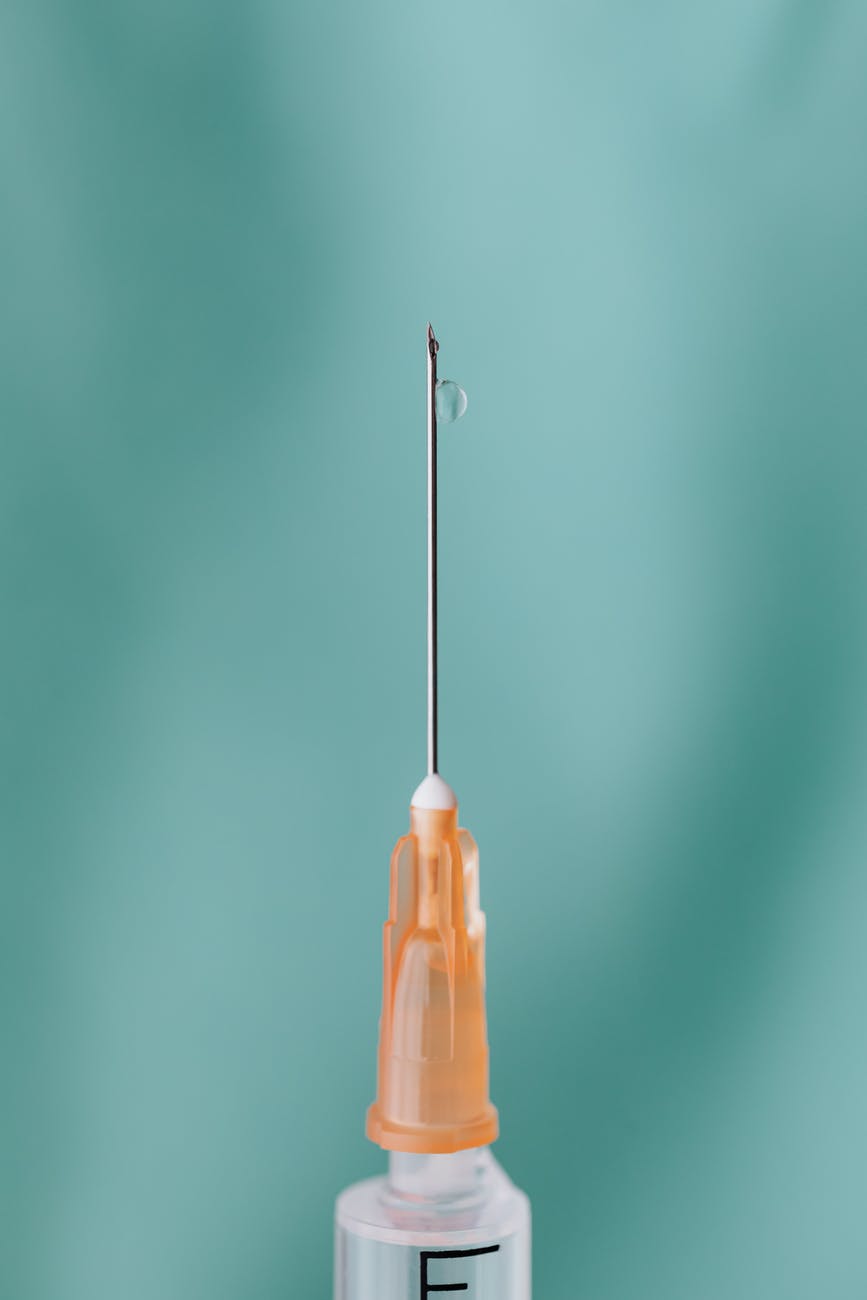
I had a simple procedure yesterday but the anesthesia kept me sleeping most the day. I’m behind in my reading and want to say, hang in there I’ll catch up over the next couple of days. And a special thanks to for all the comments I have not been able to reply to from last week.
It has a 3.5 inch needle in my hip, I’ll write about when I catch up.
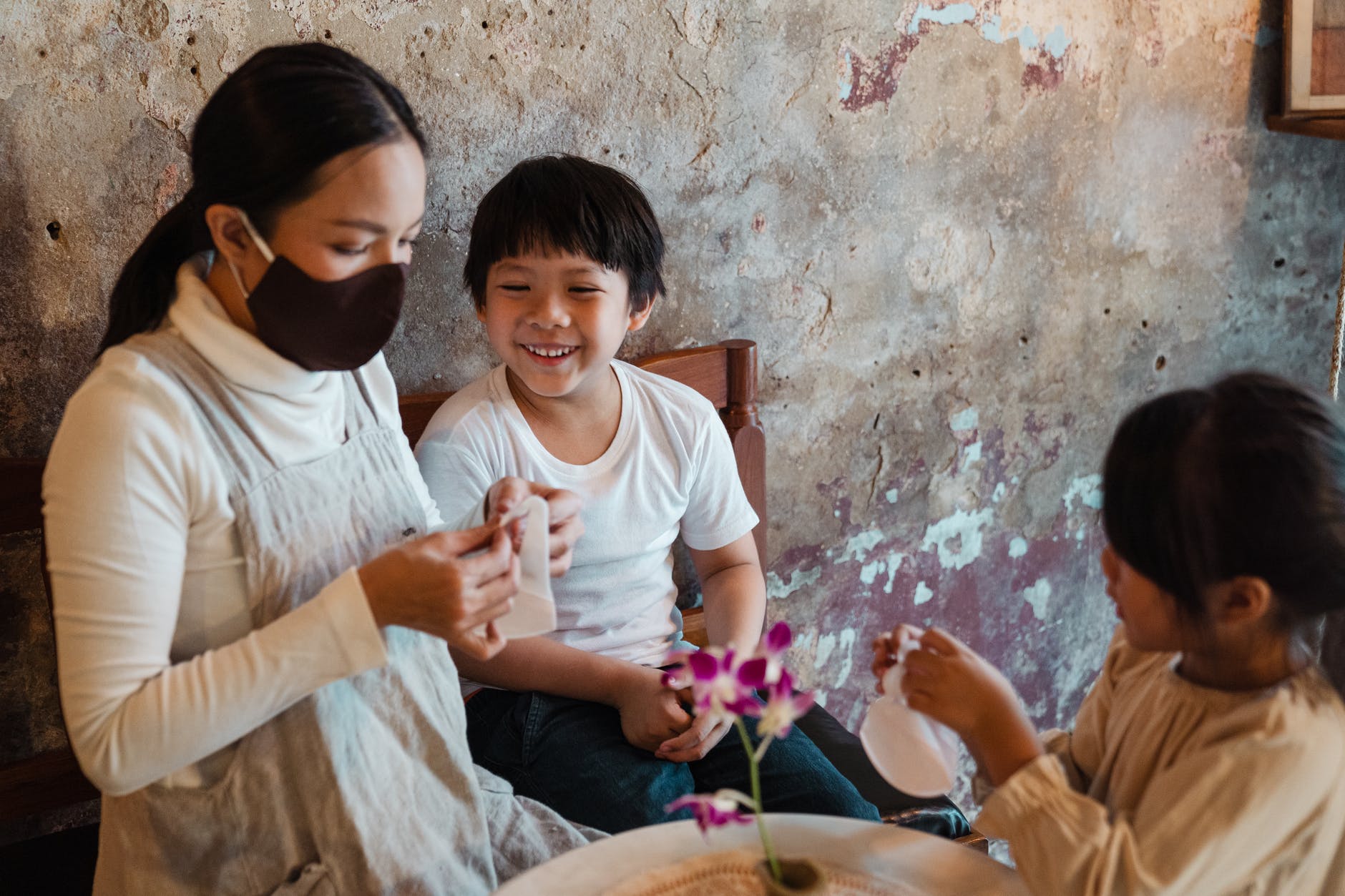
Kids might find it more difficult to cope with the pandemic. Here’s how parents can help them.
When the COVID-19 pandemic hit this past spring, billions of children around the globe were abruptly sent home from school — an anchor in so many ways. Kids have been cut off from friends and loved ones, and yanked away from daily activities and passions. Many have watched their loved ones get sick or have come down with the virus themselves. It has been … a lot.
Now, as another unprecedented academic year swings into high gear, children are facing more of the same “new normal” that no one asked for.
“We don’t know how long we’re going to be living in this very strange period. For some kids, that mean that they’ve adjusted and things are a little bit easier to manage,” said Kimberly Canter, a child psychologist at Nemours Children’s Health System. “For other kids, that just means this gets harder and harder every day.”
HuffPost Parents spoke to several experts about simple, concrete ways we can help support our children during this upcoming school year. Here’s what they had to say:
1. Regularly check in with them about what they think is happening with COVID-19.
Talking to your child about what they know (or believe they know) about the pandemic is a crucial first step to understanding where they’re at emotionally, said Canter, who developed an online intervention to help kids struggling with COVID-19 stress. (The intervention is currently available to Nemours patients only, but she shared some of the broader concepts below.)
You’re looking to understand their specific concerns, she said.
“Are there things they are hearing that are frightening them that are not true?” she asked. “Are there things they are hearing that are frightening them that are true? And how can we address that?”
If your child brings up something you don’t have an answer to, or there’s no answer to, be honest. Tell them you’ll seek out accurate information together, and reassure them that they’re not facing this alone.
Parents should also pay attention to any physical, emotional or social changes they notice in their children, said Ron Stolberg, a licensed child psychologist and professor at Alliant International University.
“Typical things to look for are significant weight gain or weight loss not related to normal development, rejecting long-standing friends, major social withdrawal, and with teens, we also add unaccounted-for spending,” Stolberg said.
Your check-ins can be brief, but they should be consistent. Parents may have done this more at the start of the pandemic, when everything was strange and new. Don’t let up now.
2. Help them identify their emotions.
Emotional intelligence is a learned skill that is rooted in a person’s ability to identify what they are feeling. Parents can help their children do that, Canter said. It’s really about noticing their feelings and learning how to name them.
This can start even if kids are young. Simple mood meters — red for angry, blue for sad, green for calm and yellow for happy — can help young kiddos track where they are and give voice to those feelings.
If your child brings up something you don’t have an answer to, or there’s no answer to, be honest. Tell them you’ll seek out accurate information together, and reassure them that they’re not facing this alone.
Parents should also pay attention to any physical, emotional or social changes they notice in their children, said Ron Stolberg, a licensed child psychologist and professor at Alliant International University.
“Typical things to look for are significant weight gain or weight loss not related to normal development, rejecting long-standing friends, major social withdrawal, and with teens, we also add unaccounted-for spending,” Stolberg said.
Your check-ins can be brief, but they should be consistent. Parents may have done this more at the start of the pandemic, when everything was strange and new. Don’t let up now.
Your check-ins can be brief, but they should be consistent. Parents may have done this more at the start of the pandemic, when everything was strange and new. Don’t let up now.
3. Build trust with their teachers.
Even if you live in an area where your child is in the classroom five days a week, this is an academic year like no other. One simple way to emotionally support your child — and your child’s teacher — is to help them feel “safe and connected to their school communities,” said Jeanne Huybrechts, chief academic officer at Stratford School, a network of private schools in California. That is true whether classes are in person, hybrid or starting the year off remotely.
“Reach out to your child’s teacher and introduce yourself and your family,” Huybrechts said. “Share family stories, values, your family’s living situation this fall, your child’s feelings about the return to school.”
More than ever this year, open communication with your child’s teachers is essential.
4. For at least five minutes a day, hang out with them however they want.
Parents sometimes hate to hear this tip because at the end of a long, exhausting day, many parents just (understandably) want to collapse, said Jill Ehrenreich-May, a psychologist and director of the Child and Adolescent Mood and Anxiety Program at the University of Miami.
But she recommends taking at least five minutes a day, every day, to just hang out together with the kids.
“Do something — not on screens — that your child wants to do with you,” Ehrenreich-May said. Follow their lead, and really try to connect through joy. They need it.
5. Remind them of what they can control.
Many children are struggling under the weight of so many unknowns. We don’t know when school will be “normal” again. We don’t know when they’ll be able to freely hug grandparents or friends. We don’t know if they’ll get sick, or if we will get sick — and how serious it might be. That’s difficult for anyone to deal with, particularly kids.
Parents can help by focusing them on what they can control right now.
“You might not be able to control if there’s a vaccine, but you can control things like washing your hands and wearing a mask,” Canter said. Similarly, kids may not be able to control when, say, soccer starts up again, but they can schedule Zoom hangouts with their teammates. And so on.
And here is something parents can control, to a certain extent: They can model the type of resiliency and self-care they hope to see in their children. That means parents need to find ways to take care of themselves.
“If I expect them to be calm and handle this really not normal situation, well, I probably need to express my own emotions appropriately,” Ehrenreich-May said.
Stolberg agreed, suggesting that parents follow a healthy sleep routine, eat nutritious food, avoid caffeine and alcohol, exercise outside if it’s safe to do so and stay connected to people, even if it’s digitally. He also recommended mindfulness exercises, such as breathing, meditation and yoga.
“You cannot be your best parent if you are not healthy and mentally prepared for the job,” he said.
At the end of the day, it’s not about pretending everything is totally OK. It’s about modeling emotional intelligence yourself and trying to show your kiddo how to live with uncertainty, while also trying to make the best of this unprecedented time.
##
My Two Cents:
Go for counselling together
Parent-child counselling sessions are gaining popularity due to their many advantages. It is a program designed to help improve the relationship between parents and their children. These programs are beneficial and can help you support your child’s emotional health in the long run. They are especially important for those parents who find it difficult to get their children to open up and talk about their feelings.
As a parent, attending sessions can help you learn new skills to support your child’s mental health. A counsellor or therapist will start by observing how you interact with your child. Then they can suggest ways to improve your interactions. After attending the session, you can arrive home safely after reading more info here and without any worry of your child experiencing extra stress since you are equipped with how to handle any situation. You will know how to enhance how you communicate, solve problems better and understand your parental boundaries.
Sara Serrano who is a Community Outreach Manager for AdditionResource.net contacted me to see if I would be interested in sharing their company information on the Organizations Who Can Help page on Looking for the Light. After reading more about the company I was happy to include AddictionResouce.net to the list. The more resources available the greater the chances you will find a resource when time may be of the essence.
Sara shared some thoughts on why AddictionResouce.net
It’s difficult to find reliable information on addiction and rehabilitation on the internet, so we created a site that provides up-to-date, accurate, and evidence-based information related to addiction, substance abuse, mental health, and treatment.
The facilities chosen for our Top 10 lists are put through strict criteria during examination, which you can find on our “How We Choose” page. No facility can submit themselves or pay to be on a list.
Topics are selected based on research, which tells us what our audience may be looking for, which types of addiction individuals across the nation may be facing, and which types of treatment may be most helpful and effective.
My mission is to build a comprehensive resource for people to turn too for contact information for all types of resources across the board in one easy to find location.
You might have noticed something different about someone close to you recently. Perhaps they seem a little more closed off than usual, or maybe you’re just noticing that things they used to enjoy, don’t seem to do it anymore. It could be any number of things, but if you know that life is getting them super stressed lately, this is probably the answer. In this article, we’re going to be looking at some of the things that you can do to help someone close to you deal with stress.
The first thing that we think you should do is offer to listen. Sometimes, people who are suffering with stress just need to talk about what they are feeling. Often, coming up with a solution to help someone who is stressed out won’t be possible, especially seeing as a lot of the causes are things that they don’t always have the power to change. Of course, if they can change them, then you should absolutely suggest that they do. However, it is far more important that you listen to what they have to say and make them feel heard, rather than offering advice. You will often find that they know what they should do, but they still need to speak to someone about the way they are feeling. Be that person for them. Offer them your shoulder.
Find What Helps Them
While it may not always be possible to get rid of the thing that is stressing them out, you can still help them by finding the things that help them cope with stress better. For example, you could get them into sport of some kind and do it together. Or, you could look into some herbal remedies that may help reduce the stress and purchase some weed pipes to make the experience a bit better. It really depends on what the person close to you finds relaxing. You’ve just got to remember that not everything is going to work, so don’t get too frustrated when you’re going through the trial and error phase.
Finally, you should never make fun of the problems that somebody is experiencing. This is harsh, and it will make them go into a shell and never want to speak to anyone about their issues again. Don’t try to make light of the situation. Don’t tell them that they are overreacting. Don’t compare their life to yours and tell them why they shouldn’t be stressed. None of this is going to be helpful. Just be supportive, that is what they need the most.
Hopefully, now you understand some of the things that you can do to help those close to you deal with stress. It’s a hard thing to cope with at the best of times, and if it’s getting too much for them, you need to support them as much as you can. It’s going to be difficult for them to admit, so be patient, and above all, be kind.
Martin Luther King Jr. gave many speeches in his lifetime, one of my favorite speeches is I have a Dream.
Martin Luther came from a place of peace, love and understanding. He knew the road he and other’s were on was a tough road but he took the high road, calling for people to come togther not create violence.
He fanned a flame deep inside when people were losing hope from what was going on around them. He opened a door for people to believe in themselves and to succeed no matter the odds.
We need more leaders like Martin Luther King Jr. today to build us up not separate us.
Read some of his speeches and see if he lights a flame within your heart.
Hair loss can affect anyone, whether male or female. When you start to experience your hair falling out, it can be shocking, especially if you’re still young. Typically, people expect hair loss to start happening closer to middle age, but there are many reasons people experience it in their twenties. This can severely impact your self-esteem and can have a damaging psychological impact. To overcome this, it’s beneficial to understand the reasons why you might experience hair loss.
Hereditary
The most common reason for hair loss is genetics. If you have a history of hair loss in your family, it is more likely that you will lose your hair as well.
This is known as pattern baldness, both male and female. It will often start slowly and in patterns, such as thinning hair and bald spots at the crown or a receding hairline. Most of the time, people who have a family history of baldness will expect hair loss, but this doesn’t make the initial occurrences much easier to deal with and accept.
Stress
Just like stress can cause your hair to turn gray, it can also contribute to hair loss. Too much stress leads to your hair thinning out, and you will usually find it most frequently when washing your hair in the bath or shower.
Such stress can come from a traumatic event, and the hair loss symptoms will usually last for at least a few months after. However, the good news is that this is usually temporary.
Treatments, Shampoos, Products
Some hair treatments, such as certain hairstyles or products you use in your hair can also contribute to hair loss. The more strain your hair is put under, the less healthy it becomes, and this can cause the hair follicles to fail, causing your hair to fall out.
Chemicals can also impact the thickness of your hair, but like stress, this can be temporary if you catch it early enough. If you experience hair loss after changing shampoos or testing new products, go back to your previous products to see if there is a difference or consider searching for PRP (Platelet Rich Plasma) treatment to help slow and stop hair loss.
Medical Conditions
Hair loss can also happen as a reaction to certain illnesses and medications, such as cancer, arthritis, and depression. Often, this is a side effect of medication you take for the illness, although the stress of the sickness can also be a factor.
There are also medical conditions like alopecia related to your immune system and leads to hair falling out in patches, ringworm, a scalp infection, or even chronic hair pulling, a disorder also known as trichotillomania.
Is Your Hair Tied To Your Identity
For anyone who considers their hair part of their identity, suddenly losing hair can make you feel entirely unlike yourself. It can cause stress, lack of confidence, and affect your mental wellbeing. However, if you can understand why you are losing your hair, you can come to terms with it more easiely and take action to prevent or halt losing more hair.
Here we are two weeks in to 2021 and I haven’t written a post about New Years resolutions. It’s simple, I don’t make resolutions. Years ago I realized that at some point in the year my resolutions had gone by the wayside and or were not important any more.
Instead of resolutions, I set goals. The reason this works for me is that goals are fluid and so is life. I didn’t approach my resolutions like goals and that is one reason I would find myself disappointed several months into the year with a list of items that were no longer relevant. Setting resolutions always felt like a Wish List not an action plan.
I like to spend time during the last month of the year reflecting on what I’ve learned, what did I accomplish and determine if my goals are still valid. Validity is just as important as having goals and sometimes they are no longer relevant as you grow as a person.
If you have a goal, you have to take repetitive actions to get to the end result. If your actions on a daily basis don’t support/reinforce your goals you will not reach your destination. If you find yourself not taking action on a goal, chances are it’s time to evaluate why you made it in he first place and is it really important.
How do you take the lessons learned in 2020 and turn them into an action plan that will carry for you through 2021 with success?
Too many of us struggle to achieve a body ideal that’s just not obtainable by humans. It’s time to redefine what’s good, healthy and attractive on our own terms, say writers (and sisters) Emily Nagoski and Amelia Nagoski.
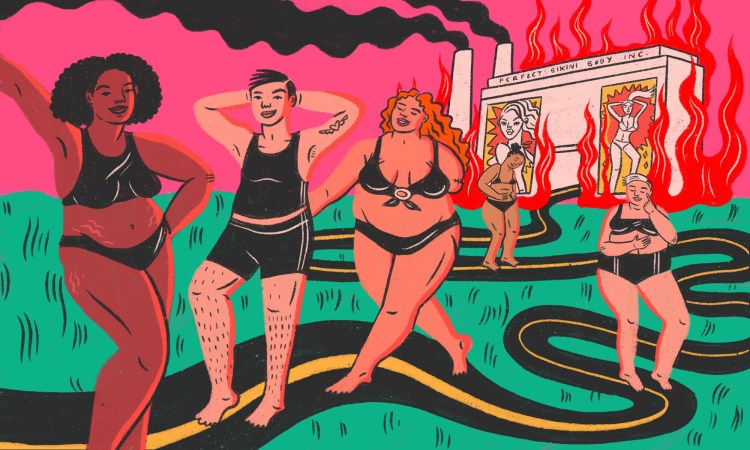
The Bikini Industrial Complex. That’s our name for the $100 billion cluster of businesses that profit by setting an unachievable “aspirational ideal,” convincing us that we can and should — indeed we must — conform with the ideal, and then selling us ineffective but plausible strategies for achieving that ideal. It’s like old cat pee in the carpet, powerful and pervasive and it makes you uncomfortable every day but it’s invisible and no one can remember a time when it didn’t smell.
Let’s shine a black light on it, so you can know where the smell is coming from. You already know that basically everything in the media is there to sell you thinness — the shellacked abs in ads for exercise equipment, the “one weird trick to lose belly fat” clickbait when all you wanted was a weather forecast, and the “flawless” thin women who fill most TV shows. The Bikini Industrial Complex, or BIC, has successfully created a culture of immense pressure to conform to an ideal that is literally unobtainable by almost everyone and yet is framed not just as the most beautiful, but the healthiest and most virtuous.
But it’s not just magazine covers, ads and other fictions that get it wrong. The body mass index (BMI) chart and its labels — underweight, overweight, obese, etc. — were created by a panel of nineH individuals, seven of whom were “employed by weight-loss clinics and thus have an economic interest in encouraging use of their facilities,” as researchers Paul Ernsberger and Richard J Koletsky put it.
You’ve been lied to about the relationship between weight and health so that you’ll perpetually try to change your weight. But listen: It can be healthier to be 70 or more pounds over your medically defined “healthy weight” than just five pounds under it. A 2016 meta-analysis in The Lancet medical journal examined 189 studies, encompassing nearly four million people who never smoked and had no diagnosed medical issues. It found that people labeled “obese” by the CDC have lower health risk than those the CDC categorized as “underweight.” The study also found that being “overweight” according to the CDC is lower risk than being at the low end of the “healthy” range as defined by the US federal government and the World Health Organization.
Another meta-analysis even found that people in the BMI category labeled “overweight” may live longer than people in any other category, and the highest predictable mortality rate might be among those labeled “underweight.” Taking it further, newer research is suggesting that doctors warn their middle-aged and older patients against losing weight, because the increasingly well-established dangers of fluctuations in weight outweigh any risk associated with a high but stable weight.
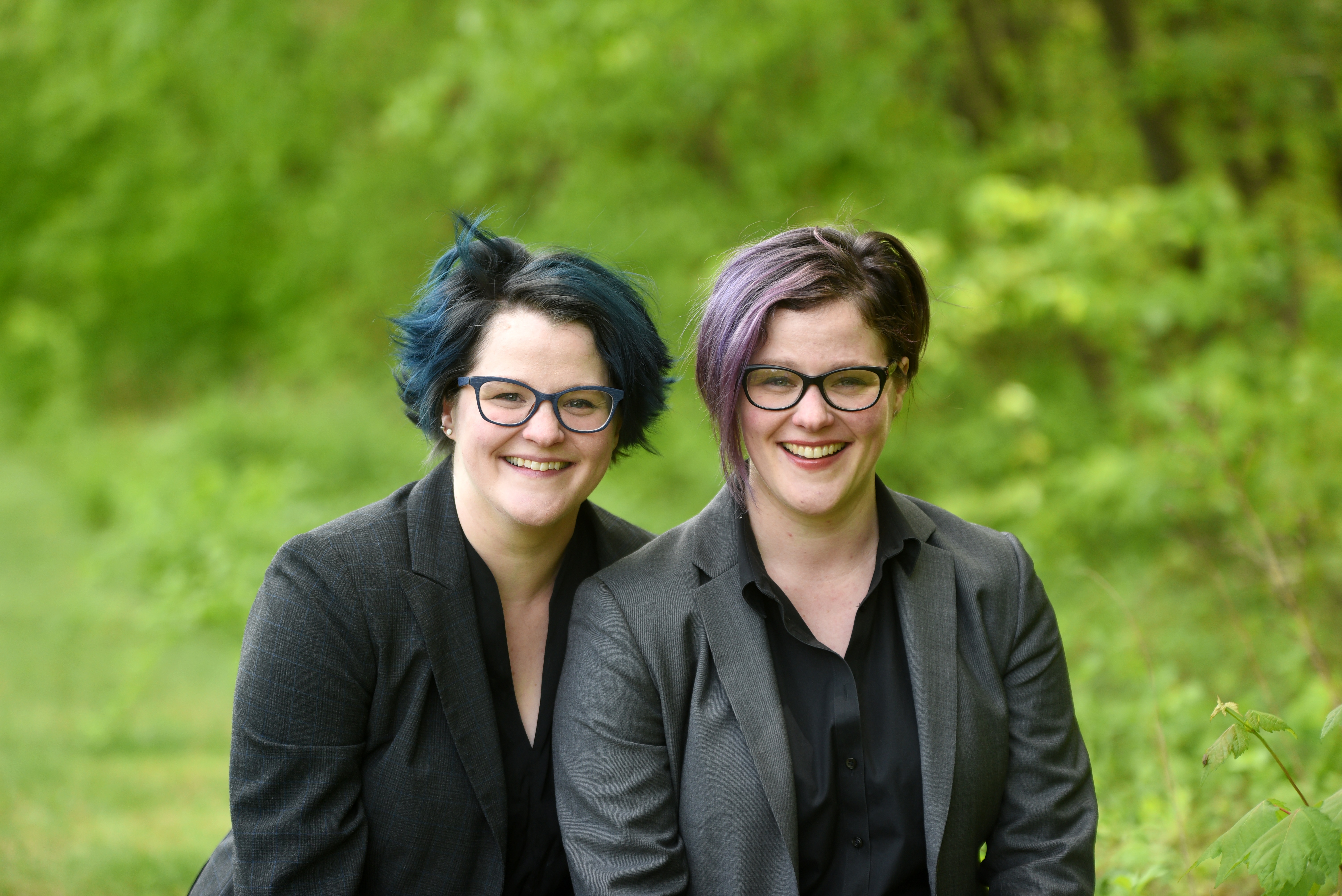
Authors (from left) Emily and Amelia Nagoski. Photo: Paul Specht.
Our culture has primed us to judge fat people as lazy and selfish. And it goes deep. Amelia conducts a children’s choir, and she has to teach her kids to breathe. At ten, eight, even six years old, they already believe that their bellies are supposed to be flat and hard, so they hold their stomachs in. You can’t breathe deeply, all the way, without relaxing your abdomen, and you can’t sing if you can’t breathe. So Amelia has to teach children to breathe.
Please: Relax your belly. It’s supposed to be round. The BIC has been gaslighting you.
We’re not saying the people or companies that constitute the BIC are out to get you. Frankly, we don’t think they’re smart enough to have created this system on purpose. But they recognize there’s money to be made by establishing and enforcing impossible standards.
We all encounter the BIC every day. So how can we make it through the fray?
One strategy: Play the “new hotness” game.
When we reconstruct our own standard of beauty with a definition that comes from our own hearts and includes our bodies as they are right now, we can turn toward our bodies with kindness and compassion. Well, easier said than done.
Amelia is vain about pictures of her conducting, in which she inevitably has her mouth wide open and her hair is a sweaty wreck. Emily watches herself on TV and worries that her chin is too pointy because one time, somebody said it was. (We are identical twins.)
Neither of us has ever had the skinny proportions of a model, and we watched our mom — who was model-thin before she gestated two seven-pound babies at the same time — look at her reflection in mirrors and cry at what she saw there. What she saw there is very much like what we see in our own reflections now.
Which is why we play the “New Hotness” game, a way to let go of body self-criticism and shift to self-kindness. One day, Amelia was at a fancy boutique, trying on gowns for a performance. Attire for women conductors is hard to find: solid black with long sleeves, formal yet not frumpy is an unlikely combination. Finding all of this in her size is even more difficult.
She tried on a dress that looked so amazingly good she texted Emily a dress selfie, with a caption paraphrasing Will Smith in Men in Black II: i am the new hotness.
And now “new hotness” is our texting shorthand for looking fabulous without reference to the socially constructed ideal. We recommend it. It’s fun.
Maybe you don’t look like you used to, or like you used to imagine you should, but how you look today is the new hotness. Even better than the old hotness.
Saggy belly skin from that baby you birthed? New hotness.
Gained 20 pounds while finishing school? New hotness.
Skin gets new wrinkles because you lived another year? New hotness.
Hair longer or shorter, or a different color or style? New hotness.
Mastectomy following breast cancer? New hotness.
Amputation following combat injury? New hotness.
The point is, you define and redefine your body’s worth, on your own terms. It’s not necessary to turn toward your body with love and affection — love and affection are frosting on the cake of body acceptance, and if they work for you, go for it. But all your body requires of you is that you turn toward it with kindness and compassion, again and again, without judging all your contradictory emotions, beliefs and longings.
No doubt after you finish reading this, you will go out into the world and notice the diversity of bodies around you. And you will still have reflexive thoughts about the people who don’t conform to the aspirational ideal, envious thoughts about the people who do, or self-critical thoughts about the ways the world tells you that you fall short. And then you might even have emotional reactions to your emotional reactions: “Darn it, I shouldn’t think that!”
Change happens gradually. Your brain has been soaking in the BIC for decades; any time you step outside your door, you’re back in it; any time you turn on a TV, you’re back in it; and any time you put clothes on, you’re back in it. Just notice it, as you’d notice a fleck of dust floating through the air. Smile kindly at the mess. And know what’s true: Everyone is the new hotness. You are the new hotness. So is she. So are they. So are we.
Emily Nagoski is the author of “Come as You Are: The Surprising New Science That Will Transform Your Sex Life.” She has a PhD in health behavior with a minor in human sexuality from Indiana University, and a MS in counseling, also from IU, including a clinical internship at the Kinsey Institute sexual health clinic. A sex educator for 20 years, she is the inaugural director of wellness education at Smith College.
Amelia Nagoski holds a DMA in conducting from the University of Connecticut. An assistant professor and coordinator of music at Western New England University, she regularly presents educational sessions for professional musicians discussing the application of communications science and psychological research, including “Beyond Burnout Prevention: Embodied Wellness for Conductors.”
This post is part of TED’s “How to Be a Better Human” series, each of which contains a piece of helpful advice from people in the TED community; browse through all the posts here.
Have you ever tried to fix an ongoing lack of energy by getting more sleep — only to do so and still feel exhausted?
If that’s you, here’s the secret: Sleep and rest are not the same thing, although many of us incorrectly confuse the two.
We go through life thinking we’ve rested because we have gotten enough sleep — but in reality we are missing out on the other types of rest we desperately need. The result is a culture of high-achieving, high-producing, chronically tired and chronically burned-out individuals. We’re suffering from a rest deficit because we don’t understand the true power of rest.
Rest should equal restoration in seven key areas of your life.
The first type of rest we need is physical rest, which can be passive or active. Passive physical rest includes sleeping and napping, while active physical rest means restorative activities such as yoga, stretching and massage therapy that help improve the body’s circulation and flexibility.
The second type of rest is mental rest. Do you know that coworker who starts work every day with a huge cup of coffee? He’s often irritable and forgetful, and he has a difficult time concentrating on his work. When he lies down at night to sleep, he frequently struggles to turn off his brain as conversations from the day fill his thoughts. And despite sleeping seven to eight hours, he wakes up feeling as if he never went to bed. He has a mental rest deficit.
The good news is you don’t have to quit your job or go on vacation to fix this. Schedule short breaks to occur every two hours throughout your workday; these breaks can remind you to slow down. You might also keep a notepad by the bed to jot down any nagging thoughts that would keep you awake.
The third type of rest we need is sensory rest. Bright lights, computer screens, background noise and multiple conversations — whether they’re in an office or on Zoom calls — can cause our senses to feel overwhelmed. This can be countered by doing something as simple as closing your eyes for a minute in the middle of the day, as well as by intentionally unplugging from electronics at the end of every day. Intentional moments of sensory deprivation can begin to undo the damage inflicted by the over-stimulating world.
The fourth type of rest is creative rest. This type of rest is especially important for anyone who must solve problems or brainstorm new ideas. Creative rest reawakens the awe and wonder inside each of us. Do you recall the first time you saw the Grand Canyon, the ocean or a waterfall? Allowing yourself to take in the beauty of the outdoors — even if it’s at a local park or in your backyard — provides you with creative rest.
But creative rest isn’t simply about appreciating nature; it also includes enjoying the arts. Turn your workspace into a place of inspiration by displaying images of places you love and works of art that speak to you. You can’t spend 40 hours a week staring at blank or jumbled surroundings and expect to feel passionate about anything, much less come up with innovative ideas.
Now let’s take a look at another individual — the friend whom everyone thinks is the nicest person they’ve ever met. It’s the person everyone depends on, the one you’d call if you needed a favor because even if they don’t want to do it, you know they’ll give you a reluctant “yes” rather than a truthful “no”. But when this person is alone, they feel unappreciated and like others are taking advantage of them.
This person requires emotional rest, which means having the time and space to freely express your feelings and cut back on people pleasing.Emotional rest also requires the courage to be authentic. An emotionally rested person can answer the question “How are you today?” with a truthful “I’m not okay” — and then go on to share some hard things that otherwise go unsaid.
If you’re in need of emotional rest, you probably have a social rest deficit too. This occurs when we fail to differentiate between those relationships that revive us from those relationships that exhaust us. To experience more social rest, surround yourself with positive and supportive people. Even if your interactions have to occur virtually, you can choose to engage more fully in them by turning on your camera and focusing on who you’re speaking to.
The final type of rest is spiritual rest, which is the ability to connect beyond the physical and mental and feel a deep sense of belonging, love, acceptance and purpose. To receive this, engage in something greater than yourself and add prayer, meditation or community involvement to your daily routine.
As you can see, sleep alone can’t restore us to the point we feel rested. So it’s time for us to begin focusing on getting the right type of rest we need.
Editor’s note: Fatigue can also be associated with numerous health problems, so please get checked out by your physician if it persists.
Saundra Dalton-Smith MD is a physician, researcher and the author of the book “Sacred Rest: Recover Your Life, Renew Your Energy, Restore Your Sanity.” Her work has been featured by Fast Company, FOX, MSNBC and Psychology Today. Learn more at DrDaltonSmith.com or by following her on Instagram (@DrDaltonSmith) or LinkedIn (Linkedin.com/in/drdaltonsmith).
On Saturday morning while standing on the back patio I noticed a drone not very far up in the sky and just over the fence in the alley. My first reaction was fascination, WOW if I were a kid and had a toy like that I could have so much fun.
Then my fascination moved to who the hell is behind this device staring at me from my backyard. It just hovered perfectly just outside our fence. I came in and grabbed my phone, I have to take a photo of this.
When I came back outside, the drone when high in the air but no far from where it was then came over close to me not far off the ground. This happened very quickly and scared me a bit. Who the hell is watching me on the camera and they getting a good laugh and me taking photos of it.
About fifteen or twenty photos later it moved back, yet up and then lowered into my neighbors backyard.
I’m not one to rain on anyones parade but it left me unsettled that someone who’s intentions I have no way of knowing could hover around looking into my house and watching me in the backyard.
I felt my privacy had been invaded! Then thought it’s probably not legal to fly drones in the city limits. I did a quick search and it was clear that there were laws around flying a drone. Someone under 13 years old is not legal to fly a drone and every drone has to be certified and registered.
Now I really felt invaded. Chances are it was a kid who promised it’s parents not fly it while not at the park and they were away from home. I don’t care! I will rain on the parade if I feel violated in someway.
I called the police to see if it was legal to fly a drone within the fly in the city limits. Of course it’s not legal, there are designated areas they can fly and very clear laws is to where they can’t be flown.
Since I did not know my neighbors address at the time I did not tell the police who it was. After confirming their address I thought hard about what I wanted to do with the information. I’m not looking to start a neighbor dispute.
I decided to write an anonymous letter, obviously it’s not a total surprise to who was flying the drone since they are cameras. I stated that it was not legal to fly a drone in the citylimits, I felt my privacy was invaded and next time I would share their address with the police.
It feels passive but I want to defuse a potential situation with the people I live next to. If it was a kid disobeying their parents by flying while at home alone I won’t see it again. If it was the owners then hopefully they will learn where they can fly the drone legally. I don’t want them playing with their invasive toy/camera in my backyard.
Why do anything at all? I feel strongly that my rights were violated, I have no idea what potential danger or threat it could be and I live in a country where I have the right to privacy.
Have you had a similar encounter? How did it make you feel? How would you have handled the situation? I’m very curious to hear your feedback.
I’m still very shaken by the events that took place in America this week. This was a highly organized maneuver, we’re not talking about peaceful protestors, we’re talking about DOMESTIC TERRORIST. Saying those words make me shiver and leave me filled with disgust. Please pray for all Americans. This is not a Red vs Blue issue, it’s about human decency.
I’m devastated by the scenes played out on television yesterday by thugs claiming to be patriots to America. People have the right to demonstrate peacefully for their beliefs, to have their voices heard but PEACEFULLY is an absolute must here. We are not that type of country, we will not be run my terrorist. When you cross over the line to violence you are a thug, and in this case a domestic terrorist. I believe everyone of the thugs who claim to have America’s best interest at heart need to go to jail for crimes against our country. Let’s see how committed they are when held accountable for their actions. Blood is one their hands.
I’m concerned about what other countries think about America, many of their voices heard over Twitter last night and I fear for our future relationships with our neighbors.
To anyone who is forming an impression of America based on the antics and behavior of this election, I ask you to please not judge America by our soon to be past President and a few misguided thugs.
As a longstanding Republican I write this with a heavy heart.
When you have been involved in an accident, your physical well-being is understandably at the forefront of your mind. However, sometimes when you’ve been seriously hurt, you need a longer period of time to heal mentally as well as physically. Sometimes, even long after your body has healed and you’re back on your feet again, you may still be feeling the effects of your mental health. In these situations, you need to give yourself the time to recover, and here are some tips on how to cope mentally after a serious accident.
After a serious accident and injury, you may develop fears and anxieties around that particular situation. For example, if you nearly drowned from falling off a boat into choppy seawater, you may find that you’ve developed a fear of boats or deep water, and that’s completely understandable! Talk to your doctor or counselor about your fears, as they’ll be able to help you overcome these fears through therapy.
Gain some financial help
Being in an accident may cause you to be out of work for some time, and this can negatively affect your finances, causing you to fall into debt. Your mental health may be struggling to cope with these debts, and you may find yourself worrying about them often, causing you to lose concentration elsewhere. You can get financial help for many accidents such as an automobile accident by speaking to car crash lawyers to see if you’ve got a viable case. Alternatively, you could speak to a debt advisor about how you can reduce your debts with the budget you’re on.
This also applies to a motorcycle accident. It would be best to hire a motorcycle attorney who specializes in motorcycle accidents. They can help you navigate the court system, which may prove to be pretty challenging for an average person. They know how to build a strong case by getting all the necessary evidence and will also ensure you get a fair trial.
They will also help you get a proper settlement, which most people don’t get even after spending a lot of time in court. A favorable motorcycle settlement will be possible in the hands of a good attorney who has enough years of experience. Another area they can come in handy is when dealing with insurance companies.
This can prove to be quite challenging as your insurance provider may not be willing to cover all the damages. But with a reliable attorney by your side, they will help you maintain your cool when dealing with an insurance company. And lastly, a lawyer will help interpret all legal terms you may be unfamiliar with. All these will help keep you mentally sane.
Take time to discover the new you
If your accident has changed you physically, such as paralyzation of the legs or spine, you may be struggling to adapt to who you are now. Going through something like that is a major life change, and you need to take as much time as you need to discover the new you. This might mean taking some time away from work to work on yourself, or it might mean changing careers to something that you can enjoy.
Refrain from hiding away
It’s very common after an accident to hide away from the world due to anxiety about another accident lurking around the corner. The problem here is that the longer you leave returning to normal life, the harder it’s going to be to adapt. Be brave, take the step! There’s nothing wrong with taking extra precautions in your day to day life, just don’t avoid it altogether!
Use the support around you
Finally, after an accident, it’s very likely that your family and friends have rallied together to help you recover and then some, and there’s nothing wrong with asking for some extra help if you need it! You’ve just experienced a major event in your life, and you can’t be expected to bounce back straight away. Alternatively, you may be able to find support groups near you where you can talk about your experiences with people that have been through the same thing. Whatever you feel will help, reach out to it!
In the past, people diagnosed with neuropathy used to be told not to exercise at all, but the advice has changed its tune in favor of gentle movement. Whether you’re dealing with neuropathy or another chronic pain condition, physical activity can help improve blood circulation (which strengthens nerve tissues by increasing the flow of oxygen), improve your mental health, reduce stress, and boost your overall mood.
In this week’s Aromalief’s blog, Annabel has rounded up some tips and recommendations that will help you enjoy your walks and get the most out of them.
This blog post may contain affiliate links that earn us a tiny commission at NO cost to you.
Walking is a wonderful form of exercise that will enhance anyone’s wellbeing, but it’s particularly important for people who have neuropathy—a pain condition that can result in weakness, numbness, and pain from nerve damage, especially in the feet. This Neuropathy and Walking blog post can help to get your New Year’s Resolution off to a good start.
If you struggle with this condition, you’ve probably been wondering if walking will improve or worsen your pain. While people diagnosed with neuropathy used to be told not to exercise at all, the advice has definitely changed its tune in favor of gentle movement.
According to theMayo Clinic, regular exercise, such as walking three times a week, can reduce neuropathy pain and improve muscle strength. Physical activity, such as walking, can also help improve blood circulation, which strengthens nerve tissues by increasing the flow of oxygen. Taking a stroll around your neighborhood or in nature is also an excellent way to improve your mental health, reduce stress, and boost your overall mood.
With the New Year upon us, it’s a great time to set a goal of getting out for a walk three times a week. To make your walking experience as pleasurable and pain free as possible, we’ve rounded up some tips and recommendations that will help you enjoy your walks and get the most out of them.
Selecting the right type of shoe can have a big impact on your level of pain when walking. The Americans with Disabilities Act (ADA) suggests wearing shoes with silica gel or air midsoles for weight-bearing activities like walking because they are designed to reduce stress on your feet and joints.
It’s also important to ensure that your shoes are wide and large enough. Wearing shoes that are too snug can increase your susceptibility to triggering pressure points which, in turn, can increase pain. Give your feet a little room to wiggle and breathe.
A great shoe brand for walking are Brooks. I use the BrooksGlycerin because they have the most amount of cushion of pretty much any shoe that I have tried making it easier for may knees and lower back. You can try other’s in their line that are also good.
Drinking enough water is universal health advice, but it’s especially important for people who have neuropathy. Water plays a crucial role in nerve function. When dehydrated, nerve function is disrupted, which can lead to a feeling of pain along damaged nerves. Water also helps reduce toxin buildup and inflammation levels—two things that can increase your pain.
Looking for a good water bottle to carry on your walks? Try this one. It’s BPA free and even has motivational time markers to encourage you to get your water in! At 64oz it can help you stay hydrated all day.
Compression socks, sleeves, and leggings are a wonderful tool to help manage your symptoms of neuropathy while walking. While nerve damage generally can’t be reversed, compression clothing can help protect the health of your feet and relieve pain.
Compression clothing works by applying pressure to your affected legs, feet, or hands. This pressure stimulates circulation and keeps your blood flowing in the right direction.
Try Aromalief’s Foot Compression Socks or knee brace to keep your symptoms at bay and support your body while walking. For leggings, I personally really like compression pants from Old Navy and Victoria’s Secret. Look for them with Side Pockets to keep your phone handy on your walk.
This isn’t a race or competition—give yourself permission to ease into your new walking routine and go at a pace that feels comfortable to you. Start with walking a quarter of a mile. Do that for a week, and if that feels good to you, increase your distance to a half a mile. Continue this process until you reach a level that feels right for your individual circumstance. If you haven’t walked in a long time, you can start even slower. Just go at your own pace, listen to your body, and be kind to yourself throughout the process. You’re doing something great for your body and you should be proud of yourself.
Write it in your calendar, agency, or even put a post it note to make sure that you remember to walk. Walking is a wonderful way to support your overall health and reduce your symptoms of neuropathy. Take it slow, stay hydrated, wear good footwear, and enjoy the fresh air. Your body, mind, and spirit will thank you!
If you would like to learn more about Aromalief and discover other posts on Neuropathy Click Here.



























 lookingforthelight.blog