

Month: June 2023


Friday Quote 6/9/2023
So glad you stopped by, I hope to see you again soon.
Melinda
Wordless Wednesday *Pink & Purple with a Starfish in the middle
I’m so glad you joined me on Wordless Wednesday. Thank you for stopping by my blog.


Melinda

Three Fantastic Ways Of Nurturing Positivity And Supporting Family During Challenging Times
In life, we all go through challenging instances. Life isn’t full of happiness all of the time and there will always be certain issues that we have to deal with. Whether we’re talking about health-related issues or something to do with our line of work, nothing ever goes as smoothly as we’d like. This might seem like a terrible thing because we’d all prefer a hassle-free life, but that’s not how things work. We need a few negatives in our life in order to really enjoy the positives. The chances are that your family will be going through a few issues at some point in their lives, and it’s up to you to make sure that you support them and provide positivity along the way.
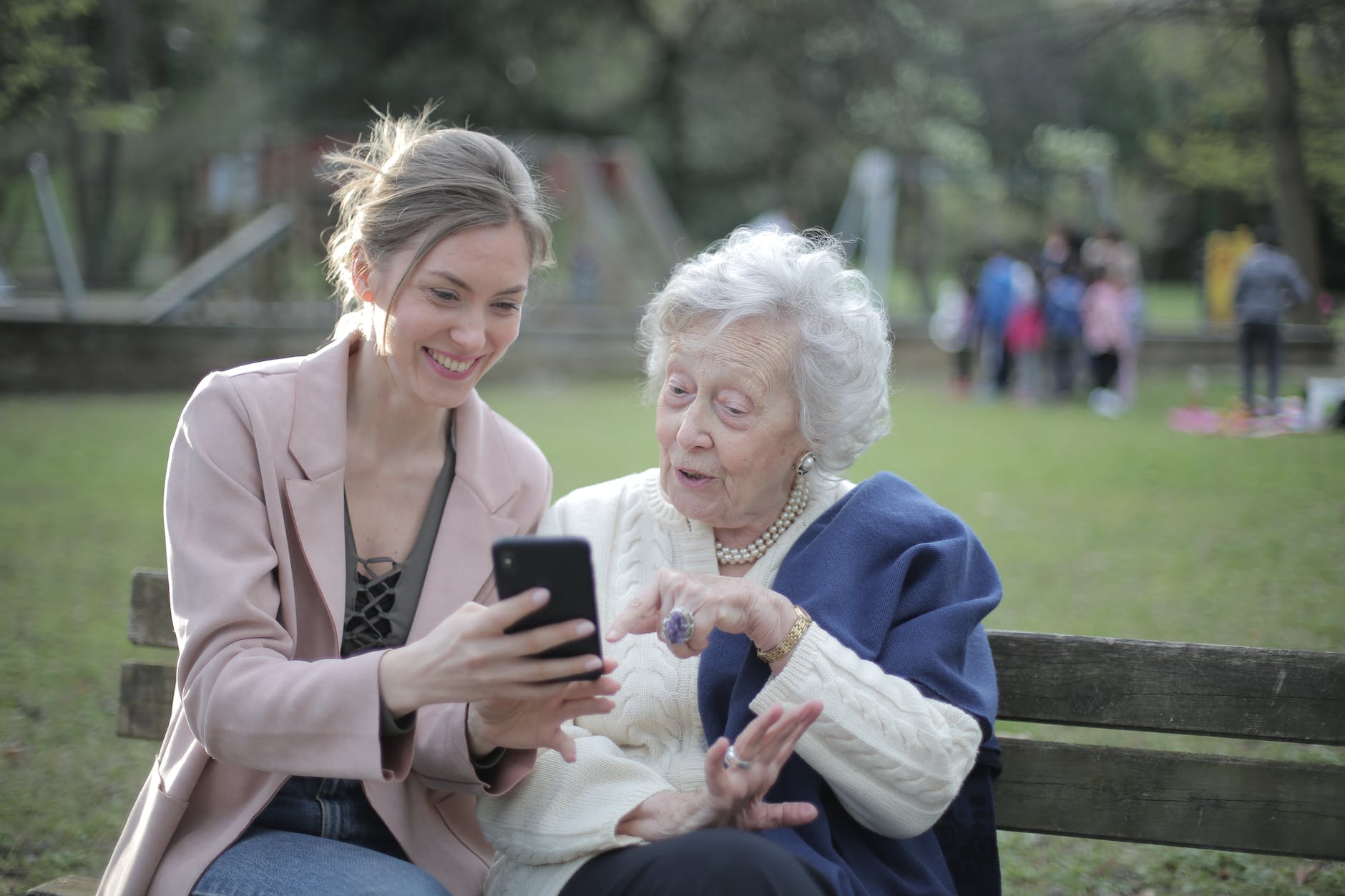
Whether you are dealing with elderly parents that need extra help or somebody in your family has gotten a little ill, there’s always something you can do to help out. Helping out in a physical sense is obviously very important, but there’s so much you can do from a mental standpoint, too. While the right mental attitude won’t solve all of your problems, it can put you in a much better place to deal with the issues at hand. If you are happy and content during certain instances, you will make life so much easier. If you have family members that are going through a negative time right now, here are a few ways you can nurture positivity and show amazing support:
Practice Active Listening And Be Empathetic
When rough times occur, it’s so important that you partake in active listening when communicating with family members during challenging times. You have to put yourself in their shoes and really understand where they’re coming from. This will help to show compassion. Let them express themselves without feeling judged and do not interrupt. When you foster this kind of supportive and empathetic environment, you help to create a foundation for them to really express themselves and improve.
Encourage Healthy Coping Mechanisms And Overall Self-Care
Coping mechanisms are all part of one’s recovery and dealing with issues. The problem is that a lot of people delve into the wrong kinds of coping mechanisms. It’s up to you to help them to develop healthier habits. Encourage them to engage in activities that will make them happier while bringing in a lot of joy and relaxation. Exercising, pursuing hobbies, and spending time outdoors can all contribute. Offer support whenever you can in terms of their self-care activities. It’s also wise to help them with the likes of journaling and seeking our professional help. When they have these kinds of outlets, they are provided with a safe space to process their emotions and understand more about themselves during tough times.
Look For Professional Help And Resources In Appropriate Areas
There will only be so much you can do to help them in this world. There will be times when you have to solicit help from professionals and those who are experienced in certain fields. If they are dealing with mental health issues, encouraging them to speak to a counselor would make a lot of sense. If they need specialized care, such as dementia care treatment, you might need to explore The likes of memory care facilities or home care facilities. If they have access to professional resources, it will help them to navigate rough times more conveniently.
This is a collaborative post.
Melinda

Blogger Highlight-Karina Hoisan
Thank you for all the great feedback on the Blogger Highlight series, I’ve enjoyed meeting each blogger and sharing their site with you. This week we highlight a new blogger, Karima Hoisan.

Karima Hoisan
I perform frequent readings throughout SL, utilizing voice with selected music, some, my own original compositions, and images I display of photographs and artwork to accompany each poem.
Make sure you visit her site, the artwork is amazing!
Melinda

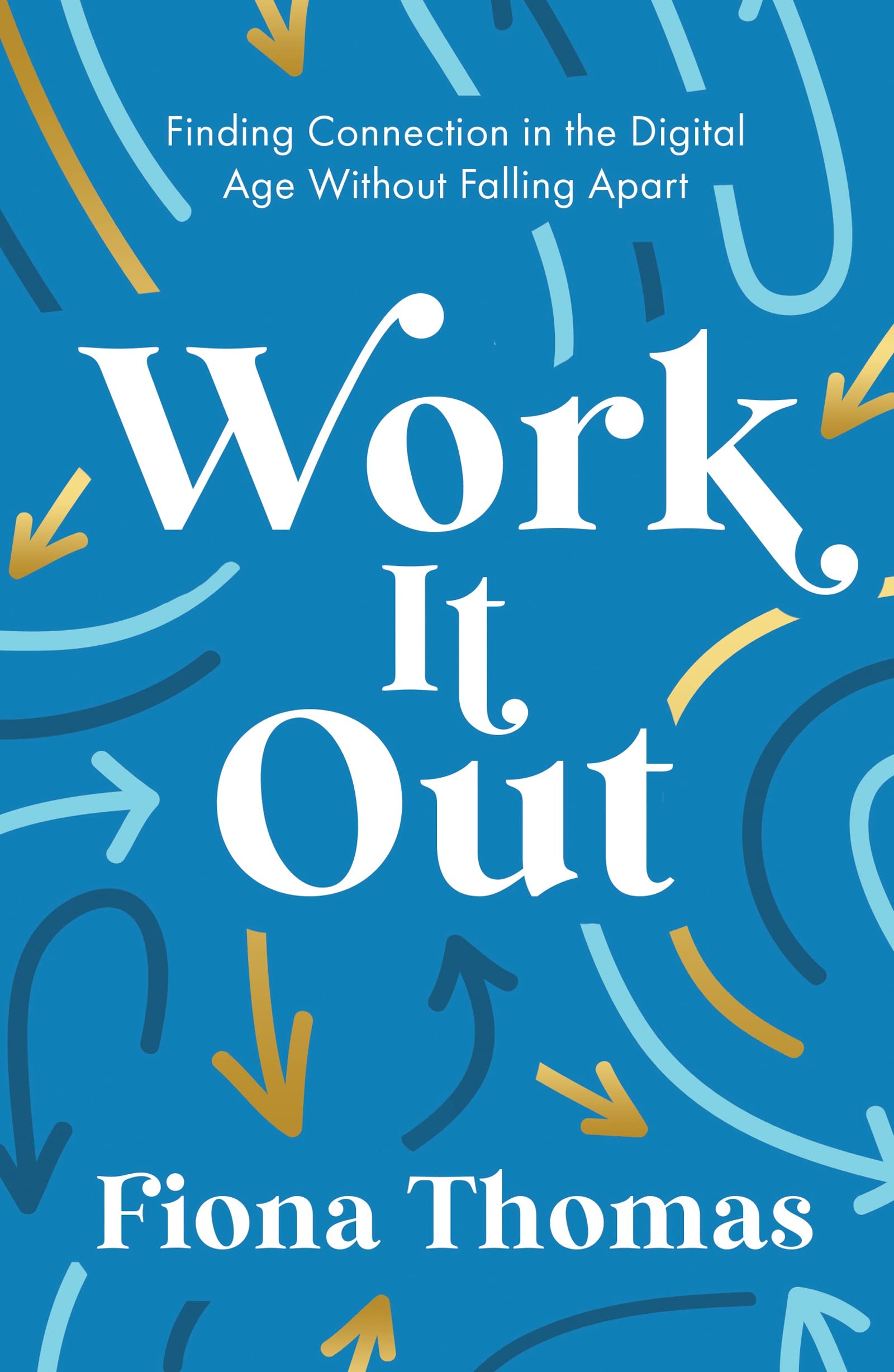
Book Review for Work It Out by Fiona Thomas
I want to give a special thanks to Publisher Soraya Nair of Trigger Publishing for sending me Work It Out by Fiona Thomas. The book is so relevant in our lives today.

About the Author
Fiona Thomas is a freelance writer who was born in Glasgow but is now living in Birmingham, UK.
Since starting her mental health blog in 2012 she has been published in Metro, Reader’s Digest, Happiful Magazine and Grazia to name a few. She has also been featured in Cosmopolitan, Red Magazine, Good Housekeeping and Refinery29. She speaks regularly about mental health and freelancing at events all over the UK.
Her first book ‘Depression in a Digital Age: The Highs and Lows of Perfectionism’ was published in 2018, and was called “brilliantly honest” by bestselling author Emma Gannon. Her second book ‘Out of Office: Ditch the 9-5 and Be Your Own Boss’ is a guide to freelancing with a focus on mindset, practicality and mental health.
Her passion is working with female-led businesses and shining a light on the positive impact that freelancing can have on our wellbeing.
Blurb
“A brilliantly honest reminder about how to control your online space and not let it control you” – Emma Gannon, Sunday Times bestselling author
“Fiona writes about mental health with fearless honesty and a quick wit. So much will resonate with so many” – Yvette Caster, host of Mentally Yours podcast
Fiona Thomas was your average ’80s baby. She grew up without an iPhone, used actual landlines to make calls and didn’t have the luxury (or perhaps the curse) of Facebook during her adolescent years. But though her childhood took place in an analogue world, she found herself suffering from the same problems many young people face today: the race for perfectionism, high levels of anxiety, a fear of success.
After an unfulfilling university experience, a stressful beginning in a management career and a severe case of impostor syndrome, Fiona suffered a nervous breakdown in her mid-twenties. Amongst therapy and medication, it was the online community that gave Fiona the comfort she needed to recover and find a career that made her happy.
Through her own experience at the time and with the benefit of hindsight, Fiona provides signposts for the reader to help them to understand:
- the importance of the right type of connection, both on and offline, not only with others but with oneself
- how connection can aid in recovery
- that finding the right career can help to enhance our wellbeing and mental health
- how and why purpose and wellbeing are interlinked.
Peppered with listicles, questions to ask yourself and key takeaways, Work It Out perfectly combines first-person lived experience with practical advice. Fiona shows us how to prioritize our mental health by finding the right purpose-centered career and how the internet has helped to make that possible.
My Thoughts
Our lives are surrounded by Social Media if we let it and Work It Out shows you how to keep Social Media from taking over your life, and how to make real connections. Fiona share her experience with mental health challenges including a nervous breakdown and how along with medication the Social Media community gave her the support and comfort she needed.
Thru her personal experiences, she discusses how to understand the importance of the right type of connection, how and why purpose and wellbeing are interlinked, and many other ideas on connections.
I love the section on questions to ask yourself and Fiona provides examples of how to have balance in our life.
Work It Out is a first-hand experience of Fiona’s most challenging times and how she kept moving forward until she reached her goals and much more. When you see all the publications she’s been published in you will go WOW!
Work It Out is a book for adults who have experienced challenges and have a desire to find balance in their life and how to make better connections. Who doesn’t need a book that provides support you know and later, it’s a bookshelf treasure for sure.
I highly recommend Work It Out, I learned a great deal from reading the book.
Trigger Publishing
TriggerHub.org is the first mental health organization of its kind. We are bringing mental health recovery and balance to millions of people worldwide through the power of our books.
We have built a first-class resource of curated books produced and published in-house to create a unique collection of mental health recovery titles unrivaled in quality and selection. We work with experts, psychologists, doctors, and coaches to produce our books, but we also work with real people looking to share their stories to reach out to others and provide hope, understanding, and compassion. These brave authors also aim to raise awareness of mental health’s “human” face and its impact on everyday lives.
Melinda

What advice do you wish you’d gotten when you graduated from college? 25 TED speakers answer.
IDEAS.TED.COM
May 22, 2018 / Rebekah Barnett

iStock
Whether you put on your cap and gown last week — or last century — these honest answers can give you some insight and guidance.
“If you don’t know what you want to do with the rest of your life, you’re not a failure. Give yourself time and get yourself experience to figure things out.”
— Angela Duckworth (TED Talk: Grit — the power of passion and persistence)
“Although I think I already knew this back when I graduated from college, I didn’t do it enough: trust your instincts. Deep inside you, you already know what you need to do to pursue your goals. And just as importantly, do not seek permission to pursue your goals. Pursue them. Only by doing so can you show the world what you had in mind and get the support of others.”
— Alejandro Sánchez Alvarado (TED Talk: To solve old problems, study new species)
“Don’t take yourself, your decisions, your outcomes or even your mistakes so damn seriously. There’s nowhere special to get to and no special accomplishment to check off the list. The moment is now; the place is here; the person is you. Make choices that make you feel alive. But here’s my advice about my advice — I couldn’t have possibly done this myself when I was a new college graduate because I was Wrapped. Way. Too. Tightly. This would have sounded like loosey-goosey hokum to me, and I’d have rolled my eyes and gone back to alphabetizing my soup shelf. Truly, what I wish I’d done differently during the past 20 years is enjoyed the ride and engaged in less hand-wringing over my decisions. I wish I’d trusted myself more, trusted the universe more, trusted the love and support of family and friends more, and realized this: ‘I’m enough, and it’s all going to be great.’ Because it has been marvelous.”
— Casey Brown (TED Talk: Know your worth, and then ask for it)
“It’s okay to quit your first job — even if it was really hard to get it, it paid well, and everyone seemed to admire you for getting it. If you hate your job, you’ll be wasting your life acquiring skills, contacts and a reputation that you don’t want to use. The sooner you find something you love, the better.”
— Tim Harford (TED Talk: How frustration can make us more creative)
“The world can only thrive when people know what they’re talking about. Find the thing that makes you want to know what you’re talking about. Then talk about it.”
— Ruth Chang (TED Talk: How to make hard choices)
“The advice that I wish I’d gotten when I graduated from college is: Pay attention to the difference between the quick hits of excitement that come from that first kiss of a new relationship or job and those feelings you get when you think about your strong connections with family or friends. Don’t get fooled by shiny things — that shine fades over time, while the gold of strong relationships never tarnishes. Remember the differences between these feelings to help you make decisions as you go forward.”
— Judson Brewer (TED Talk: A simple way to break a bad habit)
“1) Your high heels are not too high, even if you are a scientist. Someday, your unusual shoe choice will be just the right height to carry you into prestigious research labs and important business meetings, and help you peer into a wasp nest and discover a microorganism that will change the beer-brewing world. Your heels are just right for your journey. 2) There can be great beauty and great utility in what at first evokes feelings of fear and disgust, so dare to explore. 3) Remember to stop and sniff the microbes. This will probably help you gain perspective, but it will definitely help you discover future microbial technologies.”
— Anne Madden (TED Talk: Meet the microscopic life in your home and on your face)
“Regarding relationships of all categories (platonic, romantic, professional, etc.): Don’t let someone take up your emotional real estate if they aren’t paying rent.”
— Sarah Kay (TED Talk: If I should have a daughter … )
“Never stop learning. When we graduate college and start our careers, we often understand that we have a lot to learn, so we approach our jobs with a learning orientation. We ask questions; we observe others; we know we may be wrong; and we realize we’re works in progress. But once we gain competence in our jobs, too many of us stop learning and growing. The most successful people — in work and in life — never stop deliberately continuing to learn and improve.”
— Eduardo Briceño (TED Talk: How to get better at the things you care about)
“I felt a lot of urgency to ‘do good’ right out of the gate after college, working in nonprofits and government right away. I wish someone had urged me to build my skills instead, so I would have received mentoring on my professional performance and communication early on. Then, when I transitioned into the social good sector, I’d have had a good set of tools and habits to bring with me.”
— Jessica Ladd (TED Talk: The reporting system that sexual assault survivors want)
“Graduation is a euphoric moment, but soon after, people often experience withdrawal symptoms. One reason is that your immediately accessible social network has been pulled out from under you, and entering ‘the real world’ means that you lose the effortless social interaction from dorm life, organized clubs and regular parties. Rather than feeling down, be intentional about maintaining and building a social world that brings out your richest self. And, when you hit your lowest points, in addition to turning to your strongest and closest relationships for support, have the courage to widen both your thinking and your networks as well.”
— Tanya Menon (TED Talk: The secret to great opportunities? The person you haven’t met yet)
“Look for people’s inner worlds. Imagine their hopes and fears and what it feels like to be them. Seeing into other hearts can make you more effective in achieving personal and professional goals. It may also give you the comfort of remembering how deeply alike we all are.”
— Bill Bernat (TED Talk: How to connect with depressed friends)
“I was the first to attend college in my family, so neither my parents nor my siblings could advise me on my graduate school or career plans. I heeded my inner calling and pursued two master’s degrees in information systems at same time, and it all worked out well. Remember: your best academic counselor and career advisor is your heart.”
— Navi Radjou (TED Talk: Creative problem solving in the case of extreme limits)
“I know the anxiety-provoking notion that you have to specialize or you will never become successful is weighing heavily on you right now. There’s good news! It just isn’t true. You can do and be many things and still thrive professionally. Over the next ten years, you’ll meet amazing people who are doing all kinds of things, such as a programmer/comedian/author and a filmmaker/teacher/carpenter. It’s OK to be a complex, multifaceted person who doesn’t fit neatly in one box. In fact, it’s actually a lot of fun.”
— Emilie Wapnick (TED Talk: Why some of us don’t have one true calling)
“Be less afraid of getting older — way, way less afraid. Our fears are way out of proportion to the reality, and we squander a ridiculous amount of our youth worrying about it.”
— Ashton Applewhite (TED Talk: Let’s end ageism)
“Give yourself more time. So many college graduates immediately start wanting to make all their dreams come true at once — this can go wrong in many ways. The first is the frustration that you’re not ‘there’ yet. It’s going to take time to find (or build) your dream career. The second is burnout. If you find your career early, you can find yourself setting all sorts of unrealistic goals with arbitrary deadlines and chase them until you drop from fatigue. You can have it all — but not all at once.”
— David Burkus (TED Talk: Why you should know how much your coworkers get paid)
“Whenever possible, get as uncomfortable as possible. Challenge yourself to get outside of your comfort zone regularly — spend time with people you deeply disagree with, read books about experiences you will never have, travel to places where you don’t speak the language, and take jobs in industries you’ve never worked in before. And if you feel yourself resisting, try again. Those experiences will help you build deep empathy, and we could all use more of that.”
— Anjali Kumar (TED Talk: My failed mission to find God and what I found instead)
“Surround yourself with people who help you be the best versions of yourself. Avoid those who don’t. And get enough sleep.”
—Lisa Feldman Barrett (TED Talk: You aren’t at the mercy of your emotions)
“When I graduated, I wish I’d known the research showing that future success doesn’t lead to happiness. I sometimes got paralyzed by the fear that happiness existed only if I found the perfect job, degree or position. In truth, the research is clear: happiness exists down almost any life path as long as you are grateful for the present, and develop meaningful relationships. Choose optimism and gratitude now and invest more in others, and happiness will be a lifelong advantage as you pursue your dreams.”
— Shawn Achor (TED Talk: The happy secret to better work)
“You don’t have to pursue what you studied. I followed my heart, and now I’m happier and more satisfied with life than I could have ever envisioned. We kill ourselves looking for jobs in our fields of study, while there are a million other things we are able to do. I also wish somebody had told me money doesn’t equate to happiness. When you get a job and start working, don’t forget to live.”
— Kasiva Mutua (TED Talk: How to use the drum to tell your story)
“You don’t have to do something extraordinary to lead a meaningful life; you don’t have to cure cancer, become an Instagram celebrity, or write the Great American Novel. Freud said that the meaning of life lies in love and work. So: In your relationships, lead with love. Be generous, be vulnerable, give of yourself to others, and don’t do the expedient thing just because it’s more convenient for you. Make the effort to put others first. In your career, find work that makes you proud and adopt a service mindset — remember how what you’re doing helps others, no matter how big or small the impact may be. Touching the life of just a single person is a powerful legacy to leave behind. Finally, make gratitude a part of your daily life; don’t save it for Thanksgiving. Every day, reflect on one or two things that happened to you which you’re grateful for. Not only will it make you happier, but it will also put you in touch with what really matters. Then, when you experience setbacks or hardships, it will also be a good reminder of how blessed you really are.”
— Emily Esfahani Smith (TED Talk: There’s more to life than being happy)
“When you finish college and begin your first job or internship, you’ll be keen to learn all you can and impress your employer so you can start on the path to promotions and raises. But the important thing that you might not see amidst all this excitement is the great idea that could someday become a great business or entrepreneurial venture. I’ve found the most interesting employment that life offers is often something of your own creation that you do full time or in addition to your main job. So, after you graduate from college, take the time to identify a venture that you’d like to do by yourself or with friends, and start building it. One day, you’ll be glad you started early.”
— Washington Wachira (TED Talk: For the love of birds)
“Move toward the light — toward people, activities, ideas that make you see more, that nourish you. Do this for at least five years. At that point, you can take stock and decide if you need to do some utterly practical, careerist, traditionally ‘wise’ thing. But give yourself a chance to follow your heart and your mind first. The best careers are built by people who have had a breadth of experiences on which to draw. Don’t get anxious if for a while your life seems to be made of a lot of fragments; in time, they will seem like facets of a diamond.”
— Sherry Turkle (TED Talk: Connected, but alone?)
“That adage about pursuing things you’re passionate about does eventually pay off. When? No one knows. I suppose that’s why it’s a pursuit.”
— David Sengeh (TED Talk: The sore problem of prosthetic limbs)
“It’s traditional at graduation to offer neat, packaged stories of triumph over difficulties. But life isn’t like that — it’s open-ended, subject to a million contingencies and constant change. This doesn’t mean you shouldn’t make plans. But it does mean you should be alert to all the changes in the world and in yourself that could render your plan suddenly obsolete, unattractive or perverse. Be open to change. Be prepared to experiment. Take risks. Keep learning. Make your life your own.”
— Margaret Heffernan (TED Talk: Dare to disagree)
ABOUT THE AUTHOR
Rebekah Barnett is the community speaker coordinator at TED, and knows a good flag when she sees one.

Notes To Younger Self
Until age 40 my life was focused on work, making more money, and having nice designer goodies. My granny had a major stroke in 2004 and by 2005 I was helping my gramps take care of her. Being in their house brought me back to what was important, having a roof over your head, food on the table, and love. I had lost touch when the promotions and money started coming in.
I would tell my younger self to define my life by setting goals, working harder than others, and most importantly don’t forget to create a life that includes what in life is most important to you. Money is great, it buys things but having more things will not make you truly happy in life.
Melinda

5 Strategies for Coping with Chronic Illness
Chronic illness affects millions of people worldwide and is defined as a long-lasting health condition that may not have a complete cure. These conditions can range from mild to severe and can manifest in various forms, including diabetes, peptic ulcers, heart disease, hypertension, chronic kidney disease (CKD), asthma, and more. Also, although the term ‘chronic illness’ typically refers to conditions that are not autoimmune in nature, all autoimmune conditions, such as Rheumatoid Arthritis (RA), Multiple Sclerosis (MS), psoriasis, Graves’ disease, etc., are chronic. If you or someone you care about is living with a chronic disease, the following steps for coping with chronic illness aim to empower you with knowledge and insight so you can better understand and manage your condition.
Those who live every day grappling with chronic illnesses inevitably encounter diverse sets of challenges to face both physically and mentally. Regardless of how symptoms manifest from person-to-person, mental health is an equally important aspect to consider in the overall well-being of those with chronic illness. Thankfully, the following strategies can help navigate these obstacles and, when applied, can ultimately lead to an improved quality of life.
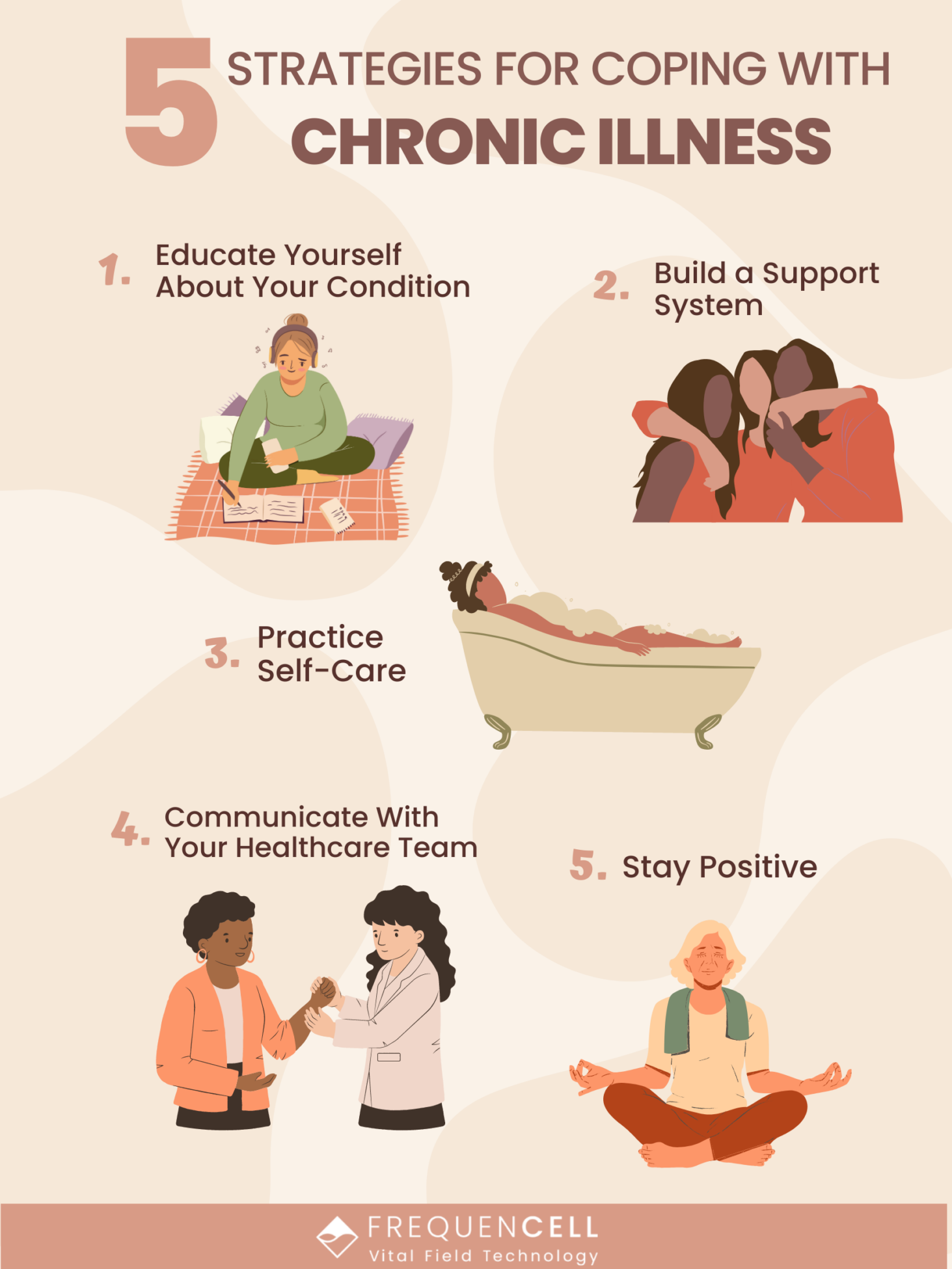
To read the entire article visit Vital Field Technology.
Melinda

Today in History June 4, 2023
I’m so glad you stopped by today, hope to see you again soon.

1919
Congress passes the 19th Amendment, giving women the right to vote
1976
Four dozen people witness historic Sex Pistols set
1896
Henry Ford test-drives his “Quadricycle”
1944
The U-505, a submarine from Hitler’s deadly fleet, is captured
1940
“The Heart Is a Lonely Hunter,” Carson McCullers’ debut novel, is published
Melinda

What it’s like to be a patient in a Mental Hospital by Guest Blogger My Story Is Far From Over
June Awareness Days
This is not a complete list of all the awareness days, if you would like a more complete list, click on the National Today at the bottom of the page. Have a great day.
World Infertility Awareness Month
American Indian Citizenship Day
International Day of Innocent Children Victims of Aggression
World Day Against Child Labour
Please check out the links for a full explanation. I will write posts on many of the topics since they hit close to home or beckon me to learn more.
Melinda
References:
Philosophy: Every Moment is Spoken For by Guest Blogger Cultivating Calm Within

Fun Facts
Thanks for stopping by today, I love hearing your comments each week.

“Running amok” is a medically recognized mental condition
The longest English word is 189,819 letters long
Armadillo shells are bulletproof
Cats have fewer toes on their back paws
The first person processed at Ellis Island was a 15-year-old girl from Ireland
Melinda
Reference:
Notes To Younger Self
I didn’t tell my grandparents about the abuse from my Mother and Step-Father until forced by my school at 12 years old. Looking back, why didn’t I tell my grandparents earlier? I knew I could trust them.
I would say to my 12-year-old self, life will get messy at times, and leaning on those who love us will help us thru the pain.
Melinda
#Weekend Music Share-AC/DC – Highway to Hell (from Countdown, 1979) Must Watch!
Each week I showcase one of my favorite songs. I’m so glad you dropped by, have a great weekend.
Welcome back to Weekend Music Share; the place where everyone can share their favorite music.
Feel free to use the ‘Weekend Music Share‘ banner in your post, and don’t forget to use the hashtag #WeekendMusicShare on social media so other participants can find your post.
Melinda
Friday Quote 6/1/2023
So glad you stopped by, I hope to see you again soon.
Melinda
Updated Book Review *The Smart Girl’s Handbook by Scarlett V Clark
I was kindly gifted a copy of The Smart Girls Handbook, How to Silence Self Doubt, Find Your Purpose, and Redefine the Impossible by Welbeck Publishing which is a division of Trigger Publishing.
Hi Melinda,
I am the author of The Smart Girls Handbook and I have to be honest, I cried when I read your review, it’s the first one that came in and you nailed the precise mission I wanted the reader to get out of the book. It would be brilliant to connect further but on launch day (March 4th) I’d love to invite you to share a review on Amazon knowing how inspiring you found it! I really think you could help mothers and other women in purchasing it. My entire business has been built on the idea of women fundamentally deserve more from the media and are fully deserving of living a beautiful life full of confidence, ambition and self-worth. I can’t wait to hear your thoughts, Scarlett X CEO/FOUNDER
XX
Scarlett V Clark was 19 when she started her passion project which is now the UK’s largest Women’s Empowerment organization. Scarlett states she is just a girl who decided to go for it. Go for it she did! Today she helps millions of women overcome life’s obstacles which allows them to live to their full potential.
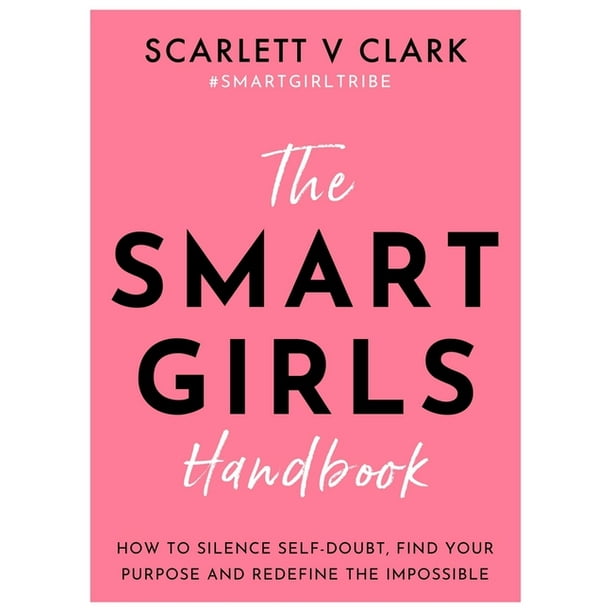
Blurb
Giving women the tools they need to shine in the modern world, become their fearless and authentic self, and design the life and career that fills them with joy. The Smart Girls Handbook brings together inspiration, game-changing ideas, and empowering words from women around the world who have been through it all.
Scarlett V Clark is a speaker and the award-winning founder and CEO of Smart Girl Tribe, the UK’s number one female empowerment community. She is available to provide extracts and top-tip features such as:
• How my toxic relationship became the catalyst for my success
• 6 stress busters to stop feeling anxious
• ‘You grow through what you go through: embracing failure
• How to silence your inner ‘mean girl’
My Thoughts
The Smart Girl Handbook is for women who are tired of being told what dress size they should be, tired of the negativity surrounding them today including from other women, and for women who want to be their authentic selves. Life happens and it’s not always pretty but with a backbone, determination, and the guidance of The Smart Girl’s Handbook you can come thru unscathed, just slightly bruised but not battered.
Learn how to not fall into the traps set out there to trip you up. Life around us is very negative, the news outlets, social media, and even toxic friends. You have to learn to rise above the negativity and Scarlett helps you silence your inner mean girl. The Smart Girl Handbook is all the questions you wish you could have asked when younger but had no one or place to turn for the answers.
I encourage every woman to buy Scarlett’s book, The Smart Girl’s Handbook. Maybe even share one with a friend. This is not your average self-help book that has been regurgitated over and over. She’s witty, original, and honest about the problem and how to get the answers. She’s not sharing pie-in-the-sky stories, this is her life, dissected and laid out for you to learn from. I think The Smart Girl book is an excellent primer for moms to help their daughters navigate the rough waters ahead.
Website: www.smartgirltribe.com
Facebook: Smart Girl Tribe
Instagram: @smartgirltribe
Podcast: ‘The Smart Girl Tribe Podcast’ is available on Podbean, Spotify, iTunes, and anywhere you can find podcasts.
WelBeck Publishing Group
We are Welbeck Publishing Group – a globally recognised, independent publisher based in London. Our mission is to deliver talent-driven publishing with leading authors and brands worldwide. Our books and products span a variety of categories including, fiction, non-fiction and stationery and gift. We are renowned for our innovative ideas, production values, and developing long-lasting content.
Welbeck’s amazing product comes to life for adults, children, and families in over 30 languages in more than 60 countries around the world. We have collaborated with many of the world’s leading institutions and licensors including – Disney, Universal, Paramount, HBO, Queen Productions, FIFA, International Mensa, Roald Dahl Literary Estate, the Science, Natural History and Imperial War Museums, and Royal Botanic Gardens, Kew.
Melinda
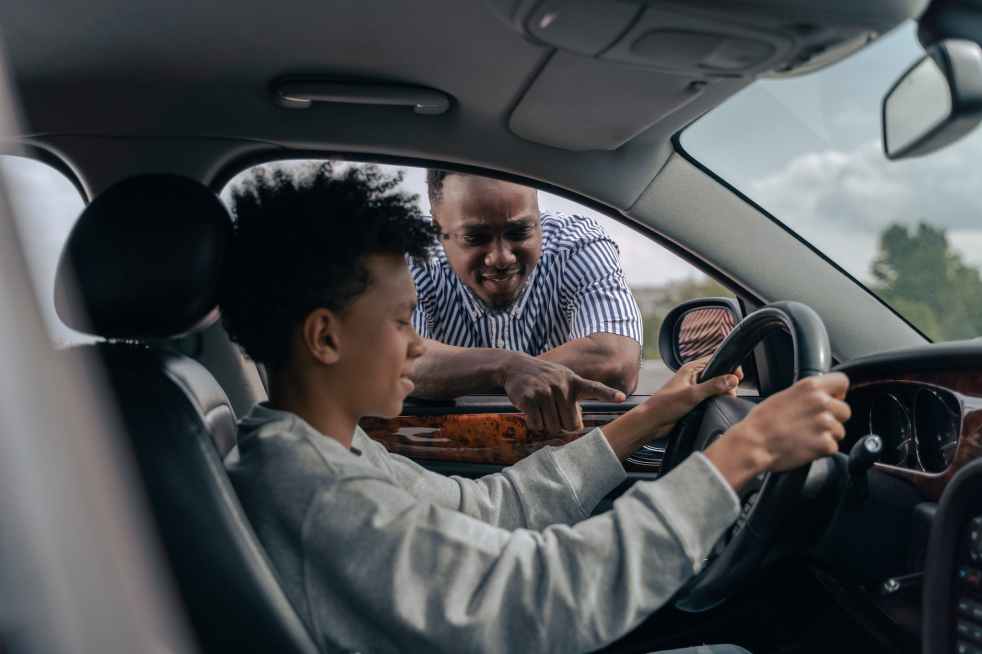
3 Fundamental Insights Newly Qualified Drivers Must Learn
There are few things more exciting than learning to drive for the first time. When you do, and you have a vehicle to accommodate you, a world of freedom opens up. Sure, fuel and insurance can be expensive, but once you’re ready to go, the freedom to travel where you’d like to with the people most close to you is wonderful.
No matter what age you learn, this holds true. However, just because you can legally drive on your own now, it doesn’t mean that you’re free from the exacting safety requirements and responsibilities necessary for staying safe on the road. You already know this of course, and we’re sure you’ll make an excellent driver.
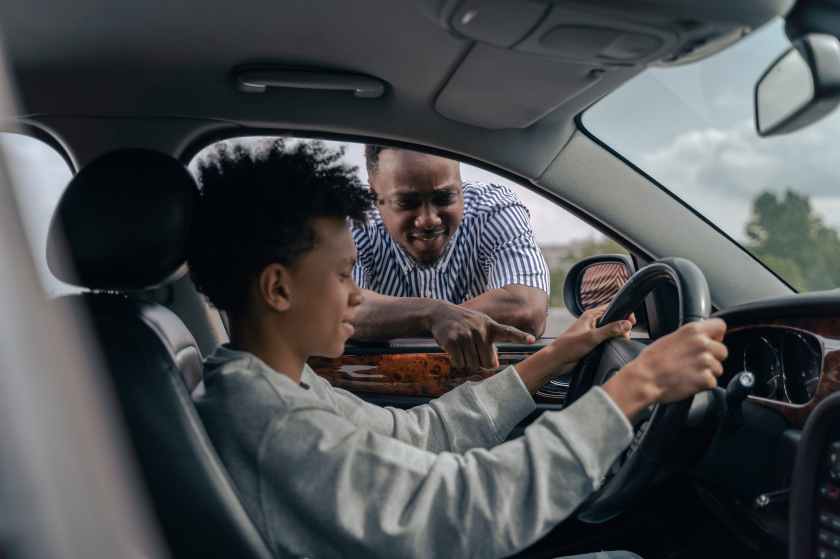
That’s why it’s important to keep a firm, but focused observation every time you’re behind the wheel, and to do your best to set a good example on the road. For this, we believe the three following insights can help you more than anything else. Without further ado, please consider:
Never Trust Other Drivers
It’s essential that you never trust other drivers as a default, even those you know in front of you, because any manner of situation can cause those behind the wheel to struggle to operate their vehicle. For instance, a blown tire, a faulty dashboard, and unresponsive brakes, they can all cause a well-meaning and disciplined driver to struggle to stay safe. This means always being observant, never taking anything for granted on the road, and driving how you’d like others to key. This attitude will help you avoid being taken by surprise and should be considered a constant “amber” level of awareness behind the wheel.
Set The Example
It’s important to set an example on the road, even if this can be hard at times. For example, if you’ve had a night of drinking, don’t drink hungover if you’re in any way sloppy, unless you’re conscious, energetic, and alert, because you can still be inebriated. Don’t allow yourself to give into road rage, even if another fool seems content to try and intimidate you on the road. If you see an issue in front of you, carefully exit that road and find another way around. It’s always best to err on the side of safety, even if it makes you slightly late.
Document Where You Can
Documenting what you see and what happens to you on the road can be helpful, such as with a dashcam that helps record any accidents you become involved in. Here, your attorney will help you seek justice with such good evidence to hand. On top of that, keeping a notebook so you can write down insurance information, keeping your phone charged so you can take pictures of license plates, and always having your documentation to hand in case you get pulled over can be helpful. This way, you’re always prepared and ready where necessary.
With this advice, we hope you can feel more comfortable and capable as a new driver on the roads.
This is a collaborative post.
Melinda

4 Tips for Beginner Cooks To Make Things Easier
Improving your cooking skills is never a bad idea. Around 28% of Americans admit to having little or no skills in the kitchen. Everyone needs to eat, and preparing your own healthy, home-cooked meals can help you improve your health, reduce your reliance on junk or processed food and help you learn skills you can apply in other areas of your life too.
That being said, not everyone is a natural in the kitchen, and you only need to watch one of the many cooking shows to see the lack of skills some possess when it comes to whipping up meals. Hence, finding tips and hacks that can allow you to still eat well without the effort is an excellent way to build confidence in the kitchen to build on this and further improve your skills.
Read on for some tips to hack cooking and help you become a better cook and enjoy better meals and improved health.
Use A Slow Cooker
Slow cookers are a great way to help you eat better and also cut down on the prep work involved while building up your skill set. You can use low cookers for a wide range of meals, from soups and stews to pasta dishes and even desserts. Why not try this chicken cacciatore for an easy go-to midweek meal? The beauty of slow cookers is that, generally, you put everything together and let it do its thing. There is physically minimal prep depending on the meal or dessert you are making.
Use Gadgets
While you need to know your way around a knife for cooking, different knives have different uses; in the early stages or to cut down on prep work using kitchen gadgets such as mandolins for slicing and chopping blenders can help you out in a pinch, and get the ingredients prepped while you get to grips with cutting and chopping. Multi-tools, chopping boards with measures on, splash guards, and more can all come in useful throughout your cooking journey.
Bulk Prep
If you are prepping for your meals and practicing your skills, try bulk prepping or meal prep to help you out for future cooks. It can be tricky initially to get your technique sorted or to make the right quantities, so making more on purpose not only gives you more practice but can also give you some bits ready-made that you can use to help your next creation a bit easier.
Preheat
One of the best tips you can have when learning to cook or expanding your skills is to preheat. Preheat your pan, oven, grill, etc. Never pour your oil into a cold pan, and always check that your oven is at the right temperature before popping food in to ensure an even cook. It can be worth investing in a thermometer if needed for your cooking appliances and your food to ensure everything is at the right temperature.
Conclusion
A kitchen is a place where you can have fun and get creative, but learning the basics will go a long way in helping you to create some fabulous meals. Start simple, and build your way up to more complex dishes to really make a move from beginner to Masterchef.
This is a collaborative post.
Melinda
 lookingforthelight.blog