

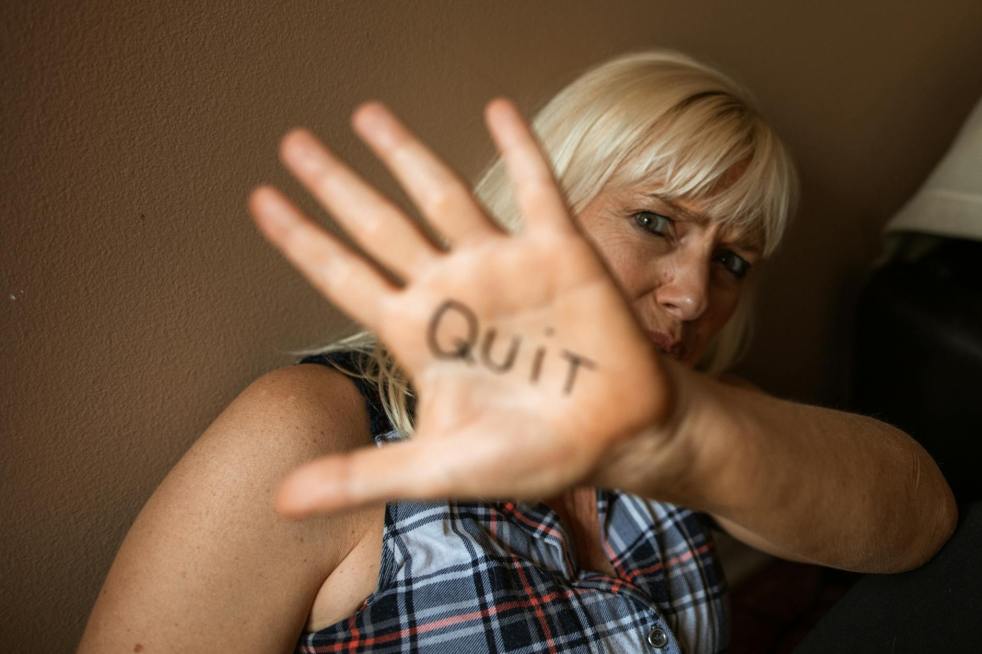
Dealing with the aftermath of sexual assault is a long and often difficult journey, but you know what? Every long journey starts with a single step, and you can start to heal, when you are ready, by making a small move on the journey to recovery.
That being the case, here are some of the most vital steps to help you heal after you have been assaulted. Start where you can, do not rush yourself and, most of all, be kind to yourself every step of the way.
- Acknowledge Your Experience
The first step is often the hardest: acknowledging what happened. It’s okay to feel a storm of emotions—anger, sadness, confusion—it’s all normal. Recognizing your feelings is not about finding immediate peace but about giving yourself permission to feel whatever you need to feel. You’re not ignoring the wound; you’re starting to treat it.
- Reach Out for Support
Healing is not a journey you should walk alone. Reach out to friends, family, or support groups who can provide emotional scaffolding on your healing journey. Sometimes, just talking about what happened with someone who listens without judgment can bring immense relief. If opening up to loved ones feels too daunting, organizations and helplines can offer support with confidentiality and care.
- Consider Professional Help
Navigating the emotional aftermath of sexual assault can feel like trying to solve a Rubik’s cube, blindfolded. This is where professionals such as therapists or counselors come in—they’re trained to help you work through complex emotions and trauma. Think of them as guides in a tangled forest who can help you find your way through.
- Engage with the Legal Process
It’s always hard to decide whether or not you want to report your sexual assault, but if you think it would be an empowering thing for you to do, and you feel like you will be able to talk to the police and deal with the sexual assault defense team okay then it could be a milestone that will help you start to get on the rod to recovery. Just make sure you have lots of support when you make that report, and throughout the ongoing process. If you don’t feel you can report, then do not beat yourself up about it – you need to do what’s right for you.
- Create a Self-Care Routine
Healing is not only about dealing with the trauma but also about taking care of your overall well-being. Create a self-care routine that nourishes both your body and mind. Whether it’s yoga, reading, or spending time in nature, find activities that bring you peace and a sense of normalcy. Self-care is your personal recharge button—press it regularly.
- Set Boundaries
After an assault, your sense of personal space and safety can feel violated. Setting boundaries is a way to reclaim control. Be clear about what you are and aren’t comfortable with—this could be with people, places, or activities. It’s okay to say no; it’s okay to need space. You’re the boss of your boundaries.
- Celebrate Small Victories
On the road to recovery, every small step is a victory worth celebrating. It could be as simple as getting through a day without a flashback, or as big as attending a social event. Acknowledge and celebrate these milestones. They are signs of your strength and resilience.
Recovery is possible, but take it one step at a time and look after yourself!
This is a collaborative post.
Melinda
 Looking for the Light
Thank you for sharing these wise words, Melinda. I have been through endless assaults in the course of my life, from being sexually abused for four years as a child, by my ex-husband, who I eventually got away from, thankfully, various relationships and more. I must have had the word ‘victim’ embedded into my forehead.
My last experience of being assaulted was about three years ago when my window cleaner, whom I’d known for twenty years, came in to collect his money, as usual. But, this time, he made a sudden grab at me and assaulted me. I was so shocked, I didn’t even say anything like ‘get off’ or ‘go away’. He went pretty quickly after that and left me reeling in almost disbelief. After thinking it through, I decided to report him to the police. I went to the local station and was interviewed by a male police officer in a back room where people were coming and going. He was intent on quizzing me about my mental health, asking me very little about the attack. I felt he was insinuating that I’d either made it up or was lying. I had absolutely no support from the police at all, and as a result, no case was made about the window cleaner. He’d completely got off scot-free.
It harmed me so badly that I couldn’t engage a different window cleaner for about a year. When I did, I found someone who uses the brush and pole system, so he didn’t need to come into my house at all, as I paid him by bank transfer. But, still, the guilty window cleaner comes up into my cul-de-sac to clean other people’s windows, and when I see him, it brings it all back and makes my blood run cold. He never got the comeuppance he deserved, and maybe, for all I know, he’s still assaulting vulnerable women.
Thank you for the helpful links you have provided and the wise advice you have shared. I shall read the links now in the hope they will help me on my journey to recovery. Ellie X
LikeLiked by 1 person
These are the types of trauma that can bring us way down, we have to move forward while working through the pain. Hopefully with a therapist. :)
LikeLiked by 1 person
Thanks for your reply, Melinda. That is now what I am working on with my realtively new and excellent therapist. I hope to put my experiences behind me, as I work through the issues brought up by them, with my therapist. X 😊
LikeLiked by 1 person
I’ve been seeing mine for over 30 years and she has helped with everything I want to talk about. I like her because she doesn’t push, or doesn’t tell me how I feel.
LikeLiked by 1 person