Celebrate Life · Health and Wellbeing · Men & Womens Health · Mental Health

*Updated* My Dementia & Suicide

I want to thank my blogging friend Willow Dot for reminding me about this post. She gave me the ultimate compliment in that she remembered this post, one that I had forgotten about. Yes, I have Conative Impairment but her words meant I touched one person even years later. I accomplished my blogging goal! I’m not sappy here, just allowing myself to accept a compliment instead of turning away. Be sure to check out her site, she will keep you on your toes in the best way.

The reason for the update is to share how my thought process has changed since 2019 when I was first diagnosed with Stage 3 Chronic Kidney Disease.

I’ve learned that people with Stage 3 Kidney Diseases can live many years, some upwards of 15 years. Wow! That is a huge relief.

I mentioned my rating of 17 on the MMSE but didn’t provide what the rating was based on.

What is the MMSE?

Mini-Mental State Exam (MMSE) Alzheimer’s / Dementia Test: Administration, Accuracy and Scoring

The test is used by several types of doctors as a first step to finding the proper diagnosis of your Cognitive Impairment. My doctor was a Neurologist whom I was referred to during my struggle with Chronic Lyme Disease. I was not able to take the next step in diagnosing because I couldn’t have an MRI which meant my doctor had to get preauthorization from my insurance company for a PET Scan. My Insurance denied my claim but I don’t need a confirmed diagnosis, all I have to do is look at my daily life struggles.

Copy of MMSE Test provided by Boston Medical College.

This test is a great printout that can help you assess and understand when it’s time to seek help.

My Suicide plan hasn’t changed but I have hope that it’s way down the line.

Have an awesome day.

Melinda

References:

Click to access Modified-Mini-Mental-Exam-MMSE.pdf

https://willowdot21.wordpress.com


Second Stage Dementia

As dementia progresses, the symptoms first experienced in the early stages of the dementia generally worsen. The rate of decline is different for each person. A person with moderate dementia scores between 6–17 on the MMSE. For example, people with Alzheimer’s dementia in the moderate stages lose almost all new information very quickly. People with dementia may be severely impaired in solving problems, and their social judgment is usually also impaired. They cannot usually function outside their own home, and generally should not be left alone. They may be able to do simple chores around the house but not much else, and begin to require assistance for personal care and hygiene other than simple reminders.[11]


I’m in Second Stage Dementia, a 17 on the MMSE and I’m going to kill myself. There’s no emotion in my voice, my husband, my Therapist, and my Psychiatrist know. I don’t want to die and that is why picking the right time is so important. I won’t lie wasting away not knowing anyone, unable to speak or eat. Someone has to bathe you and change your bed several times a day, it’s gut-wrenching to watch someone you love die this way.  

I cared for my Granny, the second stroke is where she started losing touch. She would say “Why did Gramps leave me at this house.” I took photos off the wall to assure her he went to get groceries, she was lost in a terrible reality. She would bang her head against the wall and scream she wanted to die. My Granny got so violent I had to medicate her and that was the last time my Gramps could leave the house until her death. 

My Dementia was caused by Lyme Disease, the Spirochetes used my brain as a host. I’m in the second stage and it’s difficult already. It’s not just the words forgotten, it’s the time’s per day forgotten. I talked with my husband last night but have no idea what we talked about. Many times the words don’t come. Maybe you’ve noticed? I try to tell myself it’s freeing to not worry about the date or day of the week, it’s sad cover.

Melinda
Men & Womens Health · Mental Health · Moving Forward

Daddy was 52 on 2/22/1992

I’m reposting for Mental Health Awareness Month because I feel it’s important to share. Suicide is a voodoo subject and it is a fragile subject yet we must learn to talk about it, and then do the best we can to learn on the fly. Be patient and don’t judge or tell anyone what to do, instead ask during a casual conversation, not all in a row, or they will put up a wall. Simple questions like “How was your week”, or “Is there anything I can do for you?”. Simple questions that blend naturally during a conversation, a grilling will get you nowhere. 

Melinda 5/21/24

I’m reposting this because May is Mental Health Awareness Month and think it’s important to acknowledge those who have committed suicide or try to understand those who might. As I’ve said many times, you will not change a person’s mind if they are determined to kill themselves but you can hopefully intervene early enough to get them the help they need. I was not able to do that for my father.

Don’t ever give up, no matter how hard you have been pushed away, try another route. Just keep trying.

Melinda 5/29/21

Below is a post written in 2014

My father suffered from Mental Illness his entire life. When he was a teen, the Doctor told Granny he was hyperactive and gave him tranquilizers. I doubt he took one pill.

Estranged since I was thirteen years old, I could not look my abuser in the eye. Daddy started calling when I was 28 years old. He was delusional, talking in sentences that made no sense. I picked up he needed money, and I started paying his bills. He said he was going to kill himself and kept rambling. I could not get through to him. I did not tell anyone in my family either.  He was so far gone, he could not process what I was saying.

On February 22, 1992, my father took his life. I felt overwhelming guilt. Unsure how my Granny would react to me not telling her. It’s a guilt I’ll carry to my grave. At 28 years old it was hard to feel pain and remember the past and having a closed casket funeral made it harder.

In the note, he asked me to handle the arrangements. I did what I’d always done, I stuffed my emotions down, acted strong, and got it done. Many people have a Mental Illness or have a relative who suffers to those who have experienced suicide in the family who suffer in silence. Healing from child abuse is difficult, it can feel impossible when the abuser is a parent. I never told my grandparents about my father sexually abusing me.

Every day is one step in forward motion. I was diagnosed with Bipolar Disorder at 19 years old and didn’t seek treatment until I was 28 years old, after his death. I read that children who have a parent or family history of Mental Illness have a 75% chance of committing suicide.

I’ve mostly healed since my father’s death. I forgave him long ago but you never forget. I hope you can take the first step and reach for support. There is light at the end of the tunnel.

Melinda


Celebrate Life · Health and Wellbeing · Men & Womens Health · Mental Health

2024 Overview Of The Frequencells In Vital Field Product Line

I have had the opportunity to work with Vital Field for 4 years and not only do I enjoy working with the Head of Communications Nassia Bitha, I believe in the technology behind each Freguncell. Each is designed to target a particular area that will speed things along. 

All have been thoroughly tested by leaders in the field with proven results and are all natural.

Vital Field’s product line has expanded over the years and I want to share information about each Frequencell to see which might tackle one or more of your challenges.

This post contains links that don’t cost you more to use and the money supports my coffee habit. 

Here are the different Frequencells in the Vital Field product line

NO PAIN Cell

This FrequenCell could help you address chronic pain safely and naturally.

ANTI-INFLAME Cell

This FrequenCell could help you address chronic or acute inflammation at cellular level.

RESISTANCE Cell

This FrequenCell could help enhance your body’s primary defense against pathogenic microorganisms.

ENERGY BOOST Cell

This FrequenCell could support you in recharging your own body’s energy battery by accelerating cell regeneration.

POLLEN Cell

This FrequenCell could help you alleviate allergy symptoms between May and August, offering powerful protection.

MENSTRUATION Cell

This FrequenCell could support you in reducing PMS symptoms and irritability during the monthly cycle or during menstruation.

KUAU Cell

This FrequenCell could help you improve your quality of life and reveal your highest potential.

MENOPAUSE Cell

This FrequenCell could offer you more stability for the transition into the third phase of life.

PINEAL DETOX Cell

This FrequenCell could support the detoxification and cleansing process of the pineal gland from toxic loads.

PINEAL DNA-STRENGTHENING Cell

This FrequenCell could support the DNA repair programs of the body, which benefit the immune system.

PINEAL THIRD EYE Cell

This FrequenCell could activate the full functionality of the pineal gland, including the perception of what many people refer to as “spiritual elevation and sensitivity”.

FAUNA NO PAIN PET Cell

This FrequenCell could help you alleviate the pain of your companion animal.

BALANCE Cell

This FrequenCell could help you through your journey of addiction recovery.

VAGUS Cell

This FrequenCell could be your best ally against stress, communication difficulties, or behavior changes.

FAUNA BOOST Cell

This FrequenCell could support your companion animal’s immune system.

DETOX Cell

This FrequenCell could help your body get rid of toxins and the build-up of harmful chemicals.

SLEEP Cell

This FrequenCell could help you fall asleep and stay asleep through the night.

ANTI-AGING Cell

This FrequenCell could contribute to slowing down the aging process at a cellular level.

As you can see the product line is extensive and targets many challenges you may face. You can find detailed information here.

Use discount code LIGHT20 for 20% off any Vital Field product.

Here’s to your health!

Melinda

Celebrate Life · Health and Wellbeing · Men & Womens Health · Mental Health

Blogger Highlight-Wandering with Faith

Thank you for all the great feedback on the Blogger Highlight series, I’ve enjoyed meeting each blogger and sharing their site with you. This week we highlight Wandering with Faith.    

Wandering with Faith

It starts as an itinerary and ends as a story. This site has stories from my travels.

Hi! My name is Faith, lady behind this travel odyssey. Welcome to this wonderful platform. Experience these wanders, tours, camps, hikes, hotel, and restaurant reviews with me. When you are a high school teacher, your life is not yours but for others. You see not one, but many humans daily. You have people surrounding you all day. It becomes a strain.This causes one to be an escapist. That’s how I started travelling solo.

You will find her site addictive! 

Melinda

Looking for the Light


Health and Wellbeing · Men & Womens Health

8 facts about Heat/Sun stroke

We know that sunscreen can protect us from sunburn and Skin Cancer yet there is little talk of Heat or Sun Stroke. It’s a topic that needs more awareness. I can tell from experience that Heat Stroke is extremely painful and the recovery time can be brutal. After getting separated from the group, I spent a very hot Texas day tubing down the river alone, with no water, sunscreen, or money. The next morning I woke up feeling strange but didn’t give it any thought until the crippling pain set in. I was helping take the luggage to the truck, and the pain caused me to sit down several times before reaching the truck. When I returned to the lobby I passed out cold and fell to the marble floor. The short story is that the hospital didn’t give me fluids and the ride home was like living in hell, and made the recovery even longer. 
 
Heat and Sun Stroke can be fatal which makes this post an important read. 
 
 
Melinda
Celebrate Life · Fun · Men & Womens Health

Good Times On The Highway To Hell Part 5

More Antics On My Journey In Life

On the way home from work I vomited in my new Land Rover. I could not pull over fast enough, vomit was everywhere and I didn’t have any napkins. Once I arrived home, the clean-up began. It was getting late and stopped only to find I had locked myself out of the house. I was living in a new neighborhood and only had three neighbors. I found a light on and asked if I could borrow a phone book, and she said yes. Bet I smelled bad and this was the first time I met her. Even after a professional cleaning it smelled and I traded it for something else.

My friends and I went to dinner to celebrate my 33rd birthday. Out of the blue, I decided to get a tattoo and a belly button ring. Several of us drove to a bad part of town because they wanted to watch me get the tattoo. Thank goodness I was drunk, they said on the sign not to be drunk but at that age, I was on top of the world.

FYI, the belly button piercing hurt so bad, like your guts were being pulled out. After six months of babying the spot, I took it out.

My gramps had Prostate and Bladder Cancer, the two pushing against each other caused him to have to pee about every 10-15 minutes. My cousin was in a small plane crash and was in really bad shape, Gramps had to go see him. The problem was the hospital was 1.5 hours away. Knowing that we would be stopping along the way I took an empty Gatorade bottle for emergencies. I’m flying down the highway close to 100 miles an hour and Gramps says I have to pee now! I had to push the accelerator all the way down to find an exit. I was Speed Racer! I found a spot and he peed in the bottle. It wasn’t funny at the time but it sure is now. 

Melinda

Repost

Mental Health

The Upside to Conflicts in Middle School

Posted on by 

I’m sitting at a busy lunch table full of sixth graders. There is energy you can’t put your finger on and a deafening hum that continues from the first lunch all the way to the last. All 150 students are engaged in the same activity at the same time: communicating. With each word expressed in this lunchroom, lessons are being learned that will be filed away and used the next time there is a similar social situation. Sound confusing and overwhelming to keep up with? Just ask one of these sixth graders, and they will tell you that it absolutely is!

Teachers in middle school will often comment that being with their students from one day to another is like playing tug-of-war. For every day a student makes progress, the next day he or she might fall behind, have a behavioral slip-up, and/or refuse to work. Parents might say they have never seen their children so sullen at times, and they miss the carefree nature of their son or daughter. However, these things only mean that adolescents are acting appropriately for their age.

Middle schoolers are constantly making big connections, which lead to big lessons. These students will leave the lunchroom and continue communicating their way through endless life lessons until they can stand on their own two feet and approach independence. It’s going to be rocky at times, but if students can pick up the right tools along the way, they will be able to face challenges and overcome obstacles with ease. Luckily, they have supportive adults to help them learn how to navigate through struggle and resolve conflicts throughout these tumultuous years!

Conflict and a Changing Mind

Because middle school students are fighting for their place in adulthood, they need to have a lot of practice with properly resolving conflict. This not only smooths out the edges of their communication, but it also gives them plenty of practice to work out issues within themselves. In elementary school, it was more socially acceptable to react emotionally to express dissatisfaction. In leaving the uninhibited freedom of childhood, adolescents are entering a whole new set of social standards to live by. The desire to fit in grows stronger, and they have to learn how to do so while retaining their true selves.

Positive conflict resolution helps the adolescent join the old self and the new self. Conflict resolution skills are essential to gaining empathy, learning to get along with others, and seeing that one can overcome obstacles peacefully. Every time a student is involved in conflict resolution, a piece of her or his expanding life puzzle is put into place, and the adolescent gets closer to achieving stability. Middle school students’ behavior is mainly driven by inner conflicts and simultaneous battles with peers and society. Conflict resolution doesn’t just occur between two people; it occurs between one preteen and the world. (Okay, that might be a little dramatic, but hey, when in Rome!)

Embrace the Rebellion

Ever met an adult who didn’t go through an animal-rights or antiestablishment phase? From protesting processed foods to boycotting certain brands of makeup, adolescents question what was previously accepted and make room for reformed opinions. This often comes to the counselor’s office with students who are taking a stand against a friend. To an adult, quarreling adolescents might look as if they are fighting over nothing, but these fights are often part of students’ changing belief systems. At home, rebellion might happen in the form of a student who refuses to do homework because she or he would rather play video games. In other words, conflict between what the student should do and what the student wants to do. In each of these conflicts, students can benefit from learning how to find common ground with others and how to think through consequences.

The Arguing Is Good

Think of the verbal and nonverbal communication you used with your parents when you were in middle school. The eye rolls, the groans, the disgusted facial cues, oh my! These hallmarks of adolescent communication might make us adults rip out our hair, but they are actually healthy signs that students are searching for an identity that is separate from that of their parents. By constantly questioning and exploring the world around them, they are making cognitive, personhood, moral, and social connections. As this happens with authority figures, ever-shifting friendships, environment, and peers, students can learn healthy ways to embrace change and accept others.

Working Through the Turmoil

Perspective is by far one of the greatest things anyone can learn from conflict. Students who are in a social conflict gain empathy by trying to see things from another person’s point of view. I always remind students that understanding someone else’s perception of something is not admitting defeat or excusing what they have done to you. Switching perspectives is simply taking a step back and closely evaluating where some lines of communication may have been crossed or misconstrued.

How can educators and parents best provide an environment that will help adolescents through this rough time? Give students space to work things out on their own. Provide a safe space and a compassionate mirror for them to view themselves through. Once a resolution has been reached, walk back through what worked to reinforce the lesson learned. Common conflict resolution steps are stating your experience, listening to the experience of others, finding middle ground, and making commitments to aid future behaviors. By breaking down the steps with students, you can teach them to take a step back and view the situation through a more inclusive lens.

Know When There Are Other Things in the Mix

While conflict is a natural part of adolescence, strong defiant behaviors might also be a window into more serious troubles that are brewing. Though it is natural for a young student to battle for autonomy, overly argumentative behavior might mean an adolescent is struggling with a deeper loss of control. It’s here that a counselor might ask pointed questions to elicit some information and see if there is another layer to the frustration. My go-to’s are:

  • Has anything changed at home?
  • I can’t remember, do you live with mom or dad?
  • Do you have friends to vent to?
  • Do you find that you are angry often?

Frustration and rebellion are a natural part of adolescent changes, but it is important to also gauge when students are crying out for help in a situation that is beyond their ability to tackle. Resolving conflict breeds resilience and culminates in healthy individuals who can handle obstacles and work peacefully with their environment. While developing these skills, adolescents will experience failures but will also find surprising and rewarding successes.

Stephanie Filio is a middle school counselor in Virginia Beach. She received her undergraduate degree in interdisciplinary studies from the University of Virginia and her M.Ed. in counseling from Old Dominion University. In a discussion with one of her UVA professors about her desire to stay in school forever, her mentor wisely responded, “If you want to be a lifelong learner, go into education,” and so she found her place. Prior to her six years as a school counselor, Stephanie worked in private education, specializing in standardized tests, test preparation, and future planning. She writes about her career and hobbies on her blog,Weekend Therapy, and can be found on Twitter @steffschoolcoun. Stephanie also enjoys spending time with her books, crafts, and family.

Melinda

Celebrate Life · Fun

Stream of Consciousness Saturday #SOCS Prompt is “What’s that smell?”

“What’s that smell?” Write the first thing that comes to mind. Enjoy!

My Grandparent’s house was on 1/3 of an acre which made it perfect for a large garden. Behind the garden, there was an area for a large shed with open space around it. When Gramps died my husband and I worked to get the place ready to sell, and one day in the heat of summer I was working near the shed and kept getting a foul whiff. Afraid to go in the Wasp-filled shed, I went around back and found the culprit it was a dead squirrel in one of the cages he put out to relocate them. He took squirrels down the river bottoms every day, and he found joy in it. 

I miss my Gramps every day, his voice, the lessons he taught me, his gentle nature, and his laugh. 

Melinda


Here are the rules:

1. Your post must be stream-of-consciousness writing, meaning no editing (typos can be fixed), and minimal planning on what you’re going to write. 2. Your post can be as long or as short as you want it to be. One sentence – one thousand words. Fact, fiction, poetry – it doesn’t matter. Just let the words carry you along until you’re ready to stop. 3. I will post the prompt here on my blog every Friday, along with a reminder for you to join in. The prompt will be one random thing, but it will not be a particular subject. For instance, I will not say “Write about dogs”; the prompt will be more like, “Make your first sentence a question,” “Begin with the word ‘The,’” or will simply be a single word to get you started. 4. Ping back! It’s important so that I and other people can come and read your post! For example, in your post you can write “This post is part of SoCS:” and then copy and paste the URL found in your address bar at the top of this post into yours.  Your link will show up in my comments for everyone to see. The most recent pingbacks will be found at the top. NOTE: Pingbacks only work from WordPress sites. If you’re self-hosted or are participating from another host, such as Blogger, please leave a link to your post in the comments below. 5. Read at least one other person’s blog who has linked back to their post. Even better, read all of them! If you’re the first person to link back, you can check back later or go to the previous week by following my category, “Stream of Consciousness Saturday,” which you’ll find below the “Like” button on my post. 6. Copy and paste the rules (if you’d like to) in your post. The more people who join in, the more new bloggers you’ll meet and the bigger your community will get! 7. As a suggestion, tag your post “SoCS” and/or “#SoCS” for more exposure and more views. 8. Have fun!

For more streams, rules, and tips for Stream of Consciousness Saturday, visit our host, Linda at Linda G Hill

Celebrate Life · Health and Wellbeing · Men & Womens Health · Mental Health

Review Of Vital Field’s Energy Frequencell

I want to thank Communications Director Nassia Bitha for sending me a host of Vital Field FrequenCells to try. Right now, I’m wearing the Energy Frequencell and I’m excited to tell you about it. 


It works!


This post contains affiliate links, they don’t cost you more, and I do not make money from the sale of products. 


About the Energy Frequencell


Many things can make us feel tired, weak, or even lethargic, in everyday life. To regain full vitality, it is important to enhance our own natural energy levels.


The Energy Boost Cell supports you in recharging your own body’s energy battery by accelerating cell regeneration.


The Energy Boost Cell targets:


  • burnout

  • general lack of energy

  • faster regeneration after exercise

  • exam exhaustion

  • emotional exhaustion at work


About Vital Field


Vitalfield has collaborated extensively with expert scientists and healthcare practitioners in Germany, Switzerland, and Austria, with a focus on biophysical and frequency medicine applications. Until early 2018, most of the technology in this field involved significant investments and training before it could be utilized in clinical environments.


Our mission is to help people achieve good health and pain-free life with safe, natural, non-invasive, and non-chemical methods. Frequencell Inc. (a Delaware corporation based out of Los Angeles, USA) provides treatments for health and chronic pain, based on the results of over 30 years of scientific research, development, and clinical trials.


Results


I started wearing the Energy Frequencell from Vital Field on 9/11/22 and have not taken a nap in four days. That may not sound like much however I haven’t had a day without a nap in ages. Normally I nap from 2:00 pm to 4:30 pm pretty much every day but not this week. 


This is a huge improvement. I’m not as sleepy, and with the Energy Frequencell I’m sleeping through the night. Today I was sound asleep and didn’t hear my husband’s alarm, that’s rare. 


The result was outstanding, and I can safely say that it’s a winner! A must-buy if you have energy struggles in your daily life, and who doesn’t need that?


I’ve done several reviews for Vital Field products and have not been disappointed yet. 


You can find more information on all Frequencells here


Use discount code LIGHT20 for 20% off any Vital Field product.


To your health


Melinda


Repost from 2022

Health and Wellbeing · Men & Womens Health · Mental Health · Moving Forward · Survivor

Baby Reindeer (2024) By Good Friend Noir

Gavin and I have known each other since 2013 and know each other well, all the trauma we share and the joy we try to capture. He’s dear to me. The Netflix movie Baby Reindeer shows how predators work themselves into your life and your children’s lives. Many of you know what it’s like to have a predator in your life, I sure do. I’m not clear on the age range targeted, not sure it’s appropriate for young children but this information will help not only you but also your children. Watch together and discuss afterward, maybe a breakthrough conversation will come from seeing the movie. 
 
 
Thanks, Gavin.
 
Melinda
Celebrate Life · Men & Womens Health · Mental Health

The Copyright For Looking For The Light Is On About Me Page

A few weeks ago a WordPress blogger reblogged a post and reposted it as if they wrote it. That raises the hair on my neck and I didn’t take it lightly. The blogger is a newbie so I wrote them to express my disapproval of my content being stolen. I also gave him the basic rules of Journalism and blogging, you don’t steal others’ work. I asked him to remove the post.

His response was swift, he didn’t apologize instead he told me that my negative comments would stop him from growing his blog. I don’t give a shit! Comply with the Copyright or don’t reblog.

I love it when people feel my posts are worth sharing with their community but will not tolerate anyone who steals my work. You need to be concerned as well.

How did I know he took credit for my work?

Every time a post is reblogged it will show up in the comments section. I make a habit of looking at the blog that reblogged, it might be a new site I want to follow.

When I looked at his site, I found out he had taken credit for my content.

I didn’t approve of reblogging but it happened anyway.

Don’t let this slide if you find yourself in the same situation. Hit back hard!

I’m sharing my Copyright so everyone who reads the About Me page will know.

Copyright

Copyright ©2014-2024 by Looking for the Light. All Rights Reserved. All written content is the property of Looking for the Light. I allow reblogs only if credit for the content is given to Looking for the Light.

I’m not strict like many sites but will not be taken advantage of.

Thanks to all who read my post, sent comments and always treated me with respect. :)

Happy blogging!

Melinda


Celebrate Life · Fun

#Weekend Music Share-Roy Orbison – Oh, Pretty Woman

It’s the weekend!!!!!!

I’m glad you joined me this week for another edition of Weekend Music Share.

Have a great weekend!

Melinda

Welcome back to Weekend Music Share, the place where everyone can share their favorite music.

Feel free to use the Weekend Music Share banner in your post, and use the hashtag #WeekendMusicShare on social media so other participants can find your post.

Celebrate Life · Health and Wellbeing · Men & Womens Health · Mental Health

Weight Lose Journey Update

My weight loss journey started 2 years ago, and I’ve lost more than expected which is fine as long as it doesn’t affect my health. I’m now 70 pounds down without reducing my intake but lab work will tell what deficiencies I have if any. I found this information on the CDC site while searching for the average weight of American women and what the BMI ranges are for my weight.

How is BMI calculated?

Pounds and inches

Formula: weight (lb) / [height (in)]2 x 703

Calculate BMI by dividing weight in pounds (lbs) by height in inches (in) squared and multiplying by a conversion factor of 703.

Example: Weight = 150 lbs, Height = 5’5″ (65″)
Calculation: [150 ÷ (65)2] x 703 = 24.96

How is BMI interpreted for adults?

For adults 20 years old and older, BMI is interpreted using standard weight status categories. These categories are the same for men and women of all body types and ages.

The standard weight status categories associated with BMI ranges for adults are shown in the following table.
BMI Weight Status
Below 18.5 Underweight
18.5 – 24.9 Healthy Weight
25.0 – 29.9 Overweight
30.0 and Above Obesity

For example, here are the weight ranges, the corresponding BMI ranges, and the weight status categories for a person who is 5′ 9″.

For example, here are the weight ranges, the corresponding BMI ranges, and the weight status categories for a person who is 5′ 9″.
Height Weight Range BMI Weight Status
5′ 9″ 124 lbs or less Below 18.5 Underweight
125 lbs to 168 lbs 18.5 to 24.9 Healthy Weight
169 lbs to 202 lbs 25.0 to 29.9 Overweight
203 lbs or more 30 or higher Obesity

By the BMI ranges I am in the healthy weight category but you will be surprised at what is considered the normal weight for women in America.

American women aged 20 years old and up weigh an average of 170.8 pounds (lbs), according to the Centers for Disease Control and Prevention (CDC)Trusted Source. If you use the normal weight range suggested, I am underweight. That may be the case but 170 pounds is too high for me. 

I’m not making an effort to lose more weight, I haven’t changed my eating habits. I did lose an extra 10 pounds after leaving the hospital in December 2023.

What are your thoughts about weight ranges and BMI, I’m curious what you think. 

Melinda

References:

https://www.cdc.gov/healthyweight/assessing/bmi/adult_bmi/index.html#Interpreted

https://www.medicalnewstoday.com/articles/321003

Celebrate Life · Health and Wellbeing · Men & Womens Health · Mental Health

Music Made Infusion Treatment More Fun

Music has been a part of my life since I was a small child. My father loved music and would play Elvis and Hank Willims Sr. and dance, having a blast. I like many types of music except Techno and Rap. When Rap got nasty, I stopped listening.

Here are some songs I listened to this morning.

In 1978 I saw the Eagles when they came through town during the Hotel California tour. I will never forget this song and it remains one of my favorites.

Hotel California truly showcases the work of Joe Walsh, he contributed to the Eagle’s success.

Eagles – Hotel California (Live 1977) (Official Video)

Blake Shelton – Boys ‘Round Here ft. Pistol Annies & Friends (Official Music Video)

Blake Shelton – Hillbilly Bone (ft. Trace Adkins) (Official Music Video)

Courtesy Of The Red, White And Blue (The Angry American) (Official Music Video)

This song makes me cry every time I hear it, it is as relevant today as it was on 9/11.

Enjoy.

Melinda

Celebrate Life · Health and Wellbeing · Men & Womens Health · Survivor

Women’s Health Awareness Month

I like the saying on the graphic, Celebrating The Strength & Beauty of Women Everywhere, that’s a great slogan for Women’s Health Awareness Month. Many women understand the heading of the post but don’t understand what the celebration is about and the types of illnesses that affect women. I have to improve by keeping my yearly appointments. If you are behind in annual exams, there’s always another chance.

Women’s Health Month is observed annually in May. It was the National Cervical Cancer Coalition (N.C.C.C.) that recognized each May as Women’s Health Month. The observation officially kicks off every year with National Women’s Health Week. This is also an annual observance pioneered by the U.S. Department of Health and Human Services Office on Women’s Health. The goal of the holiday is to empower women in such a way that they can make health a priority. It also equips women with the knowledge to help other women on their journeys to improve their health. With the efforts of individuals and healthcare workers, every woman can live a healthy and happy life.

With a growing focus on personal health, it is extremely important for all women and girls, especially those with underlying health conditions like hypertension, diabetes, obesity, cardiovascular and respiratory conditions, and women 65 years and older, to take care of their health. Taking care of yourself and your loved ones should always be a top priority.

Women's Day: WIN R1,000 GNC Hamper [closed] - Mr. Cape Town


The Importance of National Women’s Health Month

Women’s Health Month serves as a reminder to take care of your overall health and make it a priority in your life. This includes seeking medical help when you need it, but it also involves engaging in preventive care to keep you healthy, like scheduling checkups, examinations, vaccinations, living a healthy lifestyle, and more. Around 15% of women over the age of 18 are in poor health.

Women’s Health Month also acts as an opportunity to educate women on the most common risks to their health, the symptoms, the warning signs, and when they should seek medical attention, so they know when something is out of the ordinary. Here are some of the most important health concerns that women should consider during Women’s Health Month:

Common Health Concerns for Women

  • Breast Cancer – Breast cancer is the second most common type of cancer in women in the United States. Each year, there are nearly 250,000 new cases of the disease diagnosed, meaning that around 12% of the female population will be diagnosed with breast cancer at some point in their life. In order to keep yourself safe, it’s important to know the symptoms of breast cancer and have annual breast examinations to check for any signs.


  • Cervical Cancer – Over 300,000 women are living with cervical cancer in the U.S., with around 14,000 new cases being diagnosed each year. Cervical cancer is most commonly caused by human papillomavirus (HPV), which is one of the most widespread sexually transmitted infections (STIs). It can take years for cervical cancer to develop, so it’s important to know the symptoms, but also to get vaccinated against HPV and schedule routine screenings (Pap smears).


  • Ovarian Cancer – There are around 19,000 new cases of ovarian cancer diagnosed in the U.S. each year. Several risk factors for ovarian cancer are important to be aware of, such as age—two-thirds of all cases are diagnosed in women over the age of 55. You should also get regular pelvic examinations to check for the disease.
  • Sexual and Reproductive Health – A vital area of a woman’s overall health is sexual and reproductive health. Many of the health concerns mentioned above factor into sexual and reproductive health, but another key area is practicing safe sex. Safe sex can limit your risk of contracting STIs and help you avoid many of the symptoms and issues that come with them.

Caring for your sexual and reproductive health not only keeps your reproductive system healthy and safe but also ensures that you don’t develop any underlying issues. For women who are pregnant or thinking about becoming pregnant, it’s also vital to take proper prenatal care, and continue to prioritize your health throughout your pregnancy.


  • Mental Health – Anxiety and depression are two major health concerns for everyone, but different disorders can affect women and men differently. That’s why it’s important to take care of your mental health by maintaining positive mental health, being aware of the potential signs of mental health issues, and seeking help when you notice changes in how you feel.


  • Physical Activity – More than 60% of women in the U.S. do not engage in the recommended amount of physical activity. This can lead to other health issues, like obesity, weak muscles and bones, hypertension, cardiovascular disease, and more. Generally, it is recommended that women get around 30 minutes of moderate physical activity each day (such as brisk walking). Staying physically active will help to improve your overall health and well-being.


  • Diet – Another important part of your health is what you eat. If you eat an unhealthy diet, then you are more likely to develop certain health conditions, like obesity. Eating a well-balanced diet will help to keep all parts of your body healthy, and prevent the development of other health issues.


  • Osteoporosis – Osteoporosis is a disease that thins and weakens the bones, reducing bone density. Osteoporosis is more common in women than in men, with over 80% of cases in the U.S. occurring in women—around 8 million. Some important tips for avoiding osteoporosis include eating a diet with plenty of vitamin D and calcium, not smoking, and exercising regularly.


  • Cardiovascular Disease – Cardiovascular disease is the leading cause of death among women in the United States, resulting in nearly 300,000 deaths each year—the equivalent of 1 out of every 5 deaths in women. That’s why it’s crucial to know the risk factors—diabetes, obesity, unhealthy diet, physical inactivity, smoking, and drinking too much alcohol—and take the proper steps in your life to reduce your risk of developing heart disease.


Melinda

References:

https://nationaltoday.com/womens-health-month/

https://www.msn.com/en-us/health/other/dr-mitra-womens-health-month-is-a-reminder-for-women-to-get-their-annual-wellness-check/ar-BB1lX6RF?ocid=BingNewsSearch

Celebrate Life · Men & Womens Health · Travel

Shout Out To Albania, Bulgaria, and India

Thank you to all international visitors to my blog, I appreciate you reading my post, and return visits add sunshine to my day. Today’s shout-out is to Albania, Bulgaria, and India. I love it when I get surprised by a country like China that has not visited before.

Thank you! Thank you!

Melinda

Celebrate Life · Men & Womens Health · Travel

I Have My Second Infusion Tomorrow

If the side effects aren’t too bad, I’ll check in and I will return on Friday.

Have a great day.

Melinda


Celebrate Life · Health and Wellbeing · Men & Womens Health · Mental Health · Moving Forward

Quote of the Day By Guest Blogger Don’t Lose Hope

This short post from Don’t Lose Hope hit home and I know it with many of the women in the community. 
 
 
Melinda
Celebrate Life · Health and Wellbeing · Men & Womens Health · Mental Health

Deep Thoughts

In this fast-paced social media world, it can be difficult to find the time to look within or back in time. I hope you find these quotes and questions interesting. I’m so glad you stopped by today!

Continue reading “Deep Thoughts”

Celebrate Life · Fun · Travel

Wordless Wednesday- Statue At Kazan Cathedral In St. Petersburg, Russia

I’m glad you joined me on Wordless Wednesday and hope to see you soon. 


There are several statues at the front entrance of the Kazan Cathedral they are all beautiful. I love the architecture in St. Petersburg, Russia, and pray I can go back.

This is a front view of the cathedral where the statues are from Trip Advisor. You can barely see them in this photo but if you look closely you might see a glance, Look straight ahead in the columns under the dome. 

Kazan Cathedral (St. Petersburg) - All You Need to Know BEFORE You Go

Melinda


Celebrate Life · Health and Wellbeing · Men & Womens Health

Fibromyalgia Education and Awareness Month

My journey with Fibromyalgia started after I was diagnosed with Lyme Disease, Lyme recks havoc on your entire system. I have many other Immune Disorders caused by Lyme. At first, I didn’t know the symptoms because I was constantly in pain. Now I know what life is like living with Fibromyalgia.

Fibromyalgia is a medical syndrome which commonly presents as chronic widespread pain, accompanied by fatigue, waking unrefreshed, and cognitive symptoms. Other symptoms include headaches, lower abdominal pain or cramps, and depression.[9] People with fibromyalgia can also experience insomnia[10]and a general hypersensitivity.[11][12] The cause of fibromyalgia is unknown, but is believed to involve a combination of genetic and environmental factors.[4]Environmental factors may include psychological stress, trauma, and certain infections.[4] Since the pain appears to result from processes in the central nervous system, the condition is referred to as a “central sensitization syndrome”.

Fibromyalgia is estimated to affect 2–4% of the population.[15] Women are affected about twice as often as men.[4][15] Rates appear similar in different areas of the world and among different cultures.[4]

With so many people diagnosed with Fibromyalgia, you would think getting a diagnosis was a simple process but it is not. There is no telling how many doctors you will have to see before getting the right diagnosis. Hang in there, this is a common issue among the Fibromyalgia community. Spend more time reading the Rheumatologist’s background to see what their specialty is before making an appointment.

Melinda

References:

https://en.wikipedia.org/wiki/Fibromyalgia#Classification

Health and Wellbeing · Men & Womens Health

Arthritis Awareness Month Draft

I watched my Granny’s Arthritis grow worse year after year but she didn’t complain or take medication for it. You could see how much harder it was for her to do certain tasks. Most people think Arthritis is an elderly disease but Arthritis can start at any stage in life, including children.

I have struggled with Arthritis for several years and it can be hard to maintain a high quality of life when you can to do less.

Signs You May Have Arthritis

Arthritis symptoms are complicated and varied, but this checklist can help you and your doctor figure out what’s going on.

Stiffness

If you have arthritis, your joints will most likely feel stiff and be hard to move. When and for how
long they feel stiff will help your doctor determine what type of arthritis you have. When do you
feel most stiff?In the morning (how long does it last?)Following exerciseAfter you’ve been sitting for a while

After exercising

Swelling

The area around your joints may feel warm, look red or puffy. It may hurt only when you touch the area or all the time. You may also feel like there is fluid in the swollen area.  This is likely because the tissue around your joint are inflamed. Let your doctor know if these symptoms come and go or stay for a longer period of time.

Location of Pain and Stiffness

Knowing which joints bother you the most will also help your doctor figure out the source of your

pain. Different types of arthritis affect different joints or in different patterns (both sides of the body or mostly on one side, for example).

Fingers

Hands

Wrists

Elbows

Knees

Ankles

Feet

Shoulders

Hips

Jaw

Lower back

Nature of Joint Symptoms

Understanding how your joints bother you the most will also help your doctor decide if you have 

arthritis or another condition. Do you have these joint symptoms?

Stiffness

Pain

Warmth

Redness

Joint swelling that lasts for more than three days

Joint swelling that occurs more than three times a month

Difficulty moving a joint

Other Symptoms

Certain types of arthritis can have symptoms not directly related to your joints. Your doctor will
look for or ask you about these symptoms:FatigueScaly, itchy skinChanges to finger and toenails

Rashes

Fever

Weight loss

Hair loss in spots or around the hairline

I had no idea there were so many symptoms of Arthritis, that’s great information to have. My Arthritis is worse in my hands which creates frustration when I try and get nowhere. Another frustration is not being able to put the lids back on. I still consider myself lucky because Arthritis pain doesn’t rule my life and it’s inconveniences.

For those with Arthritis, I send good wishes for a quality life for you.

Melinda

References:

https://www.arthritis.org/health-wellness/detail?content=aboutarthritis


Celebrate Life · Health and Wellbeing · Men & Womens Health · Mental Health

6 Tips For Making Better Decisions In Your Life

Every single day of our lives, we are making choices about our future. Whether we like it or not, there is no getting away from the choices we have to make and so the best thing that we can do is be smart about those decisions. You don’t have to be a decisive person to know what you want in life, but have you thought ahead? Not just for your career, but for your distant retirement? Have you considered where you’d like to travel and where you want to live? These are the biggest decisions that you’ll make in life, but you need to make those decisions with great thought. Every single time you choose something to do in life, it’s got to align with your life goals, but that’ll only work if you know what your life goals are.

There will be moments that you think that you are making the wrong choices, but the honest truth is that there is no such thing as a wrong choice. Everything you choose to do will eventually lead you in the right direction, whether it’s about your future senior care options or your job prospects. The key is in weaving away from the impulsive decisions and thinking better about each decision. Let’s take a look at six tips that will help you to choose better things in your life.


Seven White Closed Doors

Image Source: Pexels


Always Be Aware Of Your Own Goals

It’s so hard to make choices for yourself when you are busy thinking about everyone else around you. You should always be aware of the decisions that you want to make for yourself based on what YOU want. The best way to make any decisions is to keep your goals at the forefront of your mind at all times. If you know you want a comfortable retirement one day, base your choices on how you can have that comfort. If you know you want a house of your own one day, start saving some of your income now.

Get Advice, Choose Your Own Path

You can ask everyone you know what you should do about XYZ, but that doesn’t mean that you have to ever take anyone else’s advice. You should always go with your gut. No one but you knows what you feel day to day and no one else is living your life. If you’re going to ask for advice, be prepared to hear different opinions but when it comes down to it, the only opinion that counts? It’s yours.

Listen To Your Instinct

Every decision that you make needs to match your instincts. If you want to know that you have money set aside for in-home senior care one day, saving it up is a must. If you want to make sure that you don’t have to sell your home for your future, start being smart about your investments. Life is a big deal as it is, and you should always listen to what your instincts are telling you to do. Going with your gut isn’t a bad thing. In fact, it could lead you to some amazing experiences in life.

Mind Your Frame Of Mind

It’s so much easier to make destructive decisions when you are in a bad mood or a poor frame of mind. If you want to make good decisions, you need to know that you are in the right mood for it. Never make any decisions about changing your life if you are currently angry with your boss or dealing with rubbish from your landlord. There are so many ways that you can make a bad decision, so wait until you know you are thinking straight before you make a choice.

Believe In Yourself

You really have to make a choice and not question it. Trusting yourself can be the hardest part of making a decision and the person that you need to trust before anyone else is yourself. Trust that you know what you want and you can make the best decisions for yourself.

Practice Making Those Decisions

The only way to be better at making the right choices for you is to practice doing it. You should make this a part of your daily routine and be more confident in your actions as a result. Over time, you’ll feel way more in control of the choices that you make for your future. You deserve to know what you want and you deserve to grab it all with both hands. Don’t be afraid!

This is a collaborative post.

Melinda

Celebrate Life · Health and Wellbeing · Men & Womens Health · Mental Health

Blogger Highlight-Mrs. Claire Gutknecht

Thank you for all the great feedback on the Blogger Highlight series, I’ve enjoyed meeting each blogger and sharing their site with you. This week we highlight Mrs. Claire Gutknecht.


Mrs. Claire Gutknecht

Through my blog posts, I’ll take you behind the scenes of my daily life, offering glimpses into the challenges and triumphs of juggling multiple roles. From practical tips on organization and time management to heartwarming stories of family adventures, you’ll find a little bit of everything here.

So, whether you’re a fellow multitasker looking for solidarity or simply curious about the inner workings of a Wife-of-all-Trades, I invite you to join me on this journey. Together, we’ll celebrate the beauty of versatility and the joy of embracing life’s many twists and turns. Welcome to my world—it’s sure to be an adventure!

Her topics range from culinary to everyday tasks, each posts is a surprise in itself.

Melinda

Looking for the Light


Celebrate Life · Health and Wellbeing · Men & Womens Health · Mental Health

Can Moving Out Your Comfort Zone Be Good For Your Mental Health?

This topic came to mind several weeks ago but I was unsure what to write and where I could find supporting evidence that this is true. Logically it makes sense but my logic doesn’t always apply due to my cognitive impairment. Many of you know snippets of my struggles with my Mental Health and I’m always looking for ways to add joy to my life.

Here is what I found

Each of us has our own “comfort zone” which, more than an actual place, is a psychological/emotional/ behavioral construct that defines the routine of our daily life. Being in one’s comfort zone implies familiarity, safety, and security. It describes the patterned world of our existence, keeps us relatively comfortable and calm, and helps us stay emotionally even, free from anxietyand worry to a great degree. Creating a comfort zone is a healthy adaptation for much of our lives. But so is stepping out of our comfort zone when it’s time to transition, grow, and transform.

In my book Transitions, I describe a major life change and how I was affected and changed by it. Many years ago my husband had a wonderful job opportunity that promised to be very fulfilling but it meant that we had to move across the country. The physical move would be hard for both of us but my husband would be going to the safety of a job and the familiarity of a work environment according to Psychology Today.

I was surprised by the number of articles that came up in my first search. My second search is focused on the facts, reading doctor’s papers written on the. topic. That is where you find out if the theory is accepted as a fact or is still unproven. Unproven papers are good to read is very clear on their theory and if they support the theory of the research.

My second search supported the theory

Like a warm, familiar embrace, a comfort zone can be both encouraging and confining. A popular area of study for mental health practitioners, behavior therapists, and others with careers in psychology, its pros and cons have been widely contemplated. While comfort zones encourage composure and calm, they can also inhibit growth. To make the most of your life, you must learn to balance these forces. When they’re handled well, you can push past personal boundaries to achieve and develop while still keeping a relaxing space in your mind to retreat to when you need to recharge or contemplate.

Acknowledging and wisely deciding when to embrace and break through boundaries is critical to career and life success.

To make the most of the comfort zones in your life, you must learn to balance time in and outside of them. For personal growth, it’s necessary to take risks and endure some ego discomfort;3 however, it’s also important to spend time healing and contemplating in the nurturing environs of your comfort zone. Being aware of your comfort zone boundaries is a great first step—and as time passes, you can expand that space to embrace more activities and experiences.

The Benefits of Leaving Your Comfort Zone By Harvard

As you train for your 5k, you can see how speeding up your walking pace and pushing yourself to jog — getting outside your comfort zone — can help you develop the fitness, stamina, and mental fortitude to run your race.

But there are a number of benefits to moving outside of your comfort zone and challenging yourself to grow beyond just crossing the finish line.

Achieving your goals. Not everything you want to achieve in life will be easy. By moving beyond your comfort zone into the growth zone, you’ll be able to do just that: grow. You’ll find yourself becoming more productive, achieving more, and reaching the goals you set for yourself — if you’re willing to put in the work.

Boosting your self-confidence. Accomplishment brings self-confidence, especially if you worked hard, challenged yourself, and saw it through. And the boost in self-confidence you get after achieving one goal can push you to achieve more.

Expanding your world. Stepping out of your comfort zone means learning new things, meeting new people, seeing new places, and trying new experiences. All of these can serve to help expand your awareness of the world and how you fit into it and may introduce you to new interests or areas of study you want to explore.

Building your resilience. Challenging yourself to move outside your comfort zone can increase your resilience as well. You’ll gain more confidence in how you handle failure or setbacks and become more comfortable with increased levels of stress, anxiety, and uncertainty.

Giving you self-agency: Finally, by stepping outside your comfort zone often, you’ll learn more about yourself and gain more control over how you want your life to look and what you want to do with it.

I didn’t find evidence that is an accepted theory but I found articles written over many years that suggest it’s true and for me, that works. There are many reasons why time can be an issue for you not jumping in and made more difficult for the chronically ill and disabled. Keep looking for the little joys in life.

Melinda

References:

https://www.psychologytoday.com/us/blog/in-flux/201512/5-benefits-stepping-outside-your-comfort-zone

https://www.waldenu.edu/programs/psychology/resource/the-pros-and-cons-of-comfort-zones

www.psychologytoday.com/us/blog/in-flux/201512/5-benefits-stepping-outside-your-comfort-zone

www.grc.nasa.gov/WWW/K-12/WindTunnel/Activities/first2nd_lawsf_motion.html
www.forbes.com/sites/annlatham/2018/04/11/16-reasons-why-you-should-get-out-of-your-comfort-zone-now/ – 7cfc642062e5

https://summer.harvard.edu/blog/leaving-your-comfort-zone/

Health and Wellbeing · Men & Womens Health

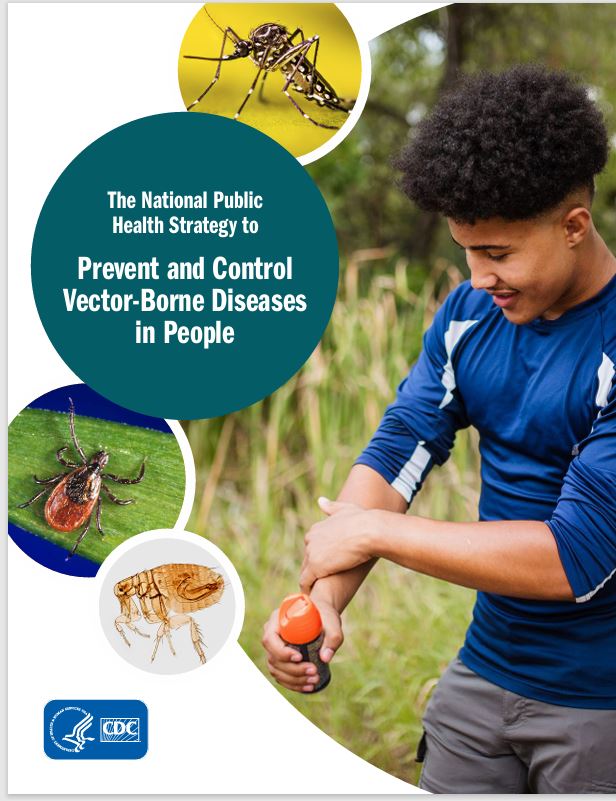
CDC Meeting on Vector-Borne Diseases National Strategy to be Live-Streamed

Lyme is a Vector-Borne Disease and there are several others. The CDC has been slower than a snail in updating the statistics and I’m not confident in their statistics. It’s not just statistics, it’s the fact that the CDC only listens to a small group of doctors who don’t believe in Chronic Lyme to help set policies. This has been an issue for over 20 years and in truth probably much longer.

I may not have a high opinion of the CDC but the fact that they are having open sessions discussing a National Strategy gives me hope for an acknowledgment of Chronic Lyme. The CDC must recognize the chronic nature of VBD and set treatment policies based on reality. The CDC’s treatment policies are used as the standard of care by insurance companies.

I encourage all that can to participate, let’s keep this conversation alive!


The Centers for Disease Control and Prevention (CDC) will hold a closed meeting and a public webinar on May 23 to share information about the newly developed vector-borne disease national strategy.

Vectors—biting insects and arachnids like mosquitoes, ticks, fleas, and lice—can spread infections that make people sick. The VBD national strategy is a plan for how government agencies should address this risk to public health.

According to the CDC, “The full meeting will be by invitation only to ensure representation and inclusion of researchers, clinicians, public health officials, vector control officials, and patient advocates.” However, the opening and closing sessions will be livestreamed to the public, from 10:00 a.m. to 11:00 a.m. and 3:00 p.m. to 4:00 p.m., Eastern time.

LymeDisease.org CEO Lorraine Johnson will participate in the closed meeting, as a representative of the Lyme community.

To access the meeting visit this page on the day of the event: https://www.hhs.gov/​live/​index.html.

As stated in the Federal Register, “The VBD National Strategy was developed by the Department of Health and Human Services in response to congressional direction in the Kay Hagan Tick Act, passed as part of the Further Consolidated Appropriations Act, 2020 (Pub. L. 116-94). The primary purpose of the meeting is to increase awareness of the VBD National Strategy and inform future implementation efforts.”

SOURCE: Federal Register

Melinda

Celebrate Life · Health and Wellbeing · Men & Womens Health · Mental Health

Easy DIY Moisturizing Detox Bath Soak

From Brindin.com

Relax in an all-natural moisturizing detox bath that soothes dry skin while you de-stress. This bath soak has the beautiful look and feel of fresh snow PLUS it leaves skin feeling silky soft and promotes better sleep.

Photo by Monstera on Pexels.com

  • Magnesium Sulfate:  Popularly known as Epsom Salt.  Magnesium is used for treating anxiety, chronic fatigue syndrome (CFS), Lyme disease, fibromyalgia, leg cramps, migraine headaches, premenstrual syndrome (PMS), restless leg syndrome, skin infections and more.
  • Sodium Bicarbonate:  Popularly known as Baking Soda. Sodium bicarbonate makes bath water alkaline which soothes irritated skin, relieves pain or itching, and leaves the skin feeling silky.
  • Virgin Coconut Oil: Virgin coconut oil is pressed from the “meat” of the coconut. It has a high content of lanauric acid which is anti-viral, anti-fungal, and anti-bacterial. It aids in skin healing and moisturizing.
  • Sweet Almond Oil: Almond oil is pressed from edible almonds. It is rich in Vitamin E, monounsaturated fatty acids, and proteins plus minerals and vitamins. It is good for moisturizing and healing skin.
  • Essential Oils:
    • Lemon Essential Oil is distilled from the peel of the lemon. It is high in d-limonene, a powerful antioxidant. Lemon oil is nourishing to the skin, improves mood, and supports the immune system.
    • Peppermint Essential Oil is derived from the leaves of the peppermint plant. It helps increase blood flow to the skin, is muscle-soothing, and has a mentally relaxing effect
    • Rosemary Essential Oil is distilled from the fresh flowering tops of the fragrant evergreen plant. It is used to stimulate blood circulation, relieve headaches and muscle aches, reduce stress, and boost the immune system.

This all-natural moisturizing detox bath soothes dry skin while raising magnesium levels to aid in de-stressing. This bath soak leaves skin feeling silky soft and supple and promotes better sleep.

Makes: 5 baths

INGREDIENTS

  • 1/4 cup Coconut Oil (melted)
  • 1/4 cup Almond Oil
  • 40-80 drops Essential Oils (lemon, rosemary, peppermint)
  • 3 cups Epsom Salts
  • 2 cups Baking Soda

INSTRUCTIONS

  1. Whisk together the melted coconut oil and almond oil.
  2. Stir in essential oils. (10-20 drops lemon, 10-20 drops rosemary, 20-40 drop peppermint)
  3. Add Epsom salts and baking soda, and stir to combine.
  4. The bath salts will have the texture of fresh snow.

Store in an air-tight jar. 

HOW TO TAKE A MOISTURIZING DETOX BATH

Take a magnesium bath at night just before going to bed for best results. The magnesium will help you relax while the moisturizing ingredients soothe and soften the skin.

To prepare a bath: Fill the tub with hot water.  Add the Magnesium Detox Bath salts then soak for 20-30 minutes. Add music, candles, a good book, or an interesting podcast to make bath time more enjoyable.

Make sure to have a cold glass of drinking water within reach to rehydrate during the bath. After soaking pat dry and go to bed.

DETOX BATH WARNINGS

If you have any medical conditions or take prescription medicines you should consult with your doctor before taking a moisturizing detox bath. Hot bath water can cause dehydration and dizziness. You should drink lots of water while taking a detox bath and never take a detox bath when using drugs or alcohol.

Enjoy!

It sounds very easy to make and it’s great that you can make 5 baths worth per batch. Makes a great gift too.

Melinda

Health and Wellbeing · Men & Womens Health

Melanoma and Skin Cancer Awareness Month

Last year my husband was diagnosed with Leukemia and we are thrilled he is in the earliest stage. The most surprising result of Leukemia is that he has developed Skin Cancer which is common with Leukemia. He has had many lesions removed and some were very deep. It is recommended that you see a Dermatologist once a year and check your skin regularly.

Support

The Leukemia & Lymphoma Society is the largest nonprofit funder of leading-edge research for every type of blood cancer, including leukemia, lymphoma, myeloma, and other rare types of blood cancers.

We make thoughtful investments in blood cancer research that will lead to scientific breakthroughs that will improve and save the lives of patients.

The LLS Research Team oversees the organization’s research agenda and manages our portfolio to support cutting-edge research for every type of blood cancer.

We are taught at an early age about why wearing sunscreen can cause Skin Cancer yet I’m guilty of not putting on sunscreen. Most of the skin damage happened on my neck and chest area. Are you guilty too?

Melinda

References:

https://www.lls.org/lls-research

Health and Wellbeing · Men & Womens Health

National Lyme Disease Awareness Month

My journey to a diagnosis of Lyme disease started with spending a year with a Neurologist in 2012 and even though all of my tests were abnormal she had no idea what was wrong. My search knowledge has improved greatly so I set out to find what was killing me. I took keywords from the test and combined keywords in other tests. I was very lucky to pin down what I thought was Lyme disease by knowing I did not have the other chronic illnesses mentioned.

I started the second part of my journey by searching for a Lyme-literate Doctor, which I tell you is not an easy task and it’s not getting easier. I had to track down what association Lyme doctors belong to, I contacted them and it was a secretive process. I called ILADS and told them I was looking for a Lyme doctor in the area, they took my number and said someone would call me back.

The first doctor was on crack so I dug deeper to find one on my own and found a highly respected Infectious disease doctor in Washington, D.C. and now my journey really started. I went through close to 18 months of IV Infusion treatments which felt like death to me.

If you think you’ve been bitten by a tick and a month has passed, your Primary Care Doctor can no longer help you. Find a Lyme Liturate doctor right away.

Here’s the timeline before Lyme becomes chronic.

If you have a bulls-eye rash go to the doctor right away. They can prescribe antibiotics for 2-4 weeks and you are lucky. It’s important to know that 30% of people do not get the rash, I didn’t have a rash so I had passed the point of short-term antibiotics and moved into the Chronic Lyme disease phase.

The most important is to remember doctors only test for a few strains of Lyme and they have a high failure rate. If you feel strongly, ask for a full panel on Lyme disease. If they don’t want to retest you have the option of using an outside lab to run the test but at your expense. The money spent on tests could save your life.

The treatment for Lyme was not covered by insurance and we spent close to $150,000 on my treatment which meant a second mortgage on our house. Be prepared for the cost, there are no shortcuts with Lyme.

Wikipedia explains Ticks:

Ticks are parasitic arachnids of the order Ixodida. They are part of the mite superorder Parasitiformes. Adult ticks are approximately 3 to 5 mm in length depending on age, sex, species, and “fullness”. Ticks are external parasites, living by feeding on the blood of mammals, birds, and sometimes reptiles and amphibians. The timing of the origin of ticks is uncertain, though the oldest known tick fossils are from the Cretaceous period, around 100 million years old. Ticks are widely distributed around the world, especially in warm, humid climates.

Ticks belong to two major families, the Ixodidae or hard ticks, and the Argasidae, or soft ticks. Nuttalliella, a genus of tick from southern Africa, is the only member of the family Nuttalliellidae, and represents the most primitive living lineage of ticks. Adults have ovoid/pear-shaped bodies (idiosomas) which become engorged with blood when they feed, and eight legs. Their cephalothorax and abdomen are completely fused. In addition to having a hard shield on their dorsal surfaces, known as the scutum, hard ticks have a beak-like structure at the front containing the mouthparts, whereas soft ticks have their mouthparts on the underside of their bodies. Ticks locate potential hosts by sensing odor, body heat, moisture, and/or vibrations in the environment.[1]


Prevent Tick Bites: 13 Things Ticks Won't Tell You | Reader's Digest

Take all safety measures recommend to prevent tick bites.

Melinda

References:

Reader Digest for tick photo

https://en.wikipedia.org/wiki/Tick