Celebrate Life · Fun · Music

#Weekend Music Share-Pet Shop Boys – West End Girls on Top Of The Pops 05/12/1985

It’s the weekend!!!!!!

 https://youtu.be/oLTbWPYf2A4?si=67vFhqTHJLLgyOur

I’m glad you joined me this week for another edition of Weekend Music Share.

Have a great weekend!

Melinda

Welcome back to Weekend Music Share, the place where everyone can share their favorite music.

Feel free to use the Weekend Music Share banner in your post, and use the hashtag #WeekendMusicShare on social media so other participants can find your post.

Celebrate Life · Communicating · Family · Health and Wellbeing · Men & Womens Health · Mental Health · Mental Illness · Self-Care

NAMI Texas Advocacy Newsletter July 25, 2024  

 
Hello Advocates,  Happy Minority Mental Health Awareness Month!  In 2008, the U.S. House of Representatives officially declared July as Bebe Moore Campbell National Minority Mental Health Awareness Month. Bebe Moore Campbell was a mental health champion who used her experience to highlight the profound impact that culture, community and connections have on mental health.  Minority Mental Health Awareness Month is crucial for many reasons: Health Disparities: Minority communities often face significant disparities in mental health care, including limited access to services, lower quality of care, and higher levels of stigma associated with mental health conditions. Raising awareness helps address and reduce these disparities. Stigma Reduction: Many minority communities experience higher levels of stigma surrounding mental health conditions. Awareness initiatives can help break down these barriers, encouraging individuals to seek help and support without fear of judgment or discrimination. Cultural Awareness: Mental health awareness in minority communities promotes the need for culturally sensitive care. It emphasizes the importance of understanding cultural differences and tailoring mental health services to meet the unique needs of diverse populations. Advocacy and Policy Change: Highlighting the specific mental health needs of minority communities can drive advocacy efforts and inform policy changes aimed at improving mental health care equity. For example, this may include funding, more inclusive programs, and systemic changes that strengthen support for BIPOC individuals. Fast Facts:Asian American and Pacific Islanders: Non-Hispanic Asian American adults are the least likely population to receive mental health treatment for their mental illnessIn 2022, only 36.1% of Asian adults with mental illness received treatment9% of Asian Americans are not fluent in English and limited availability of culturally appropriate mental health care creates a significant barrier when trying to access careBlack/African Ancestry Communities:In 2022, only 37.9% of non-Hispanic Black or African American adults with mental illness received treatmentProvider bias, whether implicit or explicit, and lack of cultural sensitivity often results in misdiagnosis and inadequate treatmentWhen expressing symptoms related to mood disorders, Black people are more likely to receive a misdiagnosis of schizophreniaHispanic/Latin Americans: Nearly half of Hispanic and Latino young adults ages 18-25 with a serious mental illness do not receive treatmentAccording to the Kiser Family Foundation, in 2022, 18% of nonelderly Hispanic people had no form of health insuranceCompared to the U.S. average of 50.6%, approximately 39.6% of Hispanic or Latino adults with a mental illness receive treatment each yearBebe Moore Campbell used her voice to pave the way; what an honor it is that advocates like you and I have the opportunity to keep her legacy alive by continuing to advocate for a more inclusive, equitable, and effective mental health care system that serves all individuals, regardless of their background or identity. With gratitude,The NAMI Texas Public Policy Team Source material and further information can be found on NAMI National’s 2024 Bebe Moore Campbell National Minority Mental Health Awareness Month Toolkit.————————————————————————————————————————————–P.S. As I transition out of my fellowship with NAMI Texas, I want to take a moment to express my gratitude to each and every one of you. It has been the honor of a lifetime being a part of the NAMI Texas Team and the community of incredible advocates that it encompasses. Having the opportunity to be in conversation and spaces with such passionate, driven and welcoming advocates like you is truly an indescribable feeling. While I will no longer be on staff, I have every intention of staying engaged with NAMI Texas and all of you.  Thank you for your kindness, support and willingness to share your stories with me over the last two years. You have made an everlasting impact on me, and I am so thankful for that.  With love and gratitude,Hannah 
Staff Spotlight: Meet NAMI Texas’ New Peer Policy Fellow! Join us in welcoming our newest team member, Christine Busse! Christine joined NAMI Texas as a Peer Policy Fellow in July 2024. She holds a master’s in social work from the University of Texas at San Antonio and a Bachelor of Science in Behavioral Neuroscience from St. Edward’s University. Her professional journey includes nearly four years as a Registered Behavior Technician, providing Applied Behavioral Analysis (ABA) therapeutic services to youth with special needs.  During her graduate studies, she honed her research and data analysis skills as a Graduate Research Assistant on the Bexar County Fostering Educational Success project, evaluating programs supporting foster care alumni. She gained valuable policy experience through internships at the National Association of Social Workers – Texas and the Hogg Foundation for Mental Health, actively participating in the 88th Texas legislative session. Most recently, Christine served as the Planning and Policy Coordinator at the Texas Homeless Network. These diverse roles provided Christine with strong experience in mental health and substance use policy, education, and behavioral health workforce challenges. She developed expertise in policy research, strategic advocacy, and legislative processes. As a lifelong Texan and Lebanese American with lived experience of mental illness, Christine is passionate about bridging the gap between research, policy, and lived experience to enhance effective mental health policies and support systems. She is committed to fostering community resilience and well-being to build a stronger, healthier Texas for all. NAMI National’s #Vote4MentalHealth Pledge Mental health impacts nearly all aspects of our lives. And at NAMI, we advocate on a wide range of policy priorities, from health care to criminal justice to housing and beyond. No matter the topic, we know that mental health matters. Your vote in the upcoming elections matters, too. Every elected official – from the president and Congress to county commissioners and city councilmembers – has influence on issues impacting people affected by mental health conditions. That’s why it’s so important to understand how voting impacts mental health. Take the first step: click the following link to pledge to #Vote4MentalHealth this November.  NAMI won’t tell you who to vote for. We encourage you to research candidates on your ballot, decide what issues are most important to you, and cast your vote this election season. July 2024 Health and Human Services Report: Behavioral Health Advisory Committee FY 2023 Annual ReportSenate 2024 Interim Legislative Charges: Notice of Public Hearing Thursday, September 5, 2024, at 9:00am Senate Finance Committee (E1.036) Mental Health Services and Inpatient Facilities: Monitor the implementation of Senate Bill 30, 88th Legislature, Regular Session, with regard to appropriations made for expanding mental health services and inpatient facilities across the state. Report on the progress of inpatient facility construction projects. Assess and report on the effectiveness of spending on mental health services. You can view the full hearing agenda, hereWednesday, September 18, 2024 Senate Health & Human Services Committee (E1.012) Children’s Mental Health: Review care and services currently available to the growing population of Texas children with high acuity mental and behavioral health needs. Make recommendations to improve access to care and services for these children that will support family preservation and prevent them from entering the child welfare system. Access to Health Care: Evaluate current access to primary and mental health care. Examine whether regulatory and licensing flexibilities could improve access to care, particularly in medically underserved areas of Texas. Make recommendations, if any, to improve access to care while maintaining patient safety. You can view the full hearing agenda, here. You can review the list of Interim Charges in its entirety, hereHouse 2024 Interim Legislative Charges: Notice of Public Hearing Wednesday, July 31, 2024, at 10:00am Youth Health & Safety, Select (E2.014) Update: the originally scheduled July 7th, 2024, hearing was cancelled due to Hurricane Beryl.  The committee will meet to hear invited testimony only on the following interim charge: Behavioral Health Services for At-Risk Youth: Evaluate programs and services currently available to children and families that are either involved with, or at high risk for becoming involved with, the foster care and juvenile justice systems. Study the current barriers for accessing community-based behavioral health services for children with intense behavioral health needs, with an emphasis on ensuring that parents do not have to give up custody of children to gain access to services. If you would like to submit written comments related to the above charge you may do so until the hearing is adjourned by visiting this link You can view the full agenda for the July 31st hearing here.  You can review the list of Interim Charges in its entirety, herePublic Policy Platform Development Input Our 2025-2026 Public Policy Platform surveys have concluded. Thank you much for your time and input on these important matters! We could not do this work without all of you. Stay tuned for our Public Policy Platform which will be published in the fall.  NAMI Texas Conference: Celebrating 40 Years of Hope and HealingEvery year, NAMI Texas hosts an Annual Conference and Awards Celebration. These events bring together individuals living with mental illness, family members, professionals, and the general public to highlight the latest updates in the mental health field, exchange information, and celebrate the year’s successes. With exciting keynotes, informative workshops, a lively exhibit hall, Continuing Education Credit, networking opportunities, and special surprises, the Conference has something for everyone. This year, we are celebrating 40 Years of Hope and Healing. We could not be more excited to be bringing the Conference to West Texas. All Conference events will be held in the heart of bustling downtown El Paso, primarily in the beautiful El Paso Convention Center. There are many nonstop flights to El Paso from major Texas airports. The local Affiliate in the area, NAMI El Paso, is eager to welcome Texans from across the state. We hope you will join us in November for this extra special celebration!  Early Bird Ticket Sale Alert! Purchase your ticket today in order to take advantage of the early bird ticket special! These discounted tickets will be available through September 1st, 2024. Click this link to purchase.  2024 NAMI Texas Annual Conference Call-for-Presentations! All topics related to mental health are welcome, but the Conference Planning Committee has identified the following 4 thematic categories of particular interest: 1.) Children, Youth, & Families, 2.) Underserved Populations, 3.) Criminal Legal System, and 4.) Innovation and Creativity. For further details and to access the form, check out the call-for-presentations webpageThe deadline to submit a workshop proposal is August 2nd, 2024. NAMI SMARTS Classes Grassroots advocacy is about using your voice to influence policymakers and make a difference. Turn your passion and your lived experience into advocacy for mental health with the NAMI Smarts for Advocacy training. NAMI Smarts for Advocacy will enhance your advocacy skills and help you shape a powerful and personal story that will move policymakers. NAMI Smarts for Advocacy gives you step-by-step tools and the hands-on practice you need to feel confident and ready to make a difference. The NAMI Texas Public Policy Team does not currently have any classes scheduled. Be sure to keep an eye on our calendar for forthcoming classes. 
If you have anything you would like to share with NAMI Texas advocates in these emails, please send the information to policy.fellow@namitexas.org

–       Hannah Gill and the NAMI Texas Public Policy Team
Mental Health in the Media A look at the Texas mental health workforce shortage“Today, 246 of Texas’ 254 counties are wholly or partly designated by the federal government as “mental health professional shortage areas,” and that’s in a state where roughly 5 million people do not have health insurance. This has had a particularly dire effect in rural, border, and frontier counties in Texas, as some regions might have only one mental health professional or none. If you look at the raw numbers, we don’t have enough providers, even if they were evenly distributed,” said Alison Mohr Boleware, the Hogg Foundation for Mental Health policy director.” Sherman PD teams up with Texoma Community Center on mental health co-response team“The Sherman Police Department and Texas Community Center have teamed up to make a mental health co-response program. TCC Assistant Director of Care Coordination, Tori Dyess, said the program was made possible through a grant. “We reached out to Sherman Police Department, and decided to collaborate to create a team that was embedded with them,” Dyess said. The TCC has qualified mental health professionals stationed at the police department seven days a week, from 10 a.m. to 10 p.m. The program’s goal is to get effective mental health care to those in crisis faster.”  Employment may be key to veterans’ mental health, UTEP study finds“EL PASO, Texas (KVIA) — A new study authored by two University of Texas El Paso researchers is showing employment may be key to emotional wellbeing for veterans. The study was published in the June issue of scientific journal ‘Stress and Health’. The researchers looked at 517 veterans experiencing mental health conditions such as depression, anxiety, and post-traumatic stress disorder. According to the study, employment correlated with positive emotional wellbeing in veterans struggling with their mental health. The study also said unemployed veterans were twice as likely to experience depression.” Gov. Abbott Announces 7 New State Hospital Projects, Including $1B+ for Two in North Texas“Seven new state hospital projects—including new ones in Wichita Falls and Terrell—have been announced to better serve people in need of inpatient psychiatric services. Gov. Greg Abbott said the Texas Health and Human Services Commission (HHSC) projects are funded by $1.5 billion approved by the Texas Legislature in 2023 to expand, renovate, and build new facilities across the state.” How many people are receiving mental health treatment in Texas
“More than 5 million American adults were receiving mental health treatment at a state-monitored mental health facility in 2022, according to a report from the Department of Health and Human Services released in April, an increase from last year. However, access to treatment can largely depend on where someone lives or what kind of insurance they have. More than half of adults receiving treatment lived in just 10 states, as many Americans lack access to mental health care.”
NAMI Texas is a nonpartisan nonprofit organization dedicated to improving the quality of life of all individuals living with mental illness and their families. Please visit our website at NAMITexas.org for more information. Help support our advocacy efforts by donating to NAMI Texas at https://namitexas.networkforgood.com/

Melinda
Celebrate Life · Family · Fun · Men & Womens Health · Mental Health

Daily Writing Prompt

What’s the story behind your nickname?

This is a fun prompt. I have only had a few nicknames, but I enjoyed them; one is precious to me. My Gramps called me Pud all my life, it was an endearing one, not sure if it came from pudding or was an old-time term but I miss his voice calling my nickname. No one else called me that, it was special between us.

My younger step-brother had a horrific life, their mother was a drug addict and would leave them at home alone for weeks at a time. No food, no water, and P lived in the same diaper. It’s disgusting to think any mother could treat her children that way. Both of my step-brothers had regressed in age and P had gone back to being a baby from the trauma. My step-father gained custody of them and they came to live with us, the discovery of two children was a shock to my mother’s system. P had to learn to talk again, which was very difficult for him. My mother always called be my my middle name, Melody and P had problems saying so he called me Mody. He was a precious soul and his life ended tragically just as it had started.

I may have had other short-term nicknames but I don’t recall them. Of course, I’ve been called many things, and not all of them nice but when you speak your mind that is going to happen.

Any nicknames from the past you a particularly fond of?

Melinda

Celebrate Life · Cooking · Health and Wellbeing · Medical · Men & Womens Health · Mental Health · Self-Care

My No Diet Weight Loss Journey Started 25 Months Ago-What A Ride It’s Been

I’m 5 ft 7 inches and was a normal weight until I turned 28 years old. At 28 I was diagnosed with Treatment-Resistant Bipolar Disorder and Anxiety. The diagnosis wasn’t a huge surprise since my father had committed suicide months earlier and we both had struggled with depression. One of the downsides of having a mental illness is that many medications make you gain weight, with each medication I tried, it was 20-25 pounds. That can weigh you down but I learned quickly that my vanity was not as important as my mental health.

I tend to be more depressive than manic so my protocol includes many stimulant medications. There were many times I would lose large amounts of weight and was skinny again. Although short-lived, once your body adjusts to the stimulants the weight loss stops. The last medication that brought me out of a deep depression caused me to gain 40 pounds and it took effort to lose that amount of weight. I lollygagged for a couple of years until I went to see one of my doctors and had to weigh. I was shocked at what the scale said.

You also need to know I have some baggage here because my mother is obese and my abuser. I wanted to be nothing like her, I must have seen her that day on the scale.

I was determined to lose weight the right way this time, with no diet, no program food just eating what I liked but in smaller portions. I set a goal of losing 40 pounds with 50 pounds in the background. First, I cut all meals in half and cut out snacking unless I was truly hungry. When I needed a snack it was nuts because they are good for you.

The first 20 pounds were hard but not nearly as hard as the next 20 pounds. After reaching 20 pounds, I cut my meals in 1/3 and continued to eat a piece of chocolate at lunch and dinner. I also allowed myself dessert on the weekends. There was no depriving myself of the foods I loved, my diet didn’t change just the amount of food I was eating.

Last August, I had reached my goal of 40 pounds and was working on 10 more pounds. Then life got in the way. I was hospitalized in December of 2023 and had a traumatizing experience by being told that my kidneys were shutting down and that I would not live until my check-out date. Logically I knew better but we were in complete shock. I called my brother to say goodbye which was very difficult and my husband and I just cradled each other. A short time later, I came to my senses and said there was no way my GFR was 20! Of course not, a lazy lab tech didn’t run the test a second time and the doctor didn’t even question it. I never received an apology.

After leaving the hospital I continued to lose weight and after 25 months I am 70 pounds down. Being this skinny is not a choice, you would be surprised at what I eat although I can’t eat as much as I did in the beginning but that’s expected. I’ve been having major issues with my Esophagus for a couple of months and a month after going to the ER, I’m worse. I’m taking two additional medications but still have problems eating or keeping food down. It doesn’t seem to be as urgent to my doctor. I’m still working on it.

Yes, you can lose weight the right way without restricting yourself and in turn, sabotaging your efforts. There are no shortcuts, no quick fixes, and only one permanent solution. Set your goal for the long term, change your eating habits, and pay attention to why you eat and enjoy yourself at the same time. I can’t imagine lunch or dinner without chocolate, I just eat one piece.

You can do it.

Melinda

Chronic Illness · Family · Health and Wellbeing · Infectious Diease · Medical · Men & Womens Health · Tick Borne Illnesses

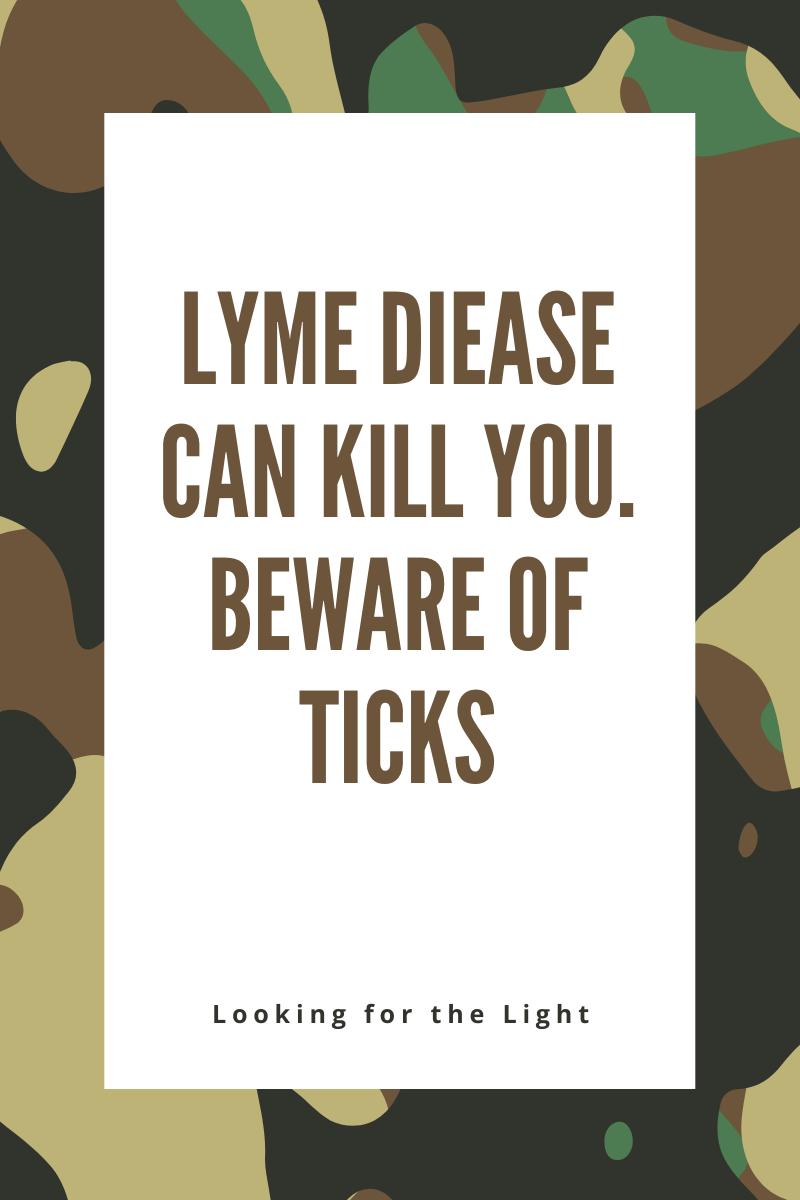
The strong voice of a teenager with Lyme disease

When my daughter Rachel was 13, she suffered a seemingly simple injury that led to an outbreak of inexplicable, debilitating, body-wide pain. This left her bedridden and needing a wheelchair.

Refusing to believe doctors who claimed either that she was “faking it” or that nothing could be done, our family searched for answers until we at last found the underlying cause—unrecognized chronic Lyme disease and co-infections.

We were lucky enough to find a knowledgeable Lyme doctor within two hours of our home and we started on the long hard slog to getting her better. But we soon found that medical treatment was only part of what our family needed.

There were so many other needs: how to keep Rachel from spiraling into depression, how to continue her education when she was too sick to attend school, finding out what foods supported the healing process best—and which of those she was willing to eat.

As it turns out, one of the most helpful therapies Rachel undertook was something she figured out on her own. Throughout those dark days, she recorded her daily experiences in a journal. It chronicled the bad—her anger at the doctors who didn’t believe her, her despair at ever getting past the pain. It also recorded good times with friends—lip-synching to Hannah Montana songs, visiting the beach to try out a beach wheelchair (yes, those are a thing.) That journal became a lifeline for her, and in my view, was as important as the many different treatments she went through.

In time, Rachel’s health improved—she left the wheelchair behind, graduated from high school and college, and embarked on a career and marriage. For many years, she avoided even looking at the journal, not wanting to revisit those traumatic times.

But then, she decided to share the story with others, and the two of us collaborated on Finding Resilience: A Teen’s Journey Through Lyme Disease. The main narration is based on the journal, interspersed with additional passages by me, giving the mother’s perspective of what was going on.
Capturing the right voice

In the months since publication, we’ve garnered a lot of positive feedback. Here’s one of my favorite reviews, by a judge from the Benjamin Franklin Award competition:

Finding Resilience is a wonderfully written book (by both mother and daughter) that chronicles a teenager’s struggle with both Lyme disease and the medical establishment too unwilling to consider the—at the time—difficult diagnosis. What makes this book so strong is the voice. It’s often difficult for an adult to capture the right voice when writing about earlier experiences, but Rachel Leland does it expertly. At no time did I waver in believing that a teenager was talking to me in real time, as a teenager. This is hard—exceptionally hard—to do well…The mother’s voice, too, is appropriate throughout. All of this worked so effectively that I found myself as a reader on the same emotional rollercoaster they were on.

That’s exactly what we were going for—the shared perspective of a teenager and her mom on this hideous disease and what it takes to get through it. We hope you’ll find it informative and inspiring. Click here for more info about the book.

TOUCHED BY LYME is written by Dorothy Kupcha Leland, President of LymeDisease.org. She is co-author of Finding Resilience: A Teen’s Journey Through Lyme Disease and of When Your Child Has Lyme Disease: A Parent’s Survival Guide. Contact her at dleland@lymedisease.org.
A story that pulls all the heartstrings, such anguish, and a parent’s worst nightmare for their child.

Melinda

Celebrate Life · Fun · Health and Wellbeing · Photography · Travel

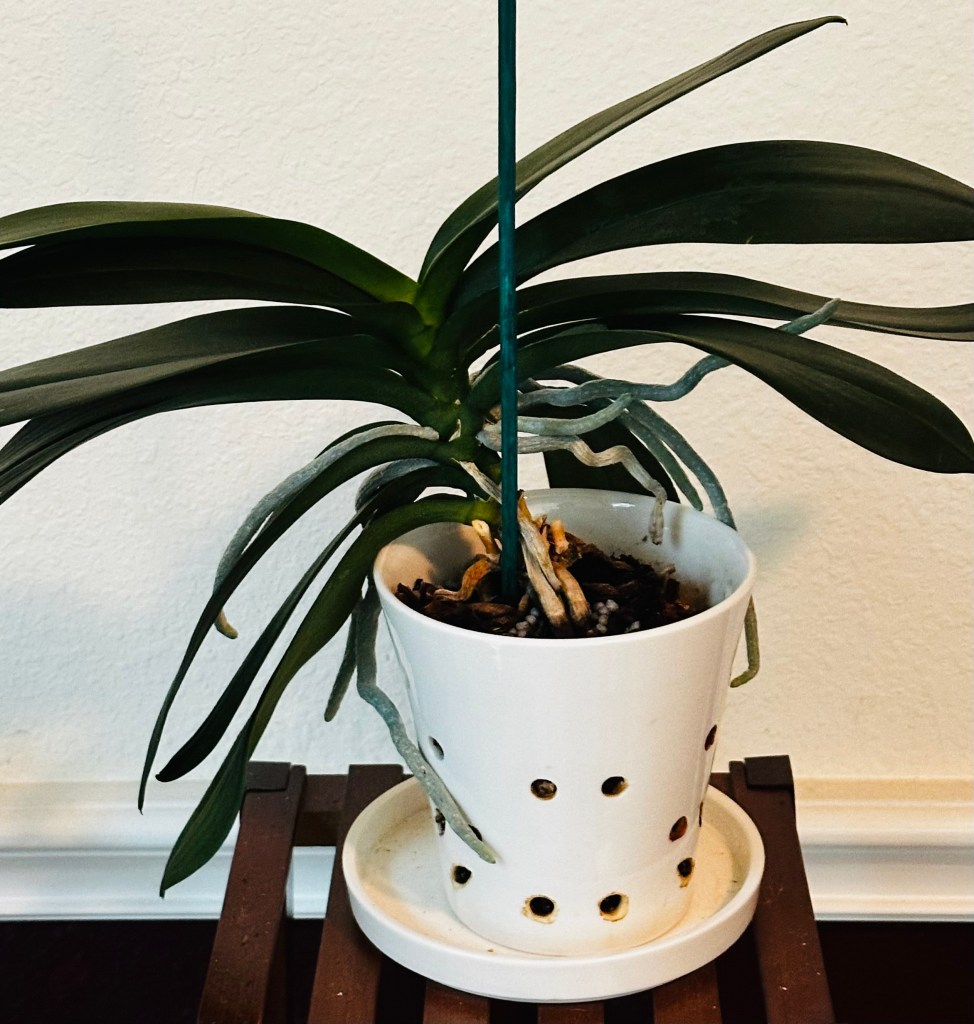
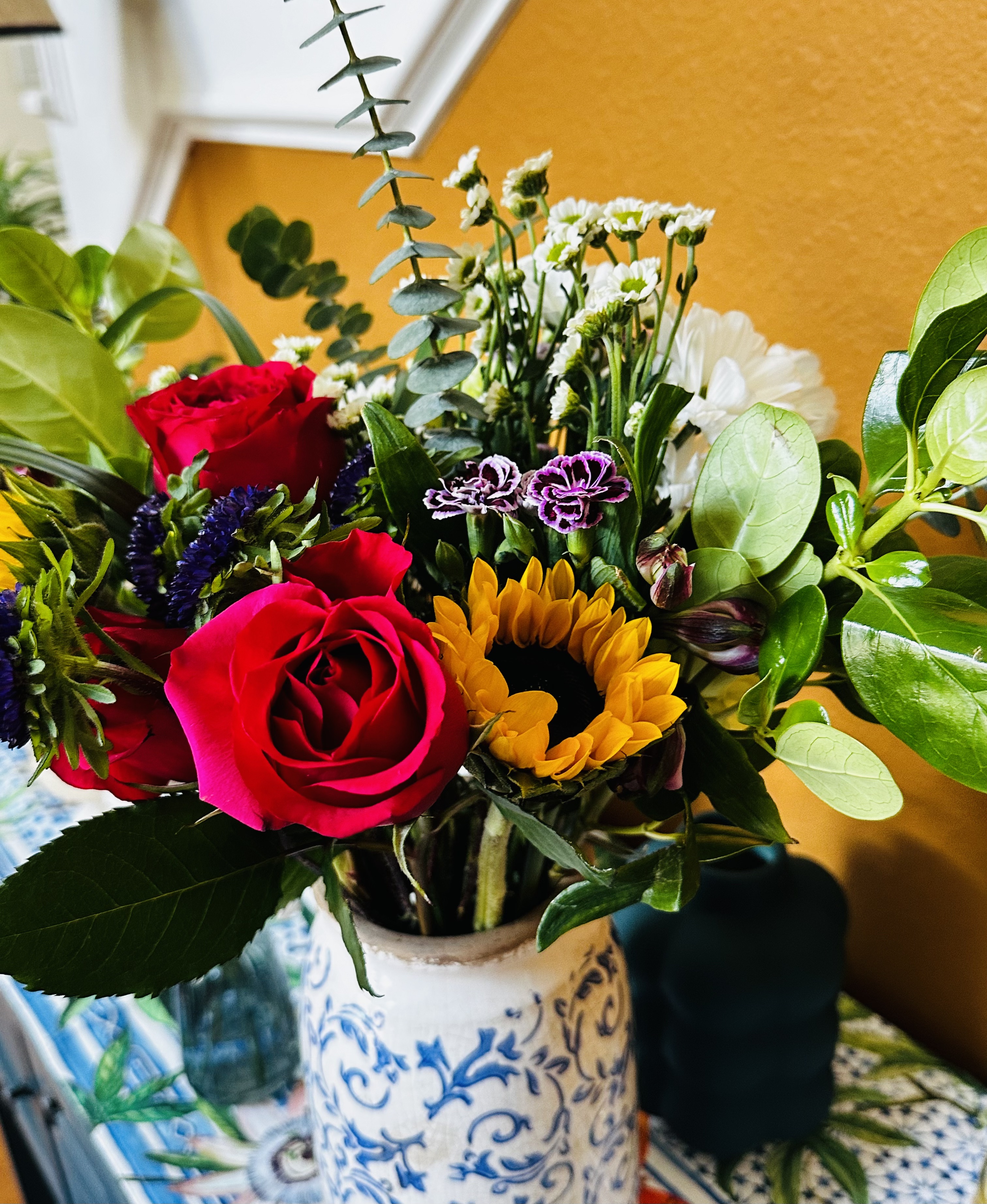
Wordless Wednesday-Purple Orchid

I’m glad you joined me on Wordless Wednesday and I hope to see you soon.


Melinda

Celebrate Life · DIY · Fun · Health and Wellbeing · Men & Womens Health · Self-Care

Homemade Pink Peony Sugar Scrub Recipe with Bramble Berry

Peony Sugar Scrub Recipe

You may recognize Bramble Berry from the pages of Willow and Sage! We are so thrilled that they are sharing one of their latest and greatest skin-care recipes on our blog today. Learn how to make this nourishing and beautifully-scented Pink Peony Sugar Scrub below.

Pink Peony Sugar Scrub Recipe

This Pink Peony Sugar Scrub leaves skin feeling soft and smooth. Skin-loving cranberry butter and champagne extract are whipped together with Foaming Bath Butter to create a smooth base for the sugar. Foaming Bath Butter lathers with water, so the scrub washes off the skin without an oily residue. To use, apply the scrub to wet skin, gently rub in circular motions, and wash away. 

A touch of Hot Pink Mica gives the scrub a lovely pink color. It’s made with Pink Peony Fragrance Oil from Bramble Berry’s Soirée Collection. The fragrance is a modern floral mix of lemon, rhododendron, honey, peony, and white musk.

Find all the ingredients here

Three 8 oz. Bail Jars
10 oz. Foaming Bath Butter
2 oz. Cranberry Butter

2.5 oz. Champagne Extract

8 mL Pink Peony Fragrance Oil

15 oz. Sugar

1/16 tsp. Hot Pink Mica

Watch how to make it at https://www.youtube.com/embed/KJ6NpMIg8MA

Instructions

In a large mixing bowl, add 10 ounces of Foaming Bath Butter and 2 ounces of cranberry butter. Using a hand or stand mixer, whip until they’re completely combined and smooth.

Add 2.5 ounces of champagne extract and 8 mL of Pink Peony Fragrance Oil. Whip the ingredients until smooth. 

Add 15 ounces of granulated sugar and about 1/16 teaspoon of Hot Pink Mica. Use the mixer to thoroughly incorporate. 

Spoon the mixture into jars. 

To use, apply a small amount of the scrub to damp skin, gently rub in circular motions, and rinse off. Enjoy!

Bramble Berry offers high-quality handcraft supplies sourced from around the world for all your skin-care project needs! Visit their website at: brambleberry.com
Related Posts

The Art of Candle Making A Glimpse Inside Willow and Sage Autumn 2019 A Glimpse Inside Willow and Sage Winter 2020 Q&A with a Skin Care Expert Previous Post Next Post

Enjoy

Melinda

Repost from 2021

Celebrate Life · Fun · Health and Wellbeing · Men & Womens Health · Mental Health · Music · Self-Care

International Self-Care July 24th

This is definitely one of the most important awareness days in July and year-round for the matter. Our mental health plays a key role in how we function daily and in our relationships. If we are happy, life is better and those around us enjoy the benefits too.

International Self-Care Day is celebrated on July 24. It stresses the importance of self-care as the cornerstone of wellness. On this day, individuals throughout the world are encouraged to make self-care a part of their everyday routines and turn it into a priority. It is a milestone, and an opportunity to raise further awareness of the benefits of effective self-management of health.

Self-care has become incredibly important as people realize the need to take care of themselves and put themselves first. This has made people talk about it and increased the interest of others to take control of their health and wellness by prioritizing themselves. Today, we urge you to practice self-care, even if all you do is take a walk.

There are so many ways to give yourself a self-care break every day, it doesn’t just mean a long bath. Self-care comes in many forms and meets everyone’s needs for a mental health break and a treat for yourself. The breaks can be small short time outs you fit in when you can, it’s not always some big deal to fuss about. Yes, I like to fuss about occasionally but what’s important to me is the breaks I can fit in throughout the days that make me happy.

Some Ideas

Cup of your favorite coffee or tea to enjoy without multitasking, just taking in the flavors and smells.

Driving a clean car, one that is not full of fast food bags and dusty with mirrors you can barely see out of.

Cooking yourself and maybe someone special a great meal to enjoy without the TV on. Have some real conversation.

Burning your favorite candle.

Hanging Fresh Eucalyptus and Lavender in your shower.

There are millions of things you can do, the key is to take a break, for 10-15 minutes and focus on enjoying yourself. Clear your mind and be in the moment for that short period of time. I also suggest taking self-care one step further by taking longer breaks to relax and enjoy yourself. A long hot bath is great but for some, it’s a long run or working in the yard. Do what makes you feel good and allows you to free your mind.

Melinda

Celebrate Life · Communicating · Fun · Men & Womens Health · Photography · Travel

Sending A Special Thanks To Denmark, Guatemala, Australia, Chile and Bosnia & Herzegovina

Thank you for visiting my blog and allowing me into your life, it’s a great joy. Every country is different in the best of ways, each offers something special to travelers and the people who call it home. I have been to Sydney, Australia, and would go back in a heartbeat if I could fly via Air Emirates. The people were warm, very much like Texas, very helpful and courteous. Here is a photo of the Sydney Harbor Bridge.


You color my world.

Melinda

Celebrate Life · Cooking · Fun · Health and Wellbeing · Men & Womens Health · Photography · Travel

Blogger Highlight-Popsicle Society

Thank you for all the great feedback on the Blogger Highlight series, I’ve enjoyed meeting each blogger and sharing their site with you. This week we highlight the blog Popsicle Society.   I have followed Ribana for years, vicariously through her delicious recipes and awesome food photography.  One thing about her cooking that I love is that she makes good food by taking the freshest ingredients and making them yummy! I would love to be a guest at her table. She and her husband made a recent move to Phuket and have expanded their marketing business into a full-time effort in paradise. 

POPSICLE SOCIETY

My journey of food, travel and inspiration

Hi, I’m Ribana!

I am a nutritionist, pastry chef, recipe developer, food writer, and ultimately a passionate home cook. I curate and develop recipes that are high on nutrition. I develop and test cost effective, nutritious meals using quality ingredients to help people improve their everyday eating experiences.

I love traveling, cooking and enjoying this beautiful nature. We have a wonderful world.

Life is not always easy  but give us the opportunity. It is a continue experience, a journey with no map and no rules.

We’ve engaged in this never ending adventure! Let’s enjoy the trip and see where will take us.

Check out Ribana’s free book, PASTA, MY FOOD JOURNAL.

Here are a few of my favorite photos from Ribana’s blog.

After a storm, unfortunately this is how it looks Kamala Beach, Phuket


Victoria Harbour in Hong Kong


Watching the waves flex their muscles at Kamala Beach, Phuket

Here’s one of my favorite recipes. 

Homemade Gluten-Free Italian Almond-Orange Cake Recipe

If you love life, you have to check out her site. 

Melinda

Looking for the Light