Celebrate Life · Fun · Health and Wellbeing · Men & Womens Health · Mental Health

Blogger Highlight-Teleportingweena

Thank you for all the great feedback on the Blogger Highlight series, I’ve enjoyed meeting each blogger and sharing their site with you. This week we highlight Teleportingweena.

Teleportingweena

wandering through life in my time machine…you never know where it will stop next~

Hi! Thanks for checking out my ‘about me” page and my blog!
My name is Barbara aka ghostmmnc. I’m a writer. I write all kinds
of things which you will see on here. I like to try all forms of
the written word, including fan fiction, original short fiction,
poetry, and of course blogging about whatever I’m thinking about.

I have a wonderful family… husband, two daughtes, two sons-in-law,
two grandchildren, and four cats. (update = we only have one cat now, as the other three have now crossed over the Rainbow Bridge). Sadly our last kitty is gone now, too.

I live in Texas, but have lived many other places in the world, as
we are a retired Army family. I will be writing about these experiences
on here, too.

Some of my interests to write about are about my true ghost stories, every
day happenings, pets, books, music, arts & crafts. Some are quirky, like me,
and hopefully you will enjoy reading my musings, as much as I enjoy writing
about whatever comes along.

I have had poems published in magazines, and I have a diploma from the Institute of Children’s Literature.

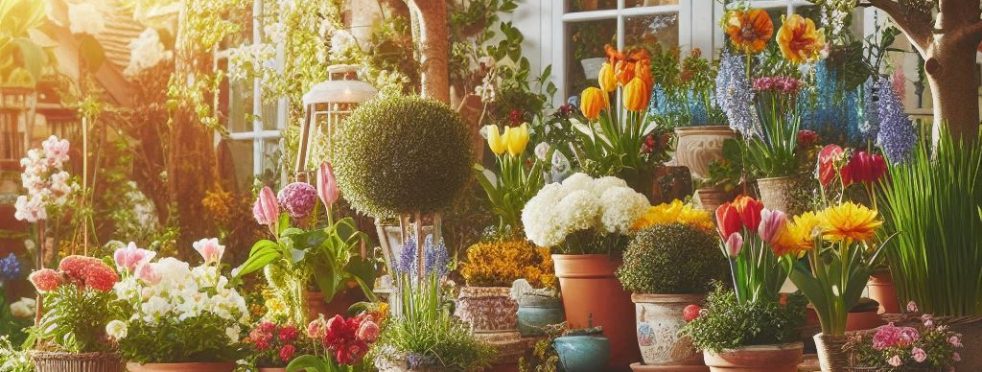
This photo is from a recent post and I love the colors.

Barbara participates in many weekly prompts and poetry challenges. Be sure to stop by and check out the wide range of topics she writes about.

Melinda

Looking for the Light


Celebrate Life · Health and Wellbeing · Medical · Men & Womens Health · Mental Health · Self-Care

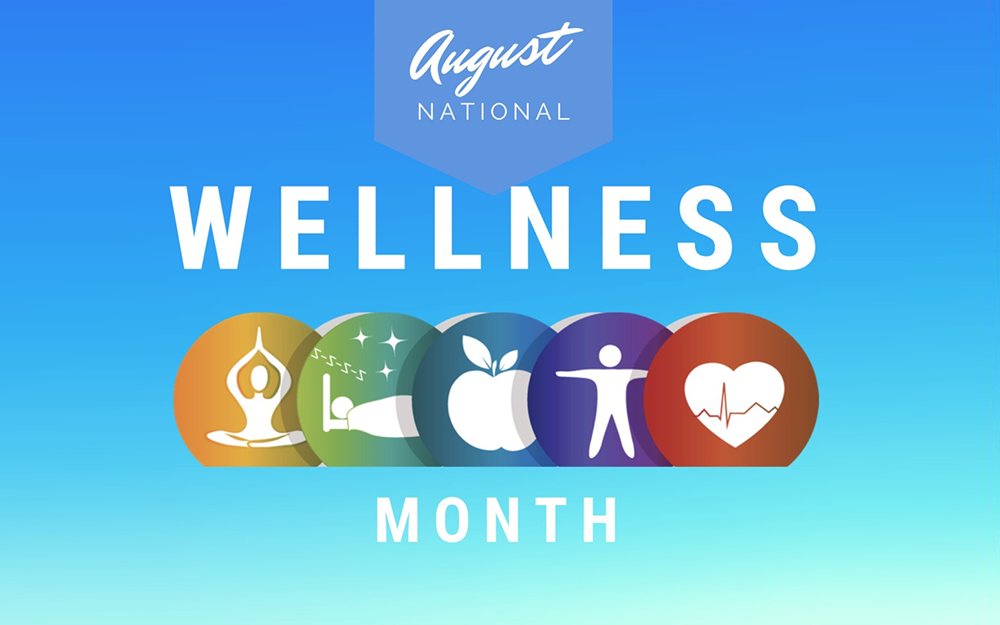
National Wellness Month

National Wellness Month speaks to me as I try to live a healthier life, work daily on my mental health, rest my mind, and eat healthier. I believe strongly in self-care daily for my overall health and well-being.  Maybe you too will make August a wellness month for you.

Every August, celebrate National Wellness Month! Prioritize your self-care, reduce stress, and create healthier habits to feel like your best self!

We can often put our health and wellness on the back burner due to work deadlines, traffic, family obligations and other stressors. Research has shown self-care can help increase happiness by up to 71%. National Wellness Month was born out of the idea that if we are going to do big things in the world— build our careers, raise a family, further our education, create new ideas, and nurture our bodies — we need to take care of ourselves.


This August, take the “I choose wellness” pledge, a promise to yourself that you’re prioritizing your self-care. Choose one small daily habit (like drinking 64oz of water daily or walking 10,000 steps), take the 31 day Wellness Month challenge to discover a new way you can take care of yourself each day, or explore different offers at your local spa and wellness business to try something new! Learn more at wellnessmonth.com

HISTORY OF NATIONAL WELLNESS MONTH

The concept of self-care has a long and varied place in human history amongst different cultures and time periods. Ancient philosophers like Socrates and Plato emphasized the importance of self-care and self-reflection as part of a virtuous life. Taoist principles also promoted self-care through practices such as meditation, breathing exercises, and herbal medicine. The 19th and 20th centuries also saw the emergence of movements focused on mental health and self-care. Many of these practices have been successful in creating a healthy mind and body for many generations and have carried over into modern day ideas of self-care.

Today, the concept of self-care encompasses various practices aimed at holistic well-being, including physical exercise, healthy eating, mindfulness, stress reduction techniques, and more. Self-care and wellness is a personal and subjective concept but the underlying idea of taking deliberate actions to care for oneself physically, mentally, and emotionally remains central.

I’m all for any awareness of taking care of your health, self-reflection, self-care, and healthy eating.

Melinda

Celebrate Life · Cooking · Family · Fun · Health and Wellbeing · Men & Womens Health

From Family Cookbook-Jeff Davis Pie

The family cookbook contains recipes, my Granny’s & Gramps used often and is the type of food I grew up on. Many with veggies and tomatoes from their garden. Good ole Southern food like my Gramps dumplings, to Grannies pecan pie.

I don’t know who Jeff David was but know that he was related to Granny’s mother, Carrie Bell whose maiden name was Davis. The pie sounds yummy with its 3 cups of sugar! 


What you need

3 cups Imperial sugar

1 cup butter

2 TBS flour

1/4 TSP salt

1 TSP vanilla

4 eggs beaten lightly

1 cup milk

How to make

Cream sugar and butter

Blend flour, salt, and vanilla into the mixture and beat well

Add eggs then stir in milk into the mixture

Line 2 9-inch pie pans with pie crust

Pour the filling and bake at 450 degrees for 10 minutes

Then reduce heat to 350 degrees for another 30 minutes or until pie filling is firm

I bet it tastes even better with some homemade vanilla ice cream on top. 

Melinda

Celebrate Life · Communicating · Health and Wellbeing · Men & Womens Health · Survivor · Trauma

July Newsletter – “The Lighthouse” Edition

This week, we proudly launched “The Lighthouse,” a new, comprehensive guide for survivors-victims of domestic and sexual violence and their loved ones. It includes in-depth information to recognize all forms of domestic and sexual violence; find counseling services, legal aid, and other resources; and get inspiration to light the way toward a brighter future.

“The Lighthouse” was inspired by Karoline Starostik. She has shown tremendous courage in speaking out and tremendous generosity in wanting to create the guide to help other survivors who may be in need of support. 

Several victims and survivors of domestic and sexual violence helped to name the guide, and their voices are included throughout it. We are beyond grateful to Karoline and everyone who shared their experience and are helping to empower countless others. 

The guide also highlights and includes links to resources from several of our partners and allies. We thank these and all the amazing organizations who work tirelessly to support victim-survivors of domestic and sexual violence in communities across the U.S. 

This guide is for you, for your friend, your neighbor, your colleague. It’s for everyone who needs to know if they are, or someone they know is, being abused. And if they are, where and how to get help as safely as possible. It’s intended to light the way towards empowerment, resilience, and healing for those who have endured the unimaginable. 

Together, let’s continue to strive to create a world with no abuse. Until then, we will work to enable the voices of survivors to be heard, their experiences acknowledged, and their journey toward recovery illuminated for others to follow. 
Download Your Free Copy of “The Lighthouse”
 

Be sure to check out the wealth of resources No More has available. 

Melinda

Celebrate Life · Health and Wellbeing · Medical · Men & Womens Health · Mental Health · Self-Care

Things I’m Loving-Health, Food And Drink Items

Here are a few products I’m loving with right now. I hope you find a product to add to your household or self-care routine. The list can give you ideas for friends, and family. Most products are found on Amazon. I am not an Amazon Affiliate; any links provided don’t cost you more and take you right to the product brand. I am proud of my Affiliate relationships and will always let you know if I make a small commission on a product.


For the past two months, I’ve been nursing myself back to better health. I have low potassium, anemia and have updated my self-care routines. These are the new products I’ve added to help me.

Evolution Fresh


Evolution Fresh® Mighty Watermelon Cold-Pressed Vegetable & Fruit Juice Blend 32 oz.

  • Natural source of hydration 
  • Carefully sourced ingredients from farm to press 
  • Cold-pressed using high pressure processing to preserve taste and nutrients and ensure safety

Evolution Fresh

WTRMLN WTR

Cold Pressed Watermelon Juice [Original HYDRATION]| Natural Electrolytes + Antioxidants | No Added Sugar | 1 liter bottles 

  • DELICIOUSLY HYDRATING each bottle is bursting with fresh pressed watermelon packed with natural electrolytes and antioxidants like Lycopene and L-citrulline to quench your thirst 
  • NO ADDED SUGAR, preservatives, or artificial ingredients in any of our functional flavor boosts, only the delicious taste and hydration from real fruit 
  • REAL, SIMPLE, CLEAN INGREDIENTS that are Vegan, Gluten Free, OU Kosher, Non-GMO Project Certified and naturally power-packed for hydration, immunity, muscle recovery and detoxing

WTRMLN WTR

Mooala Organic Vanilla Bean Almond Milk

Mooala’s Vanilla Bean Almondmilk isn’t your regular, plain ol’ vanilla almondmilk. Our recipe blends blanched almonds, real vanilla beans, and a touch of sugar cane juice with the best organic vanilla flavors we could find. The result is a creamy, delicious taste that would rival your grandma’s homemade ice cream. But with way less calories. Gluten free.

This is the best Almond Milk I’ve ever tasted and we drive across town to buy it since Central Market is the only place we can find it. My husband doesn’t drink it but knows how much I love it. The touch of pure cane sugar juice makes all the difference. It’s so creamy, you can taste the vanilla beans and the top of of pure cane sugar makes it addictive.

Easy Morning Overnight Oats

Organic Mix of Rolled Oats, Flax, Chia, Steel Cut Oats ⎸ Make in Overnight Oats Containers with Lids, Then Wake Up to Your Perfect Breakfast (10 Serving Bag, 15oz) 

I make mine with Almond Milk, add a few chopped pecans, and add fruit on top. In the morning I have to add a little extra milk since I don’t like mine dry. I have used strawberry and mango both of which taste great. I did buy some Overnight Oat jars with lids since I didn’t have anything that would work and they are dishwasher safe. Also bought it on Amazon.

Visit the Easy Morning Store


Lavender & Eucalyptus Dried flower mix for shower

26 PCS Mix Dried Eucalyptus & Lavender Flowers Bundles for Shower, 17” Natural Real Hanging Silver Dollar Eucalyptus Leaves Stem, Fresh Shower Plants, Fragrance, Wedding Decor (26 pcs)

Eucalyptus & silver dollar leaves have a menthol-like distinct scent that is used in aromatherapy to encourage relaxation and anxiety relief. Dried lavender has a calming scent, soothing effect. Enjoy a moment of peace in your busy day with this Shower Plants Set and enjoy the simple pleasure of aromatherapy in every shower!

Visit the beerfingo Store

Korres Pure Greek Olive Hand Cream Sea Salt

They are 88.1% Carbon Neutral

A moisturizing non-oily hand cream enriched with extra-virgin olive oil and olive leaf extract with aromatic notes of the sea. The list of good-for-you ingredients is long, and it soaks in fast leaving your hands completely moisturized and soft. I have no problems working on the computer right after applying.

I also use their body lotion and shower gel in my bath, it smells good and leaves your skin soft.

Visit the KORRES Store

Clovertree Apothecary

Clovertree Apothecary was founded in 2009 by Amy Bohn – massage therapist, herbalist, breast cancer survivor, and co-founder of one of the top organic spa companies in the world. Amy and her team of herbalists and chemists have spent more than a decade developing authentic, pure, plant-powered products, specifically formulated to remedy the various skin and body concerns that are common to today’s spa-goers and consumers. These products have now been tested and perfected by hundreds of estheticians and massage therapists on hundreds of thousands of satisfied spa customers, and are proven to provide real results and a beautiful, luxurious experience.

Clovertree products are Plant Powered® – packed full of pure plant ingredients and formulated to remedy specific skin and body concerns common to spa customers. It is a true “clean beauty” line, containing no artificial colors or fragrances, and no harmful chemicals or preservatives. All products are gluten-free and “beegan” (vegan + bee products) and never tested on animals.

I recently discovered Clovertree and was so impressed with their background, that I stocked up on several items and see myself buying many more good-for-you products from them. They are not far from where I live but I buy online since I’m immune compromised.

Skin Rescue Balm × 1
Muscle Relief Bath & Body Oil × 1
Limoncello Signature Candle × 1
Triple C Repair Serum × 1
Hibiscus Rose Lip Balm × 2
Balance Me Centering Oil × 1

Melinda

Celebrate Life · Chronic Illness · Communicating · Health and Wellbeing · Medical · Men & Womens Health

10 Ways to Find Support When You Live Alone with Chronic Illness

by Beth Ann Mayer

•••••

Medically Reviewed by:

Tiffany Taft, PsyD

Living alone with a chronic illness can make it hard to get support. Some may worry about burdening others or explaining their condition, but there are people who want to help.

Not all chronic conditions are apparent, and their “invisibility” can make asking for help a challenge.

People living alone may feel this most, without a partner, family, or roommates who understand their daily routines and consistent needs. 

If this describes you, you may find yourself with another task on your to-do list: finding the support you need.

Read on for tips on how to get your needs met, even when living alone with chronic illness.

1. First, know it’s OK to need help (and you’re not a burden)

People with chronic illness may be reluctant to seek help for several reasons.

“People don’t want to be a burden on others,” says Marzena Gieniusz, MD, an internist. “I hear this a lot in my practice, even when there are people willing, able, and happy to help available.”

Part of this involves cultural expectations and norms.

“Our culture places high emphasis on independence and autonomy,” says Rehan Aziz, MD, a psychiatrist. 

Sometimes the issue is communicating what you need.

“Many people with chronic illnesses also face the challenge of their conditions being ‘invisible,’ which can lead to misunderstandings about the severity of their needs,” says Clorinda Walley, president of Good Days.

Still others may simply prefer being alone.

“Living alone can provide a moment of solitude — a reprieve from the intensity of medical spaces and constant interactions with others,” says Gabriel Cartagena, PhD, a clinical psychologist. “Living alone can also provide individuals with space to pause, reflect, and process their thoughts and experiences.”

2. Reflect on your relationship to asking for help

Cartagena recommends starting with self-reflection as you embark on your journey to find the support you need.

You can ask yourself questions like:

  • Has it been uncomfortable for me to ask for help? If so, why?
  • What does it mean for me if I do ask for help?
  • What do I worry about losing if I ask for help?
  • What difficulties might I have if I don’t get the help I need right now?

This reflection can be a key first step to understand what it means to you to ask for help, and why you may feel reluctant to do so. 

Cartagena says the next question to ask yourself is: “Who do I feel I can trust?”

The answer may be a family member or friend. It may be challenging to ask, but you can try reframing your thoughts.

“People like to feel useful and will often be happy to be able to help in a practical way,” says Hannah Carmichael, the director of the Living Well Alone Project

3. Be specific about your needs

While people may be eager to help, they’ll likely look to you to hammer out the what, when, and how. The good news? You’ll be able to advocate for your actual needs.

“The more specific you can be, the easier you make it for others to help you,” Carmichael says. “This gives the person you’re asking much more certainty about exactly what you need and clarifies their role.”

For example, “Rather than ‘I’d really appreciate some help with a bit of shopping at some point,’ try, ‘Next Thursday, would you be able to drive me to the shopping center at 3 p.m., and stay with me while I pick up a couple of birthday presents?’” says Carmichael.

Carmichael suggests asking different people to help with different tasks. Think of assembling a village like a coach putting together a team — everyone has a unique skill set and availability. This step can also prevent overloading one person.

For instance, a person who loves cooking may be able to assist with meal prep. A friend who enjoys driving might be willing to give you a lift to the doctor. An assertive but tactful friend could be a good advocate for you in the emergency room.

Think of assembling a village like a coach putting together a team — everyone has a unique skill set and availability.

5. Build a village near your hometown

You may not have family and friends around who can help, or perhaps you’re looking for new connections.

“When you live alone, you don’t have anyone ‘on hand’ to keep you company,” Carmichael says. “That means that the responsibility is on you to find people to be friends with, and it’s also on you to grow and maintain those relationships.”

Here are some tips to get you started.

Look online

Online resources can help set you up for in-person social support.

“Look on Meetup [and] on local Facebook groups for activities taking place that don’t need you to travel too far from home,” Carmichael says. “You might be surprised at how much is going on.” 

Local notice boards at a library or community center may also spark ideas.

Keep an open mind

It can be beneficial to try something different. 

“You never know, that local talk on the history of bridges in your area might turn out to be a lot more interesting than you think, or at least, a chance to meet new people,” Carmichael says.

Get into a routine

One of the easiest ways to build new connections is to encounter the same people daily. It’s not always luck. 

“Try to walk the dog or go for a stroll at the same time each day, and see how quickly you start to spot familiar faces,” Carmichael says.

6. Look into community-based programs

You may have organizations within your community with people who have already volunteered to help.

“Some communities have volunteer programs that offer free assistance with tasks like grocery shopping, transportation, and home maintenance for individuals with chronic illnesses,” says Aziz.

Aziz recommends services like Meals on Wheels. However, the nonprofit generally serves people 60 and older. 

Local churches, mosques, synagogues, and other volunteer-based organizations may also have services accessible to people regardless of age. A healthcare professional can point you to organizations within your community.

7. Find support online

One of the benefits of living in the Digital Age is that it can connect you with people you might not normally meet. 

“Face-to-face interactions are great, but they’re not always possible when you’re living with a chronic illness,” says Carmichael. “There are some brilliantly friendly, supportive groups on Facebook, for example, if you take the time to look for them.”

Carmichael suggests searching for groups geared toward people with your condition or even hobbies and interests.

Aziz agrees that online groups can be a useful tool.

“Virtual support groups and forums can be valuable resources for connecting with others who share similar challenges and experiences,” Aziz says.

If you haven’t already, give Bezzy Communities a try.

8. Use delivery pharmacies 

Gieniusz says it can be a challenge to stay up to date with medications, which can be critical to managing a condition. Compounding matters, you may be using different pharmacies for different medicines.

“Using a delivery pharmacy to ensure medications are at your door and on time can help make managing chronic illness easier,” Gieniusz says.

Major pharmacies like Walgreens and CVS also offer delivery services. 

9. Let them know you value their help

Simple acknowledgments of someone’s efforts to help you can go a long way in community-building.

“It’s important because it not only shows recognition but also encourages a continued support network,” Walley says.

Carmichael agrees.

“Think about what you can offer in return so that the relationship feels more reciprocal,” Carmichael says. “Even if your condition means you won’t be able to help them with practical tasks, you could perhaps offer a cup of tea and a chat about something on their mind.”

Walley says thank you notes or simply saying or texting “Thank you” are often enough.

Simple acknowledgments of someone’s efforts to help you can go a long way in community-building.

10. Enlist help through national nonprofits 

National nonprofits can connect you with organizations in your area.

Some options include:

Aziz says you may also find help through organizations specific to your condition(s), like the American Chronic Pain Association and American Cancer Society. Some also offer support groups. 

Takeaway

Living alone with a chronic condition can be both practically and emotionally challenging.

Even if you can’t afford in-home aid, resources are available. 

From the wider community to national organizations, there are people out there who want to provide support. Sometimes, but not always, all it takes is asking.

Medically reviewed on March 20, 2024

5 Sources

These are some great ideas and many will take time but the payoff can make all the difference in your life.

Melinda

Celebrate Life · Fun · Music

#Weekend Music Share-Roberta Flack – First Time Ever I Saw Your Face 1972

This is the most beautiful love song and her voice moves me to the bone. She is one of a kind!

It’s the weekend!!!!!!

 https://youtu.be/d8_fLu2yrP4?si=FBsRsK-UdKVsd1AW

I’m glad you joined me this week for another edition of Weekend Music Share.

Have a great weekend!

Melinda

Welcome back to Weekend Music Share, the place where everyone can share their favorite music.

Feel free to use the Weekend Music Share banner in your post, and use the hashtag #WeekendMusicShare on social media so other participants can find your post.

Celebrate Life · Communicating · Health and Wellbeing · Medical · Men & Womens Health · Mental Health

August Awareness Days

The main days and months you should know about for August are:

National Black Business Month August 1
World Lung Cancer Day August 1
Esther Day August 3
World Elephant Day August 12
National Nonprofit Day August 17
Remember Slavery Day August 23
Women’s Equality Day August 26
Anniversary of the March on Washington August 28
National Grief Awareness Day August 30

National Breastfeeding Month

National Civility Month

National Dog Month

National Hair Loss Awareness Month

National Immunization Awareness Month

National Make-a-Will Month

National Road Victim Month

National Traffic Awareness Month

National Wellness Month

Psoriasis Awareness Month / Psoriasis Action Month

Spinal Muscular Atrophy Awareness Month

Stevens-Johnson Syndrome (SJS) Awareness Month

Transgender History Month

World Cancer Support Month

‍Melinda

Reference:

https://www.goodgoodgood.co/articles/august-awareness-days-months

Celebrate Life · Chronic Illness · Health and Wellbeing · Infectious Diease · Medical · Men & Womens Health · Mental Illness · Tick Borne Illnesses

True Crime As True Lyme: Tick Bite Leads To Murder-Suicide

Tortured by Lyme disease, a young man killed his friend and himself. He is not alone.

by Mary Beth Pfeiffer, Trial Site News

For decades, Lyme disease physicians have seen a small share of late-stage patients with symptoms far beyond the physical ravages of a tick bite.

These patients, estimated to be 1 percent of chronic Lyme psychiatric cases, manifest brain disorders so intractable that they become violent, even homicidal.

Now, a new article in the science journal Heliyon validates these observations and reveals possible mechanisms driving them. It tells the horrific story of a 32-year-old man whose tickborne infection at age 14—one of several—went unrecognized until it was unresponsive to treatment.

Failed by short-course antibiotics that mainstream medical guidance swears by, he descended into substance abuse, as many chronic Lyme patients do, to ease his anxiety, depression, and physical pain. READ MORE  

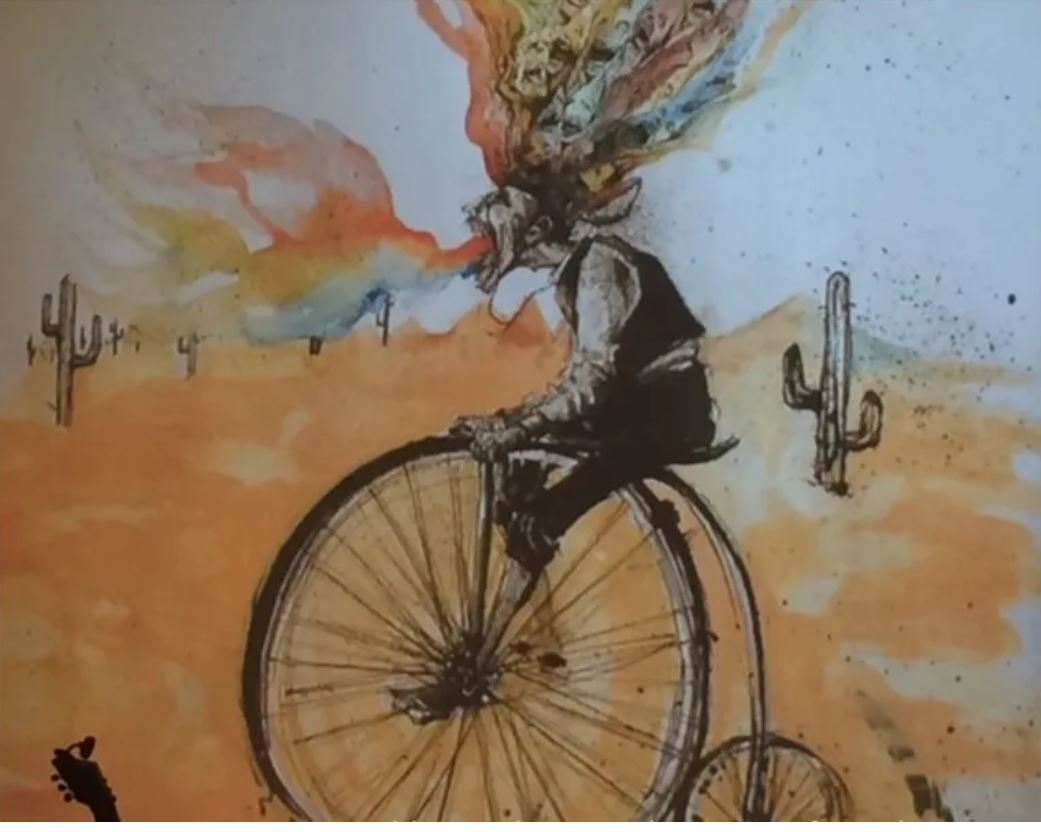
A patient with psychiatric manifestations of Lyme depicted his pain in this painting. He would later commit suicide. (Photo by permission of Dr. Robert Bransfield.)

Mary Beth Pfeiffer is an investigative journalist and author of Lyme: The First Epidemic of Climate Change

(Note: The important work discussed in this article came about because the family trusted the Lyme Disease Biobank with this young man’s body. Furthermore, Bay Area Lyme Foundation funded this research. Click here to learn more about the biobank.)

I have never heard of the psychiatric manifestations of Lyme but can certainly understand it. When your body is invaded and attacked every minute causing severe pain in many areas of the body, understand the feeling of losing your mind. The Lyme Spirokeetes set up house in my brain, eating away at my memory, and balance and causing havoc on my entire body. No amount of pain medication can give relief, it’s non-stop. Thank goodness it’s a very small percentage of Lyme patients that are affected by Psychiatric Manifestations.

Melinda

Celebrate Life · Chronic Illness · Health and Wellbeing · Men & Womens Health · Self-Care

What Science Says About the Link Between Fibromyalgia and Migraine Episodes

While it’s not yet fully understood, research shows a strong connection between fibromyalgia and migraine symptoms. 

In 2021, chronic pain affected over 51 adults in the United States alone. Over 17 million of those adults experienced debilitating chronic pain that restricted their daily activities.

Both fibromyalgia and migraine episodes can cause chronic pain that makes it difficult to function from day to day. And for people who have both conditions, research suggests that fibromyalgia may even make migraine symptoms worse and more frequent.

Below, we’ll explore what science says about the relationship between fibromyalgia and migraine, including what treatment options are available for both.

Is there a connection between fibromyalgia and migraine episodes?

Research shows that fibromyalgia and migraine often occur together and that fibromyalgia can affect the frequency and severity of migraine episodes in people who have both conditions.

The following studies demonstrated a connection: 

  • In one study from 2019, researchers found that migraine symptoms were twice as prevalent in people with fibromyalgia versus those without. And in study participants who experienced migraine episodes, the risk of fibromyalgia was up to 1.5 times higher.
  • similar study found that over 30% of participants with migraine symptoms also had fibromyalgia, with the condition being more prevalent in those with chronic migraine and migraine episodes with auras.
  • Several studies also found that fibromyalgia may affect migraine frequency and severity. In one study from 2018, fibromyalgia was associated with higher headache severity and higher migraine-related disability.
  • Another study from that same year found that participants with both migraine and fibromyalgia experienced more frequent and painful migraine episodes, as well as lower quality of life.

Most of the studies on fibromyalgia and migraine don’t distinguish between different migraine types, such as complex or ocular migraine. However, some of the research does suggest that people with chronic migraine and migraine with aura may be more affected.

What’s happening in the brain when you have fibromyalgia?

Fibromyalgia is a chronic health condition that’s characterized by body-wide pain and tenderness, chronic fatigue, and difficulty sleeping.

Researchers aren’t entirely sure of what causes fibromyalgia, but evidence suggests that it affects the way the nerves of the brain receive and transmit information related to pain. Because of this, people with fibromyalgia appear to be more sensitive to pain than those without the condition.

What medications help with fibromyalgia and migraine episodes?

First-line treatment for fibromyalgia and migraine generally involves medications that reduce pain.

While there’s no cure for fibromyalgia, there are four medications commonly prescribed to help manage pain:

Research has shown that roughly a quarter of people living with fibromyalgia can find pain relief with these medications.

Migraine treatment also involves a combination of pain medications and other medications that may be helpful for reducing migraine frequency. Medications for migraine include both preventive and acute episode medications.

Preventive medications include:

Acute migraine episode medications include:

If you have both fibromyalgia and migraine, a combination of medications may help reduce your symptoms. However, you and your doctor will work closely together to decide which treatment options work best for you.

Alternative treatments for fibro pain and migraine episodes

Complementary and integrative treatments may also be helpful in reducing pain and improving the quality of life in people living with fibromyalgia and migraine episodes.

One review from 2020 ound that acupuncture was beneficial for reducing pain in people living with chronic pain conditions, including chronic migraine. And additional research suggests that acupuncture may also be helpful for reducing pain due to fibromyalgia.

In another review from 2019 researchers found that activities like yoga and tai chi appear to help reduce migraine frequency and severity. Research also suggests that activities like yoga may be helpful in reducing fibromyalgia pain and improving functioning and mood.

Other complementary treatments that may be helpful for chronic pain conditions like fibromyalgia and migraine include therapeutic massage, mindfulness, and certain supplements. However, researchers are still exploring just how effective these approaches can be for these conditions. 

Living with fibromyalgia

Over 4 million adults in the United States — or roughly 2% of the population ― live with fibromyalgia. If you or someone you love has been recently diagnosed with the condition, you can check out these resources that offer education and support:

Takeaway

Research shows that fibromyalgia and migraine commonly occur together and that having one of these conditions may increase the risk of having the other. 

Studies also show that for people who experience migraine episodes, fibromyalgia may affect the frequency and severity of those episodes.

Medication is the most common treatment approach for helping manage pain in both fibromyalgia and migraine. However, several other complementary approaches could be beneficial for reducing chronic pain levels and improving the quality of life in people with both conditions.

I know the pain of both Fibromyalgia and Migraines and they are both difficult to manage. I found that a multi-prong approach works best for me along with good sleep habits and daily self-care practices.

Melinda