

I’m glad you joined me on Wordless Wednesday and I hope to see you soon.

Melinda

I’m glad you joined me on Wordless Wednesday and I hope to see you soon.
Melinda
| NO MORE Dear Supporter, You’re invited to join us on Monday, November 25th, the International Day for the Elimination of Violence Against Women, for a very special worldwide broadcast to increase awareness, solidarity, and concrete actions to address the global crisis of gender-based violence. Hosted in partnership with Peace One Day, and sponsored by Avon and the Centre for Public Impact, this event will feature an incredible lineup of survivors, advocates, performers, and global leaders. They will share powerful stories, insights, and steps we can all take to fuel meaningful change in our communities and culture. Every day, millions of women around the world face the devastating reality of gender-based violence. One in three women will experience sexual or domestic violence in her lifetime, and more than 60% will never seek help. Of those who do, fewer than 10% will report their experience to the authorities. Now is the time to come together and say NO MORE! So please plan to tune in to the #EVAWDay Broadcast on November 25th, starting at 1PM GMT / 8AM ET. You can watch at peaceoneday.org or on Peace One Day’s and NO MORE’s social channels. We will be in touch soon with more details, including a full list of the speakers and performers. In the meantime, please help us get one million viewers for the broadcast! Share this invitation with your friends, family, and colleagues because when we come together, we can create a world free from gender-based violence. Thank you for your support! Sincerely, Pamela Zaballa Global CEO |
This is a great opportunity to support women while learning first hand from the awesome speakers.
Melinda
I was diagnosed with Fibromyalgia in 2015 and during the years that have followed, I’ve experienced many types of symptoms and flares. In the past six months I’ve had many waves of flares to differing degrees, and also have experienced symptoms I had forgotten were fibromyalgia-related. I had to go back and read the basics and all the types of symptoms a flare can bring about.
Reactive skin, burning all over my body that felt like acid with the simple move of my shirt or wiping my hands dry.
The arthritis pain in my hands has reached a new level of pain.
Parts of my body hurt more than before.
Fibromyalgia is a disorder characterized by widespread musculoskeletal pain accompanied by fatigue, sleep, memory and mood issues. Researchers believe that fibromyalgia amplifies painful sensations by affecting the way your brain and spinal cord process painful and nonpainful signals.
Symptoms often begin after an event, such as physical trauma, surgery, infection or significant psychological stress. In other cases, symptoms gradually accumulate over time with no single triggering event.
While there is no cure for fibromyalgia, a variety of medications can help control symptoms. Exercise, relaxation, and stress-reduction measures also may help.
This is a short overview of whoever. There’s a wealth of knowledge available to read. Remember to check out the Fibromyalgia organizations. Look for respected sources because I ‘ve ran across several sites that are only selling supplements or pushed memberships. You want solid resources.
Some exercises may help, look for them and see how they fit in your life.
Melinda
References:
https://www.mayoclinic.org/diseases-conditions/fibromyalgia/symptoms-causes/syc-20354780
I can’t think of a better way to bring awareness to the good work the Humane Society does every day, 365 days a year. You can help them save more animals’ lives even with the smallest donation, they all add up. Also, look for weeks this time of year where your donations are matched by 2 or 3 times.

Sixty-five years ago, four animal advocates, determined to fill “a great vacuum, at the national level, in American humane work,” came together in a Denver living room to found a new organization with a bold vision, a broad reach and a principled commitment to making the world better for animals—all animals.
The four borrowed money against their life insurance policies to fund the group’s first few months, recruited a representative group of peers for their board of directors, and made the decision that a national organization needed to be based in the nation’s capital. They resolved to build a national constituency and train their energies on the era’s greatest animal welfare challenges—the inhumane slaughter of animals raised for food, the unrestrained use of animals in research, testing and education and the tragedy of animal homelessness.
Just as importantly, the organization they sought to build, from the start, would confront cruelty to animals wherever it occurred, “no matter by whom committed and without concern for who might be offended or alienated.”
Today, the fruits of their labors are known to all those who have supported the mission of the Humane Society of the United States through the years, and this week, we acknowledge our founders, Larry Andrews, Marcia Glaser, Helen Jones and Fred Myers. Their selflessness, their realism, their inclusiveness and their deep devotion to the ideals of animal protection are the beacons and signposts of our contemporary campaigns. Succeeding generations of advocates, on staff and on our board, along with our volunteers and our supporters, have helped to make real on the promise and the boldness of those who first conceived of an organization that would take on the biggest fights and root out cruelty. Each day, our skilled and dedicated staff here in the United States and around the world works to implement their vision. Our affiliates have expanded our scope further, with Humane Society International taking on animal protection issues in more than 50 countries around the world, and the Humane Society Legislative Fund working to strengthen federal policy for animals stateside.
I admire the four founders for thinking about animal welfare 65 years ago and for the organization’s growth to include farm animals. Please help if you can.
Melinda
Thank you for all the great feedback on the Blogger Highlight series, I’ve enjoyed meeting each blogger and sharing their site with you. This week we highlight the blog of etikser. I have followed both blogs for a long time and truly enjoy the poetry as much as the photography.
I post at etikser whenever I have something I want to share (approximately once or twice a month), although I host another blog at clover and ivy, where I post mostly nature photos and ‘a flower for your friday’ each week.
M. Why did you not use a capital letter in each blog’s name?
E. I believe I started the blog with the lowercase ‘e’ in ‘etikser’ because it seemed more simple and more unpretentious, and I liked the way it looked, as opposed to ‘Etikser’. My blog design was rather simplistic and ‘Etikser’ just doesn’t feel or look right to me. Once I designed the blog with the lowercase ‘e’, it felt natural to me, including with ‘clover and ivy’. The bottom line is it was simply a style thing, and I didn’t give it much thought.
M. What is your favorite post and why?
E. My favorite post? That’s a more difficult question than it should be. “Ferns” is perhaps my favorite. I love fern pictures, and the writing in that post represents how I feel about nature, how we experience nature, and its charm, with our senses and emotions. I always try
to write the way I think, and “Ferns” represents to me the way we think and interact with the most basic elements of nature.


Be sure to pull up a chair with a nice warm drink and enjoy reading through the archives, and before you know it, hours will have passed. No doubt, you will want to follow.
Melinda
Why does the post look correct when I’m writing yet when I proofread the last sentences are way down the page? Oh yeah, it’s WordPress.
If you must drive 10 miles under the speed limit, and get in your lane, it’s called the slow lane.
Whatever the speed limit is except in school zones you can safely drive five miles over the limit. What cop has time to stop you for five miles over?
If a cop is driving in front of you that doesn’t mean you have to slow down by 10 miles an hour. Once you pass the jacklegs on the road, drive at your normal speed, no more than five miles over the limit. If you have a broken tail light, expired tags, or smoking pot out the window, I would stay far behind the cop. They may make your day.
If you are pushing a baby cart, you don’t have the right to walk without looking around and cutting people off, especially those who depend on walking aids. Motherhood is great, but you’re not that important.
If you leave the house with a horrible cough put a mask on, not doing so is rude. Do you want someone to make your family sick?
Leaving verbal reminders on your phone while waiting in the doctor’s office is as annoying as listening to you talk on the phone. If you have to do something with yourself while waiting, step outside the building and talk all you want.
My patience is tested when older people think waiting for the doctor is the time to call all their family members to catch up. Go outside or save for the afternoon when you have nothing to do.
If we have to wait more than 30 minutes for our appointments, we should be paid for our time, and the front desk needs to ask us politely if we would like to reschedule. I don’t care that your computer system has been down for two hours, that’s not my problem, it’s yours. My Orthopedic doctor’s practice has had major issues with the new system since September. What about training? What is their tech support doing?
If you don’t love each other enough to get married, you don’t love each other enough to have a baby.
If you don’t love yourself, you don’t have enough love to have a baby. Having a baby will not fill the void inside.
If you’re engaged for multiple years, what are you waiting for? Are you taking a test drive?
This post is meant to be fun, I’m just sharing my opinions. If you disagree with something I say that’s cool, we all have our opinions. I’m not trying to make my opinion yours and I don’t want you to try to change mine. It’s a free world, we still have free speech.
Melinda
I didn’t know you when I was born but I’m the luckiest person alive to have you as a Grandfather. It’s funny, I didn’t realize you were my step-grandfather until I was nine years old. It never occurred to me Granny’s last name was different from Daddy’s. One day Granny and I were talking and I saw both names together, I asked her about the difference and she told me about her divorce and that she married you years later. I thought for a minute then said “Gramps is my Gramps.”
You taught me more than I could ever give you credit for. Some of the greatest gifts you gave me were values, integrity, giving your word, making good on your commitments, and doing each project the best you can. God broke the mold when he made you!
Happy birthday, I know you and Granny are celebrating in heaven. She probably made you a German Chocolate cake.
I also celebrate your valor in serving our country and fighting on the front lines in Germany. You were so young when you joined but you knew that was your path. Why you kept your Bronze Star in your toolbox is something I will never understand.
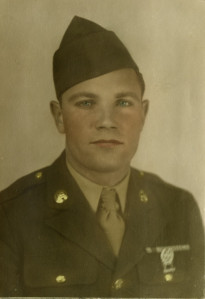
I miss your laugh, words of wisdom, hearing about your life, and eating your great homecooked food, I miss you every minute of every day.
Melinda
I’m inquisitive, and sometimes questions just pop up that I find curious, so I started the Question of the Day series.
Do you brush your teeth in the same order every day?
For the most part, I do but I catch myself going in a different order some days.
Melinda
Medically Reviewed by Allison Young, MD
Last Updated: 31 Jul 2024
Understanding the impact of your words can make a significant difference. Discover more thoughtful ways to express yourself and create a more caring environment.
Words have immense power. They can uplift and encourage but also wound deeply, often without the speaker even realizing it. This is particularly true for individuals living with bipolar disorder, for whom certain phrases can be not just unhelpful but profoundly hurtful. While some of these comments might seem innocuous or well-meaning, they often reflect misunderstandings about the nature of mental health conditions.
These phrases wouldn’t just be hurtful to someone with bipolar disorder; they can be upsetting to anyone, as they often invalidate feelings and experiences.
The goal isn’t to police language but to encourage awareness and empathy. Many in our community have shared that specific comments, though well-intentioned, can worsen their struggles. Understanding why these phrases are hurtful helps us become better allies and offers support that truly helps.
Here are 10 of the most common and hurtful things people with bipolar disorder have heard:
This phrase implies that managing bipolar disorder is simply a matter of willpower, which dismisses the complexity and challenges of the condition. Bipolar disorder is a serious mental health condition that involves severe mood swings, including manic and depressive episodes. Suggesting that someone can “snap out of it” minimizes the profound impact these episodes can have on a person’s life. It also ignores the necessity of medical treatment, therapy, and lifestyle changes to manage the disorder effectively.
A more supportive approach would be acknowledging their struggle and asking how to help, such as, “I can see you’re going through a tough time. How can I support you?”
Comparing typical mood swings to the extreme highs and lows of bipolar disorder minimizes the severity of the condition. Mood swings in bipolar disorder are not just simple changes in emotion; they can be intense and debilitating, affecting every part of a person’s life, from their relationships to their ability to function day-to-day. This comparison can make someone with bipolar disorder feel misunderstood and isolated.
Instead, try expressing empathy without comparison: “I can’t imagine how hard this must be for you. I’m here to listen if you need to talk.”
This can be particularly hurtful as people with bipolar disorder may react strongly due to their condition, and being told they’re overreacting can feel invalidating. Such a statement dismisses their genuine feelings and experiences, which are influenced by their brain-based disorder. It’s essential to recognize that their reactions are not within their complete control.
A better way to respond would be to validate their feelings: “It seems like this is really affecting you. How can I help?”
This comment trivializes the manic episodes of bipolar disorder, which can involve risky behaviors, sleep problems, and impaired judgment, not just increased productivity. Mania is not simply a burst of energy; it can be destructive and dangerous. You might inadvertently romanticize a very challenging aspect of the disorder by saying this.
A more compassionate approach would be to ask how they are managing their symptoms: “It must be exhausting dealing with mania. What helps you cope?”
While spiritual practices can be a source of comfort for some, suggesting that prayer alone can manage bipolar disorder dismisses the need for medical treatment and professional support. Mental health conditions like bipolar disorder typically require a combination of medication, therapy, and lifestyle adjustments.
A more helpful comment would be: “I hope you find comfort in your faith, and I’m here to support you in whatever way you need.”
This is along the same lines as “You seem so normal.” This statement can make someone feel like their struggles are being dismissed or that they are being judged for not showing visible signs of their condition. Bipolar disorder doesn’t have a “look,” and many people work hard to manage their symptoms and appear outwardly stable. It’s essential to recognize that internal experiences can differ greatly from outward appearances.
Instead, you might say: “I admire how well you manage your condition. How are you really feeling?”
Suggesting that happiness is simply a choice overlooks the complex factors that influence mood in bipolar disorder. Happiness is not a simple decision for someone with a brain-based disorder; it can be influenced by connections between brain cells, life circumstances, and other factors beyond their control. This question can feel dismissive and make the person feel blamed for their condition.
A more supportive statement would be: “I’m sorry you’re feeling this way. What can I do to help?”
This can be dangerous advice, as managing bipolar disorder often requires careful medical supervision, and abruptly stopping medication can have serious consequences. Medications for bipolar disorder are usually carefully prescribed and monitored by a healthcare provider to manage symptoms and prevent an episode. Suggesting someone stop their medication can undermine their treatment plan and pose significant risks.
Instead, express support for their treatment plan: “I hope your treatment is helping. How are you finding it?”
While exercise can be beneficial for mental health, suggesting it as a cure-all solution minimizes the complexity of bipolar disorder and the need for comprehensive treatment plans. Exercise is part of a broader treatment strategy that includes medication and therapy.
Instead of suggesting a simple fix, acknowledge the complexity of the condition: “Exercise can be helpful. What else is part of your treatment plan?”
This minimizes the person’s feelings and implies that their life circumstances should prevent them from feeling depressed, which is not how bipolar disorder works. Depression in bipolar disorder is not about having a bad day; it’s a severe symptom that can occur regardless of external circumstances.
A more empathetic response would be: “I know things might look good from the outside, but I understand that doesn’t change how you feel. How can I support you?”
UPDATED: Originally posted November 27, 2016
CAREGIVERS, FAMILY, FRIENDS, RELATIONSHIPS, STIGMA
Tanya Hvilivitzky has spent more than 30 years in the communications field — a career that has included stints as an investigative journalist, managing editor for a lifestyle and wellness magazine, corporate communications director, and researcher/writer. She has been with bpHope (and bp Magazine) since 2016, serving in roles such as features editor, interim editor, and, currently, senior editor. She has been devoted to mental health awareness since she was the editor of Schizophrenia Digest in her early days, and now with a particular focus on highlighting the complexities of bipolar disorder through compassionate, service-based journalism. As an award-winning writer/editor, Tanya received the Beyond Borders Media Award for her 2012 investigative exposé about human trafficking for Niagara Magazine. Her work on this critical topic also earned the Media Freedom Award “Honouring Canada’s Heroes” from the Joy Smith Foundation to Stop Human Trafficking.
Melinda
Reference:
In the 21st century, Everyone is so caught up in their lives that they don’t even have time to enjoy themselves and have peace of mind. Among different options, meditation provides a much-needed relief from the fast-paced lifestyle. It sounds hard but it’s simple and rewarding to start meditating. What is Meditation? Normally, we think … Continue reading
Sujata is a new blogger on WordPress but she impressed me and you may want to follow her as well.




 lookingforthelight.blog