


Christmas is my favorite holiday without a doubt. When I was little it was all about the gifts, now my focus is on Jesus Christ. Sure, gifts are nice but that is not why I celebrate.
Melinda

Christmas is my favorite holiday without a doubt. When I was little it was all about the gifts, now my focus is on Jesus Christ. Sure, gifts are nice but that is not why I celebrate.
Melinda
Fewer and fewer companies follow through on their commitments. We had a new grill delivered today and it required two people to haul away the old grill. They only sent one person and my husband had to lift the heavy old grill to the front of the house. I can be a hard ass but if you commit then follow through.
There is no reason for children to have a phone at school. They are a distraction to listening in class. Parents do not need to call to chit-chat or ask questions during school hours. If it’s something pressing, call the Principle. Some will say they need them in case of a school shooting, BS. The kids need to focus on the teacher and the directions given to them from the Safety Plan.
Give kids wings, they will build confidence by making their own choices.
These were heartbreaking news stories. Recently three small children were out after dark, I mean late night. All three didn’t go to the crosswalk and all were hit by cars. None lived. This a lesson for parents, young children do not need to be out alone after dark.
If you notice a different behavior in your kids, watch closely. Has their language changed? or running with a different crowd? Talking about dark subjects? This is a good time to check out their social media accounts and the people they follow. Many times the police have found that social media accounts have clues or even threats. This may give you a better idea of what is happening in their life. Help your child before they ruin their life and the lives of others. Most importantly keep all guns in the house with a safely lock on them and locked in a safe your kids do not know the combination to.
When you call a company ask and write their name down. Over the last month, my husband has been dealing with our new medical insurance company who’s giving a different wrong answer every time he calls. It makes it harder to bump up the call and share who you’ve talked to if you don’t have names. Today he was told that the system was broken. I’m sure that is not what she meant.
Melinda
I’m glad you joined me on Wordless Wednesday and I hope to see you soon.
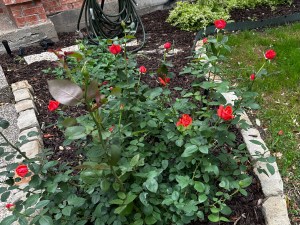
The roses look red but they are bright orange.
Melinda
We spent most summers camping in a tent, it was a bit crowded with a family of six. We often went to one popular lake that was know for snakes hanging out in the trees. I walked around terrified every day.
I have no idea why this image is showing up.
Melinda
The media plays a role not only in misinformation about menopause but also in how it portrays women with menopause. Tune out the riff-raff and look for real answers. Menopause has been a woman’s curse long before I knew what it was and how it affected the lives of women. There are thousands of books on the market about menopause and I thought maybe it was time to look at the unconventional ways women deal with the debilitating symptoms.
Acupuncture involves inserting thin needles into specific points on the body to balance energy flow. Some women report reduced hot flashes, night sweats, and improved mood after regular sessions. While scientific evidence is mixed, it might be worth a try if you’re open to alternative therapies.
These practices can help manage stress, improve sleep, and enhance overall well-being. Yoga, in particular, can increase flexibility and strength, which is beneficial during menopause.
Adopting a diet rich in fruits, vegetables, whole grains, and lean proteins can help manage symptoms. The Mediterranean diet, known for its anti-inflammatory properties, can be particularly beneficial.
This technique involves learning to control certain physiological functions, such as heart rate and muscle tension, with the help of a biofeedback device. It can be effective in managing stress and related symptoms.
Some studies suggest hypnotherapy can reduce the frequency and severity of hot flashes and improve sleep quality.
Remember, it’s essential to consult with a healthcare professional before starting any new treatments, especially if you have underlying health conditions.
Understanding the Connection Between Menopause and Heart Rate Changes
Why Does Menopause Increase Your Risk of Heart Disease?
Natural Treatments for Menopause Symptoms
Maybe you can find something that works for you or at least reduces the symptoms.
Melinda
Reference:
https://www.webmd.com/menopause/menopause-natural-treatments
Enjoy!
Melinda
A jar of homemade scrub or infused oil, or bath salts, is a superb gift in itself, but making your own aesthetically pleasing packaging to it elevates the gift even more.
Wax paper
Glass jar: small
Twine
Driend Lavender srpig
Mini-clothespin
Fold a piece of wax paper so it’s almost square. Place the folded wax paper on top of a small glass jar and secure with twine. Insert a dried lavender sprig and secure with a mini-clothespin.
Be sure to use an airtight jar and secure the lid tightly. You don’t want the contents to leak into the packaging.
Use your imagination when decorating the jar.
Melinda
Reference:
Willow & Sage by Stampington
Thank you for all the great feedback on the Blogger Highlight series. I’ve enjoyed meeting each blogger and sharing their blog with you. This week, I highlight The Mindful Migraine.
I’ve had migraines on and off since I was 11 years old. More recently, my ‘episodic hemiplegic migraines’ began to merge together, and I was diagnosed with ‘chronic migraine’. Chronic migraine reduced my ability to parent, work, study, travel and socialize. It is a debilitating condition, which is not yet fully understood and is not currently curable. It’s more than ‘just a headache’ – it’s a ‘full body catastrophe’ – and perhaps not surprisingly, can lead to isolation and depression.
Remember it’s ‘your brain – your pain – your journey’ and since every body and every situation is different, you should always work with your health care support network on which strategies will best suit your individual condition.
M. What is your favorite post and why?
L. My favorite post is probably “The face of (dis)ability” – it aimed to show that people with chronic illness are still capable – we might be down but we’re definitely not out. It was one of the rare posts that I include a photo of myself, and in it, I’m celebrating my successes (showing myself as a uni student and a new blogger) AND acknowledging my limitations (I’m wearing my brain-fog shirt and my invisible disability lanyard). I think it’s a nice reminder that life is complex and there’s often more to everyone than meets the eye.
M. Looking back at your blogging experience, what stands out the most to you personally?
L. By far the greatest joy to me has been the sense of community that Blogland provides. When I first started blogging, I was lonely and felt as if my chronic illness had left me on the outside of my local community (no one I knew had chronic migraines, so no one really “got it”). Reading other blogs, commenting on their posts, and replying to their comments on my blog soon saw a network of bloggers grow around me. Those that had similar experiences helped me feel seen and understood, whilst those who were not annoyed by chronic illness helped me feel part of the wider world. Imagine logging on each morning and hearing from people like yourself, positioned all over the world!! What a wonder!! That same network now helps me stay motivated to keep writing, keep reading, keep encouraging others to speak their truth and be there for others
One of my favorite posts is Foot yoga for migraines. I shook my head at first, then realized it made sense.
Be sure to visit Linda’s blog, say hello, and enjoy her archives.
Melinda
Here we’ve compiled a few examples so you can start experimenting.
Bergamont: sweet, fruity
Lemon: fresh, crisp
Orange: sweet, fruity
Grapefruit: fresh, citrusy
Peppermint: strong, minty
Lime: fresh, citrusy
Spearmint: fresh, minty
Clove: warm, spicy
Clary Sage: herbaceous
Juniper Berry: floral
Eucalyptus: strong, fresh
Tea Tree: medicinal, herbaceous
Lavender: herbaceous: floral
Lemongrass: strong, citrus
Cedarwood: mild, woody
Black Pepper: spicy, sharp
Cinnamon Leaf: spicy, strong
Patchouli: earthy, musky
Vetiver: war, spicy
Yalg-Yalg: strong, floral
Sandalwood: woody, warm
Melinda
Reference:
Willow & Sage by Stampington
Poor lighting often gets overlooked in the workplace, as we talk about mental health and well-being, and the focus is firmly on creating happier and healthier workplaces. But bad lighting is associated with a range of ill-health effects, both physical and mental, such as eye strain, headaches, fatigue and also stress and anxiety in more high-pressured work environments. As we spend much of the day in artificial lighting, there is evidence that the lack of natural sunlight has an adverse effect on the body and the mind, and can result in conditions such as seasonal affective disorder (SAD).
As we navigate the darkest (and shortest days) of the year, 40% of office workers are struggling to work in poor lighting every day. This has a negative effect on their productivity and wellbeing – according to a new research report,looking at the impact of lighting in the workplace. This is a recent research report by the UK company Staples, where an online survey of 7,000 office workers was conducted in October 2018. The research sample consisted of a sample of desk-based office workers from ten European countries including: United Kingdom (2,000, with 302 in London), Germany (1,000), France (500), Netherlands (500), Sweden (500), Norway (500), Spain (500), Italy (500), Portugal (500) and Finland (500).
80% of office workers, said that having good lighting in their workspace is important to them, and two-in-five (40%) are having to deal with uncomfortable lighting every day. A third (32%) said better lighting would make them happier at work. However, when access to natural sunlight is so limited in the winter, many are feeling stressed and suffering from seasonal affective disorder (SAD), and often spend long hours at their desks which is sometimes their only access to light during the day. The results have also shown that 25% of the surveyed are frustrated at having to deal with poor lighting in their workplaces.
Often just 13-15 mins of exposure to natural light are enough to trigger the release of endorphins or “happy hormones”. Dr. Joe Taravella, a supervisor of pediatric psychology at NYU Lagone Medical center said that SAD “affects anywhere from 5% to 10% of the population:, which is a huge proportion of the population suffering from clinical levels of depression for up to a quarter of the year.
Another research concludes that there is a strong relationship between workplace daylight exposure and office workers’ sleep, activity, and quality of life.
There are no statutory workplace lighting levels in the UK. Regulation 8 of the Workplace Health, Safety and Welfare (WHSW) simply requires that lighting at work is “suitable and sufficient” and that, where possible workplaces are lit by natural light. The emphasis on natural lighting and other related research reflects the consensus that daylight is the best form of light. But, in parts of the northern hemisphere, daylight by itself will not provide sufficient illuminance throughout a working area. This means that “sufficient and suitable” lighting usually needs a combination of natural and artificial lighting, and especially artificial lighting that can be personalized as per the activity, function and individual requirements, and those that can imitate natural daylight.
The research by Staples recommends providing SAD lamps to employees, and to have cold-tone lighting with high illuminance in the mornings for maximum productivity. In this research report, 68% of the surveyed workforce admitted that they would feel more valued by their employers if they considered their health and well-being and invested in suitable lighting.
Personalized lighting options can help create more inclusive work environments. One such way is the use of biodynamic lighting which can then adjust the lighting during the day for the tone and illuminance as per natural daylight levels outside, and also the individual requirements of the user. This way the employees feel more in control of their work environments, which has been shown to increase their levels of happiness and productivity in the workplace.
Some lighting designers have recommended an emphasis on cooler, daylight temperatures, for example by adding more blue to the mix. A trial by the University of Surrey’s sleep research center suggests that certain wavelengths of blue light suppress the sleep hormone that regulates sleep/wake cycles. The trial compared alertness levels among staff working in the blue-enriched light with those on a control floor. It found that first thing in the morning and at lunchtime, alertness levels were the same on both floors. But another measure just before staff left for home found significantly higher alertness on the trial floor. Staff also reported improved sleep patterns, and although not scientifically validated, indicated that visual acuity was better with the blue light, and after four weeks, 92% of people on the floor said they preferred it over the old lighting.
There is sufficient evidence now to show that well-being in the workplace can be hugely improved by providing lighting that mimics natural daylight, by bringing more natural light in with large windows, by providing suitable levels of illumination for visual acuity, and by providing personalized lighting that can be adjusted as per the individual biodynamics as well as the task on hand.
A social and creative entrepreneur, writer, TEDx speaker and organizer, and an inclusivity and diversity consultant, Pragya has extensive experience of working with schools and organisations, running workshops on sexism, female empowerment, feminist parenting, mental health …
Dr. Pragya Agarwal is an inclusivity consultant, campaigner for women’s rights and gender equality, TEDx speaker and CEO of The Art Tiffin. Follow Pragya on Linkedin, Twitter, and Facebook
Melinda
Repost
Boy, do topics change at every stage in life. A few topics that get me engaged are art, travel, and gardening.
Melinda
By Whitney Goetsch
I was a young mother living my dream life when everything changed. At a wedding, I absentmindedly pulled a tick off the back of my leg, crushed it into the pavement, and moved on.
I never realized that tiny creature would alter the course of my life.
Not long after, my health began to unravel. Crippling symptoms emerged, yet every doctor I saw dismissed them as anxiety. But deep down, I knew something was terribly wrong.
What followed was a terrifying descent into medical uncertainty, a relentless fight to uncover the truth while my body continued to deteriorate.
For five years, I battled through a system that refused to listen, all while my family suffered alongside me. I suspected Lyme disease early on, but each time I voiced my concerns, I was brushed aside. “It’s just anxiety.” “You’re overreacting.” “Maybe it’s depression.” The gaslighting was endless.
Finally, after years of searching, I received the diagnoses that changed everything: Lyme disease, multiple co-infections, and alpha-gal syndrome. By then, the damage had already been done.
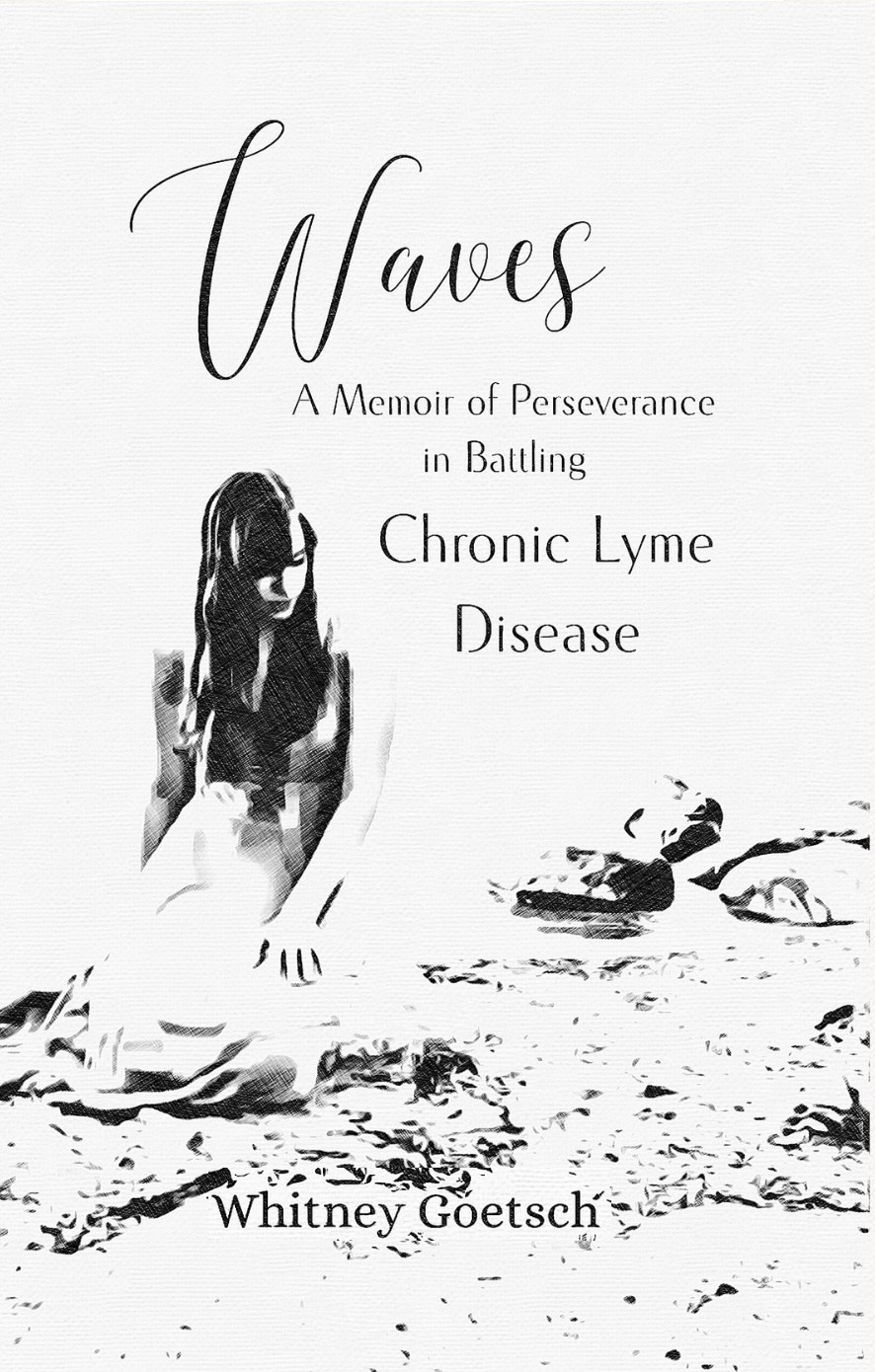
Throughout this journey, I kept a journal, documenting every struggle, every setback, and every moment of resilience. In 2023, newly diagnosed and still fighting for my life, I turned those pages into a book—because this cannot not keep happening. Not to young mothers. Not to fathers, children, or anyone else. The cycle of medical dismissal and gaslighting must end.
I wrote my book while still in the fight, in the trenches of this disease, so it would be raw, real, and relatable. So others would know they are not alone.
You are not Lyme. You are not a burden. Lyme is the burden placed upon you.
Today, my battle continues. In the summer of 2024, I began SOT therapy for Lyme disease. This winter, I started SOT therapy for Babesia and Bartonella, alongside herbals and methylene blue.
Recent tests have revealed demyelination and autoimmune markers resembling those seen in multiple sclerosis and Alzheimer’s — the result of years of untreated infections.
To help heal my brain and reduce inflammation, I will soon begin peptide therapy. My medical team is also exploring stem cell therapy in Europe. The road ahead remains steep, but I refuse to give up.
Because this fight is not just for me. It’s for every person who has been dismissed, misdiagnosed, and left to suffer in silence.
For more information about Whitney Goetsch’s book, click here: Waves: A Memoir of Perseverance in Battling Chronic Lyme Disease.
Melinda
Reference:
It’s the weekend!!!!!!
I’m glad you joined me for another edition of Weekend Music Share this week.
Have a great weekend!
Melinda
Welcome back to Weekend Music Share, the place where everyone can share their favorite music.
Feel free to use the Weekend Music Share banner in your post, and use the hashtag #WeekendMusicShare on social media so other participants can find your post.
Thank you for joining me for this week’s Friday Quote.

Melinda
At 40 years old and divorced, I took a chance on getting married again. I felt strongly that he was the one who would stay until the end. 22 years later, we’re going strong and closer than ever. No regrets for me.
Melinda
Weight lifting and stretching are useful at any age, but there are specific benefits for older adults.
With aging comes concerns about strength, balance, and mobility. But integrating resistance training and stretching into your routine can keep you feeling healthy and strong.
Not sure where to start? Read on for a primer on how movement can make a difference, plus a full-body workout and stretching routine that you can do at home.
Committing to and maintaining an at-home strength training program can be the first step to preventing — or delaying the onset of — many age-related ailments.
The best part is, it doesn’t have to be complicated or time-consuming.
Your at-home strength training program should:
Combine these 6 strength exercises for an effective and comprehensive full-body workout.
Unless otherwise noted, do 3 sets of 10–12 reps of each of these exercises.
With balance declining as you age, proactively focusing on improving it is key. Start with this one-legged drill to suss out any imbalances you may have:
The squat is a powerhouse exercise, not only for building muscle but for preparing you for daily life. If you ever sit in a chair, you’ll benefit from squatting. Here’s how to do it:
Pushups are one of the most effective exercises to gain upper body strength, and you need no equipment to execute them. Start on a wall, and then try a pushup kneeling if you want more of a challenge. Here’s how to do it:
A strong back is key for good posture, among other things. Use a resistance band here to strengthen those muscles:
A boon for both balance and stability, bird dog will challenge your full body.
An effective exercise for the posterior chain — or the back of your body — glute bridges will build strength in no time. Add a dumbbell to your hips if you need added resistance.
Do these 5 stretches to hit all of the major body parts and help improve your flexibility and mobility.
If not indicated, hold each stretch for about 30 seconds total. As you focus on breathing — deep inhale, deep exhale — try to go deeper into the stretch.
Particularly if you sit a lot, stretching the hamstrings is important to maintain good movement in the hips. Here’s how to do it:
Hip functionality is key to many movements in our daily lives, like walking, so keeping these muscles and joints mobile is important. Try this seated stretch:
Combat the forward-lean posture with this chest-opening stretch:
Another good stretch if you find your shoulders rounding forward, this rotation will target and release your upper body:
Stretch your back and core with this move:
Consistently strength training and stretching, even for short periods 3 times per week, can help tremendously in delaying or preventing many age-related ailments. Start slow and watch your strength, balance, and mobility improve.
Last medically reviewed on October 11, 2024
Melinda
Reference:
Mary and I have become good friends, and her encouragement, positive attitude, and motivation have helped me grow. Her book has expanded my life in new ways. Thanks, Mary.
Author Mary K. Doyle has a Master of Arts Degree in Pastoral Theology. Her fluid, conversational writing style results from an extensive career in feature writing, advertising, and publicity over more than thirty years. Her latest book is Navigating Alzheimer’s: 12 Truths about Caring for Your Loved One. This information was taken from the back of the book.

Whether readers are praying the rosary for the first time or are already praying the rosary daily, they will find that The Rosary Prayer by Prayer is an invaluable resource and aid to promoting a deeper prayer experience. It is a treasure chest of information about the history and benefits of the rosary, suggestions for meditation on the mysteries, exquisite artwork, and references. This book is also an easy way to learn how to pray the rosary.
You can find Mary’s book on Amazon.
“I grew up Catholic, but didn’t know that there were multiple devotions to saying the rosary. And, as an adult and lapsed Catholic I was a bit fuzzy on the basics as well. This book does a soulful job of detailing the steps and introducing the special devotions of each of the mysteries. The pen and inks are a beautiful accompaniment to the text. A very nice gift book for anyone who wants to reaquaint themselves with the devotion of the rosary.”
Mary has written nine books; you can see the collection HERE.
The book’s layout flows nicely and leads smoothly into the next topic.
Each Prayer shares the history of the Rosary prayers and references the Scripture where the prayer originated. Each prayer has an illustration of the Rosary, and the bead to start the prayer is circled.
The book is informative, not technical, and written with a gentle heart.
The Rosary is written for everyone, and her writing is easy to understand. I’ve learned so much. The Rosary Prayer By Prayer is a must-read for all Catholics or those who are curious. It’s a book for your bookshelves to reference for years to come.
Major Thumbs up!
Mary’s blog is Midwest Mary. Her writing is informative and inspirational. Stop by her blog, say hello, and enjoy the archives. You’ll be glad you did.
Melinda
This post is not a rant; it’s based on facts that may set you ablaze, too.
Here’s a brief overview of how he is taking private medical records without permission to gather information and track people with Autism.
What is next? Americans with no right to privacy?
This is appalling, and it opens the door for our government to use and misuse our private information.
Be sure to read the article in full; the information was taken from an interview on CBS.
Melinda
Reference::
https://people.com/rfk-jr-to-launch-autism-registry-using-private-health-records-11720156
Make smaller quantities, approximately what you will use in three months.
Make sure you only use absolutely clean and sterile equipment, utensils, and storage bottles.
Take out only as much product as you will use in the next week, and always store the rest in the refrigerator. If properly made and stored, the backstock will last three to four months.
Don’t dip your fingers in the container because you can introduce contaminants that will make the product go bad sooner. Instead, use a sterile spoon or spatula to transfer product from the backstock container to a daily-use container. Similarly, either use a spoon to scoop out the product for daily use or keep it in a pump bottle.
Store the daily-use container away from direct sunlight and heat.
If the recipe separates or smells off, discard it and make a new batch.
Melinda
Reference:
Willow & Sage by Stampington
I’m glad you joined me on Wordless Wednesday, and I hope to see you soon.
Melinda
I am nervous about several things: snakes, fire, tornadoes, and running late.
Have a great day.
Melinda
Wrapping your gifts has never been easier, and you may have many items needed at home.
Fabric scraps
Wax paper
Parchment paper
Twine
String
Greeneery
Dried natural elements
Brown paper bag
Muslin bags
Cheesecloth
Glass jars
Scizzors
Tape
Glue
Naturally dyed materials
Ephemera
Decorative tape
Writing tools
Whole spices
Melinda
Reference:
Willow & Sage by Stampington

Melinda
I’m retired, so my days are not as demanding. Stress is a different story. To relax, I go to my office with no noise, social media, phone, and no dogs. I meditate for as long as I can, which clears my mind, and then I go downstairs to eat dinner.
Mellinda
Together, these herbs create a potent skin-healing and infection-preventing preparation that is great to have on hand.
Digital scale
0.5 oz. yarrow
0.3 oz thyme
0.2 oz lavender
5 oz vodka: 120 proof
Glass jar
Parchment paper: unbleached
Fine-mesh sieve
Cheesecloth
Large bowl
Dropper bottle/spray bottle
Melinda
Reference:
Wolllow & Sage by Stampington
Thank you for all the great feedback on the Blogger Highlight series. I’ve enjoyed meeting each blogger and sharing their site with you. This week, we highlight Adjunct Wizard. Paul has a varied background that results in great and sometimes quirky posts. He is also the caregiver of his wife, who has Parkinson’s Disease.
I write this for me but I am always interested in other’s thoughts about life and dealing with chronic disease.
My favorite quote: Finish each day and be done with it. You have done what you could. Some blunders and absurdities have crept in; forget them as soon as you can. Tomorrow is a new day. You shall begin it serenely and with too high a spirit to be encumbered with your old nonsense. — Emerson
M. Looking back, what experience shaped you into who you are today?
P. Being fired from a job… makes you a better person by forcing you to understand importance of self.
My little post about it is “Don’t Sit On The Sticker Bushes”
M. What is your favorite post and why?
P. Black Underwear
Why ? That day when I wrote it and later as I refer to it, it is a metaphor for the strong love I have for Cheryl. In the early days of her dementia I felt like I was always scrambling to quickly find out how to help her and be there with her because she could appear “just fine” to her friends and family. I quickly wound up doing all the household chores — it is easy to get lost in all that and forget that the disease was not Cheryl. The laundry that day bought all those thoughts to the fore.
My favorite recent post is Is This Fly Shit or is it Pepper? I could immediately relate to my career. As I said, I’ve had anought Fly Shit to last a life time.
Stop by Paul’s blog, say hello, pull up a seat, and read through his archives; you will find a nice mix of topics.
Melinda
Coffee
Melinda





















 lookingforthelight.blog
