Psychology Today
Posted Jan 08, 2021
When life knocks you down, drains you of energy, and weakens your resolve, the last thing on your mind is gratitude. It’s hardly surprising; after all, gratitude is an emotional response of appreciation for what we have. When we feel depleted it can feel impossible to draw from an empty reservoir.
And yet, developing gratitude during hard times is precisely what fills the void. What’s more, gratitude is the key to preventing emotional and physical breakdowns during times of stress.
The difficult circumstances we find ourselves in are not the only challenge to practicing gratitude. While it’s certainly true that gratitude can be an automatic emotional response to many of our life events, it rarely is. Rather, what’s more true is that gratitude is an internal perspective—a lens we view the world through—and one that we in fact control. The struggle to find gratitude comes from expecting life to be a certain way (and being disappointed and angry when it is not).
Evaluate Your Perspective
Maybe you have not thought about this before—what do you expect life to be like? Take the year 2020, for example—were you expecting a global pandemic? Probably not!
But really, when have we ever known what is going to happen? Over this past year, many good people developed cancer; many kind souls lost a loved one to a drunk driver; many hopeful new parents had a child born with birth defects. They weren’t expecting these life-changing events to occur, but nevertheless, they did. When our perspective of life is limited by the belief that life “should” be a certain way, we will find gratitude difficult to express.
Gratitude is only possible when we realize that all that we have is a gift.
Having worked and traveled in many countries around the world, here is my impression about differing cultures—the more we have, the less we express gratitude for it. In other words, excess leads to a feeling of entitlement. However, the opposite is true for those who live in extreme poverty: people who live in the poorest countries in the world tend to express tremendous appreciation for what they have. Moreover, they are not dissatisfied, anxiously waiting for the next good thing to come their way.
Life as a Gift
There is nothing like sharing a simple meal of bread and tea in the home of a person of modest means; indeed, the experience is humbling. Instead of a sense of anger, bitterness, or irritation for what they lack, they express gratitude for the things they do have—the ability to walk and breathe, to survive; they take note of the beautiful sky at night and the richness that friends and family provide them. Even in their poverty they willingly give away what they have to others in need.
Here’s a simple exercise to try. The next time you are stuck in traffic, frustrated that you “should” be arriving at your destination on time, try to change your focus and see what it does for your mood. A simple yet startlingly effective way to do this? Follow your senses: feel the warmth of the sun coming through the window (or perhaps your car’s heater); smell the cup of coffee sitting at arm’s reach in your cup holder; take a sip, perhaps marveling at the insulated mug that keeps it warm long past the pot; listen to a favorite song on the radio; look at your fellow travelers and allow curiosity to fill in the blanks of where they all might be headed to. Like you, they are people with hopes, dreams, and disappointment. Taking a break from focusing on your current stress will allow a brief reprieve by shifting your perspective to these small gifts in life, (and maybe even seeing all of life as the gift that it is).
The Benefits of Gratitude
When we get a hold of the idea that everything we have is a gift—and we express appreciation for the gift of life itself—we shift our perspective away from what we don’t have to what we do have. In appreciating what we have, we invite important changes to take place in our brain and body. Indeed, expressing gratitude on a daily basis provides many benefits—here are five that might surprise you.
- Reduction in physical and mental symptoms of distress. Based on a study of 200 chronic pain sufferers, those who expressed gratitude for the good things in their lives reported less depression, anxiety, fatigue, inflammation, and insomnia.
- Creation of positive changes in your brain. When we feel—and express—gratitude, we can increase the volume of gray matter in the right inferior temporal gyrus of the brain; this helps us to regulate our emotions more effectively. It also enhances dopamine and serotonin and changes the hormones that regulate fear and anxiety.
- Enhanced connection with others. When we express gratitude to others, we not only realize their importance to us, but we build stronger connections and feel more supported by those around us. And social support is a well-documented key factor in developing resilience in hard times.
- When we keep a daily journal of our blessings, we are likely to experience less pain and be more willing to engage in physical activities that help us move toward health and away from dysfunction.
- Regulation of stress. Gratitude helps us regulate the stress hormone cortisol. Keeping our cortisol levels in check in turn improves our cardiac function when we are under stress and increases our ability to stay balanced.
Plant the Seeds of Gratitude
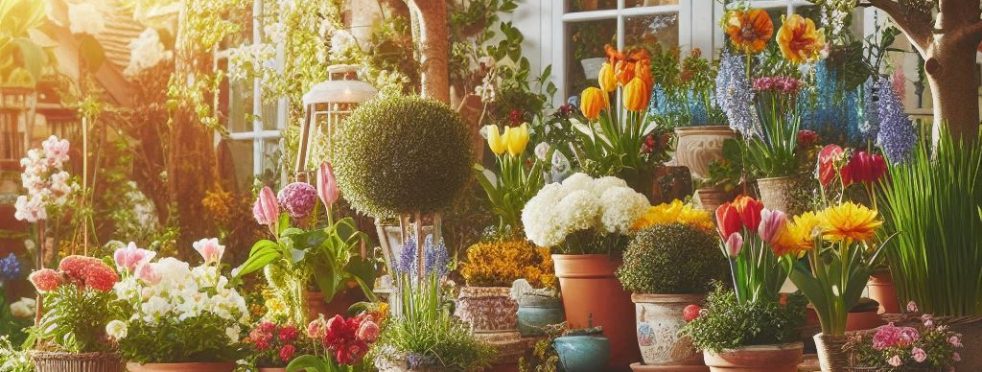
Think of gratitude as a garden you plant. When you start incorporating gratitude practices into your activities of daily living, at first you won’t see any immediate change in your outlook on life. Lasting improvements in your emotional and physical health take time, but they will come if you are diligent. In fact, setting the intention to “plant a gratitude garden” in and of itself speaks to your capacity for hope and a more fulfilled life. And when the fruits of gratitude do show up? It will have been well worth the effort.
Melinda
Reference:
Evan Parks, Psy.D., is a clinical psychologist at Mary Free Bed Rehabilitation Hospital and an adjunct assistant professor at Michigan State University College of Human Medicine. He is the host of the Pain Rehab podcast. Online:Chronic Pain Rehabilitaiton book, Twitter, Facebook, LinkedIn



 Looking for the Light