

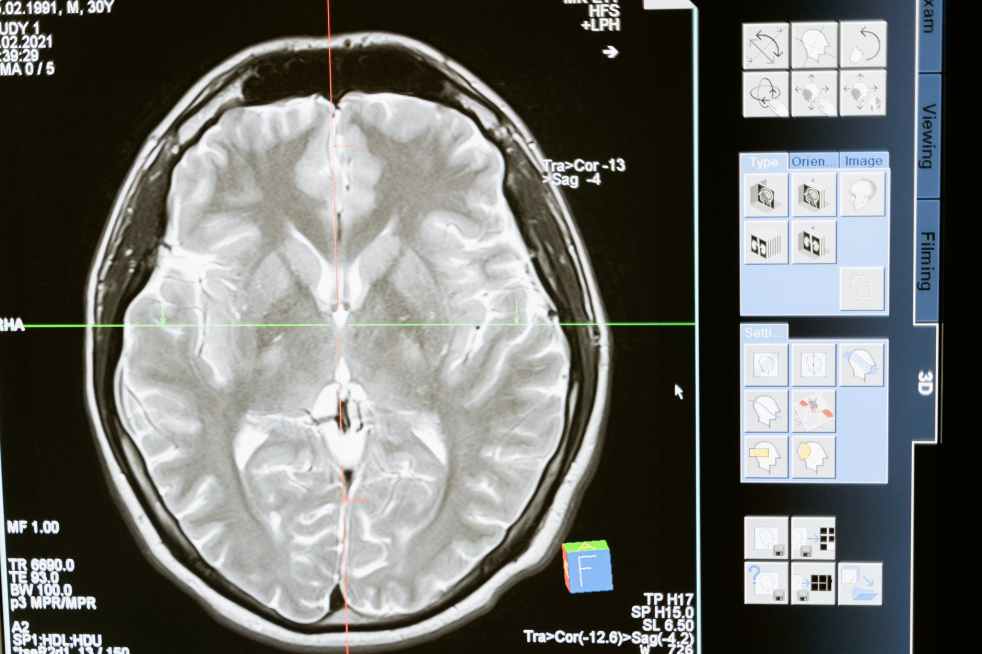
“Forever chemicals” are synthetic compounds found in products like non-stick pans, waterproof clothing, dental floss and more items
Researchers have found a new link between exposure to “forever chemicals” — synthetic compounds found in non-stick pans, waterproof clothing, dental floss and more items — and one lifelong health condition.
A new study, published in the scientific journal Environment International, found that people exposed to two major environmental toxins — known as perfluorooctane sulfonic acid (PFOS) and polychlorinated biphenyls (PCBs) — are more likely to be diagnosed with multiple sclerosis, or MS.
“We saw that several individual substances, such as PFOS and two hydroxylated PCBs [substances that arise when PCBs are broken down in the body], were linked to increased odds for MS,” Kim Kultima, who led the Sweden-based study, said in a press release.
“People with the highest concentrations of PFOS and PCBs had approximately twice as high odds of being diagnosed with MS, compared with those with the lowest concentrations,” she added.
According to the Mayo Clinic, multiple sclerosis is a chronic autoimmune disease that causes a breakdown of the protective covering of nerves, causing numbness, weakness, trouble walking, vision changes and other symptoms.
MS causes an interruption in communication between the brain and the rest of the body, and can eventually lead to permanent damage of the nerve fibers.
In this study, researchers analyzed blood samples from 900 people who had been recently diagnosed with MS, and compared them to samples from people who do not have MS.
Kultima and her team then measured the toxin levels in each group’s blood samples, using statistical models see how chemical exposure corresponded with the odds of developing MS. According to the study, people are often exposed to a mixture chemicals at the same time, so researchers also investigated how exposure to more than one toxin affected them.
“We could then see that an increase in total exposure was linked to higher odds of MS, even after adjusting for previously known lifestyle and genetic risk factors,” said Aina Vaivade, the first author of the study.
The final phase of the study also explored the relationship between genetics, chemical exposure and the odds of being diagnosed with MS.
Researchers found that people who carry a certain gene variant have a reduced risk of MS. People who carry the gene and participated in the study saw “unexpected increased odds” of being diagnosed with MS when they had higher PFOS exposure.
“This indicates that there is a complex interaction between inheritance and environmental exposure linked to the odds of MS,” Kultima added.
Melinda
Reference:
Discover more from
Subscribe to get the latest posts sent to your email.
 lookingforthelight.blog
Forever chemicals are causing so many cancers and illnesses. They need to be prohibited.
LikeLiked by 1 person
Yes, but big business has too much influence on our government.
LikeLiked by 1 person
wow, so sad, to read this! X
LikeLiked by 1 person