Communicating · Health and Wellbeing · Infectious Diease · Medical · Men & Womens Health · Travel

CDC Issues Travel Advisory for 32 Countries, Including Several in Europe, Over Spread of Paralyzing Disease

The CDC is encouraging Americans traveling abroad to make sure they are up to date on their polio vaccines

A travel alert has been issued warning Americans to take precautions against polio, which is spreading in Europe and elsewhere across the globe.

The U.S. Centers for Disease Control issued a level 2 alert, cautioning travelers to “practice enhanced precautions” before visiting 32 countries. The agency is advising people to make sure they’re up to date on their polio vaccines, adding that people who plan to travel to the listed countries are eligible for a single-dose booster of the vaccine.

The countries include European travel destinations like Spain, Finland, Germany, and Poland — as well as the U.K.

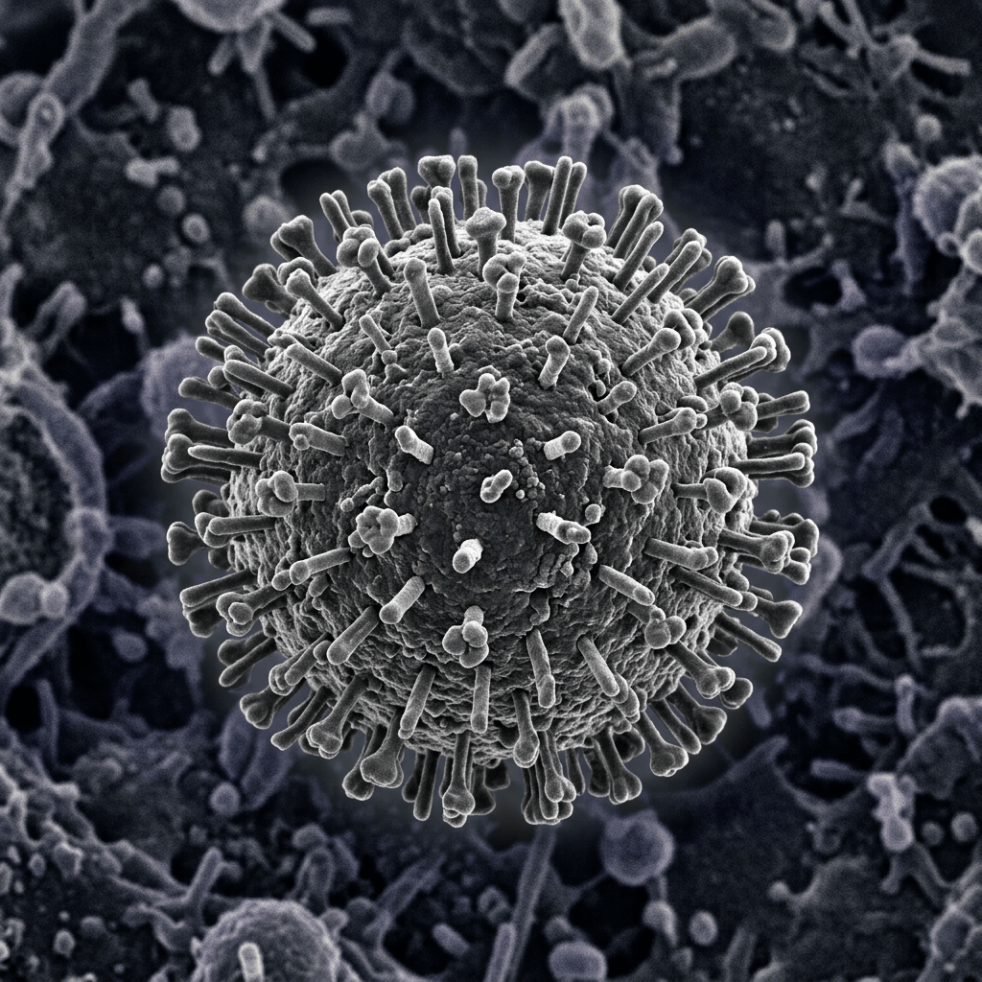
As the CDC explains, polio‚ which is caused by the extremely contagious poliovirus, is “a crippling and potentially deadly disease that affects the nervous system.” It lives in the feces of an infected person, but can also be spread via eating or drinking food that’s been contaminated.  

Most people who contract polio do not exhibit symptoms — or if they do, they experience flu-like fevers, tiredness, nausea, headache, nasal congestion, and sore throat.

Poliomyelitis virus vaccine
Stock image of the polio vaccine.Getty

In some cases, polio can lead to paralysis, as it did with U.S. President Franklin Delano Roosevelt, who needed a wheelchair after he contracted the disease. 

The CDC says that “vaccination has helped eliminate wild poliovirus in the United States.” It’s a four-dose series of shots given throughout childhood. 

The full list of countries where polio is spreading includes Afghanistan, Algeria, Angola, Benin, Burkina Faso, Cameroon, Central African Republic, Chad, Côte d’Ivoire, Democratic Republic of the Congo, Djibouti, Ethiopia, Finland, Gaza, Germany, Ghana, Guinea, Israel, Niger, Nigeria, Pakistan, Papua New Guinea, Poland, Senegal, Somalia, South Sudan, Spain, Sudan, Tanzania, United Kingdom, Yemen, and Zimbabwe.

Melinda

Reference:

https://people.com/travel-advisory-issued-warning-of-spread-of-polio-11919347


Celebrate Life · Chronic Illness · Health and Wellbeing · Medical · Men & Womens Health · Mental Illness

15 Elite Athletes Living With Bipolar Disorder, Depression, or Anxiety

From Olympic podiums to the Super Bowl, these athletes have used their platforms to show that mental health challenges can affect anyone.

Elite athletes endure relentless pressure to perform, often facing fierce public scrutiny in a culture that has historically discouraged seeking help. From an early age, these competitors are conditioned to be invincible — physically superior and mentally bulletproof. Yet, physical strength offers no immunity to clinical depression, anxiety, or bipolar disorder. Performance anxiety, the isolation of injury, and the weight of expectation can take a serious psychological toll.

Fortunately, the tide is turning. A growing number of sporting legends are shattering the silence, proving that mental well-being is just as critical as physical conditioning. By sharing their stories, these athletes are dismantling stigma and redefining what it means to be strong.

Tyson Fury (Boxing)

    British heavyweight boxing champion Tyson Fury, known as “The Gypsy King,” has spoken publicly about living with bipolar disorder. Despite dethroning Wladimir Klitschko in 2015, Fury spiraled into a dark depression that included substance use and suicidal ideation, famously revealing that he nearly drove his Ferrari off a bridge during his lowest moment. Diagnosed with bipolar in 2017, he credits his recovery to his Christian faith, family, and a disciplined return to training. With a scheduled return to the ring on April 11, 2026, against Arslanbek Makhmudov, Fury continues to act as a powerful voice for destigmatizing mental illness. “I have flaws, and I have many of them,” he once said. “But I’m an ambassador for mental health.”

    Terry Bradshaw (NFL)

    While celebrated as a four-time Super Bowl champion and NFL Hall of Famer, Terry Bradshawis equally prolific as a broadcaster, actor, and musician. However, behind the public persona, he struggled silently until a diagnosis of clinical depression in 1999. Following years of anxiety attacks, intense anger, and alcohol abuse, Bradshaw found stability through medication, therapy, and faith. He remains unapologetic about his journey. “You know what, I’m not ashamed of who I am,” he told esperanza magazine. “It’s the way I was made. I just got some issues here, and I dealt with them. And I’m proud of it.”

    Simone Biles (Gymnastics)

    Widely considered the greatest gymnast of all time, Simone Biles changed the definition of strength when she withdrew from the Tokyo Olympics to protect her mind and body from “the twisties ” — a dangerous mental block. She prioritized her safety over gold medals, sparking a global conversation about the pressure placed on elite athletes. Biles returned to the world stage at the 2024 Paris Olympics with a renewed perspective, proving that taking a step back is often the bravest move of all. “I have to focus on my mental health and not jeopardize my health and well-being,” she said. “It’s okay not to be okay.”

    Dwayne Johnson (WWE/Film)

    Originally known as one of the greatest professional wrestlers of all time, Dwayne “The Rock” Johnson has successfully transitioned into a global superstar on the big screen. Recently, he drew attention for a dramatic turn in the A24 biopic The Smashing Machine (2025), portraying MMA legend Mark Kerr’s battle with addiction. Despite his massive success, Johnson has been remarkably open about his own history of major depressive disorder, using his platform to encourage men to seek support. He emphasizes that psychological well-being is as vital as physical strength. A dedicated father and philanthropist, Johnson actively contributes to social causes ranging from animal welfare to natural disaster relief.

    Michael Phelps (Swimming)

    As the most decorated Olympian in history, swimmer Michael Phelps has been candid about the price of perfection. He revealed to esperanza magazine that he spiraled into deep depression, anxiety, and substance use even while at the peak of his career. “With athletes or celebrities, people think they’re so much different than everybody else,” he said. “But I’ve gone through the same troubles.” In December 2025, Sports Illustrated honored Phelps with the Muhammad Ali Legacy Award for his enduring commitment to mental health advocacy.

    A.J. Mendez (WWE)

    Retired WWE superstar and author A.J. Mendez (formerly known as AJ Lee) is dedicated to combating the stigma surrounding bipolar disorder. Now a New York Times best-selling author and executive producer of WOW (Women of Wrestling), Mendez uses her platform to discuss her bipolar diagnosis. In her memoir, Crazy Is My Superpower, she detailed her childhood struggles and the cultural pressure to hide weakness, specifically challenging the “machismo” often found in the Puerto Rican community. Although she retired in 2015, Mendez made headlines with a surprise return to WWE SmackDown in late 2025.

    Naomi Osaka (Tennis)

    As a four-time Grand Slam champion, tennis superstar Naomi Osaka made headlines not just for her dominance on the court, but for her refusal to compromise her peace. In 2021, she withdrew from the French Open to prioritize her mental health, revealing a long battle with depression and anxiety that made mandatory press conferences unbearable. Her decision forced the sports world to re-evaluate how it treats athletes. After taking time away to become a mother, Osaka returned to tennis with a mission to advocate for player well-being. “I felt like it was important to stand up for myself,” she said. “And I hope that my actions encourage others to do the same.”

    Kevin Love (NBA)

    For years, NBA champion Kevin Love struggled in silence, viewing his challenges as a weakness he had to hide. That changed in 2017 when he experienced a panic attack during a game, leaving the court unable to catch his breath. He later penned a groundbreaking essay, “Everyone Is Going Through Something,” which dismantled the stigma of vulnerability in men’s sports. Love founded the Kevin Love Fund to provide mental health education and support. “Nothing haunts us like the things we don’t say,” he wrote. “So if you’re reading this and you’re having a hard time, you’re not alone.”

    Chamique Holdsclaw (WNBA)

    WNBA legend and Olympic gold medalist Chamique Holdsclaw was initially treated for major depression, but later re-diagnosed with bipolar disorder after antidepressants triggered a manic episode and impulsive spending sprees. She has since turned her struggles into advocacy. “I want others to understand it can get better. I went through a period when I had no hope, when I didn’t want to be here,” she revealed to bp Magazine. “I hope they see my journey and get inspired to keep moving forward.” She remains an active speaker, recently headlining the 2025 MLK Convocation to discuss the intersection of civil rights and mental wellness.

    David Feherty (Golf)

    With 10 international wins and a successful second career as a commentator, former pro golfer David Feherty has lived a full life alongside the challenges of attention deficit hyperactivity disorder (ADHD) and bipolar depression. He views his condition with a unique perspective. “You know, I tell people I don’t suffer from bipolar disorder, I live with it,” he told Rolling Stone. He even credits it for his broadcasting success: “I see from a different side of the street than most people. And I think one of the reasons I got hired to do commentary is the ability to describe something differently.”

    Amanda Beard (Swimming)

    A seven-time Olympic medalist and former world record holder, swimmer Amanda Beardfaced battles out of the pool that included bulimia, drug use, major depressive disorder, and self-harm. “Some days, it was hard to just get out of bed,” she told esperanza magazine. Her life turned around when she embraced a combination of medication and therapy. Beard has since transitioned into mentorship, returning to the University of Arizona as an assistant coach in 2023.

    Clint Malarchuk (NHL)

    Former NHL goaltender Clint Malarchuk is best known for surviving a devastating, life-threatening injury on the ice in 1989. Following that incident, he faced a different battle: post-traumatic stress disorder (PTSD), alcoholism, and obsessive-compulsive disorder (OCD). After pulling himself out of a deep depression through medication, talk therapy, and meditation, he found a new calling. “I realize now that playing hockey gave me the platform for my real purpose,” Malarchuk said. “To raise awareness of mental illness, and to help reduce the stigma surrounding depression and anxiety so that no one has to feel alone.”

    Kate Nye (Weightlifting)

    As an Olympic silver medalist and former World Champion, American weightlifter Kate Nye (Vibert) appeared to have it all — until a diagnosis of bipolar disorder in 2019 revealed that her periods of intense productivity were actually symptoms of hypomania. After realizing that her ability to train on nearly zero sleep was a warning sign rather than a superpower, she sought help to stabilize her mood. She has since become a vocal advocate for athletes, proving that medication does not dull a competitor’s edge. “I felt weak for thinking I needed help,” she admitted to BarBend. “But honestly, it has taken a weight off my shoulders knowing what I have to do to feel like a functioning human being.”

    Suzy Favor Hamilton (Track and Field)

    Olympic middle-distance runner Suzy Favor Hamilton experienced intense hypersexuality linked to bipolar disorder, as well as acute peripartum depression. She has courageously shared how her condition drove her toward risky behaviors, using her story to demystify the often-misunderstood symptoms of mania. “In my case, my bipolar was driving me toward sex. It could have just as easily been driving me toward drugs and alcohol,” she told bp Magazine. While she has since stepped back from the public eye to live a private life in California, her candor remains a powerful testimony that diagnosis and treatment can provide a path forward.

    Charles Haley (NFL)

    As the first five-time Super Bowl champion and a Pro Football Hall of Fame inductee, Charles Haley became an NFL icon. However, his post-NFL life was rocky until a 2002 diagnosis of bipolar disorder helped explain years of struggle, including a decade-long battle with substance use. Haley eventually found balance through medication, therapy, and a men’s prayer group. Today, he dedicates his time to charity work and mentoring the next generation of football players.

    I’m so proud of each athlete for sharing their story because when we share the stigma lessons.

    Melinda

    Reference:

    https://www.bphope.com/bipolar-buzz/athletes-stigma-anxiety-depression-bipolar/?utm_source=iContact&utm_medium=email&utm_campaign=bphope&utm_content=BUZZ+-+Feb8+-+Athletes

    Celebrate Life · Chronic Illness · Health and Wellbeing · Medical · Men & Womens Health

    March Awareness Month

    March is packed with opportunities to learn and provide support on topics of interest. My list is a short version, if you want to read the entire list click on the link below.

    Women’s History Month

    National Reading Month

    Disability Awareness Month

    Colorectal Cancer Awareness Month

    Kidney Cancer Awareness Month

    Multiple Sclerosis Awareness Month

    Red Cross Month

    Self-Injury Awareness Month

    Brain Injury Awareness Month

    Melinda

    Reference:

    https://www.goodgoodgood.co/articles/march-awareness-days-months

    Children · Health and Wellbeing · Medical · Men & Womens Health · Recalls

    More Than 200,000 Items of Children’s Sleepwear Recalled for Potential Burn Risk: Here’s What to Know

    The recalled items violate “the mandatory flammability standard for children’s sleepwear,” per a release from the United States Consumer Product Safety Commission.

    More than 200,000 items of children’s clothing have been recalled due to potential burn risk.

    Meijer, a Midwestern superstore chain, has issued a recall for select MCS and Lullaby Lane branded one-piece footed sleepwear for babies, according to a release from the United States Consumer Product Safety Commission.

    MThe products violate “the mandatory flammability standard for children’s sleepwear, posing a risk of burn injuries to children,” per the release.

    The specific MCS and Lullaby Lane onesies in question are sized for children ages 12 months, 18 months and 24 months and were made in Thailand. The brand, size and country of origin are printed on the neck of the garments.

    The styles affected by the recall are: 

    MCS: Heart, XOXO, Shamrock, Bunny, Beige Heather, Beige Heather Halloween and Cupids Bows. 

    Lullaby Lane: Airplane, Animal Print, Animals, Apples, Camping, Daisies, Dinos, Duckies, Elephants, Forest, Highland Cow, Safari Lilac, Safari White, Sheep, Toile Floral, Bees, Meadow, Sharks, Star and Moon, Strawberries, Chalk Blue, Green, Heather Grey, Pastel Lilac, Pink A Boo, Powder Blue, Fair Isle, Heart, Multi Check, Penguin Pink, Penguin Iced Aqua, Polar Bear, Trees, Buffalo Check, Reindeer Heads and Gingerbread.

    The onesies were sold at Meijer locations in Michigan, Ohio, Indiana, Illinois, Wisconsin and Kentucky from December 2024 through October 2025 for about $5 to $12. Approximately 211,520 onesies with the defect were sold.

    Meijer urges anyone in possession of any of the recalled onesies to return the item(s) to the store for a refund.

    No injuries or incidents have been reported in connection with the products at this time.

    Melinda

    https://people.com/more-than-200-000-items-childrens-sleepwear-recalled-potential-burn-risk-11911415

    Chronic Illness · Health and Wellbeing · Infectious Diease · Lyme Disease · Medical · Men & Womens Health · Self-Care

    Study: Ohio now faces Lyme disease risk comparable to Connecticut

    Must read!

    A new study from Ohio State University shows that Ohioans now face a Lyme disease risk on par with long‑endemic Northeastern states such as Connecticut. This is a dramatic shift from just a decade ago.

    Researchers revisiting sites first studied in 2014 found that infection rates in blacklegged ticks have skyrocketed. In 2010, only 2.4% of collected ticks carried Borrelia burgdorferi, the bacteria that causes Lyme disease.

    Today, that number has climbed to nearly 50%, with infection rates in small mammals reaching 60% in some areas.

    “Our suspicion was that this pathogen‑vector system could really establish and take off,” said senior author Risa Pesapane, associate professor of veterinary preventive medicine. “And now Ohio has the same risk as those endemic regions in the Northeast.”

    Ticks found in 88 counties

    Blacklegged ticks, also known as deer ticks, have now been reported in all 88 Ohio counties. Risk is highest in the state’s eastern and southern forested regions, but Pesapane emphasized that residents in places like Coshocton face the same exposure potential as those in Lyme, Connecticut.

    The research team collected more than 650 ticks and over 100 small mammals for testing. The results were striking: nearly half of the ticks carried Lyme‑causing bacteria, and 15% carried the pathogen responsible for anaplasmosis. White‑footed mice and eastern chipmunks were the most frequently infected hosts.

    “When I talk to people, I like to stress this means one out of every two ticks you might encounter in Ohio could be infected,” Pesapane said.

    The findings arrive as Ohio experiences a 48‑fold increase in reported Lyme cases since 2010. With ticks active whenever temperatures rise above freezing — even on snowy days — researchers say year‑round vigilance is essential.

    The study appears in the Journal of Medical Entomology.

    Melinda

    SOURCE: Ohio State News

    Chronic Illness · Health and Wellbeing · Infectious Diease · Lyme Disease · Medical · Men & Womens Health · Self-Care · Tick Borne Illnesses

    What’s the real reason people don’t protect themselves from ticks?

    If you’ve spent any time navigating the world of tick‑borne disease, you already know this: people don’t always take steps to protect themselves, even when they live in high‑risk areas.

    And for years, public‑health messaging has chalked that up to a simple explanation — people just don’t know enough.

    But a new Cornell University study suggests something far more complicated is going on. And honestly, it’s about time someone asked.

    Researchers reviewed more than 1,000 survey questions from 36 studies conducted across the U.S., Canada, and Europe.

    These surveys are the backbone of many public‑health campaigns. They’re supposed to tell us what people understand about ticks, what they fear, and what they do to protect themselves.

    Except, as the Cornell team found, they mostly tell us what people know — not what they do, and certainly not why they don’t do what they ought to.

    Knowledge isn’t the problem — behavior is

    Lead author Emily Mader put it bluntly: many surveys “measure things that don’t impact behavior.” In other words, we’ve been asking the wrong questions.

    The review found that:

    • Surveys overwhelmingly focused on risk perception — “Do you think ticks are dangerous?”
    • Very few asked about barriers — “What makes prevention hard for you?”
    • Only 11 questions out of more than 1,000 touched on “cues to action,” the reminders or social nudges that might actually change behavior.

    If you’ve ever tried to get a teenager to use repellent, or a neighbor to do a tick check, you already know the truth: awareness doesn’t automatically lead to action. People skip prevention for all kinds of reasons — inconvenience, discomfort, cost, forgetfulness, or simply because no one around them is doing it.

    Fear‑based messaging isn’t enough

    The authors note that understanding the risk isn’t the same as believing prevention is doable or worthwhile. And that public‑health messages only work when they connect to something people care about — and when they come from trusted messengers.

    That rings true for anyone who has watched tick‑borne disease spread while prevention campaigns stay stuck in the same loop: “Use repellent. Wear long pants. Do tick checks.” Good enough advice, but that alone doesn’t get the job done.

    Better questions could lead to better outcomes

    Tick‑borne illnesses continue to rise across the country. And yet, prevention behaviors remain stubbornly low.

    The Cornell team isn’t calling for more surveys — just better ones. Surveys that ask:

    • What gets in the way
    • What motivates people
    • What makes prevention feel realistic
    • What support or reminders actually help

    If we want people to protect themselves, we need to understand the real‑world decisions behind their actions. And that starts with asking better questions.

    Click here to read the Cornell study.

    TOUCHED BY LYME is written by Dorothy Kupcha Leland, President of LymeDisease.org. She is co-author of Finding Resilience: A Teen’s Journey Through Lyme Disease and of When Your Child Has Lyme Disease: A Parent’s Survival Guide. Contact her at dleland@lymedisease.org.

    Melinda

    Celebrate Life · Chronic Illness · Fun · Health and Wellbeing · Medical · Men & Womens Health

    Daily Writing Prompt

    Daily writing prompt
    Are there any activities or hobbies you’ve outgrown or lost interest in over time?

    I am fortunate to have traveled to Russia alone, jumped out of a plane, took a hot balloon ride, and scuba dived on several islands. In the past I was up for adventure yet my health conditions have slowed me down completely.

    As for lost interest, playing cards, street racing, embroidery, and knitting. I have a couple of activities to try once I’m able.

    Have a great day!

    Melinda

    Looking for the Light

    I apologize, WordPress is still not letting me add a link.

    Celebrate Life · Chronic Illness · Health and Wellbeing · Medical · Men & Womens Health

    Agoraphobia Is Not Logical

    Whatever this obstacle is, it started 18 months ago, there wasn’t a moment I can pin this inability on. Inability is the right word, I’m not afraid to leave the house, I’ve driven a few times in the past year, I know how to drive within three miles of house.

    Yet, I have my husband take me to all my appointments even if there just a mile or two away. I never feel nervous when we’re getting ready to go, no uncomfortable feelings on the way there and no sigh of relief when we’re back home.

    For the longest time, I denied I had Agoraphobia but now understand people drive while suffering from Agoraphobia. The famous Chef Paula Dean was Agoraphobic for years, she drove and took care of business as needed but she feared it, didn’t want to drive, couldn’t even walk around the block at one point. Her book helped me understand you can function, reintroduce yourself slowly, the technique works on some patients.

    I feel tremendous pressure to drive to my doctor’s appointments so my husband won’t have to take off work. He has to take an average of five days a month to drive me, sometimes very short distances. Even thou he’s been with the company 20 years that is still a lot of days off. I hate to think of how many days I lost since I first got sick in 2012.

    There is only one factor I can come up with, my dementia. I have lost big chunks of knowledge, simple things like where I used to go shopping. I don’t remember how to get there. One other factor is our city has grown so big since I got sick nothing looks the same. We passed a restaurant we use to frequent and I barely noticed it because everything had grown around it.

    I’m not sure I could drive the 30 miles to my grandparent’s house. I had to really think hard about what streets I would take, exits, what freeways and then doing in reverse. My husband said he wouldn’t feel comfortable with me driving to their house.

    I am afraid of getting lost, not being able to take care of myself as before or forgetting my phone, which I did the first appointments I drove to. Not only did I get lost but forgot my phone. Another small part is I have a different car than before. My previous car was a sexy BMW hot rod and I knew how fast it could get to the on the freeway ramp. I now have a Suburu which is really cool but not the same get up and go. I’m still adjusting to how fast I have to turn in front of someone and all the good things you learn when you get a new vehicle. My Suburu is two years old and has 1300 miles on it. I have driven about 15 of those miles.

    Please give any feedback you have, I want to hear every thought and idea. Thanks a million.

    Melinda

    Repost from 2019

    Health and Wellbeing · Medical · Men & Womens Health · Mental Health · Self-Care

    More Than Postpartum Depression: Addressing Maternal Mental Health Through the Life Cycle

    Psychiatric Times

    What are the implications of maternal mental health not only for mothers, but also for children, families, and society as a whole?

    May is Maternal Mental Health Month, and moms around the world could probably use a break. During the COVID-19 pandemic, they have done even more of the childcare and housework, while also, in many cases, keeping up with their careers. How has the pandemic affected their mental health—either by creating new problems or by exacerbating perennial concerns?

    In this edition of PsychPearls, Anita H. Clayton, MD, explores the wide and varied field of maternal mental health. Along with the effects of the pandemic, Clayton discusses prenatal mental health care, new and emerging treatments for postpartum depression and psychosis, and how what she saw in a courtroom set her on a path to becoming a renowned expert on maternal wellness.

    https://embeds.audioboom.com/posts/7863094/embed/v4

    Dr Clayton will speak further on these issues at the Annual Psychiatric TimesTM World CME Conference.

    Dr Clayton is the David C. Wilson Professor and chair of the Department of Psychiatry and Neurobehavioral Sciences at the University of Virginia, with a secondary appointment as professor of clinical obstetrics and gynecology. She is the author of Satisfaction: Women, Sex, and the Quest for Intimacy, published by Ballantine Books in 2007, and an editor of the 2005 Women’s Mental Health: A Comprehensive Textbook. She is also a program co-chair of the Annual Psychiatric TimesTM World CME Conference.

    Melinda

    Celebrate Life · Health and Wellbeing · Medical · Men & Womens Health

    Eight Benefits to Tamanu Oil

    Tamanu oil is derived from the Tamanu tree, which originates in the Polynesian islands, tropical Southeast Asia, south India, and the tropical African Coast. With antioxidants, antibacterial, anti-inch, and healing properties, it has been used for skin care as well as hair care. The smell is slightly sweet and someone nutty, the color is greenish-yellow, and the shelf life is normally two years, depending on how it’s stored. Here are eight ways this oil benefits your overall health.

    • Treats Acne by reducing bacterial growth.
    • Soothes dry skin by moisturizing and adding antioxidants.
    • Smooths wrinkles with fatty acids and antioxidants.
    • Heals wounds, cuts, and abrasions with antibacterial, anti-inflammatory and moisturizing properties.
    • Reduces the appearance of scars and stretch marks thanks to the cell regenerating and renewal characteristics.
    • Treats ingrown hairs with antibacterial property.
    • Fights scalp irregularities and antibacterial and anti-inflammatory agents.
    • Restores hair health and shine by sealing in moisture.

    Notes

    Before using Tamanu oil, test it on a small area of your skin to make sure you’re not allergic or sensitive to it. 

    Avoid using Tamanu oil if you have a tree nut allergy.

    For deep, infected wounds, please seek immediate care from a healthcare provider.

    Melinda

    Reference:

    Willow & Sage

    Celebrate Life · Daily Writing Prompt · Health and Wellbeing · Medical · Men & Womens Health · Mental Illness · Self-Care

    Daily Writing Prompt

    Daily writing prompt
    What is your mission?

    That is a short sentence for a big answer! I live a laid back life now and the answer is actually shorter than you might expect.

    Mission

    Stay close to God

    Be a good wife

    Take care of my physical & mental health

    Find joy by looking out the window

    Help the charities I work with

    Always looking forward to life

    Be informed about the world around me

    Cut negatives out of my life

    Help when you can

    Stay true to myself

    Melinda

    Looking for the Light

    Celebrate Life · Health and Wellbeing · Medical · Men & Womens Health · Self-Care

    Natural Seasonal Allergy Relief

    Nettle Leaf Tea

    Made from stinging nettle plants, organic nettle tea can help relieve seasonal allergy symptoms with its natural antihistamine. You reap all the benefits of antihistamine symptom relief without having to take conventional medicines. You can drink the daily as a preventative or as needed.

    Spirulina & Other Superfoods

    Spirulina is a superfood full of amazing plant nutrients, like iron, calcium, vitamin A and C, and protein. While great for overall health, spiraling may be beneficial during allergy season because it is high in antioxidants and has been shown to protect the body from anything that might compromise the immune system. It is high in chlorophyll and is detoxifying. Other superfoods like Kale, turmeric, mace powder, hemp, and flax are great for reducing inflammation and boosting your immune system.

    Probiotic

    A probiotic can help boost your gut and immune system health, which plays a big part in seasonal allergies. You can digest probiotics by eating fermented items like sauerkraut, and kombucha, or by taking a supplement. Make sure it is a high-quality probiotic from an organic source.

    Apple Cider Vinegar

    Apple Cider Vinegar is detoxifying and practically a remedy for everything. Taking as little as 1 tablespoon a day can help you feel and be healthier, which will, in turn, reduce your allergy symptoms. Make sure you purchase unfiltered organic Apple Cider Vinegar.

    Essential Oils

    Essential oils, such as melaleuca, peppermint, lavender, frankincense, lemon, and eucalyptus, help with seasonal allergy relief. I like to fill a roller bottle with a carrier oil and 5-10 drops of each chosen essential oil. I apply this to my nose, on my temples, and behind my ears when I begin to feel swollen or puffy, as well as to the bottom of my feet. You can use these as needed as well as preventative.


    All great ideas from one of my favorite bookazines, Williow & Sage by Stampington.  


    Melinda

    Repost

    Family · Health and Wellbeing · Medical · Men & Womens Health

    3M Agrees to Pay $10.3B in Settlement of Lawsuits Claiming ‘Forever Chemicals’ Contaminate Drinking Water

    The settlement will help public water systems across the U.S. detect and remove PFAS, known as “forever chemicals,” which are linked to serious health issues

    The corporation 3M has reached a settlement to resolve lawsuits that claimed it contaminated water supplies in the U.S. with toxic “forever chemicals.”

    The company — based in Paul, Minnesota — announced on Thursday that it had agreed to pay up to $10.3 billion over 13 years to fund public water suppliers that have detected or will detect these chemicals in their drinking water, according to the New York Times.

    The chemicals in question are polyfluoroalkyl and perfluoroalkyl substances (PFAS) which are used to make coatings that repel water, grease, and oil and are present in many common items, such as cosmetics, nonstick pans, and water-resistant productions.

    PFAS are called “forever chemicals” because they do not break down easily in the environment or in the human body. 

    According to CNN, 3M has been to court many times in the last twenty years over PFAS-related health issues. Cancer, liver damage, and developmental defects are among conditions linked to forever chemicals. The lawsuits allege that 3M knew PFAS caused harm and failed to warn the public or regulators about the risks.

    As reported by the New York Times, 3M chairman and CEO Mike Roman said in a statement that his company would stop producing PFAS in the next two and a half years, and that they ceased the manufacturing of two types of PFAS — PFOA and PFOS — two decades ago.

    “This is an important step forward for 3M, which builds on our actions that include our announced exit of PFOA and PFOS manufacturing more than 20 years ago, our more recent investments in state-of-the-art water filtration technology in our chemical manufacturing operations, and our announcement that we will exit all PFAS manufacturing by the end of 2025,” he said.

    However, CBS News reported that 3M insists the settlement “is not an admission of liability” and “3M is prepared to continue to defend itself” if the agreement is not approved by a judge.

    According to Reuters, Scott Summy — an attorney for the water systems suing 3M — stated, “We have reached the largest drinking water settlement in American history, which will be used to help filter PFAS from drinking water that is served to the public. The result is that millions of Americans will have healthier lives without PFAS in their drinking water.”

    The settlement comes after three other companies — Chemours, DuPont, and Corteva — agreed to pay more than $1 billion earlier this month to settle similar lawsuits over PFAS contamination. 

    Melinda

    Reference:

    https://people.com/3m-agrees-to-pay-10-billion-settlement-forever-chemicals-7552793

    Celebrate Life · Chronic Illness · Family · Health and Wellbeing · Medical · Men & Womens Health

    National Blood Donor Month: Save A Life

    Every two seconds someone in the U.S. needs blood. It is essential for surgeries, cancer treatment, chronic illnesses, and traumatic injuries. Whether a patient receives whole blood, red cells, platelets or plasma, this lifesaving care starts with one person making a generous donation. The statitics are only for America, think of the tremendous need around the world. It’s a privilege as an American to give blood and pallets to save anothers life. What if you or your family needed blood? You would pray there would be enough blood supply.

    Facts About Blood Needs

    Melinda
    References:
    Health and Wellbeing · Medical · Men & Womens Health · Mental Health

    Common Myths About Cannabis

    It seems like there are new myths about Marijuana popping up all the time. The reality is that many of these myths have been disproven long ago. However, they persist in today’s society for one reason or another. Some people believe them because they haven’t done any research on their own. In contrast, others may do so because it benefits them to keep these misconceptions alive. We’ll be giving you the facts about some common myths associated with Marijuana and dispel them once and for all!

    You Can’t Get Addicted To Marijuana

    You can find this myth in many pro-marijuana campaigns across the world. The truth is that it’s entirely possible to get addicted to Marijuana, just like any other substance out there. Of course, it will not happen overnight, and you shouldn’t be able to do so by smoking one joint either! When people argue about whether or not marijuana addiction exists, they are usually talking about cannabis dependency. This type of dependency occurs when someone smokes on a daily basis for an extended period of time, usually several months. It slowly becomes harder and harder for them to function normally without getting high first.

    This doesn’t mean that these individuals have no control over their actions, though; they simply use weed as a crutch because they’re too anxious or uncomfortable without it. The next time you’re around someone who is high, really think about whether or not they look like they need it to function normally.

    Marijuana Is Always Safe To Use

    One of the most common things heard about weed is that it’s safe and harmless to use. This couldn’t be further from the truth! We’ll touch on some key points here, but if you would like more information, then research Marijuana safety tips.

    There are many negative health effects associated with smoking marijuana regularly or excessively. For one thing, long-term smokers usually end up getting respiratory problems such as bronchitis because they inhale so much tar and ash into their lungs. If this doesn’t sound healthy to you already, keep in mind that Marijuana contains 50% more carcinogenic hydrocarbons than regular cigarettes do too! There have also been studies showing an increased risk of lung cancer among people who smoke Marijuana regularly.

    Getting your Marijuana from the best dispensary possible is an additional factor to consider as there are legislative quality controls they need to follow, ensuring you get a pure and clean product.

    Marijuana Is A Gateway Drug

    This is a controversial point, but it has been proven that Marijuana does not cause people to try out harder drugs. Sure there are cases where this happened due to the influence of others, but overall it would be an unfair label to place on Marijuana.

    The problem here lies in the fact that some unscrupulous dealers will sell their customers harder drugs when they come back. It’s not because the Marijuana itself made them do it, but you can’t deny that Marijuana is an easy way to get someone hooked on something else! There are studies showing that people who already have a tendency towards addiction may try harder substances if given access to an alternative like Marijuana in most cases.

    Marijuana Doesn’t Have Any Medicinal Value

    The biggest argument for legalizing Marijuana is its medicinal properties. There are many positive uses for Marijuana, both as an analgesic and to help with the symptoms of certain diseases. It makes sense that people who could benefit from this would want access to it without having to wait until the laws change in their state or country!

    There has been a wealth of research done in the past several years that have shown Marijuana’s amazing medical value. The US government even holds a patent on Cannabis for its antioxidant and neuroprotectant abilities.

    In conclusion, there are many common myths when it comes to marijuana use that simply isn’t true at all! This is especially important nowadays when more and more states are legalizing the drug either recreationally or medically.

    This is a collaborative post.

    Melinda

    Repost

    Health and Wellbeing · Medical · Men & Womens Health

    Cancer-Causing ‘Forever Chemicals’ Found in Nearly Half of U.S. Tap Water, Study Finds

    The U.S. Geological Survey found that at least 45% of tap water in the U.S. is estimated to have one or more types of PFAS, known as “forever chemicals,” which are linked to serious health issues

    Nearly half of the country’s tap water could be contaminated with cancer-causing “forever chemicals,” according to a new study.

    The study — released Wednesday by the U.S. Geological Survey — found that at least 45% of tap water in the United States is estimated to have one or more types of per-and poly-fluoroalkyl substances.

    The United States Environmental Protection Agency (EPA) states that PFAS, or per-and poly-fluoroalkyl substances, are a group of about 14,000 man-made chemicals that are “very persistent in the environment and in the human body – meaning they don’t break down and they can accumulate over time.”

    PFAS, also known as “forever chemicals” by the NIH, can last for years without breaking down and are linked to cancer, fetal complications, liver disease, kidney disease, thyroid disease, fertility problems, autoimmune disorders and other serious health issues.

    The USGS said the study is the first to test for PFAS in tap water from both private and public water supplies, testing 716 locations across the country between 2016 and 2021. Of the locations, both rural and urban areas, 447 rely on public water supplies and 269 rely on private wells.

    Scientists estimate that there is about a 75% chance of PFAS being found in rural areas and about a 25% chance in urban areas. High exposure areas were reported in the Great Plains, Great Lakes, Eastern Seaboard, and Central/Southern California regions. 

    “USGS scientists tested water collected directly from people’s kitchen sinks across the nation, providing the most comprehensive study to date on PFAS in tap water from both private wells and public supplies,” said USGS research hydrologist Kelly Smalling, the study’s lead author. “The study estimates that at least one type of PFAS – of those that were monitored – could be present in nearly half of the tap water in the U.S. Furthermore, PFAS concentrations were similar between public supplies and private wells.”  

    The EPA regulates public water supplies while private water supplies are maintained, tested and treated by homeowners. Anyone interested in testing and treating private wells should contact their local and state officials for guidance as testing is the only way to confirm the presence of PFAS in wells. 

    “If the average American is worried about the quality of their drinking water, they can use this and other studies to get informed, evaluate their own [personal] risk and reach out to their local health officials about testing or treatment,” Smalling told NPR.

    Melinda

    Reference:

    https://people.com/cancer-causing-forever-chemicals-found-in-nearly-half-of-u-s-tap-water-7557908

    Family · Health and Wellbeing · Medical · Men & Womens Health · Recalls

    Major Farm Issues Egg Recall Due to Possible Salmonella Contamination

    Consumers are encouraged to dispose of any contaminated food products immediately

    Residents in Sacramento and Davis, Calif., may want to check the eggs in their fridge following a recall from a local distributor.

    According to the California Department of Public Health (CDPH), Veg Farms, based in Dixon, Calif., issued a recall on Friday, Dec. 5, due to the potential of Salmonella contamination.

    12-count cartons and 30-count flats of eggs with sell-by dates of Dec. 22 and earlier, or Julian dates of 328 and earlier are affected by the recall. Contaminated products with a handler code of 2136 were shipped to both restaurants and farmers’ markets.

    Vega Farms Eggs

    A Veg Farms spokesperson confirmed with local news outlet KCRA3 that the company’s processing equipment contaminated the roughly 1,515 dozen eggs, not the farm’s flock of chickens.

    Veg Farms stated that it disposed of all of the product from the affected store locations. The company also encourages any consumers who have purchased the eggs to throw them away immediately.

    According to the Food & Drug Administration (FDA), symptoms of Salmonella infection can include stomach cramps, diarrhea, fever, headache, nausea and vomiting. While most cases may resolve without medical treatment within a few days, the illness can be more serious (and potentially fatal) for infants, senior adults, people with weakened immune systems and individuals living with sickle cell disease.

    Vega Farms Eggs

    This is only one of the many recalls reported this year due to potential Salmonella infection. Earlier this month, Wegmans, a popular regional grocery store, recalled two types of mixed nuts.

    While the company didn’t specify where the Salmonella contamination originated, it’s important to read labels, wash hands and dispose of potentially affected food items to avoid any bodily harm.

    Melinda

    Reference:

    https://people.com/california-farm-issues-egg-recall-due-to-potential-salmonella-contamination-11865038

    Chronic Illness · Health and Wellbeing · Infectious Diease · Medical · Men & Womens Health · Mental Health · Tick Borne Illnesses

    PATHOBIOME PERSPECTIVES: Borrelia, Bartonella & Babesia in the Brain

    For years, people living with Lyme disease and other infection-associated chronic illnesses have reported cognitive decline, mood changes, memory problems, and unexplained psychiatric symptoms. Yet these symptoms are routinely dismissed as psychological rather than biological.

    At the 2nd Annual Alzheimer’s Pathobiome Initiative (AlzPI) & PCOM Symposium, a new conversation is reshaping that understanding.

    In a special live recording of Pathobiome Perspectives, author and Galaxy Diagnostics CEO Nicole Bell shares how her family’s search for answers revealed the role of infection in her late husband Russ’s devastating neurological decline.

    What lab tests later showed

    In her presentation, “When the brain pathobiome becomes personal,” Bell describes laboratory findings from Russ’s donated brain, including:

    • Borrelia burgdorferi (Lyme)
    • Chlamydia pneumoniae
    • Babesia otocoli (previously thought to be deer-restricted)
    • Elevated heavy metals (lead and mercury)

    These data, now being prepared for publication, reinforce a growing scientific model: polymicrobial infection and toxic exposures may converge to drive neuroinflammation and Alzheimer’s-like symptoms.

    Bell also outlines why so many patients fall through the cracks:

    • Standard two-tier Lyme serology can miss true infection, especially in late-stage disease
    • Direct detection methods can identify active pathogens that serology overlooks
    • Bartonella and Babesia must be considered alongside Lyme when neuropsychiatric symptoms appear

    She highlights hallmark Bartonella clues often mistaken for psychological disorders — irritability, anxiety, OCD, tics, vision changes, and stretch-mark-like striæ — noting that exposure risk extends beyond ticks to fleas and household cats. Bell advocates for precision diagnostics that assess pathogen load, immune dysfunction, and toxic exposures together, rather than in isolation.

    A turning point for chronic illness science

    Bell’s story underscores a pivotal shift: what looks psychiatric or “idiopathic” may be a complex, biologically driven pathobiome process — and recognizing it early could change outcomes.

    Tune in to this episode of Pathobiome Perspectives, presented in collaboration with Tick Boot Camp and LymeDisease.org, to learn how cutting-edge research could transform our understanding of chronic illness and cognition–and offer hope to millions navigating life through the haze.

    Pathobiome Perspectives was developed in collaboration with the Pathobiome Research Center at PCOM, led by Founding Director Nikki Schultek, and Director Dr. Brian Balin and the Center for Chronic Disorders of Aging (CCDA).

    New episodes of Pathobiome Perspectives will roll out every Tuesday night at 7:30 p.m. Central.

    Ali Moresco is a tick-borne disease survivor, advocate, speaker and founder of Moresco PR, a healthcare communications firm. She also serves as Executive Board Chair of Project Lyme. You can connect with Ali on Instagram at @AliTMoresco or on YouTube.

    Melinda

    Reference:

    https://www.lymedisease.org/pathobiome-hicole-bell/

    Chronic Illness · Chronic Pain · Health and Wellbeing · Medical · Men & Womens Health

    ‘Forever Chemicals’ Linked To Multiple Sclerosis, Study Says

    “Forever chemicals” are synthetic compounds found in products like non-stick pans, waterproof clothing, dental floss and more items

    Researchers have found a new link between exposure to “forever chemicals” — synthetic compounds found in non-stick pans, waterproof clothing, dental floss and more items — and one lifelong health condition.

    A new study, published in the scientific journal Environment Internationalfound that people exposed to two major environmental toxins — known as perfluorooctane sulfonic acid (PFOS) and polychlorinated biphenyls (PCBs) — are more likely to be diagnosed with multiple sclerosis, or MS.

    “We saw that several individual substances, such as PFOS and two hydroxylated PCBs [substances that arise when PCBs are broken down in the body], were linked to increased odds for MS,” Kim Kultima, who led the Sweden-based study, said in a press release.

    “People with the highest concentrations of PFOS and PCBs had approximately twice as high odds of being diagnosed with MS, compared with those with the lowest concentrations,” she added.

    According to the Mayo Clinic, multiple sclerosis is a chronic autoimmune disease that causes a breakdown of the protective covering of nerves, causing numbness, weakness, trouble walking, vision changes and other symptoms.

    MS causes an interruption in communication between the brain and the rest of the body, and can eventually lead to permanent damage of the nerve fibers.

    In this study, researchers analyzed blood samples from 900 people who had been recently diagnosed with MS, and compared them to samples from people who do not have MS.

    Kultima and her team then measured the toxin levels in each group’s blood samples, using statistical models see how chemical exposure corresponded with the odds of developing MS. According to the study, people are often exposed to a mixture chemicals at the same time, so researchers also investigated how exposure to more than one toxin affected them.

    “We could then see that an increase in total exposure was linked to higher odds of MS, even after adjusting for previously known lifestyle and genetic risk factors,” said Aina Vaivade, the first author of the study.

    The final phase of the study also explored the relationship between genetics, chemical exposure and the odds of being diagnosed with MS.

    Researchers found that people who carry a certain gene variant have a reduced risk of MS. People who carry the gene and participated in the study saw “unexpected increased odds” of being diagnosed with MS when they had higher PFOS exposure.

    “This indicates that there is a complex interaction between inheritance and environmental exposure linked to the odds of MS,” Kultima added.

    Melinda

    Reference:

    https://people.com/forever-chemicals-linked-to-another-health-condition-multiple-sclerosis-study-says-11873993

    Cooking · Family · Health and Wellbeing · Medical · Men & Womens Health · Recalls

    More Than 60,000 Lbs. of Chicken Recalled Nationwide Due to an ‘Undeclared Allergen’: Here’s What You Need to Know

    The product should be thrown away and not consumed, per the U.S. Department of Agriculture’s Food Safety and Inspection Service (FSIS) 

    A food production company in Georgia has issued a nationwide recall for more than 60,000 lbs. of chicken that was shipped to restaurants across the United States.

    The company, called Suzanna’s Kitchen, issued the recall on “approximately 62,550 pounds” of its eight-piece cut, fully-cooked, bone-in breaded chicken product “due to misbranding and an undeclared allergen,” per the U.S. Department of Agriculture’s Food Safety and Inspection Service (FSIS).

    The product contains soy, which is a known allergen, but it is not listed on the label, per FSIS.

    The chicken was produced on Oct. 16, 2025, and has case code “P-1380 126237 B30851 23:11 K04” printed on the side of the packaging. It is shipped in 18 lb. cases containing four units.

    FSIS is currently “concerned that some product may be in restaurant refrigerators or freezers,” and restaurants are urged to throw the chicken away should they have it, per the recall.

    FSIS first became aware of the contamination when they were alerted to the issue by Suzanna’s Kitchen, which realized some of the chicken had been mislabeled, per the recall statement.


    Melinda

    Reference:

    https://people.com/more-than-60000-lbs-chicken-recalled-nationwide-what-you-need-to-know-11868792

    Celebrate Life · Health and Wellbeing · Medical · Men & Womens Health

    Once unwanted, these dogs are now on the front lines of wildlife conservation

    These incredible pups catch poachers, sniff out invasive plants and diseases, and more, thanks to the work of wildlife biologist and conservation-dog expert Megan Parker.

    What happens to those dogs that are just too much dog for people to handle? “You know them — you go to your friend’s barbecue, their dog is so happy to see you that she pees on your feet, and she drops a slobbery ball in your lap,” says Megan Parker (TEDxJacksonHole talk: Dogs for Conservation), a wildlife biologist and dog expert based in Bozeman, Montana. “You throw it to get as much distance between you and the dog as possible, but she keeps coming back with the ball. By the 950th throw, you’re thinking, Why don’t they get rid of this dog?” All too often, their owners reach the same conclusion and leave their pet at a shelter.

    Thanks to Parker and the team at Working Dogs for Conservation (WD4C), some of these dogs have found a new leash lease on life. They’re using their olfactory abilities and unstoppable drive in a wide variety of earth-friendly ways, working with human handlers to sniff out illegal poachers and smugglers, track endangered species, and spot destructive invasive plants and animals.

    Chai is shown here with a trainer. After a dog learns to recognize a particular scent, the education isn’t over — their handler works with them regularly so they maintain their skills. These days, you can find this sweet German shepherd protecting wildlife in Zambia, along with her brother Earl.

    Parker first considered using dogs in conservation when she worked on the reintroduction of wolves to Yellowstone Park and was asked how researchers could track wolves through their scat, or droppings. “I started thinking how best to detect their scat off a large landscape, and the idea came up for dogs,” she says. In 2o00, she cofounded WD4C to train and use canines in conservation work. Most of their dogs are adopted from shelters or from organizations or work settings where they didn’t quite fit in.

    While it’s fair to say almost all dogs love toys, wildlife-detection dogs areobsessed with them. “They’ll do anything to chase a ball or a tug toy,” says Parker. If their preferred plaything is thrown far into the brush or buried in a massive pile of leaves, no worries — they won’t stop looking until they find it. No food, obstacle or distractions can deter them, and WD4C staff have turned this single-minded focus into a powerful incentive. Their canine friends are rewarded with their favorite toy every time they locate a desired wildlife-related scent, anything from elephant ivory and poachers’ guns in Zambia and trafficked snow leopards in Tajikistan to predatory Rosy wolf snails in Hawaii and invasive Argentine ants on California’s Santa Cruz Islands. The dogs are careful not to disturb or touch any specimens they pinpoint; it’s all about the toy.

    Lily, a yellow Lab, is one of the group’s many sad-start-happy-ending stories. When the then-three-year-old came to the attention of WD4C trainers, she’d already bounced her way in and out of five different homes. She couldn’t sit still and she never, ever wanted to stop playing. Oh, and she was a bit of a whiner. Since joining WD4C in 2011, she has been trained to recognize a dozen different conservation-related scents and been deployed to track grizzly bears and sniff out the eggs, beetles and larvae of emerald ash borers, an insect that has killed millions of trees in the US and Canada.

    Hilo was originally meant to be a guide dog for the blind, but when that didn’t work out, he found a place at WD4C. Here, he wears the standard orange vest that tells conservation dogs it’s time to get to work. Hilo helps detect quagga and zebra mussels on boats.

    The three-dozen-strong WD4C pack also includes purebred working dogs who weren’t right for their intended occupations. Orbee, a border collie, had the enthusiasm and live-wire energy required of ranch dogs, but there was one problem: he had zero interest in herding sheep. He also barked a lot. Since joining WD4C in 2009, Orbee has had a globe-trotting career — he has spotted invasive quagga and zebra mussels on boats in Alberta and Montana, monitored the habitats of the endangered San Joaquin kit fox in California, and assisted scientists in northern Africa in counting up Cross River gorillas, the world’s rarest gorilla.

    Jax is a Belgian malinois, a sturdy breed frequently used by the police and military. He was in training to serve with the US Army’s special unit, the Green Berets, until his handlers realized Jax doesn’t like to bite people — just toys. And, boy, does he loves toys; he’s even tried to climb trees to reach prized objects. Since 2017, Jax’s athleticism and high spirits have been used by the WD4C to perform tasks such as mapping the movements of bobcats in the western US.

    Tule gets to roam the great outdoors for WD4C, using her keen nose — dogs have around 300 million olfactory receptors compared to humans’ 6 million — to track animals such as the endangered black-footed ferret in Wyoming.

    “Different dogs have different strong suits,” says Parker. She and the WD4C team try to place their charges in environments that match their skillset, likes and dislikes. Unlike many dogs, Tule (above), a Belgian malinois who flunked out of a job with US Customs and Border Patrol, has absolutely no desire to chase small animals such as cats, squirrels and rabbits. This made her the perfect fit to help researchers monitor black-footed ferrets, which live in the same territory as a large, scampering prairie-dog population. The ferrets, once thought extinct in the US, were reintroduced in Wyoming in recent years. Tule alerts her handlers to the scent of live ferrets or their scat, information that allows state wildlife officials to map their distribution and see if the population is recovering. Without Tule and her pack, researchers would be forced to study the elusive creatures with cameras or live traps, undependable methods at best.

    The dogs’ efforts have resulted in positive, substantial changes. The organization teamed up with the nonprofit Wildlife Conservation Society so their dogs could track the scat of four keystone carnivores (grizzly bears, black bears, mountain lions and wolves) through the Centennial Mountains in Idaho and Montana. Five years of doggie data showed that all four species depended on the mountains to move between the Greater Yellowstone ecosystem and central Idaho wilderness areas. Thanks to this information, activists were able to stop construction of a housing development that would have interrupted their migratory pathway.

    Tobias is a former stray who was found on the streets of Helena, Montana. He has searched for Argentine ants on California’s Santa Cruz Island, and now he spots invasive mussels on watercraft in and around Glacier National Park.

    Some dogs are searching for animals and plants that are most wanted for the opposite reason: they’re invasive species proliferating where they don’t belong and driving out native flora and fauna. There’s the previously mentioned zebra and quagga mussels, which spread by clinging to boats and watercraft, and which clog water and sewage pipes, foul up power plants, and destroy good algae. Tobias (above) is a specialist in finding them. In one test, WD4C dogs identified 100 percent of the boats with mussels aboard (human screeners spotted 75 percent). The dogs did the job more quickly, and they could also detect the mussels’ microscopic larvae.

    Former shelter dog Seamus (shown at the top of the post), a border collie, is an expert in searching out dyer’s woad on Mount Sentinel in Montana.Humans have tried to eradicate the invasive weed by spotting its flowers and pulling out plants by hand, but these attempts barely made a dent. By the time it’s found, it’s often already seeded (and a single plant can produce up to 10,000 seeds). Seamus’s keen nose, along with those of three canine colleagues, learned to sniff out woad before it flowered, a time when it’s extremely hard for human eyes to see. They also found root remnants left in the ground. At a recent checkup, just 19 of the invasive plants were found on the mountain. “It will be a complete extermination,” says Parker. “It’s just going to take a long time because we don’t know how long their seeds last in the soil.”

    The dogs’ hunting grounds even extend into the water. Although prized in their native habitat, brook trout are an invasive species elsewhere; in some places in the Western US, they are pushing out the native cutthroat trout. WD4C was brought to Montana by the US Fish and Wildlife Service, the US Geological Survey and the Turner Endangered Species Fund to see whether their animals could learn to sniff out live fish in moving water. Reports Parker, “This project confirmed what we long suspected: that dogs can detect and discriminate scents in water.”

    Pepin can recognize 20 wildlife scents, including the scat of snow leopards, wolverines and cheetahs. In one cheetah study, he and another conservation dog located 27 scats in a 927-square-mile area. How many did humans find in the same territory? None.

    Pepin (above), who worked on the brook trout project, is part of an ambitious charge to train the dogs to detect infectious diseases in animals.“He’s done the first of a lot of things for us, because he’s so game,” says Parker. Some wildlife carry brucellosis, a bacterial disease that is particularly harmful to cattle. It’s difficult to tell when animals are first infected because they typically don’t display symptoms, so in areas where the disease is prevalent, ranchers tend to keep livestock and wildlife as far away from each other as possible — severely limiting the territory and movement of both kinds of animals. The hope is that dogs could provide a fast, reliable way to identify infected herds. So far, Pepin has shown he can discriminate infected elk scat with higher and lower concentrations of the bacteria, and W4DC is eager to explore this use of dog power. “We have proof of concept,” says Parker. “I’d like to move that work forward.”

    There are so many other unexplored capacities and environments where dogs could help, Parker believes. To that end, WD4C started a program in 2015 called Rescues 2the Rescue, which aims to help shelters around the world identify would-be detection dogs and place them with wildlife and conservation organizations. What kind of dogs are they looking for? Ones that are, uh, crazy.

    To clarify that adjective, we’ll close by telling you about Wicket, a black Lab mix who retired from WD4C in 2017 at the top of her game, having detected 32 different wildlife scents in 18 states and seven countries. Wicket languished in a Montana shelter for six months, barking up a storm and scaring away potential owners, until WD4C cofounder Aimee Hurt found her there in 2005. When she went to adopt her, the shelter director said, “You don’t want that dog — that dog’s crazy!” To which Hurt replied, “I think she might be the right kind of crazy.”

    Health and Wellbeing · Medical · Men & Womens Health · Mental Health · Sexual Assault · Trauma

    January Awareness Month

    Each month there is a long list of awareness months, days and weeks, To keep the post short I only write about the awareness months. To read to complete list CLICK HERE or the link at bottom of post.

    Cervical Health Awareness Month

    Glaucoma Awareness Month

    Mental Wellness Month

    National Blood Donor Month

    National Eye Care Month

    National Slavery and Human Trafficking Prevention Month

    National Stalking Awareness Month

    Poverty Awareness Month

    Self-Love Month

    National Mentoring Month

    Many of the awareness months hit close to home for me, not only through experience but as missions I’m dedicated to by advocating and sharing information with you.

    Melinda

    Reference:

    Good Good Good

    Children · Family · Health and Wellbeing · Medical · Men & Womens Health · Recalls

    Nationwide Recall Issued for Thousands of Crayola-Branded Toys Due to Risk of Death or Injury to Children

    Around 9,400 of CreateOn’s Crayola-branded pip-cubes have been recalled

    This story has been updated to reflect that the manufacturer of the recalled toys is CreateOn, not Crayola. The recalled pip-cubes were Crayola-branded, a representative for Crayola confirmed to PEOPLE.

    A recall has been issued for toys that could potentially kill or injure children.

    The Consumer Product Safety Commission (CPSC) announced in a news release on Thursday, Dec. 4, that CreateOn’s Crayola-branded pip-cubes are being recalled after “posing an ingestion hazard to children.”

    Around 9,400 units of the toy product are affected, according to the CPSC, as they contain magnetic building cubes “that can become loose if the seams separate.”

    CreateOn Recalls Pip-Cubes Due to Risk of Serious Injury or Death from Magnet Ingestion Hazard

    “When high-powered magnets are swallowed, the ingested magnets can attract to each other, or other metal objects, and become lodged in the digestive system,” the CPSC said.

    This potential hazard can cause perforations, twisting or blockage of the intestines, blood poisoning and death, according to the organization.

    The recalled pip-cube sets sold for around $20 at Michael’s Stores across the U.S. and online at Michaels.com and Amazon.com from May to July.

    The affected products were sold in sets of 24 or 27 “Bold Colors” packs containing red, green, blue and yellow cubes, and “Glitter “packs containing purple, pink, blue and green cubes.

    The brand name “Crayola” is imprinted on the left side of each cube. The model/UPC numbers of the recalled toys can be found on the bottom of the product packaging, according to the CPSC.

    Consumers are being advised to “immediately stop using the recalled magnetic building cubes” and return the product using a pre-paid label provided by CreateOn. Replacement pip-cubes are also being offered.

    Melinda

    Reference:

    https://people.com/recall-issued-for-thousands-of-crayola-branded-toys-due-to-risk-of-death-injury-to-children-11863557

    Cooking · Family · Health and Wellbeing · Medical · Men & Womens Health · Recalls

    Hidden Valley Ranch Recalled Due to ‘Foreign Objects’ Inside — Here’s How to See Which Bottles Are Affected

    Another recall! Maybe it’s time to grow our own food and make everything from scratch.

    Costco, which was among the impacted retailers, previously issued a warning in November

    Thousands of cases of salad dressing have been recalled following concerns that a “foreign object” could be inside.

    In a newly released exposure report from the Food and Drug Administration (FDA), the federal agency announced that 3,556 cases of various salad dressings from Ventura Foods had been affected in multiple states across the country.

    The California-based company warned the public that “foreign objects (black plastic planting material) in granulated onion” might be found inside its products. 

    The alert was assigned a Class II label, which refers to “a situation in which use of, or exposure to, a violative product may cause temporary or medically reversible adverse health consequences or where the probability of serious adverse health consequences is remote.”

    Impacted condiments include Creamy Poblano Avocado Ranch Dressing and Dip, Ventura Caesar Dressing, Pepper Mill Regal Caesar Dressing, Pepper Mill Creamy Caesar Dressing and Hidden Valley Buttermilk Ranch. 

    Two Caesar dressings specifically sold at Costco are also impacted.

    “Costco and Ventura foods are announcing the recall of select Sell By dates of Item #19927 Caesar Salad and Item #11444 Chicken Sandwich w/ Caesar Salad due to the possible presence of plastic foreign material in the salad dressing of the items,” the brands said in a joint statement in November. 

    After sharing the “sell by” dates of the affected products, customers were urged to “Please stop eating the product and return the item to your local Costco for a full refund.”

    In the most recent recall, the FDA said Ventura Foods had distributed the products to seven retail customers across 42 locations.

    Affected states include: Arkansas, Colorado, Florida, Georgia, Illinois, Indiana, Kansas, Kentucky, Louisiana, Maryland, Michigan, Minnesota, Missouri, Nebraska, New Hampshire, New Jersey, North Carolina, North Dakota, Ohio, Oklahoma, Oregon, South Carolina, Texas, Virginia, Washington and Wisconsin. 

    Melinda

    Reference:

    https://people.com/hidden-valley-ranch-recalled-due-to-foreign-objects-inside-here-is-how-to-see-which-bottles-are-affected-11871847

    Family · Health and Wellbeing · Medical · Men & Womens Health · Recalls

    Holiday Chocolate Bark Sold at Aldi Recalled amid Warning Products May Cause ‘Serious or Life-Threatening’ Symptoms

    BEWARE, THE PRODUCT CONTAINS NUTS

    Food allergies cause 2,000 hospitalizations and 150 deaths in the U.S. annually

    Holiday chocolate sold at Aldi recalled - Choceur Cookie Butter Holiday Bark Choceur Cranberry & Cinnamon Holiday Bark

    Holiday chocolate sold at Aldi stores across the U.S. have been recalled.

    Silvestri Sweets Inc. announced a voluntary recall of its 5-ounce bags of Choceur-branded Holiday Barks sold at the stores, as it may contain “undeclared allergens,” according to a release from the Federal Drug Administration (FDA).

    Silvestri Sweets Inc. said the recall was initiated after it was discovered that the Pecan, Cranberry & Cinnamon Holiday Bark had been packaged in Cookie Butter Holiday Bark packages and vice versa. 

    A subsequent investigation by the company indicated the problem may have been caused by a “temporary breakdown in the company’s production and packaging process.”

    Due to the mixup, the company said its Choceur-branded Cookie Butter Holiday Bark may contain undeclared pecans. This means that anyone who may be allergic to pecans could have a “serious or life-threatening allergic reaction if they consume these products.”

    That product comes in a light blue packaging and shows a piece of the light-colored bark surrounded by holiday-inspired illustrations. At the top, the words, “Choceur Cookie Butter Holiday Bark” can be seen. The company noted that the bag had a best buy date of “05/2026,” printed on the back.

    The company also noted that its Choceur-branded Pecan, Cranberry and Cinnamon Holiday Bark may contain undeclared wheat, and those who are allergic to it could also run the risk of having a “serious or life-threatening allergic reaction” if they consume the product. 

    Those bags are a dark red color and have the words, “Choceur Pecan, Cranberry & Cinnamon Holiday Bark,” above a piece of light brown bark decorated with pecans and cranberries. The bag is framed with holiday decoration illustrations including pieces of cranberry and twigs. These bags have a best by date of “08/2026” printed on the back.

    The company said that the products were distributed nationwide through Aldi grocery stores, and noted that as of Nov. 26, no illnesses have been reported in connection with this issue.

    Customers who purchased the products are urged to discard them.

    Melinda

    Reference:

    https://people.com/holiday-chocolate-bark-sold-at-aldi-recalled-due-to-undeclared-allergens-11870006

    Chronic Illness · Health and Wellbeing · Infectious Diease · Lyme Disease · Medical · Men & Womens Health · Tick Borne Illnesses

    Are lone star ticks taking hold in California?

    The lone star tick, notorious for spreading disease and causing a red meat allergy called alpha-gal syndrome, has long plagued the eastern United States.

    Now, UC Davis researchers warn it may be edging closer to establishing itself in California.

    Their study uncovered seventy-six lone star ticks reported across the state, including recent finds in the Bay Area and San Clemente. While field teams in 2024 and 2025 didn’t recover any during surveillance, climate models show coastal California offers prime conditions for the species.

    Experts say the tick isn’t officially established yet, but the risk is real. With climate change and increased movement of animals and people, scientists caution that Californians should stay vigilant, check for ticks after outdoor activities, and report unusual sightings.

    Click here to read the study in the journal Ticks and Tick-borne Diseases.

    Melinda

    Reference:

    https://www.lymedisease.org/lone-star-ticks-california/

    Health and Wellbeing · Medical · Medication · Men & Womens Health · Recalls

    How To Track All Recalls & Safety Information On FDA.gov

    If you want to stay on top of Recalls, Safety Alerts and Adverse Reporting you can turn to FDA.gov for the most current trusted source for information.

    On the FDA.gov website, all recalls are tracked to keep the public safe. Three key sections to look under are:

    Recalls, Market Withdrawals, & Safety Alerts

    https://www.fda.gov/safety/recalls-market-withdrawals-safety-alerts

    Major Recall Products 

    https://www.fda.gov/safety/recalls-market-withdrawals-safety-alerts/major-product-recalls

    MedWatch: The FDA Safety Information and Adverse Event Reporting Program

    https://www.fda.gov/safety/medwatch-fda-safety-information-and-adverse-event-reporting-program

    Melinda

    Reference:

    https://www.fda.gov/

    DIY · Health and Wellbeing · Medical · Men & Womens Health

    Throat Got You Down?

    alone bed bedroom blur
    Photo by Pixabay on Pexels.com

    Magnolia Issue #10

    Throat Soother

    1 large lemon

    Ginger root, fresh 2″ knob

    Turmeric root, fresh 2″ knob

    2 cinnamon sticks

    1 Tbsp. apple cider vinegar

    1/2 cup honey

    Slice

    lemon, ginger, and turmeric paper-thin using a mandolin or sharp knife. Layer slices in a half-pint jar. Break cinnamon sticks lengthwise into several pieces and tuck them in jar. Add apple cider vinegar.

    Pour

    Pour honey into the jar, covering the other ingredients. Place jar in the refrigerator. The honey becomes thin syrup and read to use in 12 hours.

    To Use

    Stir up 1/4 cup into a hot tea or water: or take 1-2 tsp. syrup each hour as needed to soothe sore throat or cough. Shake the jar occasionally. Keep Refrigerated for up to three weeks.

    BONUS Grannies Recipe

    Mix equal parts honey, whiskey and lemon. Refrigerate in a pint jar, leave a spoon in and take a spoonful or two every time your throat needs it.

    Super Bonus Gramps Recipe

    Keep the bottle of Black Velvet on the nightstand, when you wake yourself up coughing, take a sig.

    Melinda

    Repost

    Chronic Illness · Health and Wellbeing · Medical · Men & Womens Health · Self-Care

    Updated List of Fibromyalgia Resources

    I have updated the resources for Fibromyalgia and as always continue to look for more. I created this page to add to Organizations That Can Help pull down menus but because I don’t do it often, it’s not showing up in the right place yet. I’m working on because these resources are critical. 

    National Fibromyalgia Association: Offers resources, support group directories, and advocacy activities to help individuals manage fibromyalgia.

    The Mighty: A platform for sharing stories, support, and information for people living with fibromyalgia.

    Fibromyalgia Coalition International: Provides a listing of healthcare providers and support groups for those with fibromyalgia.

    National Fibromyalgia & Chronic Pain Association: Offers information about fibromyalgia, resources for legal issues, mental health, and a healthcare provider directory.

    Fibromyalgia Information Foundation: Publishes the Fibromyalgia Frontiers Journal and provides information about the condition and resources for learning more.

    Fibromyalgia Forum: A community forum for those affected by fibromyalgia and chronic pain to seek support. 

    Living with Fibromyalgia Patients Support Community: An online community powered by BensFriends.org for patients and caregivers.

    Support Fibromyalgia Network: Offers various initiatives, including support groups and health coaching. 

    Patient Advocate Foundation

    A pharmaceutical co-payment assistance program for insured patients suffering with chronic pain.

     (800) 532-5274
     www.copays.org

    Together RX Access

    Uninsured Americans gain access to immediate savings on prescription products right at their neighborhood pharmacies AND resources that help people take care of what’s most important—their health.

     800-444-4106
     www.togetherrxaccess.com

    RxHope

    RxHope is exactly what its name implies…a helping hand to people in need in obtaining critical medications that they would normally have trouble affording. We act as your advocate in making the patient assistance program journey easier and faster by supplying vital information and help.

     877-979-4673
     www.rxhope.com

    Needy Meds

    NeedyMeds is not a patient assistance program, but rather a source of information on thousands of programs that may be able to offer assistance to people in need. NeedyMeds does not have an application, nor can we answer questions about individual assistance programs. We strive to provide accurate and current information, but ask that you contact specific programs directly with questions.

     800-503-6897
     www.needymeds.com

    Healthcare Bluebook

    Helps consumers save money on medical expenses — everything from drugs to x-rays — by giving them access to a nationwide database that estimates a “fair price” for watever they’re paying for.

     (888) 866-8159
     healthcarebluebook.com

    Free Drug Card Program

    Nationwide Prescription Assistance Program (PAP) sponsored by a non-profit organization to help all Americans lower their prescription drug costs. This program has LOWEST PRICE LOGIC to guarantee that you get the best deal on your prescriptions. – See more at: http://freedrugcard.us/#sthash.IbJo8Fdh.dpuf

     www.freedrugcard.us

    Benefits and Checkup

    A patient assistance program that provides certain GSK prescription medicines to qualified patients who need help paying for treatment.

     866-728-4368
     www.bridgestoaccess.com

    Melinda

    Looking for the Light

    Celebrate Life · Health and Wellbeing · Medical · Men & Womens Health

    Verification Seals On Suppliments Are Critical To Ensure Quality

    Here’s a clear comparison chart of the major third‑party supplement testing seals and what each one guarantees. This way, when you’re shopping, you’ll know exactly what to look for on the bottle to avoid “mystery pills” that may not dissolve or contain what they claim.

    Supplement Quality Seals

    Major Supplement Testing Labels & What They Mean

    Seal / Program What It Tests What It Guarantees

    USP Verified (U.S. Pharmacopeia) Identity, strength, purity, dissolution Contains listed ingredients in correct amounts, free of harmful contaminants, dissolves properly

    NSF Certified Contents, contaminants, manufacturing Matches label claims, no unsafe contaminants, facility meets strict standards

    NSF Certified for Sport Same as NSF + banned substances Safe for athletes, tested for doping‑related substances

    ConsumerLab Approved Independent product testing Confirms ingredient amounts, screens for contaminants, tests dissolution when relevant

    Informed Choice / Informed Sport Sports nutrition supplements Tested for banned substances, safe for athletes under anti‑doping rules

    BSCG Certified Drug Free® Broad contaminant & banned substance testing Screens for >500 drugs, contaminants, and label accuracy

    Labdoor Certification Independent lab analysis Ranks supplements for purity, label accuracy, and value

    International Seals (Canada NPN, Australia TGA, Japan FOSHU) Country‑specific regulatory frameworks Confirms compliance with national supplement standards.

    How to Use These Seals

    Check the bottle: USP and NSF logos appear directly on packaging.

    Verify online: ConsumerLab and Labdoor list approved products on their websites.

    Athletes: Look for NSF Certified for Sport, Informed Sport, or BSCG seals to avoid banned substances.

    Global shoppers: If buying international brands, check for NPN (Canada), TGA (Australia), or FOSHU (Japan).

    Practical Takeaways

    USP Verified is the most widely recognized for everyday vitamins and minerals

    NSF Certified is especially important for protein powders, sports drinks, and supplements marketed to athletes.

    ConsumerLab is great if you want independent reviews before buying, though you’ll need to check their website.

    Informed Choice/Sport matters if you’re worried about banned substances in sports nutrition.

    Choose the Right Form

    Capsules and softgels often dissolve more reliably than hard tablets.

    Powders and liquids can be easier to absorb if you’re worried about breakdown.

    Buy from Trusted Retailers

    Pharmacies, well‑known health stores, or established online platforms are safer than unknown sellers.

    Ask Your Pharmacist or Doctor

    They can recommend brands with proven absorption and safety.

    Don’t waste your money on the hype of manufactures say about their products, they are not regulated by the FDA which means you do not know what the ingredients are and how they are tested.

    Melinda

    References:

    Copilot

    https://www.nsf.org/consumer-resources/articles/supplement-vitamin-certification

    https://www.nanoscalenutrition.com/resources/what-to-look-for-in-third-party-certified-supplements