Here are some ideas on how to prepare for conversations with your doctor about a new early-onset Alzheimer’s diagnosis.
Asking key questions can help you feel less overwhelmed, better understand your stage, symptoms, and treatment options, and also navigate any feelings of uncertainty and potential challenges.
We compiled a list of important questions and talking points to discuss with your doctor to determine the best path forward.
What stage is the Alzheimer’s disease currently in?
One of the first questions for your healthcare professional should be about which of the seven stages of Alzheimer’s disease you’re experiencing.
An early diagnosis, commonly referred to as early-onset Alzheimer’s, is when the condition is detected before the age of 65. Generally, early-onset diagnoses are seen in people in their 50s.
Though no one wants to hear that they’re navigating this overwhelming condition at any stage, the earlier it’s detected, the better for planning for the future, including certain medications and other therapies for improving symptoms.
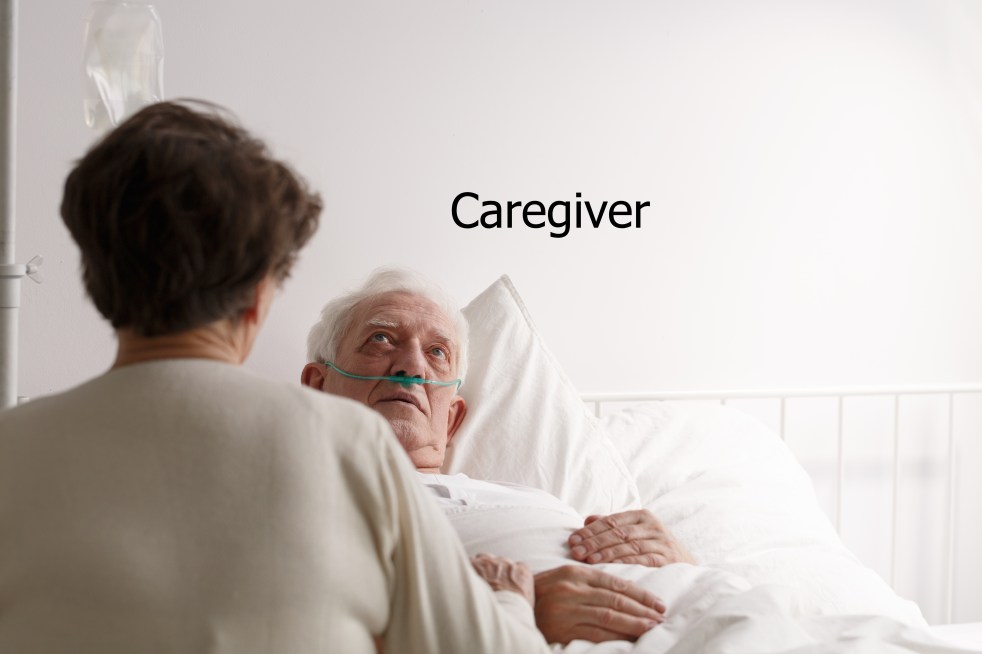
For example, it gives them time to adjust to any mood or personality changes in the person they’re caring for, explain the changes to other family members, and allows them more time to create the most comprehensive care plan.
Emotionally processing the diagnosis early and having time to plan accordingly also has a significant impact on mental health. Early diagnosis has been shownTrusted Source to decrease depression and anxiety in caregivers.
What are the key symptoms I should expect to see in the near future?
Understanding more about your stage can help you prepare for symptoms commonly seen in that stage.
For example, the hallmark of early Alzheimer’s is lapses in memory, like forgetting recent experiences or conversations.
Asking your doctor about your stage’s symptoms allows everyone involved to understand what to expect, which can also help you give yourself some grace.
How is this diagnosis confirmed and are there any other tests needed?
Unlike some other health conditions, Alzheimer’s is not confirmed with a stand-alone test.
Instead, healthcare providers rely on a slew of diagnostic tools to detect it, which can includeTrusted Source:
neurological exams (like testing reflexes, balance and coordination, and more)
What treatment options are available at this stage?
Talking with your doctor about treatment options is crucial for managing the condition. Though no treatment can stop the condition, certain medications can lower symptoms or delay progression, making coping and daily life activities easier.
Are there any lifestyle changes or interventions that could help manage symptoms?
Certain lifestyle adjustments may also improve symptoms. Talk with your doctor about other therapies you can consider alongside medications, including:
How will we monitor the progression of the disease and the effectiveness of treatment?
Discussing how well your treatment plan is working should be an ongoing conversation with your doctor during follow-up appointments. You can discuss any side effects and symptom improvement and decide if a different treatment plan may be necessary.
When someone living with Alzheimer’s has progressed from one stage to another, it may be time to discuss different options, as certain medications are approved only for specific stages.
Have a plan with your doctor for checking in regularly, which is usually done by scheduling routine appointments weeks in advance.
What strategies can help maintain my quality of life as the disease progresses?
Quality of life should also be discussed during follow-up appointments. Your doctor can discuss coping strategies and help ensure that you and your caregivers maximize joy whenever possible.
For example, adding fun, social, and creative activities into your schedule can be cognitively stimulating and also create opportunities to relax and deepen relationships. Some examples include painting, card or board games, puzzles, coloring, and more.
It’s also important to keep meaningful activities present, including any spiritual practices you may have.
Remember that rest is just as important as socializing and other activities, especially for those with Alzheimer’s, so plan breaks into your schedule, too.
How can I prepare for potential changes in my ability to function?
There’s no perfect way to prepare for changes, but it is important to stay flexible, take breaks when needed, and be open with your doctor about recent function changes. Check in with your doctor about which tasks are becoming more difficult and which are still very manageable.
Keeping lists and Post-it reminders handy, including daily tasks and schedules, can help you stay on track. Your doctor can discuss when it may be time to turn certain tasks over to your caregivers, like driving.
How can my family and caregivers best support me through this journey?
During each stage, your caregivers will have a lot to think about and manage. Counseling or other therapies may be helpful for their well-being.
But overall, when they’re not checking in with your doctor, planning for the future, and helping with certain daily tasks, remind them to stay present and not force activities you have no interest in.
For example, if you’re feeling tired one evening but a caregiver has a movie night planned, remind them it’s OK for you to take a rain check.
Spending time together is important, whether it’s sharing meals or memories.
If you’re up for it, looking over photographs or home movies may be helpful for stirring up shared past experiences. This is referred to as reminiscence therapyTrusted Source, and it’s been shown to improve quality of life for older adults.
If this type of activity is too heavy for either of you to process, you can skip it. The idea isn’t to connect dots to recall specific memories but to spend time enjoying each other’s company while thinking about shared positive experiences.
This free resource offers support through information, local resources, crisis assistance, and emotional support.
What should my caregivers know about managing my condition?
Though caregivers may feel overwhelmed or stressed, a few things are never OK, including:
constant correcting or controlling
rushing
forcing
laughing at mistakes
condescending remarks or suggestions
Your caregivers will need some advice and maybe training for activities they might have to perform during later stages, such as feeding, bathing, and changing.
It’s also crucial to ensure that the home is a safe, comfortable, and easy-to-navigate environment.
You can ask your doctor for other important things for your caregivers to keep in mind. They can offer tip sheets and additional resources.
You can also consider trained attendants for care at home if they’re available to you.
What should I know about planning for future financial and legal matters?
Locking financial and legal matters into place as soon as possible can make you feel more confident about the future. Ask your doctor to guide you to any resources that may help you map these matters out.
For example, the first step is to document your choice of who has power of attorney. Similarly, making a plan for bills to be paid at the same time every month through automatic withdrawal can help relieve some stress and cross one thing off your to-do list.
Additionally, some living facilities offer plans that include rent and all other expenses, like utilities, cable, etc., into one monthly bill, so there’s no need to keep track of a long list of monthly due dates.
How can I ensure that my wishes regarding care and treatment are respected?
This is another area where documentation comes in handy. You can document your preferences across a wide range of areas of your life, including your preferred activities, people to socialize with, favorite and least favorite foods, etc.
It’s important to check in with your caregivers and healthcare providers about whether your care feels right for you. Maintaining open communication with your healthcare providers and being honest if you feel unsafe at home is also important.
It’s important to be proactive and informed in managing early-onset Alzheimer’s.
A strong first step is maintaining open communication with your healthcare providers and asking key questions. Gathering the right information can help you cope and plan for a smoother, more comfortable future.
From there, finding the right support team, whether friends, family, or caregivers, is the next best step to feeling more confident as you moving forward.
Remember that you’re not alone — help and companionship are often just a phone call away.
Sharing just one lesson is difficult because I have many lessons that would have helped a great deal while growing up. I was abused by mother since birth and it contiued until moving away at 12 years old. Confidence was not apart of my vocabulary, nor did I know how to build my confidence. It wasn’t until I was 14 years old that my confidence started to build slowly.
I was spending a year in reform school that was run by nuns in a large convent. I may have been a wild child but I understood how to respect authority. Spending a year confined in a quite place filled with love, accountability and encouragement was what I needed. As I was given more responsibility and freedom my confidence contiued to grow, I was allowed to start a newspaper, the Tumble Weed Connection which showed me the trust my Journalism teacher had in me and it was a dream come true.
Learning to build our confidence is a life long journey because there is always more we can learn outside of our comfort zone.
The basics of human nutrition are much the same for everyone. The practicalities of achieving good nutrition can, however, vary widely according to your age and lifestyle. With that in mind, here are some tips to help you understand nutrition for older adults.
Your need for calories generally decreases
Food is basically fuel for your body. From babyhood through puberty, your body needs food for mental and physical development. As an adult in your prime, you need food to fuel your lifestyle. This is likely to be at least moderately active.
As a senior, however, your activity levels are going to be lower than they were. Even if you keep yourself super-fit for your age, you’re still not going to be able to take the sort of vigorous exercise you could when you were younger. Your appetite will probably drop to reflect this.
The key point to take away is that the less food you eat, the more important it is that what you do eat delivers maximum nourishment. Of course, you can still have the occasional treat. For the most part, however, you really need to focus on nutrient-rich food.
Your food needs to have more of an impact
Your ability to perceive color, texture, and scent can decrease as you age. Medications can also interfere with it. This can negatively impact your ability to taste food. In the past, dental issues could make it more difficult to chew or swallow. Modern dental care means that this is much less of an issue. It can, however, still be a consideration.
This means that meals for seniors generally need to be full of contrast, strong textures, and lively scents. Older people often enjoy food with plenty of herbs and spices. This may come as a surprise if you hated them when you were younger.
Making all this happen while maintaining nutritional value can be very challenging. It’s likely to be particularly difficult if you live alone. This can lead to older people skipping meals, which can bring all kinds of problems. Batch cooking is one potential solution to this issue. It may, however, be more convenient to use DeliverLean CARE.
You need to be careful with salt and sugar
Adding salt and sugar can be a quick way to pep up a meal. Unfortunately, neither is a particularly healthy approach even when you’re a younger adult. The impact on seniors can be even worse. Salt can impair your kidney function. Sugar is empty calories and can lead to dental issues.
You must get plenty of fiber
Fiber plays a huge role in keeping your digestive system healthy. It’s important for everyone and particularly important for seniors. In simple terms, if your digestive system gets out of sorts, it will almost certainly impact your whole body. This can create a downward spiral and that can be especially dangerous for older adults.
Calcium and protein help keep you strong
Calcium is the building material for bones, teeth, and nails. Protein is the building material for muscle. You need to make sure to get plenty of both to maintain your strength and vigor in your later years.
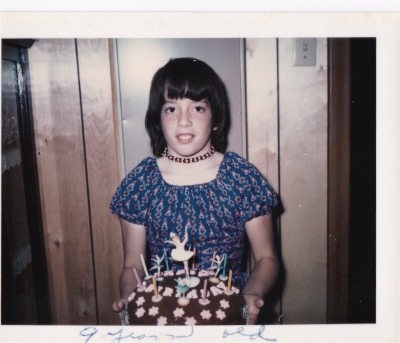
Birthdays have always meant something to me, as a child it was all about the cake, as I grew older it was about the presents but now it’s a celebration of life. Surviving the struggles and appreciating what additional knowledge I have. It’s a great day.
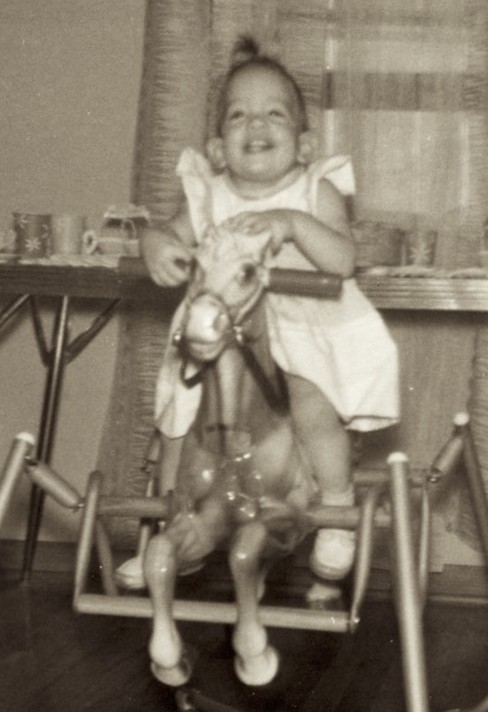
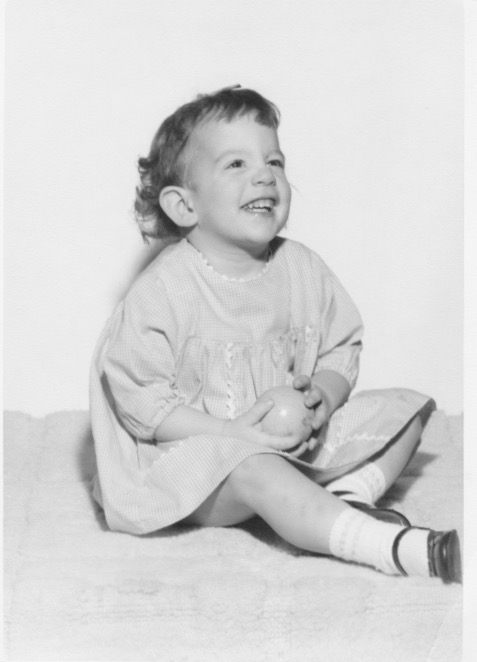
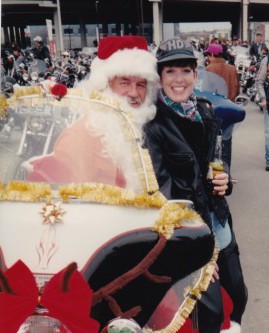
Me and My Pony Final test for scuba certification 1987My name is Miss Trouble Happy FaceToys for Tots Yearly RunBig Island 1993
My Birthday meal is sweet corn and shrimp on the grill. Yummy!
Happy Birthday to everyone who shares the special day.
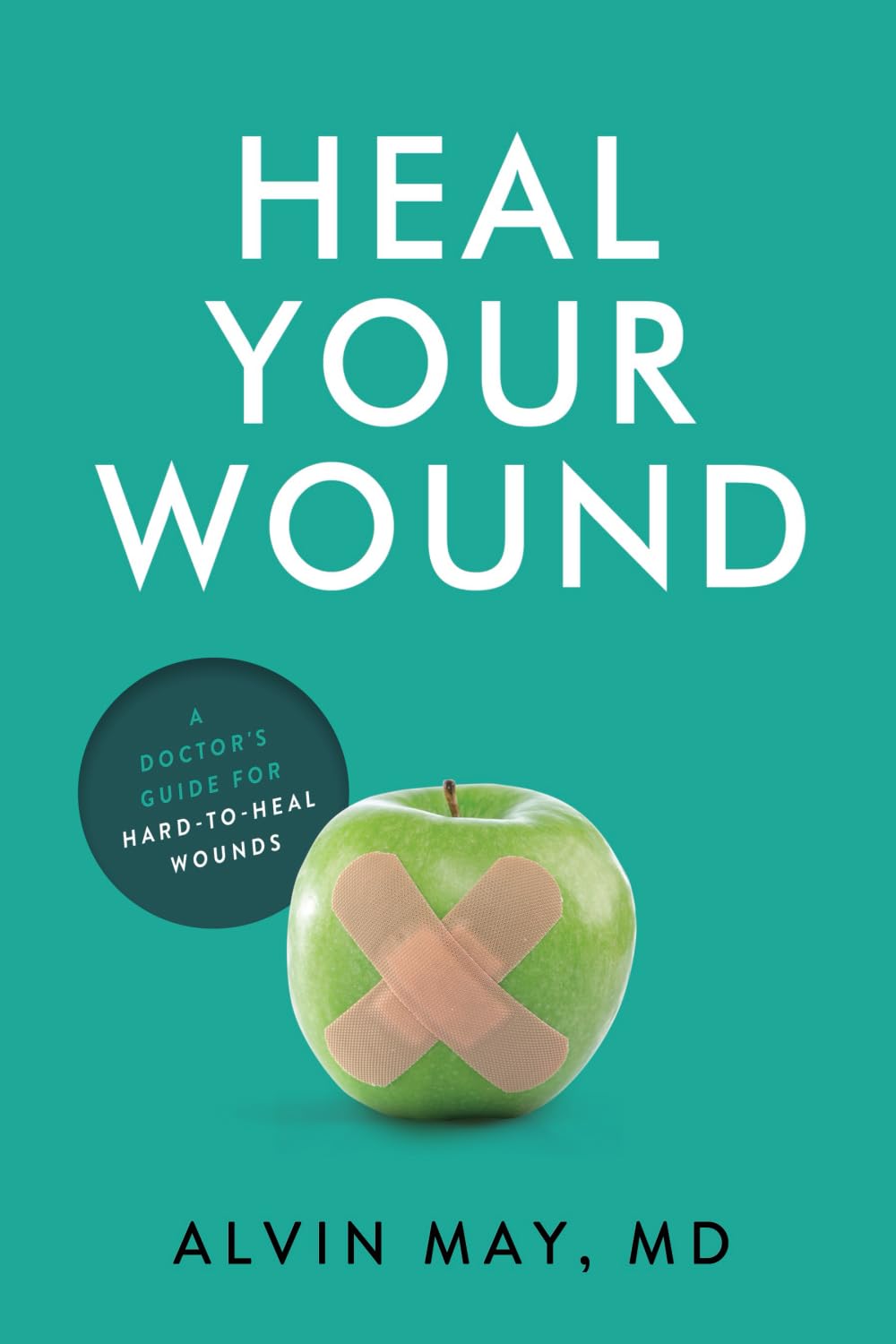
I want to send a special thank you to Dr. Alvin May and Erin Cernuda from Jackson Clara Publishing, LLC for sending me Heal Your Wound to read and review.
About the Arthor
Dr. Alvin May is a general surgeon and wound care physician serving the Southern California area for over ten years. He is a graduate of Harvard Medical School and trained in general surgery at the Boston Medical Center. Shortly after starting his career, Dr. May helped launch a national wound care company providing physician-directed wound care services to nursing homes and long-term care facilities.
This book breaks down complex medical concepts into simple, actionable steps. “Heal Your Wound” offers a unique blend of expert advice and real-life stories, showing you exactly how to accelerate your healing process. You’ll uncover the critical factors that might be holding your recovery back, from underlying medical conditions to poor wound care techniques. With practical tips and proven strategies, this book will empower you to take charge of your health.
Heal Your Wound: A Doctor’s Guide For Hard-To-Heal Wounds
Dr. Alvin May was inspired by a personal experience to write on this all to important topic which receives very little attention. One of the first things you will notice is it’s not written in medical talk, the explanations are complete and easy to follow. In addition to his writing, he shares graphics which explains the different types of would and the care needed. If you are in the medical field, a caregiver or caring for yourself this is a must have book for you.
Some Topics Covered:
Chronic Wounds: Not your typical wound
The non-healing wound
Wound Healing Basics
A Holistic Approach
Surgical wounds
Dr. May also shares stories of others who have experienced hard to heal wounds.
Thoughts on Wound Healing Journal
The journal is invaluable, it provides pages to manage care on a daily and monthly basis, areas to mark medication taken, doctor’s appointments as well as other notes. The journal is a life saver.
Heal Your Wound and the Wound Healing Jornal deserves a permanent place on your bookshelf.
While overall memory declines as we age, that’s far from the end of the story. In fact, there are certain things older people continue to remember quite well, says researcher Alan D. Castel.
Our memories are our identities, and at my lab at UCLA, I’ve worked to understand how we remember what matters to us, especially as we age. Memory decline is one of the first things that concern people about growing older — it can start after the age of 20, so being more forgetful when you are 60 or 70 is often normal. And while a vast amount of research has shown the deficits that accompany aging, it’s far too simplistic to say that the elderly have impaired memories. In fact, there are many things older adults remember quite well. Here’s a look at a few of them:
Older people tend to remember the essentials
A great deal of memory research focuses on what might be considered by some of us to be mundane — word lists, face-name pairs, studying and being tested on pictures — and it’s unclear why this might be important to remember. But how about things that are of real concern or interest?
Imagine you’re packing for a trip. You want to make sure you’ve put in the most important items, the ones that would be extremely costly and/or inconvenient if you forgot them (e.g., your passport, your credit cards). While I wish we could have followed people on their vacations to see what they left behind, we created an experiment to examine this in the lab. We presented subjects with 20 possible items that you might pack on a trip (e.g., medications, passport, sunscreen, toothbrush, phone charger, deodorant, swimsuit, sandals). When we later asked them to recall the items, the older adults (average age was 68) recalled more of the items that they felt were important than the younger adults (average age of 20.4), even though they remembered fewer items overall. We’ve since done other studies showing older adults will have a greater memory for important medication side effects from a long list and for a grandchild’s dangerous allergens than younger adults.
We did another experiment when we came up with a list of words to remember. Some were more important and paired with higher point-values or rewards, while others were less important and associated with lower point-values or rewards. The goal was to maximize one’s overall memory reward — to do that, you needed to remember the words paired with the highest values. We found that older adults remembered fewer words overall but recalled just as many of the highest-value words as younger adults.
Older people tend to remember what they need to do in the future
Sometimes the most important things for us to remember involve future actions. This is called “prospective memory” — and it might take the form of remembering to take medications at a certain time tomorrow, or paying a credit card bill on a particular date or else we’ll get penalized. While prospective memory might be worse in older age, there are important exceptions. Researchers have found a “prospective memory paradox”: despite older adults doing poorly on laboratory tasks of prospective memory, they fare well in the real world.
For example, in research studies older adults may be asked to perform a future task such as “When you see the word ‘president’ on the next page, please raise your hand.” Sometimes they get so focused on reading that they forget to react when “president” appears — but does that mirror the forgetfulness of not taking one’s medication at noon in 2 days? As many of us know, older adults have often developed strategies to prompt their prospective memories, like putting their wallet by the front door or their medications by their eyeglasses. To bridge this gap between lab-based prospective memory tests and real life, one study asked people who came to the lab to mail back postcards every week; researchers wanted to determine how younger and older adults would compare in remembering to do this future-focused task. To their surprise, it was the older adults who diligently mailed in the postcards each week.
Of course, some older adults remember to do things the old-fashioned way: they write it down in a calendar they consult every day. When I called then-97-year-old John Wooden, retired from a legendary career as a basketball coach, to schedule an interview, he wrote it in a calendar. Then, he called me the day before to confirm I was still coming to see him — he was reminding me!
Older people tend to remember what intrigues them
Humans are curious from an early age. My young son loves the adventures of the mischievous Curious George and of learning about the world. Our curiosity blossoms with age, but we typically become interested in different things as we get older. After all, Curious George is not the favorite bedtime reading of most adults.
To test your own level of curiosity and memory, read the following trivia questions, decide how interested you are in learning the answers (on a scale of 1 to 10, with 1 being not interested at all, and 10 being extremely interested), and then try to come up with answers (the answers are at the very bottom of this article):
What mammal sleeps the shortest amount each day? What was the first product to have a bar code? What was the first nation to give women the right to vote?
These are fairly difficult trivia questions, and some are probably more interesting to you than others. In one study done in my lab, younger and older adults were given questions like those that you just read. Much like those, all of the queries were chosen such that we guessed almost none of the participants knew the correct answers. Afterwards, the subjects gave each a curiosity rating — showing how interested they were in learning the answer. They were then told the answers. A week later, the same subjects were presented with the same questions and asked to recall the answers. It was the older adults who remembered the ones they were more curious about — and they forgot the less interesting ones. The younger adults didn’t show this pattern.
There’s a certain pleasure in recalling trivia and absorbing new information about the world. I’ve noticed the most popular games at senior centers and retirement communities often involve this kind of random knowledge. People sometimes worry about having too many stray facts in their minds. But even though trivia may appear to have little useful value, the fact that it continues to arouse curiosity — and sticks in older people’s minds — shouldn’t be discounted.
OK, older people may forget what they’re doing in a particular room, but they can jog their memory
Our surroundings can influence how we remember things. Have you ever found yourself in the kitchen and not had the faintest idea what compelled you to go there? This is a common occurrence for everyone, but especially for older adults. Some research suggests that walking through doorways or crossing physical boundaries may actually trigger forgetting. When you move from one place to the next, the doorway leads to a new environment that does not provide the necessary cues to remember what you were doing in the other room. As you enter the new room, your brain must either keep in mind or re-create what you were thinking when you were in the earlier room — but our minds often wander as we go to another room or we start thinking about something else.
The best way to remember what you need is to walk back into the first room where you originally had the thought of why you needed to go to the other room. The context of that original room can trigger your original intention. In addition, walking is one of the best ways to keep your memory sharp. With enough time and walking, you’ll find the memory eventually comes back.
P.S. But don’t get too hung up on what you can and can’t remember.
Our beliefs about our memory can be very influential. In fact, many of us have negative beliefs and expectations about aging’s impact on the brain. This kind of “stereotype threat” can make people perform stereotypically — in a way that is consistent with what they think is expected of them. Stereotype threat has been examined to determine if it causes older adults to underperform on tests of memory. Labeling something a memory test, or asking people to come to a memory study, does appear to invoke anxiety, and research has shown that renaming it as a “wisdom test” (and then administering the same memory test) leads to better performance by older adults. So, the next time you start to worry about forgetting a world capital or a famous actor’s name and wonder what this means about your brain and your memory, try not to sweat it.
Note: The research covered here involves mostly healthy older adults who report memory changes in older age. However, if you experience more frequent and concerning memory problems, you should consider consulting a neurologist.
Answers to trivia questions: giraffe; Wrigley’s chewing gum; New Zealand.
Joint pain is very common during menopause and may be related to lower levels of estrogen. Exercising frequently, eating anti-inflammatory foods, and other actions may help reduce the pain.
If you experience hot flashes, shifts in mood, and joint pain, you’re not alone. These are some of the most common symptoms for people going through menopause.
It’s estimated that more than 50%Trusted Source of women experience arthralgia (joint pain) or arthritis during menopause and, for 21%, either condition is one of the more significant menopausal signs.
Menopausal-related joint pain can be caused by changes in hormonal levels, but other factors may also play a role. There are a variety of home remedies that may help reduce joint pain, and OB-GYN and primary care doctors can also help you decide if you’re a good candidate for hormone replacement therapy (HRT) or other medications.
Language matters
You’ll notice we use the binary term “women” in this article. While we realize this term may not match your gender experience, this is the term used by the researchers whose data was cited. We try to be as specific as possible when reporting on research participants and clinical findings.
Unfortunately, the studies and surveys referenced in this article didn’t report data on, or may not have included, participants who were transgender, nonbinary, gender nonconforming, genderqueer, agender, or genderless.
Estrogen helps to protect joints and reduce inflammation. It also affects the function of muscles, tendons, and ligaments. Having the right balance of estrogen is necessary for ideal joint performance.
The development or progression of arthritis may be another reason for chronic joint pain during menopause. The risk of osteoporosis and osteoarthritis increases during menopause. This increased risk is also likely related to hormone changes.
According to the 2010 research, one of the best ways to treatTrusted Source your menopause-related joint pain may be moving more. Movement and stretching help reduce pain and stiffness. Regular exercise can also help maintain a moderate weight or prevent weight gain that may put added stress on the bones and joints.
Research indicates that women are particularly likely to develop musculoskeletal pain during perimenopause, but the odds of moderate to severe musculoskeletal pain increase with age through postmenopause.
Your joint pain may be chronic, especially if you develop arthritis. HRT may help to improveTrusted Sourcethe outcomes for those with a variety of menopause symptoms, including joint pain. More research into the risks and benefits of this is still ongoing.
Finding support if you have joint pain at menopause
If you’re experiencing joint pain during menopause, you may benefit from talking with any of the following:
The joint pain you experience may not go away even after menopause. You may experience it for the rest of your life, but there are ways to manage the discomfort.
Where is joint pain most common for those with rheumatoid arthritis?
If you have rheumatoid arthritis, you may feel pain in the wrist, fingers, and toes, but you can also experience pain in other areas, including the knees, elbows, ankles, and neck.
What supplements help menopausal joint pain?
Some supplements that people report to improve joint pain include fish oil, collagen hydrolysateTrusted Source, and curcumin (often found in turmeric). A doctor may recommend different supplements, like vitamin D, based on your specific health conditions.
You’re not alone if you experience stiffness, swelling, or shooting joint pain during menopause. Lower estrogen levels may be partially responsible for the discomfort, but a combination of other factors, including arthritis, may also contribute.
If you experience joint pain during menopause, it can help to get regular exercise and eat anti-inflammatory foods. If you experience chronic pain, you may want to talk with a doctor or other healthcare professional about medication options, including HRT.
Do you want to make sure that your aging parents are being taken care of? If so then this is the guide for you. Here you will find out what steps you can take to protect those who you love, today.
Know the Signs of Trouble
The first thing you need to do is know the signs of trouble. If you are a caregiver, then you have to remember that there is a limit to what you can do alone. The best thing you can do is reach out for help. Keep an eye on your loved one’s health and their living conditions. It may be that they are no longer able to keep up with activities, such as bathing, walking, cooking or even cleaning. If you notice a drastic change in your loved one’s living environment, for example, if things become cluttered or dangerous then this can also signify that something is wrong. With that in mind, taking care of yourself is also very important. If you feel angry or irritable all the time or if you are losing sleep over things then this is a sign that you are overwhelming yourself. If you want to protect your loved one even more, consider looking at our team page from Montana Elder Law.
Protect your Health
As a loving caregiver, it is all too easy for you to devote all of your time and attention to the ones you are actively trying to support. At times, you may find that it is too easy to overlook your health along the way. Don’t let your standard of health suffer. Be sure to check in with yourself and your family so you can make sure that everyone is feeling good. Drink lots of water, make time to exercise, and also talk to someone if you need it.
Give Yourself a Break
If you are a caregiver then it’s easy for you to feel as though the weight of the world is resting on your shoulders. This is especially the case if you are part of the sandwich generation. This generation often finds that they are looking after younger and older people at the same time. It is very natural for you to want to fill up your schedule and take care of everyone. That being said, you need to cut yourself some slack sometimes. As you build out your calendar, make sure that you have enough time for yourself and that you are giving your body a chance to rest and recharge, free from stress.
Make the Most Out of Tech
In this day and age, there are all kinds of ways that you can put tech to work and make things way easier for yourself going forward. Add cameras and home security features if you want to keep your loved one safe when you are not home, and give your senior relative an alert button. If you do this then you give them the chance to alert an authority if something happens. Use a group chat too, so you can talk about your loved one with your sibling or other caregivers.
Weight lifting and stretching are useful at any age, but there are specific benefits for older adults.
With aging comes concerns about strength, balance, and mobility. But integrating resistance training and stretching into your routine can keep you feeling healthy and strong.
Not sure where to start? Read on for a primer on how movement can make a difference, plus a full-body workout and stretching routine that you can do at home.
Committing to and maintaining an at-home strength training program can be the first step to preventing — or delaying the onset of — many age-related ailments.
The best part is, it doesn’t have to be complicated or time-consuming.
Your at-home strength training program should:
Include 3 sessions weekly. Incorporate a 20- to 30-minute strength training session 3 days per week. You can work out at home with minimal equipment and still see significant results.
Work your whole body. Incorporate upper body, lower body, and core exercises to get the most out of each workout.
Be consistent. The more consistently you strength train, the better your results will be.
Combine these 6 strength exercises for an effective and comprehensive full-body workout.
Unless otherwise noted, do 3 sets of 10–12 reps of each of these exercises.
One-leg balance
With balance declining as you age, proactively focusing on improving it is key. Start with this one-legged drill to suss out any imbalances you may have:
Position yourself next to a chair or a wall if needed for balance.
Stand with your feet together, arms down at your sides.
Bend your knee and lift your right foot up off the ground behind you, holding where your leg forms a 90-degree angle.
Hold for 30 seconds, then repeat on the left leg.
Complete 2 holds on each side.
Squat
The squat is a powerhouse exercise, not only for building muscle but for preparing you for daily life. If you ever sit in a chair, you’ll benefit from squatting. Here’s how to do it:
Stand with your feet shoulder-width apart, toes pointed slightly out, with your arms down at your sides.
Push your hips back then bend your knees, lowering down until your thighs are parallel to the ground or as close as possible, as if sitting in a chair. Keep your chest lifted and proud throughout the movement.
Push up evenly through your whole foot, back to the starting position.
Wall pushup
Pushups are one of the most effective exercises to gain upper body strength, and you need no equipment to execute them. Start on a wall, and then try a pushup kneeling if you want more of a challenge. Here’s how to do it:
Get into a plank position with your hands on a wall at shoulder height and your feet about 3–4 feet from the wall.
Bend your elbows to come closer to the wall, maintaining a straight line from your head to your ankles. Keep your elbows at a 45-degree angle from your body.
Push back away to the starting position.
Resistance band row
A strong back is key for good posture, among other things. Use a resistance band here to strengthen those muscles:
Grab a resistance band, with a handle in each hand, and step on the band with both feet.
Cross the handles and hinge at the waist to a 45-degree angle.
Maintaining a straight back, send your elbows up and back, rowing the handles up toward your chest. Squeeze your upper back muscles at the top.
Pause, then slowly release back to start.
Bird dog
A boon for both balance and stability, bird dog will challenge your full body.
Assume a position on all fours on the ground, placing your hands under your shoulders and your knees under your hips.
Keeping your neck neutral, simultaneously extend your right arm and left leg. Make sure your hips stay square to the ground. Pause at the top.
Return to start and repeat with your left arm and right leg.
Glute bridge
An effective exercise for the posterior chain — or the back of your body — glute bridges will build strength in no time. Add a dumbbell to your hips if you need added resistance.
Start by laying on your back with your knees bent and feet flat on the floor. Your arms should be down at your sides.
Brace your core and push up through your feet, lifting your butt up off the ground until your hips are fully extended. Squeeze your glutes at the top.
Do these 5 stretches to hit all of the major body parts and help improve your flexibility and mobility.
If not indicated, hold each stretch for about 30 seconds total. As you focus on breathing — deep inhale, deep exhale — try to go deeper into the stretch.
Hamstring stretch
Particularly if you sit a lot, stretching the hamstrings is important to maintain good movement in the hips. Here’s how to do it:
Position yourself with a step or another flat, raised surface in front of you. There should be about one foot between you and the step.
Put one heel on the step and lean forward at the hips to a 45-degree angle.
Feel the stretch in your hamstring, leaning forward to go deeper.
Seated hip stretch
Hip functionality is key to many movements in our daily lives, like walking, so keeping these muscles and joints mobile is important. Try this seated stretch:
Sit in a chair and scoot down to the edge. Your feet should be flat on the floor and your back should be straight.
Bring your right ankle to rest on your left knee, bending your leg to do so.
Lean forward slightly to feel the stretch in your hip.
Chest opener
Combat the forward-lean posture with this chest-opening stretch:
Sit in a chair and scoot down to the edge. Your feet should be flat on the floor and your back should be straight.
Interlace your fingers behind your back and open your chest up to the sky, dropping your shoulders.
Side-lying thoracic rotation
Another good stretch if you find your shoulders rounding forward, this rotation will target and release your upper body:
Lay on the ground on your left side, arms straight out in front of you with palms touching.
Lift your right arm straight up and over, opening your chest and allowing your right arm to drop to the other side of your body. Your head should follow.
After 5–10 seconds, rotate back to start and repeat for 10 reps.
Side-to-side reach
Stretch your back and core with this move:
Stand straight with your arms down at your sides and feet shoulder-width apart.
Bring your right arm up and over your head, bending your torso to the left as you go.
Hold here for 5–10 seconds, then return to center and switch arms.
Consistently strength training and stretching, even for short periods 3 times per week, can help tremendously in delaying or preventing many age-related ailments. Start slow and watch your strength, balance, and mobility improve.













 lookingforthelight.blog