I was thrilled to hear that Aromalief had released two new scents, Vanilla and Unscented Pain Relief creams. Annabel, the founder of Aroalief sent me the scents to try, I have a new favorite in the Vanilla scent which I apply several times a day for my Arthritis. I have used many Aromalief Pain Relief creams over the years, and they have never disappointed me
This post contains Affiliate links which means I make a small commission that supports my coffee habit when you use the links. They do not cost you more and take you directly to the Aromalief website.
The Aromalief Pain Relief creams are Vegan and made of all-natural ingredients from Mother Nature herself. The scents themselves are light, just a hint, including the menthol. Many menthol products have an overwhelming smell, you will not find that in Aromalief Pain Relief creams.
The Unscented is perfect for those who are sensitive to fragrance. The only scent left behind is a hint of menthol. It is not overwhelming like many menthol products.
To visit the landing page for the Vanilla and Unscented Pain Relief creams, click HERE.
Made with some of the world’s purest ingredients:
Slow-release Cooling Crystals for instant and long lasting relief without irritation
Patented Shellfish-free Vegetable Glucosamine and Algae Extracted Chondroitin can help joints
L-arginine may help improve circulation
99.9% Distilled Pure MSM for inflammation
Aloe Vera and Sweet Almond Oil
OUR STORY
Hi, I’m Annabel! Welcome to Aromalief, a brand dedicated to helping women like you to beat pain. I started Aromalief in 2018 to help my mom that was in pain. After wasting money on several products, I decided that my mom deserved better.
With the help of a naturopathic chemist, we developed formulas that are clean, easy to apply, and smell like rich essential oils. The experience of using Aromalief is like applying a luxurious body cream and not your grandfather’s pain releiver.
Aromalief is a women-owned business and their products are made in America.
Goldman Sachs
10,000 Small Businesses
96% of Customers Say It’s the Best Pain Relief They Have Tried
Since 2017, Aromalief has helped thousands of women to alleviate their pain without side effects and in amazing scents.
Our creams are made for confident, kind, and caring women with chronic pains.
Despite physical length, there are more bones in the neck of a sloth than a giraffe. There are seven vertebrae in the neck of giraffes, and in most mammals, but there are ten in a sloth. Still, giraffes are among 23 of the world’s biggest living animals.
Fact: Bees can fly higher than Mount Everest
Bees can fly higher than 29,525 feet above sea level, according to National Geographic. That’s higher than Mount Everest, the tallest mountain in the world.
Fact: Ancient Egyptians used dead mice to ease toothaches
Pig bladders were used in the 19th century to store an artist’s paint. The bladder would be sealed with a string and then pricked to get the paint out. This option wasn’t the best because it would often break open. American painter John G. Rand was the innovator who made paint tubes from tin and screw cap in the 19th century.
Fact: Humans have jumped further than horses in the Olympics
The Olympic world record for the longest human long jump is greater than the world record for longest horse long jump. Mike Powell set the record in 1991 by jumping 8.95 meters, and the horse Extra Dry set the record in 1900 by jumping 6.10 meters. Don’t miss 13 more Olympic moments that changed history.
Fact: The Terminator script was sold for $1
James Cameron is the award-winning director of movies like Titanic, Avatar, and The Terminator. In order to get his big break with The Terminator, he sold the script for $1 and a promise that he’d be able to direct.
Fact: Pigeon poop is the property of the British Crown
In the 18th century, pigeon poop was used to make gunpowder, so King George I confirmed the droppings to be property of the crown.
Fact: Onions were found in the eyes of an Egyptian mummy
Pharaoh Ramses IV of Ancient Egypt had his eyes replaced with small onions when he was mummified. The rings and layers of onions were worshipped because people thought they represented eternal life. This aligns with the reason for mummification: to allow the pharaoh’s body to live forever. Let’s hope these interesting facts don’t all apply to practices used today.
Fact: Abraham Lincoln was a bartender
You know that the 16th president of the United States fought for the freedom of slaves and the Union, but what you didn’t know is that he was a licensed bartender. Lincoln’s liquor license was discovered in 1930 and displayed in a Springfield liquor store. Wayne C. Temple, a Lincoln expert, told the Southeast Missourian newspaper that in 1863 Congress wanted to fire Ulysses S. Grant because he drank a lot and Lincoln’s response was to send Grant a supply of whiskey.
So glad you are enjoying these posts, I love hearing your hilarious comments. Have a great weekend.
My story is about two people, my grandparents. In my teens, I was a wild child who struggled with addiction. After they won custody of me, I moved in the year before my gramps retired. Tough love, strict rules, and a positive environment changed my life. They loved me unconditionally and there’s no greater feeling.
Where Do We Go From Here tells the true story of what life is like in a psychiatric hospital? From the good to the bad and the ugly, every bit of life in the hospital is exposed. The book acknowledges how easy it can be to go down the rabbit hotel of depression, whilst also providing the reader with hope and the knowledge that there is a light at the end of the tunnel. In this deeply absorbing memoir, Bethany Hacker shares a slightly humorous look into the brain of a normal girl with a lot of trouble going on inside of it.
About The Author
Bethany was born in Italy to American parents who worked as teachers on a US military base. She spent her developmental years there and ended up moving to the US for University where she studied Political Science. After deciding that Europe felt more like home, she moved back to Italy and onward to the UK where she was treated for various mental health issues. She currently works at a charity helping families with children in hospitals while trying to gain skills to eventually become a therapist to help others cope with any kind of mental illness.
My Thoughts
“Where do you go when you’ve lost hope? When there’s no end in sight? How do you pick yourself up when you can’t get out of bed in the morning?
Where Do We Go From Here? is the perfect book to help family members understand where you go and what’s it’s like when you’re in the hospital. It will help others better understand what it takes to get on level ground and there are no quick fixes. I think it will help open lines of communication and bring more understanding.
Cherish Editions
Cherish Editions is the self-publishing division of Trigger Publishing, the UK’s leading independent mental health and wellbeing publisher.
We are experienced in creating and selling positive, responsible, important and inspirational books, which work to de-stigmatise the issues around mental health, as well as helping people who read them to maintain and improve their mental health and wellbeing. By choosing to publish through Cherish Editions, you will get the expertise of the dedicated Trigger Team at every step of the process.
We are proud of what we do, and passionate about the books that we publish. We want to do the very best for you and your book, holding your hand every step of the way.
Where Do We Go From Here? is a must-read and a great book to help friends and family understand what daily life is like when you’re in a Psychiatric Hospital. I think it will open communication and bring a new understanding.
Once you’ve read, be sure to tell me what you think.
If you’re living with a knee condition, you may wonder if a chiropractor can help treat your knee pain. The answer is, it depends.
Knee pain is a common concern that frequently occurs due to aging, injury, or overuse. Mild, acute knee pain usually subsides within a few days using home treatments. However, chronic and severe knee pain requires treatment to ease discomfort and prevent it from worsening.
One treatment option for knee pain may be chiropractic care, which uses holistic methods to treat your whole body and improve overall well-being. A chiropractor may be able to treat some knee pain and address underlying issues.
However, this method may not be for everyone. Chiropractic treatment is ideal if you prefer a natural healing approach, and if your knee pain is not caused by an injury or condition that requires surgical intervention.
In some cases, chiropractic care may be enough to help ease knee pain. In other cases, you may use it alongside conventional medical treatments.
Read on to find out more about common causes of knee pain, how chiropractic care can help, and what to expect during sessions. Plus, you can learn about the risks and considerations of treatment.
Chiropractic care is a type of complementary medicine that focuses on your body’s natural healing ability. It is based on the belief that aligning the body enhances the functioning of the nervous system and overall well-being.
A Chiropractor is a healthcare professional who diagnoses and treats musculoskeletal conditions, including chronic pain. They use a holistic approach to address your primary concerns and consider contributing factors, including injuries, movement patterns, and lifestyle habits.
Chiropractors use soft tissue and manual therapy techniques to realign your spine and joints. Treatment may help with movement, ease discomfort, and improve function. Chiropractic care may also increase your range of motion and ease tension, helping you feel more relaxed and less stressed.
Chiropractors can treat several painful knee conditions and concerns, especially those that get in the way of mobility.
Knee conditions that chiropractors treat include:
Osteoarthritis (OA): OA occurs when the articular cartilage of the knee breaks down due to age or an injury. The bones then create friction that leads to pain, stiffness, and limited mobility.
Rheumatoid arthritis (RA): Symptoms of this inflammatory autoimmune condition include swelling and stiffness. Over time, RA can cause bone, joint, and cartilage damage.
Meniscal injury: Meniscal tears occur due to aging, arthritis, and forcefully twisting or rotating your knee.
Patellar tendonitis:Patellar tendonitis is a repetitive injury that causes inflammation and weakness in the patellar tendon, which connects your kneecap to your shinbone. Often, this condition occurs in athletes.
Chiropractors may also treat other causes of knee pain. However, for more severe knee injuries and chronic conditions, you’ll also want to consult a doctor.
Chiropractic treatment may also be suitable for postsurgery rehabilitation as well as overuse and athletic injuries, including sprains and strains.
Having too much body weight is a common cause of knee pain. Being overweight puts extra pressure on your spine, hips, and knees, which results in inflammation.
Chiropractic treatment for knee pain will depend on the cause, symptoms, and contributing factors, which may include excess weight, poor posture, and workplace ergonomics.
To create a treatment plan, your chiropractor will determine if your knee pain is due to a primary cause or a compensatory cause. A compensatory cause is when your knee’s alignment or function is compromised in order to make up for another issue, such as tightness in another area of your body.
The chiropractor will also consider your accompanying symptoms, including inflammation, stiffness, and weakness.
Treatment will usually include other areas of your body, including the neck, spine, and hips. Tightness and misalignments in these areas can contribute to knee pain. Plus, you may have developed poor posture and movement patterns in order to reduce pressure on your knee.
Common chiropractic treatments for knee pain include:
Manual manipulation: This hands-on technique involves aligning your spine and joints to reduce stress, improve posture, and boost mobility.
Traction: This technique involves stretching the knee to reduce inflammation and boost mobility.
Ultrasound: The massaging effect of sound waves can alleviate pain, inflammation, and stiffness.
During your initial chiropractic session for knee pain, your chiropractor will ask about your personal and family medical history, lifestyle, and occupation.
Your chiropractor will ask how and when your pain began and which activities make it feel better or worse. Be ready to explain the type, location, and frequency of pain.
They will perform a physical examination to check your heart rate, blood pressure, and breathing patterns. If necessary, they will take an X-ray.
Usually, you will stand, sit, or lie down on the table during treatments and can stay fully clothed. Wear comfortable clothing that allows you to move freely. Thin, loose fabric is preferable to stiff, thick, and bulky fabric. You can wear tight clothes if they are stretchy.
Avoid wearing jewelry and accessories like belts, which can get in the way during adjustments.
To determine the cause of your knee pain and create an appropriate treatment plan, your chiropractor may apply light pressure to tender areas. They may feel the joint as you move and listen for sounds, including grinding or clicking.
Your chiropractor will let you know how many treatments they recommend. Typically, sessions are more frequent during the initial weeks.
A chiropractor does not prescribe medications or perform surgery. If they are unable to treat your condition, they will refer you to a suitable healthcare professional.
Chiropractic care for knee pain is generally safe and poses few risks. However, it is not suitable for everyone. If you have concerns, share them with your Chiropractor or a healthcare professional to decide what is best.
Since it’s beneficial to relax during treatments, choose a Chiropractor with whom you feel comfortable.
You may experience mild discomfort during your treatment, but it should not be painful. If you feel intense pain, speak up immediately. After treatment, it’s typical to have soreness, headaches, and fatigue.
If you have an inflammatory condition, it is not advisable to have an adjustment during a flare that affects your spine and joints. However, a Chiropractor can perform adjunctive therapies to treat the surrounding tissues and other areas of concern.
Chiropractic care may not be suitable if you have any of the following:
Chiropractic care is a natural, holistic treatment that can help with musculoskeletal concerns, including knee pain from a variety of causes. The goal of treatment is to improve mobility and function so you can move with ease.
You’ll also learn to implement healthy lifestyle changes, including stress reduction techniques, physical activity, and a healthy diet.
I’m glad you joined me for another edition of Weekend Music Share this week.
Have a great weekend!
Melinda
Welcome back to Weekend Music Share, the place where everyone can share their favorite music.
Feel free to use the Weekend Music Share banner in your post, and use the hashtag #WeekendMusicShare on social media so other participants can find your post.
Foot cramps at night can be painful, but they are rarely cause for alarm. Certain lifestyle changes and stretches are usually all you need to resolve them.
A foot cramp can strike out of nowhere, waking you from a sound sleep. You may suddenly feel the muscles tighten or knot up from a few seconds to a few minutes at a time.
Up to 60 percent of adults report getting nocturnal foot cramps. Spasms may happen just once in the night or result in repeat episodes that lead to insomnia and lingering pain.
The good news is that these cramps aren’t usually a reason for concern. While they can be associated with certain medical conditions, like diabetes or hypothyroidism, stretches and lifestyle changes may help ease them or make them go away entirely.
Keep reading to learn about the potential causes of nighttime foot cramps and how to get relief.
Sitting for long periods of time or otherwise being inactive may make the muscles in your feet more apt to cramp at night.
Sitting with poor posture may also inhibit blood flow to your feet or lead to nerve compression — two risk factors for developing cramps.
Your sleep position may also be a factor in circulation and nerve issues. Consider the following:
Try examining how you sleep to see if it might be contributing to nighttime cramping.
Sleeping with your feet pointing downwards may contribute to poor circulation.
Try sleeping on your back or side with a pillow underneath your knees.
Overexertion of the muscles
Working the muscles in your feet too hard may make them vulnerable to cramping.
The muscle fibers in your feet continually contract and expand to allow movement. If you do too much of an activity too soon, or work your feet too strenuously, you may experience fatigue in your muscles.
Fatigue depletes your body of oxygen and allows waste products to build up throughout the day. This buildup can cause cramping and spasms at night.
Improper footwear or hard surfaces
Wearing poorly fitted shoes or shoes without enough support throughout the day may tax foot muscles as well. Standing or working on concrete floors or other hard surfaces can have a similar effect.
The foot muscles work extra hard to support the weight of your body. Improper footwear may also impair the foot’s circulation, cutting off blood and oxygen, and producing painful spasms even when you’re off your feet.
Dehydration
Another possible cause of foot cramps at night is dehydration. You may not be drinking enough water during the day, or a bout of diarrhea or other illness may be dehydrating you.
Even exercising in hot weather can dehydrate you quickly, draining your body of precious fluids, salts, and minerals, such as potassium, magnesium, and calcium.
When your body gets low in fluids and electrolytes, your muscles become more vulnerable to spasms and cramps. You continue sweating and losing fluids while you sleep. This is why your foot cramps may arise at night.
Nutrient deficiency
Deficiencies in vitamins B-12, thiamin, folate, and other B vitamins may lead to nerve damage.
If you suspect you may have a nutritional deficiency, talk with a doctor or medical professional. A simple blood test can reveal your levels and indicate to your doctor if you need any supplementation or other treatment for underlying conditions.
Note that taking too many supplements may actually cause more harm than good, so see a doctor and get tested before adding supplements to your diet.
Excessive alcohol use
Drinking too much alcohol may lead to nerve damage and a condition known as alcoholic neuropathy. Symptoms include anything from muscle cramping and weakness to numbness and tingling in the arms or legs.
Heavy alcohol use may also contribute to dehydration and nutritional deficiencies in important B vitamins.
Just as with other nutritional deficiencies, lacking these vitamins may impair nerve function, which may worsen symptoms like muscle spasms.
Pregnancy
People who are pregnant are more susceptible to leg and foot cramping at night, particularly in the second and third trimesters.
Researchers don’t know exactly why. Possible reasons may include:
extra weight on the feet as baby grows
dehydration
nutritional deficiencies, particularly in magnesium
Health issues and medications
Medical conditions associated with nighttime foot cramping include:
There are no specific treatments doctors recommend to treat overnight foot cramping. Instead, it’s best to treat its underlying cause.
If you exercise regularly, keep it up! Regular movement may help prevent leg and foot cramps in the day and night.
New to exercise? Speak with a doctor or medical professional for recommendations on a plan that may work for you. Try brisk walks around your neighborhood (wearing supportive shoes) or other low-impact activities to start.
Anecdotal evidence from a 2012 study suggests that a few minutes on an exercise bike or treadmill before bed may help with nocturnal leg and foot cramps.
Stretch and soothe your muscles
Be sure to stretch each day to keep foot muscles loose, especially before and after you get in a sweat session.
What if you’re having a cramp at night? Stretch your foot gently, but forcefully to relieve the cramp by flexing your foot and pressing down on your big toe.
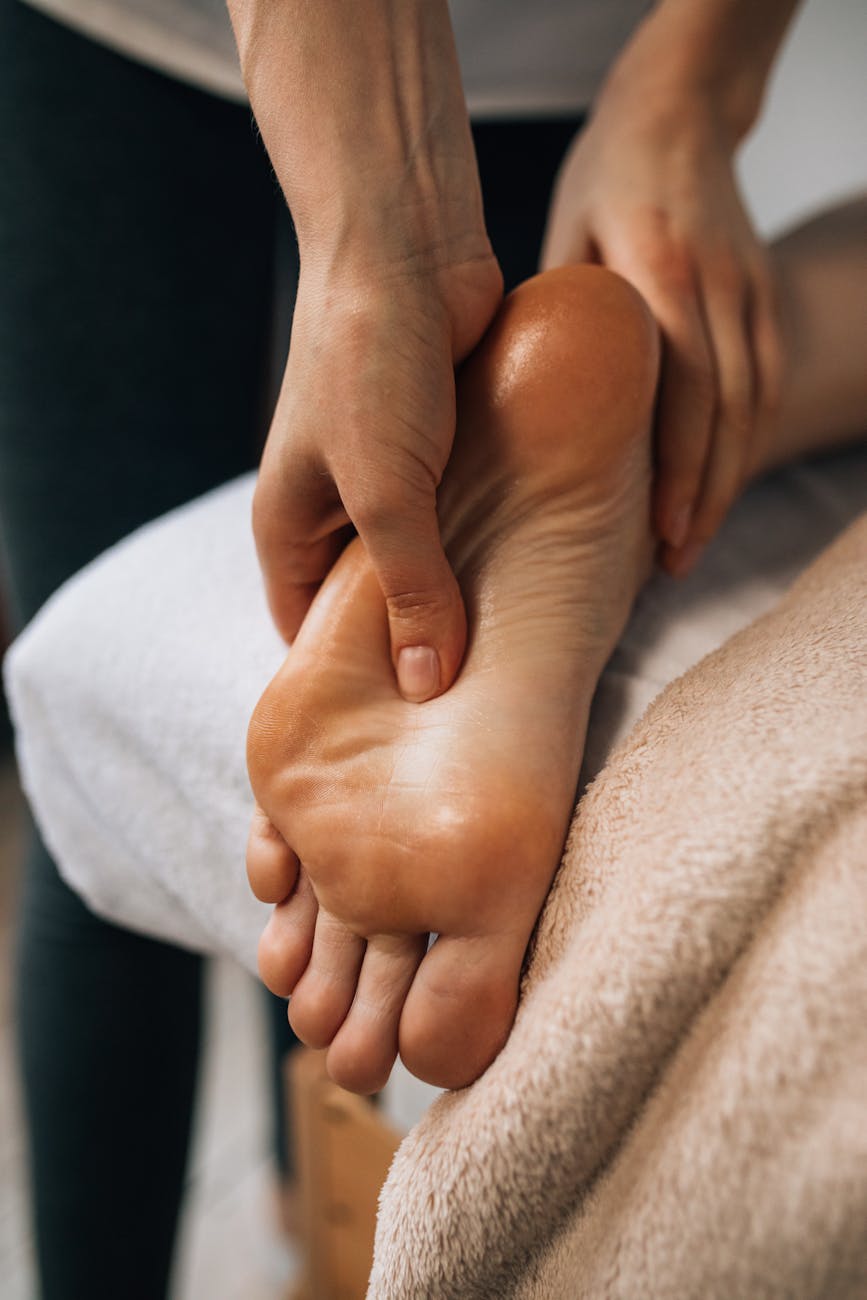
Walking around and jiggling your leg may also help with both foot and leg cramps. Taking a warm bath or shower, or using ice may ease any lingering pain. Deep tissue massage may help in the long term.
Examine your shoes
Wear supportive shoes that are comfortable, especially if you walk a lot on hard surfaces.
The part of your shoes that help nest your heel in place is called a heel counter. Shoes with a firm heel counter may be better in terms of providing support throughout the day. Well-fitted, well-supporting shoes may also help you avoid nocturnal foot cramps.
If you’re having trouble or don’t find any comfortable shoes, your doctor may refer you to a podiatrist for custom inserts.
Drink more water
Experts recommend that men drink 15.5 cups and women drink 11.5 cups of fluids like water each day. Keeping your muscles hydrated can help prevent cramping.
A good rule of thumb is that your urine should be light yellow to clear. If it’s darker than that, consider drinking another glass of water.
People who are pregnant or breastfeeding may need additional fluid each day to meet their hydration needs. Speak with a doctor if you have concerns about hydrating your body.
Eat well and supplement
Eat a well-balanced diet that includes plenty of calcium, potassium, and magnesium. If you have a diagnosed deficiency, address it with your doctor’s supervision.
There are multiple studies that support magnesium supplementation as a means to help with cramping. Ask your doctor about dosage and brand suggestions. Supplements are available in your local grocery store, health food store, or online.
Foods rich in magnesium include:
whole grains
beans
nuts
seeds
unsweetened dried fruits
Bananas and leafy greens may also help balance electrolytes.
Lower your alcohol intake
Limit alcoholic beverages, like beer, wine, and mixed drinks. These beverages can dehydrate you.
In the case of alcohol-related nerve damage, seek help if you’re having a hard time quitting drinking. Consider reaching out to your doctor, a friend, or a local support program.
Conditions like alcoholic neuropathy can lead to permanent and progressive nerve damage. Early treatment is key in preventing this.
Practice self-care
You may be able to prevent nocturnal foot cramping with some simple self-care practices:
Untuck the covers from the foot of your bed before you go to sleep so that your feet aren’t confined.
Take a warm bath before bedtime to relax your muscles.
Practice some light stretching throughout the day so that your muscles aren’t tight before bed.
Essential oils
You may also want to try massaging some topical essential oils onto your feet before bed. Oils such as geranium, chamomile, coriander, and ylang-ylang oils have anti-spasmodic properties.
Aromatherapy with lavender or mint scents may also provide a calming sleep environment, which could decrease cramping.
During pregnancy
Let your doctor know if you’re experiencing nighttime foot cramping (or any severe muscle cramping) during pregnancy. While many of the same self-care measures may help you, your doctor can provide additional guidance.
Stretch your foot when a cramp strikes and elevate your legs to keep cramps at bay. Staying active, getting a massage, and taking a warm (not hot) shower or bath may also help.
Remember to take your prenatal vitamins each day to prevent nutritional deficiencies. Your doctor may recommend a magnesium supplement if the cramping is keeping you from sleeping.
You may find that the cramps go away on their own after you deliver your baby.
Foot cramps can happen at any time of the day or night and for different reasons. The best way to stop feet from cramping at night is to address the underlying cause. This may include poor posture or gait, vitamin and mineral deficiencies, long periods of inactivity, using feet and leg muscles too hard, alcohol use disorder, inadequate foot support, or dehydration, among others. Massages, stretching, new shoes, and regular physical activity may help.
What nutritional deficiency causes foot cramps?
Foot cramps may result from deficiencies in magnesium, potassium, and vitamin B complex. A healthcare professional can perform blood tests to confirm nutritional deficiencies or explore other possible causes of foot cramps.
What do foot cramps indicate?
Foot cramps may not be a cause for concern in most cases. Sometimes, persistent cramping may indicate nerve damage, medication side effects, metabolic challenges (kidney disease, anemia, thyroid disease, or diabetes), and circulatory problems.
Foot cramps tend to go away on their own with home treatment, such as stretching or lifestyle changes, like drinking more water.
Talk with a doctor or medical professional if your cramps are causing severe discomfort, or if you notice any swelling, redness, or other changes to the foot or surrounding structures.
You may also want to make an appointment if the cramps are happening frequently and don’t improve with changes to your routine.
Without a doubt, it would be a test driver for high-end cars that go super fast. It’s not on my bucket list but is worthy. The downside is that I don’t know how to drive a standard and you won’t find those types of cars in an automatic.
Gardening is such a therapeutic hobby to take up. In fact, it’s been shown to help a great deal with your mental health during the pandemic. You can spend so many hours in your garden tending to your plants and making everything look perfect. Things don’t always go your way, as there are lots of common garden issues to face. If you’re a garden novice, the advice below can help you deal with some of the most frequent problems in your back garden:
A lack of sunlight
Plants need sunlight to grow big and strong. They take the energy from the sun and use it to grow and carry out other plant functions. You may have a lack of sunlight in your garden that’s not caused by the climate. It could be sunny as hell, but your plants are stuck in the shade due to big obstacles.
Combatting this can be both easy and hard – depending on what the obstacles are. If it’s something you can move with ease, then the problem is solved in minutes. However, trees tend to be the biggest culprits. So, you may have to have yours chopped down or trimmed. Don’t attempt this yourself; companies like the Sydney Tree Company can do it for you. It’s never a good idea to attempt to cut something big down as you have no idea where it can fall!
A lack of water
This is a problem for lots of gardeners during the summer months. The sun comes out, the rain dries up, so your garden is left with no water at all. In some areas, this can go on for a good few months. While your plants need sunlight, too much of it and too little water will cause them to burn up and die.
As such, you need to be strict with your watering schedule. You’ll have to be out there at least once or twice a day giving your whole garden a little shower. Personally, I think sprinkler systems work the best as you can turn them on and do something else while they water your garden. Plus, there’s no danger of overwatering the plants as the sprinkles distribute the water evenly.
Too much water
Yes, you can have too much water! As you can probably tell, gardening requires a fine balance of sunlight and water. When the rain clouds come out to say hello, you may be inclined to rejoice. However, if it pours with rain and waterlogs in your garden, your plants will not be happy. Too much water will basically drown the plants and turn them a strange yellow color.
To rectify this problem, you need a good drainage system for your plants. Some people like to hang theirs in plant pots, while others install a proper irrigation system in their lawn. The choice is yours, just be sure there’s a place for the water to run down when it rains.
On that note, you’ve come to the end of today’s tips. I hope they will help any aspiring gardeners deal with some of the most common and annoying issues. Now, you can start gardening with more confidence and fewer problems.
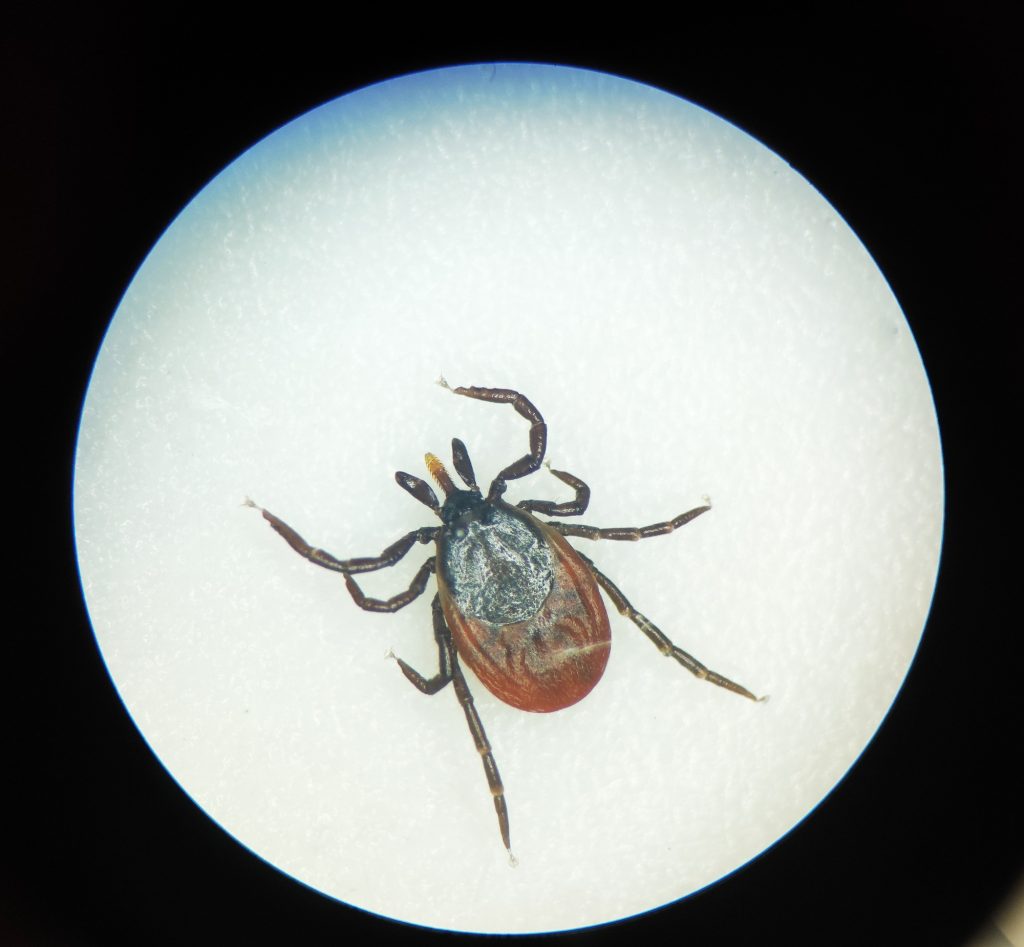
A newly published study in the Journal of Medical Entomologyhighlights the growing presence of babesiosis in the Mid-Atlantic region of the United States.
Researchers documented human cases and detected Babesia microti in local tick populations.
Historically concentrated in the Northeast and Upper Midwest, babesiosis is now emerging in areas where it was previously rare.
Key findings indicate that locally acquired babesiosis cases have been reported for the first time in Maryland, Virginia, West Virginia, and Washington, D.C.
Additionally, Babesia microti was detected in ticks collected from Delaware, Maryland, Virginia, West Virginia, and D.C., marking a concerning expansion of the disease. The study also presents Ixodes keiransi as a potential vector—a first in babesiosis research.
Ten years ago, then-13-year old Julia Bruzzese was unable to walk, due to complications of Lyme disease. Her family took her to JFK airport, to see Pope Francis, who visiting the United States at the time.
She made the national news, when the Pope stopped and blessed her.
Now, after the death of Pope Francis, Julie recalls how that moment changed her life. See this report from ABC7 New York:
My Grandparents had learned so much in their lifespan, and I always sought their advice. My husband is my trusted partner for advice for close to 23 years, and the only person I’ve turned to since my Grandparents died.
Being lost in life is par for the course; while it can feel like you’re the only one who understands it, in truth, everybody does on some level. The COVID-19 pandemic has truly made us all question who we are, and what is important to us. This can lead people to feel lost in their lives, or frustrated with the feeling that they have no control over what goes on around them.
There are so many ways to cope with change, but one surefire way to center calm in your life is to start a garden. You don’t have to have a huge amount of space or much experience – and in this blog, we’re going to show you how.
The psychological benefits of gardening
Psychologists have studied the psychological benefits of gardening for years. Gardening is often an activity that is practiced in rehabilitation facilities, elderly care centers, and mental health recovery centers because it helps people nurture the growth of living things.
The psychological benefits of gardening include:
Relaxation. Using your hands to dig in the earth and make small steps towards a beautiful garden can be very relaxing. Plus, the color green is said to be calming to the human brain, too!
Community. If you garden in a communal space, you can share the activity with like-minded people and grow into a new community. The COVID-19 pandemic has made people feel very isolated, so this sense of communal wellbeing is very important in 2021 and beyond.
Gardening is an outdoor activity that gets you moving. Fresh air and exercise have numerous health benefits in themselves, and gardening is the perfect excuse to do both!
Gardening helps you concentrate and engage with tasks in a healthy way. If you are recovering from a big change in your life, gardening can help you focus, and ultimately engage with new tasks in a meaningful way. Gardening is made up of small, simple tasks that can aid your brain’s recovery.
Tips for starting a garden in a small space
If all this sounds good to you, but you only have a small yard or even just a balcony, you might be thinking, ‘There’s no way I can start a garden in such a tiny space.’ Well, luckily, you’re wrong about that!
Firstly, find plants that are easy to grow in pots. These could be herbs, flowers, house plants, or even small vegetables, as long as they are able to grow in a potted environment rather than in the ground. This makes them easier to maintain in a small garden.
Next, you should research through reading books or watching YouTube videos, how to maintain your plants through hydration, the right kind of soil, and the right light levels. This research will help you expand your garden gradually as you cultivate these important skills for life!
Having a garden can help alleviate symptoms of anxiety, depression, burnout, or lack of focus. Plus, you’ll have a beautiful little green space that you can keep nurturing for years to come.
I’m glad you joined me for another edition of Weekend Music Share. Thank you for stopping by.
Have a great weekend!
Melinda
Welcome back to Weekend Music Share, the place where everyone can share their favorite music.
Feel free to use the Weekend Music Share banner in your post, and use the hashtag #WeekendMusicShare on social media so other participants can find your post.
If your child feels tired and achy, you may not worry initially. After all, there’s nothing urgent about what seems to be mild, general discomfort. However, if your child is constantly in pain, exhausted, having trouble sleeping, and experiencing intense moods, he/she may have fibromyalgia.
This condition is fairly common in adults, but parents and clinicians may overlook the possibility of juvenile primary fibromyalgia syndrome — that is, fibromyalgia in children.
JUVENILE FIBROMYALGIA SYMPTOMS TO WATCH OUT FOR
Fibromyalgia is a chronic condition characterized by pain and fatigue. According to experts, children will often describe this pain as “stiffness, tightness, tenderness, burning or aching.” This pain can last for months and is often accompanied by other symptoms that affect a child’s overall well-being, energy level, and emotional health, including:
Tender spots on muscles
Difficulty sleeping and fatigue
Aches, including stomachaches and headaches
Lack of focus or memory
Anxiety and depression
If your child is experiencing these symptoms, you should see a doctor. There’s not one test to confirm it, so he/she will go through a range of tests to rule out other conditions.
Unfortunately, there is no one “cure” for fibromyalgia, which can be frustrating for patients, especially children. If left untreated, symptoms can lead to issues at school or making friends. Many parents describe this as a “vicious cycle” where symptoms continue to feed the condition.
Experts still aren’t sure what causes fibromyalgia or how it develops in the body. Some believe that mixed-up pain signals in the brain cause greater pain chemicals and/or overactive pain receptors. Others think it might be triggered, in part, by an emotional event like an illness, injury or psychological stress. But even if the cause involves emotions, the pain is still real.
HOW CHILDREN CAN COPE WITH FIBROMYALGIA
It’s important to create a support team and get your child’s primary care doctor, pain specialist, psychologist, physical therapist, and teachers on board. The more people are aware of your child’s condition, the more they can help him/her cope with symptoms at home and school. You may also want to look for pain support groups near you, for both your child and you as a parent.
Your doctor can help you decide whether medication, such as anti-inflammatories, antidepressants, or nerve pain medications, may be right for your child. He or she also may recommend therapies like injections or topical creams. In conjunction with these interventions, your doctor will probably prescribe treatments like physical therapy and behavioral changes, which are crucial to long-term management of fibromyalgia.
Let’s go over some nonpharmacological strategies for coping with fibromyalgia.
FIVE STRATEGIES FOR IMPROVED SYMPTOMS
Although fibromyalgia may disrupt your child’s life, affecting school and friendships, you may be able to improve your child’s quality of life with these natural therapies and changes. Of course, there’s no cure for fibromyalgia, but by managing symptoms, you can help your child get back to some sense of normalcy.
Get moving!
Exercise can be incredibly valuable for managing your child’s fibromyalgia symptoms. Exercise can relieve muscle stiffness and tire out the body physically so that your child can fall asleep more easily. In particular, pool exercises have been shown to help patients because the warm water can have a soothing effect on pain and also promote blood circulation.
Consider signing up your child for swim class to get regular exercise that is both fun and good for symptoms. Start with limited intervals of exercise at first, and slowly increase them as symptoms allow. Aquatic physical therapy can be extremely beneficial for patients whose fibromyalgia is too severe for regular pool activities.
Incorporate meditation methods
While your child may not be interested in meditation, try to incorporate some of the practices in your child’s daily life. After playtime, encourage your child to take a moment to relax and reset. In addition, teach your child how to use relaxing breathing exercises when he/she feels overwhelmed during school or before bed.
Studies show that meditation can help reduce fibromyalgia patients’ stiffness, anxiety and depression. In the least, promoting a stress-free environment and creating a sense of relaxation will help your child feel less anxious.
Say goodnight to fibromyalgia
Your child’s sleep routine is essential for improving fibromyalgia symptoms. Chart out the best routine for your child together. Make sure he/she goes to bed at the same time every day and start “sleep-ready” habits an hour before bed. This routine could include a break from screen time, reading a story together, listening to a relaxing song and/or taking a hot bath. Promoting a relaxing environment will help your child get to sleep.
Make sure you’re not giving your child food late at night, especially items with any caffeine or sugar. Also, be sure take away tablets and cell phones. The blue light can wake up your child instead of helping him/her get sleepy. Sufficient sleep is essential to managing pain.
Change your child’s diet for success
Some experts recommend following an anti-inflammatory diet to prevent aches and pains. In general, an anti-inflammatory diet is based on the Mediterranean diet, which emphasizes fish, fish, vegetables, whole grains, and olive oil.
Update your child’s lunch to include a handful of nuts, or add an apple for a snack. Anytime you can add fruits and vegetables to his/her diet, do it! This boost of nutrients will fuel your child for success. Try to limit junk food as well, which has no value and could actually inflame your child’s pains.
Schedule your child for a physical therapy session
Your child could benefit from seeing a physical therapist or chiropractor near you. Recent studies show how physical therapy or chiropractic can have a positive impact on fibromyalgia patients. Finding the right physical therapist is important. Call in advance to ensure they have experience with fibromyalgia and/or with children. Specific exercises in physical therapy can help to improve your child’s core strength and incorporate techniques to soothe muscle aches and pain. Similarly, regular massage therapy sessions with an experienced masseuse can improve your child’s exercise, sleep and mood.
TALK TO YOUR DOCTOR
A fibromyalgia diagnosis can be challenging, but doesn’t have to take over your child’s life. It’s a good idea to talk to an expert to come up with the most effective care plan for your child, one that ideally includes a diverse range of strategies, like those listed above. Together, you can talk about your child’s specific issues and needs, and figure out the best way to improve symptoms.
About Dr. Brent Wells
Dr. Brent Wells is a graduate of the University of Nevada where he earned his bachelor of science degree before moving on to complete his doctorate from Western States Chiropractic College. He founded Better Health Chiropractic and Physical Rehab in Anchorage in 1998. He became passionate about being in the chiropractic field after his own experiences with hurried, unprofessional healthcare providers. The goal for Dr. Wells is to treat his patients with care and compassion while providing them with a better quality of life through his professional treatment.
Christmas is my favorite holiday without a doubt. When I was little it was all about the gifts, now my focus is on Jesus Christ. Sure, gifts are nice but that is not why I celebrate.
Fewer and fewer companies follow through on their commitments. We had a new grill delivered today and it required two people to haul away the old grill. They only sent one person and my husband had to lift the heavy old grill to the front of the house. I can be a hard ass but if you commit then follow through.
There is no reason for children to have a phone at school. They are a distraction to listening in class. Parents do not need to call to chit-chat or ask questions during school hours. If it’s something pressing, call the Principle. Some will say they need them in case of a school shooting, BS. The kids need to focus on the teacher and the directions given to them from the Safety Plan.
Give kids wings, they will build confidence by making their own choices.
These were heartbreaking news stories. Recently three small children were out after dark, I mean late night. All three didn’t go to the crosswalk and all were hit by cars. None lived. This a lesson for parents, young children do not need to be out alone after dark.
If you notice a different behavior in your kids, watch closely. Has their language changed? or running with a different crowd? Talking about dark subjects? This is a good time to check out their social media accounts and the people they follow. Many times the police have found that social media accounts have clues or even threats. This may give you a better idea of what is happening in their life. Help your child before they ruin their life and the lives of others. Most importantly keep all guns in the house with a safely lock on them and locked in a safe your kids do not know the combination to.
When you call a company ask and write their name down. Over the last month, my husband has been dealing with our new medical insurance company who’s giving a different wrong answer every time he calls. It makes it harder to bump up the call and share who you’ve talked to if you don’t have names. Today he was told that the system was broken. I’m sure that is not what she meant.
I’m so glad you are enjoying Fun Facts. I learn something new each week, even if it’s weird. I love hearing your comments!
The oldest person ever to have lived (whose age could be authenticated), a French woman named Jeanne Louise Calment, was 122 years old when she died in 1997. (guinnessworldrecord.com)
Sliced bread was first manufactured by machine and sold in the 1920s by the Chillicothe Baking Company in Missouri. It was the greatest thing since…unsliced bread? (chllicothenews.com)
The Earl of Sandwich, John Montagu, who lived in the 1700s, reportedly invented the sandwich so he wouldn’t have to leave his gambling table to eat. (pbs.org)
The first college football game was played on November 6, 1869, between Rutgers and Princeton (then known as the College of New Jersey) in New Brunswick, New Jersey. Rutgers won. (ncaa.com)
Experiments in universities have actually been carried out to figure out how many licks it takes to get to the center of a Tootsie Pop, both with machine and human lickers (because this is important scientific knowledge!). The results ranged from 252 to 411. (tootsie.com)
A jar of homemade scrub or infused oil, or bath salts, is a superb gift in itself, but making your own aesthetically pleasing packaging to it elevates the gift even more.
You Will Need
Wax paper
Glass jar: small
Twine
Driend Lavender srpig
Mini-clothespin
To Package
Fold a piece of wax paper so it’s almost square. Place the folded wax paper on top of a small glass jar and secure with twine. Insert a dried lavender sprig and secure with a mini-clothespin.
Notes
Be sure to use an airtight jar and secure the lid tightly. You don’t want the contents to leak into the packaging.









![Where Do We Go From Here?: An Inside View of Life in a Mental Health Hospital by [Bethany Hacker]](https://m.media-amazon.com/images/I/51YmwYsQTPS.jpg)
























 lookingforthelight.blog
