Celebrate Life · Fun · Health and Wellbeing

Fun Facts, Did You Know?

Fact: Baseball umpires used to sit in rocking chairs

People have been playing baseball since the mid 19th century. In the early games, umpires would officiate the games reclining in a rocking chair that was located 20 feet behind home plate. By 1878, the National League also declared that home teams must pay umpires $5 per game.

Fact: The first commercial passenger flight lasted only 23 minutes

These fun facts really get you thinking about how far we’ve come. Taking a 23-minute flight might seem like a waste of money today, but in 1914 Abram Pheil paid $400, which would be $8,500 today, for a 23-minute long plane ride. He flew between St. Petersburg, Florida and Tampa, Florida, where only 21 miles of water separate the cities. Pheil, a former mayor of St. Petersburg, and the pilot, Tony Jannus, were the only passengers. This momentous flight paved the way for air travel as we know it.

Fact: The world’s first novel ends mid-sentence

The Tale of Genji, written by Murasaki Shikibu in the 11th century, is considered the world’s first novel. After reading 54 intricately crafted chapters, the reader is stopped abruptly mid-sentence. One translator believes the work is complete as is, but another says we’re missing a few more pages of the story.

Fact: The French-language Scrabble World Champion doesn’t speak French

New Zealand native Nigel Richards memorized the entire French Scrabble dictionary, which has 386,000 words, in nine weeks to earn his title. He has also won the English world Scrabble Championship three times, the U.S. national championships five times, and the U.K. Open Scrabble tournament six times. This comes 20 years after first playing Scrabble when Richards was 28 years old.

Fact: A woman called the police when her ice cream didn’t have enough sprinkles

The West Midlands police in England released a recording of a woman who called 999 (the U.K. version of 911) because there were “bits on one side and none on the other,” she says in the recording. She was even more upset when the ice cream truck man did not want to give her money back.

Fact: Uncle Ben’s rice was airdropped to World War II troops

German chemist Erich Huzenlaub invented a process of parboiling rice to keep more nutrients in the rice and lessen the cooking time. The “Huzenlaub Process” had another unexpected benefit, too: It stopped bug infestations. The quick-cook, bug-free rice was a big advantage during World War II, and Converted rice (as it was then known) was airdropped to American and British troops. After the war, the company rebranded to Uncle Ben’s Original Converted Brand Rice, named after one of the company’s best rice suppliers, and the product hit the shelves in 1947.

Fact: The British Empire was the largest empire in world history

According to the World Atlas, an empire “is a group of nations or people that are under the rule of a powerful government or an emperor of a territory usually larger than a kingdom.” The British Empire was most powerful in the 1920s when it ruled over 23 percent of the world’s population. That equates to about 13 million square miles.

Fact: South American river turtles talk in their eggs

Turtles don’t have vocal cords and their ears are internal, so scientists believed that turtles were deaf and didn’t communicate through sounds. However, research has found that turtles actually communicate at an extremely low frequency that sounds like “clicks, clucks, and hoots” that can only be heard through a hydrophone (a microphone used underwater). These sounds even come from the egg before the turtle hatches. Researchers hypothesize that this helps all the turtle siblings hatch at once.

Fact: Penicillin was first called “mold juice”

Alexander Fleming was one of those quirky scientists who accidentally made a scientific breakthrough. In 1928, the bacteriologist left a petri dish in his lab while he was on vacation only to return and find that some liquid around the mold had killed the bacteria in the dish. This became the world’s first antibiotic. But before naming it penicillin, he called it “mold juice.”

Fact: The first stroller was pulled by a goat

This is one of the many interesting facts that had us scratching our head. Or a dog or a miniature horse, but not by parents. William Kent, a landscape architect, invented the first stroller for the third Duke of Devonshire in 1733. By the mid 18th century, strollers were still pretty unstable, but they had handles so parents, not animals, could pull the baby behind them.

So glad you are enjoying the post; I love hearing your hilarious comments.

Have a great weekend.

Melinda

Repost

Celebrate Life · Family · Health and Wellbeing · Men & Womens Health · Moving Forward

5 Ways To Help Your Teen As A New Driver

Has your teen just passed their driving test? It can be an extremely exciting time for them. Being able to drive and having the independence that comes with having their own car can be exhilarating. But for parents, it can be a time of increased worry and stress. This is only natural, especially when statistics show that young drivers cause 16% of all fatal car accidents in the US.

However, there are many different ways you can help your teen driver as they embark on their driving career to not only put your mind at ease but ensure they are safe too.

Read on for some tips on how to help your teen as a new driver.

Photo by neil kelly on Pexels.com

Stay Calm

One of the best things when your teen starts driving alone is to stay calm. Whether you are with them or waiting at home. Remember how it felt to be a new driver, and use this to help boost your teen’s confidence. The more faith you have in them and their abilities, the calmer they will be on the road, with or without you. Remember, they have to pass a test and will have all of the basic skills and knowledge they need.

Talk About The Rules

There are driving rules and laws for a reason, and all of them ensure the safety of all road users. As a driver, your teen will now have to adhere to these laws. Keep your discussions out of the car; doing so while driving will only further distract them. Talk about the dangers of driving while under the influence, using a mobile phone when driving, and the number of distractions having passengers can cause. It can be a good idea to talk about their reaction to other drivers and how to react should they encounter road rage or other poor driving habits from other drivers on the road.

Car Maintenance

Maintaining a car is a great responsibility, and as such, having a good mechanic and some knowledge of the internal workings of an engine and components can serve them well in their driving career from teen to old age. A simple but essential step is to talk through all aspects of car maintenance, how their actions will affect the vehicle they are driving, and how safe it is. If your teen knows the common faults of the car they are driving and how to identify when something is wrong, they can call for help and be better prepared for breakdowns or getting repairs fixed quickly.

Car Safety

There is a lot involved in being a safe driver. Your teen needs to be safe on the road, but they also need to be confident that all their passengers and other road users are safe. Some of these issues might not be at the forefront of their minds for teens, especially in those first few weeks or months of driving, from the importance of everyone wearing seatbelts to the distraction of loud music and conversations to speeding and driving appropriately for different weather conditions. It can be a good idea to look into take an advanced driving class to improve their skills or ask them if they want you to ride them when driving after dark for the first time or in wet and windy weather conditions.

Emergency Responses

With nearly 20,000 car crashes daily on the roads in America, there is a high chance your teen may be involved in one at some point in their driving career or witness an accident. Knowing what to do should this occur can give them the tools they need to make the right decisions. From calling emergency services to documenting the scene and contacting their insurance company, these are vital tips they will need to know before an event, not after. Make sure they have all of their documents with them, are up to date with their insurance, have breakdown and recovery services they can contact, and know they can call you anytime in an emergency for help and support, not criticism.

Conclusion

Learning to drive is a rite of passage for many teens, and every driver can remember how it felt to finally get behind the wheel and onto the open road without relying on others to get from A to B. However, as parents, you can help your teen become a better driver by giving them the knowledge you have from your driving experience and the skills and tools they need to be a better and safer driver on the roads.

This is a collaborative post.

Melinda

Repost

Celebrate Life · Chronic Illness · Health and Wellbeing · Infectious Diease · Lyme Disease · Medical · Men & Womens Health · Tick Borne Illnesses

Lyme Resources To Help Figure Out Your Next Move

One of the most important things a person with Lyme disease needs is clear, concise information.

Here’s a list of useful resources to get you going in the right direction.

LymeDisease.org is one of the foremost Lyme patient advocacy organizations in the United States. We provide a wealth of information on our website–about ticks, Lyme and other tick-borne diseases, prevention, diagnosis and treatment.

Special features include:

Symptom Checklist: Patients can answer a series of questions, print out the filled-in form and take it to their doctor. The printout describes basic facts, explains the two standards of care for Lyme disease, and endorses the ILADS guidelines. It’s a way to help your doctor help you.

Physician Directory: Find a Lyme-literate practitioner near you.

Our blogs keep the Lyme community up to date on news, analysis, and opinion.

Social media. We spread the word via FacebookTwitterInstagram and Pinterest.

Our free weekly email newsletters keep you informed on Lyme-related developments. Click here to sign up.

US National Lyme Online Support Group: Information and emotional support for people dealing with Lyme and other tick-borne diseases.

MyLymeData patient registry: This big data research project allows patients to privately pool information about their Lyme disease experiences. So far, more than 17,000 people have enrolled in the project, providing millions of data points on Lyme disease demographics, tick bites, diagnosis, symptoms, lab tests, co-infections, treatment and quality of life. Add your Lyme data to MyLymeData to help find a cure for Lyme disease.

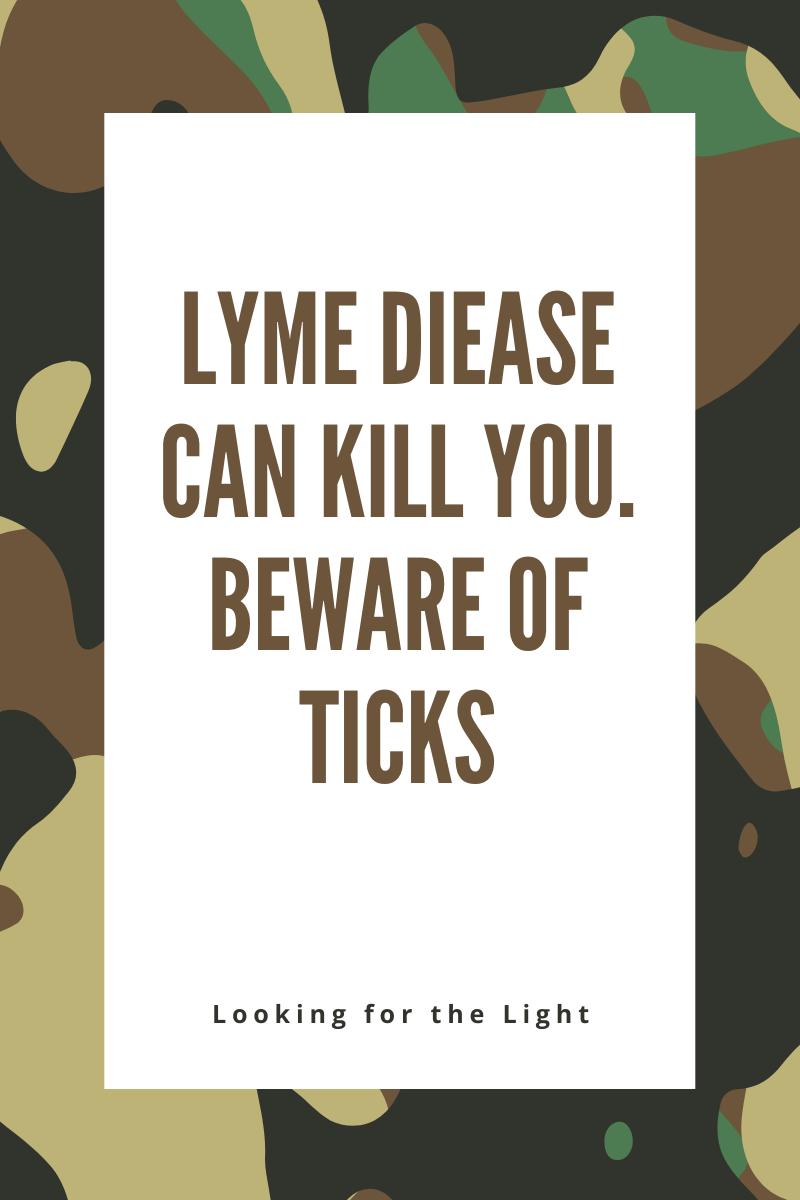
Lyme disease posters

Children and Lyme disease

Basic info about children with Lyme disease 

Gestational Lyme disease LymeHope, a Canadian Lyme advocacy organization, has taken a particular interest in the issue of mother-to-fetus Lyme transmission.

LymeAid4Kids–Financial assistance for Lyme treatment for those under age 21.

Lymelight Foundation–financial assistance for Lyme treatment for children and young adults through age 25.

LivLyme Foundation–Financial grants for children with Lyme disease (under 21).

Mothers Against LymeAdvocacy and education about congenital and childhood Lyme

Video: Lyme Disease & Pregnancy: State of the Science & Opportunities for Research

Book: When Your Child Has Lyme Disease: A Parent’s Survival Guide  by Sandra Berenbaum and Dorothy Kupcha Leland.

Book: Brain Inflamed: Uncovering the Hidden Causes of Anxiety, Depression, and other Mood Disorders in Adolescents and Teens  by Dr. Kenneth Bock.

Book: Protecting Your  Child From the Child Protection System, by Beth Alison Maloney

Book: Finding Resilience: A Teen’s Journey Through Lyme Disease, by Rachel Leland and Dorothy Kupcha Leland.

Article: Healthy Mom Best Prescription for Healthy Baby (The Lyme Times) (PDF)

Wrightslaw.com–Website with information about Special Education law.

PANS/PANDAS

ASPIRE: The Alliance to Solve PANS and Immune Related Encephalopathies

New England PANS/PANDAS Association

Northwest PANDAS/PANS Network

PANDAS Network

Moleculera Labs

Three books by Beth Alison Maloney:  Saving Sammy,  Childhood Interrupted: The Complete Guide to PANDAS and PANS, and Protecting Your Child from the Child Protection system (The author of these books is the mother of a child who healed from PANDAS. She is an attorney/advocate for the recognition and treatment of PANS/PANDAS, and advises parents about legal issues related to PANS/PANDAS and other complex medical conditions.)

Parenting with PANS

Ticks

Types of ticks

How to protect yourself from ticks

Find the repellent that’s right for you (EPA website)

Help! I’ve gotten a tick bite. Now what?

TickEncounter Resource Center—University of Rhode Island

Tick testing. There are various places to get ticks tested. Here are several: IGeneXTickCheckTicknologyTick Report

MilTICK—free tick testing and identification service available for ticks removed from Department of Defense (DoD) personnel and their dependents. 

Mast cell activation syndrome and food-related issues

MCAS, when your immune system goes haywire

The agony of mast cell activation syndrome (MCAS)

Healing from mast cell activation syndrome

What to eat when you’re allergic to everything?

Severe weather can worsen mast cell activation syndrome

Alpha-gal syndrome

There is growing evidence that certain types of tick bites can trigger alpha-gal syndrome (AGS) a life-threatening allergy to red meat and meat-related products.

Alpha-gal syndrome–symptoms, diagnosis, treatment

Tick-Borne Conditions United

Alpha-gal Information Website

Other Lyme-related symptoms & issues

Lyme carditis and heart block

Lyme disease can affect the heart in complicated ways

Lyme disease and cognitive impairments

Gastrointestinal manifestations of Lyme

Psychiatric manifestations of Lyme 

Lyme disease and hearing loss

Lyme and multiple sclerosis 

Lyme and allodynia 

Medical marijuana and Lyme disease 

The dreaded Jarisch-Herxheimer reaction

How Lyme disease can affect your vision

12 ways you can help yourself manage chronic pain  

Morgellons

The Charles E. Holman Morgellons Disease Foundation

Morgellons: The legitimization of a disease (book review)

Skin Deep: The Battle Over Morgellons (documentary film)

Treating Lyme disease with disulfiram

What is disulfiram and why does it spark excitement in Lyme community?

Treating psychiatric Lyme symptoms with disulfiram

Co-infections

The Lyme Times Special Issue on Co-infections (PDF)

About Lyme disease co-infections

Co-infections poster

Mold

Lyme and mold 

Survivingmold.com

Dealing with Lyme disease and mold illness at the same time

Mold Testing Guide (How to test your home for mold)

Your guide to mold in your home

Clean indoor air on a budget

Are you unknowingly ingesting toxic mold?

How to donate blood and tissue for Lyme research

Lyme Disease Biobank

Lyme and pets

Basic information about Lyme and pets

Parasite prevalence maps Educational website includes a US map down to the county level, showing where dogs have tested positive for Lyme, anaplasmosis, erhlichiosis and other diseases. Also, information about protecting your pet from tick-borne diseases.

Companion Animal Parasite Council website has comprehensive information about how to protect your pets from ticks and other parasites.

Books (Treatment, healing modalities, family life)

Brain Inflamed: Uncovering the Hidden Causes of Anxiety, Depression, and Other Mood Disorders in Adolescents and Teensby Dr. Kenneth Bock

CHRONIC: The Hidden Cause of the Autoimmune Pandemic and How to Get Healthy Againby Dr. Steven Phillips and Dana Parish

Conquering Lyme Disease: Science Bridges the Great Divide, by Brian A. Fallon, MD, and Jennifer Sotsky, MD

The Deep Places: A Memoir of Illness and Discovery, by Ross Douthat. The New York Times columnist delves into his personal years-long battle with chronic Lyme disease.

Finding Resilience: A Teen’s Journey Through Lyme Disease, by Rachel Leland and Dorothy Kupcha Leland. Based on the journal Rachel kept during the worst years of her illness, with additional insights from her mother, Dorothy.

How can I get better? An Action Plan for Treating Resistant Lyme and Chronic Disease, by Dr. Richard Horowitz

The Lyme Diet, by Dr. Nicola McFadzean. What to eat while healing from Lyme.

Recovery from Lyme Disease: The Integrative Medicine Guide to Diagnosing and Treating Tick-Borne Illnessby Dr. Daniel Kinderlehrer.

TOXIC: Heal Your Body from Mold Toxicity, Lyme Disease, Multiple Chemical Sensitivities, and Chronic Environmental Illness, by Dr. Neil Nathan.

When Your Child Has Lyme Disease: A Parent’s Survival Guide  by Sandra Berenbaum and Dorothy Kupcha Leland.

Why Can’t I Get Better? Solving the Mystery of Lyme and Chronic Disease, by Dr. Richard Horowitz.

Books (History, Policy, and Science)

Bitten: The Secret History of Lyme Disease and Biological Weapons, by Kris Newby

Cure Unknown: Inside the Lyme Epidemic, by Pamela Weintraub.

Lyme: The First Epidemic of Climate Changeby Mary Beth Pfeiffer.

Film and Video

I’m Not Crazy, I’m sick, Lyme documentary, available on various streaming services.

The Quiet Epidemic, documentary film about chronic Lyme disease, available on various streaming services.

Under Our Skin, award-winning Lyme documentary film.

Under Our Skin 2: Emergence (sequel)

The Red Ring, documentary takes a global look at Lyme disease.

Your Labs Are Normal, feature film based on real-life experiences.

Financial assistance

LymeTAP.com–Lyme Testing Access Program. Financial assistance for Lyme diagnostic testing.

Needymeds.com–Clearing house for information about various kinds of financial assistance for obtaining medication.

Lymelight Foundation–financial assistance for Lyme treatment for children and young adults through age 25.

Lyme Treatment Foundation–financial assistance for Lyme treatment. No age restrictions.

LivLyme Foundation–Financial grants for children with Lyme disease.

LymeAid4Kids—grants for young Lyme patients (up to age 21).

Partner in Lyme—grants for Lyme treatment for residents of Connecticut.

Applying for Social Security benefits for Lyme disease

Outside of the United States

ALCE Asociación de Lyme Crónico España (Spain)

Canadian Lyme Disease Foundation

LymeHope (Canada)

LYRI (Mexico)

Lyme Disease Action (UK)

LymeDiseaseUK

Lyme Disease Association of Australia

Karl McManus Foundation (Australia)

France Lyme

Tick Talk Ireland

Lyme Poland

Association Luxembourgeoise Borréliose de Lyme (Luxembourg)

Onlyme-aktion.org  (Germany)

Lymevereniging (Netherlands)

TOUCHED BY LYME is written by Dorothy Kupcha Leland, LymeDisease.org’s Vice-president and Director of Communications. She is co-author of When Your Child Has Lyme Disease: A Parent’s Survival Guide. Contact her at dleland@lymedisease.org .

Melinda

Celebrate Life · Fun · Health and Wellbeing · Men & Womens Health

Good Times On The Highway To Hell Part 7

Time has passed and the stories with my brother are becoming less and less, we aren’t children anymore, you can read about my antics instead.

My stepfather was Luthern and he demanded we go to Vacation Bible School. The only bible I owned was given to me by my mother when I was five years old. One at the end of class the teacher put a star in the back. I was so shocked, I don’t know what I did to deserve it but it felt so good the next day I drew my own start next to hers.

I was not musically inclined when it came to singing but I wanted to be in the Middle School plays so bad. The music teacher took pity on me and cast me among the three main dancers. The dress code was dainty white socks which my mother would not buy so I showed up in tube socks. She was kind and found a place in the back row so I could participate. I lost my desire after that.

In high school I carried my camera everywhere I went. One weekend the KKK was marching near we hung out. I went over and took a few photos. My friends were completely freaked out but I wasn’t their target.

Granny was such a rigid do-it-the-book type of personality. One day shortly after getting my license we went shopping and the parking to was very small. I am backing out a tap the car behind me, Granny was a cool cucumber. She said to get out and see if there’s any damage, if not get back in the car and drive home.

At the end of our block was a wooded area that had a creek. We would sneak down there and have the time of our lives. At the deeper end, the kids before us installed a thick rope so you could swing out to the deep end. One of the great features was that those before us carved out a slide out the side of the hill above the creek. It was dry and you had to learn when to lift your but because there was a tree stump.

I was not allowed to drive my car unless it was to school, work, or to take Granny shopping. My friend picked me up and had me drop her off at her boyfriend’s and she would get the car later. I was so nervous that Granny would wake up in the night and see her car which would put me in big trouble. Her car didn’t have power steering and it was a beast to drive.

The way that Rosanna and I became friends was because I was dating her ex-boyfriend. He made some comment trying to make me jealous and I took the bait. I stood outside her classroom and when she arrived I punched her in the eye knocking out her contact. She followed me after school to see if she could drive me home, sure, what discovered about my boyfriend was unbelievable. Needless to say, I broke up the same day.

I was married at 18 years old, and the wedding dress and the whole nine yards. It was August 1st in Texas which means it was sweltering hot. His father had given the Priest extra money to turn on the air conditioner earlier and take the temperature down. I guess that’s too much to ask in August, if you’re not a Catholic you may not appreciate that during the ceremony you spend a lot of time leaning in front of the altar and I still had my veil down. Suddenly I felt dizzy and thought I would fall over, sure enough, I was going down and my soon-to-be husband walked me over to the first row of seats. I was so dignified, I threw my veil away from my face and begged for water. The Priest comes over with a gold chalice full of water and I suddenly feel guilty, I thought only Prest and Pope could drink from them. We finished the ceremony and we had so many laughs after because the whole thing was recorded.

When I met my husband he had a 55-gallon saltwater fish tank. We eventually added some fish and I had my favorite fish, a Puffer Fish. One night I was messing around and decided to try to hand-feed Puffy, David kept saying don’t put your hand in the water or he will bite you. That’s exactly what happened, I freaked took my hand out of the tank, and threw him on the floor. By now he is distressed and puffed out to full potential. David got him in the net but he couldn’t come until have chilled, then he swam out. I didn’t try that one again.

Melinda

 

Celebrate Life · Health and Wellbeing · Medical · Men & Womens Health · Moving Forward

April Awareness Months

April includes many important topics that need more awareness. The complete list is available by clicking on the link at the bottom of the page.

Earth Month

Alcohol Awareness Month

Autism Acceptance Month

National Cancer Control Month

National Child Abuse Prevention Month

National Counseling Awareness Month

National Minority Health Month

National Parkinson’s Awareness Month

Paralyzed Veterans Across America Month

Prevention of Cruelty to Animals Month

Sexual Assault Awareness and Prevention Month

Stress Awareness Month

Testicular Cancer Awareness Month

Melinda

Reference:

https://www.goodgoodgood.co/articles/april-awareness-days-months

Celebrate Life · Health and Wellbeing · Men & Womens Health

LGBTQ-Community Resources In America

LGBTQ+ Community

National Coalition of Anti-Violence Programs: A coalition of programs that document and advocate for victims of anti-LGBT and anti-HIV/AIDS violence/harassment, domestic violence, sexual assault, police misconduct and other forms of victimization. Site has a list of local anti-violence programs and publications. Hotline: 212.714.1141

LGBTQ+ Therapist Directories

  • AGLP: The Association of LGBTQ+ Psychiatrists has been advocating on behalf of the LGBTQ+ community for more than 40 years. You can search for a psychiatrist in your area using the organization’s Referrals page, even filtering the results by gender identity and race.
  • The Gay Therapy Center is a community of highly qualified LGBTQ+ therapists. You can schedule a free 15-minute consultation, which will help match you with a therapist for individual or couples counseling, either in office or online.
  • The National Queer & Trans Therapists of Color Network is committed to “advancing healing justice by transforming mental health for queer and trans POC,” according to its website. The mental health directory allows you to search for a practitioner in your area.
  • Pride Counseling is an online therapy tool for the LGBTQ+ community. Fill out a survey, and you’ll be matched with a licensed therapist, whom you can communicate with via phone, video, and messaging.
  • Inclusive Therapists helps connect marginalized communities with culturally competent care. Search for a therapist near you – filtering by specialty, insurances accepted, and more – or complete a form to be matched with a therapist based on your needs.

LGBTQ+ Mental Health Information and Support

  • The National Alliance on Mental Illness summarizes the unique challenges facing the LGBTQ+ community and provides a list of resources, as well as a step-by-step guide for finding the right therapist.
  • The LGBT National Help Center offers free and confidential peer support for LGBTQ+ youth, including hotlines, chat rooms, and a database of local resources.
  • The Human Rights Campaign has a list of mental health resources for queer and trans BIPOC, including questions to ask when trying to find an identity-affirming therapist.
  • The Trevor Project is the “world’s largest suicide prevention and crisis intervention organization for LGBTQ young people,” according to its website. Counselors are available 24/7, and you can also make connections using TrevorSpace, an online international community for LGBTQ+ young people ages 13-24.
  • The National Center For Transgender Equality advocates for policies that signal a deeper understanding and acceptance of trans folks. The organization offers a number of resources, including information on how to access health care and simple ways to take action.
  • Trans Lifeline offers emotional and financial support to trans people in crisis. All operators are trans or nonbinary, and law enforcement or emergency services will only be called at your request.

To see the complete list of resources click here.

Melinda

Celebrate Life · Fun · Mental Health · Music

#Weekend Music Share-Carrie Underwood and Steven Tyler – Undo It_Walk This Way

This is such a fun video. I love Aerosmith and he is so talented. Let’s dance!

It’s the weekend!!!!!!

 I’m glad you joined me for another edition of Weekend Music Share this week.

Have a great weekend!

Melinda

Welcome back to Weekend Music Share, the place where everyone can share their favorite music.

Feel free to use the Weekend Music Share banner in your post, and use the hashtag #WeekendMusicShare on social media so other participants can find your post.

Celebrate Life · Health and Wellbeing · Men & Womens Health · Mental Health · Self-Care

How Can You Maintain Your Mental Health When You Have A Stressful Job?

If you have a stressful job, you might find that your mental health is taking quite a beating every now and then. The good news is that there are things that you can do to maintain your mental health even when you have a stressful job so that you don’t find yourself so close to burnout all of the time. Now, you might think this isn’t possible, but we can assure you it is. In this article, we’ll be talking about some of the ways you can succeed in doing this, so keep reading if you would like to find out more.

Photo by brittany on Pexels.com

Ensure You Have A Job You Like

First, it helps if you ensure you have a job you like. If you’re constantly trying to manage your mental health but you’re stuck in a job that you hate, then this is going to make things harder. Stress can be handled, but the fact that you hate your job on top of this is going to make everything worse, and it’s going to make it more difficult to come out of the other side.

So, the first thing you should do is move into a job that you like. Even if you’re out there locking down mortgage protection leads, as long as you like it, you’re going to have a much better chance of maintaining your mental health in the long term. This will reduce the amount of stress that you feel already, as you will be happier in what you are doing!

Learn Some Calming Techniques

Another thing that we recommend is that you learn some calming techniques. You want to look into things like breathing exercises so that you can step away from the situation when things start to become overwhelming. When this happens, it helps if you remind yourself of the things that make you happy, think about them, and bring some calm into your life. Stress can only be combated by calm, anything else is going to make it worse.

It might even be worth speaking to someone about how you are feeling as they may have some more suggestions on what you can do.

Don’t Stress Yourself Out Too Much

Last but not least, we know that it’s hard, but try not to stress yourself out too much. There’s a difference between working hard and spreading yourself too thin. Our recommendation is to find someone that you can look up to in your industry like Paul Ognibene in real estate development and look into their path to success. If you can plan out a course of action on how to get to where you want to be, you may find yourself becoming less stressed and more focused.

We hope that you have found this article helpful, and now see some of the things that you can do to maintain your mental health when you have a stressful job. You can keep a hold on your mental health without having to give up your job, helping you to live the best life possible! We wish you the very best of luck with this and hope that you see success in trying out these things.

This is a collaborative post.

Melinda
Repost

Celebrate Life · Chronic Illness · Health and Wellbeing · Medical · Men & Womens Health · Mental Health · Moving Forward

Mental Health Resources In America

Mental Health Resources

NIMH.NIH.gov

ADDitude Magazine

CHADD.org

ADD.org

New Method Wellness

Addiction Rehab Treatment

Addiction Group.org

D’Amore Mental Health

Addiction Rehab Treatment.com/mental-health/depression/ 

Depression and Bipolar Support Alliance

International Bipolar Foundation

Mental Health America

MentalHealth.gov

National Institute of Mental Health

National Institute on Aging

National SuicidePreventionLifeline.org
1-800-273-TALK (8255)
Press 1, Veterans Crisis Line USA
Press 2, Se Habla Español
LifeLine Chat

CrisisTextLine.org
Text 741-741
Facebook.com/CrisisTextLine

IMAlive.org Crisis Chat

TheTrevorProject.org (LGBTQ Youth)
1-866-488-7386 (24/7/365)
TrevorChat (7 days/week from 3PM–10PM ET / noon–3PM PT)
TrevorText — text START to 678-678 (Mon–Fri, 3PM–10PM ET / noon–3PM PT)

VeteransCrisisLine.net

Brain & Behavior Research Foundation (BBRFoundation.org): Awards grants for scientific research. Keep up to date on latest research

International Bipolar Foundation (IBPF.org): Bipolar research. Care and support resources for individuals and caregivers. Erase stigma through education.

MentalHealth.gov: US government mental health resources and information.

MentalHealthAmerica.net (MHA): Address needs of those living with mental illness. Promote mental health.

National Alliance on Mental Illness (NAMI.org): Build better lives for the millions of Americans affected by mental illness.

National Institute of Mental Health (NIMH.nih.gov): Federal agency for research on mental disorders.

NeedyMeds.org1-800-503-6897. Educates and empowers those seeking affordable healthcare.

Substance Abuse and Mental Health Services Administration (SAMHSA.gov): Reduce the impact of substance abuse and mental illness on America’s communities.

To see the complete list of resources click here.

Melinda

Celebrate Life · Communicating · Family · Health and Wellbeing · Medical · Men & Womens Health

Addiction Resources In America

Addiction Resources

 SouthJersey Recovery

Addiction Center

 RehabSpot.com

Recovery Ohio

Addiction Rehab Treatment

Greenhillrecovery.com

DetoxRehabs.net

StartYourRecovery.org

Addiction Group.org

Local Non Profit Addiction Treatment Directory

AddictionResouce.net

Addiction Center.com Find Rehab Clinics In Your Area

Recovery.Org Find Addiction Treatment Near You

Rehab Centers Nation Wide (Insurance Specific)

Help Guide.org – Addiction Information

Drug Abuse Resources for Parents

SMART Recovery.Org – Self Management and Recovery Training

To see the complete list of resources check out Organizations That Can Help.

Melinda

Celebrate Life · Fun · Health and Wellbeing · Mental Health

Wordless Wednesday-Christmas Catus?

I’m glad you joined me on Wordless Wednesday and I hope to see you soon.


I have only heard of Thanksgiving and Christmas Catus but mine is starting to bud and have flowers in March. The flowers are beautiful but it’s so confusing why it’s blooming now.

Melinda

Celebrate Life · Communicating · Family · Health and Wellbeing · Medical · Men & Womens Health · Mental Health

Elder Care Resources In America
Elder Care

For a complete list of resources visit Organizations That Can Help.

Melinda

Celebrate Life · Health and Wellbeing · Medical · Men & Womens Health · Mental Health

Blogger Highlight-Taking Each Day Free

Thank you for all the great feedback on the Blogger Highlight series. I’ve enjoyed meeting each blogger and sharing their site with you. This week, we highlight Taking Each Day Free. Liz’s writing is inspiring, and will leave you wanting more.

Taking Each Day Free

My name is Liz and I have been blogging a good number of years, whether its using the WordPress or Blogger platform.

I decided to write this blog, to share some of my life journeys. 

Taking each day as it comes is the only way I can tackle life and it has been this way for some time. Each day I am free to do as I please. I have no one to answer to, but myself. So hence the title of this blog, “Taking Each Day Free.”

Liz has had a long and difficult journey to getting a cochlear implant.

For my cochlear implant, everything is under the tag “My-Cochlear-Implant-Journey. At the moment, I don’t have my CT scan results. So until I have those, I don’t know if it will still be happening. It all depends on my CT scan results.

I have added the link below for my tag link:

https://takingeachdayfree.wordpress.com/tag/my-cochlear-implant-journey/

Questions I asked Liz

M. How has blogging changed your life?

L. I have been blogging for much longer than the years, writing my current blog. But it’s always served the same purpose:

• Being therapeutic

For keeping in touch with friends near and far.

M. What is your favorite post and why?

L. My favourite post is a hard one to pick. But I think my favourite post is one I wrote this year, “What makes you feel good?” This one is my favourite post because it serves as a reminder to me what things I need to keep doing that make me feel good both physically and mentally, along with my other physical exercises I do that I have mentioned in other posts.

https://takingeachdayfree.wordpress.com/2025/02/12/what-makes-you-feel-good/

Be sure to stop by Liz’s blog, say hello and enjoy reading her archives.

Melinda

Looking for the Light


Book Review · Celebrate Life · Communicating · Health and Wellbeing · Men & Womens Health · Mental Health

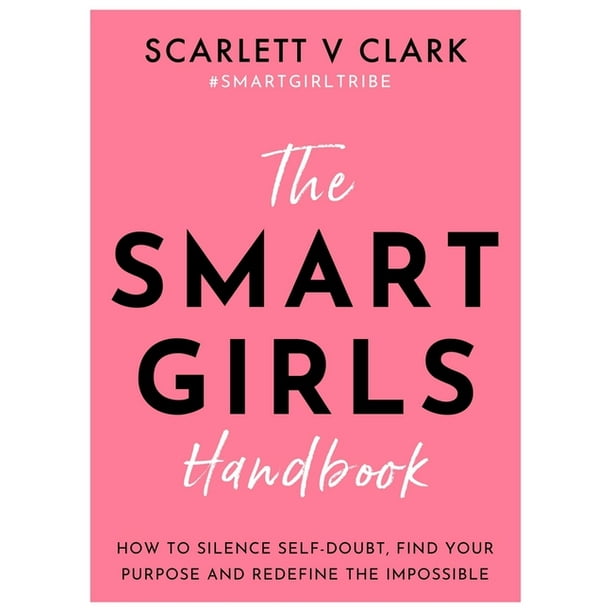
Book Review *The Smart Girl’s Handbook by Scarlett V Clark

Welbeck Publishing Group kindly gifted me The Smart Girl’s Handbook by Scarlett V Clark for review. Scarlett V Clark was 19 when she started her passion project which is now the UK’s largest Women’s Empowerment organization. Scarlett states she is just a girl who decided to go for it. Go for it she did! Today she helps millions of women overcome life’s obstacles which allows them to live to their full potential.


The Smart Girls Handbook : How to Silence Self-Doubt, Find Your Purpose and Redefine the Impossible (Paperback)

Blurb

Giving women the tools they need to shine in the modern world, become their fearless and authentic self, and design the life and career that fills them with joy. The Smart Girls Handbook brings together inspiration, game-changing ideas, and empowering words from women around the world who have been through it all. 

Scarlett V Clark is a speaker and the award-winning founder and CEO of Smart Girl Tribe, the UK’s number one female empowerment community. She is available to provide extracts and top tip features such as:

 • How my toxic relationship became the catalyst to my success 

• 6 stress busters to stop feeling anxious

• ‘You grow through what you go through’: embracing failure 

• How to silence your inner ‘mean girl’

My Thoughts

The Smart Girl Handbook is for women who are tired of being told what dress size they should be, tired of the negativity surrounding them today, including from other women, and for women who want to be their authentic selves. Life happens, and it’s not always pretty, but with a backbone, determination, and the guidance of The Smart Girl’s Handbook, you can come through unscathed, just slightly bruised but not battered. 

Learn not to fall into the traps set out there to trip you up. Life around us is very negative, with news outlets, social media, and even toxic friends. You must learn to rise above the negativity, and Scarlett helps you silence your inner mean girl. The Smart Girl Handbook is all the questions you wish you could have asked when you were younger but had no one or place to turn for the answers. 

I encourage every woman to buy Scarlett’s book, The Smart Girl’s Handbook. Maybe even share one with a friend. This is not your average self-help book that has been regurgitated over and over. She’s witty, original, and honest about the problem and how to get the answers. She’s not sharing pie-in-the-sky stories; this is her life, dissected and laid out for you to learn from. I think The Smart Girl book is an excellent primer for moms to help their daughters navigate the rough waters ahead. 

Website: www.smartgirltribe.com
Facebook: Smart Girl Tribe
Instagram: @smartgirltribe
Podcast: ‘The Smart Girl Tribe Podcast’ is available on Podbean, Spotify, iTunes, and anywhere you can find podcasts.

Kind words Scarlett sent to me

Hi Melinda,

I am the author of The Smart Girls Handbook and I have to be honest, I cried when I read your review, it’s the first one that came in and you nailed the precise mission I wanted the reader to get out of the book. It would be brilliant to connect further but on launch day (March 4th) I’d love to invite you to share a review on Amazon knowing how inspiring you found it! I really think you could help mothers and other women in purchasing it. My entire business has been built on the idea of women fundamentally deserve more from the media and are fully deserving of living a beautiful life full of confidence, ambition and self-worth. I can’t wait to hear your thoughts, Scarlett X CEO/FOUNDER

WelBeck Publishing Group

We are Welbeck Publishing Group – a globally recognised, independent publisher based in London. Our mission is to deliver talent-driven publishing with leading authors and brands worldwide. Our books and products span a variety of categories including, fiction, non-fiction and stationery and gift. We are renowned for our innovative ideas, production values, and developing long-lasting content.

Welbeck’s amazing product comes to life for adults, children, and families in over 30 languages in more than 60 countries around the world. We have collaborated with many of the world’s leading institutions and licensors including – Disney, Universal, Paramount, HBO, Queen Productions, FIFA, International Mensa, Roald Dahl Literary Estate, the Science, Natural History and Imperial War Museums, and Royal Botanic Gardens, Kew.

Melinda

Repost from 2021

Celebrate Life · Family · Health and Wellbeing · Men & Womens Health

Are You Worried About These Hidden Dangers Facing Your Kids?

As a parent, you are probably constantly worried about your kids, and that’s completely normal. You need to make sure that you feel as though your kids are safe both in and out of the home. That’s easier said than done, particularly when you consider how many dangers could impact your kids every day. So, what dangers are we thinking about here? Let’s explore some of the possibilities. 

Photo by Pixabay on Pexels.com

Car Trouble

It’s easy to forget how dangerous cars actually are. After all, you’re hurtling down a highway in a metal tin at about 70. Does that sound safe to you? While technology has evolved considerably to make cars safer, a lot can still go wrong. This is why it’s important to check your car regularly and recognize the signs that it might need a repair. Companies like Elite Automotive will be able to make sure that you can easily fix your car on a budget and ensure that it is safe for the road. You can also think about updating your vehicle to a newer model. When you purchase a later car, you can take advantage of driver-assist tech, the least advanced form of autonomous technology. 

Water Woes

You probably don’t think too much about the water coming out of your tap. However, it could be hiding dangers that you haven’t considered. Research has found that most modern water supplies contain incredibly high levels of fluoride. This is the substance that is used in toothpaste, and it’s also used by water companies to clean it. The problem is that fluoride has been found to cause health issues when consumed. It has been linked to everything from brain tumors to cognitive decline. This is why you might want to consider investing in a water filter. The benefit of a water filter is that you can remove all the dangerous chemicals even if the water looks completely normal. 

Stranger Danger

Finally, if there’s one worry that trumps all others for parents, it’s certainly the concern about strangers. You only have to read the news to know that the world isn’t safe for kids. There are a lot of people out there who should be considered a threat. To keep your kids safe, you might want to consider using trackers, particularly when they are playing outside independently. Trackers can be very discreet these days and look like accessories that kids wear all the time. These smart devices can even tell you when your child has left a location that you deem to be safe, and you are immediately alerted that they are in trouble. You will immediately be able to contact the authorities. 

We hope this helps you understand some of the dangers that you need to be aware of as a parent. You mustn’t overlook these issues, as they can put your kids in serious jeopardy. However, if you take preemptive action, you can guarantee that these problems won’t be plaguing your mind any longer.

This is a collaborative Post

Melinda

Repost

Celebrate Life · Fun · Mental Health · Music

#Weekend Music Share-Jim Croce – Bad Bad, Leroy Brown by Jim Croce

It’s the weekend!!!!!!

 I’m glad you joined me for another edition of Weekend Music Share this week.

Have a great weekend!

Melinda

Welcome back to Weekend Music Share, the place where everyone can share their favorite music.

Feel free to use the Weekend Music Share banner in your post, and use the hashtag #WeekendMusicShare on social media so other participants can find your post.

Celebrate Life · Communicating · Family · Health and Wellbeing · Men & Womens Health · Mental Health

How to Encourage A Healthy Lifestyle For Your Kids

Every parent wants their kids to live a healthy and happy life, but they cannot expect their kids to understand all of this themselves. They are not the ones buying the food or paying for clubs and activities, which is why it’s so important for parents to know how to encourage a healthy lifestyle. If you want to ensure your kids grow up big and strong, consider these tips. 

Make Health Living Accessible 

Your kids will not be able to live a healthy lifestyle if you don’t make healthy living accessible. Filling the home with candies and fatty foods will not do anyone any favors, so it’s worth buying whole foods that are good for their development and mental well-being to ensure they get into good habits early. It can be challenging to change children’s habits as they grow older if they haven’t been exposed to fruits and vegetables already, so establishing this kind of diet early can make a world of difference. 

Lead By Example 

Similarly, parents need to lead by example. It’s not enough to push healthy foods or habits onto your kids if you don’t do the same, especially as they will look to you as an example. Besides this, you should also avoid common food mistakes that force kids to eat things they might not like, as this will only promote a negative association and could even impact their trust as they won’t feel comfortable eating what you serve them in case you’ve hidden other foods inside. 

Encourage Sports and Activities 

Healthy living is about what they eat and how they spend their time. Kids naturally need (and want) to burn off energy, so channeling this through sports and activities is an excellent way to introduce them to sports they may play for the rest of their lives. However, while you might want your child to be the next big football star, remember they might not share your interests. Instead, let them explore different sports to find one they love. 

Photo by Bess Hamiti on Pexels.com

Create A Healthy Environment

A healthy home is a cornerstone of a healthy lifestyle, so understanding how to create this environment is essential. Keeping the space clean and tidy is vital, as is cultivating a positive and supportive environment. Let your kids feel comfortable sharing their stories and feelings, and ask about their day to ensure they can see the value in being open and honest about their lives rather than trying to hide things from you. 

Familiarize Them With Doctors

Many kids can be scared of a doctor or dentist, but they need to understand how important regular healthcare and checkups are. You can help them by familiarizing them with medical professionals so they feel at ease. Besides typical doctors, treatment from physiotherapists, opticians, and chiropractic care are also important and can help your kids treat and overcome a variety of potential health issues as they grow up. 

Healthy Living 

Healthy living can seem tricky for many parents, especially if they don’t have the time to put together lavish meals or cannot afford to buy their kids the newest sports gear. Still, these tips can make it easier for you to establish a healthy base that teaches your kids all they need to know about a healthy lifestyle. 

This is a collaborative post.

Melinda

Repost

Book Review · Celebrate Life · Health and Wellbeing · Men & Womens Health · Mental Health

Book Review For The Joy Of Being Selfish By Michelle Elman

I was kindly gifted The Joy of Selfish by Michelle Elman from WelBeck Publishing Group for an honest review. The book was released earlier this month, and the timing is perfect. This is a must-read for everyone.

When I saw the press release for the book, I knew this book was going to be a great seller. Most people know that taking care of themselves is important, but they don’t consider it critical to their health. Well, it is. If you keep putting yourself behind others and the daily tasks you have, you’ll never get around to yourself. You have to plan and prioritize, and most importantly, you have to buy in 100%.

It doesn’t matter if you’re chronically ill, a mother of five, just retired, or a college student; you need this book. It’s never too late to set boundaries for your life and create the life you want and envision.

About the Author

Michelle Elman is a five-board accredited life coach, award-winning activist, author, and podcaster. In 2020, she was named one of the Top 50 most inspirational women in the UK and is respected globally for her work as a body positivity influencer, best known for her ‘Scarred not Scared’ campaign.

Michelle has over 300k followers across Instagram and Tik Tok and has been a guest on media outlets, including Sky News, Channel 5 News, Loose Women, and BBC Radio London. She’s written for publications including HuffPost, Grazia, Metro, and Stylist. Recently, she coached Emily Atack on her series ‘Adulting’ and appeared on Geordie OGs to discuss online bullying and its impact on mental health. She was also featured in the BBC3 documentary Being East Asian, which aired earlier this year. Michelle’s podcast, In All Honesty, is available on Acast. Her first book, Am I Ugly?, was published in 2018.

Blurb

The Joy of Being Selfish redefines selfishness as a positive act, allowing us to love ourselves and those around us authentically without apology. It explores the different types of boundaries, offers tips on how to start setting them, and helps with the quilt of felt after boundaries are put into place.

Learn how to deal with her being disliked, common responses to boundaries, dealing with invitations, block/mute/delete-how to limit information, learning to express yourself-and most importantly using you inane power to start a new life.

My Thoughts

The idea of taking care of ourselves is being selfish is outdated and ridiculous. If we do nothing but give until we are depleted, who is going to take care of us, let alone our loved ones? I can’t agree with Michelle more on this message. Self-care is not selfish, and if it is, then get selfish. 

In 2015, Michelle was a Life Coach at Crossroads in the direction of her career focus. She decided to see a Business Coach. Little did she know this chance meeting would make her future very clear, and she set out on a mission to accomplish her new goals.

The Joy of Selfish is a tool for anyone who needs guidance in setting boundaries. dealing with guilt and self-sabotage, and help with dealing with the outside influences that try to throw you off track.

The Joy of Selfish is a book for everyone, every age, every gender. We can’t be our best selves for others if we don’t take care of ourselves first.

WelBeck Publishing Group

We are Welbeck Publishing Group – a globally recognized, independent publisher based in London. Our mission is to deliver talent-driven publishing with leading authors and brands worldwide. Our books and products span a variety of categories, including fiction, non-fiction, stationery, and gifts. We are renowned for our innovative ideas, production values, and long-lasting content.

Welbeck’s amazing product comes to life for adults, children, and families in over 30 languages in more than 60 countries around the world. We have collaborated with many of the world’s leading institutions and licensors including – Disney, Universal, Paramount, HBO, Queen Productions, FIFA, International Mensa, Roald Dahl Literary Estate, the Science, Natural History and Imperial War Museums, and Royal Botanic Gardens, Kew.

Melinda Sandor

www.lookingforthelight.blog

Repost from 2021

Celebrate Life · Health and Wellbeing · Medical · Men & Womens Health · Mental Health · Self-Care

Debunking Common Misconceptions About Sleep By Guest Blogger Damon Ashworth Psychology

Damon has exciting posts that always make me stop and think. Be sure to stop by and say hello.

Melinda

Celebrate Life · Health and Wellbeing · Medical · Men & Womens Health · Mental Illness

How Can You Measure Stress?

Excessive stress is associated with health complications. Are there ways to accurately measure stress levels?

Although stress is a natural and inevitable part of life, many people feel that they’re experiencing excessive stress levels. 

However, there’s no objective way to define “excessive stress.” Many people find it hard to express or quantify their stress. 

There are a few methods for measuring stress. These look at certain biomarkers — in other words, physiological responses — to assess how your body responds to stress.

How can you measure stress?

There are two components of stress:

  • Stress triggers: the factors that cause stress
  • Stress response: how you respond to stress triggers on an emotional, biological, or cognitive level

When we talk about measuring stress, we tend to be talking about measuring triggers or responses. Measuring stress triggers can include taking stock of the major life changes you’ve been under. 

However, everybody responds to triggers differently. Events that might be very stressful for one person can be easily manageable for the other.

The following ways to measure stress look specifically at measuring your stress response. These methods of measuring stress look at your body’s physiological responses. They record stress biomarkers such as your heart rate and brainwaves to assess how stress affects your body.

Heart rate variability (HRV)

Heart rate variability (HRV) analysis is a common way to measure stress. It involves recording the variation in time between consecutive heartbeats. In other words, it doesn’t just look at how fast your heart is beating, but how the time period between heartbeats changes.

HRV is controlled by your autonomic nervous system (ANS). The ANS includes your sympathetic nervous system — responsible for fight-or-flight response — and your parasympathetic nervous system, which takes charge when you’re relaxed. 

When you’re chronically in fight-or-flight mode, your ANS is unbalanced. This imbalance can show up in your HRV. HRV is lower when you’re in fight-or-flight mode and higher when you’re in a calm state. High HRV is associated with stress resilience and improved cardiovascular health. 

A healthcare professional can check your HRV via an electrocardiogram. Personal wearables, such as chest strap monitors, can also measure HRV.

Brainwaves

Electroencephalography (EEG) measures brainwaves. Research suggests that brainwaves can be an accurate way to measure stress response. 

In particular, a 2020 study found that alpha asymmetry — an imbalance in alpha brainwave activity on different sides of the brain — could be a potential biomarker for stress.

Mental health practitioners who use neurofeedback can measure brainwaves and train the brain with positive feedback when the EEG finds that treatment goals are being met.

Hormonal testing 

Two hormones associated with stress are adrenalin and cortisol

When you’re stressed, your body will produce adrenalin to give you energy to handle your stressor. It’s a part of the fight-or-flight response, and it’s why you might feel restless when anxious. 

In times of stress, your body also produces cortisol, which assists with the fight-or-flight response. Cortisol is a hormone produced by the adrenal gland.

Cortisol is also involved in regulating: 

  • blood sugar 
  • inflammation 
  • metabolism 

Your cortisol naturally ebbs and flows during the day. Neither cortisol nor adrenalin is “bad,” but when cortisol is chronically high, it can harm your health. For instance, it can lead to the following:

  • acne 
  • difficulty concentrating
  • fatigue
  • headache
  • high blood pressure
  • irritability
  • mood problems
  • muscle weakness
  • weight gain 

Lab tests can assess your cortisol levels via urine or blood samples. You can purchase home cortisol testing kits, which usually involve testing cortisol through urine.

The Perceived Stress Scale (PSS)

The Perceived Stress Scale (PSS) is a questionnaire that was developed in 1983. It’s used to assess the amount of stress that you feel you’re under. 

Unlike the above-mentioned methods of measuring stress, this tool relies on your own perception of your stress. The questions don’t focus on the events you’re currently experiencing, but your emotional and mental state. 

It could be helpful to use the PSS to check in with yourself. It’s available in PDF format.

What are stress trackers?

There are at-home devices that claim to track stress. Usually, these devices track stress by measuring your heart rate and heart rate variability. Many fitness trackers, including smartwatches and chest strap monitors, have stress analysis features. 

Are wearable stress trackers accurate? It’s not easy to say. There’s a lack of research into whether these are accurate. However, because these trackers only use one variable — typically your heart — they don’t give a complete picture of your body’s stress response. 

What are “normal” stress levels?

Stress is a part of life, and it’s natural to feel stressed from time to time. However, excess stress can be harmful to your health.

When is stress considered excessive? There’s no objective answer to this question. However, if you’re experiencing physical symptoms of stress, or if you feel unable to relax, it may be an indication that you should speak with a healthcare professional. 

Similarly, if you feel like you can’t cope or feel overwhelmed most of the time, you might benefit from speaking with a doctor or a therapist.

Symptoms of unhealthy stress levels

The symptoms of high stress levels can vary from person to person.

The symptoms can include:

Although these issues can be caused by other factors, it’s worth speaking with a doctor or a therapist if you believe that stress is causing physical or emotional symptoms.

Tips for managing stress

There are a number of ways to manage stress in a healthy way. 

  • Try exercise: Find a form of exercise or movement that you enjoy. Yoga, in particular, is associated with stress reduction, but other forms of exercise can also be helpful. 
  • Practice deep breathing exercises: Research from 2018 suggests deep breathing can activate your parasympathetic nervous system, putting you in a relaxed state.
  • Limit screen time: Excessive screen time can harm your mental and emotional health, according to 2018 research. Try to find breaks throughout the day to walk away from your screens.
  • Spend time with others: Research from 2020 suggests that spending time with others can help you feel less lonely and stressed. If you don’t have loved ones nearby, join classes, religious services, or meetup groups to get a regular dose of human interaction. 
  • Try meditating regularly: Research shows that meditation can lower stress and improve overall well-being. If you’re not sure where to start, try a guided meditation.
  • Spend time in nature: Being in nature can reduce stress and improve your emotional state, according to 2020 research. Try walking in a local park or natural space, taking up an outdoor sport, or simply eating a meal outside every day. 
  • Find support: If a particular stressor feels difficult to cope with, consider joining a relevant support group. For example, if you were recently bereaved, a grief support group might help you process your emotions.

If you’re often stressed, you might find it helpful to speak with a therapist. Anybody can benefit from quality therapy — it can help you build resilience to stress and process stressful events in a supportive environment. If the cost therapy is a concern for you, consider other affordable therapy options.

Let’s recap 

Stress is a natural part of everyday life. Numerous methods of measuring stress, such as heart rate variability analysis and hormonal testing, could help you find out whether you’re excessively stressed. 

However, you don’t need to measure your stress levels in order to justify reaching out for help. If you feel that you could benefit from handling stress better, consider speaking with a therapist or using stress management techniques to improve your well-being.

Melinda

Reference:

https://www.healthline.com/health/stress/stress-measurement?utm_term=roundup&utm_source=Sailthru%20Email&utm_medium=Email&utm_campaign=fibro&utm_content=2025-03-04&apid=36735751&rvid=7f053d6ecf820dccd09e4914833cbd49bdfe95bb517404ee9b41601767d1bace#ways-to-manage-stress

Celebrate Life · Family · Health and Wellbeing · Men & Womens Health · Photography

Blogger Highlight-Awakening Wonders

Thank you for all the great feedback on the Blogger Highlight series. I’ve enjoyed meeting each blogger and sharing their site with you. This week, we highlight Awakening Wonders. Mary is a fellow Texan, where everything is bigger. HAHA. I’m sure you’ve heard the saying. Mary is multi-talented, from her smooth writing to her photography and other creative endeavors. I look forward to each post; she leaves me with a feeling of warmth.

Awakening Wonders

Since early childhood I have had an obsession with the creative process, which always took me on new, enchanted pathways.  As a result, there were some stumbles and tumbles along the way, but I always managed to land on my feet! I grew up in southern Minnesota with the magnificent countryside as my creative playground. As a results, I was free to wander, ponder, and dream.

Questions I Asked Mary

M. What are your favorite types of posts?

M. I enjoy posts that are uplifting and positive based while inspiring a reader to have a better day! And I connected to your blog with that in mind!!

M. When you left corporate life behind, what was your goal?

M. Well, I didn’t retire, I just rewired and am enjoying the good life! 

My favorite post from 2024

Legacy of Love . . .

The post reminisces while looking at old photos of family members and our memories of them. It reminded me of my grandparents and the love we share.

Be sure to stop by, tell Mary hello, and read through her archives. You’ll be glad you did.

Melinda

Looking for the Light


Celebrate Life · Fun · Mental Health · Music

#Weekend Music Share-Rod Stewart – Maggie May (1971)

It’s the weekend!!!!!!

 I’m glad you joined me for another edition of Weekend Music Share this week.

Have a great weekend!

Melinda

Welcome back to Weekend Music Share, the place where everyone can share their favorite music.

Feel free to use the Weekend Music Share banner in your post, and use the hashtag #WeekendMusicShare on social media so other participants can find your post.

Celebrate Life · Cooking · Health and Wellbeing · Medical · Men & Womens Health

Trying to Form New Diet Habits? Here’s How Long It May Take

Making changes to your diet can be challenging, but many people give up before they’ve given their new lifestyle choices enough time to become a habit.

  • Many find it hard to make changes to their diet, giving up soon after starting.
  • However, nutrition experts say it takes time for new habits to form.
  • Breaking things into smaller steps will give you a better chance of achieving your goals.
  • Finding motivation and support are also important for success.

You know that making better choices like eating better and moving more can help you feel better and live a longer life. 

Maybe you even set a New Year’s resolution for yourself to improve your diet and get more exercise. But here you are, a few weeks into your new lifestyle, and your resolve is already wavering. 

Change is hard; there’s no doubt about it. 

However, experts tell us that there are things we can do to improve our chances of making real, lasting changes. One is being aware that it takes time for your new behaviors to become habits.

Give your new eating style enough time to become a habit

Marie Kanagie-McAleese, MD, from the University of Maryland Upper Chesapeake Health, explained: “Some perspectives suggest it takes 21 days to create a new habit. ResearchTrusted Source on behavior change shows an average of 66 days for a behavior change to become a habit, with a range of 2-8 months.”

Kanagie-McAleese went on to say that the specific amount of time is really dependent on the individual as well as the changes that they are trying to make.

Other factors to consider are whether the changes are new to the individual or are simply building on existing behaviors.

“For example,” she said, “drinking more water each day will likely become a habit faster than incorporating a regular exercise routine.”

Kanagie-McAleese also pointed out that it probably took years for you to create your current pattern of eating habits.

“It will take longer than a month to rewrite those old habit pathways in a person’s brain,” she said, “but it helps to break big change down into smaller, more manageable steps.”

Break your changes in eating habits into manageable steps

Brittany Placencia, a Nutritionist and founder of Simple Plate Nutrition, advises that the best way to make changes in your eating habits is to tackle one change at a time.

“When you have success with one change, you get a boost of confidence in tackling the next change,” she said. “It is not realistic to change your entire diet all at once and think it will stick long-term.” 

One way to do this is to adopt an “addition mindset” rather than a “restriction mindset.”

“You want to figure out what you can add to your current diet to start a healthier path rather than cutting out foods altogether,” she stated. 

“For example, begin with aiming to eat five servings of fruits and vegetables per day. That’s it. Don’t worry about other aspects of your eating yet. This is adding nutritious foods to your diet instead of a heavy focus on restricting foods,” she explained.

Placencia said that having an addition mindset can be helpful because you don’t feel like you are doing something wrong, which eliminates one of the common challenges that people face when trying to change their diet. 

“Once your diet is balanced with more nutritious foods, it becomes easier and easier to enjoy less nutrient-dense foods like sweets occasionally,” she added, “as you have never felt restricted by them, and you can tell a difference in how your body feels after eating more nutritious versus less nutritious foods.”

Kanagie-McAleese further suggests setting SMART goals (Specific, Measurable, Realistic, and Time-based).

“Instead of saying your goal is simply to snack on more fruit, a SMART goal would be ‘I will choose an apple for my 3 pm afternoon snack on Monday, Wednesday, and Friday each week instead of a bag of chips, starting next Monday,” she explained.

Tips for success when changing your eating habits

In addition to setting SMART goals, Kanagie-McAleese offered three other tips for successfully changing your eating habits.

Identify your “why

“If you can connect your goals to deeper motivations, it becomes easier to stick with them,” she remarked. “For instance, eating healthier to prevent diabetes so you can live longer and enjoy your grandkids is more motivating than fitting into a pair of skinny jeans.”

Make it part of your identity

“Linking new, healthy changes to your identity makes the change more intuitive,” said Kanagie-Aleese. “If you want to eat healthy and improve your family’s health, it becomes easier when you identify as someone who prioritizes health and is a good role model for your children.”

Find your community

“It helps to have others that are interested in creating similar habits or who can support you and help to hold you accountable,” she said, adding that working with a certified health and wellness coach for a few weeks or months is one good way to do this.

Takeaway

Eating better can help us feel better and live longer.

However, making changes to our diet can be hard, leading many to quit after a few weeks.

Nutrition experts say it is important to give your new way of eating enough time to become a habit. On average, it takes about 66 days to form a new habit, but it can take up to 8 months, research suggests.

Breaking things into small, manageable goals makes it easier to create lasting changes.

Knowing your why, making your new eating habits part of your identity, and finding your community can also help.

Melinda

Reference: