The Neelakurinji flower is one of hte most beautiful flowers I’ve ever seen. The flower grows in a specific area of India and needs conservation now before it becomes extinct.
The flower you’re referring to is the Neelakurinji (scientifically known as Strobilanthes kunthiana). This rare and beautiful flower blooms once every 12 years in the Western Ghats, particularly in the hills of Munnar in Kerala, India. When in full bloom, the hills are covered in a carpet of blue, creating a stunning visual spectacle. The … Continue reading Neelakurinji (the of rare flower of India)
Thank you for all the great feedback on the Blogger Highlight series, I’ve enjoyed meeting each blogger and sharing their site with you. This week we highlight The Odyssey Of Life. Gene wrote his first post on January 4th, 2024 named Hello World. We have only followed each other a short time but we value many of the same things and I feel a kindred spirit in him.
“HUMANITY SHOULD BE OUR RACE. LOVE SHOULD BE OUR RELIGION.” UNKNOWN
HI THERE. APPRECIATE YOUR VISIT, THANK YOU!
I’VE BEEN AN AVID READER MY WHOLE LIFE. IN MY YOUTH, I FOUND GREAT COMFORT IN VISITING THE GORDON AVENUE LIBRARY, WHICH WAS JUST A FEW BLOCKS UP A FAIRLY STEEP HILL FROM MY THEN ELEMENTARY SCHOOL. EVEN AT A YOUNG AGE, I FOUND AUTOBIOGRAPHIES AND/OR BIOGRAPHIES FASCINATING TO READ. BEYOND LIFE GROWING UP ON A 48-ACRE FARM, I BEGIN TO REALIZE THE WORLD WAS A MUCH LARGER PLACE THAN I IMAGINED.
MANY YEARS, WHO I AM KIDDING, MANY DECADES HAVE PASSED SINCE THOSE FORMATIVE YEARS LIVING IN THE CENTRAL VIRGINIA REGION, BUT I’M STILL EASILY ENTERTAINED AND AMUSED READING AN ARRAY OF GENRES, WITH MYSTERIES RUNNING A CLOSE 2ND TO INTERESTING BIOGRAPHIES ABOUT FASCINATING PEOPLE FROM ALL WALKS OF LIFE. I WILL USE THIS BLOG TO ENGAGE WITH AND LEARN FROM OTHERS.
I LOVE AMERICA & MOTHER EARTH AND ALL THAT HUMANITY CAN BE TOGETHER…
APPRECIATE YOUR VISIT, THANK YOU! PLEASE VENTURE BACK SOON. FEEL FREE TO SHARE YOUR OWN THOUGHTS, SUGGESTIONS, OPINIONS, ETC. HERE IN THIS SPACE AS A FREE AND OPEN DEMOCRACY ALLOWS.
“LET US NOT SEEK THE REPUBLICAN ANSWER OR THE DEMOCRATIC ANSWER, BUT THE RIGHT ANSWER”. — JOHN F. KENNEDY
I love this quote! If we all voted for what is right for our country I believe America would be in a much better place with more harmony instead of division.
Gene has an extensive Blog Roll that you should take a peek at.
The post talks about a much simpler time in Charlottesville where he lived. The key message resonating with me is that children didn’t recognize skin color during that time. What a great time in history that must have been.
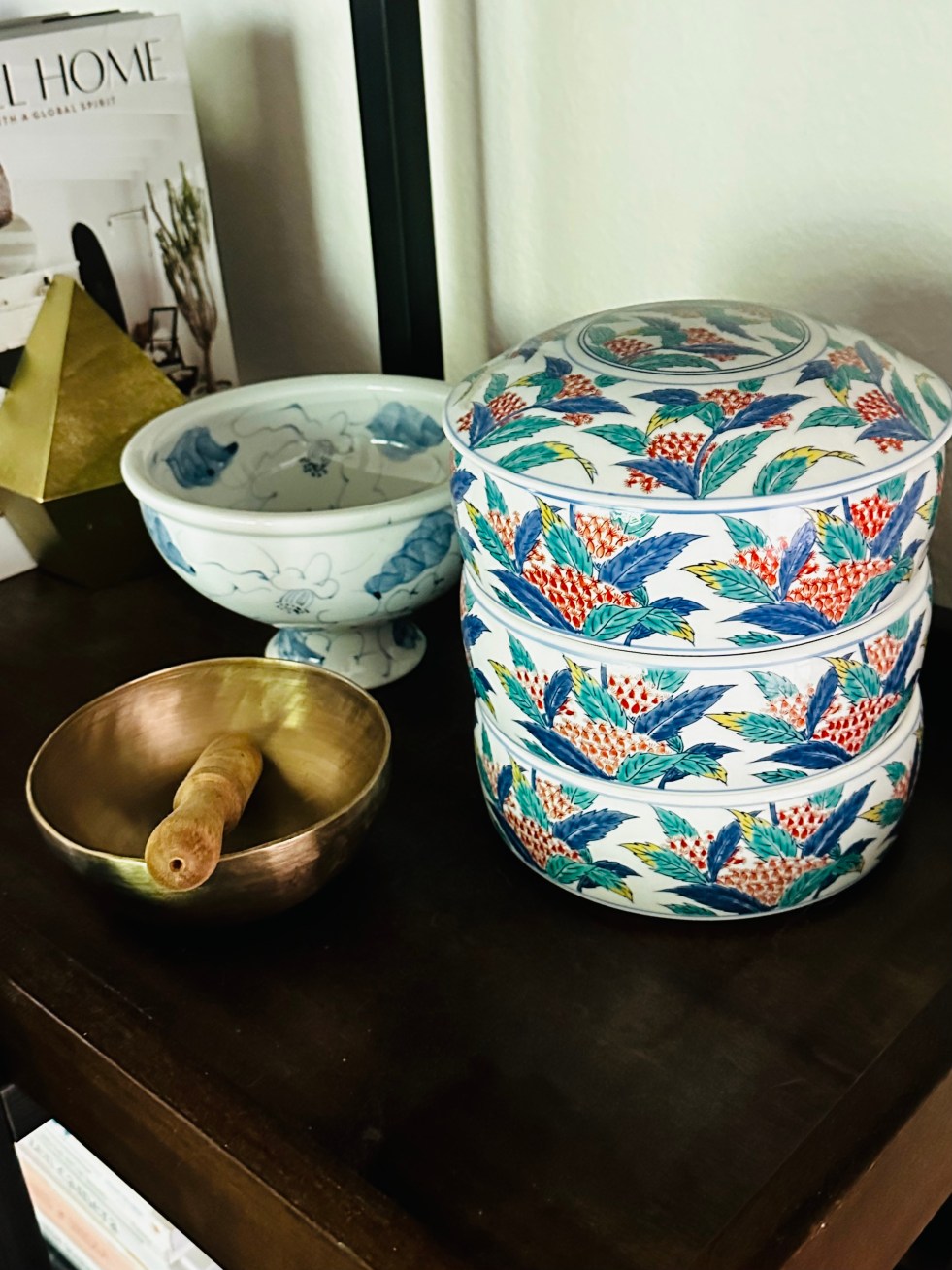
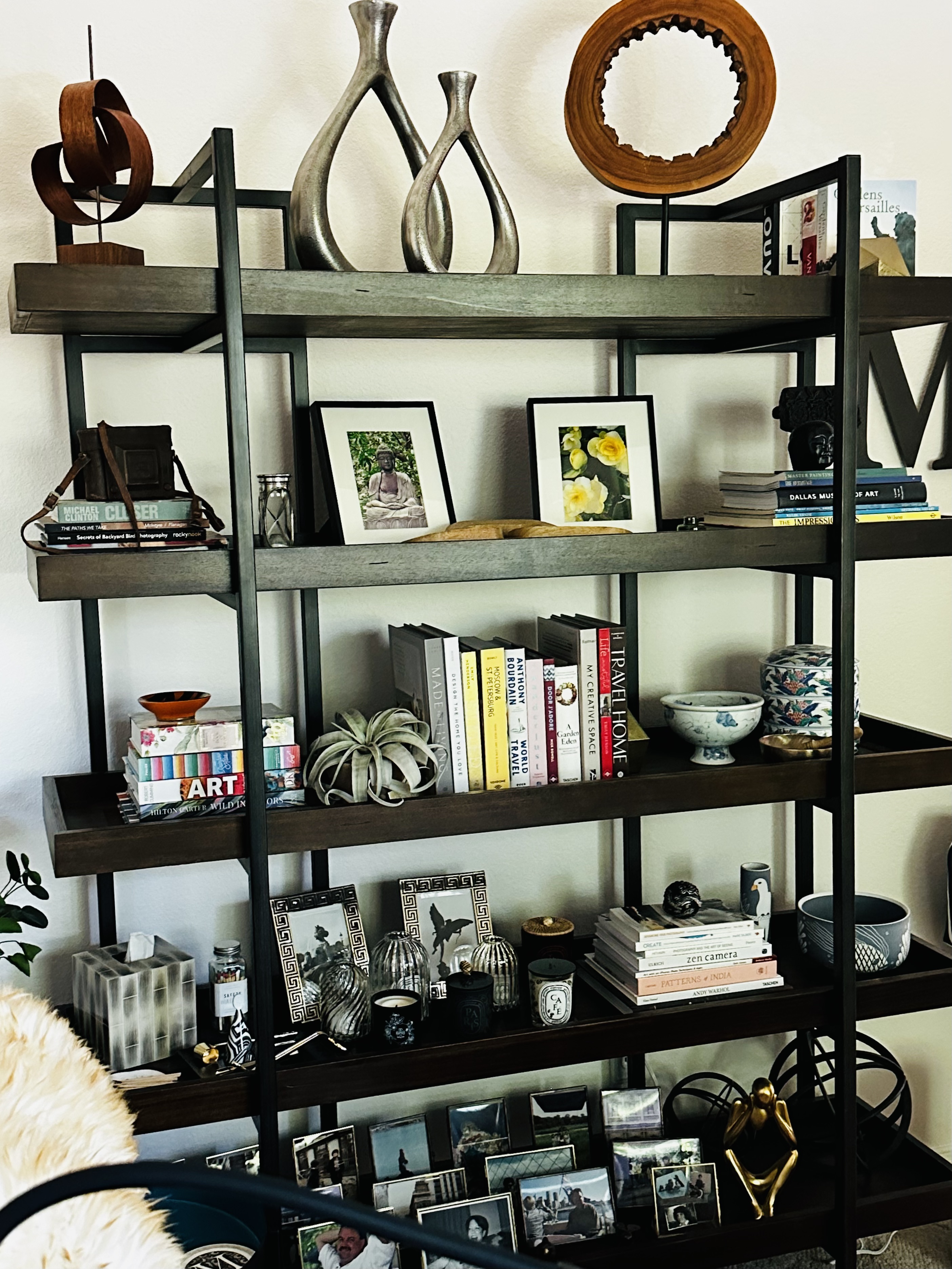
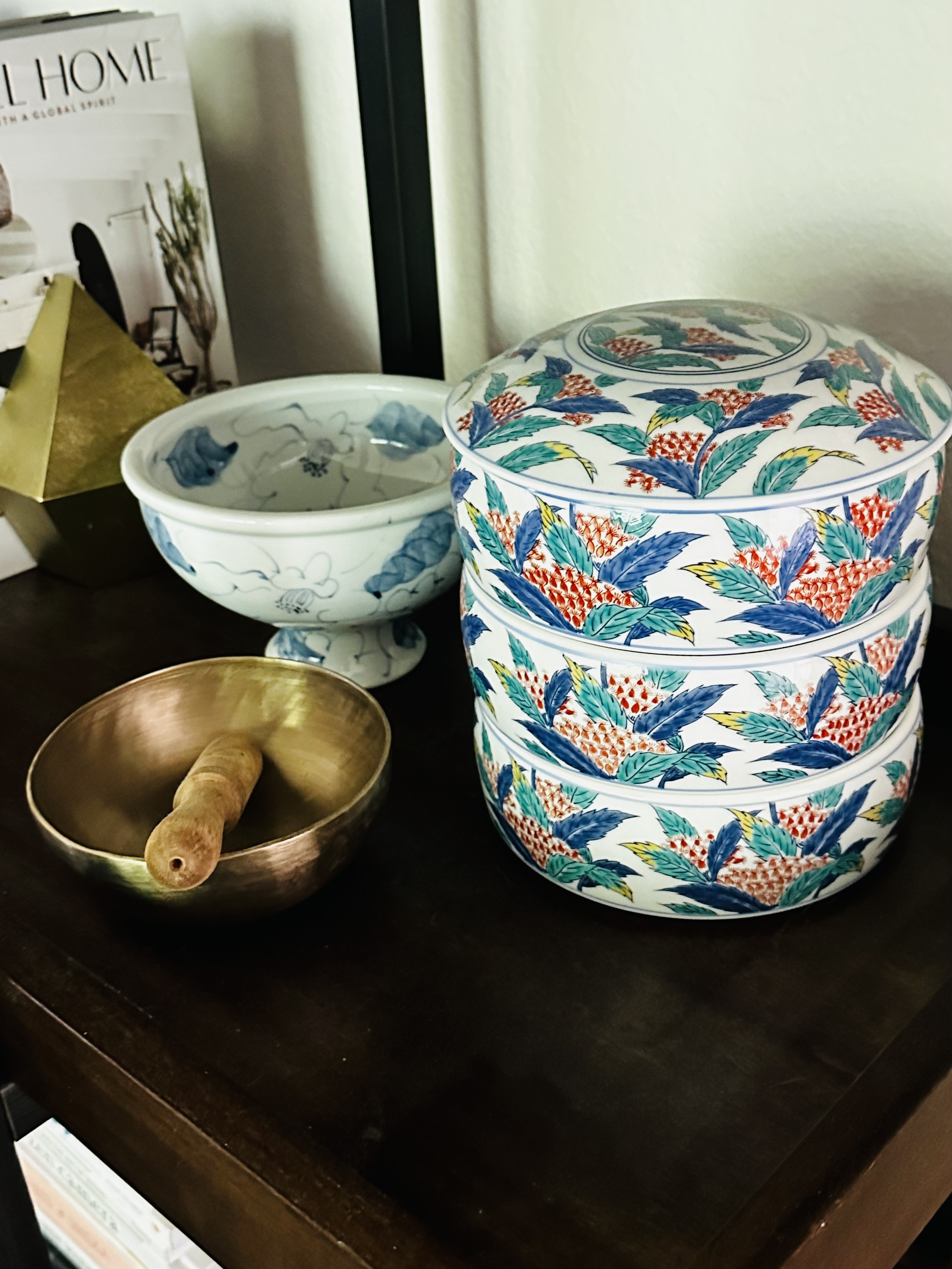
The bookcase in my office holds many treasures including travel finds, books, photos, candles, and an antique camera. The items bring me joy, and memories of travels and adventures. Here are a few photos.
This week, we have been proud to join Wayfarer Studios, the independent production company behind “It Ends With Us,” the film adaptation of Colleen Hoover’s best-selling novel of the same name, in spotlighting the extensive resources, information, and tools available to all theater-goers, fans of the book, and community organizations in the U.S. and around the world.
You can check out a story in Variety here, and below is an overview with a few more details.
Through an end card running in the film’s credits, and a dedicated page on nomore.org, NO MORE is offering survivors/victims of domestic and sexual violence and their loved ones easy access to find help. Most notably, through the NO MORE Global Directory which seamlessly connects people to support services in the U.S. and 200 countries and territories around the world.
Resources created for the film include:
The “It Ends With Us” Viewers’ Guide for audiences to learn to differentiate between healthy and unhealthy relationships and find out how to make a positive difference in their own communities.
A specially-branded version of the NO MORE Silence: Speak Your Truth platformwhere people impacted by domestic and sexual violence can safely share their stories and find support.
A free Community Toolkit to provide sector and community organizations with ideas and tools to use the film to create special events, programming, educational materials and content to engage and activate local audiences.
We also included a link to “The Lighthouse,” a comprehensive guide providing information for survivors on recognizing abuse and getting help for themselves and their families.
In addition, we have kicked off an ongoing social media campaign with Wayfarer Studios’ Man Enough platform to raise awareness of key topics raised in the film and encourage everyone to join in and become part of the solution.
This effort builds on Wayfarer’s and NO MORE’s long-standing partnership, first announced in 2023, to use the power of art and entertainment to inform, support, and inspire greater progress in preventing gender-based violence and promoting healthy relationships. As part of this partnership, NO MORE served as a content advisor on the film, both within the script and throughout pre- and post-production, to help ensure that domestic and sexual violence were portrayed as accurately and sensitively as possible.
We know that the issues raised in the story of “It Ends With Us” are all too prevalent in our society. One in 4 women and 1 in 7 men in the US experience severe physical violence by an intimate partner in their lifetime, and more than 15 million American children live in homes in which domestic violence has happened at least once. That’s why we feel so strongly about using this cultural moment of the film’s release to spark dialogue, increase awareness, and inspire meaningful change.
We hope you’ll join us! See the film, explore our resources, and help break the pattern of abuse. Together, we can end domestic and sexual violence!
With gratitude,
The NO MORE Team
Be sure to tune in, it promises to be an informative event for women and men.
Finger pain is a common condition. It’s usually caused by a hand injury such as a broken finger, a cut, or a broken fingernail. It may also indicate an underlying medical conditions, such as osteoarthritis, rheumatoid arthritis, and carpal tunnel syndrome.
Finger pain is a throbbing, cramplike, or achy pain that’s felt in any of your fingers, including your thumb. It often results from an accident or a medical condition.
In most cases, finger pain isn’t serious and will go away on its own. However, unexplained finger pain can be a sign of a more serious medical condition.
Be sure to visit your doctor if you experience ongoing or unexplained pain in your fingers.
The most common cause of finger pain is a hand injury. Injuries to the finger can cause an open cut, a bruised or fractured bone, or muscle and tissue damage.
Common injuries that result in finger pain are:
broken fingers, which are often caused by jamming the finger during contact sports or while improperly handling heavy-duty equipment
Medical conditions that affect the nerves, muscles, or bones can also cause finger pain.
For example, osteoarthritis (OA) causes the breakdown of cartilage. This breakdown causes bones to rub together and triggers pain and stiffness. In the hands, OA can affect the joints at the base of the thumb, in the middle of the finger, and near the nail bed.
Other conditions that can cause finger pain include:
A compressed or pinched nerve in the arm, wrist, or hand can also contribute to finger or thumb pain.
Identifying types of finger pain
Finger pain may feel dull and achy, or it may be sharp and cramplike. The pain may start suddenly and then go away.
Pain accompanied by swelling
If you have a broken finger, it’ll usually be swollen, purple or blue in color, and extremely painful. In some cases, the bone might be physically separated and visible through the skin. Infection can also cause pain with swelling. It may be accompanied by redness, warmth, or skin changes.
Throbbing pain or pain when moving
Carpal tunnel syndrome and other medical conditions that affect the nerves and muscles in your arm and hand can cause:
throbbing pain in the hand and fingers
pain when moving the affected fingers or when moving your wrist
A finger dislocation occurs when the bones of your finger or thumb dislocate from their joints. In some cases, the dislocation is visible.
You may also experience throbbing pain or a sharp shooting pain.
Pain at the site of injury
A cut on your finger may cause pain at the site of the injury. Depending on how deep the cut is, you may also feel pain that spreads or radiates to surrounding areas of your hand.
Pain accompanied by lumps
If you have a growth on your hand, such as a boil or nodule, you may experience the following symptoms along with your finger pain:
If you have a cut or growth on your finger, your doctor may be able to diagnose the condition based on a physical examination alone. If you have pain when using your fingers and there’s no obvious cause, more information will be needed.
Your doctor will ask questions about your medical history, medications you take, and your occupation. Using this information, your doctor can decide which tests are necessary for a proper diagnosis.
Common tests for diagnosing finger pain include blood tests and imaging tests, such as X-rays.
An X-ray can show any fractures and abnormal growths within the finger. If an X-ray isn’t enough to determine a diagnosis, your doctor may order additional imaging tests or a nerve study. A nerve study looks for nerve damage or nerve dysfunction.
Finger pain caused by cuts, scrapes, or burns will often heal without treatment. You simply need to give the area time to heal. You can take over-the-counter pain medications to help ease your discomfort.
I think we can all get behind World Cancer Support Month. Most of us have been affected by Cancer whether it be ourselves or someone close to us and we understand the support that is needed. I was traumatized when I was diagnosed with Cancer at 28 years old, it changed the trajectory of my life. I was one of the lucky ones who didn’t need chemotherapy or radiation. The cancer was removed during surgery, I was very lucky. My husband has two types of cancer that is slow growing but it’s no less worrisome.
World Cancer Support Month, observed annually in August, stands as a beacon of solidarity and hope for those affected by cancer across the globe. This dedicated month serves as a reminder of the immense strength, resilience, and compassion that unite individuals, families, and communities in the face of this challenging disease.
Cancer, an intricate ailment, arises from the uncontrolled growth of abnormal cells in the body. These cells can develop into tumors, affecting nearby tissues and, in some cases, spreading to other parts of the body. With over 100 types of cancer, each characterized by distinct behaviors and treatment requirements, it’s a complex adversary that demands comprehensive understanding and dedicated research.
World Cancer Support Month takes a multifaceted approach to addressing this issue. It not only emphasizes the importance of providing medical treatment but also highlights the need for emotional and psychological support for those dealing with cancer. The emotional toll of the disease on patients, families, and caregivers cannot be understated. By fostering an environment of open dialogue, the stigma surrounding cancer can be dismantled, encouraging more people to seek help and resources.
Don’t forget those around you with Cancer and do something thoughtful for them. Sitting and talking is a great start and helping run a few errands or cooking a meal is extra special.
I’m glad you joined me this week for another edition of Weekend Music Share.
Have a great weekend!
Melinda
Welcome back to Weekend Music Share, the place where everyone can share their favorite music.
Feel free to use the Weekend Music Share banner in your post, and use the hashtag #WeekendMusicShare on social media so other participants can find your post.
I hope this post finds you healthy and happy. Today I’m feeling a mix of frustration, and fatigue, yet I’m happy. I’m feeling okay and the day looks promising.
I’m glad you joined me on Wordless Wednesday and I hope to see you soon.
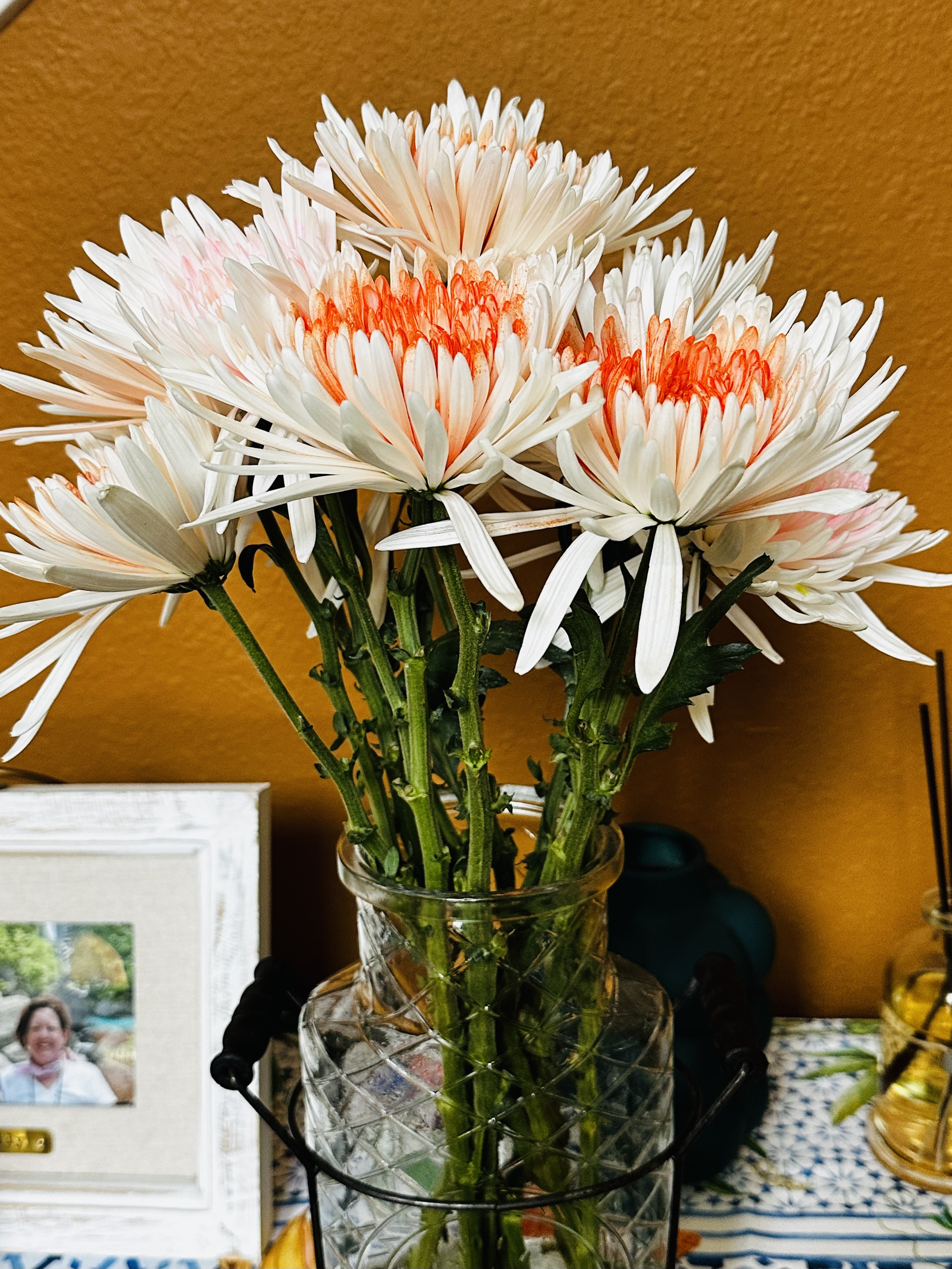
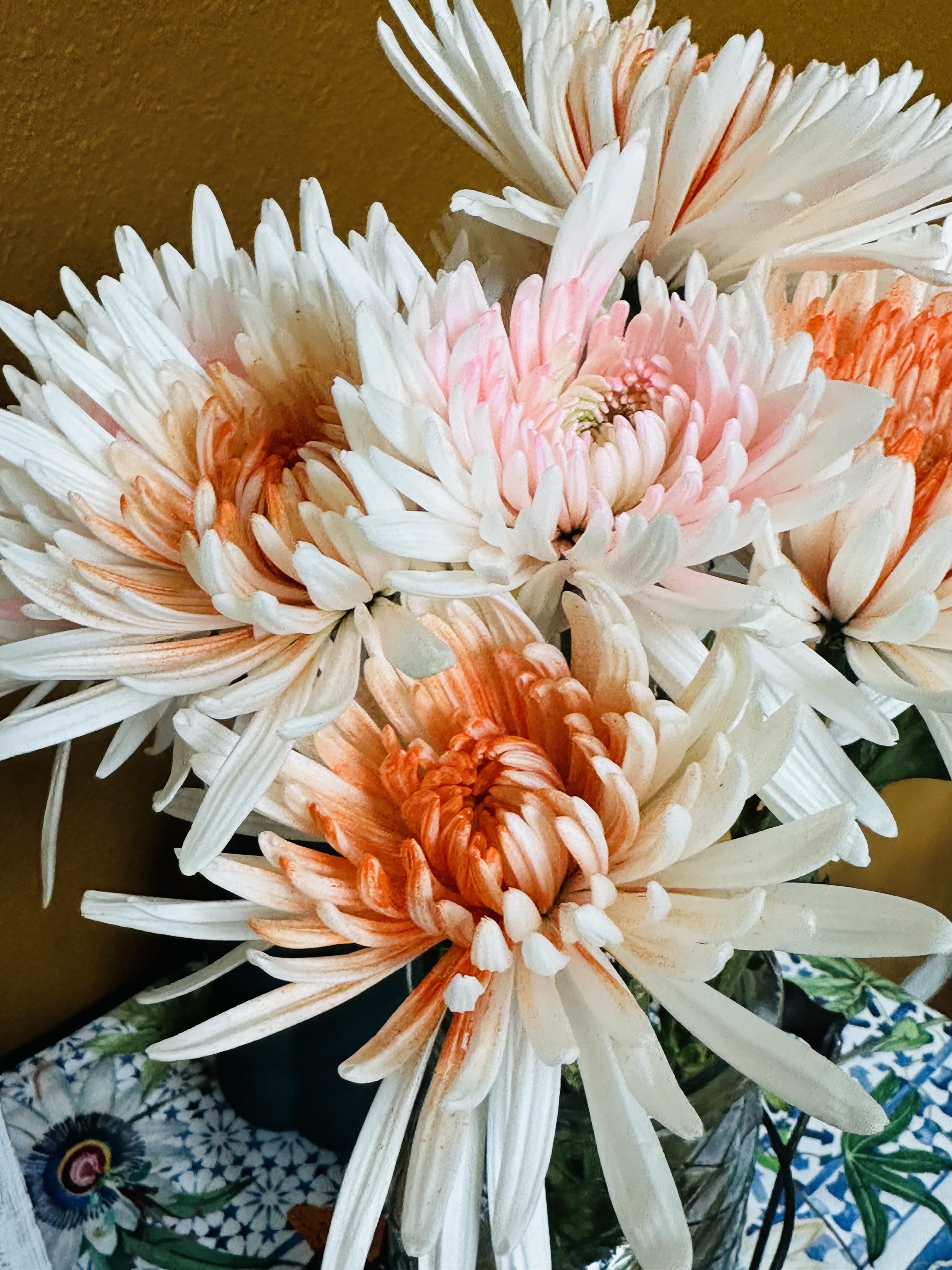
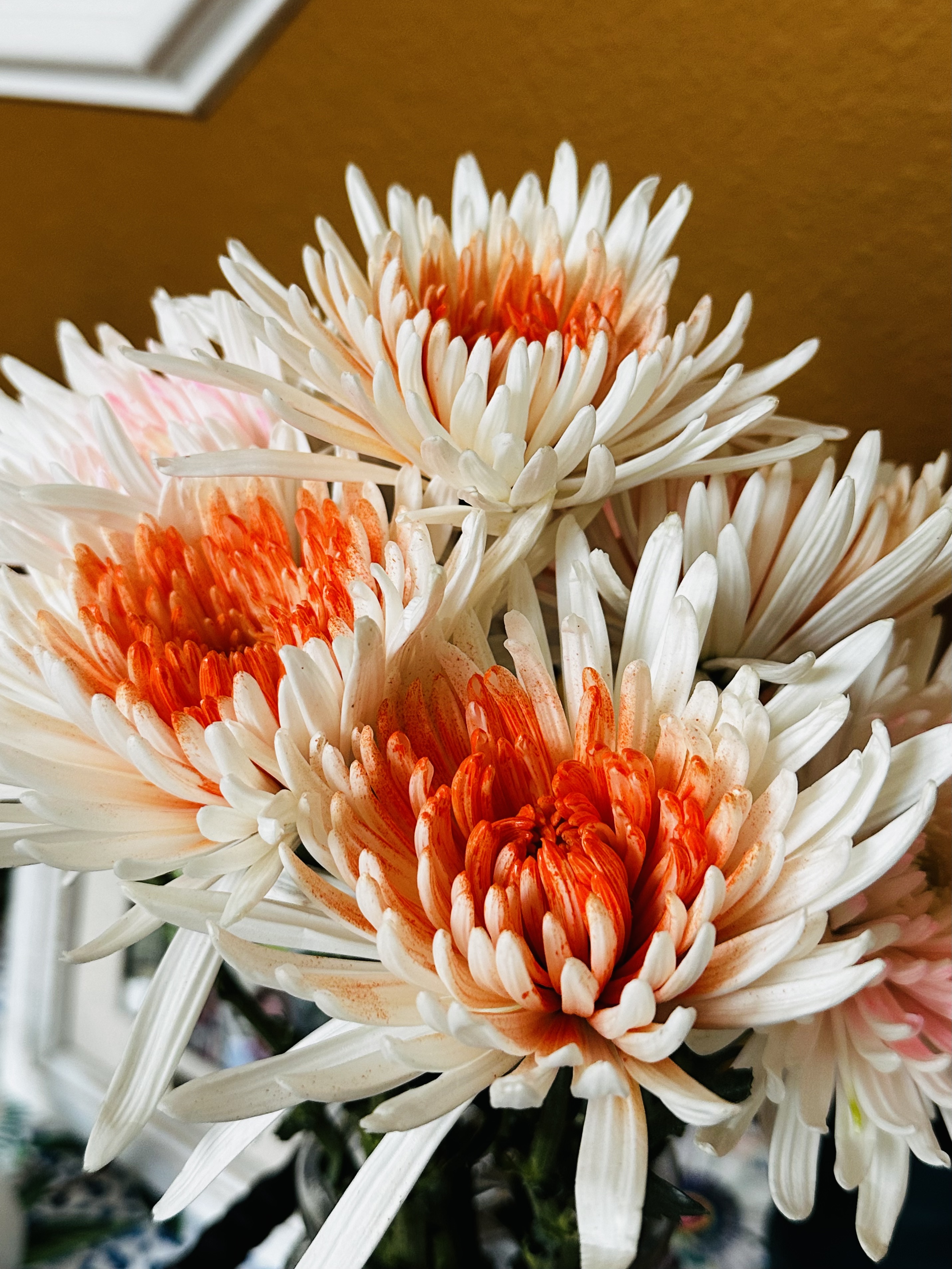
I don’t know what type of flower the are but the color combo is perfect. On Sunday they will have lasted two weeks. I do change the water and add a nutrient packet every three days. It makes flowers last so much longer. Oh, I also trim a small amount off each flower.
President Trump knew about COVID-19 in January 2020 but did not tell the public until March of that year. I heard the words myself during a phone interview with highly respected journalist Bob Woodward. Bob asked President Trump about the virus and he admitted it was deadly yet in public he said it was no worse the the seasonal flu and would go away quickly.
The most complete overview of the conversation with Bob Woodward and President Trump.
During the months that President Trump refused to listen to his top national advisors, the government was not ramping up its national supplies which is why hospitals found themselves without masks, proper protective gear, enough ventilators, and enough staff. I remember seeing hospitals overrun with patients and having to make the hard choice of who would get treatment or continue to get life support. This is not a weight that any individual employee needs to make, several committed suicide and washed out of their field and many caught COVID-19 themselves.
For conspiracy theorists and anti-vaxxers, you are misinformed and misguided, and no doubt you live lost in the same state of mind in the other areas of your life. People need to look at factual information and make up their own minds, conspiracy therorist are being controlled by others. That makes you a follower.
The total number of deaths from COVID-19 in the United States to date
We at USAFacts have endeavored to provide comprehensive, real-time pandemic data from all 50 states. However, the growing prevalence of at-home testing and the potential for individuals to contract the virus multiple times have skewed the government data we receive. These developments, plus the end of the public health emergency — and the required data reporting that came with it — have made it difficult for us to present a clear and reliable picture of COVID-19 in America.
We are committed to presenting thorough, accurate data, but the fact is that collecting that data on COVID-19 data is a significantly more challenging that it used to be, if the data is even out there at all. Therefore, we will no longer update the data on this dashboard. We appreciate your understanding and encourage you to remain vigilant in observing health protocols and guidelines. For more information about broader health outcomes, visit US Health Statistic and Data trends
Not all the statistics add up over the last seven days but you get the overall message. Close to 100,ooo people died in Texas alone.
I would like to see how conspiracy theorist explain the number of documented cases and deaths. Maybe the same way President Trump explains his very existence.
COVID-19 is on the rise in many countries, The United States has not been hit hard but the is no excuse for not taking precautions. Look at President Biden who recently contracted COVID-19, it can happen, and if we are not careful COVID-19 may return the the awful days of the pandemic. I pray not, it affected everyone, every business, and how we went about our daily life, people lost their jobs and businesses closed and life sucked all around.
I’m asking you to think about yourself, your family, and the community around you. Don’t read news about COVID-19 on social media, read news from respected news outlets, read briefings from the CDC and National Security within our government, and make an informed decision.
Our life and future depends on accurate information and making the right decisions which are not easy but ones you’ll be glad you made.
Thank you for all the great feedback on the Blogger Highlight series, I’ve enjoyed meeting each blogger and sharing their site with you. This week we highlight Invisibly Me. Caz and I have known each other for years and I’m honored to call her a friend. She is a warrior in every sense of the word, she works tirelessly to balance her chronic illness, help her elderly parents, advocate for better access to healthcare, and also encourage others to take better care of themselves. I would be remiss if I didn’t mention how much she loves cats.
Caz is a 30-something chronically ill blogger from the UK with a penchant for American crime thriller books, Dr Martens, chocolate and Hello kitty. She writes about life with chronic illness and pain, product reviews, tips, and general health information to raise awareness.
She writes on many topics but stays true to health, writing reviews about health products and other items that simplify life. Simple is far from the life that Caz leads, she’s a superwoman with what she accomplishes and you would be surprised by the number of disabling health issues she deals with each day. She’s snarky, has the greatest attitude, and has limits with the NHS healthcare system in England. But who doesn’t?
She’s a proud member of the following organizations:
You must stop by her blog to say hello, read through her archives, and get to know a remarkable woman. Caz is encouraging, raw, funny and always leaves me feeling better and loved.
The Normals regularly say these things to me, whenever I take disability leave to recover (kinda) from tick-borne disease.
Bless their little Normal hearts. They’re not trying to be hurtful. They’re trying to relate to something they can’t understand: invisible chronic illness, with its unpredictable flares and unquantifiable symptoms of pain, fatigue, and “Help, doctor, my cells are all pulling on each other like magnets.”
My favorite Normal faux-pax happened when I returned to work after two years of disability leave (and one additional year of a lawsuit against my insurer). Many coworkers knew I’d been sick. Some knew I’d had tick-borne disease. One of them welcomed me back and asked, “Did you enjoy your time off?” He meant well, but here’s what I heard him saying: Did you enjoy living it up with your free paychecks?
I feared my colleagues thought I’d spent those three years lounging on a chaise in a silken robe and full makeup, listening to celebrity gossip podcasts, sipping wine, and dropping bon-bons between my freshly-glossed lips, while stroking my sleek purebred cat like a Real Housewife of Northern Virginia.
Sure, I “enjoyed my time off.” I enjoyed the handful of semi-functional hours I had each day. I enjoyed squinting, while sweating and shivering, at incorrect health insurance EOBs and shady reports from insurance physician reviewers. Because of the broken U.S. health system, when I’m on disability leave I use almost more cognitive energy than when I’m at work.
The feared “activity tax”
Here’s what I’d like to tell people about what I “do all day:” I calculate my energy expenditures, then wait with bated breath to see if my calculations are correct. Will I be fine? Or will I pay the much-feared Activity Tax? If the latter, in what currency will the Tax be? Headache? Stiff joints? Motion sickness? Vibrating feet?
Because the stakes are so high, people with chronic illness become supercomputers: Estimated useable body-hours divided by approximate time to complete chores, plus parenthetical sub-formula ranking chores by importance, times the bounded function of activity tax per X number of stairs between the hamper and washer.
The poor Normals want to “just stay at home and rest.” Well, so do I. Instead, I’m racing my body against my bank account. I’m wrangling physical therapy and fistfuls of pharmaceuticals. The goal: Get my health to kick in, before my disability is randomly taken away because some doctor paid by an insurance company lies on my case report (I wish this were a hypothetical). Disability leave is so exhausting, I pine for the workaday drudgery of the office.
My best impression
In the meantime, though, I’m doing my best Real Housewife impression, lounging on that chaise. Except it’s not a chaise, it’s a cat-hair-covered futon, and I’m not lounging, I’m curled up in ache, and it’s not wine but electrolyte water, and it’s not a silken robe but pilly yoga pants, and it’s not bon-bons but fish oil capsules almost as big as bon-bons.
Per my calculations, the fish oil capsules are better than the liquid alternative. The splotch of spilled fish oil on my pants crotch cost about $35 dollars. (This does not include the Activity Tax I paid from walking up and down stairs, trying to figure out where the rotting mackerel smell was coming from.)
Back on the chaise-futon, in true frustrated-Housewife style, I hurl my wine glass. But it’s not a wine glass, it’s a thermometer. As is common in tick-borne disease, I feel flu-ish almost all the time, but there’s little to no corresponding fever. The cruel digital displays never validate my aches and burning face. To resolve this dissonance, I smash the devices. Still, my cool cheeks stay scorching. You’d think they’d at least give me a luminous glow, but no.
Beauty tips
Which brings us to beauty tips, as recommended by our Real Housewife on the cat-hair-strewn cushions. It’s not makeup, it’s purple under-eye moons. It’s not plastic surgery, it’s skin stretched smooth by inflammatory water-fat. It’s not lip gloss, it’s snot. Too tired to get a tissue? Just blow your nose on your cardigan sleeve!
Also clinging to the crusty cardigan: my cat. He’s not a sleek purebred, but an old, thin street rescue with allergies and a seizure disorder. He’s also a poor conversationalist, but that’s ok, because I have the celebrity gossip podcasts—except they aren’t celebrity gossip podcasts, they’re Zoom coffee klatsches with my fellow sickies. And we don’t gossip, we rage.
We rage about the doctor who was late calling in a pain meds script. We rage about the insurance company who denied someone disability, because the company’s spies caught the patient sweeping her porch (gasp!). We rage about the sick young woman erroneously diagnosed with Munchausen’s Syndrome by old male doctors at a northeast emergency room. In comparison, my coworkers’ thoughtless comments are small potatoes.
They still hurt, though. I should see my psychologist. Mental health care is an important reason to dig into my skimpy disability paychecks. And yet. . . it’s easier to pivot to add-to-cart therapy: a silken robe, lip gloss, and some bon-bons.
Christina D. Campbell is an award-winning author who writes about health, marital status discrimination, and special needs cats. She is currently seeking representation for her memoir about invisible illness. She can be reached at ChristinaDC.com.
Her words resonate with me and she’s right, it’s impossible to relate to an invisible disease unless you’ve been down that road.
The constant pressure to go-go-go caused me to ignore my body’s alarms and wreaked havoc on my ulcerative colitis. Then I found a better way.
Hustle culture — or the pressure to constantly be going, doing, and producing — is a big part of today’s work and school environments. Some see it as a hallmark of success.
Once you’re caught up in it, hustle culture can feel ever-present and all-consuming and yes, necessary. But is it really? Or is this emphasis on always striving to make more money, be more productive, etc. actually harmful, especially to those of us with chronic illnesses?
Life as a hustle culture queen
Before my diagnosis of ulcerative colitis (UC), I was a self-proclaimed hustle-culture queen. I lived for the go-go-go lifestyle and loved the constant approval it seemed to get me, especially as it related to academic success, and later, my work.
When I began getting sick in college and was in and out of medical appointments, I still continued on the path I had begun forging for myself in high school. I would wake up at 4:45 a.m., run mile after mile, spend an hour in the gym, go to classes all day long, work my on-campus jobs, and then spend the evening doing my homework as perfectly as possible, working on my blog, and running my sorority.
Because my vision was so clouded by my constant need for “success,” I didn’t hear the cries of my body as my first major flare started creeping up on me.
And after being diagnosed with UC? Well, nothing changed. I believed I could take my medication, call it good, and continue on as I was before — going, running, hustling.
Because my vision was so clouded by my constant need for “success,” I didn’t hear the cries of my body as my first major flare started creeping up on me. Then 3 weeks after graduating college, I found myself lying in a hospital bed, hooked up to IVs, staring out into the summer sun. It was this moment that made me realize hustle culture wasn’t all that it was made out to be. Sure, I had an almost 4.0 grade-point average, honors society tassels at graduation, and a marathon medal hanging in my bedroom, but what good was any of that if I didn’t have my health?
The moment I got out of that hospital I made it my mission to turn in my hustle-culture queen crown and become a hustle-culture dropout.
The measure of success
If you resonate with any pieces of my story, know that you’re not alone. Hustle culture is sneaky — from the messages we hear from bosses and coworkers about the importance of things like staying late at the office or having a side hustle, to the questions from family members about promotions and grades, to daily TikTok vlogs showing everyone’s 5–9s before their 9–5s — and it’s everywhere.
As tempting as it can be to try and fit into the mold that hustle culture has created, I truly believe it’s not worth it, or even safe, for folks with chronic illnesses. Not only does hustle culture negatively affect our bodies, but it can impact our minds as well by encouraging comparison, making us feel like we’re never enough, and creating mental burnout.
Hustle culture tells us to place traditional measures of success, such as income, grades, and job status, above all else, but when we have a chronic illness (or multiple illnesses), listening to our bodies must come first. And by subscribing to the hustle culture ways, we are continuously pushed into a cycle of ignoring our bodies, flaring, recovering, and then doing it all over again, just as I was in college. And we — and our bodies — deserve so much more.
So, how do we, in a world that tells us our worth comes from how much we do and produce, become a hustle-culture dropout? How do we learn to see our worth as completely separate from our productivity?
Redefine success
Instead of focusing on “success” as hustle culture sees it, what if you redefined success for yourself?
This was the first step I took in becoming a hustle-culture dropout, which does not have to be an all-or-nothing concept. Instead of seeing success as something that could be measured by society, I decided that for me, success was living a life that is balanced — a life that still allowed me to feel financially comfortable so I could afford my medical needs, but that also included daily rest and self-care. I realized that I never actually felt that successful when I was doing “all the right things,” because I was so burnt out and disconnected from myself.
Try thinking about what real success might look like for you.
Foster self-love
A big reason why I fell so easily into hustle culture and based so much of my worth on how much I did and produced was because I lacked self-love. Because of this, I was constantly searching for validation outside myself.
When we center ourselves in self-love, it’s much easier to remember that we don’t have to participate in hustle culture, and to rest without guilt, because we’re able to give ourselves the validation we need from an intrinsic place. Self-love can feel hard to foster when we are being constantly pushed to be and do more, but forcing yourself to slow down and get to know yourself on a deeper level is a beautiful place to start.
Getting to know all the layers of who you are — your passions, your values, your unique characteristics, your quirks, what makes you laugh, what makes you tick, etc. — is a foundational piece of starting to love yourself better. Think of a romantic relationship, for example — it would be really difficult for you to feel loved if your partner never took the time or put in the effort to learn new things about you. It’s the same thing with yourself!
Cultivate more joy
Doing things simply for joy is something that we too easily forget how to do as adults, especially in the midst of navigating chronic illness. I have found that dedicating time each week to activities that serve no “purpose” other than making me happy has helped remind me that productivity isn’t the only thing in life that matters, and that there are other things I want to prioritize above simply go-go-going.
This may look like taking a dance class (if you’re physically able), coloring, reading a fun novel, or watching a new television show. Anything works as long as joy is at the center of it!
Release destination addiction
Hustle culture wants us to always be striving, because if we’re always wanting to be more, make more money, get more praise, etc., we’re going to keep forcing ourselves to do more.
Hustle culture thrives on a concept called destination addiction. Destination addiction can sound like, “I’ll be happy when I make X amount of money” or “I’ll be satisfied when I have achieved X promotion.”
Hustle culture pulls us out of the present and puts an unhealthy emphasis on the future, despite the fact that who and what you’re doing right now is always enough. Finding ways that help you stay present with chronic illness, such as writing a daily gratitude list or meditating, can help you drop out of hustle culture once and for all, because you start to find peace in the present and no longer feel a constant need to look toward the future.
The takeaway
Although it can feel impossible to become a hustle-culture dropout, it’s possible and necessary if you have chronic illness. Dropping out of hustle culture won’t only protect your physical health, but your mental health as well. Making small changes by allowing yourself to slow down and not push harder than you need to can make a big difference.
Medically reviewed on February 21, 2023
This a great article that applies to anyone with a chronic illness, we have to listen to our bodies and not other’s expectations.
I’m glad you joined me this week for another edition of Weekend Music Share.
Have a great weekend!
Melinda
Welcome back to Weekend Music Share, the place where everyone can share their favorite music.
Feel free to use the Weekend Music Share banner in your post, and use the hashtag #WeekendMusicShare on social media so other participants can find your post.
Life is a roller coaster, the higher you go the further you fall
Life is not greener on the other side, get real
Life is what we’re given and what we make of it, don’t wallow in self-pity
No one has a perfect life, get over that fantasy
No one said life was going to be easy, work for what you get
No one is owed anything and you have to pay for everything you get
Don’t expect the government to pay your school loan or anything you have made the decision to purchase, be accountable
If you don’t like the situation you’re in, change it. You’re the only one that can
Journalism with integrity doesn’t exist, it’s influenced by the political slant of the broadcaster and full of personal opinions and biases. The foundation of Journalism is to deliver the who, what, when, and where
There is so much news nationally and locally every day that I don’t understand why we get the same story repeated 4 to 5 days in a row. It’s like they want to add drama or are lazy
Covid is on the rise but I haven’t heard one story about it from the media, only from media overseas
People who feel sorry for themselves and wallow in it want to stay victims, I have no room for that in my life
Everyone can take steps to improve their lives, it will take time but you have to be committed to improvement
You will not find real news on Social Media, it’s coming from unreliable sources who are sharing their opinion or conspiracy theories, if you listen you get what you get and can be very uninformed
Social Media Influencers are fake, they are being paid to sell products and you are only lining their pockets
Magazines have gotten into the money-making game by talking about clothes and products that celebrities use, they make money every time you click a link. If you are interested in a product go to the website directly, their reviews are often based on making money
Never click on a link in an email, go to the site directly. Hackers are getting much better at making emails look like they come from the company
If you receive emails for products you didn’t ask to sign up for, don’t click on a link to unsubscribe, you never know if it’s a virus
The President of the United States does not set gas prices, OPEC does. Educate yourself
The President of the United States does not set interest rates the Federal Reserve does. Educate yourself
During any political campaign listen to what the person is saying, research what they’ve done and if all they do is bad mouth the opponent, there’s your sign
Hypogammaglobulinemia is an Immune Disorder where my body doesn’t make enough antibodies which can be dangerous. Luckily, I don’t leave the house often and wear a mask when I do. I was diagnosed two years ago but insurance didn’t approve until I reached a record low. I’ve been approved for 12 treatments but I’m not confident that 12 treatments is all I need. Currently, my Imoglobins are at 600 and my doctor would like to see them at 800-900. Hopefully, this week’s treatment will increase my number and I’ll know more once the lab work is back.
The treatments take 4-5 hours and during that time you get to relax in an oversized recliner. For this treatment I packed much lighter, instead of a duffle bag and my handbag, I bought a North Face backpack, and everything fit inside. I took my new book Native American Myths by Matt Clayton, my ancestors were Cherokee and I wanted to learn more about their beliefs. When I wasn’t reading, I indulged in my favorite pastime by listening to music.
Here is what I listen to
Adele 21
Adele 25
John Mayer Born and Raised
One Republic Dreaming Out Loud
REO Speedwagon You Can’t Tune A Fish
Pharrell Williams Happy
Paul Carrack Tempted
Fleetwood Mac Crystal
It was so nice to relax with my feet up with my eyes closed and listen to some great tunes.
The treatments had a few hiccups. The first needle didn’t go in right so she had to use the vein next to it which was successful. It was a very slow morning but my nurse let my first bottle of medication run dry so they had to prime the line and she let it dry again with my saline. A small price to pay to get better.
The first two days after treatment you feel sluggish and can have a headache.
This time my treatment took five hours and by the time I got home I was starving and had not taken my morning medication.
I’m glad you joined me on Wordless Wednesday and I hope to see you soon.
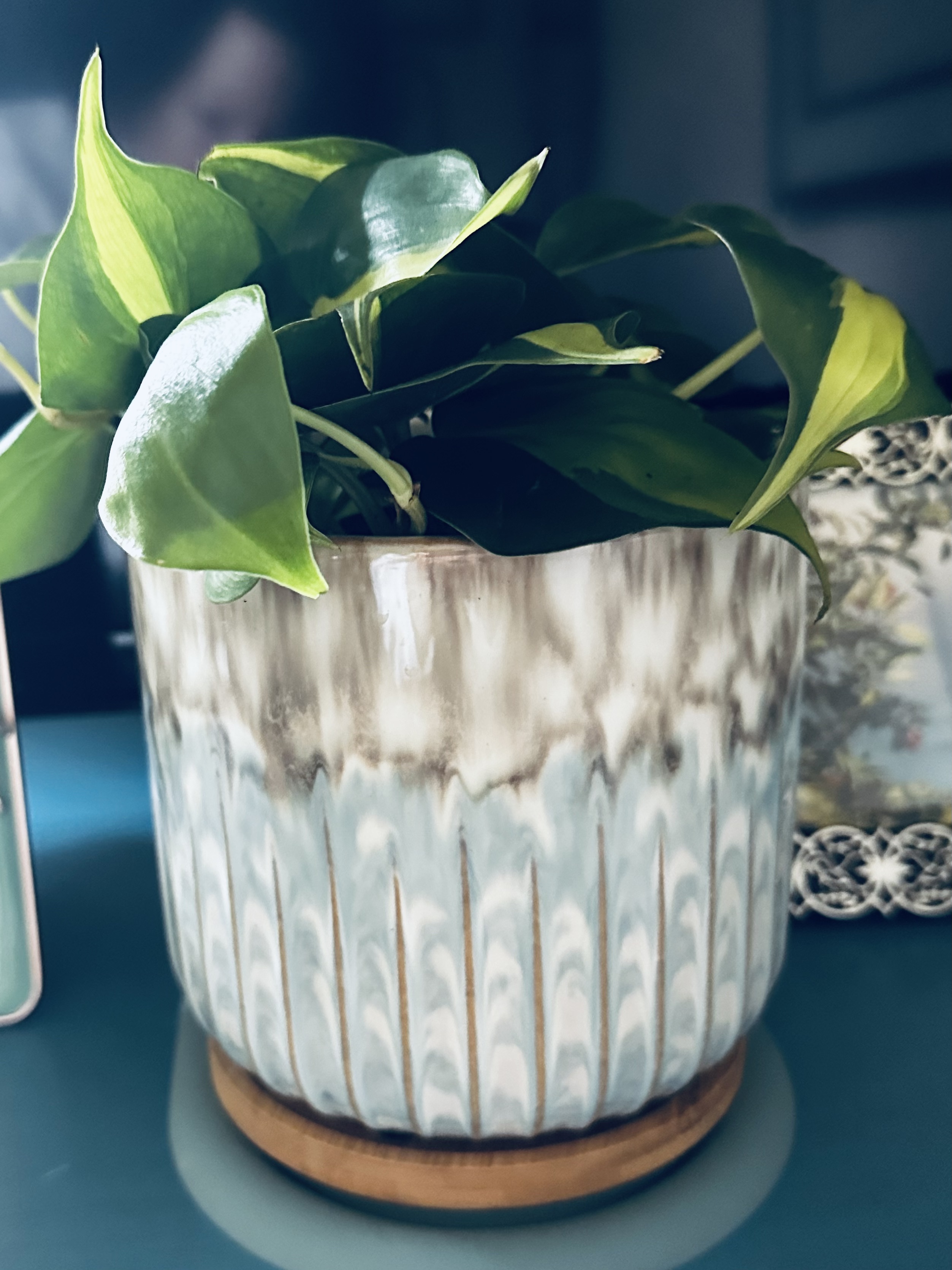
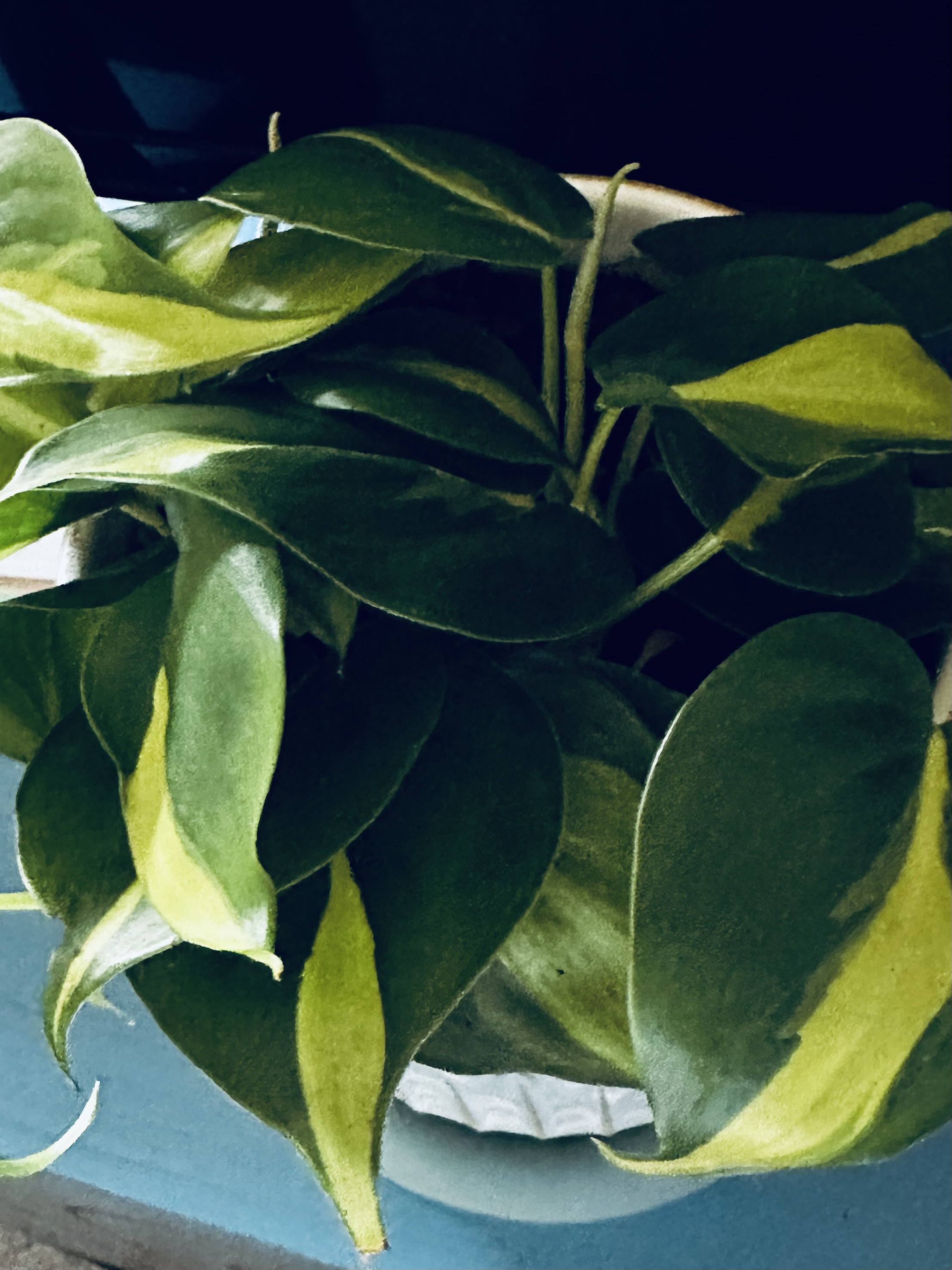
This one is called Philodredon Brasil, I love the two-tone leaves and the dash of yellow. It will eventually spread out with trails.
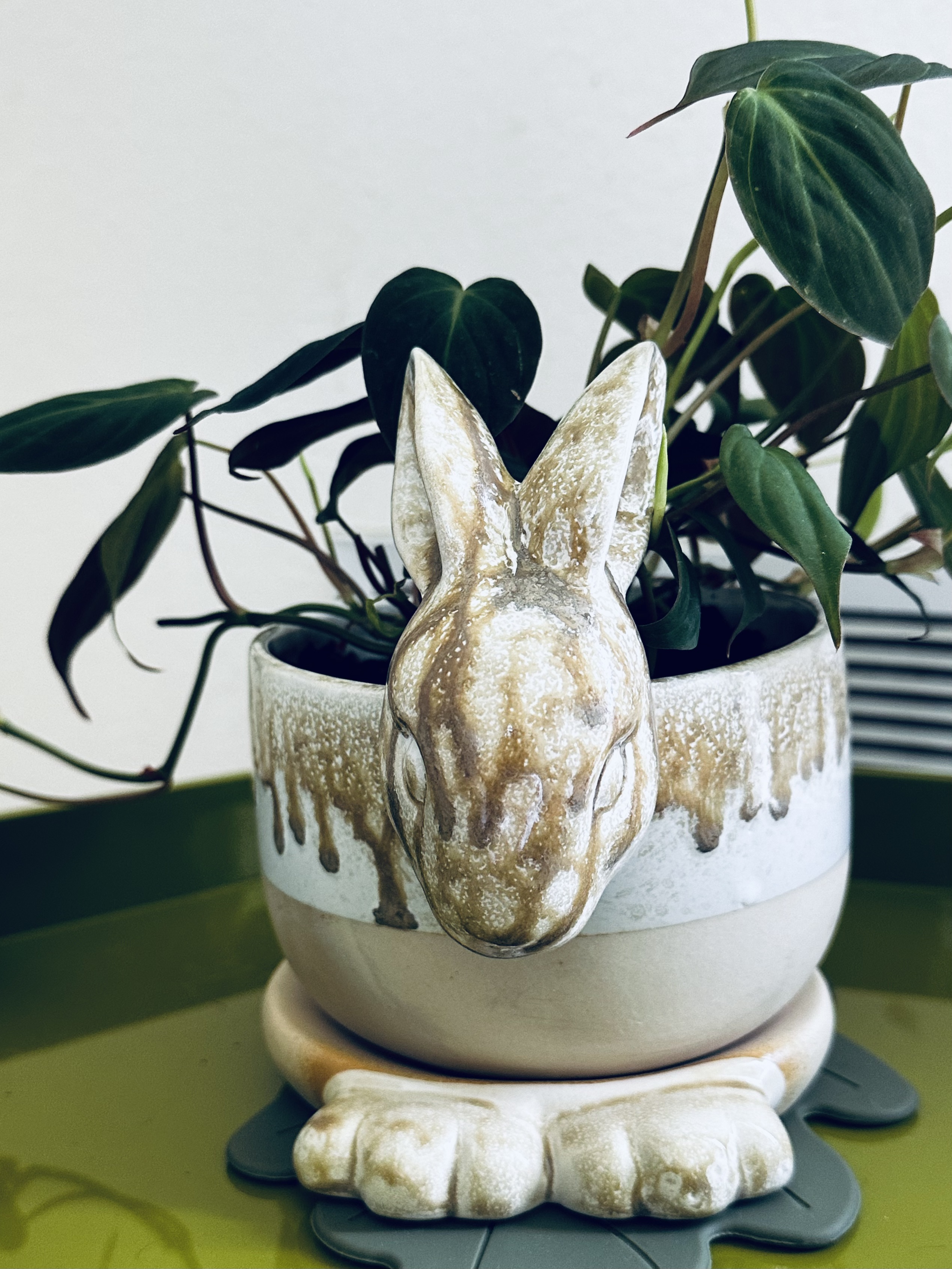
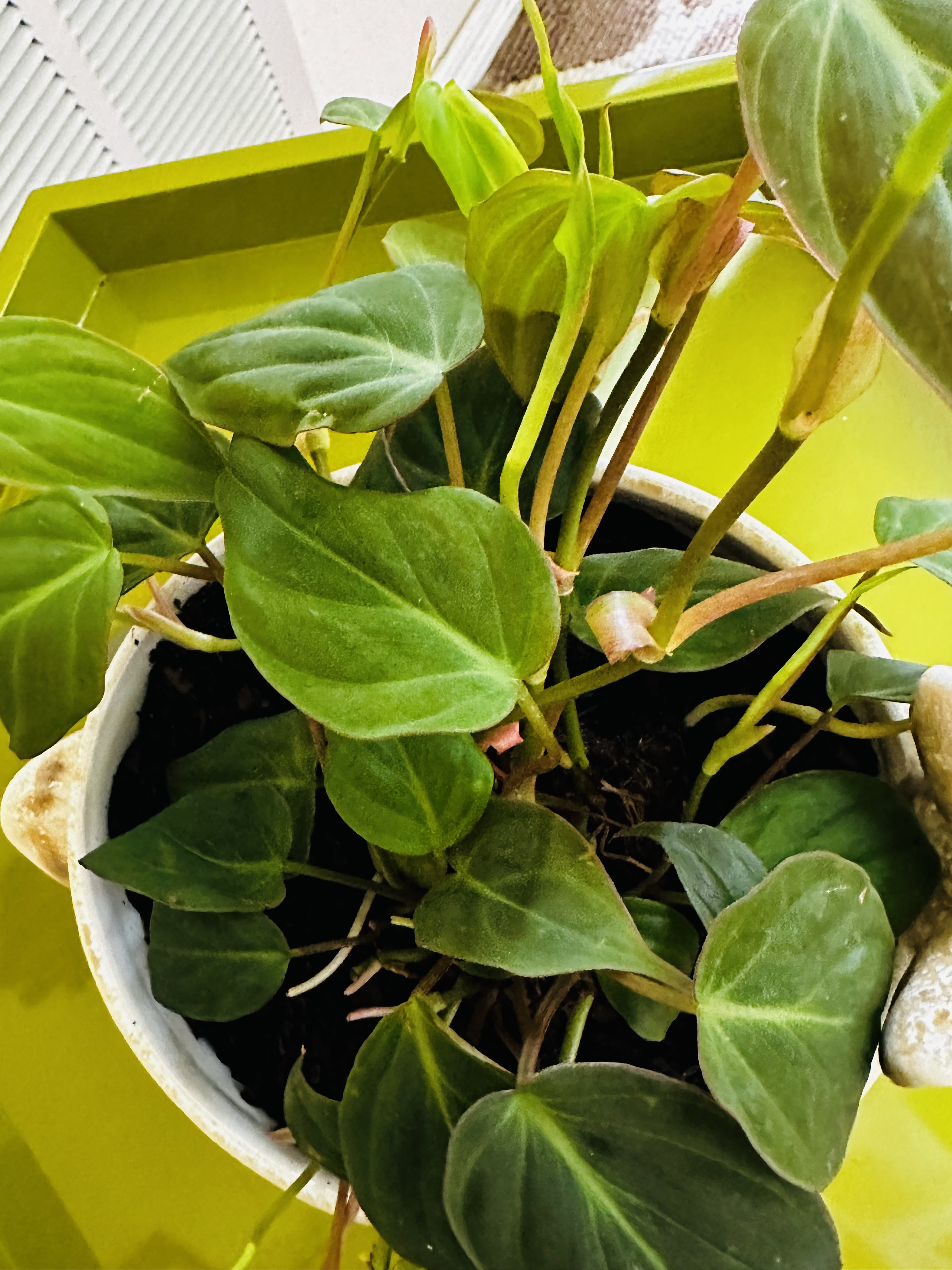
This one is called Philodendron Micans and is already spreading its limbs. It has lightly reddish, green, and line-green leaves. It looks perfect in the bunny planter.
My Bipolar Disorder was difficult to manage with medication alone. My Psychiatrist told me about a device that was waiting for FDA approval.
In 2005 the Vagus Nerve Stimulator was approved by the FDA and my doctor had all the information ready to send to my insurance company.
The first time insurance denied the device. Here’s how I got insurance to approve. I wrote a letter explaining what my life was like and how it controls my life and in time the possibility of suicide.
A VNS device looks much like a pacemaker with two leads that attach to your vagus nerves, sending signals to the brain to relieve your depression.
The surgery doesn’t take long, but getting used to the device turned on takes a while.
When you are talking the device makes your voice sound weird but only when the device is sending signals to the brain.
When I had my surgery, no one had seen one implanted which meant the Gallery was full of other doctors. My doctor got to see my boobs, that had to settle in.
After you have healed the device is turned on at a low level so you get used to the feeling of the device working. Then we turned up the level until we found what we thought was the right setting.
I kept it on for years but finally admitted it wasn’t working and had it turned off.
The only pain involved is initial surgery.
I thought this device would change my life but it didn’t work out that way.
These are the notes I made on 12/30/05
Received a letter today from the insurance company, they approved.
I can’t wait to call my Psychiatrist to tell him the news and to get my surgery date rolling.
2005 has been a rough year but this news is my beacon of hope.
The greatest news all year.
Unfortunately, I was in the percentage of people that the device didn’t work.
I am waiting to hear about new treatments but nothing new for my mental illness.
The FDA approved the Vagus Nerve Stimulator in 2005 and I was fortunate enough to get approval for it. It’s implanted in my upper left chest, looks like a pacemaker, and the lead wires attach to my Vagus Nerve. I prayed the device would deliver a miracle for my Bipolar Disorder but that was not the case. After several years of adjusting the stimulation, my doctor and I made the decision to turn it off. Almost 20 years later it has become painful and I plan to have it removed this Fall.
The technology has advanced with implants showing better results. I don’t plan to have another implanted but I did find the research on non-invasive VNS devices very interesting. I am researching several brands and will purchase one that vets out. What I find most interesting is the non-invasive devices can help with many other conditions like anxiety, pain, stress, and even migraines. I could use help in many of the areas they tout.
———————
Last updated on July 24th, 2024 at 11:22 am
The human body is a complex and intricate system, with various nerves and pathways working in tandem to maintain optimal health. Among these nerves, the vagus nerve stands out as a key player in regulating numerous bodily functions. Thanks to recent advancements in medical technology, a non-invasive vagus nerve stimulation device has emerged as a breakthrough in the field of medicine. This device has the potential to revolutionize the treatment of various health conditions and enhance overall well-being.
Understanding the Vagus Nerve and Its Functions
The vagus nerve, also known as the tenth cranial nerve, is the longest and most vital nerve in the human body. It extends from the brainstem to various organs, including the heart, lungs, and gastrointestinal tract. The vagus nerve plays a crucial role in regulating essential bodily functions such as heart rate, digestion, and respiratory function.
But what exactly is the vagus nerve, and how does it carry out its functions? Let’s dive deeper into the fascinating world of this remarkable nerve.
The Role of the Vagus Nerve in the Human Body
With its extensive reach and influence, the vagus nerve acts as a communication channel between the brain and various organs. It carries signals that control the parasympathetic nervous system, which is responsible for rest and digestion functions. This means that the vagus nerve helps to slow down heart rate, stimulate digestion, and promote relaxation.
But that’s not all. The vagus nerve also plays a role in modulating inflammation and immune responses. It has been found to have anti-inflammatory effects, helping to regulate the body’s immune system and reduce excessive inflammation. This connection between the vagus nerve and the immune system opens up new possibilities for treating inflammatory diseases.
The Connection Between the Vagus Nerve and Various Health Conditions
Research has shown that abnormalities in vagal nerve activity can contribute to the development and progression of various health conditions. For example, chronic pain has been linked to dysfunctional vagus nerve signaling. By understanding and targeting the vagus nerve, researchers hope to develop new treatments for chronic pain that go beyond traditional pain medications.
Depression and anxiety disorders are also closely tied to vagal nerve activity. Studies have found that stimulating the vagus nerve through techniques like vagus nerve stimulation (VNS) can have a positive impact on mood and reduce symptoms of depression and anxiety. This has led to the development of VNS as a potential treatment option for individuals who do not respond to traditional antidepressant medications.
Migraines, too, have been linked to vagal nerve dysfunction. The vagus nerve is involved in pain modulation, and abnormalities in its function can contribute to the development of migraines. By understanding the role of the vagus nerve in migraines, researchers are exploring new ways to prevent and treat these debilitating headaches.
Furthermore, the vagus nerve’s influence extends to inflammatory diseases. Inflammatory bowel disease, rheumatoid arthritis, and other conditions characterized by excessive inflammation have been associated with vagal nerve dysfunction. This connection has sparked interest in developing therapies that target the vagus nerve to regulate inflammation and potentially provide relief for individuals with these conditions.
As we continue to unravel the mysteries of the vagus nerve, its importance in maintaining overall health and well-being becomes increasingly evident. By understanding its functions and connections to various health conditions, researchers are paving the way for innovative treatment approaches that could improve the lives of millions.
The Evolution of Vagus Nerve Stimulation (VNS) Therapy
Vagus nerve stimulation (VNS) therapy has been used for decades as a treatment option for certain conditions. Traditional VNS involves the implantation of a device that delivers electrical impulses directly to the vagus nerve. While effective in some cases, this invasive approach has limitations and potential complications, leading researchers to explore alternative methods.
The Traditional Approach to VNS
In the past, VNS therapy involved the surgical implantation of a device that connects to the vagus nerve. This device typically delivers mild electrical impulses to modulate the nerve’s activity. However, the invasiveness of this method poses risks such as infection, nerve damage, and complications related to device placement.
Despite these risks, the traditional approach to VNS has shown promising results in the treatment of epilepsy and depression. Studies have demonstrated a reduction in seizure frequency and improved mood in patients who underwent VNS therapy. However, the limitations and challenges associated with invasive VNS have prompted researchers to explore less invasive alternatives.
The Limitations and Challenges of Invasive VNS
Despite its positive outcomes in certain cases, invasive VNS therapy presents several challenges. The necessity for surgical implantation limits its accessibility and increases the potential for complications. Additionally, adjusting the stimulation parameters requires medical intervention, making it less flexible for patients who may benefit from personalized treatment regimens.
Furthermore, the invasiveness of the traditional VNS approach may deter some patients from seeking treatment. The fear of surgery and the associated risks can be a significant barrier, especially for individuals with comorbidities or those who are more risk-averse. As a result, researchers have been actively exploring non-invasive or minimally invasive alternatives to VNS therapy.
One such alternative is transcutaneous VNS, which involves the application of electrical stimulation to the skin overlying the vagus nerve. This non-invasive approach eliminates the need for surgical implantation, reducing the associated risks and complications. Transcutaneous VNS has shown promising results in the treatment of various conditions, including migraine, depression, and chronic pain.
Another emerging technique is minimally invasive VNS, which utilizes a smaller, less invasive device for nerve stimulation. This approach involves the placement of a tiny electrode near the vagus nerve, allowing for targeted stimulation without the need for extensive surgery. Minimally invasive VNS offers a middle ground between traditional invasive VNS and non-invasive alternatives, providing a balance between effectiveness and safety.
As researchers continue to explore and refine VNS therapy, advancements in technology and medical understanding are driving the evolution of this treatment modality. The development of novel devices, improved stimulation parameters, and a better understanding of the underlying mechanisms are all contributing to the expansion of VNS therapy options.
In conclusion, while traditional VNS therapy has been a valuable treatment option for certain conditions, the limitations and potential complications associated with invasive approaches have prompted researchers to explore alternative methods. Non-invasive and minimally invasive techniques are emerging as promising alternatives, offering improved accessibility, reduced risks, and increased flexibility for personalized treatment. As the field of VNS therapy continues to evolve, patients can look forward to more effective and safer options for managing their conditions.
The Advent of Non-Invasive Vagus Nerve Stimulation (nVNS)
Non-invasive vagus nerve stimulation (nVNS) has emerged as an exciting alternative to traditional VNS therapy. This innovation allows for the stimulation of the vagus nerve without the need for surgical procedures or implantation.
The vagus nerve, also known as the “wandering nerve,” is the longest cranial nerve in the body. It plays a crucial role in regulating various bodily functions, including heart rate, digestion, and inflammation. Traditionally, vagus nerve stimulation (VNS) has been used as a treatment option for conditions such as epilepsy and depression. However, the invasive nature of VNS therapy has limited its accessibility and acceptance.
nVNS offers a non-invasive solution to harness the therapeutic potential of the vagus nerve. By utilizing mild electrical stimulation, nVNS can activate the vagus nerve and modulate its activity, providing a promising avenue for the treatment of various health conditions.
The Science Behind nVNS
nVNS operates on the principle that mild electrical stimulation can activate the vagus nerve and modulate its activity. By placing electrodes on the skin over specific nerve pathways, nVNS devices deliver targeted electrical impulses, stimulating the vagus nerve indirectly. This non-invasive approach has shown promising results in clinical trials
Research has demonstrated that vagus nerve stimulation can have a profound impact on the body’s autonomic nervous system, which controls involuntary functions. By modulating the vagus nerve’s activity, nVNS can influence heart rate, blood pressure, and even the release of neurotransmitters in the brain.
Furthermore, studies have suggested that nVNS may have anti-inflammatory effects. Inflammation is a key component of many chronic diseases, and by reducing inflammation through vagus nerve stimulation, nVNS could potentially offer a novel therapeutic approach.
The precise mechanisms through which nVNS exerts its therapeutic effects are still being explored. However, the growing body of research indicates that this non-invasive technique holds great promise for the future of medical treatment.
The Design and Function of nVNS Devices
nVNS devices consist of a handheld stimulator with attached electrodes. When applied to specific areas, such as the neck or tragus, these devices deliver precisely calibrated electrical impulses. The stimulation triggers a response in the vagus nerve, which can have therapeutic effects on various health conditions.
One of the advantages of nVNS devices is their portability and ease of use. Patients can conveniently carry the handheld stimulator with them and apply the electrodes whenever needed. This flexibility allows for on-demand stimulation, enabling individuals to tailor their treatment according to their specific needs and symptoms.
Additionally, nVNS devices are designed to be user-friendly, with intuitive controls and adjustable settings. This ensures that patients can easily customize their stimulation parameters, optimizing the therapy’s effectiveness and comfort.
As the field of nVNS continues to advance, researchers and engineers are exploring innovative ways to enhance device design and functionality. Efforts are being made to develop smaller, more discreet devices that can be worn comfortably throughout the day, allowing for continuous vagus nerve stimulation without disrupting daily activities.
Moreover, advancements in technology are enabling the integration of nVNS devices with smartphone applications and wearable devices. This integration offers the potential for real-time monitoring and personalized treatment plans, further optimizing the therapeutic benefits of nVNS.
In conclusion, non-invasive vagus nerve stimulation (nVNS) represents a groundbreaking development in the field of medical treatment. By providing a non-surgical and easily accessible alternative to traditional VNS therapy, nVNS holds immense potential for improving the lives of individuals with various health conditions. With ongoing research and technological advancements, the future of nVNS looks promising, paving the way for a new era of personalized and effective medical interventions.
With its ability to modulate the vagus nerve’s activity, nVNS holds promise in revolutionizing various areas of healthcare. From chronic pain management to mental health treatment, this innovative approach has garnered attention and sparked excitement among researchers and medical professionals alike.
The Impact of nVNS on Chronic Pain Management
Chronic pain is a widespread and challenging condition that can significantly impact a person’s quality of life. Traditional pain management approaches often involve pharmacological interventions, which may come with unwanted side effects and limited efficacy. However, studies have shown that nVNS can provide effective pain relief by modulating the vagus nerve’s activity.
The vagus nerve, a major component of the parasympathetic nervous system, plays a crucial role in pain perception and inflammation. By targeting this nerve through non-invasive nVNS, it is possible to reduce inflammation and alter pain perception, offering a non-pharmacological approach to pain management. This opens up new avenues for individuals suffering from chronic pain, providing them with a potential alternative or complementary treatment option.
nVNS and Mental Health: A New Frontier
Mental health disorders, including depression and anxiety, affect millions of people worldwide. While various treatment modalities exist, there is a constant need for innovative approaches that can enhance therapeutic outcomes and minimize side effects. nVNS has emerged as a potential game-changer in the field of mental health treatment.
Research has shown that nVNS can modulate the vagus nerve’s activity, influencing neurotransmitter release and mood-regulating pathways. By doing so, it offers a novel and non-invasive approach to mental health treatment. This exciting development has the potential to transform the lives of individuals struggling with mental health disorders, providing them with a new frontier of hope and possibilities.
Furthermore, the non-pharmacological nature of nVNS makes it an attractive option for individuals who may be hesitant or unable to tolerate traditional medication-based treatments. By harnessing the power of the vagus nerve, nVNS opens up a world of potential for personalized and targeted mental health interventions.
As research continues to unfold, the potential health benefits of nVNS become increasingly evident. From chronic pain management to mental health treatment, this innovative approach holds promise in revolutionizing the way we understand and address various health conditions. With its non-invasive nature and ability to modulate the vagus nerve’s activity, nVNS offers a glimpse into a future where personalized and effective treatments are within reach for individuals worldwide.
The Future of nVNS in Medical Technology
As the field of medical technology continues to advance, researchers are exploring additional applications and potential benefits of non-invasive vagus nerve stimulation (nVNS). This innovative therapy has shown promise in various areas of healthcare, and ongoing research is shedding light on its potential to revolutionize personalized medicine.
Ongoing Research and Potential New Applications
Researchers are actively investigating the effects of nVNS on various health conditions and exploring its potential to improve outcomes. One area of focus is epilepsy, a neurological disorder characterized by recurrent seizures. Preliminary studies have shown that nVNS may help reduce the frequency and severity of seizures in some patients, offering a new avenue for managing this challenging condition.
Another area of interest is migraines, debilitating headaches that can significantly impact a person’s quality of life. Early research suggests that nVNS may provide relief for migraine sufferers by modulating the activity of the trigeminal nerve, which is involved in the development of migraines. This non-invasive approach could offer a promising alternative or complement to existing treatments.
Inflammatory diseases, such as rheumatoid arthritis and Crohn’s disease, are also being explored as potential targets for nVNS therapy. These conditions involve an overactive immune response, leading to chronic inflammation and tissue damage. By stimulating the vagus nerve, nVNS may help regulate the immune system and reduce inflammation, offering a novel approach to managing these complex diseases.
Furthermore, researchers are even investigating the potential cognitive enhancement effects of nVNS. By stimulating the vagus nerve, nVNS may modulate brain activity and improve cognitive function. This could have implications for conditions such as Alzheimer’s disease and age-related cognitive decline, where maintaining cognitive abilities is crucial for maintaining independence and quality of life.
The Role of nVNS in Personalized Medicine
One of the most exciting aspects of nVNS is its potential to be tailored to individual patients. With adjustable settings and personalized parameters, nVNS therapy can be optimized to meet each person’s unique needs. This personalized approach has the potential to enhance treatment effectiveness and improve patient outcomes.
For example, the intensity and frequency of nVNS stimulation can be adjusted based on the severity of symptoms and individual response. This flexibility allows healthcare providers to fine-tune the therapy to achieve the best possible results for each patient. Additionally, the ability to remotely monitor and adjust nVNS devices further enhances the personalized nature of this therapy, allowing for real-time optimization and improved patient convenience.
Moreover, the integration of nVNS with other medical technologies holds promise for personalized medicine. By combining nVNS with wearable devices, such as smartwatches or biosensors, healthcare providers can gather real-time data on a patient’s physiological responses and customize nVNS therapy accordingly. This integration could lead to more precise and effective treatment strategies, tailored to the specific needs of each individual.
In conclusion, the emergence of non-invasive vagus nerve stimulation devices represents a breakthrough in medical technology. By harnessing the power of the vagus nerve, these devices offer new possibilities for the treatment and management of various health conditions. The potential benefits of nVNS in chronic pain management, mental health treatment, and other areas are particularly promising. As further research unfolds and technology continues to advance, the future of nVNS holds great potential for revolutionizing personalized medicine and improving the lives of countless individuals.
Thank you for all the great feedback on the Blogger Highlight series, I’ve enjoyed meeting each blogger and sharing their site with you. This week we highlight Teleportingweena.
wandering through life in my time machine…you never know where it will stop next~
Hi! Thanks for checking out my ‘about me” page and my blog! My name is Barbara aka ghostmmnc. I’m a writer. I write all kinds of things which you will see on here. I like to try all forms of the written word, including fan fiction, original short fiction, poetry, and of course blogging about whatever I’m thinking about.
I have a wonderful family… husband, two daughtes, two sons-in-law, two grandchildren, and four cats. (update = we only have one cat now, as the other three have now crossed over the Rainbow Bridge). Sadly our last kitty is gone now, too.
I live in Texas, but have lived many other places in the world, as we are a retired Army family. I will be writing about these experiences on here, too.
Some of my interests to write about are about my true ghost stories, every day happenings, pets, books, music, arts & crafts. Some are quirky, like me, and hopefully you will enjoy reading my musings, as much as I enjoy writing about whatever comes along.
I have had poems published in magazines, and I have a diploma from the Institute of Children’s Literature.
This photo is from a recent post and I love the colors.
Barbara participates in many weekly prompts and poetry challenges. Be sure to stop by and check out the wide range of topics she writes about.
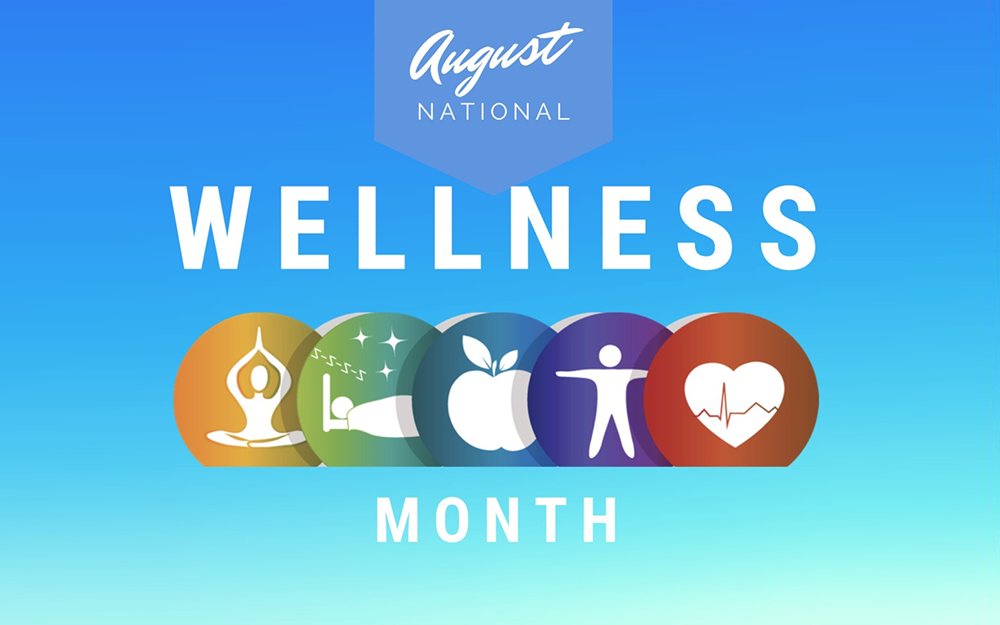
National Wellness Month speaks to me as I try to live a healthier life, work daily on my mental health, rest my mind, and eat healthier. I believe strongly in self-care daily for my overall health and well-being. Maybe you too will make August a wellness month for you.
Every August, celebrate National Wellness Month! Prioritize your self-care, reduce stress, and create healthier habits to feel like your best self!
We can often put our health and wellness on the back burner due to work deadlines, traffic, family obligations and other stressors. Research has shown self-care can help increase happiness by up to 71%. National Wellness Month was born out of the idea that if we are going to do big things in the world— build our careers, raise a family, further our education, create new ideas, and nurture our bodies — we need to take care of ourselves.
This August, take the “I choose wellness” pledge, a promise to yourself that you’re prioritizing your self-care. Choose one small daily habit (like drinking 64oz of water daily or walking 10,000 steps), take the 31 day Wellness Month challenge to discover a new way you can take care of yourself each day, or explore different offers at your local spa and wellness business to try something new! Learn more at wellnessmonth.com
HISTORY OF NATIONAL WELLNESS MONTH
The concept of self-care has a long and varied place in human history amongst different cultures and time periods. Ancient philosophers like Socrates and Plato emphasized the importance of self-care and self-reflection as part of a virtuous life. Taoist principles also promoted self-care through practices such as meditation, breathing exercises, and herbal medicine. The 19th and 20th centuries also saw the emergence of movements focused on mental health and self-care. Many of these practices have been successful in creating a healthy mind and body for many generations and have carried over into modern day ideas of self-care.
Today, the concept of self-care encompasses various practices aimed at holistic well-being, including physical exercise, healthy eating, mindfulness, stress reduction techniques, and more. Self-care and wellness is a personal and subjective concept but the underlying idea of taking deliberate actions to care for oneself physically, mentally, and emotionally remains central.
I’m all for any awareness of taking care of your health, self-reflection, self-care, and healthy eating.
The family cookbook contains recipes, my Granny’s & Gramps used often and is the type of food I grew up on. Many with veggies and tomatoes from their garden. Good ole Southern food like my Gramps dumplings, to Grannies pecan pie.
I don’t know who Jeff David was but know that he was related to Granny’s mother, Carrie Bell whose maiden name was Davis. The pie sounds yummy with its 3 cups of sugar!
What you need
3 cups Imperial sugar
1 cup butter
2 TBS flour
1/4 TSP salt
1 TSP vanilla
4 eggs beaten lightly
1 cup milk
How to make
Cream sugar and butter
Blend flour, salt, and vanilla into the mixture and beat well
Add eggs then stir in milk into the mixture
Line 2 9-inch pie pans with pie crust
Pour the filling and bake at 450 degrees for 10 minutes
Then reduce heat to 350 degrees for another 30 minutes or until pie filling is firm
I bet it tastes even better with some homemade vanilla ice cream on top.
This week, we proudly launched “The Lighthouse,” a new, comprehensive guide for survivors-victims of domestic and sexual violence and their loved ones. It includes in-depth information to recognize all forms of domestic and sexual violence; find counseling services, legal aid, and other resources; and get inspiration to light the way toward a brighter future.
“The Lighthouse” was inspired by Karoline Starostik. She has shown tremendous courage in speaking out and tremendous generosity in wanting to create the guide to help other survivors who may be in need of support.
Several victims and survivors of domestic and sexual violence helped to name the guide, and their voices are included throughout it. We are beyond grateful to Karoline and everyone who shared their experience and are helping to empower countless others.
The guide also highlights and includes links to resources from several of our partners and allies. We thank these and all the amazing organizations who work tirelessly to support victim-survivors of domestic and sexual violence in communities across the U.S.
This guide is for you, for your friend, your neighbor, your colleague. It’s for everyone who needs to know if they are, or someone they know is, being abused. And if they are, where and how to get help as safely as possible. It’s intended to light the way towards empowerment, resilience, and healing for those who have endured the unimaginable.
Together, let’s continue to strive to create a world with no abuse. Until then, we will work to enable the voices of survivors to be heard, their experiences acknowledged, and their journey toward recovery illuminated for others to follow.
Here are a few products I’m loving with right now. I hope you find a product to add to your household or self-care routine. The list can give you ideas for friends, and family. Most products are found on Amazon. I am not an Amazon Affiliate; any links provided don’t cost you more and take you right to the product brand. I am proud of my Affiliate relationships and will always let you know if I make a small commission on a product.
For the past two months, I’ve been nursing myself back to better health. I have low potassium, anemia and have updated my self-care routines. These are the new products I’ve added to help me.
Evolution Fresh
Evolution Fresh® Mighty Watermelon Cold-Pressed Vegetable & Fruit Juice Blend 32 oz.
Natural source of hydration
Carefully sourced ingredients from farm to press
Cold-pressed using high pressure processing to preserve taste and nutrients and ensure safety
Cold Pressed Watermelon Juice [Original HYDRATION]| Natural Electrolytes + Antioxidants | No Added Sugar | 1 liter bottles
DELICIOUSLY HYDRATING each bottle is bursting with fresh pressed watermelon packed with natural electrolytes and antioxidants like Lycopene and L-citrulline to quench your thirst
NO ADDED SUGAR, preservatives, or artificial ingredients in any of our functional flavor boosts, only the delicious taste and hydration from real fruit
REAL, SIMPLE, CLEAN INGREDIENTS that are Vegan, Gluten Free, OU Kosher, Non-GMO Project Certified and naturally power-packed for hydration, immunity, muscle recovery and detoxing
Mooala’s Vanilla Bean Almondmilk isn’t your regular, plain ol’ vanilla almondmilk. Our recipe blends blanched almonds, real vanilla beans, and a touch of sugar cane juice with the best organic vanilla flavors we could find. The result is a creamy, delicious taste that would rival your grandma’s homemade ice cream. But with way less calories. Gluten free.
This is the best Almond Milk I’ve ever tasted and we drive across town to buy it since Central Market is the only place we can find it. My husband doesn’t drink it but knows how much I love it. The touch of pure cane sugar juice makes all the difference. It’s so creamy, you can taste the vanilla beans and the top of of pure cane sugar makes it addictive.
Easy Morning Overnight Oats
Organic Mix of Rolled Oats, Flax, Chia, Steel Cut Oats ⎸ Make in Overnight Oats Containers with Lids, Then Wake Up to Your Perfect Breakfast (10 Serving Bag, 15oz)
I make mine with Almond Milk, add a few chopped pecans, and add fruit on top. In the morning I have to add a little extra milk since I don’t like mine dry. I have used strawberry and mango both of which taste great. I did buy some Overnight Oat jars with lids since I didn’t have anything that would work and they are dishwasher safe. Also bought it on Amazon.
26 PCS Mix Dried Eucalyptus & Lavender Flowers Bundles for Shower, 17” Natural Real Hanging Silver Dollar Eucalyptus Leaves Stem, Fresh Shower Plants, Fragrance, Wedding Decor (26 pcs)
Eucalyptus & silver dollar leaves have a menthol-like distinct scent that is used in aromatherapy to encourage relaxation and anxiety relief. Dried lavender has a calming scent, soothing effect. Enjoy a moment of peace in your busy day with this Shower Plants Set and enjoy the simple pleasure of aromatherapy in every shower!
A moisturizing non-oily hand cream enriched with extra-virgin olive oil and olive leaf extract with aromatic notes of the sea. The list of good-for-you ingredients is long, and it soaks in fast leaving your hands completely moisturized and soft. I have no problems working on the computer right after applying.
I also use their body lotion and shower gel in my bath, it smells good and leaves your skin soft.
Clovertree Apothecary was founded in 2009 by Amy Bohn – massage therapist, herbalist, breast cancer survivor, and co-founder of one of the top organic spa companies in the world. Amy and her team of herbalists and chemists have spent more than a decade developing authentic, pure, plant-powered products, specifically formulated to remedy the various skin and body concerns that are common to today’s spa-goers and consumers. These products have now been tested and perfected by hundreds of estheticians and massage therapists on hundreds of thousands of satisfied spa customers, and are proven to provide real results and a beautiful, luxurious experience.
Clovertree products are Plant Powered® – packed full of pure plant ingredients and formulated to remedy specific skin and body concerns common to spa customers. It is a true “clean beauty” line, containing no artificial colors or fragrances, and no harmful chemicals or preservatives. All products are gluten-free and “beegan” (vegan + bee products) and never tested on animals.
I recently discovered Clovertree and was so impressed with their background, that I stocked up on several items and see myself buying many more good-for-you products from them. They are not far from where I live but I buy online since I’m immune compromised.
Skin Rescue Balm × 1 Muscle Relief Bath & Body Oil × 1 Limoncello Signature Candle × 1 Triple C Repair Serum × 1 Hibiscus Rose Lip Balm × 2 Balance Me Centering Oil × 1
Living alone with a chronic illness can make it hard to get support. Some may worry about burdening others or explaining their condition, but there are people who want to help.
Not all chronic conditions are apparent, and their “invisibility” can make asking for help a challenge.
People living alone may feel this most, without a partner, family, or roommates who understand their daily routines and consistent needs.
If this describes you, you may find yourself with another task on your to-do list: finding the support you need.
Read on for tips on how to get your needs met, even when living alone with chronic illness.
1. First, know it’s OK to need help (and you’re not a burden)
People with chronic illness may be reluctant to seek help for several reasons.
“People don’t want to be a burden on others,” says Marzena Gieniusz, MD, an internist. “I hear this a lot in my practice, even when there are people willing, able, and happy to help available.”
Part of this involves cultural expectations and norms.
“Our culture places high emphasis on independence and autonomy,” says Rehan Aziz, MD, a psychiatrist.
Sometimes the issue is communicating what you need.
“Many people with chronic illnesses also face the challenge of their conditions being ‘invisible,’ which can lead to misunderstandings about the severity of their needs,” says Clorinda Walley, president of Good Days.
Still others may simply prefer being alone.
“Living alone can provide a moment of solitude — a reprieve from the intensity of medical spaces and constant interactions with others,” says Gabriel Cartagena, PhD, a clinical psychologist. “Living alone can also provide individuals with space to pause, reflect, and process their thoughts and experiences.”
2. Reflect on your relationship to asking for help
Cartagena recommends starting with self-reflection as you embark on your journey to find the support you need.
You can ask yourself questions like:
Has it been uncomfortable for me to ask for help? If so, why?
What does it mean for me if I do ask for help?
What do I worry about losing if I ask for help?
What difficulties might I have if I don’t get the help I need right now?
This reflection can be a key first step to understand what it means to you to ask for help, and why you may feel reluctant to do so.
Cartagena says the next question to ask yourself is: “Who do I feel I can trust?”
The answer may be a family member or friend. It may be challenging to ask, but you can try reframing your thoughts.
“People like to feel useful and will often be happy to be able to help in a practical way,” says Hannah Carmichael, the director of the Living Well Alone Project.
3. Be specific about your needs
While people may be eager to help, they’ll likely look to you to hammer out the what, when, and how. The good news? You’ll be able to advocate for your actual needs.
“The more specific you can be, the easier you make it for others to help you,” Carmichael says. “This gives the person you’re asking much more certainty about exactly what you need and clarifies their role.”
For example, “Rather than ‘I’d really appreciate some help with a bit of shopping at some point,’ try, ‘Next Thursday, would you be able to drive me to the shopping center at 3 p.m., and stay with me while I pick up a couple of birthday presents?’” says Carmichael.
Carmichael suggests asking different people to help with different tasks. Think of assembling a village like a coach putting together a team — everyone has a unique skill set and availability. This step can also prevent overloading one person.
For instance, a person who loves cooking may be able to assist with meal prep. A friend who enjoys driving might be willing to give you a lift to the doctor. An assertive but tactful friend could be a good advocate for you in the emergency room.
Think of assembling a village like a coach putting together a team — everyone has a unique skill set and availability.
5. Build a village near your hometown
You may not have family and friends around who can help, or perhaps you’re looking for new connections.
“When you live alone, you don’t have anyone ‘on hand’ to keep you company,” Carmichael says. “That means that the responsibility is on you to find people to be friends with, and it’s also on you to grow and maintain those relationships.”
Here are some tips to get you started.
Look online
Online resources can help set you up for in-person social support.
“Look on Meetup [and] on local Facebook groups for activities taking place that don’t need you to travel too far from home,” Carmichael says. “You might be surprised at how much is going on.”
Local notice boards at a library or community center may also spark ideas.
Keep an open mind
It can be beneficial to try something different.
“You never know, that local talk on the history of bridges in your area might turn out to be a lot more interesting than you think, or at least, a chance to meet new people,” Carmichael says.
Get into a routine
One of the easiest ways to build new connections is to encounter the same people daily. It’s not always luck.
“Try to walk the dog or go for a stroll at the same time each day, and see how quickly you start to spot familiar faces,” Carmichael says.
6. Look into community-based programs
You may have organizations within your community with people who have already volunteered to help.
“Some communities have volunteer programs that offer free assistance with tasks like grocery shopping, transportation, and home maintenance for individuals with chronic illnesses,” says Aziz.
Aziz recommends services like Meals on Wheels. However, the nonprofit generally serves people 60 and older.
Local churches, mosques, synagogues, and other volunteer-based organizations may also have services accessible to people regardless of age. A healthcare professional can point you to organizations within your community.
7. Find support online
One of the benefits of living in the Digital Age is that it can connect you with people you might not normally meet.
“Face-to-face interactions are great, but they’re not always possible when you’re living with a chronic illness,” says Carmichael. “There are some brilliantly friendly, supportive groups on Facebook, for example, if you take the time to look for them.”
Carmichael suggests searching for groups geared toward people with your condition or even hobbies and interests.
Aziz agrees that online groups can be a useful tool.
“Virtual support groups and forums can be valuable resources for connecting with others who share similar challenges and experiences,” Aziz says.
Gieniusz says it can be a challenge to stay up to date with medications, which can be critical to managing a condition. Compounding matters, you may be using different pharmacies for different medicines.
“Using a delivery pharmacy to ensure medications are at your door and on time can help make managing chronic illness easier,” Gieniusz says.
Major pharmacies like Walgreens and CVS also offer delivery services.
9. Let them know you value their help
Simple acknowledgments of someone’s efforts to help you can go a long way in community-building.
“It’s important because it not only shows recognition but also encourages a continued support network,” Walley says.
Carmichael agrees.
“Think about what you can offer in return so that the relationship feels more reciprocal,” Carmichael says. “Even if your condition means you won’t be able to help them with practical tasks, you could perhaps offer a cup of tea and a chat about something on their mind.”
Walley says thank you notes or simply saying or texting “Thank you” are often enough.
Simple acknowledgments of someone’s efforts to help you can go a long way in community-building.
10. Enlist help through national nonprofits
National nonprofits can connect you with organizations in your area.
Living alone with a chronic condition can be both practically and emotionally challenging.
Even if you can’t afford in-home aid, resources are available.
From the wider community to national organizations, there are people out there who want to provide support. Sometimes, but not always, all it takes is asking.
Medically reviewed on March 20, 2024
5 Sources
These are some great ideas and many will take time but the payoff can make all the difference in your life.

















 Skin Rescue Balm × 1
 Muscle Relief Bath & Body Oil × 1
 Limoncello Signature Candle × 1
 Triple C Repair Serum × 1
 Hibiscus Rose Lip Balm × 2
 Balance Me Centering Oil × 1
 lookingforthelight.blog