Meghan Bradshaw was just 25 when severe joint pain appeared seemingly overnight.
Once active and independent, she found herself unable to walk, dress, or function on her own. She returned to her mother’s care while doctors struggled to explain her condition.
After two years of misdiagnosis and ineffective treatments for rheumatoid arthritis, Bradshaw finally received clarity. She tested positive for Lyme disease and other tick-borne illnesses.
That diagnosis came after she turned to OrthoCarolina, where her orthopedic team helped connect her with a specialist who identified the root cause of her symptoms. Though the diagnosis came with its own challenges, it offered the one thing she had been missing: hope.
Over the next six years, Bradshaw underwent 18 joint replacements and reconstructions at OrthoCarolina, including procedures on her shoulders, elbows, hips, knees, hands, and meniscus. Her care was guided by a team of four orthopedic specialists who worked together to create a patient-centered, personalized treatment plan tailored to her needs.
“When I was finally diagnosed with Lyme disease and other tick-borne diseases, it felt like I had a chance to fight again,” said Bradshaw. “The doctors at OrthoCarolina didn’t just treat my joints – they helped restore pieces of my life I thought were lost forever. Every surgery brought me closer to feeling like myself again.”
OrthoCarolina’s collaborative care model played a critical role in her recovery. Surgeons, physical therapists, and staff maintained open communication with Bradshaw throughout each stage of treatment. Shared decision-making, comprehensive education, and clear expectations helped her feel confident and supported at every step.
Extraordinary resilience
“Meghan’s case of Lyme arthropathy was one of the most advanced that I’ve encountered,” said Dr. Glenn Gaston, a hand specialist at OrthoCarolina. “She showed extraordinary resilience throughout her entire journey. Our goal wasn’t just to restore joint function, but it was also to help give her life back.”
Today, Bradshaw calls herself the “Bionic Woman,” a title she embraces with pride. But her story doesn’t end with recovery. It has evolved into advocacy.
After earning her master’s in public health from the University of North Carolina at Chapel Hill, she became a national voice for Lyme disease awareness. As Government Relations Manager for the Center for Lyme Action, she has met with more than 100 members of Congress to push for improved education, diagnosis, and care for tick-borne illnesses.
“I’ve turned my pain into purpose,” Bradshaw said. “Every time I share my story, it’s for the people still searching for answers, just like I was.”
Marking a decade since her first symptoms, Bradshaw’s journey continues. This May, during Lyme Disease Awareness Month, her voice stands as a testament to the power of perseverance, the value of accurate diagnosis, and the life-changing impact of compassionate, expert care.
I was kindly gifted an advanced copy of Finding Joy with an Invisible Chronic Illness, Proven Strategies for Discovering Happiness, Meaning, and Fulfillment by Christopher Martin from NetGallery for a review.
Published 2021
I am a school psychologist, husband, father, and – pertinent to this website – an author who has multiple invisible chronic illnesses.
And an invisible chronic illness is a beast. On top of draining you physically, a chronic illness can impact all aspects of your life ranging from causing financial hardship to harming your relationships to dampening your spirits. Try to be cheerful when you have this unremitting “monkey on your back” known as an invisible chronic illness that constantly demands your attention 24-7. Needless to say, it’s easy to let yourself and others down.
Plus, your family or friends can’t see your illness, as it’s invisible, and they may not understand. Most with an invisible illness are familiar with “advice” ranging from “stay positive” to “you look good” to “Have you tried ___ for your condition?” Yup, you probably have, and it didn’t work.
On top of that, best wishes in accessing (and maintaining) high quality medical care when you are too tired to even take care of yourself.
Welcome to the world of an invisible chronic illness. I should know. I suffer from multiple invisible chronic illnesses, including a primary immune deficiency disorder and bronchiectasis.
But it doesn’t have to be this way – for you or for me. While I am not cured of my illness, I enjoy a fulfilling life and experience ongoing joy, peace, and happiness. Because of outstanding medical care, extensive self-educating and self-care, a supportive family, and a strong faith, I effectively manage my chronic illnesses. But I didn’t want to be the only one to benefit. It was my goal, in turn, to give back to others by doing what I love to do: authoring books on these conditions.
Blurb
“Finding Joy is a vital guide on how to best manage and navigate life with a chronic illness.”—James Nestor, New York Times bestselling author of Breath: The New Science of a Lost Art
“Finding Joy provides a comprehensive, evidence-based roadmap for not only coping with chronic illness, but personally optimizing self-growth and resiliency from the experience.” —Joanne Joseph, PhD, professor of psychology and interim dean of the College of Health Sciences, SUNY Polytechnic Institute, and author of The Resilient Child: Preparing Today’s Youth for Tomorrow’s World
* How can you experience those good thoughts and feelings, enjoy life to its fullest, and de-stress when faced with relentless physical suffering?
* How can you enhance your relationships, find support, respond to the naysayers, and possibly even help them understand you and your illness?
* When seeking medical care, how can you get the answers you deserve, and access and maintain quality healthcare?
Early Reviews
“”Finding Joy is absolutely phenomenal. Chris Martin’s heartfelt approach offers numerous meaningful strategies to thrive when faced with the many unseen and unrecognized issues of living with an invisible chronic illness.””—Heather Lewis-Hoover, MS, CAS, school counselor
““Finding Joy is a vital guide on how to best manage and navigate life with a chronic illness.””—James Nestor, New York Times bestselling author of Breath: The New Science of a Lost Art
“Finding Joy provides a comprehensive, evidence-based roadmap for not only coping with chronic illness, but personally optimizing self-growth and resiliency from the experience.” —Joanne Joseph, PhD, professor of psychology and interim dean of the College of Health Sciences, SUNY Polytechnic Institute, and author of The Resilient Child: Preparing Today’s Youth for Tomorrow’s World
My Thoughts
I think Chris says it best, the diagnosis is a step forward, it’s not the last.
Finding Joy with an Invisible Chronic Illness is a great find, one for all to read, patients, loved ones, and, family members. It is a simple and practical approach to taking control by understanding how we think and what we have control over when it comes to our chronic condition and healthcare treatment.
Arthritis is a condition that causes joint pain, inflammation, and stiffness. Though there’s no cure, you can use natural treatments such as heat and cold therapy to slow its progression and manage symptoms.
Heat and cold therapy are common treatments for arthritis due to their ability to alleviate pain, discomfort, and stiffness in joints, muscles, and soft tissues. The treatments may help to improve mobility, increase flexibility, and boost blood circulation, which may bring you immediate relief. Heat and cold therapyTrusted Source may also be slightly beneficial in improving function and quality of life.
You can use a combination of heat and cold therapy based on your symptoms and which treatments you find most effective, convenient, and enjoyable. Depending on time, convenience, and preference, you may add some of these therapies to your routine. Aim to do heat or cold treatments a few times daily.
Continue reading to learn more about the various types of heat and cold therapy. These simple treatments may relieve arthritis symptoms and help you to feel better.
Cold therapy, or cryotherapy, decreases blood flow to the affected area, which can reduce swelling and inflammation. It may have a numbing effect and help to relieve pain. However, it may exacerbate muscular tension.
In general, cold therapy is best for painful, inflamed joints, making it the best option for acute pain, inflammation, or swelling. It may be beneficial to do cold therapy after exercise or physical activity that causes discomfort. For best results, elevate the affected area.
Do not use cold therapy if you have poor circulation or a sensory condition such as diabetes that inhibits your ability to detect particular sensations. Talk with your doctor before using cold therapy if you have cardiovascular or heart disease.
To prevent nerve, tissue, and skin damage, do cold therapy for a maximum of 20 minutes. Continually check to make sure you can feel sensations in the affected area.
Ice pack
Apply a bag of frozen food, a bag of ice, or an ice pack to the affected area. You can also freeze a wet towel or sponge before applying it to the affected area. Wrap a towel around your ice pack to protect your skin.
Apply the pack for up to 20 minutes at a time. Stop the treatment if your skin begins to feel numb.
Check out some of the best ice packs for joint pain here.
Ice massage
Use an ice cube to massage the affected area. You can make a large ice block by freezing water in a paper cup.
Have a towel handy to absorb excess moisture.
Ice bath
You can take a full or partial ice bath to reduce inflammation and muscle pain. Stay in an ice bath for a maximum of 15 minutes.
Cold bath or shower
For an option that’s less extreme than an ice bath, take a cold bath or shower. According to a 2017Trusted Source study, cold mist showers may help to reduce pain in people with chronic inflammatory arthritis.
There are several types of heat therapy, called thermotherapy, options for arthritis. Heat therapy improves circulation and causes your blood vessels to expand. This helps your body to deliver more blood, oxygen, and nutrients to the affected area, which may reduce inflammation, stiffness, and pain. Heat therapy may also improve mobility, which makes it easier to relax, loosen up, and move.
If a heat therapy session causes swelling, redness, or inflammation avoid further treatments until your symptoms subside. Avoid using heat therapy during a flare-up or the acute stage of an injury. Talk with a healthcare professional before using heat treatments if you have heart disease or high blood pressure.
Do not use heat therapy if you have any of the following conditions:
diabetes
dermatitis
vascular diseases
deep vein thrombosis
multiple sclerosis (MS)
Hot shower
Hot showers may be beneficial to prepare for exercise or the day ahead. They may alleviate stiffness, improve mobility, and increase flexibility. Make sure the water isn’t too hot, especially if you have any cardiovascular concerns.
Warm compress
Apply a hot water bottle, electric heating pad, or homemade heating pad to the area of concern for up to 20 minutes at a time. For a full-body treatment, use an electric blanket.
This therapy is not suitable for people who have diabetes, have impaired sensation, or have had a stroke.
Swim or exercise in warm water
Swimming and exercising in warm water allows you to build muscle strength, improve flexibility, and increase mobility while reducing compression to your joints. This may help to ease discomfort and alleviate stiffness.
If you live near a warm body of water, take a dip in a natural setting. Otherwise, find a heated pool in your area. Aim to spend at least 20 minutes in the water.
Bath
Take a warm bath to relax and release tension or pain. For more benefits, add ingredients such as baking soda, Epsom salts, or essential oils. You can bathe for up to 2 hours.
Saunas and steam rooms
You can use a dry sauna, infrared sauna, or steam room to improve circulation and alleviate stiffness.
The results of a 2018Trusted Source review suggest that consistent use of a dry sauna is beneficial for people with rheumatoid arthritis as well as chronic pain syndrome. It may also help athletes to improve performance.
You can stay in a dry sauna or steam room for up to 15 minutes though you may want to begin with shorter sessions. Give yourself plenty of time to cool down in between sessions.
If you’re pregnant, talk with your doctor before using a sauna or steam room.
Paraffin wax treatment
This treatment may help to boost circulation, receive tension, and alleviate stiffness.
To do a paraffin wax treatment, dip your hands or feet in hot paraffin wax and cover the area with plastic or a towel. After 20 minutes, remove the wax. Pay attention to how your skin reacts and look out for any adverse reactions.
Many people find it beneficial to alternate between heat and cold therapy. You can switch between hot and cold therapies throughout the day. Usually, it’s best to wait at around 20 minutes between sessions, though you can also alternate between hot and cold water in the shower. Always start and finish with a cold treatment.
Talk with your doctor before alternating between full-body treatments such as an ice bath and a sauna or hot tub.
If you’re looking for remedies for arthritis to add to your existing treatment routine, heat and cold therapy are great options. You can use hot and cold therapies to manage symptoms of arthritis and improve your overall comfort.
Heat treatments help to relieve stiffness, improve circulation, and increase flexibility. Cold treatments alleviate pain and inflammation, which make them useful to do following physical activity. The effect of heat and cold therapy may only last a few hours, though over time they may help to reduce the severity of pain and keep symptoms at bay for longer.
Choose the remedies that yield the best results and add them to your self-care routine. Always make sure to protect your skin since hot and cold therapy have the potential to cause skin damage. Talk with a healthcare professional before starting any new therapy, especially if you have any additional medical conditions or take medications.
Fibromyalgia Awareness Month is important to me because I have it and know others that do. One of the biggest challenges Fibromyalgia patients face is there are so many different symptoms and they mimic other illnesses. That’s one reason it can years to get a proper diagnosis.
Why National Fibromyalgia Awareness Day?
Fibromyalgia is a chronic, complicated disease that affects millions of men and women throughout the world. A musculoskeletal illness produces widespread severe pain with symptoms like increased skin sensitivity, muscular rigidity, difficulty sleeping, memory and attention problems, excessive weariness, and headaches.
It is a challenging condition to identify because there isn’t a single test that can detect and treat it, and the symptoms get frequently misdiagnosed as attributed to other illnesses. Many people feel that the condition is psychological and not genuine due to a lack of research and the difficulties in defining the variables that cause it. Furthermore, there is no permanent relief for the suffering.
As a result, the keys to combating Fibromyalgia are awareness and financing. The goal of this day is to raise awareness about the condition and to encourage further research into finding a cure. The day’s observances greatly minimize the level of threat and the likelihood of being afflicted. When we try to learn more about a disorder like fibromyalgia, we realize just how far we’ve come in terms of innovation and advancement. Observing National Fibromyalgia Awareness Day allows us to reflect on our accomplishments.
Thoughts
Another huge challenge of having Fibromyalgia is it’s invisible, you don’t look sick unless you’re having your worst day. Most of the time you look fine and that is where the misunderstanding about the illness starts with friends and family. You can’t predict how you’ll feel tomorrow let alone next week, so you make plans, only to have a flair day and can’t get out of bed or can’t think straight and have to cancel your plans.
When people think you look fine and you’re not they can take it personally, that’s why it is important to share the basics of the illness and tell them that when you have to cancel on short notice it has nothing to do with them or not wanting to see them.
One suggestion for those newly diagnosed is to take your loved one or family member to a doctor’s appointment. This made a huge difference for me with my mental illness. My husband got to hear everything from the doctor’s mouth and got a better understanding of what I was dealing with. We also tell our doctor symptoms we don’t talk about every day and this is another time your loved one can understand all the ways Fibromyalgia affects your life.
Another way you can help is to participate in a Clinical Trial for Fibromyalgia, Keep your eyes open for news about trials in your area. It’s always possible you’ll get a drug that helps you in some way vs a placebo. It’s a 50% chance. The key is to understand the risks and or interactions with your other medications.
Go easy on yourself. If the house isn’t as clean as you’d like, don’t worry about it. Work a little at a time or call a house cleaning service if you can.
Antech, a veterinary diagnostics company, has launched two advanced screening tests for tick-borne diseases, heartworm, and other pathogens.
Enhanced Accuplex™ can now test dogs for three Ehrlichia species, and two Anaplasma species, alongside heartworm (Dirofilaria immitis)antigen, and antibodies to confirm exposure to Lyme borreliosis (Borrelia burgdorferi).
Antech is also offering a new enhanced vector-borne disease PCR panel for dogs and cats. capable of detecting such threats as Rocky Mountain spotted fever, babesiosis, and cytauxzoonosis.
NSAIDs can pose a risk to your kidney health. But while acetaminophen may be safer, all pain medications should be taken with a doctor’s supervision if you have kidney disease.
It’s almost a reflex: You have an ache or pain, so you reach for an over-the-counter (OTC) pain medication. But as routine as this behavior is, not everyone should casually take pain medications, as there can be potential negative interactions.
For example, people with kidney damage or reduced kidney function might not be able to use every OTC pain medication. Let’s look at why and what you can safely do for pain relief.
Before taking any pain medication, you should speak with your physician or a health professional to determine any possible interactions or risks that you might encounter.
For people with kidney disease, aspirin can increase the risk of bleeding. And in those with reduced kidney function, aspirin is not recommended unless prescribed by a physician. The recommended alternative can vary depending on the type and severity of kidney problems that you have.
Often, acetaminophen (Tylenol) is the preferred alternative. But it’s encouraged that you use the lowest dose possible that still manages pain or fever symptoms, decreasing doses gradually. And likewise, you should not exceed more than 3,000 milligrams per day.
Alternatively, if an OTC acetaminophen drug doesn’t control pain symptoms, a physician may suggest a temporary prescription alternative like tramadol. In its immediate release form, tramadol can be used in individuals with chronic kidney disease (CKD) or end stage renal disease (ESRD).
However, extended release dosing for tramadol is not recommended for people with advanced CKD or ESRD.
Which pain medication is safe for kidney transplant patients?
Similar to people with kidney disease, transplant recipients should only consider acetaminophen to manage post-operative pain symptoms. Again, best practices include using the lowest dose possible and never exceeding 3,000 milligrams per day.
Which pain medication is safe for kidney stones?
The short answer to this question is, it depends. If a patient has kidney stones with no underlying renal issues, then any OTC pain medication can be used to manage the pain symptoms associated with passing a kidney stone.
This includes ibuprofen, nonsteroidal anti-inflammatory drugs (NSAIDs), and acetaminophen. Multiple studies and reviews have consistently shown positive patient outcomes when using OTC medications of all types to treat pain associated with renal colic or passing a kidney stone.
However, if someone also has impaired kidney function and kidney stones, NSAIDs are not recommended. A physician will provide the best guidance, but typically, sticking with acetaminophen is the best choiceTrusted Source for managing kidney stone pain when you have kidney disease or impaired kidney function.
Misusing any pain medication can increase your risk of kidney damage. This includes aspirin, ibuprofen, acetaminophen, NSAIDs, and of course, prescription opioid medications. The most common risks center around consuming too high a dose or taking medications for longer than recommended.
But of all the OTC pain medication categories, NSAIDs pose the greatest risk of continuous kidney damage. Specifically, these medications can increase the risk of progressive kidney damage or sudden kidney failure.
A 2019 studyTrusted Source involving over 764,000 U.S. Army officers found that participants who were prescribed more than seven daily doses of NSAIDs per month had an increase in the potential for an acute or chronic kidney disease diagnosis.
Regardless of whether you have a diagnosed kidney disorder or have healthy kidney function, OTC medications should be used with care.
Excessive use by consuming too high a dose or for prolonged periods can lead to a variety of health problems throughout your body — including damage to the kidneys.
For people with kidney disease or impaired kidney function, avoiding NSAIDs unless directed by a physician is the safest way to avoid further harm. Instead, opt for acetaminophen and be sure to use the lowest dose for the shortest period to control pain symptoms.
And when in doubt, speak with a physician or health professional before taking an OTC pain medication.
This is a previous post I feel is important to shine a light on for Mental Health Awareness Month.
Some states like Colorado have what’s called a Red Gun Law. It basically allows someone who is concerned that a person may harm themselves or others to go before a judge and if warranted, have their weapons taken away for 30 days. This type of law could save many lives, in that 30 days, you might be able to get your loved one or friend the help they so desperately need.
My father committed suicide in 1992 after a long struggle with mental illness, he was 52 years old. This post isn’t about how to prevent suicide, or that it’s preventable, this post is about what is left behind after a person commits suicide.
September is Suicide Prevention Month and I’ve struggled with what to write. I do believe strongly that as a society we have to talk about suicide. As much as I advocate for everything I believe in suicide is something so personal to me that it’s different. It’s not the stigma, I don’t care what anyone thinks about my father’s death. It’s that in order to prevent suicide you have to start so far in advance of the person wanting to commit suicide.
My father abused me and we were estranged from the time I was a teenager. When I lived with my father I knew he was emotionally unstable but I was a kid and had my own problems. After 14 years my father calls me and starts talking about suicide. About how he can’t work, how he doesn’t have any money, and on and on.
The daughter and human in me responded, I was heartbroken, in shock, felt responsible and started paying his bills, sending him money and we talked all the time. He constantly talked about people bugging his phone, and people following him. I didn’t realize at the time my father was delusional.
I continued to beg him every time we talked to not kill himself, to think about my granny, his mother who would be devastated. I talked and pleaded for months. Begged him to go to the doctor. I did what I could.
I got a call late one Sunday saying “your father did away with himself” from my gramps. I was in such shock I called right back and asked was he dead or on the way to the hospital. No, he’s dead.
Here are a few things I learned after my father died.
He had been in a downward spiral for years by looking at his living conditions. He had boxes and boxes of cassette tapes by his bed, recordings he had made. I remember him talking about someone bugging his phone so I listened to every one of those tapes several times. There was nothing on most of them, some were recordings of my father talking on the phone. Some were just noise or his breathing. My father was delusional.
I could go on and on but there are a few takeaways.
One of the most difficult things you have to deal with in a suicide death is a closed casket funeral. You can’t see their face and say goodbye so there is an unmet emotional void that never goes away.
I did everything within my power, my dad was a grown man. A man with his own free will. I could not make him go to the doctor for help. There wasn’t a Gun Law in Texas where you could call the police and they would come out to take away a gun. There may not be one now.
I felt unbearable guilt, the pressure of the weight of thinking I could have prevented my granny’s pain was so much I drank myself crazy.
What I did learn from his death as we had the same mental illness, Bipolar Disorder, and I was 75% more likely to commit suicide because my father had. I took that information and I found the best Psychiatrist I could. He is still my doctor today and has saved my life many times.
You can’t stop someone from killing themselves if they are determined. They will find a way now or later.
What we can do is look for signs early in life and during a crisis to see if a person needs help and guide them in that direction. If you’re a parent you have much more control when your child is younger.
The key to preventing suicide is to bring all the emotional damage to the surface to be dealt with and treat mental illnesses with the help of a Therapist & Psychiatrist. I will also add that if you’re inclined you can push for laws that allow the police to be called and for them to take the gun away for some period of time. Each state is different. You can also push for stronger gun laws if that is your wish.
It took me many years to grieve my father but I have reached the other side. You can too.
If you’re living with a knee condition, you may wonder if a chiropractor can help treat your knee pain. The answer is, it depends.
Knee pain is a common concern that frequently occurs due to aging, injury, or overuse. Mild, acute knee pain usually subsides within a few days using home treatments. However, chronic and severe knee pain requires treatment to ease discomfort and prevent it from worsening.
One treatment option for knee pain may be chiropractic care, which uses holistic methods to treat your whole body and improve overall well-being. A chiropractor may be able to treat some knee pain and address underlying issues.
However, this method may not be for everyone. Chiropractic treatment is ideal if you prefer a natural healing approach, and if your knee pain is not caused by an injury or condition that requires surgical intervention.
In some cases, chiropractic care may be enough to help ease knee pain. In other cases, you may use it alongside conventional medical treatments.
Read on to find out more about common causes of knee pain, how chiropractic care can help, and what to expect during sessions. Plus, you can learn about the risks and considerations of treatment.
Chiropractic care is a type of complementary medicine that focuses on your body’s natural healing ability. It is based on the belief that aligning the body enhances the functioning of the nervous system and overall well-being.
A Chiropractor is a healthcare professional who diagnoses and treats musculoskeletal conditions, including chronic pain. They use a holistic approach to address your primary concerns and consider contributing factors, including injuries, movement patterns, and lifestyle habits.
Chiropractors use soft tissue and manual therapy techniques to realign your spine and joints. Treatment may help with movement, ease discomfort, and improve function. Chiropractic care may also increase your range of motion and ease tension, helping you feel more relaxed and less stressed.
Chiropractors can treat several painful knee conditions and concerns, especially those that get in the way of mobility.
Knee conditions that chiropractors treat include:
Osteoarthritis (OA): OA occurs when the articular cartilage of the knee breaks down due to age or an injury. The bones then create friction that leads to pain, stiffness, and limited mobility.
Rheumatoid arthritis (RA): Symptoms of this inflammatory autoimmune condition include swelling and stiffness. Over time, RA can cause bone, joint, and cartilage damage.
Meniscal injury: Meniscal tears occur due to aging, arthritis, and forcefully twisting or rotating your knee.
Patellar tendonitis:Patellar tendonitis is a repetitive injury that causes inflammation and weakness in the patellar tendon, which connects your kneecap to your shinbone. Often, this condition occurs in athletes.
Chiropractors may also treat other causes of knee pain. However, for more severe knee injuries and chronic conditions, you’ll also want to consult a doctor.
Chiropractic treatment may also be suitable for postsurgery rehabilitation as well as overuse and athletic injuries, including sprains and strains.
Having too much body weight is a common cause of knee pain. Being overweight puts extra pressure on your spine, hips, and knees, which results in inflammation.
Chiropractic treatment for knee pain will depend on the cause, symptoms, and contributing factors, which may include excess weight, poor posture, and workplace ergonomics.
To create a treatment plan, your chiropractor will determine if your knee pain is due to a primary cause or a compensatory cause. A compensatory cause is when your knee’s alignment or function is compromised in order to make up for another issue, such as tightness in another area of your body.
The chiropractor will also consider your accompanying symptoms, including inflammation, stiffness, and weakness.
Treatment will usually include other areas of your body, including the neck, spine, and hips. Tightness and misalignments in these areas can contribute to knee pain. Plus, you may have developed poor posture and movement patterns in order to reduce pressure on your knee.
Common chiropractic treatments for knee pain include:
Manual manipulation: This hands-on technique involves aligning your spine and joints to reduce stress, improve posture, and boost mobility.
Traction: This technique involves stretching the knee to reduce inflammation and boost mobility.
Ultrasound: The massaging effect of sound waves can alleviate pain, inflammation, and stiffness.
During your initial chiropractic session for knee pain, your chiropractor will ask about your personal and family medical history, lifestyle, and occupation.
Your chiropractor will ask how and when your pain began and which activities make it feel better or worse. Be ready to explain the type, location, and frequency of pain.
They will perform a physical examination to check your heart rate, blood pressure, and breathing patterns. If necessary, they will take an X-ray.
Usually, you will stand, sit, or lie down on the table during treatments and can stay fully clothed. Wear comfortable clothing that allows you to move freely. Thin, loose fabric is preferable to stiff, thick, and bulky fabric. You can wear tight clothes if they are stretchy.
Avoid wearing jewelry and accessories like belts, which can get in the way during adjustments.
To determine the cause of your knee pain and create an appropriate treatment plan, your chiropractor may apply light pressure to tender areas. They may feel the joint as you move and listen for sounds, including grinding or clicking.
Your chiropractor will let you know how many treatments they recommend. Typically, sessions are more frequent during the initial weeks.
A chiropractor does not prescribe medications or perform surgery. If they are unable to treat your condition, they will refer you to a suitable healthcare professional.
Chiropractic care for knee pain is generally safe and poses few risks. However, it is not suitable for everyone. If you have concerns, share them with your Chiropractor or a healthcare professional to decide what is best.
Since it’s beneficial to relax during treatments, choose a Chiropractor with whom you feel comfortable.
You may experience mild discomfort during your treatment, but it should not be painful. If you feel intense pain, speak up immediately. After treatment, it’s typical to have soreness, headaches, and fatigue.
If you have an inflammatory condition, it is not advisable to have an adjustment during a flare that affects your spine and joints. However, a Chiropractor can perform adjunctive therapies to treat the surrounding tissues and other areas of concern.
Chiropractic care may not be suitable if you have any of the following:
Chiropractic care is a natural, holistic treatment that can help with musculoskeletal concerns, including knee pain from a variety of causes. The goal of treatment is to improve mobility and function so you can move with ease.
You’ll also learn to implement healthy lifestyle changes, including stress reduction techniques, physical activity, and a healthy diet.
Insulin prices have risen steadily since the 1990s. In fact, between 2012 and 2016, the cost of insulin increased by 20.7 percent every year. Increases have been slower in recent years, but costs are still on the rise.
A 2018 survey on insulin affordability from the American Diabetes Association (ADA) found that 39 percent of respondents had seen their insulin prices go up between 2017 and 2018.
Insulin is a lifesaving medication for people with diabetes. Access to affordable insulin is imperative.
The rise in insulin prices in the United States may be due to a few factors. One major reason for the cost increase is that the insulin available in the United States comes from only three manufacturers:
Novo Nordisk
Eli Lilly
Sanofi
This allows those manufacturers to set prices and keep those prices high.
The role of pharmacy benefit managers
Prices are also driven up through the use of pharmacy benefit managers (PBMs). PBMs are companies that create and manage the lists of prescription medications that insurance companies cover. These lists are called formularies.
PBMs give priority to prescription manufacturers that offer large rebates. Manufacturers that offer large rebates are placed on more formularies and are favored by insurance companies.
More expensive prescriptions can offer larger rebates because their starting costs are so high. This has driven the price of insulin up dramatically.
How this affects people with diabetes
The rising cost of insulin makes it difficult for many people to afford it. According to the ADA survey, 27 percent of respondents said the high cost of insulin changed how much insulin they were able to buy or use.
For many respondents, these changes included using less insulin than their doctor prescribed by regularly skipping doses or rationing their supply.
Rationing insulin or skipping doses is very dangerous. It can lead to serious complications such as diabetic ketoacidosis. This complication, which can be fatal, is more common if you have type 1 diabetes and ration your insulin.
However, there are resources available to help you afford the insulin you need. We’ll be discussing several of those resources below.
Insulin manufacturers offer pharmaceutical assistance programs to help people afford their insulin. Each major manufacturer has its own program. You’ll need to meet set income requirements to qualify for these programs.
The income requirements depend on your state and the specific Eli Lilly insulin your doctor has prescribed. You’ll need to reapply for this program every year.
Novo Nordisk Patient Assistance Program
The Novo Nordisk Patient Assistance Program assists Medicare enrollees and people with no insurance who have an income at or below 400 percent of the federal poverty level.
The program provides up to 90 days of free Novo Nordisk insulin to participants. It also offers discounts on insulin once the 90 days are up. Exact prices depend on the specific Novo Nordisk insulin your doctor has prescribed.
Sanofi Patient Assistance Connection
The Sanofi Patient Assistance Connection provides free Sanofi insulin products to people with an income at or below 400 percent of the federal poverty level.
The program is open to Medicare Part D enrollees and people without insurance. You’ll need to reapply for this program every year.
Manufacturers also offer copay savings cards. These cards can help reduce the amount you pay out of pocket for your insulin. Unlike patient assistance programs, copay savings cards are available regardless of your income.
It’s worth noting that Medicare enrollees can’t use copay coupons or drug cards.
Novo Nordisk. Novo Nordisk offers a savings card that reduces the copayments for its products. Your exact savings will depend on the insulin your doctor prescribed, but copayments when using the card range between $5 and $25.
Eli Lilly. Eli Lilly offers the insulin value program. With the program, you can get most Eli Lilly insulin products for $35 per month. You can use the program with or without insurance, and there are no income limits.
Sanofi. The Sanofi copay savings card is for people with insurance. It reduces copayments for Sanofi insulin to between $0 and $10. Those without insurance can join the Valyou Savings Program, which allows people to purchase Sanofi insulin for $99 per month.
Many programs that provide free or low-cost insulin are only available to people who use specific insulins, fall within income guidelines, or live in certain areas.
You can find the programs that best fit your situation by using one of the matching services below. These services don’t provide direct aid or supply insulin, but they can connect you with resources that will help.
GetInsulin.org
GetInsulin.org is a service that can match you with ways to afford your insulin. You’ll enter your prescription, income, insurance information, and location to get matched with programs that can help you get the insulin you need.
The program can also match you with urgent insulin support to get emergency insulin.
Medicine Assistance Tool
The Medicine Assistance Tool (MAT) is similar to GetInsulin.org. You’ll enter information about your prescription, income, and insurance to get matched with programs that will help you get free or low-cost insulin.
The MAT can also help you find programs to cover any additional prescriptions you take.
NeedyMeds
NeedyMeds is a database of healthcare information and resources. You can search by your location, condition, and more. Its list of diabetes resources can help you find low-cost or free insulin.
RxAssist
RxAssist can match you with patient assistance programs that can help you get free or low-cost insulin. You can search for your insulin prescription to get started.
RxHope
RxHope works just like RxAssist. You can enter your insulin prescription and get matched with patient assistance programs. You can apply for any program you find directly from the RxHope website.
Coupon sites, which are free to join, can help make sure you’re always getting the best available price for your insulin. They can reduce your cost significantly.
You can then present a coupon at the pharmacy by using your smartphone or by printing it out. Most coupon sites also offer discount cards that you can present every time you pick up a prescription.
Some popular coupon sites include:
Blink Health.Blink Health will help you find the lowest prices for your prescription and can arrange for your insulin to be delivered to your home.
Some states offer pharmaceutical assistance programs. These programs help people with limited incomes afford any prescriptions they take, including insulin.
Not all states offer these programs, though. In states with programs, the eligibility requirements vary by state. You can check for a program in your state on the Medicare website.
There are a few other options to help you save money on your insulin. These include:
Walmart’s ReliOn Insulin. Walmart carries over-the-counter insulin for $25 per vial. This insulin is an older form of insulin called synthetic human insulin, and using it requires sticking to a strict eating schedule. Talk with a doctor before making this switch.
Community health centers. Community health centers often have sliding scale options that allow you to get affordable insulin. You can locate a community health center near you by using this interactive map.
Pharmacy loyalty programs. Your local pharmacy loyalty program can help provide savings.
Your insurance company. If you have insurance coverage, you can call your insurance company and ask them what their preferred insulin is. The cost may be lower if you’re able to switch to the preferred insulin.
A doctor. A doctor might be able to provide you with emergency insulin to tide you over. They might also be able to switch you to lower-cost insulin.
There are multiple efforts underway to reduce the cost of insulin. Lawmakers and advocacy groups alike are working to help people afford insulin.
The ADA has endorsed three possible pieces of legislation that could affect insulin affordability if they were passed. These are:
The Insulin Price Reduction Act. This act would provide incentives for manufacturers to lower the cost of insulin.
The Safe Step Act. This act would eliminate insurance company “step therapy” programs that can drive up costs.
The Chronic Condition Copay Elimination Act. This act would remove copays for medications used to treat conditions such as diabetes.
These acts may not pass and become law. However, they’re among the current suggestions to help bring down the cost of insulin. Broader healthcare laws and acts that aim to bring down the cost of accessing care in the United States could also affect the cost of insulin.
The cost of insulin has risen dramatically over the past few decades. Many people have difficulty affording the insulin they need to manage their diabetes.
However, there are discounts and programs available to help you find free or low-cost insulin. You can also find coupons to help lower your copayments and overall spending.
Rachel Leland, who often posts on social media about her Lyme-related experiences, recently visited the Padula Institute of Vision Rehabilitation. She posted the following account of her appointment on Instagram.
What I knew before this week
My eyes have been hurting every single day for quite some time now. The muscles behind my eyes felt a constant pain and strain. I had daily headaches around my eyes and temples.
In college, I had a rare eye condition for a 21 year old that no one should be getting until they are elderly. That specific problem resolved a long time ago. But, my eyesight has been getting significantly worse over the past few years. My contacts prescription is only good for a few months before I need a stronger one.
What I thought before this week
Everything I was experiencing was normal and that everyone’s eyes probably felt like mine, but they just weren’t talking about it. So I should just keep taking Advil each day to manage the pain and keep smiling through everything, like always. If you pretend everything is fine, then it’s fine…right?
What I know now after my appointment
My eyes should not be in pain every day. The muscles behind my eyes should not feel constant pressure and pain just from turning them slightly left and right, or up and down. My eye muscles are spasming each time I try to focus on something, causing me to sway between double vision and seeing just one thing.
My eyes and brain have to work too hard to correct this, which is causing my eyesight to rapidly deteriorate. I should not be slamming my shoulder into the door frame multiple times a week when I walk through doors. My eyesight should not be getting worse every few months.
Spatial visual processing dysfunction
Extensive testing yesterday shows I have spatial visual processing dysfunction and the problems I’ve been experiencing aren’t just with my eyes, they are with how my eyes communicate the information to my brain.
I was originally going to schedule this appointment during the summer, so as not to miss work. But after a phone consultation with the doctor, we learned that this couldn’t wait. I’m so grateful that we listened.
There is no quick fix. A number of changes are coming my way, and it’s been a lot to process and it all feels overwhelming right now. If you have Lyme and are dealing with issues with your eyes, here’s an interview my mom did with this doctor a few years ago:
Before my diagnosis of Lyme Disease, I would have looked at this graphic and paid no attention. After 18 months of IV Antibiotic Therapy, experiencing unbelievable pain, and cognitive dysfunction. I would be the poster child for the graphic. Lyme Disease kills and it can take you down slowly. I’m blessed to be in remission.
Testing is inaccurate because doctors have The Western Block test, which tests for several strains of Lyme, but only use one or two of the tests available. Interestingly enough all of my tests for Lyme came back negative until years after I’d been in remission.
When you read about Lyme you will hear about the Bulls-eye rash, yes some people do have a round puffy rash emerge but it’s only about 30% of the time. Don’t be bullied into thinking no rash, no Lyme. BS. I did not get the rash and I’m not sure where I picked up a tick.
If you catch Lyme early a 2-4 week treatment of antibiotics will kill the virus. If not caught early, the Spirochetes make their way into your blood-stream looking for an organ to play host. At this point, you’ve entered the Chronic Lyme stage. Your journey will be the fight of your life.
The CDC does not ackowledge Chronic Lyme exisist which means medical insurance companies will not pay for your doctor visits, IV Therapy and many of the other drugs you need. Some of my prescrptions were covered but not any of the suppliments recommened.
When choosing a doctor, look for a Lyme Literate Doctor or an Infectious Disease Doctor. If you run into problems finding the right doctor, visit the ILADS website and request a referral. They are tight with the information because many of the doctors are being targeted for treating Chronic Lyme.
You and your family do not have to go down the rabbit hole. If you firmly believe you or a loved one may have Lyme go directly to one of the most comprehensive lab testing companies, IGenex. It’s worth every penny spent because my treatments cost over $150,000 and caused us to take a second mortgage.
Be Lyme and Tick-Borne Illness aware. Your health depends on it.
A newly published study in the Journal of Medical Entomologyhighlights the growing presence of babesiosis in the Mid-Atlantic region of the United States.
Researchers documented human cases and detected Babesia microti in local tick populations.
Historically concentrated in the Northeast and Upper Midwest, babesiosis is now emerging in areas where it was previously rare.
Key findings indicate that locally acquired babesiosis cases have been reported for the first time in Maryland, Virginia, West Virginia, and Washington, D.C.
Additionally, Babesia microti was detected in ticks collected from Delaware, Maryland, Virginia, West Virginia, and D.C., marking a concerning expansion of the disease. The study also presents Ixodes keiransi as a potential vector—a first in babesiosis research.
Ten years ago, then-13-year old Julia Bruzzese was unable to walk, due to complications of Lyme disease. Her family took her to JFK airport, to see Pope Francis, who visiting the United States at the time.
She made the national news, when the Pope stopped and blessed her.
Now, after the death of Pope Francis, Julie recalls how that moment changed her life. See this report from ABC7 New York:
If your child feels tired and achy, you may not worry initially. After all, there’s nothing urgent about what seems to be mild, general discomfort. However, if your child is constantly in pain, exhausted, having trouble sleeping, and experiencing intense moods, he/she may have fibromyalgia.
This condition is fairly common in adults, but parents and clinicians may overlook the possibility of juvenile primary fibromyalgia syndrome — that is, fibromyalgia in children.
JUVENILE FIBROMYALGIA SYMPTOMS TO WATCH OUT FOR
Fibromyalgia is a chronic condition characterized by pain and fatigue. According to experts, children will often describe this pain as “stiffness, tightness, tenderness, burning or aching.” This pain can last for months and is often accompanied by other symptoms that affect a child’s overall well-being, energy level, and emotional health, including:
Tender spots on muscles
Difficulty sleeping and fatigue
Aches, including stomachaches and headaches
Lack of focus or memory
Anxiety and depression
If your child is experiencing these symptoms, you should see a doctor. There’s not one test to confirm it, so he/she will go through a range of tests to rule out other conditions.
Unfortunately, there is no one “cure” for fibromyalgia, which can be frustrating for patients, especially children. If left untreated, symptoms can lead to issues at school or making friends. Many parents describe this as a “vicious cycle” where symptoms continue to feed the condition.
Experts still aren’t sure what causes fibromyalgia or how it develops in the body. Some believe that mixed-up pain signals in the brain cause greater pain chemicals and/or overactive pain receptors. Others think it might be triggered, in part, by an emotional event like an illness, injury or psychological stress. But even if the cause involves emotions, the pain is still real.
HOW CHILDREN CAN COPE WITH FIBROMYALGIA
It’s important to create a support team and get your child’s primary care doctor, pain specialist, psychologist, physical therapist, and teachers on board. The more people are aware of your child’s condition, the more they can help him/her cope with symptoms at home and school. You may also want to look for pain support groups near you, for both your child and you as a parent.
Your doctor can help you decide whether medication, such as anti-inflammatories, antidepressants, or nerve pain medications, may be right for your child. He or she also may recommend therapies like injections or topical creams. In conjunction with these interventions, your doctor will probably prescribe treatments like physical therapy and behavioral changes, which are crucial to long-term management of fibromyalgia.
Let’s go over some nonpharmacological strategies for coping with fibromyalgia.
FIVE STRATEGIES FOR IMPROVED SYMPTOMS
Although fibromyalgia may disrupt your child’s life, affecting school and friendships, you may be able to improve your child’s quality of life with these natural therapies and changes. Of course, there’s no cure for fibromyalgia, but by managing symptoms, you can help your child get back to some sense of normalcy.
Get moving!
Exercise can be incredibly valuable for managing your child’s fibromyalgia symptoms. Exercise can relieve muscle stiffness and tire out the body physically so that your child can fall asleep more easily. In particular, pool exercises have been shown to help patients because the warm water can have a soothing effect on pain and also promote blood circulation.
Consider signing up your child for swim class to get regular exercise that is both fun and good for symptoms. Start with limited intervals of exercise at first, and slowly increase them as symptoms allow. Aquatic physical therapy can be extremely beneficial for patients whose fibromyalgia is too severe for regular pool activities.
Incorporate meditation methods
While your child may not be interested in meditation, try to incorporate some of the practices in your child’s daily life. After playtime, encourage your child to take a moment to relax and reset. In addition, teach your child how to use relaxing breathing exercises when he/she feels overwhelmed during school or before bed.
Studies show that meditation can help reduce fibromyalgia patients’ stiffness, anxiety and depression. In the least, promoting a stress-free environment and creating a sense of relaxation will help your child feel less anxious.
Say goodnight to fibromyalgia
Your child’s sleep routine is essential for improving fibromyalgia symptoms. Chart out the best routine for your child together. Make sure he/she goes to bed at the same time every day and start “sleep-ready” habits an hour before bed. This routine could include a break from screen time, reading a story together, listening to a relaxing song and/or taking a hot bath. Promoting a relaxing environment will help your child get to sleep.
Make sure you’re not giving your child food late at night, especially items with any caffeine or sugar. Also, be sure take away tablets and cell phones. The blue light can wake up your child instead of helping him/her get sleepy. Sufficient sleep is essential to managing pain.
Change your child’s diet for success
Some experts recommend following an anti-inflammatory diet to prevent aches and pains. In general, an anti-inflammatory diet is based on the Mediterranean diet, which emphasizes fish, fish, vegetables, whole grains, and olive oil.
Update your child’s lunch to include a handful of nuts, or add an apple for a snack. Anytime you can add fruits and vegetables to his/her diet, do it! This boost of nutrients will fuel your child for success. Try to limit junk food as well, which has no value and could actually inflame your child’s pains.
Schedule your child for a physical therapy session
Your child could benefit from seeing a physical therapist or chiropractor near you. Recent studies show how physical therapy or chiropractic can have a positive impact on fibromyalgia patients. Finding the right physical therapist is important. Call in advance to ensure they have experience with fibromyalgia and/or with children. Specific exercises in physical therapy can help to improve your child’s core strength and incorporate techniques to soothe muscle aches and pain. Similarly, regular massage therapy sessions with an experienced masseuse can improve your child’s exercise, sleep and mood.
TALK TO YOUR DOCTOR
A fibromyalgia diagnosis can be challenging, but doesn’t have to take over your child’s life. It’s a good idea to talk to an expert to come up with the most effective care plan for your child, one that ideally includes a diverse range of strategies, like those listed above. Together, you can talk about your child’s specific issues and needs, and figure out the best way to improve symptoms.
About Dr. Brent Wells
Dr. Brent Wells is a graduate of the University of Nevada where he earned his bachelor of science degree before moving on to complete his doctorate from Western States Chiropractic College. He founded Better Health Chiropractic and Physical Rehab in Anchorage in 1998. He became passionate about being in the chiropractic field after his own experiences with hurried, unprofessional healthcare providers. The goal for Dr. Wells is to treat his patients with care and compassion while providing them with a better quality of life through his professional treatment.
I was a young mother living my dream life when everything changed. At a wedding, I absentmindedly pulled a tick off the back of my leg, crushed it into the pavement, and moved on.
I never realized that tiny creature would alter the course of my life.
Not long after, my health began to unravel. Crippling symptoms emerged, yet every doctor I saw dismissed them as anxiety. But deep down, I knew something was terribly wrong.
What followed was a terrifying descent into medical uncertainty, a relentless fight to uncover the truth while my body continued to deteriorate.
For five years, I battled through a system that refused to listen, all while my family suffered alongside me. I suspected Lyme disease early on, but each time I voiced my concerns, I was brushed aside. “It’s just anxiety.” “You’re overreacting.” “Maybe it’s depression.” The gaslighting was endless.
Finally, after years of searching, I received the diagnoses that changed everything: Lyme disease, multiple co-infections, and alpha-gal syndrome. By then, the damage had already been done.
Documenting every struggle
Throughout this journey, I kept a journal, documenting every struggle, every setback, and every moment of resilience. In 2023, newly diagnosed and still fighting for my life, I turned those pages into a book—because this cannot not keep happening. Not to young mothers. Not to fathers, children, or anyone else. The cycle of medical dismissal and gaslighting must end.
I wrote my book while still in the fight, in the trenches of this disease, so it would be raw, real, and relatable. So others would know they are not alone.
You are not Lyme. You are not a burden. Lyme is the burden placed upon you.
Today, my battle continues. In the summer of 2024, I began SOT therapy for Lyme disease. This winter, I started SOT therapy for Babesia and Bartonella, alongside herbals and methylene blue.
Recent tests have revealed demyelination and autoimmune markers resembling those seen in multiple sclerosis and Alzheimer’s — the result of years of untreated infections.
To help heal my brain and reduce inflammation, I will soon begin peptide therapy. My medical team is also exploring stem cell therapy in Europe. The road ahead remains steep, but I refuse to give up.
Because this fight is not just for me. It’s for every person who has been dismissed, misdiagnosed, and left to suffer in silence.
While it’s not yet fully understood, research shows a strong connection between fibromyalgia and migraine symptoms.
In 2021, chronic pain affected over 51 adults in the United States alone. Over 17 million of those adults experienced debilitating chronic pain that restricted their daily activities.
Both fibromyalgia and migraine episodes can cause chronic pain that makes it difficult to function from day to day. And for people who have both conditions, research suggests that fibromyalgia may even make migraine symptoms worse and more frequent.
Below, we’ll explore what science says about the relationship between fibromyalgia and migraine, including what treatment options are available for both.
Research shows that fibromyalgia and migraine often occur together and that fibromyalgia can affect the frequency and severity of migraine episodes in people who have both conditions.
The following studies demonstrated a connection:
In one study from 2019, researchers found that migraine symptoms were twice as prevalent in people with fibromyalgia versus those without. And in study participants who experienced migraine episodes, the risk of fibromyalgia was up to 1.5 times higher.
A similar study found that over 30% of participants with migraine symptoms also had fibromyalgia, with the condition being more prevalent in those with chronic migraine and migraine episodes with auras.
Several studies also found that fibromyalgia may affect migraine frequency and severity. In one study from 2018, fibromyalgia was associated with higher headache severity and higher migraine-related disability.
Another study from that same year found that participants with both migraine and fibromyalgia experienced more frequent and painful migraine episodes, as well as lower quality of life.
Most of the studies on fibromyalgia and migraine don’t distinguish between different migraine types, such as complex or ocular migraine. However, some of the research does suggest that people with chronic migraine and migraine with aura may be more affected.
What’s happening in the brain when you have fibromyalgia?
Fibromyalgia is a chronic health condition that’s characterized by body-wide pain and tenderness, chronic fatigue, and difficulty sleeping.
Researchers aren’t entirely sure of what causes fibromyalgia, but evidence suggests that it affects the way the nerves of the brain receive and transmit information related to pain. Because of this, people with fibromyalgia appear to be more sensitive to pain than those without the condition.
Research has shown that roughly a quarter of people living with fibromyalgia can find pain relief with these medications.
Migraine treatment also involves a combination of pain medications and other medications that may be helpful for reducing migraine frequency. Medications for migraine include both preventive and acute episode medications.
If you have both fibromyalgia and migraine, a combination of medications may help reduce your symptoms. However, you and your doctor will work closely together to decide which treatment options work best for you.
Complementary and integrative treatments may also be helpful in reducing pain and improving the quality of life in people living with fibromyalgia and migraine episodes.
One review from 2020 ound that acupuncture was beneficial for reducing pain in people living with chronic pain conditions, including chronic migraine. And additional research suggests that acupuncture may also be helpful for reducing pain due to fibromyalgia.
In another review from 2019 researchers found that activities like yoga and tai chi appear to help reduce migraine frequency and severity. Research also suggests that activities like yoga may be helpful in reducing fibromyalgia pain and improving functioning and mood.
Other complementary treatments that may be helpful for chronic pain conditions like fibromyalgia and migraine include therapeutic massage, mindfulness, and certain supplements. However, researchers are still exploring just how effective these approaches can be for these conditions.
Living with fibromyalgia
Over 4 million adults in the United States — or roughly 2% of the population ― live with fibromyalgia. If you or someone you love has been recently diagnosed with the condition, you can check out these resources that offer education and support:
Research shows that fibromyalgia and migraine commonly occur together and that having one of these conditions may increase the risk of having the other.
Studies also show that for people who experience migraine episodes, fibromyalgia may affect the frequency and severity of those episodes.
Medication is the most common treatment approach for helping manage pain in both fibromyalgia and migraine. However, several other complementary approaches could be beneficial for reducing chronic pain levels and improving the quality of life in people with both conditions.
I know the pain of both Fibromyalgia and Migraines and they are both difficult to manage. I found that a multi-prong approach works best for me along with good sleep habits and daily self-care practices.
Both MS and fibromyalgia may cause chronic pain and fatigue, they are very distinct conditions. A correct diagnosis is important to ensure proper treatment.
Multiple sclerosis (MS) is an autoimmune neurological condition that destroys the protective coating (myelin) that surrounds the nerves. MS destroys the myelin and eventually causes the nerves to no longer be able to function as they should.
Fibromyalgia is characterized by musculoskeletal pain that affects the entire body. In addition to chronic pain, fibromyalgia causes increased drowsiness and fatigue, as well as mood and memory issues.
They are very different conditions, but they sometimes share similar symptoms.
Both conditions require a variety of medical tests for a diagnosis. Before you begin any tests, you may be able to distinguish your symptoms and decide if they’re signs of one of these conditions. Your doctor can help, too.
While these two conditions share some symptoms, they also have distinct symptoms of their own. These include:
Symptom
Fibromyalgia
MS
chronic pain
✔
✔
fatigue
✔
✔
memory issues
✔
✔
difficulty walking
✔
slurred speech
✔
vision problems
✔
numbness and tingling
✔
✔
trouble concentrating
✔
✔
depression
✔
✔
Fibromyalgia symptoms
Pain associated with fibromyalgia is chronic and widespread. It’s described as a dull, aching pain. To be classified as fibromyalgia, a person must experience the chronic pain for at least 3 months. Also, the pain must occur on both sides of the body, above and below the waist.
Other symptoms of fibromyalgia include:
Memory issues: “Fibro fog” is a term applied to the confusion, difficulty focusing and concentrating, and changes in memory that people with fibromyalgia often experience.
Mood changes:Depression is not uncommon in people with fibromyalgia. Also, people with fibromyalgia sometimes experience sudden shifts in mood.
Chronic fatigue: Fibromyalgia causes a great deal of fatigue. People with fibromyalgia are prone to long periods of sleep and rest. However, many people with fibromyalgia also have sleep disorders, such as sleep apnea and restless leg syndrome.
MS symptoms
MS destroys the protective coating around your nerves and eventually the nerves themselves. Once damaged, the nerves may not be able to feel or experience sensations as well as healthy nerves.
The symptoms associated with MS vary depending on the amount of nerve damage and which nerves are affected. It’s common for people who have MS to have significant chronic pain, eventually experiencing numbness and weakness in affected areas. Tingling and mild pain can occur, too.
Other symptoms of MS include:
Difficulty walking: You may develop an unsteady gait and have trouble walking. Coordination and balance are also challenged.
Slurred speech: As the myelin is worn away, communication from the brain may slow down. This can make speech seem more difficult, and you may have a harder time speaking clearly.
Diagnosing either condition can be difficult for doctors. In many cases, a doctor will come to one or the other condition after they’ve ruled out other possible causes for your symptoms.
Diagnosing fibromyalgia
Fibromyalgia is diagnosed if your doctor can’t find any other explanation for your whole-body pain. The pain will also need to have occurred for at least 3 months.
There’s no specific test that can be used to diagnose fibromyalgia. Instead, a doctor will make a diagnosis off a group of symptoms, one of which is widespread pain.
Doctors often also use “tender points” to diagnose fibromyalgia. What this means is that people with fibromyalgia feel additional pain when a doctor applies firm pressure to these sensitive points on the body.
Diagnosing MS
MS isn’t diagnosed with a single test or procedure. If other conditions are ruled out, an MRI can detect lesions on your brain and spinal cord. Additionally, your doctor may conduct a spinal tap.
During this procedure, your doctor will remove a small sample of spinal fluid and test it for antibodies that are associated with MS.
Once a diagnosis has been made for either fibromyalgia or MS, your doctor will suggest different treatments to help treat symptoms and improve your quality of life. Just as the two conditions are different, treatment options for the two conditions differ.
Fibromyalgia treatment
There are a variety of different types of treatment options for fibromyalgia, including over-the-counter (OTC) drugs, prescription medications, and alternative treatments.
As with fibromyalgia, there are a variety of treatments available for those with MS. These prescription treatments can reduce the inflammation and slow or change the course of disease progression.
Other treatments can help with symptom management and improve a person’s quality of life. These include OTC medications, alternative remedies, and lifestyle changes.
OTC medications, which are used to help relieve musculoskeletal pain, include:
eating a nutrient-dense, well-balanced diet that includes omega-3 fatty acids and is high in fiber and low in saturated fat
exercising regularly, including stretching
No matter what method of treatment you’re currently on, discuss any new changes in your treatments with your doctor before you start them, even if they’re considered “natural” or “safe.” These could interfere with treatments or medications you’re currently taking.
Both MS and fibromyalgia are currently chronic, incurable conditions. Though treatments can alleviate symptoms and improve your overall quality of life, there are no cures available for either condition, and both tend to advance with time.
Fibromyalgia
Fibromyalgia is not fatal. Because medications are limited, lifestyle and alternative remedies are an important part of treatment management.
In general, people with fibromyalgia who adapt to necessary lifestyle changes coupled with the help of medications can experience significant improvement in their symptoms.
MS
Most people with MS will have an equivalent or almost equivalent life expectancy to that of the average person without MS. However, this isn’t generally the outlook for rare cases of severe MS.
People with MS may develop cancer or heart disease just like people without MS.
Symptoms in people with MS can be unpredictable, though most will see some amount of disease progression as time goes on. People with MS who experience more time between symptom attacks and relapses tend to do better and experience less severe symptoms.
Though they sometimes share similar symptoms, MS and fibromyalgia are two very different conditions. Understanding the differences can help you and your doctor start testing for the right condition earlier.
If you have unexplained symptoms that resemble one or both of these conditions, make an appointment with your doctor. They can begin investigating your symptoms to diagnose the cause and get you the treatment you need.
Both of these conditions are likely to be life changing. As is true with many other conditions, getting treatment as soon as possible can help increase your comfort and quality of life. It can also potentially slow down the onset or advancement of symptoms.
Joint pain may worsen during the night due to fluid buildup or chemical processes in your body that cause inflammation. But at-home treatments and adjustments to your daily and nighttime routines may help you get a good night’s sleep.
If you have a condition that causes joint pain, you may have found that the pain can be worse at night. Joint pain at night is not usually a medical emergency. But it can severely limit your ability to get a good night’s sleep.
Most joint pain is due to arthritis, inflammation of the joints. This includes:
At night, some of your cells release cytokines, small proteins that help activate your immune system. Some cytokines help to make you sleepy. But they can also generate inflammation, which can increase joint pain.
Body position
Your sleep position can put pressure on joints, making existing joint pain worse. For example:
If you have hip or shoulder pain on one side of your body, try to avoid putting pressure on that joint by sleeping on your other side.
You can worsen wrist pain if you sleep with your wrists bent.
Neck pain may worsen if you’re a stomach sleeper and your neck remains twisted to one side for hours at a time.
Mattress and pillow
Your mattress and pillow may also be part of the problem. A too-soft, unsupportive mattress may not provide enough cushioning to support the proper alignment of your spine. This can put pressure on tender joints.
If your pillow is too high, too low, or lumpy, it may force you to hold your neck and shoulder joints in an unnatural position while sleeping. This can irritate your nerves and generate joint pain.
The underlying cause of joint pain may determine how best to manage it. For example, if you have jaw pain due to a temporomandibular joint (TMJ) disorder, wearing a night guard might be a good way to reduce it.
You can typically manage joint pain at night with at-home treatments. A trial-and-error approach may be needed before you learn what works best for you. Here are 10 things to try:
1. Exercise
Strong, supple muscles help take pressure off of painful joints. Exercises like stretching and yoga can help people with conditions like rheumatoid arthritis or osteoarthritis. Other good choices include:
You may consider working with a physical therapist on exercises for specific joints and muscle groups.
2. Apply heat
Some people find that using heating pads or compresses on painful joints before sleep provides nighttime relief. You may also find that taking a warm bath before bed reduces pain and provides relaxation.
When you apply heat to an aching joint, the blood vessels in that area increase in size. This increases blood and oxygen circulation in and around the joint, reducing stiffness and pain.
If your joint pain is due to an injury, check with a healthcare professional before using heat. For injuries, applying cold during healing may be a better choice.
3. Apply cold
Cold packs decrease blood flow to the joint, reducing swelling and inflammation. The numbing sensation caused by applying cold or cool compresses can also help reduce pain.
Try using a cold pack directly on the painful joint for 10 to 20 minutes before going to sleep. You can also try immersing yourself in a cold or cool bath for as long as you feel comfortable.
4. Try over-the-counter (OTC) pain medication
OTC pain relievers, including those that reduce inflammation, may be helpful. These include acetaminophen (Tylenol) and nonsteroidal anti-inflammatory drugs (NSAIDs) like aspirin or ibuprofen. Look for extended-relief versions that last for 8 hours or more, so your pain doesn’t return during the night.
Make sure to follow package directions and don’t overuse. If OTC pain meds aren’t enough, talk with a healthcare professional about prescription drugs for pain.
If you have high blood pressure, heart disease, or kidney disease talk with a doctor about which OTC pain reliever would be best for you. Some may cause you to retain water, which can cause kidney problems or raise your blood pressure.
5. Use topical treatments
Topical treatments are medications you apply directly to your skin. Some ointments can provide targeted pain relief. Look for gels, sprays, and lotions that contain active ingredients such as:
Menthol: Menthol can provide a cooling sensation to your skin, helping to mask pain.
Camphor:Camphor can provide both cool and warm sensations to your skin and numb nerve endings.
Arnica:Arnica has anti-inflammatory properties and supports enhanced circulation.
Capsaicin:Capsaicin reduces the amount of a specific pain transmitter in your nerves.
Salicylates: These plant-based chemicals can help reduce inflammation.
6. Consider glucosamine and chondroitin supplements
Glucosamine and chondroitin are compounds found in cartilage, the connective tissue that cushions and surrounds your joints. Research into their benefits for joint pain has produced mixed results. But some people find that taking these supplements as directed helps to reduce joint pain from osteoarthritis.
Since the Food and Drug Administration (FDA) does not regulate supplements, be sure to look for the “USP-verified” mark on these products. That means it’s from a trusted manufacturer.
7. Meditate
If joint pain wakes you up at night, it can be hard to go back to sleep. But research suggests that meditation may help you manage chronic pain of all types, especially during the night and before bed.
A 2018 review of studies found that meditation changes the way your brain processes pain signals, reducing your sensitivity to pain. It can also reduce anxiety and help you relax.
Many gyms and yoga studios offer classes and workshops in meditation. There are also meditation apps to guide you through long and short meditation exercises.
8. Upgrade your mattress and pillow
If your current mattress is too soft or older than 8 years old, consider getting a newer model suited for joint pain relief.
You may also benefit from a pillow designed to reduce knee or neck pain.
9. Create a soothing sleep environment
Proper sleep hygiene habits won’t necessarily reduce joint pain, but they will make it easier for you to fall asleep, despite it.
Ensure your room is dark, cool, and quiet. Turn off electronic devices at least 1 hour before trying to sleep. You may also benefit from listening to relaxing music, meditating, or reading a good book before you turn the lights out.
Aromatherapy may also be helpful for soothing sore joints and for promoting relaxation.
10. Move and stretch when you wake up
Morning stretches won’t necessarily help you with nighttime pain, but they may help relieve stiffness and pain when you first wake up. Moving right when you wake up helps to move fluids out of inflamed joints and reduces swelling.
Try stretching your arms and legs and flexing your fingers and ankles before you get out of bed. You can do this with your knees bent, lying chest-down, or sitting.
Chronic nighttime pain can cause sleep deprivation and exhaustion. It may also significantly reduce your ability to partake in daily activities and enjoy life. Let a healthcare professional know if your joint pain doesn’t respond to at-home treatments.
See a doctor if you notice any of the following symptoms:
You have intense joint pain that lasts for several weeks or longer.
Pain is waking you up from sleep consistently.
You experience sudden swelling or warmth around the joint or can’t move it easily.
Your joint pain is accompanied by fever.
A doctor may prescribe oral, topical, or injected medications to help reduce your symptoms.
Joint pain at night has various underlying causes, from injuries to arthritis. It can be exhausting and debilitating. But you don’t need to live with pain.
Many at-home treatments, such as OTC medications and heat or cold compresses, can help. Lifestyle changes like exercising or improving your sleep hygiene can also help.
If your joint pain is severe or doesn’t respond well to at-home treatments, visit a healthcare professional. They can assess your symptoms and provide further treatment options.
One of the most important things a person with Lyme disease needs is clear, concise information.
Here’s a list of useful resources to get you going in the right direction.
LymeDisease.org is one of the foremost Lyme patient advocacy organizations in the United States. We provide a wealth of information on our website–about ticks, Lyme and other tick-borne diseases, prevention, diagnosis and treatment.
Special features include:
Symptom Checklist: Patients can answer a series of questions, print out the filled-in form and take it to their doctor. The printout describes basic facts, explains the two standards of care for Lyme disease, and endorses the ILADS guidelines. It’s a way to help your doctor help you.
MyLymeData patient registry: This big data research project allows patients to privately pool information about their Lyme disease experiences. So far, more than 17,000 people have enrolled in the project, providing millions of data points on Lyme disease demographics, tick bites, diagnosis, symptoms, lab tests, co-infections, treatment and quality of life. Add your Lyme data to MyLymeData to help find a cure for Lyme disease.
Gestational Lyme disease LymeHope, a Canadian Lyme advocacy organization, has taken a particular interest in the issue of mother-to-fetus Lyme transmission.
LymeAid4Kids–Financial assistance for Lyme treatment for those under age 21.
Lymelight Foundation–financial assistance for Lyme treatment for children and young adults through age 25.
LivLyme Foundation–Financial grants for children with Lyme disease (under 21).
There is growing evidence that certain types of tick bites can trigger alpha-gal syndrome (AGS) a life-threatening allergy to red meat and meat-related products.
Parasite prevalence mapsEducational website includes a US map down to the county level, showing where dogs have tested positive for Lyme, anaplasmosis, erhlichiosis and other diseases. Also, information about protecting your pet from tick-borne diseases.
Companion Animal Parasite Council website has comprehensive information about how to protect your pets from ticks and other parasites.
Books (Treatment, healing modalities, family life)
Mood stabilizers help keep my bipolar symptoms in check, but they still affect some areas of my life in unexpected ways.
In a previous blog, ‘6 Things I Didn’t Realize About Taking Antipsychotics’, I wrote about some of the impacts that taking antipsychotics can have on your life. But I don’t just take antipsychotics for my <a href=”http://DON’T GIVE UP, MARY! I have had so many bad days, weeks, months, and years even, but when you stick it out, things always get better–sometimes much better than you ever imagined. I encourage you to contact the SUICIDE PREVENTION LIFELINE at 1-800-273-8255. They also have an online chat here: http://chat.suicidepreventionlifeline.org/GetHelp/LifelineChat.aspx. I’ve been in that space before, Mary, and it gets better. I PROMISE! Depression tricks us into believing the world is better off without us, but I PROMISE YOU, THE WORLD IS BETTER OFF WITH YOU IN IT! Please stay…and please stay in touch. bipolar disorder. I also take mood stabilizers. I have been taking mood stabilizers since my diagnosis, but it took two years to get the combination right.
I now take two different mood stabilizers and am happy to say that I am euthymic. Although I experience few side effects from mood stabilizers, taking these medications still impacts some areas of my life.
It’s worth noting that while mood stabilizer is a commonly used term among clinicians, it’s not an official classification of medication. For bipolar disorder, this category typically includes anticonvulsants and lithium.
1. Tremors
In the beginning, the tremors caused by my mood stabilizer really bothered me. I was on such a high dose of one particular medication that I had to choose between managing my maniaor dealing with wild tremors. It was frustrating, but at the time, the higher dose was necessary to keep my symptoms in check.
I remember being a student nurse on my mental health placement and meeting a young man my age who was on the same mood stabilizer. His tremors were so severe that they made daily tasks — eating, brushing his teeth, writing, brushing his hair, and even getting dressed — incredibly difficult. It took him so much effort just to do things most of us take for granted.
I had no idea then that, just a few years later, I would be struggling with the same challenges — while also trying to write a thesis and work as a nurse in the emergency department. The tremors exhausted me, and I was embarrassed by them. What was hardest was that I couldn’t play the piano or cello, something I truly love. On top of that, the constant tremors felt like a visible reminder that I had bipolar disorder.
Every time my dose was lowered, I would become elevated. During a particularly severe manic episode, I was prescribed an additional mood stabilizer. That second medication, combined with my original one, finally helped keep my mania at bay. More importantly, it allowed me to reduce the dose of my first mood stabilizer without destabilizing my mood. As a result, my tremors are now very mild.
It’s important to point out that the tremors caused by mood stabilizers are different from tardive dyskinesia, a potential side effect of antipsychotics. While both involve involuntary movements, they have different causes and feel distinct from one another.
2. Thirst
Need I say more? Mood stabilizers make you really thirsty. As I mentioned in my previous post, antipsychotics can cause a very dry mouth. Combine that with the thirst from mood stabilizers, and it’s not exactly a pleasant experience.
3. Regular Blood Tests
Some mood stabilizers can make you toxic if they’re over the therapeutic range. To measure this, routine blood tests need to be taken as the level of medication shows up in the blood. I don’t know how many blood tests I’ve had since commencing mood stabilizers, but there have been lots.
When first starting on mood stabilizers, blood tests have to be done very frequently while the dose is titrated up to a therapeutic range.
When I’ve been hospitalized for mania, I would get a blood test every morning. Once the optimal dose has been established for the individual, the blood tests become less frequent, but levels still have to be monitored. I usually get blood work done every two months, but if my dose changes, testing ramps up again.
When that happens, my Saturday morning routine begins with a trip to the local pathology clinic and for a blood test. Fortunately, I don’t mind needles, but I can see how this could be a real challenge for someone who does.
4. Fluctuating Blood Levels
Sometimes, the levels of mood stabilizers in my blood fluctuate. I can always tell when they get too high: I struggle to concentrate, I feel weak, my tremors worsen, and I experience nausea, dizziness, and hot-and-cold flushes.
The first time this happened, I had no idea what was happening to me. I was studying in the university library and seriously considered asking a colleague to take me to the hospital. I didn’t — but looking back, I probably should have. It happened a few more times before I finally made the connection that my medication levels might be too high. Blood tests confirmed it, and my psychiatrist adjusted my dose.
Now, it doesn’t happen often, but when it does, it’s always when I’m dehydrated — which makes sense since dehydration can increase blood levels. Because of this, I have to be extra careful when exercising or on hot days. If my levels spike, it can completely wipe me out for a day or two.
5. Minimal Side Effects
Aside from toxicity — which is extremely serious and requires immediate medical attention — I’ve been surprised at how few side effects I experience from mood stabilizers, especially compared to antipsychotics.
When my tremors were at their worst, I wouldn’t have said this, and I know not everyone has the same experience. But of the three types of medication I take for bipolar, mood stabilizers are the ones I prefer. I owe my quality of life and mentally healthy mind to them.
Sally lives in Victoria, Australia. She was diagnosed with bipolar disorder two years ago when she was 22, however she has been dealing with extreme moods since she was 14. When she experienced her first episode of depression, she was too embarrassed to get help even though she knew that something was wrong. Throughout high school she battled depression after depression, each one getting worse. At university she continued to have depressive episodes and when she wasn’t depressed she was extremely happy, incredibly driven and unusually energetic. Everyone thought this was her normal mood, herself included and so the elevated times went unnoticed. The turning point was in her final year of university when she was referred to the university counsellor. She was diagnosed with depression but after many failed treatments she saw a psychiatrist who diagnosed her with type II bipolar disorder. However that quickly turned into a diagnosis of type I bipolar disorder after a psychotic manic episode. She is currently completing her honours degree in nursing and works as a nurse in the emergency department. She blogs for The International Bipolar Foundation and has written for several publications. She also volunteers for a mental health organization where she delivers presentations about mood disorders to high school students. Although relatively new to this world, she is passionate about mental health promotion and thoroughly enjoys writing about mental health.
llness invalidation by medical professionals—sometimes called “gaslighting”—is an underappreciated and understudied problem in Lyme disease.
Many Lyme disease patients complain not only of fighting to recover their health but also of fighting to be believed by health care practitioners.
Expecting to receive understanding and proficient care from medical professionals, many instead experience having their persistent debilitating symptoms dismissed, minimized, disbelieved and/or psychologized.
How common is the occurrence of medical gaslighting in Lyme disease? Is illness invalidation by medical professionals related to disease severity? Are there specific constituencies who are being affected more than others?
These are some of the questions that a team of researchers led by Alison Rebman, MPH, Assistant Professor in Medicine and Director for Clinical and Epidemiological Research at the Johns Hopkins Lyme Disease Research Center at Johns Hopkins Medicine, set out to identify and quantify in a cohort of well-characterized Lyme disease patients.
Invalidating encounters
The Johns Hopkins study, published in August 2024 in Scientific Reports, finds that invalidating encounters with medical professionals are common for post-treatment Lyme disease (PTLD) patients, particularly women and younger patients, and also are linked to higher illness severity.
Lyme disease is the most common tick and vector-borne disease in the US with about 500,000 new cases per year. Lyme infections are expanding geographically, and acute and chronic cases are on the rise in the US and Eurasia. Lyme infection-associated chronic illness affects around 2 million Americans and can be difficult to properly diagnose and effectively treat.
A Lyme infection can affect multiple body systems including musculoskeletal, neurologic, and cardiovascular. Patients with early diagnosis and appropriate treatment usually get better. However, about 10-20% of patients even when treated promptly with standard of care antibiotics do not return to health and are functionally impaired by persistent musculoskeletal pain, crushing fatigue, and cognitive dysfunction, known in the research setting as post-treatment Lyme disease (PTLD).
Patients frequently refer to this as “chronic Lyme.” Misdiagnosis and delayed treatments further increase the risk for PTLD as well as for more broadly defined community-based Lyme infection-associated chronic illness or “chronic Lyme.”
Women and younger patients
In the Johns Hopkins study, 49% of the PTLD patients reported a lack of understanding and 29% experienced discounting from medical professionals. Additionally, women and younger patients were at higher risk for experiencing more invalidation than men or older age patients.
The study found, “Before their initial diagnosis of Lyme disease, approximately half (51.3%) had first been told that their symptoms represented another illness or condition. This high rate is consistent with the hypothesis that diagnosis and treatment delays, and possibly exposure to inappropriate treatment, may be risk factors for PTLD.”
Women more often received alternative diagnoses (such as another contested illness like fibromyalgia or ME/CFS and/or a psychological illness) which in turn correlated with more discounting and lack of understanding. PTLD patients who reported the highest levels of illness invalidation were discovered to have greater symptom severity, lower quality of life, and less trust in physicians.
The pervasiveness of Lyme disease illness invalidation and the consequential negative effects on illness burden and health outcomes are not broadly known by medical professionals.
Improved physician education is needed to help engender more patient-centered paradigms that incorporate the patient illness experience and better recognize how that experience may impact the healing process.
National Academies look at IACI
The National Academies of Sciences, Engineering and Medicine (NASEM) has helped validate infection- associated chronic illnesses as being significant public health problems that need greater national attention, a coordinated strategy, and considerably more federal resources.
In July 2024, a follow-up NASEMmeeting focused specifically on Lyme infection-associated chronic Illness. Both forums discussed the importance of listening to and incorporating patients’ illness experience perspectives into improving diagnostic and treatment approaches. For example, patient-driven data such as MyLymeData can be leveraged to improve research and clinical care. It is vital to listen to patients especially when diagnostics are problematic, treatments are inadequate, and the science is contested or evolving.
Building upon insights and collaborative momentum from the NASEM IACI meetings, a coalition of advocates (patient, scientific and medical) are now calling for thecreation of a new National Institutes of Health (NIH) office to help strengthen and coordinate research across infection-associated chronic conditions and illnesses including Lyme infection-associated chronic illness, Long COVID, ME/CFS, PANS/PANDAS, POTS/dysautonomia and others.
Listening to patients will be key to advancing solutions, reducing invalidating patient-practitioner encounters, and improving health outcomes.
Although many narcotic drugs and medications have similar effects or characteristics, each substance is unique. Here are some common examples.
From codeine to heroin, there are many narcotic substances. Some have medical uses and are available by prescription, while others do not.
The term “narcotic” originally referred to any substance that relieved pain and dulled the senses. Some people use the term to refer to all drugs — particularly illegal drugs — but it technically refers to opioids only.
Today, “opioid” is the preferred term, in part due to the connotations the term narcotic has.
Opiates are naturally occurring compounds. Opioids include naturally occurring compounds as well as semi-synthetic and synthetic compounds. Opiates are a subcategory of opioids.
Clinicians often prescribe opioid and opiate medications:
Hydrocodone: This semi-synthetic opioid is typically used to treat severe pain and, in some cases, coughs.
Oxymorphone: A highly potent opioid, oxymorphone is used to help manage severe pain.
Morphine:This medication is used to manage pain in people with moderate or severe acute or chronic pain, particularly in cancer treatment and palliative care.
Fentanyl: A synthetic opioid, fentanyl is approximately 100 times more potent than morphine and 50 times more potent than heroin.
Hydromorphone:This medication is used to help manage moderate to severe acute pain and severe chronic pain. It’s very potent and has a high potential for misuse, so it’s usually only prescribed when other treatments have been unsuccessful.
Tramadol:This medication is used to treat moderate to severe pain, but it has a high potential for misuse. Doctors usually only prescribe it to manage pain when other treatments have been unsuccessful.
What to do if your clinician prescribes a controlled substance
Your doctor or other healthcare professional may recommend a controlled substance to help treat an underlying health condition, like anxiety or insomnia.
They’ll work with you to determine the appropriate dose for your needs and advise you on any side effects or risks associated with use.
Different regions have different laws around prescription medication and other controlled substances. Familiarize yourself with the laws in your area to ensure you’re properly storing your medication.
Some opioid and opiate substances aren’t prescribed by clinicians. They’re typically used for their pleasurable effects and have a high potential for dependence and misuse.
Common examples include:
Opium: This naturally occurring substance is derived from the opium poppy. It creates many different opioids, including heroin, codeine, and morphine. It’s a Schedule II controlled substance in the United States.
Heroin: Made from morphine, heroin often takes the form of white or brown powder or a sticky black substance. It’s a Schedule I controlled substance in the United States.
Lean: This is a liquid mixture of cough syrup containing codeine and soda. It’s also known as “purple drank” or “sizzurp.”
Carfentanil: Veterinarians use this medication to tranquilize large animals, like elephants and rhinoceroses. It’s a Schedule II controlled substance in the United States.
Opiates are naturally occurring compounds. Opioids include naturally occurring compounds as well as semi-synthetic and synthetic compounds. Opiates are a subcategory of opioids.
Clinicians often prescribe opioid and opiate medications:
Hydrocodone: This semi-synthetic opioid is typically used to treat severe pain and, in some cases, coughs.
Oxymorphone: A highly potent opioid, oxymorphone is used to help manage severe pain.
Morphine:This medication is used to manage pain in people with moderate or severe acute or chronic pain, particularly in cancer treatment and palliative care.
Fentanyl: A synthetic opioid, fentanyl is approximately 100 times more potent than morphine and 50 times more potent than heroin.
Hydromorphone:This medication is used to help manage moderate to severe acute pain and severe chronic pain. It’s very potent and has a high potential for misuse, so it’s usually only prescribed when other treatments have been unsuccessful.
Tramadol:This medication is used to treat moderate to severe pain, but it has a high potential for misuse. Doctors usually only prescribe it to manage pain when other treatments have been unsuccessful.
What to do if your clinician prescribes a controlled substance
Your doctor or other healthcare professional may recommend a controlled substance to help treat an underlying health condition, like anxiety or insomnia.
They’ll work with you to determine the appropriate dose for your needs and advise you on any side effects or risks associated with use.
Different regions have different laws around prescription medication and other controlled substances. Familiarize yourself with the laws in your area to ensure you’re properly storing your medication.
Some opioid and opiate substances aren’t prescribed by clinicians. They’re typically used for their pleasurable effects and have a high potential for dependence and misuse.
Common examples include:
Opium: This naturally occurring substance is derived from the opium poppy. It creates many different opioids, including heroin, codeine, and morphine. It’s a Schedule II controlled substance in the United States.
Heroin: Made from morphine, heroin often takes the form of white or brown powder or a sticky black substance. It’s a Schedule I controlled substance in the United States.
Lean: This is a liquid mixture of cough syrup containing codeine and soda. It’s also known as “purple drank” or “sizzurp.”
Carfentanil: Veterinarians use this medication to tranquilize large animals, like elephants and rhinoceroses. It’s a Schedule II controlled substance in the United States.
With substances like opioids, there’s always the potential for tolerance, dependence, and addiction. Although these terms are often used interchangeably, they’re not the same.
When you develop a tolerance to a substance, it becomes less effective. In time, you’ll need a higher dose to get the same effects.
When you develop a dependence, your body begins to rely on the substance to function. It’s not related to the dosage needed to feel the substance’s effects.
Caffeine, for example, can cause physical dependence. Some people develop a headache, have difficulty concentrating, or experience fatigue if they go more than a day or so without coffee or other sources of caffeine.
Addiction, in contrast, is a chronic dysfunction of the brain system involving memory, motivation, and reward. When it’s related to drugs, it’s sometimes referred to as a substance use disorder. It can be managed with treatment.
You can develop an addiction to a wide range of things, from over-the-counter substances — including caffeine, nicotine, and alcohol — to controlled substances.
Different substances have different thresholds for tolerance, dependence, and addiction.
Heroin, for example, has a high potential for addiction. People who use the substance often develop a tolerance, requiring a higher dose or more frequent use to produce the same effect.
Harm reduction and safer substance use
Harm reduction refers to various strategies implemented to reduce the negative consequences associated with drug use. Safer substance use refers to using substances in a way that minimizes harm.
This might include not using a substance while alone or having a trusted friend or loved one check in on you.
Understanding the effects of different substances, using only one substance at a time, and staying hydrated can also reduce your risk of harm.
If you’d like to learn more, many organizations can help. And likewise, if you’re looking for support for yourself or somebody else, there are places you can go.
Adam England lives in the United Kingdom, and his work has appeared in a number of national and international publications. When he’s not working, he’s probably listening to live music.
I became a host for Borrelia burgdorferi (the microbe at the root of Lyme disease), at a time when no one knew what it was. This was over 40 years ago, in 1982, only a few years after Lyme disease was discovered.
It would be decades before the telltale symptoms of unseasonal fevers, bull’s-eye rashes, faux-arthritis, and inexplicable neurological symptoms would become more known to people and doctors living in Lyme-endemic areas.
So, I was initially untreated, giving the Lyme bacteria decades to slowly and quietly populate my body, generating few symptoms or warnings along the way.
A devious bug that evades the immune system
As we now know, Borrelia burgdorferi is a devious bug with unique abilities to evade the immune system and keep itself alive. I was healthy, athletic, and active in the world, apparently achieving a kind of multi-year balance, or truce, between the slowly and inexorably growing bacteria and my body’s natural ability to ward it off.
Meantime, Lyme silently and slowly took over, embedding itself—undetected—in my brain.
It was held at bay for most of the first two decades, but that couldn’t go on indefinitely. After a period of intense business stress, I was hit with overt and acute symptoms, as if a storm had blown into my body. Apparently, the microbes had selected my central nervous system as a cozy home, rather than the joint soft tissues that affect so many patients.
Over the next few years, I wrestled with peripheral neuropathy (sirens of pain in my feet), skin and scalp inflammation (what’s going on inside blooms on the surface), Bell’s palsy (complete with an eye patch to hide the purulent discharge), chills and buzzing throughout the body, brain fog, brain dysfunction, deep fatigue, “air hunger,” dizziness and an incipient loss of balance.
This finally crescendoed into a “cryptogenic” stroke [of unknown origin], complete with a week in hospital. It was apparently caused by a weakened small blood vessel that had been undermined by Lyme.
Ok, yes, that’s a typical litany of symptoms for post-treatment (or no-treatment) Lyme disease. As my case rolled out over a second 20 years following the first 20 years of near-dormancy, I became an inadvertent observer and participant in what one might think of as “Lymeworld.”
As a somewhat over-educated guy committed to the world of rationality and science, I began a quest for health in the allopathic or mainstream medicine side of Lymeworld.
Many docs “don’t believe” in Lyme
But as anyone familiar with Lyme knows, the involvement of conventional medical science with Lyme is a heartbreaker. Even today, many doctors don’t “believe” in Lyme (as if it were a mystic religion rather than biological fauna). They wouldn’t know even a fresh case if it bit them on the butt and left a bull’s-eye!
My first internist in my Lyme-endemic geographical area literally fired me as a patient when I tried to convince him to consider Lyme as a possible cause of my painful burning feet.
I went from doctor to doctor, specialist to specialist. I even went to one of the drafters of the Infectious Disease Society of America’s guidelines for Lyme treatment. In a single visit, he dismissed my case as no longer active, though many symptoms were still to come.
I stuck with allopathic doctors, in my heart of hearts believing that after 50 years they would soon have a cure for this bacterial disease, as medicine had cured so many other bacterial conditions.
After getting a high positive count on the Western blot test for Borrelia in my cerebral spinal fluid—not a good thing—I got hooked up with a 30-day intravenous infusion of ceftriaxone. When that finally provided only the most minimal symptom relief, the infectious disease specialist told me: “There’s nothing more we can do for you.”
Those are hard words to hear when you think you’re dying.
But I refused to accept that there was nothing more to do. I became my own advocate and researcher, a path everyone with long-term Lyme must follow—because there is so little help from others.
I’d lost a lot of mental functioning but mercifully could still do online medical research. Being retired, I had the time to turn over every stone.
Devising my own protocol
Eventually, with myself as test subject, I created a multi-pronged protocol based on in vitro studies that indeed began to work, one that grew from a foundation of credible laboratory science (if not quite yet proven in the clinic).
Many of the strange-sounding botanicals I used are in fact the basis of pharmaceuticals, and not toxic or dangerous. Their action is slower because they work to support the body’s own immunity, and they don’t have noticeable side effects. But their efficacy is clear.
I hope it can help people afflicted with Lyme and their loved ones escape the loneliness that Lyme can induce. It takes persistence, discipline, time, and tenacity to recover from a Borrelia infection, and it’s worth the effort. My life has taken a dramatic turn for the better, finally the days are bright again. A message for Lyme sufferers: you can overcome this, you really can.
I have been battling depression for several months. I have Treatment Resistant Biplor Disorder. What that means is many medications don’t work on me, or if they do, they stop working at some point. I have been dealing with this up and down since 1992.
One of the medications I started in the Spring, which was working wonders, stopped working. I’ve been working closely with my Psychiatrist to change doses, but nothing is working. He increased the dose today on one of my medications, and I’m always positive it will work. My fingers are crossed.
I’m sure you’ve noticed I have been posting less; I can’t wait to get back to myself.
If your medications stop working, don’t abandon your medications, call your doctor and get the attitude that the next drug will work. You can’t do it alone.
March is not only the beginning of Spring but it is chocked full of awareness days, weeks and months. Due to the size of the list, I only included the monthly awareness days. At the bottom of the post there is a link where you can see the full list.
Stress has been linked to cardiovascular disease, depression, and even the common cold.
Stress is all around us. And while some stressors certainly can feel overwhelming, it’s important to remember that not all stress we face is bad.
The National Institutes of Health says stress is “how the body and brain respond to an external cause that may be a one-time or short-term occurrence or happen repeatedly over a long time.”
Our body’s response to stressors can sometimes be helpful — giving us a burst of energy to get away from danger or perform well under pressure, explains Michelle Dossett, MD, PhD, MPH, an internist and an integrative medicine specialist at the University of California in Davis.
Anxiety about a doctor’s visit or a performance review at work, for example, or even something scary, like a car heading right at you, are all examples of short-term stressors.
Long-term stressors have a different effect. “Stress that lasts years or a long time is usually the worst kind of stress,” says Bert Uchino, PhD, a professor of psychology at the University of Utah in Salt Lake City who studies stress in aging populations.
If you’re in a job you hate or you’re a caregiver for a family member with Alzheimer’s disease, for instance, says Dr. Uchino, you may suffer from high levels of chronic (or long-term) stress. That’s where your body “never receives a clear signal to return to normal.”
It’s this type of chronic stress that causes changes in the body that can do damage and contribute to disease in some cases, says Uchino. Blood tests can reveal inflammation, changes in blood pressure, and elevated levels of the stress hormone cortisol, which can all be signs of chronic stress.
9 Illnesses That Stress May Cause or Make Worse
Chronic stress certainly doesn’t help or promote healing in any disease or health problem. Here are some common illnesses that can be caused and made worse by stress.
1. Depression and Other Mental Health Conditions
The exact reason why some people experience depression and anxiety as clinical mood disorders and others do not is still unknown, according to the Centers for Disease Control and Prevention (CDC). Many factors are potentially in play, including genetic, environmental, and psychological conditions, as well as major stressful or traumatic experiences.
Research shows, however, that chronic stress left unmanaged is linked to serious mental disorders like anxiety and depression. Persistent or prolonged stress leads the body to produce certain hormones and chemicals that perpetuate an ongoing state of stress that can have adverse effects on key organs. Around 20 to 25 percent of persons who experience major stressful events will go on to develop depression, according to a commentary and review of research published in JAMA.
2. Insomnia
An informal APA survey from 2013 on stress and sleep found links in both directions. Forty-three percent of the nearly 2,000 adults surveyed reported that stress had caused them to lie awake at night at least one time in the past month. When they didn’t sleep well, 21 percent reported feeling more stressed. Among adults with higher self-reported stress levels (8 or higher on a 10-point scale), 45 percent said they felt more stressed when they didn’t get enough sleep. Finally, adults with lower self-reported stress levels claimed they slept more hours per night on average than adults with higher self-reported stress levels, to the tune of almost an hour less sleep (6.2 versus 7.1 hours a night).
3. Cardiovascular Disease
Chronic stress has long been connected to worsened heart health outcomes. While there’s limited conclusive evidence to say that stress alone can trigger heart disease, there are quite a few ways stress contributes to it, according to a JAMA review. Part of the stress response is a faster heart rate and blood vessel constriction (or vasodilation for some skeletal muscles to help the body move in a fight or flee response), thanks to the stress hormones adrenaline, noradrenaline, and cortisol, according to research. If the body remains in this state for a long time, as in chronic stress, the heart and cardiovascular system may be damaged, according to other research.
Another means by which stress can contribute to heart disease: You might cope with your stress by eating or drinking too much, which in turn can contribute to cardiovascular disease, also according to APA.“Negative emotions and stress can contribute to a heart attack,” Dr. Dossett says. One meta-analysis, for example, found a 50 percent increased risk of cardiovascular disease associated with high levels of work stress.
4. Common Cold
Stress can also weaken your immune function, which can make you more susceptible to infectious diseases like colds, Uchino explains. Researchers conducted an experiment in which they exposed a group of 420 volunteers to the common cold virus and then quarantined them to see if they got sick. The data revealed that participants who suffered from greater overall stress at the start of the study (measured via surveys on stressful life events, perceived stress, and mood) were more likely to become infected with a virus after exposure.
5. HIV and AIDS
Stress does not cause HIV (the virus that causes AIDS, which is sexually transmitted or passed through blood, which can happen when needles are shared). But there is some evidence that stress can worsen severity of the disease. A study of 177 HIV-positive patients found that the stress hormone cortisol (associated with chronic stress) was linked to a higher HIV viral load over four years and accelerated disease progression in people living with HIV. For the study, cortisol levels were measured via urine samples every six months.
Another review, published in 2016, concluded that while the link between stress and clinical outcomes is unclear, higher stress was linked to lower disease-fighting white blood cell counts, higher viral load, and disease worsening. Studies also linked stress with worse treatment adherence, per the review.
6. Gastrointestinal Disease
“Stress can affect gastrointestinal motility,” says Dossett, which is how food moves through your digestive system, increasing your chances of irritable bowel syndrome, inflammatory bowel conditions, gastroesophageal reflux, constipation, diarrhea, and discomfort. “All those things can be impacted by stress,” she says. Research supports this as well.
7. Chronic Pain
Some chronic pain conditions like migraine and lower back pain can be caused, triggered, or worsened when body muscles tense up. A lot of chronic low back pain is related to stress, says Dossett. “Very often it’s muscle tension and tightness that is pulling or creating strain, and then contributing to this sensation of pain.”
A study published in 2021 confirmed a strong relationship between the degree of stress and chronic lower back pain. The researchers concluded that clinicians who treated patients with chronic low back pain should also evaluate a patient’s stress levels.
“Pain is inherently stressful. When the pain does not appear to be remitting or getting better, the concern regarding the pain can turn into fear, anxiety, and hopelessness,” says Joel Frank, PsyD, a psychologist in private practice in Sherman Oaks, California.
A review published in 2017 examined the overlap between chronic stress and chronic pain, finding that both conditions triggered similar responses in the brain, particularly in the hippocampus and amygdala. The researchers also noted, however, that because of the wide variety of ways humans experience chronic pain and stress, these two conditions do not always overlap.
8. Cancer
What causes cancer is a particularly challenging question to answer, says Uchino. Because most patients are diagnosed only after years of cancer cell growth, it’s difficult if not impossible to pinpoint a specific cause. And it’s likely that several factors (someone’s genes, plus an environmental trigger like smoking, air pollution, or stress, for example) contribute.
But there is some evidence in human studies that stress plays a role in the onset of cancer, Uchino says. (It’s also worth noting that some studies have found no link.)
One possible reason why stress might contribute to some cancers: Stress can activate your brain and body’s inflammatory response, as well as stimulating your adrenal glands to release stress hormones called glucocorticoids, among many other downstream effects. Some research suggests that too much of this type of inflammation from chronic stress is the connection with cancer (as well as some autoimmune diseases — see below), Dossett explains.
9. Autoimmune Conditions
“Many inflammatory conditions are exacerbated by stress, and that includes autoimmune conditions like multiple sclerosis, rheumatoid arthritis, lupus, psoriatic arthritis, and psoriasis,” says Dossett. A Swedish population-wide study published in the June 2018 issue of JAMA found that patients with a stress disorder were more likely to develop an autoimmune disorder (9 per 1,000 patients per year compared with 6 per 1,000 among those without stress disorders). Another extensive review on the role of stress in autoimmunity emphasized that this is a relationship that medicine often overlooks.
Summary
The good news is there are many effective ways to manage stress, says Dossett, including yoga and mindfulness. These types of interventions don’t undo or change whatever situation is causing stress (financial woes, a family argument, or a busy schedule), but they can retrain the body’s central nervous system’s response and help dial that response down if it’s been triggered.
But some conditions, such as cardiovascular disease, develop years before they are diagnosed, so more research into interventions is desperately needed, says Uchino.
All things considered, if you want help with your chronic stress or other psychological issues, it’s best to ask your doctor or a trained mental health provider to evaluate and support you based on your needs.
When I was diagnosed with rheumatoid arthritis (RA), I was terrified that my career was over. These tips helped me adapt my work life so that I could excel.
It started with joint pain and limited use of my left thumb.
Then came the debilitating fatigue that was so profound I couldn’t finish my workday. After numerous tests, office visits, and misdiagnoses, I was diagnosed with RA.
RA is a chronic, systemic form of arthritis that attacks the small joints in the body. This can lead to eventual joint deformity and immobility. I found myself not only grappling with what this new diagnosis meant but also fearful for my job.
I had worked so hard to be where I was in my career. I had dedicated my entire life to working in healthcare, and I was terrified I wouldn’t be able to continue.
The challenges of working with chronic illness
Workers with chronic illness face unpredictable days and uncertain futures. They may worry about their own health, how their condition will progress, and what this might mean for the future of their employment.
The protections afforded chronically ill workers in the United States are vague.
To protect their health and their jobs, workers must navigate employers’ policies, which may include short-term and long-term disability plans and a patchwork of federal laws and regulations.
A 2009 report by the Center for Economics and Policy Research found that among 22 well-resourced nations, the United States was the only one that did not guarantee workers paid time off for illness.
There are two main laws that provide some protection for those with chronic illness in the United States.
The Family and Medical Leave Act
The Family and Medical Leave Act allows employees to take up to 12 weeks off each year for medical or family emergencies, but pay is not guaranteed. This law provides job security if someone needs to take time off due to illness.
The Americans With Disabilities Act
The Americans With Disabilities Act requires employers to make reasonable adjustments for disabled workers, often in the form of additional time off.
Strategies for working while navigating chronic illness
If you are dealing with a chronic illness, here are some strategies to help you maintain and even excel at your job.
Decide who you’re going to share your diagnosis with
Sometimes an empathetic co-worker can help with productivity. Other times, no one needs to know. It’s your business. Have questions about the Americans with Disabilities Act? Check out the Job Accommodations Network. Is it against the law to discriminate against a disability. For further information on filing a complaint, check out the Equal Employment Opportunity Commission.
Make a schedule — and stick to it
If you need 90 minutes to get ready before work, 3 hours to get ready for bed, or a midday nap, plan for it. Planning appropriately, and generously, can help you optimize your time while at work.
Optimize your body’s ability to function by listening to it.
Take breaks
Even people without brain fog or medication side effects need to take breaks every 1 to 2 hours, especially when working on a big project or working long hours.
Reject the guilt
Lose the guilt when you call in sick because you are really sick. All too often, we tie too much emotion to calling in sick. If you’re really sick, you shouldn’t be at the workplace anyway. You are human!
Find the right fit
When thinking about having a career when you live with a chronic condition, there are certain factors to consider more seriously. Start by taking an inventory of what you need out of a working environment. Ask yourself these questions about the role or career you are contemplating:
How many hours are required and expected?
Are hours set or is the schedule flexible?
Is there sitting, standing, or lifting involved?
Are you working on a computer?
Is the workspace ergonomic and comfortable for your specific needs?
Is the space climate-controlled?
Is there travel involved?
Is it possible to take time for medical appointments?
Are there medical benefits? Is your current care team on this plan?
Schedule for the right shifts
Sometimes it’s not a matter of what you’re doing but when you’re doing it. If you’re not a morning person, don’t work at a coffee shop.
Are your best hours in the afternoon and early evening? Maybe a receptionist role at a dance school is a good fit. Try to find a career where the hours fit your natural sleep schedule or the times of day when your symptoms tend to be the most manageable.
Look into self-employment options
Can you break off and start your own company? Working for yourself has its benefits. Maybe there are freelance options at companies you are considering.
Use adaptive devices and furniture
Upgrade your office chair, splurge on the ergonomic mouse, and adjust your monitors or other equipment to minimize strain on your joints. Here are some great tips from the Arthritis Foundation about creating an ergonomic office space.
Manage your pain as best as you can
Bring your medications, compression gloves, braces, ice packs, heating pads, ace wraps, and anything else you may need with you to the workplace.
If it helps you to be more productive, have it available to you throughout the day.
Check with an advocacy organization
Advocacy organizations may offer resources that are specific to your condition. They may offer support, resources, or advocacy in your area, which may be helpful. I’d recommend starting with Chronically Capable.
Know and respect your limits
If you can’t work anymore, you can apply for Social Security disability insurance. The process is lengthy, and the payments are modest, but you automatically qualify for Medicare health insurance coverage once approved.
The bottom line
If it doesn’t work, change it.
If you know the job you’re in now is not a good fit, it’s time for something new. Change is scary, but staying the same can be terrifying.
There are many ways to have a fulfilling career with a chronic illness. If you are open-minded and ask yourself the right questions, you can find something you love. If you love what you do, it will never feel like work.








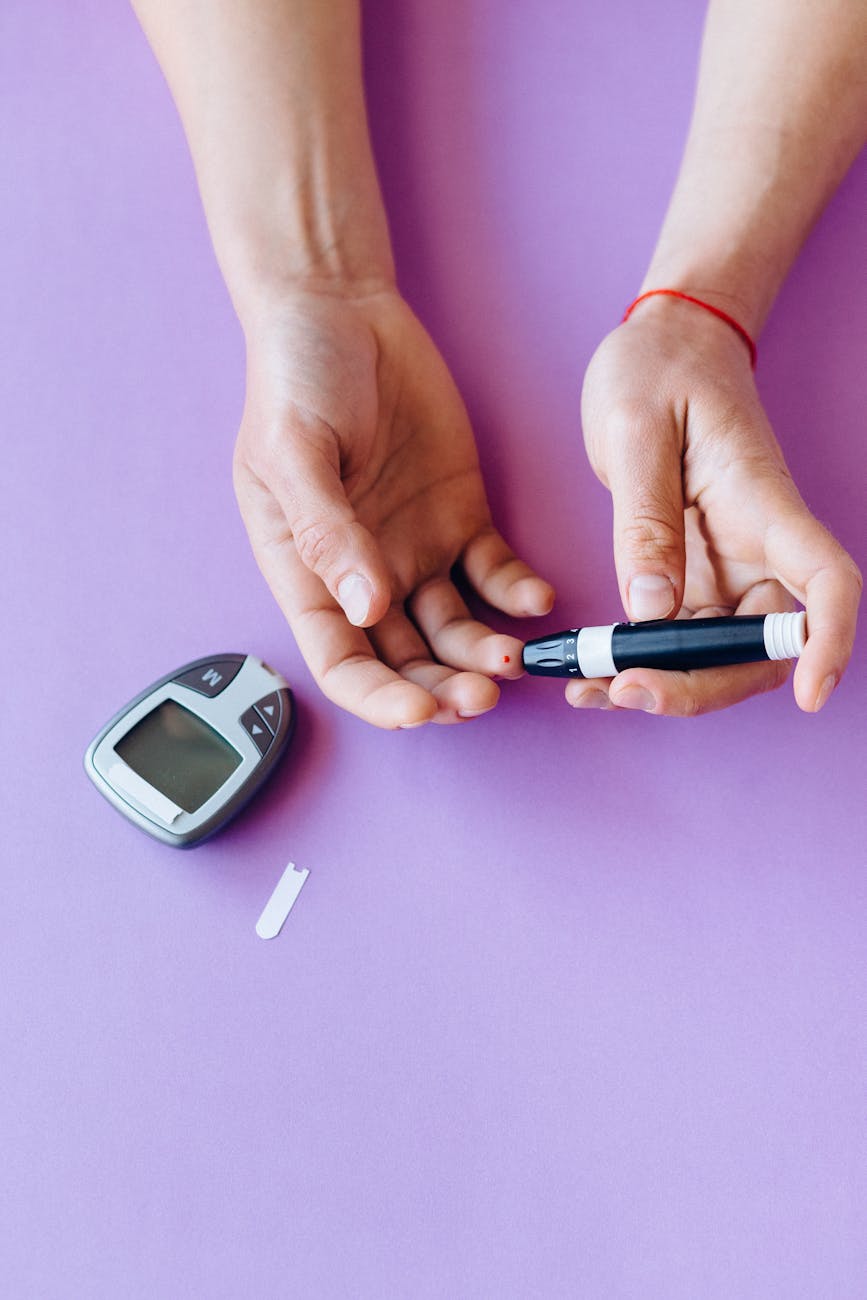

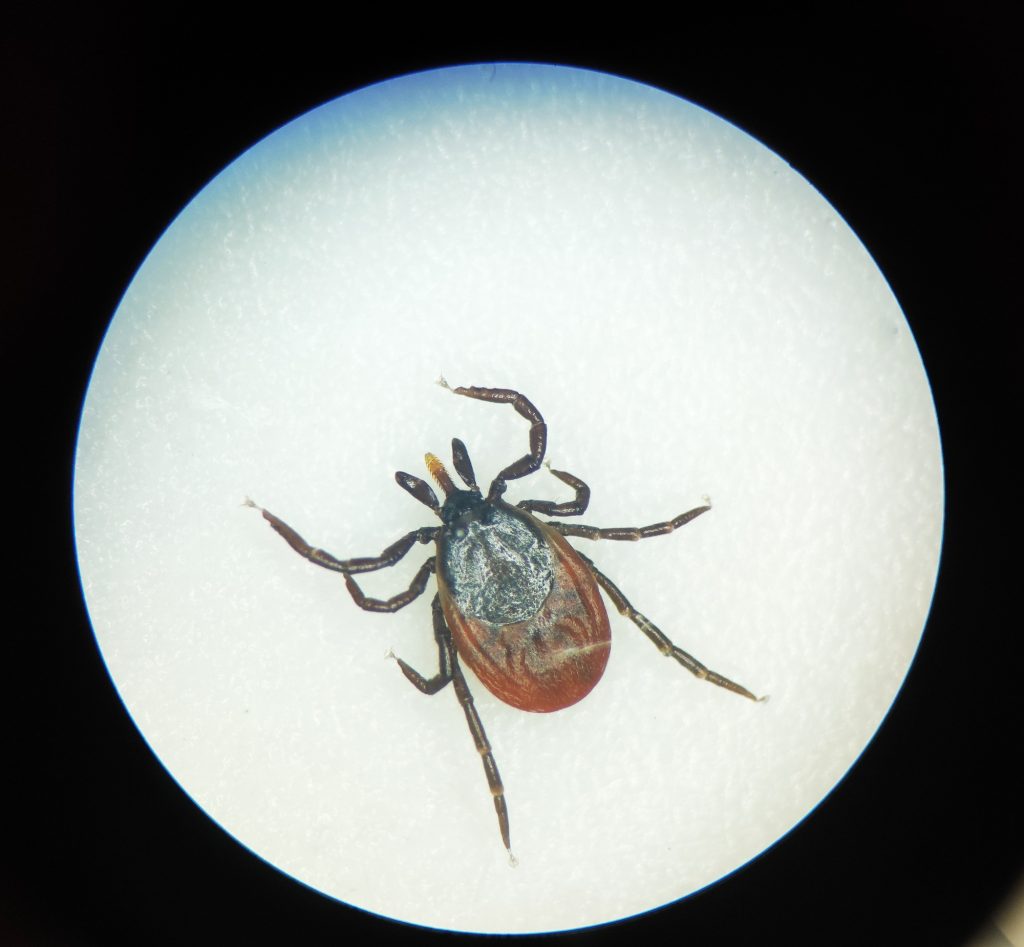
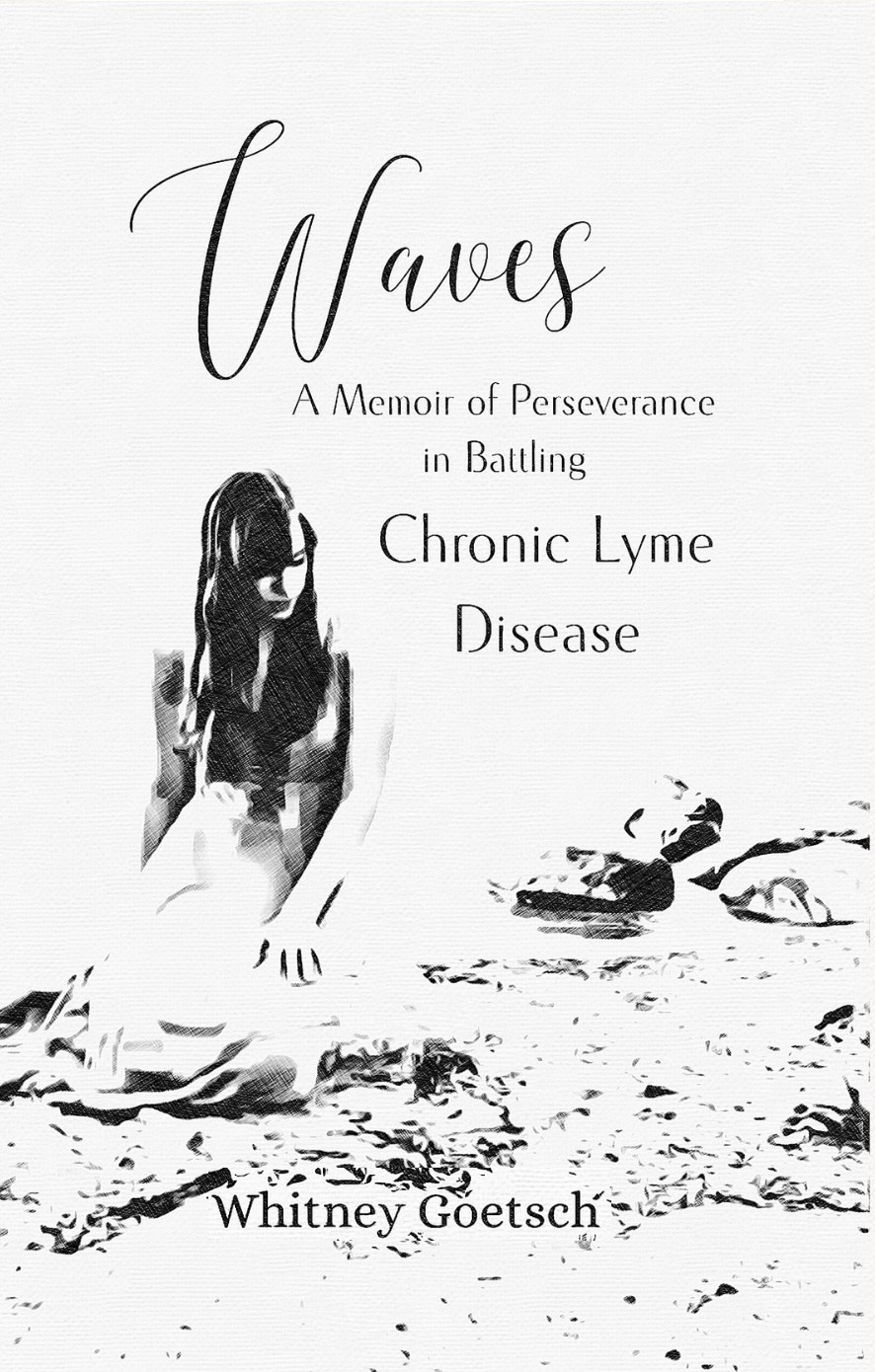








 lookingforthelight.blog