Celebrate Life · Chronic Illness · Health and Wellbeing · Medical · Men & Womens Health · Mental Illness · Moving Forward

Denial in Bipolar Disorder: The Manic Fallacy of Wellness

By June Rawlston 

Last Updated: 7 Aug 2024

During my first manic episode, I was convinced I’d finally recovered from my chronic depression. But my therapist saw symptoms of bipolar disorder.

I’m a doctor by training, so you’d think I would have guessed I had bipolar disorder, for heaven’s sake. I certainly manifested every symptom of mania in the Diagnostic and Statistical Manual of Mental Disorders, Fifth Edition (DSM-5), from boundless energy and soaring spirits to severe insomnia.

I should have known something was up when I treated myself to a $4,000 antique French buffet table. (The credit card company considered shutting down my account, but I convinced them that my finances were under control.)

I subscribed to delusions of grandeur, scouring my home for a spot to exhibit the writing award I was guaranteed to win. My sexual appetite spiked to new heights, too (no complaints from my guy on this point).

Friends and Loved Ones Were Baffled by My Behavior

Certainly, my friends and loved ones noticed a bizarre new me bursting onto the scene. One friend, irritated by my self-absorption, said she felt I had come across “like a bomb exploding in my face.”

My boyfriend raised his voice at me for the first time in our friction-free relationship, because I was passionately scrubbing his bathroom at 3 a.m.

A fellow choir member, flabbergasted at what I took to be my brilliant plans to eradicate mental health conditions in the world, shot me a disbelieving look and said, “I’ve never seen you like this.” I wasn’t sure whether he was worried or jealous.

RELATED: Do You Know These Symptoms of Bipolar Mania?

Delusions of Wellness

To me, it just seemed like I had reached a pinnacle in my life after years of chronic depression. I couldn’t wait to thank my psychiatrist for his contribution to my greatness. I wrote him a card saying I had completed my arduous journey to wellness and would no longer be requiring his services.

Instead of clapping and stomping his feet for me, my doctor became more and more appalled as I tried to convince him of my freedom from the frenzy. I, in turn, became furious at the party pooper for raining on my parade.

It wasn’t until he called my sister and begged her to come watch over me that I began to entertain a sliver of doubt.

My sister, a family physician, hopped on the next plane and flew down to Toronto to babysit me and dispense copious amounts of medication and advice. If anyone can convince me of anything, it’s my sister. (She persuaded me that I was adopted when I was 12 — it took my parents months to undo the damage.)

Bit by bit, her certainty that I was experiencing a psychotic episode superseded my insistence that everything was great.

Before 24 hours had passed, I was loaded up on heavy-duty doses of antipsychotics. I actually slept through the night.

By the end of the week, I had come down to earth.

Lack of Insight and 20/20 Hindsight

Looking back on my current (and carefully managed) stability, I’m still blown away by the depths of my denial. After all, I had been exhibiting a textbook case of mania. Why hadn’t I used my medical judgment to uncover my self-evident diagnosis?

I was so certain that I was just happy, at last, and I was furious at those who wanted to pathologize my well-earned contentment.

My sister reminded me of something I already knew: My lack of insight was not my fault; my delusion of wellness was part of the symptom package of mania.

I shudder to think what might have happened if my mania had continued unchecked. My psychiatrist told me I was hours away from requiring urgent hospitalization. I’m lucky that he and my sister prevailed on me to accept that I was unwell instead of special.

I’m also fortunate that my first manic episode led to a diagnosis of bipolar. With my new drug regimen (including a mood stabilizer) and lifestyle changes (regular running, a balanced diet, and mindfulness meditation), I feel a sense of peace I’ve never experienced before. For the first time in my life, I have faith that I will be okay.

UPDATED: Printed as “On My Mind: Queen of Denial,” Summer 2013

June Rawlston

June Rawlston is a pseudonym for a Toronto physician who is forging a new career as a writer.

————-

When you’re manic you think you are on top of the world, magnified creativity, and know better than others, rarely listen to logic when it comes to your behavior, quite simply you don’t want the high to end. The truth is it always ends and the higher you go the further you fall. When you fall you may find yourself disoriented, or not knowing where you are, It’s extremely frightening.

Recovering from a manic episode depends on how hard you hit the ground and what happened while you were manic. The recovery time could take months possibly even longer. It’s a long climb up. This is why I keep a close look each day to see if my mood is elevated, it can go from joy to sheer madness very quickly. The key is to track your moods, be aware that your mood is escalating and reach out for help if you continue to escalate.

I spent close to 10 years hypo manic or manic before I fell down the rabbit hole. Crawling out was not pleasant and I spent several weeks in a Psychiatric Hospital to recover.

Stay aware and don’t be tempted by the escalated state, it will bite back.

Melinda

Chronic Illness · Health and Wellbeing · Infectious Diease · Medical · Men & Womens Health · Tick Borne Illnesses

Fighting to save our lifeline of Glutathione, B12, and more

by Crystal A. Frost

AUG 23, 2024

The daily life of a Lyme warrior can be unpredictable and terrifying—whether it’s managing debilitating symptoms or navigating a healthcare system that rarely understands our needs.

So when my doctor told me in June, “Your Lyme treatments could be outlawed soon,” I knew another fight was on the horizon.

This time though, it wasn’t just about my health. It was about standing up for every patient in California who relies on glutathione therapy, NAD+, and methylcobalamin.

The California State Board of Pharmacy (BOP) is trying to take dozens of natural compounds away from us. But they’ve messed with the wrong Lyme patient, and I’m fighting back.

The master antioxidant

For those of us with neurological Lyme disease, treatments like glutathione and NAD+ aren’t just beneficial—they’re our lifeline. Glutathione, the master antioxidant, is depleted by many illnesses including Lyme, which is why replenishing it through infusions is effective for so many.

This compound protects immune cells and helps clear out harmful toxins, reducing oxidative stress. NAD+ supports cellular repair, giving us a fighting chance against relentless fatigue and brain fog. Methylcobalamin, the active form of vitamin B12, is crucial for nerve repair and cognitive function. These treatments are not luxuries. They’re essential.

The BOP’s proposed regulations would severely limit—and, in many cases, end—access to legal Category 1 sterile compounds on the FDA 503A bulks list. If these regulations pass, Lyme patients across California could lose access to treatments that make life bearable. The worst part? The BOP has not provided a single legal, scientific, or safety-based reason why California patients should be treated differently than those in the rest of the United States.

The moment that sparked the fight

When I first heard the news from my doctor, it knocked the wind out of me. I’m no stranger to fighting, but this is different; this is a fight with no explanation. The compounds on Category 1 have an excellent safety track record, which is why they have the green light from the FDA.

In fact, patients like me often turn to these alternative medicines when standard drug therapy fails. Why does California want to supersede the FDA and deprive sick patients of treatments that work? This regulatory board exists to protect us but is instead threatening our access to the very treatments that keep us alive.

Teaming up: the birth of “Stop The BOP”

I’m not alone in this fight. At the June 18 public hearing, I learned that Jacqui Jorgeson, founder of the Volunteer Fire Foundation in Sonoma, is facing a similar battle. Jacqui’s foundation co-administers a detoxification pilot program for firefighters who face severe toxic exposure in the line of duty.

Like many of us with Lyme, California firefighters under major oxidative stress have found incredible relief in nebulized and intravenous glutathione therapy. In fact, the results from Round 2 of the pilot study showed an 85.1% reduction in environmental toxins—a true testament to the effectiveness of glutathione therapy.

When Jacqui and I connected after hearing each other’s testimonies, it was clear we were fighting the same enemy: Board of Pharmacy overreach.

Together, we launched Stop The BOP, a movement to protect patient access to these vital treatments. We started with a petition in July, and it quickly gained traction, reaching 2,000 signatures in the first month.

As of August 22, our petition has over 2,600 signatures, and our movement is publicly backed by organizations like LymeDisease.org, the Center for Lyme Action and the California Naturopathic Doctors Association.

Why this fight is personal

Before falling ill in 2020, I was a recent PhD graduate, composing music and writing articles for the GRAMMYs. I was happily engaged to my now-husband, Bram.

But when Lyme disease took over my body, it sent us off course onto an unexpectedly dark path. My brain inflammation became so severe that I was paralyzed in my left leg and arm, barely able to walk for months. The brain fog was so thick I would forget my own phone number and my friends’ names. I experienced daily anaphylaxis and constant vertigo, and for a while, I thought this was the end.

But through it all, treatments with glutathione therapy, NAD+, and B12 have been my lifeline, allowing me to reclaim pieces of my life.

If these treatments are taken away, what happens to the thousands of patients just like me? What happens if the BOP succeeds in making California the only state where these compounds are inaccessible?

For many of us, losing access to these treatments would mean a return to those darkest days—days when hope felt like a distant memory.

The broader impact: beyond Lyme disease

It’s not just Lyme patients and firefighters who will be affected. Imagine you suffer from ME/CFS and that NAD+ has finally given you the energy required to return to work. Imagine you have pernicious anemia and methylcobalamin therapy has finally restored you to healthy B12 levels. Now imagine that relief being snatched away by a regulatory board that doesn’t seem to understand—or care—about the consequences.

That’s the reality we face. It’s why Jacqui and I are so determined to fight back. It’s why we’re asking the Lyme community to stand with us. This isn’t just about a few compounds—it’s about our right to access the treatments we need to live our lives.

What you can do

We’re not giving up, and we need your help. Here’s how you can join the fight:

Sign and share the petition: If you haven’t already, please add your name to our petition. Every signature counts.

Contact Your Representatives: We’ve made it easy with templates on our website. Your voice can make a difference.

Spread the Word: Share this blog post, tell your friends and family, and help us get the word out. The more people who know about this, the stronger our movement becomes.

Voice your opposition at the 9/12 board meeting: Anyone is welcome to join the September 12 meeting online via webex or in person in Sacramento. Information and access links will be available on stopthebop.com/actnow.

Join the movement: Sign up, learn more, or donate to the cause at stopthebop.com.

Stay Informed: Follow @stop.thebop and @volunteerfirefoundation on Instagram for updates on our progress and ways you can get involved.

The strength to fight

You don’t know how strong you are until being strong is the only choice you have. For those of us with Lyme disease, that strength is something we’ve had to find over and over again. The California Board of Pharmacy might think they can push these regulations through without a fight, but they underestimate us. They underestimate the power of a community that knows what it means to fight for every ounce of health.

Together, we’re going to stop the BOP.

Follow us on Instagram @stop.thebop and @volunteerfirefoundation.

Crystal A. Frost is Southern California leader of Stop The BOP.

————n

This is indicative of what Lyme patients deal with on an ongoing basis. If a doctor can enhance your chances of recovery they don’t need an association board standing in their way. In this case, the add-ons aren’t expensive in the big scheme of things and can make all the difference for patients.

This happens because of the bias against Chronic Lyme Disease. The more doctors who deny that Chronic Lyme exists the government and insurance companies will refuse to pay for treatment. I don’t see this changing shortly because it’s all about money.

Melinda

Celebrate Life · Chronic Illness · Health and Wellbeing · Medical · Men & Womens Health · Moving Forward

September Awareness Months And Days

The main days and months you should know about for September are:

National Suicide Prevention Awareness Month September 1
Blood Cancer Awareness Month  September 1
National Food Bank Day 1st Friday
International Literacy Day September 8
R U OK Day September 9
World Suicide Prevention Day September 10
Hispanic Heritage Month September 15
International Day of Peace September 21
International Day of Sign Language September 2

National Public Lands Day                                                                                                 Saturday 4th

Achalasia Awareness Month

Alopecia Awareness Month

Animal Pain Awareness Month

Blood Cancer Awareness Month

Childhood Cancer Awareness Month

Craniofacial Awareness Month

Falls Prevention Month

Gynecologic Cancer Awareness Month

Healthy Aging Month

Hispanic Heritage Month


We have so much to educate ourselves on and to advocate for to make a better future. I apologize for the inconsistent graph, that is the way it was copied. 

Melinda

Chronic Illness · Communicating · Health and Wellbeing · Medical · Men & Womens Health · Mental Health · Mental Illness · Moving Forward

When a Loved One Denies Their Bipolar Diagnosis

By Julie A. Fast 

Medically Reviewed by Allison Young, MD

Last Updated: 21 Aug 2024

Although it’s incredibly frustrating when someone is in denial of having bipolar disorder, it’s important to remember that acceptance cannot be forced.

It can be upsetting, stressful, and downright incomprehensible when someone with a diagnosis of bipolar disorder denies the mental health condition and refuses treatment. You may find yourself watching helplessly as behaviors tied to untreated bipolar lead to family distress, broken relationships, problems at school and work, money woes, and alcohol and drug abuse.

If you try to help someone in denial, you will probably be accused of interfering if you even mention the word “bipolar.” This is confusing, because it’s very easy for you to see what’s wrong, and naturally you want to point out the problem in hopes that the person will then get help. Often, however, your attempt just makes things worse.

RELATED: 8 Essential Things to Know When First Diagnosed With Bipolar Disorder

It hurts when a person in denial shuts you out, but, sadly, it’s common.

What’s even more confusing is that you can have an honest conversation about bipolar when your loved one is stablereviving your hopes that the person will enter or stick with treatment. Then … boom! Here comes the denial again.

Learning to Accept That Your Loved One Is in Denial About Their Bipolar Diagnosis

It may be cold comfort to learn that it is very typical behavior for people with bipolar disorder to deny they are “sick” and to avoid treatment, even if they have been in the hospital or taken medications for bipolar in the past.

Also, it’s important to remember that people in denial are usually miserable, in a great deal of internal pain, and can’t see a way out. It’s easy to believe they really can’t see what’s going on. But unless denial is a result of a mood swing — such as strong mania or paranoia — the affected individuals usually know what is happening. They respond to your concern with aggression, because they are trying to protect their decision to deny the brain-based disorder.

It hurts when a person in denial shuts you out, but it’s common. The person prefers to be around others who don’t mention bipolar, and will paint you as the “bad guy” because you are the one who is stating the truth.

RELATED: 10 Ways to Support Someone Who Has Bipolar

There is good news, however. I’ve talked with hundreds of people who moved through denialto eventually admitting that bipolar is at the root of their problems and they needed help. Over and over again, I’ve been told how, despite their relentless inner pain and confusion, they refused help and pushed away the people who cared about them.

It’s when someone realizes they no longer want a life controlled by bipolar disorder that they begin to listen to loving advice instead of fighting back.

Steps to Take When a Loved One Is in Denial About Their Bipolar Diagnosis

If your loved one continues to be in denial of their bipolar diagnosis, here are a few things to keep in mind.

  • Find the sweet spot: Are there periods when your loved one is more open to discussion? Oftentimes, people are more receptive during a mild depressive episode. Once you see a pattern in your loved one’s moods, you’ll have a better sense of when to gently start a conversation.
  • Set expectations: If a loved one with bipolar is living with you, you have the right to set expectations for behaviors, such as drug use, drinking, yelling, staying in bed all day, staying out all hours, and yes, refusing treatment. You are always in control of what works best for you. It’s not always about the person with the mental health condition. It will be up to you to decide the consequences — and set and reinforce boundaries — if your expectations aren’t met.
  • Understand the challenges: Always remember that bipolar is a mental health condition. No one chooses to have bipolar disorder. People in denial can be very unpleasant, and it’s easy to walk away from them, but don’t forget they are suffering. It’s okay to address this directly. Go ahead and say you understand that it must be hard to have someone tell you what to do. Say that you can tell they feel misunderstood. People in denial may get angry or refuse to reply, but they have heard you. Many times, when they get better, they will tell you they heard you.
  • Hold onto hope: I’ve known many people who accepted treatment after years of being in denial, often when loved ones learned simple strategies and got them help at the right time. It isn’t easy to hang on until then. Nothing with bipolar disorder is easy! But bipolar is treatable, even for those who currently refuse to admit they are unwell and need help.


UPDATED: Printed as “Fast Talk: The Denial Factor,” Summer 2011

Julie A. Fast

Julie A. Fast is the author of the bestselling mental health books Take Charge of Bipolar DisorderLoving Someone with Bipolar Disorder: Understanding and Helping Your PartnerGetting It Done When You’re DepressedOMG, That’s Me! (vol. 2), and The Health Cards Treatment System for Bipolar Disorder. She is a longtime bp Magazine writer and the top blog contributor, with over 5 million blog views. Julie is also a researcher and educator who focuses on bipolar disorder prevention and ways to recognize mood swings from the beginning—before they go too far and take over a person’s life. She works as a parent and partner coach and regularly trains health care professionals, including psychiatric residents, pharmacists, general practitioners, therapists, and social workers, on bipolar disorder and psychotic disorder management. She has a Facebook group for parents, The Stable Table, and for partners, The Stable Bed. Julie is the recipient of the Mental Health America excellence in journalism award and was the original consultant for Claire Danes’s character on the TV show Homeland. Julie had the first bipolar disorder blog and was instrumental in teaching the world about bipolar disorder triggers, the importance of circadian rhythm sleep, and the physical signs of bipolar disorder, such as recognizing mania in the eyes. Julie lives with bipolar disorder, a psychotic disorder, anxiety, and ADD.

Melinda

Celebrate Life · Chronic Illness · Communicating · Health and Wellbeing · Medical · Men & Womens Health · Mental Health · Mental Illness · Moving Forward

13 Celebrities Who Embrace Their Bipolar Disorder


These 13 celebs accept their bipolar and are using their platforms to break the stigma and push for acceptance of brain-based conditions.

By Jade Zora Scibilia

Whether you love them or “love to hate them,” celebrities can make a real difference, especially when they take a stand for something positive. The following stars with bipolar disorder use their fame (and occasional notoriety) to draw our attention to what really matters, start meaningful conversations among loved ones and policymakers, break the silencing effect of social stigma, and enhance both awareness and acceptance of this brain-based disorder. These celebrities — among others — have had a life-affirming, morale-boosting impact. Whether through a “tell-all” interview or memoir, a powerful pop song, or a moving on-screen performance, these stars continue to rally people with bipolar — and their supporters — to power through and find the hope of a new day.
1. Faye DunawayIn the HBO documentary Faye, the iconic Faye Dunaway, now 83, talks about her lifelong battle with mental health, including her bipolar disorder diagnosis.“Emotion is a strength, not a weakness,” she shared with The Independentat the documentary’s premiere in Cannes in May 2024. Dunaway reflects on how her intense emotions fueled her performances but also contributed to her reputation for being difficult on set — earning her the nickname “the dreaded Dunaway” (and “Dread” for short) from Jack Nicholson during Chinatown. In the documentary, Dunaway candidly discusses how she’s worked with doctors and taken medication to manage her mood swings. She acknowledges it’s been difficult, but “it’s something I’ve had to deal with and overcome and understand. It’s part of who I am.” 
2. Alan RitchsonYou may know Alan Ritchson as the star of Prime Video’s Reacher, but did you know he also lives with bipolar disorder? Diagnosed at 36, the now 41-year-old actor has been open about his struggles.“As much as I would like to ignore that I’m a suicide survivor, if I didn’t share what I’ve learned, I feel like my life would be meaningless,” Ritchson told CBC Radio’s “Q” program. “I’ve always been a happy-go-lucky guy, but once you experience the grip [of depression] — the talons it can sink into you — you realize how sinister this thing is and how out of control the biology can really be.”

Click to Read More

Jade Zora Scibilia is a former editor at bpHope, bp Magazine and Esperanza. She was formerly the managing editor at Prometheus Booksand the senior editor of Seventh Street Books and Pyr. She is also the author of two nonfiction children’s books.


I applaud anyone who steps out and embraces their mental illness, there is still a stigma, and those who are public about it are brave and very strong.

Melinda

References:
https://www.bphope.com/bipolar-buzz/celebrities-who-embrace-their-bipolar-disorder/?utm_source=iContact&utm_medium=email&utm_campaign=bphope&utm_content=BUZZ+-+Aug25+-+Celebrities

Chronic Illness · Communicating · Health and Wellbeing · Men & Womens Health · Mental Health · Trauma

National Grief Awareness Day August 30

Grief has touched millions of lives at one point or another and many have grieved several times. I know grief well, two of my close friends in high school died, my father died in 1992, my Granny died in 2005 and my Gramp’s in 2010. Everyone grieves differently and there is no time frame regardless of what people say. Who would tell a parent how long to grieve for their child, I would pray that no one is that uneducated. My father commited suicide and I spent seven years grieving yet as much as I loved my Grandparents and as close as we were, I grieved less. Maybe it was because I was a caregiver to both.

The key to grieving is giving yourself the time you need yet not get stuck there. We all have to move forward.

What Is National Grieving Awareness Day About?

This National Grief Awareness Day on August 30 is dedicated to raising awareness of the myriad ways in which individuals cope with loss. It offers resources to those going through personal losses and reminds us to support people we know who are grieving. National Grief Awareness Day, founded by Angie Cartwright in 2014, hopes to encourage open communication on loss and bereavement and better inform the public on the facts of grief.

Grief is one of the oldest and most enduring aspects of the human experience. If you haven’t yet experienced grief, it’s unfortunately likely to happen. The term ‘grief’ encompasses all of the emotions around a loss, and ‘mourning’ is defined as the external expression of the pain. ‘Bereavement’ is another commonly-used term for grief. Throughout human history, there have been many attempts to describe and heal grief, and they have changed significantly over the years.

Due in part to our vastly improved physical and mental healthcare, grief is understood far differently today than even as little as 100 years ago. While we often have the privilege (for some, even the expectation) of only losing our loved ones when they are at a ripe old age, comfortable, and with family nearby, this has rarely been the case throughout history. The lack of modern transportation often separated loved ones, wars ravaged populations, and poor medical and sanitation knowledge led to too many untimely deaths. Throughout history, the deaths of loved ones have been far more common, and grief was understood differently.

Melinda

References:

National Grief Awareness Day

Celebrate Life · Chronic Illness · Communicating · Health and Wellbeing · Men & Womens Health · Mental Illness

Are TV Depictions of Bipolar Helpful or Harmful? 

By Stephanie Stephens 

Medically Reviewed by Allison Young, MD

Last Updated: 16 Feb 2024

TV characters with Bipolar Disorder can show that treatment leads to stability. But dramatized portrayals of manic extremes may perpetuate stigma and misconceptions.

“Surely there is someone out there who will take me for who I am: the good, the bad, the full story of love.”

That’s award-winning actor Anne Hathaway as Lexi, prognosticating optimistically about her romantic future as a woman with bipolar disorder. Lexi’s adventures take up the third episode of Modern Love, an Amazon Prime Video streaming series that debuted in October 2019.

At the splashy New York City premiere that Amazon hosted to launch the series, Hathaway did a bit of optimistic prognosticating herself — namely, that her Modern Love segment would help make it easier for people to put bipolar on the table.

“I think those conversations are starting to happen,” she told Variety, adding that people weren’t putting off those talks because of shame “but because we don’t know how to start.”

Hathaway brought up another important point about seeing characters with bipolar on TV: Making the condition, and those who live with it, visible in the mainstream.

“This episode is going to mean so much because it offers some form of representation,” she said.

How Bipolar Disorder Is Represented on TV

For viewers today, the question isn’t so much whether people with bipolar are represented on TV shows, but rather what form that representation takes. Is it more like reckless Ian Gallagher on Showtime’s Shameless? Or more like Kat, the struggling figure skater at the heart of the Netflix original series Spinning Out?

Ian (played by Cameron Monaghan) embraces denial and mostly avoids treatment. Over the show’s 10 seasons, he’s been prone to poor judgment and rash acts — including trying to steal an Army helicopter. He’s gone through stints of sexual promiscuity and fallen into religious fanaticism. (Truth to tell, though, he’s far from the only troubled member of the dysfunctional Gallagher clan.)

Over on Spinning Out, which debuted in January 2020, Kat (Kaya Scodelario) couldn’t be more different. Sure, she’s got her romantic difficulties, her mother-daughter drama, her angst over where to take her skating career. But managing her bipolar slots quietly alongside all the other challenges in her life.Lest we miss out on negative stereotypes, however, Kat’s mother also has bipolar. She’s shown behaving unpredictably and aggressively when she gets lackadaisical with her meds.

Do These Representations Help or Harm?

For Anita of Mt. Vernon, Illinois, portrayals of bipolar on TV do more to mislead than to educate because there’s no way they can be well-rounded and realistic. For one thing, there’s a lot about living with bipolar that just doesn’t make for good drama — or comedy.

“There’s absolutely nothing glamorous, hilarious, or entertaining about actually having bipolar illness,” says Anita, who received her bipolar 2 diagnosis at age 15. “The audience would not be interested in a character who just lies in bed [onscreen] and cries for 30 minutes straight.”

For another, the time limits on television programming make it impossible to accurately show the long, arduous arc of maintaining wellness.

“People are conditioned to believe that all of life’s problems can be resolved in less than an hour because television and movies have taught us that,” Anita says.“Having people around us who are ‘enter-trained’ to believe that their favorite beloved character got through her panic attack in the last episode with flying colors doesn’t help the rest of us at all,” she says. “Real life doesn’t work that way.”

Aiming for Accurate Depictions of Bipolar Disorder

Within the constraints of the genre — and the selective editing that necessarily goes into shaping a script — the people who produce and write TV shows nowadays try not to let gross inaccuracies filter through. Actors do their research, too, reading up on bipolar and consulting with people who actually walk the walk.

Each of Modern Love’s eight episodes is based on a first-person essay from the weekly New York Times column of the same name. Hathaway’s episode was inspired by a piece titled “Take Me as I Am, Whoever I Am,” by Hollywood entertainment lawyer-turned-author Terri Cheney.

Translated to the small screen, we have Hathaway as an attractive, successful Manhattan attorney hoping to move beyond dating into a meaningful relationship. That’s not so easy while trying to hide her bipolar moods.

Instead of dishing up a happily-ever-after romantic finale, the episode ends on a hopeful, truthful note. Hathaway’s character decides to be upfront about all aspects of herself, adding her diagnosis to her online profile on a dating website.

Of course, the hope and the truth originally belonged to Cheney. Before her essay was published on January 13, 2008, Cheney kept her bipolar 1 disorder on the down low. Publishing in the NYT column was her loud-and-proud moment.

“At that time, there wasn’t a vocabulary for the way it really feels to have bipolar disorder,” recalls Cheney, who went on to publish the memoirs Manic and The Dark Side of Innocence. “Writing helped me feel like I control the experience, that I own it and it doesn’t control me anymore.”

For the TV adaptation, Amazon’s production team sought Cheney’s input. She also had discussions with Hathaway, who pored over Manic to get a better feel for her role.

Is the episode perfect? Cheney wouldn’t change a thing about it — and especially adores the musical elements, a trademark of director John Carney — but concedes that “you can’t be all things to all people. A 30-minute episode has to be condensed for dramatic purposes. For example, my own mood switches are not that instantaneous.”

A Daytime Drama’s Truth About Bipolar Treatment

In 2006, half a decade after prime-time TV took the plunge, mob boss Sonny Corinthos was diagnosed with bipolar 1 on ABC’s iconic soap opera General HospitalMaurice Benard, whose own bipolar was diagnosed at age 22, has played Sonny since 1993 — netting two Emmys over the years.

Even as his character brought bipolar to the notice of the show’s viewers, Benard spoke candidly about real-life experiences in interviews and other public settings.

In his memoir Nothing General About It: How Love (and Lithium) Saved Me On and Off General Hospital, Benard writes more in-depth about the challenges of controlling his mood symptoms while filming on a daily basis and about the support he received from colleagues.

Benard has told bp Magazine that he “gave a ton of input” on how a mood episode and managing bipolar might play out. For example, he insisted Sonny be shown taking his meds.

On occasion, Benard objected to elements in certain scripts. As an industry insider, however, he accepts that the nature of a melodrama sometimes works against accuracy.

The Young and the Restless, aka Y&R, gave long-running character Sharon Newman a bipolar diagnosis in 2012. Josh Griffith, co-executive producer and head writer of the CBS soap, put considerable thought into responsibly portraying a character with bipolar.

“I looked at some of the emotional journeys the character had taken over the years, picked up what seemed to be a pattern of up-and-down behavior that might fit with bipolar disorder, and saw a chance to, (a) tell a compelling and dramatic story, and (b) explore an important and topical issue that affects millions of people,” he says. “We wanted to be medically accurate with both behavior and treatment, and as dramatic as possible,” he adds.

The Harm of Stereotypes on TV

As far as greater representation in mainstream programs, Cheney doesn’t think television in general has normalized bipolar because stereotypes still prevail most of the time. Notably, “plotlines when a character goes off their medications and becomes manic. … I felt it inferred blame on people for their condition,” she explains, apologizing if she sounds “cranky” about it all.

Nevertheless, Cheney remembers being “so excited that bipolar disorder was being acknowledged at all” when the NBC hospital drama ER introduced the character of Maggie Wyczenski 20 years ago.

Sally Field won an Emmy for her portrayal of Maggie, who first appeared in the November 16, 2000, episode called The Visit. She dropped in on her daughter, Abby Lockhart, one of the show’s main characters. Maggie returned in another 11 episodes over the following seasons, usually demonstrating some extreme or disruptive behavior feeding into a dramatic conflict.“Now I sort of cringe to see how over-the-top her character was when she was manic — wearing a skimpy red dress and flirting shamelessly with all the young interns,” Cheney says. “It’s not exactly inaccurate, just less nuanced than we are today.”

Increased Representation of Bipolar Disorder on TV

Maggie seemed to blow open a door for the industry. In 2001, the HBO comedic drama Six Feet Under went even further, including a character with bipolar as a regular part of the ensemble cast. While not one of the central figures, Billy Chenowith (Jeremy Sisto) familiarized viewers with the fact that bipolar is a treatable condition.

Over the show’s five seasons, however, Billy sometimes went off his meds with stereotypically destructive results. As the Los Angeles Times noted, “Billy can be sullen, seductive, filled with rage or decimated by self-loathing, depending on whether he’s taken his medication.”

Throughout the decade, that remained the motif on a variety of programs: a minor, recurring or ensemble character exhibiting manic behavior if not in treatment — but also demonstrating that medication can pave the way to stability.

Then came Homeland.

The Showtime spy thriller, which premiered in October 2011, puts its character with bipolar front and center. That would be CIA officer Carrie Mathison, played by high-profile actor Claire Danes. Carrie is a top-ranking counterterrorism agent, operating in a high-pressure environment. Her bipolar is an integral aspect of her characterization and a seamless element in the plot.

No one would put Carrie on a pedestal for carefully managed wellness, but she introduced viewers to a more complex view of living with bipolar. She’s shown choosing to go off her meds in order to exploit the sharper thinking of hypomania. She demonstrates obsessive behavior during manic episodes. Her depressive episodes get written into the script.

Some critics slammed Homeland for sensationalizing the disorder. Hannah Jane Parkinson, a columnist for the British newspaper The Guardian, was one viewer who argued back. Parkinson, who has bipolar, found Danes’ portrayal “accurate and refreshing.”

The 2014 opinion piece continued: “Most of the time, the show gets it right. … In a world in which mental health stigma is still devastating, it’s fantastic that films and TV programs are upping their game when it comes to representation.”

How Actors Prepare to Play a Character With Bipolar Disorder

Danes captured two Emmys for her work on Homeland. As with Hathaway on Modern Love, she turned to Cheney’s memoir Manic as part of her research on how to play the character.

“Claire is a terrific actor, and yes, there were episodes of [Carrie] going off her meds, but she paid more attention than usual to her character’s bipolar disorder,” says Cheney. “She did a very good job at representing depression.”

Showtime initially consulted Julie A. Fast, an author, speaker, and personal coach specializing in mood disorders. Homeland’s showrunners enlisted Fast’s help before filming the pilot and used her book Take Charge of Bipolar Disorder to help develop Danes’ character.

“Claire was wonderful, lovely, down-to-earth and very welcoming, and tried really hard to get bipolar right,” says Fast, a longtime bp Magazine columnist. “She treated me beautifully as an equal and asked very intelligent questions, especially about mania.”

Unfortunately, Fast says, her own illness didn’t sync well with the stressful demands of that job.

“I love the work, but have to find a balance between the TV world and my own stability. This creates a lot of loss — and [that’s] not something the TV shows talk about very often,” she muses.

What TV Shows Have Gotten Right About Bipolar

One thing Homeland did get right, Fast says, was illustrating “the superpowers we feel during a euphoric manic episode.”

She adds, “Going off meds to intentionally get manic is a very realistic portrayal of how we want the meds to help with depression, but often we miss the high energy of being manic.Mania makes us feel invincible. And as always happens, Claire’s character made terrible decisions when she went off her meds.”

Fast praises Homeland for showing the fallout of Carrie’s decisions when they didn’t end well or safely.

Alas, Homeland wrapped in spring 2020. Ditto for Fox’s Empire. That series about scheming music executives in New York City, which first aired in 2015, also concluded in 2020. 

The character of Andre Lyon on Empire moved depictions of bipolar a huge step forward. He has a successful management career, nimbly navigating the treacherous waters of the family dynasty. He has a business degree from the prestigious Wharton School. He’s in a stable marriage with his college sweetheart. (He’s also a Black man, bringing a whole new dimension to representation.)

Mental health activist Ruth C. White, PhD, MPH, MSW, singles out Andre as a more realistic example of someone with the disorder than is usually seen. He’s active and effective, follows his treatment plan, and is able to successfully manage stress.

“He sees his doctor to tweak his meds on occasions and… doesn’t fall apart when his baby dies,” White, a clinical associate professor of social work at the University of Southern California, told VH1.

Storytelling and Social Awareness of Bipolar

“On screen, it’s really important to continue to reinforce what bipolar disorder is and what it is not,” says Marie Gallo Dyak, president and CEO of the Entertainment Industries Council.

“Stories tell us that people can be accurately diagnosed, can be safely treated, be productive, and sustain a lifestyle they are comfortable with,” she says. “These are really important stories that need to be told.”

The council is a Hollywood watchdog group established in 1983 to promote accurate depictions of behavioral health and social issues in films, TV shows, and other media. It provides science-based resources to scriptwriters and their colleagues.

Dyak has definitely seen big strides forward. She says bipolar “is more mainstream than when we first started talking about it — especially in a clinical way.… Now, when someone says something about bipolar disorder, it’s not uncomfortable.”

Some advancements may be more subtle, she notes. For example, “instead of someone asking, ‘What’s wrong with you?’ [in a scene], a character can ask, ‘What’s happened to you?’”

Fast keeps her finger on the pulse of how bipolar is shown in various media and measures progress in increments. In her opinion, greater representation on the small screen has increased awareness of mental health challenges.

Compared to a decade ago, she sees more open and uplifting dialogue in both post-show chatter on social media and in general. Despite the limited lens on living with the illness, every character we see on TV does a little bit to chip away at silence and stigma.

“Is it positive?” Fast asks rhetorically. “Absolutely.”

The Persistence of Bipolar Stereotypes on TV

In fall 2017, Declan O’Hern, then a communications student at Elon University in North Carolina, authored a research paper that analyzed portrayals of bipolar disorder in television dramas over the preceding decade.

O’Hern noted that at least 16 TV shows since the early 2000s incorporated characters with bipolar either as a protagonist or recurring character. She tracked the accuracy of depictions in ERFriday Night LightsShamelessHomelandEmpire, and the Canadian franchise Degrassi.

Factors included how treatment and recovery were shown, the character’s social and professional functioning, and incidents of dangerous or violent behavior blamed on the illness.

O’Hern cited earlier entertainment tropes that linked “the actions of murderers, molesters [and] egomaniacs” to mental disorders. That was in the dark ages before mental health awareness campaigns and school curricula on mental wellness. However, more recent TV scripts still rely on exaggerated behaviors — as might be expected from writers looking to provide a dramatic hook.

“All shows collectively hit on almost every stereotype at least once and, in general, television depicted violent and criminal behavior far too often,” O’Hern concluded.

Furthermore, the shows frequently failed to put such behaviors in context to make the actions more understandable.

On the plus side, O’Hern added, viewers were given more realistic exposure to the existence of professional incompetence, unwillingness to accept treatment, and the fact that recovery doesn’t happen instantaneously.

The final verdict: “Despite recent progress, contemporary bipolar protagonists still have progress to make before depictions can be classified as wholly realistic.”

Stephanie Stephens, M.A is an 18-year journalist and content producer, specializing in health and healthcare, investigations, celebrities, pets, lifestyle, and business. She writes for magazines and online publications, networks, hospitals and health systems, corporations, nonprofits, government agencies, as well as advertising and marketing agencies. Her work has appeared in Kaiser Health NewsEveryday HealthWebMD, in content for the American Academy of NeurologyNational MS SocietyAmerican Heart AssociationAmerican Lung Association, and more. She has written for TODAY.com, Family Circle, Cooking LightParadeUSA Today and others. She’s currently producing a television series, and completed her master’s in journalism at New York University. Stephanie has lived in 16 cities, is a resident of New Zealand by application, and is committed to improving animal welfare. Follow Stephanie at mindyourbody.tvLinkedInTwitterInstagram, and YouTube.

I have often felt the media does not depict Mental Illness correctly, how could they if the writers do not have a Mental Illness. Not to mention that media is all about drama and making money. If depicted correctly it wouldn’t always make for the best ratings. That’s why we have to look beyond the surface for reality, reality TV is not the least bit of reality.

Melinda

Chronic Illness · Health and Wellbeing · Infectious Diease · Medical · Men & Womens Health · Tick Borne Illnesses

Treating Neurologic Lyme Disease with Hyperbaric Oxygen

Important Read

By Fred Diamond

Many listeners of my Love, Hope, Lyme podcast ask me to go deeper on some treatment topics that I mention in my book “Love, Hope, Lyme: What Family Members, Partners, and Friends Who Love a Chronic Lyme Survivor Need to Know.” One such topic is hyperbaric oxygen treatment (HBOT).

On today’s Love, Hope, Lyme podcast, Dr. Mo Elamir of the Aviv Clinics in Florida clarifies what HBOT is and how it may benefit those with persistent Lyme disease.

Breathing new life into Lyme treatment

Amidst the search for effective treatments, HBOT has emerged as a compelling approach, possibly offering new hope for those battling the persistent effects of chronic Lyme disease.

HBOT involves breathing pure oxygen in a pressurized environment. This method significantly increases the amount of oxygen in the blood, facilitating the body’s natural healing processes.

Dr. Elamir, a leading physician at Aviv Clinics, explains the transformative impact of HBOT on Lyme disease patients: “By increasing the oxygen levels in the body under pressure, HBOT can break through the biofilm that protects Lyme bacteria, which are often anaerobic and thrive in low-oxygen environments. This process can destroy the bacteria and lead to significant improvements in neurological function.”

The specific HBOT protocol used at Aviv Clinics involves fluctuating oxygen levels, a technique designed to trigger the body into a state of healing. This healing process includes the growth of new stem cells and blood vessels, improved mitochondrial function, and the repair of damaged brain tissue.

“Our approach is highly individualized, focusing on each patient’s unique needs and the specific ways Lyme has affected their neurological health,” says Dr. Elamir.

How Lyme impacts the brain

Lyme disease affects an estimated 60 million people worldwide in its chronic stage. The disease can invade various parts of the body, including the brain, where it causes a range of neurological symptoms.

These symptoms can be particularly challenging to diagnose and treat, often leaving patients in a state of cognitive fog, battling memory loss, and struggling with anxiety and depression.

Dr. Elamir provides critical insights into how Lyme disease can affect the brain. “The bacteria that cause Lyme disease, Borrelia burgdorferi, are spirochetes that can invade the brain, leading to symptoms such as brain fog, memory problems, anxiety, depression, and even issues with movement, coordination, and balance,” he explains.

“These symptoms can vary greatly from person to person, depending on how the disease affects their nervous system.”

One of the most challenging aspects of chronic Lyme disease is that its neurological effects are often dismissed or misdiagnosed.

“Standard tests like MRIs and nerve conduction studies may not reveal the subtle dysfunctions caused by Lyme,” Dr. Elamir points out. “As a result, many patients are told that their symptoms are ‘all in their head,’ leading to frustration and a sense of isolation.”

Stress: a catalyst for symptom reactivation

Stress plays a significant role in the reactivation of Lyme symptoms. Dr. Elamir explains that various stressors—whether physical, emotional, or even as minor as a common cold—can trigger the dormant spirochetes in the brain to become active again.

“Stress can cause these bacteria, which might have been lying dormant in the brain, to reemerge, leading to a resurgence of neurological symptoms,” he notes. This makes stress management a critical component of care for Lyme survivors.

The spirochetes’ ability to remain dormant and reemerge under stress is one of the reasons why Lyme disease can be so difficult to treat. Even after successful treatment with antibiotics, the bacteria can remain hidden in the body, waiting for an opportunity to resurface.

Comprehensive assessment and tailored treatment

At Aviv Clinics, treatment begins with a comprehensive assessment that spans three to five days. This in-depth evaluation includes structural and functional imaging of the brain, neurocognitive testing, and a thorough medical evaluation. One of the key tools used in this assessment is SPECT (Single Photon Emission Computed Tomography) scanning.

“SPECT scans allow us to see the metabolic function or dysfunction within the brain,” Dr. Elamir explains. “This is crucial because standard MRIs primarily show the structure of the brain, but SPECT scans give us a clearer picture of how Lyme disease has affected the patient’s neurological health.”

Based on the assessment, the clinic develops a personalized treatment plan that includes HBOT as a cornerstone therapy. But HBOT is just one component of a broader treatment protocol that also includes neurocognitive training, physical therapy, vestibular therapy (for balance issues), and psychotherapy.

Healing the mind alongside the body

Psychotherapy plays a crucial role in the recovery process for many Lyme survivors. As the brain begins to heal, patients may experience a resurfacing of traumatic memories or new psychological challenges. The clinic’s psychotherapists work closely with patients to help them navigate these changes and provide them with the tools they need to cope.

Cognitive Behavioral Therapy (CBT) is one of the most common forms of psychotherapy used at Aviv Clinics.

“CBT helps patients understand their symptoms, process their emotions, and develop strategies for managing anxiety, depression, and other psychological challenges,” says Dr. Elamir. Group therapy sessions are also offered, allowing patients to connect with others who are going through similar experiences.

The role of diet in neurological health

Diet is another critical aspect of treatment at Aviv Clinics. Dr. Elamir emphasizes the importance of following a diet that supports neurological health.

“One of the most effective diets for this purpose is the ketogenic diet, which has shown significant benefits for people with neurological conditions,” he says.

Originally developed for children with epilepsy, the ketogenic diet involves consuming high-fat, low-carbohydrate foods that induce a state of ketosis, where the body burns fat for fuel instead of carbohydrates. This can lead to improvements in brain function and a reduction in neurological symptoms.

Intermittent fasting is another dietary approach that can be beneficial for Lyme survivors.

“Intermittent fasting has been shown to improve metabolic processes and reduce inflammation, which can support the healing process in Lyme disease,” notes Dr. Elamir. This involves eating all meals within a specific window of time each day, such as an eight-hour period, and fasting for the remaining 16 hours.

Dr. Elamir also advises patients to reduce their intake of processed sugars, which can exacerbate inflammation and contribute to chronic health issues. “Minimizing sugar intake is essential in managing Lyme disease because it is characterized by chronic inflammation,” he explains.

Addressing co-infections

Co-infections are a common complication of Lyme disease. These are other infections transmitted by the same tick that carries Lyme disease, such as Bartonella and Babesia. These co-infections can cause their own set of symptoms and make the treatment of Lyme disease more complex.

“HBOT can also be effective in treating these co-infections,” says Dr. Elamir. “The increased oxygen levels can help destroy the bacteria responsible for these infections, while the overall treatment protocol supports the repair of any damage caused by the body’s immune response to the infection.”

Click here to listen to all episodes of the Love, Hope, Lyme Podcast or on YouTube.

Learn more about the Aviv Clinics here.

Fred Diamond is based in Fairfax, Virginia and can be contacted via Facebook. His popular book, “Love, Hope, Lyme: What Family Members, Partners, and Friends Who Love a Chronic Lyme Survivor Need to Know” is available on Amazon. The e-version of the book is always free to Lyme survivors. PM Fred on Facebook for your copy.

Melinda

Chronic Illness · Health and Wellbeing · Medical · Men & Womens Health · Mental Health

What You Need to Know About Massage Therapy for Fibromyalgia

Medically reviewed by Gregory Minnis, DPT, Physical Therapy — Written by Traci Pedersen on May 26, 2023

Massage therapy can reduce pain and improve overall well-being in people with fibromyalgia.

Living with fibromyalgia can be challenging, as the condition is characterized by chronic pain, fatigue, and sleep disturbances. 

While medications can be helpful for managing some symptoms, they don’t work for everyone. Many individuals turn to complementary treatments, such as massage therapy, for relief. 

Massage therapy has been shown to manage pain, improve sleep, and reduce anxiety and depression.

What kind of massage is best for fibromyalgia?

Massage therapy involves the manipulation of soft tissues such as muscles, tendons, and ligaments to promote relaxation and relieve tension.

Here are some types of massage that may be beneficial for people with fibromyalgia:

  • Swedish massage: Swedish massage is a gentle form of massage that uses long strokes, kneading, and circular movements on the topmost layers of muscles. It’s effective for reducing muscle tension and promoting relaxation.
  • Myofascial release: Myofascial release targets the connective tissue (fascia) surrounding the muscles. A review of six studies found that myofascial release (both therapist- and self-administered) significantly improved pain, quality of sleep, and quality of life right after treatment. It also had a moderate effect 6 months post-treatment.
  • Trigger point therapy: This technique involves applying pressure to specific points on the body that are believed to be sources of pain. It uses various techniques such as compression, stretching, and massage to alleviate pain and discomfort. 
  • Shiatsu: Shiatsu is a form of Japanese massage that involves applying pressure to specific points on the body to relieve tension and promote relaxation. Shiatsu is believed to trigger the release of endorphins, which are the body’s natural pain relievers.
  • Thai massage: Thai massage combines acupressure, stretching, and compression techniques to promote relaxation, improve flexibility, and reduce anxiety. 
  • Connective tissue massage: This type of massage focuses on manipulating the fascia that surrounds muscles and bones. It’s often used as part of manual therapy (a variety of hands-on techniques) used by physical therapists, chiropractors, and massage therapists to help reduce pain and improve mobility.

Is massage therapy effective for fibromyalgia?

ResearchTrusted Source suggests that massage offers several positive effects on various aspects of fibromyalgia, including reducing pain, anxietydepression, and sleep disturbances. These benefits are likely due to a combination of physical and mental mechanisms. 

For instance, physical pressure and manipulation during massage may help reduce muscle tension and increase blood flow, which can help alleviate pain and improve physical function. 

At the same time, the relaxation and stress-reducing effects of massage can have positive effects on mental well-being, including reducing anxiety and depression and improving sleep quality. 

The overall result is a complex interaction between physical and mental factors that can improve overall health and well-being for individuals with fibromyalgia.

One 2020 studyTrusted Source found that manual therapy with moderate pressure on the posterior cervical muscles (a group of muscles located at the back of the neck) in people with fibromyalgia helped reduce pain, muscle fatigue, and anxiety. Further research is needed in a larger population.

What are the benefits of massage for fibromyalgia?

Massage therapy can provide several benefits for people with fibromyalgia, including:

  • pain relief
  • improved sleep
  • reduced stress and anxiety
  • increased range of motion
  • improved mood

How does massage therapy for fibromyalgia work?

Massage therapy for fibromyalgia is believed to work in several ways. First, it releases tension in muscles and trigger points, which can help reduce pain and stiffness.

Additionally, massage therapy may also release endorphins and increase levels of the neurotransmitters serotonin and dopamine in the body, which can help regulate mood and improve sleep.

Can massage make fibromyalgia worse?

In some cases, massage may temporarily worsen fibromyalgia symptoms. This can occur if your massage therapist applies too much pressure or uses techniques that are too aggressive for your condition. 

However, it’s important to note that 75%Trusted Source of people with fibromyalgia seek massage therapy, which suggests that it’s quite helpful. So, even though massage can be fairly painful at times, many people with fibromyalgia continue to use it for its long-term benefits.

Will insurance cover massage therapy for fibromyalgia?

Insurance coverage depends on your insurance policy and the specific treatment plan prescribed by a healthcare professional. Some insurance plans may cover a certain number of massage therapy sessions as part of a treatment plan, while others may not cover it at all. 

It’s best to check with your insurance provider or healthcare professional to determine coverage options. Additionally, some massage therapists may offer a sliding scale fee or accept insurance directly, so it’s worth exploring different options.

Bottom line

Massage therapy may be an effective option for reducing pain, stiffness, and fatigue for people with fibromyalgia. It may also improve mood, sleep, and overall quality of life. 

Several types of massage may help with fibromyalgia, including myofascial release, Swedish massage, and shiatsu.

If you’re interested in massage, it’s important to look for a licensed massage therapist in your area who’s trained and experienced in treating fibromyalgia. You can search online or ask for recommendations from a healthcare professional or friends.

Melinda

Celebrate Life · Chronic Illness · Health and Wellbeing · Medical · Men & Womens Health · Self-Care

Fire

We’re in the dog days of summer in Texas, yesterday was one degree below the record at 107 degrees, and it’s oppressive outside after 7:30 am. Due to my ongoing challenges with Anemia, I’m always freezing. At 4:30 am this morning I’m wearing a sweater buttoned up all the way, long pants, wool gloves, covered in a wool blanket, and yet the fireplace is needed to stop me from shacking. At least the fireplace in my office is relaxing.

Melinda

Chronic Illness · Health and Wellbeing · Infectious Diease · Medical · Men & Womens Health · Tick Borne Illnesses

Biologists map the DNA of 47 strains of Lyme disease

Important Read

By City University of New York

A team led by CUNY Graduate Center biologists has produced a genetic analysis of Lyme disease bacteria that may pave the way for improved diagnosis, treatment, and prevention of the tick-borne ailment.

Weigang Qiu, a professor of biology at the CUNY Graduate Center and Hunter College, and an international team mapped the complete genetic makeup of 47 strains of Lyme disease-related bacteria from around the world. This created a powerful tool for identifying the bacterial strains that infect patients.

More accurate tests and treatments?

Researchers said this could enable more accurate diagnostic tests and treatments tailored to the bacteria causing each patient’s illness.

“By understanding how these bacteria evolve and exchange genetic material, we’re better equipped to monitor their spread and respond to their ability to cause disease in humans,” said Qiu, the corresponding author of the study.

The study was published in mBio, the flagship journal of the American Society for Microbiology.

Researchers said the genetic information uncovered in the study may help scientists develop more effective vaccines against Lyme disease.

Lyme disease is the most common tick-borne illness in North America and Europe, affecting hundreds of thousands of people a year. The disease arises from bacteria belonging to the Borrelia burgdorferi sensu lato group, which infect people through the bite of infected ticks. Symptoms can include fever, headache, fatigue, and a characteristic skin rash. If left untreated, the infection can spread to joints, the heart, and the nervous system, causing more severe complications.

Case numbers are increasing steadily, with 476,000 new cases each year in the United States, and may grow faster with climate change, the authors of the study said.

The research team sequenced the complete genomes of Lyme disease bacteria representing all 23 known species in the group. Most hadn’t been sequenced before the effort. The National Institutes of Health-funded project included many bacteria strains most associated with human infections and species not known to cause disease in humans.

Evolutionary history of Lyme bacteria

By comparing these genomes, the researchers reconstructed the evolutionary history of Lyme disease bacteria, tracing the origins back millions of years. They discovered the bacteria likely originated before the breakup of the ancient supercontinent Pangea, explaining the current worldwide distribution.

The study also disclosed how these bacteria exchange genetic material in and between species. This process, known as recombination, allows the bacteria to rapidly evolve and adapt to new environments. The researchers identified specific hot spots in the bacterial genomes where this genetic exchange occurs most frequently, often involving genes that help the bacteria interact with their tick vectors and animal hosts.

To facilitate ongoing research, the team has developed web-based software tools (BorreliaBase.org) that allow scientists to compare Borrelia genomes and identify determinants of human pathogenicity.

Looking ahead, the researchers said they plan to expand their analysis to include more strains of Lyme disease bacteria, especially from understudied regions. They also aim to investigate the functions of genes unique to disease-causing strains, which could uncover new targets for therapeutic interventions.

As Lyme disease expands its geographic range because of climate change, the research provides valuable tools and insights for combating this rising public health threat.

The study is supported by grants from NIH and an award from the Steven and Alexandra Cohen Foundation.

Click here to read the study.

Melinda

Celebrate Life · Chronic Illness · Communicating · Health and Wellbeing · Medical · Men & Womens Health

World Cancer Support Month

I think we can all get behind World Cancer Support Month. Most of us have been affected by Cancer whether it be ourselves or someone close to us and we understand the support that is needed. I was traumatized when I was diagnosed with Cancer at 28 years old, it changed the trajectory of my life. I was one of the lucky ones who didn’t need chemotherapy or radiation. The cancer was removed during surgery, I was very lucky. My husband has two types of cancer that is slow growing but it’s no less worrisome.

World Cancer Support Month, observed annually in August, stands as a beacon of solidarity and hope for those affected by cancer across the globe. This dedicated month serves as a reminder of the immense strength, resilience, and compassion that unite individuals, families, and communities in the face of this challenging disease.

Cancer, an intricate ailment, arises from the uncontrolled growth of abnormal cells in the body. These cells can develop into tumors, affecting nearby tissues and, in some cases, spreading to other parts of the body. With over 100 types of cancer, each characterized by distinct behaviors and treatment requirements, it’s a complex adversary that demands comprehensive understanding and dedicated research.

World Cancer Support Month takes a multifaceted approach to addressing this issue. It not only emphasizes the importance of providing medical treatment but also highlights the need for emotional and psychological support for those dealing with cancer. The emotional toll of the disease on patients, families, and caregivers cannot be understated. By fostering an environment of open dialogue, the stigma surrounding cancer can be dismantled, encouraging more people to seek help and resources.

Don’t forget those around you with Cancer and do something thoughtful for them. Sitting and talking is a great start and helping run a few errands or cooking a meal is extra special.

Melinda
Reference:
Chronic Illness · Health and Wellbeing · Medical · Men & Womens Health · Mental Illness

Are Generic Medications as Effective as Brand Names for Bipolar Disorder?

By Julie A. Fast 

Medically Reviewed by Allison Young, MD

Last Updated: 31 Jul 2024

Here’s what you need to know about using generic medications for bipolar disorder, how they compare to brand names, and some useful tips for managing medication changes.

If you or your loved one has been switched to a generic medication for bipolar disorder or are considering making the change yourself, it’s natural to feel unsure. You might wonder whether these more affordable options can truly match the brand names you’ve relied on — especially with all the mixed messages out there. I’ve been through this myself when my pharmacy replaced my Lamictal with generic lamotrigine, and I understand the anxiety and disappointment that can come with such unexpected changes. Let’s dive into the details of brand names and generics.

Unraveling the Generic vs. Brand Mystery

In 2008, I did some heavy research on the topic of brand name versus generic medications when my brand name Lamictal medication was switched to generic lamotrigine. It was very obvious within the first few weeks that the medications were not the same.

I naturally asked my pharmacist and colleagues, “Why does it feel like the generic medication I just tried is not working as well as the brand name medication?” Their responses varied widely, and no one really had a clear answer. I was told, “The pills should be the same.”

As a person who has bipolar disorder and a psychotic disorder, I could physically tell that this newly approved generic (lamotrigine) was not as effective as the brand name I had been on for more than a year. This was in 2008 when GlaxoSmithKline’s Lamictal lost its patent, and the generic drug (lamotrigine) became available.

I knew there was an answer, so I started digging. I had many resources at my fingertips. I was a regular presenter at a well-known pharmacy school and could also talk to my psychopharmacology expert and coauthor, John Preston, PsyD. I even had contact with sales reps for GlaxoSmithKline.

But despite all these resources, I received different answers.

I eventually found an answer that everyone agreed with, and I share it with you now as a change to generic medications affects so many of us who live with or care about someone with a brain illness.

I’ve since tested this information with many of my clients whose loved ones faced a change from a brand name to a generic medication and have found the following to be a safe approach to the topic.

What’s the Main Difference Between Brand Name and Generic Medications?

Here is the short answer: Medications have two components — active ingredients and the vehicle used to get these ingredients into your body. The active ingredients are the original chemical compounds that make the drug effective. The vehicle is added to deliver the active ingredients into your system and can be in the form of a pill, cream, or shot. When you take a brand name medication, both the active ingredient and the vehicle are consistent with each prescription. For generics, the active ingredients must be the same worldwide, but there are no regulations for the vehicle. This is where there can be problems.

The main difference between generic and brand-name medications is how the active ingredients are delivered into the body using a vehicle.

Active Ingredients Are the Same in Brand Name and Generic Drugs

  • The term active ingredients refers to the original chemical compounds that make the drug effective.
  • According to the U.S. Food and Drug Administration (FDA), the active ingredients in a generic medication must be the same as those in the brand-name equivalent.
  • These active ingredients are proprietary in the United States for up to 20 years under a patent.
  • When the patent expires, the drug’s active ingredients recipe becomes available for use in generic medications.

The Vehicle Can Differ Widely Between Brand Name and Generic Drugs

  • The vehicle delivers the active ingredients into the human body.
  • The vehicle includes added ingredients that are combined with the brand name active ingredients to create a usable pill, capsule, shot, cream, or suppository.
  • Also known as carrier systems, vehicles play a crucial role but are not regulated as strictly as the active ingredients.
  • This difference in regulation can lead to variations in how generic medications perform compared to their brand name counterparts.

Strategies to Manage a Change to Generics

Here are some practical tips to help you or your loved one adjust to a new generic or determine if you need a medication adjustment from your prescriber:

  • Chart the reactions to the brand name versus the generic medication. Always carefully chart new medications, especially any change from a brand name to a generic. If you or a loved one isn’t doing well on a generic that is the same dose as the brand name, use the information in this article to get the help you need.
  • Give generics time. It may be that the medication needs more time to get into the system.
  • Use a different generic manufacturer. The pharmacist can help you find the country of origin and choose a different producer of the same generic.
  • Talk with the prescriber. If there is still a consistent problem with the generic, petition the insurance company or disability service and explain the situation in order to return to the brand name or try a different medication. After a year of the generics being on the market, you can try the generics again.

Both of this author’s books, Take Charge of Bipolar Disorder and Loving Someone With Bipolar Disorder, have medication chapters that offer more information on how to create a management plan so that lower doses or even a different medication can be used.

Figuring out bipolar medications takes time and requires a lot of support. Still, ultimately, the goal is to manage as many symptoms as possible using behavior and lifestyle changes so that medications can be taken at lower and more sustainable doses.

For now, start by charting the dosage and source of medication, and if this changes in any way, carefully note any changes in symptoms. It’s much easier for a caregiver to notice changes than the person who is ill, especially if a generic isn’t working, as well as a brand name for mania or psychosis. You can then use your observations to help a loved one get the medication support they need.

Overall, generics are far more economical than brand name medications, and if this means they can offer more access to those who need them, generics are a positive in our bipolar world.

By understanding the full scope of how medications are created and regulated, we empower ourselves to make informed decisions that enhance our health and well-being.

Editorial Sources and Fact-Checking

BRAND NAME MEDICATIONGENERIC MEDICATIONMEDICATION

ABOUT THE AUTHOR

Julie A. Fast

Julie A. Fast is the author of the bestselling mental health books Take Charge of Bipolar DisorderLoving Someone with Bipolar Disorder: Understanding and Helping Your PartnerGetting It Done When You’re DepressedOMG, That’s Me! (vol. 2), and The Health Cards Treatment System for Bipolar Disorder. She is a longtime bp Magazine writer and the top blog contributor, with over 5 million blog views. Julie is also a researcher and educator who focuses on bipolar disorder prevention and ways to recognize mood swings from the beginning—before they go too far and take over a person’s life. She works as a parent and partner coach and regularly trains health care professionals, including psychiatric residents, pharmacists, general practitioners, therapists, and social workers, on bipolar disorder and psychotic disorder management. She has a Facebook group for parents, The Stable Table, and for partners, The Stable Bed. Julie is the recipient of the Mental Health America excellence in journalism award and was the original consultant for Claire Danes’s character on the TV show Homeland. Julie had the first bipolar disorder blog and was instrumental in teaching the world about bipolar disorder triggers, the importance of circadian rhythm sleep, and the physical signs of bipolar disorder, such as recognizing mania in the eyes. Julie lives with bipolar disorder, a psychotic disorder, anxiety, and ADD.

It’s so refreshing to hear the affirmation of what I and so many others go through. I had an issue in the 90’s with Wellbutrin 300. The main manufacturer of the generic version did not complete the studies correctly. They also made a 150mg tablet and when it came to testing the 300mg they only double the 150mg study and did not actually study it. The calculation was wrong and those who took the medication suffered for years before they admitted what they did. The manufacturer and the FDA failed because the FDA is required to study the results of all tests to make sure the higher doses are as effective as they say they are. The manufacturer was no longer able to sell their drugs in The United States and banned from future sales. The situation is different and only applied to one manufacturer but it’s still important for everyone who takes generics to understand how they work differently, make informed decisions, and log how the medication is working or not when you start a new generic after taking the brand name.

Melinda

 

Chronic Illness · Health and Wellbeing · Infectious Diease · Medical · Men & Womens Health · Tick Borne Illnesses

The thorny question of persistent Lyme, or rather “Lyme IACI”

Important Read

Dorothy Kupcha Leland

July 18, 2024

The National Academies of Sciences, Engineering, and Medicine (known collectively as NASEM) are private, nonprofit institutions that examine challenging issues and offer advice to the nation.

Academy members are elected based on their outstanding achievements and contributions to their fields. They are considered the cream of the cream.

NASEM works by convening committees of experts from various fields to study specific topics. Sometimes, these committees organize workshops to bring together experts, policymakers, and the public to share knowledge and explore solutions.

That’s what happened July 11, in Washington DC. A NASEM committee held a workshop examining the question of what they called “Lyme infection-associated chronic illness”—or “Lyme IACI.” (Pronounced “Lyme eye-ACK-ee” by most participants, it doesn’t exactly roll off the tongue, does it?)

Apparently, Lyme IACI is the label the committee landed on to avoid the polarizing effects of such terms as “chronic Lyme” or “post-treatment Lyme disease syndrome.”

Based on input from this public workshop as well as a review of medical literature, the committee will develop a report of its findings. This document will put forth recommendations for how to bring about better treatments for people with Lyme IACI.

You may remember that NASEM held a groundbreaking workshop last year that focused on the commonalities of several “long haul” diseases—long COVID, persistent Lyme disease, multiple sclerosis and ME/CFS (chronic fatigue). Read more about last year’s event here: “Words matter.” A new way of thinking about long-haul diseases.

The 2024 conference continued in that vein, but this time focused only on Lyme IACI. The event was significant on several fronts.

Why this matters

For starters, you had important scientists exploring the question of why some people with Lyme disease continue to have symptoms despite treatment. This major change comes after decades of “Lyme denialism,” when medical professionals, health officials, researchers, the NIH, and the CDC, all told us that what we call “chronic Lyme” didn’t even exist. So, just the fact that you have a NASEM committee considering the issue is a huge step forward.

Furthermore, the Lyme community actively participated in the event.


Retired US Air Force Col. Nicole Malachowski—a prominent advocate for those with tick-borne disease—served on the workshop’s planning committee.

Rhisa Parera, the writer/director/producer of the Lyme film “Your Labs are Normal,” delivered a keynote address on the patient perspective.

Read what she told the panel: Patient tells scientists “Lyme is a literal emergency. Help us.”

The committee lined up an impressive array of researchers from prominent academic centers to shed light on the following questions:

  • Describe the current state of Lyme IACI research for treatments and diagnostics to clarify barriers in development of new, effective therapeutic interventions;
  • Explore recent advancements from other biomedical research fields with the potential to address these barriers by catalyzing scientific breakthroughs or translation of discoveries to treatments;
  • Understand patient-defined priorities for research and discuss potential opportunities for engaging this perspective in developing a biomedical research agenda; and
  • Discuss research strategies and infrastructure that could facilitate the application of innovations from other fields into the Lyme IACI research context.

See the list of speakers here.

Patient priorities

LymeDisease.org CEO Lorraine Johnson, principal investigator of the MyLymeData project, spoke on a panel about patient-defined priorities for research.

Lorraine Johnson, Principal Investigator of MyLymeData

She emphasized the importance of outcomes that patients themselves care about—namely, getting their health back and being able to return to work and other activities.

But that’s often not the way clinical trials are structured. For example, many are geared to evaluating something called the SF-36 score.

“However, a change in the SF-36 score is not inherently meaningful or important to patients,” Lorraine noted. “This is obvious on its face. If you ask any patient what they want in healthcare – none of them will say, ‘I want to improve my SF-36 score.’”

Videos from the workshop should be available soon. When they are, I strongly recommend you watch Lorraine’s presentation. I think you’ll find it riveting.

More on this event still to come. Stay tuned.

TOUCHED BY LYME is written by Dorothy Kupcha Leland, President of LymeDisease.org. She is co-author of Finding Resilience: A Teen’s Journey Through Lyme Disease and of When Your Child Has Lyme Disease: A Parent’s Survival Guide. Contact her at dleland@lymedisease.org.

This is an important conversation and I’m waiting to see what comes out of the meetings.

Melinda
 

Celebrate Life · Chronic Illness · Family · Health and Wellbeing · Medical · Men & Womens Health · Mental Health

Blogger Highlight-Invisibly Me

Thank you for all the great feedback on the Blogger Highlight series, I’ve enjoyed meeting each blogger and sharing their site with you. This week we highlight Invisibly Me. Caz and I have known each other for years and I’m honored to call her a friend. She is a warrior in every sense of the word, she works tirelessly to balance her chronic illness, help her elderly parents, advocate for better access to healthcare, and also encourage others to take better care of themselves. I would be remiss if I didn’t mention how much she loves cats. 

Invisibly Me

Live a Visible Life Whatever Your Health   

Caz is a 30-something chronically ill blogger from the UK with a penchant for American crime thriller books, Dr Martens, chocolate and Hello kitty. She writes about life with chronic illness and pain, product reviews, tips, and general health information to raise awareness.

She writes on many topics but stays true to health, writing reviews about health products and other items that simplify life. Simple is far from the life that Caz leads, she’s a superwoman with what she accomplishes and you would be surprised by the number of disabling health issues she deals with each day. She’s snarky, has the greatest attitude, and has limits with the NHS healthcare system in England. But who doesn’t? 

She’s a proud member of the following organizations:

A photo of me standing up with hands on hips with a black top, jeans and long red hair. The top is pulled up slightly to show a red and white Hello Kitty themed stoma bag cover. Below is the blog post title: 14 ways having a stoma bag has changed my life.

You must stop by her blog to say hello, read through her archives, and get to know a remarkable woman. Caz is encouraging, raw, funny and always leaves me feeling better and loved. 

Melinda
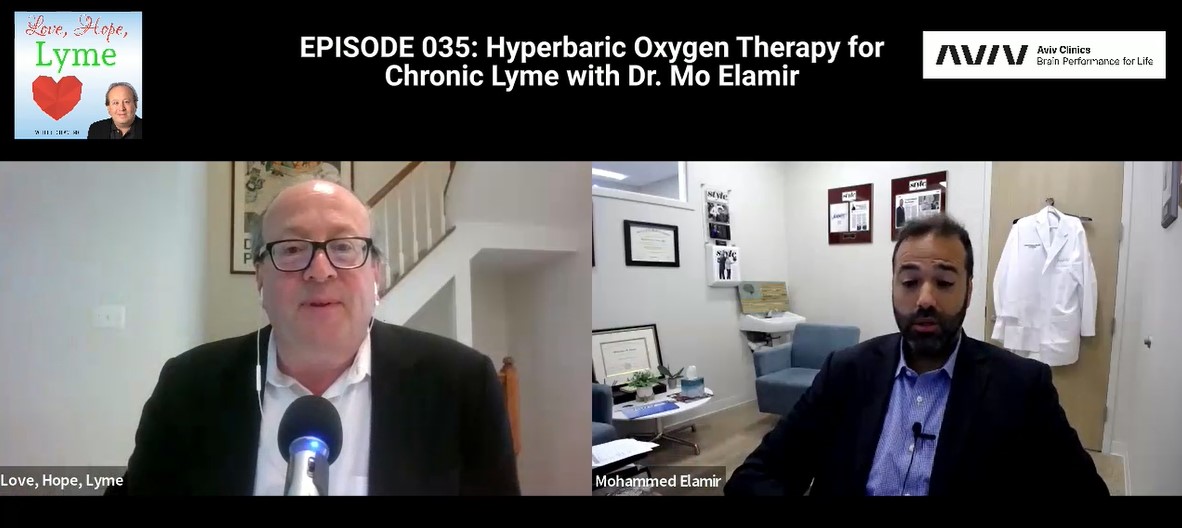
Looking for the Light


Celebrate Life · Chronic Illness · Health and Wellbeing · Infectious Diease · Medical · Men & Womens Health · Mental Health · Tick Borne Illnesses

What do “Real Housewives of Invisible Illness” do all day, anyway?

By Christina Campbell

“I wish I could just stay home and rest.”

“But what do you do all day?”

“I wish I had all that free time.”

The Normals regularly say these things to me, whenever I take disability leave to recover (kinda) from tick-borne disease.

Bless their little Normal hearts. They’re not trying to be hurtful. They’re trying to relate to something they can’t understand: invisible chronic illness, with its unpredictable flares and unquantifiable symptoms of pain, fatigue, and “Help, doctor, my cells are all pulling on each other like magnets.”

My favorite Normal faux-pax happened when I returned to work after two years of disability leave (and one additional year of a lawsuit against my insurer). Many coworkers knew I’d been sick. Some knew I’d had tick-borne disease. One of them welcomed me back and asked, “Did you enjoy your time off?” He meant well, but here’s what I heard him saying: Did you enjoy living it up with your free paychecks?

I feared my colleagues thought I’d spent those three years lounging on a chaise in a silken robe and full makeup, listening to celebrity gossip podcasts, sipping wine, and dropping bon-bons between my freshly-glossed lips, while stroking my sleek purebred cat like a Real Housewife of Northern Virginia.

Sure, I “enjoyed my time off.” I enjoyed the handful of semi-functional hours I had each day. I enjoyed squinting, while sweating and shivering, at incorrect health insurance EOBs and shady reports from insurance physician reviewers. Because of the broken U.S. health system, when I’m on disability leave I use almost more cognitive energy than when I’m at work.

The feared “activity tax”

Here’s what I’d like to tell people about what I “do all day:” I calculate my energy expenditures, then wait with bated breath to see if my calculations are correct. Will I be fine? Or will I pay the much-feared Activity Tax? If the latter, in what currency will the Tax be? Headache? Stiff joints? Motion sickness? Vibrating feet?

Because the stakes are so high, people with chronic illness become supercomputers: Estimated useable body-hours divided by approximate time to complete chores, plus parenthetical sub-formula ranking chores by importance, times the bounded function of activity tax per X number of stairs between the hamper and washer.  

The poor Normals want to “just stay at home and rest.” Well, so do I. Instead, I’m racing my body against my bank account. I’m wrangling physical therapy and fistfuls of pharmaceuticals. The goal: Get my health to kick in, before my disability is randomly taken away because some doctor paid by an insurance company lies on my case report (I wish this were a hypothetical). Disability leave is so exhausting, I pine for the workaday drudgery of the office.

My best impression

In the meantime, though, I’m doing my best Real Housewife impression, lounging on that chaise. Except it’s not a chaise, it’s a cat-hair-covered futon, and I’m not lounging, I’m curled up in ache, and it’s not wine but electrolyte water, and it’s not a silken robe but pilly yoga pants, and it’s not bon-bons but fish oil capsules almost as big as bon-bons.

Per my calculations, the fish oil capsules are better than the liquid alternative. The splotch of spilled fish oil on my pants crotch cost about $35 dollars. (This does not include the Activity Tax I paid from walking up and down stairs, trying to figure out where the rotting mackerel smell was coming from.)

Back on the chaise-futon, in true frustrated-Housewife style, I hurl my wine glass. But it’s not a wine glass, it’s a thermometer. As is common in tick-borne disease, I feel flu-ish almost all the time, but there’s little to no corresponding fever. The cruel digital displays never validate my aches and burning face. To resolve this dissonance, I smash the devices. Still, my cool cheeks stay scorching. You’d think they’d at least give me a luminous glow, but no.

Beauty tips

Which brings us to beauty tips, as recommended by our Real Housewife on the cat-hair-strewn cushions. It’s not makeup, it’s purple under-eye moons. It’s not plastic surgery, it’s skin stretched smooth by inflammatory water-fat. It’s not lip gloss, it’s snot. Too tired to get a tissue? Just blow your nose on your cardigan sleeve!

Also clinging to the crusty cardigan: my cat. He’s not a sleek purebred, but an old, thin street rescue with allergies and a seizure disorder. He’s also a poor conversationalist, but that’s ok, because I have the celebrity gossip podcasts—except they aren’t celebrity gossip podcasts, they’re Zoom coffee klatsches with my fellow sickies. And we don’t gossip, we rage.

We rage about the doctor who was late calling in a pain meds script. We rage about the insurance company who denied someone disability, because the company’s spies caught the patient sweeping her porch (gasp!). We rage about the sick young woman erroneously diagnosed with Munchausen’s Syndrome by old male doctors at a northeast emergency room. In comparison, my coworkers’ thoughtless comments are small potatoes.

They still hurt, though. I should see my psychologist. Mental health care is an important reason to dig into my skimpy disability paychecks. And yet. . .  it’s easier to pivot to add-to-cart therapy: a silken robe, lip gloss, and some bon-bons.

Christina D. Campbell is an award-winning author who writes about health, marital status discrimination, and special needs cats. She is currently seeking representation for her memoir about invisible illness. She can be reached at ChristinaDC.com.

Her words resonate with me and she’s right, it’s impossible to relate to an invisible disease unless you’ve been down that road.

Melinda

Celebrate Life · Chronic Illness · Health and Wellbeing · Medical · Men & Womens Health · Self-Care

The Importance of Being a Hustle Culture Dropout When You’re Chronically Ill

by Natalie Kelley

•••••

Medically Reviewed by:

Tiffany Taft, PsyD

The constant pressure to go-go-go caused me to ignore my body’s alarms and wreaked havoc on my ulcerative colitis. Then I found a better way.

Hustle culture — or the pressure to constantly be going, doing, and producing — is a big part of today’s work and school environments. Some see it as a hallmark of success.

Once you’re caught up in it, hustle culture can feel ever-present and all-consuming and yes, necessary. But is it really? Or is this emphasis on always striving to make more money, be more productive, etc. actually harmful, especially to those of us with chronic illnesses?

Life as a hustle culture queen

Before my diagnosis of ulcerative colitis (UC), I was a self-proclaimed hustle-culture queen. I lived for the go-go-go lifestyle and loved the constant approval it seemed to get me, especially as it related to academic success, and later, my work.

When I began getting sick in college and was in and out of medical appointments, I still continued on the path I had begun forging for myself in high school. I would wake up at 4:45 a.m., run mile after mile, spend an hour in the gym, go to classes all day long, work my on-campus jobs, and then spend the evening doing my homework as perfectly as possible, working on my blog, and running my sorority.

Because my vision was so clouded by my constant need for “success,” I didn’t hear the cries of my body as my first major flare started creeping up on me.

And after being diagnosed with UC? Well, nothing changed. I believed I could take my medication, call it good, and continue on as I was before — going, running, hustling.

Because my vision was so clouded by my constant need for “success,” I didn’t hear the cries of my body as my first major flare started creeping up on me. Then 3 weeks after graduating college, I found myself lying in a hospital bed, hooked up to IVs, staring out into the summer sun. It was this moment that made me realize hustle culture wasn’t all that it was made out to be. Sure, I had an almost 4.0 grade-point average, honors society tassels at graduation, and a marathon medal hanging in my bedroom, but what good was any of that if I didn’t have my health?

The moment I got out of that hospital I made it my mission to turn in my hustle-culture queen crown and become a hustle-culture dropout.

The measure of success

If you resonate with any pieces of my story, know that you’re not alone. Hustle culture is sneaky — from the messages we hear from bosses and coworkers about the importance of things like staying late at the office or having a side hustle, to the questions from family members about promotions and grades, to daily TikTok vlogs showing everyone’s 5–9s before their 9–5s — and it’s everywhere.

As tempting as it can be to try and fit into the mold that hustle culture has created, I truly believe it’s not worth it, or even safe, for folks with chronic illnesses. Not only does hustle culture negatively affect our bodies, but it can impact our minds as well by encouraging comparison, making us feel like we’re never enough, and creating mental burnout.

Hustle culture tells us to place traditional measures of success, such as income, grades, and job status, above all else, but when we have a chronic illness (or multiple illnesses), listening to our bodies must come first. And by subscribing to the hustle culture ways, we are continuously pushed into a cycle of ignoring our bodies, flaring, recovering, and then doing it all over again, just as I was in college. And we — and our bodies — deserve so much more.

So, how do we, in a world that tells us our worth comes from how much we do and produce, become a hustle-culture dropout? How do we learn to see our worth as completely separate from our productivity? 

Redefine success

Instead of focusing on “success” as hustle culture sees it, what if you redefined success for yourself? 

This was the first step I took in becoming a hustle-culture dropout, which does not have to be an all-or-nothing concept. Instead of seeing success as something that could be measured by society, I decided that for me, success was living a life that is balanced — a life that still allowed me to feel financially comfortable so I could afford my medical needs, but that also included daily rest and self-care. I realized that I never actually felt that successful when I was doing “all the right things,” because I was so burnt out and disconnected from myself.

Try thinking about what real success might look like for you.

Foster self-love

A big reason why I fell so easily into hustle culture and based so much of my worth on how much I did and produced was because I lacked self-love. Because of this, I was constantly searching for validation outside myself.

When we center ourselves in self-love, it’s much easier to remember that we don’t have to participate in hustle culture, and to rest without guilt, because we’re able to give ourselves the validation we need from an intrinsic place. Self-love can feel hard to foster when we are being constantly pushed to be and do more, but forcing yourself to slow down and get to know yourself on a deeper level is a beautiful place to start.

Getting to know all the layers of who you are — your passions, your values, your unique characteristics, your quirks, what makes you laugh, what makes you tick, etc. — is a foundational piece of starting to love yourself better. Think of a romantic relationship, for example — it would be really difficult for you to feel loved if your partner never took the time or put in the effort to learn new things about you. It’s the same thing with yourself! 

Cultivate more joy

Doing things simply for joy is something that we too easily forget how to do as adults, especially in the midst of navigating chronic illness. I have found that dedicating time each week to activities that serve no “purpose” other than making me happy has helped remind me that productivity isn’t the only thing in life that matters, and that there are other things I want to prioritize above simply go-go-going.

This may look like taking a dance class (if you’re physically able), coloring, reading a fun novel, or watching a new television show. Anything works as long as joy is at the center of it!

Release destination addiction

Hustle culture wants us to always be striving, because if we’re always wanting to be more, make more money, get more praise, etc., we’re going to keep forcing ourselves to do more.

Hustle culture thrives on a concept called destination addiction. Destination addiction can sound like, “I’ll be happy when I make X amount of money” or “I’ll be satisfied when I have achieved X promotion.” 

Hustle culture pulls us out of the present and puts an unhealthy emphasis on the future, despite the fact that who and what you’re doing right now is always enough. Finding ways that help you stay present with chronic illness, such as writing a daily gratitude list or meditating, can help you drop out of hustle culture once and for all, because you start to find peace in the present and no longer feel a constant need to look toward the future.

The takeaway

Although it can feel impossible to become a hustle-culture dropout, it’s possible and necessary if you have chronic illness. Dropping out of hustle culture won’t only protect your physical health, but your mental health as well. Making small changes by allowing yourself to slow down and not push harder than you need to can make a big difference.

Medically reviewed on February 21, 2023

This a great article that applies to anyone with a chronic illness, we have to listen to our bodies and not other’s expectations.

Melinda

Chronic Illness · Health and Wellbeing · Infectious Diease · Medical · Men & Womens Health · Tick Borne Illnesses

The Haunting Legacy of Lyme, Connecticut

Important Read

The ‘Polly Murray Papers’ reveal the horrific symptoms of ground-zero Lyme disease sufferers.

By Kris Newby

Sadness washed over me as I walked through the house in Lyme, Connecticut, where Mary Luckett “Polly” Murray used to live. Built in 1853, it was located in a rural area surrounded by forests, rolling hills, and cranberry bogs. The house needed a fresh coat of paint, and the yard had gone to seed.

The new owner had recently divorced and hadn’t replaced the furniture his ex-wife had taken. There were mattresses on the floor and unfinished projects spilling out of the garage. The owner and his dog seemed unwell. Taking in the scene, I thought, this looks like the flotsam and jetsam of another family destroyed by Lyme disease.

The previous owner, Polly Murray, was an artist, a mother of four sick children, and the disease’s first unofficial epidemiologist. She died in 2019 of Alzheimer’s disease. In the 1960s, she began documenting the bizarre constellation of symptoms that afflicted her family and neighbors living along the Connecticut River. In April, I visited the Medical Historical Library at Yale University to review her original Lyme patient case histories, turning back the pages of time in search of the origins of this mysterious outbreak.

So many questions

These first-hand accounts raised a lot of questions for me. Why did it take 11 years, from 1964 to 1975, for the medical system to take notice and take action?

In 1975, the investigation was assigned to Allen Steere, MD, a young Yale rheumatology fellow who had just returned from a CDC Epidemic Intelligence Service (EIS) assignment in Liberia. Why did Steere narrow the symptomology so soon in the investigation and downplay most of the neurological symptoms? Why did it take six more years to identify the underlying tick-borne bacterium, Borrelia burgdorferi? Did CDC-EIS, the U.S. organization that investigates suspicious disease outbreaks, find it strange that three tick-borne diseases suddenly appeared a few miles from the Plum Island biological weapons lab?

As I looked through the boxes of her notes, I was struck by the unusual nature of the symptoms and the point-source geographic origin. What happened there, and what can we learn from Polly’s eyewitness account?

A map from an early survey of Lyme disease in Connecticut, from the U.S. Centers for Disease Control. [1]

Polly’s case histories

Polly’s family had been sick for decades, and the many doctors they visited couldn’t figure out what was wrong—they’d never seen this combination of crazy symptoms before. In a letter to a journalist, she explained why she became the medical scribe for her community:

“Early in the history of our problems, I realized that my only salvation would be in keeping accurate records of what was going on, as unbelievable as it was. I intuitively felt it very important for anyone with baffling chronic symptoms to put the information down on paper.” [2]

Polly Murray, 1954, on graduation day at Mt. Holyoke College, before her strange symptoms began. [3]

Polly filled boxes with notes on her neighbors’ unusual histories, which included relapsing pain, brain fog, mental breakdowns, kids on crutches, children with developmental problems, seizures, lost jobs, broken marriages (including her own), and children too sick to go to school. As a Lyme-area insider, neighbors told her their heartbreaking stories, from personality changes to suicides. Each family’s tragic history read like crib notes for a Stephen King horror novel.

Huge toll of neurological and psychological symptoms

In one list of 35 cases from the 1990s, I was struck by the large number of patients who reported serious neurological and psychological problems. [2] Here’s a sampling:

Patient No. 1.
Diagnosed Lyme disease. Foot problem, arrhythmia, leg weakness.
Neurologist. Lyme encephalitis?
Psychiatric problems. Paranoia.
Hospitalization. Attempted suicide.
Nursing home with weekends home.

Patient No. 2.
Diagnosed Lyme disease. Mental problems. Seen in Boston. Psych tests, Lupus IV treatment. Alzheimer’s? Stroke? Lyme?
Nursing home.
Died 7/1991. No autopsy.

Patient No. 3.
Lyme disease history. Found outside in a nightgown one winter night, disoriented. Nursing home. Positive Lyme titer.

(You can read the complete list here.) 

In another document, she noted that 22 of her neighbors had heart issues, 26 had neurological symptoms, seven or more suffered from psychosis or depression, and seven had suicidal ideations. [2]

Yet none of these potentially life-threatening symptoms were mentioned in Steere’s “I solved the Lyme mystery” announcements, first at a 1976 conference [4], then in the 1977 article “Lyme arthritis: an epidemic of oligoarticular arthritis in children and adults in three Connecticut communities.” [5] (To be fair, subsequent publications documented some of the neurological symptoms.)

The wrong path

In a move that would send researchers down a dead end for years to come, Steere declared that Lyme disease was primarily a problem of swollen joints, not a disease that affected the nervous system, the brain, the heart, and other organs.

Steere’s letter to Polly Murray on the nature of Lyme disease.

Other medical experts criticized his premature labeling of this disease as a “relatively minor type of arthritis,” including:

—Franz J. lngelfinger, MD, the editor of The New England Journal of Medicine, who rejected Steere’s discovery article, wrote, “Although reviewers and editors were impressed by the interest your studies have generated, you were unable to identify an etiologic agent and apparently actually saw yourself only 20 symptomatic patients.” [6]

—William E. Mast, MC and William, M. Burrows, MC, the Groton military physicians who published the first Connecticut Lyme case studies, wrote in a JAMA rebuttal letter: “On exchange of patients and information with Dr. Steere and the group at Yale investigating “Lyme arthritis,” it is the consensus that we are all dealing with the same process. It is apparent that the term “Lyme arthritis” is much too restrictive since there have been cases from the Connecticut and Rhode Island shores and the incidence is expected to be more widespread.” [7]

—Raymond Dattwyler, MD, Professor of Pathology, Microbiology and Immunology, Medicine, and Pediatrics at New York Medical College said, “It’s unfortunate that in the U.S., the rheumatologists studied Lyme disease first. Lyme disease is a multisystemic infectious disease that impacts many organs. But because the early work was done by rheumatologists, the prism through which we view the disease was artificially narrow, and impeded research for years.” [8]

Words from the grave

Polly wasn’t a trained epidemiologist, but she approached the problem like a true scientist—she wrote everything down so nothing would be missed. And as the people around her got sicker, she doubled down on her resolve to get help for these very sick people:

I firmly believe in the politics of numbers. One person, or even six in a family such as ours, does not have the power that was acquired by the ever-increasing number of people eventually involved. Proper diagnosis was further hampered by the fact that the patients from our area did not go to just one medical center, where, if we had, the high incidence of these strange symptoms might possibly have been picked up earlier. Instead, because of our geographic location, we, in fact, went to specialists in New Haven, Middletown, Hartford, and even New York and Boston. Perhaps it was the adversity that I encountered in the early pursuit for knowledge concerning our constant maladies that made me persist more than I would have otherwise.

Despite her efforts, it’s still difficult for patients to get diagnosed and treated, especially in the later stages of the disease. According to MyLymeData’s registry of 12,000-plus Lyme patients, about half had to see 5 or more clinicians over 3 or more years before receiving an accurate diagnosis. [9]

Little progress in 43 years

Forty-three years after its discovery, we still don’t have a reliable Lyme screening test, and about a quarter of patients treated with the standard dose of antibiotics go on to suffer from ongoing symptoms. [10] The CDC estimates that there are almost 500,000 new cases a year and growing. [11] And an analysis of NIH Lyme-related research grants from 2013-2021 revealed that less than 1% was spent on looking for better treatment protocols. [12]

Regrettably, Polly’s perspective on what went wrong in the 1970s still holds true today. The medical system still hasn’t figure out how to deal with complex chronic diseases like long COVID, Lyme disease, or ME/CFS (chronic fatigue).

It is only in looking back on the discovery of this disease that I see that it fit into the classic pattern of denial and resistance to the unknown until it reached a point where it could no longer be ignored. Most doctors are overloaded in just trying to alleviate known problems, thereby making it difficult for anyone with a new set of symptoms to compete for the clinician’s time. It is easier to decide that the patient is hypochondriacal than to deal with the unknown. Furthermore, in this age of specialization, the total picture of the patient’s health is often lost when the patient goes from specialist to specialist to be treated for individual symptoms.

This history shows that the definition of Lyme disease went off track early on and then diverged further from reality under the influence of vaccine developers and medical insurers who found it more profitable to deny the chronic, relapsing manifestations of the disease. The legacy of Lyme disease, which continues to spread unabated, will continue to haunt us unless we address this problem in a more honest and effective way.

  Good Housekeeping, March 1977. [13]  

Kris Newby is an award-winning medical science writer and the senior producer of the Lyme disease documentary UNDER OUR SKIN. Her book BITTEN: The Secret History of Lyme Disease and Biological Weapons won three international book awards for journalism and narrative nonfiction. Previously, Newby worked for Stanford Medical School, Apple, and other Silicon Valley companies.

This article is republished by permission from The BITTEN FILES on Substack, July 12, 2024. Learn more here.

References

1.        Petersen LR, et al. “Epidemiological and clinical features of 1,149 persons with Lyme disease identified by laboratory-based surveillance in Connecticut.” Yale J Biol Med. 1989 May-Jun;62(3):253-62.

2.        Polly Luckett Murray Papers, Medical Historical Library, Harvey Cushing/John Hay Whitney Medical Library, Yale University.

3.        Photo courtesy of Polly’s son, David Murray.

4.        https://www.documentcloud.org/documents/24791517-1976-steere-lyme-definition-presentation

5.        Steere AC, et al. Lyme arthritis: an epidemic of oligoarticular arthritis in children and adults in three Connecticut communities. Arthritis Rheum. 1977 Jan-Feb;20(1):7-17.

6.        Stephen E. Malawista Papers, Archives at Yale. https://www.documentcloud.org/documents/24797919-1976-jama-rejects-steere-article

7.        Mast WE, Burrows WM. Erythema Chronicum Migrans and “Lyme Arthritis.” JAMA. 1976;236(21):2392. doi:10.1001/jama.1976.03270220014011 https://jamanetwork.com/journals/jama/article-abstract/349662

8.        Weintraub, Pamela, Cure Unknown, New York : St. Martin’s Press, 2008. (A must read if you want to understand Lyme disease history.)

9.        2019 MyLymeData Chart Book. https://www.lymedisease.org/mylymedata-lyme-disease-research-report/

10.      “Why Lyme disease treatment sometimes doesn’t work.” LymeDisease.org https://www.lymedisease.org/lyme-treatment-sometimes-fails

11.      CDC Lyme Disease Surveillance and Data. https://www.cdc.gov/lyme/data-research/facts-stats

12.      Kris Newby analysis of NIH RePORTER data: https://report.nih.gov/funding/categorical-spending#/

13.      “Mrs. Murray’s Mystery Disease,” Good Housekeeping, Mar. 1977, 80–86.

I had not heard this story of suffering before but it’s not surprising because Lyme is not a new disease.

Melinda

Celebrate Life · Chronic Illness · Health and Wellbeing · Medical · Men & Womens Health · Music

I Had My Fifith IVG Infusion Treatment For My Hypogammaglobulinemia On Monday

Hypogammaglobulinemia is an Immune Disorder where my body doesn’t make enough antibodies which can be dangerous. Luckily, I don’t leave the house often and wear a mask when I do. I was diagnosed two years ago but insurance didn’t approve until I reached a record low. I’ve been approved for 12 treatments but I’m not confident that 12 treatments is all I need. Currently, my Imoglobins are at 600 and my doctor would like to see them at 800-900. Hopefully, this week’s treatment will increase my number and I’ll know more once the lab work is back.

The treatments take 4-5 hours and during that time you get to relax in an oversized recliner. For this treatment I packed much lighter, instead of a duffle bag and my handbag, I bought a North Face backpack, and everything fit inside. I took my new book Native American Myths by Matt Clayton, my ancestors were Cherokee and I wanted to learn more about their beliefs. When I wasn’t reading, I indulged in my favorite pastime by listening to music.

Here is what I listen to

Adele 21

Adele 25

John Mayer Born and Raised

One Republic Dreaming Out Loud

REO Speedwagon You Can’t Tune A Fish

Pharrell Williams Happy

Paul Carrack Tempted

Fleetwood Mac Crystal

It was so nice to relax with my feet up with my eyes closed and listen to some great tunes.

The treatments had a few hiccups. The first needle didn’t go in right so she had to use the vein next to it which was successful. It was a very slow morning but my nurse let my first bottle of medication run dry so they had to prime the line and she let it dry again with my saline. A small price to pay to get better.

The first two days after treatment you feel sluggish and can have a headache.

This time my treatment took five hours and by the time I got home I was starving and had not taken my morning medication.

Melinda

Reference:

https://my.clevelandclinic.org/health/diseases/25195-hypogammaglobulinemia

Celebrate Life · Chronic Illness · Health and Wellbeing · Medical · Men & Womens Health · Mental Health · Mental Illness · Moving Forward

Do You Know What A Vagus Nerve Stimulator Is?

My Bipolar Disorder was difficult to manage with medication alone. My Psychiatrist told me about a device that was waiting for FDA approval.

In 2005 the Vagus Nerve Stimulator was approved by the FDA and my doctor had all the information ready to send to my insurance company.

The first time insurance denied the device. Here’s how I got insurance to approve. I wrote a letter explaining what my life was like and how it controls my life and in time the possibility of suicide.

A VNS device looks much like a pacemaker with two leads that attach to your vagus nerves, sending signals to the brain to relieve your depression.

The surgery doesn’t take long, but getting used to the device turned on takes a while.

When you are talking the device makes your voice sound weird but only when the device is sending signals to the brain.

When I had my surgery, no one had seen one implanted which meant the Gallery was full of other doctors. My doctor got to see my boobs, that had to settle in.

After you have healed the device is turned on at a low level so you get used to the feeling of the device working. Then we turned up the level until we found what we thought was the right setting.

I kept it on for years but finally admitted it wasn’t working and had it turned off.

The only pain involved is initial surgery.

I thought this device would change my life but it didn’t work out that way.

These are the notes I made on 12/30/05

Received a letter today from the insurance company, they approved.

I can’t wait to call my Psychiatrist to tell him the news and to get my surgery date rolling.

2005 has been a rough year but this news is my beacon of hope.

The greatest news all year.

Unfortunately, I was in the percentage of people that the device didn’t work.

I am waiting to hear about new treatments but nothing new for my mental illness.

Melinda

This is a repost from 2023.

Celebrate Life · Chronic Illness · Health and Wellbeing · Medical · Men & Womens Health · Mental Health · Mental Illness · Self-Care

Non-Invasive Vagus Nerve Stimulator Device: A Breakthrough In Medical Technology

The FDA approved the Vagus Nerve Stimulator in 2005 and I was fortunate enough to get approval for it. It’s implanted in my upper left chest, looks like a pacemaker, and the lead wires attach to my Vagus Nerve. I prayed the device would deliver a miracle for my Bipolar Disorder but that was not the case. After several years of adjusting the stimulation, my doctor and I made the decision to turn it off. Almost 20 years later it has become painful and I plan to have it removed this Fall.

The technology has advanced with implants showing better results. I don’t plan to have another implanted but I did find the research on non-invasive VNS devices very interesting. I am researching several brands and will purchase one that vets out. What I find most interesting is the non-invasive devices can help with many other conditions like anxiety, pain, stress, and even migraines. I could use help in many of the areas they tout.

———————

Last updated on July 24th, 2024 at 11:22 am

The human body is a complex and intricate system, with various nerves and pathways working in tandem to maintain optimal health. Among these nerves, the vagus nerve stands out as a key player in regulating numerous bodily functions. Thanks to recent advancements in medical technology, a non-invasive vagus nerve stimulation device has emerged as a breakthrough in the field of medicine. This device has the potential to revolutionize the treatment of various health conditions and enhance overall well-being.

Understanding the Vagus Nerve and Its Functions

The vagus nerve, also known as the tenth cranial nerve, is the longest and most vital nerve in the human body. It extends from the brainstem to various organs, including the heart, lungs, and gastrointestinal tract. The vagus nerve plays a crucial role in regulating essential bodily functions such as heart rate, digestion, and respiratory function.

But what exactly is the vagus nerve, and how does it carry out its functions? Let’s dive deeper into the fascinating world of this remarkable nerve.

The Role of the Vagus Nerve in the Human Body

With its extensive reach and influence, the vagus nerve acts as a communication channel between the brain and various organs. It carries signals that control the parasympathetic nervous system, which is responsible for rest and digestion functions. This means that the vagus nerve helps to slow down heart rate, stimulate digestion, and promote relaxation.

But that’s not all. The vagus nerve also plays a role in modulating inflammation and immune responses. It has been found to have anti-inflammatory effects, helping to regulate the body’s immune system and reduce excessive inflammation. This connection between the vagus nerve and the immune system opens up new possibilities for treating inflammatory diseases.

The Connection Between the Vagus Nerve and Various Health Conditions

Research has shown that abnormalities in vagal nerve activity can contribute to the development and progression of various health conditions. For example, chronic pain has been linked to dysfunctional vagus nerve signaling. By understanding and targeting the vagus nerve, researchers hope to develop new treatments for chronic pain that go beyond traditional pain medications.

Depression and anxiety disorders are also closely tied to vagal nerve activity. Studies have found that stimulating the vagus nerve through techniques like vagus nerve stimulation (VNS) can have a positive impact on mood and reduce symptoms of depression and anxiety. This has led to the development of VNS as a potential treatment option for individuals who do not respond to traditional antidepressant medications.

Migraines, too, have been linked to vagal nerve dysfunction. The vagus nerve is involved in pain modulation, and abnormalities in its function can contribute to the development of migraines. By understanding the role of the vagus nerve in migraines, researchers are exploring new ways to prevent and treat these debilitating headaches.

Furthermore, the vagus nerve’s influence extends to inflammatory diseases. Inflammatory bowel disease, rheumatoid arthritis, and other conditions characterized by excessive inflammation have been associated with vagal nerve dysfunction. This connection has sparked interest in developing therapies that target the vagus nerve to regulate inflammation and potentially provide relief for individuals with these conditions.

As we continue to unravel the mysteries of the vagus nerve, its importance in maintaining overall health and well-being becomes increasingly evident. By understanding its functions and connections to various health conditions, researchers are paving the way for innovative treatment approaches that could improve the lives of millions.

The Evolution of Vagus Nerve Stimulation (VNS) Therapy

Vagus nerve stimulation (VNS) therapy has been used for decades as a treatment option for certain conditions. Traditional VNS involves the implantation of a device that delivers electrical impulses directly to the vagus nerve. While effective in some cases, this invasive approach has limitations and potential complications, leading researchers to explore alternative methods.

The Traditional Approach to VNS

In the past, VNS therapy involved the surgical implantation of a device that connects to the vagus nerve. This device typically delivers mild electrical impulses to modulate the nerve’s activity. However, the invasiveness of this method poses risks such as infection, nerve damage, and complications related to device placement.

Despite these risks, the traditional approach to VNS has shown promising results in the treatment of epilepsy and depression. Studies have demonstrated a reduction in seizure frequency and improved mood in patients who underwent VNS therapy. However, the limitations and challenges associated with invasive VNS have prompted researchers to explore less invasive alternatives.

The Limitations and Challenges of Invasive VNS

Despite its positive outcomes in certain cases, invasive VNS therapy presents several challenges. The necessity for surgical implantation limits its accessibility and increases the potential for complications. Additionally, adjusting the stimulation parameters requires medical intervention, making it less flexible for patients who may benefit from personalized treatment regimens.

Furthermore, the invasiveness of the traditional VNS approach may deter some patients from seeking treatment. The fear of surgery and the associated risks can be a significant barrier, especially for individuals with comorbidities or those who are more risk-averse. As a result, researchers have been actively exploring non-invasive or minimally invasive alternatives to VNS therapy.

One such alternative is transcutaneous VNS, which involves the application of electrical stimulation to the skin overlying the vagus nerve. This non-invasive approach eliminates the need for surgical implantation, reducing the associated risks and complications. Transcutaneous VNS has shown promising results in the treatment of various conditions, including migraine, depression, and chronic pain.

Another emerging technique is minimally invasive VNS, which utilizes a smaller, less invasive device for nerve stimulation. This approach involves the placement of a tiny electrode near the vagus nerve, allowing for targeted stimulation without the need for extensive surgery. Minimally invasive VNS offers a middle ground between traditional invasive VNS and non-invasive alternatives, providing a balance between effectiveness and safety.

As researchers continue to explore and refine VNS therapy, advancements in technology and medical understanding are driving the evolution of this treatment modality. The development of novel devices, improved stimulation parameters, and a better understanding of the underlying mechanisms are all contributing to the expansion of VNS therapy options.

In conclusion, while traditional VNS therapy has been a valuable treatment option for certain conditions, the limitations and potential complications associated with invasive approaches have prompted researchers to explore alternative methods. Non-invasive and minimally invasive techniques are emerging as promising alternatives, offering improved accessibility, reduced risks, and increased flexibility for personalized treatment. As the field of VNS therapy continues to evolve, patients can look forward to more effective and safer options for managing their conditions.

The Advent of Non-Invasive Vagus Nerve Stimulation (nVNS)

Non-invasive vagus nerve stimulation (nVNS) has emerged as an exciting alternative to traditional VNS therapy. This innovation allows for the stimulation of the vagus nerve without the need for surgical procedures or implantation.

The vagus nerve, also known as the “wandering nerve,” is the longest cranial nerve in the body. It plays a crucial role in regulating various bodily functions, including heart rate, digestion, and inflammation. Traditionally, vagus nerve stimulation (VNS) has been used as a treatment option for conditions such as epilepsy and depression. However, the invasive nature of VNS therapy has limited its accessibility and acceptance.

nVNS offers a non-invasive solution to harness the therapeutic potential of the vagus nerve. By utilizing mild electrical stimulation, nVNS can activate the vagus nerve and modulate its activity, providing a promising avenue for the treatment of various health conditions.

The Science Behind nVNS

nVNS operates on the principle that mild electrical stimulation can activate the vagus nerve and modulate its activity. By placing electrodes on the skin over specific nerve pathways, nVNS devices deliver targeted electrical impulses, stimulating the vagus nerve indirectly. This non-invasive approach has shown promising results in clinical trials

Research has demonstrated that vagus nerve stimulation can have a profound impact on the body’s autonomic nervous system, which controls involuntary functions. By modulating the vagus nerve’s activity, nVNS can influence heart rate, blood pressure, and even the release of neurotransmitters in the brain.

Furthermore, studies have suggested that nVNS may have anti-inflammatory effects. Inflammation is a key component of many chronic diseases, and by reducing inflammation through vagus nerve stimulation, nVNS could potentially offer a novel therapeutic approach.

The precise mechanisms through which nVNS exerts its therapeutic effects are still being explored. However, the growing body of research indicates that this non-invasive technique holds great promise for the future of medical treatment.

The Design and Function of nVNS Devices

nVNS devices consist of a handheld stimulator with attached electrodes. When applied to specific areas, such as the neck or tragus, these devices deliver precisely calibrated electrical impulses. The stimulation triggers a response in the vagus nerve, which can have therapeutic effects on various health conditions.

One of the advantages of nVNS devices is their portability and ease of use. Patients can conveniently carry the handheld stimulator with them and apply the electrodes whenever needed. This flexibility allows for on-demand stimulation, enabling individuals to tailor their treatment according to their specific needs and symptoms.

Additionally, nVNS devices are designed to be user-friendly, with intuitive controls and adjustable settings. This ensures that patients can easily customize their stimulation parameters, optimizing the therapy’s effectiveness and comfort.

As the field of nVNS continues to advance, researchers and engineers are exploring innovative ways to enhance device design and functionality. Efforts are being made to develop smaller, more discreet devices that can be worn comfortably throughout the day, allowing for continuous vagus nerve stimulation without disrupting daily activities.

Moreover, advancements in technology are enabling the integration of nVNS devices with smartphone applications and wearable devices. This integration offers the potential for real-time monitoring and personalized treatment plans, further optimizing the therapeutic benefits of nVNS.

In conclusion, non-invasive vagus nerve stimulation (nVNS) represents a groundbreaking development in the field of medical treatment. By providing a non-surgical and easily accessible alternative to traditional VNS therapy, nVNS holds immense potential for improving the lives of individuals with various health conditions. With ongoing research and technological advancements, the future of nVNS looks promising, paving the way for a new era of personalized and effective medical interventions.

The Potential Health Benefits of nVNS

nVNS has the potential to offer significant health benefits across a range of conditions, opening up new possibilities for treatment and management.

With its ability to modulate the vagus nerve’s activity, nVNS holds promise in revolutionizing various areas of healthcare. From chronic pain management to mental health treatment, this innovative approach has garnered attention and sparked excitement among researchers and medical professionals alike.

The Impact of nVNS on Chronic Pain Management

Chronic pain is a widespread and challenging condition that can significantly impact a person’s quality of life. Traditional pain management approaches often involve pharmacological interventions, which may come with unwanted side effects and limited efficacy. However, studies have shown that nVNS can provide effective pain relief by modulating the vagus nerve’s activity.

The vagus nerve, a major component of the parasympathetic nervous system, plays a crucial role in pain perception and inflammation. By targeting this nerve through non-invasive nVNS, it is possible to reduce inflammation and alter pain perception, offering a non-pharmacological approach to pain management. This opens up new avenues for individuals suffering from chronic pain, providing them with a potential alternative or complementary treatment option.

nVNS and Mental Health: A New Frontier

Mental health disorders, including depression and anxiety, affect millions of people worldwide. While various treatment modalities exist, there is a constant need for innovative approaches that can enhance therapeutic outcomes and minimize side effects. nVNS has emerged as a potential game-changer in the field of mental health treatment.

Research has shown that nVNS can modulate the vagus nerve’s activity, influencing neurotransmitter release and mood-regulating pathways. By doing so, it offers a novel and non-invasive approach to mental health treatment. This exciting development has the potential to transform the lives of individuals struggling with mental health disorders, providing them with a new frontier of hope and possibilities.

Furthermore, the non-pharmacological nature of nVNS makes it an attractive option for individuals who may be hesitant or unable to tolerate traditional medication-based treatments. By harnessing the power of the vagus nerve, nVNS opens up a world of potential for personalized and targeted mental health interventions.

As research continues to unfold, the potential health benefits of nVNS become increasingly evident. From chronic pain management to mental health treatment, this innovative approach holds promise in revolutionizing the way we understand and address various health conditions. With its non-invasive nature and ability to modulate the vagus nerve’s activity, nVNS offers a glimpse into a future where personalized and effective treatments are within reach for individuals worldwide.

The Future of nVNS in Medical Technology

As the field of medical technology continues to advance, researchers are exploring additional applications and potential benefits of non-invasive vagus nerve stimulation (nVNS). This innovative therapy has shown promise in various areas of healthcare, and ongoing research is shedding light on its potential to revolutionize personalized medicine.

Ongoing Research and Potential New Applications

Researchers are actively investigating the effects of nVNS on various health conditions and exploring its potential to improve outcomes. One area of focus is epilepsy, a neurological disorder characterized by recurrent seizures. Preliminary studies have shown that nVNS may help reduce the frequency and severity of seizures in some patients, offering a new avenue for managing this challenging condition.

Another area of interest is migraines, debilitating headaches that can significantly impact a person’s quality of life. Early research suggests that nVNS may provide relief for migraine sufferers by modulating the activity of the trigeminal nerve, which is involved in the development of migraines. This non-invasive approach could offer a promising alternative or complement to existing treatments.

Inflammatory diseases, such as rheumatoid arthritis and Crohn’s disease, are also being explored as potential targets for nVNS therapy. These conditions involve an overactive immune response, leading to chronic inflammation and tissue damage. By stimulating the vagus nerve, nVNS may help regulate the immune system and reduce inflammation, offering a novel approach to managing these complex diseases.

Furthermore, researchers are even investigating the potential cognitive enhancement effects of nVNS. By stimulating the vagus nerve, nVNS may modulate brain activity and improve cognitive function. This could have implications for conditions such as Alzheimer’s disease and age-related cognitive decline, where maintaining cognitive abilities is crucial for maintaining independence and quality of life.

The Role of nVNS in Personalized Medicine

One of the most exciting aspects of nVNS is its potential to be tailored to individual patients. With adjustable settings and personalized parameters, nVNS therapy can be optimized to meet each person’s unique needs. This personalized approach has the potential to enhance treatment effectiveness and improve patient outcomes.

For example, the intensity and frequency of nVNS stimulation can be adjusted based on the severity of symptoms and individual response. This flexibility allows healthcare providers to fine-tune the therapy to achieve the best possible results for each patient. Additionally, the ability to remotely monitor and adjust nVNS devices further enhances the personalized nature of this therapy, allowing for real-time optimization and improved patient convenience.

Moreover, the integration of nVNS with other medical technologies holds promise for personalized medicine. By combining nVNS with wearable devices, such as smartwatches or biosensors, healthcare providers can gather real-time data on a patient’s physiological responses and customize nVNS therapy accordingly. This integration could lead to more precise and effective treatment strategies, tailored to the specific needs of each individual.

In conclusion, the emergence of non-invasive vagus nerve stimulation devices represents a breakthrough in medical technology. By harnessing the power of the vagus nerve, these devices offer new possibilities for the treatment and management of various health conditions. The potential benefits of nVNS in chronic pain management, mental health treatment, and other areas are particularly promising. As further research unfolds and technology continues to advance, the future of nVNS holds great potential for revolutionizing personalized medicine and improving the lives of countless individuals.

This is a huge breakthrough for so many people.

Melinda

Reference:

Celebrate Life · Chronic Illness · Communicating · Health and Wellbeing · Medical · Men & Womens Health

10 Ways to Find Support When You Live Alone with Chronic Illness

by Beth Ann Mayer

•••••

Medically Reviewed by:

Tiffany Taft, PsyD

Living alone with a chronic illness can make it hard to get support. Some may worry about burdening others or explaining their condition, but there are people who want to help.

Not all chronic conditions are apparent, and their “invisibility” can make asking for help a challenge.

People living alone may feel this most, without a partner, family, or roommates who understand their daily routines and consistent needs. 

If this describes you, you may find yourself with another task on your to-do list: finding the support you need.

Read on for tips on how to get your needs met, even when living alone with chronic illness.

1. First, know it’s OK to need help (and you’re not a burden)

People with chronic illness may be reluctant to seek help for several reasons.

“People don’t want to be a burden on others,” says Marzena Gieniusz, MD, an internist. “I hear this a lot in my practice, even when there are people willing, able, and happy to help available.”

Part of this involves cultural expectations and norms.

“Our culture places high emphasis on independence and autonomy,” says Rehan Aziz, MD, a psychiatrist. 

Sometimes the issue is communicating what you need.

“Many people with chronic illnesses also face the challenge of their conditions being ‘invisible,’ which can lead to misunderstandings about the severity of their needs,” says Clorinda Walley, president of Good Days.

Still others may simply prefer being alone.

“Living alone can provide a moment of solitude — a reprieve from the intensity of medical spaces and constant interactions with others,” says Gabriel Cartagena, PhD, a clinical psychologist. “Living alone can also provide individuals with space to pause, reflect, and process their thoughts and experiences.”

2. Reflect on your relationship to asking for help

Cartagena recommends starting with self-reflection as you embark on your journey to find the support you need.

You can ask yourself questions like:

  • Has it been uncomfortable for me to ask for help? If so, why?
  • What does it mean for me if I do ask for help?
  • What do I worry about losing if I ask for help?
  • What difficulties might I have if I don’t get the help I need right now?

This reflection can be a key first step to understand what it means to you to ask for help, and why you may feel reluctant to do so. 

Cartagena says the next question to ask yourself is: “Who do I feel I can trust?”

The answer may be a family member or friend. It may be challenging to ask, but you can try reframing your thoughts.

“People like to feel useful and will often be happy to be able to help in a practical way,” says Hannah Carmichael, the director of the Living Well Alone Project

3. Be specific about your needs

While people may be eager to help, they’ll likely look to you to hammer out the what, when, and how. The good news? You’ll be able to advocate for your actual needs.

“The more specific you can be, the easier you make it for others to help you,” Carmichael says. “This gives the person you’re asking much more certainty about exactly what you need and clarifies their role.”

For example, “Rather than ‘I’d really appreciate some help with a bit of shopping at some point,’ try, ‘Next Thursday, would you be able to drive me to the shopping center at 3 p.m., and stay with me while I pick up a couple of birthday presents?’” says Carmichael.

Carmichael suggests asking different people to help with different tasks. Think of assembling a village like a coach putting together a team — everyone has a unique skill set and availability. This step can also prevent overloading one person.

For instance, a person who loves cooking may be able to assist with meal prep. A friend who enjoys driving might be willing to give you a lift to the doctor. An assertive but tactful friend could be a good advocate for you in the emergency room.

Think of assembling a village like a coach putting together a team — everyone has a unique skill set and availability.

5. Build a village near your hometown

You may not have family and friends around who can help, or perhaps you’re looking for new connections.

“When you live alone, you don’t have anyone ‘on hand’ to keep you company,” Carmichael says. “That means that the responsibility is on you to find people to be friends with, and it’s also on you to grow and maintain those relationships.”

Here are some tips to get you started.

Look online

Online resources can help set you up for in-person social support.

“Look on Meetup [and] on local Facebook groups for activities taking place that don’t need you to travel too far from home,” Carmichael says. “You might be surprised at how much is going on.” 

Local notice boards at a library or community center may also spark ideas.

Keep an open mind

It can be beneficial to try something different. 

“You never know, that local talk on the history of bridges in your area might turn out to be a lot more interesting than you think, or at least, a chance to meet new people,” Carmichael says.

Get into a routine

One of the easiest ways to build new connections is to encounter the same people daily. It’s not always luck. 

“Try to walk the dog or go for a stroll at the same time each day, and see how quickly you start to spot familiar faces,” Carmichael says.

6. Look into community-based programs

You may have organizations within your community with people who have already volunteered to help.

“Some communities have volunteer programs that offer free assistance with tasks like grocery shopping, transportation, and home maintenance for individuals with chronic illnesses,” says Aziz.

Aziz recommends services like Meals on Wheels. However, the nonprofit generally serves people 60 and older. 

Local churches, mosques, synagogues, and other volunteer-based organizations may also have services accessible to people regardless of age. A healthcare professional can point you to organizations within your community.

7. Find support online

One of the benefits of living in the Digital Age is that it can connect you with people you might not normally meet. 

“Face-to-face interactions are great, but they’re not always possible when you’re living with a chronic illness,” says Carmichael. “There are some brilliantly friendly, supportive groups on Facebook, for example, if you take the time to look for them.”

Carmichael suggests searching for groups geared toward people with your condition or even hobbies and interests.

Aziz agrees that online groups can be a useful tool.

“Virtual support groups and forums can be valuable resources for connecting with others who share similar challenges and experiences,” Aziz says.

If you haven’t already, give Bezzy Communities a try.

8. Use delivery pharmacies 

Gieniusz says it can be a challenge to stay up to date with medications, which can be critical to managing a condition. Compounding matters, you may be using different pharmacies for different medicines.

“Using a delivery pharmacy to ensure medications are at your door and on time can help make managing chronic illness easier,” Gieniusz says.

Major pharmacies like Walgreens and CVS also offer delivery services. 

9. Let them know you value their help

Simple acknowledgments of someone’s efforts to help you can go a long way in community-building.

“It’s important because it not only shows recognition but also encourages a continued support network,” Walley says.

Carmichael agrees.

“Think about what you can offer in return so that the relationship feels more reciprocal,” Carmichael says. “Even if your condition means you won’t be able to help them with practical tasks, you could perhaps offer a cup of tea and a chat about something on their mind.”

Walley says thank you notes or simply saying or texting “Thank you” are often enough.

Simple acknowledgments of someone’s efforts to help you can go a long way in community-building.

10. Enlist help through national nonprofits 

National nonprofits can connect you with organizations in your area.

Some options include:

Aziz says you may also find help through organizations specific to your condition(s), like the American Chronic Pain Association and American Cancer Society. Some also offer support groups. 

Takeaway

Living alone with a chronic condition can be both practically and emotionally challenging.

Even if you can’t afford in-home aid, resources are available. 

From the wider community to national organizations, there are people out there who want to provide support. Sometimes, but not always, all it takes is asking.

Medically reviewed on March 20, 2024

5 Sources

These are some great ideas and many will take time but the payoff can make all the difference in your life.

Melinda

Celebrate Life · Chronic Illness · Health and Wellbeing · Infectious Diease · Medical · Men & Womens Health · Mental Illness · Tick Borne Illnesses

True Crime As True Lyme: Tick Bite Leads To Murder-Suicide

Tortured by Lyme disease, a young man killed his friend and himself. He is not alone.

by Mary Beth Pfeiffer, Trial Site News

For decades, Lyme disease physicians have seen a small share of late-stage patients with symptoms far beyond the physical ravages of a tick bite.

These patients, estimated to be 1 percent of chronic Lyme psychiatric cases, manifest brain disorders so intractable that they become violent, even homicidal.

Now, a new article in the science journal Heliyon validates these observations and reveals possible mechanisms driving them. It tells the horrific story of a 32-year-old man whose tickborne infection at age 14—one of several—went unrecognized until it was unresponsive to treatment.

Failed by short-course antibiotics that mainstream medical guidance swears by, he descended into substance abuse, as many chronic Lyme patients do, to ease his anxiety, depression, and physical pain. READ MORE  

A patient with psychiatric manifestations of Lyme depicted his pain in this painting. He would later commit suicide. (Photo by permission of Dr. Robert Bransfield.)

Mary Beth Pfeiffer is an investigative journalist and author of Lyme: The First Epidemic of Climate Change

(Note: The important work discussed in this article came about because the family trusted the Lyme Disease Biobank with this young man’s body. Furthermore, Bay Area Lyme Foundation funded this research. Click here to learn more about the biobank.)

I have never heard of the psychiatric manifestations of Lyme but can certainly understand it. When your body is invaded and attacked every minute causing severe pain in many areas of the body, understand the feeling of losing your mind. The Lyme Spirokeetes set up house in my brain, eating away at my memory, and balance and causing havoc on my entire body. No amount of pain medication can give relief, it’s non-stop. Thank goodness it’s a very small percentage of Lyme patients that are affected by Psychiatric Manifestations.

Melinda

Celebrate Life · Chronic Illness · Health and Wellbeing · Men & Womens Health · Self-Care

What Science Says About the Link Between Fibromyalgia and Migraine Episodes

While it’s not yet fully understood, research shows a strong connection between fibromyalgia and migraine symptoms. 

In 2021, chronic pain affected over 51 adults in the United States alone. Over 17 million of those adults experienced debilitating chronic pain that restricted their daily activities.

Both fibromyalgia and migraine episodes can cause chronic pain that makes it difficult to function from day to day. And for people who have both conditions, research suggests that fibromyalgia may even make migraine symptoms worse and more frequent.

Below, we’ll explore what science says about the relationship between fibromyalgia and migraine, including what treatment options are available for both.

Is there a connection between fibromyalgia and migraine episodes?

Research shows that fibromyalgia and migraine often occur together and that fibromyalgia can affect the frequency and severity of migraine episodes in people who have both conditions.

The following studies demonstrated a connection: 

  • In one study from 2019, researchers found that migraine symptoms were twice as prevalent in people with fibromyalgia versus those without. And in study participants who experienced migraine episodes, the risk of fibromyalgia was up to 1.5 times higher.
  • similar study found that over 30% of participants with migraine symptoms also had fibromyalgia, with the condition being more prevalent in those with chronic migraine and migraine episodes with auras.
  • Several studies also found that fibromyalgia may affect migraine frequency and severity. In one study from 2018, fibromyalgia was associated with higher headache severity and higher migraine-related disability.
  • Another study from that same year found that participants with both migraine and fibromyalgia experienced more frequent and painful migraine episodes, as well as lower quality of life.

Most of the studies on fibromyalgia and migraine don’t distinguish between different migraine types, such as complex or ocular migraine. However, some of the research does suggest that people with chronic migraine and migraine with aura may be more affected.

What’s happening in the brain when you have fibromyalgia?

Fibromyalgia is a chronic health condition that’s characterized by body-wide pain and tenderness, chronic fatigue, and difficulty sleeping.

Researchers aren’t entirely sure of what causes fibromyalgia, but evidence suggests that it affects the way the nerves of the brain receive and transmit information related to pain. Because of this, people with fibromyalgia appear to be more sensitive to pain than those without the condition.

What medications help with fibromyalgia and migraine episodes?

First-line treatment for fibromyalgia and migraine generally involves medications that reduce pain.

While there’s no cure for fibromyalgia, there are four medications commonly prescribed to help manage pain:

Research has shown that roughly a quarter of people living with fibromyalgia can find pain relief with these medications.

Migraine treatment also involves a combination of pain medications and other medications that may be helpful for reducing migraine frequency. Medications for migraine include both preventive and acute episode medications.

Preventive medications include:

Acute migraine episode medications include:

If you have both fibromyalgia and migraine, a combination of medications may help reduce your symptoms. However, you and your doctor will work closely together to decide which treatment options work best for you.

Alternative treatments for fibro pain and migraine episodes

Complementary and integrative treatments may also be helpful in reducing pain and improving the quality of life in people living with fibromyalgia and migraine episodes.

One review from 2020 ound that acupuncture was beneficial for reducing pain in people living with chronic pain conditions, including chronic migraine. And additional research suggests that acupuncture may also be helpful for reducing pain due to fibromyalgia.

In another review from 2019 researchers found that activities like yoga and tai chi appear to help reduce migraine frequency and severity. Research also suggests that activities like yoga may be helpful in reducing fibromyalgia pain and improving functioning and mood.

Other complementary treatments that may be helpful for chronic pain conditions like fibromyalgia and migraine include therapeutic massage, mindfulness, and certain supplements. However, researchers are still exploring just how effective these approaches can be for these conditions. 

Living with fibromyalgia

Over 4 million adults in the United States — or roughly 2% of the population ― live with fibromyalgia. If you or someone you love has been recently diagnosed with the condition, you can check out these resources that offer education and support:

Takeaway

Research shows that fibromyalgia and migraine commonly occur together and that having one of these conditions may increase the risk of having the other. 

Studies also show that for people who experience migraine episodes, fibromyalgia may affect the frequency and severity of those episodes.

Medication is the most common treatment approach for helping manage pain in both fibromyalgia and migraine. However, several other complementary approaches could be beneficial for reducing chronic pain levels and improving the quality of life in people with both conditions.

I know the pain of both Fibromyalgia and Migraines and they are both difficult to manage. I found that a multi-prong approach works best for me along with good sleep habits and daily self-care practices.

Melinda

Celebrate Life · Chronic Illness · Health and Wellbeing · Medical · Men & Womens Health

Anemia: How I Handle It And The Different Types

Anyone can have a short bout of Anemia during their life, young girls and women can also get Anemia from their menstrual cycle, vegans have to ensure they eat plenty of alternatives to red meat and there are health conditions that can be serious to your health. I’ve had Anemia on and off most of my life but in recent years it’s an ongoing problem. I don’t eat enough red meat although I’m not vegan and I don’t eat many leafy greens.

Many people may not even know they are Anemic because they have a mild case and they bounce back. I on the other hand can’t seem to shack it even while taking an iron supplement, a good one at that. I have taken prescription iron but it doesn’t help any better than over-the-counter. Three key symptoms are hard to deal with, severe leg cramps, fatigue and I’m always freezing. When I sleep at night, I pull the covers over my head and this week started wearing wool gloves to bed. It’s way into the early morning before my hands thaw and no longer feel like ice.

During the day I wear a tee and sweatshirt and when I’m in my office I have a wool blanket over me and wool gloves on and still shiver. I have a sheepskin run over the back of my chair to add warmth and have my vent half closed. Nothing seems to matter and it’s in the dead of summer here in Texas.

I eat red meat a couple of times a month but I like a variety of meat and eat fish every week as well. It’s not like I don’t eat greens but because I’m so cold salads haven’t been on my menu and I prefer hot foods. I’m eating soup for lunch most days to keep me warm.

I also have the Immune Disorder Hypogammaglobenlemia which is the lack of red blood cells and hemoglobin to carry oxygen to my body. I’ve been taking monthly Antibody Infusion treatments since the Spring. My red blood count is still very low and I may have to continue to take Infusion Treatments for years maybe all my life.

An Overview of Anemia

Anemia is a problem of not having enough healthy red blood cells or hemoglobin to carry oxygen to the body’s tissues. Hemoglobin is a protein found in red cells that carries oxygen from the lungs to all other organs in the body. Having anemia can cause tiredness, weakness, and shortness of breath.

There are many forms of anemia. Each has its own cause. Anemia can be short-term or long-term. It can range from mild to severe. Anemia can be a warning sign of serious illness.

Treatments for anemia might involve taking supplements or having medical procedures. Eating a healthy diet might prevent some forms of anemia.

What Are The Different Types Of Anemia?

  1. Aplastic anemia
  2. Iron deficiency anemia
  3. Sickle cell anemia
  4. Thalassemia
  5. Vitamin deficiency anemia

Here Are The Symptoms Of Anemia

Anemia symptoms depend on the cause and how bad the anemia is. Anemia can be so mild that it causes no symptoms at first. But symptoms usually then occur and get worse as the anemia gets worse.

If another disease causes the anemia, the disease can mask the anemia symptoms. Then a test for another condition might find the anemia. Certain types of anemia have symptoms that point to the cause.

Possible symptoms of anemia include:

  • Tiredness.
  • Weakness.
  • Shortness of breath.
  • Pale or yellowish skin, which might be more obvious on white skin than on Black or brown skin.
  • Irregular heartbeat.
  • Dizziness or lightheadedness.
  • Chest pain.
  • Cold hands and feet.
  • Headaches.

If you are experiencing any of these symptoms, check with your doctor right away.

Melinda

References:

https://www.mayoclinic.org/diseases-conditions/anemia/symptoms-causes/syc-20351360

Chronic Illness · Family · Health and Wellbeing · Infectious Diease · Medical · Men & Womens Health · Tick Borne Illnesses

The strong voice of a teenager with Lyme disease

When my daughter Rachel was 13, she suffered a seemingly simple injury that led to an outbreak of inexplicable, debilitating, body-wide pain. This left her bedridden and needing a wheelchair.

Refusing to believe doctors who claimed either that she was “faking it” or that nothing could be done, our family searched for answers until we at last found the underlying cause—unrecognized chronic Lyme disease and co-infections.

We were lucky enough to find a knowledgeable Lyme doctor within two hours of our home and we started on the long hard slog to getting her better. But we soon found that medical treatment was only part of what our family needed.

There were so many other needs: how to keep Rachel from spiraling into depression, how to continue her education when she was too sick to attend school, finding out what foods supported the healing process best—and which of those she was willing to eat.

As it turns out, one of the most helpful therapies Rachel undertook was something she figured out on her own. Throughout those dark days, she recorded her daily experiences in a journal. It chronicled the bad—her anger at the doctors who didn’t believe her, her despair at ever getting past the pain. It also recorded good times with friends—lip-synching to Hannah Montana songs, visiting the beach to try out a beach wheelchair (yes, those are a thing.) That journal became a lifeline for her, and in my view, was as important as the many different treatments she went through.

In time, Rachel’s health improved—she left the wheelchair behind, graduated from high school and college, and embarked on a career and marriage. For many years, she avoided even looking at the journal, not wanting to revisit those traumatic times.

But then, she decided to share the story with others, and the two of us collaborated on Finding Resilience: A Teen’s Journey Through Lyme Disease. The main narration is based on the journal, interspersed with additional passages by me, giving the mother’s perspective of what was going on.

Capturing the right voice

In the months since publication, we’ve garnered a lot of positive feedback. Here’s one of my favorite reviews, by a judge from the Benjamin Franklin Award competition:

Finding Resilience is a wonderfully written book (by both mother and daughter) that chronicles a teenager’s struggle with both Lyme disease and the medical establishment too unwilling to consider the—at the time—difficult diagnosis. What makes this book so strong is the voice. It’s often difficult for an adult to capture the right voice when writing about earlier experiences, but Rachel Leland does it expertly. At no time did I waver in believing that a teenager was talking to me in real time, as a teenager. This is hard—exceptionally hard—to do well…The mother’s voice, too, is appropriate throughout. All of this worked so effectively that I found myself as a reader on the same emotional rollercoaster they were on.

That’s exactly what we were going for—the shared perspective of a teenager and her mom on this hideous disease and what it takes to get through it. We hope you’ll find it informative and inspiring. Click here for more info about the book.

TOUCHED BY LYME is written by Dorothy Kupcha Leland, President of LymeDisease.org. She is co-author of Finding Resilience: A Teen’s Journey Through Lyme Disease and of When Your Child Has Lyme Disease: A Parent’s Survival Guide. Contact her at dleland@lymedisease.org.

A story that pulls all the heartstrings, such anguish, and a parent’s worst nightmare for their child.

Melinda

Celebrate Life · Chronic Illness · Health and Wellbeing · Men & Womens Health · Mental Health · Self-Care

Rare Symptoms You Might Have with Fibromyalgia

I’ve charted my struggles with Fibromyalgia for years and it can be debilitating for months, then give you a reprieve just long enough to enjoy and it’s back again. I have been fortunate to not have any major issues in 2024 and it’s a good thing, I have had enough to deal with. I have Restless Leg Syndrome and it can make it so hard to fall asleep, it’s nerve-wracking. I also have Neuropathy in my feet which burn quite bad. I do caution against some of the medications listed below, they are used off-market meaning they’re being used for something they are not approved for, and this is the case with Cymbalta which is a mental illness medication, the side effects are high, and some are dangerous. Anytime you take medication read the Full Prescribing Instructions, not the cliff notes. I’ve taken Cymbalta for my Bipolar Disorder and it’s a rough drug. I was not able to take due to side effects. After spending thousands on medications, and not being able to take them, I now ask the doctor what medication they plan to prescribe and why. Then I ask them to hold off sending the script into the pharmacy while I read the Full Prescribing Information which is available on the manufacturer’s website. After I feel comfortable trying the medication, I have them call the pharmacy. It may sound like a lot of work but you get out what you put in on the front end. Gone are the days of blindly taking a medication a doctor prescribes. 

—————–

Fibromyalgia can lead to unusual symptoms in some people. Knowing the range of symptoms this condition can produce may help with diagnosis and treatment.

Experts estimate that around 4 millionTrusted Source adults in the United States have fibromyalgia. This condition causes widespread pain, brain fog, and mood changes. However, there are many more, less common signs a person may experience.

Keep reading to learn what additional symptoms may be a sign of fibromyalgia, what causes them, and how they can be treated.

Can numbness and tingling be a sign of fibromyalgia?

Fibromyalgia may cause numbness and tingling, also called paresthesia, in the extremities (arms, legs, hands, and feet) due to the nerves being overly sensitive or compressed. It may feel like a burning or prickling sensation.

Treatment for paresthesia is aimed at addressing the root cause. In this case, fibromyalgia can be treated with various medications that address nerve pain and inflammation

You may manage paresthesia at home with over-the-counter (OTC) pain medications and topical pain relievers.

Can restless leg syndrome be a sign of fibromyalgia?

Restless leg syndrome (RLS) may cause uncomfortable feelings (itching, throbbing, etc.) in the legs and an urge to move the legs. RLS is associated with sleep disturbances, which can affect up to 99% of people with fibromyalgia.

RLS cannotTrusted Source be cured but is managed with things like iron supplementsantiseizure drugsbenzodiazepines, and — in severeTrusted Source cases — opioids. Drugs to increase dopamine (dopaminergic agents) may also help but cause side effects if they’re used long-term.

Managing RLS at home involves:

  • avoiding smoking, drinking alcohol, and consuming caffeine
  • following good sleep hygiene habits
  • getting regular exercise, including stretching
  • taking warm baths
  • using heating pads or ice packs

Hypersensitivity to touch, also called allodynia, may be caused by mixed messages from the neurons in the brain sending pain signals when there is no real pain. ResearchersTrusted Source explain that the true cause is mostly unknown.

Allodynia is treated individually. You may work with a pain clinic to get physical therapy, psychological support, and oral medications (like calcium channel antagonistsNSAIDs, etc.) for the pain. 

Without treatment, allodynia may get worseTrusted Source over time. You can manage it by working on stress relief and accepting that the pain may not go away completely.

Other uncommon signs and symptoms

Fibromyalgia affects each person in a different way. Beyond the usual symptoms, there are various other less common signs of fibromyalgia.

They may include:

Treatment may be targeted at the specific symptom(s), or your doctor may suggest treatments for the fibromyalgia itself.

Medications include:

When to talk to your doctor

Make an appointment with your doctor if you experience symptoms that concern you or interfere with your everyday life. Even if your symptoms are not related to fibromyalgia, they may be a sign of some other medical issue that needs attention.

Melinda

Reference:

Celebrate Life · Chronic Illness · Health and Wellbeing · Medical · Men & Womens Health · Mental Illness

New Medication Ramp-Up Time Period Is Called Efficacy

Many if not most prescribed medications require a ramp-up period called efficacy, this is the time it takes for the medication to reach a therapeutic level. 

For example:

I started Trintellex several weeks ago for my ongoing depression. The Prozac wasn’t working any longer which is common when you take a drug for a long time. The efficacy of Trintellix is 6-8 weeks, during this period you can experience common side effects and they often subside once the drug reaches efficacy. It’s important to track these symptoms but it’s not always time to call your doctor. Never stop taking medication before talking to your doctor, stopping medication abruptly can send your brain into a tailspin. If you can’t wait to hear back from your doctor, go to your nearest ER for help ASAP. It may save your life. 

The most important side effects to be aware of are adverse side effects, which are the worst side effects that can be deadly and require immediate attention. It’s easy to forget the side effects after reading the prescribing instructions the first time so I keep them handy.

The past week I was overcome by nausea and vomiting and thought I was getting sick. After reading the prescribing instructions again I was reminded that those are common side effects, not ones to be alarmed about. I have experienced sparks in the brain as the medication reaches efficacy, like crying, returned energy, improved cognition, and feeling better overall. 

All medications including over-the-counter items still have side effects, especially for children. 

Always call your doctor if you are concerned about anything, not just medication side effects. 

Melinda

Celebrate Life · Chronic Illness · Health and Wellbeing · Men & Womens Health · Mental Health

Fibromyalgia Thoughts #12-Celebrating

This post is really more of a celebration of my Fibromyalgia staying under control or flare’s have been lighter. This year my other health issues have taken center stage, and I was lucky to avoid a total flare.

Some days I wake in a fog, I don’t fight it and go lie down. How productive is staring at a computer screen or out the back window?   I’m more forgiving of myself now and know I’m blessed to be able to focus on my health. I can’t imagine how hard it is to have Fibromyalgia, or any chronic illness, and work, care for kids, or other family matters. My hat’s off to those who manage daily life.

Don’t overdo it! 

I have Bursitis in both hips and receive steroid shots to manage the pain. The shots start to wear off in two months but I have to wait until the three-month mark. This is when my hip pain elevates, and having a flare on top of is excruciating. Some days it’s hard to walk, especially the stairs, these are the days my husband jumps in to help me manage the day.

I send well wishes to everyone who has Fibromyalgia, remember towmorrow is a new day.

You’re not alone and talking to someone could change the mood of your day.

Melinda

Celebrate Life · Chronic Illness · Health and Wellbeing · Medical · Men & Womens Health

Do You Understand How Inflammation Affects Your Body?

What Is Inflammation?

Inflammation is a process by which your body’s white blood cells and the things they make protect you from infection from outside invaders, such as bacteria and viruses. But in some diseases, like arthritis, your body’s defense system — your immune system — triggers inflammation when there are no invaders to fight off. In these autoimmune diseases, your immune system acts as if regular tissues are infected or somehow unusual, causing damage.

Inflammation can be either short-lived (acute) or long-lasting (chronic). Acute inflammation goes away within hours or days. Chronic inflammation can last months or years, even after the first trigger is gone. Conditions linked to chronic inflammation include:

Outside of inflammation, these come with a host of other side effects on you and have a tremendous impact on your life. It could lead to you wanting to buy metformin and similar medications, but fruit and vegetables can help, too.

Many fruits and veggies help with inflammation

Juicy Berries, (BlueBerries, strawberries, and Black Berries)

Yummy Avacodos

Mouthwatering dark chocolate

Apples

Grapes

Tomatoes

Olive Oil

Leafy Green Veggies

Oily Fish

Whole Grains

Unsaturated Fats

This is a short list, you can find the complete list. Click on the link below.

I’m reading Calm Your Inflammation by Dr. Brenda Tidwell and will update you as I read more.

Reducing inflammation is critical to people with Chronic Illnesses. We need all the help we can get.

Melinda

Ref.

https://www.webmd.com/arthritis/about-inflammation