

Chronic Illness · Health and Wellbeing · Medical · Men & Womens Health · Mental Health · Self-Care

What is Hypocalcemia? My latest diaognosis

Earlier in the month I was diagnosed with persistent Hypocalcemia. The lack of calcium can cause many problems but the most troubling to me at this time is more Osteoporosis which I already have in my hip and heart complications, which I already have several heart issues.

Like everyone my appointment was pushed out and we wait out the social distancing to get back to normal. I’m lucky that I don’t have the worst symptoms yet.

Hypocalcemia (Calcium Deficiency Disease)

What’s calcium deficiency disease?

Calcium is a vital mineral. Your body uses it to build strong bones and teeth. Calcium is also needed for your heart and other muscles to function properly. When you don’t get enough calcium, you increase your risk of developing disorders like:

Children who don’t get enough calcium may not grow to their full potential height as adults.

You should consume the recommended amount of calcium per day through the food you eat, supplements, or vitamins.

What causes hypocalcemia?

Many people are at an increased risk for calcium deficiency as they age. This deficiency may be due to a variety of factors, including:

  • poor calcium intake over a long period of time, especially in childhood
  • medications that may decrease calcium absorption
  • dietary intolerance to foods rich in calcium
  • hormonal changes, especially in women
  • certain genetic factors

It’s important to ensure proper calcium intake at all ages.

For children and teenagers, the recommended daily allowances for calcium are the same for both sexes. According to the National Institutes of Health (NIH), the daily allowances are:

According to the U.S. government’s dietary guidelinesTrusted Source, calcium requirements for adults are:

Women need to increase their calcium intake earlier in life than men, starting in middle age. Meeting the necessary calcium requirement is particularly important as a woman approaches menopause.

The hormone disorder hypoparathyroidism may also cause calcium deficiency disease. People with this condition don’t produce enough parathyroid hormone, which controls calcium levels in the blood.

During menopause, women should also increase their calcium intake to reduce the risk of osteoporosis and calcium deficiency disease. The decline in the hormone estrogen during menopause causes a woman’s bones to thin faster.

Other causes of hypocalcemia include malnutrition and malabsorption. Malnutrition is when you’re not getting enough nutrients, while malabsorption is when your body can’t absorb the vitamins and minerals you need from the food you eat. Additional causes include:

  • low levels of vitamin D, which makes it harder to absorb calcium
  • medications, such phenytoin, phenobarbital, rifampin, corticosteroids, and drugs used to treat elevated calcium levels
  • pancreatitis
  • hypermagnesemia and hypomagnesemia
  • hyperphosphatemia
  • septic shock
  • massive blood transfusions
  • renal failure
  • certain chemotherapy drugs
  • “Hungry bone syndrome,” which may occur after surgery for hyperparathyroidism
  • removal of parathyroid gland tissue as part of surgery to remove the thyroid gland

If you miss your daily dose of calcium, you won’t become calcium deficient overnight. But it’s still important to make an effort to get enough calcium every day, since the body uses it quickly. Vegans are more likely to become calcium deficient quickly because they don’t eat calcium-rich dairy products.

Calcium deficiency won’t produce short-term symptoms because the body maintains calcium levels by taking it directly from the bones. But long-term low levels of calcium can have serious effects.

What are the symptoms of hypocalcemia?

Early stage calcium deficiency may not cause any symptoms. However, symptoms will develop as the condition progresses.

Severe symptoms of hypocalcemia include:

Calcium deficiencies can affect all parts of the body, resulting in weak nails, slower hair growth, and fragile, thin skin.

Calcium also plays an important role in both neurotransmitter release and muscle contractions. So, calcium deficiencies can bring on seizures in otherwise healthy people.

If you start experiencing neurological symptoms like memory loss, numbness and tingling, hallucinations, or seizures, make an appointment to see your doctor as soon as possible.

How’s calcium deficiency disease diagnosed?

Contact your doctor if you have symptoms of calcium deficiency disease. They’ll review your medical history and ask you about family history of calcium deficiency and osteoporosis.

If your doctor suspects calcium deficiency, they’ll take a blood sample to check your blood calcium level. Your doctor will measure your total calcium level, your albumin level, and your ionized or “free” calcium level. Albumin is a protein that binds to calcium and transports it through the blood. Sustained low calcium levels in your blood may confirm a diagnosis of calcium deficiency disease.

Normal calcium levels for adults can range from 8.8 to 10.4 milligrams per deciliter (mg/dL), according to the Merck Manual. You may be at risk for calcium deficiency disease if your calcium level is below 8.8 mg/dL. Children and teens typically have higher blood calcium levels than adults.

How’s hypocalcemia treated?

Calcium deficiency is usually easy to treat. It typically involves adding more calcium to your diet.

Do not self-treat by taking a lot of calcium supplements. Taking more than the recommended dose without your doctor’s approval can lead to serious issues like kidney stones.

Commonly recommended calcium supplements include:

  • calcium carbonate, which is the least expensive and has the most elemental calcium
  • calcium citrate, which is the most easily absorbed
  • calcium phosphate, which is also easily absorbed and doesn’t cause constipation

Calcium supplements are available in liquid, tablet, and chewable forms.

Shop for calcium supplements.

It’s important to note that some medications could interact negatively with calcium supplements. These medications include:

  • blood pressure beta-blockers like atenolol, which may decrease calcium absorption if taken within two hours of taking calcium supplements
  • antacids containing aluminum, which may increase blood levels of aluminum
  • cholesterol-lowering bile acid sequestrants such as colestipol, which may decrease calcium absorption and increase the loss of calcium in the urine
  • estrogen medications, which can contribute to an increase in calcium blood levels
  • digoxin, as high calcium levels can increase digoxin toxicity
  • diuretics, which can either increase calcium levels (hydrochlorothiazide) or decrease calcium levels in the blood (furosemide)
  • certain antibiotics such as fluoroquinolones and tetracyclines, whose absorption can be decreased by calcium supplements

Sometimes diet changes and supplements aren’t enough to treat a calcium deficiency. In this case, your doctor may want to regulate your calcium levels by giving you regular calcium injections.

You can expect to see results within the first few weeks of treatment. Severe cases of calcium deficiency disease will be monitored at one- to three-month intervals.

What are the possible complications of hypocalcemia?

Complications from calcium deficiency disease include eye damage, an abnormal heartbeat, and osteoporosis.

Complications from osteoporosis include:

  • disability
  • spinal fractures or other bone fractures
  • difficulty walking

If left untreated, calcium deficiency disease could eventually be fatal.

How can hypocalcemia be prevented?

You can prevent calcium deficiency disease by including calcium in your diet every day.

Be aware that foods high in calcium, such as dairy products, can also be high in saturated fat and trans fat. Choose low-fat or fat-free options to reduce your risk of developing high cholesterol and heart disease.

You can get 1/4 to 1/3 of your RDA of calcium in a single serving of some milks and yogurts. According to the United States Department of Agriculture (USDA)Trusted Source, other calcium-rich foods include:

While meeting your calcium requirement is very important, you also want to make sure you’re not getting too much. According to the Mayo Clinic, upper limits of calcium intake in milligrams (mg) for adults are:

  • 2,000 mg per day for men and women 51 years of age and up
  • 2,500 mg per day for men and women 19 to 50 years of age

You might want to supplement your diet by taking a multivitamin. Or your doctor may recommend supplements if you’re at high risk for developing a calcium deficiency.

Multivitamins may not contain all of the calcium you need, so be sure to eat a well-rounded diet. If you’re pregnant, take a prenatal vitamin.

Vitamin D

Vitamin D is important because it increases the rate calcium is absorbed into your blood. Ask your doctor how much vitamin D you need.

To increase your calcium intake, you can add food rich in vitamin D to your diet. These include:

  • fatty fish like salmon and tuna
  • fortified orange juice
  • fortified milk
  • portobello mushrooms
  • eggs

As with calcium-rich dairy products, some vitamin D-rich dairy products can also be high in saturated fat.

Sunlight triggers your body to make vitamin D, so getting regular exposure to the sun can also help boost your vitamin D levels.

Melinda

Celebrate Life · Chronic Illness · Health and Wellbeing · Medical · Men & Womens Health

What is Hypogammaglobulinemia?

I’ve recently been diagnosed with the immune disorder Hypogammaglobulinemia which requires the expertise of an Endocrinologist. My doctor isn’t sure how I contracted it since I don’t fit any noted categories. 

Infusion treatments may become necessary for Hypogammaglobinemia, some patients only require one treatment and others require ongoing infusion treatment for life.

Photo by Pixabay on Pexels.com

Overview

Hypogammaglobulinemia is a problem with the immune system that prevents it from making enough antibodies called immunoglobulins. Antibodies are proteins that help your body recognize and fight off foreign invaders like bacteria, viruses, and fungi.

Without enough antibodies, you’re more likely to get infections. People with Hypogammaglobulinemia can more easily catch pneumonia, meningitis, and other infections that a healthy immune system would normally protect against. These infections can damage organs and lead to potentially serious complications.

Causes

Several gene changes (mutations) have been linked to Hypogammaglobulinemia.

One such mutation affects the BTK gene. This gene is needed to help B cells grow and mature. B cells are a type of immune cell that makes antibodies. Immature B cells don’t make enough antibodies to protect the body from infection.

THI is more common in premature infants. Babies normally get antibodies from others through the placenta during pregnancy. These antibodies protect them from infections once they’re born. Babies that are born too early don’t get enough antibodies from their mothers.

A few other conditions can cause Hypogammaglobulinemia. Some are passed down through families and start at birth (congenital). These are called primary immune deficiencies.

They include:

  • ataxia-telangiectasia (A-T)
  • autosomal recessive agammaglobulinemia (ARA)
  • common variable immunodeficiency (CVID)
  • hyper-IgM syndromes
  • IgG subclass deficiency
  • isolated non-IgG immunoglobulin deficiencies
  • severe combined immunodeficiency (SCID)
  • specific antibody deficiency (SAD)
  • Wiskott-Aldrich syndrome
  • x-linked agammaglobulinemia

More oftenTrusted Source, Hypogammaglobulinemia develops as a result of another condition, called secondary or acquired immune deficiencies. These include:

Certain medications can also cause hypogammaglobulinemia, including:

  • medicines that suppress the immune system, such as corticosteroids
  • chemotherapy drugs
  • antiseizure medications

Treatment options

If your Hypogammaglobulinemia is severe, you may get Immune Globulin replacement therapy to replace what your body isn’t making. You get this treatment through an IV. The immune globulin comes from the blood plasma of healthy donors.

I’ll keep you posted. 

Melinda


Celebrate Life · Chronic Illness · Health and Wellbeing · Medical · Men & Womens Health · Moving Forward

Agoraphobia Is Not Logical

Whatever this obstacle is, it started 18 months ago, there wasn’t a moment I can pin this inability on. Inability is the right word, I’m not afraid to leave the house, I’ve driven a few times in the past year, I know how to drive and live in the same town.

Yet I have my husband take me to all my appointments even if there just a mile or two away. I never feel nervous when we’re getting ready to go, no uncomfortable feelings on the way there and no sigh of relief when we’re back home.

For the longest time, I denied I had Agoraphobia but now understand people drive while suffering from Agoraphobia. The famous Chef Paula Dean was Agoraphobic for years, she drove and took care of business as needed but she feared it, didn’t want to drive, couldn’t even walk around the block at one point. Her book helped me understand you can function but it still didn’t convince me I have Agoraphobia.

I feel tremendous pressure to drive to my doctor’s appointments so my husband won’t have to take off work. He has to take an average of five days a month to drive me, sometimes very short distances. Even thou he’s been with the company 20 years that is still a lot of days off. I hate to think of how many days off since 2012 when I first got sick.

There is only one factor I can come up with, my dementia. I have lost big chunks of knowledge, simple things like where I used to go shopping. I don’t remember how to get there. One other factor is our city has grown so big since I got sick nothing looks the same. We passed a restaurant we use to frequent and I barely noticed it because everything had grown around it.

I’m not sure I could drive the 30 miles to my grandparent’s house. I had to really think hard about what streets I would take, exits, what freeways and then doing in reverse. My husband said he wouldn’t feel comfortable with me driving to their house.

I am afraid of getting lost, not being able to take care of myself as before or forgetting my phone, which I did the first appointments I drove to. Not only did I get lost but forgot my phone. Another small part is I have a different car than before. My previous car was a sexy BMW hot rod and I knew how fast it could get to the on the freeway ramp. I now have a Suburu which is really cool but not the same get up and go. I’m still adjusting to how fast I have to turn in front of someone and all the good things you learn when you get a new vehicle. My Suburu is two years old and has 1300 miles on it. I have driven about 15 of those miles.

Does any of this make sense, is the real issue my dementia and I’m trying to avoid admitting?

Please give any feedback you have, I want to hear every thought and idea. Thanks a million.

Melinda

Repost from 2019

Children · Chronic Illness · Family · Health and Wellbeing · Medical

MANAGING FIBROMYALGIA IN CHILDREN

Welcome to Remedy, a blog by U.S. Pain Foundation. Remedy aims to provide people with the support they need to thrive despite chronic pain. It features the information about promising treatments, tips and strategies for self-management, resources for coping with the emotional and social effects of pain, unique perspectives from patients, clinicians, and caregivers–and much more. To submit an article idea, email contact@uspainfoundation.org.


By Brent Wells, DC, a chiropractor and founder of Better Health Chiropractic and Physical Rehab

If your child feels tired and achy, you may not worry initially. After all, there’s nothing urgent about what seems to be mild, general discomfort. However, if your child is constantly in pain, exhausted, having trouble sleeping, and experiencing intense moods, he/she may have fibromyalgia.

This condition is fairly common in adults, but parents and clinicians may overlook the possibility of juvenile primary fibromyalgia syndrome — that is, fibromyalgia in children.

JUVENILE FIBROMYALGIA SYMPTOMS TO WATCH OUT FOR

Fibromyalgia is a chronic condition characterized by pain and fatigue. According to experts, children will often describe this pain as “stiffness, tightness, tenderness, burning or aching.” This pain can last for months and is often accompanied by other symptoms that affect a child’s overall well-being, energy level, and emotional health, including:

  • Tender spots on muscles
  • Difficulty sleeping and fatigue
  • Aches, including stomachaches and headaches
  • Lack of focus or memory
  • Anxiety and depression

If your child is experiencing these symptoms, you should see a doctor. There’s not one test to confirm it, so he/she will go through a range of tests to rule out other conditions.

Unfortunately, there is no one “cure” for fibromyalgia, which can be frustrating for patients, especially children. If left untreated, symptoms can lead to issues at school or making friends. Many parents describe this as a “vicious cycle” where symptoms continue to feed the condition.

Experts still aren’t sure what causes fibromyalgia or how it develops in the body. Some believe that mixed-up pain signals in the brain cause greater pain chemicals and/or overactive pain receptors. Others think it might be triggered, in part, by an emotional event like an illness, injury or psychological stress. But even if the cause involves emotions, the pain is still real.

HOW CHILDREN CAN COPE WITH FIBROMYALGIA

It’s important to create a support team and get your child’s primary care doctor, pain specialist, psychologist, physical therapist, and teachers on board. The more people are aware of your child’s condition, the more they can help him/her cope with symptoms at home and school. You may also want to look for pain support groups near you, for both your child and you as a parent.

Your doctor can help you decide whether medication, such as anti-inflammatories, antidepressants, or nerve pain medications, may be right for your child. He or she also may recommend therapies like injections or topical creams. In conjunction with these interventions, your doctor will probably prescribe treatments like physical therapy and behavioral changes, which are crucial to long-term management of fibromyalgia.

Let’s go over some nonpharmacological strategies for coping with fibromyalgia.

FIVE STRATEGIES FOR IMPROVED SYMPTOMS

Although fibromyalgia may disrupt your child’s life, affecting school and friendships, you may be able to improve your child’s quality of life with these natural therapies and changes. Of course, there’s no cure for fibromyalgia, but by managing symptoms, you can help your child get back to some sense of normalcy.

  1. Get moving!

Exercise can be incredibly valuable for managing your child’s fibromyalgia symptoms. Exercise can relieve muscle stiffness and tire out the body physically so that your child can fall asleep more easily. In particular, pool exercises have been shown to help patients because the warm water can have a soothing effect on pain and also promote blood circulation.

Consider signing up your child for swim class to get regular exercise that is both fun and good for symptoms. Start with limited intervals of exercise at first, and slowly increase them as symptoms allow. Aquatic physical therapy can be extremely beneficial for patients whose fibromyalgia is too severe for regular pool activities.

  1. Incorporate meditation methods

While your child may not be interested in meditation, try to incorporate some of the practices in your child’s daily life. After playtime, encourage your child to take a moment to relax and reset. In addition, teach your child how to use relaxing breathing exercises when he/she feels overwhelmed during school or before bed.

Studies show that meditation can help reduce fibromyalgia patients’ stiffness, anxiety and depression. In the least, promoting a stress-free environment and creating a sense of relaxation will help your child feel less anxious.

  1. Say goodnight to fibromyalgia

Your child’s sleep routine is essential for improving fibromyalgia symptoms. Chart out the best routine for your child together. Make sure he/she goes to bed at the same time every day and start “sleep-ready” habits an hour before bed. This routine could include a break from screen time, reading a story together, listening to a relaxing song and/or taking a hot bath. Promoting a relaxing environment will help your child get to sleep.

Make sure you’re not giving your child food late at night, especially items with any caffeine or sugar. Also, be sure take away tablets and cell phones. The blue light can wake up your child instead of helping him/her get sleepy. Sufficient sleep is essential to managing pain.

  1. Change your child’s diet for success

Some experts recommend following an anti-inflammatory diet to prevent aches and pains. In general, an anti-inflammatory diet is based on the Mediterranean diet, which emphasizes fish, fish, vegetables, whole grains, and olive oil.

Update your child’s lunch to include a handful of nuts, or add an apple for a snack. Anytime you can add fruits and vegetables to his/her diet, do it! This boost of nutrients will fuel your child for success. Try to limit junk food as well, which has no value and could actually inflame your child’s pains.

  1. Schedule your child for a physical therapy session

Your child could benefit from seeing a physical therapist or chiropractor near you. Recent studies show how physical therapy or chiropractic can have a positive impact on fibromyalgia patients. Finding the right physical therapist is important. Call in advance to ensure they have experience with fibromyalgia and/or with children. Specific exercises in physical therapy can help to improve your child’s core strength and incorporate techniques to soothe muscle aches and pain. Similarly, regular massage therapy sessions with an experienced masseuse can improve your child’s exercise, sleep and mood.

TALK TO YOUR DOCTOR

A fibromyalgia diagnosis can be challenging, but doesn’t have to take over your child’s life. It’s a good idea to talk to an expert to come up with the most effective care plan for your child, one that ideally includes a diverse range of strategies, like those listed above. Together, you can talk about your child’s specific issues and needs, and figure out the best way to improve symptoms.

About Dr. Brent Wells

Dr. Brent Wells is a graduate of the University of Nevada where he earned his bachelor of science degree before moving on to complete his doctorate from Western States Chiropractic College. He founded Better Health Chiropractic and Physical Rehab in Anchorage in 1998. He became passionate about being in the chiropractic field after his own experiences with hurried, unprofessional healthcare providers. The goal for Dr. Wells is to treat his patients with care and compassion while providing them with a better quality of life through his professional treatment.

Melinda


Chronic Illness · Health and Wellbeing · Infectious Diease · Lyme Disease · Medical · Men & Womens Health · Tick Borne Illnesses

Dr. Jemsek “Speaks the Truth”About Lyme Disease

Dr Jemsek is an Infectious Disease Doctor who played a pivotal role identifying AIDS in N. Carolina. He is my hero and Lyme Doctor.


There are several treatment methods, every doctor is different. I’m on Antibiotic IV Therapy 5 days a week, and a Lactose Ringer when not on IV Therapy, close to 30 supplements, a Morphine Patch, two horrible liquid Rx’s, and close to 35-40 prescriptions.

YouTube is an awesome source for Lyme information.

Xx  M

Celebrate Life · Chronic Illness · Health and Wellbeing · Infectious Diease · Lyme Disease · Medical · Men & Womens Health · Survivor · Tick Borne Illnesses

Lyme Journal Entry Eleven *Lyme Winning Me..Mad As Hell*

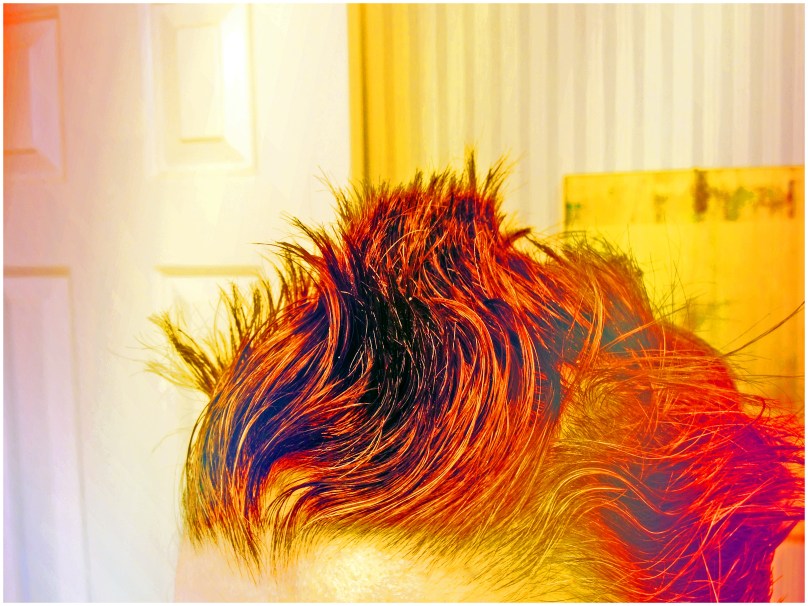
Wild Crazy Hair
Wild Warrior Hair


Four months ago I wrote the last Lyme Journal Entry. I thought my strength would allow me to blog through the illness. Then the 5-6 month point turned my life upside down and it’s been hell. I fired my Lyme doctor and not taking meds at this time. I know many are wondering why the hair photo? I was losing hair by the handful and showering was nearly impossible with longer hair. When you can’t stand, lift your arms or sit down without falling, showering is a problem. I planned a nice Army shave but David would not help. I grabbed the scissors and cut eight inches off. Feels great, looks like crap. Who cares? 

I’m sure people have noticed my positive attitude is quickly sliding. The mounting problems are not all Lyme-related. My cat Truffles is dying, lack of communication from my doctor, getting so sick, and walking some days is extremely painful. Our bed was too hard so I moved to a couch months ago. I live on the couch now. Not bad for sleeping except all the animals want to go out, poke me in the back, and the cat wants to attack me. Even attempting to get enough sleep is impossible. With Chronic Lyme Disease sleep is your best friend and a key to survival.

 Let me share some Lyme politics for newbies.

Most of the expert Lyme Literate Doctors, are not practicing. Several years ago doctors were watching people die using CDC standards, which state patients can only receive 2-4 weeks of antibiotics at most.  The Lyme doctors who understood how the viruses worked knew 4 weeks was a joke. The doctors worked together helping each out calling in antibiotics for the other patients. I have Chronic Lyme, and it can take 1-3 years to get well. Medication is one of the many ways to heal. Getting enough sleep is number one after the meds., take supplements, gluten-free diet and eat foods to help your body heal. No Coffee and drink only electrolyte water. 

There was a huge division among Lyme doctors when the CDC allowed several doctors to patent the virus. Makes no sense to me. For years patients were clueless of the division. Both sides fought hard with the CDC to prove their data, from the videos on YouTube it looks like the battle was lost before the presentations started. The expert Lyme Literate doctors were quite vocal and a witch hunt is what followed the meeting. Doctors appeared before the Medical Board and were not able to practice, some for up to a year. Several doctors lost their clinic and everything they owned trying to keep their patients alive. It is a complete mess the CDC let happen, needless to say, I’m pissed. Just a little more background info to burn into your brain.

Many Chronic Lyme patients become so sick they are not able to work. The first reality is you no longer have insurance and can not afford new insurance if you could buy. I’ve watched video after video on YouTube of people with good-paying jobs, racking up several thousand dollars in doctor bills and many having to file bankruptcy, losing everything. One video told of a couple who owed their parents $500,000. Lyme affects everyone in your family, friends, your health, and financial security.

It’s going on Spring in some parts but summer will be here quickly. I don’t want any of you or your family members to struggle with a virus that looks like a worm. The viruses travel through the blood until they can find a way to your major organs. Lyme likes to get cozy in the liver, kidney, heart, and brain. I have three tick-borne illnesses and Epstein Bar Virus. I have cognitive issues, my eyes constantly see things moving by my peripheral vision and balance are fleeting. I was in the bathroom two days ago about to reach for the medicine cabinet. I slammed into a wall hurting my writs and several fingers. If that wasn’t enough I slid down the wall falling on the toilet and hurt my leg. The doctors don’t know how much of your ability will come back if any. You have to keep fighting.

Why I fired my doctor. My husband and I formed an impression at the first appointment, not so good. I was desperate to start treatment and had no other options.

* I start a couple of drugs until the Lab work is back. At the follow-up appointment, the first words out of his mouth are you are in a great deal of pain. REALLY? His communication and organization skills are lacking. No pain meds were prescribed. He has to call someone in to bring him something several times during the appointment.

*I’m loaded down with over 50 pills to take a day plus 15-20 supplements and sleep all I can. The equation doesn’t work. I have gastro issues and the high-powered antibiotics made me nauseous all the time. I asked to have a PICC line in my arm to give my stomach a break. He did not plan to use a PICC line? Almost every patient gets a PICC line so they can fill you full of drugs and bypass your stomach. My wheels are turning. He had lab work for me to do, but I didn’t do it. He never asked about the Labs. He said my Lead levels were three times higher than normal, in the dangerous range. No follow-up test was ordered, it was like “So you know”. I’m scared, my brain is on overload, the test said current and ongoing exposure. I spent about two weeks looking for an answer. I looked at the top of the report one day, it wasn’t my report. Admin acted like no big deal. HIPPA laws are not new.

With the list of experts I start going down the list, ONE of the leading Lyme Literate Doctors still practices. The doctors called before the Medical Board and CDC. Now are full-time advocates/researchers. I phoned his office in DC and they are taking patients. When you have cognitive issues filling out 50 pages is crazy. I stayed up last night to get everything I could without waking my household. With God’s help, I will finish the paperwork tomorrow and get an appointment in the next month.

ILADS is the professional organization Lyme Literate doctors belong to. I saw the tab on site for ILADS Protocol on Lyme. I jumped for joy. Let’s hit them with our best shot. We have boxing gloves on and the truth will come out. The document was extensive for the different stages of Lyme or other tick-borne illnesses. I felt so happy that others may not have to suffer shortly. The document was well-researched by leading scientists, leading hospitals, and large populations of people. I cheered when I read research that outlined how the current system is incorrect, and they went all out. On the issues of insurance, extensive research with real patients exposed what the CDC is keeping from the public. If you want to learn more about Lyme, YouTube has so many videos, you might not have to go anywhere else. If you like the medical jargon go to the ILADS site. 

A shout out to others who suffer from Lyme or tick-borne illness. I think of you, pray for you, and send good karma your way.

XO Warrior

Celebrate Life · Chronic Illness · Chronic Pain · Fun · Health and Wellbeing · Travel

What is on your Bucket List? 2015

I had many adventures in my head and wrote my first Bucket List in 2015, it was invigorating to have it in writing yet I was struggling with Chronic Lyme and IV Therapy, my joy didn’t last until I went into remission years later.

A sincere thank you and a big hug for all the well wishes. I love hearing from you, you bring a smile on days when there are none. It will take a while but “I’ll Be Back”.   XO Warrior

BUCKET LIST STARTED 2015

Tango Lessons

Visit Germany where my family lived before coming to America

Dive again, in 1999 I had panic attack and have not tackled fear

Enjoy Argentinian Wine Country

Be a RAINN Advocate Speaker for Child Abuse and Rape

Volunteer for RAINN to offer support to women while going thru Rape Kit process

Provide pastoral support as Ordained Minister with a focus on dying children and the elderly.

Swim with Manatees, Dolphins, and Sharks, Sharks only while in a cage.

Ride a Camel and Elephant in a native environment, treated ethically.

See every inch of Australia. Australia is several countries in one.

Hot air balloon ride through the French countryside.

Visit countries safe for American women traveling alone. To build confidence, I like to travel alone to foreign destinations. Germany, Istanbul, India, Dubai, and Alaska, that’s a good start.

Learn to rescue animals who coexist in our neighborhoods, like ducks, rabbits, owls, bobcats, and coyotes.

See fine Turkish rugs being made

See Silver Back Gorillas in Uganda

My organs save a life

I think seeing photos of past adventures will jack up my motivation.


Church of the Spilled Blood St. Petersburg, Russia
Church of the Spilled Blood  St. Petersburg, Russia


Sydney Opera House
Sydney Opera House


Gulf Shores, Alabama Sunset


Toys for Tots yearly Run


Melinda

Chronic Illness · Health and Wellbeing · Infectious Diease · Lyme Disease · Medical · Men & Womens Health · Tick Borne Illnesses

If You Think You Know Lyme: It’s Time For a Serious Refresher Course

Being diaognosed with Chronic Lyme Disorder in 2014/2015 changed my life and my husbands forever. After 18 months of IV Antibiotic Treatments, I survived, and in remission at this time. Since the spirokettes remain in your body, your body can continue to decline whether in remission or not.

Over a 12 months of testing, my Neurologist has performed every test in her arsenal except a spinal. Every test she ran came back abnormal yet not able to pin down a diagnosis. She refered me to a Rheumatologist to start on the tread mill again. I started researching illnesses which included brain wave abnormalities to weed out my more common symptoms. There were the ones I expected, Lupus, Multiple Sclerosis or other autoimmune disorder. I didn’t think the answer would come from the crazy searches by using the abnormal test results and symptoms in every combination possible, I thought I had the answer and I did.

More reasearch and what I found was alarming, not the illness alone, the politics and witch hunt taking place. The illness is Lyme or other tick borne illnesses. The CDC rates Texas as med-high concentration. The east coast is at epidemic levels with some articles stating we are facing epidemic levels across the country. I had a different idea for this post yet feel it’s critical to get this information out ASAP. When I learned of the divide in the medical community over Lyme, I shook my head. What is the controversy? The CDC establishes treatment standards for doctors and the standard Lyme test is based on 30-year-old information. What happens is you go to doctor for a Lyme test, it comes back negative. You then find out the test is 30% +/- correct. The CDC acknowledges the test has false positives yet the standard for testing hasn’t changed.

With a lack of confidence in the test, I wanted to see a Lyme Literate Doctor. This blew my mind, a current day Salem Witch Hunt is happening. On one side of the controversy are doctors who specialize in Lyme and tick borne illness. If a tick bite is not caught right away it grows in your system. Lyme looks like a long skinny curly worm. It bores thru your body damaging your organs or brain depending where it lands. The symptoms can move around your body as the virus spreads. Lyme is hard to kill, it can encapsulate itself in an invisible cocoon and is near impossible to see under microscope. The Lyme doctors take the approach, attack the virus aggressively for long periods of time to prevent a relapse. People who are very ill from Lyme can require years of antibiotics. Not only to kill the virus more importantly to save your life.  Heres the rub, the CDC states 2 weeks of antibiotics will cure Lyme  and doctors can prescribe an extra 2 weeks if needed.

Medical insurance companies only pay what the CDC approves and the CDC doen’t recognized Chronic Lyme Dieases nor in IV treatments. Some Lyme doctors are getting called before the Medical Review Board having their license taken away for a year. Insurance companies are cancelling people’s policy and they are left with 150k+ in out-of-pocket expenses. There are many patients who have to lose their house or get their loved one treatment.

There are two main thoughst on Lyme Dieases, doctors that do not believe in Chronic Lyme Dieases and the others that do and are treating patients. The CDC hasn’t changed their rules on insuring Lyme treatments but I don’t think doctors are not under as big of a microscope.

When I decided to see a Lyme Literate doctor it was a process. I called the association, they took info on where I lived and would call back. The next morning I received a call with a doctor’s name and phone number. I later found out the doctor I’m seeing was the first to lose his licenses for a year. I didn’t know if I should jump for joy or not.

I’m battling over 50 symptoms on any given day from a tick that is smaller than a sesame seed. When you’re doing tick checks on you and the kids, ticks are hard to see. Around 30% to 50% of people get a bull’s-eye rash. If you get the rash go to the doctor right away and ask for a Lyme panel test.

Please remember to check your scalp, they can hang out in your hair. A flashlight might help with this task. I’ll keep you up to date on how my appointment goes. I’m not worried about what, I need an answer to move on to the next hurdle. I will do a f/u post including more information about treatments.


Melinda

Repost