Chronic Pain · Health and Wellbeing · Medical · Men & Womens Health

Pain Medications and Kidney Health

It’s almost a reflex: You have an ache or pain, so you reach for an over-the-counter (OTC) pain medication. But as routine as this behavior is, not everyone should casually take pain medications, as there can be potential negative interactions. 

For example, people with kidney damage or reduced kidney function might not be able to use every OTC pain medication. Let’s look at why and what you can safely do for pain relief.

Which pain medication is safest if you have kidney problems?

Before taking any pain medication, you should speak with your physician or a health professional to determine any possible interactions or risks that you might encounter.

For people with kidney disease, aspirin can increase the risk of bleeding. And in those with reduced kidney function, aspirin is not recommended unless prescribed by a physician. The recommended alternative can vary depending on the type and severity of kidney problems that you have. 

Often, acetaminophen (Tylenol) is the preferred alternative. But it’s encouraged that you use the lowest dose possible that still manages pain or fever symptoms, decreasing doses gradually. And likewise, you should not exceed more than 3,000 milligrams per day.

Alternatively, if an OTC acetaminophen drug doesn’t control pain symptoms, a physician may suggest a temporary prescription alternative like tramadol. In its immediate release form, tramadol can be used in individuals with chronic kidney disease (CKD) or end stage renal disease (ESRD).

However, extended release dosing for tramadol is not recommended for people with advanced CKD or ESRD.

Which pain medication is safe for kidney transplant patients?

Similar to people with kidney disease, transplant recipients should only consider acetaminophen to manage post-operative pain symptoms. Again, best practices include using the lowest dose possible and never exceeding 3,000 milligrams per day. 

Which pain medication is safe for kidney stones?

The short answer to this question is, it depends. If a patient has kidney stones with no underlying renal issues, then any OTC pain medication can be used to manage the pain symptoms associated with passing a kidney stone. 

This includes ibuprofennonsteroidal anti-inflammatory drugs (NSAIDs), and acetaminophen. Multiple studies and reviews have consistently shown positive patient outcomes when using OTC medications of all types to treat pain associated with renal colic or passing a kidney stone

However, if someone also has impaired kidney function and kidney stones, NSAIDs are not recommended. A physician will provide the best guidance, but typically, sticking with acetaminophen is the best choiceTrusted Source for managing kidney stone pain when you have kidney disease or impaired kidney function. 

Which pain medication can damage your kidneys?

Misusing any pain medication can increase your risk of kidney damage. This includes aspirin, ibuprofen, acetaminophen, NSAIDs, and of course, prescription opioid medications. The most common risks center around consuming too high a dose or taking medications for longer than recommended. 

But of all the OTC pain medication categories, NSAIDs pose the greatest risk of continuous kidney damage. Specifically, these medications can increase the risk of progressive kidney damage or sudden kidney failure. 

2019 studyTrusted Source involving over 764,000 U.S. Army officers found that participants who were prescribed more than seven daily doses of NSAIDs per month had an increase in the potential for an acute or chronic kidney disease diagnosis. 

Takeaway

Regardless of whether you have a diagnosed kidney disorder or have healthy kidney function, OTC medications should be used with care.

Excessive use by consuming too high a dose or for prolonged periods can lead to a variety of health problems throughout your body — including damage to the kidneys.

For people with kidney disease or impaired kidney function, avoiding NSAIDs unless directed by a physician is the safest way to avoid further harm. Instead, opt for acetaminophen and be sure to use the lowest dose for the shortest period to control pain symptoms. 

And when in doubt, speak with a physician or health professional before taking an OTC pain medication.

I have Stage 3 Chronic Kidney Dieases and it is hard to deal with pain when you can’t take NSAIDS and choose not to take pain pills. Ice works well for the short term.

Melinda

Reference:

https://www.healthline.com/health/kidney-health/which-painkiller-is-safe-for-kidneys?utm_term=feature&utm_source=Sailthru%20Email&utm_medium=Email&utm_campaign=fibro&utm_content=2025-10-21&apid=36735751&rvid=7f053d6ecf820dccd09e4914833cbd49bdfe95bb517404ee9b41601767d1bace#fa-qs

Chronic Pain · Health and Wellbeing · Medical · Men & Womens Health · Self-Care

Do You Have Painsomnia?

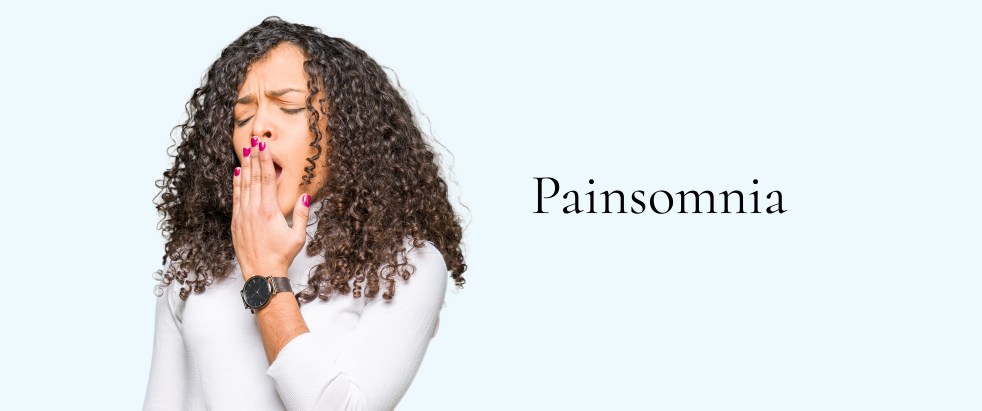
You’ve probably heard the term or worse yet suffer from Painsomnia yourself. If the term is new to you, here’s the short version. A person experiences insomnia due to pain preventing them from falling asleep or staying asleep.

“Sleep helps our bodies rest and heal, so good-quality sleep is vital for people with chronic illnesses. However, painsomnia can make a good night of sleep feel like a pipe dream. Fortunately, medical researchers are starting to learn more about the condition and how patients can cope.”

I have the type of Painsomnia that keeps me up after waking from pain and makes it impossible to go back to sleep. My sleep medicine has worn off by then and no it’s just pain against sleep, and sleep rarely wins.

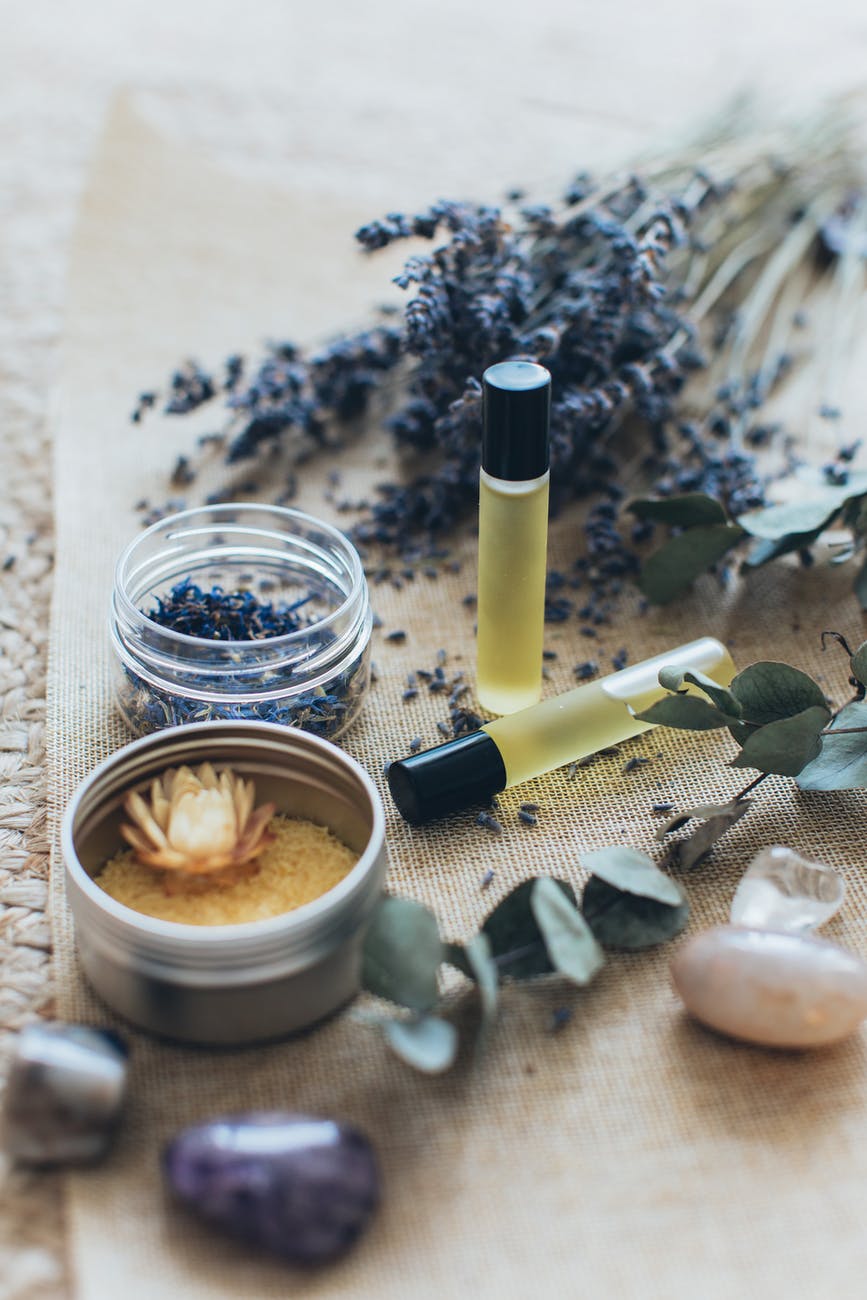
I have tried several hacks to help go back to sleep with mixed results. I have an essential oil stick with a Lavander fragrance that’s supposed to relax you but I can’t tell it does any good. The one item that has worked this past week is Delta 8 gummies. I take one right after waking up and they do relieve stress and keep my mind from wondering allowing me to go back to sleep.

I have to point out that I’m living without pain medication right now so it can be a challenge when I have to sleep on my shoulders and hips. No back or stomach sleeping for me.

What can you do if you are struggling with Painsomnia?

Better Sleep Habits

The MD Anderson Sleep Center recommends that people adopt new habits into their nightly routine. These habits help form the foundation for good sleep hygiene:

  • Don’t use phones or computers before bed, as the blue light from the screen can disrupt sleep and cause eye strain.
  • Avoid taking long naps during the day.
  • Make your bedroom cool and dark.
  • Avoid eating heavy foods or exercising right before you sleep.

Sleep Aids

If you have trouble sleeping, your healthcare provider may prescribe sleep aids or encourage you to try over-the-counter medications. These drugs can help regulate your circadian rhythm and lull you into slumber. Melatonin supplements help regulate your sleep cycle.9

A study from Cureus journal found that ashwagandha, a medicinal herb, can help people fall and stay asleep.10

Prescription drugs may include benzodiazepines, which are often used to treat anxiety and insomnia. Before you try any new supplements or prescriptions, make sure to consult your healthcare provider.

Cognitive Behavioral Therapy

Cognitive-behavioral therapy is a treatment that encourages people to rethink and change their behaviors. For people with insomnia, cognitive behavioral therapy may help,11

For example, a person without a sleep routine can work with a therapist to start better habits before bed. If anxious thoughts are keeping you up at night, cognitive behavioral techniques can teach you to stop those spiraling thoughts and focus on other, more restful thoughts.

If your painsomnia makes you feel helpless, those worries can make it even harder for you to get sleep. You may blame yourself or blame your body if you’re struggling with painsomnia. Cognitive behavioral therapy can help you cope with some of that frustration.

Hypnotherapy

While hypnotherapy is not a proven cure for painsomnia, some researchers have found that hypnosis might improve insomnia.12Hypnotherapy is an alternative medicine where practitioners use hypnosis and the power of suggestion to guide patients through various concerns.

Hypnotherapy is not a replacement for your healthcare provider or your current medications. Some researchers describe hypnotherapy as a sort of placebo. In either case, hypnosis can lull you into deep relaxation. This relaxation may help people with painsomnia fall asleep.

There’s no one size fits everyone but there are options for those who suffer from Painsomnia. I haven’t found the answer yet but did sleep until 2:00 AM this morning.

What hacks do use to help you go to sleep?

Melinda

Ref:

https://www.verywellhealth.com/painsomnia-5093183

Repost

Celebrate Life · Chronic Pain · Health and Wellbeing · Medical · Men & Womens Health

My Migraine Story Had A Simple Solution

I wanted to share my painful two-year journey with you in hopes some of you will have the same problem and be a blessing to get treatment like I did.

Everyone’s migraine story is different. I had maybe a half dozen migraines when out of the blue they hit me like a hammer. First, it was one to two days a week and not completely debilitating. After a very short period of time, they escalated to four or five a week and did start to impact my life.

My doctor had me take Beta-Blockers at first to help, boy that was terrible. My blog pressure got so low, that I could hardly lift my arms and legs and was having trouble driving. He changed me to a different type of preventative medication and gave me a full supply of Sumatratophan injections.

I was at the height of my career and daily migraines were dramatically impacting my ability to keep my client appointments, I had to often reschedule meetings. It took a good hour after an injection to get back on the road to pick up with my day.

This nightmare went on for two years, I don’t know how I stayed sane and kept my job. Let alone remain a top performer at my company.

During a follow-up appointment, my doctor said he’s just read an article on the plane about how your Sinuses can cause migraines. He referred me to an Ear, Nose, and Throat doctor and I found my answer. I had a Deviated Septum which was pressing on the nerves and causing the migraines. A simple day surgery corrected the problem and I’ve had very few since then.

This is just a note about nose surgery. I don’t know how they do it today since my migraines were during the ’90s. My doctor did not believe in packing the nose. Basically, I had to use these long Q-tips and put Vaseline way back in my nose several times a day. This is my preferred method.

Please forgive me if this doesn’t flow very well, I wrote this the day after returning home from the hospital and my mind wasn’t so clear. I hope you all make sense to you.

Migraine Resouces for my Organizations That Can Help Page

Melinda

Repost

Chronic Illness · Chronic Pain · Health and Wellbeing · Men & Womens Health · Self-Care

12 Ways You Can Help Yourself Manage Chronic Pain

Chronic pain–defined as ongoing pain that continues for longer than six months–is a common complaint of patients with persistent Lyme disease.

The CDC estimates that 20% of Americans currently live with chronic pain. Estimates range from 10% to 36% of Lyme patients who are diagnosed and treated early are left with chronic symptoms.

For the past 40 years, the medical definition of chronic pain was more narrowly defined, including only those patients with actual or potential tissue damage.

Recently, with the help of researchers at Johns Hopkins Medicine, the International Association for the Study of Pain (IASP) has made a subtle but important change to the medical definition of pain.

The new definition, “An unpleasant sensory and emotional experience associated with, or resembling that associated with, actual or potential tissue damages,” is important as it includes the pain caused by an overstimulated nervous system, commonly associated with chronic pain.

This new more inclusive definition, if adopted by insurance providers, could have a positive impact on access to health care for disempowered and neglected populations.

Defining Chronic pain

If you suffer from chronic pain, you have likely been asked to rate your pain on a scale of 1-10.  As much as you may dislike rating your pain, this information helps your medical provider gauge whether you are making progress with the current treatment plan, or not.

Having worked as a physical therapist for years, I found the Visual Analog Scale (VAS) works better than telling someone to simply “rate your pain on a scale of 0-10,” especially with children.
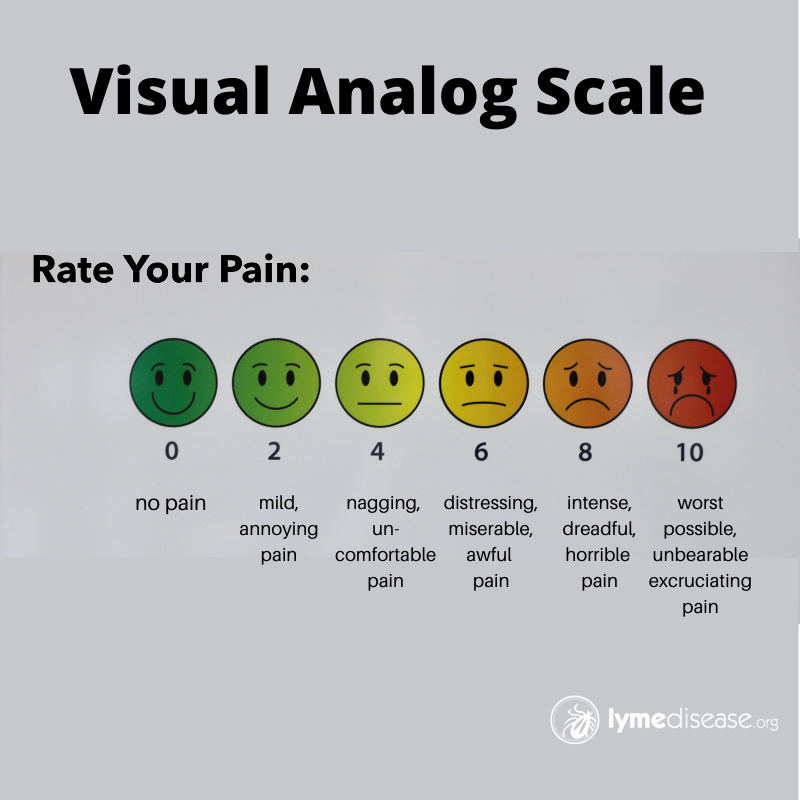
Visual analog scale


Because Lyme disease can affect every organ and system of the body, every patient may have a different set of complaints. While neck, joint and muscle pain are very common in early Lyme disease, there are many other types of pain when the disease becomes chronic.

For instance, allodynia is a type of pain that is caused by something that shouldn’t normally cause pain (eg. wind or light touch may feel like sandpaper or a burn.) Menstrual pain, bladder pain, testicular pain, bone pain, and widespread nerve pain are common in chronic Lyme patients.

The “cup theory”

When I explain pain to patients, I use the cup theory. Depending on your age, your brain, and your body, everyone has a different size cup—or a different capacity—for pain. We are each only capable of handling a certain amount of pain. Once your cup is full, you are essentially at a 10 out of 10 on your individual pain scale.

You may have a constant headache filling your cup 1/2 way (or 5:10 on your pain scale), and then your knee starts hurting pushing you up to a 7:10, and then your lower back spasms, and BOOM–your cup is full!

What I’ve found is that if we can help chronic pain patients empty their cup just a little, we can start to make progress. When my daughter was at her worst, I couldn’t get rid of her pain completely. However, if I could help lower her pain even a little bit, she was able to function. Here is some of what I learned along the way.

Self-treatment

For six years, my daughter lived with chronic debilitating pain. Early symptoms included fever, neck stiffness and a migraine that would not subside. Two months later, she developed knee pain and swelling along with back and bone pain. Later, she said soles of her feet felt like she was walking on nails. Periodically, she suffered excruciating abdominal pain and nausea. And the list goes on…

The first year, she was too sick to leave the house, except for doctor and hospital visits. Luckily, as a Physical Therapist (PT), I could provide pain management treatment and modalities at home. Once she began to gain strength, after starting treatment for her infections, she started seeing an outpatient PT, who brought a whole new set of skills to the table. This also relieved me of my dual role as caretaker and healthcare provider—something I don’t recommend.

In the beginning, she was so weak I had to do everything for her. I would wheel her to the bathroom, bring her all her meals, help her get dressed–everything. The treatment I provided was limited to positioning for comfort, passive range of motion, gentle massage, hot/cold, taping/bracing, acupressure and craniosacral therapy. As she got stronger, she learned self-treatment techniques that she continues to use today.

Self-treatment approaches are generally low-cost and low-risk. You can do them on your own schedule in the comfort of your own home. It does require a commitment to changing your daily habits, but they can offer significant improvements in reducing pain and improving your quality of life.

Here are 12 things you can discuss as treatment options with your healthcare provider.

Diet

Most of the immune system originates in the gut. Literally, everything you put into your body is part of the healing process. Or not. You want to support the immune system without feeding inflammation. Fast food, artificial/processed foods, carbs, sugar, gluten, dairy and alcohol are common inflammatory triggers. In my mast cell activation syndrome (MCAS) series, I wrote about low histamine diets that help reduce the inflammation associated with MCAS.

Positioning

When you’re in pain, it can be difficult to find a comfortable position. When my daughter was at her worst, she found it difficult to breath when she was lying flat. We added 4-inch wooden blocks under the feet at the head of her bed, and a large wedge pillow to elevate her head. When her back was hurting, it also helped to  put a pillow under her knees.

You can get really creative with pillows. For instance, body pillows or “hug” pillows work well if you are a side sleeper.

While you are sitting, you may want to try out different size pillows or towel rolls for comfort. Putting a pillow on your lap to support your arms or one behind the small of your back may help. As a rule, you want to change positions every 30-60 minutes. This helps prevent pressure sores and muscle stiffness.

Some people find it worth their while to rent a hospital-type bed, where the head and/or feet can be elevated.

Assistive devices

Wheelchairs, walkers, canes, bath/shower chairs, long-handled reachers (sometimes called grabbers) are all good examples of assistive devices. Items like tray tables, lap tables, bath caddies, tote bags or tinted reading glasses can also make life easier.

Other things designed for reducing pain may include ace bandage wraps, shoulder sling, wrist, knee or ankle braces and shoe orthotics. You may also find over-the-counter topical pain relievers or CBD oil to be helpful. There are stronger topical pain relievers available by prescription.

Pacing

When you are sick you must be very conservative with energy expenditure. Modifying or changing your activities so they do not aggravate your symptoms is extremely important. Restricting, reducing, or spacing out your activities can help reduce pain and fatigue.

The key is to know your limits and stay within them. Pacing is similar to the concept of the “Spoon Theory” where you are only given a small supply of spoons to use each day—so use them wisely. When you are sick is not the time to try to push past the pain. In our house, we found sticking to a schedule that we affectionately call “Groundhog Day” helps to keep the pace.

Active range of motion (ROM) is a simple activity that almost anyone can do, whether lying down, sitting or standing. It helps to bring blood flow to the extremities and maintain or increase flexibility. The idea is to move every joint in the body through its full range. One example is to fully spread your fingers open, then fully close your fist. I recommend starting with the neck and working your way down to shoulders, elbows, wrists, torso, hips, knees, then feet.

If you are extremely de-conditioned, getting in/out of the shower and washing your hair may count as your active range of motion for that day. However, some people may be too weak or in too much pain to move at all. For these people, someone else must assist them with moving the extremities. We call this passive range of motion. While motion is important, the main goal is to make the pain better not worse.

Gentle exercise

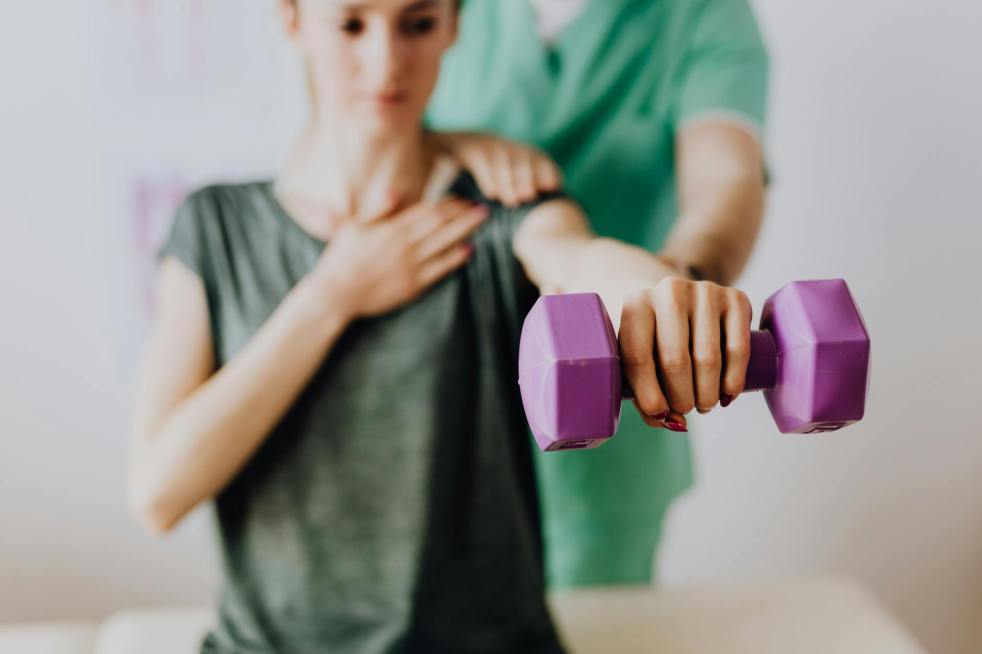
Activity in any form can help improve mobility which may help reduce pain. Too much (or the wrong) activity can also make things worse. Once you are able, gentle exercise programs like, walking, stretching, yoga, tai chi, Pilates, and pool therapy can be a great benefit. To begin with, I recommend adding light weights (1-3 lb household items like broom handles or cans of soup work fine) to your ROM stretches.

Sunlight Chair Yoga” is a type of adaptive yoga you may want to look at.

Meditation and mindfulness

Yoga stresses the value of deep breathing. Deep breathing involves the diaphragm, a dome-shaped muscle that forms the floor to the lungs. Such breathing is also essential to meditation and mindfulness.

The key to diaphragmatic breathing is to focus on deep relaxation and making the exhale portion of your breath twice as long as the inhale.

Meditation and mindfulness can help reduce stress and physiological responses to stress, which in turn, can help reduce pain. I suggest starting with something like Jyothi meditation, which involves simply gazing at a candle.

Stress reduction

Creating art, journaling, gardening, reading a good book, even just sitting outdoors and listening to the sounds of nature can help distract from pain. Research has shown that music helps the brain release dopamine our “feel-good” hormone. The important thing is to find something that, gives you hope, brings you joy or something you are grateful for each day.

Hot/cold therapy

For this I recommend getting a “moist” heating pad and ice pack from your local pharmacy and use as directed. Heat can help relax muscle tightness and improve circulation. Cold can reduce inflammation and numb an area of localized pain.

I usually recommend 10-20 min of moist heat for stiffness, and 10-15 min of cold for pain. Certain types of pain may respond better to one than the other, or you may find alternating hot/cold works best. (Note: If you have problems with blood clotting, bleeding or impaired circulation, you should check with your medical provider before using hot/cold.)

Epsom salt

Epsom salt is a combination of magnesium, sulfur and oxygen ions known as magnesium sulfate. Most of the benefits of Epsom salt come from the magnesium, one of the most important minerals in the human body. A magnesium deficiency will create an electrolyte imbalance and can also lead to calcium and/or potassium deficiencies. Among other things, magnesium helps your body produce melatonin and certain neurotransmitters needed for sleep.

I suggest purchasing Epsom salt from your local pharmacy or other reputable supplier to ensure the highest quality and use as directed. Add the salt to a warm bathtub or foot bath. In as little as 15 minutes, it can help relax muscles, improve circulation, loosen joint stiffness, relieve pain and promote calm.

I like to add a few drops of lavender or use a diffuser for additional aroma therapy during bath time. If you don’t have access to a bath or don’t tolerate heat, magnesium can be purchased in gel form and rubbed on your skin.

Getting enough sleep

If you’ve had or have Lyme, you are likely no stranger to insomnia. During the first year of my daughter’s illness, her symptoms would peak after midnight, making it impossible for her to fall asleep until around 6 a.m. Essentially, her days and nights were reversed.

I can tell you from experience, there are a lot of standard techniques for improving sleep hygiene that simply DO NOT work for Lyme patients. So, while you are trying to turn things around, my advice is to sleep when you are tired and nap whenever possible. Even if you can’t sleep, it’s important to lie down. You need at minimum 8 hours of rest every day. Also talk to your doctor about adding a low dose of melatonin.

Other Integrative and Restorative therapies

Modalities to help improve strength, mobility, and flexibility can help to relieve pain temporarily. Over time, improved function may help reduce the underlying cause of the pain. I am a big fan of hands-on treatment by a trained professional.

The following is a partial list of therapies you might consider.:

  • Acupuncture
  • Acupressure
  • Aquatic therapy
  • Biofeedback or neurofeedback
  • Bowen therapy
  • Chiropractic
  • Cognitive behavior therapy
  • Craniosacral therapy
  • Dry needling
  • Feldenkrais method
  • Injections or nerve blocks
  • Kinesiology taping
  • Lymphatic drainage massage
  • Massage therapy
  • Medications (as prescribed by your physician)
  • Neuromuscular electrical stimulation
  • Nutritional counseling
  • Occupational therapy
  • Osteopathic medicine
  • Physical therapy
  • Pilates
  • Postural training
  • Psychotherapy
  • Qi gong
  • Reflexology
  • Reiki
  • Support groups
  • Traction
  • Transcutaneous electrical nerve stimulation (TENS)
  • Ultrasound therapy
  • Vagus nerve stimulation

Laughter is the best medicine

Last but not least I do believe the key to happiness is laughter. Laughter reduces stress hormones like cortisol and releases endorphins, the body’s natural pain reliever. My simple advice is to avoid things that cause you stress, fear or anger.

Watch comedy or movies with happy endings. Stay connected with someone you can be honest with, one who listens and can make you laugh. Above all else, never give up hope.

LymeSci is written by Lonnie Marcum, a Licensed Physical Therapist and mother of a daughter with Lyme. In 2019-2020, she served on a subcommittee of the federal Tick-Borne Disease Working Group. Follow her on Twitter: @LonnieRhea  Email her at: lmarcum@lymedisease.org .

Melinda

References:

Dahlhamer J, Lucas J, Zelaya, C, et al. (2016) Prevalence of Chronic Pain and High-Impact Chronic Pain Among Adults — United States. MMWR Morb Mortal Wkly Rep 2018;67:1001–1006. DOI: http://dx.doi.org/10.15585/mmwr.mm6736a2

Aucott JN, Rebman AW, Crowder LA, Kortte KB. (2013) Post-treatment Lyme disease syndrome symptomatology and the impact on life functioning: is there something here? Qual Life Res. 22(1):75-84. doi: 10.1007/s11136-012-0126-6.

Raja, Srinivasa N.a,*; Carr, Daniel B.b; Cohen, Miltonc; Finnerup, Nanna B.d,e; Flor, Hertaf; Gibson, Stepheng; Keefe, Francis J.h; Mogil, Jeffrey S.i; Ringkamp, Matthiasj; Sluka, Kathleen A.k; Song, Xue-Junl; Stevens, Bonniem; Sullivan, Mark D.n; Tutelman, Perri R.o; Ushida, Takahirop; Vader, Kyleq (2020) The revised International Association for the Study of Pain definition of pain: concepts, challenges, and compromises, PAIN 16(1):1976-1982 doi: 10.1097/j.pain.0000000000001939


Chronic Pain · Health and Wellbeing · Men & Womens Health · Mental Health · Self-Care

Small Lifestyle Changes To Make When Living With Chronic Pain

Living in constant pain can make you feel like you are alone and there is no one who understands what you are going through. Chronic pain conditions vary and each person living with chronic pain will have their own pain thresholds and triggers. At times, it may seem like there is nothing you can do, especially when traditional pain medication doesn’t have any effect. It is at times like this when people try other methods of medicating.

For some, different types of pains and symptoms can be managed or even eradicated with a few changes to your diet. It may seem futile however if nothing else is working you have nothing to lose by trying. Adapt what you do during your day-to-day life to see if different things affect your pain level. For example, many chronic pain patients credit the sun and warmth for lowering their pain levels. For this reason, it could be worth looking into how you can increase your vitamin D intake and get more sun into your life.

Many people find adding exercise into their lives can help with certain types of pain. Working up slowly to adding beneficial exercise to your daily routine as and when you can help you to look after your body despite your pain levels. Yoga, pilates, and simple stretching exercise will help you to remain fit and supple and in some cases decrease your pain levels.

There is no scientific evidence that links drastic diet changes with the eradication of pain from chronic pain conditions. However, it is thought that certain types of foods can inflame the body in different ways making pain worse. From cutting out dairy to reduce additional IBS symptoms or abdominal pain to avoiding nightshade foods to reduce pain and inflammation for Fibromyalgia, arthritis, and more.

There have also been suggestions that eating clean and switching to a more plant-based diet can help control pain levels. While fatty and processed foods aren’t healthy for anyone when overconsumed, there is nothing to lose by changing up your diet and eating a more natural diet, and reducing your meat, specifically red meat intake.

Many chronic pain sufferers will all tell you that sleeping is a problem. It’s a vicious circle to be told you need to get more sleep yet sleep is elusive due to your pain. But by creating as relaxing a sleep environment as can help you to relax even if you can’t sleep. Your body repairs itself during sleep and getting good quality sleep remains important despite your health condition. 

Find your optimal sleeping temperature and noise level, try using a white noise app if you needed, and also use comfortable bedding. Set your limits for screen time and electronics and try to create a relaxing bedtime routine that indicates you are ready for sleep. This won’t always be possible but it is worth persevering to help you improve your sleep quality.

This is a collaborative post.

Melinda  

Repost

Celebrate Life · Chronic Pain · Health and Wellbeing · Medical · Men & Womens Health

I’ll Be On Hiatus For At Least Six Weeks

It’s crazy to think I had two hand surgeries in December 2024 and tomorrow I’m having a shoulder replacement surgery. I will wear a sling three to four weeks and go right into Physical Therapy. OUCH!

I could not find the button to turn off comments, now your comment’s will be held in moderation. I’ll starting reading and replying once I’m able.

You’re appreciated and I’ll miss reading and chatting with you.. See you soon.

Melinda


Chronic Illness · Chronic Pain · Health and Wellbeing · Lyme Disease · Men & Womens Health · Tick Borne Illnesses

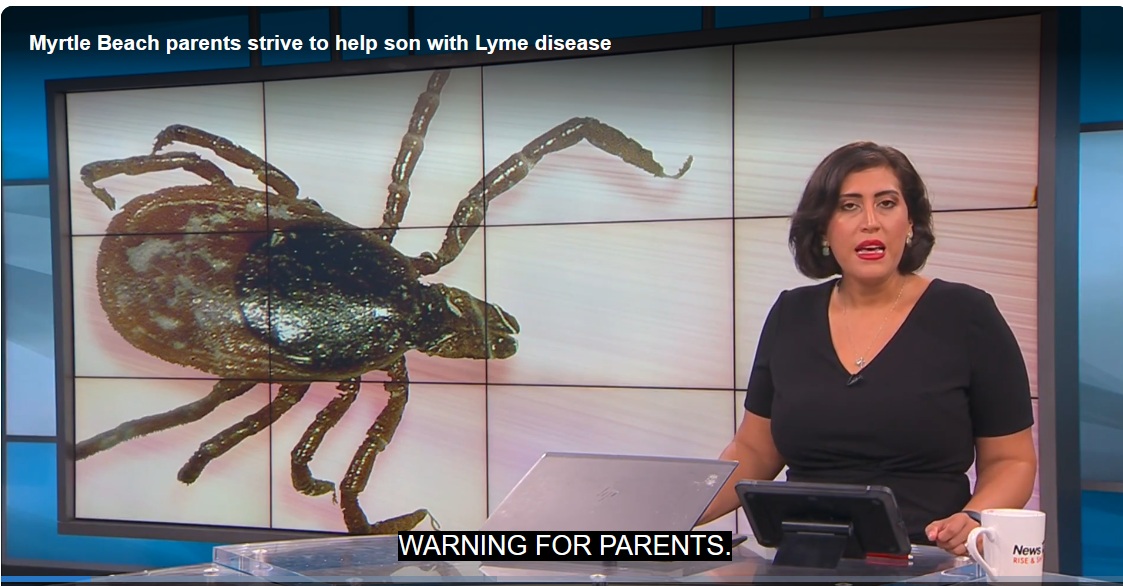
“You mourn the life he was supposed to have”: a family’s unfolding Lyme story

Eight-year-old Ben Kuhl of Myrtle Beach, South Carolina, was once an energetic preschooler who loved exploring nature. But four years ago, a tick bite on a family hike changed all that.

At the time, doctors told his parents that as long as Ben’s tick bite did not have a bull’s-eye on it, he would be fine. But it soon became evident Ben was not fine.

According to his mother, LeeAnn, by the time he was finally diagnosed with Lyme disease, it had spread to all of his organs, including his brain.

He is only able to talk on some days, his motor functions have worsened, and he has painful inflammation throughout his body.

“You mourn the life that he was supposed to have, so you mourn the parent that you were supposed to be,” LeeAnn said.

Click to watch this report from WBTW:

https://www.wbtw.com/video/myrtle-beach-parents-strive-to-help-son-with-lyme-disease/10908489

Melinda

Chronic Illness · Chronic Pain · Health and Wellbeing · Lyme Disease · Medical · Men & Womens Health · Tick Borne Illnesses

Why single-dose doxycycline after a tick bite is bad medicine

By Dr. Daniel Cameron

What if you did everything right after a tick bite—and still ended up sick?

That’s what happened to a 37-year-old woman who followed medical advice after a hike in New York’s Hudson Valley. She removed an engorged tick and went to urgent care. The provider gave her a single pill—200 mg of doxycycline—and told her it would prevent Lyme disease.

Weeks later, she developed brain fog, crushing fatigue, and joint pain. It turned out she did have Lyme disease, and possibly other tick-borne infections too.

Her case raises important ethical questions: Are patients being told enough? Are they being protected—or falsely reassured? And are we doing right by those who follow the rules?

The promise of a single pill after a tick bite

The CDC currently recommends a single dose of doxycycline after a tick bite in certain cases. The idea is simple: take the antibiotic early, and you might prevent Lyme disease from taking hold.

But there’s a catch: this one-pill approach was based on a small study published in 2001. It mostly looked at preventing the bull’s-eye rash—not the full illness.

What’s more, the study didn’t follow people long enough to detect cases of Lyme disease that develop without a rash, or cases involving co-infections like Babesia.

What this patient wasn’t told

This woman wasn’t warned about the limits of the single-dose strategy. She wasn’t told that:

It may not prevent the whole disease—just the rash.

It doesn’t protect against other infections ticks can carry.

It only works in very specific situations (right kind of tick, right timing, right area).

If symptoms appear later, Lyme disease testing can be unreliable.

Because she believed she was protected, she waited too long to seek further care—and her test came back negative at first, adding to the confusion.

By the time she arrived at my clinic, her illness had worsened.

Why This Isn’t Just a Medical Issue—It’s an Ethical One

1. Patients Deserve Full Information (Autonomy)

She should’ve been told that the one-pill approach isn’t a guarantee. Without all the facts, she couldn’t make a truly informed choice.

2. Care Should Be Tailored, Not Just Protocol (Beneficence)

She lived in a high-risk Lyme area. The tick was attached long enough to transmit disease. She might have benefited more from a longer antibiotic course. Instead, a “one-size-fits-all” approach failed her.

3. False Reassurance Can Do Harm (Non-Maleficence)

Believing she was safe delayed her diagnosis and treatment. That delay caused more suffering—and made recovery harder.

4. The System Isn’t Fair for Everyone (Justice)

This strategy doesn’t work well for kids under 8, pregnant women, or people who don’t have easy access to care. It assumes everyone knows what kind of tick bit them—and can get treatment within 72 hours. That’s not realistic for many.

What happened when she got the right help

When she finally got to my office, we ran new tests. Her Lyme Western blot confirmed infection. She also had symptoms of Babesia, a parasite that doxycycline doesn’t treat. On top of that, she had orthostatic intolerance (POTS), which had never been linked to her tick bite before.

With a more complete treatment plan—including antibiotics and supportive care—she began to feel better. But the road was longer than it needed to be.

Bottom line: A simple solution isn’t always the right one

The idea of “just one pill” sounds great—but it can create a false sense of safety. When patients aren’t told the full story, they lose the chance to make informed decisions. And when symptoms are dismissed, the consequences can last for months or even years.

We need to do better. That means:

  • Being honest about what the single-dose approach can and can’t do.
  • Offering follow-up when patients remain unwell.
  • Considering co-infections and other risks—not just following a checklist.

Because when it comes to Lyme disease, patients deserve more than a protocol. They deserve a plan.

Dr. Daniel Cameron is a nationally recognized expert in the diagnosis and treatment of Lyme disease. He is a past president of the International Lyme and Associated Diseases Society and a co-aauthor of the ILADS Lyme treatment guidelines. This blog first appeared on his website, danielcameronmd.com. He can also be found on Facebook.

Melinda

Chronic Illness · Chronic Pain · Health and Wellbeing · Men & Womens Health · Mental Health · Self-Care

Blogger Highlight-Musings on Life with Fibromyalgia

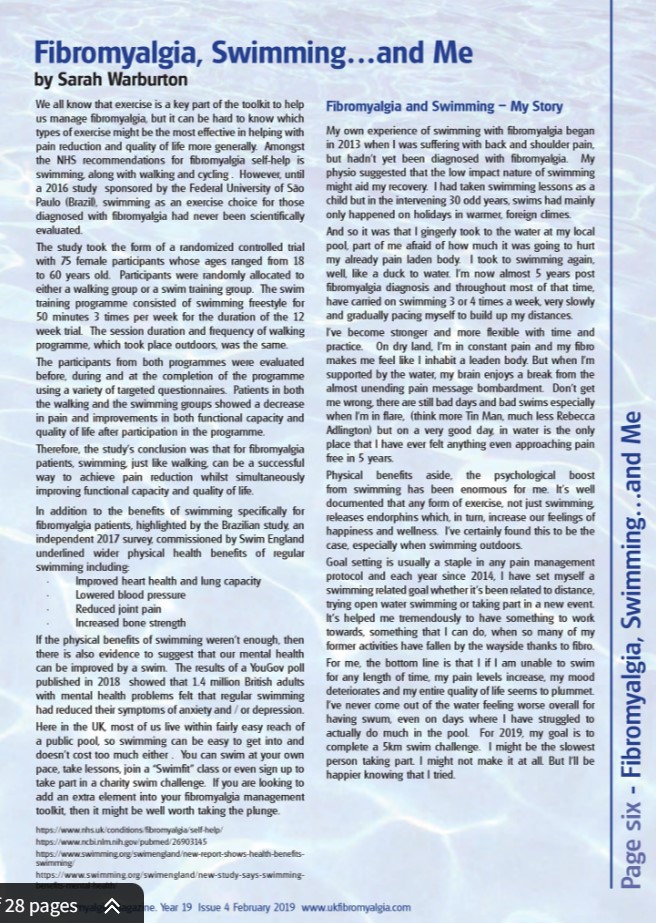
Thank you for all the great feedback on the Blogger Highlight series, I’ve enjoyed meeting each blogger and sharing their site with you. This week I highlight Musings on Life with Fibromyalgia. Sarah is a tireless advocate for Fibromyalgia and she breaks down the chronic illness is a way that everyone can understand. She also shares her experiences and what’s she’s learned along her journey.

   Musings on Life with Fibromyalgia

I’ve lived with fibromyalgia for around a decade now, made many mistakes along the way, but learnt a lot about how to manage the condition and this is what I’m keen to share with readers of this blog.

So, if you want to find out more about living with fibromyalgia and other chronic illness, how life can change and yet still be full of everyday joy, then that’s where this blog aims to help.

I hope at least some of my blog posts will resonate with you – happy reading!

Sarah

Questions Asked

What is your favorite post and why?

My favourite blog post is this one about journaling. I’ve always journaled on and off since my teenage years and I find it such a powerful tool, not just for dealing with chronic illness, but for navigating life’s challenges generally. There’s real magic that happens with a pen and a blank page and it’s often amazing what will spill out onto the page.

What inspired you to start a blog?

After being diagnosed fibromyalgia, I thought my life was over. Everything changed for me – job, finances, physical capabilities and relationships (through not being believed about this illness). I hit rock bottom. Fortunately, my doctor suggested a CBT (Cognitive Behavioural Therapy) course for chronic illness, which started to turn things around. I learned to meet myself where I was at the time (not where I used to be or where I wished I was) and create some new goals. 

Slowly but surely, over a period of several years, I began to rebuild my life. I then began to read blogs about fibro and chronic illness and was both informed and inspired by the content. From there, I thought that blogging would be a good way for me to share what I have learned. My blog is about the stuff that I wish that I’d known when I was first diagnosed with fibro. We get a lot of good medical information from health professionals. But where I struggled was with things like, how can I still lead a meaningful life when everything has been turned on its head? What can I do so that I don’t just give up and spend the rest of my life sitting on the sofa wishing things were different? My hope is that through the blog, I can share all of this with others who might be feeling as lost as I was in the beginning.

Published Work

Articles below have all been published in UK Fibromyalgia magazine.

February 2019 – Swimming, fibro and me

March 2020 – Gardening when you have Fibromyalgia

July 2019 – Reasons to Snuggle Up with a Book – the Value of Reading

2020 – Fibromyalgia Magazine – 20th Anniversary Issue

February 2020 – What I’ve Learned about Fibromyalgia from my Dogs

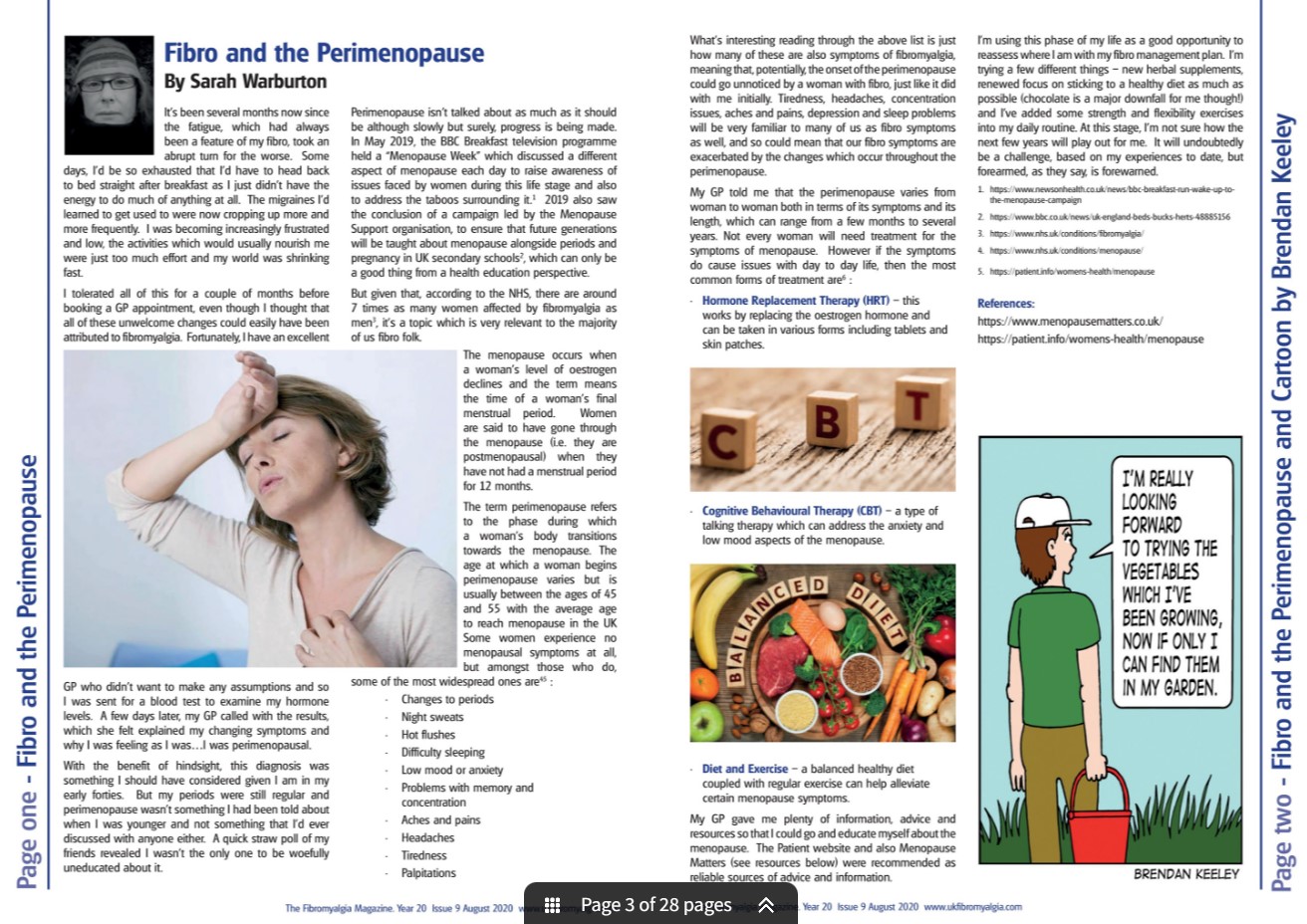
August 2020 – Fibromyalgia and the Perimenopause

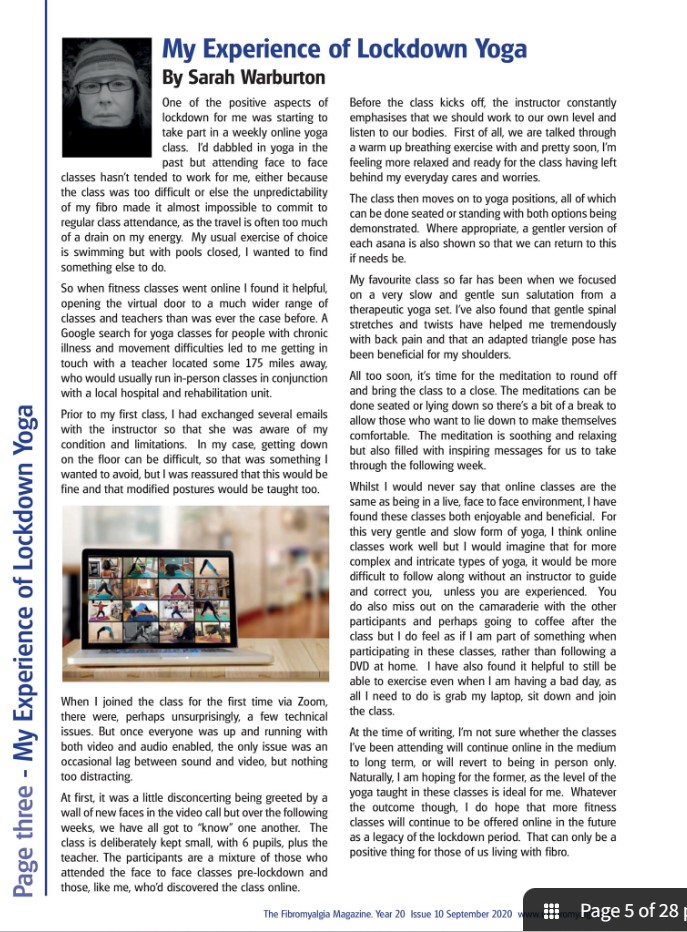
September 2020 – My Experience of Lockdown Yoga

December 2020 – Chronic Pain and Rural Living

March 2021 – Benefits of Time Spent in Nature

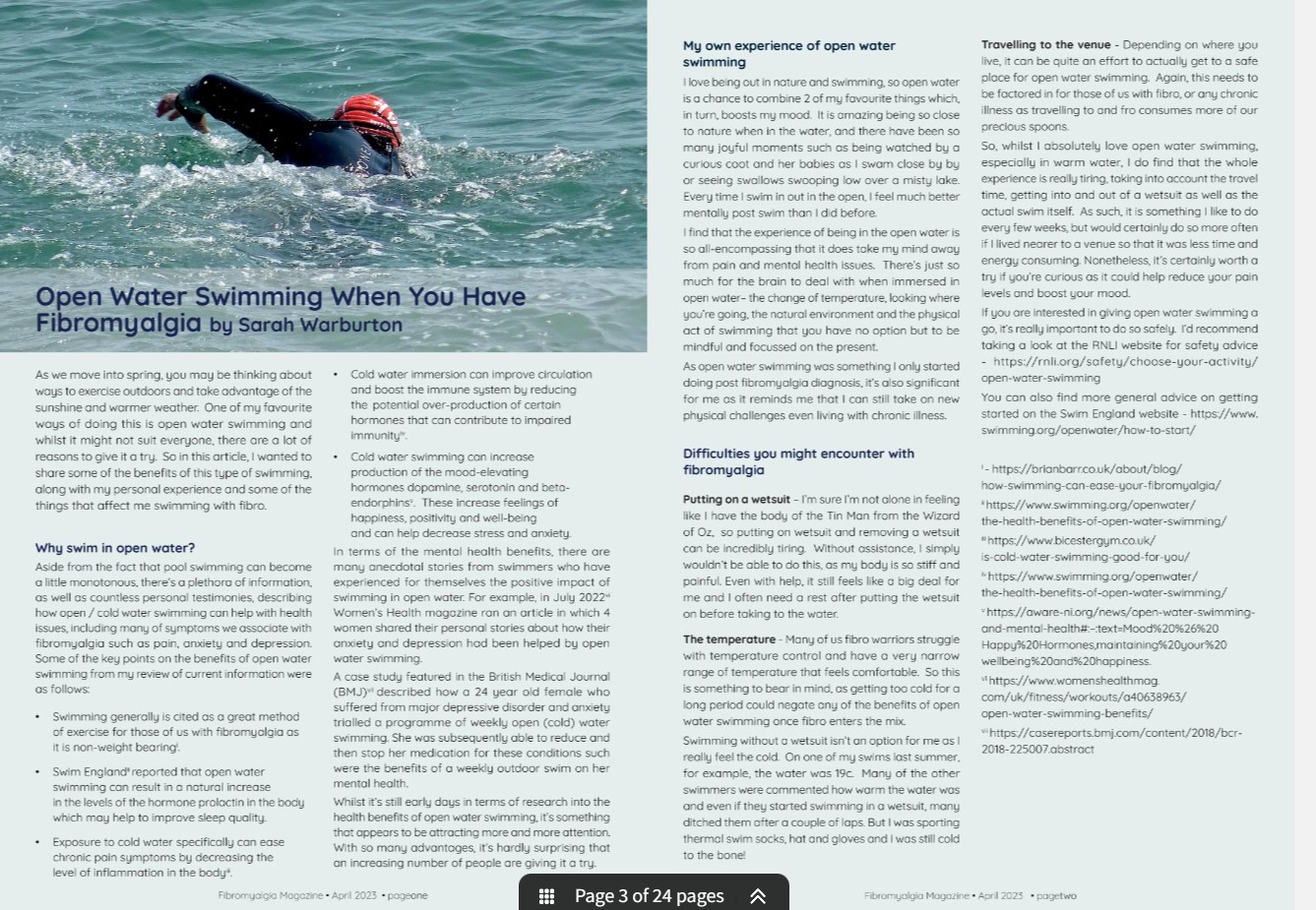
April 2021 – Open Water Swimming when you have Fibromyalgia

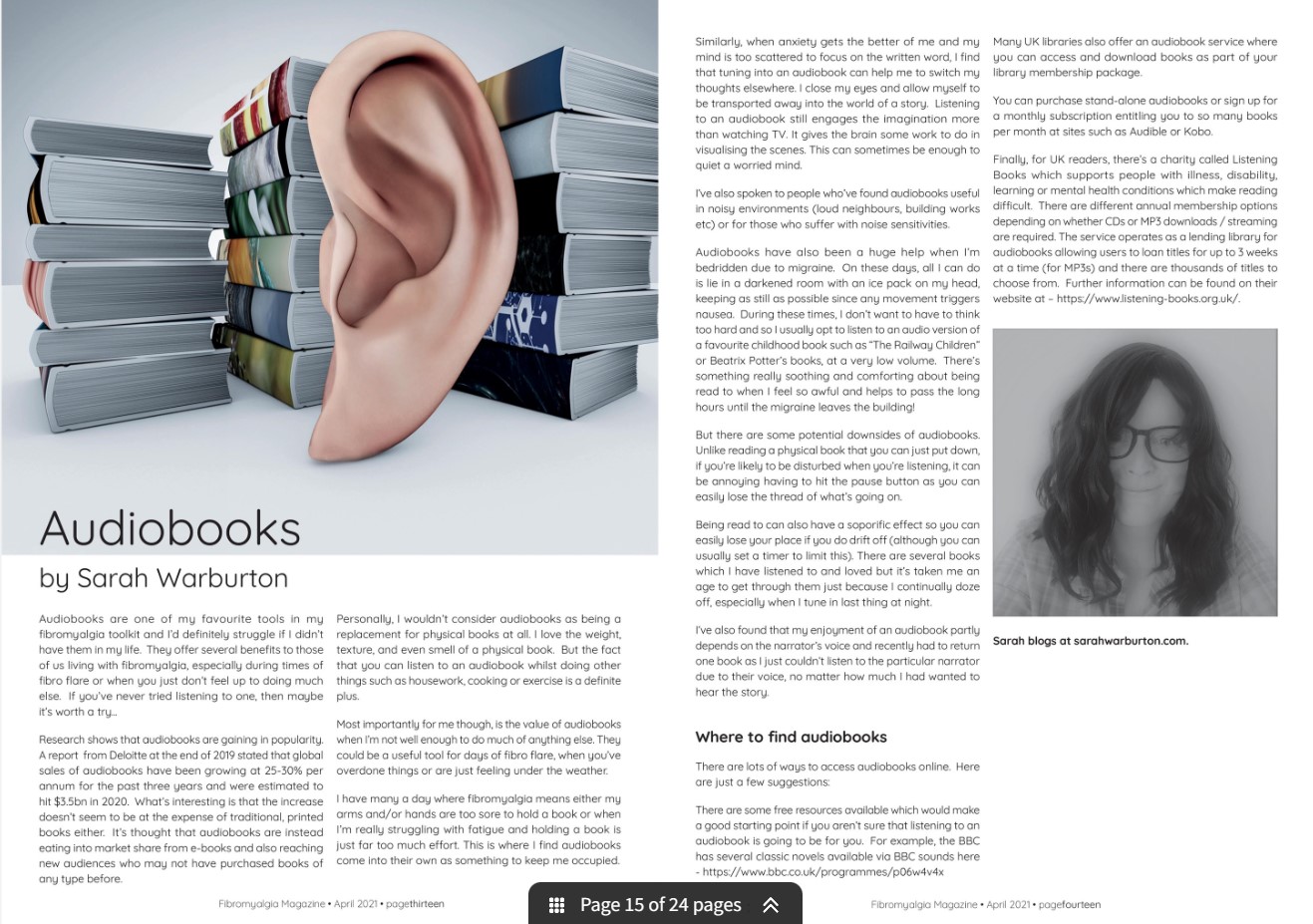
April 2021 – Audiobooks

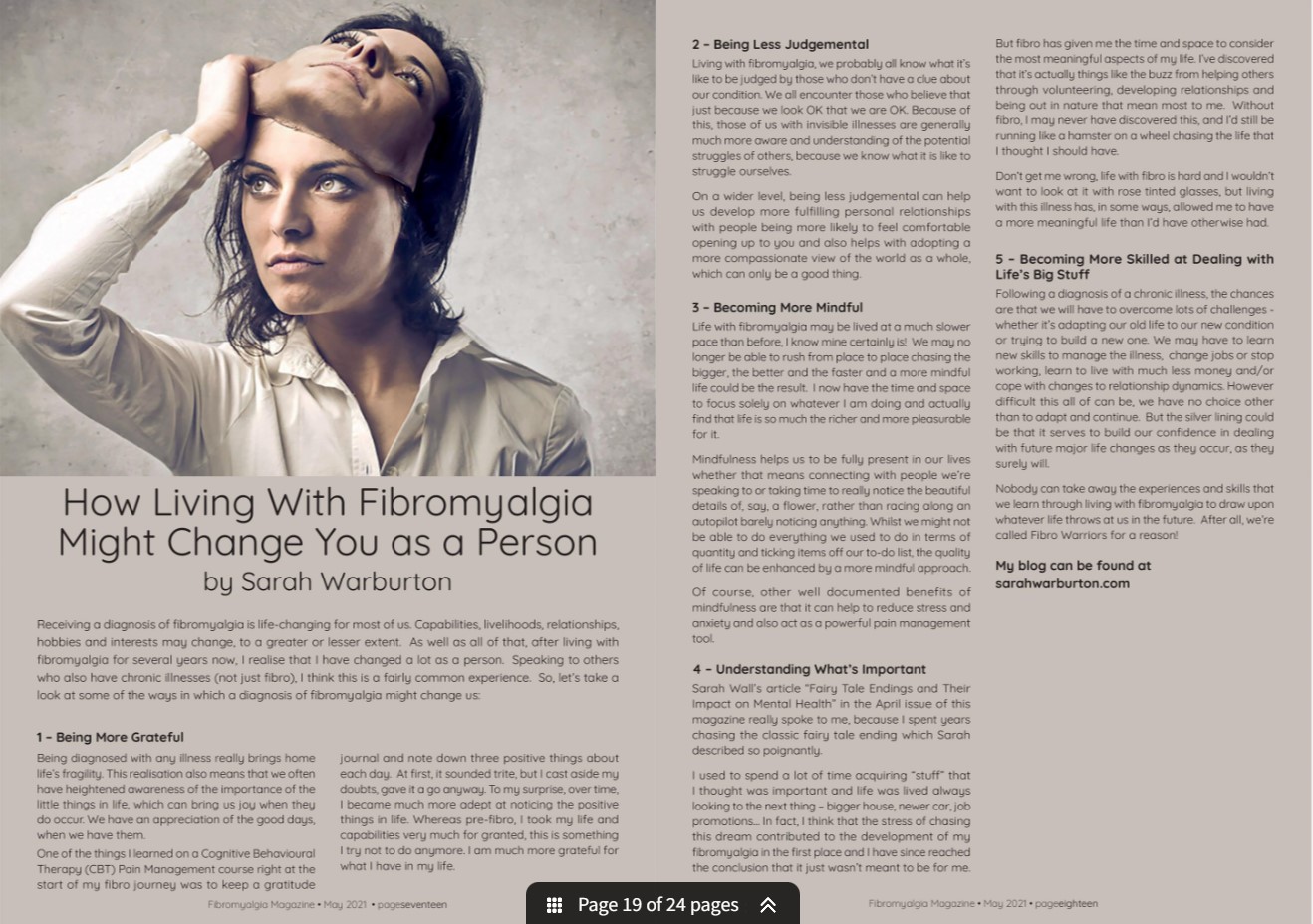
May 2021 – How Living with Fibromyalgia Might Change You as a Person

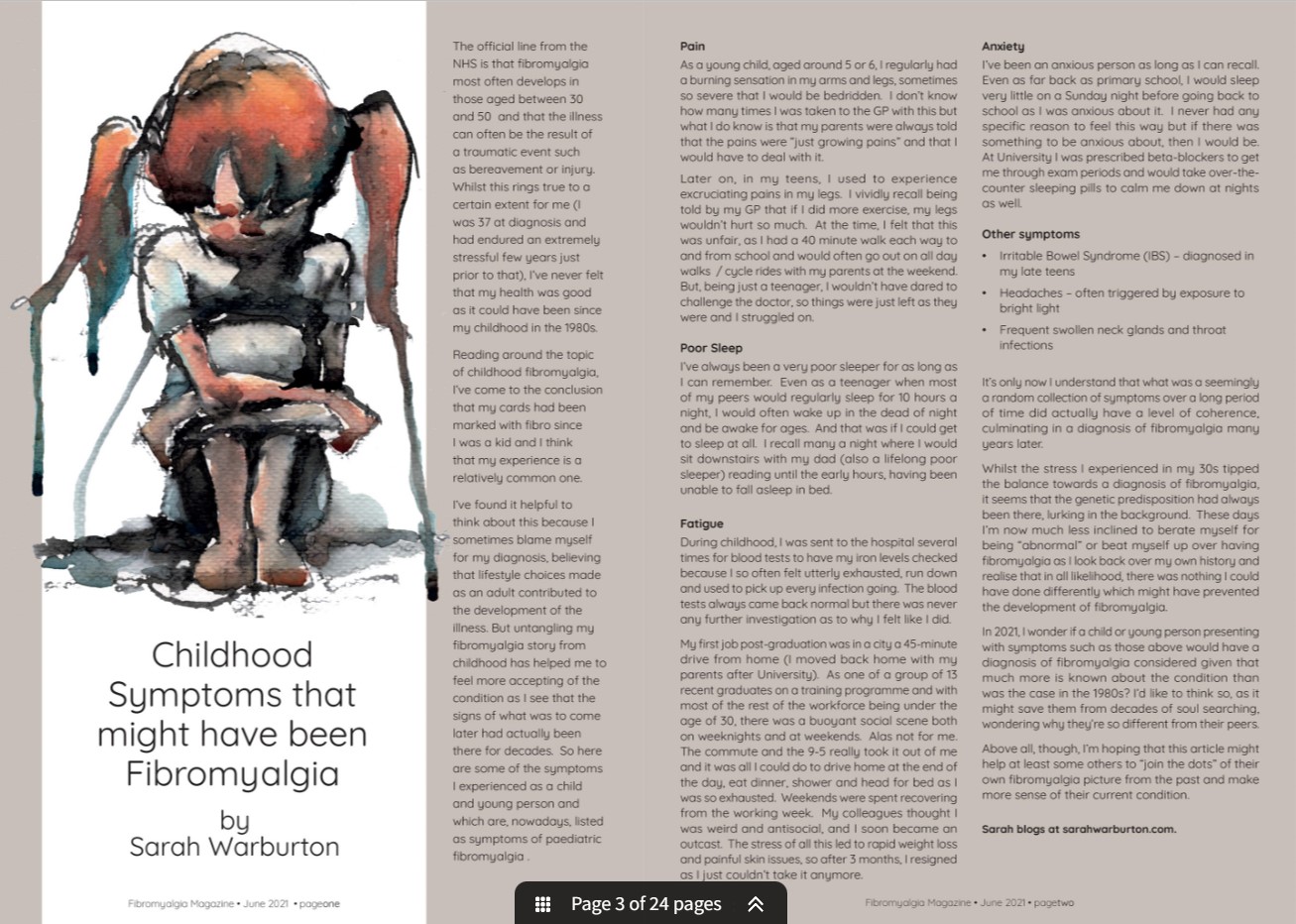
June 2021 – Childhood Symptoms that might have been Fibromyalgia

February 2022 – Navigating a Bad Fibro Day

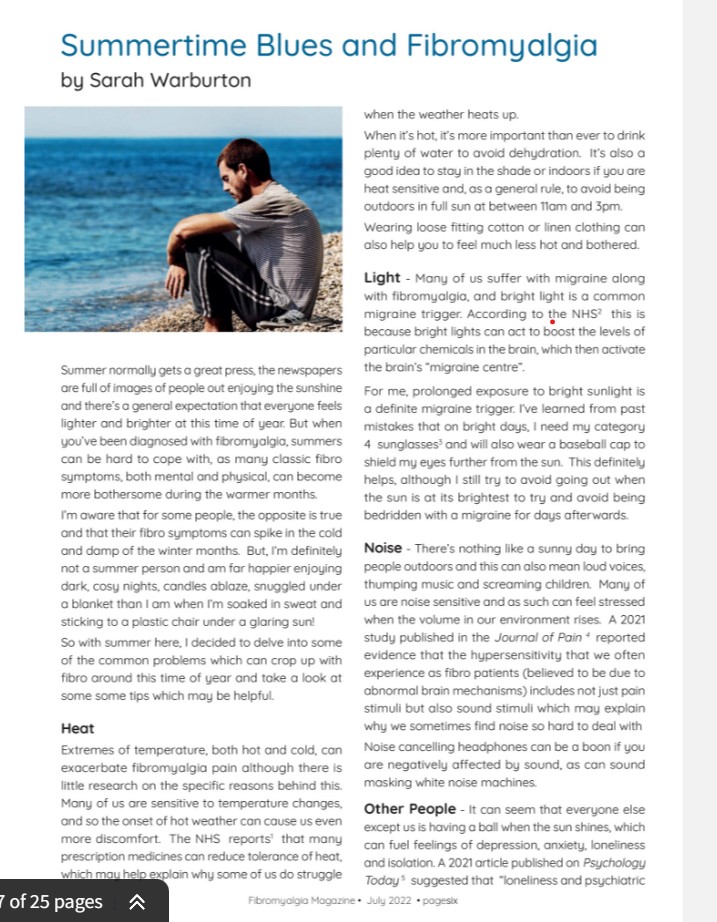
July 2022 – Summertime Blues and Fibromyalgia – page 1 page 2

December 2022 – Anxiety, Fibro and the Festive Season

February 2023 – Experiencing Covid when you have Fibromyalgia

March 2023 – My Top Five Difficulties Living with Fibromyalgia

May 2023 – Reframing the Experience of Living with Fibromyalgia

She’s is also a contributor to The Mighty.

Stop by Sarah’s blog, read through her archives and be sure to say hello.

Melinda

Looking for the Light


Chronic Illness · Chronic Pain · Health and Wellbeing · Lyme Disease · Medical · Men & Womens Health · Tick Borne Illnesses

Justin Timberlake reveals he has “relentlessly debilitating” Lyme disease

Hear is a clear message to everyone! Lyme Disease is not picky who the host person is, everyone is prime picking for Lyme Disease’s.

Singer Justin Timberlake has revealed that he has Lyme disease, describing it as “relentlessly debilitating” both mentally and physically.

In a heartfelt Instagram post, Timberlake explained that the diagnosis helped him understand why he was experiencing nerve pain, extreme fatigue, and sickness—even while performing on stage during his two-year Forget Tomorrow World Tour

Despite the challenges, he chose to continue touring, saying:

“I decided the joy that performing brings me far outweighs the fleeting stress my body was feeling. I’m so glad I kept going.”

He also shared that he had been reluctant to speak publicly about his health struggles, but wanted to be more transparent to avoid misinterpretation and to help others facing similar battles.

Timberlake joins a growing list of celebrities—including Justin Bieber and Bella Hadid—who have publicly discussed living with Lyme disease.

Melinda

More coverage:

The New York Times

People