Celebrate Life · Climate Change/Global Warming · Health and Wellbeing · Men & Womens Health

Daily Writing Prompt

Daily writing prompt
What is your favorite type of weather?

Speaking of weather, have you notice how climate change has affected the weather around the world? I live in Texas which is considered the south, we are know for our blistering hot summers and milder winters. In the 80’swe had four seasons, not any longer. It says Spring on the calendar but it was 90+ the past two days. We only have to look at all the flooding, fires, more flooding and more houses being washed away during the floods.

As for my preference in weather, that depends if I’m traveling. Even though I’m freezing all the time, the weather didn’t deter me from going to Russia during their Winter. I always say in winter you can add more clothes.

I like all seasons yet some are less tolerated for very long. Spring is my favorite time of year but we’re having less Springtime weather here in Texas.

Melinda

Looking for the Light

Celebrate Life · Climate Change/Global Warming · Health and Wellbeing · Internet Good/Bad · Men & Womens Health

What I’ve Learned In 62 Years

Anyone who leaves a child in a car while they run into the store, needs to get their priorities straight. Child Protective Service needs to educate you on child abandonment.

People that drive during floods, heavy snow, blizzards, whiteouts, on and on, need to pay for the expense of resucing them because of their bad designs. I see it every after year and amazed it happens year after year.

Any one who walks their dog or sits in the front yard with the dog must have the dog on a lease. A dog can be gentle and turn aggressive when seeing another dog. That is how my husband and one of our dogs were bitten. If this happens to you, call your cities Animal Control who will visit the pet parent and possibly set up regular visits. If Animal Control comes out a second time, they may take the dog away. If you can’t control your dog, get training right away. Also, don’t leave a child/teenager in charge of caring for your dog outside of your house or yard.

A gazillion people use MAC products and I’m still frustrated that so many companies don’t play nice with Safari. I don’t like having to use two browsers.

These are my observations and opinions, that does not means you should think the same. Everyone rolls differently and there’s no right or wrong.

I welcome all comments.

Melinda

Celebrate Life · Climate Change/Global Warming · Future Planning · Health and Wellbeing · Men & Womens Health · Moving Forward

The planet clearly needs help, so what can you do? Demand change

If the true urgency of climate change was not clear to Americans before, it should be clear by now. The mind-bending heat, drought, fire and floods sweeping the US are both nightmares and wake-up calls to the reality fossil fuels created. For over 40 years, our most powerful people and institutions collectively ignored climate scientists, and now the deadly consequences have arrived at all our doorsteps.

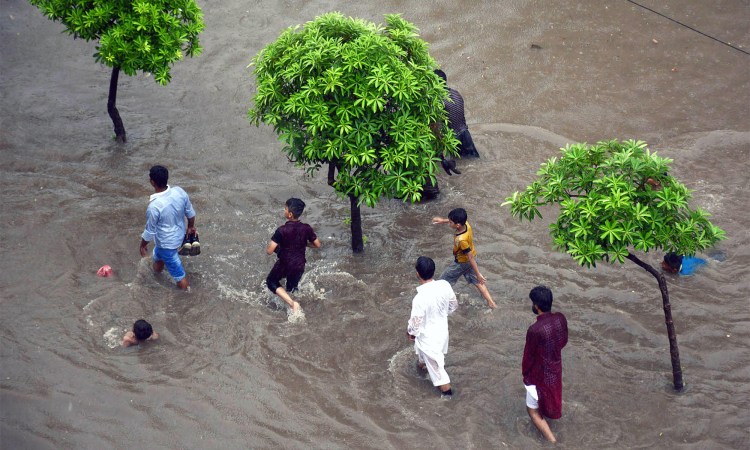
People wade through floodwater during the monsoon rains in Lahore. Pakistan is the fifth most climate-vulnerable country in the world and already experiencing weather extremes. Alamy

“I have witnessed people suffering and dying since I was a child,” the 18-year-old from Pakistan told me over the phone. Her hometown, located in the mountainous Hunza Valley, is surrounded by towering Himalayan glaciers that have been melting at an astonishing rate since before Baig was born. These climate-fueled melts have formed more than 3,000 glacial lakes, which now regularly break their banks and rush through surrounding villages, taking everything — and everyone — in their path with them. More than 7 million people in the region are at risk from these floods, according to UNDP.

Baig now lives in the southern city of Karachi, but friends and family still live in Hunza. Eventually, they’ll face a difficult choice: Move south willingly, or let the mountain do it for them. Even if the world meets its most ambitious climate targets, one-third of the Himalayan glaciers will melt by the end of the century, a 2019 International Centre for Integrated Mountain Development report found. And even the south won’t provide much respite; the heat and monsoon rains there are some of the most punishing in the world. The average daily temperature in Karachi this past week was 104 degrees*. Stepping outside “feels like you’re going to die.”

After 18 years of life in the world’s fifth-most climate-vulnerable nation, Baig sees her family’s predicament for what it is — not just tragedy but profound injustice. Pakistan contributes less than 1 percent of the world’s carbon emissions, and yet has been forced to bear the brunt of the world’s carbon crisis. “I’m angry about it. I’m sad about it. I don’t know how people have the audacity to prioritize money over humanity,” she said. And she can’t help but wonder if this would have happened if America—which has put more carbon into the atmosphere than any other nation—had felt these impacts first.

“I should be in university,” she said. But her life’s work is activism. “I have no choice,” she said, her voice breaking on the phone. Each day, Baig said, she’s fighting to secure the world’s future. And she wants to know, in this critical moment: are you doing anything to help secure hers?

In more than a dozen interviews over the last two weeks, activists from across the climate movement have issued a common call to arms: If you have ever thought of becoming more involved in the fight for climate justice, it’s time to stop thinking — and start doing.

“This is pretty much the biggest moment in climate politics in over a dozen years,” said Jamal Raad, the executive director of Evergreen Action, a progressive climate group focused on federal legislation. “If anyone was considering climate activism at any level, from contacting their member of Congress to volunteering with an organization to attending a protest, now’s the time.”

The scientific case for urgency has never been clearer. Last month, a draft of the latest UN IPCC report — the gold standard summation of modern climate science — was leaked to Agence France-Presse in hopes it might serve as a wake-up call before the next round of international climate talks in November. The report warned that the dire impacts of global heating were materializing faster than most scientists expected. Several “tipping points” — major, rapid changes in climate conditions that once reached are near-impossible to reverse — are now likely to come sooner rather than later, and many impacts are already locked in. Significant and rapid decarbonization can still prevent further pain and suffering, but the longer we wait, the worse things will become. “Life on Earth can recover from a drastic climate shift by evolving into new species and creating new ecosystems,” it warned. “Humans cannot.”

The costs of inaction are also already playing out in American life. More than 100 people were killed by the oppressive heat in Oregon last month, part of a larger record-breaking heat dome event that cumulatively caused more than 800 deaths across the Pacific Northwest. Farmers and ranchers are suffering under historic drought conditions in the West, where states are already limiting water supply while fighting out-of-control wildfiresRecord rainfall in Michigan is overwhelming Detroit’s aging sewage systems, part of the growing pandemic of poop-filled floodwaters. And on the East Coast, tropical storm Elsa signaled a powerful start to yet another destructive hurricane season, expected to be “above average” in activity for the sixth year in a row.

Fortunately, scientists are also more confident than ever about how to improve the situation. In May, the influential and notoriously conservative International Energy Administration (IEA) released a “bombshell” report outlining how the world could still achieve the Paris Agreement’s goal of preventing a 1.5°C rise in global average temperatures. “As the major source of global emissions, the energy sector holds the key to responding to the world’s climate challenge,” the report read. That sector must fully decarbonize by 2050, which requires not just a massive acceleration to renewables, electric vehicles, and energy-efficient building retrofits, but “a huge decline in the use of fossil fuels,” it said. “There is no need for investment in new fossil fuel supply in our net-zero pathway.”

The dire need to significantly decrease fossil fuel use, however, has still not sunk into the minds of the world’s biggest polluters. Take the United States. The Biden administration has taken some meaningful steps toward reducing carbon pollution, including suspending oil and gas leasing on federal land, canceling the Keystone XL pipeline, and reinstating several EPA climate regulations. But the US Justice Department is also currently defending at least three massive new fossil fuel projects — the Willow drilling project in Alaska, the Line 3 tar sands pipeline in Minnesota, and millions of acres of oil and gas leasing in Wyoming.

The massive infrastructure bill making its way through Congress is also a big opportunity to ensure meaningful climate investments in the energy sector — and may in fact be the last chance to pass meaningful climate legislation during Biden’s presidency. But the latest version was recently stripped of most of its significant climate provisions, including a Clean Energy Standard, tax credits for renewable energy and a new civilian climate corps.

The draft IPCC report places the blame for such inaction directly on the fossil fuel industry. Specifically, “think tanks, foundations, trade associations and other third-party groups that represent fossil fuel companies for promoting ‘contrarian’ science that misleads the public and disrupts efforts to implement climate policies needed to address the rising threats,” Politico reported. “Rhetoric on climate change and the undermining of science have contributed to misperceptions of the scientific consensus, uncertainty, unduly discounted risk and urgency, dissent and, most importantly, polarized public support delaying mitigation and adaptation action, particularly in the US.”

The fossil fuel industry is indeed fighting very hard to undo and prevent further climate action in the US. But others are helping them, too.GOP states are using taxpayer dollars to file lawsuits on their behalf. Advertising and marketing firms are creating sophisticated PR campaigns to help them convince the public they’re green. News outlets, many of which routinely ignore the climate crisis, are running those ad campaigns and making a profit. Social media companies like Facebook and Twitter are doing the same.

In other words, there’s a lot to do — and the IEA, which wrote the blueprint for effective action, says the key is people power. 

“A transition of the scale and speed described by the net-zero pathway cannot be achieved without sustained support and participation from citizens,” the blueprint said. That means more than just saying you’re for a healthy planet. It means taking a stand against the reason it’s sick.

The ability to participate in activism is a privilege. Many simply do not have the time, money or emotional bandwidth to take on a global cause. Climate activism also has an unfortunate history of regressive finger-wagging, blaming relatively powerless individuals for not making “better” environmental choices.

The climate activism that is needed today is not that type of activism — especially since, according to the IEA, individual “behavior” changes will only account for around four percent of cumulative emissions reductions in the path to net-zero. What’s needed today is sustained outrage at the powerful, by those with the time and resources to express it.

For 18-year-old Jaweria Baig in Pakistan, this means pushing for big changes at powerful corporations. 

Her latest campaign, launched with youth activists from climate-vulnerable counties across the world, targets Microsoft. She’s asking the tech giant to significantly decrease its emissions from corporate flights and use its own video conference platform “Teams” instead, as it did during the pandemic-induced lockdown. Microsoft is currently “one of the world’s top buyers” of flights, the Just Use Teams campaign says, its emissions comparable to some small countries.

Microsoft — which markets itself as a leader in the fight for climate justice — has so far declined to respond to Baig’s campaign. A spokesperson for the tech giant sent me only a link to its corporate sustainability and aviation plans in response to the group’s complaints. 

So in the meantime, Baig is asking for people power. She wants Microsoft staff to leave anonymous Glassdoor reviews telling their bosses to use Teams instead of airplanes and wants Microsoft customers to tweet their support.

If Microsoft’s flights don’t inspire you, though, there are plenty of other campaigns in need of voices, resources, signatures, or bodies. Is the bipartisan infrastructure deal your thing? Perhaps you’d like No Climate No Deal, a campaign launched by Evergreen Action and the youth-led Sunrise Movement. The campaign is pressuring Democratic members of Congress to reject any infrastructure legislation lacking “transformational investments in climate and environmental justice solutions.” They’ve already secured pledges from 14 Democratic Senators. They’re seeking support in the form of a petition, calls to Senators and tweets.

Or maybe you’re really pissed at advertising agencies, marketing firms and social media giants for helping promote fossil fuel company propaganda. If that’s the case, you might like Clean Creatives. Despite only launching less than a year ago, it has gotten 92 advertising agencies to sign a pledge against working with fossil fuel companies. It’s now spreading a petition to get social media platforms like Twitter and Facebook to ban fossil fuel ads. (Duncan Meisel, one of the group’s cofounders, said in an interview that the HEATED newsletter — which is where this post was first published — was part of the inspiration for forming the group. So maybe you could also start a newsletter, if that’s your thing.)

Indigenous groups also need help opposing fossil fuel projects across the country. Most have action hubs with a range of potential ways to help, like this one for the Line 3 pipeline. Environmental justice groups like We Act and the Climate Justice Alliance also need voices and resources. Perhaps Vice’s list of 12 environmental justice organizations to donate time and money to would be of interest.

If straight-up activism isn’t your thing, maybe you’d like to support climate science education or communications projects like Climate Central or the Alliance for Climate Education. If you believe in the power of journalism, maybe you want to support accountability projects like Floodlight and Drilled News or regional publications like Southerly Mag

Maybe you’re into culture and want to donate to a place like the Climate Museum. Maybe there’s a state climate policy you want to get involved with; a local office you want to run for; or an opportunity to make a difference at the company you already work at. Maybe you just want to troll fossil fuel companies all day.

The opportunities to get involved in the climate fight are endless, and that can be overwhelming. But the beauty of people power is that you don’t have to do everything. “You don’t need to quit your job and become a climate activist,” said Genevieve Gunther, founder of the media-focused group End Climate Silence. “With enough people, one little thing every week, even a tweet, can make a huge difference.”

Some people may read this and believe it is pointless. That we are too late. That none of it matters. The fossil fuel industry knows this is not true. Their fear of a determined, pissed-off public is why they promoted campaigns of climate denial and “individual responsibility” in the first place. They knew if people were unsure about the problem, they’d waste time fighting about it instead of mobilizing to fix it. They knew if people were confused about the solution, they’d waste time trying to change themselves and each other instead of the system.

However worse the climate crisis gets now depends on how quickly society transforms. And how quickly society transforms depends on how many people demand it. The most harmful lie being spread about climate change today is not that it is fake. It’s that nothing you can do can help save the world.

This story originally appeared in HEATEDEmily Atkin‘s weekly newsletter that is dedicated to original accountability reporting and analysis on the climate crisis. Subscribe here


The US sewage system is long overdue for an update — and here’s why you should never, ever jump in puddles after a rainstorm. Watch  Emily Atkin’s TEDxShinnecockHills Talk now: 

Melinda

Reference:

Emily Atkin is the author and founder of HEATED, a weekly newsletter dedicated to original accountability reporting and analysis on the climate crisis. Find her at http://www.emilyatkin.com and subscribe to the newsletter at heated.world. 

Chronic Illness · Climate Change/Global Warming · Health and Wellbeing · Lyme Disease · Medical · Men & Womens Health · Mental Health · Tick Borne Illnesses

Resources to help figure out your next move-Critical Information For Children & Adult’s

Social media. We spread the word via FacebookTwitterInstagram and Pinterest.

Our free weekly email newsletters keep you informed on Lyme-related developments. Click here to sign up.

US National Lyme Online Support Group: Information and emotional support for people dealing with Lyme and other tick-borne diseases.

MyLymeData patient registry: This big data research project allows patients to privately pool information about their Lyme disease experiences. So far, more than 17,000 people have enrolled in the project, providing millions of data points on Lyme disease demographics, tick bites, diagnosis, symptoms, lab tests, co-infections, treatment and quality of life. Add your Lyme data to MyLymeData to help find a cure for Lyme disease.

Lyme disease posters

Children and Lyme disease

Basic info about children with Lyme disease Gestational Lyme disease LymeHope, a Canadian Lyme advocacy organization, has taken a particular interest in the issue of mother-to-fetus Lyme transmission.

LymeAid4Kids–Financial assistance for Lyme treatment for those under age 21.

Lymelight Foundation–financial assistance for Lyme treatment for children and young adults through age 25

.LivLyme Foundation–Financial grants for children with Lyme disease (under 21).

Mothers Against LymeAdvocacy and education about congenital and childhood Lyme

Video: Lyme Disease & Pregnancy: State of the Science & Opportunities for Research

Book: When Your Child Has Lyme Disease: A Parent’s Survival Guide  by Sandra Berenbaum and Dorothy Kupcha Leland.

Book: Brain Inflamed: Uncovering the Hidden Causes of Anxiety, Depression, and other Mood Disorders in Adolescents and Teens  by Dr. Kenneth Bock

.Book: Protecting Your  Child From the Child Protection System, by Beth Alison Maloney

Book: Finding Resilience: A Teen’s Journey Through Lyme Disease, by Rachel Leland and Dorothy Kupcha Leland

.Article: Healthy Mom Best Prescription for Healthy Baby (The Lyme Times) (PDF)

Wrightslaw.com–Website with information about Special Education law.

PANS/PANDAS

ASPIRE: The Alliance to Solve PANS and Immune Related Encephalopathies

New England PANS/PANDAS Association

Northwest PANDAS/PANS Network

PANDAS Network

Moleculera Labs

Three books by Beth Alison Maloney:  Saving Sammy,  Childhood Interrupted: The Complete Guide to PANDAS and PANS, and Protecting Your Child from the Child Protection system (The author of these books is the mother of a child who healed from PANDAS. She is an attorney/advocate for the recognition and treatment of PANS/PANDAS, and advises parents about legal issues related to PANS/PANDAS and other complex medical conditions.)

Parenting with PANS

Photo by Pixabay on Pexels.com

Ticks

Types of ticks

How to protect yourself from ticks

Find the repellent that’s right for you (EPA website)

Help! I’ve gotten a tick bite. Now what?

TickEncounter Resource Center—University of Rhode Island

Tick testing. There are various places to get ticks tested. Here are several: IGeneXTickCheckTicknologyTick Report

MilTICK—free tick testing and identification service available for ticks removed from Department of Defense (DoD) personnel and their dependents. 

Mast cell activation syndrome and food-related issues

MCAS, when your immune system goes haywire

The agony of mast cell activation syndrome (MCAS)

Healing from mast cell activation syndrome

What to eat when you’re allergic to everything?

Severe weather can worsen mast cell activation syndrome

Alpha-gal syndrome

There is growing evidence that certain types of tick bites can trigger alpha-gal syndrome (AGS) a life-threatening allergy to red meat and meat-related products.

Alpha-gal syndrome–symptoms, diagnosis, treatment

Tick-Borne Conditions United

Alpha-gal Information Website

Other Lyme-related symptoms & issues

Lyme carditis and heart block

Lyme disease can affect the heart in complicated ways

Lyme disease and cognitive impairments

Gastrointestinal manifestations of Lyme

Psychiatric manifestations of Lyme 

Lyme disease and hearing loss

Lyme and multiple sclerosis 

Lyme and allodynia 

Medical marijuana and Lyme disease 

The dreaded Jarisch-Herxheimer reaction

How Lyme disease can affect your vision

12 ways you can help yourself manage chronic pain  

Morgellons

The Charles E. Holman Morgellons Disease FoundationMorgellons: The legitimization of a disease (book review)Skin Deep: The Battle Over Morgellons (documentary film) 

Treating Lyme disease with disulfiram

What is disulfiram and why does it spark excitement in Lyme community?Treating psychiatric Lyme symptoms with disulfiram

Co-infections

The Lyme Times Special Issue on Co-infections (PDF)About Lyme disease co-infectionsCo-infections poster

Mold

Lyme and mold 

Survivingmold.com

Dealing with Lyme disease and mold illness at the same time

Mold Testing Guide (How to test your home for mold)

Your guide to mold in your home

Clean indoor air on a budget

Are you unknowingly ingesting toxic mold?

How to donate blood and tissue for Lyme research

Lyme Disease Biobank

Lyme and pets

Basic information about Lyme and pets

Parasite prevalence maps Educational website includes a US map down to the county level, showing where dogs have tested positive for Lyme, anaplasmosis, erhlichiosis and other diseases. Also, information about protecting your pet from tick-borne diseases.

Companion Animal Parasite Council website has comprehensive information about how to protect your pets from ticks and other parasites.

Books (Treatment, healing modalities, family life)

Brain Inflamed: Uncovering the Hidden Causes of Anxiety, Depression, and Other Mood Disorders in Adolescents and Teensby Dr. Kenneth Bock

CHRONIC: The Hidden Cause of the Autoimmune Pandemic and How to Get Healthy Againby Dr. Steven Phillips and Dana Parish

Conquering Lyme Disease: Science Bridges the Great Divide, by Brian A. Fallon, MD, and Jennifer Sotsky, MD

The Deep Places: A Memoir of Illness and Discovery, by Ross Douthat. The New York Times columnist delves into his personal years-long battle with chronic Lyme disease.

Finding Resilience: A Teen’s Journey Through Lyme Disease, by Rachel Leland and Dorothy Kupcha Leland. Based on the journal Rachel kept during the worst years of her illness, with additional insights from her mother, Dorothy.

How can I get better? An Action Plan for Treating Resistant Lyme and Chronic Disease, by Dr. Richard Horowitz

The Lyme Diet, by Dr. Nicola McFadzean. What to eat while healing from Lyme.

Recovery from Lyme Disease: The Integrative Medicine Guide to Diagnosing and Treating Tick-Borne Illnessby Dr. Daniel Kinderlehrer.

TOXIC: Heal Your Body from Mold Toxicity, Lyme Disease, Multiple Chemical Sensitivities, and Chronic Environmental Illness, by Dr. Neil Nathan.

When Your Child Has Lyme Disease: A Parent’s Survival Guide  by Sandra Berenbaum and Dorothy Kupcha Leland.

Why Can’t I Get Better? Solving the Mystery of Lyme and Chronic Disease, by Dr. Richard Horowitz.

Books (History, Policy, and Science)

Bitten: The Secret History of Lyme Disease and Biological Weapons, by Kris Newby

Cure Unknown: Inside the Lyme Epidemic, by Pamela Weintraub.

Lyme: The First Epidemic of Climate Changeby Mary Beth Pfeiffer.

Film and Video

I’m Not Crazy, I’m sick, Lyme documentary, available on various streaming services.

The Quiet Epidemic, documentary film about chronic Lyme disease, available on various streaming services.

Under Our Skin, award-winning Lyme documentary film.

Under Our Skin 2: Emergence (sequel)

The Red Ring, documentary takes a global look at Lyme disease.

Your Labs Are Normal, feature film based on real-life experiences.

Financial assistance

LymeTAP.com–Lyme Testing Access Program. Financial assistance for Lyme diagnostic testing.

Needymeds.com–Clearing house for information about various kinds of financial assistance for obtaining medication.

Lymelight Foundation–financial assistance for Lyme treatment for children and young adults through age 25.

Lyme Treatment Foundation–financial assistance for Lyme treatment. No age restrictions.

LivLyme Foundation–Financial grants for children with Lyme disease.

LymeAid4Kids—grants for young Lyme patients (up to age 21).

Partner in Lyme—grants for Lyme treatment for residents of Connecticut.

Applying for Social Security benefits for Lyme disease

Outside of the United States

ALCE Asociación de Lyme Crónico España (Spain)

Canadian Lyme Disease Foundation

LymeHope (Canada)

LYRI (Mexico)

Lyme Disease Action (UK)

LymeDiseaseUK

Lyme Disease Association of Australia

Karl McManus Foundation (Australia)

France Lyme

Tick Talk Ireland

Lyme Poland

Association Luxembourgeoise Borréliose de Lyme (Luxembourg)

Onlyme-aktion.org  (Germany)

Lymevereniging (Netherlands)

This is one of the most comprehensive articles Lyme Dieases and co-infections. When you talk to a expert on the subject matter be sure to ask for referral, it took me two doctors to find the right doctor. I can say that you General Doctor is not the right type of doctor for your treatment and surgical. YES, it’s that important. The best source for referrals for Lyme Literate Doctor is ILADS.

Melinda

REFERENCE:

TOUCHED BY LYME is written by Dorothy Kupcha Leland, LymeDisease.org’s Vice-president and Director of Communications. She is co-author of When Your Child Has Lyme Disease: A Parent’s Survival Guide. Contact her at dleland@lymedisease.org .

Celebrate Life · Climate Change/Global Warming · Health and Wellbeing · Men & Womens Health

Daily Writing Prompt

Daily writing prompt
What are you most worried about for the future?

The first major concern is the state of politics around the world. Since I live in America I’m more concered than ever. Some county’s dislike Trump so much they are now taking it out on American travelers. I’ve seen locals in Italy carring water guns and shotting them on Americans, and the protest over Jeff Bezos wedding was pure hatred. I understand why other countries are unhappy with Trump but direct your energy towards him. I don’t like him either, he’s an embarrassment but hating all Americans because of him is ridiculous.

This isn’t about politics, it’s about countires like Italy who are unhappy in uptick of visitors. Before you shoot that water gun at a traveler remember, tourist generates a huge amount of money in businesses across the board, if tourist stop coming people will loss their jobs and the economy will down slide. Get over yourself. This is one way hatred starts.

Climate Change has concerened me for many years, it started with recycling newspaper and once recycling was expaned to others items I was able to more to help. We use less water, set the temperature up or down a couple of degrees, bought thermal windows, and I’m looking for ideas every day.

I slowly learned more about what Climate Change looked like, large icebergs melting at record speed which has increased the water levels which has created flooding in areas is one example. Now when buying items, I think about how they may impact the environment and is the packaging recyclable.

Melinda

Looking for the Light

Celebrate Life · Chronic Illness · Climate Change/Global Warming · Health and Wellbeing · Infectious Diease · Medical · Men & Womens Health

Lyme advocate Julia Bruzzese remembers when Pope Francis blessed her

Ten years ago, then-13-year old Julia Bruzzese was unable to walk, due to complications of Lyme disease. Her family took her to JFK airport, to see Pope Francis, who visiting the United States at the time.

She made the national news, when the Pope stopped and blessed her.

Now, after the death of Pope Francis, Julie recalls how that moment changed her life. See this report from ABC7 New York:

Melinda

Reference:

https://www.lymedisease.org/bruzzese-pope-blessing/

Celebrate Life · Climate Change/Global Warming · DIY · Fun · Health and Wellbeing

Inflation Buster! Homemade Reusable Dryer Sheets

Inflation Buster!

Photo by freestocks.org on Pexels.com

Willow and Sage by Stampington

You will need

2 1/2 cups water

2 1/2 cups white vinegar

3-4 TB. vegetable glycerin

Jar with sealed lid: large wide mouth

12 drops orange essential oil

12 drops lemon essential oil

7 drops lavender essential oil

7 drops peppermint essential oil

Cotton quilting squares/washcloths

To Make

Add water, white vinegar, and vegetable glycerin to a large jar. Close the lid and shake vigorously. Add the essential oils. Close the lid and shake again. Add cotton quilting squares or washcloths, and you’re done. Be sure to shake the jar and wring out the cloth before adding them to your load of laundry.

Note

Essential oils last longer in dark glass containers. Since I reused a clear jar, I store my dryer sheets in a dark place to extend their shelf life.

This is an inflation buster! When you can use a product more than one time you’re helping the planet.

Melinda

Repost

Climate Change/Global Warming · Health and Wellbeing · Men & Womens Health · Mental Health · Trauma

It’s A Dark Day In America

The worst President is the President again, which means we’ll have another four years of trials when he leaves office. I won’t get started on what the next four years will look like.

I am gutted!

Melinda

Celebrate Life · Climate Change/Global Warming · Fun · Health and Wellbeing

Neelakurinji (the of rare flower of India) By Guest Blogger

The Neelakurinji flower is one of hte most beautiful flowers I’ve ever seen. The flower grows in a specific area of India and needs conservation now before it becomes extinct.

The flower you’re referring to is the Neelakurinji (scientifically known as Strobilanthes kunthiana). This rare and beautiful flower blooms once every 12 years in the Western Ghats, particularly in the hills of Munnar in Kerala, India. When in full bloom, the hills are covered in a carpet of blue, creating a stunning visual spectacle. The … Continue reading Neelakurinji (the of rare flower of India)

LIVE BY CHOICE NOT BY CHANCE!!!!

Melinda

Celebrate Life · Climate Change/Global Warming · Future Planning · Health and Wellbeing · Men & Womens Health · Moving Forward

The planet clearly needs help, so what can you do? Demand change

If the true urgency of climate change was not clear to Americans before, it should be clear by now. The mind-bending heat, drought, fire and floods sweeping the US are both nightmares and wake-up calls to the reality fossil fuels created. For over 40 years, our most powerful people and institutions collectively ignored climate scientists, and now the deadly consequences have arrived at all our doorsteps.

People wade through floodwater during the monsoon rains in Lahore. Pakistan is the fifth most climate-vulnerable country in the world and already experiencing weather extremes. Alamy

“I have witnessed people suffering and dying since I was a child,” the 18-year-old from Pakistan told me over the phone. Her hometown, located in the mountainous Hunza Valley, is surrounded by towering Himalayan glaciers that have been melting at an astonishing rate since before Baig was born. These climate-fueled melts have formed more than 3,000 glacial lakes, which now regularly break their banks and rush through surrounding villages, taking everything — and everyone — in their path with them. More than 7 million people in the region are at risk from these floods, according to UNDP.

Baig now lives in the southern city of Karachi, but friends and family still live in Hunza. Eventually, they’ll face a difficult choice: Move south willingly, or let the mountain do it for them. Even if the world meets its most ambitious climate targets, one-third of the Himalayan glaciers will melt by the end of the century, a 2019 International Centre for Integrated Mountain Development report found. And even the south won’t provide much respite; the heat and monsoon rains there are some of the most punishing in the world. The average daily temperature in Karachi this past week was 104 degrees*. Stepping outside “feels like you’re going to die.”

After 18 years of life in the world’s fifth-most climate-vulnerable nation, Baig sees her family’s predicament for what it is — not just tragedy but profound injustice. Pakistan contributes less than 1 percent of the world’s carbon emissions, and yet has been forced to bear the brunt of the world’s carbon crisis. “I’m angry about it. I’m sad about it. I don’t know how people have the audacity to prioritize money over humanity,” she said. And she can’t help but wonder if this would have happened if America—which has put more carbon into the atmosphere than any other nation—had felt these impacts first.

“I should be in university,” she said. But her life’s work is activism. “I have no choice,” she said, her voice breaking on the phone. Each day, Baig said, she’s fighting to secure the world’s future. And she wants to know, in this critical moment: are you doing anything to help secure hers?

In more than a dozen interviews over the last two weeks, activists from across the climate movement have issued a common call to arms: If you have ever thought of becoming more involved in the fight for climate justice, it’s time to stop thinking — and start doing.

“This is pretty much the biggest moment in climate politics in over a dozen years,” said Jamal Raad, the executive director of Evergreen Action, a progressive climate group focused on federal legislation. “If anyone was considering climate activism at any level, from contacting their member of Congress to volunteering with an organization to attending a protest, now’s the time.”

The scientific case for urgency has never been clearer. Last month, a draft of the latest UN IPCC report — the gold standard summation of modern climate science — was leaked to Agence France-Presse in hopes it might serve as a wake-up call before the next round of international climate talks in November. The report warned that the dire impacts of global heating were materializing faster than most scientists expected. Several “tipping points” — major, rapid changes in climate conditions that once reached are near-impossible to reverse — are now likely to come sooner rather than later, and many impacts are already locked in. Significant and rapid decarbonization can still prevent further pain and suffering, but the longer we wait, the worse things will become. “Life on Earth can recover from a drastic climate shift by evolving into new species and creating new ecosystems,” it warned. “Humans cannot.”

The costs of inaction are also already playing out in American life. More than 100 people were killed by the oppressive heat in Oregon last month, part of a larger record-breaking heat dome event that cumulatively caused more than 800 deaths across the Pacific Northwest. Farmers and ranchers are suffering under historic drought conditions in the West, where states are already limiting water supply while fighting out-of-control wildfiresRecord rainfall in Michigan is overwhelming Detroit’s aging sewage systems, part of the growing pandemic of poop-filled floodwaters. And on the East Coast, tropical storm Elsa signaled a powerful start to yet another destructive hurricane season, expected to be “above average” in activity for the sixth year in a row.

Fortunately, scientists are also more confident than ever about how to improve the situation. In May, the influential and notoriously conservative International Energy Administration (IEA) released a “bombshell” report outlining how the world could still achieve the Paris Agreement’s goal of preventing a 1.5°C rise in global average temperatures. “As the major source of global emissions, the energy sector holds the key to responding to the world’s climate challenge,” the report read. That sector must fully decarbonize by 2050, which requires not just a massive acceleration to renewables, electric vehicles, and energy-efficient building retrofits, but “a huge decline in the use of fossil fuels,” it said. “There is no need for investment in new fossil fuel supply in our net-zero pathway.”

The dire need to significantly decrease fossil fuel use, however, has still not sunk into the minds of the world’s biggest polluters. Take the United States. The Biden administration has taken some meaningful steps toward reducing carbon pollution, including suspending oil and gas leasing on federal land, canceling the Keystone XL pipeline, and reinstating several EPA climate regulations. But the US Justice Department is also currently defending at least three massive new fossil fuel projects — the Willow drilling project in Alaska, the Line 3 tar sands pipeline in Minnesota, and millions of acres of oil and gas leasing in Wyoming.

The massive infrastructure bill making its way through Congress is also a big opportunity to ensure meaningful climate investments in the energy sector — and may in fact be the last chance to pass meaningful climate legislation during Biden’s presidency. But the latest version was recently stripped of most of its significant climate provisions, including a Clean Energy Standard, tax credits for renewable energy and a new civilian climate corps.

The draft IPCC report places the blame for such inaction directly on the fossil fuel industry. Specifically, “think tanks, foundations, trade associations and other third-party groups that represent fossil fuel companies for promoting ‘contrarian’ science that misleads the public and disrupts efforts to implement climate policies needed to address the rising threats,” Politico reported. “Rhetoric on climate change and the undermining of science have contributed to misperceptions of the scientific consensus, uncertainty, unduly discounted risk and urgency, dissent and, most importantly, polarized public support delaying mitigation and adaptation action, particularly in the US.”

The fossil fuel industry is indeed fighting very hard to undo and prevent further climate action in the US. But others are helping them, too.GOP states are using taxpayer dollars to file lawsuits on their behalf. Advertising and marketing firms are creating sophisticated PR campaigns to help them convince the public they’re green. News outlets, many of which routinely ignore the climate crisis, are running those ad campaigns and making a profit. Social media companies like Facebook and Twitter are doing the same.

In other words, there’s a lot to do — and the IEA, which wrote the blueprint for effective action, says the key is people power. 

“A transition of the scale and speed described by the net-zero pathway cannot be achieved without sustained support and participation from citizens,” the blueprint said. That means more than just saying you’re for a healthy planet. It means taking a stand against the reason it’s sick.

The ability to participate in activism is a privilege. Many simply do not have the time, money or emotional bandwidth to take on a global cause. Climate activism also has an unfortunate history of regressive finger-wagging, blaming relatively powerless individuals for not making “better” environmental choices.

The climate activism that is needed today is not that type of activism — especially since, according to the IEA, individual “behavior” changes will only account for around four percent of cumulative emissions reductions in the path to net-zero. What’s needed today is sustained outrage at the powerful, by those with the time and resources to express it.

For 18-year-old Jaweria Baig in Pakistan, this means pushing for big changes at powerful corporations. 

Her latest campaign, launched with youth activists from climate-vulnerable counties across the world, targets Microsoft. She’s asking the tech giant to significantly decrease its emissions from corporate flights and use its own video conference platform “Teams” instead, as it did during the pandemic-induced lockdown. Microsoft is currently “one of the world’s top buyers” of flights, the Just Use Teams campaign says, its emissions comparable to some small countries.

Microsoft — which markets itself as a leader in the fight for climate justice — has so far declined to respond to Baig’s campaign. A spokesperson for the tech giant sent me only a link to its corporate sustainability and aviation plans in response to the group’s complaints. 

So in the meantime, Baig is asking for people power. She wants Microsoft staff to leave anonymous Glassdoor reviews telling their bosses to use Teams instead of airplanes and wants Microsoft customers to tweet their support.

If Microsoft’s flights don’t inspire you, though, there are plenty of other campaigns in need of voices, resources, signatures, or bodies. Is the bipartisan infrastructure deal your thing? Perhaps you’d like No Climate No Deal, a campaign launched by Evergreen Action and the youth-led Sunrise Movement. The campaign is pressuring Democratic members of Congress to reject any infrastructure legislation lacking “transformational investments in climate and environmental justice solutions.” They’ve already secured pledges from 14 Democratic Senators. They’re seeking support in the form of a petition, calls to Senators and tweets.

Or maybe you’re really pissed at advertising agencies, marketing firms and social media giants for helping promote fossil fuel company propaganda. If that’s the case, you might like Clean Creatives. Despite only launching less than a year ago, it has gotten 92 advertising agencies to sign a pledge against working with fossil fuel companies. It’s now spreading a petition to get social media platforms like Twitter and Facebook to ban fossil fuel ads. (Duncan Meisel, one of the group’s cofounders, said in an interview that the HEATED newsletter — which is where this post was first published — was part of the inspiration for forming the group. So maybe you could also start a newsletter, if that’s your thing.)

Indigenous groups also need help opposing fossil fuel projects across the country. Most have action hubs with a range of potential ways to help, like this one for the Line 3 pipeline. Environmental justice groups like We Act and the Climate Justice Alliance also need voices and resources. Perhaps Vice’s list of 12 environmental justice organizations to donate time and money to would be of interest.

If straight-up activism isn’t your thing, maybe you’d like to support climate science education or communications projects like Climate Central or the Alliance for Climate Education. If you believe in the power of journalism, maybe you want to support accountability projects like Floodlight and Drilled News or regional publications like Southerly Mag

Maybe you’re into culture and want to donate to a place like the Climate Museum. Maybe there’s a state climate policy you want to get involved with; a local office you want to run for; or an opportunity to make a difference at the company you already work at. Maybe you just want to troll fossil fuel companies all day.

The opportunities to get involved in the climate fight are endless, and that can be overwhelming. But the beauty of people power is that you don’t have to do everything. “You don’t need to quit your job and become a climate activist,” said Genevieve Gunther, founder of the media-focused group End Climate Silence. “With enough people, one little thing every week, even a tweet, can make a huge difference.”

Some people may read this and believe it is pointless. That we are too late. That none of it matters. The fossil fuel industry knows this is not true. Their fear of a determined, pissed-off public is why they promoted campaigns of climate denial and “individual responsibility” in the first place. They knew if people were unsure about the problem, they’d waste time fighting about it instead of mobilizing to fix it. They knew if people were confused about the solution, they’d waste time trying to change themselves and each other instead of the system.

However worse the climate crisis gets now depends on how quickly society transforms. And how quickly society transforms depends on how many people demand it. The most harmful lie being spread about climate change today is not that it is fake. It’s that nothing you can do can help save the world.

This story originally appeared in HEATEDEmily Atkin‘s weekly newsletter that is dedicated to original accountability reporting and analysis on the climate crisis. Subscribe here


The US sewage system is long overdue for an update — and here’s why you should never, ever jump in puddles after a rainstorm. Watch  Emily Atkin’s TEDxShinnecockHills Talk now: 

Melinda

Reference:

Emily Atkin is the author and founder of HEATED, a weekly newsletter dedicated to original accountability reporting and analysis on the climate crisis. Find her at http://www.emilyatkin.com and subscribe to the newsletter at heated.world.