Children · Family · Health and Wellbeing · Medical · Medication & Food Recalls · Men & Womens Health

Nationwide Recall Issued for Thousands of Crayola-Branded Toys Due to Risk of Death or Injury to Children

Around 9,400 of CreateOn’s Crayola-branded pip-cubes have been recalled

This story has been updated to reflect that the manufacturer of the recalled toys is CreateOn, not Crayola. The recalled pip-cubes were Crayola-branded, a representative for Crayola confirmed to PEOPLE.

A recall has been issued for toys that could potentially kill or injure children.

The Consumer Product Safety Commission (CPSC) announced in a news release on Thursday, Dec. 4, that CreateOn’s Crayola-branded pip-cubes are being recalled after “posing an ingestion hazard to children.”

Around 9,400 units of the toy product are affected, according to the CPSC, as they contain magnetic building cubes “that can become loose if the seams separate.”

CreateOn Recalls Pip-Cubes Due to Risk of Serious Injury or Death from Magnet Ingestion Hazard

“When high-powered magnets are swallowed, the ingested magnets can attract to each other, or other metal objects, and become lodged in the digestive system,” the CPSC said.

This potential hazard can cause perforations, twisting or blockage of the intestines, blood poisoning and death, according to the organization.

The recalled pip-cube sets sold for around $20 at Michael’s Stores across the U.S. and online at Michaels.com and Amazon.com from May to July.

The affected products were sold in sets of 24 or 27 “Bold Colors” packs containing red, green, blue and yellow cubes, and “Glitter “packs containing purple, pink, blue and green cubes.

The brand name “Crayola” is imprinted on the left side of each cube. The model/UPC numbers of the recalled toys can be found on the bottom of the product packaging, according to the CPSC.

Consumers are being advised to “immediately stop using the recalled magnetic building cubes” and return the product using a pre-paid label provided by CreateOn. Replacement pip-cubes are also being offered.

Melinda

Reference:

https://people.com/recall-issued-for-thousands-of-crayola-branded-toys-due-to-risk-of-death-injury-to-children-11863557

Family · Family Cookbook · Health and Wellbeing · Medical · Medication & Food Recalls · Men & Womens Health

Hidden Valley Ranch Recalled Due to ‘Foreign Objects’ Inside — Here’s How to See Which Bottles Are Affected

Another recall! Maybe it’s time to grow our own food and make everything from scratch.

Costco, which was among the impacted retailers, previously issued a warning in November

Thousands of cases of salad dressing have been recalled following concerns that a “foreign object” could be inside.

In a newly released exposure report from the Food and Drug Administration (FDA), the federal agency announced that 3,556 cases of various salad dressings from Ventura Foods had been affected in multiple states across the country.

The California-based company warned the public that “foreign objects (black plastic planting material) in granulated onion” might be found inside its products. 

The alert was assigned a Class II label, which refers to “a situation in which use of, or exposure to, a violative product may cause temporary or medically reversible adverse health consequences or where the probability of serious adverse health consequences is remote.”

Impacted condiments include Creamy Poblano Avocado Ranch Dressing and Dip, Ventura Caesar Dressing, Pepper Mill Regal Caesar Dressing, Pepper Mill Creamy Caesar Dressing and Hidden Valley Buttermilk Ranch. 

Two Caesar dressings specifically sold at Costco are also impacted.

“Costco and Ventura foods are announcing the recall of select Sell By dates of Item #19927 Caesar Salad and Item #11444 Chicken Sandwich w/ Caesar Salad due to the possible presence of plastic foreign material in the salad dressing of the items,” the brands said in a joint statement in November. 

After sharing the “sell by” dates of the affected products, customers were urged to “Please stop eating the product and return the item to your local Costco for a full refund.”

In the most recent recall, the FDA said Ventura Foods had distributed the products to seven retail customers across 42 locations.

Affected states include: Arkansas, Colorado, Florida, Georgia, Illinois, Indiana, Kansas, Kentucky, Louisiana, Maryland, Michigan, Minnesota, Missouri, Nebraska, New Hampshire, New Jersey, North Carolina, North Dakota, Ohio, Oklahoma, Oregon, South Carolina, Texas, Virginia, Washington and Wisconsin. 

Melinda

Reference:

https://people.com/hidden-valley-ranch-recalled-due-to-foreign-objects-inside-here-is-how-to-see-which-bottles-are-affected-11871847

Family · Health and Wellbeing · Medical · Medication & Food Recalls · Men & Womens Health

Holiday Chocolate Bark Sold at Aldi Recalled amid Warning Products May Cause ‘Serious or Life-Threatening’ Symptoms

BEWARE, THE PRODUCT CONTAINS NUTS

Food allergies cause 2,000 hospitalizations and 150 deaths in the U.S. annually

Holiday chocolate sold at Aldi recalled - Choceur Cookie Butter Holiday Bark Choceur Cranberry & Cinnamon Holiday Bark

Holiday chocolate sold at Aldi stores across the U.S. have been recalled.

Silvestri Sweets Inc. announced a voluntary recall of its 5-ounce bags of Choceur-branded Holiday Barks sold at the stores, as it may contain “undeclared allergens,” according to a release from the Federal Drug Administration (FDA).

Silvestri Sweets Inc. said the recall was initiated after it was discovered that the Pecan, Cranberry & Cinnamon Holiday Bark had been packaged in Cookie Butter Holiday Bark packages and vice versa. 

A subsequent investigation by the company indicated the problem may have been caused by a “temporary breakdown in the company’s production and packaging process.”

Due to the mixup, the company said its Choceur-branded Cookie Butter Holiday Bark may contain undeclared pecans. This means that anyone who may be allergic to pecans could have a “serious or life-threatening allergic reaction if they consume these products.”

That product comes in a light blue packaging and shows a piece of the light-colored bark surrounded by holiday-inspired illustrations. At the top, the words, “Choceur Cookie Butter Holiday Bark” can be seen. The company noted that the bag had a best buy date of “05/2026,” printed on the back.

The company also noted that its Choceur-branded Pecan, Cranberry and Cinnamon Holiday Bark may contain undeclared wheat, and those who are allergic to it could also run the risk of having a “serious or life-threatening allergic reaction” if they consume the product. 

Those bags are a dark red color and have the words, “Choceur Pecan, Cranberry & Cinnamon Holiday Bark,” above a piece of light brown bark decorated with pecans and cranberries. The bag is framed with holiday decoration illustrations including pieces of cranberry and twigs. These bags have a best by date of “08/2026” printed on the back.

The company said that the products were distributed nationwide through Aldi grocery stores, and noted that as of Nov. 26, no illnesses have been reported in connection with this issue.

Customers who purchased the products are urged to discard them.

Melinda

Reference:

https://people.com/holiday-chocolate-bark-sold-at-aldi-recalled-due-to-undeclared-allergens-11870006

Children · Family · Health and Wellbeing · Men & Womens Health · Mental Health

What Every Parent Needs To Know About Only Fans!!!!!

Only Fans has some celebrity pages but there is more hardcore pornography on the site than regular content.


I’m sure you’ve heard the news about kids being expelled from school because the parents have an Only Fans sticker on their vehicle, the sticker is so big it covers the entire back window. One woman not only had the sticker but was advertising her page. 


These parents are advertising a porn site at school and they know their kid will be expelled from school. How would you feel if your child was exposed to a porn site at school? I bet you would blow a stack!


The schools have told parents with the sticker to park on the street but they refuse. The school needs to call Social Services to visit the parents, if they determine that the kid is in an unhealthy environment they will take custody of the kid. The school needs to take photos of the license plate and the sticker to show Social Services. No telling what a visit from Child Services will find.


I don’t play around when it comes to kids, I go for the throat.


The kids are innocent. Can you imagine the stress, anger, and mental health of the kids? I want to know how many kids have committed suicide after being expelled. To kids, their world has crashed down on them. That’s my homework for today. 


I can’t imagine a parent more interested in making money instead of the student’s education and the stress it causes. Today alone I’ve read two stories about kids being expelled for what their parents are doing.


What is wrong here?


One kid was expelled because he was looking up people on Only Fans on a school computer. In this case, the kid made a very bad decision and knew better. The school said they would reconsider having him back but not right now. That kid should be kicked out. In this case, it was a private Christian school with strict rules and the parents signed a document saying they would comply with the rules, which includes the student’s behavior. 


They will go as far as showing up to pick up their kid, the parents are warned and the next day come back with the Only Fans stickers still on there and will continue to come back and their kid gets expelled from school. What is wrong with this picture? What kind of example are they teaching their kids.


I think it’s time to punish the parents, not the kids. There are many options like banning them from entering the school campus, having off-duty police at the entrance of the campus who will keep them from entering, a restraining order, and going to the police to report pornography and advertising to underage kids. I would also look to see if they can be charged for trespassing. When the police hear pornography and kids they will be very interested. I would also look to see if the parent can be charged for trespassing.


I would also call Child Services so the parents clearly understand they could lose custody if they continue. Harsh? Hell Yes! 


That’s what it is going to take.  We can’t let our kids be expelled from school because their parents are self-centered. The kid’s education and mental health will suffer. 


https://www.youtube.com/watch?v=fPud8KhQqZU


The information in the video is on YouTube. I have not vetted the video as accurate information but that should not stop you from watching, it’s eye-opening. I had no idea who they were, I’ve seen the stickers but never went to their website until yesterday. 

Even though the site says over 18, there are many ways kids are getting membership, including using their parent’s credit card or fake documents.


When I went to the site, on the first page it showed people having sex, it was hardcore pornography. They get paid based on how many people visit their page and it costs to look at their site, every time. The same goes for any page you look at. Some go as far as offering a membership to their site for a monthly fee. 


I would not want my kid to be exposed to pornography until they leave home and they can make their own decisions. If they are old enough they already know about porn from their friends. 

Parents who will not take the Only Fans sticker off the car or park off campus, are selfish and don’t care if their kid gets kicked out of school. What kind of logic is that? I

A letter needs to be sent to all parents saying if your vehicle has an Only Fans sticker you must park off the school campus and park on the street. The parents already know but use stronger language and tell them that if continue there are serious consequences. No exceptions. Many schools have this problem and need to punish the parent, not the kid. 


I don’t know what can be done but I want to find out more. The link is to a story about a kid who committed suicide because other students were showing him photos of his mother. 

My cognitive impairment is worse, today, if something doesn’t flow or half of a sentence is missing, be gentle with me. 

Melinda


Repost

Celebrate Life · Family · Family Cookbook · Fun · Health and Wellbeing · Men & Womens Health

Apricot-Glazed Chicken with Spring Vegetables

  • Level: Easy
  • Total: 35 min
  • Active: 35 min
  • Yield: 4 servings
  • Nutrition Info

Ingredients


1 1/2 pounds skinless, boneless chicken breasts (about 4)

Kosher salt and freshly ground pepper

1 tablespoon extra-virgin olive oil

2 tablespoons unsalted butter

4 carrots, cut into 1/2-inch pieces

1 bunch asparagus (about 1 pound), ends trimmed, cut into 2-inch pieces

12 ounces snow peas, trimmed (about 2 1/2 cups)

3 tablespoons apricot preserves

4 teaspoons dijon mustard

4 scallions, chopped

1 tablespoon chopped fresh tarragon

1 teaspoon finely grated lemon zest

Directions

  • Cut each chicken breast into 4 or 5 large chunks; season with salt and pepper. Heat a large nonstick skillet over medium-high heat. Add the olive oil. Add the chicken and cook, turning, until browned on all sides and almost cooked through, 4 to 6 minutes. Remove to a plate.

  • Add 1 tablespoon butter to the skillet and reduce the heat to medium. Add the carrots and 1/2 cup water. Cover and simmer until the carrots are crisp-tender, 3 to 4 minutes. Uncover and increase the heat to medium high. Cook until the water evaporates, 1 minute.

  • Reduce the heat to medium and melt the remaining 1 tablespoon butter in the skillet. Add the asparagus, snow peas and 1/4 teaspoon salt. Cover and cook until the vegetables are crisp-tender, about 3 minutes. Return the chicken to the skillet along with the apricot preserves, mustard, scallions, tarragon and lemon zest. Simmer, tossing, until the preserves are melted and the chicken and vegetables are glazed; season with salt and pepper.

Yummy!

Melinda

Reference:

Food Network

Celebrate Life · Family · Health and Wellbeing · Holiday

Let’s Remember That The First Thanksgiving Was Celebrated In 1621

Happy Thanksgiving to you. I think it’s important to look back to the first Thanksgiving to understand the Pilgrams were not the only ones celebrating the fruitful harvest. It’s interesting how our traditional Thanksgiving meal has changed over time.

The first Thanksgiving with the Pilgrims and Wampanoag North American Indians at Plymouth Colony in 1621.

What was served on the first Thanksgiving?

“Wildfowl was there. Corn, in grain form for bread or for porridge, was there. Venison was there,” says Kathleen Wall, a foodways culinarian at Plimoth Patuxet, a living history museum in Plymouth, Massachusetts. “These are absolutes.”

Turkey may have been part of the holiday meal, along with venison, shellfish and corn, but pies and potatoes were decidedly not on the menu.

I pray you and your family are safe, making great memories, neighbors and not forgetting the elderly or those in need.

My ancestors were Cherokee Indians, I have 1/16 in my blood and I’m very proud. Many often forget that Native American Indians were here long before the migrants.

Melinda

Refernce:

https://www.smithsonianmag.com/history/what-food-was-served-at-the-first-thanksgiving-in-1621-511554/

https://congregationallibrary.org/events/colonization-wampanoag-story

Celebrate Life · Family · Health and Wellbeing · Men & Womens Health

Today We Celebrate Our 23rd Anniversary

David and I were close to 40 when we married and part of the reason for our success is that we talked about what traits we looked for in a lifelong partner, shared our complete backgrounds with each other, boundries and discussed possible issues we may have to face. I was completely honest about my mental illness and the challenges we would face. It was critical to put in all on the table before we were married.

Like all marriages, we’ve had tough finacial issues, medical and family issues but they never divided us. My Lyme Dieases treatment cost over $150,000 dollars none of which was covered by insurance which caused us to take a second mortgage on our house. He didn’t blink and was caring for me in the years that followed.

We had the same goals when we married and still share the same goals today. He has given me unconditional love, supported me in every way and even though he’s not one of many words, his actions always shows his love.

Marriage has ups and downs, for me it’s the downs that challenge your commitment, desire to communicate and comprimise.

Happy Anniversary Honey.

Melinda

Chronic Illness · Family · Health and Wellbeing · Medical · Men & Womens Health · Mental Health · Mental Illness

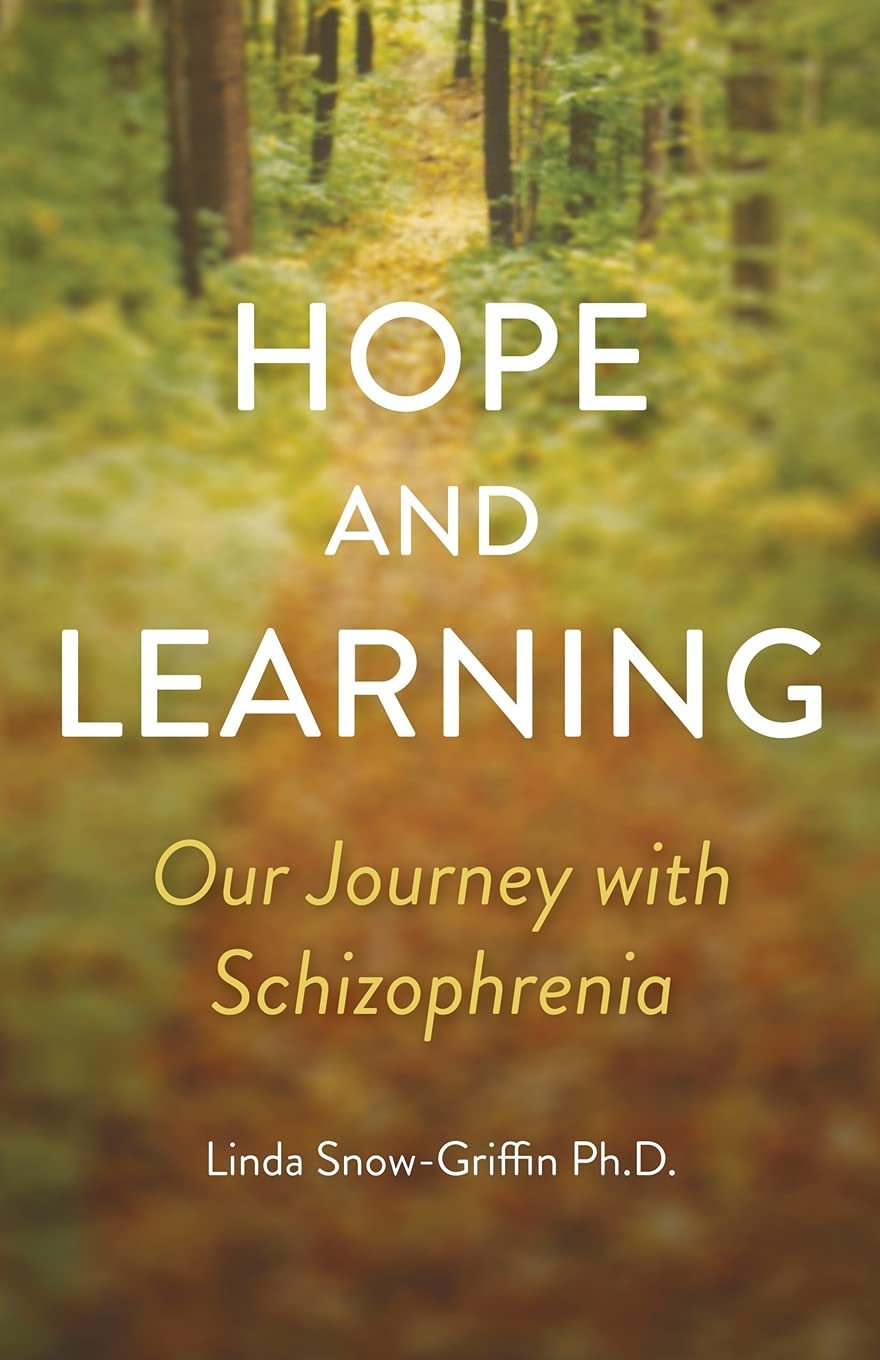
Book Review-Hope and Learning Our Journey with Schizophrenia by Linda Snow-Griffin

I want to say a special thanks to Linda Snow-Griffin for providing me a copy of her book Hope and Learning, Our Journey with Schizophrenia for a review.

Published 2021

Cherish Editions

About the Author

Linda Snow-Griffin, Ph.D. is a retired psychologist. She is the mother of two, stepmother of three adult children and grandmother of sixteen. She has practiced in a variety of settings – college, university and community mental health – and spent the last 30 years in private practice in Cincinnati. Her desire is to provide hope to families coping with mental illness, especially schizophrenia.

Blurb

When her son was diagnosed with Schizophrenia, Linda Snow-Griffin, a psychologist in private practice, felt devastated and overwhelmed. There were thousands of questions going through her mind: How can I help him? What does he need to get better? Will he be able to get better?

Hope and Learning narrates the 20-year journey Linda and her son embarked on, as they navigated their way towards recovery and a better understanding of what it is like to live with schizophrenia.


This book combines personal experience with schizophrenia with substantial data to create a heartwarming and informative resource.

My Thoughts

Linda shares her journey of her son’s diagnosis with Schizophrenia thru her intimate and raw writing. She discovered a journal of her son’s written in high school that set the wheels in motion that changed their life forever and in surprising ways.  

I have Bipolar Disorder, which is a serious mental illness, yet I have been around only one person with Schizophrenia and it was during one of my hospital stays. Being around “John” was not scary but he was totally detached, walked the halls constantly talking to other beings who controlled his life. As you can imagine, that was my perception of Schizophrenia. A stigma/myth that Linda changes in this wonderful book. 


Her son is highly functioning with medication and even attended college, it was quite difficult and presented some unique challenges when it came to writing his papers but with the understanding of his mother and love of his family, he made it thru. Linda’s book is heart-wrenching, at times it’s hard to imagine how difficult it must have been on a mother and family but what she shows us is love and understanding concurs all. 


I am so glad I read her book, my stigma of what Schizophrenia looked like changed and for that I am thankful. 


I recommend this book to anyone who thinks they may have or suspect a family member or a loved one has Schizophrenia, you will learn so much and walk away with answers and tools to take on your journey. 

Melinda

Repost

Celebrate Life · Family · Health and Wellbeing · Men & Womens Health

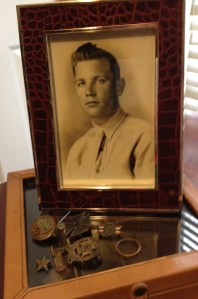
Happy Birthday Gramps 1918-2010

I miss you every second of the day yet knowing we will see each other again brings me great joy.


Served in WWII

In the leather box are the medals he was awarded and his wedding ring.

I love you.

Melinda

Celebrate Life · Family · Health and Wellbeing · Medical · Men & Womens Health · Mental Health

Caregiver To Grieving In Four Days

I’ve reposted this post several times over the years and 2010 was the original post. It’s critical to acknowledge how difficult life is for a caregiver and to think of ways to support them.

——

Each day was a roller coaster of how he felt and how exhausted I was. I learned so much being a caregiver to my grandmother and grandfather. As the population ages, many of you will take on the responsibility. One of the most difficult changes was going from granddaughter to caregiver. Even at 92 my grandfather had a strong mind and felt he didn’t need help. I pray for strength every day.

My grandfather died in 2010 at the young age of 92 years old. I spent more time with him in 2010 year than I spent at home. I cherish the time we had together, no matter how painful. They are my memories and my life changed forever with his death. His health declined so fast that for two days I did not realize that he was dying now, not in a couple of weeks. He was at home under hospice care and would not get in the hospital bed until two days before he passed. He fell out of bed that morning, he was so weak it was difficult for me to get him back in bed. I don’t think we would have been able to talk him into moving to the hospital bed if he had not fallen. For him the bed meant death and he was still fighting. My grandfather had End Stage Kidney Disease. An emergency trip to the hospital for his AFIB is how we learned he had about two months to live. We knew his kidneys were losing function but I was not ready for a timeline. His doctor had not given me that impression on a recent visit so I asked her to review the hospital records. I was not surprised but very saddened that she agreed with the prognosis. It took a couple weeks for my grandfather to believe the doctors were right. Kidney failure is a silent killer and luckily not a painful one. You start sleeping more until you sleep yourself into a coma.

I arrived on Sunday afternoon after two days of relief and he didn’t look any different. Monday morning I knew he was out of it by the things he was saying but thought it was a bad day. Tuesday I knew he was weak when he fell out of bed and felt like dead weight. It took everything in me to get him back in bed. My grandfather died on Thursday. What the doctors did not tell me is people his age die faster, the end came weeks sooner than we thought. I’m so thankful that my grandfather and I had time together to say what we wanted to say, cry about the loss and enjoy the memories. I have no regrets.

Cleaning out the house was so hard, 46 years of memories were everywhere. My grandmother left notes on everything, it was like mourning her death as I found each note. Notes on the back of photos, on little pieces of paper, and even on masking tape. I knew all the notes were there, we had looked at them many times but it was different this time. Everything was packed up this time and the house cleared out. My grandparents raised me so I’ve lost parents, they were the best you could ever pray for.  The house is empty but I see my life in every room, the great memories with my grandparents are everywhere you look. I am starting a new chapter in my life. It’s a long journey ahead.

Melinda

Repost from 2010

Celebrate Life · Chronic Illness · Family · Health and Wellbeing · Men & Womens Health

I Found His Cell Phone In The Ashtray

I found his cell phone in the ashtray along with ten pairs of fingernail clippers, a knife, a small pair of scissors, a Corona Light bottle top, and three nickles and nine pennies.

On top is my favorite knife, the camping type with a fork and spoon, he gave to me when I was little, and a paper-towel covers them all. It’s been over eight years since I’ve stayed awhile with the memeries held in the ashtray.

The ashtray sat by my grandparent’s telephone for as long as I can remember. They didn’t believe in buying something new unless it was broken or you could no longer use it. The ashtray was very useful.

When I removed the paper towel today, the memories of my gramps came flooding back like a wave.

“If you’re going to be late to work, don’t go in.”

“If you can get out of bed, you can go to work”

“If you borrow something, give it back in better shape than when you borrowed it.”

Photo by Carl Attard on Pexels.com

He taught me responsibility and accountability.

He also taught me to drive. I was fourteen, we went to the river bottoms, two metal trashcans in the back of the 1969 Ambassador. He set them apart the right distance and had me practice until nightfall. I was still knocking down cans when we left. I did pass my driver’s test though.

One of the hardest memories was weeks before his death, telling him to call friends and family to let them know he was dying. Sitting in front of him, I dialed the numbers, handing him the phone and listened as he cried telling people he was no longer going to be here. It was one of the most difficult days of my life.

My gramps was the greatest man I’ve ever known, a true gentleman, a stand-up guy, God broke the mold when he made my gramps.

I found his cell phone in the ashtray……

Melinda

Repost form 2020

Daily Writing Prompt · Family · Fun · Men & Womens Health

Daily Writing Prompt

Daily writing prompt
You have three magic genie wishes, what are you asking for?

I’m not into hypothetical questions yet this is a fun one. My first wish would ask for my worst health conditions to go away, including the high levels of pain I muddle through everyday. The second wish would be to spend as much time as possible with my Grandparents saying the things I did not say enough and asking all the questions I have for them. The third is a big ask because I am a curious person and have so many questions in my mind. I would like to spend time with someone who can give me uncomplicated answers to my questions.

Melinda

Looking for the Light

Celebrate Life · Daily Writing Prompt · Family · Health and Wellbeing · Men & Womens Health · Mental Health

Daily Writing Prompt

Daily writing prompt
What are you most proud of in your life?

I made a promise to my Grandparents at a young age that I would take care of them so they could die at home. They were both adamant about it and how could I not deliver. I retired in 2005 to help my Gramps while Granny was dying, my face on hers and she died, it’s a feeling that’s complex and a bit hard to explain. My Gramps had Chronic Kidney Dieases and in 2010 his health fell rapidly. I moved in for five months to take care of him and to keep an eye on him, keeping him out of trouble. The blessing with Chronic Kidney Dieases is it a peaceful death, no pain and they just slip into a come for a couple of days before they die.

I knew the day he would start slippping into a coma and called the immediate family. I made is favorite meal of potato soup. This was the first time he got in the hospital bed, he was determined to live and said staying in a hospital bed was giving up. Hospice had arrived at the house and set up their equipment, it a trained skill to no how much longer a person has to live.

Those five months were exhausting, frustrating, missing my husband yet we grew even closer, learned so much about him and his daily habits. I made the istake of buy regular wrong flavor of Cheerios, wow, I heard about that for days even after going to the store that day to buy the correct flavor. It’s the same flavor I eat today.

Gramps had only told a couple of family members he was dying, one day I set next to him with the phone book and said it was time to let his family and friends know. I had never seen my Gramps emotional or cry before and it broke my heart. I dialed each persons number for him and handed him the phone.

I am forever blessed to have been am to grant their wishes and being a caregiver changed my life.

Melinda

Looking for the Light

Celebrate Life · Family · Health and Wellbeing · Men & Womens Health

Daily Writing Prompt

Daily writing prompt
What principles define how you live?

Several principles are deep rooted and learned by living with my grandparents as a teen.

If you borrow something, always give it back in better shape.

Always stand by your word.

Be honest.

Retiring made a huge change in what was important to me. Here are few principles I’ve learned.

Give yourself grace.

Live in the moment and be fully invested in the moment.

Be honest with yourself.

Always make time for family.

Each person’s principles are unique and are never wrong.

Melinda

Looking for the Light

Celebrate Life · Daily Writing Prompt · Family · Fun · Health and Wellbeing · Photography

Daily Writing Prompt

Daily writing prompt
What is your favorite hobby or pastime?

It’s hard to pick one because each day brings a new curiosity. Photography has been a passion since I was a teenager, there is always something new to learn. If you counted the 30ish houseplants I have you would see my dedication and pride which requires daily attention, getting lost in time caring for them is a stress reliever.

The closest to my heart is looking at old photos of me with bad haircuts, celebrating birthdays with my Grandparents, Granny always made my favorite German Chocolate Cake with decorative candle holders. Photos of my Grandparents through the years always bring a smile and the 100+ year old photos of ancestors I never met is cool. I try to imagine what life was like at the time, what was the occasion of the photo and what their names are, not to mention what type of camera set up was used.

Everyone has a different interest and that is what makes people so interesting to talk to.

Melinda

Looking for the Light

Celebrate Life · Daily Writing Prompt · Family · Health and Wellbeing · Men & Womens Health · Moving Forward

Daily Writing Prompt

Daily writing prompt
What would you do if you lost all your possessions?

After the shock wore off, I would cry for the photos of my Grandparents lost and any cherished items they handed down to me. Then I would have to get a grip the best way possible and be thankful for a roof over my head, food to eat and that my family is alive.

Things are nice to have, pretty decorations, art work, books, and list goes on, yet we don’t need those to survive. All we have to do is look around our own country and many other countries where so many people live in poverty and we can see how a simple act of kindness puts a heartfelt smile on their face. A simple gesture like repairing a leaky pipe for an elderly couple brings joy, tears and most important they don’t feel forgotten. I got a bit of course there.

I’m blessed in life, in poverty and in riches, I’ve found joy and a will to keep moving forward.

Melinda

Looking for the Light

Celebrate Life · Children · Daily Writing Prompt · Family · Health and Wellbeing · Men & Womens Health

Daily Writing Prompt

Daily writing prompt
What’s a topic or issue about which you’ve changed your mind?

It isn’t so much of changing my mind as it is changing a mindset. Most girls are raised to believe they will grow up and be a mommy just like theirs with a family and that’s not reality. I wasn’t pushed hard growing up about having babies, it was an unsaid given and when I got married there was no pressure from my family on when we were going to start a family. Unlike some of my friends.

Photo by Pixabay on Pexels.com

10 years later I was unmarried, without children and diagnosed with Cervical Cancer, because Ovarian Cancer ran on both sides of my family, a total hysterectomy was recommended, and that’s what I did. We have to make decisions based on what is right for us, our health, our life, not others or other’s expectations of us or women.

Children are great, they are a blessing and a gift of God but not every women wants or can have children and their lives are just as fulfilling.

Melinda

Loooking for the Light

Children · Communicating · Family · Health and Wellbeing · Mental Health

Researchers: Parents can help their children to face anxiety

Behavioral science expert gives some ways to help your child beat separation anxiety

Photo by Daria Shevtsova on Pexels.com

NEW HAVEN, Conn. – According to the National Institutes of Health, the numbers of kids and adolescents struggling with anxiety, depression, and other mental health conditions have been steadily on the rise. Cognitive-behavioral therapy, which teaches the child coping skills, and medication may help. But for some kids and their families, there is little relief. Now, researchers are studying a new method that helps parents help their children.

Bedtime for some families can become a struggle. But when the goodnight routine for Nicole Murphy’s son began to stretch for up to three hours, she knew she needed help with his separation anxiety.

“His little mind was always racing nonstop. So, it was kind of hard for him to shut that off, I think,” Nicole explained.

Eli Lebowitz, Ph.D., Psychologist, Yale School of Medicine Child Study Center, and his colleagues, developed a method of training parents to support anxious children. It’s called SPACE, or supportive parenting for anxious childhood emotions. Parents go through training to help their child face anxiety. Lebowitz says the first step is to show support and not downplay what their child is feeling.

“I get it. This is really hard, but I know you can handle it,” shared Dr. Lebowitz.

Lebowitz said parents also learn to help their children by not accommodating them. For example, a parent who would limit visitors for a child who gets anxious around strangers, or speaks for a child who gets nervous speaking, learns not to take those steps. In a study of 124 kids and their parents, the Yale researchers examined whether SPACE intervention was effective in treating children’s anxiety.

“Even though the children never met directly with the therapist and all the work was done through the parents, we found that SPACE was just as effective as CBT in treating childhood anxiety disorders,” stated Dr. Lebowitz.

The Murphy’s used the techniques learned through SPACE to coach their son through bedtime. Within a few weeks, he was falling asleep in 30 minutes.

“For us, it was like life-changing, honestly,” smiled Nicolle.

Melinda

Repost

Daily Writing Prompt · Family · Survivor

Daily Writing Prompt

Daily writing prompt
What aspects of your cultural heritage are you most proud of or interested in?

I’m so proud my family history includes Native Americas from the Cherokee tribe. I don’t know who exactly married a Cherokee in the 1800’s, I think it was my granny’s grandfather. The best I can determine is I’m 1/16th Cherokee. I encourage you to read the brutal story of The Trail of Tears, it’s best book I’ve found that truthfully shares the inhumane treatment while being forced from their homes. Expect a few tears.

The American Indians have been raped fron the land since mankind landed in what became America. Years later our government took all their land and made them live of Reservations with little to no help from the American Government. It was vicious, making the tribes march to their new reservations. Many were killed, women were raped and when the Rolls of Cherokee’s were opened to prove they were American Cheerokee’s so many were distrusting of the government they refused to sign. I can only find one relative who is registered. If you didn’t register, you were not considered a member of the tribe and you and family received no benefits later offered to the American Indians.

American Indians lived in America for several hundred years and lived all over the United states. My perception about the tribes is they are survivors, were handed the worst and have made the best life with it. I won’t say it a good life because reservations have the highest rates of alcoholism, drug abuse and suicide. The casino’s look like and you would think the employees are paid nice, not true. Most live in extreme poverty.

It’s a sad in history for America, if the governments wants something, like land, they will take it.

Melinda

Looking for the Light

Celebrate Life · Family · Health and Wellbeing · Men & Womens Health

What I’ve Learned In 62 Years

Being on time for work is not being on time if you eat your breakfast at the office.

I was raised the you show up to your job 10 minutes early, guess Gramps advise isn’t relevant anymore.

When I’m waiting at a doctors office, I don’t want to hear people at the front desk gossiping and talking about their personal business. What happened to professionalism?

How many people have to die before real gun control laws change. Example in Tulsa, an angered patient bought a AK Riffle that morning and by afternoon had killed everyone in the doctors office. How can guns be so easy to obtain?

Most people are good.

The American Constitution says we have Freedom of Speech, I plan to contiue to use mine.

If you set boundaries with children at a young age and continue until they are adults, it can prevent many struggles along the line. The same goes for parents and in-laws, clear boundries have to be set or you will have them show up unannounced, pressure you to do things their way and many more that can disrupt a marriage.

When in a relationship or marriage both have to have their own life, friends and hobbies. It needs to be tuned down so that both feel comfortable. Being in a relationship or married doesn’t mean you’re attached at the hip 24/7.

Melinda

Children · Chronic Illness · Family · Health and Wellbeing · Mental Health

Managing Fibromyalgia In Children

Welcome to Remedy, a blog by U.S. Pain Foundation. Remedy aims to provide people with the support they need to thrive despite chronic pain. It features the information about promising treatments, tips and strategies for self-management, resources for coping with the emotional and social effects of pain, unique perspectives from patients, clinicians, and caregivers–and much more. To submit an article idea, email contact@uspainfoundation.org.

If your child feels tired and achy, you may not worry initially. After all, there’s nothing urgent about what seems to be mild, general discomfort. However, if your child is constantly in pain, exhausted, having trouble sleeping, and experiencing intense moods, he/she may have fibromyalgia.

This condition is fairly common in adults, but parents and clinicians may overlook the possibility of juvenile primary fibromyalgia syndrome — that is, fibromyalgia in children.

JUVENILE FIBROMYALGIA SYMPTOMS TO WATCH OUT FOR

Fibromyalgia is a chronic condition characterized by pain and fatigue. According to experts, children will often describe this pain as “stiffness, tightness, tenderness, burning or aching.” This pain can last for months and is often accompanied by other symptoms that affect a child’s overall well-being, energy level, and emotional health, including:

  • Tender spots on muscles
  • Difficulty sleeping and fatigue
  • Aches, including stomachaches and headaches
  • Lack of focus or memory
  • Anxiety and depression

If your child is experiencing these symptoms, you should see a doctor. There’s not one test to confirm it, so he/she will go through a range of tests to rule out other conditions.

Unfortunately, there is no one “cure” for fibromyalgia, which can be frustrating for patients, especially children. If left untreated, symptoms can lead to issues at school or making friends. Many parents describe this as a “vicious cycle” where symptoms continue to feed the condition.

Experts still aren’t sure what causes fibromyalgia or how it develops in the body. Some believe that mixed-up pain signals in the brain cause greater pain chemicals and/or overactive pain receptors. Others think it might be triggered, in part, by an emotional event like an illness, injury or psychological stress. But even if the cause involves emotions, the pain is still real.

HOW CHILDREN CAN COPE WITH FIBROMYALGIA

It’s important to create a support team and get your child’s primary care doctor, pain specialist, psychologist, physical therapist, and teachers on board. The more people are aware of your child’s condition, the more they can help him/her cope with symptoms at home and school. You may also want to look for pain support groups near you, for both your child and you as a parent.

Your doctor can help you decide whether medication, such as anti-inflammatories, antidepressants, or nerve pain medications, may be right for your child. He or she also may recommend therapies like injections or topical creams. In conjunction with these interventions, your doctor will probably prescribe treatments like physical therapy and behavioral changes, which are crucial to long-term management of fibromyalgia.

Let’s go over some nonpharmacological strategies for coping with fibromyalgia.

FIVE STRATEGIES FOR IMPROVED SYMPTOMS

Although fibromyalgia may disrupt your child’s life, affecting school and friendships, you may be able to improve your child’s quality of life with these natural therapies and changes. Of course, there’s no cure for fibromyalgia, but by managing symptoms, you can help your child get back to some sense of normalcy.

  1. Get moving!

Exercise can be incredibly valuable for managing your child’s fibromyalgia symptoms. Exercise can relieve muscle stiffness and tire out the body physically so that your child can fall asleep more easily. In particular, pool exercises have been shown to help patients because the warm water can have a soothing effect on pain and also promote blood circulation.

Consider signing up your child for swim class to get regular exercise that is both fun and good for symptoms. Start with limited intervals of exercise at first, and slowly increase them as symptoms allow. Aquatic physical therapy can be extremely beneficial for patients whose fibromyalgia is too severe for regular pool activities.

  1. Incorporate meditation methods

While your child may not be interested in meditation, try to incorporate some of the practices in your child’s daily life. After playtime, encourage your child to take a moment to relax and reset. In addition, teach your child how to use relaxing breathing exercises when he/she feels overwhelmed during school or before bed.

Studies show that meditation can help reduce fibromyalgia patients’ stiffness, anxiety and depression. In the least, promoting a stress-free environment and creating a sense of relaxation will help your child feel less anxious.

  1. Say goodnight to fibromyalgia

Your child’s sleep routine is essential for improving fibromyalgia symptoms. Chart out the best routine for your child together. Make sure he/she goes to bed at the same time every day and start “sleep-ready” habits an hour before bed. This routine could include a break from screen time, reading a story together, listening to a relaxing song and/or taking a hot bath. Promoting a relaxing environment will help your child get to sleep.

Make sure you’re not giving your child food late at night, especially items with any caffeine or sugar. Also, be sure take away tablets and cell phones. The blue light can wake up your child instead of helping him/her get sleepy. Sufficient sleep is essential to managing pain.

  1. Change your child’s diet for success

Some experts recommend following an anti-inflammatory diet to prevent aches and pains. In general, an anti-inflammatory diet is based on the Mediterranean diet, which emphasizes fish, fish, vegetables, whole grains, and olive oil.

Update your child’s lunch to include a handful of nuts, or add an apple for a snack. Anytime you can add fruits and vegetables to his/her diet, do it! This boost of nutrients will fuel your child for success. Try to limit junk food as well, which has no value and could actually inflame your child’s pains.

  1. Schedule your child for a physical therapy session

Your child could benefit from seeing a physical therapist or chiropractor near you. Recent studies show how physical therapy or chiropractic can have a positive impact on fibromyalgia patients. Finding the right physical therapist is important. Call in advance to ensure they have experience with fibromyalgia and/or with children. Specific exercises in physical therapy can help to improve your child’s core strength and incorporate techniques to soothe muscle aches and pain. Similarly, regular massage therapy sessions with an experienced masseuse can improve your child’s exercise, sleep and mood.

TALK TO YOUR DOCTOR

A fibromyalgia diagnosis can be challenging, but doesn’t have to take over your child’s life. It’s a good idea to talk to an expert to come up with the most effective care plan for your child, one that ideally includes a diverse range of strategies, like those listed above. Together, you can talk about your child’s specific issues and needs, and figure out the best way to improve symptoms.

About Dr. Brent Wells

Dr. Brent Wells is a graduate of the University of Nevada where he earned his bachelor of science degree before moving on to complete his doctorate from Western States Chiropractic College. He founded Better Health Chiropractic and Physical Rehab in Anchorage in 1998. He became passionate about being in the chiropractic field after his own experiences with hurried, unprofessional healthcare providers. The goal for Dr. Wells is to treat his patients with care and compassion while providing them with a better quality of life through his professional treatment.

Melinda

Repost

Children · Family · Health and Wellbeing · Medical

FDA Investigates Serious Side Effects Of Codeine In Children’s Cough And Cold Medicine

The post is from 2015 and is still relevant today. All chilldren’s health is critical and the FDA is the only place to find factual and the most recent medical information. The FDA’s Medwatch site is where all the warnings are listed and includes more than medications.

FDA MedWatch – Codeine Cough-and-Cold Medicines in Children: Drug Safety Communication – FDA Evaluating Potential Risk of Serious Side Effects
07/01/2015

Codeine Cough-and-Cold Medicines in Children: Drug Safety Communication – FDA Evaluating Potential Risk of Serious Side Effects
AUDIENCE: Family Practice, Pediatrics, Surgery, Patient

ISSUE: FDA is investigating the safety of using codeine-containing medicines to treat coughs and colds in children under 18 years because of the potential for serious side effects, including slowed or difficult breathing.

Children, especially those who already have breathing problems, may be more susceptible to these serious side effects. In 2013, FDA warned against using codeine in children who recently had surgery to remove their tonsils and/or adenoids.

In April 2015, the European Medicines Agency (EMA) announced that codeine must not be used to treat cough and cold in children under 12 years, and that codeine is not recommended in children and adolescents between 12 and 18 years who have breathing problems, including those with asthma and other chronic breathing problems.

FDA will continue to evaluate this safety issue and will consider the EMA recommendations. Final conclusions and recommendations will be communicated when the FDA review is complete.

BACKGROUND: Codeine is a specific type of narcotic medicine called an opioid that is used to treat mild to moderate pain and also to reduce coughing. It is usually combined with other medications in prescription and over-the-counter (OTC) cough-and-cold medicines.

RECOMMENDATION: Parents and caregivers who notice any signs of slow or shallow breathing, difficult or noisy breathing, confusion, or unusual sleepiness in their child should stop giving their child codeine and seek medical attention immediately by taking their child to the emergency room or calling 911. Parents and caregivers should always read the product label to find out if a medicine contains codeine and talk with their child’s health care professional or a pharmacist if they have any questions or concerns. Health care professionals should continue to follow the recommendations in the drug labels and use caution when prescribing or recommending codeine-containing cough-and-cold medicines to children.

Healthcare professionals and patients are encouraged to report adverse events or side effects related to the use of these products to the FDA’s MedWatch Safety Information and Adverse Event Reporting Program:

Complete and submit the report Online: http://www.fda.gov/MedWatch/report
Download form or call 1-800-332-1088 to request a reporting form, then complete and return to the address on the pre-addressed form, or submit by fax to 1-800-FDA-0178
Read the MedWatch safety alert, including links to the Drug Safety Communication and previous MedWatch alerts, at:

http://www.fda.gov/Safety/MedWatch/SafetyInformation/SafetyAlertsforHumanMedicalProducts

Melinda

Celebrate Life · Family · Holiday · Men & Womens Health

I’m Sending You Joy This Rosh Hashanah-Sunset September 22, 2025

Happy New Year! I pray you’re surrounded by family, friends and good food. Rosh Hashanah starts the New Year and many rituals follow back to the bible.

Why Rosh Hashanah Is Important

The Jewish New Year, Rosh Hashanah actually means “Head of the Year.” Just like the head controls the body, our actions on Rosh Hashanah have a tremendous impact on the rest of the year.

As we read in the Rosh Hashanah prayers, each year on this day “all inhabitants of the world pass before G‑d like a flock of sheep,” and it is decreed in the heavenly court “who shall live, and who shall die … who shall be impoverished and who shall be enriched; who shall fall and who shall rise.”

It is a day of prayer, a time to ask the Almighty to grant us a year of peace, prosperity and blessing. But it is also a joyous day when we proclaim G‑d King of the Universe. The Kabbalists teach that the continued existence of the universe depends on G‑d’s desire for a world, a desire that is renewed when we accept His kingship anew each year on Rosh Hashanah.

Melinda

Reference:

https://www.chabad.org/library/article_cdo/aid/4762/jewish/What-Is-Rosh-Hashanah.htm


Children · Communicating · Family · Health and Wellbeing · Trauma

Why Children Stay Silent Following Sexual Violence

Kristin’s video is invaluable because children are scared, confused and if it’s a parent or someone in the family the Childs emotions are even heighten. I know from experience.

Melinda

Chronic Illness · Family · Health and Wellbeing · Medical · Men & Womens Health

Questions to Ask Your Doctor After an Early Alzheimer’s Diagnosis

Here are some ideas on how to prepare for conversations with your doctor about a new early-onset Alzheimer’s diagnosis.

Asking key questions can help you feel less overwhelmed, better understand your stage, symptoms, and treatment options, and also navigate any feelings of uncertainty and potential challenges. 

We compiled a list of important questions and talking points to discuss with your doctor to determine the best path forward.

Understanding your diagnosis

What stage is the Alzheimer’s disease currently in?

One of the first questions for your healthcare professional should be about which of the seven stages of Alzheimer’s disease you’re experiencing.

An early diagnosis, commonly referred to as early-onset Alzheimer’s, is when the condition is detected before the age of 65. Generally, early-onset diagnoses are seen in people in their 50s. 

Though no one wants to hear that they’re navigating this overwhelming condition at any stage, the earlier it’s detected, the better for planning for the future, including certain medications and other therapies for improving symptoms. 

ResearchTrusted Source suggests that early diagnosis also helps caregivers in a handful of ways.

For example, it gives them time to adjust to any mood or personality changes in the person they’re caring for, explain the changes to other family members, and allows them more time to create the most comprehensive care plan.

Emotionally processing the diagnosis early and having time to plan accordingly also has a significant impact on mental health. Early diagnosis has been shownTrusted Source to decrease depression and anxiety in caregivers. 

What are the key symptoms I should expect to see in the near future?

Understanding more about your stage can help you prepare for symptoms commonly seen in that stage. 

For example, the hallmark of early Alzheimer’s is lapses in memory, like forgetting recent experiences or conversations. 

Other early symptoms include

  • losing track of objects
  • difficulty finding the right words
  • asking repetitive questions 
  • becoming resistant to trying new things 
  • mood changes like anxiety or depression 

Asking your doctor about your stage’s symptoms allows everyone involved to understand what to expect, which can also help you give yourself some grace. 

How is this diagnosis confirmed and are there any other tests needed?

Unlike some other health conditions, Alzheimer’s is not confirmed with a stand-alone test. 

Instead, healthcare providers rely on a slew of diagnostic tools to detect it, which can includeTrusted Source:

  • neurological exams (like testing reflexes, balance and coordination, and more)
  • cognitive and functional assessments 
  • brain scans (MRI, CT, PET) 
  • biomarker tests like cerebrospinal fluid testing 

Your doctor will also take a close look at your medical history, taking certain factorsTrusted Source into account, including:

Ask your doctor which tests and tools helped detect your diagnosis and if additional tests, like those listed above, may be helpful. 

Treatment options

What treatment options are available at this stage?

Talking with your doctor about treatment options is crucial for managing the condition. Though no treatment can stop the condition, certain medications can lower symptoms or delay progression, making coping and daily life activities easier. 

Here are some Alzheimer’s medication options to discuss with your doctor:

Are there any lifestyle changes or interventions that could help manage symptoms?

Certain lifestyle adjustments may also improve symptoms. Talk with your doctor about other therapies you can consider alongside medications, including: 

How will we monitor the progression of the disease and the effectiveness of treatment?

Discussing how well your treatment plan is working should be an ongoing conversation with your doctor during follow-up appointments. You can discuss any side effects and symptom improvement and decide if a different treatment plan may be necessary. 

When someone living with Alzheimer’s has progressed from one stage to another, it may be time to discuss different options, as certain medications are approved only for specific stages.

Have a plan with your doctor for checking in regularly, which is usually done by scheduling routine appointments weeks in advance.

Impact on daily life

What strategies can help maintain my quality of life as the disease progresses?

Quality of life should also be discussed during follow-up appointments. Your doctor can discuss coping strategies and help ensure that you and your caregivers maximize joy whenever possible.

For example, adding fun, social, and creative activities into your schedule can be cognitively stimulating and also create opportunities to relax and deepen relationships. Some examples include painting, card or board games, puzzles, coloring, and more. 

It’s also important to keep meaningful activities present, including any spiritual practices you may have. 

Remember that rest is just as important as socializing and other activities, especially for those with Alzheimer’s, so plan breaks into your schedule, too.

How can I prepare for potential changes in my ability to function?

There’s no perfect way to prepare for changes, but it is important to stay flexible, take breaks when needed, and be open with your doctor about recent function changes. Check in with your doctor about which tasks are becoming more difficult and which are still very manageable.

Keeping lists and Post-it reminders handy, including daily tasks and schedules, can help you stay on track. Your doctor can discuss when it may be time to turn certain tasks over to your caregivers, like driving.

Support from others

How can my family and caregivers best support me through this journey?

During each stage, your caregivers will have a lot to think about and manage. Counseling or other therapies may be helpful for their well-being. 

But overall, when they’re not checking in with your doctor, planning for the future, and helping with certain daily tasks, remind them to stay present and not force activities you have no interest in. 

For example, if you’re feeling tired one evening but a caregiver has a movie night planned, remind them it’s OK for you to take a rain check.

Spending time together is important, whether it’s sharing meals or memories. 

If you’re up for it, looking over photographs or home movies may be helpful for stirring up shared past experiences. This is referred to as reminiscence therapyTrusted Source, and it’s been shown to improve quality of life for older adults. 

If this type of activity is too heavy for either of you to process, you can skip it. The idea isn’t to connect dots to recall specific memories but to spend time enjoying each other’s company while thinking about shared positive experiences. 

You and your caregivers can also call The Alzheimer’s Association 24/7 Helpline at 800-272-3900. 

This free resource offers support through information, local resources, crisis assistance, and emotional support.

What should my caregivers know about managing my condition?

Though caregivers may feel overwhelmed or stressed, a few things are never OK, including:

  • constant correcting or controlling
  • rushing
  • forcing
  • laughing at mistakes 
  • condescending remarks or suggestions 

Your caregivers will need some advice and maybe training for activities they might have to perform during later stages, such as feeding, bathing, and changing. 

It’s also crucial to ensure that the home is a safe, comfortable, and easy-to-navigate environment.

You can ask your doctor for other important things for your caregivers to keep in mind. They can offer tip sheets and additional resources. 

You can also consider trained attendants for care at home if they’re available to you.

Financial and legal considerations

What should I know about planning for future financial and legal matters?

Locking financial and legal matters into place as soon as possible can make you feel more confident about the future. Ask your doctor to guide you to any resources that may help you map these matters out. 

For example, the first step is to document your choice of who has power of attorney. Similarly, making a plan for bills to be paid at the same time every month through automatic withdrawal can help relieve some stress and cross one thing off your to-do list. 

Additionally, some living facilities offer plans that include rent and all other expenses, like utilities, cable, etc., into one monthly bill, so there’s no need to keep track of a long list of monthly due dates. 

How can I ensure that my wishes regarding care and treatment are respected?

This is another area where documentation comes in handy. You can document your preferences across a wide range of areas of your life, including your preferred activities, people to socialize with, favorite and least favorite foods, etc. 

It’s important to check in with your caregivers and healthcare providers about whether your care feels right for you. Maintaining open communication with your healthcare providers and being honest if you feel unsafe at home is also important.

The takeaway

It’s important to be proactive and informed in managing early-onset Alzheimer’s. 

A strong first step is maintaining open communication with your healthcare providers and asking key questions. Gathering the right information can help you cope and plan for a smoother, more comfortable future.

From there, finding the right support team, whether friends, family, or caregivers, is the next best step to feeling more confident as you moving forward.

Remember that you’re not alone — help and companionship are often just a phone call away. 

Melinda

Reference:

Celebrate Life · Family · Health and Wellbeing · Men & Womens Health

Things I’m Loving- Household Investments

I hope you find a product to add to your household or self-care routine. The list may also give you ideas for a surprise for friends, and family. Most products are found on Amazon. It’s important say, I am not an Amazon Affliate, I do not earn compensation, each link takes you to the product or corporate cite.

Dyson Standing Floor with HEPA Air Purifier

Automatically senses, captures, and traps pollutants for cleaner air. Intelligently purifies and cools you.² Fully sealed to HEPA H13 standard. It’s not just the filter that’s fully sealed, it’s the whole machine.⁴ So what goes inside stays inside. Air Multiplier technology generates the circulation power to draw distant pollutants into the machine, projecting purified air throughout the whole room.¹ Automatically senses and reacts to changes in air quality, then reports pollution in real time on LCD screen and on the My Dyson app.³ Fan mode directly cools with up to 350° oscillation and Backward airflow mode purifies without cooling you.

www.dyson.com

Miele Classic C1 Turbo Team Bagged Canister Vacuum, Tech Blue

  • GERMAN ENGINEERED: Bagged canister vacuum cleaner ideal for homes with hard floors and low-medium pile carpeting 
  • STRONG SUCTION POWER: Switch between 6 suction power settings specific to the surface being cleaned 
  • MAXIMUM MANEUVERABILITY: Vacuum easily around and underneath furniture, or use the clipped on accessories to clean upholstery or hard to reach places 
  • AIRCLEAN SYSTEM: Miele’s unique 3-tiered filtration system consists of a genuine Miele FilterBag, Motor Protection Filter and AirClean Exhaust Filter. The room air is cleaner after vacuuming than before 
  • INCLUDED ACCESSORIES: STB 305-3 TurboTeQ Floorhead, SBB Parquet-3 Floorhead, Dusting Brush, Crevice Tool and Upholstery Tool

I love this vacuum so much, with the canister your not pushing a heavy vacuum around. The canister is lightweight, maneuvers very well and the tools are a life saver for many other jobs around the house. The curtin cleaning works great. We’ve had ours for at least 10 years, it works like new and we’ve not had a single issue.

Visit the Miele Store

LEVOIT Air Purifier Core300-P, White

For Home Allergies, Pet Hair, Covers Up to 1073 ft² by 56W High Torque Motor, AHAM VERIFIDE, 3-in-1 Filter with HEPA Sleep Mode, Remove Dust Smoke Odor.

We have one the air purifiers in each room in the house. They are compact and will surprise you by how much is pulled from the air. When you change the filter it’s clear it’s doing its job.

Visit the LEVOIT Store

ARLIME Electric Fireplace

33 Inch, 750/1500W Wall Firebox Heater with Remote Control, 3 Color Flames, 5 Brightness Settings 8H Timer, Electric Fireplace.  Our fireplace is designed for easy installation. It can be wall-mounted or embedded in a cabinet, giving you the convenience of a crackling fireplace without taking up too much space. It perfectly fits into various settings such as tv stands, fireplace walls, bookshelves, and entertainment centers. Its sleek and elite design adds a touch of sophistication to your living room, bedroom, or office.

This not the exact fireplace I have because Amazon doesn’t carry it any longer. This one is close to what I have hanging on the wall in my office. I am very cold natured and use it most of the year. We’ve had it for 5 years without a single problem. Be sure to read all instruction before you install.

Visit the ARLIME Store

 Dyson V8 Origin+ Cordless Vacuum | Purple

The Dyson V8 cordless vacuum is engineered with the power, versatility, tools, and run time to clean homes with pets. Dyson’s de-tangling Motorbar cleaner head deep cleans carpets and hard floors. With hair removal vanes that clear long hair and pet hair from the brush bar as you clean. The innovative Hair screw tool with a conical brush bar is perfect for cleaning upholstery and pet beds. The Dyson V8 Animal Extra has advanced, whole-machine filtration that captures fine dust and expels cleaner air. Thanks to the cordless format, it also transforms into a handheld vacuum with one click so you can clean up high, down low, and everywhere in between.

We have two, one for upstairs and one for downstairs. This not the exact model because they no longer make it, ours are at least 15 years old, the prices are higher due to improvements and tarrifs. There are still a great investment. I like the plug in charger type vs. having a battery.

Visit the Dyson Store

Melinda

Children · Communicating · Family · Health and Wellbeing · Mental Health

Why Kids And Teens May Face More Anxiety Far More These Days

When it comes to treating anxiety in children and teens, Instagram, Twitter and Facebook are the bane of therapists’ work.“With (social media), it’s all about the self-image — who’s ‘liking’ them, who’s watching them, who clicked on their picture,” said Marco Grados, associate professor of psychiatry and clinical director of child and adolescent psychiatry at Johns Hopkins Hospital. “Everything can turn into something negative … [K]ids are exposed to that day after day, and it’s not good for them.”

Anxiety, not depression, is the leading mental health issue among American youths, and clinicians and research both suggest it is rising. The latest study was published in April in the Journal of Developmental and Behavioral Pediatrics. Based on data collected from the National Survey of Children’s Health for ages 6 to 17, researchers found a 20 percent increase in diagnoses of anxiety between 2007 and 2012. (The rate of depression over that same time period ticked up 0.2 percent.)

Philip Kendall, director of the Child and Adolescent Anxiety Disorders Clinic at Temple University and a practicing psychologist, was not surprised by the results and applauded the study for its “big picture” approach.

The data on anxiety among 18- and 19-year-olds is even starker. Since 1985, the Higher Education Research Institute at UCLA has been asking incoming college freshmen if they “felt overwhelmed” by all they had to do. The first year, 18 percent replied yes. By 2000, that climbed to 28 percent. By 2016, to nearly 41 percent.

The same pattern is clear when comparing modern-day teens to those of their grandparents’ or great-grandparents’ era. One of the oldest surveys in assessing personality traits and psychopathology is the Minnesota Multiphasic Personality Inventory, which dates to the Great Depression and remains in use today. When Jean Twenge, a professor of psychology at San Diego State University, looked at the MMPI responses from more than 77,500 high school and college students over the decades, she found that five times as many students in 2007 “surpassed thresholds” in more than one mental health category than they did in 1938. Anxiety and depression were six times more common.

Those responding yes were asked to describe the level of both anxiety and depression in their children: 10.7 percent said their child’s depression was severe, and 15.2 percent who listed their child’s anxiety at that level.

Among the study’s other findings: Anxiety and depression were more commonly found among white and non-Hispanic children, and children with anxiety or depression were more likely than their peers to be obese. The researchers acknowledge that the survey method — parents reporting what they were told by their child’s doctor — likely skewed the results.

 Grados often identifies anxiety in the children and adolescents he sees as part of his clinical practice in Baltimore. “I have a wide range [of patients], take all insurances, do inpatients, day hospital, outpatients, and see anxiety across all strata,” he said.

The causes of that anxiety also include classroom pressures, according to Grados. “Now we’re measuring everything,” he said. “School is putting so much pressure on them with the competitiveness … I’ve seen eighth graders admitted as inpatients, saying they have to choose a career!”

Yet even one of the latest study’s authors acknowledges that it can be difficult to tease out the truth about the rise in anxiety.

“If you look at past studies,” said John T. Walkup, chairman of the Department of Psychiatry at Lurie Children’s Hospital in Chicago, “you don’t know if the conditions themselves are increasing or clinicians are making the diagnosis more frequently due to advocacy or public health efforts.”

Nearly a third of all adolescents ages 13 to 18 will experience an anxiety disorder during their lifetime, according to the National Institutes of Health, with the incidence among girls (38.0 percent) far outpacing that among boys (26.1 percent).

Identifying anxiety in kids and getting them help is paramount, according to clinicians. “Anxiety can be an early stage of other conditions,” Grados said. “Bipolar, schizophrenia later in life can initially manifest as anxiety.”

For all these reasons, Kendall said, increased awareness is welcome.

“If you look at the history of child mental health problems,” he said, “we knew about delinquency at the beginning of the 20th century, autism was diagnosed in the 1940s, teenage depression in the mid-’80s. Anxiety is really coming late to the game.”

Melinda

Reference:

Celebrate Life · Children · Family · Health and Wellbeing

13 Ways To Ensure Your Children Are Happy & Healthy

When you find out you are going to become a parent it can be very daunting. You never know what to expect or what type of child you are going to have. Every child will have a unique personality and it is up to you as the parent to nurture this. There is a whole ongoing debate still to this day about whether it is down to nature vs nurture. You may be wondering how you can encourage your children to be happy and healthy. There are so many stories in the media regarding this but it can send a lot of mixed messages. The best thing you can do is follow your gut instinct as a parent, this will never steer you in the wrong direction. Take a look below to find out some helpful tips and tricks on how to ensure your children are happy and healthy. 

Focus On Diet

One of the most important things you will hear professionals talking about is children’s diets. A healthy balanced diet is paramount for your child’s development. Letting them constantly eat junk food and fizzy drinks is not only bad for their physical health but their mental health as well. If you have a busy lifestyle and it is easier to grab and go then how about pre-making some healthy homemade meals that you can simply take out of the freezer in the evenings? Children should also be enjoying five pieces of fruit or veg a day. This will give them the added vitamins and minerals their body needs to function and thrive. 

Get Them Outside

Physical activity is also important for your children. Without running around they will turn into couch potatoes. These days with so much tech floating around it can almost seem impossible to get the children to leave the house. If you find something they are interested in doing, such as going to the park then they will be more than happy to go for a run-around. Better yet, you could get some of their school or nursery friends together and they can all have fun at the park while you chat with the other moms. 

Supplements

If you feel your children don’t have a healthy diet and they are in need of some extra help then you can get them a child supplement or multivitamin to take daily. These will contain the necessary amounts of vitamins and nutrients that your children are potentially missing out on. A lot of children aren’t keen on eating vegetables or fruits so a multivitamin will provide them with the goodness they are missing. The good thing about children’s multivitamins is that they come in gummy bear form with a variety of flavors. Can’t get them to eat veg but you can get them to eat a gummy bear!

Hydration 

It can be incredibly difficult to get your child to drink water. They get to a certain age and decide they no longer like it. However, seeing as more than 60% of their little bodies are made up of water, it is essential they are replacing what is lost through the day. You don’t want your child experiencing signs and symptoms of dehydration. They will present with lethargy, moodiness, and a headache. Encourage your children to drink water by investing in some cool water bottles, they will want to show these off at school. Quite a lot of schools have a water-only policy in place meaning you can’t supply them with juice for school. Children should be aiming to drink around six glasses of water a day to stay hydrated and healthy. 

Protect From Bad Habits

When you have children you want to protect them their whole life. However, quite a lot of parents forget that smoking and drinking around their children is a terrible habit. It is one that they will pick up on rather quickly and you don’t want them to copy you. If you do want to smoke then this should be done outside of the house, in the garden perhaps. That way you are not exposing your children to secondhand smoke which can lead to childhood illnesses and complications with their immune systems. 

Talk To Your Children

Something else to think about is how important it is to talk to your children. When they are babies they learn how to communicate by copying the adults around them. Don’t stop talking to your children just because they can hold their own conversations with others. If your children come to you with any sort of problem or they simply just want to tell you about their day then ensure you are listening. Children can tell when they have your full attention by your body language and what you are saying to them. Talking and listening to your children ensures they know they are able to approach you at all times in case of a problem they cannot solve. 

Pexels CCO License

Seek Professional Help

As children get older they are far more susceptible to feeling the effects of their hormones. They are also more at risk of mental health conditions than younger children. If you notice your children feeling down or being sad a lot of the time then speak to them and see if they will tell you what the problem is. If they don’t and you want to get your children the help they deserve then you could seek out a counselor or look up Second Nature Utah reviews for more therapeutic programs. If your child has additional needs then this puts them at a greater risk of developing mental health conditions. Bipolar disorder in children is becoming increasingly common. 

Get Enough Sleep

Sleep is so important for children, depending on the age they need around eight to thirteen hours of sleep each night. If they are not getting this then they can be grouchy and irritable for the rest of the day. If your child is still young enough for naps then make sure you are encouraging this. It will give them a little recharge so they can get through the rest of the day without any hiccups. If your children are struggling to get to sleep then think of ways you can help with this. You may decide to do some light meditation with them to help them drift off to sleep naturally. 

Check-Ups

Children will rarely be called for check-ups as doctors just assume that you will take them in if there are any problems. Babies and young children will be called for developmental checks, you should go to these as they will highlight any potential developmental delays your child might have. You should also register your child at a dentist and the opticians, you never know when you may need to attend an appointment there. You can check out the best ones in your area by doing a quick internet search or asking other moms for recommendations. 

Read With Your Child

Reading is something that a lot of adults enjoy doing but you can guarantee they didn’t all enjoy it as a child. Learning to read can be tricky but in the end, it will be so rewarding. Watching your child grow and develop is one of the best things about being a parent. You can encourage their love of books by reading with them from a young age. It can be common to read a book with your child at bedtime as part of their nightly routines. Reading will give your child a steady foundation for continuing this learning when they start school. 

Take Away The Tech

Children need a break from technology every so often, it is bad for their brain and their vision to be staring at a pad or tablet all day. If your child is tech dependent then it may be necessary to put a temporary ban on technology to prove to them they can live without it. It will be a struggle the first couple of days but it will be worth it and a great lesson to teach. You can put strict timings in place for screen time. If your children struggle with time then you can even set an egg timer as a visual so they know how long they have left. 

Support With School

There is nothing better that you can do as a parent than support your children with their school work. If they come home and need a helping hand with some homework or a school project then it should be all hands on deck. Your children have come to you for help as they deem you capable and knowledgeable. Don’t let them down by being too busy to help when they need it most. If you don’t understand what to do then you can always do a quick internet search to see if someone else explains it better than the sheet of paper. 

Pexels CCO License

We hope you enjoyed reading this article and that it gave you some helpful advice on ensuring your children are happy and healthy. Remember, children are just small humans. They all have feelings and it is okay to not be okay sometimes. You need to teach your children the importance of this, if they are having an off day then this is alright. 

This is a collaborative post.

Melinda