Happy New Year! I pray you’re surrounded by family, friends and good food. Rosh Hashanah starts the New Year and many rituals follow back to the bible.
Why Rosh Hashanah Is Important
The Jewish New Year, Rosh Hashanah actually means “Head of the Year.” Just like the head controls the body, our actions on Rosh Hashanah have a tremendous impact on the rest of the year.
As we read in the Rosh Hashanah prayers, each year on this day “all inhabitants of the world pass before G‑d like a flock of sheep,” and it is decreed in the heavenly court “who shall live, and who shall die … who shall be impoverished and who shall be enriched; who shall fall and who shall rise.”
It is a day of prayer, a time to ask the Almighty to grant us a year of peace, prosperity and blessing. But it is also a joyous day when we proclaim G‑d King of the Universe. The Kabbalists teach that the continued existence of the universe depends on G‑d’s desire for a world, a desire that is renewed when we accept His kingship anew each year on Rosh Hashanah.
Kristin’s video is invaluable because children are scared, confused and if it’s a parent or someone in the family the Childs emotions are even heighten. I know from experience.
Here are some ideas on how to prepare for conversations with your doctor about a new early-onset Alzheimer’s diagnosis.
Asking key questions can help you feel less overwhelmed, better understand your stage, symptoms, and treatment options, and also navigate any feelings of uncertainty and potential challenges.
We compiled a list of important questions and talking points to discuss with your doctor to determine the best path forward.
What stage is the Alzheimer’s disease currently in?
One of the first questions for your healthcare professional should be about which of the seven stages of Alzheimer’s disease you’re experiencing.
An early diagnosis, commonly referred to as early-onset Alzheimer’s, is when the condition is detected before the age of 65. Generally, early-onset diagnoses are seen in people in their 50s.
Though no one wants to hear that they’re navigating this overwhelming condition at any stage, the earlier it’s detected, the better for planning for the future, including certain medications and other therapies for improving symptoms.
For example, it gives them time to adjust to any mood or personality changes in the person they’re caring for, explain the changes to other family members, and allows them more time to create the most comprehensive care plan.
Emotionally processing the diagnosis early and having time to plan accordingly also has a significant impact on mental health. Early diagnosis has been shownTrusted Source to decrease depression and anxiety in caregivers.
What are the key symptoms I should expect to see in the near future?
Understanding more about your stage can help you prepare for symptoms commonly seen in that stage.
For example, the hallmark of early Alzheimer’s is lapses in memory, like forgetting recent experiences or conversations.
Asking your doctor about your stage’s symptoms allows everyone involved to understand what to expect, which can also help you give yourself some grace.
How is this diagnosis confirmed and are there any other tests needed?
Unlike some other health conditions, Alzheimer’s is not confirmed with a stand-alone test.
Instead, healthcare providers rely on a slew of diagnostic tools to detect it, which can includeTrusted Source:
neurological exams (like testing reflexes, balance and coordination, and more)
What treatment options are available at this stage?
Talking with your doctor about treatment options is crucial for managing the condition. Though no treatment can stop the condition, certain medications can lower symptoms or delay progression, making coping and daily life activities easier.
Are there any lifestyle changes or interventions that could help manage symptoms?
Certain lifestyle adjustments may also improve symptoms. Talk with your doctor about other therapies you can consider alongside medications, including:
How will we monitor the progression of the disease and the effectiveness of treatment?
Discussing how well your treatment plan is working should be an ongoing conversation with your doctor during follow-up appointments. You can discuss any side effects and symptom improvement and decide if a different treatment plan may be necessary.
When someone living with Alzheimer’s has progressed from one stage to another, it may be time to discuss different options, as certain medications are approved only for specific stages.
Have a plan with your doctor for checking in regularly, which is usually done by scheduling routine appointments weeks in advance.
What strategies can help maintain my quality of life as the disease progresses?
Quality of life should also be discussed during follow-up appointments. Your doctor can discuss coping strategies and help ensure that you and your caregivers maximize joy whenever possible.
For example, adding fun, social, and creative activities into your schedule can be cognitively stimulating and also create opportunities to relax and deepen relationships. Some examples include painting, card or board games, puzzles, coloring, and more.
It’s also important to keep meaningful activities present, including any spiritual practices you may have.
Remember that rest is just as important as socializing and other activities, especially for those with Alzheimer’s, so plan breaks into your schedule, too.
How can I prepare for potential changes in my ability to function?
There’s no perfect way to prepare for changes, but it is important to stay flexible, take breaks when needed, and be open with your doctor about recent function changes. Check in with your doctor about which tasks are becoming more difficult and which are still very manageable.
Keeping lists and Post-it reminders handy, including daily tasks and schedules, can help you stay on track. Your doctor can discuss when it may be time to turn certain tasks over to your caregivers, like driving.
How can my family and caregivers best support me through this journey?
During each stage, your caregivers will have a lot to think about and manage. Counseling or other therapies may be helpful for their well-being.
But overall, when they’re not checking in with your doctor, planning for the future, and helping with certain daily tasks, remind them to stay present and not force activities you have no interest in.
For example, if you’re feeling tired one evening but a caregiver has a movie night planned, remind them it’s OK for you to take a rain check.
Spending time together is important, whether it’s sharing meals or memories.
If you’re up for it, looking over photographs or home movies may be helpful for stirring up shared past experiences. This is referred to as reminiscence therapyTrusted Source, and it’s been shown to improve quality of life for older adults.
If this type of activity is too heavy for either of you to process, you can skip it. The idea isn’t to connect dots to recall specific memories but to spend time enjoying each other’s company while thinking about shared positive experiences.
This free resource offers support through information, local resources, crisis assistance, and emotional support.
What should my caregivers know about managing my condition?
Though caregivers may feel overwhelmed or stressed, a few things are never OK, including:
constant correcting or controlling
rushing
forcing
laughing at mistakes
condescending remarks or suggestions
Your caregivers will need some advice and maybe training for activities they might have to perform during later stages, such as feeding, bathing, and changing.
It’s also crucial to ensure that the home is a safe, comfortable, and easy-to-navigate environment.
You can ask your doctor for other important things for your caregivers to keep in mind. They can offer tip sheets and additional resources.
You can also consider trained attendants for care at home if they’re available to you.
What should I know about planning for future financial and legal matters?
Locking financial and legal matters into place as soon as possible can make you feel more confident about the future. Ask your doctor to guide you to any resources that may help you map these matters out.
For example, the first step is to document your choice of who has power of attorney. Similarly, making a plan for bills to be paid at the same time every month through automatic withdrawal can help relieve some stress and cross one thing off your to-do list.
Additionally, some living facilities offer plans that include rent and all other expenses, like utilities, cable, etc., into one monthly bill, so there’s no need to keep track of a long list of monthly due dates.
How can I ensure that my wishes regarding care and treatment are respected?
This is another area where documentation comes in handy. You can document your preferences across a wide range of areas of your life, including your preferred activities, people to socialize with, favorite and least favorite foods, etc.
It’s important to check in with your caregivers and healthcare providers about whether your care feels right for you. Maintaining open communication with your healthcare providers and being honest if you feel unsafe at home is also important.
It’s important to be proactive and informed in managing early-onset Alzheimer’s.
A strong first step is maintaining open communication with your healthcare providers and asking key questions. Gathering the right information can help you cope and plan for a smoother, more comfortable future.
From there, finding the right support team, whether friends, family, or caregivers, is the next best step to feeling more confident as you moving forward.
Remember that you’re not alone — help and companionship are often just a phone call away.
I hope you find a product to add to your household or self-care routine. The list may also give you ideas for a surprise for friends, and family. Most products are found on Amazon. It’s important say, I am not an Amazon Affliate, I do not earn compensation, each link takes you to the product or corporate cite.
Dyson Standing Floor with HEPA Air Purifier
Automatically senses, captures, and traps pollutants for cleaner air. Intelligently purifies and cools you.² Fully sealed to HEPA H13 standard. It’s not just the filter that’s fully sealed, it’s the whole machine.⁴ So what goes inside stays inside. Air Multiplier technology generates the circulation power to draw distant pollutants into the machine, projecting purified air throughout the whole room.¹ Automatically senses and reacts to changes in air quality, then reports pollution in real time on LCD screen and on the My Dyson app.³ Fan mode directly cools with up to 350° oscillation and Backward airflow mode purifies without cooling you.
Miele Classic C1 Turbo Team Bagged Canister Vacuum, Tech Blue
GERMAN ENGINEERED: Bagged canister vacuum cleaner ideal for homes with hard floors and low-medium pile carpeting
STRONG SUCTION POWER: Switch between 6 suction power settings specific to the surface being cleaned
MAXIMUM MANEUVERABILITY: Vacuum easily around and underneath furniture, or use the clipped on accessories to clean upholstery or hard to reach places
AIRCLEAN SYSTEM: Miele’s unique 3-tiered filtration system consists of a genuine Miele FilterBag, Motor Protection Filter and AirClean Exhaust Filter. The room air is cleaner after vacuuming than before
INCLUDED ACCESSORIES: STB 305-3 TurboTeQ Floorhead, SBB Parquet-3 Floorhead, Dusting Brush, Crevice Tool and Upholstery Tool
I love this vacuum so much, with the canister your not pushing a heavy vacuum around. The canister is lightweight, maneuvers very well and the tools are a life saver for many other jobs around the house. The curtin cleaning works great. We’ve had ours for at least 10 years, it works like new and we’ve not had a single issue.
For Home Allergies, Pet Hair, Covers Up to 1073 ft² by 56W High Torque Motor, AHAM VERIFIDE, 3-in-1 Filter with HEPA Sleep Mode, Remove Dust Smoke Odor.
We have one the air purifiers in each room in the house. They are compact and will surprise you by how much is pulled from the air. When you change the filter it’s clear it’s doing its job.
33 Inch, 750/1500W Wall Firebox Heater with Remote Control, 3 Color Flames, 5 Brightness Settings 8H Timer, Electric Fireplace. Our fireplace is designed for easy installation. It can be wall-mounted or embedded in a cabinet, giving you the convenience of a crackling fireplace without taking up too much space. It perfectly fits into various settings such as tv stands, fireplace walls, bookshelves, and entertainment centers. Its sleek and elite design adds a touch of sophistication to your living room, bedroom, or office.
This not the exact fireplace I have because Amazon doesn’t carry it any longer. This one is close to what I have hanging on the wall in my office. I am very cold natured and use it most of the year. We’ve had it for 5 years without a single problem. Be sure to read all instruction before you install.
The Dyson V8 cordless vacuum is engineered with the power, versatility, tools, and run time to clean homes with pets. Dyson’s de-tangling Motorbar cleaner head deep cleans carpets and hard floors. With hair removal vanes that clear long hair and pet hair from the brush bar as you clean. The innovative Hair screw tool with a conical brush bar is perfect for cleaning upholstery and pet beds. The Dyson V8 Animal Extra has advanced, whole-machine filtration that captures fine dust and expels cleaner air. Thanks to the cordless format, it also transforms into a handheld vacuum with one click so you can clean up high, down low, and everywhere in between.
We have two, one for upstairs and one for downstairs. This not the exact model because they no longer make it, ours are at least 15 years old, the prices are higher due to improvements and tarrifs. There are still a great investment. I like the plug in charger type vs. having a battery.
When it comes to treating anxiety in children and teens, Instagram, Twitter and Facebook are the bane of therapists’ work.“With (social media), it’s all about the self-image — who’s ‘liking’ them, who’s watching them, who clicked on their picture,” said Marco Grados, associate professor of psychiatry and clinical director of child and adolescent psychiatry at Johns Hopkins Hospital. “Everything can turn into something negative … [K]ids are exposed to that day after day, and it’s not good for them.”
Anxiety, not depression, is the leading mental health issueamong American youths, and clinicians and research both suggest it is rising. The latest study was published in April in the Journal of Developmental and Behavioral Pediatrics. Based on data collected from the National Survey of Children’s Health for ages 6 to 17, researchers found a 20 percent increase in diagnoses of anxiety between 2007 and 2012. (The rate of depression over that same time period ticked up 0.2 percent.)
Philip Kendall, director of the Child and Adolescent Anxiety Disorders Clinic at Temple University and a practicing psychologist, was not surprised by the results and applauded the study for its “big picture” approach.
“There is definitely a rise in the identification of kids with serious anxiety,” he said. They are “growing up in an environment of volatility, where schools have lockdowns, where there are wars across borders. We used to have high confidence in our environment — now we have an environment that anticipates catastrophe.”
The data on anxiety among 18- and 19-year-olds is even starker. Since 1985, the Higher Education Research Institute at UCLA has been asking incoming college freshmen if they “felt overwhelmed” by all they had to do. The first year, 18 percent replied yes. By 2000, that climbed to 28 percent.By 2016, to nearly 41 percent.
The same pattern is clear when comparing modern-day teens to those of their grandparents’ or great-grandparents’ era. One of the oldest surveys in assessing personality traits and psychopathology is the Minnesota Multiphasic Personality Inventory, which dates to the Great Depression and remains in use today. When Jean Twenge, a professor of psychology at San Diego State University, looked at the MMPI responses from more than 77,500 high school and college students over the decades, she found that five times as many students in 2007 “surpassed thresholds” in more than one mental health category than they did in 1938. Anxiety and depression were six times more common.
Statistics on anxiety in children and younger adolescents aren’t easy to come by. The study published last month was based on the National Survey of Children’s Health, which the researchers noted “is the only national data source to evaluate the presence of anxiety and depression on a regular basis.” The findings were limited, though, and relied on the reports of parents and guardians as to whether a health-care professional had ever told them their child was suffering from one of those conditions.
Those responding yes were asked to describe the level of both anxiety and depression in their children: 10.7 percent said their child’s depression was severe, and 15.2 percent who listed their child’s anxiety atthat level.
Among the study’s other findings: Anxiety and depression were more commonly found among white and non-Hispanic children, and children with anxiety or depression were more likely than their peers to be obese. The researchers acknowledge that the survey method — parents reporting what they were told by their child’s doctor — likely skewed the results.
Grados often identifies anxiety in the children and adolescents he sees as part of his clinical practice in Baltimore. “I have a wide range [of patients], take all insurances, do inpatients, day hospital, outpatients, and see anxiety across all strata,” he said.
The causes of that anxiety also include classroom pressures, according to Grados. “Now we’re measuring everything,” he said. “School is putting so much pressure on them with the competitiveness … I’ve seen eighth graders admitted as inpatients, saying they have to choose a career!”
Yet even one of the latest study’s authors acknowledges that it can be difficult to tease out the truth about the rise in anxiety.
“If you look at past studies,” said John T. Walkup, chairman of the Department of Psychiatry at Lurie Children’s Hospital in Chicago, “you don’t know if the conditions themselves are increasing or clinicians are making the diagnosis more frequently due to advocacy or public health efforts.”
Nearly a third of all adolescents ages 13 to 18 will experience an anxiety disorder during their lifetime, according to the National Institutes of Health, with the incidence among girls (38.0 percent) far outpacing that among boys (26.1 percent).
Identifying anxiety in kids and getting them help is paramount, according to clinicians.“Anxiety can be an early stage of other conditions,” Grados said. “Bipolar, schizophrenia later in life can initially manifest as anxiety.”
For all these reasons, Kendall said, increased awareness is welcome.
“If you look at the history of child mental health problems,” he said, “we knew about delinquency at the beginning of the 20th century, autism was diagnosed in the 1940s, teenage depression in the mid-’80s. Anxiety is really coming late to the game.”
Melinda
Reference:
Amy Ellis Nutt covers neuroscience and mental health for The Washington Post. She won the Pulitzer Prize in feature writing in 2011 and previously worked at the Star-Ledger in Newark, NJ and Sports Illustrated.
When you find out you are going to become a parent it can be very daunting. You never know what to expect or what type of child you are going to have. Every child will have a unique personality and it is up to you as the parent to nurture this. There is a whole ongoing debate still to this day about whether it is down to nature vs nurture. You may be wondering how you can encourage your children to be happy and healthy. There are so many stories in the media regarding this but it can send a lot of mixed messages. The best thing you can do is follow your gut instinct as a parent, this will never steer you in the wrong direction. Take a look below to find out some helpful tips and tricks on how to ensure your children are happy and healthy.
Focus On Diet
One of the most important things you will hear professionals talking about is children’s diets. A healthy balanced diet is paramount for your child’s development. Letting them constantly eat junk food and fizzy drinks is not only bad for their physical health but their mental health as well. If you have a busy lifestyle and it is easier to grab and go then how about pre-making some healthy homemade meals that you can simply take out of the freezer in the evenings? Children should also be enjoying five pieces of fruit or veg a day. This will give them the added vitamins and minerals their body needs to function and thrive.
Get Them Outside
Physical activity is also important for your children. Without running around they will turn into couch potatoes. These days with so much tech floating around it can almost seem impossible to get the children to leave the house. If you find something they are interested in doing, such as going to the park then they will be more than happy to go for a run-around. Better yet, you could get some of their school or nursery friends together and they can all have fun at the park while you chat with the other moms.
Supplements
If you feel your children don’t have a healthy diet and they are in need of some extra help then you can get them a child supplement or multivitamin to take daily. These will contain the necessary amounts of vitamins and nutrients that your children are potentially missing out on. A lot of children aren’t keen on eating vegetables or fruits so a multivitamin will provide them with the goodness they are missing. The good thing about children’s multivitamins is that they come in gummy bear form with a variety of flavors. Can’t get them to eat veg but you can get them to eat a gummy bear!
Hydration
It can be incredibly difficult to get your child to drink water. They get to a certain age and decide they no longer like it. However, seeing as more than 60% of their little bodies are made up of water, it is essential they are replacing what is lost through the day. You don’t want your child experiencing signs and symptoms of dehydration. They will present with lethargy, moodiness, and a headache. Encourage your children to drink water by investing in some cool water bottles, they will want to show these off at school. Quite a lot of schools have a water-only policy in place meaning you can’t supply them with juice for school. Children should be aiming to drink around six glasses of water a day to stay hydrated and healthy.
Protect From Bad Habits
When you have children you want to protect them their whole life. However, quite a lot of parents forget that smoking and drinking around their children is a terrible habit. It is one that they will pick up on rather quickly and you don’t want them to copy you. If you do want to smoke then this should be done outside of the house, in the garden perhaps. That way you are not exposing your children to secondhand smoke which can lead to childhood illnesses and complications with their immune systems.
Talk To Your Children
Something else to think about is how important it is to talk to your children. When they are babies they learn how to communicate by copying the adults around them. Don’t stop talking to your children just because they can hold their own conversations with others. If your children come to you with any sort of problem or they simply just want to tell you about their day then ensure you are listening. Children can tell when they have your full attention by your body language and what you are saying to them. Talking and listening to your children ensures they know they are able to approach you at all times in case of a problem they cannot solve.
As children get older they are far more susceptible to feeling the effects of their hormones. They are also more at risk of mental health conditions than younger children. If you notice your children feeling down or being sad a lot of the time then speak to them and see if they will tell you what the problem is. If they don’t and you want to get your children the help they deserve then you could seek out a counselor or look up Second Nature Utah reviews for more therapeutic programs. If your child has additional needs then this puts them at a greater risk of developing mental health conditions. Bipolar disorder in children is becoming increasingly common.
Get Enough Sleep
Sleep is so important for children, depending on the age they need around eight to thirteen hours of sleep each night. If they are not getting this then they can be grouchy and irritable for the rest of the day. If your child is still young enough for naps then make sure you are encouraging this. It will give them a little recharge so they can get through the rest of the day without any hiccups. If your children are struggling to get to sleep then think of ways you can help with this. You may decide to do some light meditation with them to help them drift off to sleep naturally.
Check-Ups
Children will rarely be called for check-ups as doctors just assume that you will take them in if there are any problems. Babies and young children will be called for developmental checks, you should go to these as they will highlight any potential developmental delays your child might have. You should also register your child at a dentist and the opticians, you never know when you may need to attend an appointment there. You can check out the best ones in your area by doing a quick internet search or asking other moms for recommendations.
Read With Your Child
Reading is something that a lot of adults enjoy doing but you can guarantee they didn’t all enjoy it as a child. Learning to read can be tricky but in the end, it will be so rewarding. Watching your child grow and develop is one of the best things about being a parent. You can encourage their love of books by reading with them from a young age. It can be common to read a book with your child at bedtime as part of their nightly routines. Reading will give your child a steady foundation for continuing this learning when they start school.
Take Away The Tech
Children need a break from technology every so often, it is bad for their brain and their vision to be staring at a pad or tablet all day. If your child is tech dependent then it may be necessary to put a temporary ban on technology to prove to them they can live without it. It will be a struggle the first couple of days but it will be worth it and a great lesson to teach. You can put strict timings in place for screen time. If your children struggle with time then you can even set an egg timer as a visual so they know how long they have left.
Support With School
There is nothing better that you can do as a parent than support your children with their school work. If they come home and need a helping hand with some homework or a school project then it should be all hands on deck. Your children have come to you for help as they deem you capable and knowledgeable. Don’t let them down by being too busy to help when they need it most. If you don’t understand what to do then you can always do a quick internet search to see if someone else explains it better than the sheet of paper.
We hope you enjoyed reading this article and that it gave you some helpful advice on ensuring your children are happy and healthy. Remember, children are just small humans. They all have feelings and it is okay to not be okay sometimes. You need to teach your children the importance of this, if they are having an off day then this is alright.
Setting boundaries is no more than communicating what you expect from the other person. All people need boundaries in their life. Some boundaries are harder to set than others say like the Internet and Cell Phones, boundries have to start young.
The difficulty with setting boundaries gets harder when your children are adults however if you’ve set clear boundaries growing up it isn’t a problem, maybe a conversation or to reclarify.
As a teen I was raised by my grandparents so I skipped a generation, meaning my grandparents were from deep poverty and the war generation. I went to live with them at 14 years old as a troubled teen. Boundaries were clearly needed.
Boundries My Grandparents Set
No phone calls after 9PM
In bed by 10PM
No leaving the house after 9PM
Curfew was midnight sharp!
Doors to the room were left open unless needed for privacy
Could only drive the car to take Granny shopping, run family errands, to school and back, basketball, special school dances, to write for school or local newspaper.
Once I started working I had to pay Gramps $8 a week for gas and the extra $50 a year it cost to add me to the insurance policy.
No sleepovers
Had to meet every date and friends
Today’s challenges
The biggest challenge faced by a pre-teen and teen is the Internet and Social media. Neither was around in my day. I didn’t buy my first computer until 1991.
If you start setting boundaries very early in life with will be much easier to set them with an emotional teen. One of the biggest challenges is peer pressure at this age and you will have to stand on what is appropriate for your specific child, are responsible enough, and is there a reason.
Now there are a few things to remember, I grew up in a strict environment and believe the boundaries and consequences are appropriate for a healthy relationship.
You have the opportunity to set boundaries are soon as your child is a toddler and the more boundaries as they get older. Be prepared for meltdowns, calling names, which is another boundary to set, and being mad at you.
If you want to try to be a friend to your child all their life you can stop reading here. I don’t buy into that style of parenting.
One of the first things that might come up is what language is appropriate to use in the house, for example calling names.
We’ll eat at dinner time and not in the bedroom. Even if your child is studying, they need a break from the books and this is your time to communicate with your child. How was their day?
A big bone of contention is the Internet and Cell Phones. This is where you will get the most push because this is one huge peer pressure in your pre/teen’s life.
If your child is under 16 years old, but the computer is in an open but quiet part of the house to use. After they reach 16 or are very mature and responsible for their age you can move into their bedroom. The key here is, having a tracking device and blocking sites and apps they can use. Also, give them a limit to how long they have per day to use the computer. If the whole time is taken up for doing school work, too bad they have to wait until the next day.
The other teaching experience is learning responsibility and this can be done by boundaries. If you give your child an allowance, determine how much they should pay you for the computer and phone. Make them save for it. If they don’t save, it’s not that important or they are not responsible enough.
My granny knew how bad I wanted a camera, she said if I would save half she would pay for the other half. That was so appreciated because I didn’t expect it. Those lessons from my grandparents set me up for some great lessons in life.
I’m strict and believe that many problems today are created by the Internet and children’s exposure at too young of an age.
Cell phones are another battle with children. There is so much peer pressure. You have to decide if the phone is needed, are they responsible enough to keep up with it or buy a new one themselves. Same if they lose it. If the child is working, I would have them pay a portion of the bill.
Make sure you buy the lowest Data plan, put a tracker on, and block sites. You are to have the code to the phone at all times and be free to read text. This is not only setting boundaries it’s teaching them responsibility.
A crucial part of setting boundaries is there will be times when they need to be broken, that’s life and you have to monitor the reasons. If there is a mass shooting, they can use all the data they have in one day! The key is communication and understanding why they ran out of data if it’s not apparent. It’s critical that you let your child know you are monitoring their computer and phone activity. If you sneak around you’ll have a hard time gaining their trust again. If they know up front, they have to make wise decisions or not be smart enough to try. It’s that simple.
As your children move out and learn to spread their wings, you’ll have to set new boundaries. But that’s for another post.
Turns out, it’s less about “teaching” creativity to children — and more about creating a fertile environment in which their creativity will take root, grow and flourish. Researcher Mitch Resnick, director of the Lifelong Kindergarten Group at MIT, explains how we can do this.
There’s a common misconception that the best way to encourage children’s creativity is simply to get out of the way and let them be creative. Although it’s certainly true that children are naturally curious and inquisitive, they need support to develop their creative capacities and reach their full creative potential. Supporting children’s development is always a balancing act: how much structure, how much freedom; when to step in, when to step back; when to show, when to tell, when to ask, when to listen.
In putting together this list, I am combining tips for parents and teachers, because I think the core issues for cultivating creativity are the same, whether you’re in the home or in the classroom. The key challenge is not how to “teach” creativity to children, but rather how to create a fertile environment in which their creativity will take root, grow, and flourish.
The list is organized around the five components of what I call the Creative Learning Spiral, a process that encourages children to imagine what they want to do, create projects through playing with tools and materials, share ideas and creations with others, and reflect on their experiences.
For each of these five components, I’ve suggested two tips. However, these tips are just a very small subset of all of the things you might ask and do to cultivate children’s creativity. View them as a representative sample, and come up with more of your own.
IMAGINE
1. Show examples to spark ideas
A blank page, a blank canvas, and a blank screen can be intimidating. A collection of examples can help spark the imagination. When we run Scratchworkshops, we always start by showing sample projects — to give a sense of what’s possible (inspirational projects) and to provide ideas on how to get started (starter projects). We show a diverse range of projects, in hopes of connecting with the interests and passions of workshop participants.
Of course, there’s a risk that children will simply mimic or copy the examples that they see. That’s OK as a start, but only as a start. Encourage them to change or modify the examples. Suggest that they insert their own voice or add their own personal touch. What might they do differently? How can they add their own style, connect to their own interests? How can they make it their own?
2. Encourage messing around
Most people assume that imagination takes place in the head, but the hands are just as important. To help children generate ideas for projects, we often encourage them to start messing around with materials. As children play with LEGO bricks or tinker with craft materials, new ideas emerge. What started as an aimless activity becomes the beginning of an extended project.
We’ll sometimes organize mini hands-on activities to get children started. For example, we’ll ask children to put a few LEGO bricks together, then pass the structure to a friend to add a few more, then continue back and forth. After a few iterations, children often have new ideas for things they want to build.
CREATE
3. Provide a wide variety of materials
Children are deeply influenced by the toys, tools and materials in the world around them. To engage children in creative activities, make sure they have access to a broad diversity of materials for drawing, building and crafting. New technologies, like robotics kits and 3-D printers, can expand the range of what children create, but don’t overlook traditional materials. A Computer Clubhouse coordinator was embarrassed to admit to me that her members were making their own dolls with “nylons, newspapers, and bird seed,” without any advanced technology, but I thought their projects were great.
Different materials are good for different things. LEGO bricks and popsicle sticks are good for making skeletons, felt and fabric are good for making skins, and Scratch is good for making things that move and interact. Pens and markers are good for drawing, and glue guns and duct tape are good for holding things together. The greater the diversity of materials, the greater the opportunity for creative projects.
4. Embrace all types of making
Different children are interested in different types of making. Some enjoy making houses and castles with LEGO bricks. Some enjoy making games and animations with Scratch. Others enjoy making jewelry or soapbox race cars or desserts—or miniature golf courses.
Writing a poem or a short story is a type of making, too. Children can learn about the creative design process through all of these activities. Help children find the type of making that resonates for them. Even better: Encourage children to engage in multiple types of making. That way, they’ll get an even deeper understanding of the creative design process.
PLAY
5. Emphasize process, not product
Many of the best learning experiences happen when people are actively engaged in making things, but that doesn’t mean we should put all our attention on the things that are made. Even more important is the process through which things are made.
As children work on projects, highlight the process, not just the final product. Ask children about their strategies and their sources of inspiration. Encourage experimentation by honoring failed experiments as much as successful ones. Allocate times for children to share the intermediate stages of their projects and discuss what they plan to do next and why.
6. Extend time for projects
It takes time for children to work on creative projects, especially if they’re constantly tinkering, experimenting and exploring new ideas (as we hope they will). Trying to squeeze projects into the constraints of a standard 50-minute school period — or even a few 50-minute periods over the course of a week — undermines the whole idea of working on projects. It discourages risk taking and experimentation, and it puts a priority on efficiently getting to the “right” answer within the allotted time. For an incremental change, schedule double periods for projects. For a more dramatic change, set aside particular days or weeks (or months) when students work on nothing but projects in school.
SHARE
7. Play the role of matchmaker
Many children want to share ideas and collaborate on projects, but they’re not sure how. You can play the role of matchmaker, helping children find others to work with. In the Scratch online community, we have organized month-long Collab Camps to help Scratchers find others to work with — and also to learn strategies for collaborating effectively.
8. Get involved as a collaborator
Parents and mentors sometimes get too involved in children’s creative projects, telling children what to do or grabbing the keyboard to show them how to fix a problem; other parents and mentors don’t get involved at all. There is a sweet spot in between, where adults and children form true collaborations on projects. When both sides are committed to working together, everyone has a lot to gain.
A great example is Ricarose Roque’s Family Creative Learning initiative, in which parents and children work together on projects at local community centers over five sessions. By the end of the experience, parents and children have new respect for one another’s abilities, and relationships are strengthened.
REFLECT
9. Ask (authentic) questions
It’s great for children to immerse themselves in projects, but it’s also important for them to step back to reflect on what’s happening. You can encourage children to reflect by asking them questions about their projects. I often start by asking: “How did you come up with the idea for this project?” It’s an authentic question: I really want to know! The question prompts them to reflect on what motivated and inspired them.
Another of my favorite questions: “What’s been most surprising to you?” This question pushes them away from just describing the project and toward reflecting on their experience. If something goes wrong with a project, I’ll often ask: “What did you want it to do?” In describing what they were trying to do, they often recognize where they went wrong, without any further input from me.
10. Share your own reflections
Most parents and teachers are reluctant to talk with children about their own thinking processes. Perhaps they don’t want to expose that they’re sometimes confused or unsure in their thinking. But talking with children about your own thinking process is the best gift you could give them.
It’s important for children to know that thinking is hard work for everyone—for adults as well as children. And it’s useful for children to hear your strategies for working on projects and thinking through problems. By hearing your reflections, children will be more open to reflecting on their own thinking, and they’ll have a better model of how to do it. Imagine the children in your life as creative thinking apprentices; you’re helping them learn to become creative thinkers by demonstrating and discussing how you do it.
Mitch Resnick is professor of learning research at the MIT Media Lab. His research group develops the Scratch programming software and online community, the world’s largest coding platform for kids. He has worked closely with the LEGO company on educational ideas and products, such as the LEGO Mindstorms robotics kits, and he co-founded the Computer Clubhouse project, an international network of after-school learning centers for youth from low-income communities. He is the author of “Lifelong Kindergarten,” from which this article is adapted.
The morning after you killed yourself, we went to secure the house. I knew immediately you suffered slowly. Among the papers, trash, and clothes and I found your lockbox. The divorce paperwork to my mother, every card I gave you as a child. I found the pad you were writing on. Your Bible on the coffee table, dried tears as you were reading Job in the Bible.
The note had 11:30 a.m. written in the corner. I could see you called your best friend and the phone number to a suicide line. There were words and a drawing that made no sense. Granny paralyzed, crying, asking why. The house ransacked, nothing anything made sense to her.
Dirty dishes piled high, nothing in the refrigerator, how did you live like this, how long? You phoned me several times in the months before your death. Delusional and highly paranoid each time. Someone was tapping your phone, they were trying to get you and the rest I could not understand, you were already gone. As much as I hated you, I cried, begged you not to kill yourself, trying to reason with him that Granny would never be the same. I paid your bills for months. You weren’t in touch with reality.
The outcome will not change if determined. I knew you would take your life and told no-one. I’ve wondered what went through your mind in the hours doodling to writing the note, then killing yourself. I received the call at 10:00 p.m., Gramps said your dad has done away with himself. I called right back to see if you were dead or going to the hospital.
The boxes of cassettes next to your bed, taking months to listen to. You were mentally ill, not under the care of a Psychiatrist, no medications. Your temper went 1-10 in seconds, obnoxious, loud, racist, screaming, out of control.
You had hit the bottom and I didn’t know because we were estranged,
I’ve experienced being suicidal more than once, God and my husband saved me. If you are thinking about suiside, call your Psychiatrist right away or go to closet hospital, be open with your doctor and follow all medications instructions, these actions may save your life. I’ve stayed in Psychistratic Hospitals multiple times, I had 21 ECT Treatments, and I feel no shame. My mental heath is critical to living a balanced life.
As health needs change with age, one thing remains the same. Healthy living is the best way to avoid disease, prolong life, and live happier. Living a longer, healthier life can be made easier with these simple steps.
Easy grocery shopping tip: Shop the perimeter of the store where the fresh foods are. Try to avoid the inside aisles where many of the boxed and processed foods reside.
You can get your vitamins with a daily multivitamin designed specifically for older adults, but eating vitamin-rich foods can serve extra benefits. Many foods full of vitamins also provide plenty of healthy fiber and minerals. Pack your meals with vitamin-rich foods, but keep taking the multivitamin for backup.
Physical activity is vital for developing the strong bones and muscles you need to help avoid falls or accidental injuries. Exercise is the best way to avoid obesity and many diseases in people of any age. If you haven’t been physically active in recent years or have concerns about beginning exercise again, talk to your doctor before you start. They may suggest a structured or supervised exercise environment like a rehabilitation clinic. Many hospitals have this type of clinic for patients and those with health concerns. Aim for 30 minutes of physical activity each day. You can break it up into three 10-minute sessions and get the same benefits.
Dump the cigarette habit. And stay away from those who do smoke. Second-hand smoke can be almost as dangerous. Once you stop, your risks for heart disease and some cancers will begin decreasing right away. The longer you go without smoking, the better. The risks continue to fall over time.
The risk for falls increases as we age. Morbidity and mortality rates connected to falls are also much higher in the older population. Older adults are more prone to injuries from falls or accidents, so it’s important to anticipate potential hazards in your home. These may include, stairs, high bathtub walls, and slippery floors. Also, exercise can improve your strength and balance. If you were to fall or have an accident, the fact that you are physically active may make recovery easier.
Seeing your doctor on a regular basis for annual screenings or to discuss your general health will help you stay on top of any potential problems. As an older adult, you may need to take a number of different medications. It’s helpful to review your prescriptions regularly so that your doctor can keep abreast of any changes or side effects.
Older drivers aren’t always bad drivers. But things that come with aging like changes in vision and slower reaction times make driving trickier and may increase the chances of an accident. Don’t ignore any new problems you notice. Talk to your doctor about your difficulties and see whether there are any solutions.
We eat in the living room vs the dining table most of the time. Our recliners have desk attached we can eat on it.
Long gone are the days of cooking every possible item for the holidays.
Only cooking on Thanksgiving and Christmas. The eve’s are spent eating a meal that includes, hard meats, several cheeses, olives, crackers and deserts of course. It’s a simple way to have a special meal without cooking.
Many of the go to comfort foods today are the same since childhood. Mac & cheese, chicken & potato soup, peanut butter & jelly sandwichs, chocolate cake and my daily Cherrios top the list. My Gramps made the best homemade chicken soup and a mean job on potato soup.
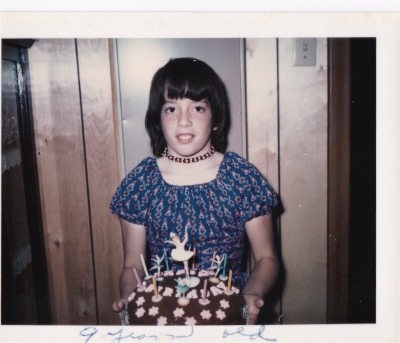
Birthdays have always meant something to me, as a child it was all about the cake, as I grew older it was about the presents but now it’s a celebration of life. Surviving the struggles and appreciating what additional knowledge I have. It’s a great day.
Me and My Pony Final test for scuba certification 1987My name is Miss Trouble Happy FaceToys for Tots Yearly RunBig Island 1993
My Birthday meal is sweet corn and shrimp on the grill. Yummy!
Happy Birthday to everyone who shares the special day.
There are many activities I can lose myself into, like photography, ancestry, looking at old photos of my family and ancestors, working in my garden, watching birds and researching topics of interest.
It’s hard to define romantic because romance is different to everyone. Romance has to be pure without an agenda or expecting something in return. The action makes you happy as well, meaning that you are happy because they are happy. Romance doesn’t have a price tag or have to be a big deal, a hug or helping to fold clothes works great for me.
In this powerful, long-form interview, Kristina Bauer returns to the Tick Boot Camp Podcast to share her in-depth story of surviving decades of misdiagnosed Lyme disease — from childhood illness and misdiagnoses to motherhood, advocacy, and remission.
Diagnosed at age 40 after 32 years of medical dismissal, Kristina discusses her experience with congenital Lyme disease in her four children, postpartum Lyme flares, and her commitment to raising awareness through the Texas Lyme Alliance, Center for Lyme Action, and International Lyme and Associated Diseases Society (ILADS) Ambassadorship.
Her testimony covers essential ground: pediatric Lyme, maternal Lyme, psychiatric symptoms like Lyme rage, postpartum depression misdiagnosis, sexual transmission, and the need for insurance and diagnostic reform.
This episode is a masterclass in Lyme disease education and empowerment, especially for women, mothers, and families navigating complex Lyme journeys.
Key Topics Discussed
Early Lyme Exposure: Tick bites at age 8 in Illinois and decades of misdiagnosis (juvenile arthritis, Crohn’s, ulcers)
Congenital Lyme Disease: How all four of her children were born with Lyme and are now in remission
Mental Health Awareness: Lyme rage, mood swings, panic attacks, and the importance of therapy
Tick-Borne Disease Advocacy: Legislative work in Texas, ILADS, educating OB-GYNs, and pushing for proper diagnostic protocols
Medical System Failures: Inadequate Lyme testing, gaslighting, high insurance costs for chronic illness
Lyme & Pregnancy Research Study: An open call for pregnant individuals diagnosed with Lyme disease during their current pregnancy, OR with post-treatment Lyme disease syndrome (PTLDS) in the past 5 years.
There are several food items that remind me of childhood but the one that rises to the top is a multi-flavored snow cone. I can’t recall the last time I saw a snow cone truck or store but no doubt they are out there. I can still hear the music blaring from the snow cone truck, and running out to get my delcious treat.
How I thought retirement would happen is the opposite of how it actually happened. My granny had two major strokes which caused Dementia and she became violent regularly. I made a promise to both of my grandparents that I would make sure they could die at home which was their wish. After the first stroke, I would come over to allow gramps to run errands. This worked until the day it all fell apart.
He was at the grocery store and she thought he had left her at somebody’s house and wasn’t coming back. There’s no understanding or logical times when dealing with Dementia. I took the photos off the walls of my gramps, my father, myself, and her long-dead favorite dogs, nothing would bring her back to reality. I had to give her a sedative and it broke my heart.
The only way to calm her and keep her from trying to hurt herself was for gramps to be there.
I was semi-retired at this point but my grampa needed me every day to help. The reality is, I would not change one thing. I showed up, gave all I could four weeks on end and I has able to keep my promise to her about dying at home.
I love you Gramps, the memories we made fill my heart with joy. Teaching me how to fish, remembering the first fish I caught, and standing up almost turning the boat over. At 13 you gave me a 16 gauge shotgun, and we went to the levees to practice. I shot a duck out of season, you were pretty cool about that. Laughing when I shot at dragonflies. I will always remember you throwing trash cans into the trunk and heading to the levy bottoms for driving lessons. You picked up more cans on parallel parking practice.
Gramps didn’t hear this song, he didn’t know Carrie Underwood. He would rather listen to Buck Owens or George Jones, old-time country. This song touched me deeply, I can’t listen to it without crying.
I’ll see you soon. I know this is my temporary home.
When I was much younger, having a good life meant money and material things but those things did not make my life a good one. After turning 40 years old, I realized what is most important to me. Family tops the list followed by being kind, trustworthy, follow through on commitments, and being grateful for what I have.
The truth is that you most likely don’t want to think about the idea that a natural disaster could leave your home completely destroyed. But, the fact is that a natural disaster – fire, flood, or storm – could leave your home in a mess, which is why it’s so important to prepare yourself and your family for a situation where a natural disaster strikes.
Of course, knowing how to go about doing that isn’t always easy, is it? After all, there’s a lot to consider when it comes to protecting your home and it’s easy to see why you might feel overwhelmed. However, the process of protecting your home and knowing how to respond in this kind of situation is vital.
Bearing that in mind, below are a few useful tips and suggestions for how you can prepare your home and family for a natural disaster – read on for everything that you should know.
Ensure that you have adequate insurance in place
When it comes to preparing your home and your family for a natural disaster, it’s important to make sure that you have adequate insurance protection in place for your home. The last thing that you want is for a natural disaster to destroy your home and be unable to afford to repair and rebuild it because you don’t have solid insurance in place.
It’s also worth thinking about looking into having insurance claim attorneys on hand should disaster strike, to make sure that your insurance provider gives you everything that you are entitled to. Far too often, insurance providers try to avoid paying out a fair amount, and working with an attorney can help to prevent this.
Make backups of important documents
To ensure that should your home be damaged by a serious disaster you don’t lose all of your important paperwork and documents – think birth certificates, marriage licenses, vehicle paperwork, etc. – it’s a good idea to make copies of these documents and store them securely on a cloud storage platform.
You might also want to consider making copies of all of your favorite photographs so that you have copies of these, should you lose the originals in a disaster. Making copies of things is just good sense, as it can ensure that no matter what happens, you have access to everything that you need.
Know your escape route
It’s also important to make sure that you and your family have a plan mapped out in terms of an escape route. If you’re at home when disaster hits, it’s vital that you have an adequate escape route in mind, so that you’re able to get to safety with your family.
Think logically about your options for an escape route, map one out, and then explain the plan to your family, so that everyone knows what the escape route should be in an emergency.
There you have it, a simple guide to preparing your home – and your family – for natural disasters and how you can navigate them.
I won’t say I have a green thumb but I do have close to 30 indoor plants that need care on a daily or weekly basis. I’ve also killed half as many while learning how to grow succulents. There are many flowers outside and two tomato beds which bring so much joy watching them grow. I also love watching the little grey lizards
Boy, it’s interesting how age can make a difference in how you answer this question. To me having it all is not in material things however nice they are, it’s about loving ourselves and others, having a balanced life and finding joy each day.
Is it attainable?
You might not find joy every day but the foundation guides us through. God never said life was easy.
Children love being outdoors, and allowing them to do that promotes a wide range of skills they can use later in life such as gardening, appreciating nature, and also roleplay. Your children mean everything to you and as a parent, you want to do everything in your power to protect them. So when it comes to creating a safe space in your garden, you’ll want to rest assured that if you need to nip to the bathroom or cook their dinner that they aren’t doing to hurt themselves. This dread can be made worse by things in your garden that they could potentially hurt themselves on.
With that in mind, let’s take a look at how you can make sure your garden is child-friendly so they can continue to learn and thrive – without you being constantly worried.
Put up safety fences
A parent’s worst nightmare is the thought of their child wandering off out of the safety of the garden. If you don’t already, put up some safety fences with a lockable gate to ensure their safety.
This doesn’t just mean the perimeter of your property either, put up safety fences around ponds and flower beds to prevent them from falling in and hurting themselves.
Remove anything dangerous they may pick up
Whether you’ve just moved in and noticed a lot of animal muck, or your pets have had free reign for a while, the last thing you want is for your children to accidentally pick them up or even worse, get it anywhere near their faces. Using a company like Swoop Scoop not only prevents you from the nasty job of clearing this up but also ensures that nothing is missed. While a bit of dirt never did anyone any harm, children shouldn’t pick feces up.
Switch to rounded furniture
If your kids run wild when they’re in the garden, you’re probably constantly flinching when they go anywhere near any sharp-cornered furniture. To avoid this issue altogether, switch to rounded garden furniture.
If this isn’t an expense you can afford, you can add corner protectors to your furniture to prevent any serious damage. And of course, you could ban that area of the garden, but we know what kids are like!
Have a large grassed area
All kids love rolling around outside, but if your garden is paved or has lots of stones, you may be worried your children might hurt themselves. Consider contacting a turf company to create a grassed area for your children to enjoy and eliminate this worry.
Lock all harmful things away
Finally, while this may seem obvious if you have items in your garden that you still want to enjoy but may be harmful, buy a shed to lock them away when the children are playing. These could be items like garden ornaments, BBQs, potentially dangerous garden furniture, or even garden tools. Locking them away will give you the peace of mind that when your children are playing, they’re going to be as safe as possible.
I would love to talk with my granny for hours, asking all the questions that have come to mind after her death. I do talk with her but it’s a one-sided conversation for now but I know we’ll be together again.
I have many sentimental items placed around the house that would sting if they were lost in a fire but the most dear items I have are the photos of my grandparents, their parents, and those of me and my husband. Losing those would be devastating yet in the big picture items are not what we need to survive.
As a parent, there will be very little in life that is more important to you than your family. And because of this, you will want to be sure that they are happy and live good lives. However, that can sometimes be hard to work out. Maybe you’re not sure what you need to do to make that happen? It can seem more complex than it needs to be. Because one sure-fire way to make sure that they live a good life is to keep them healthy. Let’s take a look at ten different ways that you can make sure that your whole family stays as healthy as possible.
For starters, you will want to make sure that this is a priority for you. It’s easy to just let things slip by the wayside or for you to think that this is going to need way more time and attention than it does. In fact, being healthy can just become a natural part of your lifestyle and routine. But for that to happen, you have to proactively make it a conscious priority.
Educate Yourself
It’s also a great idea to make sure that you’re educated on health issues. There will always be concerns that you might want to be aware of. Sometimes, you won’t always know when something is wrong, and being aware of what could be is a great idea. You might not recognize adult cradle cap or food allergies, but if you’re staying in the loop you’ll know more and what to look out for. Even just reading up on nutrition and health, in general, can put you in a great position.
Get Regular Check-Ups
Then, you might want to be sure that you’re seeing your doctor and dentist as much as possible. Staying on top of your visits is just a quick and simple way to make sure that you’re all healthy. It’s a great way to avoid any issues and catch anything before it’s bad too.
Focus On Nutrition
One of the greatest ways to stay healthy is to make sure that you’re all ticking off the proper nutrition that you all need. This doesn’t mean you have to eat super crazy healthily, but looking to get as much fruit and vegetables into your diets as much as possible can make such a difference to your health.
Limit Toxins
Whether you know it or not, there are so many toxins in life that we can all be exposed to on a regular basis. And so, it’s important for us to make sure that we’re doing what we can to limit that. Minimizing toxins can be such a small way to make sure that you have a huge impact on your family’s health for years to come.
Find A Balance
It’s never too good of an idea to live a life of extremes. Of course, you don’t want your children to be unhealthy. But at the same time, you’re definitely not going to want them to go to extremes and be on the other end of the scale. Because being uber strict with healthy eating can also lead to issues. So, as with anything, you will want to find a good balance. Do this with food, exercise, and your attitude to health and life in general.
Make Exercise Fun
Then, when it comes to the exercise you want your family to do, it’s a great idea to try and make it fun. If you’re a drill sergeant with workouts, it can be quite tough. So try to mix things up and have fun with it. Think about different sports you can try out or games you can play. Even rollerblading or hiking or different things out in the wild can be a great way to work out and stay fit as a family.
Create A Relaxed Environment
If your home is a stressful place to be, it’s going to make your family feel stressed out. That’s never going to be an ideal situation for anyone. So, instead, it’s a good idea to make sure that you’re creating a relaxing space instead. You can manipulate the environment in so many ways and it can be a great idea for you to allow everyone to feel relaxed and able to rest in your family home.
Make Communication Important
It’s also a great idea to make sure that you can all communicate well as a family. This isn’t something that all families make a priority, but it definitely should be. If you can have better communication as a family, it can bring you closer together. It can also mean that you feel happier together and that you’re able to talk and air issues – whether with each other or in general. A close happy family can be so much healthier. It can make a much bigger impact than you’d think.
Care About Health Holistically
Finally, you should make sure that you’re looking at health holistically and not just on the surface. Sure, seeing your doctor is important – and so is what you eat and how much you move. But the mind is also vital too. Mental health should be made a priority. Making sure that you’re all happy and looking after your minds is key. Encourage rest and self-care. Make sure everyone knows it’s okay not to be okay. Because you can make life great together and get through it all together.
It’s always going to be important for you to make sure that your family is happy and healthy. But approaching that may not look the way that you think it should. Instead, you can approach this in so many different ways that can go on and make such a huge collective difference. So take action today, enjoy the process, and know that you’re doing your best to keep your entire family happy and healthy.
Do you want to make sure that your aging parents are being taken care of? If so then this is the guide for you. Here you will find out what steps you can take to protect those who you love, today.
Know the Signs of Trouble
The first thing you need to do is know the signs of trouble. If you are a caregiver, then you have to remember that there is a limit to what you can do alone. The best thing you can do is reach out for help. Keep an eye on your loved one’s health and their living conditions. It may be that they are no longer able to keep up with activities, such as bathing, walking, cooking or even cleaning. If you notice a drastic change in your loved one’s living environment, for example, if things become cluttered or dangerous then this can also signify that something is wrong. With that in mind, taking care of yourself is also very important. If you feel angry or irritable all the time or if you are losing sleep over things then this is a sign that you are overwhelming yourself. If you want to protect your loved one even more, consider looking at our team page from Montana Elder Law.
Protect your Health
As a loving caregiver, it is all too easy for you to devote all of your time and attention to the ones you are actively trying to support. At times, you may find that it is too easy to overlook your health along the way. Don’t let your standard of health suffer. Be sure to check in with yourself and your family so you can make sure that everyone is feeling good. Drink lots of water, make time to exercise, and also talk to someone if you need it.
Give Yourself a Break
If you are a caregiver then it’s easy for you to feel as though the weight of the world is resting on your shoulders. This is especially the case if you are part of the sandwich generation. This generation often finds that they are looking after younger and older people at the same time. It is very natural for you to want to fill up your schedule and take care of everyone. That being said, you need to cut yourself some slack sometimes. As you build out your calendar, make sure that you have enough time for yourself and that you are giving your body a chance to rest and recharge, free from stress.
Make the Most Out of Tech
In this day and age, there are all kinds of ways that you can put tech to work and make things way easier for yourself going forward. Add cameras and home security features if you want to keep your loved one safe when you are not home, and give your senior relative an alert button. If you do this then you give them the chance to alert an authority if something happens. Use a group chat too, so you can talk about your loved one with your sibling or other caregivers.













































 Looking for the Light