Health and Wellbeing · Men & Womens Health

Frugal Friday [ 08/03/2019 ] — Invisibly Me

Special Thanks to Invisibly Me for the Reblog

Happy Friday, everyone! Breathe a sigh of relief as the weekend is here, you’ve survived another week, and tomorrow is a new day to start afresh. Here are just a couple of finds for this issue of Frugal Friday – Enjoy & have a restful weekend 🙂 Free Letter Samples & Templates Citizens Advice have […]

via Frugal Friday [ 08/03/2019 ] — Invisibly Me

Health and Wellbeing

Herramientas de belleza 101: limpiar o tirar

Willow and Sage de Stampington

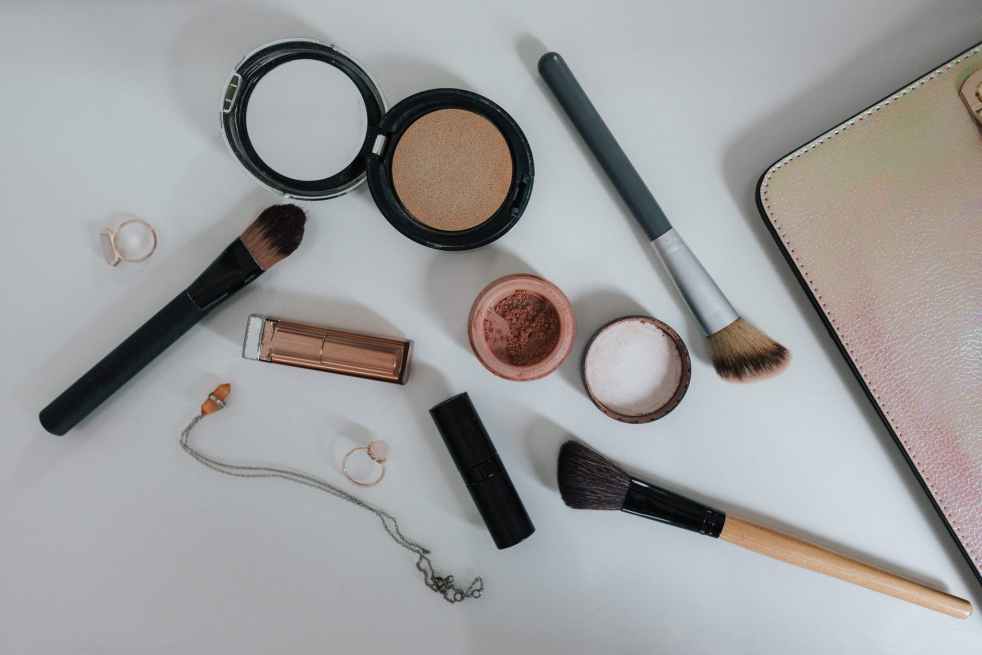
Si alguna vez has notado que la piel o el cuero cabelludo actúan, puede deberse a la falta de herramientas de belleza limpias. Limpiar adecuadamente sus herramientas diarias no sólo elimina el maquillaje sobrante, el aceite y la suciedad y mantiene las herramientas utilizables más tiempo, sino que también reduce la posibilidad de que las bacterias causen brotes, erupciones e infecciones. Siga esta hoja de trucos para la piel sana, de aspecto feliz.

Pincel de maquillaje

Limpieza: una vez a la semana

Con: champú suave del bebé

Lanzamiento: cuando es frágil, deshilachado o maloliente

Esponja del maquillaje:

Limpieza: una o dos veces por semana

Con: jabón sulfato-libre

Lanzamiento: cada tres meses/cuando se desgarro

Rizador de pestañas:

Limpieza: una vez a la semana

Con: alcohol del frotamiento y redondo del algodón

Tirar: Reemplace la almohadilla de goma cada cuatro a seis meses

Pinzas:

Limpieza: después de cada uso

Con: alcohol del frotamiento y redondo del algodón

Lanzamiento: cuando se produce óxido

Cepillo:

Limpieza: una vez a la semana

Con: champú clarificante

Tirar: cuando está dañado o maloliente

Health and Wellbeing

Beauty Tools 101: Clean or Toss

Willow and Sage by Stampington

If you’ve ever noticed your skin or scalp acting out, it might be due to lack of clean beauty tools. Properly cleaning your everyday tools not only removes leftover makeup, oil, and dirt and keeps the tools usable longer, but also reduces the chance of bacteria causing breakouts, rashes, and infections. Follow this cheat sheet for healthy, happy-looking skin.

Makeup Brush

Clean: once a week

With: gentle baby shampoo

Toss: when brittle, frayed, or smelly

Makeup Sponge:

Clean: once or twice a week

With: sulfate-free soap

Toss: every three months/when torn

Eyelash Curler:

Clean: once a week

With: rubbing alcohol and cotton round

Toss: replace rubber pad every four to six months

Tweezers:

Clean: after every use

With: rubbing alcohol and cotton round

Toss: when rust occurs

Hairbrush:

Clean: once a week

With: clarifying shampoo

Toss: when damaged or smelly

Health and Wellbeing · Men & Womens Health

7 Signs You Have An Intense Emotional Bond With A Toxic Person

Bustle

By

When you’re in an unhealthy relationship, the best and obvious thing for you to do is leave. But sometimes that’s easier said than done. If you’re in a trauma bond, therapists say it will make leaving that situation even harder

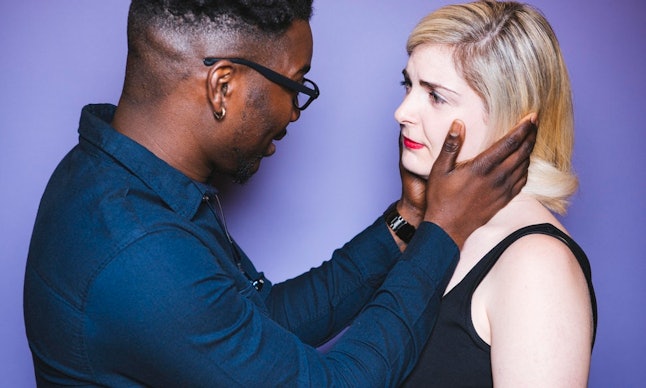
“A trauma bond is an intense emotional bond between people that usually forms as a result of a toxic or abusive dynamic,” Samantha Waldman, MHC, an NYC-based therapist who specializes in trauma and relationships, tells Bustle.

A past history of abuse or exposure to it can make a person more likely to form trauma bonds. For instance, people who experienced some form of neglect or abuse from childhood may normalize this behavior as an adult because it’s what they “learned.”

As Dr. Connie Omari, clinician and owner of Tech Talk Therapy, tells Bustle, trauma bonding includes the tendency for a person to connect with others based off the needs of their own traumatic experiences. “Because trauma involves some unmet emotional or psychological need, the relationship serves as a way to meet this need, even when it’s not done so appropriately,” she says. “It looks very dysfunctional and typically includes one or more forms of abuse.”

These bonds aren’t limited to romantic relationships. You can form a trauma bond with friends, family members, and even co-workers. When you’re in a trauma bond, you’ll find yourself continually drawn to someone even though they cause you significant pain.

It’s easy to mistake unconditional love for something more toxic like trauma bond. So here are some signs you may be in a trauma bond with a toxic person, according to experts.

1: “Crumbs” Of Love And Affection Make Your Day

Ashley Batz/Bustle

“When we find ourselves in relationships where we feel starved for love and support, small and rare instances of affection, what some call ‘crumbs of love,’ can feel deceptively satisfying,” Waldman says. For example, if a toxic person typically belittles their partner, a compliment from them would feel meaningful and special. The “affection-starved” partner would then hang on to these singular instances hoping that they will experience it again. These little crumbs of affection basically keep them hooked.

2: There’s A Predator-Prey Dynamic In Your Relationship

Ashley Batz/Bustle

A relationship built off a trauma bond usually resembles a game of “predator and prey.” According to Dr. Omari, the “predator” or abusive person will intentionally seek out and exploit the vulnerable one’s need for connection. Because of this, some form of abuse may be present in the relationship such as psychological abuse, sexual abuse, or financial manipulation. “The abused person may or may not even be aware of the abuse,” Dr. Omari says. “But they will maintain the relationship because they falsely think it satisfies their need for connection no matter how unhealthy it is.”

3: You Secretly Crave The Drama Your Relationship Provides

Andrew Zaeh for Bustle

“More recent research shows that the bonding actually occurs because we can become addicted to the hormonal and emotional roller coaster our abuser has put us on,” Kati Morton, LMFT, licensed therapist and author of Are u ok?: A Guide to Caring for Your Mental Health, tells Bustle. So even if the abuse is bad, the love and attention you get afterward feels good to the point that it makes you forget. According to Morton, your brain can get so used to this “up and down emotional ride” that it starts craving it. “The rush of the stress hormone cortisol, and a flood of the feel-good chemical dopamine can trigger the reward center in our brain, which can cause you to think you’re in love with your abuser,” she says. This is more likely to happen when younger or less mature.

4: You Feel Like You Can’t Leave Them

Andrew Zaeh for Bustle

When you’re in a trauma bond, you’ll feel stuck in the relationship and won’t see any way out of it. According to Morton, when you try to leave, you’ll feel an intense longing to see that person again. “The pain of that longing will always bring you back,” she says. While it may be difficult, it could be worth it to speak to a professional or loved ones to help you out of the relationship.

5: You Worry About Doing Things That Will Set Them Off

Andrew Zaeh for Bustle

If there’s abuse involved, you may find yourself walking on eggshells around them. According to Morton, one major sign of a trauma bond is worrying that you may do or say something to set them off. Even if you know this person is doing hurtful things to you, leaving is difficult because you’re afraid they may not only hurt you but themselves. Once again, talking to a professional or loved ones can help you get out of this situation safely.

6: You Stay Because You Feel Like Your Partner Is The Only One Who Can Fulfill Your Needs

Andrew Zaeh for Bustle

Trauma bonding can feel like love because you’re so attached to this person regardless of what they do to you. But as Dr. Omari says, it’s very different. “The motivation for trauma is intended to serve the unmet need in the victim involved,” she says. You’re so attached to this person that you feel like you can’t get your needs met anywhere else. You’re validated by your partner’s “approval.”

7: You Brush Off Their Bad Behavior Even If It Causes Others Concern

Andrew Zaeh for Bustle

“Your friends and family may be disturbed by some things that your partner has said or done to you, but you don’t think it’s that big of a deal,” Morton says. If people around you have mentioned that you need to get out of the relationship, but you ignore them or pretend to not know what they’re talking about, you’re likely in a trauma bond.

“A person can break the cycle of trauma bonding by being honest with themselves and setting boundaries,” Dr. Omari says. “Unfortunately, this is very difficult to do alone. If you find yourself in a relationship that’s based off your own trauma, you should be diligent about trying to end that relationship and to work on yourself.” A trauma-focused therapist can be a great resource. It may not be easy to break out of the cycle, but you can do it.

Editor’s Note: If you or someone you know is experiencing domestic abuse, call 911 or the National Domestic Violence Hotline at 1(800) 799-SAFE (7233) or visit thehotline.org.

Health and Wellbeing · Men & Womens Health · Moving Forward

5 Things I Wish I’d Known Before My Chronic Illness

New York Times

By Tessa Miller  Feburary 18, 2019


Finding out you have a chronic illness — one that will, by definition, never go away — changes things, both for you and those you love.

Seven Thanksgivings ago, I got sick and I never got better.

What I thought was food poisoning turned out to be Crohn’s disease, a form of inflammatory bowel disease (IBD) that doesn’t have a cure. It fools my immune system into attacking my digestive system, resulting in what I can only describe as the attempted birth of my intestines through my butthole. It’s a cruel and often debilitating disease.

Since that first hospital stay, I’ve had colonoscopies, biopsies, CT scans, X-rays, blood and stool tests, enemas, suppositories, rectal foams, antiemetics, antidiarrheals, antivirals, antibiotics, anti-inflammatories, opiates, steroids, immunoglobulin, biologics and three fecal transplants (if you want to hear a story about my 9-year-old poop donor and a blender, find me on Twitter).

My disease is managed now thanks to an expensive drug called infliximab, but the future is unpredictable. IBD works in patterns of flares and remissions, and little is known about what causes either.

When I was diagnosed, I didn’t know how much my life would change. There’s no conversation about that foggy space between the common cold and terminal cancer, where illness won’t go away but won’t kill you, so none of us know what “chronic illness” means until we’re thrown into being sick forever.

When an illness that the doctors can’t cure becomes part of our life, all the rules seem to change,” said Paul K. Chafetz, Ph.D., a psychologist in Dallas. “It’s scary in a dozen ways.” I’ve learned countless lessons since the early days of my illness, but here are five I wish I’d known from the start.

Chronic illness patients not only face painful physical symptoms, but also mental ones that linger even when the disease is well controlled. “There is trauma related to certain aspects of illness or treatment, and fear of outcomes like death or disability,” said Matt Lundquist, LCSW, a psychotherapist in New York. “For many people, there are financial uncertainties of paying for medical care.” Plus, there’s anxiety over loss of autonomy and control, he said.

Chronic illness also increases the risk of depression, Mr. Chafetz said, citing a 2007 World Health Organization survey that found a higher likelihood of depressive episodes among those with chronic health conditions than without.

A therapist should be considered a crucial part of your care team, just as important as a gastroenterologist or cardiologist. “A provider who has experience working with chronic illness is key,” Mr. Lundquist said. “It’s a population whose mental health struggles can be misunderstood.” If you’re homebound, some mental health professionals will do home visits, Skype or phone appointments, or you can connect with one through apps like TalkSpace and BetterHelp.

[Please note, if you’re feeling helpless or suicidal, the Suicide Prevention Hotline is available 24/7 at 1-800-273-8255. You can find a list of additional resources at SpeakingOfSuicide.com/resources.]


Health and Wellbeing · Men & Womens Health

Genetics of insomnia more similar to psychiatric conditions than to other sleep traits


We’ve always known that getting enough sleep is important and can have a significant impact on one’s health, but scientists have just begun to unravel the genetics behind why some people are more prone to sleep problems. Insomnia is the most common sleep disorder. About 30 percent of adults report short term problems, while about 10 percent report chronic insomnia. It’s also the second most common mental disorder.

Recently, 23andMe collaborated with researchers from VU University Amsterdamand Netherlands Institute for Neuroscienceon one of the largest genome-wide analysis studies to identify genes associated with insomnia. Published in the journal Nature Genetics, the study used data from more than 1.3 million consenting research volunteers from the 23andMe database and the UK Biobank.

“Our study shows that insomnia, like so many other neuropsychiatric disorders, is influenced by 100’s of genes, each of small effect,” said Guus Smit, a VU-University neurobiologist involved in the study. “These genes by themselves are not that interesting to look at. What counts is their combined effect on the risk of insomnia. We investigated that with a new method, which enabled us to identify specific types of brain cells, like the so-called medium spiny neurons.”

Study Size

The sheer size of this research cohort enabled us to ask questions about genetics of insomnia and its relationships with other conditions and sleep-related problems individuals may face. With this large dataset, researchers were able to identify 202 genome-wide significant loci involved in insomnia. They were also able to show the involvement of specific cell type — striatal medium spiny neurons, hypothalamic neurons and clastrum pyramidal neurons — and specific cortical and subcortical tissues — some of which have been implicated previously in the regulation of reward processing, sleep and arousal in animal studies, but have never been genetically linked to insomnia in humans.


“This study is an immense step forward in understanding the genetic background of insomnia, made possible by the unprecedented increase in cohort size,” said Vladimir Vacic, Senior Scientist, Computational Biology at 23andMe and co-author on the paper. “Our results underline that insomnia is a serious condition, sharing genetics with psychiatric disorders and increasing the risk of metabolic syndrome phenotypes.”


What researchers found particularly interesting was the low genetic overlap between insomnia and other sleep-related traits. Findings show that insomnia is more genetically similar to psychiatric conditions, such as anxiety and major depressive disorder, and personality traits such as neuroticism. It has less in common with sleep traits like morningness, which describes the ease of getting up in the morning, and daytime dozing, snoring or excessive napping.


Finding key brain areas and cell types implicated in the neurobiology of insomnia and related disorders help us better understand how insomnia affects humans and may provide novel avenues for treatment.

Health and Wellbeing · Men & Womens Health

Zechstein Magnesium Chloride Mother Earth’s 250 Million Year Old Healing Treasure

Last week Fighting With Fibro  shared a cream that worked on her Fibromyalgia pain. It was a magnesium based product, being curious I had to understand the difference of the type she purchased. The magic word is Zechstein, many products claimed to relieve pain and a host of other problems but they didn’t have Zechstein included in ingredients. https://fightingwithfibro.com/2019/02/19/finally-something-that-actually-works-for-my-fibro-and-rls-pain/

I could not find the brand she bought and bought two other brands from Amazon. Austra Melt pain away and Ancient Minerals Ultra with OptiMSM. The Austra Melt pain away smells so good with Lemongrass essential oil. It’s non-toxic, eco-friendly, not tested on animals and Paraben free. The container is round and you have to scoop out how much you want. I felt relief but was having a rough day so didn’t judge too harshly.

The next day I tried the Ancient Minerals Ultra with OptiMSM. WOW, this did make a difference in some of my ongoing and most painful areas. I also like that it is a pump and you can control better the amount needed. It soaks in the skin very quickly, very light pleasant smell. I get up in the morning before writing and rub into hands and it’s pretty amazing for a critic like me.

Zechstein

The Zechstein is a unit of sedimentary rock layers of Middle to Late Permian age located in the European Permian Basin which stretches from the east coast of England to northern Poland. The name Zechstein was formerly also used as a unit of time in the geologic timescale, but nowadays it is only used for the corresponding sedimentary deposits in Europe.

If you want to read the history of Zechstein in depth here is a great site,
M
Health and Wellbeing · Men & Womens Health

Why Yoga? 6 Steps to Relieve Anxious Moods Naturally


By
Last updated: 11 Feb 2019

I’m anxious. Anxious traveler. Anxious driver. Anxious mother. There I said it. It was only when I found yoga with psychotherapy that I could regulate it on the spot. Now I use mind/body approaches in all my work. Why?

Science has shown that the body keeps the score.

Google anxiety, google yoga. The breathe complements our nervous systems. Calm the breathe and you calm your mind.

Do a child’s pose. Legs up the wall, forward fold, butterfly, mountain and alternate nostril breathing. Then see if your body is more relaxed. You can do this right in the session.

Now summon that deep relaxation each time you need it. Yoga, a centuries old practice, takes the focus on your breathe to the places that scare you.

I remember the first time I tried yoga, I almost passed out. The teacher came over not too gently and said, you’re actually not breathing. I was mortified. But it was true. Every time I bent my head down I came up dizzy, probably due to shallow breathing. This was the beginning of my ten year yoga journey. I am now 200 hour yin yoga trained.

It beats drugs and alcohol by a long shot. It actually teaches the cells of our bodies to be less reactive and more flexible. The very thing we need in this chaotic world.

If you hold the poses just a bit longer, to the edge, to the point of tolerable sensations, then you get a bonus benefit; a deep knowing that you can bear your own pain with grace and wisdom, and the physical release that follows. Two for one.

So here are 6 yin yoga actions you can take right now.

1. Yin Yoga is simple, but simple does not mean easy.

2. In meditation and in our daily lives there are three qualities that we can nurture, cultivate, and bring out. We already possess these, but they can be ripened: precision, gentleness, and the ability to let go.

3. Yin Yoga takes a normal healthy body and brings it up to optimum.

4. Yin practice takes you deeper into where you are, not out to where you think you should be.

5. Yin yoga challenges you to sit in the pure presence of awareness.

6. How do I react when I let my thoughts move towards the idea of rest, relaxation and restoring energy?

So the next time you are overtired and underwhelmed, bored, listless, sick or scared, just sit, eyes closed, and bring your breath from your root to your crown. Don’t be the judge and the jury. Just be.


Health and Wellbeing · Men & Womens Health

Depression Affects 15% of New Moms. A New Guideline Could Help Prevent It

TIME

By JAMIE DUCHARME

February 13, 2019

A new recommendation from a group of independent experts convened by the government could help more new and expecting mothers avoid depression, one of the most common complications of pregnancy and childbirth.

The recommendation is the first from the U.S. Preventive Services Task Force (USPSTF) on preventing perinatal depression, which strikes during pregnancy or after childbirth and affects almost 15% of new mothers. The guideline states that clinicians, namely primary care providers, should provide counseling services, or references to them, to all pregnant and postpartum women at increased risk of perinatal depression. The guidance could help prevent mental health issues in this vulnerable population, and prompt more insurance providers to cover counseling services for pregnant and postpartum women.

After reviewing the relevant research, the USPSTF specifically recommended that at-risk women try cognitive behavioral therapy (CBT), which focuses on changing a person’s thoughts to change how they feel, or interpersonal therapy, which focuses on building relationship skills. Those at heightened risk of depression include single, young and lower-income mothers, people with a history of depression and women showing depressive symptoms including low energy and mood.

The proactive focus of the recommendations is important, says Jeff Temple, a psychologist in the department of obstetrics and gynecology at the University of Texas Medical Branch, who was not involved with the task force. Past USPSTF recommendations have focused on screening for existing depression among all adults, including pregnant and postpartum women.

“I am very happy to see anything related to prevention, whether it’s mental health generally or perinatal depression specifically,” Temple says. “If we can prevent problems from occurring, not only do we do a great service to humans, but [the health care system] saves a great deal of money.”

The new recommendation also means that more mothers will have access to insurance-covered mental health care. Under the Affordable Care Act, private insurance plans are directed to cover preventive care recommended by groups including the USPSTF at no cost.

“If we need to see 15% of perinatal women, there’s absolutely no way that we have the ability to do that,” Temple says. “We need to put more money and effort into training more psychologists and counselors.”

The good news, Temple says, is that the USPSTF recommendation could provide the kind of validation hospitals and practices need to dedicate those resources, especially if they see demand for services increasing. Ideally, Temple says, they would focus their efforts on integrating mental health care into primary care, rather than leaving it in a silo.

“If these women are screened and they’re recommended to someone [for counseling] and it’s kind of a cold handoff, very few will follow up with it,” Temple says. “But if one implication of this is that OB/GYN departments start to incorporate counselors and psychologists within their services, then we’ll see a huge benefit. If we did that, I am 100% positive we would see declines in perinatal depression.”

Simone Lambert, president of the American Counseling Association, agrees that the recommendation will likely increase demand for mental health services, but says that’s a small price to pay for better preventive care, which can reduce the need for future treatments.

“The benefits of increased maternal and infant wellness and decreased stigma to seek mental health assistance would likely lead to less of a toll on our healthcare system than when mental health concerns are unaddressed,” Lambert says, adding that healthier moms also lead to healthier babies and families.

Temple says methods like CBT are effective because factors like stress, identity changes and overwhelming circumstances often contribute to perinatal depression, and all of these obstacles can be effectively addressed by a counselor. Research suggests that counseling can provide moderate or substantial benefits to new or expecting mothers, according to the USPSTF’s recommendation.

“I think we’re starting to understand the importance of mental health as a society, and the importance of prevention,” Temple says. “The future is definitely going to be psychologists within primary care departments.”

Write to Jamie Ducharme at jamie.ducharme@time.com.

Celebrate Life · Health and Wellbeing

Powerlifter Lifts 2-Ton SUV Off Man Trapped Underneath #WATWB


February 19, 2019

A powerlifter in Michigan is being hailed as a real-life superhero after his quick actions helped save a man pinned under a rolled over vehicle.

Ryan Belcher, 29, was preparing to leave work last Thursday when he heard a loud crash outside his workplace.

He noticed an SUV flipped upside down, and he rushed outside toward the wreckage. Ryan said there was a man trapped under the vehicle begging for help.

Belcher, who is 350 pounds and can deadlift over 800 pounds, recalled thinking at the time, “this is where I need to be. All the training I’ve been through… this is the time where it’s really going to pay off.”

But the Jeep Cherokee he was about to try and lift weighed roughly two tons.

“I just jumped right in,” Belcher told Fox News. “I seen a window that was broken out of the back of the vehicle and I knew if I can swing the vehicle in a certain direction I can free him from that pole. So, I just stuck my arms in and I don’t know I just grabbed it, lifted it up and started pushing and all I heard was that’s enough we can get him.”

The man Belcher saved and another woman suffered serious injuries in the crash. No fatalities were reported.

On Sunday, Belcher went to the hospital to visit the man he helped rescue.

“I got to meet Montrell tonight!! He’s the most positive person considering his circumstances,” he wrote in a Facebook post.

https://www.facebook.com/plugins/post.php?href=https%3A%2F%2Fwww.facebook.com%2Fryan.belcher.77%2Fposts%2F10216423956984063&width=650&show_text=true&appId=618324258255309&height=664

Belcher’s son calls him the Hulk, but he said he’s uneasy about hero comparisons since Thursday’s incident.

“To say that I’m a hero, I don’t know. But I’m glad to have been there, and I was put there for a reason,” he said.

We Are the World Blogfest


We Are The World  Blogfest: Spreading Stories of Positivity and Compassion in Social Media

~~~GUIDELINES~~~

  1. Keep your post to below 500 words.
  2. All we ask is you link to a human news story on your blog on the last Friday of each month, one that shows love and humanity.
  3. Join us in sharing news that warms the cockles of our heart. No story is too big or small, as long as it goes beyond religion and politics, into the core of humanity.
  4. Place the WE ARE THE WORLD BLOGFEST Badge on your sidebar, and help us spread the word on social media. Tweets, Facebook shares, G+ shares using the #WATWB hashtag through the month most welcome. More We Are the World Blogfest signups mean more friends, love and light for all of us.
  5. We’ll read and comment on each others’ posts, get to know each other better, and hopefully, make or renew some friendships with everyone who signs on as participants in the coming months.
  6. Add your post HERE so we can all find it quickly.
Health and Wellbeing · Men & Womens Health

U.S. Pain Foundation Ambassador Network

Last week I joined the U.S. Pain Foundation Ambassador Program. The work the organization does for people with chronic pain is hands-on and at a government level. There are endless opportunities for you to support the organization with the time you have available. I have to learn how to do screenshots on MAC OS quickly, I’m attending a Webinar on Thursday.  Melinda


Dear Junior Ambassador,

I would like to personally welcome you into the U.S. Pain family! By joining our Pain Ambassador Network, you are taking action and choosing to help us advocate on behalf of the pain community. Our goal is to support you and provide you with the tools needed to raise awareness.

The U.S. Pain Foundation is a nonprofit organization created by people with pain for people with pain. We want the experiences you have as a junior ambassador to be full of fun and excitement. Our mission is to educate, connect, empower, and advocate for pain warriors as well as their families, caregivers, and friends; the hard work and dedication of ambassadors like you is what allows us to fulfill this mission. We greatly appreciate the time, energy, and passion that you have chosen to dedicate towards raising awareness!

To thank you for your commitment as a volunteer, we will be sending you a starter package in the mail. We encourage you to use these resources to empower yourself.

As a junior ambassador, we would also like to offer you the opportunity to be promoted to be an official ambassador for U.S. Pain. Below, we have outlined the simple steps you can take to bring your awareness work to the next level.

  1. Complete three tasks on behalf of the U.S. Pain Foundation. These tasks can be done at your own speed. Here are some examples:
    1. Host an information/awareness table (contact lori@uspainfoundation.org for more information)
    2. Hand out U.S. Pain awareness resources
    3. Attend/listen to volunteer webinar updates
    4. Submit an advocacy letter (only one advocacy activity counts towards becoming  an official ambassador)
    5. Participate in Pain Awareness Month (PAM) activities
    6. Host a fundraiser benefiting U.S. Pain

      Getting credit: Each time you perform a task, take a photo or screenshot if possible and submit your participation via the designated form provided in the ambassador toolkit for the specified activity. Once you have completed these three tasks, you will then become an official ambassador for the U.S. Pain Foundation.

  2. When volunteering and representing U.S. Pain via email, we ask that you use a signature with a disclaimer. Please include the following information at the bottom of any email related to U.S. Pain:

    Melinda Sandor
    Texas Junior Ambassador, U.S. Pain Foundation

    DISCLAIMER: This email and any files transmitted with it are confidential and intended solely for the use of the individual or entity to whom they are addressed. If you are not the named addressee you should not disseminate, distribute or copy this email. Please notify the sender immediately by email if you have received this email by mistake and delete this email from your system. All content of this email, such as text, graphics, images, or any other material contained in this email are for informational purposes only. Any information provided by U.S. Pain Foundation is not intended for use as a substitute for professional advice. The foundation cannot diagnose or recommend treatment. U.S. Pain does not represent itself as being an authoritative entity; please consult a trained or certified professional with questions pertaining to medical, legal, and financial concerns. U.S. Pain functions as a resource organization with a mission to educate, connect, inform, and empower those living with pain while advocating on behalf of the entire pain community.

  3. Are you on Facebook, Twitter, Pinterest and/or Instagram? U.S. Pain Foundation is too! Below are helpful links which will take you to our social media pages! Like and follow the U.S. Pain Foundation on:

    Facebook: https://www.facebook.com/U.S.PainFoundation
    Twitter: https://twitter.com/US_Pain
    Pinterest: http://www.pinterest.com/uspain/
    Instagram: http://instagram.com/us_pain_foundation


Your ambassador team regularly creates new tasks, activities, and projects for you to complete when you are feeling up to it or when you have time. Make sure you periodically check emails and the ambassador toolkit for new volunteer opportunities. Emails may come from any member of the U.S. Pain team and will be sent from official uspainfoundation.org email addresses.

Again, welcome aboard! We look forward to working with you in an effort to empower, educate, and raise awareness! If you have any questions, comments, or feedback, we are always available at contact@uspainfoundation.org.


Kindest regards,

Lori Monarca

Director of the Ambassador Program

Health and Wellbeing

Nature’s Face/Photography/Poetry

The orchids are so perfect! I love seeing all the colors of flowers and the ones just peeping out. :)

dweezer19's avatarDreaming Reality

At times I trudge through my life, sometimes with steps as light as air,  yet often as though pulling lead balls chained to my ankles; still,  I find constant comfort in the face of Nature.  We have had a dreary sort of Winter, although the holidays were bright and full. The unrest in the world is palpable, carried on the chilly wind and hanging in the raindrops that seem endless on every weekend that comes around here in Georgia.

Yesterday was a reprieve and I was determined to find solace in the free blessings and gifts of Mother Earth.  The message in her soul is always the same, so clear and encouraging, sometimes more so in those arenas made by humans to showcase her handiwork.

fullsizeoutput_4607

We are here!!!

Each face is as unique as our own, their expression and exuberance so real you can almost hear their voices singing for…

View original post 244 more words

Health and Wellbeing · Men & Womens Health

Ask one question to help dispel your morning dread

Ideas.Ted.com

Feb 4, 2019 /

Most of us have been in its grip before — the alarm goes off, our mind starts whirring away, and before we know it, we’ve done a freefall into worry. Neuroscientist Lisa Feldman Barrett has been there, too, and she tells us how we can stop the spiral.

This post is part of TED’s “How to Be a Better Human” series, each of which contains a piece of helpful advice from someone in the TED community. To see all the posts, go here.

How often does this happen to you?

“You wake up, and as you’re emerging into consciousness, you feel this horrible dread, this real wretchedness. Immediately, your mind starts to race,” says neuroscientist Lisa Feldman Barrett. “You think about all the crap that you have to do at work — you have that mountain of email which you will never dig yourself out of, the phone calls you have to return, and that important meeting across town. You’re going to have to fight traffic, you’ll be late picking your kids up, your dog is sick, and what are you going to make for dinner? Oh my God. What is wrong with my life?”

OK, you may not have the dog, the kids or the meeting across town, but what about the rest — the cascading catalog of to-dos, the sinking feeling that you’re behind even before your day has started, and the headlong tumble into despair?

Whew.

According to Barrett, those last two sentences of the above scenario — the “Oh my God. What is wrong with my life?” part — are especially treacherous. Why? Because too often we come to the sweeping and inaccurate conclusion that our life stinks.

But we don’t have to take this misery lying down, says Barrett. Through her research at the Affective Science Laboratory at Northeastern University in Boston, she has come to some mind-shaking realizations about human emotions. Contrary to what many of us think, our emotions are neither hard-wired into our brains nor are they out of our control. Instead, our emotions are guesses that our brains generate on the fly, based upon our past experiences.

As she explains in her book How Emotions Are Made — read an excerpt here — “Anytime you feel miserable, it’s because you are experiencing an unpleasant effect due to physical sensations. Your brain will try to predict causes for those sensations, and the more concepts you know and the more instances you can construct, the more effectively you can recategorize to manage your emotions and regulate your behavior.”

When we start that AM spiral into anxiety, as Barrett explains, “Your brain is searching to find an explanation for those sensations in your body that you experience as wretchedness.” But, she adds, “Those sensations might not be an indication that anything is wrong with your life … Maybe you’re tired. Maybe you didn’t sleep enough. Maybe you’re hungry. Maybe you’re dehydrated.”

So, the next time you feel gripped by morning dread, she suggests you ask yourself: “Could this have a purely physical cause?”

Check in and see: What’s going on with your body? When the alarm went off, were you roused from a deep sleep and you’re rattled as a result? Or, perhaps you’re too hot, too cold, achy or itchy …

Barrett says, “You have the capacity to turn down the dial on emotional suffering and its consequences for your life by learning how to construct your experiences differently.”

Watch her TED@IBM talk here:


Children · Chronic Illness · Family · Health and Wellbeing · Medical

MANAGING FIBROMYALGIA IN CHILDREN

Welcome to Remedy, a blog by U.S. Pain Foundation. Remedy aims to provide people with the support they need to thrive despite chronic pain. It features the information about promising treatments, tips and strategies for self-management, resources for coping with the emotional and social effects of pain, unique perspectives from patients, clinicians, and caregivers–and much more. To submit an article idea, email contact@uspainfoundation.org.


By Brent Wells, DC, a chiropractor and founder of Better Health Chiropractic and Physical Rehab

If your child feels tired and achy, you may not worry initially. After all, there’s nothing urgent about what seems to be mild, general discomfort. However, if your child is constantly in pain, exhausted, having trouble sleeping, and experiencing intense moods, he/she may have fibromyalgia.

This condition is fairly common in adults, but parents and clinicians may overlook the possibility of juvenile primary fibromyalgia syndrome — that is, fibromyalgia in children.

JUVENILE FIBROMYALGIA SYMPTOMS TO WATCH OUT FOR

Fibromyalgia is a chronic condition characterized by pain and fatigue. According to experts, children will often describe this pain as “stiffness, tightness, tenderness, burning or aching.” This pain can last for months and is often accompanied by other symptoms that affect a child’s overall well-being, energy level, and emotional health, including:

  • Tender spots on muscles
  • Difficulty sleeping and fatigue
  • Aches, including stomachaches and headaches
  • Lack of focus or memory
  • Anxiety and depression

If your child is experiencing these symptoms, you should see a doctor. There’s not one test to confirm it, so he/she will go through a range of tests to rule out other conditions.

Unfortunately, there is no one “cure” for fibromyalgia, which can be frustrating for patients, especially children. If left untreated, symptoms can lead to issues at school or making friends. Many parents describe this as a “vicious cycle” where symptoms continue to feed the condition.

Experts still aren’t sure what causes fibromyalgia or how it develops in the body. Some believe that mixed-up pain signals in the brain cause greater pain chemicals and/or overactive pain receptors. Others think it might be triggered, in part, by an emotional event like an illness, injury or psychological stress. But even if the cause involves emotions, the pain is still real.

HOW CHILDREN CAN COPE WITH FIBROMYALGIA

It’s important to create a support team and get your child’s primary care doctor, pain specialist, psychologist, physical therapist, and teachers on board. The more people are aware of your child’s condition, the more they can help him/her cope with symptoms at home and school. You may also want to look for pain support groups near you, for both your child and you as a parent.

Your doctor can help you decide whether medication, such as anti-inflammatories, antidepressants, or nerve pain medications, may be right for your child. He or she also may recommend therapies like injections or topical creams. In conjunction with these interventions, your doctor will probably prescribe treatments like physical therapy and behavioral changes, which are crucial to long-term management of fibromyalgia.

Let’s go over some nonpharmacological strategies for coping with fibromyalgia.

FIVE STRATEGIES FOR IMPROVED SYMPTOMS

Although fibromyalgia may disrupt your child’s life, affecting school and friendships, you may be able to improve your child’s quality of life with these natural therapies and changes. Of course, there’s no cure for fibromyalgia, but by managing symptoms, you can help your child get back to some sense of normalcy.

  1. Get moving!

Exercise can be incredibly valuable for managing your child’s fibromyalgia symptoms. Exercise can relieve muscle stiffness and tire out the body physically so that your child can fall asleep more easily. In particular, pool exercises have been shown to help patients because the warm water can have a soothing effect on pain and also promote blood circulation.

Consider signing up your child for swim class to get regular exercise that is both fun and good for symptoms. Start with limited intervals of exercise at first, and slowly increase them as symptoms allow. Aquatic physical therapy can be extremely beneficial for patients whose fibromyalgia is too severe for regular pool activities.

  1. Incorporate meditation methods

While your child may not be interested in meditation, try to incorporate some of the practices in your child’s daily life. After playtime, encourage your child to take a moment to relax and reset. In addition, teach your child how to use relaxing breathing exercises when he/she feels overwhelmed during school or before bed.

Studies show that meditation can help reduce fibromyalgia patients’ stiffness, anxiety and depression. In the least, promoting a stress-free environment and creating a sense of relaxation will help your child feel less anxious.

  1. Say goodnight to fibromyalgia

Your child’s sleep routine is essential for improving fibromyalgia symptoms. Chart out the best routine for your child together. Make sure he/she goes to bed at the same time every day and start “sleep-ready” habits an hour before bed. This routine could include a break from screen time, reading a story together, listening to a relaxing song and/or taking a hot bath. Promoting a relaxing environment will help your child get to sleep.

Make sure you’re not giving your child food late at night, especially items with any caffeine or sugar. Also, be sure take away tablets and cell phones. The blue light can wake up your child instead of helping him/her get sleepy. Sufficient sleep is essential to managing pain.

  1. Change your child’s diet for success

Some experts recommend following an anti-inflammatory diet to prevent aches and pains. In general, an anti-inflammatory diet is based on the Mediterranean diet, which emphasizes fish, fish, vegetables, whole grains, and olive oil.

Update your child’s lunch to include a handful of nuts, or add an apple for a snack. Anytime you can add fruits and vegetables to his/her diet, do it! This boost of nutrients will fuel your child for success. Try to limit junk food as well, which has no value and could actually inflame your child’s pains.

  1. Schedule your child for a physical therapy session

Your child could benefit from seeing a physical therapist or chiropractor near you. Recent studies show how physical therapy or chiropractic can have a positive impact on fibromyalgia patients. Finding the right physical therapist is important. Call in advance to ensure they have experience with fibromyalgia and/or with children. Specific exercises in physical therapy can help to improve your child’s core strength and incorporate techniques to soothe muscle aches and pain. Similarly, regular massage therapy sessions with an experienced masseuse can improve your child’s exercise, sleep and mood.

TALK TO YOUR DOCTOR

A fibromyalgia diagnosis can be challenging, but doesn’t have to take over your child’s life. It’s a good idea to talk to an expert to come up with the most effective care plan for your child, one that ideally includes a diverse range of strategies, like those listed above. Together, you can talk about your child’s specific issues and needs, and figure out the best way to improve symptoms.

About Dr. Brent Wells

Dr. Brent Wells is a graduate of the University of Nevada where he earned his bachelor of science degree before moving on to complete his doctorate from Western States Chiropractic College. He founded Better Health Chiropractic and Physical Rehab in Anchorage in 1998. He became passionate about being in the chiropractic field after his own experiences with hurried, unprofessional healthcare providers. The goal for Dr. Wells is to treat his patients with care and compassion while providing them with a better quality of life through his professional treatment.

Melinda


Health and Wellbeing · Men & Womens Health

10 Ways to Reduce Your Family’s Exposure to Chemicals

RedBook

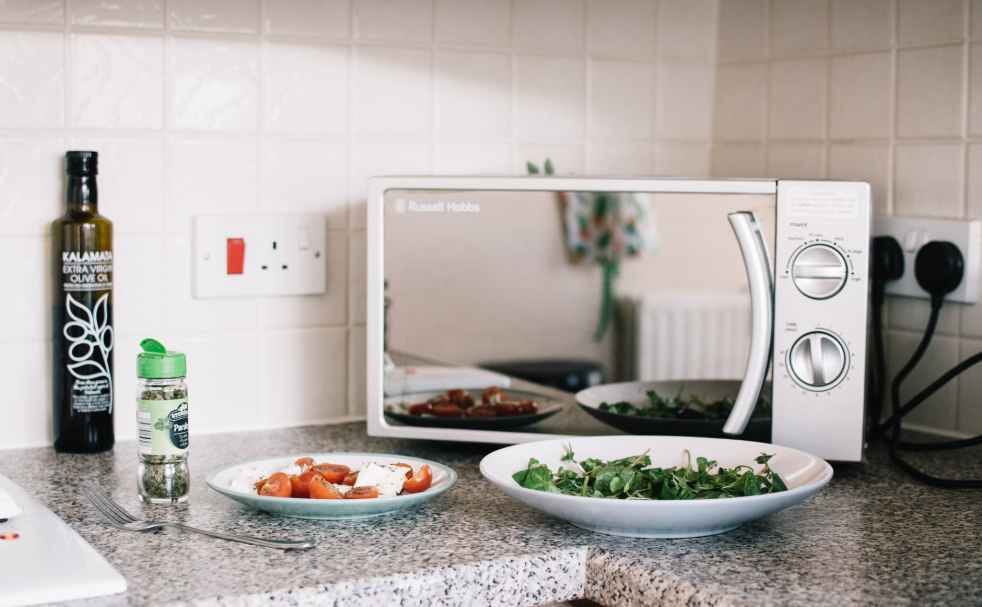
two white ceramic plates near microwave on counter top
Photo by Lisa Fotios on Pexels.com

The jury is still out about these substances’ effects on human health. But if you want to reduce your family’s exposure, this is how.


1. Use fresh or frozen foods instead of canned, when possible.

2. Use soy infant formula only if there is a medical reason for it, such as lactose intolerance or milk allergy, says Heather Patisaul, Ph.D. Genistein — a natural estrogen found in soy plants — is present in large amounts in soy-based baby formulas. (Some countries require a prescription for it.)

3. Don’t microwave food in plastic containers or covered with plastic wrap. When plastic is heated, the chemicals in it can more easily migrate to food.

4. Use BPA-free baby bottles. Check labels — the biggest manufacturers of baby bottles in the United States (including Disney, Gerber, and Playtex) stopped using BPA in 2009.

5. Avoid storing food or drink in plastics with the recycling numbers 3, 6, and 7 on the bottom — or buying items packaged in these plastics.

6. Don’t use chemical poisons on plants or bugs.

7. For drinking water, use a faucet-mounted filter that has been approved by the American National Standards Institute to “remove volatile organic compounds.” (Pitcher filters may not be enough.)

8. Choose soaps, toothpastes, and deodorants without triclosan. According to the Centers for Disease Control and Prevention, antimicrobials like triclosan are unnecessary and may help breed drug-resistant germs.

9. Avoid heavily fragranced products or air fresheners, which may contain phthalates.

10. Go to senate.gov to tell your senators if you want more EDC research and regulation.

Health and Wellbeing · Men & Womens Health

New Insights into the Genetics of Depression


In the largest genetic study of its kind, scientists have identified more than 200 genes associated with depression that could give new insights to researchers looking for treatments to what is the leading cause of disability in the world.


Combining anonymous data from more than two million people who were part of the three different genome-wide association studies on depression, an international team of researchers led by scientists at the University of Edinburgh, identified 269 genes associated with depression.


“These findings are further evidence that depression is partly down to our genetics,” said Professor Andrew McIntosh, of the University of Edinburgh’s Centre for Clinical Brain Sciences, who led the research. “We hope the findings will help us understand why some people are more at risk of depression than others, and how we might help people living with depression and anxiety more effectively in the future.”


Published in journal Nature Neuroscience, the study, which included data from the UK Biobank, 23andMe, and the Psychiatry Genomics Consortium, found that many of the strongest associations were on or near genes involved in neurotransmission and response to stimuli that are part of the central nervous system. And the associations further highlight the importance of studying cortical regions of the brain and their role in the condition, according to the researchers.


Trauma, social factors, and life events all play a role in depression, but by understanding the influence genes have and their role in how an individual responds to those external factors, could help in developing more personalized treatments, the researchers said.


This study also found that depression shared genetic associations with neuroticism — a personality type that is characterized as being more fearful and worried. Researchers also found a shared genetic association with smoking. The later association may indicate that depression could lead some people to smoke.


Health and Wellbeing · Men & Womens Health

Genetic Study of Impulsiveness Reveals Associations with Drug Use


Some of the same genes that influence a person’s propensity toward impulsiveness also affect whether or not he or she will use drugs, according to a new study led by researchers at the University of California, San Diego School of Medicine.


Published today in the Journal of Neuroscience, the study is another in a series of studies done by researchers looking at the genetic underpinnings of behavior, addiction, and psychological disorders. For this work the scientists used data from more than 20,000 23andMe customers who consented to participate in research, making it the largest genetic study of impulsive behavior to date.

Behavior

“By studying the genetic basis of normal variation in behavior, we can learn about the role of genetics in complex psychiatric disorders like drug abuse,” said lead author of the study Abraham Palmer, Ph.D., a professor of psychiatry and vice chair for basic research at the University of California, San Diego School of Medicine. “Additional studies of younger and more diverse populations could provide additional insights into the genetics and consequences of impulsiveness.”

For this work, and a study Palmer and his team did last year that also looked at another measure of impulsivity called “delay discounting,” the researchers compared genetic data with survey responses on impulsivity and a history of drug use from 23andMe customers who consented to participate in research. The genome-wide association study found variants in the gene CADM2 — previously implicated in risk-taking, alcohol consumption, and cannabis use — associated with impulsivity and drug use. The team also identified an association with a variant in a gene previously implicated in schizophrenia risk — CACNA1I. They also saw an association with something called “negative urgency”— a tendency to act impulsively in the face of adversity.


Big Data

These findings demonstrate how an individual’s genetic makeup may predispose them to engage in risky behavior, including drug use and abuse. Additional studies of younger and more diverse populations could provide further insights into the genetics and consequences of impulsive personality traits, the researchers said.

The study also shows the potential of large datasets like 23andMe.

“Data shared by 23andMe research participants helped make this work possible — and this is one of several recent publications we’ve worked on related to personality, behavior and psychiatric conditions,” said Sarah Elson, PhD, Senior Scientist, 23andMe.

“These findings may have potentially significant effects on how we interpret the relationships between genetics and mental health; and, in the future, predict and treat some of these hard-to-understand conditions.”

Health and Wellbeing

Fibro Friday: Hamster Wheel

Repost

I’ve struggled with Chronic Lyme, Fibromyalgia, and Dementia for six years, every week it’s a follow-up or test for the latest ailment. I’ve made the decision to step off the Doctor Hamster Wheel in 2019.

I saw a Rheumatologist two months ago, the clueless PA told me there wasn’t Lyme in Texas. REALLY? The doctor named a few possible illnesses and took my blood. The doctor’s visit was a bust but the lab work revealed my Calcium is high. Which can cause serious complications? She suggested having my Parathyroid checked. WOW, something came out of the lab work, I have another ailment to deal with!

I saw the Endocrinologist, it was straight forward. A blood test, a scan at the hospital and possible surgery. We scheduled the scan immediately since it was affecting my heart. I fell down the stairs and banged myself up a good one. I landed a perfect 10! NO, I can’t lean my head back for two forty-five minute sessions. The test was rescheduled.

2019 is starting like the other six years, with a heart test scheduled, a Parathyroid scan with possible surgery, and a test for Traumatic Brain Injury from the fall. There are a few days left in 2018, I want to know who I am, how have I changed in that time. I developed Agoraphobia, haven’t driven in six years and have only seen the inside of doctor’s offices.

I took the first step for 2019, decided which test to cancel, bought two patterns for knitting and opening an Ebay store. Most importantly I get to decide who I am, not remain another patient.

I can’t begin to say how much I appreciate your support, the comments and emails helped push me forward. The WordPress family means so much to me. I pray your year starts healthy as possible. I look forward to developing new friendships and reading and learning from your post.

Melinda


Fun · Health and Wellbeing

Celebrity Friday Quotes

See the source image

“Too many people are buying things they can’t afford, with money that they don’t have… to impress people that they don’t like!”
Nothing to do w/ “books” — Just like the quote!”
Will Smith


“I don’t like to share my personal life… it wouldn’t be personal if I shared it.” George Clooney


“What’s the whole point of being pretty on the outside when you’re so ugly on the inside?” Jess C. Scott, I’m Pretty


“I’m obsessively opposed to the typical.” Lady Gaga


“When everything gets answered, it’s fake.”
Sean Penn


“The downside of my celebrity is that I cannot go anywhere in the world without being recognized. It is not enough for me to wear dark sunglasses and a wig. The wheelchair gives me away.”
Stephen Hawking

Health and Wellbeing · Men & Womens Health

When a Patient Dies by Suicide — The Physician’s Silent Sorrow

New England Journal of Medicine

January 24, 2019 Dinah Miller, M.D.

We talk about the toll suicide takes on families and the tragedy for the people who’ve died. What we don’t openly talk about is suicide’s toll on the doctors who have treated these patients. But when a patient dies by suicide, it leaves us profoundly changed.

The news came by text as we drove home from brunch. My patient had died that morning by suicide. I read the text and wailed. My husband was driving, and our adult children happened to be away, traveling together on an exotic journey. I struggled to gather words, and my husband held control of the car through those excruciating moments when he thought something horrible had happened to our kids. I calmed down enough to tell him that the tragedy involved a patient. He was relieved. I was not.

U.S. suicide rates increased by 25.4% between 1999 and 2016.1 It’s been estimated that at least half of psychiatrists will lose at least one patient to suicide during their career.2 There are no estimates on how many primary care physicians will have the same experience, though they often treat psychiatric disorders. Among people who complete suicide in the United States, 46% have been diagnosed with a mental health condition, and many more people have undiagnosed mental illness.

We talk about the toll suicide takes on families. They experience grief, guilt, regret, anguish, anger, and stigma, and they often face significant financial and logistic consequences. We talk about the tragedy for the people who’ve died — the years of life lost, the graduations and weddings they won’t attend, the grandchildren they’ll never hold. Since suicide is considered preventable, these deaths inflict an added injury on the survivors, who may face the lingering pain of believing that there was something more they might have done.

What we don’t openly talk about is suicide’s toll on the doctors who have treated these patients. Death is part of life, and for many physicians it becomes a routine element of the job. Oncology patients die, trauma patients die, geriatric patients die — indeed, everybody eventually dies. In psychiatry, however, death is not a usual or expected outcome, and suicide induces the sharpest feelings of failure. We may grieve the loss of patients when they die of cancer, but when they die by suicide, it leaves us changed, sometimes even devastated.

Psychiatrists are considered the experts on suicide. After all, many people with major depression have feelings of hopelessness and thoughts of ending their own lives. In an outpatient psychiatry practice, it’s not uncommon for several patients a week to talk about psychic demons, dark thoughts, or the wish to simply not wake up, but such thoughts rarely crescendo to a suicide attempt, and much less often to a completed suicide.

A suicide plan with stated or presumed intent generally triggers hospitalization, and suicide risk is part of the daily landscape for inpatient psychiatrists. Insurers often require that patients be a danger to themselves or others as the standard for admission, making psychiatry the only specialty in which an illness must be deemed life-threatening for the patient to obtain hospital care. Yet the ongoing shortage of psychiatric beds makes it difficult for all but the sickest of patients to be admitted, and in rural areas the nearest facility may be hours away. A few states rely on the unconscionable practice of holding ill patients in jail until psychiatric beds become available. When depressed patients deny having any intention of harming themselves, inpatient options are rarely used. Moreover, even when patients are admitted, the average length of stay is only days, although medications for depression take weeks to begin working.

Suicide is often an impulsive act — it is not always planned, and patients don’t always share their intentions. Most psychiatrists care for many patients they deem “at risk” for suicide, but even if we are the experts on suicidal thinking and behavior, we’re generally fortunate enough not to be experts on completed suicide.

When my patient died, I told a few colleagues who are also my friends. All were sympathetic, but some could tolerate listening to my ruminations for only so long. Suicide is a topic that makes us all uneasy. It’s the psychiatrist’s biggest professional fear and failure, and on top of our own loss, self-recrimination, and regret, we may fear a lawsuit or feel defensive and anxious. I had worried about this patient and had carefully considered the care I provided. There had been numerous hurdles to optimal treatment, and looking back, I could see no obvious breaches of the standard of care. Still, for months afterward, my thoughts kept looping back to what else I might have tried. Yet all my mental machinations won’t bring the patient back to life. A patient suicide can fill us with shame, and we worry that our colleagues will judge us to be inadequate. The stigma associated with suicide attaches to the patient, the family, and also the doctor. At times, I’ve felt this suicide was my professional burden to bear alone.

Colleagues who have experienced a suicide told me that attending the funeral and meeting with the family was helpful. But we have no systematized way of coming together to learn from these cases, and no set rituals of our own to mark a death and find a path toward healing.

Days after the death, I attended a professional event and felt disingenuous as I made small talk, never mentioning the recent cataclysmic event in my professional life. It took some time and distance before I could tell my colleagues that this tragedy had transpired. With some trepidation, I mentioned a “bad outcome” to a couple of distressed patients as part of my plea that they relinquish possession of firearms until their mood improved. It felt unconventional, but I found that “Please do it for me” held some power and shifted the dialogue away from the question of my willingness to trust them.

I am still figuring out how to quiet my haunting emotions. For quite some time, I would wake up with my dead patient front and center in my mind, and we traveled together through the days. My sadness for the family remains immense. My feelings as a doctor are complicated by the fact that this particular patient had not followed my treatment recommendations and so my sadness is mixed with anger — yet somehow it feels wrong to be angry with a dead person who had suffered so deeply.

I am working my way back to being the psychiatrist I was before. At first, I felt anxious about taking on new patients and about ongoing treatment with my high-risk patients. Psychiatry is a gratifying specialty, and it’s not unusual for patients to verbalize their appreciation for the care they have received. After the suicide, I found such exchanges difficult; after all, keeping people alive had always been key to my understanding of what it is to be a good doctor, and every time a patient expressed gratitude I thought of my patient who died. I am left with the nagging questions of whether I can trust my own intuition about when a patient is safe and whether I can trust my patients to be forthcoming. I had treated this patient for only a short time; I can’t imagine the intensity of the grief I would feel if a patient I’d cared for for years were to lose this battle.

After a celebrity suicide, the media tends to reduce the solution to a singular message: Get help. But sometimes getting help and being identified as a person at risk are simply not enough. Sometimes we do everything possible and patients still choose to end their lives.

Suicide affects not just psychiatrists but also physicians in all specialties. As we tackle a tragedy that touches so many, I hope we can also lift the barriers that keep us from addressing our own anguish.

Author Affiliations

From the Johns Hopkins School of Medicine, Baltimore.

Health and Wellbeing · Men & Womens Health

Coordination of Care or Conflict of Interest? Exempting ACOs from the Stark Law

New England Journal of Medicine Perspective

Genevieve P. Kanter, Ph.D. and Mark V. Pauly, Ph.D.

Health and Wellbeing

Guest Post with Harry Cline from newcaregiver.org

When it comes to Caregiving you may have questions regarding the options like where to live, type of facility or helping your loved one remain at home. Questions like Government benefits, health insurance, home care, and the never-ending questions that continue as your loved one ages.

Please welcome Author Harry Cline of The New Caregiver’s Comprehensive Resource: Advice, Tips, and Solutions from Around the Web from newcaregiver.org.

The 3 Best Ways to Prioritize Self-Care When You are a New Caregiver

 New caregivers take on a host of new responsibilities that can become overwhelming and taxing. In order for caregivers to provide the best possible care, they must take first help themselves. After all, if you neglect to care for yourself, you cannot effectively help anyone else.


1. Reduce Your Stress in Healthy Ways


 Caregivers expect to be tired. You may even expect to be frustrated at times. One thing you may not be prepared for is the amount of stress you will face as a new caregiver. Indeed, caregiver stress stems from several sources, including concerns about making ends meet if you cut your work hours to provide care for a loved one, feeling unqualified to provide the level of care your patient deserves, or facing the unique challenges of caring for someone with dementia or a physical limitation. 


No matter the causes of your stress, it is imperative that you handle it in healthy ways. Managing stress becomes necessary if you are more irritable, have difficulty sleeping, or become forgetful. As soon as you notice warning signs of stress, take action. 


Some of the most effective ways to reduce stress include taking a walk, working in a garden, reading, meditating, or talking with a friend. The American Psychological Association (APA) also recommends taking a break from the stressor, exercising, smiling and laughing, and getting social support to manage your stress effectively. You need to find the best way to manage stress given your situation and prioritize it before the stress impacts your physical and mental health and impedes your ability to provide quality care.


2. Avoid Addictive Substances


Conversely, it is crucial that you avoid self-medicating with addictive substances when you feel stressed in your new caregiving role. For instance, you should avoid drinking alcohol when you need to manage your caregiving stress because researchers found that “caregivers who experience social and emotional burden related to caregiving are at risk for problematic alcohol use.” The last thing you want to do is increase your risk of alcoholism when you become a caregiver.


3. Put Your Physical Needs First


If you don’t fuel your body properly, you will not have enough left in the tank to fulfill your caregiving duties. Putting your physical needs first is one way to ensure you will have what it takes to provide the best care to your patient. Prioritizing your physical needs includes eating balanced meals, exercising, and getting enough sleep. 


  • Eating balanced meals – Eating a healthy diet will help you maintain good health and feel your best, both physically and mentally. You should eat at last five fruits and vegetables each day. You also should opt for whole grains when it comes to bread and pasta. Choose lower-fat dairy products and increase your intake of protein with beans, fish, lean meats, and eggs. Opt for unsaturated fats and eat less sugar.
  • Exercise – AARP recommends taking time for your fitness needs as a caregiver. While you likely don’t have time to go to the gym every day, you can exercise when your loved one naps or attends a day program. Try quick, simple exercise like taking a brisk walk around the block or following exercise videos at home. You need to get in 30-40 minutes of moderate exercise at least three times a week. Try yoga to relieve stress through meditation while getting some exercise. And, focus on strength training when you can’t take a walk because you will need to be strong enough to move your loved one.
  • Get more sleep – It’s often difficult for caregivers to get enough sleep because their patients don’t sleep well. To improve your quality of sleep, try meditation or relaxation techniques. Don’t drink caffeine before bed and prioritize exercise. Nap when your loved one naps. If all else fails, look into respite care to give you a break so you can get more sleep.


 By prioritizing self-care, new caregivers ensure they are up to the task of helping a loved one to the best of your ability. Begin by reducing your stress in healthy ways and avoiding addictive substances. Then, put your physical needs first.

info@newcaregiver.org

Image via Pixabay by Mishelved

Health and Wellbeing · Men & Womens Health

23andMe Receives FDA Clearance for Genetic Health Risk report that looks at a Hereditary Colorectal Cancer Syndrome


By 23andMe on Tue, 22 Jan 2019 17:03:37


23andMe received FDA clearance to report on the two most common genetic variants influencing what is called MUTYH-associated polyposis (MAP), a hereditary colorectal cancer syndrome.This new clearance is part of…

The post 23andMe Receives FDA Clearance for Genetic Health Risk report that looks at a Hereditary Colorectal Cancer Syndrome appeared first on 23andMe Blog.

Celebrate Life · Health and Wellbeing · Men & Womens Health

Stream of Conciseness Saturday #soSC Affirm

The Friday prompt for Stream of Consciousness Saturday is “affirm.” Use it any way you’d like. Enjoy!

Praying each day affirms my belief in God is strong and unwavering.


Join us for the fun and sharing good media stories  

For more on the Stream of Consciousness Saturday, visit Linda Hill’s blog. Here’s the link:
Here are the rules for SoCS:
1. Your post must be stream of consciousness writing, meaning no editing, (typos can be fixed) and minimal planning on what you’re going to write.
2. Your post can be as long or as short as you want it to be. One sentence – one thousand words. Fact, fiction, poetry – it doesn’t matter. Just let the words carry you along until you’re ready to stop.
3. There will be a prompt every week. I will post the prompt here on my blog on Friday, along with a reminder for you to join in. The prompt will be one random thing, but it will not be a subject. For instance, I will not say “Write about dogs”; the prompt will be more like, “Make your first sentence a question,” “Begin with the word ‘The’,” or simply a single word to get your started.
4. Ping back! It’s important, so that I and other people can come and read your post! For example, in your post you can write “This post is part of SoCS:” and then copy and paste the URL found in your address bar at the top of this post into yours. Your link will show up in my comments for everyone to see. The most recent pingbacks will be found at the top. NOTE: Pingbacks only work from WordPress sites. If you’re self-hosted or are participating from another host, such as Blogger, please leave a link to your post in the comments below.
5. Read at least one other person’s blog who has linked back their post. Even better, read everyone’s! If you’re the first person to link back, you can check back later, or go to the previous week, by following my category, “Stream of Consciousness Saturday,” which you’ll find right below the “Like” button on my post.
6. Copy and paste the rules (if you’d like to) in your post. The more people who join in, the more new bloggers you’ll meet and the bigger your community will get!
7. As a suggestion, tag your post “SoCS” and/or “#SoCS” for more exposure and more views.
8. Have fun!
Health and Wellbeing · Moving Forward

La educación sexual de Netflix es genial, pero se pone mal la terapia y no es la única.

Espía digital

POR ABBY ROBINSON
28/01/2019

La nueva serie de comedia dramática británica Sex Education es un golpe inmediato, que pega a los estudiantes de la escuela secundaria Moordale y sus preocupaciones basadas en el sexo justo en frente de su cara sin previo aviso o disculpa.

Porque esto es un espectáculo en una misión: “[se trata de] animar a la gente a arrancar la venda de la ayuda y tener esas conversaciones incómodas, torpe sobre el sexo, en lugar de embotellar todo en el interior, o pensar que tienen que ir en línea para obtener las respuestas, ” escritor Laurie Nunn le dijo a Digital Spy y a otra prensa. “Para tratar de hablar con sus compañeros o-si pueden manejarlo-a sus padres, o a sus amigos.

“Realmente pensamos que eso les va a ayudar a tener relaciones sexuales más saludables. ”

Es un propósito noble y por eso, nada es sanitizado. Las preocupaciones que los personajes están lidiando están pintadas en los colores más ruidosos, enfáticamente salpicado a través de la pantalla porque, como el reparto y la tripulación tienen contras

“La primera campana de alarma que experimenté cuando vi que era la forma en que sugirió que el sexo y la terapia de relaciones era algo completamente dividido de la salud general de la gente y el bienestar mental, ” profesor Sarah Niblock, Director Ejecutivo del Reino Unido Consejo de psicoterapeutas, le dice a Digital Spy exclusivamente.

“Eso es un poco ridículo y que tipo de socava toda la premisa de lo que sigue. ”

A lo largo de la serie, los estudiantes de diferentes orígenes y Estados sociales se acercan a Otis (Asa Butterfield) para obtener ayuda con una serie de problemas extraños y maravillosos en relación con el sexo y sus cuerpos.

Otis entonces prepara sus perlas de sabiduría, al igual que su terapeuta de sexo y relaciones calificado madre Jean (Gillian Anderson) hace a sus clientes, y lejos van, instantáneamente más ligero, ya no empantanado por sus problemas pesados.

Al igual que Sherlock Holmes, Otis, de 16 años de edad, utiliza la evidencia antes que él para localizar el quid de sus acertijos y, en última instancia, conseguir que sus pacientes.