Celebrate Life · Fun · Health and Wellbeing · Men & Womens Health

Daily Writing Prompt

Daily writing prompt
Write about your first crush.

I don’t remembeer my first crush but do remember my crush at nine years old. We didn’t attend the same school so the only time we saw each other was on weekends at the skating rink. He was so cool and hade the greatest personality but I broke up with him because we both had braces and I was afraid of our braces getting caught in each others. He was totally cool about it, I mean how serious is a crush at nine years old.

Melinda

Looking for the Light

Celebrate Life · Fun · Health and Wellbeing · Men & Womens Health

Fun Facts That Will Amaze You

I’m so glad you are enjoying this weekend tradition of Fun Facts. I learn something new each week, even if it’s weird. I love hearing your comments! 


Three presidents, all Founding Fathers—John Adams, Thomas Jefferson, and James Monroe—died on July 4. Presidents Adams and Jefferson also died the same year, 1826; President Monroe died in 1831. Coincidence? You decide. (constitutioncenter.org)

The Barbie doll’s full name is Barbara Millicent Roberts, from Willows, Wisconsin. Her birthday is March 9, 1959, when she was first displayed at the New York Toy Fair. (barbiemedia.com)

There actually aren’t “57 varieties” of Heinz ketchup, and never were. Company founder H.J. Heinz thought his product should have a number, and he liked 57. Hint: Hit the glass bottle on the “57,” not the bottom, to get the ketchup to flow. (heinz.com)

 The tallest man ever recorded was American giant Robert Wadlow (1918–1940), who stood 8 feet 11 inches. Wadlow’s size was the result of abnormally enlarged pituitary gland. (guinnessworldrecords.com

The tallest living man is 37-year-old Sultan Kosen, from Turkey, who is 8 feet, 2.8 inches, who set the record in 2009. His growth is also due to a pituitary issue. (guinnessworldrecords.com)

Enjoy! 

Melinda


Celebrate Life · Health and Wellbeing · Men & Womens Health · Mental Health · Moving Forward

What advice do you wish you’d gotten when you graduated from college? 25 TED speakers answer.

IDEAS.TED.COM

May 22, 2018 / Rebekah Barnett

iStock

Whether you put on your cap and gown last week — or last century — these honest answers can give you some insight and guidance.

“If you don’t know what you want to do with the rest of your life, you’re not a failure. Give yourself time and get yourself experience to figure things out.”
— Angela Duckworth (TED Talk: Grit — the power of passion and persistence)

“Although I think I already knew this back when I graduated from college, I didn’t do it enough: trust your instincts. Deep inside you, you already know what you need to do to pursue your goals. And just as importantly, do not seek permission to pursue your goals. Pursue them. Only by doing so can you show the world what you had in mind and get the support of others.”
— Alejandro Sánchez Alvarado (TED Talk: To solve old problems, study new species)

“Don’t take yourself, your decisions, your outcomes or even your mistakes so damn seriously. There’s nowhere special to get to and no special accomplishment to check off the list. The moment is now; the place is here; the person is you. Make choices that make you feel alive. But here’s my advice about my advice — I couldn’t have possibly done this myself when I was a new college graduate because I was Wrapped. Way. Too. Tightly. This would have sounded like loosey-goosey hokum to me, and I’d have rolled my eyes and gone back to alphabetizing my soup shelf. Truly, what I wish I’d done differently during the past 20 years is enjoyed the ride and engaged in less hand-wringing over my decisions. I wish I’d trusted myself more, trusted the universe more, trusted the love and support of family and friends more, and realized this: ‘I’m enough, and it’s all going to be great.’ Because it has been marvelous.”
— Casey Brown (TED Talk: Know your worth, and then ask for it)

“It’s okay to quit your first job — even if it was really hard to get it, it paid well, and everyone seemed to admire you for getting it. If you hate your job, you’ll be wasting your life acquiring skills, contacts and a reputation that you don’t want to use. The sooner you find something you love, the better.
— Tim Harford (TED Talk: How frustration can make us more creative)

The world can only thrive when people know what they’re talking about. Find the thing that makes you want to know what you’re talking about. Then talk about it.”
— Ruth Chang (TED Talk: How to make hard choices)

“The advice that I wish I’d gotten when I graduated from college is: Pay attention to the difference between the quick hits of excitement that come from that first kiss of a new relationship or job and those feelings you get when you think about your strong connections with family or friends. Don’t get fooled by shiny things — that shine fades over time, while the gold of strong relationships never tarnishes. Remember the differences between these feelings to help you make decisions as you go forward.”
— Judson Brewer (TED Talk: A simple way to break a bad habit)

“1) Your high heels are not too high, even if you are a scientist. Someday, your unusual shoe choice will be just the right height to carry you into prestigious research labs and important business meetings, and help you peer into a wasp nest and discover a microorganism that will change the beer-brewing world. Your heels are just right for your journey. 2) There can be great beauty and great utility in what at first evokes feelings of fear and disgust, so dare to explore. 3) Remember to stop and sniff the microbes. This will probably help you gain perspective, but it will definitely help you discover future microbial technologies.”
— Anne Madden (TED Talk: Meet the microscopic life in your home and on your face)

“Regarding relationships of all categories (platonic, romantic, professional, etc.): Don’t let someone take up your emotional real estate if they aren’t paying rent.”
— Sarah Kay (TED Talk: If I should have a daughter … )

Never stop learning. When we graduate college and start our careers, we often understand that we have a lot to learn, so we approach our jobs with a learning orientation. We ask questions; we observe others; we know we may be wrong; and we realize we’re works in progress. But once we gain competence in our jobs, too many of us stop learning and growing. The most successful people — in work and in life — never stop deliberately continuing to learn and improve.”
— Eduardo Briceño (TED Talk: How to get better at the things you care about)

“I felt a lot of urgency to ‘do good’ right out of the gate after college, working in nonprofits and government right away. I wish someone had urged me to build my skills instead, so I would have received mentoring on my professional performance and communication early on. Then, when I transitioned into the social good sector, I’d have had a good set of tools and habits to bring with me.”
— Jessica Ladd (TED Talk: The reporting system that sexual assault survivors want)

“Graduation is a euphoric moment, but soon after, people often experience withdrawal symptoms. One reason is that your immediately accessible social network has been pulled out from under you, and entering ‘the real world’ means that you lose the effortless social interaction from dorm life, organized clubs and regular parties. Rather than feeling down, be intentional about maintaining and building a social world that brings out your richest self. And, when you hit your lowest points, in addition to turning to your strongest and closest relationships for support, have the courage to widen both your thinking and your networks as well.”
— Tanya Menon (TED Talk: The secret to great opportunities? The person you haven’t met yet)

Look for people’s inner worlds. Imagine their hopes and fears and what it feels like to be them. Seeing into other hearts can make you more effective in achieving personal and professional goals. It may also give you the comfort of remembering how deeply alike we all are.”
— Bill Bernat (TED Talk: How to connect with depressed friends)

“I was the first to attend college in my family, so neither my parents nor my siblings could advise me on my graduate school or career plans. I heeded my inner calling and pursued two master’s degrees in information systems at same time, and it all worked out well. Remember: your best academic counselor and career advisor is your heart.
— Navi Radjou (TED Talk: Creative problem solving in the case of extreme limits)

“I know the anxiety-provoking notion that you have to specialize or you will never become successful is weighing heavily on you right now. There’s good news! It just isn’t true. You can do and be many things and still thrive professionally. Over the next ten years, you’ll meet amazing people who are doing all kinds of things, such as a programmer/comedian/author and a filmmaker/teacher/carpenter. It’s OK to be a complex, multifaceted person who doesn’t fit neatly in one box. In fact, it’s actually a lot of fun.”
— Emilie Wapnick (TED Talk: Why some of us don’t have one true calling)

Be less afraid of getting older — way, way less afraid. Our fears are way out of proportion to the reality, and we squander a ridiculous amount of our youth worrying about it.”
— Ashton Applewhite (TED Talk: Let’s end ageism)

“Give yourself more time. So many college graduates immediately start wanting to make all their dreams come true at once — this can go wrong in many ways. The first is the frustration that you’re not ‘there’ yet. It’s going to take time to find (or build) your dream career. The second is burnout. If you find your career early, you can find yourself setting all sorts of unrealistic goals with arbitrary deadlines and chase them until you drop from fatigue. You can have it all — but not all at once.”
— David Burkus (TED Talk: Why you should know how much your coworkers get paid)

Whenever possible, get as uncomfortable as possible. Challenge yourself to get outside of your comfort zone regularly — spend time with people you deeply disagree with, read books about experiences you will never have, travel to places where you don’t speak the language, and take jobs in industries you’ve never worked in before. And if you feel yourself resisting, try again. Those experiences will help you build deep empathy, and we could all use more of that.”
— Anjali Kumar (TED Talk: My failed mission to find God and what I found instead)

“Surround yourself with people who help you be the best versions of yourself. Avoid those who don’t. And get enough sleep.
Lisa Feldman Barrett (TED Talk: You aren’t at the mercy of your emotions)

“When I graduated, I wish I’d known the research showing that future success doesn’t lead to happiness. I sometimes got paralyzed by the fear that happiness existed only if I found the perfect job, degree or position. In truth, the research is clear: happiness exists down almost any life path as long as you are grateful for the present, and develop meaningful relationships. Choose optimism and gratitude now and invest more in others, and happiness will be a lifelong advantage as you pursue your dreams.”
— Shawn Achor (TED Talk: The happy secret to better work)

“You don’t have to pursue what you studied. I followed my heart, and now I’m happier and more satisfied with life than I could have ever envisioned. We kill ourselves looking for jobs in our fields of study, while there are a million other things we are able to do. I also wish somebody had told me money doesn’t equate to happiness. When you get a job and start working, don’t forget to live.”
— Kasiva Mutua (TED Talk: How to use the drum to tell your story)

“You don’t have to do something extraordinary to lead a meaningful life; you don’t have to cure cancer, become an Instagram celebrity, or write the Great American Novel. Freud said that the meaning of life lies in love and work. So: In your relationships, lead with love. Be generous, be vulnerable, give of yourself to others, and don’t do the expedient thing just because it’s more convenient for you. Make the effort to put others first. In your career, find work that makes you proud and adopt a service mindset — remember how what you’re doing helps others, no matter how big or small the impact may be. Touching the life of just a single person is a powerful legacy to leave behind. Finally, make gratitude a part of your daily life; don’t save it for Thanksgiving. Every day, reflect on one or two things that happened to you which you’re grateful for. Not only will it make you happier, but it will also put you in touch with what really matters. Then, when you experience setbacks or hardships, it will also be a good reminder of how blessed you really are.”
— Emily Esfahani Smith (TED Talk: There’s more to life than being happy)

“When you finish college and begin your first job or internship, you’ll be keen to learn all you can and impress your employer so you can start on the path to promotions and raises. But the important thing that you might not see amidst all this excitement is the great idea that could someday become a great business or entrepreneurial venture. I’ve found the most interesting employment that life offers is often something of your own creation that you do full time or in addition to your main job. So, after you graduate from college, take the time to identify a venture that you’d like to do by yourself or with friends, and start building it. One day, you’ll be glad you started early.”
— Washington Wachira (TED Talk: For the love of birds)

“Move toward the light — toward people, activities, ideas that make you see more, that nourish you. Do this for at least five years. At that point, you can take stock and decide if you need to do some utterly practical, careerist, traditionally ‘wise’ thing. But give yourself a chance to follow your heart and your mind first. The best careers are built by people who have had a breadth of experiences on which to draw. Don’t get anxious if for a while your life seems to be made of a lot of fragments; in time, they will seem like facets of a diamond.”
— Sherry Turkle (TED Talk: Connected, but alone?)

That adage about pursuing things you’re passionate about does eventually pay off. When? No one knows. I suppose that’s why it’s a pursuit.”
— David Sengeh (TED Talk: The sore problem of prosthetic limbs)

“It’s traditional at graduation to offer neat, packaged stories of triumph over difficulties. But life isn’t like that — it’s open-ended, subject to a million contingencies and constant change. This doesn’t mean you shouldn’t make plans. But it does mean you should be alert to all the changes in the world and in yourself that could render your plan suddenly obsolete, unattractive or perverse. Be open to change. Be prepared to experiment. Take risks. Keep learning. Make your life your own.”
— Margaret Heffernan (TED Talk: Dare to disagree)

ABOUT THE AUTHOR

Rebekah Barnett is the community speaker coordinator at TED, and knows a good flag when she sees 

Melinda

Repost

Celebrate Life · Fun · Health and Wellbeing · Mental Health

Wordless Wednesday-Seeing Double

I’m glad you joined me on Wordless Wednesday and I hope to see you soon.

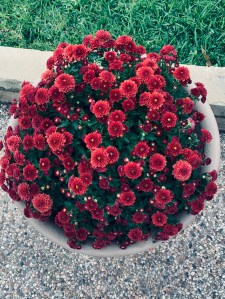
This year I chose Orange Marigolds and they really brighten the hot tub area.

Melinda

Celebrate Life · Health and Wellbeing · Men & Womens Health · Mental Health · Moving Forward

Daily Writing Prompt

Daily writing prompt
What’s your favorite thing about yourself?

This is not a question I’ve thought about before, I like to keep looking outwards. The favorite thing about myself is the ability to get up after being knocked down, the strenght within has brought me a happy life.

Have a great day.

Melinda

Looking for the Light

Chronic Pain · Health and Wellbeing · Medical · Men & Womens Health · Self-Care

What Are Nonaddictive Pain Medication Options?

Pain happens, but when it sticks around for a long period of time or feels unbearable, nonaddictive pain medication may sound like a safer alternative to opioids.

Most people have experienced physical pain to some degree, whether it’s something more temporary, like stubbing your toe, or more chronic, like arthritis in your lower back. 

How you treat pain depends on its cause and how badly it hurts. When pain is severe, healthcare professionals often prescribe medications called opioids.

Opioids are potent and considered some of the most effective pain medications available, but they come with an addiction warning. It’s natural to be wary of these drugs.

You have choices, however. Many nonaddictive pain medications are available — and even preferred — depending on your source of pain.

Why are opioids addictive?

Opioids are medications originally derived from natural opioid compounds, extracts from the seed of the poppy plant. This group of drugs includes pain medications such as morphine, codeine, and thebaine.

Opioids can create an environment for addiction because they boost reward-specific transmitters in your brain, like dopamine. Over time, your body comes to rely on the opioid to trigger the release of these chemicals, leading to dependence, cravings, and tolerance.

7 nonaddictive pain medications

Nonaddictive pain medication classes include:

Nonsteroidal anti-inflammatory drugs (NSAIDs)

NSAIDs are medications that manage pain by controllingTrusted Source the production of prostaglandins, compounds made by your body at sites of infection or tissue damage. By inhibiting prostaglandin production, inflammation, pain, and fever are reduced.

There are currently more than 20 different NSAIDs on the market. Some of the most common names include:

NSAIDs can be used for a wide range of pain management in conditions like:

Acetaminophen

Acetaminophen (Tylenol) is classified as a non-aspirin pain reliever and is a fever and pain reducer, though its exact mechanisms of action are unknown. 

While acetaminophen is an active ingredient in hundreds of over-the-counter (OTC) products alone, it’s not necessarily the most effectiveTrusted Source for chronic pain management.

Acetaminophen has high safety ratings, however, and is the preferred pain management medication for mild pain.

Muscle relaxants

Experiencing muscle spasms with an injury can add to already existing pain. Muscle relaxants help control spasms to take that variable out of the pain equation.

Whether or not muscle relaxants provide beneficial levels of pain management remains up for debate, however. A 2021 reviewTrusted Source found little evidence supporting pain management efficacy of these medications.

Common muscle relaxants include:

Corticosteroids

Corticosteroid medications manage pain by controlling inflammation and suppressing immune responses that might lead to inflammation. Typically prescriptions, corticosteroids are often used in conjunction with other medications, including opioids.

You may be prescribed these nonaddictive medications for conditions of bone painneuropathic pain, or pain that’s associated with an autoimmune condition.

Anticonvulsants

Also known as antiepileptics, anticonvulsants are used for chronic pain management in conditions with neuropathic pain (pain associated with nerve damage).

Common conditions of neuropathic pain include:

The most common choices are gabapentin and pregabalin, which work by regulating your brain’s pain stimulus pathways.

Antidepressants

Antidepressants are medications often used to help regulate mood, but they also have a place when it comes to pain management. 

Like anticonvulsants, serotonin-norepinephrine reuptake inhibitors (SNRIs)selective serotonin reuptake inhibitors (SSRIs), and tricyclic antidepressants (TCAs) may be beneficial for conditions of neuropathic pain.

Antidepressants with the most documentedTrusted Source pain management effects are duloxetine and amitriptyline.

Local anesthetics

When you need pain relief in an exact spot, local anesthetics like lidocaine can stop nerves in the injured area from sending pain signals to the brain.

Local anesthetics are common when you have an injury that might need stitches, for example, but doesn’t require you to be under full anesthesia.

Some local anesthetics are also available in topical forms for use on minor injuries, dental pain, or muscle aches.

What is the most widely used non-opioid pain medication?

Acetaminophen is the most commonly used non-opioid pain medication in the United States. It’s in more than 600 OTC and prescription medications and is taken in some form by approximately 52 million people every week.

What are the strongest nonaddictive pain relievers?

Everyone’s perception of pain is different. What works well for you may not work at all for someone else.

Pain medication strength can be evaluated in a general sense, however, by using a statistical measure known as “the number needed to treat (NNT).”

The NNT is determined by how many people are given a pain medication before it’s seen to be effective. The lower the number, the more effective the treatment is considered.

According to the National Safety Council (NSC), opioids aren’t the most effective pain relievers in terms of the NNT scales. A combination of two nonaddictive pain medications — ibuprofen and acetaminophen — appears to be superior based on emerging research.

Even without this combination, the NSC data indicates that naproxen, an NSAID, has a higher NNT compared with common opioid postoperative pain prescriptions.

Are there risks with taking non-opioid pain medications?

Even nonaddictive pain medications come with the risk of mild or serious side effects.

NSAIDs, for example may cause:

  • headaches
  • dizziness
  • drowsiness
  • upset stomach

In rare cases, they can cause peptic ulcers or kidney and liver complications.

Acetaminophen has a similar list of adverse effects, including:

  • skin rashes/hypersensitivity
  • facial swelling
  • itching/hives
  • upset stomach
  • fatigue

It can also cause potentially serious liver conditions that may lead to liver failure.

Just because a medication has a low addiction risk doesn’t mean it’s the right or better choice for your pain management needs. Every medication comes with potential side effects.

A healthcare team can help you decide which medications may be safest for you.

Nonaddictive pain medications and substance misuse

While “addiction” is a term often reserved for substances, like opioids, that can create chemical dependence, it’s still possible to experience substance misuse with other medications.

Living with chronic pain can be overwhelming. It can be tempting to take higher amounts or more frequent doses of pain medication to try and manage symptoms. Any use of nonaddictive pain medication that is against a doctor’s recommendations is misuse.

Bottom line

Nonaddictive pain medications come in OTC and prescription form. They’re alternatives to opioids, traditional medications known for their addictive potential.

Acetaminophen remains the most popular nonaddictive pain medication in the United States, but emerging research suggests it may be strongest when combined with ibuprofen.

All types of pain medications come with possible side effects. A healthcare team can help determine which medication is best for your needs.

If you or a loved one are concerned about addiction or substance misuse, you can speak to someone 24/7 by calling the SAMHSA National Helpline at 1-800-662-4357.

Melinda

Reference:

Celebrate Life · Chronic Illness · Family · Health and Wellbeing · Medical · Men & Womens Health

Daily Writing Prompt

Daily writing prompt
How do you want to retire?

How I thought retirement would happen is the opposite of how it actually happened. My granny had two major strokes which caused Dementia and she became violent regularly. I made a promise to both of my grandparents that I would make sure they could die at home which was their wish. After the first stroke, I would come over to allow gramps to run errands. This worked until the day it all fell apart.

He was at the grocery store and she thought he had left her at somebody’s house and wasn’t coming back. There’s no understanding or logical times when dealing with Dementia. I took the photos off the walls of my gramps, my father, myself, and her long-dead favorite dogs, nothing would bring her back to reality. I had to give her a sedative and it broke my heart.

The only way to calm her and keep her from trying to hurt herself was for gramps to be there.

I was semi-retired at this point but my grampa needed me every day to help. The reality is, I would not change one thing. I showed up, gave all I could four weeks on end and I has able to keep my promise to her about dying at home.

Melinda

Looking for the Light

Celebrate Life · Chronic Pain · Health and Wellbeing · Men & Womens Health · Mental Health · Self-Care

Why Does Joint Pain Get Worse Around Menopause?

Joint pain is very common during menopause and may be related to lower levels of estrogen. Exercising frequently, eating anti-inflammatory foods, and other actions may help reduce the pain.

If you experience hot flashes, shifts in mood, and joint pain, you’re not alone. These are some of the most common symptoms for people going through menopause.

It’s estimated that more than 50%Trusted Source of women experience arthralgia (joint pain) or arthritis during menopause and, for 21%, either condition is one of the more significant menopausal signs.

Menopausal-related joint pain can be caused by changes in hormonal levels, but other factors may also play a role. There are a variety of home remedies that may help reduce joint pain, and OB-GYN and primary care doctors can also help you decide if you’re a good candidate for hormone replacement therapy (HRT) or other medications.

Language matters

You’ll notice we use the binary term “women” in this article. While we realize this term may not match your gender experience, this is the term used by the researchers whose data was cited. We try to be as specific as possible when reporting on research participants and clinical findings. 

Unfortunately, the studies and surveys referenced in this article didn’t report data on, or may not have included, participants who were transgender, nonbinarygender nonconforminggenderqueeragender, or genderless.

Why do you have joint pain at menopause?

According to 2010 research, it’s believed that a reduction in estrogen levelsTrusted Source during menopause may cause joint pain. 

Estrogen helps to protect joints and reduce inflammation. It also affects the function of muscles, tendons, and ligaments. Having the right balance of estrogen is necessary for ideal joint performance. 

The development or progression of arthritis may be another reason for chronic joint pain during menopause. The risk of osteoporosis and osteoarthritis increases during menopause. This increased risk is also likely related to hormone changes. 

Learn more about the possible connections between arthritis and menopause

What are the symptoms of joint pain at menopause?

You may experience:

  • decreased range of motion
  • cracking or popping sounds when joints move
  • stiffness and swelling in the joints
  • related muscle and back pain
  • shooting pains

What is the treatment for joint pain at menopause?

According to the 2010 research, one of the best ways to treatTrusted Source your menopause-related joint pain may be moving more. Movement and stretching help reduce pain and stiffness. Regular exercise can also help maintain a moderate weight or prevent weight gain that may put added stress on the bones and joints.

Other things that may help your pain include:

Treating other menopause-related symptoms and signs, such as fatigue, insomnia, and depression, may help as well.

What’s the outlook for people with joint pain during menopause?

Research indicates that women are particularly likely to develop musculoskeletal pain during perimenopause, but the odds of moderate to severe musculoskeletal pain increase with age through postmenopause. 

Your joint pain may be chronic, especially if you develop arthritis. HRT may help to improveTrusted Sourcethe outcomes for those with a variety of menopause symptoms, including joint pain. More research into the risks and benefits of this is still ongoing. 

Finding support if you have joint pain at menopause

If you’re experiencing joint pain during menopause, you may benefit from talking with any of the following:

If you experience chronic joint pain, you may also wish to join a chronic pain support group.

Frequently asked questions

Will joint pain from menopause go away?

The joint pain you experience may not go away even after menopause. You may experience it for the rest of your life, but there are ways to manage the discomfort. 

Where is joint pain most common for those with rheumatoid arthritis?

If you have rheumatoid arthritis, you may feel pain in the wrist, fingers, and toes, but you can also experience pain in other areas, including the knees, elbows, ankles, and neck.

What supplements help menopausal joint pain?

Some supplements that people report to improve joint pain include fish oilcollagen hydrolysateTrusted Source, and curcumin (often found in turmeric). A doctor may recommend different supplements, like vitamin D, based on your specific health conditions.

Takeaway 

You’re not alone if you experience stiffness, swelling, or shooting joint pain during menopause. Lower estrogen levels may be partially responsible for the discomfort, but a combination of other factors, including arthritis, may also contribute.

If you experience joint pain during menopause, it can help to get regular exercise and eat anti-inflammatory foods. If you experience chronic pain, you may want to talk with a doctor or other healthcare professional about medication options, including HRT.

Melinda

Reference:

Celebrate Life · Family · Fun · Health and Wellbeing · Men & Womens Health

Happy Father’s Day Gramps, You Were The Best Father

I love you Gramps, the memories we made fill my heart with joy. Teaching me how to fish, remembering the first fish I caught, and standing up almost turning the boat over. At 13 you gave me a 16 gauge shotgun, and we went to the levees to practice. I shot a duck out of season, you were pretty cool about that. Laughing when I shot at dragonflies. I will always remember you throwing trash cans into the trunk and heading to the levy bottoms for driving lessons. You picked up more cans on parallel parking practice.

Gramps didn’t hear this song, he didn’t know Carrie Underwood. He would rather listen to Buck Owens or George Jones, old-time country. This song touched me deeply, I can’t listen to it without crying. 

I’ll see you soon. I know this is my temporary home.  

Melinda

Blogging · Celebrate Life · Health and Wellbeing · Men & Womens Health

Daily Writing Prompt

Daily writing prompt
What notable things happened today?

The greatest thing happened to me this morning, I woke up! Every day I wake is a blessed day.

Melinda

Looking for the Light

Celebrate Life · Health and Wellbeing · Men & Womens Health · Mental Health

Why every desk at your office should have a plant

Ideas.TED.com

May 20, 2019 / Mary Halton + Daryl Chen Call it green energy — by giving every employee a plant, engineer Mike Robinson created an environment where both humans and their leafy friends thrive. Plus, 9 recommendations for hardy, hard-to-kill plants to call your own. This post is part of TED’s “How to Be a Better Human” series, each of which contains a piece of helpful advice from someone in the TED community; browse through all the posts here. Besides a paycheck and reasonable hours, what else does a person need to thrive at work? Decent space, adequate supplies and tools? Yes. Lunch breaks, sick days, time off to recharge? Sure. A plant? Well … Such an idea had never occurred to engineer Mike Robinson. He owns a small company based in British Columbia, Canada, that designs and builds windbreaks and other control structures. One day, his wife, Suzanne, who runs the company with him, said: “I think we should give every person in the office a plant for their desk.” Robinson was skeptical. He thought that plants would be distracting and a drain on people’s time. “The average staff member would probably spend about five minutes a day either looking after the plant or admiring it,” as he puts it in a TEDxWhiteRock talk. Upon his wife’s insistence, however, he agreed to give it a try. He and Suzanne bought 20 plants for their 20 employees. Then, they did something a bit different. Instead of handing them out, they asked each employee to approach the tableful of plants and choose their own — but from the perspective of the plant. Think of it like a human-plant speed-date. Robinson explains, “So you have to put yourself in the spot of the plant, as it were, and say, ‘Which person do I want to be my new friend?’” Employees then received a small sign on which they wrote ‘My friend is …’ and their own name, stuck it in the soil, and brought it into their personal workspace. Over time, Robinson realized that the plants were having a positive impact. He says, “I did my own mathematics, and I reckoned that we might be doing about 30 percent more business per staff [member].” Of course, this is far from a scientific study. There’s no control group or double-blind — just a company filled with happy plant lovers excelling at their jobs. And maybe that’s enough. Another sign that something is going right: After 5 years, not a single plant has died. Robinson guesses that since each was hand-selected and bears the employee’s name on the label, they’re well-tended because “this is your friend and you care about your friend.” As he explains, “Our office is a more contented place, a relaxed place, and a place that I’m proud to be to be a part of, and a big part of that is the personal plant.” But what plant is right for your desk? Perhaps you’ve gotten one and felt the warm glow of human-plant friendship — only to see it wither before your eyes. We asked Rebecca Bullene, New York City horticulturist, cofounder of Greenery Unlimited and the person who designed and tends the greenery at the TED NYC offices, to recommend hardy plants for different light conditions. Note: Almost all of these plants are available in desktop sizes, but if you want them to stay that way, you will need to prune them.

Plants for low light

Sansevieria plant, or snake plant: “They’re an architectural plant; I usually use them in spaces that have a more modern aesthetic,” says Bullene. ZZ plant, or emerald palm: “This plant has very deep glossy leaves and a kind of two-tone coloring. It’s a softer plant.” Aglaonema, or Chinese evergreen: “It has very beautiful patterning on the leaves, and it’s a larger-leafed plant. It is a welcoming plant.”

Plants for medium-light

Monstera deliciosa, or Swiss cheese plant: “It’s a fabulous name for a fabulous plant. The leaves have a really interesting texture, and this plant is a fast grower.” Schefflera arboricola: “it’s very cute. It’s one of my favorites, and it’s easy to take care of.” Anthurium, or laceleaf plant: “This is one of my favorite flowering plants. I prefer them to orchids because orchids can be difficult to care for and their blooms only last for about six weeks, whereas the anthurium puts up new flowers year-round.”

Plants for high light

Ficus audrey, or banyan fig: “While the fiddle-leaf fig is the most popular ficus, the ficus audrey is gaining. I think it’s just as beautiful, if not more so. It has very velvety leaves, and its growth habit is more restrained.” Philodendron selloum, or philodendron hope selloum: “This was popular in the 1970s and the 1980s and fell out of favor, but it’s having a resurgence now. These plants have large tropical leaves with really deep cuts in them and a lovely, ruffle-like texture. This is not one that you’d have on your desk — it’s large — but next to it.” Succulent plants, such as aloe verapincushion or zebra plant: “These are very popular right now. They’re best on a sunny windowsill rather than away from natural light. Most need water every 7 to 10 days, but touch the soil first — if it’s damp, don’t water it. They really like to dry out between waterings.” Echeveria: “This is a flowering succulent that’s good in high light. They put out these long stems with bell-shaped flowers.” But what if you’re in a space that has no windows or a window facing a stairwell? “The sansevieria and aglaonema can survive in a room with no windows, although they won’t flourish. But people without natural light should known that grow lights have come far in the past three years,” says Bullene. “They screw into any fixture and they provide the same kind of light to work by, but they’re actually introducing a full spectrum of light for plants. I’ve seen plants respond really well to them.” One brand that she’s had good results with is Sansi. What about air plants“These generally require more care and attention than people are willing to give. When I’ve gone into a store and the sales people are like, ‘Oh, you don’t need to do anything with them,’ it breaks my heart,” says Bullene. “One of the fundamentals of plant care is to think about a plant’s native habitat and how to recreate it so the plant will be happy. Air plants grow in extremely high humidity environments that are full of life; they get their nutrients from the air.” She recommends either putting them near a humidifier (and misting them regularly) or soaking them for 20 minutes at a time in a bowl of water. Air plants like bright, indirect light. Last but not least: Don’t overwater. “There’s a direct proportional relationship between light and water. The less light a plant gets, the less water it should receive; the more light, the more water,” explains Bullene. “Often, people think they should water every day, and that’s the kiss of death. In a low light environment, you should water plants every 10 days or so.“ What’s confusing is the signs of overwatering and underwatering are largely the same — yellow leaves, wilting — and most of us respond by adding water. Says Bullene, “I’d say 80 percent of the time plants are receiving too much water, and the correct response would be to withhold it for a little bit longer.” Watch Mike Robinson’s TEDxWhiteRock talk now:

ABOUT THE AUTHORS

Mary Halton is Assistant Ideas Editor at TED, and a science journalist based in the Pacific Northwest. Daryl Chen is the Ideas Editor at TED. Melinda Repost
Celebrate Life · Health and Wellbeing · Men & Womens Health · Mental Health · Self-Care

How To Achieve And Maintain Relaxed Focus

A lot of everyday tasks benefit from a combination of relaxation and focus. Driving is possibly the most obvious example of this. At a minimum, getting this balance right can help to avoid negative consequences. For example, you won’t have to file a car accident claim. At best, it can really boost your performance. With that in mind, here are three tips to help.

Clear your mind before you begin

What this means in practice will depend on the situation. Ideally, you’ll resolve any troubling issues before you begin your task. In the real world, sadly, that’s not always going to be possible. What you can do, however, is offload them and commit to dealing with them later.

What this means in practice will depend on you. For example, you might get the most release from just speaking your thoughts into a voice recorder (most cellphones have one). Alternatively, you may prefer offloading your thoughts onto paper. This doesn’t have to mean writing. It can also mean drawing or doodling.

This may be enough to clear the mental/emotional block from your system. If it doesn’t, however, remember to commit to addressing it later.

Make sure you’ve taken care of your body

If you want to achieve and maintain relaxed focus, then your body needs to support that. For example, you want to be comfortably full and properly hydrated. Be aware that even milder chemicals may disrupt either your relaxation or concentration. Alcohol and caffeine are obvious culprits here.

Be aware that medication (or withdrawal from medication) can also cause issues. If it does, try speaking to your doctor. They may be able to switch your medication or give advice on how to minimize the effects of withdrawal from it.

Another important point to note is that temperature can play a huge role in your ability to achieve and maintain relaxed focus. Ideally, you should control the ambient temperature to keep it pleasant. You may, however, find it useful to have a way to add extra heating/cooling where and when you need it.

Get the right stimulation

The right stimulation keeps you relaxed but helps you to maintain alertness. Most tasks require you to use your eyes and hands. That leaves your ears, nose, and mouth potentially free. Audio stimulation can be massively helpful. You do, however, need to be slightly careful with it.

Firstly, spoken-word audio, including songs, can overload your brain. When you need to focus, it’s often better to stick to music without lyrics or even just ambient sounds. Secondly, you need to think about your hearing. If you listen to the audio a lot, invest in a quality pair of headphones. Ideally, use ones that go over the ear.

Stimulating your sense of smell can have a very powerful effect on your mind. One useful point to note, however, is that the effect of a scent becomes less powerful over time. This isn’t just the scent fading, it’s the brain tuning it out. You can, however, use different scents to keep your brain engaged.

Last but not least, remember the power of taste. Some foods can also help to get your brain moving. Citrus fruits and mints are often particularly good for this.

This is a collaborative post.

Melinda

Repost

Celebrate Life · Fun · Health and Wellbeing · Mental Health

Wordless Wednesday-Gnome

I’m glad you joined me on Wordless Wednesday and I hope to see you soon.

He watches over the garden.

Melinda

Celebrate Life · Fun · Health and Wellbeing · Men & Womens Health

Daily Writing Prompt

Daily writing prompt
What’s the one luxury you can’t live without?

I’m blessed to have luxuries like good candles and a Lambswool throw but one luxury I can’t live without is the fireplace in my office. I use it every day year-round because I’m cold-natured. It can be 90 degrees outside and I’m in front of the fire with a sweatshirt on.

Melinda

Looking for the Light

Chronic Illness · Chronic Pain · Health and Wellbeing · Medical · Men & Womens Health

What Should You Know About Cortisone Shots?

Cortisone shots can help relieve joint inflammation. You may experience minor side effects.

Cortisone shots are injections that help relieve pain and inflammation in your joints, muscles, or connective tissue. They’re commonly used to manage symptoms of painful inflammatory conditions, such as:

Cortisone shots are fast-acting and can provide significant short-term pain relief for weeks to months. Although cortisone shots are generally safe, they do come with some potential risks.

Keep reading for an overview of everything you should know about cortisone shots.

How do cortisone shots work?

A cortisone shot helps relieve pain by reducing inflammation in a certain part of your body. The cortisone is delivered into the affected area with a thin needle. 

Cortisone is a type of molecule known as a corticosteroid, a precursor to the hormone cortisol. Cortisol is produced by your adrenal gland and plays many roles in your body, including suppressing the activity of your immune system.

Inflammation is your immune system’s way of protecting your body from injuries, foreign substances, or anything else potentially damaging. Inflammation releases various substances, including the hormones bradykinin and histamineTrusted Source. These hormones irritate nerves and send pain signals to your brain.

A cortisone shot reduces levels of molecules that stimulate inflammation. This can improve joint function and reduce stimulation of your nerves which leads to pain.

These shots often take effect within a few days, though some can be effective within a few hours, and can provide pain relief for up to several months depending on: 

  • the part of your body treated
  • the dose you receive
  • your individual response to the shot

What do cortisone shots treat?

Cortisone and other corticosteroid shots are used to treat a wide variety of inflammatory conditions involving joints, muscles, or connective tissues.

Shoulder pain

Corticosteroid injections can cause short-term improvements in frozen shoulder and shoulder impingements.

2015 study in American Family Physician found that over a period of 8 to 16 weeks, corticosteroid injections are more effective for managing frozen shoulder than oral corticosteroids, nonsteroidal anti-inflammatory drugs (NSAIDs), and physical therapy. But the study found that the outcome between groups isn’t significant after a year. 

Osteoarthritis

Cortisone shots are often used to treat knee or hip osteoarthritis

For the knee, pain relief typically lasts for 1 to 2 weeks but may last up to 4 weeks.

Carpal tunnel syndrome

Carpal tunnel syndrome is compression of your median nerve that often causes tingling or pain in your hand. 

2017 reviewTrusted Source of studies suggests that corticosteroids can lead to short-term relief in about 45 out of 100 people.

Trigger finger

Trigger finger is the locking of a finger caused by inflammation of the tendons. 

The 2015 study mentioned earlier found 54 to 86 percent cure rates after corticosteroid injections.

Bursitis 

Bursitis is inflammation of small fluid-filled sacs called bursae found around your joints. 

Cortisone injections may help reduce this inflammation temporarily. Corticosteroid injections for the bursa around the head of your femur provide greater pain relief at 6 weeks and 3 months than physical therapy and pain relievers, but not after one year.

Are there any risks with cortisone shots?

Cortisone can travel into your bloodstream and cause full-body side effects. 

According to a 2019 review of studiesTrusted Source, the amount of cortisone that gets absorbed into your blood seems to vary significantly between people. But both joint and epidural injections can have effects that last for weeks.

There’s also some evidence from a 2020 study that a single shot can increase your risk of developing infectious diseases, such as the flu.

In rare cases, an improperly performed injection can lead to nerve damage.

Are there any side effects from cortisone shots?

The most common side effects of steroid injections include:

Rarer but potentially serious side effects include:

How much does a cortisone shot cost?

Cortisone shots typically cost roughly $100 to 300 but can be more than $1,000. Your insurance may cover some or all of the cost. 

The exact cost that you pay out of pocket for a cortisone shot varies widely between clinics and depends on: 

  • the clinic you visit
  • where you live
  • what type of shot you get

Medicare reports that patients pay an average of $84 for injections of therapeutic substances, such as cortisone, when performed at a non-hospital facility. The average price at a hospital is $146.

What’s the procedure for a cortisone shot?

Here’s what you can expect when you get a cortisone injection:

  1. Depending on what part of your body is being treated, you may be asked to change into a hospital gown.
  2. A doctor or specialist will clean the area around the injection site with alcohol wipes and wait for the alcohol to dry.
  3. The doctor or specialist will likely apply a spray or anesthetic to numb the pain.
  4. They will make an injection with a thin needle. You may feel some pressure, but most people don’t experience a significant amount of discomfort or pain.

Are there supplementary treatments for cortisone shots?

Supplementary treatment options vary depending on your particular issue. Some options may include:

Are there alternatives to cortisone shots?

A doctor may be able to recommend alternative treatments for your condition. For some issues like chronic knee pain, surgery may be the best option.

Platelet-rich plasma (PRP) injection is an experimental treatment that may help you manage joint pain. More research is needed to understand their potential benefit.

Hyaluronic injections are also sometimes used to treat knee pain when cortisone shots aren’t effective.

The takeaway

Cortisone shots are used to treat a wide variety of inflammatory conditions affecting your joints or other parts of your musculoskeletal system. They’re generally safe, but they can cause side effects that either affect the treated area or your whole body.

Discuss the pros and cons with a doctor beforehand. Depending on your condition, there may be alternative treatment options that have fewer side effects or are cheaper.

Melinda

Reference:

Blogging · Celebrate Life · Health and Wellbeing · Men & Womens Health · Moving Forward

Daily Writing Prompt

Daily writing prompt
If humans had taglines, what would yours be?

The tagline on my blog was Keep Moving Forward and that describes my general thought process. If we don’t move forward we stop growing and become stagnant.

Melinda

Looking for the Light

Celebrate Life · Health and Wellbeing · Men & Womens Health · Mental Health

4 Ways to Save More Money & Sleep Better At Night

The lack of finances is a major source of worry for many people. Therefore, when there are not enough funds available for meeting your needs or in your savings, you’re more than likely to become anxious, Unfortunately, with most Americans having less than $1,000 stashed away as their savings, this problem is a pretty pervasive one. However, just because this is the norm doesn’t mean that it should be the same for you. With the right strategies, you can actually save more, thus lessening your worries and anxieties in the process.

Cut Down Bloated Financial Expenses

Take a critical look at your expenses and see where you can cut them down. The easiest way to do this is to start tracking every cent you spend. Do this for a month or two and see what expenses are important and those that aren’t. 

Then, create a budget based on those important expenses and save the rest. You’ll find that when you limit yourself to a budget and stick to it, you can make it work, regardless of your previous spending habits. 

It may not seem like a lot at first, but it does add up over time. We’ve seen families go from having less than $500 in their savings to $6,000 in savings in one year by just cutting their expenses. Interestingly, they were still quite comfortable and didn’t miss those things they cut out of their budget.   

Reconsider Your Housing Situation 

This is a tricky one considering that you need a place to live. But if you’re spending more than half of your paycheck on housing –whether mortgage or rent- you might want to consider downsizing to something more affordable until you can afford your ideal home and use the extra funds for something else. 

For instance, some people have been known to switch to manufactured homes. If you do a quick search using the mobile homes for sale search phrase, you’ll find many affordable options that are available to you. If mobile homes aren’t an appealing option, try moving to a cheaper or smaller home. Or you can seek cheaper mortgage payments for your home.

Save Unexpected Income

Most people tend to immediately send money that they didn’t expect. Yet, when you think about it, the very fact that those funds were unexpected means that they can actually live without spending those funds. 

Whether the money is in the form of a bonus, cash gifts, or extra commission, determine to put that money aside immediately it comes in. Do this a few times and you’ll soon see your savings grow. 

Lower Your Energy Bills

Energy consumption and utility bills are often a sizable part of the average monthly expense. So, it makes sense that if you can cut down on how much you pay for your utilities –particularly during the summer and winter months- you could save some more money. 

Some things that you can do to lower your energy bills include changing your bulbs to energy saver bulbs, using energy-efficient HVAC systems, not leaving the heater or AC on in rooms that are unoccupied, and much more. 

This is a collaborative post.

Melinda

Report

Blogging · Celebrate Life · Fun · Health and Wellbeing · Men & Womens Health

Daily Writing Prompt

Daily writing prompt
Who do you spend the most time with?

My husband retired in April and we see each other all day but if you count the hours I probably spend more time with the dogs. It’s not always intentional, they think I’m a snack machine and come into my office asking for them throughout the day.

Our dogs are like children and they can be clingy.

Melinda

Looking for the Light

Celebrate Life · Fun · Health and Wellbeing · Men & Womens Health

Keeping Yourself On Track With Your Fitness

Everyone wants to be as fit and healthy as possible, but this is not always as easy to achieve as you might hope. If you are keen to be fit but you often struggle to keep yourself on track with regard to that fitness, you are not alone. This is a very common experience and one which you can improve easily enough if you know how best to approach it. In this post, we are going to take a look at some of the most powerful ways to keep yourself on track with your fitness, so you can enjoy the feeling of good health and physical wellbeing that this will bring.

Photo by Andrea Piacquadio on Pexels.com

Keep A Diary

It might sound a little corny, but keeping a diary really is one of the best ways to keep yourself on track with pretty much anything, and that certainly applies to when you are trying to be more fit. If you are keen to do this, you might want to consider doing it as a blog, as feeling that other people might be reading it can add even more to the experience and encourage you to keep on track all the more. Take a look here for a web host, and then set up your site and blog, and start typing.

Be Clear About Your Goals

We all know that having goals is a good way to ensure you are moving in the right direction and achieving what you need to achieve. But you need to make sure that they are accurate and clear goals, and that you actually know what you hope to get out of them, otherwise you might struggle to actually use those goals as inspiration and you might end up simply falling off the wagon again. So be really clear about what you want to achieve, in what timescale, and you are going to find this really helps.

Track Your Progress

You’ll also want to think about tracking the actual hard data relating to your fitness – such as how your body weight is changing, how much you are able to deadlift each time, and so on. The more effectively you track this, the better, as you are going to find that it allows you to see how far you have already come, and therefore encourages you to continue. Without this kind of data by your side, you might find yourself feeling that you are getting nowhere, so this can really make a huge difference.

All in all, it’s all about enjoying it – and if you are not enjoying it, then what’s the point? That doesn’t mean that every moment is fun, but it does mean that you should feel that, on the whole, you are doing what you need to be doing in order to have fun with it. If you neer feel that you are having fun, you are probably not approaching it in the right way, so this is something to focus on from the start of your process.

This is a collaborative post.

Melinda

Repost

Celebrate Life · Health and Wellbeing · Men & Womens Health

Daily Writing Prompt

Daily writing prompt
Describe your dream chocolate bar.

Chocolate is a food group in our house, and I eat two squares daily. The ultimate chocolate bar would be dark, not too thick, all-natural, earth-friendly packaging and made in Switzerland or Belgium. I also like chocolate with hazelnuts, vanilla, and cashews.

Melinda

Looking for the Light

Celebrate Life · Health and Wellbeing · Men & Womens Health · Mental Health · Self-Care

8 Daily Habits to Boost Mental Health — and Signs It May Be Time to Get Support

Mental health includes your psychological and social well-being. It also encompasses your emotional health, which refers to your ability to name, address, and regulate your emotions.

You might notice discussions about mental health online, in conversation with family or friends, on your favorite show, or in any number of other places.

But what exactly is mental health?

“Mental health is about the functionality of your brain and all that impacts it,” said Oludara Adeeyo, a psychiatric social worker and author of “Self-Care for Black Women.”

Many factors play a part in mental health, some of which you can’t control, such as genetics, life experiences, and family history.

But you do have influence over other important aspects of your mental health, noted KC Davis, a licensed professional counselor and author of “How To Keep House While Drowning.”

Your ability to influence your mental health is key because the state of your mental health matters.

What makes mental health so important?

Mental health helps determine how you handle stress, relate to others, and make choices, explained Alison Seponara, a licensed professional counselor and author of the book “The Anxiety Healer’s Guide.”

Seponara goes on to say that caring for your mental health can lead to:

  • improved mood
  • reduced anxiety
  • clearer thinking
  • deeper relationships
  • improved self-esteem, self-worth, and confidence

Nurturing your mental health can also help you manage health conditions that are worsened by stress, like heart disease, said Seponara.

Your mental health can impact everything about your life, Adeeyo said, including the ways you view and move through the world and your ability to handle the things life throws at you.

That’s why building habits for better mental health can make a big difference in your day-to-day life. 

PRO TIP

As you explore new behaviors and begin incorporating them into your routine, aim to frame these changes as self-kindness, not self-punishment. Maintaining a gentle, kind attitude toward yourself can do a lot more to improve your mental health and overall outlook than criticism and negative self-talk

“Work on your mental health from a place of care,” Davis recommended.

Not sure where to start? You’ll find 8 strategies to promote improved mental health below, along with some guidance on seeking professional support.

Get restful sleep

Sleep isn’t just a nonnegotiable for physical health. It also plays an essential role in mental health.

The American Psychological Association reported in 2023 that sleep deprivation makes people less happy and more anxious.

The quality of your sleep matters, too. Disrupted sleep can contribute to mental health symptoms.

To get enough high quality sleep, try starting with these habits:

  • Avoid caffeine after 3 p.m.
  • Try to wake up and go to sleep at the same time every day.
  • Make your bedroom into a quiet, relaxing, clutter-free space.
  • Aim to keep the temperature in your bedroom somewhere between 60°F and 65°F (16°C to 18°C).

Healthy sleep habits can be harder to build on your own if you have a sleep disorder

If you think your sleeping issues may relate to a sleep condition, a sleep specialist can offer more information about helpful evidence-based treatments, like cognitive behavioral therapy for insomnia.

Mental health concerns can also lead to poor sleep, which means changes to your sleep environment and nighttime routine might not make a lasting difference. If you don’t notice much improvement after trying these strategies, connecting with a therapist may be a helpful next step.

Cut back on social media

“Constantly consuming information about other people’s lives may cause someone to compare themselves and promote feelings of low self-worth, which increases feelings of anxiety and depression,” said Adeeyo.

To spend less time on social media, try to:

  • keep your phone in a drawer or outside your bedroom while you’re in bed
  • make a list of other, more meaningful activities to replace your usual scrolling sessions
  • turn off notifications or delete social apps from your phone

Strengthen your relationships

Humans are social creatures, and strong relationships can have a positive influence on your mental health in various ways. 

Friendships, for example, can:

  • ease feelings of loneliness
  • make it easier to get emotional support 
  • add meaning to your life

You have plenty of options for cultivating positive connections and nurturing your friendships: 

  • Keep in touch by checking in regularly, even with just a quick text or funny meme.
  • Meet up for a morning walk or breakfast.
  • Call for a short chat during your lunch break. 
  • Schedule biweekly or monthly dinner dates. 

Move your body on your own terms

Exercise offers a range of mental health benefits, including:

  • relieving stress
  • lifting mood
  • helping you fall asleep faster and sleep longer
  • helping you manage symptoms of depression and anxiety conditions

Movement can involve something different for every person, and it doesn’t have to mean going to the gym if that’s not your thing. Instead, make movement enjoyable for you by opting for physical activities that work best for your body, health, and preferences.

To get started, experiment with a range of physical activities, and keep doing the ones that resonate with you.

Enjoyable movement could include: 

  • joining a running or walking club
  • taking a slower-paced restorative yoga class
  • trying seated exercises
  • throwing a dance party
  • taking stretching breaks every hour
  • gardening or doing other work in your backyard
  • going on a weekend family hike or walk along the beach

In other words, you don’t have to do a vigorous workout to support mental wellness.

“Taking a few minutes to stretch can make a huge difference for your overall mental health. Stretching will help with blood flow and get more oxygen through your body, which can help you feel more relaxed and happy,” said Christopher S. Taylor, PhD, LPC-S, founder of Taylor Counseling Group, author of “My Digital Practice,” and host of the “For Self-Examination” podcast.

Savor nutrient-rich foods

Certain foods can also affect your mental health. To support improved mental health, try expanding your current diet to include foods packed with mood-boosting nutrients like: 

  • berries
  • bananas
  • beans
  • whole grains
  • fatty fish, like salmon

It can also help to simply make sure you fuel your body every day — eating something is better than eating nothing.

Drinking plenty of water throughout the day is also beneficial. 

“When you’re dehydrated, you’re denying your brain and body the nutrients needed to survive and operate at a more optimal level,” Adeeyo noted.

Certain foods, namely alcohol, caffeine, refined carbs, and added sugars, may worsen anxiety symptoms. Limiting these foods could help ease some of your symptoms.

Know when to take it easy

On difficult days, you might find it tough to do any of the above, which might make you feel even worse. 

At times like these, Davis encouraged turning to compassionate, more accessible strategies, like:

  • giving yourself permission to stay in and rest
  • engaging in breath work even if it’s just for a few minutes
  • taking a bath or a long, hot shower
  • buying a nutritious prepackaged meal when cooking anything feels close to impossible

A similar approach you can try? Commit to taking one small step every day. 

“Whether it’s making your bed, drinking one glass of water in the morning, or writing in a journal, making this daily promise to yourself will help to eventually become a habit, and you will begin to feel empowered,” Seponara explained.

Make time for rest

While what constitutes “rest” may vary from person to person, it generally means giving your mind and body the opportunity to unwind and restore. 

Rosie Acosta, meditation and yoga teacher and author of the book “You Are Radically Loved,” suggested trying yoga Nidra, a sleep-based meditation.

She recommended the following steps:

  1. Lie on your back with your hands by your sides. Spread your feet apart — the distance of your hips, or a bit wider.
  2. Think of being relaxed, yet present. You feel calm, but still aware. 
  3. Bring your attention to your physical body and then to your breath.
  4. On an inhale, imagine a slow-moving wave entering from the soles of your feet and traveling to the crown of your head. 
  5. On the exhale, visualize a slow-moving wave traveling from the crown of your head back down to the soles of your feet.
  6. Feel your body become heavy, and stay with this relaxed present awareness for 10 to 30 minutes.

If you only have a few minutes to relax, Acosta suggested these quick restorative practices:

  1. Put both hands over your heart, close your eyes, and take several deep breaths, feeling the warmth and comfort of your touch.
  2. Breathe in for 2 counts and breathe out for 4 counts for 12 cycles.

Get some sunshine

“The sun is a great source of vitamin D, and studiesTrusted Source show it can improve attitude and mood,” said Taylor.

Your outdoor time doesn’t have to be long, either. As Taylor noted, “Five minutes of blue skies can do your mind and your heart some real good.”

If you have several minutes, Taylor recommended:

  • taking a quick walk
  • sitting in your backyard, on your balcony, or at a local green space
  • standing outside breathing in the fresh air
  • opening a window near your desk, if possible
  • taking a work meeting outside, if you can 
  • eating lunch at a nearby park
  • exercising outdoors or engaging in another physical activity outside, like gardening or stretching

When to reach out

The strategies above can help improve mental well-being, but they can’t “cure” any mental health conditions. 

To put it another way, making changes in your habits may not always relieve persistent mental distress. Working with a therapist, however, can be a particularly powerful way to improve mental health. 

You can consider professional support at any time. You don’t need to have depression, anxiety, or any specific mental health symptoms to benefit from therapy.

That said, reaching out becomes particularly important if you:

  • have experienced a stressful or traumatic event
  • feel more upset, anxious, or sad than usual
  • frequently feel agitated, irritable, or angry
  • have had a decrease in motivation
  • have noticed changes in your appetite and sleep patterns
  • often find it difficult to get through the day
  • feel stuck or overwhelmed
  • rely on alcohol or other substances more than usual or turn to harmful coping behaviors

The takeaway

Your mental health plays a key role in your quality of life. Many of the factors that can affect mental health remain beyond your control, but adding beneficial habits to your days can promote greater wellness.

Just know that when it comes to adopting new habits, it’s generally more helpful to start with only one or two at a time, instead of a complete overhaul. Then, check in with yourself to take stock of how those changes helped.

Melinda

Reference:

Celebrate Life · Fun · Health and Wellbeing · Mental Health

Wordless Wednesday-Purple Delight

I’m glad you joined me on Wordless Wednesday and I hope to see you soon.


Melinda

Celebrate Life · Fun · Health and Wellbeing · Men & Womens Health

Fun Facts That Will Amaze You

I’m so glad you are enjoying Fun Facts, I learn something new each week, even if it’s weird. I love hearing your comments! 

Snakes do not have eyelids. Although they cannot close their eyes while they are sleeping, they can close their retinas

The Incredible Hulk was initially supposed to be gray, but according to Stan Lee, an issue with the printer turned the Hulk green

If you type the word “askew” into the Google search box, the entire page will tilt slightly

The term “astronaut” comes from Greek words that mean “star” and “sailor.”

The longest common word with all the letters in alphabetical order is “almost.”

According to Plato, wine may be tasted in moderation until age 31, but when a man reaches 40, he may drink as much as he wants to cure the “crabbedness of old age.”

No matter how badly fingerprints are damaged, they will always grow back in their original pattern

Elephants sing to each other, but their songs are in a frequency too low for humans to hear

Americans spend more time watching other people on television cook than they do cooking themselves.

Charles Darwin invented the modern office chair when he added wheels to his own chair, so he could move around his office easier.

The term “coccyx” (also known as your tailbone) is derived from the Greek word “cuckoo” (“kokkux”) because the curved shape of the tailbone resembles the bird’s beak

Enjoy the humor and try not to laugh too hard like I do each week.

Melinda


Chronic Illness · Chronic Pain · Health and Wellbeing · Infectious Diease · Lyme Disease · Medical · Men & Womens Health · Tick Borne Illnesses

Emerging tick species in CT found to carry rare bacteria that can be deadly, officials say

HARTFORD, Conn. — An invasive tick species in Connecticut has been found to carry the bacteria that can cause ehrlichiosis in humans, a discovery that has alarmed state biologists as the tick continues to increase its spread throughout the state.

Longhorned ticks, an emerging invasive species in the state, have now been found to carry the bacteria that causes ehrlichiosis. The bacteria, while rare in Connecticut, has been found in the state for a while, according to Dr. Goudarz Molaei, a state entomologist with the Connecticut Agriculture Experiment Station.

Between 2001 and 2019, the number of cases of the bacteria increased from 142 to 2,093, a roughly 15-fold rise. Only two erlichiosis cases were recorded in Connecticut between 2008 and 2018, however, 28 cases were reported in the state between 2019 and 2023, according to CAES data.Expand article logo  

“This is concerning because before we only saw this bacteria present in the lone star tick, this is the first case detected in the longhorned tick,” Molaei said. “What is concerning about this is that the longhorned tick doesn’t need a mate to reproduce. So it has the potential to spread quickly and we already are seeing that as its population increases.”

Longhorned ticks primarily reproduce through a process called parthenogenesis, where females can lay viable eggs without mating to reproduce. This means a single female tick can create an entire population without a male partner, increasing the risks of rapid spread, Molaei said.

“This is very unusual and something we don’t see too often,” Molaei said. “So far this is the only tick in the United States that has this ability to reproduce without a mate. In other animals like arthropods and certain vertebrae, parthenogenesis has been reported, but it’s still very rare.”

Molaei said that a rise in ehrlichiosis cases is expected in the future. The bacterial infection can be a serious illness, though most cases are not fatal with prompt treatment. Untreated, it can lead to severe complications like organ damage, brain problems and even death. There is no vaccine available, but antibiotics are the traditional course of treatment, he said.

The invasive ticks are not native to the United States and are considered an exotic species. They originally were found in tropical environments in Asia before being detected in the U.S. in 2017. Since its initial discovery, the longhorned tick has expanded into at least 21 states, primarily in the East and Northeast, as well as the District of Columbia, according to CAES. The species was first detected in Connecticut in 2018.

In both its native and invasive range, the longhorned tick is known to transmit a wide variety of pathogens, Molaei said. Researchers have found evidence of infection in field-collected specimens in the U.S. with pathogens that cause Lyme disease, anaplasmosis, babesiosis, Bourbon virus disease and theileriosis. However, it is still unknown if the tick can spread many of these disease agents.

“What is also unusual about this species is that we have shown this tick is capable of attaching and detaching with partial blood feeding,” Molaei said. “Most ticks will stay on a host until they are fully engorged, so this increases the risks of disease transmission. Unfortunately these ticks co-exist with lone star ticks, and to make the matter worse, both of these ticks feed on white tail deer. Deer can act as a reservoir for the bacteria that causes ehrlichiosis. Longhorned ticks can pick up the bacteria after feeding on an infected deer.”

The tick species is now found scattered throughout Fairfield and New Haven counties, according Molaei. However, their range is expected to increase its range further northward. Last year, the ticks were identified in Fairfield, New London, Middlesex and New Haven counties, according to data from CAES.

“As the climate changes, we expect to see this species further north into New England and Canada,” Molaei said. “We are fortunate that. at least for the time being, the population is rather patchy in Fairfield and New Haven counties. It is not widespread yet, but eventually it will become more widespread, and that is where the concern increases.”

Melinda

Reference:

https://www.msn.com/en-us/news/other/emerging-tick-species-in-ct-found-to-carry-rare-bacteria-that-can-be-deadly-officials-say/ar-AA1FDjJX

Celebrate Life · Health and Wellbeing · Men & Womens Health

Daily Writing Prompt

Daily writing prompt
List three books that have had an impact on you. Why?

Man Search For Meaning

My psychology teacher gave me the book when I was 13 years old and I knew nothing about the holocaust or Hitler. The book was heartbreaking but the strength of Victor Frankel to survive through the worst conditions was a true inspiration.

The Bible

The answer is too long to share here. I loved reading about the birth of Christ, the journey Mary and Joshef took to find cover to have their baby, and the Shepard boy. The Bible shows how Jesus spread the word of Christianity and influenced life with his giving nature. He inspired the to go far and wide to spread the word, men were tortured, and imprisoned but they never gave up hope in Jesus. The Bible has been the most important book in my life.

I can’t recall the name but it was about Mary Magelane

The book was a different slant on Mary Madeline, it portrayed her as a poor woman with a mental illness and how she was treated by the public. Mary Madeline played a huge part in Jesus’s life and boy it made you think how some people have thought of her. I can not find the book today, I read it about 20 years ago.

Thank you for an depth question.

Melinda

Looking for the Light

Celebrate Life · Chronic Illness · Chronic Pain · Health and Wellbeing · Infectious Diease · Lyme Disease · Medical · Tick Borne Illnesses

After 18 joint replacements in 6 years, she’s now a fierce Lyme advocate

Meghan Bradshaw was just 25 when severe joint pain appeared seemingly overnight.

Once active and independent, she found herself unable to walk, dress, or function on her own. She returned to her mother’s care while doctors struggled to explain her condition.

After two years of misdiagnosis and ineffective treatments for rheumatoid arthritis, Bradshaw finally received clarity. She tested positive for Lyme disease and other tick-borne illnesses.

That diagnosis came after she turned to OrthoCarolina, where her orthopedic team helped connect her with a specialist who identified the root cause of her symptoms. Though the diagnosis came with its own challenges, it offered the one thing she had been missing: hope.

Over the next six years, Bradshaw underwent 18 joint replacements and reconstructions at OrthoCarolina, including procedures on her shoulders, elbows, hips, knees, hands, and meniscus. Her care was guided by a team of four orthopedic specialists who worked together to create a patient-centered, personalized treatment plan tailored to her needs.

“When I was finally diagnosed with Lyme disease and other tick-borne diseases, it felt like I had a chance to fight again,” said Bradshaw. “The doctors at OrthoCarolina didn’t just treat my joints – they helped restore pieces of my life I thought were lost forever. Every surgery brought me closer to feeling like myself again.”

OrthoCarolina’s collaborative care model played a critical role in her recovery. Surgeons, physical therapists, and staff maintained open communication with Bradshaw throughout each stage of treatment. Shared decision-making, comprehensive education, and clear expectations helped her feel confident and supported at every step.

Extraordinary resilience

“Meghan’s case of Lyme arthropathy was one of the most advanced that I’ve encountered,” said Dr. Glenn Gaston, a hand specialist at OrthoCarolina. “She showed extraordinary resilience throughout her entire journey. Our goal wasn’t just to restore joint function, but it was also to help give her life back.”

Today, Bradshaw calls herself the “Bionic Woman,” a title she embraces with pride. But her story doesn’t end with recovery. It has evolved into advocacy.

After earning her master’s in public health from the University of North Carolina at Chapel Hill, she became a national voice for Lyme disease awareness. As Government Relations Manager for the Center for Lyme Action, she has met with more than 100 members of Congress to push for improved education, diagnosis, and care for tick-borne illnesses.

“I’ve turned my pain into purpose,” Bradshaw said. “Every time I share my story, it’s for the people still searching for answers, just like I was.”

Marking a decade since her first symptoms, Bradshaw’s journey continues. This May, during Lyme Disease Awareness Month, her voice stands as a testament to the power of perseverance, the value of accurate diagnosis, and the life-changing impact of compassionate, expert care.

Melinda

Reference:

https://www.lymedisease.org/18-joint-replacements-in-6-years/

Celebrate Life · Health and Wellbeing · Medical · Men & Womens Health · Mental Health

June Awareness Months

June is jam-packed and if you want to see the complete list click HERE.

Pride Month

Alzheimer’s Awareness Month

Cancer Survivors Month

Gun Violence Awareness Month

Men’s Health Month

Migraine and Headache Awareness Month

National Pollinators Month

National Safety Month

National Zoo and Aquarium Month

PTSD Awareness Month

Melinda

Reference:

https://www.goodgoodgood.co/articles/june-awareness-days-months