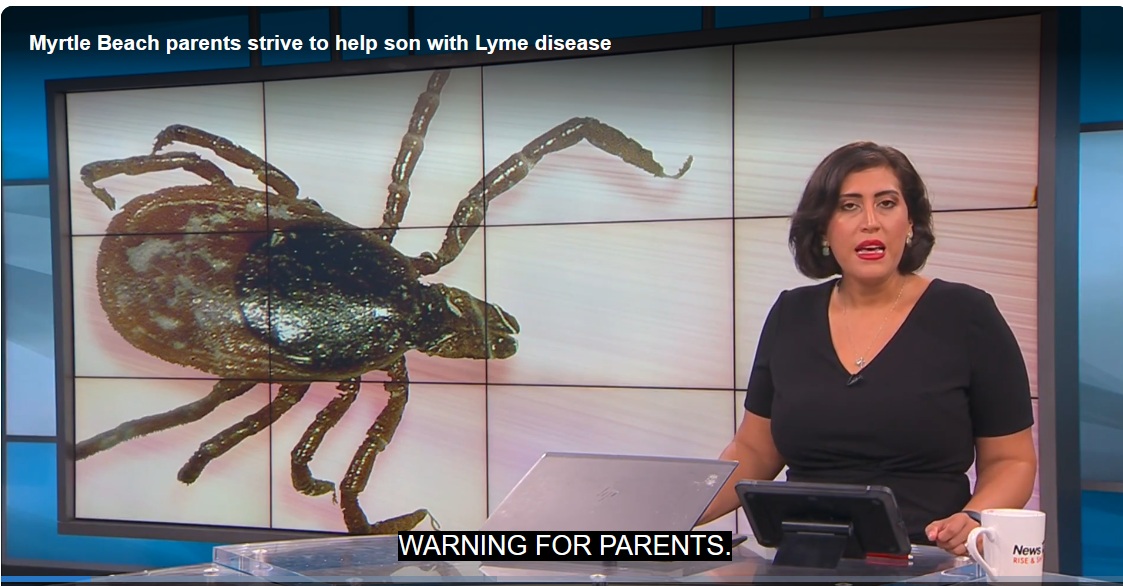
Eight-year-old Ben Kuhl of Myrtle Beach, South Carolina, was once an energetic preschooler who loved exploring nature. But four years ago, a tick bite on a family hike changed all that.
At the time, doctors told his parents that as long as Ben’s tick bite did not have a bull’s-eye on it, he would be fine. But it soon became evident Ben was not fine.
According to his mother, LeeAnn, by the time he was finally diagnosed with Lyme disease, it had spread to all of his organs, including his brain.
He is only able to talk on some days, his motor functions have worsened, and he has painful inflammation throughout his body.
“You mourn the life that he was supposed to have, so you mourn the parent that you were supposed to be,” LeeAnn said.
My phone is the most important item I carry with me. I have cognative impairment and agoraphobia, my driving is very limited but without a phone I can’t call my husband to help me home. If it weren’t for the health issues I would say chap stick.
I don’t believe in alternate universes which makes it impossible to describe my life living on one. My life would be the same bacause I like my life. The only fake universe I’ve seen is on the original Star Trek. Living in another universe doesn’t even cross my mind. That could be my thinking process is on the logical side.
As health needs change with age, one thing remains the same. Healthy living is the best way to avoid disease, prolong life, and live happier. Living a longer, healthier life can be made easier with these simple steps.
Easy grocery shopping tip: Shop the perimeter of the store where the fresh foods are. Try to avoid the inside aisles where many of the boxed and processed foods reside.
You can get your vitamins with a daily multivitamin designed specifically for older adults, but eating vitamin-rich foods can serve extra benefits. Many foods full of vitamins also provide plenty of healthy fiber and minerals. Pack your meals with vitamin-rich foods, but keep taking the multivitamin for backup.
Physical activity is vital for developing the strong bones and muscles you need to help avoid falls or accidental injuries. Exercise is the best way to avoid obesity and many diseases in people of any age. If you haven’t been physically active in recent years or have concerns about beginning exercise again, talk to your doctor before you start. They may suggest a structured or supervised exercise environment like a rehabilitation clinic. Many hospitals have this type of clinic for patients and those with health concerns. Aim for 30 minutes of physical activity each day. You can break it up into three 10-minute sessions and get the same benefits.
Dump the cigarette habit. And stay away from those who do smoke. Second-hand smoke can be almost as dangerous. Once you stop, your risks for heart disease and some cancers will begin decreasing right away. The longer you go without smoking, the better. The risks continue to fall over time.
The risk for falls increases as we age. Morbidity and mortality rates connected to falls are also much higher in the older population. Older adults are more prone to injuries from falls or accidents, so it’s important to anticipate potential hazards in your home. These may include, stairs, high bathtub walls, and slippery floors. Also, exercise can improve your strength and balance. If you were to fall or have an accident, the fact that you are physically active may make recovery easier.
Seeing your doctor on a regular basis for annual screenings or to discuss your general health will help you stay on top of any potential problems. As an older adult, you may need to take a number of different medications. It’s helpful to review your prescriptions regularly so that your doctor can keep abreast of any changes or side effects.
Older drivers aren’t always bad drivers. But things that come with aging like changes in vision and slower reaction times make driving trickier and may increase the chances of an accident. Don’t ignore any new problems you notice. Talk to your doctor about your difficulties and see whether there are any solutions.
What if you did everything right after a tick bite—and still ended up sick?
That’s what happened to a 37-year-old woman who followed medical advice after a hike in New York’s Hudson Valley. She removed an engorged tick and went to urgent care. The provider gave her a single pill—200 mg of doxycycline—and told her it would prevent Lyme disease.
Weeks later, she developed brain fog, crushing fatigue, and joint pain. It turned out she did have Lyme disease, and possibly other tick-borne infections too.
Her case raises important ethical questions: Are patients being told enough? Are they being protected—or falsely reassured? And are we doing right by those who follow the rules?
The promise of a single pill after a tick bite
The CDC currently recommends a single dose of doxycycline after a tick bite in certain cases. The idea is simple: take the antibiotic early, and you might prevent Lyme disease from taking hold.
But there’s a catch: this one-pill approach was based on a small study published in 2001. It mostly looked at preventing the bull’s-eye rash—not the full illness.
What’s more, the study didn’t follow people long enough to detect cases of Lyme disease that develop without a rash, or cases involving co-infections like Babesia.
What this patient wasn’t told
This woman wasn’t warned about the limits of the single-dose strategy. She wasn’t told that:
It may not prevent the whole disease—just the rash.
It doesn’t protect against other infections ticks can carry.
It only works in very specific situations (right kind of tick, right timing, right area).
If symptoms appear later, Lyme disease testing can be unreliable.
Because she believed she was protected, she waited too long to seek further care—and her test came back negative at first, adding to the confusion.
By the time she arrived at my clinic, her illness had worsened.
Why This Isn’t Just a Medical Issue—It’s an Ethical One
1. Patients Deserve Full Information (Autonomy)
She should’ve been told that the one-pill approach isn’t a guarantee. Without all the facts, she couldn’t make a truly informed choice.
2. Care Should Be Tailored, Not Just Protocol (Beneficence)
She lived in a high-risk Lyme area. The tick was attached long enough to transmit disease. She might have benefited more from a longer antibiotic course. Instead, a “one-size-fits-all” approach failed her.
3. False Reassurance Can Do Harm (Non-Maleficence)
Believing she was safe delayed her diagnosis and treatment. That delay caused more suffering—and made recovery harder.
4. The System Isn’t Fair for Everyone (Justice)
This strategy doesn’t work well for kids under 8, pregnant women, or people who don’t have easy access to care. It assumes everyone knows what kind of tick bit them—and can get treatment within 72 hours. That’s not realistic for many.
What happened when she got the right help
When she finally got to my office, we ran new tests. Her Lyme Western blot confirmed infection. She also had symptoms of Babesia, a parasite that doxycycline doesn’t treat. On top of that, she had orthostatic intolerance (POTS), which had never been linked to her tick bite before.
With a more complete treatment plan—including antibiotics and supportive care—she began to feel better. But the road was longer than it needed to be.
Bottom line: A simple solution isn’t always the right one
The idea of “just one pill” sounds great—but it can create a false sense of safety. When patients aren’t told the full story, they lose the chance to make informed decisions. And when symptoms are dismissed, the consequences can last for months or even years.
We need to do better. That means:
Being honest about what the single-dose approach can and can’t do.
Offering follow-up when patients remain unwell.
Considering co-infections and other risks—not just following a checklist.
Because when it comes to Lyme disease, patients deserve more than a protocol. They deserve a plan.
Dr. Daniel Cameron is a nationally recognized expert in the diagnosis and treatment of Lyme disease. He is a past president of the International Lyme and Associated Diseases Society and a co-aauthor of the ILADS Lyme treatment guidelines. This blog first appeared on his website,danielcameronmd.com. He can also be found on Facebook.
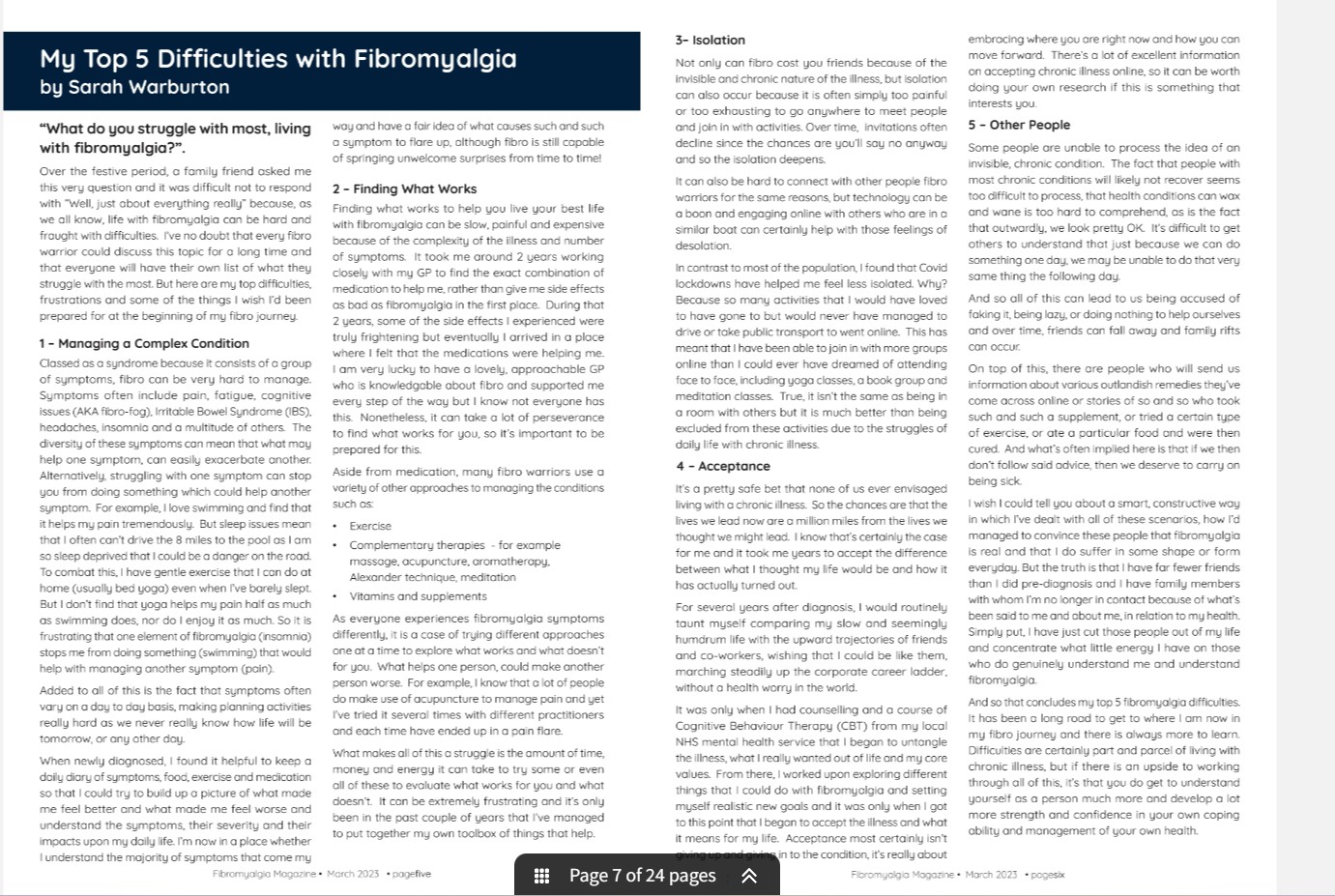
Thank you for all the great feedback on the Blogger Highlight series, I’ve enjoyed meeting each blogger and sharing their site with you. This week I highlight Musings on Life with Fibromyalgia. Sarah is a tireless advocate for Fibromyalgia and she breaks down the chronic illness is a way that everyone can understand. She also shares her experiences and what’s she’s learned along her journey.
I’ve lived with fibromyalgia for around a decade now, made many mistakes along the way, but learnt a lot about how to manage the condition and this is what I’m keen to share with readers of this blog.
So, if you want to find out more about living with fibromyalgia and other chronic illness, how life can change and yet still be full of everyday joy, then that’s where this blog aims to help.
I hope at least some of my blog posts will resonate with you – happy reading!
Sarah
Questions Asked
What is your favorite post and why?
My favourite blog post is this one about journaling. I’ve always journaled on and off since my teenage years and I find it such a powerful tool, not just for dealing with chronic illness, but for navigating life’s challenges generally. There’s real magic that happens with a pen and a blank page and it’s often amazing what will spill out onto the page.
What inspired you to start a blog?
After being diagnosed fibromyalgia, I thought my life was over. Everything changed for me – job, finances, physical capabilities and relationships (through not being believed about this illness). I hit rock bottom. Fortunately, my doctor suggested a CBT (Cognitive Behavioural Therapy) course for chronic illness, which started to turn things around. I learned to meet myself where I was at the time (not where I used to be or where I wished I was) and create some new goals.
Slowly but surely, over a period of several years, I began to rebuild my life. I then began to read blogs about fibro and chronic illness and was both informed and inspired by the content. From there, I thought that blogging would be a good way for me to share what I have learned. My blog is about the stuff that I wish that I’d known when I was first diagnosed with fibro. We get a lot of good medical information from health professionals. But where I struggled was with things like, how can I still lead a meaningful life when everything has been turned on its head? What can I do so that I don’t just give up and spend the rest of my life sitting on the sofa wishing things were different? My hope is that through the blog, I can share all of this with others who might be feeling as lost as I was in the beginning.
Published Work
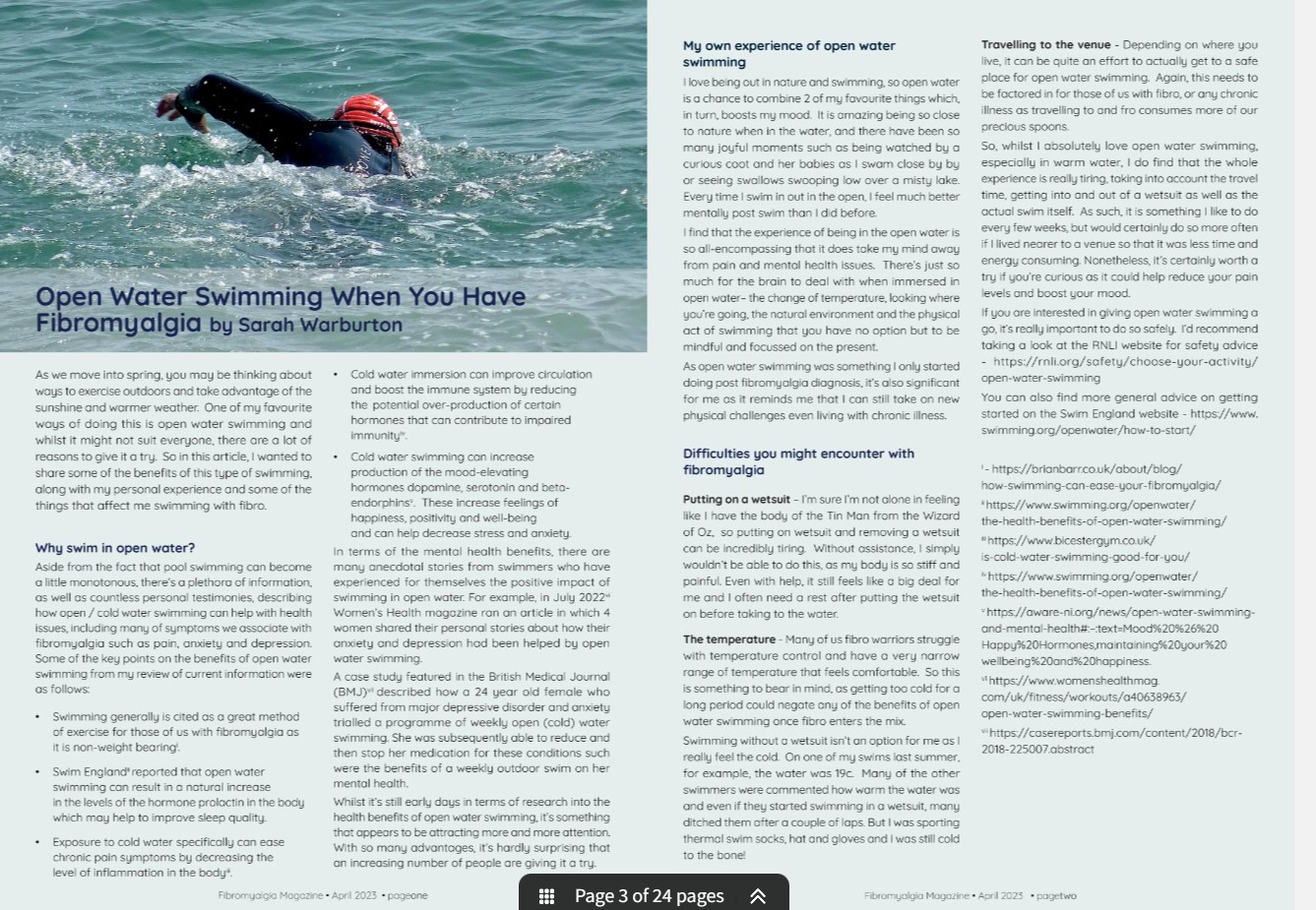
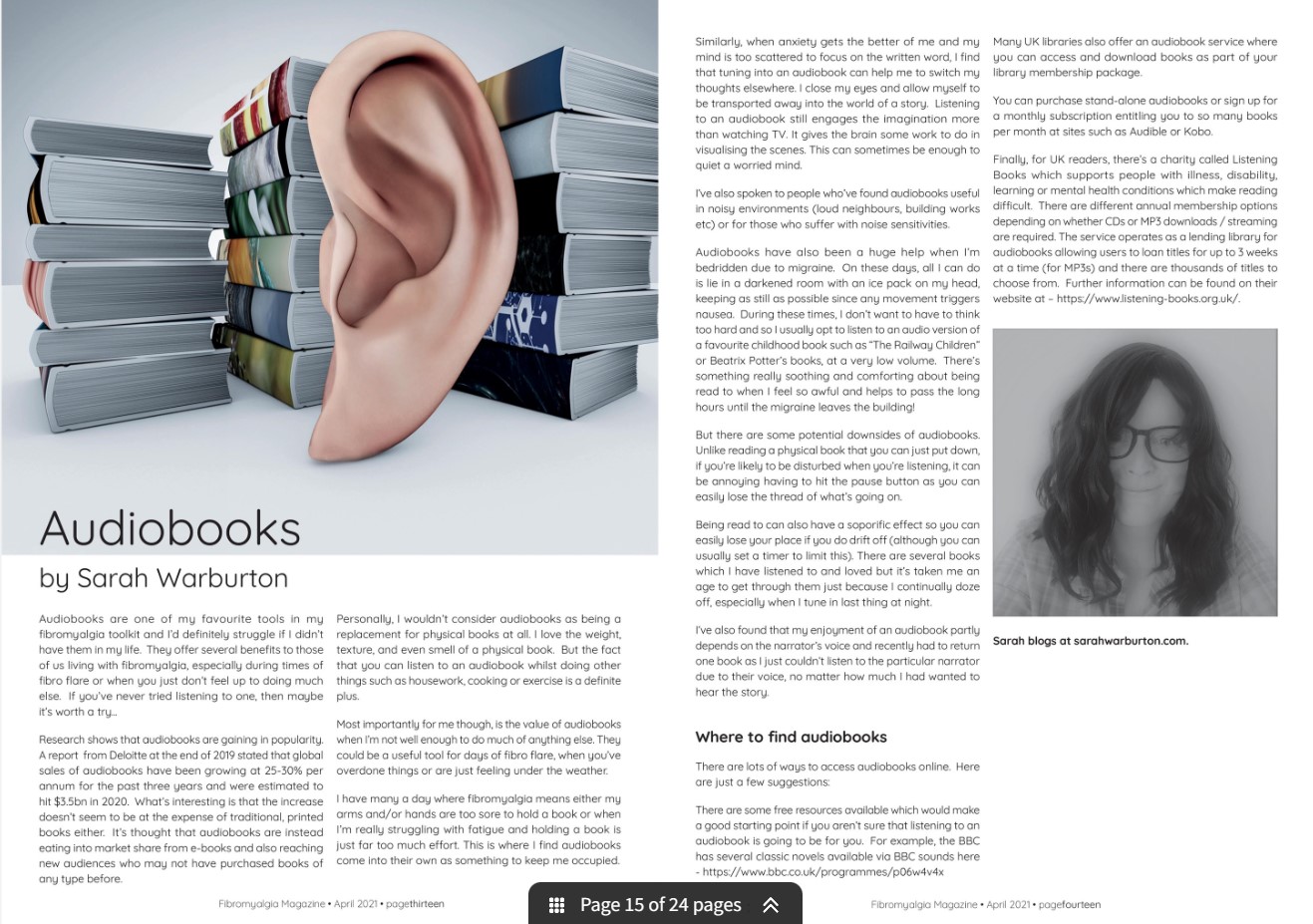
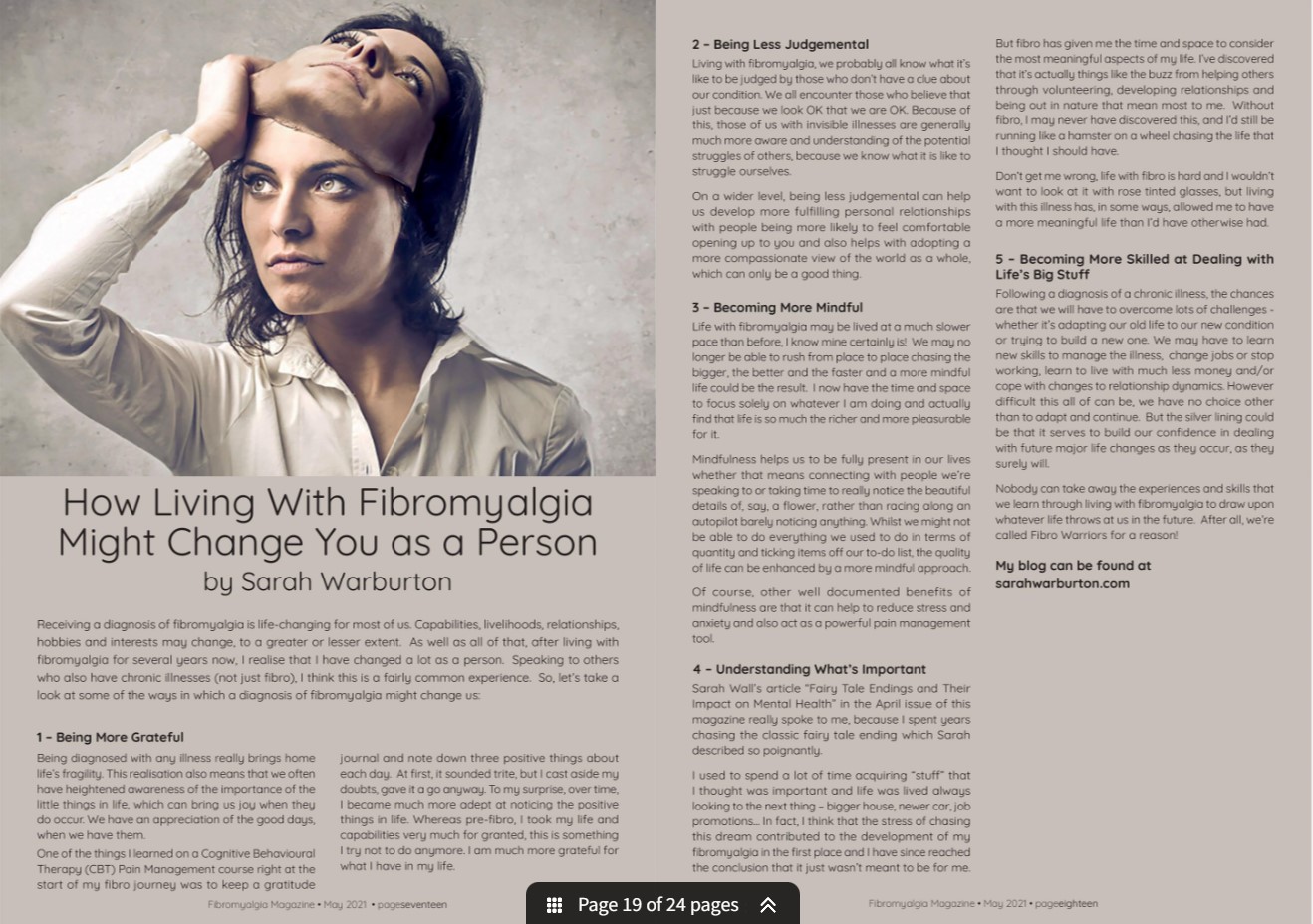
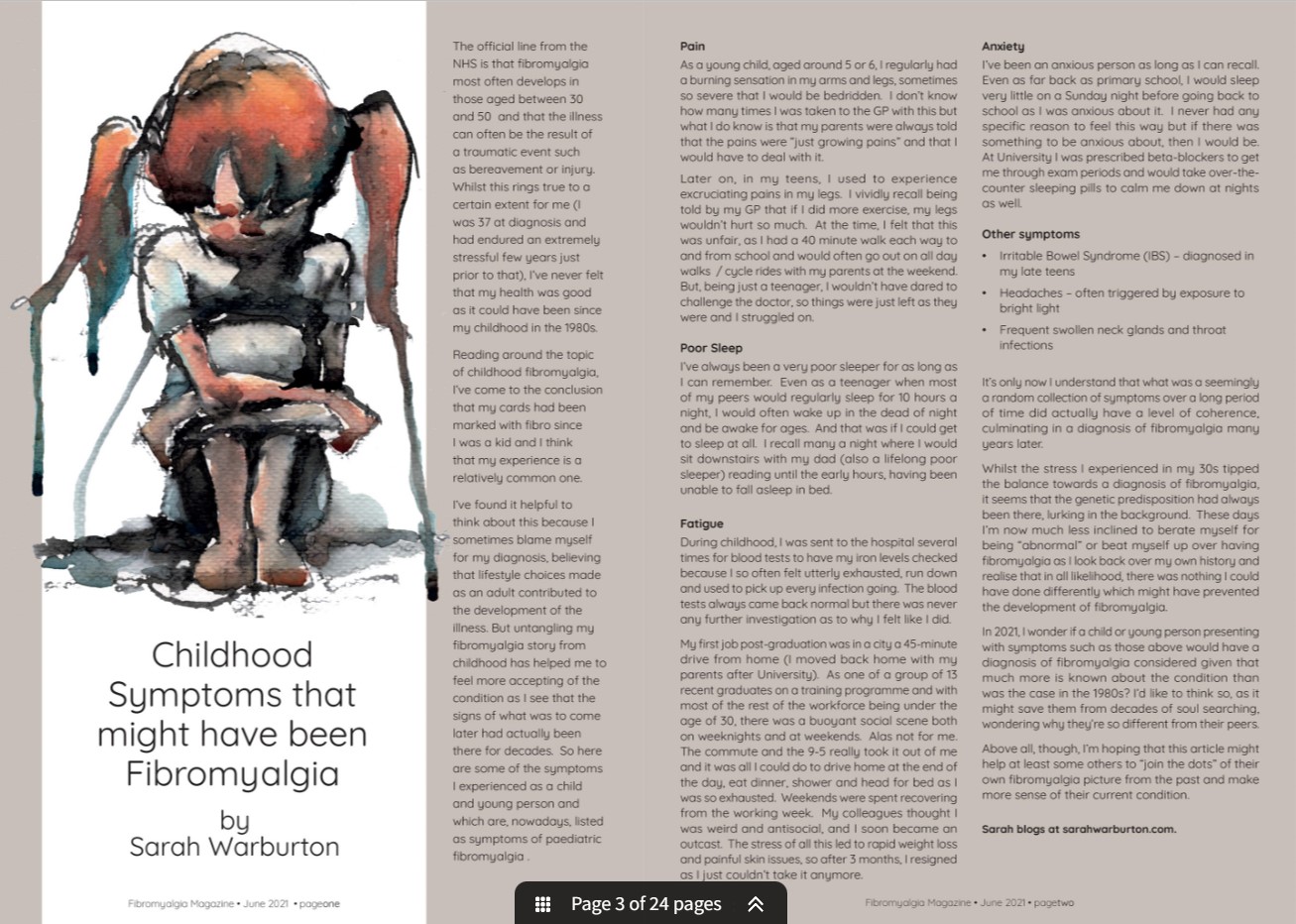
Articles below have all been published in UK Fibromyalgia magazine.
Hear is a clear message to everyone! Lyme Disease is not picky who the host person is, everyone is prime picking for Lyme Disease’s.
Singer Justin Timberlake has revealed that he has Lyme disease, describing it as “relentlessly debilitating” both mentally and physically.
In a heartfelt Instagram post, Timberlake explained that the diagnosis helped him understand why he was experiencing nerve pain, extreme fatigue, and sickness—even while performing on stage during his two-year Forget Tomorrow World Tour
Despite the challenges, he chose to continue touring, saying:
“I decided the joy that performing brings me far outweighs the fleeting stress my body was feeling. I’m so glad I kept going.”
He also shared that he had been reluctant to speak publicly about his health struggles, but wanted to be more transparent to avoid misinterpretation and to help others facing similar battles.
Timberlake joins a growing list of celebrities—including Justin Bieber and Bella Hadid—who have publicly discussed living with Lyme disease.
Birdwatching gives me so much joy from the squirrels chase each other around the tree and enjoying learning a new call from migrating birds. We have two types of woodpeckers, the smaller one has the nicest little chirp, it’s like it’s telling me he has arrived. There’s also Red Tail Hawks in the area, luckily they hang out in a near by tree top and I watch the majestic wings when they leave to hunt.
My shoulder injury happened years ago, a Slap Tear for which I had injections for the pain for years. I was hopeful that it was on the mend when the pain let up and I stopped injections. That was until I took a tumble falling on the hardwod floor and land on the shoulder.
I dealt with the pain until I could no longer sleep on that side. I scheduled an appointment hoping that an injection would help. After looking at the Xray he said I needed surgery. He ordered a CT Scan to get more detail. The Radiologist who read the CT confirm there was more damage to the shoulder and surgery was recomended. They also found an area of arthritis in the shoulder.
I had two choices for surgery, the less invasive surgery was less painful and had a quicker recovery time. The second option included removing the arthritis. Though the less invasive sounded better but the arthritis would not be removed and would contiune to cause pain. I am having a right shoulder replacement, getting my head around at first was difficult, thinking abut the pain, three weeks in a sling and three months of Physical Therapy.
My mind has changed from thinking about the difficulties of the surgery, to living pain-free after the rehab is completed.
My surgery is 8/20/25 and I will be out of pocket until I can write without pain.
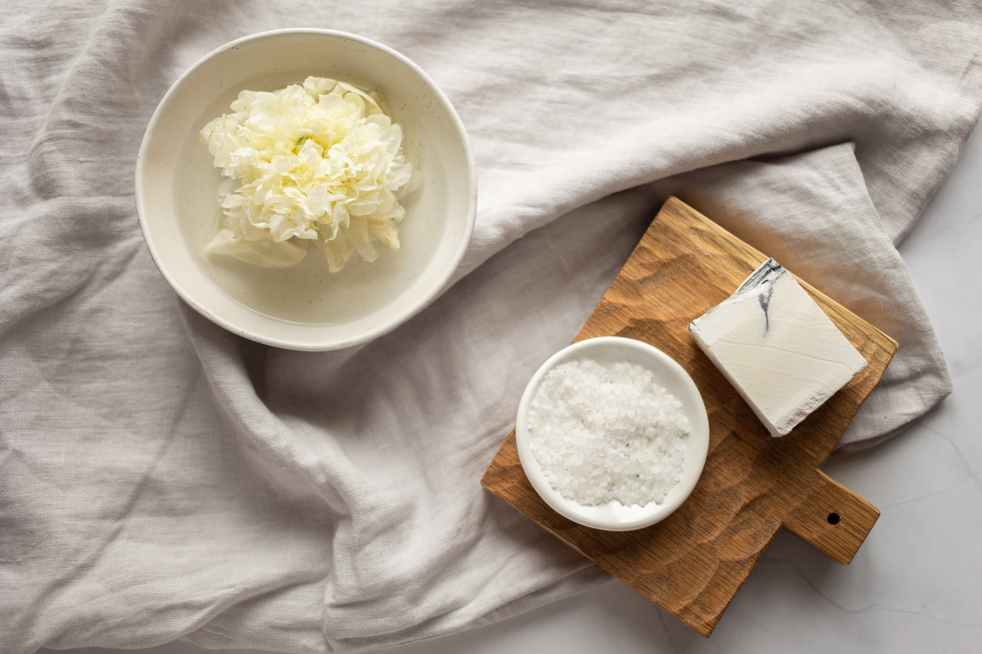
In a clean jar, add Epson salt, powdered goat milk, Moroccan red clay powder, mashed beets, avacado il, and Castile soap, and mix together. Secure the lid. Use of the body in the shower, or store away for up to one week in the fridge before use.
Hi, I’m glad you stopped by and I look forward to reading your comments.
“Take solace in gentle rhythms of the ritual, in ceremonies of the ordinary. Are tea, fold cloths, knead bread, walk to mailbox. There is much savor in slowness, when quality attention allows noticing each detail-wisp of steam rising, soft folds in well-worn shirts, hands and dough working together, snow crunching underfoot at moonlight.Celebrate this walk through the dark days, this chance to do it differently, to revel in slowness while light waits its turn”
We eat in the living room vs the dining table most of the time. Our recliners have desk attached we can eat on it.
Long gone are the days of cooking every possible item for the holidays.
Only cooking on Thanksgiving and Christmas. The eve’s are spent eating a meal that includes, hard meats, several cheeses, olives, crackers and deserts of course. It’s a simple way to have a special meal without cooking.
I’m glad you joined me on Wordless Wednesday and I hope to see you soon.
How this plant survived winter outside is beyond me. I’m adjusting to new eyeglasses and the photo looks slightly burry. I apologize if my eyes were off.
Hi, I’m glad you stopped by and I look forward to your comments.
“I am going quite mad with the knowledge of accepting the overwhelming number of the of things I can never know, places I can never go, and people I can never be.
For me to travel to Jordan, the conflict in the Middle East would have to change dramatically. I’ve wanted to see Jordan since I saw a feature on the Travel Channel. The awe-inspiring Petra, Dead Sea salt baths and the people are so inviting. They are so generous by taken in so many refugee’s.
The list of places and countries to travel to is long but with planes falling out of the sky every day, I’m not flying.
Don’t depair if your backyard isn’t bathed in sunlight. Many medicinal herbs thrive in partial shade, including lemon balm, mint, skullcap, sweet woodruff and thyme.
Start Small, start simple
Begin with a few easy-to-grow herbs, like rosemary, lavender, and calendula. As you gain confidence, you can expand your collection.
Observe and learn
Pay close attention to how hearts grow and respond to their environment. Keep a journal to make note of eaches plants unique needs, and preferences. Research their medicinal properties, history, and folklore and record your insights.
Connect with community
Join a local gardening club or community garden. Sharing knowledge and resources with other gardners can be incredibly rewarded.
Grow what you need
Consider what ailments or conditions you’d like to address with your herbal remedies. Camomile can a great ally for stress, headaches, and sleep. Peppermint can calm an upset stomach and sooth nausea.
Harvest with intention
When harvesting your herbs, do so with gratitude and respect; this will enhance healing properties.
Make it a sensory experience
Engage your senses. Smell the herbs, feel their textures, taste the leaves, and observe their growth.
Despite its name, hurry sickness isn’t an actual medical or mental health condition. Still, a pressing need to hurry through tasks and make the most of every moment can represent a legitimate concern for many people.
This time urgency, as it’s also known, often partly relates to the ever-increasing variety of technological devices designed to make life easier:
With so many tools to help you get things done, you have plenty of time to take on additional tasks, right? (Probably not.)
You’ve got a laptop and a smartphone, so you can respond to work emails anytime, can’t you? (Actually, no.)
Shouldn’t it be easy to complete a full day’s work, cook meals, exercise, do chores, connect with loved ones, and still devote 7 or 8 hours to a good night’s rest? (When you do the math, you certainly won’t get a number below 24.)
The more that’s expected of you, the more you might agree to take on, pushing yourself harder to complete every “essential” task.
Yet rushing through life can affect physical health and leave you feeling unfulfilled and unable to devote attention to the people and things you care for most.
Hurry sickness can show up as a driving need to make the most of every second.
“We’ve come to know this habit as multitasking,” explains Rosemary K.M. Sword, author and co-developer of time perspective therapy. “Many people who’ve incorporated multitasking into their life are proud of their ability to do more than one thing at the same time.”
When you juggle too much at once, however, you might forget or neglect important things — even while in the middle of them.
Case in point: Distracted by something your colleague has just said, you forget about the soup. It scorches, setting off the smoke alarm and ruining lunch.
Other signs might include:
speeding, both in your car and through conversations, the grocery store, or meals
rushing through work tasks and household chores, to the point where you sometimes make mistakes and have to do them again
frequently performing time calculations in your head to see whether you can fit in another task
feeling irritable when you face delays
constantly trying to find ways to save time
endlessly running through your to-do list in your head to make sure you haven’t forgotten anything
Hurry sickness frequently involves an undercurrent of anxiety. Perhaps stress and worry creep up when you think of everything you have to do.
Or maybe you quickly become anxious when you find yourself stuck in traffic, early for an appointment, or waiting for something with nothing to do in the meantime.
Hyperaware of the seconds ticking by, you fixate on all the things you could be doing with the wasted time.
The belief that you don’t have time to handle daily responsibilities or achieve more distant goals can create plenty of stress. Packing the tasks you want to accomplish into the time you have available, you worry whether you’ll ever get them all done.
Living with anxiety always simmering on the back burner generally doesn’t feel very pleasant. This anxiety presses you to keep moving, to keep doing, to attach more urgency to your to-do list than it requires.
As you rush from one thing to the next, you might notice trouble concentrating, since you’re always worrying about the next item on your list.
Neglecting to give your work the attention it deserves means you either have to:
do it again, using up more time
leave it as it is, knowing you could’ve done better
Either option can leave you facing more stress, Sword notes, along with feelings of inadequacy, failure, or diminished self-esteem. You might also feel irritable, tearful, and guilty.
Relationship Issues
“Hurry sickness can eclipse what’s really important in our lives — our relationships with others,” Sword says.
Perhaps you don’t listen to your partner because you’re worrying about everything you have to do, or you snap at your children when they’re slow to get moving.
You forget important dates, push others aside because you lack the time to offer emotional support or physical affection, and find it difficult to keep hold of the frayed edges of your temper.
In short, you struggle to remain present and engaged with your loved ones, which can do lasting emotional damage to all involved.
Spending your days hurrying often means you devote less time to self-care.
Relaxation and alone time might be the first “unnecessary” activities you scrap when you feel busy, but many people with hurry sickness also start to ignore things like hydration, balanced meals, physical activity, or sleep.
Prolonged stress can also play a partTrusted Source in burnout, a state where you feel completely drained and no longer able to cope with the demands of daily life.
A 2003 studyTrusted Source found evidence to suggest certain traits associated with type A personalities— including time urgency and impatience — led to an increased risk for high blood pressure (hypertension).
Researchers looked at five traits in more than 3,000 adults between the ages of 18 and 30:
When researchers followed up with participants 15 years later, they found that 15 percent of the participants had developed hypertension.
Study authors say competitiveness, anxiety, and depression didn’t appear to increase hypertension risk. Known risk factors, including lack of exercise, alcohol use, or obesity, also didn’t seem to affect the results.
What did appear to increase risk were two specific traits: Time urgency/impatience and hostility. What’s more, those who experienced these traits more strongly showed greater risk for hypertension.
At first, slowing down might feel impossible — you’ll never get anything done, and thinking about the tasks waiting will only add to your stress. But remember: You can work much more efficiently when your mind isn’t bogged down by racing thoughts.
Instead of coming to a screeching halt, it’s often more helpful to slow down, well, slowly.
These strategies can help you push back the urge to keep rushing and get in the habit of taking life as it comes.
Take a walk
Putting down what you’re doing and temporarily changing your environment can help you counter the need to hurry, even when you feel most rushed.
As you walk, take deep breaths to ground and refresh yourself. Aim to walk for 30 minutes, if you can. A half hour spent stretching your legs, breathing fresh air, and getting some sunlight can energize you and even boost creativity, so you might find yourself returning to your responsibilities with a renewed outlook and improved mood.
Embrace mindfulness
Mindfulness — whether it’s meditation or just taking a few deep breaths — helps you focus your attention on the things happening in the moment, so it’s an important skill to develop when trying to manage hurry sickness.
Trying to multitask and jam several activities into one short span of time can leave you distracted and frustrated:
You’re replying to an email from your boss while making a doctor’s appointment over the phone. Since you aren’t entirely listening, you end up needing the information repeated before you can accurately note down the time and date of your appointment. When you finish the call, you notice you’ve typed some of the receptionist’s words into your email, so you have to review it again to check for other errors.
When your awareness remains with your current task, instead of wandering along to everything else you have to do, you’ll probably notice you do a better job and feel more satisfied with your results.
You’re cooking dinner. Instead of rushing through the chopping and slicing your finger open, you slow down and focus on the rhythm of the knife and the uniform shape of the vegetable slices. Putting more of your attention into the meal allows you to take more pride in your work when it comes out just as you envisioned.
Mindfulness takes practice, and you might notice worries and distracting thoughts keep popping up.
But instead of fixating on the slipping sands of time, acknowledge those thoughts and then let them go. Accept that yes, you have other things to do later, and remind yourself you’ll get there when you get there.
Take care of important needs
There are certain physical needs you simply can’t neglect, no matter how busy you become.
Your body needs fuel and rest to function properly. Without food and water, quality sleep, companionship, and exercise, you won’t be able to maintain your top speed for very long. Eventually, you won’t be able to maintain any speed at all.
Instead of denying your body’s essential needs because you’re in too much of a hurry, remind yourself investing in your body helps prevent hunger, exhaustion, and burnout, making it possible to keep going.
Prioritize relaxation
Sleep, hydration, nutrition, and exercise make up the basics of self-care. Other key components, including relaxation, can improve quality of life along with physical health.
Making time for yourself makes it easier to show up as your best self and stay present as you move throughout the day. Balancing your responsibilities with enjoyable activities also makes it easier to remember that you don’t always need to hurry.
Relaxation might involve quiet moments sitting alone, an hour of online shopping, an afternoon with a good book, or a long talk with your best friend. How you choose to unwind matters less than the fact that you do find time to unwind.
Learn to recognize your limits
People often get stuck in the hurry cycle because they have a hard time saying no. When you accept more responsibilities than you can realistically handle, you’ll almost certainly find yourself rushing to cram everything in.
You might worry saying “no” will upset loved ones or create difficulties at work, but consider another possible outcome: You say “yes” but end up not having time to get to the task or do a good job with it.
Setting healthy boundaries for yourself (and sticking with them) can help:
“I won’t take on extra work when I have more than one current project.”
“I’ll make time for a walk every day so I can relax and recharge.”
Prioritization can also make a difference. You probably can’t refuse every task you’d like to turn down. Instead, evaluate your responsibilities and identify which need immediate attention and which can wait.
Remember, too, that it never hurts to ask for help. If you truly can’t let anything go, a good next step might involve seeking help from a co-worker or loved one.
Get support
It’s not always easy to break free of long-standing patterns. If you just can’t seem to slow down, a therapist can offer guidance and support.
Sword recommends talking to a professional particularly when you find yourself doing dangerous things, like speeding, or struggling to control irritability or anger toward others.
Therapy can also help when a sense of time urgency fuels anxiety and other emotional or physical distress. A therapist can teach mindfulness and relaxation techniques, along with other tools to help manage hurry sickness.
Support from a therapist can also make it easier to identify potential contributing factors, such as people-pleasing tendencies or a fear of failure. By addressing hurry sickness at the root, you’re more likely to see lasting improvement.
Pressing the “pause” button and disrupting the hurry cycle is often easier said than done. But living your life on fast-forward won’t do much to support long-term wellness.
“Stop and smell the roses” might be a cliche, but that doesn’t make it bad advice. Taking life at a more gradual pace leaves you with more time to enjoy important relationships and savor everything life offers, both large and small.
New research has found that cognitive behavioral therapy may help people with fibromyalgia.
The researchers were able to identify differences between fMRI scans between participants as well as a significant reduction using survey-style tools.
Experts are hopeful that these finding can help support patients and clients while reducing bias and barriers to care.
For those in chronic pain, mental health supports are both vital and lack availability. A new study, published September 20 in Arthritis & Rheumatology, has found that the use of cognitive behavioral therapy (CBT) can be especially helpful for those living with fibromyalgia.
The research—conducted by a team from Harvard, Norway, and Pittsburgh—included 114 participants and found that CBT was better at helping to reduce catastrophic thinking related to the disease.
This was compared to people using educational materials alone.
Understanding catastrophizing, according to Dr. Chandler Chang (PhD), clinical psychologist and founder at Therapy Lab, is key to supporting people with a chronic illness like fibromyalgia.
“Let’s say you have fibromyalgia and you start thinking, ‘The rest of my life is going to be like this, my life is ruined, everything is going to suck after this.’ Those are examples of catastrophic thoughts that you might have,” Chang said.
The researchers used tools such as Brief Pain Inventory (BPI), BPI Pain Severity, the Fibromyalgia Impact Questionnaire-Revised (FIQR), and the Pain Catastrophizing Scale (PCS), to assess participants alongside the scans. Once the participants participated in the imaging, they were either given eight weeks of CBT or educational materials about fibromyalgia and chronic pain.
Those who received the CBT were provided weekly sessions across eight weeks.
The researchers used the Pain Catastrophizing Scale (PCS), a tool that is scored out of 52, to see how CBT could impact people with the condition.
They found that those who received CBT therapy saw an average reduction of 8.7 points on the scale while those receiving educational materials saw a much lower drop of 4.6.
The team also used an fMRI scan and were able to see the impact of catastrophizing thoughts in the brain patterns. After the CBT, they could see evidence that changes in brain patterns coincided with people who benefited from CBT.
Kelsey Bates (LPC), founder at Women’s CBT, says that catastrophizing is a particularly impactful element of both fibromyalgia and CBT treatment but that providing mental health support for those with chronic illness, in her practice, requires the use of trauma-informed tools.
“Reframing our thoughts is important. But we also need space to acknowledge the grief that might happen when people are going through a chronic illness or dealing with chronic pain,” Bates said. “There’s a level of acceptance that we have to figure out.”
Dr. Jeff Krauss, Chief Medical Officer at Hinge Health and Staff Physician at the VA of Palo Alto, says that this study could help reduce stigma and lead to better patient outcomes.
“One of the problems with chronic pain is that it’s very hard to see it. People used to get, and still do get, accused of faking their pain, because doctors will look and see that there’s nothing wrong with their back, or there’s nothing wrong with their knee… It’s really exciting that we can start to see it in the brain, and know that these feelings that people have are very real, even though it might not be correlated with tissue damage.”
Bates says that while “pain doesn’t discriminate” she also regularly sees clients who feel left behind by the medical system when it comes to the mental health side of chronic illness and chronic pain.
“I meet folks and they’ve felt really gaslit by medical providers, especially with fibromyalgia in particular, that they have heard the phrases like you just need therapy, you just need to relax, just manage your stress,” Bates said.
One of the stated limitations of the study was that, while fibromyalgia does disproportionately affect women, and all the participants were female, more work can and should be done to include both men and non-binary people in future research.
As for what comes next, Krauss says that while these results are encouraging they are still part of a larger picture that has many barriers to treatment for those experiencing these symptoms.
“I think until we have the ability at scale to do this very expensive imaging, and to find those interventions that can actually change the way the brain processes pain through some sort of pharmacologic intervention or something, through a drug, then we’re really left with a lot of these very foundational lifestyle changes that are so effective and necessary for treating chronic pain.”
Bates, meanwhile, says that her hope is that research like this can add to a more integrated approach when it comes to CBT, one that prioritizes trauma-informed care as well as other modalities like Dialectical Behavioral Therapy (DBT) and acceptance and commitment therapy (ACT).
“My personal outlook is that chronic illness and chronic pain is considered medical trauma…So I think it’s our clinical duty to provide a safe, warm therapeutic space that’s conducive to holding space for all of those things.”
A new study, published this week in Arthritis & Rheumatology, has found that the use of CBT can be especially helpful for those living with fibromyalgia.
With tick activity hitting alarming highs this summer, the pest control company Terminex has announced its first-ever comprehensive ranking of the Top 25 Most Tick-Infested U.S. States.
Based on proprietary 2024 pest management data, this report reveals which states are facing the greatest tick pressure and risk of tick-borne illnesses.
This first-of-its-kind list arrives at a critical time, offering homeowners and outdoor adventurers new insight into how geography and climate are shaping tick populations across the country.
States like California, Florida, Texas, Pennsylvania, and New York are at the top of this list due to their warm climates, high humidity and abundance of green spaces.
Notably, New York City, Los Angeles, Philadelphia, San Francisco and Washington, D.C. rank as the top five tick-infested cities in the country, underscoring that even densely populated urban areas are not immune to tick activity.
Overall, the Northeastern region of the U.S. generally experiences the highest populations of ticks, with common species including the blacklegged tick and the American dog tick.
“This isn’t just a nuisance; tick activity is reaching new levels across the country, posing a serious and growing public health threat,” said Tom Dobrinska, Technical Service Manager at Terminix.
“Climate change continues to increase tick populations. As winters become milder and warm seasons increase in length, tick survival and risk for human exposure increase significantly.”
Top 10 most tick-infested states
California
Florida
Texas
Pennsylvania
New York
Georgia
New Jersey
Arizona
Massachusetts
Ohio
States most impacted by Lyme and other tick-borne diseases
While not all ticks carry illness-causing pathogens, disease risk can vary by tick species.
According to the CDC, Northeastern states like Pennsylvania, New York and New Jersey, as well as parts of the Upper Midwest, are often identified as the worst places for ticks in the U.S. due to their high rates of Lyme disease cases. Southeast and Southcentral U.S. might see more cases of ehrlichiosis or spotted fever rickettsiosis.
“Scientists and public health experts are constantly researching ticks to better understand the threats they pose,” said Dobrinska. “As these experts continue to monitor tick activity and disease spread, it is essential for the public to stay informed about the dangers and know how to prevent tick bites.”
Tips for tick prevention
To protect against tick bites and tick-borne illness, Terminix recommends the following steps:
Avoid tick-infested areas: Ticks prefer wooded areas with high grass and abundant leaf litter; wear long sleeves and pants whenever you plan to go on a hike or walk through forested areas.
Inspect yourself and pets: After returning home from being outdoors, conduct a full body check, especially under the arms, around the ears and on the back of the knees. Finding them before they bite will help prevent being infected with any diseases they may be carrying.
If you find a tick bite: Using fine-tipped tweezers, grasp the tick as close to the skin as possible and pull upward with steady, even pressure. After removal, clean the area with soap and water or rubbing alcohol. It’s best to consult with a medical provider for extra precaution.
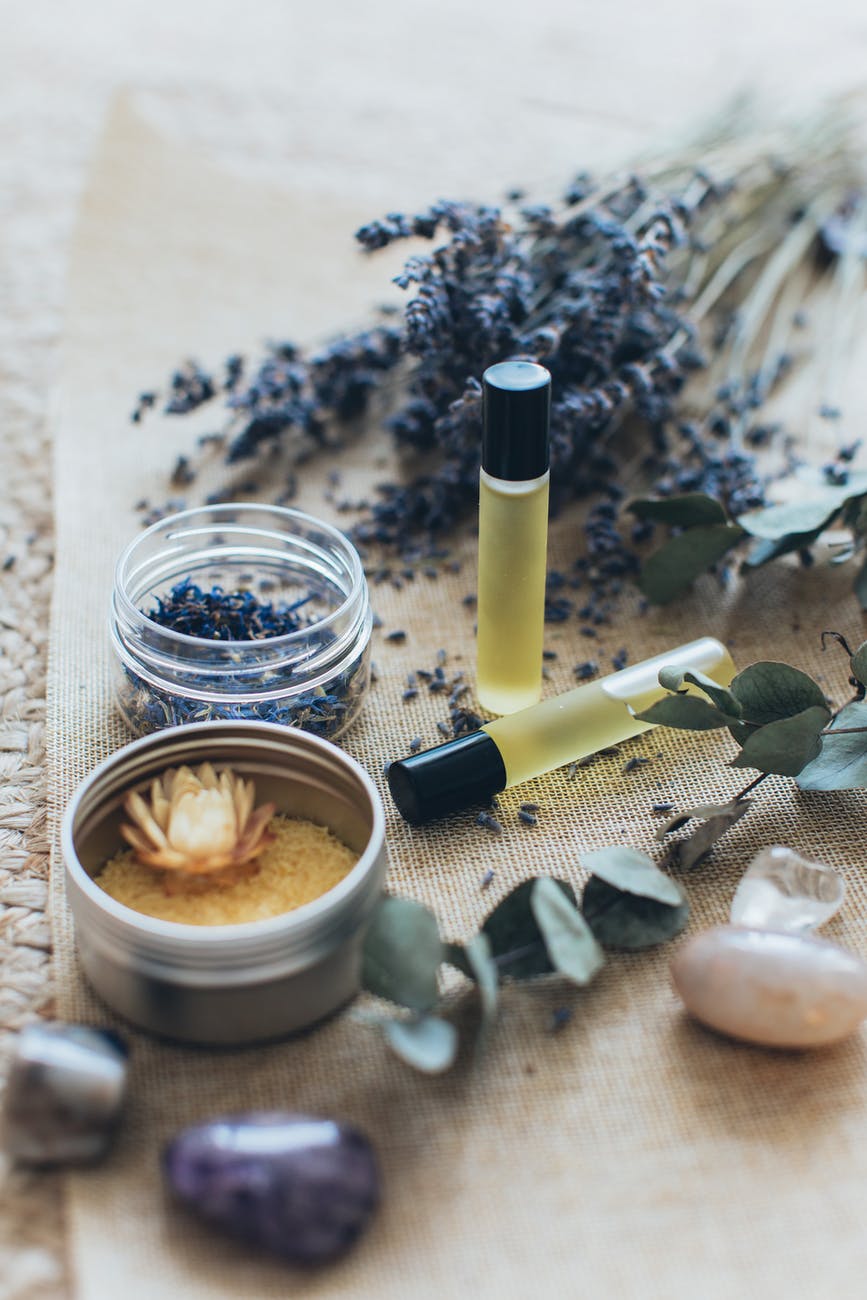
Mary provides a comprehensive list of ways to heal yourself naturally.
Stuffy nose, headache, upset tummy, and even obesity. There’s a pill for that. Modern medicine has discovered an endless list of pharmaceutical drugs to “cure” whatever ailment may come your way. We also have an extensive list of alternatives or complementary remedies to conventional medicine, most of which have been used for hundreds, if not … Continue reading
































 lookingforthelight.blog