
Thank you for joining me for this week’s Friday Quote.

Melinda

Thank you for joining me for this week’s Friday Quote.
Melinda
Life throws all kinds of challenges at us from the loss of loved ones to mental health issues that make us feel like we will never be happy again but you know what? No matter how hard life has been and no matter how challenging it continues to be, you should never give up on finding happiness. Here’s why:
1. New Treatments Are Popping Up Like Apps on Your Phone
Do you know how there’s always a new app for everything these days? Well, the same goes for treatments for depression. If traditional talk therapy and medication aren’t cutting it, don’t worry—science has got your back. Ketamine therapy, for instance, has been making waves as a game-changer for treating depression. Yep, you read that right. The same stuff that was once seen as party drug material is now helping people kick depression to the curb. And that’s just one example—there are new treatments being discovered all the time.
So, the next time you feel like you’ve exhausted all your options, remember: somewhere out there, someone’s cooking up a fresh, innovative approach that just might be your golden ticket to happiness.
2. Happiness Is Not One-Size-Fits-All
Let’s clear something up: happiness isn’t like a pair of skinny jeans that only fit one type of person. It’s more like sweatpants—different for everyone, and much more comfortable. So if what works for one person (say, mindfulness meditation or bubble baths) doesn’t work for you, don’t sweat it. Happiness comes in a million forms, and you just need to find the one that fits you best. Maybe it’s painting your dog’s toenails (no judgment) or starting a new hobby like indoor skydiving. Keep exploring until you stumble upon your happy place.

3. Happiness Is Closer Than You Think (No, Really)
I know, it’s cliché to say “happiness is right around the corner,” but sometimes it really is. It’s just that the corner might be at the end of a path you haven’t tried yet. Whether it’s giving a new therapist a shot, picking up that hobby you dropped in 2014, or even trying something as wild as ketamine therapy, there are countless avenues to happiness you might not have considered. Spoiler alert: happiness might be waiting for you at the next twist or turn.
4. Setbacks Don’t Mean Failure
Look, no one finds happiness on their first try—if they did, we’d all be running around like a bunch of overly enthusiastic puppies. Life has ups and downs, and yeah, sometimes it feels like you’re stuck in the downs. But remember, setbacks are just detours, not dead ends. It’s okay to feel frustrated, to take a break, or even to scream into a pillow (highly recommended, by the way). Just don’t give up on the journey entirely. You’re not finished yet.
5. Because You Deserve It
You’ve probably heard this a million times, but I’m going to say it again: you deserve to be happy. Full stop. It doesn’t matter how long it takes or how many times you stumble along the way—your happiness is worth fighting for.
Take a deep breath, and keep on pushing forward because who knows where it will take you?!
This is a collaborative post.
Melinda
You would think that the question would be easy to answer given the physical abuse by my mother which started at birth, my stepfather hitting me in the mouth with his fist, watching my mother being beaten by my stepfather from the day they were married, and the sexual abuse by my father. My childhood was beyond traumatic, and it didn’t stop when I became a preteen.
At 12 years old, I was living with my father who was incapable of being a father and had no rules. I was dating a 21-year-old dealer and addicted to speed. Every weekend was a different mix of exotic drugs to try. I skipped school for 45 days straight and my father had me put in Juvenile Detention for three days as punishment. I was so dead inside and totally lost that the sexual abuse didn’t phase me at the time.
There’s plenty more to talk about but I also had issues when I got older. I was sexually assaulted more than once, stalked three times, had Cervical Cancer at 27 years old, and had a total hysterectomy. That’s a lot to decide at 27 years old with no children but I made it clear at 12 years old that I didn’t want children.
My father committed suicide when I was 28 years old, the only positive is that I sought out treatment for my Bipolar Disorder. Sometimes I think he died so I would live.
I’ve had all the normal career challenges including being fired from a six-figure job for something I didn’t do. I didn’t get rich of the lawsuit but I proved my point, it was someone else’s lie and politics that got me fired. The lawsuit did prove to me how strong I was and how much badgering I could take from the other side.
I’ve had health issues large and small most of my life and I think I’m facing my biggest battle yet. My first day at The Mayo Clinic is 10/13/24 and after extensive testing, I will meet with my team of doctors and learn my diagnosis and the treatment plan. I have complete confidence in The Mayo and am working hard to prepare for whatever they find.
I feel calm most of the time with a tiny bit of fear for how my life could change. I’ve worked hard as always to not diagnose myself but I have run a few searches on Copilot that have given two possible answers. I’m not putting stock in that but it’s easy to believe when everything you put in the search comes back to the same answer. I’ll leave that for the doctors and won’t be surprised if it’s something completely different.
I won’t know if I’m strong enough until the reality comes but at least I have a good track record of survival.
I’m sending a special thanks to everyone who has sent kind words of encouragement and well wishes. You are the sunshine in my life.

Melinda
A consistently healthy diet may ease symptoms of depression. Here are experts’ in-season picks for your plate.
Fall and winter can be brutal for people with depression. It gets dark early, resulting in far less exposure to mood-brightening sunlight, plus colder temperatures can make you just want to stay in bed.
In addition, it’s a time of year filled with the sugar-laden, high-fat holiday foods that are often least likely to benefit our mental health. “It’s a challenging time for eaters,” says Drew Ramsey, MD, a nutritional psychiatrist based in Jackson, Wyoming. “There’s lots of delicious stuff that oftentimes isn’t so great for our mood.”
Atlanta-based Jerlyn Jones, RDN, agrees, pointing out that the relationship between an unhealthy diet and depression is often a vicious cycle. “If you have a poor diet, then you’re going to feel more depressed. And when you feel more depressed, you’re probably going to eat more of those types of foods,” says Jones.
The good news: Diet is a modifiable risk factor for depression. In other words, simply loading up on whole foods like fruits and vegetables, fish, nuts, legumes, and the like can improve symptoms of this mood disorder in some people, according to research.
The problem is that when people feel stressed and depressed, they tend to crave comforting foods that are higher in sugar, salt, and fat, Jones says. Unfortunately, the instant relief you experience from those foods — especially the sugar-laden ones — dissolves quickly, which then can cause your mood to crash.
Not to mention that filling up on so-called “junk food” can make it hard to receive enough of the essential nutrients that the brain needs to function at its best, including B vitamins, folate, and magnesium.
“These vitamins and minerals have been inversely associated with depressive disorders,” Jones says. “Foods that are high in different nutrients can make you feel so much better.”
Wondering which healthy cold-weather foods can improve your mood? Experts advise increasing your intake of these five.
These cruciferous vegetables are rich in folate — a B vitamin that helps with mood regulation in the brain, Jones says. Studies have shown that B vitamins like folic acid — a form of folate — may benefit people with depression, according to a review article.
“This nutrient is linked to brain activity and increasing our moods,” says Jones. “Eating foods on a daily basis that are high in folate will help significantly improve the way you feel.”
Try adding raw, shredded Brussels sprouts to salads, or cut them in half, toss them with olive oil and spices, and roast them until brown.
Another great fall food to eat regularly is pomegranate, a fruit high in antioxidants, Jones says. And it’s especially easy to reap this benefit because drinking pomegranate juice can significantly increase the number of antioxidants you take in, Jones notes.
In addition to their antioxidant content, pomegranates contain polyphenols, which have anti-inflammatory and antidepressant-like properties, according to a review article. “Inflammation is one of the root causes of depression, anxiety, and other mental health problems,” Dr. Ramsey says.
These perennially popular fall fruits contain magnesium, which was linked to a lower risk of depressive symptoms and disorders in one systematic review.
Fitting this squash into your diet is easier than you may think — pumpkins are incredibly versatile. Try adding pureed pumpkin to soups, smoothies, and pasta sauces. Or simply snack on pumpkin seeds or toss them in a fall salad. “Pumpkin seeds are really one of our top [food] recommendations,” Ramsey says.
Usually harvested in September and October, sweet potatoes pack several essential nutrients — in particular, vitamin C. A meta-analysis concluded that higher levels of vitamin C are associated with reduced depressive symptoms, while lower levels of this vitamin are linked to increased symptoms, though more research is needed to confirm this association.
Winter squash comes in many forms — acorn squash, butternut squash, and spaghetti squash, to name a few. And each of them contain high amounts of vitamin B6, a nutrient shown to positively affect mood. One study found that a lower intake of vitamin B6 was associated with an increased risk of depression among more than 3,300 women.
Colder weather is a good time to consume more soup, especially clam chowders and seafood stews, says Ramsey. Dishes that contain mussels, clams, and oysters are dense with nutrients like magnesium, as well as omega-3 fatty acids, another nutrient that research suggests benefits people with depression.
If you’re in the mood for something sweet, Ramsey advises swapping sugary holiday desserts for dark chocolate, which is packed with antioxidants and fiber.
“There’s now some interesting data about how the nutrients in dark chocolate are stimulating but also good for the brain, in the sense that people who eat dark chocolatetend to have less depression,” Ramsey says.
Data from a survey of more than 13,000 U.S. adults showed that chocolate, especially dark chocolate, may be tied to a reduced risk of depressive symptoms.
Along with avoiding excess sugar, Ramsey advises being mindful of how much alcohol you consume around the holiday season.
“There’s a lot of drinking during the holidays, and alcohol can be awful if you have depression,” Ramsey says. “It tends to make people feel better in the short term, and then worse the next day.”
If you need help planning good-mood-friendly meals, the U.S. Department of Agriculture’s online tool MyPlate offers quizzes and hundreds of recipes to get you started.
Although diet isn’t a cure for depression, eating nutritious foods can help people with the condition feel better. This fall and winter, consider adding seasonal fruits and vegetables rich in mood-enhancing nutrients like folate, antioxidants, and magnesium to your plate (think Brussels sprouts, pomegranates, and sweet potatoes, for example).
“There’s a lot of drinking during the holidays, and alcohol can be awful if you have depression,” Ramsey says. “It tends to make people feel better in the short term, and then worse the next day.”
If you need help planning good-mood-friendly meals, the U.S. Department of Agriculture’s online tool MyPlate offers quizzes and hundreds of recipes to get you started.
Melinda
Reference:
By Leona Vaughn Medically Reviewed by Reyna Franco, RDN courtesy of American College of Lifestyle Medicine
I’m glad you joined me on Wordless Wednesday and I hope to see you soon.


The Hydrangeas didn’t turn out as well as they looked in the editor. But you get a good look at the art piece. I shopped the house to find something to fill in the wall.
Melinda
A little backstory will help here. I was stalked in 2017-2018 by someone I knew on WordPress, I didn’t know it at the time. They stalked me for seven months and wreaked havoc on my life. It started the day my Twitter account was hacked and they made it look like two people I was close to were the ones stalking me. I was completely shocked and for some reason I contacted WordPress, and they told me that the DNS address was one of my close friends. I was even more confused now. Why would they stalk me?
Over the coming months, they hacked my phone and my computer, sending me text messages that didn’t make sense, and when I would be typing a post they would change the words. I started asking them questions like do you plan to hurt me, are you a mean person and similar questions. I received back jibberish but felt they didn’t want to hurt me. The texts were the worst, I had no idea what they were saying so I started asking who they were. I would get back an initial but it didn’t match anyone I knew.
It ended badly but one day they sent me an initial I recognized, and as soon as I said her name, I never heard from her again.
Fast forward all these years, and someone from the country she lived in is searching my archives, it’s not a bot just 20 or so posts a day but the hairs went up on my neck. This has been happening for a couple of weeks, and I’ve become paranoid. It doesn’t sound logical but the trauma from the experience came rushing back. I can’t tell who they are, only that they are on Facebook.
Have you experienced this type of unfounded fear before?
Melinda
Hi, I’m glad you stopped by, and I look forward to seeing you soon.

Playing in the rain sounds great to me, and so does playing on a slippery slide or swinging off a rope into the lake. As for the last time I let loose, who knows.
Melinda
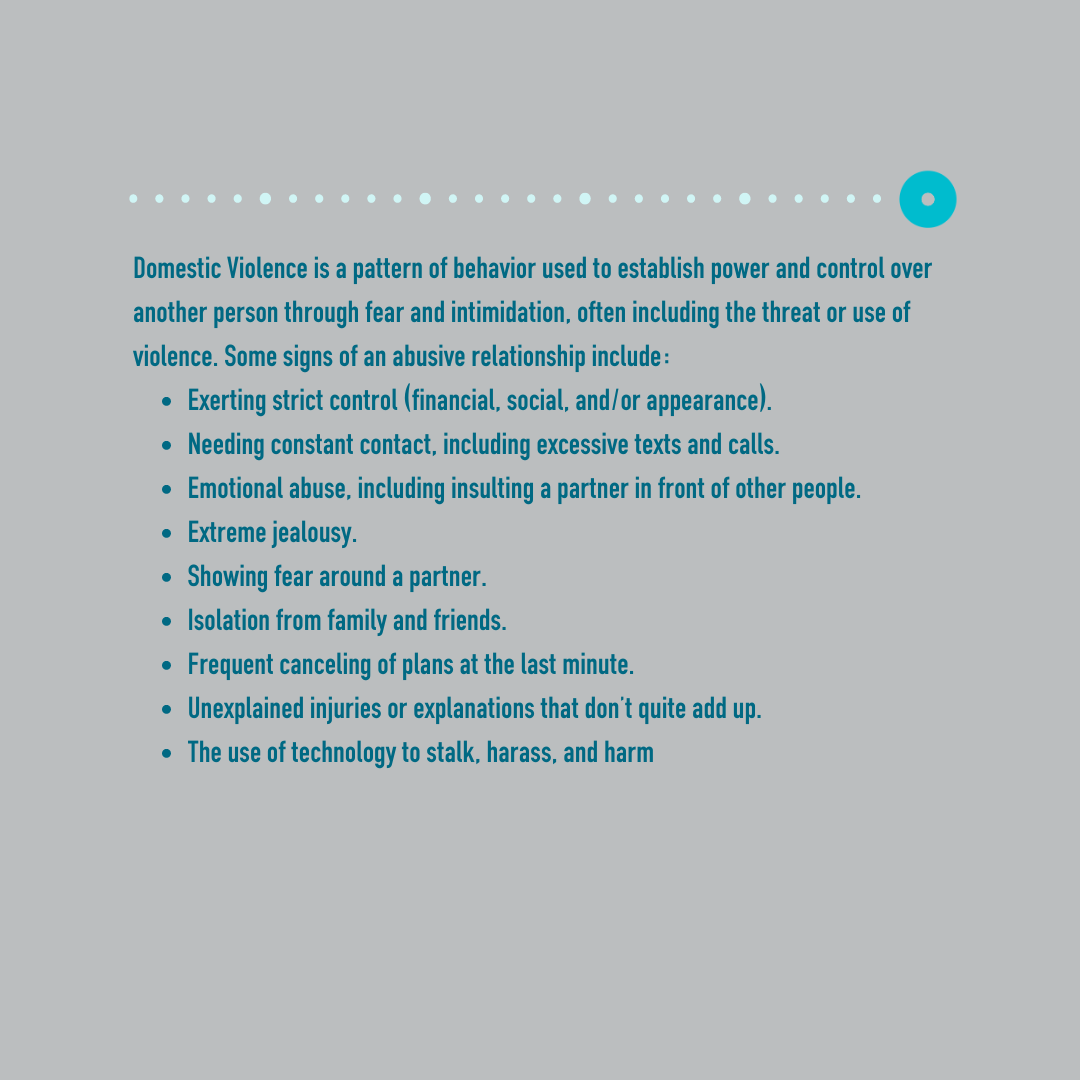
Domestic violence not only traumatizes the woman but also their children. My mother married my stepfather when I was seven years old and I watched him beat her to a pulp almost daily until I moved out at 12 years old. She screamed out in pain, begged for her life, and cared for her wounds privately to not set him off again. He was an alcoholic but that is not what made him an abuser, that came from within for reasons no one will know.
I watched him drag her down the hall, beating her head from side to side so she would hit both walls, all the while she was begging and crying for him to stop. What’s crazy is that I hated my mother, she was my abuser but down deep she was my mother and it pained me to watch her be treated that way. She stayed married to him until he was beating her and my brother took out a shotgun and made him leave.
You might ask “Why didn’t she just leave?” There are so many reasons women don’t leave, one is their children. How do you prepare to leave when you are watched like a hawk? How do you squirrel away enough money to live, relocate, move your kids out of school, and pay rent? It’s nearly impossible. One attitude the abuser takes is that they own the woman and they will go to any lengths to keep her. To get her to come back, the most common is the sweet personality change and wooing her back only to beat her more.
At the same time, they are beating a woman, they are also degrading her and some women think they deserve it over time which causes them to stay. Some women stay out of fear and others know they will be hunted down, some will have a child kidnapped or the abuser will call the police claiming she left with the kids and make up a wild story that the police have to check out.
I’ve met many women while blogging who were in violent relationships and saw what they went through to leave, the heartbreak after, and all the horrific acts towards them and each one was so traumatic you ask yourself, “How did they make it?” Each one is a survivor!
It’s important to know that men also have violent relationships. There can be shame involved and that is why many men don’t come forward but they are not forgotten. They are survivors as well and often carry a big burden by not seeking help or telling anyone.
Melinda
Reference:
https://www.nomore.org/know-the-facts/

Ahead of the upcoming US presidential election, NO MORE is committed to helping survivors of domestic violence and stalking participate safely in the democratic process. This month we launched a new State Voting Guide for Survivors, outlining key options to help survivors protect their privacy and security while making their voices heard.
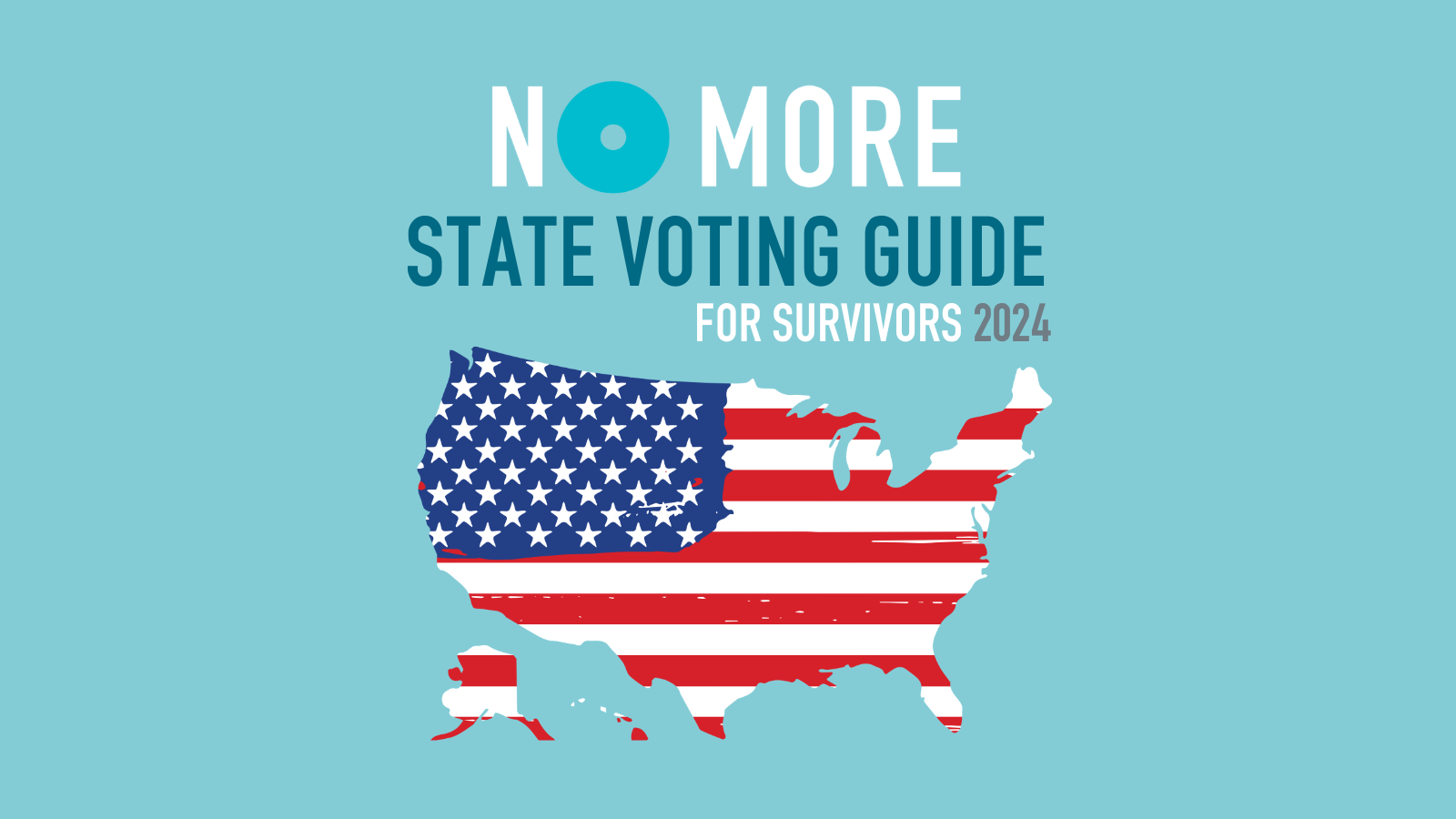
By consolidating this critical information in one place, the guide simplifies the voting process every step of the way. NO MORE will continue to provide information for survivors, as well as for their friends, employers, and communities to help support them.
Thank you, No More for supporting and thinking of how to protect us in each situation.
Melinda

Thank you for all the great feedback on the Blogger Highlight series, I’ve enjoyed meeting each blogger and sharing their site with you. This week we highlight John Malone and his blog. We haven’t followed each other long but we have become fast friends and I feel like a kindred spirit to him. John has brought my sense of creativity alive, he’s whip-smart, funny, and knows how to express himself through words. I could sit and talk with John for hours and would still have more questions, he’s interesting.
‘This then I can say about my life:
I have two cats, a dog.
three children
and a wife’
except I no longer have a wife or pets, except a cat called Rosco, but have accrued numerous grandchildren and yes, I still whistle while I walk 🙂
I have five books of poetry published, two of which have been self published and many , many poems anthologized. Between 2000 and 2012 I had over 170 childrens’ poems published in major magazines, in the North America, NZ and here in Oz, some of which are still earning royalties from being republished.
I also have three educational titles with major publishers, guides to creative writing in classrooms which schools use, written during the same period.
I sometimes think I should write children’s poems again but I wrote them for/with my grandchildren while they grew up in my presence.
To dig deeper into John’s career accomplishments click here.
What was your first job and what did you learn from it?
A secondary English teacher; learnt how to ;handle’ teenagers, not always successfully; learnt how to impart my love of literature and get them to write poetry themselves: we were a vibrant writing community.
What is your greatest career accomplishment?
My first book of poems by a major publisher was a thrill. Also between 2001 and 2013 I had over 70 children’s poems published in literary magazines for children in Australia, the Us and NZ. The three poems I’m proudest of are ‘Fork’, ‘Fearless’ and ‘The Mothering Tree’
Did you have a goal for your blog and have you achieved it?
As for the blog I just wanted to get my stuff out there and get immediate feedback instead of going through the delayed process of magazine submissions. I’ve built a lively following and feel part of a vibrant ever evolving literary community: a tribe !
John’s post New Direction was a surprise and a day to rejoice. We had been talking about his accomplishments which I greatly admire and later this post arrived. I’m thrilled John gave me some credit but most importantly, he wrote a new short story after taking many years off from writing. I’m counting the days until it’s published so we can read it on his blog. I look forward to new stories as John has his mojo back.
This post makes me think of all the journals and notebooks I carried around for years, starting as a child, they included writings, drawings, goals, and daydreams. They were my calm, my comfort, they knew my inner thoughts and they never betrayed me. John’s notebook was no doubt just as special, holding his thoughts, stories, and many ideas. The cover is fitting with its lived-in look and who would want to change that?
One of John’s favorite tunes:
I set a goal in 5th or 6th grade to become a Journalist for Life Magazine, but that isn’t where my career took me for multiple reasons. John’s career accomplishments are not directly related to my goal but I can imagine that being published gives you the same high and sense of accomplishment. I admire his accomplishments but what’s more important is that John is humble, no boasting, there are no airs about him and I admire him for that.
Be sure to stop by and say hello to John and while there browse through his extensive archives. You will not be disappointed and you may find yourself following John as well.
Melinda
If you haven’t followed me long, you may not be aware of the health struggles I’ve had dating back to 2010. Not only have I had a major run-in with what might have been the end of my life, but since 2012 I’ve suffered with severe balance issues and cognitive impairment. Although I don’t have a clue what The Mayo will diagnose me with, I am totally confident in their ability to find answers and get me the right treatment.
This post is something I’ve been laughing so hard about because it can only be funny. I’ve been wishing this one plant to have babies for the past year or two to no avail. Today, I was looking at it again, trying to understand why it hasn’t had a baby. Then the brick hit me, it’s an artificial plant! It makes me laugh every time I think about it. Apparently, I was very sick when I planted it thinking it was a live plant only to find today, that it won’t have any babies. HAHA!!!!!!!

I chose to find it funny, how could I not? I won’t kick myself for being too sick to know the difference. I believe this general attitude is why I keep pushing forward in life and can deal with what comes my way. Who needs a kick in the ass?
Melinda
by Elizabeth Drucker
•••••
Medically Reviewed by:
Bethany Juby, PsyD
When you’re living with depression, sleeping doesn’t always come easily. Here are my go-to tricks when I can’t seem to wind down.
When my psychiatrist is worried about me, she always asks me how I’m sleeping. When my depression is getting the best of me, I tend to thrash around on my bed for hours. I seem to wake up every hour.
Here are some tips that have helped me get the sleep that I need so I can function throughout the day.
I’ve found that listening to music can relax me to the point that I drift off. I have a playlist on Pandora filled with familiar songs that I really like.
It’s fun to take an hour or two to sort out the songs that work best for you. They can be anything: alternative, pop, classical. You might even want to listen to nature sounds or recordings from the ocean.
The point is that you find something that makes you relax and that you want to hear. There are some phone apps that you can use that have relaxing sounds, too. I also have a clock with recorded songs on it that help me relax.
When I’m getting ready to fall asleep, I have a routine that always includes a hot shower. This helps me relax.
Routines like these are helpful for depression. It might also be helpful to use body wash with scents that you like.
When you’re living with depression, you can find ways to fight back at it with all the five senses.
Anxiety and depression can be related. There are times when I can’t sleep because I’m so worried about something. This feeds into my depression.
There are many techniques to help reduce anxiety. One thing I do is take deep breaths, slowly and gently. I notice that when I’m anxious, it feels harder to breathe, so this really helps.
I may also try writing a list of all the things that I’m worried about — just to get them out of my head so I can focus more on sleep. Identifying what you’re anxious about is an important step in combatting it.
When I’m depressed and having trouble sleeping, I start getting very frustrated. I also tend to think negatively about myself. Everything I do is wrong. If I can do something to reverse this, it really helps.
The goal is to counter the depression with everything that is positive. It might sound wild, but one really good way to do this is to talk to yourself. I try to speak calmly and gently to myself all the time.
I acknowledge that, yes, I’m in a depressed mood. But I need to take care of myself and get the sleep I need to be able to function in the morning.
One of the hardest parts of coping with depression is feeling like it will go on forever. This can make trying to fall asleep more complicated and overwhelming.
Keep reminding yourself that depression often comes in waves and things will get better. This is one thing that always helps me when I’m struggling to fall asleep and worrying about it being a never-ending problem.
When it comes down to it, it’s important to take care of yourself with self-compassion. Depression can make it harder to fall asleep, but you don’t need to just accept that. Fight back with whatever works best for you.
Try to include things that engage the five senses. Also, keep track of your sleep and tell a mental health professional if you’re unable to sleep. Sometimes, medication is a necessary step. There have been times when my doctor needed to prescribe medication to help me get some sleep.
What matters is finding ways that help you get the amount of sleep you need to feel rested and ready to take on the day.
The key is to do what works for you, give a suggestion a go, and if it doesn’t move to the next. As much as I love music, it doesn’t help me fall asleep, in fact just the opposite, it wakes my brain up. Going to bed earlier than my sleep time has been most helpful to me. I have the room quiet, pamper myself with some good lotion, and arthritis cream, and the air diffuser is on with Lavender oil which relaxes me. I relax between 45 minutes to an hour before sleep time and I’m ready to fall asleep the majority of the time.
Melinda
Reference:
Thank you for joining me for this week’s Friday Quote.
Melinda
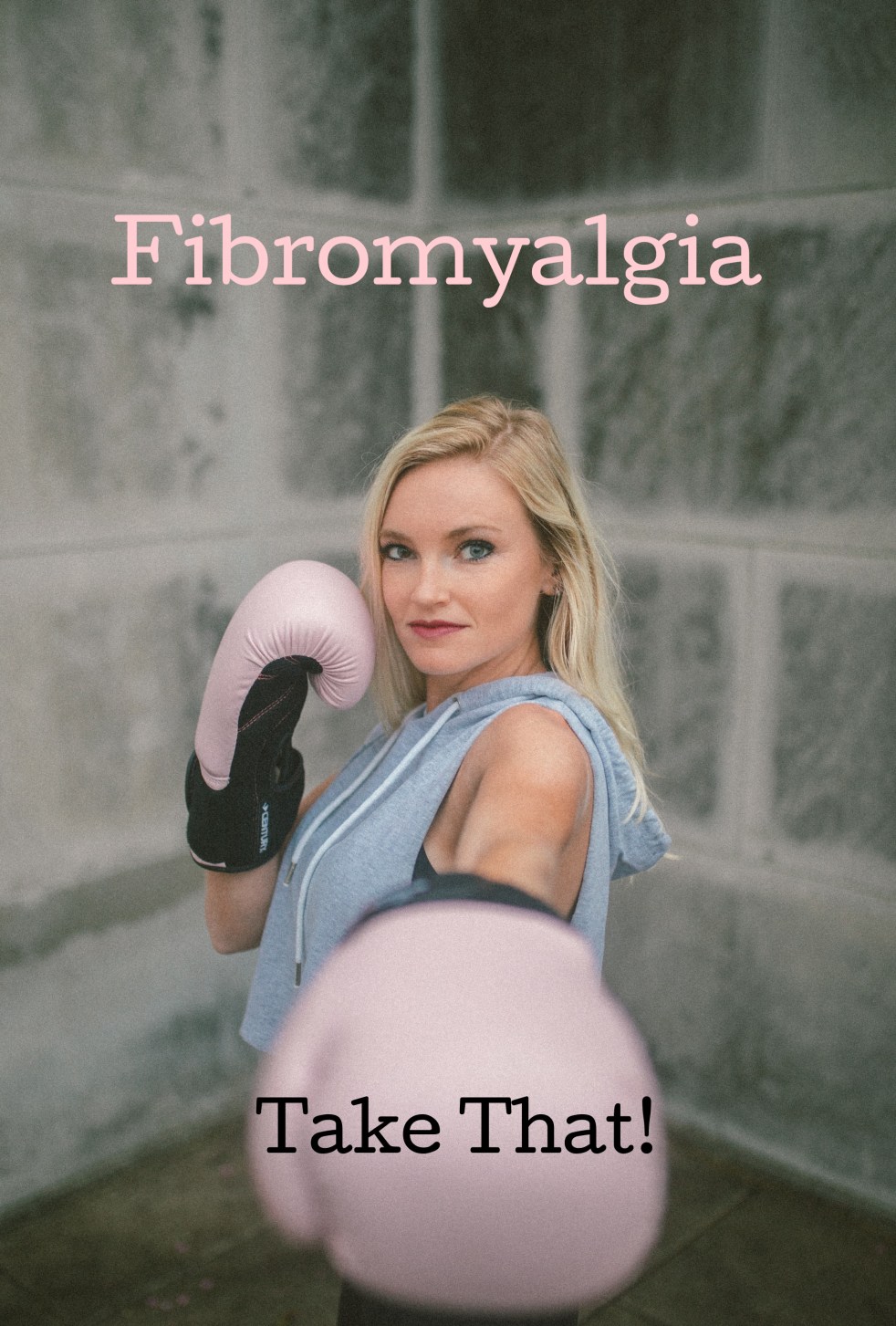
Physical therapy may be used alongside other treatments to help reduce fibromyalgia pain and improve mental health.
Chronic pain and fatigue are common symptoms of fibromyalgia. You may also experience sleep, memory, or mood issues as a result of this condition.
There’s no cure yet for fibromyalgia, but doctors may recommend physical therapy in addition to medications and alternative therapies, like massage and acupuncture, to help with your symptoms.
As part of a holistic plan, physical therapy can help you cope with your pain. It may also reduce the frequency and intensity of your symptoms.
This article examines how physical therapy and the right exercise program might help those with fibromyalgia.
Physical therapy can offer a variety of benefits for those with fibromyalgia, including:
Research has found that individuals with fibromyalgia may have difficulty with lower aerobic endurance and muscle strength. They are also likely to live a sedentary life because of their pain. This can increase their likelihood of developing other health complications.
With the help of physical therapy, quality of life and productivity can improve.
Doctors highly recommend that those with fibromyalgia participate in aerobic and strength training activities. While current research does not offer as much support for flexibility exercises, these exercises may also prove beneficial, especially as part of a warm-up or cool-down routine.
Types of exercise frequently recommended if you have fibromyalgia include:
If you’ve received a diagnosis of fibromyalgia, a licensed physical therapist can design or tailor a holistic program specifically for you.
To create your personalized exercise program, a physical therapist will consider your overall health and exercise level. They’ll work with you to develop a workout that is sufficiently challenging but also comfortable enough to do several times per week.
Because fibromyalgia symptoms can fluctuate, your physical therapist may need to make frequent adjustments to your program.
Working out consistently is important, but it can be difficult, especially if you have a painful flare.
Your physical therapist may ask questions about the types of activities you enjoy doing to find ways to motivate you. They may also begin slowly and build up the intensity of your workouts over time to help prevent pain and burnout.
In addition to exercises on land, your physical therapist may suggest aquatic therapy. The warmer water in therapy pools can relax muscles, offer joint relief, and improve circulation.
A physical therapy treatment plan for fibromyalgia may also include massage, the use of a TENS machine, or hot/cold packs to prevent and treat your muscle pain.
In addition to an exercise plan, your physical therapist can provide helpful education about pain management. The skills they teach can be useful in coping with your fibromyalgia symptoms.
Your doctor may be able to provide a referral to a local physical therapist who has worked with individuals with fibromyalgia in the past.
Another place you may potentially be able to get referrals is through a local fibromyalgia support group.
If you choose to do your own research, you may wish to look online for a local physical therapist who advertises their work with fibromyalgia and has articles or blogs on their website demonstrating their knowledge of the connection between physical therapy and fibromyalgia.
It’s also usually a good idea to check out their reviews.
If you have fibromyalgia, it’s important to have the support of others who understand what you’re going through. Your doctor or local hospital may be able to suggest an in-person support group near you.
You can also get support online through organizations like the Fibromyalgia Care Society of America.
Another place where you can connect with other people with fibromyalgia is in Meta groups. Research indicates Meta (formerly Facebook) groups can be a source of support for those living with fibromyalgia. But remember that these groups may not always encourage evidence-based approaches to fibromyalgia care.
If you have fibromyalgia, chronic pain can be debilitating. Physical therapy may help reduce your pain, increase your range of motion, and improve your mental well-being. Your doctor may recommend it in combination with medication and alternative therapies.
A physical therapist can help with pain management and develop an individualized exercise plan that includes a mixture of aerobic and strength-building activities. Tai chi, walking, and swimming are some exercises that may be particularly beneficial if you have fibromyalgia.
Melinda
Reference:
Note from NAMI National:
“September is Suicide Prevention Month, when we work to raise awareness about this urgent crisis. Like mental health conditions, suicidal thoughts can affect anyone regardless of age, gender, or background. But suicidal thoughts should not be considered normal and often indicate more serious issues.”
Fast Facts:
Individual Impact
Community Impact:
Annual prevalence of serious thoughts of suicide, by U.S. demographic group:
This Suicide Prevention Month, check in on your loved ones. Knowing the risk factors and warning signs can assist you in finding help for yourself, a loved one, or a friend. You can learn more about this here.
With gratitude,
The NAMI Texas Public Policy Team
Melinda
For the complete list of Awareness Months click on the link under references. Below are the issues that are most important to me or ones I have a personal connection to for which there are several.
Melinda
Reference:
https://www.goodgoodgood.co/articles/october-awareness-days-months
I’m glad you joined me on Wordless Wednesday and I hope to see you soon.
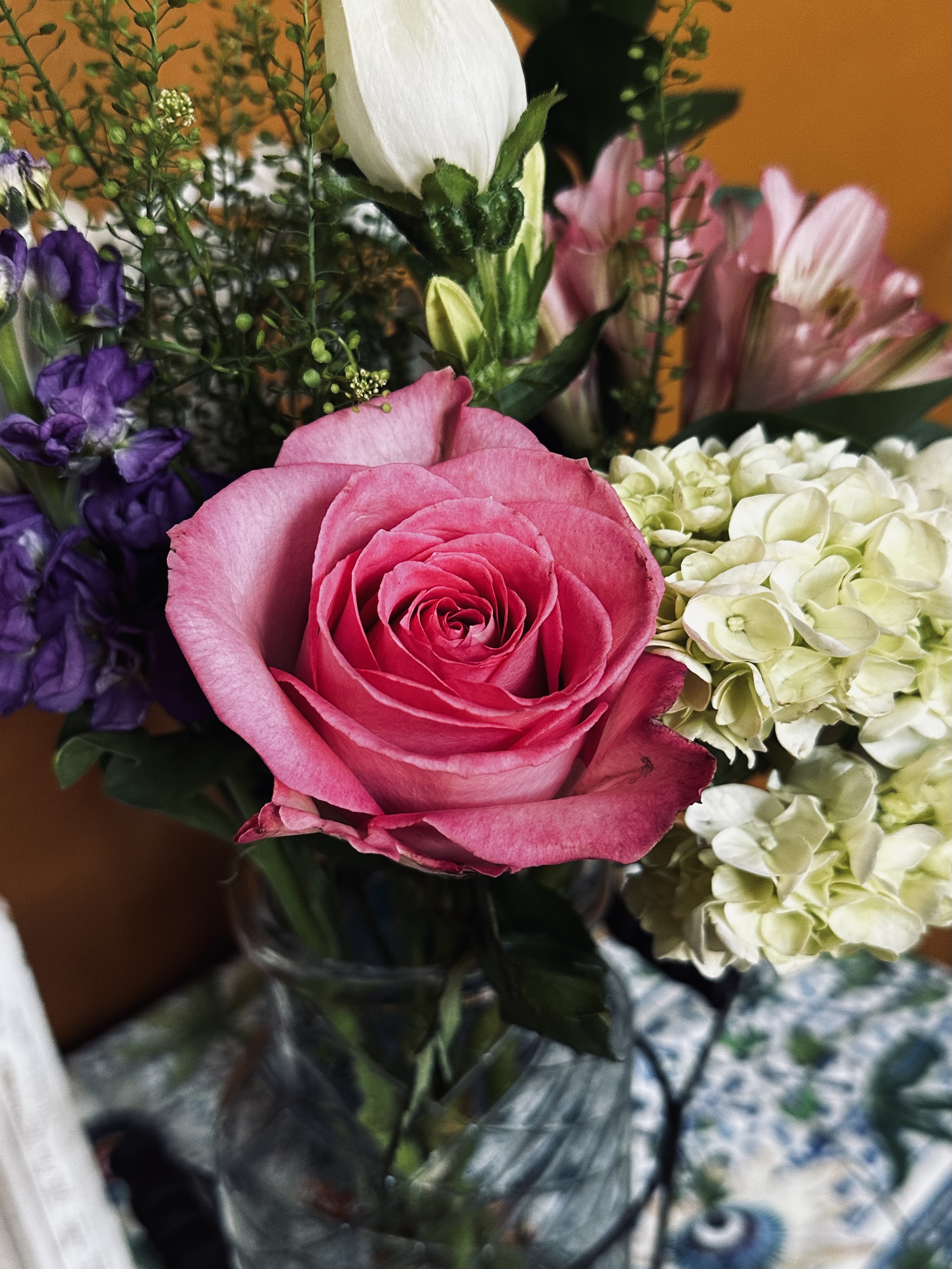
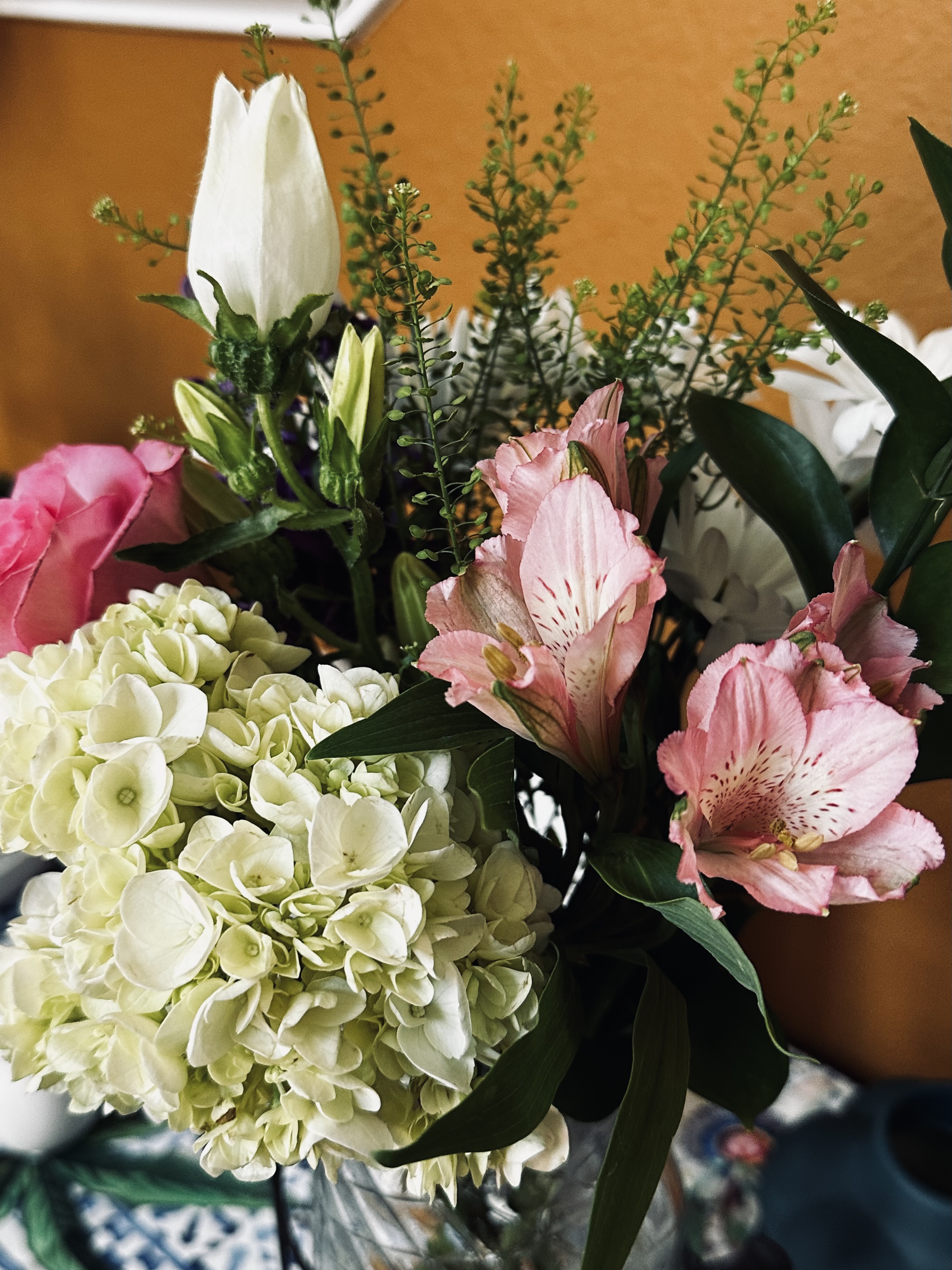
I was so happy to see two of my favorite flowers, Roses and a Hydrangea.
Melinda
As Dave Martz lay dying, an idea serpentined around his mind and would not loosen its grip: Despite the absolute diagnosis and the insistence of the doctors, including a world expert, that he was dying of ALS, despite his own vow to face things head-on and reject the lure of denial, Martz couldn’t shake the notion that possibly, just maybe, he actually had Lyme disease. (from Cure Unknown: Inside the Lyme Epidemic by Pamela Weintraub.)
One of the earliest Lyme conferences I ever attended featured Dr. Dave Martz and the story of his remarkable recovery from what had been diagnosed as ALS–a fatal condition.
I would later write this about him in my blog:
Dr. David Martz is kind of a rock star in the Lyme world. You may have read about him in Pam Weintraub’s Cure Unknown and seen footage of him in the documentary Under Our Skin.
His story is riveting. He had a lifetime of good health and a successful career as a physician practicing internal medicine-hematology-oncology for 30 years. Then, in 2003, Martz suddenly started experiencing strange symptoms. First deep fatigue, then profound muscle aches and body-wide pain. Soon he was too weak to get out of bed. As his condition rapidly deteriorated, his physicians gave him a devastating diagnosis: ALS (aka Lou Gehrig’s Disease). They said nothing could stem his physical decline and he would likely be dead within two years.
But events went in a different direction. As his health spiraled downward, Martz connected with a Lyme disease specialist who prescribed hard-hitting, long-term antibiotics. The gamble paid off. By the end of 2004, Martz was a new man. In fact, the doctor who had diagnosed him so definitively with ALS, now pronounced that condition completely gone.
Martz devoted the next two and a half years to a project that gave extended antibiotics to about 90 ALS patients and demonstrated objective improvements in 15% of them. He has also treated more than 800 chronic Lyme patients, with good response and minimal side effects.
In 2010, I helped organize a Lyme patient education conference in the San Francisco Bay Area and we had Dr. Martz as our keynote speaker. He was a kind, thoughtful man who offered a message of hope to an audience which sorely needed it.
This week, I learned that Dr. Martz passed away last month at the age of 83. Rest in peace, Dr. Martz, rest in peace.
TOUCHED BY LYME is written by Dorothy Kupcha Leland, President of LymeDisease.org. She is co-author of Finding Resilience: A Teen’s Journey Through Lyme Disease and of When Your Child Has Lyme Disease: A Parent’s Survival Guide. Contact her at dleland@lymedisease.org.
Very interesting read! So glad he had an open mind and thought to seek out a Lyme Literate Doctor, it saved his life.
Melinda
Life with chronic discomfort can feel like living out an endless drama, yet its protagonist (that would be you), deserves smoother scenes. Luckily, there are multiple techniques to alleviate persistent pain, providing pockets of relief from daily struggle into a manageable storyline.

Photo by Gizem Nikomedi on Unsplash
Exercise may make your spine shudder, but physical activity is an excellent way to manage chronic pain. Engaging in low-impact activities such as swimming, yoga, or tai chi can improve circulation, and flexibility and release endorphins. Natural painkillers are made available without an expectation of compensation.
Your body’s endorphins act like the stand-up comedians of its own world, helping lighten the mood and make things bearable. Movement produces endorphins which in turn reduce perceptions of pain. So whether it’s taking a daily stroll around your neighborhood or doing some light stretching exercises, find something that makes you want to move, even if that means dancing awkwardly without anyone watching.
Your mind can be used as an effective weapon, all it needs to be properly deployed. Practices such as mindfulness meditation, cognitive behavioral therapy (CBT), and guided imagery can have profound effects on pain perception while changing our relationship to discomfort.
Engaging in mindful practice means staying present to each moment without judgment, helping to ease stress and anxiety that exacerbate pain. Apps or online resources designed to guide this process could prove invaluable, and your mind and body will thank you.
Incorporating natural methods can often provide what is needed for living with chronic pain. Acupuncture, chiropractic care, and herbal remedies may complement other pain management approaches by offering more holistic approaches.
While Acupuncture may seem strangely offbeat for television dramas, its roots lie deep within traditional Chinese medicine. By strategically placing needles along nerve pathways to reduce pain and promote healing.
Medical marijuana has emerged as an attractive solution for chronic pain sufferers, thanks to cannabinoids found within cannabis which interact with our bodies’ endocannabinoid system and modulate pain and inflammation. While legal challenges have historically limited medical marijuana’s use, studies show its efficacy for various forms of pain such as neuropathic and arthritis pain relief. Patients often find medical cannabis helps them decrease reliance on traditional painkillers while potentially decreasing adverse side effects. You must consult your healthcare professionals regarding appropriate usage as soon as possible before beginning.
No one’s suggesting an appearance on a cooking show, rather, what you eat has more power to affect pain levels than you realize. An anti-inflammatory diet may work wonders. Try including foods rich in omega-3 fatty acids like fish, flax seeds, and walnuts in your daily meal plans to reduce inflammation and pain levels. Remember: balance doesn’t mean balancing pizza slices between both hands.
Turmeric is one of the greatest spices imaginable, boasting powerful anti-inflammatory effects and rich with curcumin. Add turmeric to dishes, smoothies, or teas for an intoxicating flavor and potential pain relief. But be careful not to mistake it for its competitor, saffron. They both love taking center stage but serve distinct functions.
Chronic pain may be a constant part of life, but exploring different strategies may provide relief. Pain management becomes less exhausting with laughter as your guide and professionalism as your shield. Embrace these tips as creative tools to write a narrative that features discomfort less prominently in it.
This is a collaborative post.
Melinda
In this fast-paced social media world, it can be difficult to find the time to look within or back in time. I hope you find the quotes or questions interesting. So glad you stopped by today!
Melinda
Thank you for all the great feedback on the Blogger Highlight series, I’ve enjoyed meeting each blogger and sharing their site with you. This week we highlight Mum Cee. I have followed Cecilia for years, her writing is raw, powerful, from the heart, and often relevant to her country, Ghana. She is a strong voice for women, and I love that about her, she is wise beyond her years.
Just a simple Ghanaian trying to find the best in our society. I may be fun, I may be interesting, I may be funny, I may even be foolish or intelligent, but it is all based on the mood in which you find yourself. I believe our minds make us who we are. Know that, pain, no matter its ‘unbearability’, is transient. Unburden or delight yourself for a while in my writings please. And all corrections, advice and opinions are welcome. Know that you are the king, queen or royal on this blog.

If you are looking for a good book to read, get ready to be rather read by Cecilia’s art through her heart. Wilson Ayinbangya Amooro Author of ‘Love Letters’ book series Amoafowaa Sefa Cecilia is a poet, novelist and an occasional dabbler in article writing. A passionate writer all her life, Amoafowaa holds a BA in English Language from the Kwame Nkrumah University of Science and Technology, Ghana. She is a feminist who seeks equity for women, justice for the abused and hopes for happiness and safety for all children through her writings. Amoafowaa is eclectic in her writings – from the beauty of the sun to the deception of politics; nothing escapes her literary brush, only feeling complete when her works touch hearts. She has worked at Bishara Radio in news casting, lunch time programs which are more song-driven, and hosted some literary programmes. Amoafowaa Sefa Cecilia is currently an English Teacher at Tamale Secondary High School.

My husband was diagnosed last year with Leukemia and it was a total shock to the system. He’s been healthy our entire 22-year marriage only having a cold a few times, this diagnosis rocked me hard. One blessing is that he has a team of doctors who he sees regularly and so far his cancer is growing very slowly. Skin Cancer can also pop up with Leukemia and he has been diagnosed with that as well. He goes every three months and usually has a new spot removed or scrapped and burned. Sunscreen is more important than ever but he hasn’t bought into that yet.
As scary as it was in the beginning, after educating ourselves and him seeing a doctor every three months we are more comfortable about where his health is at.
Blood Cancer Awareness Month is a global event helping to raise awareness of one of the world’s most prevalent and dangerous cancers: blood cancer.
September turns red each year as the spotlight is put firmly on blood cancer and the impact it has on our communities and the urgent need for more action.
Raising awareness of blood cancer, its signs and symptoms, and its impact, will help to improve early diagnosis, encourage policymakers to prioritize the disease, as well as help everyone with blood cancer feel connected and heard.
Tricia Hernandez with the Leukemia Lymphoma Society says many blood cancers are treatable through chemotherapy, stem cell transplants, and surgery.
She says in Maine, nearly 900 people have been diagnosed with blood cancer this year.
“A person is diagnosed with a blood cancer approximately every three minutes. So, it’s quite a large number although a rare disease than other cancers. There are hundreds of thousands of people affected by this,” said Hernandez.
The four major types of leukemia are:
CLL is one of the most common types of leukemia in adults. ALL is the most common type of leukemia in children.
Lymphomas begin in cells of the lymph system, which is a part of the immune system. Lymph tissue is found throughout the body. As a result, lymphoma can begin almost anywhere. The disease occurs in two types: Hodgkin and non-Hodgkin lymphomas.
Both types can occur in adults and children. An estimated 80,620 people in the United States will develop non-Hodgkin lymphoma in 2024, according to the NCI. Approximately 20,140 people will die from non-Hodgkin lymphoma. For Hodgkin lymphoma, 8,570 new cases and 910 deaths are estimated for 2024, according to the NCI.
There are many different types of leukemia and lymphoma in adults and children. For more information on these different diseases, please see:
References:
What a great awareness month, we all age so why not age healthy. Below are tips you can apply to your life today for better physical and mental health Here’s to our future.
———-
It’s time to celebrate September Healthy Aging® Month, the annual observance month designed to focus national attention on the positive aspects of growing older.
The observance month began more than 30 years ago as part of our National Healthy Aging® Campaign to continue to draw attention to healthy, active lifestyles at any age.
Carolyn Worthington, president of Healthy Aging®, the official multi-media platform promoting the month, created it in 1992.
“Our goal in creating the month was to draw attention to the positive sides of growing older. We felt there needed to be a second time during the year in addition to May is Older Americans Month. September was chosen because so many people felt they could “get started” more easily at that time. Maybe the back-to-school routine never really goes away.”
Now, after more than thirty years, Worthington sees the national interest in continuing healthy lifestyles well into old age as never been stronger.
“We were pleased to announce that the U.S. Senate unanimously passed the resolution marking September as National Healthy Aging Month in 2021,” Worthington said. Numerous governors before that proclaimed the national observance month for their states as well.
“We are proud of our efforts to continue to build awareness for healthy lifestyles. Since we kicked off the observance month, the myths of aging have been chipping away,” Worthington said. “We are also proud to say the month we started is now on most national health observance calendars.”
“Of course, there are still stereotypes about older adults,” Worthington said. Perhaps the baby boomers embracing aging like no other generation started turning the tide. Seeing people in their 80s and 90s doing spectacular things today is not unusual.”
The four main components of a healthy lifestyle fall into four main categories: physical, social, mental, and financial wellness.
This a great reference it’s given me many ideas on how I can improve my life.
Melinda
Reference:
Thank you for joining me for this week’s Friday Quote.
Melinda
My husband sent me this video and the first thing I said was, “Who knew Eddie could play the piano?” I don’t buy into aliens but I like the song played this way, I didn’t listen to the original version because I wanted to remember this special occasion. You can tell they were having fun and really enjoyed each other’s company. I still love Sammy’s voice, his club in Cabo, not so much.
The Bridge School Benefit was an annual charity concert usually held in Mountain View, California, every October at the Shoreline Amphitheatre from 1986 until 2016 with the exception of 1987. The concerts lasted the entire weekend and were organized by musicians Neil Young and Pegi Young. An annual Bay Area highlight, the concerts were billed online as the primary means of funding for The Bridge School; over both days, the reserved seats alone brought in well over a million dollars every year.

Organized by musicians Neil Young and Pegi Young, the Bridge School Benefit Concert is an annual, all acoustic, non-profit charity event held every October at Shoreline Amphitheatre in Mountain View, California. All proceeds directly benefit the operations of The Bridge School.
The Bridge School is a non-profit organization whose mission is to ensure that individuals with severe speech and physical impairments achieve full participation in their communities through the use of augmentative & alternative means of communication (AAC) and assistive technology (AT) applications and through the development, implementation and dissemination of innovative life-long educational strategies. The Bridge School is an internationally recognized leader in the education of children who use augmentative and alternative communication and has developed unique programs and trained highly skilled professionals in the use of state of the art assistive technology.
References at the bottom of the post.
It’s the weekend!!!!!!
I’m glad you joined me this week for another edition of Weekend Music Share.
Have a great weekend!
Melinda
Welcome back to Weekend Music Share, the place where everyone can share their favorite music.
Feel free to use the Weekend Music Share banner in your post, and use the hashtag #WeekendMusicShare on social media so other participants can find your post.
Reference:
Hi, I’m glad you stopped by and I look forward to seeing you soon.
I’m praying and waiting for answers.
Melinda
America’s leading menopause advocates lead the way for changing the way we speak about menopause.
The black box warning labels on local estrogen products are costing menopausal women their wellbeing, and their money, and HELLO’s not-for-profit partner, Let’s Talk Menopause is on a mission to remove them.
Along with the Menopause Advocacy Working Group, Let’s Talk Menopause is calling for the removal of the outdated FDA-mandated boxed warning from local vaginal estrogen products used to treat Genitourinary Syndrome of Menopause (GSM).
GSM is a condition that affects up to 84% of menopausal women, manifesting in symptoms such as vaginal dryness, urinary urgency, and recurrent urinary tract infections, aka UTIs. Despite the proven effectiveness of local vaginal estrogen in treating GSM, an outdated boxed warning prevents many women from accessing this essential treatment.
The black box warning labels on local estrogen products are costing menopausal women their wellbeing, and their money, and HELLO’s not-for-profit partner, Let’s Talk Menopause is on a mission to remove them.
Along with the Menopause Advocacy Working Group, Let’s Talk Menopause is calling for the removal of the outdated FDA-mandated boxed warning from local vaginal estrogen products used to treat Genitourinary Syndrome of Menopause (GSM).
GSM is a condition that affects up to 84% of menopausal women, manifesting in symptoms such as vaginal dryness, urinary urgency, and recurrent urinary tract infections, aka UTIs. Despite the proven effectiveness of local vaginal estrogen in treating GSM, an outdated boxed warning prevents many women from accessing this essential treatment.
Get involved and learn more by visiting the Unboxing Menopause campaign website and sign the consumer advocacy letter to the FDA.
The boxed warning on local vaginal estrogen has caused unnecessary fear and confusion for millions of women suffering from GSM. This barrier to treatment has led to higher healthcare costs, multiple doctor visits, and prolonged discomfort.
“The boxed warning poses a massive economic burden on women — and on society,” said Jen Weiss-Wolf, Let’s Talk Menopause Board Member, author, and Executive Director at Birnbaum Women’s Leadership Center. “Untreated GSM leads to higher healthcare costs, lost productivity, and unnecessary suffering.”

Let’s Talk Menopause and the Menopause Advocacy Working Group are calling on women and healthcare providers to join their campaign to demand the FDA remove the boxed warning from local vaginal estrogen products.
“Vaginal estrogen is the gold standard treatment for GSM,” Dr. Robin Noble, an OBGYN and Let’s Talk Menopause’s Chief Medical Advisor tells HELLO! “It targets the problem at the source, helping women regain their comfort, their sexual function, and their quality of life with minimal risk.”
“Fear shouldn’t dictate our health choices,” explains Tamsen Fadal, author, journalist, filmmaker, and Let’s Talk Menopause board member. “The black box warning is costing us our well-being and our money.”
Let’s Talk Menopause and the Menopause Advocacy Working Group urge women and healthcare providers to advocate for removing the outdated boxed warning, making local vaginal estrogen more accessible. For more information on how to get involved or to learn more about GSM and local vaginal estrogen, visit the Unboxing Menopause campaign website and sign the consumer advocacy letter to the FDA.
Women have the right to know how Box Warnings are decided upon by the FDA. There have been several occasions that I’m aware of where the data has been misapplied and it can take many years before the correct information comes to light.
Melinda
Reference:
The topic of suicide is not the easiest conversation but one that is often important. One misconception is that only people with mental illness commit suicide and that is far from the truth. People commit suicide for many reasons and they are deeply personal, like the person dying of cancer and in immense pain or someone who has a chronic health condition that is debilitating and greatly limits their ability to take care of themselves or leave the house. There are many reasons people get deeply depressed and look to suicide as a way out. Yes, there are people with mental illness who commit suicide but I think the media has a role in highlighting these deaths over the other circumstances. Those types of stories get more traffic and unfortunately, keep the stigma alive.
Although I feel that you can’t stop a person determined to commit suicide, I do believe the strategies used long before the person reaches that point are critical and can save lives.
Contact the 988 Suicide and Crisis Lifeline if you are experiencing mental health-related distress or are worried about a loved one who may need crisis support.
I have a serious mental illness, Treatment-Resistant Bipolar Disorder and it can be difficult to manage, it takes a village and commitment on my part to keep my mood stable. The first time I tried to commit suicide was at nine years old, it wasn’t due to my illness it was due to the abuse and living in a house with Domestic Violence. It’s hard to watch your mother get beaten to a pulp almost daily even if you hate her. I’ve tried many other times and got close a few times all for the same reason.
The suicidal thoughts and plans from my Bipolar Disorder are different in that the Black Dog can sneak up on you slowly and before you realize it, you’re down the rabbit hole. Fortunately, I’ve been aware enough to call my Psychiatrist and to tell my husband. That’s when I know it’s time to visit the Psych Hospital. There are many treatments Psychiatrists can use to help you when you’re at the bottom and can’t see the light. The technology has advanced so much even since I had my first ECT treatment, for which I’ve had 27, six last summer. The great news is there are other treatments now that are proven and cause less memory loss.
My father committed suicide in 1992 and it came as no surprise in that he told me for months he was going to kill himself. My father and I were estranged since I was a teen and yet he started calling me months before he died. I begged, cried, tried to reason, and even paid his bills for a couple of months thinking the financial relief might help. The bottom line is, you can not stop someone who is determined to commit suicide. My father was mentally ill and refused to go to the doctor, his decision and he fell too far down to even think of living. The key point here is that you can’t stop someone who is determined to commit suicide. I’m not saying don’t try, try like hell but you have to accept the facts and not carry the quilt around.
I carried that quilt for seven years before I sought out a Therapist to help me work through the pain and childhood trauma. I didn’t seek help for my Bipolar Disorder until after my father’s death. While reading about his disorder I read that 75% of children of parents who commit suicide will as well. That woke me up! It wasn’t easy, in fact, it was very difficult because medicine after medicine didn’t work. It was very frustrating but I had the greatest Psychiatrist and we finally found a protocol that worked. It was tweaked many times because the medications would stop working but he had enough history on me that he could react quickly to build another protocol. This rebuilding of medication protocols is a part of my disease and one I’m used to. After 32 years, I’m better equipped to explain what is happening and how I feel which helps get to a better treatment faster. Even though I talk quite a bit about mental illness there are many reasons people without a mental illness commit suicide.
The only words of wisdom I can part with is to pay attention to a person’s change in behavior, often you will see one. One example is, hurriedly someone gets all their chores done, cleans the house, and returns items borrowed. That’s called getting things in order and is a good indicator they plan to commit suicide. I encourage you to read more about why people commit suicide to acquaint yourself, just make sure you don’t over-focus. The last thing you want to do is push hard on someone who is feeling suicidal or has a plan. It’s a natural reaction, I know but they can shut you out.
If you are feeling suicidal or have questions you can reach out to these resources:
Veterans Crisis Line: 1-800-273-8255 press 1
Suicide Prevention Lifeline: 1-800-273-TALK (8255
http://www.suicidepreventionlifeline.org
National SuicidePreventionLifeline.org 1-800-273-TALK (8255) Press 1, Veterans Crisis Line USA Press 2, Se Habla Español LifeLine Chat
Suicide & Crisis Lifeline: 988
National Domestic Violence Hotline: 1-800-799-7233
National Hopeline Network: 1-800-SUICIDE (800-784-2433)
Crisis Text Line: Text “DESERVE” TO 741-741
Lifeline Crisis Chat (Online live messaging): https://suicidepreventionlifeline.org/chat/
Self-Harm Hotline: 1-800-DONT CUT (1-800-366-8288)
Essential local and community services: 211, https://www.211.org/
American Association of Poison Control Centers: 1-800-222-1222
National Council on Alcoholism & Drug Dependency Hope Line: 1-800-622-2255
National Crisis Line – Anorexia and Bulimia: 1-800-233-4357
GLBT Hotline: 1-888-843-4564
TREVOR Crisis Hotline: 1-866-488-7386
AIDS Crisis Line: 1-800-221-7044
Veterans Crisis Line: https://www.veteranscrisisline.net
TransLifeline: https://www.translifeline.org – 877-565-8860
Melinda
Reference:
People who walk away while you’re talking to them are not interested in what you have to say. No need to get angry, they are self-centered and will not change.
People who ignore your no-soliciting sign are morons and wasting their money because who would buy from them.
If your lawn crew speaks Spanish and sprays poison on your beloved rose bush, have custom signs made that say “Do Not Spray Poison In The Flower Beds” in Spanish.
If your partner thinks that certain tasks are your responsibility, you have a choice, stop doing the other task or have a serious talk about their logic.
If there is something you’re good at whether it be a hobby or otherwise, don’t stop because you have other responsibilities. You have to make time for yourself every day for your mental health to enjoy the time you have available and celebrate your skill and the joy it brings you.
If you don’t think you’re important, people will not treat you that way. Grow your confidence and project it. Never let anyone put you down.
If a loved one puts you down or expresses shame about you, stop it right away. Set boundaries. Have a serious talk with them about how they talk to and about you. If they don’t understand or refuse to change, don’t go around them. If your partner or spouse doesn’t stand on your side they are confirming what others are saying, and the abuse will continue. After a talk with them, and they don’t get it, it’s time to move on. You deserve better and will thank yourself later.
If someone asks you to dress a certain way that is not your style, tell them you’re an individual and will dress the way you feel comfortable. If they insist, turn the tables and start telling them how to dress. The message will hit home or not. If not, they will want to control other parts of your life and you don’t need that from anyone. You are your own person. They are asking you to do something that makes them feel better about themselves because they have low confidence.
Beware of anyone who tries to pressure or guilt you into buying something. They are selling to make money only, not focused on what your needs are.
Melinda
Last Updated: 16 Sep 2024
These rappers have shared their struggles with bipolar disorder, bringing awareness to their experiences within the rap community and beyond.
In recent years, it has become more common for celebrities to talk openly about their mental health, and several well-known rappers have significantly contributed to this conversation over the years. Despite facing controversies and navigating the complexities of the public eye, these artists shared their own stories about living with bipolar disorder. Their honesty helps others feel less alone and sparks more conversations about mental health.
Whether discussing their experiences in interviews or incorporating them into their lyrics, these rappers contribute to a more extensive dialogue about mental health. They’re helping to shift perceptions and encourage a more accepting and informed conversation around bipolar disorder. Here are six rappers who are part of this critical conversation:
Samuel William Christopher Watson, who performs under the stage name Krizz Kaliko, is an American rapper, singer, and songwriter. He has made significant contributions to the music industry as a longtime collaborator with Tech N9ne, another artist from his hometown. Initially signed to Strange Music, the label co-owned by Tech N9ne, Kaliko established his own label, Ear House Inc., in 2021.
Diagnosed with bipolar disorder, Kaliko has openly addressed his mental health struggles in his music. Specifically, in his album Genius, he delves deep into his experiences on the track titled “Bipolar,” where he raps and sings about the challenges of living with the condition.
Beyond his music, Kaliko has spoken candidly about his use of psychotherapy and anti-anxiety medications as part of his ongoing effort to maintain emotional and mental stability. His openness about his struggles inspires and supports others facing similar battles.
Kanye West, now known as Ye, has been vocal about his bipolar disorder, referring to it as his “superpower.” He first revealed his diagnosis around the release of his 2018 album Ye, where he used his music and public statements to address the complexities of living with the condition. The album’s cover features the phrase, “I Hate Being Bipolar; it’s Awesome,” reflecting his struggle with the extremes of the disorder.
Ye has continued to discuss the impact of bipolar disorder on his life, comparing it to having a “sprained brain” and emphasizing the importance of proper care, even though he has openly struggled with staying on medication consistently.
In recent years, Ye has also opened up about the paranoia and erratic behavior that accompanies his manic episodes. He has criticized how people with mental health conditions are often mistreated, both by healthcare systems and society at large, contributing to the stigma around mental illness.
Charles Eddie-Lee Hamilton, Jr., a Harlem, New York City native, is a recognized figure in the hip-hop community as a recording artist and record producer. His album The Pink Lavalamphas been hailed as one of the standout underground hip-hop releases of its time.
In a candid interview with Billboard, Hamilton discussed the personal struggles he faced due to his undiagnosed bipolar disorder. He described a period of intense isolation, where distrust of others led him to confine himself to his home, dedicating his time solely to music production as a way to combat his depression. “I just didn’t trust anybody,” he admitted. “I didn’t leave my house; I just made music all the time. I was fighting depression — I shut myself in.”
Over the years, Hamilton has been open about his mental health journey, using his platform to raise awareness about bipolar disorder and the importance of mental health care. His career has seen various ups and downs, including a brief retirement in 2016 followed by a return to music with new projects that reflect his ongoing battle with mental health and his resilience in the face of adversity. His candidness about his struggles has not only helped to destigmatize mental health issues among musicians and fans but also resonated with audiences worldwide.
Earl Simmons, known professionally as DMX, was a prominent figure in the music and acting industries, rising to fame in the late 1990s. His raw and emotional lyrical content often reflected the personal pain and struggles associated with bipolar disorder, which was especially evident in his groundbreaking album, It’s Dark and Hell Is Hot.
DMX’s bold and unique contributions significantly shaped the music landscape, particularly as the only artist to debut his first two albums at number one in the same year.
His music not only captivated fans but also offered a visceral insight into his battles with mental health. Until his passing in 2021, DMX’s powerful voice in music and film left a lasting impact, celebrating the profound expressiveness of his work.
Adam Steven Deacon, an English talent celebrated as a film actor, rapper, writer, and director, shot to fame with his performance in the British film Kidulthood and his directorial debut, Anuvahood. In an interview with the BBC, Deacon discussed his initial fears that his bipolar disorder might derail his career. He described the condition’s impact, saying, “Bipolar life has two speeds: One minute, it’s all too fast. The next, everything becomes so slow that I can’t cope.”
This candid account of his daily struggles sheds light on the complexities of living with this brain-based disorder. Deacon has since learned to embrace and manage his conditioneffectively. His story of resilience and adaptability provides hope and insight, encouraging others to navigate similar challenges.
Yo Yo Honey Singh, also known as Honey Singh, is a prominent Indian rapper, music producer, and film actor renowned for his contributions to Bollywood music. He rose to fame as one of the highest-paid music producers in Bollywood. But in late 2014, Singh took a sudden hiatus from the public eye, sparking concern among his fans. After a quiet return to the music scene in 2015, he maintained a low profile with the media. It was not until March 2016 that Singh revealed the reason for his 18-month absence: he had been battling bipolar disorder.
Since disclosing his diagnosis, Singh has gradually resumed his music career and has been involved in several new projects, adapting his workload to manage his health effectively. His openness about his mental health struggles has been instrumental in raising awareness and reducing the stigma associated with mental health issues in the entertainment industry and beyond.
Tanya Hvilivitzky has spent more than 30 years in the communications field — a career that has included stints as an investigative journalist, managing editor for a lifestyle and wellness magazine, corporate communications director, and researcher/writer. She has been with bpHope (and bp Magazine) since 2016, serving in roles such as features editor, interim editor, and, currently, senior editor. She has been devoted to mental health awareness since she was the editor of Schizophrenia Digest in her early days, and now with a particular focus on highlighting the complexities of bipolar disorder through compassionate, service-based journalism. As an award-winning writer/editor, Tanya received the Beyond Borders Media Award for her 2012 investigative exposé about human trafficking for Niagara Magazine. Her work on this critical topic also earned the Media Freedom Award “Honouring Canada’s Heroes” from the Joy Smith Foundation to Stop Human Trafficking.
Melinda












 Looking for the Light