I want to say a special thanks to Linda Snow-Griffin for providing me a copy of her book Hope and Learning, Our Journey with Schizophrenia for a review.

Published 2021
Cherish Editions
About the Author
Linda Snow-Griffin, Ph.D. is a retired psychologist. She is the mother of two, stepmother of three adult children and grandmother of sixteen. She has practiced in a variety of settings – college, university and community mental health – and spent the last 30 years in private practice in Cincinnati. Her desire is to provide hope to families coping with mental illness, especially schizophrenia.

Blurb
When her son was diagnosed with Schizophrenia, Linda Snow-Griffin, a psychologist in private practice, felt devastated and overwhelmed. There were thousands of questions going through her mind: How can I help him? What does he need to get better? Will he be able to get better?
Hope and Learning narrates the 20-year journey Linda and her son embarked on, as they navigated their way towards recovery and a better understanding of what it is like to live with schizophrenia.
This book combines personal experience with schizophrenia with substantial data to create a heartwarming and informative resource.
My Thoughts
Linda shares her journey of her son’s diagnosis with Schizophrenia thru her intimate and raw writing. She discovered a journal of her son’s written in high school that set the wheels in motion that changed their life forever and in surprising ways.
I have Bipolar Disorder, which is a serious mental illness, yet I have been around only one person with Schizophrenia and it was during one of my hospital stays. Being around “John” was not scary but he was totally detached, walked the halls constantly talking to other beings who controlled his life. As you can imagine, that was my perception of Schizophrenia. A stigma/myth that Linda changes in this wonderful book.
Her son is highly functioning with medication and even attended college, it was quite difficult and presented some unique challenges when it came to writing his papers but with the understanding of his mother and love of his family, he made it thru. Linda’s book is heart-wrenching, at times it’s hard to imagine how difficult it must have been on a mother and family but what she shows us is love and understanding concurs all.
I am so glad I read her book, my stigma of what Schizophrenia looked like changed and for that I am thankful.
I recommend this book to anyone who thinks they may have or suspect a family member or a loved one has Schizophrenia, you will learn so much and walk away with answers and tools to take on your journey.
Several dietary supplements containing the popular moringa leaf powder have been recalled after multiple consumers contracted Salmonella.
Products manufactured using a single lot of recalled organic moringa leaf powder from Vallon Farmdirect of Johdpur, India, have been linked to at least 11 illnesses and three hospitalizations included in a multi-state outbreak of Salmonella, according to the U.S. Food and Drug Administration (FDA).
Cases have been reported in Florida, Kansas, Michigan, New York, North Carolina, South Carolina and Virginia, and the affected products include Food to Live brand’s Organic Moringa Leaf Power (8-ounce, 1-pound, 2-pound, 4-pound, 8-pound, 16-pound, and 44-pound bags) and Organic Supergreens Power Mix (8-ounce, 1-pound, 1.5-pound, 3-pound, 6-pound, and 12-pound bags) with lot codes of SO-69006 through SO-72558.
Africa Import’s Organic Moringa Leaf Power (1-kilogram box) sold after June 5 is also affected, as are all Member’s Mark Super Greens dietary supplement powder products, regardless of lot codes and best by dates.
The supplements were distributed nationwide through both retail and wholesale channels.
The FDA is now encouraging consumers and retailers to refrain from eating, selling or serving the recalled products and is instead urging that the products be thrown away, and that any surfaces or containers they may have touched be sanitized.
Salmonella is a group of bacteria that can cause gastrointestinal illness and fever called salmonellosis, according to the FDA.
Symptoms often begin to develop 12 to 72 hours after infection, and they may include diarrhea, fever, abdominal cramps, high fever, aches, headaches, lethargy, a rash and blood in the urine or stool. In some cases, it may become fatal.
After illnesses were reported in October, the Virginia Department of Health collected an open sample of Africa Imports moringa leaf powder from an affected individual’s home.
It later tested positive for Salmonella, based on a whole-genome sequencing that matched the strain causing illnesses in the outbreak.
After more products, including an open sample of Member’s Mark Super Greens dietary supplement powder, yielded similar results, retailers ceased distribution and sales of the products and issued the voluntary recall.
According to the FDA, the investigation is ongoing and authorities are continuing to “determine what additional products were made with the implicated lot of moringa leaf powder.”
As more and more recalls happen, we have to be vigilant with our food safety.
As we close out the end of 2025, it’s time to look ahead at what topics are trending as we move into the new year. The topics change reguraly and my goal is to stay current in what topics you want to read about.
Men’s Top Search & Lifestyle Trends
Mindful Masculinity & Mental Fitness: Men are increasingly searching for ways to balance emotional resilience, mental health, and self-care, moving away from stoicism.
AI as Creative Collaborator: Searches around AI tools for design, music, and personal branding are booming.
Wellnesswear & Tech-Infused Fashion: Streetwear is merging with wellness and wearable tech, making style both functional and health-oriented.
Quiet Luxury & Throwback Fashion: Men are gravitating toward understated luxury brands and retro-inspired looks.
Digital Flex Culture & Streaming Shows: Entertainment searches highlight streaming series as cultural drivers, alongside a shift in how men present themselves online.
Fitness & Longevity: Hyrox competitions, organ supplements, and holistic fitness routines are trending.
Women’s Top Search & Lifestyle Trends
Sustainable & Eco-Friendly Fashion: Searches for eco-conscious clothing, retro-inspired sneakers, and TikTok-driven microtrends like Mermaidcore and Cowboycore are surging.
Biotech Skincare & Beauty Innovation: Exosome serums, beef tallow moisturizers, and peel-off lip stains are among the fastest-growing beauty searches.
Empowerment & Leadership: Women are increasingly searching for resources on entrepreneurship, breaking glass ceilings, and leadership opportunities.
Mind-Body Wellness: Lifestyle searches emphasize holistic health, balancing career success with personal well-being.
Retro & Hollywood Glam Revival: Old Hollywood beauty trends and maximalist prints are making a comeback.
Tech-Enhanced Lifestyle: AI-driven athleisure and smart fashion are gaining traction
Looking for the Light is successful when posts are on topics you are interested in. Please drop a comment to add additional topics you want to read about. :)
I will delve into many of the topics in the coming year. Staying current on what topics you are searching for helps me learn and allows me share the knowledge with you.
For nearly a decade, Megan Miller woke up every day bracing for pain. What began as the occasional migraine spiraled into years of confusion and fear — until one phone call, and a viral TikTok, changed everything.
“I cried like that,” Miller tells PEOPLE, recalling the emotional video that captured her raw reaction when she finally learned what could be causing her chronic migraines. “That video that was posted was literally, like, my real reaction to getting the call.”
The call that inspired her tears didn’t bring certainty at first. “The call wasn’t like, we know for sure that this is what’s doing it,” Miller says. “But the call was more of like, ‘Hey, this is kind of what we think could be causing it. Let’s try to cut out gluten. Let’s see what’s going to happen.’ ”
Miller’s pain began when she was just 17. “The very first one that I got, I woke up in the middle of the night screaming because I was in so much pain,” Miller recalls. “My parents rushed me to the ER, and the doctors actually thought I was having a stroke.”
Tests came back clear, but the cause remained a mystery. Over the next decade, Miller visited countless doctors and tried everything from prescription medications to lifestyle changes. “I had to learn really quickly, I need to file with the disability offices because, like, if I can’t make a class because I physically cannot move, you cannot hold that against me,” she explains. “So that’s been a big thing. Learned how to advocate for myself pretty young.”
Life became a balancing act between ambition and pain. “I would rather not take anything and just deal with the migraines,” Miller says, remembering how one medication dulled her mind and made her feel detached.
Each day revolved around uncertainty — would she make it through work or class without collapsing? “When they hit, they were completely debilitating,” she says. “I couldn’t see, couldn’t function, couldn’t even get out of bed.”
For years, she kept searching for a solution that never came. “I’ve been to neurologists, primary care doctors, even allergy specialists,” she says. “And no one could tell me why this was happening.”
That changed when she switched to a new primary care doctor who looked at her case differently. “It was the first time that a doctor really wanted to find an answer,” Miller recalls. “I’ve been to so many doctors that are just like, ‘We don’t know,’ and this was the first time that she really ran all the tests.”
The results revealed something no one had suspected: a severe gluten allergy, and possibly celiac disease. For the first time, Miller had an explanation that made sense.
“It was the first time that someone finally looked at all of it and said, ‘Wait a second, this could actually be connected,’ ” she recalls. “And that was such a relief, but also so frustrating because it took so long to get there.”
She had never imagined gluten could be behind her suffering. “People think gluten allergy, they think you eat a piece of bread, you’re throwing up, you’re having stomach cramps, all this stuff,” she says. “It can present really differently for a lot of people.”
For her, the allergy didn’t cause digestive issues. Instead, it looked like headaches and fatigue — symptoms she’d never linked to food. “I had no idea gluten could even do that,” she says. “If I’d known that, maybe I could’ve figured it out sooner.”
But a decade of pain management had taken its own toll. “Results that came back from my endoscopy … the stomach pain I was getting was actually from all of the aspirin-based products I’ve taken in the past 10 years [that] have just eaten away at my stomach,” she tells PEOPLE. “So now my stomach lining is basically not there.”
She had spent years trying to relieve her pain, not realizing those same medications were quietly damaging her body. The discovery was both freeing and devastating.
“That was a hard pill to swallow,” she admits. “I was just trying to make it through each day, and now I’ve got a whole new thing to heal from.”
Still, the diagnosis gave her something she hadn’t had in years — hope. When she shared her emotional reaction on TikTok, she had no idea it would strike such a chord. “Everyone was just so kind,” Miller says, smiling. “So many people commented like, ‘Oh my gosh, the same thing happened to me — when I stopped eating gluten, my migraines just went away.’ ”
Her story quickly became a space for others to share their own experiences. People offered encouragement, gluten-free recipes and even restaurant tips in the comments.
“Everyone just started giving their different suggestions, giving the recommendations, people offering their recipes for homemade bread,” she recalls. “It turned into this really positive community.”
That sense of belonging carried her through the hardest parts of learning to live gluten-free. “It is hard because there’s gluten in things I would have never thought there would be,” she says. “Having that support and just kind of having people that it’s like, ‘Yeah, it’s gonna suck … but you’re gonna feel so good not eating it that you’re not gonna want to.’ ”
When she returned to her hometown, she stumbled upon a fully gluten-free bakery that instantly made her feel welcome. “I walked in and I told her, ‘Okay, I’m like, newly gluten free,’ and she’s walking me through like, everything they have to offer,” Miller says. “It was just so sweet — she really cared.”
Now, each day without a migraine feels like a small miracle. “I’ve gone longer not eating gluten and not having a migraine than I have in 10 years,” she tells PEOPLE. “So I’m finally at the point that I’m like, I will take not eating gluten any day over having this head pain two or three times a week.”
After years of living in fear, she’s finally free from the constant dread. Her body, once a source of suffering, now feels like a source of peace. Within six weeks of completely eliminating gluten, Miller says she hadn’t had a single migraine — a stunning turnaround after years of two or three attacks a week.
“You have to fight for answers,” Miller says. “And you have to find a doctor that’s willing to actually advocate for you, willing to put in those tests.”
Through her videos, she continues to raise awareness about how gluten sensitivity can present in unexpected ways.
Now, pain-free for the first time in her adult life, Miller hopes her story will encourage others to listen to their bodies and keep searching for answers. “Your body doesn’t feel right, there’s a reason why,” she says. “And you kind of have to figure it out.”
As she continues to heal, gratitude has replaced frustration. Each migraine-free morning feels like a victory she once thought impossible.
“I feel like I finally get to live again,” Miller says. “It’s like I’m getting my life back, one day at a time.”
I am so happy for her, migrains can consume your life and it’s a blessing when I here a story of someone living a migraine free life.
I would like people to see me as a warm and welcoming person but in reality it doesn’t matter because their impression is their perception and has nothing to do with who I really am. The impression of me would also be different based on who I am meeting, say I’m meeting a religious leader, I would be humbled and taking in their presence and any lessons offered and not ask questions unless the door was open. I think the impression of me is different for everyone I met.
I am not a fluffy person and my writing is more raw and to the facts. That in itself could be taken may different way. All I can do is be who I am and hope that people will give me grace.
If your relationship is taking more away from your life and well-being than it’s providing, there’s a good chance it’s toxic. Here’s how to know — and what to do if you realize your romance is unhealthy.
You’re dating someone new and everything feels … brighter. You’re giddy, practically floating on air. As the emotions from this punch-drunk chemical cocktail settle down, so too does the relationship. But rather than feeling the warmth of deepening intimacy and a comfortable routine, you start to lose yourself. Or at least that’s how it seems. Unproductive arguments happen regularly, and one or both of you seem prone to jealousy, passive aggression, or blame.
If those scenarios sound all too familiar, you may be involved in a toxic relationship. “We can think of toxic relationships the same way we think of toxic materials,” Shadeen Francis, LMFT, certified sex therapist, tells DailyOM. “Toxic relationships are ultimately harmful to our well-being, often worsening our health and happiness over time.”
And that healthy partnership involves mutual love and high integrity, she adds, having each other’s backs and empowering each other to be the best version of yourselves. Both parties have good intent and stay responsible for their own feelings. “If any of these elements are missing, you’ve got the makings of a toxic relationship,” Newman says. “If you’re dealing with an opponent instead of a partner, that’s toxic.”
Meanwhile, if you’re continually offering your best self and stay willing to work through challenges, yet your partner isn’t receptive — or worse, they’re downright harmful — that’s toxicity worth paying attention to.
4 Signs Your Relationship Is Toxic
You Don’t Operate as a Team
Conflicts and disagreements are a part of all relationships, says Francis, but if those conflicts undermine your trust and safety, that’s a concerning sign of toxicity.
“You and your partner are different people and are going to have feelings, thoughts, needs, and desires that are at odds sometimes,” says Francis, adding that feeling disappointed, angry, or sad is okay. “But notice whether or not you still generally feel like a team. Even as there are problems, do you believe that you both are working toward resolving them? Can you still be kind to one another? Or is there blame, criticism, gaslighting, avoidance, or stonewalling?” If it’s the latter, and if kindness and resolution remain out of reach, that’s a toxic pattern.
You’re Codependent
Codependency is another toxic trait that can put your relationship and well-being off course. In this dysfunctional dynamic, one person takes on the role of the “giver” and the other is the “taker.” The giver sacrifices their own needs to tend to the other — potentially making excuses for their unruly behaviors — while the taker relies too heavily on those care attempts.
“Codependent relationships, even if they are warm and loving, are also often toxic relationship environments,” says Francis. “They are often organized not by love, but by insecurity, trauma bonding, and fear.”
Though it’s important to note that many people have overcome challenging childhood experiences without repeating those patterns as adults, if you or your partner grew up in an abusive household or around alcohol dependence, you may be more prone to this scenario.
Your Life Is Falling Apart
A common thread among many toxic relationships is the isolating places they lead. You may become so involved in the toxic parts that you have little room in your life for friendships or hobbies. Your work life suffers as you struggle to concentrate on anything besides your relationship, while your moods and ability to sleep well dwindle.
While some of these issues might crop up in a pronounced way, gradual, subtle unfolding is common. Because “our relationship dynamics are a series of interactive habits, patterns of response, emotional exchanges, and routines that we form together over time,” says Frances, “it is not unusual for subtle changes or seemingly unimportant frictions to become entrenched problems in our relationships down the road.”
And because these frictions and their effects develop slowly, it’s easy not to realize the path you’re on until the pain or frustration accumulates. If you feel like something isn’t right, Frances adds, it’s important to “trust your embodied wisdom, even if you can’t quite put your finger on where or when things shifted.” And if your partner uses manipulation to avoid accountability, she says, they may capitalize on doubt and try to distract or gaslightyou into ignoring warning signs of toxicity.
While positive, healthy relationships allow you to strengthen other life areas and bolster self-esteem, a toxic relationship does the opposite. “A toxic relationship isn’t just one with challenges or hardships,” explains Francis. “They take a long-term toll on your health, whether that is emotional health, mental health, spiritual health, financial health, or physical health.”
You Notice Signs of Narcissism
While not all toxic relationships include narcissism, a narcissist’s extreme self-involvement can easily invite toxicity. “Narcissism involves a number of traits that are likely to create a toxic relationship: self-absorbedness, lack of remorse, low emotion regulation skills, a dependence on others’ admiration in order to feel self-worth, and a resistance to taking accountability for their impact on others,” Francis says.
You might also fall prey to gaslighting, manipulation, and severe emotional abuse when a partner’s narcissism is at play, which may show up as your being constantly controlled or ridiculed.
When on the receiving end of narcissistic behavior, your own needs fall to the wayside because of your partner’s self-focus. (At first, your partner may have showered you with over-the-top gestures and gifts, also known as “love bombing,” purely to “win” or “keep” you.).
Even though narcissism often stems from emotional neglect early in life, know that it’s not your responsibility to “fix” a partner who’s hurting you. You can have compassion and move on. And of course, narcissism doesn’t affect everyone who had a difficult childhood. Only about 5 percent of people have narcissistic personality disorder, the most severe form. If you recognize that you are prone to narcissist tendencies yourself, with time and effort, you can work through those wounds and find new strategies for soothing and relating to others.
Can You Fix a Toxic Relationship?
An unhealthy, toxic relationship can be turned around, says Newman, if both people are willing to change their behaviors for good. “Not try to change, not hope to change someday. I mean literally change instantly, as in I see it, and I’ll stop it right this second.” While this shift is rare, she says — and requires committed efforts moving forward — it’s awesome.
Chanel Dokun, a relationship expert trained in marriage and family therapy, author of Life Starts Now: How to Create the Life You’ve Been Waiting For, and the co-founder of Healthy Minds NYC, agrees that a toxic relationship can be healed, “but only if each individual does the hard work to address their own unhealthy relational patterns,” she tells DailyOM. “The couple might need to take a substantial break to allow for healing and a reset to their dynamic.”
How to Get Out of a Toxic Relationship
What you don’t have to do is stick around suffering, hoping the other person will change. Some relationships can’t be saved, and you may decide it’s time to go your separate ways, even if you still have feelings for your partner or they have certain traits that you admire.
When meaningful change isn’t feasible or you want out regardless — for whatever reason — both Francis and Newman suggest seeking help. That’s because breakups, while never easy, can be especially complicated and painful when you’re dealing with a toxic dynamic. If your self-esteem has lowered because of the relationship, leaving you in a more vulnerable state, even a relatively mild breakup might feel impossible. Regardless, you can get through it with proper care.
To get out of a toxic relationship, Newman says the support of friends, family, and possibly a trained professional such as a therapist is key. “Set yourself up to have someone in your corner who can have your back and reassure you that you’re making the right call. This is not the time to turn inward; look out to your community for love and help,” the expert says.
Ask your therapist or another trusted ally to help you role-play what you want to say to end the relationship and brainstorm next steps and logistics — say, if you and your partner are currently living together or will need to be in contact in the future, due to children you share together or for another reason. If you are able to make a more complete break and cut off all communication, that may be helpful, and even necessary, particularly if you feel your partner will try to gaslight, guilt, or otherwise manipulate you to stay with them, or you’ve developed a trauma bond, in which you feel you need the harmful partner.
How to Heal from a Toxic Relationship
There’s no quick fix or universal timeline when you’re healing from a toxic relationship that you’ve left behind, so keep being gentle with yourself. “Change is hard and takes time,” notes Frances. “You’ll need some grace to get to the other side.”
Continue to lean on your support systems and give yourself time to work through the aftermath with love and kindness toward yourself.
Meanwhile, delve into activities you’re curious or passionate about, with the knowledge that you are a “whole person with or without a partner,” says Dokun. “It’s possible to build a thriving life full of meaning and purpose without staying in a toxic dynamic, so prioritize the pursuit of your own life purpose over the relationship before you miss out on the life you deserve to live.”
To explore what that might look like for you, consider journaling, practicing guided meditation, or bringing these topics up with a friend or your therapist.
The rewards of the healing work you do can pay off more than you can imagine. Trust that process, knowing that you will absolutely be better off in the long run.
I’m an American and I once was proud to say that. I still love America and it is home for me but the politics, division in the country and the rise in physical and cyber crime is very concerning. Almost 10 years ago everything changed with the focus of our government with the biggest impact is neither party working together, they out right refuse. How are they helping Americans grow?
Back to the question. I have looked at other countries as an excersis and have found the countries that live by the values and government style I perfer and way to cold. I’ve thought about Austrailia because I think in many ways we are similar and while visiting Sydney, everyone was so welcoming. It made me think I was back home in Texas.
There are locations that have crossed my mind but in reality every country has it’s issues and living in America is far less expensive than any country I researched. I would not feel right moving away from my home country but wish for some magic to turn America around to better times.
It’s almost a reflex: You have an ache or pain, so you reach for an over-the-counter (OTC) pain medication. But as routine as this behavior is, not everyone should casually take pain medications, as there can be potential negative interactions.
For example, people with kidney damage or reduced kidney function might not be able to use every OTC pain medication. Let’s look at why and what you can safely do for pain relief.
Before taking any pain medication, you should speak with your physician or a health professional to determine any possible interactions or risks that you might encounter.
For people with kidney disease, aspirin can increase the risk of bleeding. And in those with reduced kidney function, aspirin is not recommended unless prescribed by a physician. The recommended alternative can vary depending on the type and severity of kidney problems that you have.
Often, acetaminophen (Tylenol) is the preferred alternative. But it’s encouraged that you use the lowest dose possible that still manages pain or fever symptoms, decreasing doses gradually. And likewise, you should not exceed more than 3,000 milligrams per day.
Alternatively, if an OTC acetaminophen drug doesn’t control pain symptoms, a physician may suggest a temporary prescription alternative like tramadol. In its immediate release form, tramadol can be used in individuals with chronic kidney disease (CKD) or end stage renal disease (ESRD).
However, extended release dosing for tramadol is not recommended for people with advanced CKD or ESRD.
Which pain medication is safe for kidney transplant patients?
Similar to people with kidney disease, transplant recipients should only consider acetaminophen to manage post-operative pain symptoms. Again, best practices include using the lowest dose possible and never exceeding 3,000 milligrams per day.
Which pain medication is safe for kidney stones?
The short answer to this question is, it depends. If a patient has kidney stones with no underlying renal issues, then any OTC pain medication can be used to manage the pain symptoms associated with passing a kidney stone.
This includes ibuprofen, nonsteroidal anti-inflammatory drugs (NSAIDs), and acetaminophen. Multiple studies and reviews have consistently shown positive patient outcomes when using OTC medications of all types to treat pain associated with renal colic or passing a kidney stone.
However, if someone also has impaired kidney function and kidney stones, NSAIDs are not recommended. A physician will provide the best guidance, but typically, sticking with acetaminophen is the best choiceTrusted Source for managing kidney stone pain when you have kidney disease or impaired kidney function.
Misusing any pain medication can increase your risk of kidney damage. This includes aspirin, ibuprofen, acetaminophen, NSAIDs, and of course, prescription opioid medications. The most common risks center around consuming too high a dose or taking medications for longer than recommended.
But of all the OTC pain medication categories, NSAIDs pose the greatest risk of continuous kidney damage. Specifically, these medications can increase the risk of progressive kidney damage or sudden kidney failure.
A 2019 studyTrusted Source involving over 764,000 U.S. Army officers found that participants who were prescribed more than seven daily doses of NSAIDs per month had an increase in the potential for an acute or chronic kidney disease diagnosis.
Regardless of whether you have a diagnosed kidney disorder or have healthy kidney function, OTC medications should be used with care.
Excessive use by consuming too high a dose or for prolonged periods can lead to a variety of health problems throughout your body — including damage to the kidneys.
For people with kidney disease or impaired kidney function, avoiding NSAIDs unless directed by a physician is the safest way to avoid further harm. Instead, opt for acetaminophen and be sure to use the lowest dose for the shortest period to control pain symptoms.
And when in doubt, speak with a physician or health professional before taking an OTC pain medication.
I have Stage 3 Chronic Kidney Dieases and it is hard to deal with pain when you can’t take NSAIDS and choose not to take pain pills. Ice works well for the short term.
It’s that time of year when many of us are pulling out heavier blankets for the colder months of winter. If you have a chronic illness maybe you’ve already heard about weighted blankets, maybe even sleep with one year-round. If not familiar with weighted blankets, I’ll share some of the basics of buying one.
Weighted blankets come in all sizes, including children’s and throws. The blankets work by distributing weight evenly across the body to imitate a hug to induce better sleep by increasing Serotonin levels inducing a deeper sleep.
Weighted blankets have been known to help with many types of chronic illnesses and sleeping problems.
The key difference from your average blanket is they are made with glass beads as a filler. You purchase the weight of the blanket based you your own weight. It is also suggested that if you are a first-time user to buy a lighter one to start off.
The blankets come in a variety of fabrics and many have slipcovers you can purchase as well. I’m a very hot sleeper and they even make weighted blankets for people like me. Look for Cooling in the description.
I started my search last night for a new one since the first one I purchased was too heavy. I learned a lot about how they are made and why some are more expensive than others.
When you’re looking for a blanket you want small sewn 5″-3″ squares, that way the beads are more evenly distributed. The larger the square the more the beads can roll around.
Another important feature to look for is if it is machine washable, I found several that were hand wash only and I can’t go for that. I would recommend a duvet cover for your blanket which will allow you to keep it clean and only have to wash the blanket occasionally.
There are many lists of the top brands to buy, after looking at a few lists, I went to Amazon. I could not justify the $300 price of the top-rated blankets, it just doesn’t make sense. I found several including one on the list that cost $100 for a small size. I’m only buying a blanket for my side of the bed, not the entire King Size bed. He sleeps with the heavier blanket I bought years ago.
I found something interesting as I did more research. One brand I discovered said on more than one occasion, they are not for people with sensitive joints and back pain! Wait, hold the phone! What! I have sensitive hip joints and bad back pain. Do I need one of these blankets?
If you do decide to buy one, make sure you buy the right weight for your body. I’ve heard the praises of weighted blankets for years but for me, it was not the right choice.
Ask lots of questions and shop around before buying there are so many nuances to each blanket.
Meeting Ross Perot during his race for President was meaning full. Several of us were traveling back home when all the flights were stopped due to heavy snow. We looked at each othher and ask “Are we going to have to stay overnight?”.
Right about that time Ross Perot, his wife and some staffers enter the lobby. The hairs on my neck went up, he is a business legend. I was smiling and he walked right over to me, shaking my hand. We chatted a moment, with his wife by his side. I mentioed we were grounded due to weather and then we said our goodbyes.
Minutes latter Mrs. Perot came back and offered me a ride on their plane so I could get home that night. It was wonderful gesture and no doubt would be a chance of a lifetime yet I could not acccept the offer. My confidence dipped thinking about being in there presence, what you I have interesting to talk about and after arriving home, I still needed a ride. It felt like to much to ask.
Looking back, the adventious me would have jumped at the chance.
Improving your cooking skills is never a bad idea. Around 28% of Americans admit to having little or no skills in the kitchen. Everyone needs to eat, and preparing your own healthy, home-cooked meals can help you improve your health, reduce your reliance on junk or processed food and help you learn skills you can apply in other areas of your life too.
That being said, not everyone is a natural in the kitchen, and you only need to watch one of the many cooking shows to see the lack of skills some possess when it comes to whipping up meals. Hence, finding tips and hacks that can allow you to still eat well without the effort is an excellent way to build confidence in the kitchen to build on this and further improve your skills.
Read on for some tips to hack cooking and help you become a better cook and enjoy better meals and improved health.
Use A Slow Cooker
Slow cookers are a great way to help you eat better and also cut down on the prep work involved while building up your skill set. You can use low cookers for a wide range of meals, from soups and stews to pasta dishes and even desserts. Why not try this chicken cacciatore for an easy go-to midweek meal? The beauty of slow cookers is that, generally, you put everything together and let it do its thing. There is physically minimal prep depending on the meal or dessert you are making.
Use Gadgets
While you need to know your way around a knife for cooking, different knives have different uses; in the early stages or to cut down on prep work using kitchen gadgets such as mandolins for slicing and chopping blenders can help you out in a pinch, and get the ingredients prepped while you get to grips with cutting and chopping. Multi-tools, chopping boards with measures on, splash guards, and more can all come in useful throughout your cooking journey.
Bulk Prep
If you are prepping for your meals and practicing your skills, try bulk prepping or meal prep to help you out for future cooks. It can be tricky initially to get your technique sorted or to make the right quantities, so making more on purpose not only gives you more practice but can also give you some bits ready-made that you can use to help your next creation a bit easier.
Preheat
One of the best tips you can have when learning to cook or expanding your skills is to preheat. Preheat your pan, oven, grill, etc. Never pour your oil into a cold pan, and always check that your oven is at the right temperature before popping food in to ensure an even cook. It can be worth investing in a thermometer if needed for your cooking appliances and your food to ensure everything is at the right temperature.
Conclusion
A kitchen is a place where you can have fun and get creative, but learning the basics will go a long way in helping you to create some fabulous meals. Start simple, and build your way up to more complex dishes to really make a move from beginner to Masterchef.
But it’s coffee to the rescue. When examining prior studies on the effects of diet and exercise on mood, researchers noted a correlation between coffee consumption and increased mood. Specifically, they found that consuming 75mg of caffeine—roughly one cup of coffee—once every four hours “could result in a pattern of sustained mood improvement over the course of the day.” Mood, energy, alertness, and concentration were all improved by participants in the study, per the Independent.
But it’s more than caffeine. Giuseppe Grosso, an assistant professor at the University of Catania in Italy and lead author, states that some of coffee’s macronutrients may also be having a positive effect on the brain. Per Gross, polyphenols may be able to pass from the blood into the brain, where they can have anti-neuroinflammatory effects as well as aid in the formation of new neurons. These could additionally help in easing the risk of affective disorders like SAD.
With the weather changing, chances are you may be drinking more coffee already. And as luck would have it, drinking coffee may be doing you more good than you knew.
I’ve reposted this post several times over the years and 2010 was the original post. It’s critical to acknowledge how difficult life is for a caregiver and to think of ways to support them.
——
Each day was a roller coaster of how he felt and how exhausted I was. I learned so much being a caregiver to my grandmother and grandfather. As the population ages, many of you will take on the responsibility. One of the most difficult changes was going from granddaughter to caregiver. Even at 92 my grandfather had a strong mind and felt he didn’t need help. I pray for strength every day.
My grandfather died in 2010 at the young age of 92 years old. I spent more time with him in 2010 year than I spent at home. I cherish the time we had together, no matter how painful. They are my memories and my life changed forever with his death. His health declined so fast that for two days I did not realize that he was dying now, not in a couple of weeks. He was at home under hospice care and would not get in the hospital bed until two days before he passed. He fell out of bed that morning, he was so weak it was difficult for me to get him back in bed. I don’t think we would have been able to talk him into moving to the hospital bed if he had not fallen. For him the bed meant death and he was still fighting. My grandfather had End Stage Kidney Disease. An emergency trip to the hospital for his AFIB is how we learned he had about two months to live. We knew his kidneys were losing function but I was not ready for a timeline. His doctor had not given me that impression on a recent visit so I asked her to review the hospital records. I was not surprised but very saddened that she agreed with the prognosis. It took a couple weeks for my grandfather to believe the doctors were right. Kidney failure is a silent killer and luckily not a painful one. You start sleeping more until you sleep yourself into a coma.
I arrived on Sunday afternoon after two days of relief and he didn’t look any different. Monday morning I knew he was out of it by the things he was saying but thought it was a bad day. Tuesday I knew he was weak when he fell out of bed and felt like dead weight. It took everything in me to get him back in bed. My grandfather died on Thursday. What the doctors did not tell me is people his age die faster, the end came weeks sooner than we thought. I’m so thankful that my grandfather and I had time together to say what we wanted to say, cry about the loss and enjoy the memories. I have no regrets.
Cleaning out the house was so hard, 46 years of memories were everywhere. My grandmother left notes on everything, it was like mourning her death as I found each note. Notes on the back of photos, on little pieces of paper, and even on masking tape. I knew all the notes were there, we had looked at them many times but it was different this time. Everything was packed up this time and the house cleared out. My grandparents raised me so I’ve lost parents, they were the best you could ever pray for. The house is empty but I see my life in every room, the great memories with my grandparents are everywhere you look. I am starting a new chapter in my life. It’s a long journey ahead.
The Food Safety and Inspection Service announced that multiple consumers reported finding metal in their Golden Island Korean barbecue pork jerky
A South Dakota company is recalling approximately 2.2 million pounds of barbecue pork jerky due to potential contamination with metal fragments.
The Food Safety and Inspection Service (FSIS) announced in a press release on Friday, Oct. 24, that LSI, Inc., based in Alpena, is recalling 2,277,540 pounds of Golden Island Korean barbecue pork jerky following reports of consumers finding “pieces of wiry metal” in the product.
“LSI, Inc. determined that the metal originated from the conveyor belt used in production,” FSIS said in the release. “There have been no confirmed reports of injury due to consumption of this product.
“Anyone concerned about an injury should contact a healthcare provider,” they added.
The recalled product was shipped to Costco and Sam’s Club retail locations across the U.S. and displays “best by” dates ranging from Oct. 23 through Sept. 23, 2026.
The recall includes 14.5-oz. and 16-oz. plastic pouches of ready-to-eat pork jerky with the label “Golden Island fire-grilled pork jerky Korean barbecue recipe,” per the release.
Consumers can also identify the products by the establishment number “M279A” on the inside of the USDA mark of inspection.
The FSIS is urging consumers who might have already purchased the product “not to consume it” but to throw it away or return the item to the place of purchase.
“FSIS routinely conducts recall effectiveness checks to verify that recalling firms notify their customers of the recall and that steps are taken to make certain that the product is no longer available to consumers,” the FSIS said.
Consumers with questions about the recall are advised to contact info@goldenislandjerky.com.
The pork jerky recall comes after more than 1,000 pounds of Ada Valley frozen ground beef were recalled in July after pieces of metal were also reportedly found in the product, according to the FSIS.
It took me years to set limits on myself, especially when I was single. In 2017 I opened my now closed X account and the numbers of hours spent waisting time, I can’t get back. My phone and computer were like an appendege. I’m proud of myself for realizing it was affecting my mental health and my sleeping issues.
Changing habits is hard to do, it doesn’t happen overnight. My change started several years ago by focusing on sleeping habits to reduce anxiety. I go to bed an hour before bedtime, in that hour the goal is to unwind, clearing my head is necessary to falling asleep. Self-care helps the process, like an ultrusonic diffuser with calming essential oils, using a roller ball of essential oil on your pulse points, and indulging in hand & body cream. The room is dark, no electronics and a bit cooler.
What has made the biggest difference is cutting the time spent watching news in half and not spending time on the computer after 6:00PM, it sounds crazy yet my brain wakes up and it’s hard to wind down. When I hear my husband coming to bed I’m normally rested and ready to sleep. One key is being consistant with the time spent before bedtime.
A blessing and curse happened in January, all of my personal information was released is a large data breach, I’m now exposed for the rest of my life for identity theft. I had to change every password, get new credit cards, add second step authorizations and I decided to close all social accounts. The last step the easiest.
All changes require determination, commitment, and consistency.
One would think that freezing weather would cause ticks to hibernate or die, but you would have to think again. States that stay below freezing for most of the winter will not have a high risk but it is not impossible. Keep this in mind when raking the leaves and snow close to the ground.
The key is to know ticks are active and how to prevent tick bites. It’s easy to fend off these beasts by making a few changes. If you are walking in high grass, or have tree limbs brushing the trail, even dead leaves can be a host for ticks. Before you head out, spray exposed areas with DEET* making sure to spray the foot to above your ankles.
Put pant legs in socks so the tick can’t climb in. Wear a hikers hat with a trail that covers the back of the neck. No more falling off a tree limb right down the back of your shirt. They look for every chance they can get to attach to you, the host. The most critical step is to check your body, complete body, once home. Wash your clothes right away, don’t put them in the washing bin and let them move around your other clothes.
As someone who lives with Chronic Lyme Disease, I can say that preventing a tick bite is a hell of a lot better than getting Lyme.
Tick Expert with the Connecticut Agricultural Experiment Station says:
If you’re enjoying the warmer-than-usual winter, so are ticks. The insects do not have to go into their usual hibernation on days when the temperature exceeds 40 degrees. It used to be the people who study ticks in Connecticut got pretty bored in the winter months. Not anymore.
“We used to call it tick activity season,” explained Dr. Goudarz Molaei, a tick expert with the Connecticut Agricultural Experiment Station. “We can no longer call it tick activity season as ticks are active year-round.”
When people get bit, they send their ticks to the Agricultural Experiment Station. It used to be they would get about 50 all winter long. Now they are getting around 800.
“We receive ticks daily, and some days we receive over ten tick specimens from the public,” Molaei said.
If Connecticut no longer has a non-active tick season, chances are the surrounding states are also seeing an increase in ticks during the winter. Be safe by preparing on the front end.
DEET* or no DEET, is based on your preference. There is plenty of information for your searches.
The U.S. Food & Drug Administration (FDA) has issued a nationwide alert, instructing consumers, retailers and distributors not to eat, sell or serve certain eggs after the recall of more than 6 million eggs produced by the Arkansas-based Black Sheep Egg Company due to potential Salmonella contamination.
According to the announcement posted by the FDA on Monday, Oct. 20, the recall includes 12- and 18-count cartons of the company’s Free Range Large Grade A Brown Eggs with Best By dates between August 22 and October 31, 2025, and UPC 860010568507 and 860010568538.
The agency also classified the action as a Class I recall, the highest risk level, given that eggs could pose a serious health threat of Salmonella.
The symptoms, which include diarrhea, fever and abdominal cramps, can usually last four to seven days and can be experienced 12 to 72 hours after ingesting the contaminated food. Vulnerable demographics — children under the age of five years old, those with comparable immune systems and the elderly — are subject to experiencing more severe infections.
As the notice explains, the alarm was raised after 40 environmental samples collected at the company’s processing facility tested positive for Salmonella, including seven different strains known to cause human illness.
While no illnesses have yet been reported and the FDA has no current evidence linking the firm to an outbreak, the recall is being handled as a precaution.
Although the eggs were originally shipped to retail and wholesale locations in Arkansas and Missouri, they may have been further distributed and repackaged before reaching other states.
That broader footprint extends the recall beyond the immediately identified region. A related Oct. 16 recall by the Texas-based brand Kenz Henz, which sold eggs sourced from Black Sheep in Houston, further underscores the distribution reach.
Retailers and food-service operators have been instructed to halt sales and distribution of the suspect eggs immediately. Consumers are advised to check any egg cartons in their refrigerators for the affected codes and dates, and either discard or return them to the location of purchase. Surfaces and containers that came into contact with the contaminated eggs should be thoroughly washed and sanitized.
Anyone who has consumed the recalled eggs and develops symptoms is encouraged to contact a health-care provider and report the situation to the FDA for further investigation.
Agoraphobia is a common but often misunderstood anxiety disorder that can make everyday situations feel overwhelming or even impossible; understanding the signs and seeking the right support can help you reclaim your freedom,
Many mental health conditions are simply extreme degrees of minor challenges that most people face regularly. It’s perfectly natural to feel some nervousness when you’re going somewhere you’ve never been before or going to a crowded place where there are a lot of people you don’t know; But, agoraphobia is different.
If that slight tinge of nervousness becomes intense anxiety that prevents you from doing things you normally would, it might be a condition called agoraphobia.
What Is Agoraphobia?
Agoraphobia is an intense fear of situations where there may not be an easy way to escape or where you may feel trapped or helpless.
At its core, it’s a phobia of being in a situation where you’re panicking and there’s not an easy way out. This typically translates into a fear of familiar places, crowds, public transportation and very open areas like large parking lots and open water.
In any given year, about 2% of people experience agoraphobia. That is about 6.8 million people in the US. It’s more commonly diagnosed in women than in men.
Agoraphobia can have a profound impact on your daily life. It can range in severity from avoiding certain activities you might otherwise enjoy, like parties, concerts or other large social events, to being unable to leave your home.
Some people become homebound for years or are unable to maintain a career and care for themselves because of it.
The Relationship Between Agoraphobia and Anxiety and Panic Disorders
Agoraphobia, like any other phobia, is a type of anxiety disorder. But it also has a unique relationship to panic disorders.
Agoraphobia often develops after a panic attack in a public place where escape feels impossible. Even if you were able to get out of the situation the first time, you have a fear that next time you won’t be able to.
Symptoms of Agoraphobia
The symptoms of agoraphobia include an extreme fear of:
Unfamiliar places
Public spaces, especially crowded places
Waiting in line
Leaving home by yourself
Using public transportation
Enclosed spaces outside your home, like elevators or movie theaters
Large open spaces like parking lots or open water
Agoraphobia is specific to these types of circumstances, where you might not have a clear path to safety. Extreme anxiety in situations other than these might indicate other anxiety disorders.
Where’s the Line Between Worry and Agoraphobia?
One of the tricky aspects of phobias is understanding the difference between a “normal” amount of anxiety about a particular situation and a phobia. While only a mental health professional can diagnose agoraphobia, you could have this condition if:
Your level of anxiety in the situation is out of proportion with the actual danger
Your fear prevents you from doing things you would otherwise enjoy, like certain social outings
You stop doing certain things or going places unless you have a trusted companion with you
You’re experiencing these symptoms for six months or longer
When you’re in a situation that triggers your agoraphobia, the symptoms can manifest in physical, emotional or psychological and behavioral ways.
In these situations, physical symptoms can include:
Tightness in your chest
Rapid heartbeat
Shortness of breath or hyperventilating (breathing too fast)
Dizziness or disorientation
Shaking or trembling
Sweating even though you’re not warm
Upset stomach
Meanwhile, the emotional or psychological symptoms can include:
Dread
Fixating on what could go wrong
Feeling a loss of control
Fear that you’re dying
During agoraphobia triggering situations, you may also have these behavioral symptoms:
Avoiding certain situations, like crowded places
Only going to certain places if you have someone with you
Only going to certain places or events after planning out escape routes or what to do if you need to get out
Causes and Risk Factors of Agoraphobia
How do you know if you’re at risk for developing agoraphobia? It usually develops in the teenage or early adult years and does seem to have a genetic link. People who have a close relative with agoraphobia are more likely to develop it. Some studies indicate that the heritability is as high as 48-61%.
Genetics isn’t the only factor, though. There are often traumas and life experiences that contribute to agoraphobia, especially trauma that occurs in childhood. This can include abuse, being attacked or the loss of someone with whom you felt safe, such as a parent.
It’s also important to note that many people with agoraphobia have other mental health conditions too, like panic disorder, depression or PTSD. In particular, a large number of people with agoraphobia already had a panic disorder.Their agoraphobia may have been triggered after having a panic attack in a place where they felt unsafe or helpless.
While a panic attack in a public place might trigger agoraphobia, often these people already had some level of anxiety in these situations. So it may be a combination of panic disorder and existing agoraphobic tendencies.
How Agoraphobia Affects Daily Life
One of the hallmarks of a phobia or other anxiety disorders is its impact on your daily life and the limitations that it creates for you. It can affect your work, romantic relationships, family relationships and social life in numerous ways.
You may decline social events and invitations due to anxiety about the situation, or struggle to complete work assignments if they involve situations that make you anxious. You could be limited in the types of jobs you can accept.
Maybe you can only able to perform jobs where you can work from home or jobs that don’t involve situations in public or crowded places. Finally, your relationships may suffer because you aren’t able to join loved ones for the things they enjoy doing.
Agoraphobia can even prevent you from taking care of yourself and living independently, especially when it is severe. It could prevent you from doing essential tasks like going to the grocery store or running other errands, such as going to the doctor.
Finally, agoraphobia can have a substantial impact on your mental health, especially if you have co occurring conditions already. It can worsen conditions like depression, because you feel trapped at home or aren’t able to do activities that could boost your serotonin. In some cases, it can make substance use disorder worse, too.
Agoraphobia changed my life over five years ago. I don’t drive, walk outside of house, only leave the house for doctors appointments or to see my hairdresser. It’ also affected the activities I did in the past with my husband. I’ve read some great information on how to slowly gain confidence on being by myself. I have a plan to start as soon as my shoulder heals from surgery.
If Agoraphobia is impacting you quality of life, I hear you, and wish you all the best at venturing out when the time is right for you.
I am in no way supporting the site or it’s service offers, it is just the great information.
I found his cell phone in the ashtray along with ten pairs of fingernail clippers, a knife, a small pair of scissors, a Corona Light bottle top, and three nickles and nine pennies.
On top is my favorite knife, the camping type with a fork and spoon, he gave to me when I was little, and a paper-towel covers them all. It’s been over eight years since I’ve stayed awhile with the memeries held in the ashtray.
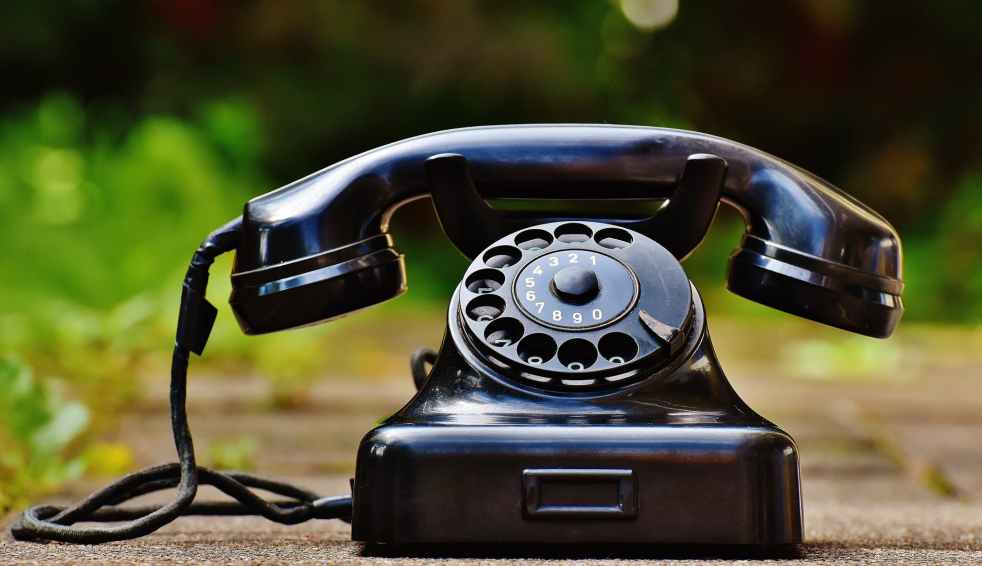
The ashtray sat by my grandparent’s telephone for as long as I can remember. They didn’t believe in buying something new unless it was broken or you could no longer use it. The ashtray was very useful.
When I removed the paper towel today, the memories of my gramps came flooding back like a wave.
“If you’re going to be late to work, don’t go in.”
“If you can get out of bed, you can go to work”
“If you borrow something, give it back in better shape than when you borrowed it.”
He also taught me to drive. I was fourteen, we went to the river bottoms, two metal trashcans in the back of the 1969 Ambassador. He set them apart the right distance and had me practice until nightfall. I was still knocking down cans when we left. I did pass my driver’s test though.
One of the hardest memories was weeks before his death, telling him to call friends and family to let them know he was dying. Sitting in front of him, I dialed the numbers, handing him the phone and listened as he cried telling people he was no longer going to be here. It was one of the most difficult days of my life.
My gramps was the greatest man I’ve ever known, a true gentleman, a stand-up guy, God broke the mold when he made my gramps.
The FDA announced that various doses of prazosin hydrochloride have been voluntarily recalled
Drug makers have recalled more than 500,000 bottles of a blood pressure medication over concerns it may include a cancer-causing chemical.
The U.S. Food and Drug Administration (FDA) announced that New Jersey-based Teva Pharmaceuticals USA and drugs distributor Amerisource Health Services issued voluntary nationwide recalls for various doses of prazosin hydrochloride, according to the Associated Press.
The drug makers said the pill capsules may have nitrosamine impurities — or “No-nitroso Prazosin impurity C” — that are considered potentially cancer causing. About 580,000 bottles of various strengths have been recalled for having the impurities.
The FDA classified the recall as having a Class II risk level, “in which use of or exposure to a violative product may cause temporary or medically reversible adverse health consequences or where the probability of serious adverse health consequences is remote.”
Pill bottles (stock image).Getty
A statement from the California State Board of Pharmacy reads: “According to the Health Hazard Assessment by Teva USA, exposure to the product of concern could lead to severe adverse health consequences, but the likelihood of harm was assessed as remote. The overall risk of harm in the patient population is considered to be medium.’
The recalled bottles included 181,659 of 1 mg bottles, 291,512 of 2 mg bottles and 107,673 of 5 mg bottles. The bottles may have up to 1,000 capsules each with expiration dates ranging from November 2025 to February 2028.
The lot numbers and expiration dates can be found on the FDA’s website.
According to the AARP, anyone who has affected medication should contact their doctor or pharmacy for specific guidance, return their medication to the pharmacy to dispose of it, and to report any side effects or issues to the FDA.
The Mayo Clinic states that prazosin is prescribed to patients to treat high blood pressure, also known as hypertension, which can cause the heart and arteries to not function properly and then damage brain, heart and kidneys. It can also result in a stroke, heart failure or kidney failure.
The medication is also sometimes prescribed for nightmares and other sleep disturbances caused by post-traumatic stress disorder, according to the AP.
Hi! So glad you are enjoying Today in History, it fun to learn about the past.
1985
Hollywood icon Rock Hudson dies of AIDS
On October 2, 1985, actor Rock Hudson, 59, becomes the first major U.S. celebrity to die of complications from AIDS. Hudson’s death raised public awareness of the epidemic, which until that time had been ignored by many in the mainstream as a “gay plague.”
Hudson, born Leroy Harold Scherer Jr., on November 17, 1925, in Winnetka, Illinois, was a Hollywood heartthrob whose career in movies and TV spanned nearly three decades. With leading-man good looks, Hudson starred in numerous dramas and romantic comedies in the 1950s and 60s, including Magnificent Obsession, Giant and Pillow Talk. In the 1970s, he found success on the small screen with such series as McMillan and Wife. To protect his macho image, Hudson’s off-screen life as a gay man was kept secret from the public.
1965
Gatorade invented at University of Florida
On October 2, 1965, a team of scientists invent Gatorade, a sports drink to quench thirst, in a University of Florida lab. The name “Gatorade” is derived from the nickname of the university’s sports teams. Eventually, the drink becomes a phenomenon and makes its inventors …read more
1958
The Cold War comes to Africa, as Guinea gains its independence
The former French colony of Guinea declares its independence on October 2, 1958, with Sekou Toure as the new nation’s first leader. Guinea was the sole French West African colony to opt for complete independence, rather than membership in the French Community, and soon …read more
1967
Thurgood Marshall sworn in as first Black Supreme Court justice
Chief Justice Earl Warren swears in Thurgood Marshall, the first Black justice of the U.S. Supreme Court. As chief counsel for the National Association for the Advancement of Colored People (NAACP) in the 1940s and ’50s, Marshall was the architect and executor of the legal …read more
1941
Operation Typhoon is launched
On October 2, 1941, the Germans begin their surge to Moscow, led by the 1st Army Group and Gen. Fedor von Bock. Russian peasants in the path of Hitler’s army employ a “scorched-earth” policy. Hitler’s forces had invaded the Soviet Union in June, and early on it had become one …read more