It may surprise you that more boys and men are diagnosed with Eating Disorders than girls and women? Part of the reason for not reaching out is the stigma around Mental Health support and the lack of education about the disorder.
Eating Disorders are complex and treatment directed toward males can be limited. Helping someone overcome an Eating Disorder requires patience, therapy, or a stay at an in-house treatment center. I’ve only read a couple of books on Eating Disorders and will say it’s a very long road of relapses to reach recovery.
Due to their own stigma parents and family often overlook the early warning signs and do not reach out for help until it’s a crisis.
EATING DISORDERS IN MEN & BOYS
In the United States alone, eating disorders will affect 10 million males at some point in their lives. But due in large part to cultural bias, they are much less likely to seek treatment for their eating disorder. The good news is that once a man finds help, they show similar responses to treatment as women. Several factors lead to men and boys being under- and undiagnosed for an eating disorder. Men can face a double stigma, for having a disorder characterized as feminine or gay and for seeking psychological help. Additionally, assessment tests with language geared to women and girls have led to misconceptions about the nature of disordered eating in men according to the National Eating Disorder Association.
COMMON SYMPTOMS OF AN EATING DISORDER
Emotional and Behavioral Symptoms
In general, behaviors and attitudes that indicate that weight loss, dieting, and control of food are becoming primary concerns
Preoccupation with weight, food, calories, carbohydrates, fat grams, and dieting
Refusal to eat certain foods, progressing to restrictions against whole categories of food (e.g., no carbohydrates, etc.)
Appears uncomfortable eating around others
Food rituals (e.g. eats only a particular food or food group [e.g. condiments], excessive chewing, doesn’t allow foods to touch)
Skipping meals or taking small portions of food at regular meals
Any new practices with food or fad diets, including cutting out entire food groups (no sugar, no carbs, no dairy, vegetarianism/veganism)
Withdrawal from usual friends and activities
Frequent dieting
Extreme concern with body size and shape
Frequent checking in the mirror for perceived flaws in appearance
Extreme mood swings
Physical Symptoms
Noticeable fluctuations in weight, both up and down
Stomach cramps, other non-specific gastrointestinal complaints (constipation, acid reflux, etc.)
Menstrual irregularities — missing periods or only having a period while on hormonal contraceptives (this is not considered a “true” period)
Difficulties concentrating
Abnormal laboratory findings (anemia, low thyroid and hormone levels, low potassium, low white and red blood cell counts)
Dizziness, especially upon standing
Fainting/syncope
Feeling cold all the time
Sleep problems
Cuts and calluses across the top of finger joints (a result of inducing vomiting)
Dental problems, such as enamel erosion, cavities, and tooth sensitivity
Dry skin and hair, and brittle nails
Swelling around area of salivary glands
Fine hair on body (lanugo)
Cavities, or discoloration of teeth, from vomiting
Muscle weakness
Yellow skin (in context of eating large amounts of carrots)
Cold, mottled hands and feet or swelling of feet
Poor wound healing
Impaired immune functioning
The list of symptoms is long because it’s all-encompassing.
I encourage you to visit National Eating Disorder Association for a breakdown of the seven types of Eating Disorders and other behavioral and food concerns. Finding the underlying causes requires a trained professional in the right setting, an individual plan, and most importantly support from family and friends.
When looking for the right professional, talk with them about their approach and experience before introducing them to the patient. Finding the right approach may require research and time. It’s important to do this on the front end if possible. An approved method and training will make all the difference on the road to recovery. Disruptions during treatment can interfere with the recovery process making the patient resistant to continued treatment.
If your relationship is taking more away from your life and well-being than it’s providing, there’s a good chance it’s toxic. Here’s how to know — and what to do if you realize your romance is unhealthy.
You’re dating someone new and everything feels … brighter. You’re giddy, practically floating on air. As the emotions from this punch-drunk chemical cocktail settle down, so too does the relationship. But rather than feeling the warmth of deepening intimacy and a comfortable routine, you start to lose yourself. Or at least that’s how it seems. Unproductive arguments happen regularly, and one or both of you seem prone to jealousy, passive aggression, or blame.
If those scenarios sound all too familiar, you may be involved in a toxic relationship. “We can think of toxic relationships the same way we think of toxic materials,” Shadeen Francis, LMFT, certified sex therapist, tells DailyOM. “Toxic relationships are ultimately harmful to our well-being, often worsening our health and happiness over time.”
If those scenarios sound all too familiar, you may be involved in a toxic relationship. “We can think of toxic relationships the same way we think of toxic materials,” Shadeen Francis, LMFT, certified sex therapist, tells DailyOM. “Toxic relationships are ultimately harmful to our well-being, often worsening our health and happiness over time.”
And that healthy partnership involves mutual love and high integrity, she adds, having each other’s backs and empowering each other to be the best version of yourselves. Both parties have good intent and stay responsible for their own feelings. “If any of these elements are missing, you’ve got the makings of a toxic relationship,” Newman says. “If you’re dealing with an opponent instead of a partner, that’s toxic.”
Meanwhile, if you’re continually offering your best self and stay willing to work through challenges, yet your partner isn’t receptive — or worse, they’re downright harmful — that’s toxicity worth paying attention to.
4 Signs Your Relationship Is Toxic
You Don’t Operate as a Team
Conflicts and disagreements are a part of all relationships, says Francis, but if those conflicts undermine your trust and safety, that’s a concerning sign of toxicity.
“You and your partner are different people and are going to have feelings, thoughts, needs, and desires that are at odds sometimes,” says Francis, adding that feeling disappointed, angry, or sad is okay. “But notice whether or not you still generally feel like a team. Even as there are problems, do you believe that you both are working toward resolving them? Can you still be kind to one another? Or is there blame, criticism, gaslighting, avoidance, or stonewalling?” If it’s the latter, and if kindness and resolution remain out of reach, that’s a toxic pattern.
You’re Codependent
Codependency is another toxic trait that can put your relationship and well-being off course. In this dysfunctional dynamic, one person takes on the role of the “giver” and the other is the “taker.” The giver sacrifices their own needs to tend to the other — potentially making excuses for their unruly behaviors — while the taker relies too heavily on those care attempts.
“Codependent relationships, even if they are warm and loving, are also often toxic relationship environments,” says Francis. “They are often organized not by love, but by insecurity, trauma bonding, and fear.”
Though it’s important to note that many people have overcome challenging childhood experiences without repeating those patterns as adults, if you or your partner grew up in an abusive household or around alcohol dependence, you may be more prone to this scenario.
Your Life Is Falling Apart
A common thread among many toxic relationships is the isolating places they lead. You may become so involved in the toxic parts that you have little room in your life for friendships or hobbies. Your work life suffers as you struggle to concentrate on anything besides your relationship, while your moods and ability to sleep well dwindle.
While some of these issues might crop up in a pronounced way, gradual, subtle unfolding is common. Because “our relationship dynamics are a series of interactive habits, patterns of response, emotional exchanges, and routines that we form together over time,” says Frances, “it is not unusual for subtle changes or seemingly unimportant frictions to become entrenched problems in our relationships down the road.”
And because these frictions and their effects develop slowly, it’s easy not to realize the path you’re on until the pain or frustration accumulates. If you feel like something isn’t right, Frances adds, it’s important to “trust your embodied wisdom, even if you can’t quite put your finger on where or when things shifted.” And if your partner uses manipulation to avoid accountability, she says, they may capitalize on doubt and try to distract or gaslightyou into ignoring warning signs of toxicity.
While positive, healthy relationships allow you to strengthen other life areas and bolster self-esteem, a toxic relationship does the opposite. “A toxic relationship isn’t just one with challenges or hardships,” explains Francis. “They take a long-term toll on your health, whether that is emotional health, mental health, spiritual health, financial health, or physical health.”
You Notice Signs of Narcissism
While not all toxic relationships include narcissism, a narcissist’s extreme self-involvement can easily invite toxicity. “Narcissism involves a number of traits that are likely to create a toxic relationship: self-absorbedness, lack of remorse, low emotion regulation skills, a dependence on others’ admiration in order to feel self-worth, and a resistance to taking accountability for their impact on others,” Francis says.
You might also fall prey to gaslighting, manipulation, and severe emotional abuse when a partner’s narcissism is at play, which may show up as your being constantly controlled or ridiculed.
When on the receiving end of narcissistic behavior, your own needs fall to the wayside because of your partner’s self-focus. (At first, your partner may have showered you with over-the-top gestures and gifts, also known as “love bombing,” purely to “win” or “keep” you.).
Even though narcissism often stems from emotional neglect early in life, know that it’s not your responsibility to “fix” a partner who’s hurting you. You can have compassion and move on. And of course, narcissism doesn’t affect everyone who had a difficult childhood. Only about 5 percent of people have narcissistic personality disorder, the most severe form. If you recognize that you are prone to narcissist tendencies yourself, with time and effort, you can work through those wounds and find new strategies for soothing and relating to others.
Can You Fix a Toxic Relationship?
An unhealthy, toxic relationship can be turned around, says Newman, if both people are willing to change their behaviors for good. “Not try to change, not hope to change someday. I mean literally change instantly, as in I see it, and I’ll stop it right this second.” While this shift is rare, she says — and requires committed efforts moving forward — it’s awesome.
Chanel Dokun, a relationship expert trained in marriage and family therapy, author of Life Starts Now: How to Create the Life You’ve Been Waiting For, and the co-founder of Healthy Minds NYC, agrees that a toxic relationship can be healed, “but only if each individual does the hard work to address their own unhealthy relational patterns,” she tells DailyOM. “The couple might need to take a substantial break to allow for healing and a reset to their dynamic.”
How to Get Out of a Toxic Relationship
What you don’t have to do is stick around suffering, hoping the other person will change. Some relationships can’t be saved, and you may decide it’s time to go your separate ways, even if you still have feelings for your partner or they have certain traits that you admire.
When meaningful change isn’t feasible or you want out regardless — for whatever reason — both Francis and Newman suggest seeking help. That’s because breakups, while never easy, can be especially complicated and painful when you’re dealing with a toxic dynamic. If your self-esteem has lowered because of the relationship, leaving you in a more vulnerable state, even a relatively mild breakup might feel impossible. Regardless, you can get through it with proper care.
To get out of a toxic relationship, Newman says the support of friends, family, and possibly a trained professional such as a therapist is key. “Set yourself up to have someone in your corner who can have your back and reassure you that you’re making the right call. This is not the time to turn inward; look out to your community for love and help,” the expert says.
Ask your therapist or another trusted ally to help you role-play what you want to say to end the relationship and brainstorm next steps and logistics — say, if you and your partner are currently living together or will need to be in contact in the future, due to children you share together or for another reason. If you are able to make a more complete break and cut off all communication, that may be helpful, and even necessary, particularly if you feel your partner will try to gaslight, guilt, or otherwise manipulate you to stay with them, or you’ve developed a trauma bond, in which you feel you need the harmful partner.
How to Heal from a Toxic Relationship
There’s no quick fix or universal timeline when you’re healing from a toxic relationship that you’ve left behind, so keep being gentle with yourself. “Change is hard and takes time,” notes Frances. “You’ll need some grace to get to the other side.”
Continue to lean on your support systems and give yourself time to work through the aftermath with love and kindness toward yourself.
Meanwhile, delve into activities you’re curious or passionate about, with the knowledge that you are a “whole person with or without a partner,” says Dokun. “It’s possible to build a thriving life full of meaning and purpose without staying in a toxic dynamic, so prioritize the pursuit of your own life purpose over the relationship before you miss out on the life you deserve to live.”
To explore what that might look like for you, consider journaling, practicing guided meditation, or bringing these topics up with a friend or your therapist.
The rewards of the healing work you do can pay off more than you can imagine. Trust that process, knowing that you will absolutely be better off in the long run.
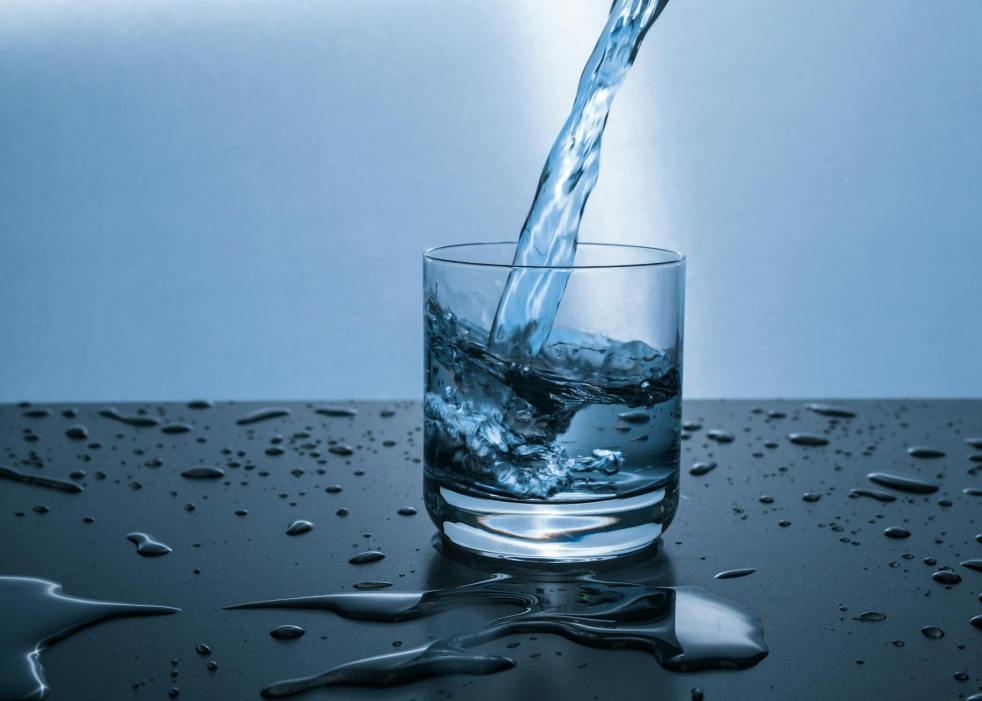
For years I’ve taken pride in the fact I drink at least 60 onces of water a day yet my Gasterentologis threw me a curve ball last week by saying I need 91 onces a day. I thought she was going over board until searching and found that indeed 91 onces a day is recommended. I don’t know about you but I would spend my day running to the bathroom after drinking that much water.
According to The Mayo Clinic
So how much fluid does the average, healthy adult living in a temperate climate need? The U.S. National Academies of Sciences, Engineering, and Medicine determined that an adequate daily fluid intake is:
About 11.5 cups (2.7 liters) of fluids a day for women
About 15.5 cups (3.7 liters) of fluids a day for men
But consider those numbers a starting point. Your size, metabolism, location, diet, physical activity and health all factor into how much water you need to drink per day, says family medicine specialist Saadia Hussain, MD.
The Cleveland Clinic has high recommendations for water intake a day
You should aim to drink between 73 and 100 ounces of water per day, depending on factors like activity level and climate.
The U.S. Food and Nutrition Board
Recommends about 84.5 ounces (2.5 liters) daily, including fluids from food. A common guideline is to drink eight 8-ounce glasses, which totals 64 ounces.
The amount of water you drink is a personal decision based on your career and lifestyle.
One tip: you can save left over water and ice to water your plants.
Back in 2006, psychologists Jordan Litman and Paul Silvia identified two main “flavors” of curiosity, which they dubbed D-curiosity and I-curiosity.
The D in D-curiosity stands for deprivation, the idea that if we have a gap in information, we go into a restless, unpleasant, need-to-know state, while the I in I-curiosity stands for interest, the pleasurable aspects of the hunger for knowledge. In other words, curiosity — our drive for information — can induce a state that is either aversive or pleasant.
Deprivation curiosity is driven by a lack of information, often a specific piece of information. For example, when you see a picture of a famous actress and you can’t remember her name, you might start racking your brain to remember who it is. Trying to remember might get you into a contracted state, as though you are trying to squeeze that answer out of your brain. Then when you go to google for help and see her name, you feel a sense of relief because you’re no longer deprived of the information.
This extends to texting and social media. If you are out to dinner and you feel or hear a text come into your phone, you might notice that suddenly it’s hard to pay attention — not knowing what the text says can make you restless, causing your body temperature to rise, and that fire of uncertainty is only put out when you check your phone.
Interest curiosity is piqued when we’re interested in learning more about something. Usually this isn’t a specific piece of information (like an actress’s name) but a broader category. For example, did you know that there are animals who keep growing in size until they die? They are called “indeterminate growers” and include sharks, lobsters and kangaroos. In fact, based on its size, one 20-pound lobster was believed to be 140 years old. That’s one big, old lobster! Isn’t that fascinating?
Interest curiosity is when you dive into an internet search and realize hours later you’ve learned a whole bunch of stuff and your thirst for knowledge has been quenched. It feels good to learn something new. This is different from filling a deficit, simply because you weren’t experiencing a deficit in the first place. For instance, you didn’t know about big, old lobsters but when you learned about them, you were intrigued and delighted to know more.
Unlike the D-curiosity — which is about reaching a destination — the I-curiosity is more about the journey. Each of these curiosity “flavors” has different “tastes”, and they feel different in our bodies. Deprivation feels closed, while interest feels open.
Most of us approach ourselves and the world with D-curiosity, like a problem to be solved. But we’re all in the perfect place to tap into our I-curiosity, which we can leverage to help ourselves break old habits and build new ones.
In practice, what this means is getting more and more curious about what anxiety feels like in your body and how it triggers your worry and procrastination habit loops, instead of assuming you know everything about anxious or that your feelings will never change or you have to find a magic pill or technique to cure you of it.
Over the years, I’ve found that curiosity is a simple tool that helps people — regardless of language, culture and background — drop directly into their embodied experience and tap into their natural capacities for wonder and interest. It puts people right in that sweet spot of openness and engagement.
Let me walk you through a curiosity exercise that I teach everyone on Day 1 in the Unwinding Anxiety app. This exercise can work as a kind of panic button for when anxiety hits, and it takes about 2 minutes.
Step 1:
Find a quiet comfortable place. You can be sitting, lying down or standing up; you just need to be able to concentrate without being distracted.
Step 2:
Recall your most recent run-in or incident with a habit loop, which is any habit you find yourself returning to whenever you’re worried or anxious.
See if you can remember the scene and relive that experience, focusing on what you felt right at the time when you were about to act out your habitual behavior. What did that urge to go ahead and “do it” feel like?
Step 3:
Check in with your body. What sensation can you feel most strongly right now?
Here’s a list of single words or phrases to choose from. Pick only one — the one you feel most strongly:
tightness
pressure
contraction
restlessness
shallow breath
burning
tension
clenching
heat
pit in stomach
buzzing/vibration
Step 4:
In terms of this feeling, is it more on the right side or the left? In the front, middle, or back of your body? Where do you feel it most strongly?
And was there anything you noticed about being curious about what part of your body you felt the sensation in? Did being a little curious help with getting closer to this sensation?
Step 5:
If the sensation is still there in your body, see if you can get curious and notice what else is there. Are there other sensations you’re feeling? What happens when you get curious about them? Do they change? What happens when you get really curious about what they feel like?
Step 6:
Follow them over the next 30 seconds — not trying to do anything to or about them — but simply observing them. Do they change at all when you observe them with an attitude of curiosity?
Whenever I do this exercise, I like to use the mantra “Hmmmm” — as in, the hmm you naturally emit when you’re curious about something (and not to be confused with the traditional mantra “Om”). I find saying “hmm” to myself gets me out of my head and into a direct experience of being curious. It also allows me to bring a playful, even joyful attitude to what I’m doing; it is hard to take yourself too seriously when you are hmm-ing.
This short exercise is just intended to give you a taste of curiosity and to support your natural capacity to be aware about what is happening in your body and your mind at any moment instead of getting caught up in a habit loop. If you notice that by being curious you gained even a microsecond more of being with your thoughts, emotions and body sensations than you have in the past, then you’ve taken a huge step forward.
Here’s what a patient in the Unwinding Anxiety program told me about curiosity: When I first started the program, I didn’t quite buy into the benefits of curiosity. Today, I felt a wave of panic, and instead of immediate dread or fear, my automatic response was “Hmm, that’s interesting.” That took the wind right out of its sails! I wasn’t just saying it was interesting; I actually felt it.
Sometimes I get the question “What happens if I’m not curious?” My response is to use the mantra of hmmm to drop right into your experience. Ask yourself: “Hmm, what does it feel like not to be curious?”
This helps people move from their thinking, fix-it mind state into a curious awareness of their direct sensations and emotions in their bodies and move out of their thinking heads and into their feeling bodies.
Watch this TED-Ed Lesson about panic attacks here:
ABOUT THE AUTHOR
Judson Brewer MD, PhD Judson Brewer is the Director of Research and Innovation at the Mindfulness Center and associate professor in psychiatry at the School of Medicine at Brown University, as well as a research affiliate at MIT. As an addiction psychiatrist and expert in mindfulness training for treating addictions, he has developed and tested novel programs for habit change, including both in-person and app-based treatments for smoking, emotional eating and anxiety. Based on the success of these programs in the lab, he cofounded MindSciences, Inc. to create app-based versions of these programs for a wider audience. He is also the author of the book The Craving Mind.
According to the CDC, the leading cause of death in Men in 2021 was Heart Dieases, with close to 700,000 men dying from the dieases. The good news is Heart Dieases is preventable and reasearch is on-going.
Prostate cancer is the most common cancer in men in the US, other than skin cancer. It’s also the second-leading cause of cancer death (after lung cancer). About 1 in 8 men will get prostate cancer in their lifetime.
It can happen at any age, but the chances go up as a man gets older. Most prostate cancers are found in men over the age of 65. Prostate cancer happens more often in Black men than in men of other races and ethnicities. And when Black men do get it, they are often younger.
Having one or more close relatives with prostate cancer also increases a man’s risk of having prostate cancer.
Men’s Check-Up’s & Screenings
Regular physical exams
Screening can identify specific conditions and cancers, including:
Abdominal aortic aneurysm
Colon cancer
Depression
Diabetes
High blood pressure
High cholesterol
Lung cancer
Prostate cancer
Dentist
Almost half of all adult cancers might be prevented by things we can do or change.
Stay away from tobacco.
Be as physically active as you can.
Eat more nutritious foods, including fruits, vegetables, and whole grains. Avoid or limit processed foods, red meats, sugary drinks, and refined grains.
Get to a healthy weight range.
It’s best not to drink alcohol. If you do drink, have no more than 2 drinks per day for men.
Protect your skin from the sun.
Know yourself, your family history, and your risks.
Get regular checkups and recommended cancer screening tests.
If you’re a vegetarian or vegan, or just trying to reduce your meat intake, you know how hard it can be to come up with tasty and creative meatless meals. But don’t despair! With a few easy steps, you can make delicious and nutritious meals without worrying about hurting any animals in the process. Whether you prefer something simple and savory, or something more exotic, these tips will help make your next meat-free meal absolutely scrumptious!
Start with the basics
When it comes to cooking meatless meals, starting with the basics is key. To get off on the right foot, begin by stocking your pantry and refrigerator with ingredients that will form the foundation of your meals. This includes items like beans, lentils, tofu, tempeh, vegetables, grains (such as quinoa), nuts, seeds and plant-based oils. If you’re short on time, you can even purchase prepared vegan or vegetarian meal starters like falafel mix or pre-made veggie burgers. Once you have these staples in place, use them as a base for your favorite recipes or experiment with new creations!
In addition to the basic ingredients listed above, don’t forget to add flavor enhancers such as herbs and spices. Not only do they add great flavor to any dish but they also provide a host of health benefits—think anti-inflammatory turmeric or disease-fighting garlic! Plus they are an ideal way to make a meatless dish more substantial. You can also add some zest by using flavorful condiments like hot sauce or salsa; toss in some citrus juices for a bright element; and don’t forget about savory ingredients such as miso paste or tamari sauce.
Finally, make sure you understand how to properly prepare each ingredient for optimal results. For example, when cooking grains like quinoa or brown rice be sure to rinse them first and follow instructions for proper water ratios so that you end up with well-cooked grains instead of mushy ones! With these few simple steps in place, you can enjoy delicious meatless dishes without compromising on taste.
Get creative
Now that you have the basics covered, it’s time to get creative! Start by looking up vegetarian and vegan recipes online or in cookbooks for inspiration. From there, you can customize any recipe with your favorite ingredients, herbs, and spices to make it truly unique. You can even modify traditional dishes like lasagna or chili to make them meatless without losing their flavor.
For a quick and easy meal consider making a veggie-loaded wrap; all you need is a whole wheat tortilla plus whatever vegetables and condiments you have on hand. If you’re having guests over, try making an appetizing roasted vegetable platter accompanied by hummus or tzatziki dip. And don’t limit yourself to recipes – you can also have fun creating your own dishes by experimenting with new flavor combinations.
Try New Recipes
Trying new recipes is a great way to expand your culinary knowledge and creativity when it comes to cooking meatless meals. With vegan and vegetarian cuisine becoming increasingly popular, there’s no shortage of exciting recipes out there waiting to be discovered. To liven up your meal routine, try looking for recipes from around the world — like vegan tacos with sautéed veggies and black beans, Thai stir-fries, or Mediterranean salads — as these dishes are often packed with flavor and nutrition.
When trying something new, it’s important to read the recipe carefully so that you have all the necessary ingredients on hand. In addition, pay attention to details such as how long certain ingredients need to cook or how much seasoning should be used. If possible, watch a video of someone else making the recipe first as this can help you better understand the steps involved in making the dish. It may also be helpful to make notes of any changes you may want to make next time such as increasing spices or adding more vegetables for extra flavor.
Finally, don’t be too hard on yourself if the recipe doesn’t turn out exactly as planned! Cooking is an art form and even experienced chefs have mishaps from time to time. Making mistakes is part of the learning process and can lead to some amazing discoveries along the way! So don’t be afraid to get creative with your cooking and enjoy exploring new flavors!
In conclusion, meatless meals can be both delicious and nutritious. By following the steps outlined above you will be well on your way to creating flavorful, satisfying dishes that even meat-eaters would enjoy. So get cooking and start exploring a whole world of exciting meatless options!
It may surprise you that more boys and men are diagnosed with Eating Disorders than girls and women? Part of the reason for not reaching out is the stigma around Mental Health support and the lack of education about the disorder.
Eating Disorders are complex and treatment directed toward males can be limited. Helping someone overcome an Eating Disorder requires patience, therapy, or a stay at an in-house treatment center. I’ve only read a couple of books on Eating Disorders and will say it’s a very long road of relapses to reach recovery.
Due to their own stigma parents and family often overlook the early warning signs and do not reach out for help until it’s a crisis.
EATING DISORDERS IN MEN & BOYS
In the United States alone, eating disorders will affect 10 million males at some point in their lives. But due in large part to cultural bias, they are much less likely to seek treatment for their eating disorder. The good news is that once a man finds help, they show similar responses to treatment as women. Several factors lead to men and boys being under- and undiagnosed for an eating disorder. Men can face a double stigma, for having a disorder characterized as feminine or gay and for seeking psychological help. Additionally, assessment tests with language geared to women and girls have led to misconceptions about the nature of disordered eating in men according to the National Eating Disorder Association.
COMMON SYMPTOMS OF AN EATING DISORDER
Emotional and Behavioral Symptoms
In general, behaviors and attitudes that indicate that weight loss, dieting, and control of food are becoming primary concerns
Preoccupation with weight, food, calories, carbohydrates, fat grams, and dieting
Refusal to eat certain foods, progressing to restrictions against whole categories of food (e.g., no carbohydrates, etc.)
Appears uncomfortable eating around others
Food rituals (e.g. eats only a particular food or food group [e.g. condiments], excessive chewing, doesn’t allow foods to touch)
Skipping meals or taking small portions of food at regular meals
Any new practices with food or fad diets, including cutting out entire food groups (no sugar, no carbs, no dairy, vegetarianism/veganism)
Withdrawal from usual friends and activities
Frequent dieting
Extreme concern with body size and shape
Frequent checking in the mirror for perceived flaws in appearance
Extreme mood swings
Physical Symptoms
Noticeable fluctuations in weight, both up and down
Stomach cramps, other non-specific gastrointestinal complaints (constipation, acid reflux, etc.)
Menstrual irregularities — missing periods or only having a period while on hormonal contraceptives (this is not considered a “true” period)
Difficulties concentrating
Abnormal laboratory findings (anemia, low thyroid and hormone levels, low potassium, low white and red blood cell counts)
Dizziness, especially upon standing
Fainting/syncope
Feeling cold all the time
Sleep problems
Cuts and calluses across the top of finger joints (a result of inducing vomiting)
Dental problems, such as enamel erosion, cavities, and tooth sensitivity
Dry skin and hair, and brittle nails
Swelling around area of salivary glands
Fine hair on body (lanugo)
Cavities, or discoloration of teeth, from vomiting
Muscle weakness
Yellow skin (in context of eating large amounts of carrots)
Cold, mottled hands and feet or swelling of feet
Poor wound healing
Impaired immune functioning
The list of symptoms is long because it’s all-encompassing.
I encourage you to visit National Eating Disorder Association for a breakdown of the seven types of Eating Disorders and other behavioral and food concerns. Finding the underlying causes requires a trained professional in the right setting, an individual plan, and most importantly support from family and friends.
When looking for the right professional, talk with them about their approach and experience before introducing them to the patient. Finding the right approach may require research and time. It’s important to do this on the front end if possible. An approved method and training will make all the difference on the road to recovery. Disruptions during treatment can interfere with the recovery process making the patient resistant to continued treatment.






 lookingforthelight.blog