Chronic Illness · Health and Wellbeing · Infectious Diease · Lyme Disease · Medical · Men & Womens Health · Tick Borne Illnesses

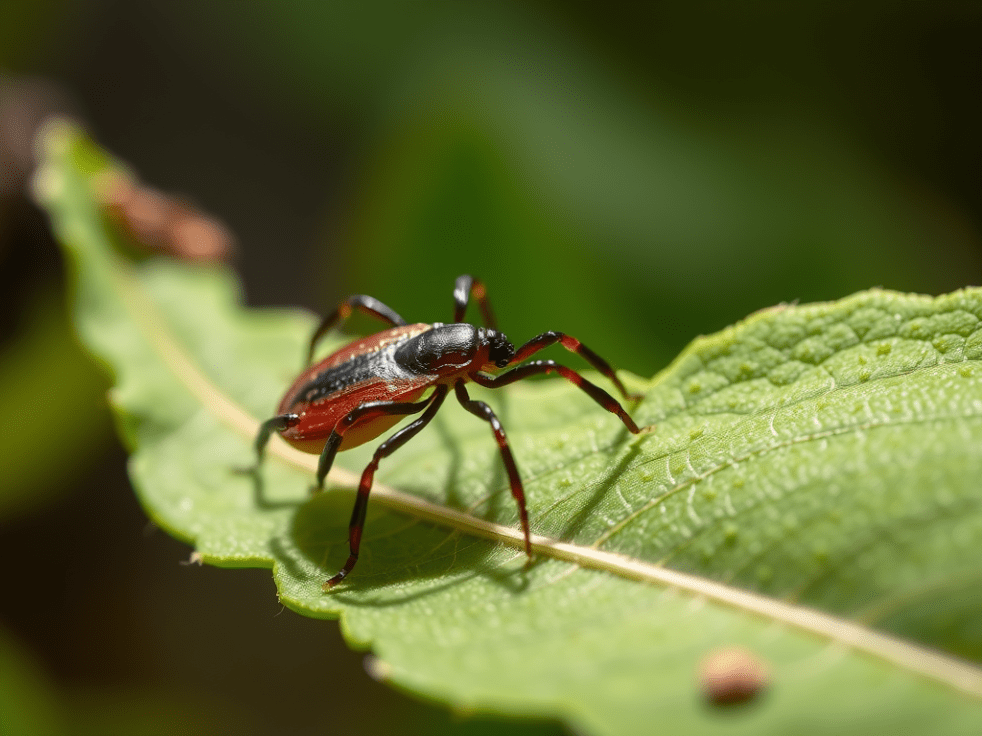
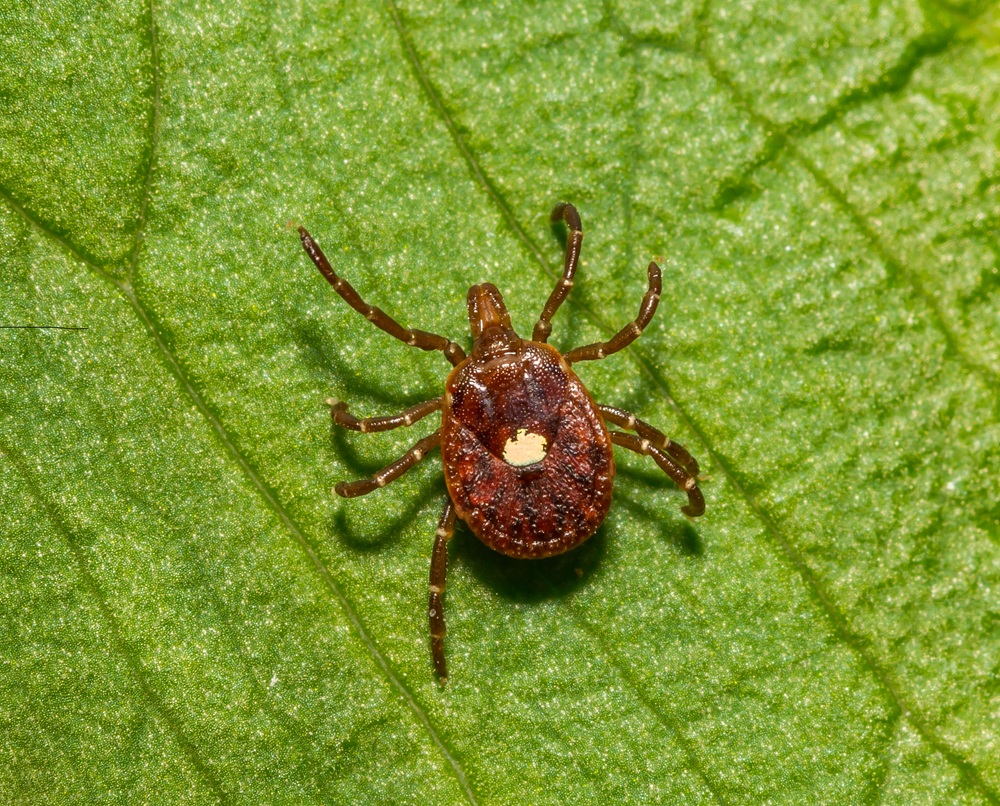
Are lone star ticks taking hold in California?

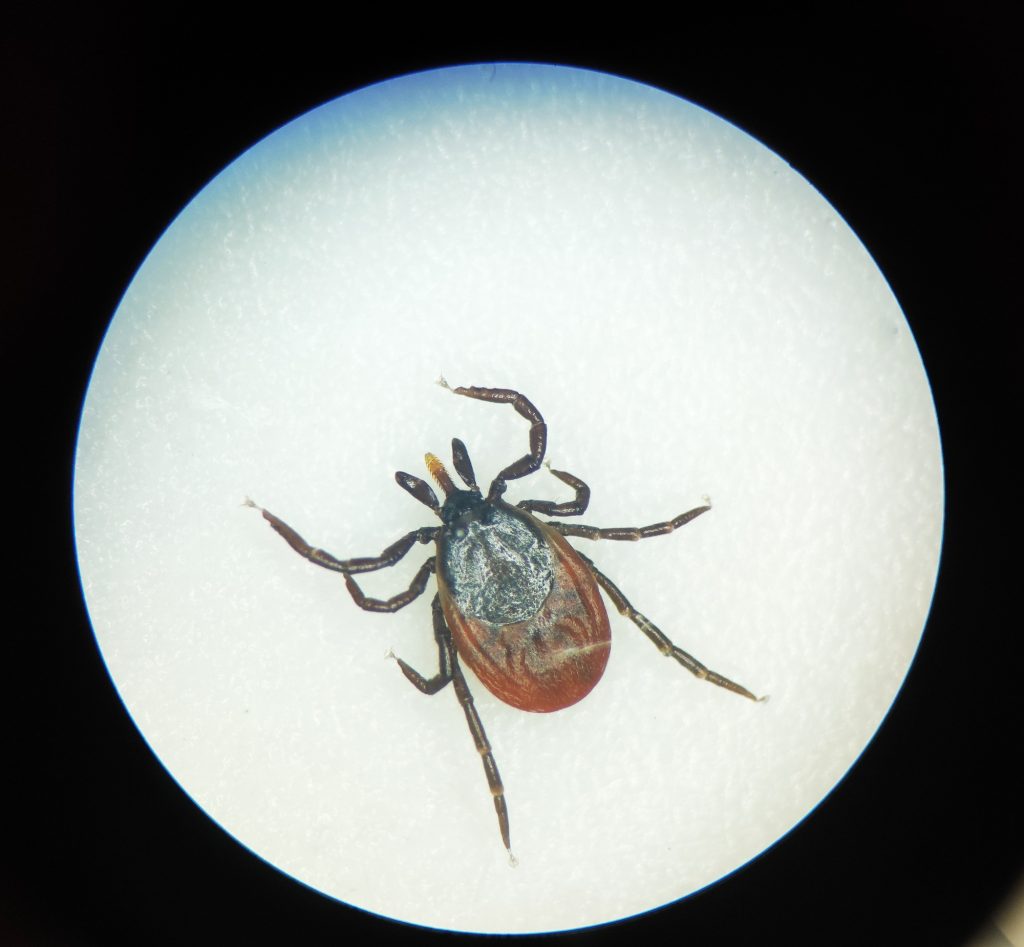
The lone star tick, notorious for spreading disease and causing a red meat allergy called alpha-gal syndrome, has long plagued the eastern United States.

Now, UC Davis researchers warn it may be edging closer to establishing itself in California.

Their study uncovered seventy-six lone star ticks reported across the state, including recent finds in the Bay Area and San Clemente. While field teams in 2024 and 2025 didn’t recover any during surveillance, climate models show coastal California offers prime conditions for the species.

Experts say the tick isn’t officially established yet, but the risk is real. With climate change and increased movement of animals and people, scientists caution that Californians should stay vigilant, check for ticks after outdoor activities, and report unusual sightings.

Click here to read the study in the journal Ticks and Tick-borne Diseases.

Melinda

Reference:

https://www.lymedisease.org/lone-star-ticks-california/

Chronic Illness · Health and Wellbeing · Infectious Diease · Lyme Disease · Men & Womens Health · Tick Borne Illnesses

Do You Think Ticks Hibernate Or Die In The Winter?

One would think that freezing weather would cause ticks to hibernate or die, but you would have to think again. States that stay below freezing for most of the winter will not have a high risk but it is not impossible. Keep this in mind when raking the leaves and snow close to the ground.

The key is to know ticks are active and how to prevent tick bites. It’s easy to fend off these beasts by making a few changes. If you are walking in high grass, or have tree limbs brushing the trail, even dead leaves can be a host for ticks. Before you head out, spray exposed areas with DEET* making sure to spray the foot to above your ankles.

Put pant legs in socks so the tick can’t climb in. Wear a hikers hat with a trail that covers the back of the neck. No more falling off a tree limb right down the back of your shirt. They look for every chance they can get to attach to you, the host. The most critical step is to check your body, complete body, once home. Wash your clothes right away, don’t put them in the washing bin and let them move around your other clothes.

As someone who lives with Chronic Lyme Disease, I can say that preventing a tick bite is a hell of a lot better than getting Lyme.

Tick Expert with the Connecticut Agricultural Experiment Station says:

If you’re enjoying the warmer-than-usual winter, so are ticks. The insects do not have to go into their usual hibernation on days when the temperature exceeds 40 degrees. It used to be the people who study ticks in Connecticut got pretty bored in the winter months. Not anymore.

“We used to call it tick activity season,” explained Dr. Goudarz Molaei, a tick expert with the Connecticut Agricultural Experiment Station. “We can no longer call it tick activity season as ticks are active year-round.”

When people get bit, they send their ticks to the Agricultural Experiment Station. It used to be they would get about 50 all winter long. Now they are getting around 800.

“We receive ticks daily, and some days we receive over ten tick specimens from the public,” Molaei said.

If Connecticut no longer has a non-active tick season, chances are the surrounding states are also seeing an increase in ticks during the winter. Be safe by preparing on the front end.

DEET* or no DEET, is based on your preference. There is plenty of information for your searches.

Melinda

References:

https://www.wtnh.com/news/ticks-becoming-active-year-round-in-connecticut-due-to-warmer-winters/

Chronic Illness · Health and Wellbeing · Infectious Diease · Lyme Disease · Men & Womens Health · Tick Borne Illnesses

Kevin Jonas’ Wife Danielle Jonas Reveals Lyme Disease Diagnosis: ‘They Tried to Tell Me It Was Anxiety’

Kevin Jonas‘ wife Danielle Jonas was experiencing symptoms that her doctor first attributed to anxiety, only to be diagnosed with Lyme disease after undergoing a biopsy.

In a new interview with Parents published on Thursday, Oct. 9, Danielle, 39, opened up about her diagnosis and how it affects her daily life.

She first decided to see a doctor after noticing that her hair was shedding.

“They tried to tell me it was anxiety. Finally, I had a biopsy that showed I actually had Lyme disease,” Danielle told Parents.

Lyme disease is an illness caused by Borrelia bacteria, usually transmitted through the bite of a tick, according to Mayo Clinic. Symptoms vary but can include rash, muscle soreness, fever, fatigue, chronic pain and more.

“I also had eczema on my scalp, which was likely from the inflammation [caused by Lyme disease],” Danielle said. “The hair loss was very traumatic. I got to a point where I wanted to wear a wig.”

Eczema, a form of dermatitis, is a non-contagious skin condition that causes dry, itchy and inflamed skin, per Mayo. The chronic condition can cause irritation but flare-ups can be managed through diet, as well as ointments or creams.

To help with her hair loss, Danielle tried wearing hair extensions. These then irritated her eczema further because of the way they pulled at her scalp.

“I had to go out and do things with Kevin. I just wanted to feel like myself,” she told Parents. The couple has been married since 2009 and shares daughters Alena, 11, and Valentina, 8.

Melinda

Reference:

https://people.com/kevin-jonas-wife-danielle-jonas-reveals-lyme-disease-diagnosis-11827737

Chronic Illness · Health and Wellbeing · Infectious Diease · Lyme Disease · Medical · Men & Womens Health · Tick Borne Illnesses

Jesse Ruben’s “Monster” tells the story Lyme patients know all too well

Ten years ago, singer-songwriter Jesse Ruben was desperately ill with Lyme disease—wracked with pain, clouded by brain fog, and battling depression. In the midst of all that, he discovered that if he stayed up well past midnight, the fog would lift somewhat.

“So I’d keep myself up till 6, 7, 8 in the morning,” he recalls, “because it was the only time I had a cognitive thought.”

One morning in 2015, during one of those more lucid hours, he sang the beginning of a new song into his cell phone—and promptly forgot about it. Years later, he stumbled upon the audio file and decided to finish what he had started.

The result is Monster, a raw and powerful song that captures the pain, frustration, and mental anguish that so many Lyme patients know all too well:

“There’s something wrong here, doctor, and I don’t know what it is… 

But there’s a monster in my body and it’s living in my limbs… 

And it’s tearing through my system like a hurricane wind that won’t stop…”

First “We Can” and then he couldn’t

Before he became ill, Ruben was a rising star in the music world, with a popular song called “We Can.” It was a feel-good, upbeat tune that he wrote after running his very first marathon.

Then everything changed.

It started with flu-like symptoms that wouldn’t go away, followed by dizziness and nausea.

Doctors ran tests and told him everything looked fine. But Jesse knew something wasn’t right. He struggled to breathe and couldn’t walk up a flight of stairs. The brain fog got so bad he’d forget the lyrics to his own songs—music he’d poured his heart into.

He saw more than ten doctors. Each gave him a different answer: vitamin D deficiency, depression, chronic fatigue syndrome. None of it fit.

Eventually, Jesse found a doctor who properly diagnosed and treated him for Lyme disease, and he began to heal. He returned to music with renewed purpose—and his single This Is Why I Need You struck a chord around the world. It’s now been streamed over 70 million times across various platforms, a testament to how deeply his message resonates.

Alongside his musical comeback, Jesse became a passionate advocate for others facing Lyme disease. He co-founded Generation Lyme, a nonprofit created to combat the isolation and confusion that so many people with Lyme disease experience.

The organization hosts free Zoom gatherings for patients, parents, and supporters and also offers the Generation Lyme podcast.

And now, Jesse has finally released Monster, the song he rasped into his cell phone so long ago. Take a listen:

Monster drops as a single today and is also featured on Jesse’s new album Belong, set for release on October 10. The ten-song collection explores themes of mental health, chronic illness, long-term relationships, and the essential role of community in helping us heal and thrive.

Jesse Ruben’s journey—from misdiagnosis and despair to healing and advocacy—is a powerful reminder of what it means to keep going.

With Monster and Belong, he’s not just sharing music—he’s sharing what it feels like to fight for your health, your voice, and your place in the world. These songs speak to anyone who’s ever felt lost in their own body, and they offer something we all need: the feeling of being seen, heard, and believed.

Melinda

Reference:

https://www.lymedisease.org/jesse-rubens-monster/

Chronic Illness · Health and Wellbeing · Infectious Diease · Lyme Disease · Medical · Men & Womens Health · Tick Borne Illnesses

Lyme-infected ticks are expanding across western North Carolina

From the University of North Carolina at Greensboro:

North Carolina is experiencing a surge in Lyme disease cases, and a new surveillance study from UNC Greensboro (UNCG) reveals that the primary vector of the bacteria that cause Lyme disease, the blacklegged tick (Ixodes scapularis), has been spreading into areas previously considered low risk.

“Currently, 16 states, mostly in the Northeast, mid-Atlantic, and upper Midwest, account for 95% of the reported LD cases,” says Dr. Gideon Wasserberg, a biology professor at UNCG and one of the research project leaders.

“However, low-incidence states to the south and west, including North Carolina, have experienced an increase in the number of reported Lyme disease cases since the early 2010s.”

With funding from Centers for Disease Control, administered by the North Carolina Department of Health and Human Services, researchers from UNCG, North Carolina State University, and Appalachian State University conducted a five-year, statewide survey of blacklegged ticks and the pathogens they often carry.

Dramatic increase in density

“Our data shows a range expansion of these ticks into more counties in the Blue Ridge Mountains and the western Piedmont region and a dramatic increase in their densities in this area as a whole,” said Wasserberg. “These findings are consistent with increasing reports of human Lyme disease cases in these areas.”

Eastern Piedmont and the Coastal Plain, where blacklegged ticks and human Lyme disease cases have been historically noted, saw little change in tick density in comparison.

In the new study, ticks from the Blue Ridge Mountains were also more likely to carry Borrelia burgdorferi, the bacteria responsible for most cases of Lyme disease, compared to ticks from the Piedmont and Coastal Plain.

“Our analyses indicate that these ticks and the bacteria they carry moved into the Blue Ridge Mountains of North Carolina from southwestern Virginia over the last 10 years, travelling along the Appalachian Mountains,” says Wasserberg.

The researchers say the findings have important implications for public health.

“Enhanced surveillance, increased public awareness, and updated guidance for healthcare providers are crucial to mitigate risk.” said Dr. Reuben Garshong, the lead author of the newly published article in PLOS One. Now a research scientist at the New Jersey Department of Health, Garshong participated in much of the study as a doctoral student in Wasserberg’s lab at UNCG.

Melinda

Reference:

https://www.lymedisease.org/tick-study-north-carolina/

Chronic Illness · Health and Wellbeing · Infectious Diease · Lyme Disease · Men & Womens Health · Tick Borne Illnesses

Yolanda Hadid writes of the “unknown hell” of Bella’s Lyme battle

This week, Yolanda Hadid—once a fixture in the fashion world, now a Lyme advocate and mother to internationally acclaimed model Bella Hadid—shared a deeply personal message on Instagram that struck a chord with countless families in the Lyme community.

For those of us who’ve watched our children suffer profoundly from tick-borne illness, her words are achingly familiar.

“Watching my Bella struggle in silence has cut the deepest core of hopelessness inside me,” she wrote.

“The invisible disability of chronic neurological Lyme disease is hard to explain or understand for anyone. I try to lead by example on our Lyme journey, but my own pain cannot compare to watching my baby suffer.”

Bella Hadid was diagnosed with chronic neurological Lyme disease in 2013, a year after her mom. Since then, Bella’s health has fluctuated dramatically—even as she continues to navigate the demands of a high-profile career in international fashion. To outsiders, that juxtaposition may seem incongruous. But Yolanda’s post reminds us that suffering often hides behind polished surfaces and public success.

“There simply aren’t words big enough for the darkness, the pain, and the unknown hell you’ve lived through since your diagnosis,” Yolanda wrote. “You didn’t really live, you learned how to exist inside the jail of your own paralyzed brain.”

“The CEO of my health”

Yolanda’s message is more than a mother’s lament—it’s a call to recognize the invisible toll of chronic illness. “I am the CEO of my health,” she writes, “and after fifteen years of searching the globe, I am still determined to find a cure affordable for all.”

That phrase—CEO of my health—is one many Lyme families will recognize. It’s the role we assume when conventional medicine fails us, when insurance won’t cover treatments, and when we’re forced to choose between financial stability and the hope of healing.

Yolanda’s post also speaks to the emotional weight this disease places on families. “This disease has brought us to our knees,” she says, “but we always get back up.” That resilience is the heartbeat of the Lyme community. It’s what sustains us through disappointing lab results, unyielding symptoms, and the quiet erosion of hope.

Bella Hadid’s struggle is not unique. But her visibility gives voice to millions who suffer way outside of the spotlight. And Yolanda’s decision to speak publicly—again, after years of quiet withdrawal—offers a renewed sense of solidarity.

To Yolanda and Bella: thank you for reminding the world that chronic Lyme is real, relentless, and deserving of compassion. May we all continue to fight for better days—and for a cure that’s accessible to all.

Melinda

Reference:

https://www.lymedisease.org/yolanda-insta-bella-lyme/

Health and Wellbeing · Infectious Diease · Medical · Men & Womens Health

Helpful Information On Ridding Your Home Of The Kissing Bug

The Western Conenose bug carries the Trypanosoma cruzi parasite, which bug infestations pass to humans through their kissing bug bite.

According to top medical providers like the Mayo Clinic and Hartford Healthcare behavioral health library, Chagas disease, an inflammatory, infectious disease, is caused by triatomine bugs or the kissing bug. The condition basics include acute illness, fever, fatigue, and inflammation of insect bites.

Due to the dangers associated with this pest, understanding how to get rid of kissing bugs from cracks and crevices in your home or your box spring is essential. Like spider bites, the assassin bug has a painful and itchy bite.

These wingless insects are pests and cause a nuisance, though they have no bearing on sexual health despite their name. Learning how to kill kissing bugs is critical for disease control and preventing insect bites from leading to an allergic reaction or worse.

Kissing bugs might sound harmless, but these blood-sucking insects can carry a dangerous parasite that causes Chagas disease. These pests are becoming more common in homes across the southern United States, making it important to know how to get rid of kissing bugs before they become a serious problem.

Getting rid of kissing bugs requires a smart approach that combines prevention, treatment, and ongoing maintenance. These nocturnal insects hide during the day and come out at night to feed on humans and pets. While they got their name from biting people around the mouth and eyes, they can actually bite anywhere on the body.

The good news is that there are many effective ways to eliminate these dangerous pests. From simple home repairs to natural treatments and professional solutions, this guide goes over methods that will help protect your family and home from kissing bugs.

How to get rid of Kissing Bug

Seal All Entry Points and Cracks

Install and Repair Window and Door Screens

Change Your Outdoor Lighting

Remove Outdoor Hiding Spots

Apply Bug Spray Around Your Home

Use Food Grade Diatomaceous Earth

Make Natural Essential Oil Sprays

Set Up Simple Light Traps

Vacuum Regularly in Key Areas

Hire Professional Pest Control

These are few recommendations. I found conflicting answers on if insect repellant on the face is effective. More research will answer the question.

Please use the second link to read the entire article.

Melinda

References:

https://www.tipsbulletin.com/how-to-get-rid-of-kissing-bugs/

https://www.bcpestcontrol.com/how-to-get-rid-of-kissing-bugs/

Chronic Illness · Health and Wellbeing · Infectious Diease · Lyme Disease · Medical · Men & Womens Health · Tick Borne Illnesses

Tick threat shuts down Connecticut beach for the season

Pleasure Beach, a popular summer destination in Bridgeport, Connecticut, will remain closed for the entire 2025 season due to a serious tick infestation.

City officials, in consultation with state environmental and public health experts, made the call after discovering multiple tick species on the island, including the Asian longhorned tick—an invasive species that poses unique risks.

Unlike native ticks, this species can reproduce asexually, allowing a single female to spawn a full-blown infestation. Even more concerning, it can potentially carry serious pathogens.

While disappointing for beachgoers, the closure may benefit the island’s fragile ecosystem. Pleasure Beach is a critical nesting site for protected Audubon bird species, including the endangered piping plover.

With reduced human activity, conservationists expect a boost in nesting success and habitat restoration.

Bridgeport officials plan to conduct treatment and containment efforts throughout the summer, with the goal of reopening the beach in 2026.

Melinda

SOURCE: City of Bridgeport, CT

Chronic Illness · Health and Wellbeing · Infectious Diease · Lyme Disease · Medical · Men & Womens Health · Tick Borne Illnesses

Emergency room visits for tick bites at record levels

Emergency rooms nationwide are reporting a record-breaking increase in tick bite cases, according to new CDC data.

July 2025 is already surpassing previous highs set in 2017.

Director of the University of Rhode Island’s Center for Vector-Borne Disease and its TickEncounter Resource Center, Dr. Thomas Mather, and Dr. Tom Daniels joined the Morning Joe to discuss.

They say Lyme disease is still the top concern when it comes to tick bites, but note that ticks can transmit other pathogens as well.

With ticks being so plentiful right now, they say it’s likely that more people will end up getting sick from tick-borne infections.

Watch their interview here:

Melinda

Referrence:

https://www.lymedisease.org/er-visits-for-tick-bites/

Chronic Illness · Family · Health and Wellbeing · Infectious Diease · Men & Womens Health · Tick Borne Illnesses

Her 4 kids were born with Lyme. She wants to make sure that future kids won’t be

From the Tick Boot Camp podcast:

In this powerful, long-form interview, Kristina Bauer returns to the Tick Boot Camp Podcast to share her in-depth story of surviving decades of misdiagnosed Lyme disease — from childhood illness and misdiagnoses to motherhood, advocacy, and remission.

Diagnosed at age 40 after 32 years of medical dismissal, Kristina discusses her experience with congenital Lyme disease in her four children, postpartum Lyme flares, and her commitment to raising awareness through the Texas Lyme Alliance, Center for Lyme Action, and International Lyme and Associated Diseases Society (ILADS) Ambassadorship.

Her testimony covers essential ground: pediatric Lyme, maternal Lyme, psychiatric symptoms like Lyme rage, postpartum depression misdiagnosis, sexual transmission, and the need for insurance and diagnostic reform.

This episode is a masterclass in Lyme disease education and empowerment, especially for women, mothers, and families navigating complex Lyme journeys.

Key Topics Discussed

  • Early Lyme Exposure: Tick bites at age 8 in Illinois and decades of misdiagnosis (juvenile arthritis, Crohn’s, ulcers)
  • Chronic Symptoms: Sinus infections, Epstein-Barr Virus (EBV), fibromyalgia, neurological and psychiatric symptoms
  • Postpartum Lyme Flares: Crushing fatigue, misdiagnosed postpartum depression, and suicidal ideation risk
  • Congenital Lyme Disease: How all four of her children were born with Lyme and are now in remission
  • Mental Health Awareness: Lyme rage, mood swings, panic attacks, and the importance of therapy
  • Tick-Borne Disease Advocacy: Legislative work in Texas, ILADS, educating OB-GYNs, and pushing for proper diagnostic protocols
  • Medical System Failures: Inadequate Lyme testing, gaslighting, high insurance costs for chronic illness
  • Lyme & Pregnancy Research Study: An open call for pregnant individuals diagnosed with Lyme disease during their current pregnancy, OR with post-treatment Lyme disease syndrome (PTLDS) in the past 5 years.

Tick Boot Camp is available on all major podcast platforms. You can also listen here.

Melinda

Reference:

https://www.lymedisease.org/kristina-bauer-podcast/