
Chronic Illness · Health and Wellbeing · Infectious Diease · Lyme Disease · Medical · Men & Womens Health · Tick Borne Illnesses

Are lone star ticks taking hold in California?

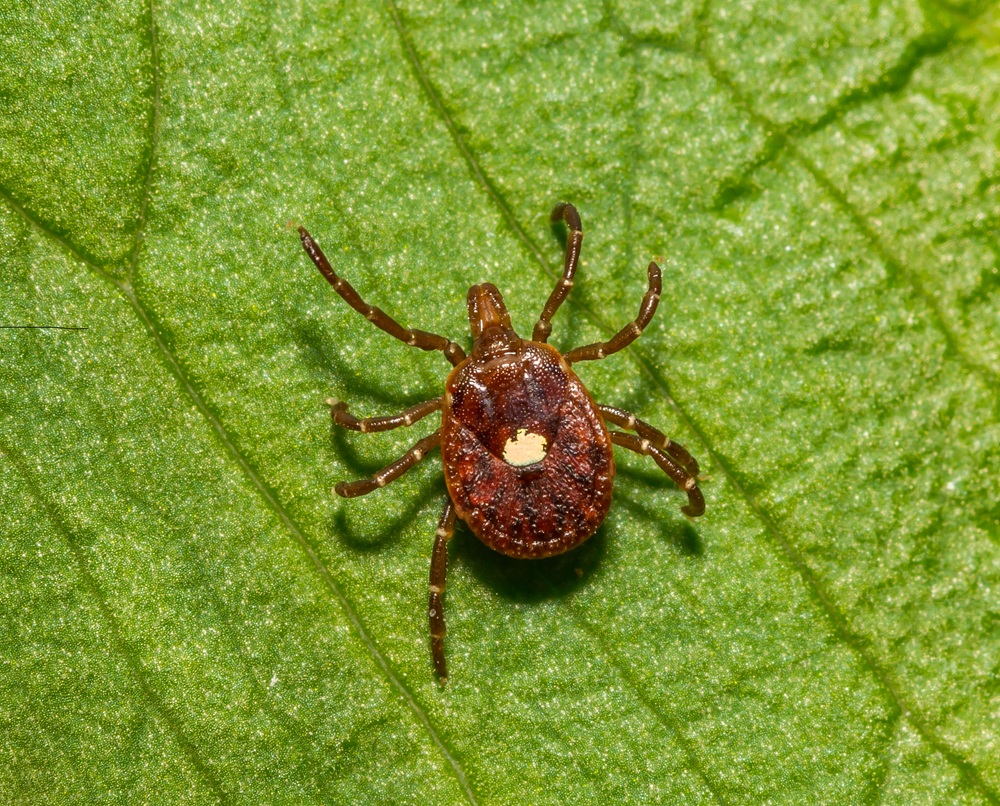
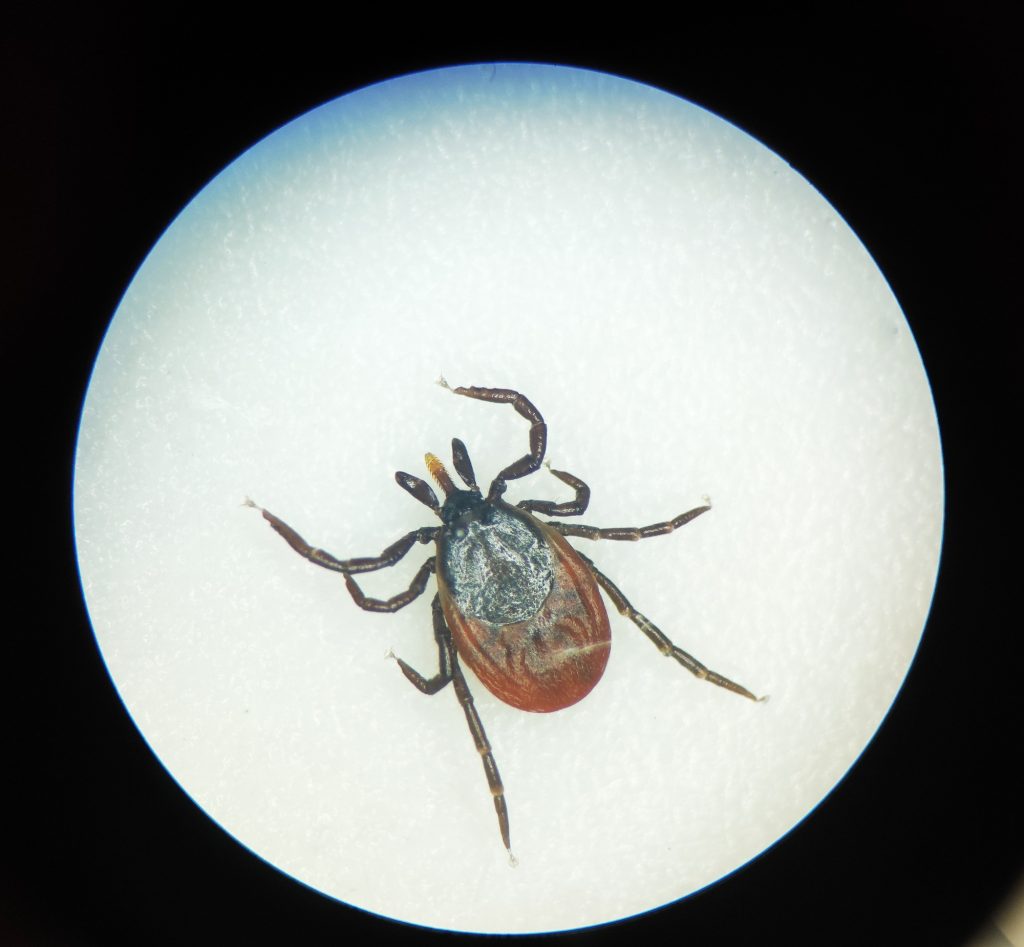
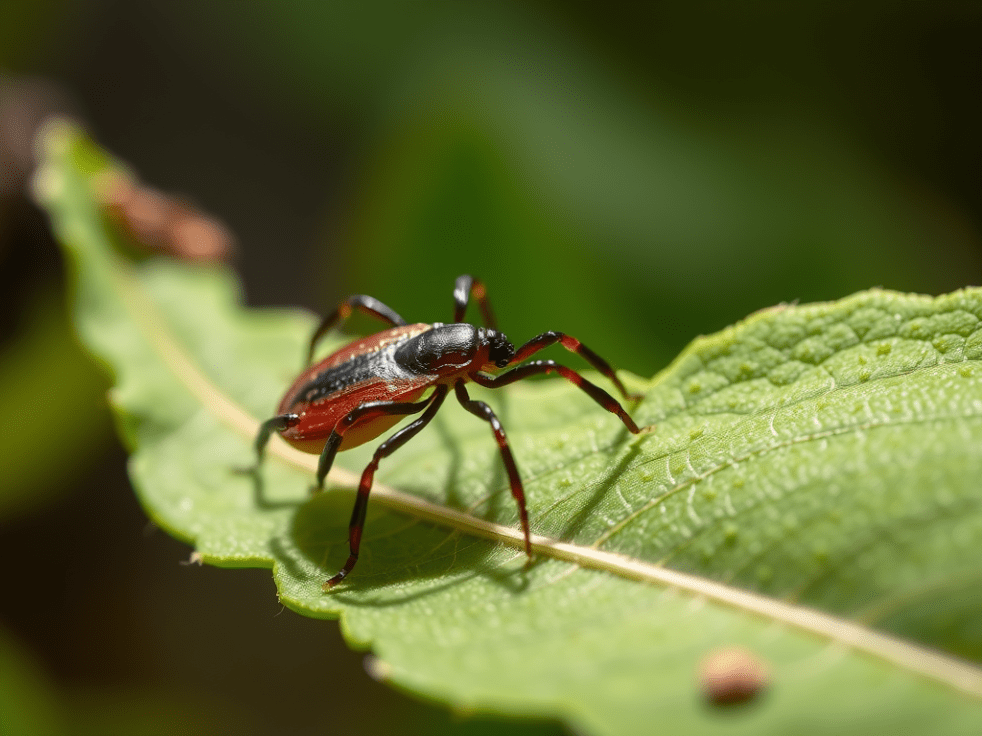
The lone star tick, notorious for spreading disease and causing a red meat allergy called alpha-gal syndrome, has long plagued the eastern United States.

Now, UC Davis researchers warn it may be edging closer to establishing itself in California.

Their study uncovered seventy-six lone star ticks reported across the state, including recent finds in the Bay Area and San Clemente. While field teams in 2024 and 2025 didn’t recover any during surveillance, climate models show coastal California offers prime conditions for the species.

Experts say the tick isn’t officially established yet, but the risk is real. With climate change and increased movement of animals and people, scientists caution that Californians should stay vigilant, check for ticks after outdoor activities, and report unusual sightings.

Click here to read the study in the journal Ticks and Tick-borne Diseases.

Melinda

Reference:

https://www.lymedisease.org/lone-star-ticks-california/

Chronic Illness · Health and Wellbeing · Lyme Disease · Men & Womens Health · Tick Borne Illnesses

A Mother’s Story: The Nightmare In The Leaf Pile

When many people see a big, beautiful pile of colorful autumn leaves, it feels like an open invitation to dive in. The scene evokes joy, nostalgia, and the simple thrill of childhood.

But for Isabel Rose, it brings up something very different. It reminds her of a moment that marked the beginning of her lifelong struggle with Lyme disease.

What others see as innocent fun, she now views with alarm.

Ticks thrive in damp, shaded environments close to the ground. Leaf piles, tall grass, and wooded edges are prime habitats for them. Children playing in these areas are at increased risk, often unaware that a single tick bite can lead to years of misery.

For Isabel, what began as a carefree childhood leap into a leaf pile became the start of a medical nightmare.

Isabel is now a writer, Lyme disease advocate, and founder of Mothers Against Lyme, a support network for families affected by congenital and pediatric Lyme. She also serves on the board of Project Lyme, a national nonprofit.

In a recent essay published on her Substack, Isabel shares the story of how a tick bite at age 8 led to decades of misdiagnosed symptoms, chronic illness, and eventually, the discovery that both she and her children had Lyme disease and co-infections.

Her experience is a powerful reminder of the importance of tick awareness. Ignoring the risks can be hazardous to yourself–and future generations.

Click here to read her raw and deeply informative essay.

Click here to learn more about Mothers Against Lyme.

TOUCHED BY LYME is written by Dorothy Kupcha Leland, President of LymeDisease.org. She is co-author of Finding Resilience: A Teen’s Journey Through Lyme Disease and of When Your Child Has Lyme Disease: A Parent’s Survival Guide. Contact her at dleland@lymedisease.org.

Melinda

Chronic Illness · Health and Wellbeing · Infectious Diease · Lyme Disease · Men & Womens Health · Tick Borne Illnesses

Do You Think Ticks Hibernate Or Die In The Winter?

One would think that freezing weather would cause ticks to hibernate or die, but you would have to think again. States that stay below freezing for most of the winter will not have a high risk but it is not impossible. Keep this in mind when raking the leaves and snow close to the ground.

The key is to know ticks are active and how to prevent tick bites. It’s easy to fend off these beasts by making a few changes. If you are walking in high grass, or have tree limbs brushing the trail, even dead leaves can be a host for ticks. Before you head out, spray exposed areas with DEET* making sure to spray the foot to above your ankles.

Put pant legs in socks so the tick can’t climb in. Wear a hikers hat with a trail that covers the back of the neck. No more falling off a tree limb right down the back of your shirt. They look for every chance they can get to attach to you, the host. The most critical step is to check your body, complete body, once home. Wash your clothes right away, don’t put them in the washing bin and let them move around your other clothes.

As someone who lives with Chronic Lyme Disease, I can say that preventing a tick bite is a hell of a lot better than getting Lyme.

Tick Expert with the Connecticut Agricultural Experiment Station says:

If you’re enjoying the warmer-than-usual winter, so are ticks. The insects do not have to go into their usual hibernation on days when the temperature exceeds 40 degrees. It used to be the people who study ticks in Connecticut got pretty bored in the winter months. Not anymore.

“We used to call it tick activity season,” explained Dr. Goudarz Molaei, a tick expert with the Connecticut Agricultural Experiment Station. “We can no longer call it tick activity season as ticks are active year-round.”

When people get bit, they send their ticks to the Agricultural Experiment Station. It used to be they would get about 50 all winter long. Now they are getting around 800.

“We receive ticks daily, and some days we receive over ten tick specimens from the public,” Molaei said.

If Connecticut no longer has a non-active tick season, chances are the surrounding states are also seeing an increase in ticks during the winter. Be safe by preparing on the front end.

DEET* or no DEET, is based on your preference. There is plenty of information for your searches.

Melinda

References:

https://www.wtnh.com/news/ticks-becoming-active-year-round-in-connecticut-due-to-warmer-winters/

Chronic Illness · Health and Wellbeing · Infectious Diease · Lyme Disease · Men & Womens Health · Tick Borne Illnesses

Kevin Jonas’ Wife Danielle Jonas Reveals Lyme Disease Diagnosis: ‘They Tried to Tell Me It Was Anxiety’

Kevin Jonas‘ wife Danielle Jonas was experiencing symptoms that her doctor first attributed to anxiety, only to be diagnosed with Lyme disease after undergoing a biopsy.

In a new interview with Parents published on Thursday, Oct. 9, Danielle, 39, opened up about her diagnosis and how it affects her daily life.

She first decided to see a doctor after noticing that her hair was shedding.

“They tried to tell me it was anxiety. Finally, I had a biopsy that showed I actually had Lyme disease,” Danielle told Parents.

Lyme disease is an illness caused by Borrelia bacteria, usually transmitted through the bite of a tick, according to Mayo Clinic. Symptoms vary but can include rash, muscle soreness, fever, fatigue, chronic pain and more.

“I also had eczema on my scalp, which was likely from the inflammation [caused by Lyme disease],” Danielle said. “The hair loss was very traumatic. I got to a point where I wanted to wear a wig.”

Eczema, a form of dermatitis, is a non-contagious skin condition that causes dry, itchy and inflamed skin, per Mayo. The chronic condition can cause irritation but flare-ups can be managed through diet, as well as ointments or creams.

To help with her hair loss, Danielle tried wearing hair extensions. These then irritated her eczema further because of the way they pulled at her scalp.

“I had to go out and do things with Kevin. I just wanted to feel like myself,” she told Parents. The couple has been married since 2009 and shares daughters Alena, 11, and Valentina, 8.

Melinda

Reference:

https://people.com/kevin-jonas-wife-danielle-jonas-reveals-lyme-disease-diagnosis-11827737

Chronic Illness · Health and Wellbeing · Infectious Diease · Lyme Disease · Medical · Men & Womens Health · Tick Borne Illnesses

Jesse Ruben’s “Monster” tells the story Lyme patients know all too well

Ten years ago, singer-songwriter Jesse Ruben was desperately ill with Lyme disease—wracked with pain, clouded by brain fog, and battling depression. In the midst of all that, he discovered that if he stayed up well past midnight, the fog would lift somewhat.

“So I’d keep myself up till 6, 7, 8 in the morning,” he recalls, “because it was the only time I had a cognitive thought.”

One morning in 2015, during one of those more lucid hours, he sang the beginning of a new song into his cell phone—and promptly forgot about it. Years later, he stumbled upon the audio file and decided to finish what he had started.

The result is Monster, a raw and powerful song that captures the pain, frustration, and mental anguish that so many Lyme patients know all too well:

“There’s something wrong here, doctor, and I don’t know what it is… 

But there’s a monster in my body and it’s living in my limbs… 

And it’s tearing through my system like a hurricane wind that won’t stop…”

First “We Can” and then he couldn’t

Before he became ill, Ruben was a rising star in the music world, with a popular song called “We Can.” It was a feel-good, upbeat tune that he wrote after running his very first marathon.

Then everything changed.

It started with flu-like symptoms that wouldn’t go away, followed by dizziness and nausea.

Doctors ran tests and told him everything looked fine. But Jesse knew something wasn’t right. He struggled to breathe and couldn’t walk up a flight of stairs. The brain fog got so bad he’d forget the lyrics to his own songs—music he’d poured his heart into.

He saw more than ten doctors. Each gave him a different answer: vitamin D deficiency, depression, chronic fatigue syndrome. None of it fit.

Eventually, Jesse found a doctor who properly diagnosed and treated him for Lyme disease, and he began to heal. He returned to music with renewed purpose—and his single This Is Why I Need You struck a chord around the world. It’s now been streamed over 70 million times across various platforms, a testament to how deeply his message resonates.

Alongside his musical comeback, Jesse became a passionate advocate for others facing Lyme disease. He co-founded Generation Lyme, a nonprofit created to combat the isolation and confusion that so many people with Lyme disease experience.

The organization hosts free Zoom gatherings for patients, parents, and supporters and also offers the Generation Lyme podcast.

And now, Jesse has finally released Monster, the song he rasped into his cell phone so long ago. Take a listen:

Monster drops as a single today and is also featured on Jesse’s new album Belong, set for release on October 10. The ten-song collection explores themes of mental health, chronic illness, long-term relationships, and the essential role of community in helping us heal and thrive.

Jesse Ruben’s journey—from misdiagnosis and despair to healing and advocacy—is a powerful reminder of what it means to keep going.

With Monster and Belong, he’s not just sharing music—he’s sharing what it feels like to fight for your health, your voice, and your place in the world. These songs speak to anyone who’s ever felt lost in their own body, and they offer something we all need: the feeling of being seen, heard, and believed.

Melinda

Reference:

https://www.lymedisease.org/jesse-rubens-monster/

Chronic Illness · Health and Wellbeing · Infectious Diease · Lyme Disease · Medical · Men & Womens Health · Tick Borne Illnesses

Lyme-infected ticks are expanding across western North Carolina

From the University of North Carolina at Greensboro:

North Carolina is experiencing a surge in Lyme disease cases, and a new surveillance study from UNC Greensboro (UNCG) reveals that the primary vector of the bacteria that cause Lyme disease, the blacklegged tick (Ixodes scapularis), has been spreading into areas previously considered low risk.

“Currently, 16 states, mostly in the Northeast, mid-Atlantic, and upper Midwest, account for 95% of the reported LD cases,” says Dr. Gideon Wasserberg, a biology professor at UNCG and one of the research project leaders.

“However, low-incidence states to the south and west, including North Carolina, have experienced an increase in the number of reported Lyme disease cases since the early 2010s.”

With funding from Centers for Disease Control, administered by the North Carolina Department of Health and Human Services, researchers from UNCG, North Carolina State University, and Appalachian State University conducted a five-year, statewide survey of blacklegged ticks and the pathogens they often carry.

Dramatic increase in density

“Our data shows a range expansion of these ticks into more counties in the Blue Ridge Mountains and the western Piedmont region and a dramatic increase in their densities in this area as a whole,” said Wasserberg. “These findings are consistent with increasing reports of human Lyme disease cases in these areas.”

Eastern Piedmont and the Coastal Plain, where blacklegged ticks and human Lyme disease cases have been historically noted, saw little change in tick density in comparison.

In the new study, ticks from the Blue Ridge Mountains were also more likely to carry Borrelia burgdorferi, the bacteria responsible for most cases of Lyme disease, compared to ticks from the Piedmont and Coastal Plain.

“Our analyses indicate that these ticks and the bacteria they carry moved into the Blue Ridge Mountains of North Carolina from southwestern Virginia over the last 10 years, travelling along the Appalachian Mountains,” says Wasserberg.

The researchers say the findings have important implications for public health.

“Enhanced surveillance, increased public awareness, and updated guidance for healthcare providers are crucial to mitigate risk.” said Dr. Reuben Garshong, the lead author of the newly published article in PLOS One. Now a research scientist at the New Jersey Department of Health, Garshong participated in much of the study as a doctoral student in Wasserberg’s lab at UNCG.

Melinda

Reference:

https://www.lymedisease.org/tick-study-north-carolina/

Chronic Illness · Health and Wellbeing · Infectious Diease · Lyme Disease · Men & Womens Health · Tick Borne Illnesses

Yolanda Hadid writes of the “unknown hell” of Bella’s Lyme battle

This week, Yolanda Hadid—once a fixture in the fashion world, now a Lyme advocate and mother to internationally acclaimed model Bella Hadid—shared a deeply personal message on Instagram that struck a chord with countless families in the Lyme community.

For those of us who’ve watched our children suffer profoundly from tick-borne illness, her words are achingly familiar.

“Watching my Bella struggle in silence has cut the deepest core of hopelessness inside me,” she wrote.

“The invisible disability of chronic neurological Lyme disease is hard to explain or understand for anyone. I try to lead by example on our Lyme journey, but my own pain cannot compare to watching my baby suffer.”

Bella Hadid was diagnosed with chronic neurological Lyme disease in 2013, a year after her mom. Since then, Bella’s health has fluctuated dramatically—even as she continues to navigate the demands of a high-profile career in international fashion. To outsiders, that juxtaposition may seem incongruous. But Yolanda’s post reminds us that suffering often hides behind polished surfaces and public success.

“There simply aren’t words big enough for the darkness, the pain, and the unknown hell you’ve lived through since your diagnosis,” Yolanda wrote. “You didn’t really live, you learned how to exist inside the jail of your own paralyzed brain.”

“The CEO of my health”

Yolanda’s message is more than a mother’s lament—it’s a call to recognize the invisible toll of chronic illness. “I am the CEO of my health,” she writes, “and after fifteen years of searching the globe, I am still determined to find a cure affordable for all.”

That phrase—CEO of my health—is one many Lyme families will recognize. It’s the role we assume when conventional medicine fails us, when insurance won’t cover treatments, and when we’re forced to choose between financial stability and the hope of healing.

Yolanda’s post also speaks to the emotional weight this disease places on families. “This disease has brought us to our knees,” she says, “but we always get back up.” That resilience is the heartbeat of the Lyme community. It’s what sustains us through disappointing lab results, unyielding symptoms, and the quiet erosion of hope.

Bella Hadid’s struggle is not unique. But her visibility gives voice to millions who suffer way outside of the spotlight. And Yolanda’s decision to speak publicly—again, after years of quiet withdrawal—offers a renewed sense of solidarity.

To Yolanda and Bella: thank you for reminding the world that chronic Lyme is real, relentless, and deserving of compassion. May we all continue to fight for better days—and for a cure that’s accessible to all.

Melinda

Reference:

https://www.lymedisease.org/yolanda-insta-bella-lyme/

Chronic Illness · Climate Change/Global Warming · Health and Wellbeing · Lyme Disease · Medical · Men & Womens Health · Mental Health · Tick Borne Illnesses

Resources to help figure out your next move-Critical Information For Children & Adult’s

Social media. We spread the word via FacebookTwitterInstagram and Pinterest.

Our free weekly email newsletters keep you informed on Lyme-related developments. Click here to sign up.

US National Lyme Online Support Group: Information and emotional support for people dealing with Lyme and other tick-borne diseases.

MyLymeData patient registry: This big data research project allows patients to privately pool information about their Lyme disease experiences. So far, more than 17,000 people have enrolled in the project, providing millions of data points on Lyme disease demographics, tick bites, diagnosis, symptoms, lab tests, co-infections, treatment and quality of life. Add your Lyme data to MyLymeData to help find a cure for Lyme disease.

Lyme disease posters

Children and Lyme disease

Basic info about children with Lyme disease Gestational Lyme disease LymeHope, a Canadian Lyme advocacy organization, has taken a particular interest in the issue of mother-to-fetus Lyme transmission.

LymeAid4Kids–Financial assistance for Lyme treatment for those under age 21.

Lymelight Foundation–financial assistance for Lyme treatment for children and young adults through age 25

.LivLyme Foundation–Financial grants for children with Lyme disease (under 21).

Mothers Against LymeAdvocacy and education about congenital and childhood Lyme

Video: Lyme Disease & Pregnancy: State of the Science & Opportunities for Research

Book: When Your Child Has Lyme Disease: A Parent’s Survival Guide  by Sandra Berenbaum and Dorothy Kupcha Leland.

Book: Brain Inflamed: Uncovering the Hidden Causes of Anxiety, Depression, and other Mood Disorders in Adolescents and Teens  by Dr. Kenneth Bock

.Book: Protecting Your  Child From the Child Protection System, by Beth Alison Maloney

Book: Finding Resilience: A Teen’s Journey Through Lyme Disease, by Rachel Leland and Dorothy Kupcha Leland

.Article: Healthy Mom Best Prescription for Healthy Baby (The Lyme Times) (PDF)

Wrightslaw.com–Website with information about Special Education law.

PANS/PANDAS

ASPIRE: The Alliance to Solve PANS and Immune Related Encephalopathies

New England PANS/PANDAS Association

Northwest PANDAS/PANS Network

PANDAS Network

Moleculera Labs

Three books by Beth Alison Maloney:  Saving Sammy,  Childhood Interrupted: The Complete Guide to PANDAS and PANS, and Protecting Your Child from the Child Protection system (The author of these books is the mother of a child who healed from PANDAS. She is an attorney/advocate for the recognition and treatment of PANS/PANDAS, and advises parents about legal issues related to PANS/PANDAS and other complex medical conditions.)

Parenting with PANS

Photo by Pixabay on Pexels.com

Ticks

Types of ticks

How to protect yourself from ticks

Find the repellent that’s right for you (EPA website)

Help! I’ve gotten a tick bite. Now what?

TickEncounter Resource Center—University of Rhode Island

Tick testing. There are various places to get ticks tested. Here are several: IGeneXTickCheckTicknologyTick Report

MilTICK—free tick testing and identification service available for ticks removed from Department of Defense (DoD) personnel and their dependents. 

Mast cell activation syndrome and food-related issues

MCAS, when your immune system goes haywire

The agony of mast cell activation syndrome (MCAS)

Healing from mast cell activation syndrome

What to eat when you’re allergic to everything?

Severe weather can worsen mast cell activation syndrome

Alpha-gal syndrome

There is growing evidence that certain types of tick bites can trigger alpha-gal syndrome (AGS) a life-threatening allergy to red meat and meat-related products.

Alpha-gal syndrome–symptoms, diagnosis, treatment

Tick-Borne Conditions United

Alpha-gal Information Website

Other Lyme-related symptoms & issues

Lyme carditis and heart block

Lyme disease can affect the heart in complicated ways

Lyme disease and cognitive impairments

Gastrointestinal manifestations of Lyme

Psychiatric manifestations of Lyme 

Lyme disease and hearing loss

Lyme and multiple sclerosis 

Lyme and allodynia 

Medical marijuana and Lyme disease 

The dreaded Jarisch-Herxheimer reaction

How Lyme disease can affect your vision

12 ways you can help yourself manage chronic pain  

Morgellons

The Charles E. Holman Morgellons Disease FoundationMorgellons: The legitimization of a disease (book review)Skin Deep: The Battle Over Morgellons (documentary film) 

Treating Lyme disease with disulfiram

What is disulfiram and why does it spark excitement in Lyme community?Treating psychiatric Lyme symptoms with disulfiram

Co-infections

The Lyme Times Special Issue on Co-infections (PDF)About Lyme disease co-infectionsCo-infections poster

Mold

Lyme and mold 

Survivingmold.com

Dealing with Lyme disease and mold illness at the same time

Mold Testing Guide (How to test your home for mold)

Your guide to mold in your home

Clean indoor air on a budget

Are you unknowingly ingesting toxic mold?

How to donate blood and tissue for Lyme research

Lyme Disease Biobank

Lyme and pets

Basic information about Lyme and pets

Parasite prevalence maps Educational website includes a US map down to the county level, showing where dogs have tested positive for Lyme, anaplasmosis, erhlichiosis and other diseases. Also, information about protecting your pet from tick-borne diseases.

Companion Animal Parasite Council website has comprehensive information about how to protect your pets from ticks and other parasites.

Books (Treatment, healing modalities, family life)

Brain Inflamed: Uncovering the Hidden Causes of Anxiety, Depression, and Other Mood Disorders in Adolescents and Teensby Dr. Kenneth Bock

CHRONIC: The Hidden Cause of the Autoimmune Pandemic and How to Get Healthy Againby Dr. Steven Phillips and Dana Parish

Conquering Lyme Disease: Science Bridges the Great Divide, by Brian A. Fallon, MD, and Jennifer Sotsky, MD

The Deep Places: A Memoir of Illness and Discovery, by Ross Douthat. The New York Times columnist delves into his personal years-long battle with chronic Lyme disease.

Finding Resilience: A Teen’s Journey Through Lyme Disease, by Rachel Leland and Dorothy Kupcha Leland. Based on the journal Rachel kept during the worst years of her illness, with additional insights from her mother, Dorothy.

How can I get better? An Action Plan for Treating Resistant Lyme and Chronic Disease, by Dr. Richard Horowitz

The Lyme Diet, by Dr. Nicola McFadzean. What to eat while healing from Lyme.

Recovery from Lyme Disease: The Integrative Medicine Guide to Diagnosing and Treating Tick-Borne Illnessby Dr. Daniel Kinderlehrer.

TOXIC: Heal Your Body from Mold Toxicity, Lyme Disease, Multiple Chemical Sensitivities, and Chronic Environmental Illness, by Dr. Neil Nathan.

When Your Child Has Lyme Disease: A Parent’s Survival Guide  by Sandra Berenbaum and Dorothy Kupcha Leland.

Why Can’t I Get Better? Solving the Mystery of Lyme and Chronic Disease, by Dr. Richard Horowitz.

Books (History, Policy, and Science)

Bitten: The Secret History of Lyme Disease and Biological Weapons, by Kris Newby

Cure Unknown: Inside the Lyme Epidemic, by Pamela Weintraub.

Lyme: The First Epidemic of Climate Changeby Mary Beth Pfeiffer.

Film and Video

I’m Not Crazy, I’m sick, Lyme documentary, available on various streaming services.

The Quiet Epidemic, documentary film about chronic Lyme disease, available on various streaming services.

Under Our Skin, award-winning Lyme documentary film.

Under Our Skin 2: Emergence (sequel)

The Red Ring, documentary takes a global look at Lyme disease.

Your Labs Are Normal, feature film based on real-life experiences.

Financial assistance

LymeTAP.com–Lyme Testing Access Program. Financial assistance for Lyme diagnostic testing.

Needymeds.com–Clearing house for information about various kinds of financial assistance for obtaining medication.

Lymelight Foundation–financial assistance for Lyme treatment for children and young adults through age 25.

Lyme Treatment Foundation–financial assistance for Lyme treatment. No age restrictions.

LivLyme Foundation–Financial grants for children with Lyme disease.

LymeAid4Kids—grants for young Lyme patients (up to age 21).

Partner in Lyme—grants for Lyme treatment for residents of Connecticut.

Applying for Social Security benefits for Lyme disease

Outside of the United States

ALCE Asociación de Lyme Crónico España (Spain)

Canadian Lyme Disease Foundation

LymeHope (Canada)

LYRI (Mexico)

Lyme Disease Action (UK)

LymeDiseaseUK

Lyme Disease Association of Australia

Karl McManus Foundation (Australia)

France Lyme

Tick Talk Ireland

Lyme Poland

Association Luxembourgeoise Borréliose de Lyme (Luxembourg)

Onlyme-aktion.org  (Germany)

Lymevereniging (Netherlands)

This is one of the most comprehensive articles Lyme Dieases and co-infections. When you talk to a expert on the subject matter be sure to ask for referral, it took me two doctors to find the right doctor. I can say that you General Doctor is not the right type of doctor for your treatment and surgical. YES, it’s that important. The best source for referrals for Lyme Literate Doctor is ILADS.

Melinda

REFERENCE:

TOUCHED BY LYME is written by Dorothy Kupcha Leland, LymeDisease.org’s Vice-president and Director of Communications. She is co-author of When Your Child Has Lyme Disease: A Parent’s Survival Guide. Contact her at dleland@lymedisease.org .

Chronic Illness · Chronic Pain · Health and Wellbeing · Lyme Disease · Men & Womens Health · Tick Borne Illnesses

“You mourn the life he was supposed to have”: a family’s unfolding Lyme story

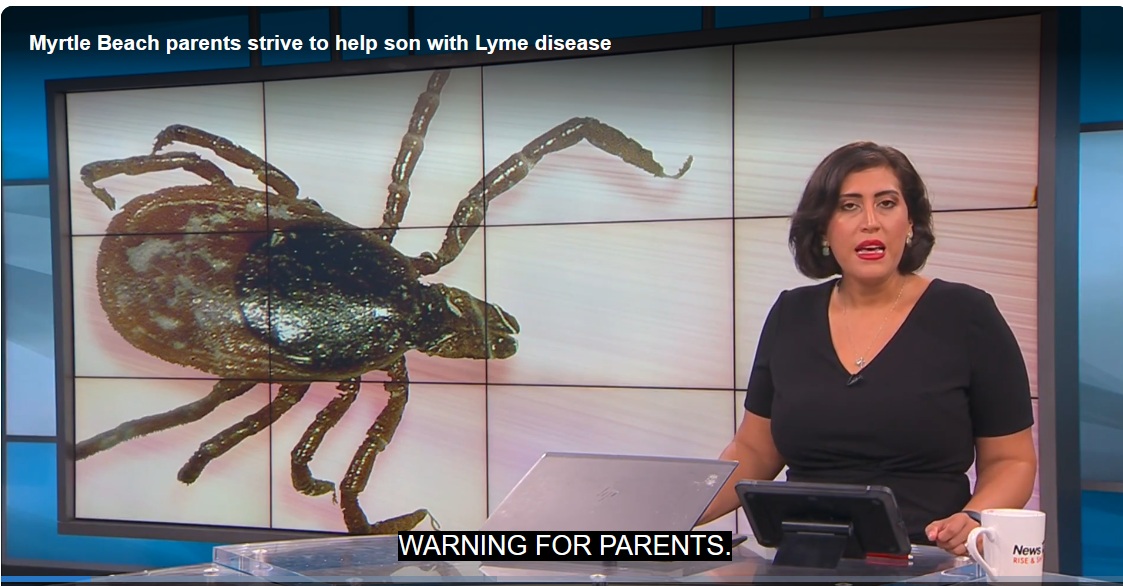
Eight-year-old Ben Kuhl of Myrtle Beach, South Carolina, was once an energetic preschooler who loved exploring nature. But four years ago, a tick bite on a family hike changed all that.

At the time, doctors told his parents that as long as Ben’s tick bite did not have a bull’s-eye on it, he would be fine. But it soon became evident Ben was not fine.

According to his mother, LeeAnn, by the time he was finally diagnosed with Lyme disease, it had spread to all of his organs, including his brain.

He is only able to talk on some days, his motor functions have worsened, and he has painful inflammation throughout his body.

“You mourn the life that he was supposed to have, so you mourn the parent that you were supposed to be,” LeeAnn said.

Click to watch this report from WBTW:

https://www.wbtw.com/video/myrtle-beach-parents-strive-to-help-son-with-lyme-disease/10908489

Melinda

Chronic Illness · Chronic Pain · Health and Wellbeing · Lyme Disease · Medical · Men & Womens Health · Tick Borne Illnesses

Why single-dose doxycycline after a tick bite is bad medicine

By Dr. Daniel Cameron

What if you did everything right after a tick bite—and still ended up sick?

That’s what happened to a 37-year-old woman who followed medical advice after a hike in New York’s Hudson Valley. She removed an engorged tick and went to urgent care. The provider gave her a single pill—200 mg of doxycycline—and told her it would prevent Lyme disease.

Weeks later, she developed brain fog, crushing fatigue, and joint pain. It turned out she did have Lyme disease, and possibly other tick-borne infections too.

Her case raises important ethical questions: Are patients being told enough? Are they being protected—or falsely reassured? And are we doing right by those who follow the rules?

The promise of a single pill after a tick bite

The CDC currently recommends a single dose of doxycycline after a tick bite in certain cases. The idea is simple: take the antibiotic early, and you might prevent Lyme disease from taking hold.

But there’s a catch: this one-pill approach was based on a small study published in 2001. It mostly looked at preventing the bull’s-eye rash—not the full illness.

What’s more, the study didn’t follow people long enough to detect cases of Lyme disease that develop without a rash, or cases involving co-infections like Babesia.

What this patient wasn’t told

This woman wasn’t warned about the limits of the single-dose strategy. She wasn’t told that:

It may not prevent the whole disease—just the rash.

It doesn’t protect against other infections ticks can carry.

It only works in very specific situations (right kind of tick, right timing, right area).

If symptoms appear later, Lyme disease testing can be unreliable.

Because she believed she was protected, she waited too long to seek further care—and her test came back negative at first, adding to the confusion.

By the time she arrived at my clinic, her illness had worsened.

Why This Isn’t Just a Medical Issue—It’s an Ethical One

1. Patients Deserve Full Information (Autonomy)

She should’ve been told that the one-pill approach isn’t a guarantee. Without all the facts, she couldn’t make a truly informed choice.

2. Care Should Be Tailored, Not Just Protocol (Beneficence)

She lived in a high-risk Lyme area. The tick was attached long enough to transmit disease. She might have benefited more from a longer antibiotic course. Instead, a “one-size-fits-all” approach failed her.

3. False Reassurance Can Do Harm (Non-Maleficence)

Believing she was safe delayed her diagnosis and treatment. That delay caused more suffering—and made recovery harder.

4. The System Isn’t Fair for Everyone (Justice)

This strategy doesn’t work well for kids under 8, pregnant women, or people who don’t have easy access to care. It assumes everyone knows what kind of tick bit them—and can get treatment within 72 hours. That’s not realistic for many.

What happened when she got the right help

When she finally got to my office, we ran new tests. Her Lyme Western blot confirmed infection. She also had symptoms of Babesia, a parasite that doxycycline doesn’t treat. On top of that, she had orthostatic intolerance (POTS), which had never been linked to her tick bite before.

With a more complete treatment plan—including antibiotics and supportive care—she began to feel better. But the road was longer than it needed to be.

Bottom line: A simple solution isn’t always the right one

The idea of “just one pill” sounds great—but it can create a false sense of safety. When patients aren’t told the full story, they lose the chance to make informed decisions. And when symptoms are dismissed, the consequences can last for months or even years.

We need to do better. That means:

  • Being honest about what the single-dose approach can and can’t do.
  • Offering follow-up when patients remain unwell.
  • Considering co-infections and other risks—not just following a checklist.

Because when it comes to Lyme disease, patients deserve more than a protocol. They deserve a plan.

Dr. Daniel Cameron is a nationally recognized expert in the diagnosis and treatment of Lyme disease. He is a past president of the International Lyme and Associated Diseases Society and a co-aauthor of the ILADS Lyme treatment guidelines. This blog first appeared on his website, danielcameronmd.com. He can also be found on Facebook.

Melinda

Chronic Illness · Chronic Pain · Health and Wellbeing · Lyme Disease · Medical · Men & Womens Health · Tick Borne Illnesses

Justin Timberlake reveals he has “relentlessly debilitating” Lyme disease

Hear is a clear message to everyone! Lyme Disease is not picky who the host person is, everyone is prime picking for Lyme Disease’s.

Singer Justin Timberlake has revealed that he has Lyme disease, describing it as “relentlessly debilitating” both mentally and physically.

In a heartfelt Instagram post, Timberlake explained that the diagnosis helped him understand why he was experiencing nerve pain, extreme fatigue, and sickness—even while performing on stage during his two-year Forget Tomorrow World Tour

Despite the challenges, he chose to continue touring, saying:

“I decided the joy that performing brings me far outweighs the fleeting stress my body was feeling. I’m so glad I kept going.”

He also shared that he had been reluctant to speak publicly about his health struggles, but wanted to be more transparent to avoid misinterpretation and to help others facing similar battles.

Timberlake joins a growing list of celebrities—including Justin Bieber and Bella Hadid—who have publicly discussed living with Lyme disease.

Melinda

More coverage:

The New York Times

People

Chronic Illness · Health and Wellbeing · Lyme Disease · Medical · Men & Womens Health · Tick Borne Illnesses

California tops Terminix’s list of most tick-infested states

With tick activity hitting alarming highs this summer, the pest control company Terminex has announced its first-ever comprehensive ranking of the Top 25 Most Tick-Infested U.S. States.

Based on proprietary 2024 pest management data, this report reveals which states are facing the greatest tick pressure and risk of tick-borne illnesses.

This first-of-its-kind list arrives at a critical time, offering homeowners and outdoor adventurers new insight into how geography and climate are shaping tick populations across the country.

States like California, Florida, Texas, Pennsylvania, and New York are at the top of this list due to their warm climates, high humidity and abundance of green spaces.

Notably, New York City, Los Angeles, Philadelphia, San Francisco and Washington, D.C. rank as the top five tick-infested cities in the country, underscoring that even densely populated urban areas are not immune to tick activity.

Overall, the Northeastern region of the U.S. generally experiences the highest populations of ticks, with common species including the blacklegged tick and the American dog tick.

“This isn’t just a nuisance; tick activity is reaching new levels across the country, posing a serious and growing public health threat,” said Tom Dobrinska, Technical Service Manager at Terminix.

“Climate change continues to increase tick populations. As winters become milder and warm seasons increase in length, tick survival and risk for human exposure increase significantly.”

Top 10 most tick-infested states

  1. California
  2. Florida
  3. Texas
  4. Pennsylvania
  5. New York
  6. Georgia
  7. New Jersey
  8. Arizona
  9. Massachusetts
  10. Ohio

States most impacted by Lyme and other tick-borne diseases

While not all ticks carry illness-causing pathogens, disease risk can vary by tick species.

According to the CDC, Northeastern states like Pennsylvania, New York and New Jersey, as well as parts of the Upper Midwest, are often identified as the worst places for ticks in the U.S. due to their high rates of Lyme disease cases. Southeast and Southcentral U.S. might see more cases of ehrlichiosis or spotted fever rickettsiosis.

“Scientists and public health experts are constantly researching ticks to better understand the threats they pose,” said Dobrinska. “As these experts continue to monitor tick activity and disease spread, it is essential for the public to stay informed about the dangers and know how to prevent tick bites.”

Tips for tick prevention

To protect against tick bites and tick-borne illness, Terminix recommends the following steps:

  • Avoid tick-infested areas: Ticks prefer wooded areas with high grass and abundant leaf litter; wear long sleeves and pants whenever you plan to go on a hike or walk through forested areas.
  • Inspect yourself and pets: After returning home from being outdoors, conduct a full body check, especially under the arms, around the ears and on the back of the knees. Finding them before they bite will help prevent being infected with any diseases they may be carrying.
  • If you find a tick bite: Using fine-tipped tweezers, grasp the tick as close to the skin as possible and pull upward with steady, even pressure. After removal, clean the area with soap and water or rubbing alcohol. It’s best to consult with a medical provider for extra precaution.

Click here for the full 2024 Tick Infestation Report.

Melinda

SOURCE: Terminex

Chronic Illness · Health and Wellbeing · Infectious Diease · Lyme Disease · Medical · Men & Womens Health · Tick Borne Illnesses

Tick threat shuts down Connecticut beach for the season

Pleasure Beach, a popular summer destination in Bridgeport, Connecticut, will remain closed for the entire 2025 season due to a serious tick infestation.

City officials, in consultation with state environmental and public health experts, made the call after discovering multiple tick species on the island, including the Asian longhorned tick—an invasive species that poses unique risks.

Unlike native ticks, this species can reproduce asexually, allowing a single female to spawn a full-blown infestation. Even more concerning, it can potentially carry serious pathogens.

While disappointing for beachgoers, the closure may benefit the island’s fragile ecosystem. Pleasure Beach is a critical nesting site for protected Audubon bird species, including the endangered piping plover.

With reduced human activity, conservationists expect a boost in nesting success and habitat restoration.

Bridgeport officials plan to conduct treatment and containment efforts throughout the summer, with the goal of reopening the beach in 2026.

Melinda

SOURCE: City of Bridgeport, CT

Chronic Illness · Health and Wellbeing · Infectious Diease · Lyme Disease · Medical · Men & Womens Health · Tick Borne Illnesses

Emergency room visits for tick bites at record levels

Emergency rooms nationwide are reporting a record-breaking increase in tick bite cases, according to new CDC data.

July 2025 is already surpassing previous highs set in 2017.

Director of the University of Rhode Island’s Center for Vector-Borne Disease and its TickEncounter Resource Center, Dr. Thomas Mather, and Dr. Tom Daniels joined the Morning Joe to discuss.

They say Lyme disease is still the top concern when it comes to tick bites, but note that ticks can transmit other pathogens as well.

With ticks being so plentiful right now, they say it’s likely that more people will end up getting sick from tick-borne infections.

Watch their interview here:

Melinda

Referrence:

https://www.lymedisease.org/er-visits-for-tick-bites/

Chronic Illness · Chronic Pain · Health and Wellbeing · Infectious Diease · Lyme Disease · Medical · Men & Womens Health · Tick Borne Illnesses

Emerging tick species in CT found to carry rare bacteria that can be deadly, officials say

HARTFORD, Conn. — An invasive tick species in Connecticut has been found to carry the bacteria that can cause ehrlichiosis in humans, a discovery that has alarmed state biologists as the tick continues to increase its spread throughout the state.

Longhorned ticks, an emerging invasive species in the state, have now been found to carry the bacteria that causes ehrlichiosis. The bacteria, while rare in Connecticut, has been found in the state for a while, according to Dr. Goudarz Molaei, a state entomologist with the Connecticut Agriculture Experiment Station.

Between 2001 and 2019, the number of cases of the bacteria increased from 142 to 2,093, a roughly 15-fold rise. Only two erlichiosis cases were recorded in Connecticut between 2008 and 2018, however, 28 cases were reported in the state between 2019 and 2023, according to CAES data.Expand article logo  

“This is concerning because before we only saw this bacteria present in the lone star tick, this is the first case detected in the longhorned tick,” Molaei said. “What is concerning about this is that the longhorned tick doesn’t need a mate to reproduce. So it has the potential to spread quickly and we already are seeing that as its population increases.”

Longhorned ticks primarily reproduce through a process called parthenogenesis, where females can lay viable eggs without mating to reproduce. This means a single female tick can create an entire population without a male partner, increasing the risks of rapid spread, Molaei said.

“This is very unusual and something we don’t see too often,” Molaei said. “So far this is the only tick in the United States that has this ability to reproduce without a mate. In other animals like arthropods and certain vertebrae, parthenogenesis has been reported, but it’s still very rare.”

Molaei said that a rise in ehrlichiosis cases is expected in the future. The bacterial infection can be a serious illness, though most cases are not fatal with prompt treatment. Untreated, it can lead to severe complications like organ damage, brain problems and even death. There is no vaccine available, but antibiotics are the traditional course of treatment, he said.

The invasive ticks are not native to the United States and are considered an exotic species. They originally were found in tropical environments in Asia before being detected in the U.S. in 2017. Since its initial discovery, the longhorned tick has expanded into at least 21 states, primarily in the East and Northeast, as well as the District of Columbia, according to CAES. The species was first detected in Connecticut in 2018.

In both its native and invasive range, the longhorned tick is known to transmit a wide variety of pathogens, Molaei said. Researchers have found evidence of infection in field-collected specimens in the U.S. with pathogens that cause Lyme disease, anaplasmosis, babesiosis, Bourbon virus disease and theileriosis. However, it is still unknown if the tick can spread many of these disease agents.

“What is also unusual about this species is that we have shown this tick is capable of attaching and detaching with partial blood feeding,” Molaei said. “Most ticks will stay on a host until they are fully engorged, so this increases the risks of disease transmission. Unfortunately these ticks co-exist with lone star ticks, and to make the matter worse, both of these ticks feed on white tail deer. Deer can act as a reservoir for the bacteria that causes ehrlichiosis. Longhorned ticks can pick up the bacteria after feeding on an infected deer.”

The tick species is now found scattered throughout Fairfield and New Haven counties, according Molaei. However, their range is expected to increase its range further northward. Last year, the ticks were identified in Fairfield, New London, Middlesex and New Haven counties, according to data from CAES.

“As the climate changes, we expect to see this species further north into New England and Canada,” Molaei said. “We are fortunate that. at least for the time being, the population is rather patchy in Fairfield and New Haven counties. It is not widespread yet, but eventually it will become more widespread, and that is where the concern increases.”

Melinda

Reference:

https://www.msn.com/en-us/news/other/emerging-tick-species-in-ct-found-to-carry-rare-bacteria-that-can-be-deadly-officials-say/ar-AA1FDjJX

Celebrate Life · Chronic Illness · Chronic Pain · Health and Wellbeing · Infectious Diease · Lyme Disease · Medical · Tick Borne Illnesses

After 18 joint replacements in 6 years, she’s now a fierce Lyme advocate

Meghan Bradshaw was just 25 when severe joint pain appeared seemingly overnight.

Once active and independent, she found herself unable to walk, dress, or function on her own. She returned to her mother’s care while doctors struggled to explain her condition.

After two years of misdiagnosis and ineffective treatments for rheumatoid arthritis, Bradshaw finally received clarity. She tested positive for Lyme disease and other tick-borne illnesses.

That diagnosis came after she turned to OrthoCarolina, where her orthopedic team helped connect her with a specialist who identified the root cause of her symptoms. Though the diagnosis came with its own challenges, it offered the one thing she had been missing: hope.

Over the next six years, Bradshaw underwent 18 joint replacements and reconstructions at OrthoCarolina, including procedures on her shoulders, elbows, hips, knees, hands, and meniscus. Her care was guided by a team of four orthopedic specialists who worked together to create a patient-centered, personalized treatment plan tailored to her needs.

“When I was finally diagnosed with Lyme disease and other tick-borne diseases, it felt like I had a chance to fight again,” said Bradshaw. “The doctors at OrthoCarolina didn’t just treat my joints – they helped restore pieces of my life I thought were lost forever. Every surgery brought me closer to feeling like myself again.”

OrthoCarolina’s collaborative care model played a critical role in her recovery. Surgeons, physical therapists, and staff maintained open communication with Bradshaw throughout each stage of treatment. Shared decision-making, comprehensive education, and clear expectations helped her feel confident and supported at every step.

Extraordinary resilience

“Meghan’s case of Lyme arthropathy was one of the most advanced that I’ve encountered,” said Dr. Glenn Gaston, a hand specialist at OrthoCarolina. “She showed extraordinary resilience throughout her entire journey. Our goal wasn’t just to restore joint function, but it was also to help give her life back.”

Today, Bradshaw calls herself the “Bionic Woman,” a title she embraces with pride. But her story doesn’t end with recovery. It has evolved into advocacy.

After earning her master’s in public health from the University of North Carolina at Chapel Hill, she became a national voice for Lyme disease awareness. As Government Relations Manager for the Center for Lyme Action, she has met with more than 100 members of Congress to push for improved education, diagnosis, and care for tick-borne illnesses.

“I’ve turned my pain into purpose,” Bradshaw said. “Every time I share my story, it’s for the people still searching for answers, just like I was.”

Marking a decade since her first symptoms, Bradshaw’s journey continues. This May, during Lyme Disease Awareness Month, her voice stands as a testament to the power of perseverance, the value of accurate diagnosis, and the life-changing impact of compassionate, expert care.

Melinda

Reference:

https://www.lymedisease.org/18-joint-replacements-in-6-years/

Chronic Illness · Health and Wellbeing · Infectious Diease · Lyme Disease · Men & Womens Health · Tick Borne Illnesses

Eyes wide open: Tackling Lyme-induced spatial visual dysfunction

Rachel Leland, who often posts on social media about her Lyme-related experiences, recently visited the Padula Institute of Vision Rehabilitation. She posted the following account of her appointment on Instagram.

What I knew before this week

My eyes have been hurting every single day for quite some time now. The muscles behind my eyes felt a constant pain and strain. I had daily headaches around my eyes and temples.

In college, I had a rare eye condition for a 21 year old that no one should be getting until they are elderly. That specific problem resolved a long time ago. But, my eyesight has been getting significantly worse over the past few years. My contacts prescription is only good for a few months before I need a stronger one.

What I thought before this week

Everything I was experiencing was normal and that everyone’s eyes probably felt like mine, but they just weren’t talking about it. So I should just keep taking Advil each day to manage the pain and keep smiling through everything, like always. If you pretend everything is fine, then it’s fine…right?

What I know now after my appointment

My eyes should not be in pain every day. The muscles behind my eyes should not feel constant pressure and pain just from turning them slightly left and right, or up and down. My eye muscles are spasming each time I try to focus on something, causing me to sway between double vision and seeing just one thing.

My eyes and brain have to work too hard to correct this, which is causing my eyesight to rapidly deteriorate. I should not be slamming my shoulder into the door frame multiple times a week when I walk through doors. My eyesight should not be getting worse every few months.

Spatial visual processing dysfunction

Extensive testing yesterday shows I have spatial visual processing dysfunction and the problems I’ve been experiencing aren’t just with my eyes, they are with how my eyes communicate the information to my brain.

I was originally going to schedule this appointment during the summer, so as not to miss work. But after a phone consultation with the doctor, we learned that this couldn’t wait. I’m so grateful that we listened.

There is no quick fix. A number of changes are coming my way, and it’s been a lot to process and it all feels overwhelming right now. If you have Lyme and are dealing with issues with your eyes, here’s an interview my mom did with this doctor a few years ago:

Rehabilitating your Lyme-impaired vision

Rachel Leland is co-author of Finding Resilience: A Teen’s Journey Through Lyme Disease. On Instagram, she’s @ResilientlyRachel. For more information about Lyme-related eye problems, see the website of the Padula Institute of Vision Rehabilitation.

Melinda

Reference:

Lyme Disease Org

Looking for the Light

Chronic Illness · Health and Wellbeing · Infectious Diease · Lyme Disease · Medical · Men & Womens Health · Tick Borne Illnesses

Lyme Disease Awareness Month-My Experience

Before my diagnosis of Lyme Disease, I would have looked at this graphic and paid no attention. After 18 months of IV Antibiotic Therapy, experiencing unbelievable pain, and cognitive dysfunction. I would be the poster child for the graphic. Lyme Disease kills and it can take you down slowly. I’m blessed to be in remission.

Testing is inaccurate because doctors have The Western Block test, which tests for several strains of Lyme, but only use one or two of the tests available. Interestingly enough all of my tests for Lyme came back negative until years after I’d been in remission.

When you read about Lyme you will hear about the Bulls-eye rash, yes some people do have a round puffy rash emerge but it’s only about 30% of the time. Don’t be bullied into thinking no rash, no Lyme. BS. I did not get the rash and I’m not sure where I picked up a tick.

If you catch Lyme early a 2-4 week treatment of antibiotics will kill the virus. If not caught early, the Spirochetes make their way into your blood-stream looking for an organ to play host. At this point, you’ve entered the Chronic Lyme stage. Your journey will be the fight of your life.

The CDC does not ackowledge Chronic Lyme exisist which means medical insurance companies will not pay for your doctor visits, IV Therapy and many of the other drugs you need. Some of my prescrptions were covered but not any of the suppliments recommened.

When choosing a doctor, look for a Lyme Literate Doctor or an Infectious Disease Doctor. If you run into problems finding the right doctor, visit the ILADS website and request a referral. They are tight with the information because many of the doctors are being targeted for treating Chronic Lyme.

You and your family do not have to go down the rabbit hole. If you firmly believe you or a loved one may have Lyme go directly to one of the most comprehensive lab testing companies, IGenex. It’s worth every penny spent because my treatments cost over $150,000 and caused us to take a second mortgage.

Be Lyme and Tick-Borne Illness aware. Your health depends on it.

Melinda

Looking for the Light

Reference:

www.lymedisease.org

Celebrate Life · Chronic Illness · Health and Wellbeing · Infectious Diease · Lyme Disease · Medical · Men & Womens Health · Tick Borne Illnesses

Babesiosis on the rise in the Mid-Atlantic region of US

A newly published study in the Journal of Medical Entomologyhighlights the growing presence of babesiosis in the Mid-Atlantic region of the United States.

Researchers documented human cases and detected Babesia microti in local tick populations.

Historically concentrated in the Northeast and Upper Midwest, babesiosis is now emerging in areas where it was previously rare.

Key findings indicate that locally acquired babesiosis cases have been reported for the first time in Maryland, Virginia, West Virginia, and Washington, D.C.

Additionally, Babesia microti was detected in ticks collected from Delaware, Maryland, Virginia, West Virginia, and D.C., marking a concerning expansion of the disease. The study also presents Ixodes keiransi as a potential vector—a first in babesiosis research.

Click here to read the press release from the Entomological Society of America

Melinda

Looking for the Light

Lyme Disease Org

Celebrate Life · Chronic Illness · Health and Wellbeing · Infectious Diease · Lyme Disease · Medical · Men & Womens Health · Tick Borne Illnesses

Lyme Resources To Help Figure Out Your Next Move

One of the most important things a person with Lyme disease needs is clear, concise information.

Here’s a list of useful resources to get you going in the right direction.

LymeDisease.org is one of the foremost Lyme patient advocacy organizations in the United States. We provide a wealth of information on our website–about ticks, Lyme and other tick-borne diseases, prevention, diagnosis and treatment.

Special features include:

Symptom Checklist: Patients can answer a series of questions, print out the filled-in form and take it to their doctor. The printout describes basic facts, explains the two standards of care for Lyme disease, and endorses the ILADS guidelines. It’s a way to help your doctor help you.

Physician Directory: Find a Lyme-literate practitioner near you.

Our blogs keep the Lyme community up to date on news, analysis, and opinion.

Social media. We spread the word via FacebookTwitterInstagram and Pinterest.

Our free weekly email newsletters keep you informed on Lyme-related developments. Click here to sign up.

US National Lyme Online Support Group: Information and emotional support for people dealing with Lyme and other tick-borne diseases.

MyLymeData patient registry: This big data research project allows patients to privately pool information about their Lyme disease experiences. So far, more than 17,000 people have enrolled in the project, providing millions of data points on Lyme disease demographics, tick bites, diagnosis, symptoms, lab tests, co-infections, treatment and quality of life. Add your Lyme data to MyLymeData to help find a cure for Lyme disease.

Lyme disease posters

Children and Lyme disease

Basic info about children with Lyme disease 

Gestational Lyme disease LymeHope, a Canadian Lyme advocacy organization, has taken a particular interest in the issue of mother-to-fetus Lyme transmission.

LymeAid4Kids–Financial assistance for Lyme treatment for those under age 21.

Lymelight Foundation–financial assistance for Lyme treatment for children and young adults through age 25.

LivLyme Foundation–Financial grants for children with Lyme disease (under 21).

Mothers Against LymeAdvocacy and education about congenital and childhood Lyme

Video: Lyme Disease & Pregnancy: State of the Science & Opportunities for Research

Book: When Your Child Has Lyme Disease: A Parent’s Survival Guide  by Sandra Berenbaum and Dorothy Kupcha Leland.

Book: Brain Inflamed: Uncovering the Hidden Causes of Anxiety, Depression, and other Mood Disorders in Adolescents and Teens  by Dr. Kenneth Bock.

Book: Protecting Your  Child From the Child Protection System, by Beth Alison Maloney

Book: Finding Resilience: A Teen’s Journey Through Lyme Disease, by Rachel Leland and Dorothy Kupcha Leland.

Article: Healthy Mom Best Prescription for Healthy Baby (The Lyme Times) (PDF)

Wrightslaw.com–Website with information about Special Education law.

PANS/PANDAS

ASPIRE: The Alliance to Solve PANS and Immune Related Encephalopathies

New England PANS/PANDAS Association

Northwest PANDAS/PANS Network

PANDAS Network

Moleculera Labs

Three books by Beth Alison Maloney:  Saving Sammy,  Childhood Interrupted: The Complete Guide to PANDAS and PANS, and Protecting Your Child from the Child Protection system (The author of these books is the mother of a child who healed from PANDAS. She is an attorney/advocate for the recognition and treatment of PANS/PANDAS, and advises parents about legal issues related to PANS/PANDAS and other complex medical conditions.)

Parenting with PANS

Ticks

Types of ticks

How to protect yourself from ticks

Find the repellent that’s right for you (EPA website)

Help! I’ve gotten a tick bite. Now what?

TickEncounter Resource Center—University of Rhode Island

Tick testing. There are various places to get ticks tested. Here are several: IGeneXTickCheckTicknologyTick Report

MilTICK—free tick testing and identification service available for ticks removed from Department of Defense (DoD) personnel and their dependents. 

Mast cell activation syndrome and food-related issues

MCAS, when your immune system goes haywire

The agony of mast cell activation syndrome (MCAS)

Healing from mast cell activation syndrome

What to eat when you’re allergic to everything?

Severe weather can worsen mast cell activation syndrome

Alpha-gal syndrome

There is growing evidence that certain types of tick bites can trigger alpha-gal syndrome (AGS) a life-threatening allergy to red meat and meat-related products.

Alpha-gal syndrome–symptoms, diagnosis, treatment

Tick-Borne Conditions United

Alpha-gal Information Website

Other Lyme-related symptoms & issues

Lyme carditis and heart block

Lyme disease can affect the heart in complicated ways

Lyme disease and cognitive impairments

Gastrointestinal manifestations of Lyme

Psychiatric manifestations of Lyme 

Lyme disease and hearing loss

Lyme and multiple sclerosis 

Lyme and allodynia 

Medical marijuana and Lyme disease 

The dreaded Jarisch-Herxheimer reaction

How Lyme disease can affect your vision

12 ways you can help yourself manage chronic pain  

Morgellons

The Charles E. Holman Morgellons Disease Foundation

Morgellons: The legitimization of a disease (book review)

Skin Deep: The Battle Over Morgellons (documentary film)

Treating Lyme disease with disulfiram

What is disulfiram and why does it spark excitement in Lyme community?

Treating psychiatric Lyme symptoms with disulfiram

Co-infections

The Lyme Times Special Issue on Co-infections (PDF)

About Lyme disease co-infections

Co-infections poster

Mold

Lyme and mold 

Survivingmold.com

Dealing with Lyme disease and mold illness at the same time

Mold Testing Guide (How to test your home for mold)

Your guide to mold in your home

Clean indoor air on a budget

Are you unknowingly ingesting toxic mold?

How to donate blood and tissue for Lyme research

Lyme Disease Biobank

Lyme and pets

Basic information about Lyme and pets

Parasite prevalence maps Educational website includes a US map down to the county level, showing where dogs have tested positive for Lyme, anaplasmosis, erhlichiosis and other diseases. Also, information about protecting your pet from tick-borne diseases.

Companion Animal Parasite Council website has comprehensive information about how to protect your pets from ticks and other parasites.

Books (Treatment, healing modalities, family life)

Brain Inflamed: Uncovering the Hidden Causes of Anxiety, Depression, and Other Mood Disorders in Adolescents and Teensby Dr. Kenneth Bock

CHRONIC: The Hidden Cause of the Autoimmune Pandemic and How to Get Healthy Againby Dr. Steven Phillips and Dana Parish

Conquering Lyme Disease: Science Bridges the Great Divide, by Brian A. Fallon, MD, and Jennifer Sotsky, MD

The Deep Places: A Memoir of Illness and Discovery, by Ross Douthat. The New York Times columnist delves into his personal years-long battle with chronic Lyme disease.

Finding Resilience: A Teen’s Journey Through Lyme Disease, by Rachel Leland and Dorothy Kupcha Leland. Based on the journal Rachel kept during the worst years of her illness, with additional insights from her mother, Dorothy.

How can I get better? An Action Plan for Treating Resistant Lyme and Chronic Disease, by Dr. Richard Horowitz

The Lyme Diet, by Dr. Nicola McFadzean. What to eat while healing from Lyme.

Recovery from Lyme Disease: The Integrative Medicine Guide to Diagnosing and Treating Tick-Borne Illnessby Dr. Daniel Kinderlehrer.

TOXIC: Heal Your Body from Mold Toxicity, Lyme Disease, Multiple Chemical Sensitivities, and Chronic Environmental Illness, by Dr. Neil Nathan.

When Your Child Has Lyme Disease: A Parent’s Survival Guide  by Sandra Berenbaum and Dorothy Kupcha Leland.

Why Can’t I Get Better? Solving the Mystery of Lyme and Chronic Disease, by Dr. Richard Horowitz.

Books (History, Policy, and Science)

Bitten: The Secret History of Lyme Disease and Biological Weapons, by Kris Newby

Cure Unknown: Inside the Lyme Epidemic, by Pamela Weintraub.

Lyme: The First Epidemic of Climate Changeby Mary Beth Pfeiffer.

Film and Video

I’m Not Crazy, I’m sick, Lyme documentary, available on various streaming services.

The Quiet Epidemic, documentary film about chronic Lyme disease, available on various streaming services.

Under Our Skin, award-winning Lyme documentary film.

Under Our Skin 2: Emergence (sequel)

The Red Ring, documentary takes a global look at Lyme disease.

Your Labs Are Normal, feature film based on real-life experiences.

Financial assistance

LymeTAP.com–Lyme Testing Access Program. Financial assistance for Lyme diagnostic testing.

Needymeds.com–Clearing house for information about various kinds of financial assistance for obtaining medication.

Lymelight Foundation–financial assistance for Lyme treatment for children and young adults through age 25.

Lyme Treatment Foundation–financial assistance for Lyme treatment. No age restrictions.

LivLyme Foundation–Financial grants for children with Lyme disease.

LymeAid4Kids—grants for young Lyme patients (up to age 21).

Partner in Lyme—grants for Lyme treatment for residents of Connecticut.

Applying for Social Security benefits for Lyme disease

Outside of the United States

ALCE Asociación de Lyme Crónico España (Spain)

Canadian Lyme Disease Foundation

LymeHope (Canada)

LYRI (Mexico)

Lyme Disease Action (UK)

LymeDiseaseUK

Lyme Disease Association of Australia

Karl McManus Foundation (Australia)

France Lyme

Tick Talk Ireland

Lyme Poland

Association Luxembourgeoise Borréliose de Lyme (Luxembourg)

Onlyme-aktion.org  (Germany)

Lymevereniging (Netherlands)

TOUCHED BY LYME is written by Dorothy Kupcha Leland, LymeDisease.org’s Vice-president and Director of Communications. She is co-author of When Your Child Has Lyme Disease: A Parent’s Survival Guide. Contact her at dleland@lymedisease.org .

Melinda

Chronic Illness · Health and Wellbeing · Infectious Diease · Lyme Disease · Medical · Men & Womens Health · Mental Health · Tick Borne Illnesses

When Lyme patients must fight to be believed by doctors

By Nancy Dougherty

llness invalidation by medical professionals—sometimes called “gaslighting”—is an underappreciated and understudied problem in Lyme disease.

Many Lyme disease patients complain not only of fighting to recover their health but also of fighting to be believed by health care practitioners.

Expecting to receive understanding and proficient care from medical professionals, many instead experience having their persistent debilitating symptoms dismissed, minimized, disbelieved and/or psychologized.

How common is the occurrence of medical gaslighting in Lyme disease? Is illness invalidation by medical professionals related to disease severity? Are there specific constituencies who are being affected more than others?

These are some of the questions that a team of researchers led by Alison Rebman, MPH, Assistant Professor in Medicine and Director for Clinical and Epidemiological Research at the Johns Hopkins Lyme Disease Research Center at Johns Hopkins Medicine, set out to identify and quantify in a cohort of well-characterized Lyme disease patients.

Invalidating encounters

The Johns Hopkins study, published in August 2024 in Scientific Reports, finds that invalidating encounters with medical professionals are common for post-treatment Lyme disease (PTLD) patients, particularly women and younger patients, and also are linked to higher illness severity.

Lyme disease is the most common tick and vector-borne disease in the US with about 500,000 new cases per year. Lyme infections are expanding geographically, and acute and chronic cases are on the rise in the US and Eurasia. Lyme infection-associated chronic illness affects around 2 million Americans and can be difficult to properly diagnose and effectively treat.

A Lyme infection can affect multiple body systems including musculoskeletal, neurologic, and cardiovascular. Patients with early diagnosis and appropriate treatment usually get better. However, about 10-20% of patients even when treated promptly with standard of care antibiotics do not return to health and are functionally impaired by persistent musculoskeletal pain, crushing fatigue, and cognitive dysfunction, known in the research setting as post-treatment Lyme disease (PTLD).

Patients frequently refer to this as “chronic Lyme.” Misdiagnosis and delayed treatments further increase the risk for PTLD as well as for more broadly defined community-based Lyme infection-associated chronic illness or “chronic Lyme.”

Women and younger patients

In the Johns Hopkins study, 49% of the PTLD patients reported a lack of understanding and 29% experienced discounting from medical professionals. Additionally, women and younger patients were at higher risk for experiencing more invalidation than men or older age patients.

The study found, “Before their initial diagnosis of Lyme disease, approximately half (51.3%) had first been told that their symptoms represented another illness or condition. This high rate is consistent with the hypothesis that diagnosis and treatment delays, and possibly exposure to inappropriate treatment, may be risk factors for PTLD.”

Women more often received alternative diagnoses (such as another contested illness like fibromyalgia or ME/CFS and/or a psychological illness) which in turn correlated with more discounting and lack of understanding. PTLD patients who reported the highest levels of illness invalidation were discovered to have greater symptom severity, lower quality of life, and less trust in physicians.

The pervasiveness of Lyme disease illness invalidation and the consequential negative effects on illness burden and health outcomes are not broadly known by medical professionals.

Improved physician education is needed to help engender more patient-centered paradigms that incorporate the patient illness experience and better recognize how that experience may impact the healing process.

National Academies look at IACI

The National Academies of Sciences, Engineering and Medicine (NASEM) has helped validate infection- associated chronic illnesses as being significant public health problems that need greater national attention, a coordinated strategy, and considerably more federal resources.

NASEM held its first national workshop on infection-associated chronic illnesses (IACI) in June 2023 to explore overlapping symptoms and biologic pathways for IACIs including Lyme disease, long COVID, ME/CFS, MS, and others.

In July 2024, a follow-up NASEM meeting focused specifically on Lyme infection-associated chronic Illness. Both forums discussed the importance of listening to and incorporating patients’ illness experience perspectives into improving diagnostic and treatment approaches. For example, patient-driven data such as MyLymeData can be leveraged to improve research and clinical care. It is vital to listen to patients especially when diagnostics are problematic, treatments are inadequate, and the science is contested or evolving.

Building upon insights and collaborative momentum from the NASEM IACI meetings, a coalition of advocates (patient, scientific and medical) are now calling for the creation of a new National Institutes of Health (NIH) office to help strengthen and coordinate research across infection-associated chronic conditions and illnesses including Lyme infection-associated chronic illness, Long COVID, ME/CFS, PANS/PANDAS, POTS/dysautonomia and others.

Listening to patients will be key to advancing solutions, reducing invalidating patient-practitioner encounters, and improving health outcomes.

Nancy Dougherty is an education and communications consultant for the Johns Hopkins Lyme Disease Research Center. Other research investigations at the Center include Pilot Treatment Trials and the SLICE Studies.

Melinda

Chronic Illness · Health and Wellbeing · Infectious Diease · Lyme Disease · Medical · Men & Womens Health · Tick Borne Illnesses

Battling a devious bug for 40 years and finally finding hope

By Lowell Miller

I became a host for Borrelia burgdorferi (the microbe at the root of Lyme disease), at a time when no one knew what it was. This was over 40 years ago, in 1982, only a few years after Lyme disease was discovered.

It would be decades before the telltale symptoms of unseasonal fevers, bull’s-eye rashes, faux-arthritis, and inexplicable neurological symptoms would become more known to people and doctors living in Lyme-endemic areas.

So, I was initially untreated, giving the Lyme bacteria decades to slowly and quietly populate my body, generating few symptoms or warnings along the way.

A devious bug that evades the immune system

As we now know, Borrelia burgdorferi is a devious bug with unique abilities to evade the immune system and keep itself alive. I was healthy, athletic, and active in the world, apparently achieving a kind of multi-year balance, or truce, between the slowly and inexorably growing bacteria and my body’s natural ability to ward it off.

Meantime, Lyme silently and slowly took over, embedding itself—undetected—in my brain.

It was held at bay for most of the first two decades, but that couldn’t go on indefinitely. After a period of intense business stress, I was hit with overt and acute symptoms, as if a storm had blown into my body. Apparently, the microbes had selected my central nervous system as a cozy home, rather than the joint soft tissues that affect so many patients.

Over the next few years, I wrestled with peripheral neuropathy (sirens of pain in my feet), skin and scalp inflammation (what’s going on inside blooms on the surface), Bell’s palsy (complete with an eye patch to hide the purulent discharge), chills and buzzing throughout the body, brain fog, brain dysfunction, deep fatigue, “air hunger,” dizziness and an incipient loss of balance.

This finally crescendoed into a “cryptogenic” stroke [of unknown origin], complete with a week in hospital. It was apparently caused by a weakened small blood vessel that had been undermined by Lyme.

Ok, yes, that’s a typical litany of symptoms for post-treatment (or no-treatment) Lyme disease. As my case rolled out over a second 20 years following the first 20 years of near-dormancy, I became an inadvertent observer and participant in what one might think of as “Lymeworld.”

As a somewhat over-educated guy committed to the world of rationality and science, I began a quest for health in the allopathic or mainstream medicine side of Lymeworld.

Many docs “don’t believe” in Lyme

But as anyone familiar with Lyme knows, the involvement of conventional medical science with Lyme is a heartbreaker. Even today, many doctors don’t “believe” in Lyme (as if it were a mystic religion rather than biological fauna). They wouldn’t know even a fresh case if it bit them on the butt and left a bull’s-eye!

My first internist in my Lyme-endemic geographical area literally fired me as a patient when I tried to convince him to consider Lyme as a possible cause of my painful burning feet.

I went from doctor to doctor, specialist to specialist. I even went to one of the drafters of the Infectious Disease Society of America’s guidelines for Lyme treatment. In a single visit, he dismissed my case as no longer active, though many symptoms were still to come.

I stuck with allopathic doctors, in my heart of hearts believing that after 50 years they would soon have a cure for this bacterial disease, as medicine had cured so many other bacterial conditions.

After getting a high positive count on the Western blot test for Borrelia in my cerebral spinal fluid—not a good thing—I got hooked up with a 30-day intravenous infusion of ceftriaxone. When that finally provided only the most minimal symptom relief, the infectious disease specialist told me: “There’s nothing more we can do for you.”

Those are hard words to hear when you think you’re dying.

But I refused to accept that there was nothing more to do. I became my own advocate and researcher, a path everyone with long-term Lyme must follow—because there is so little help from others.

I’d lost a lot of mental functioning but mercifully could still do online medical research. Being retired, I had the time to turn over every stone.

Devising my own protocol

Eventually, with myself as test subject, I created a multi-pronged protocol based on in vitro studies that indeed began to work, one that grew from a foundation of credible laboratory science (if not quite yet proven in the clinic).

Many of the strange-sounding botanicals I used are in fact the basis of pharmaceuticals, and not toxic or dangerous. Their action is slower because they work to support the body’s own immunity, and they don’t have noticeable side effects. But their efficacy is clear.

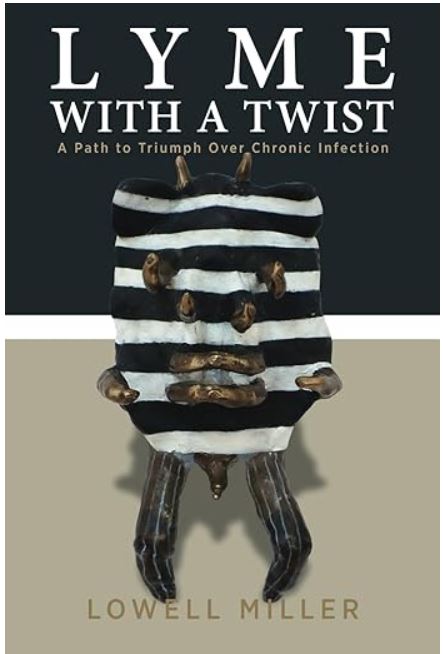
I have put my experience into a book called Lyme with a Twist: A Path to Triumph Over Chronic Infection. It recounts my story and what I did to get better.  (My healing is the “twist.”)

I hope it can help people afflicted with Lyme and their loved ones escape the loneliness that Lyme can induce. It takes persistence, discipline, time, and tenacity to recover from a Borrelia infection, and it’s worth the effort. My life has taken a dramatic turn for the better, finally the days are bright again. A message for Lyme sufferers: you can overcome this, you really can.

Lowell Miller is a writer, businessman, and artist living in the Hudson Valley, New York. Click here to learn more about Lyme with a Twist: A Path to Triumph Over Chronic Infection.

Melinda

Chronic Illness · Health and Wellbeing · Infectious Diease · Lyme Disease · Medical · Men & Womens Health · Mental Health · Moving Forward · Self-Care · Tick Borne Illnesses

Understanding and supporting invisible disabilities, including Lyme disease

Lonnie Marcum

OCT 24, 2024

Invisible disabilities are physical, mental, or neurological conditions that are not immediately apparent to others. Despite being “invisible,” these conditions can significantly impact a person’s life and require special accommodations and ongoing support.

Unlike conditions that other people can see, such as those requiring the use of a wheelchair, invisible disabilities often go unnoticed, leading to misconceptions about a person’s needs.

Examples of common invisible disabilities

  • Dysautonomia, also known as autonomic dysfunction, refers to a condition in which the autonomic nervous system (ANS) does not function properly. The ANS controls many crucial bodily functions, such as heart rate, blood pressure, digestion, temperature regulation, and respiratory rate. When the ANS is impaired, these processes can become dysregulated, leading to a wide range of symptoms.
  • Post-exertional malaise (PEM) where even minor physical or mental exertion can result in severe symptom exacerbation, often lasting days or weeks.
  • Chronic fatigue syndrome (CFS): Fatigue lasting six months or more, and PEM
  • POTS (Postural Orthostatic Tachycardia Syndrome) is a condition characterized by a significant increase in heart rate when a person stands up from a lying down position. It is a form of dysautonomia. People with POTS experience an abnormal response when they move to an upright position, leading to symptoms that can be disabling.
  • Myalgic Encephalomyelitis (ME): Causes widespread neuro-immune related symptoms including: neuroinflammation, immune dysfunction, muscle pain, headaches, cognitive dysfunction (often described as “brain fog”), dysautonomia, PEM, CFS and POTS.

Patients with Lyme and tick-borne disease are often left with persistent symptoms following treatment. In MyLymeData, now with over 18,000 participants, the three most frequently reported worst symptoms include neurological-associated symptoms (84%), fatigue (62%), and musculoskeletal-associated symptoms (57%).

POTS is the most common manifestation of dysautonomia reported to occur in patients with persistent symptoms of Lyme disease.

Infection-associated chronic conditions

For years, ILADS conferences have been the only place I heard clinicians and researchers expressing an understanding and a desire to help patients with complex, infection-associated chronic conditions (IACC).

In 2021, I reviewed a paper entitled “Recent Progress in Lyme Disease and Remaining Challenges,” co-authored by 31 researchers from 19 separate institutions. That paper felt like a real tipping point to me.

Last week, I watched the final meeting of the CDC/HHS funded “Infection-Associated Chronic Conditions – Understanding and Engagement” (ICUE) project. During that meeting, LymeDisease.org’s Lorraine Johnson, represented and gave voice to the millions of patients living with chronic symptoms following infection with Lyme and/or other tick-borne diseases. (Read her summary of that meeting here)

With all the new collaborations coming out of the National Academies of Science, Engineering and Medicine (NASEM) workshop on “Lyme infection-associated chronic illness or “Lyme IACC,”  I have high hopes for continued progress—not just for patients with chronic Lyme and co-infections, but so many other marginalized illnesses like long-COVID, ME/CFS, and dysautonomia.

Last year, I wrote about the real symptoms suffered by patients with invisible illness.Recently I offered suggestions on how patients can track those symptoms and share them with their doctors  to aid in better diagnosis and treatment.

For everyone out there suffering from an invisible illness: I just want to say that I see you, I hear you, and I believe you.

LymeSci is written by Lonnie Marcum, a physical therapist and mother of a daughter with Lyme. She served two terms on a subcommittee of the federal Tick-Borne Disease Working Group. Follow her on Twitter: @LonnieRhea Email her at: lmarcum@lymedisease.org.

Melinda

Reference:

https://www.lymedisease.org/invisible-disabilities-lyme-disease/

Chronic Illness · Health and Wellbeing · Infectious Diease · Lyme Disease · Men & Womens Health · Tick Borne Illnesses

Do You Think Ticks Hibernate Or Die In The Winter?

One would think that freezing weather would cause ticks to hibernate or die, but you would have to think again. States that stay below freezing for most of the winter will not have a high risk but it is not impossible. Keep this in mind when raking the leaves and snow close to the ground.

The key is to know ticks are active and how to prevent tick bites. It’s easy to fend off these beasts by making a few changes. If you are walking in high grass, or have tree limbs brushing the trail, even dead leaves can be a host for ticks. Before you head out, spray exposed areas with DEET* making sure to spray the foot to above your ankles.

Put pant legs in socks so the tick can’t climb in. Wear a hikers hat with a trail that covers the back of the neck. No more falling off a tree limb right down the back of your shirt. They look for every chance they can get to attach to you, the host. The most critical step is to check your body, complete body, once home. Wash your clothes right away, don’t put them in the washing bin and let them move around your other clothes.

As someone who lives with Chronic Lyme Disease, I can say that preventing a tick bite is a hell of a lot better than getting Lyme.

Tick Expert with the Connecticut Agricultural Experiment Station says:

If you’re enjoying the warmer-than-usual winter, so are ticks. The insects do not have to go into their usual hibernation on days when the temperature exceeds 40 degrees. It used to be the people who study ticks in Connecticut got pretty bored in the winter months. Not anymore.

“We used to call it tick activity season,” explained Dr. Goudarz Molaei, a tick expert with the Connecticut Agricultural Experiment Station. “We can no longer call it tick activity season as ticks are active year-round.”

When people get bit, they send their ticks to the Agricultural Experiment Station. It used to be they would get about 50 all winter long. Now they are getting around 800.

“We receive ticks daily, and some days we receive over ten tick specimens from the public,” Molaei said.

If Connecticut no longer has a non-active tick season, chances are the surrounding states are also seeing an increase in ticks during the winter. Be safe by preparing on the front end.

DEET* or no DEET, is based on your preference. There is plenty of information for your searches.

Melinda

References:

https://www.wtnh.com/news/ticks-becoming-active-year-round-in-connecticut-due-to-warmer-winters/

Chronic Illness · Health and Wellbeing · Infectious Diease · Lyme Disease · Medical · Men & Womens Health · Tick Borne Illnesses

Dr. Jemsek “Speaks the Truth”About Lyme Disease

Dr Jemsek is an Infectious Disease Doctor who played a pivotal role identifying AIDS in N. Carolina. He is my hero and Lyme Doctor.


There are several treatment methods, every doctor is different. I’m on Antibiotic IV Therapy 5 days a week, and a Lactose Ringer when not on IV Therapy, close to 30 supplements, a Morphine Patch, two horrible liquid Rx’s, and close to 35-40 prescriptions.

YouTube is an awesome source for Lyme information.

Xx  M

Celebrate Life · Chronic Illness · Health and Wellbeing · Infectious Diease · Lyme Disease · Medical · Men & Womens Health · Survivor · Tick Borne Illnesses

Lyme Journal Entry Eleven *Lyme Winning Me..Mad As Hell*

Wild Crazy Hair
Wild Warrior Hair


Four months ago I wrote the last Lyme Journal Entry. I thought my strength would allow me to blog through the illness. Then the 5-6 month point turned my life upside down and it’s been hell. I fired my Lyme doctor and not taking meds at this time. I know many are wondering why the hair photo? I was losing hair by the handful and showering was nearly impossible with longer hair. When you can’t stand, lift your arms or sit down without falling, showering is a problem. I planned a nice Army shave but David would not help. I grabbed the scissors and cut eight inches off. Feels great, looks like crap. Who cares? 

I’m sure people have noticed my positive attitude is quickly sliding. The mounting problems are not all Lyme-related. My cat Truffles is dying, lack of communication from my doctor, getting so sick, and walking some days is extremely painful. Our bed was too hard so I moved to a couch months ago. I live on the couch now. Not bad for sleeping except all the animals want to go out, poke me in the back, and the cat wants to attack me. Even attempting to get enough sleep is impossible. With Chronic Lyme Disease sleep is your best friend and a key to survival.

 Let me share some Lyme politics for newbies.

Most of the expert Lyme Literate Doctors, are not practicing. Several years ago doctors were watching people die using CDC standards, which state patients can only receive 2-4 weeks of antibiotics at most.  The Lyme doctors who understood how the viruses worked knew 4 weeks was a joke. The doctors worked together helping each out calling in antibiotics for the other patients. I have Chronic Lyme, and it can take 1-3 years to get well. Medication is one of the many ways to heal. Getting enough sleep is number one after the meds., take supplements, gluten-free diet and eat foods to help your body heal. No Coffee and drink only electrolyte water. 

There was a huge division among Lyme doctors when the CDC allowed several doctors to patent the virus. Makes no sense to me. For years patients were clueless of the division. Both sides fought hard with the CDC to prove their data, from the videos on YouTube it looks like the battle was lost before the presentations started. The expert Lyme Literate doctors were quite vocal and a witch hunt is what followed the meeting. Doctors appeared before the Medical Board and were not able to practice, some for up to a year. Several doctors lost their clinic and everything they owned trying to keep their patients alive. It is a complete mess the CDC let happen, needless to say, I’m pissed. Just a little more background info to burn into your brain.

Many Chronic Lyme patients become so sick they are not able to work. The first reality is you no longer have insurance and can not afford new insurance if you could buy. I’ve watched video after video on YouTube of people with good-paying jobs, racking up several thousand dollars in doctor bills and many having to file bankruptcy, losing everything. One video told of a couple who owed their parents $500,000. Lyme affects everyone in your family, friends, your health, and financial security.

It’s going on Spring in some parts but summer will be here quickly. I don’t want any of you or your family members to struggle with a virus that looks like a worm. The viruses travel through the blood until they can find a way to your major organs. Lyme likes to get cozy in the liver, kidney, heart, and brain. I have three tick-borne illnesses and Epstein Bar Virus. I have cognitive issues, my eyes constantly see things moving by my peripheral vision and balance are fleeting. I was in the bathroom two days ago about to reach for the medicine cabinet. I slammed into a wall hurting my writs and several fingers. If that wasn’t enough I slid down the wall falling on the toilet and hurt my leg. The doctors don’t know how much of your ability will come back if any. You have to keep fighting.

Why I fired my doctor. My husband and I formed an impression at the first appointment, not so good. I was desperate to start treatment and had no other options.

* I start a couple of drugs until the Lab work is back. At the follow-up appointment, the first words out of his mouth are you are in a great deal of pain. REALLY? His communication and organization skills are lacking. No pain meds were prescribed. He has to call someone in to bring him something several times during the appointment.

*I’m loaded down with over 50 pills to take a day plus 15-20 supplements and sleep all I can. The equation doesn’t work. I have gastro issues and the high-powered antibiotics made me nauseous all the time. I asked to have a PICC line in my arm to give my stomach a break. He did not plan to use a PICC line? Almost every patient gets a PICC line so they can fill you full of drugs and bypass your stomach. My wheels are turning. He had lab work for me to do, but I didn’t do it. He never asked about the Labs. He said my Lead levels were three times higher than normal, in the dangerous range. No follow-up test was ordered, it was like “So you know”. I’m scared, my brain is on overload, the test said current and ongoing exposure. I spent about two weeks looking for an answer. I looked at the top of the report one day, it wasn’t my report. Admin acted like no big deal. HIPPA laws are not new.

With the list of experts I start going down the list, ONE of the leading Lyme Literate Doctors still practices. The doctors called before the Medical Board and CDC. Now are full-time advocates/researchers. I phoned his office in DC and they are taking patients. When you have cognitive issues filling out 50 pages is crazy. I stayed up last night to get everything I could without waking my household. With God’s help, I will finish the paperwork tomorrow and get an appointment in the next month.

ILADS is the professional organization Lyme Literate doctors belong to. I saw the tab on site for ILADS Protocol on Lyme. I jumped for joy. Let’s hit them with our best shot. We have boxing gloves on and the truth will come out. The document was extensive for the different stages of Lyme or other tick-borne illnesses. I felt so happy that others may not have to suffer shortly. The document was well-researched by leading scientists, leading hospitals, and large populations of people. I cheered when I read research that outlined how the current system is incorrect, and they went all out. On the issues of insurance, extensive research with real patients exposed what the CDC is keeping from the public. If you want to learn more about Lyme, YouTube has so many videos, you might not have to go anywhere else. If you like the medical jargon go to the ILADS site. 

A shout out to others who suffer from Lyme or tick-borne illness. I think of you, pray for you, and send good karma your way.

XO Warrior