Celebrate Life · Fun · Media

Fun Facts That Will Amaze You

I’m so glad you are enjoying Fun Facts. I learn something new each week, even if it’s weird. I love hearing your comments! 

Canada is south of Detroit (just look at a map)

The original name for the search engine Google was Backrub. It was renamed Google after the googol, which is the number one followed by 100 zeros. (about.google)

The oldest-known living land animal is a tortoise named Jonathan, who is 187 years old. He was born in 1832 and has lived on the island of St. Helena in the Atlantic Ocean since 1882. (guinnessworldrecords.com)

 Bats are the only mammal that can actually fly.

Wombats are the only animal whose poop is cube-shaped. This is due to how its intestines form the feces. The animals then stack the cubes to mark their territory. (bbc.com)

Enjoy! 

Melinda


Health and Wellbeing · Media · Medical · Men & Womens Health · Mental Health · Self-Care

Unconventional Treatments To Tackle Menopause

The media plays a role not only in misinformation about menopause but also in how it portrays women with menopause. Tune out the riff-raff and look for real answers. Menopause has been a woman’s curse long before I knew what it was and how it affected the lives of women. There are thousands of books on the market about menopause and I thought maybe it was time to look at the unconventional ways women deal with the debilitating symptoms.

Let’s look at unconventional options to help with menopause

Acupuncture

Acupuncture involves inserting thin needles into specific points on the body to balance energy flow. Some women report reduced hot flashes, night sweats, and improved mood after regular sessions. While scientific evidence is mixed, it might be worth a try if you’re open to alternative therapies.

Herbal Remedies

  • Black Cohosh: Often used for hot flashes and mood swings. Some studies suggest it can be effective, but it’s not suitable for everyone.
  • Red Clover: Contains plant-based estrogens that may help with hot flashes, though results vary.
  • Evening Primrose Oil: Known for helping with breast pain and hot flashes. Always consult a healthcare provider before starting any herbal supplements.

Yoga and Meditation

These practices can help manage stress, improve sleep, and enhance overall well-being. Yoga, in particular, can increase flexibility and strength, which is beneficial during menopause.

Dietary Changes

Adopting a diet rich in fruits, vegetables, whole grains, and lean proteins can help manage symptoms. The Mediterranean diet, known for its anti-inflammatory properties, can be particularly beneficial.

Essential Oils

  • Lavender Oil: Known for its calming properties, it can help reduce stress and improve sleep.
  • Peppermint Oil: Can provide a cooling sensation, which may help with hot flashes.

Biofeedback

This technique involves learning to control certain physiological functions, such as heart rate and muscle tension, with the help of a biofeedback device. It can be effective in managing stress and related symptoms.

Hypnotherapy

Some studies suggest hypnotherapy can reduce the frequency and severity of hot flashes and improve sleep quality.

Remember, it’s essential to consult with a healthcare professional before starting any new treatments, especially if you have underlying health conditions.

Health-Related Reading Material

Understanding the Connection Between Menopause and Heart Rate Changes

Why Does Menopause Increase Your Risk of Heart Disease?

Natural Treatments for Menopause Symptoms

Maybe you can find something that works for you or at least reduces the symptoms.

Melinda

Reference:

https://copilot.microsoft.com

Healthline

https://www.webmd.com/menopause/menopause-natural-treatments

Celebrate Life · Fun · Health and Wellbeing · Media · Men & Womens Health · Photography

Blogger Highlight-Leanne Cole

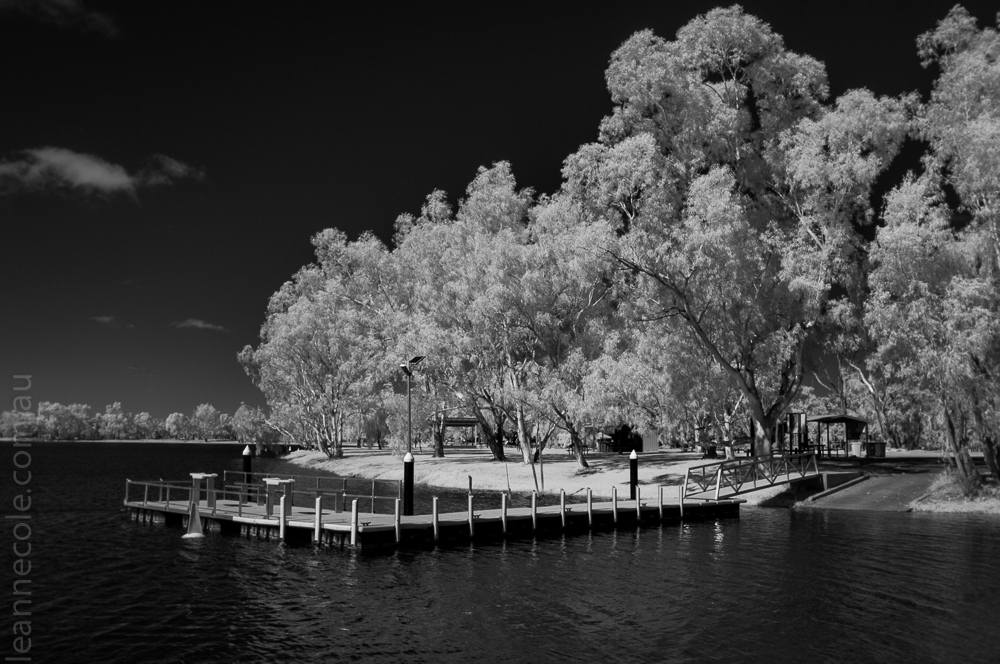
Thank you for all the great feedback on the Blogger Highlight series over the past two years. I’ve enjoyed meeting each blogger and sharing their site with you. This week, we highlight Leanne Cole’s blog. I have followed Leanne for a long time and am amazed by every photo she posts. I’m drawn to her infrared photos; they are like no other I’ve seen. She lives to take photos and challenges herself to get the best of each one.   

Leanne Cole

Trying to live a creative life

This is about me and this blog is about my photography and what I’m trying to achieve with my photography.

Ultimately I am a middle-aged woman who loves making the world into my vision.

I’ve been taking photos for over 25 years. That’s if you count from first SLR, though I have been taking photos all my life and got my first camera when I was around 10.

Photography was expensive and I wasn’t allowed to do a lot. We didn’t have a lot of money for that sort of thing.

While doing that I was also drawing as much as I could. Being an artist was something I really wanted. I was born to be an artist.

All photos are copyrighted to Leanne Cole, she was generous enough to allow me to include a few photos. 


Questions I asked LeAnne

M.  Is there a type of photography you would like to improve on?

L.  Most definitely, I want to get a lot better at still-life photography. I really think I suck at it, and I love paintings of still life, so I want to get better at it. 

M.  What is your favorite type of photo and why?

L.  I love architecture and macro flowers. Why, I don’t really know why. I love macro because I can do it in my garden. I’ve spent a few years trying to get my garden to a stage where I have flowers in it and can take photos out in it. 

I think I like architecture because I can do a lot of work to the images in Photoshop. I love working an image and taking it from what the camera sees to what I want to see. 
 
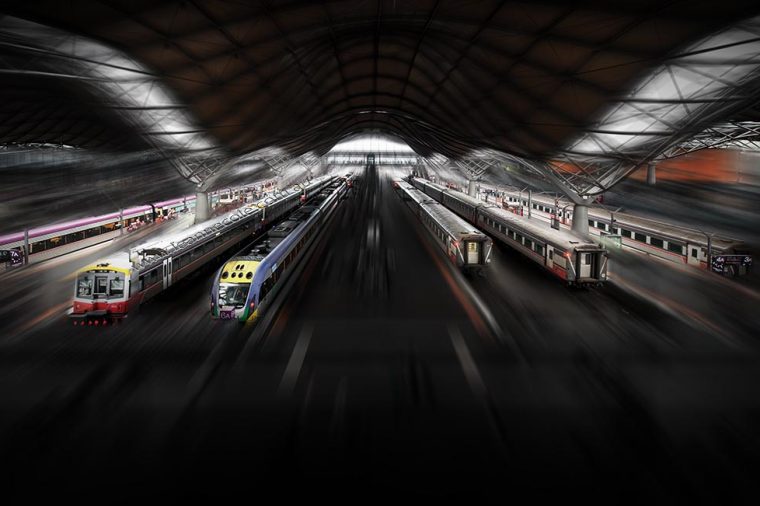
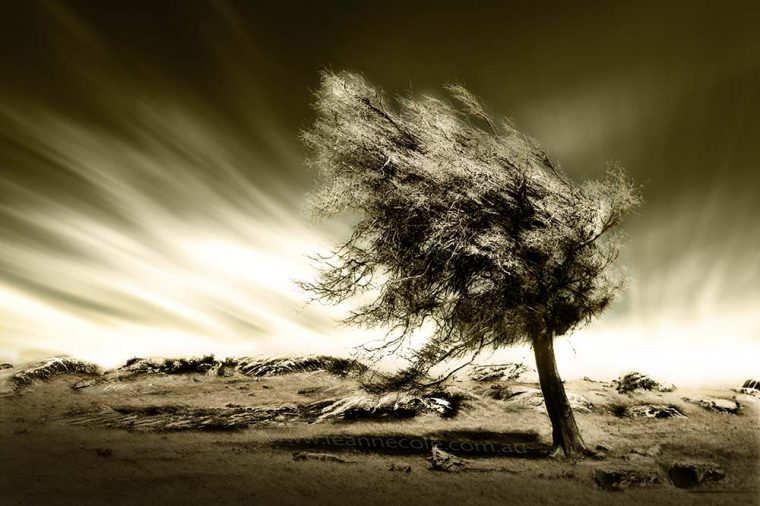
A recent favorite post is Looking at the Mallee through the lens of an Infrared Camera. Leanne’s infrared camera captures more than light can ever express. Be sure to check the entire collection of photos in the post. 
 
Looking at the Mallee through the lens of an Infrared Camera


Leanne also participates in several photo challenges each week, and it’s so interesting to see how she tackles the prompts.

Pull up and chair and browse her archives, you’ll be amazed.

Melinda

Looking for the Light


Health and Wellbeing · Media · Medical · Men & Womens Health · Mental Health · Self-Care

Unconventional Treatments To Tackle Menopause

The media plays a role not only in misinformation about menopause but also in how it portrays women with menopause. Tune out the riff-raff and look for real answers. Menopause has been a woman’s curse long before I knew what it was and how it affected the lives of women. There are thousands of books on the market about menopause and I thought maybe it was time to look at the unconventional ways women deal with the debilitating symptoms.

Let’s look at unconventional options to help with menopause

Acupuncture

Acupuncture involves inserting thin needles into specific points on the body to balance energy flow. Some women report reduced hot flashes, night sweats, and improved mood after regular sessions. While scientific evidence is mixed, it might be worth a try if you’re open to alternative therapies.

Herbal Remedies

  • Black Cohosh: Often used for hot flashes and mood swings. Some studies suggest it can be effective, but it’s not suitable for everyone.
  • Red Clover: Contains plant-based estrogens that may help with hot flashes, though results vary.
  • Evening Primrose Oil: Known for helping with breast pain and hot flashes. Always consult a healthcare provider before starting any herbal supplements.

Yoga and Meditation

These practices can help manage stress, improve sleep, and enhance overall well-being. Yoga, in particular, can increase flexibility and strength, which is beneficial during menopause.

Dietary Changes

Adopting a diet rich in fruits, vegetables, whole grains, and lean proteins can help manage symptoms. The Mediterranean diet, known for its anti-inflammatory properties, can be particularly beneficial.

Essential Oils

  • Lavender Oil: Known for its calming properties, it can help reduce stress and improve sleep.
  • Peppermint Oil: Can provide a cooling sensation, which may help with hot flashes.

Biofeedback

This technique involves learning to control certain physiological functions, such as heart rate and muscle tension, with the help of a biofeedback device. It can be effective in managing stress and related symptoms.

Hypnotherapy

Some studies suggest hypnotherapy can reduce the frequency and severity of hot flashes and improve sleep quality.

Remember, it’s essential to consult with a healthcare professional before starting any new treatments, especially if you have underlying health conditions.

Health-Related Reading Material

Understanding the Connection Between Menopause and Heart Rate Changes

Why Does Menopause Increase Your Risk of Heart Disease?

Natural Treatments for Menopause Symptoms

Maybe you can find something that works for you or at least reduces the symptoms.

Melinda

Reference:

https://copilot.microsoft.com

Healthline

https://www.webmd.com/menopause/menopause-natural-treatments

Communicating · Health and Wellbeing · Infectious Diease · Life · Media · Medical · Men & Womens Health · Mental Health

The Most Important "Sexy" Model Video Ever

The Most Important “Sexy” Model Video Ever

http://youtu.be/bOXMKEnra8w

Save the Children gets the point across.

Warrior

Repost from 2014

Celebrate Life · Communicating · Health and Wellbeing · Media · Men & Womens Health · Moving Forward

23 Female TED Speakers Tell Us About The Books That Shaped Them

Ideas.Ted.Com

Mar 7, 2018 /

Here are the books that profoundly influenced women from our speaker community, and they’re just as wonderfully diverse as TED itself.

Jane Eyre by Charlotte Brontë

When I read this book for the first time as a deeply odd fifth-grader (or, as Jane says, “poor, plain, and little”), it felt like grasping onto a life raft that had been flung to me through the folds of time. Feeling such a kinship with Jane and with Charlotte Brontë herself made me feel, quite suddenly, less alone. I still re-read this book every couple of years, and it still speaks to something primal and yearning in me — the outsider woman who is finally seen, finds love, but also has the strength and self-possession to reject that love until she is able to accept it from a place of her own power and dignity. If you haven’t read it, do so immediately; if you read it a long time ago, it is well worth reading again; and if you, like me, can’t get enough of it, may I also recommend Wide Sargasso Sea, which is a prequel by Jean Rhys centered on the story of the mad wife in the attic.

Naomi McDougall Jones (TED Talk: What it’s like to be a woman in Hollywood)

Good Woman by Lucille Clifton

I read this collection of poems at a time of life when I was extremely outwardly successful yet, as I later came to learn, mired in self-loathing. Clifton’s poems on blackness, femaleness, mothering and the body were the catalyst of my journey to self-love. Reading Clifton, I felt, “If these words are possible, if she is possible, maybe I am possible.”

Julie Lythcott-Haims (TED Talk: How to raise successful kids — without over-parenting)

Madame Curie: A Biography by Eve Curie

The book that shaped me was a biography of Marie Curie, written by her daughter Eve Curie. I read it when I was a pre-teenager, and it motivated me to become a scientist. I was inspired by how she felt that scientific research was a deeply worthwhile, even noble, calling and that she also had a family (two daughters) and was a devoted parent as well as an iconic researcher.

Elizabeth Blackburn (TED Talk: The science of cells that never get old)

Writings of Nichiren Daishonin by Nichiren Daishonin

Nichiren Daishonin was a Japanese philosopher (1222–82) who wrote at a time when women were dismissed and faced a life and future of woe. In this book, he encourages men and especially women to make possible the impossible. He addresses women with powerful phrases like, “Even if one were to meet a person who could cross the ocean carrying Mount Sumeru on his head, one could never find a woman like you. Even though one might find a person who could steam sand and make boiled rice of it, one could never meet a woman like you.” This kind of courage really shaped me in showing me the infinite value and dignity of life.

Wanda Diaz-Merced (TED Talk: How a blind astronomer found a way to hear the stars)

Einstein’s Dreams by Alan Lightman

I read this book, a linked collection of short stories about dreams Einstein had, when I was a teenager, and it helped me see the world through different eyes. The scenarios that the author describes in succinct and beautiful prose are imaginary — in one, time is a circle, endlessly repeating itself — but reading them increased my awareness of how extremely narrow a framework of time and space we live in.

Karen Lloyd (TED Talk: This deep-sea mystery is changing our understanding of life)

Any Pippi Longstocking book by Astrid Lindgren

Lately, in the context of the #metoo movement, I found myself reflecting upon the outsized influence that the children’s book character Pippi Longstocking has had on me. Growing up in the Netherlands, I was not surrounded by traditional stories created by Disney. The one character that was, was Pippi. A girl my age, Pippi was extraordinarily strong — strong enough to toss policemen off her veranda (hence my work today to hold the police around the world accountable for human-rights violations?). She was independent and lived in a big house by herself with a monkey and a horse (this was refreshingly different from dominant-gender narratives that involved futures created by princes and proposals), loyal, principled (she espoused sticking with your values over obeying rules), and anti-authority (she defied all formal structures of authority, from parents to educators — a key quality that I look for in leading a group of human-rights defenders). Last but not least, she was economically self-sufficient — she had a treasure trove of gold coins hidden in a tree trunk and taught me early on to be fiscally independent.

— Yvette Alberdingk-Thijm (TED Talk: The power of citizen video to create undeniable truths)

Blue Ocean Strategy: How to Create Uncontested Market Space and Make the Competition Irrelevant by W. Chan Kim and Renée Mauborgne

This book had an immense impact on me as I was developing the Runway of Dreams Foundation. It explores what it means to successfully create “blue oceans,” untapped market spaces ripe for growth and innovation. My middle son, Oliver, was born with a rare form of muscular dystrophy, which makes it hard for him to find fashionable and functional clothing. Through my experiences with him, I realized that millions of people around the globe were also struggling to access stylish clothing and that the fashion industry was not addressing their needs. Mainstream adaptive clothing was a wide-open “blue ocean” of opportunity, and the book gave me the tools and framework I needed to take action.

Mindy Scheier (TED Talk: How adaptive clothing empowers people with disabilities)

Born to Run: A Hidden Tribe, Superathletes, and the Greatest Race the World Has Never Seen by Christopher McDougall

Ah, how this book has impacted me! First and foremost, it was the first non-schoolbook which I read fully from end to end. While I’ve started reading many books, I never finished any. Many people say reading is for some people, not for all, but reading this book gave me another perspective — we just need the right book for us to fall in love with reading! This book is what got me into reading, and what a blessing that has been. Second, for those who love running, who are training for their next marathon, or who feel freed when they run, this book is a gem in allowing us to connect with the belief that humans were born to run, and most important, to consider that we were born to run barefoot. This book made me appreciate living barefoot. It has made me remind myself to take off my shoes and let my feet live freely whenever I can.

— Lana Mazahreh (TED Talk: 3 thoughtful ways to conserve water)

Bridge Across My Sorrows by Christina Noble with Robert Coram

I read this memoir when I was in my 20s, and to this day it remains one of the most powerful human survival stories I have read. The author endured a harrowing childhood and adolescence in Dublin and, later, a violent marriage. As an adult, she traveled to Vietnam, where she turned her attention to helping the impoverished and vulnerable street children in Ho Chi Minh City. She went on to establish her own foundation, which now has programs in Vietnam and Mongolia. Her ability to survive and succeed has always stayed with me. I realized that self-determination and courage are innate qualities that no one can take from you and should never be underestimated. The book isn’t easy to read; I cried a lot but I could not put it down. If you like to read about strong, real women, this book is a must.

Michelle Knox (TED Talk: Talk about your death while you’re still healthy)

Dept. of Speculation by Jenny Offill

I adored this novel from its first sentence. It is a portrait of a marriage seen through the eyes of an unnamed woman. It explores desire and its loss, the fears and hopes of birth and parenthood, and the terrors of things falling apart — all things that resonated deeply with me. I am also in awe of the apparently effortless way Offill weaves philosophy and history into her fictional narrative, rightly linking the intimate and domestic — traditionally seen as feminine spheres — to fundamental questions about the nature of knowledge and existence. This is a slender book (and as a mother of very young children, that is certainly a plus for me!), but each time I re-read it, I experience the kind of emotional connection with its protagonist that leaves me feeling listened to — which is what I value most in reading.

Tiffany Watt Smith (TED Talk: The history of human emotions)

The God of Small Things by Arundhati Roy

Roy’s novel remains one of my favorites of all time. Her complex tale of an Indian family in Kerala unfolds masterfully through a series of flashbacks and side stories, and her writing is nothing short of stunning. It is an incredibly intricate work of fiction that touches on a myriad of sensitive themes in Indian culture and society, ranging from forbidden love to politics and the complexities of the caste system. The book came out in 1997, when I was in law school in Boston, and I was transported to another time and place while reading it. I was raised in the United States as a first-generation Indian, and this was one of the first times I read a story set in a backdrop that was culturally familiar to me, even though the story itself was completely unfamiliar. The critical and commercial global success of The God of Small Things made me realize that culturally diverse stories mattered, and it planted the seed in my mind that perhaps there was room for my story among those voices.

Anjali Kumar (TED Talk: My failed mission to find God — and what I found instead)

The Untold Story of Milk: The History, Politics and Science of Nature’s Perfect Food: Raw Milk from Pasture-Fed Cows by Ron Schmid

This nonfiction book opened my eyes to the power that multinational corporations have over our food systems and the dangers and risks this poses to human health as well as livestock health. It puts into perspective how destructive consumerism is, and it made me question the power of marketing. It will make you think about the future of all food through a milky lens.

Su Kahumbu (TED Talk: How we can help hungry kids, one text at a time)

Just Kids by Patti Smith

Just Kids reads like a poem, as Smith’s wordcraft transports you to the bohemian New York of the late 1960s and ’70s. While her memoir recounts the relationship she nurtured with her lover and friend, photographer Robert Mapplethorpe, what resonated with me was the way it depicts the insatiable drive that the two artists had to express and refine their art and creations. I was struck by their commitment to and faith in their inner artistic voice, a message that inspired me to be more creatively courageous, both in my scientific work and in my personal life.

Miho Janvier (TED Talk: Lessons from a solar storm chaser)

Pussy: A Reclamation by Regena Thomashauer

This manifesto is as close to a come-to-Jesus moment as I’ll ever get. Thomashauer, who goes by the name Mama Gena (think: sexy, hilarious, take-no-prisoners, feminist, Jewish mother — the one who all your friends want to hang out with), has been working with women for 20 years to flip the script on our patriarchal culture. As women, we’ve ingested so much about sacrifice, suffering, working harder, working smarter, enduring, and sucking it up. She’s teaching us to stand for our pleasure and to stand for one another. Here’s what she says: when a woman is in her full pleasure, or — in Pussy parlance — “turned on,” everyone is taken care of. The first thing a turned-on woman does is turn to her sisters to bring them higher; her bright light illuminates her family and her community. She brings pleasure to her own life and to the world around her. Who doesn’t want that?

Sue Jaye Johnson (TED Talk: What we don’t teach kids about sex)

The Hobbit by J.R.R. Tolkien

My family immigrated to America when I was 11, and this book was the first real literature that I read after I learned English. It helped me understand that life is meant to have a villain or two, that failure often leads to the climax, and that people, like characters, develop, so even the most unlikely hero can save the day. And even though every great story must come to an end, there’s always a sequel — all you have to do is to get out of your Hobbit hole and embrace your curiosity to go on an adventure.

Fawn Qiu (TED Talk: Easy DIY projects for kid engineers)

In Search of Our Mothers’ Gardens: Womanist Prose by Alice Walker

In her 1974 essay, “In Search of Our Mothers’ Gardens, The Creativity of Black Women in the South,” which is part of this collection, Walker challenges us to imagine the experiences of our creative female ancestors and calls upon Black women to define their own identity as Black women artists throughout history: “How was the creativity of the Black woman kept alive, year after year and century after century, when for most of the years Black people have been in America, it was a punishable crime for a Black person to read or write? And the freedom to paint, to sculpt, to expand the mind with action did not exist. Consider, if you can bear to imagine it, what might have been the result if singing, too, had been forbidden by law.” When I first read these words, I wanted to explore the possibilities of these experiences and reinvest in the work of other Black female artists as a way of locating my own identity as an artist. Ever since I was a child, art has played a large part in my life. I am fascinated by the work of 19th-century artists and equally intrigued by the photographic images in my family album of the women that came before me.

Deborah Willis (TED Talk, given with her son Hank Willis Thomas: A mother and son united by love and art)

Being with Dying: Cultivating Compassion and Fearlessness in the Presence of Death by Joan Halifax

It was important to me that I give my mother the best possible experience in the very difficult and precious time when she was dying. But I had no idea how; I had no experience. I researched this topic as much as I researched cancer itself and how to fight it, and this book was the most helpful I read. Halifax is truly a gift to our world. She is the ultimate role model of how to be with someone who is going through the dying process. In understanding how to be present to the letting go of life, we can learn how to live more presently.

Alyssa Monks (TED Talk: How loss helped one artist find beauty in imperfection)

Mothers and Others by Sarah Blaffer Hrdy

This nonfiction book is an eye-opening exploration into how children are raised around the world and how child-rearing can inform the understanding of human nature more broadly. I relied heavily on it when writing my own book,which explores the brain mechanisms that enable us to care about other people’s welfare. As it turns out, the same brain networks that support caring for children also support care more broadly, an idea that builds on the author’s most essential point: one of the things which makes humans special as a species is that we don’t limit care to our own children. We can expand our circles of care and compassion outward to encompass nearly anyone, and it’s all because of the way our brains were set up to parent.

Abigail Marsh (TED Talk: Why some people are more altruistic than others)

Anne of Green Gables by L.M. Montgomery

Just a few pages into this book, I realized Anne Shirley was a kindred spirit. An orphaned girl with no material advantages but a richness of soul, imagination and ambition, Anne was wonderfully imperfect and extraordinarily real. I met her in sixth grade: She taught me that different doesn’t mean bad, smart beats pretty, and tomorrow is always fresh, with no mistakes in it — yet. Her courage to try and her willingness to hope inspired some of my own leaps and softened the thuds too. When you’ve got a friend who doesn’t just see a lake but the Lake of Shining Waters, you can find the silver lining in just about anything.

Kate Adams (TED Talk: 4 larger-than-life lessons from soap operas)

Wide Sargasso Sea by Jean Rhys

This great feminist novel, which is set in the Caribbean, blew me away at 18. Hypnotic and mesmerizing and sensuous, with the weight of the tropics, sin and loneliness, it was exhilarating because of the author’s psychological bravery and insight. I hope people are still reading her — she changed the lives of all the young women I knew.

Anne Lamott (TED Talk: 12 truths I learned from life and writing)

The Tibetan Book of Living and Dying by Sogyal Rinpoche

This seminal work changed my life in more ways than one. It distills ancient and profound Tibetan wisdom in a manner that is comprehensible to the Western mind. The two parts of the book — Life and Death — are naturally related to each other. While I am not an assiduous meditator, some of the advice and techniques explained in the Life section have stayed with me after just one reading. I learned how to calm the mind, even in situations that would otherwise cause a panic attack. But I found the section on dying even more powerful and useful. In Western societies we fear death and don’t talk about it much. Here, we learn how to prepare for our own end and how to help others transition. This was of immense value at a time when so many young people, friends and contemporaries were decimated by AIDS in the 1990s. Later on, as I grew older, so did my aunts, uncles and father. Facing up to their departures in ways practiced by advanced spiritual leaders takes away some of the pain, fear and sadness — theirs and ours. Unreligious and truly transformational, this book continues to inspire and provide endless wisdom on the great mysteries and challenges of our human existence.

Philippa Neave (TED Talk: The unexpected challenges of a country’s first election)

Salt by Nayyirah Waheed

For the past couple of years, I’ve had this collection of poems at my bedside. It’s brutal and love-filled at the same time, and I always find something that speaks to what I am feeling at the moment. Today, it’s this one …

knowing your power

is what creates

Humility.

not knowing your power

is what creates

Insecurity.

—ego

Sayu Bhojwani (TED Talk: Immigrant voices make democracy stronger)

Sexing the Cherry by Jeanette Winterson

This novel really influenced my thinking. The writing is so visual — gritty and sublime at the same time. It allows you to engage with vastness and wonder and the itchy curious experience of having your feet in mud. I also like the back story of the author, Jeanette Winterson. She is a difficult character to peg, one who is courageous, compassionate, intelligent, violent, proud, and argumentative, a fighter with a flair for love stories. She has definitely influenced my connection with multifaceted ideas of “female,” “queer” and “independent.”

Emily Parsons-Lord (TED Talk: Art made of the air we breathe)

Celebrate Life · Fun · Health and Wellbeing · Media · Men & Womens Health · Moving Forward

Follow Up To post About My DNA With 23&Me

My husband told me at lunch that 23&Me is in the financial news saying they are possibly going bankrupt. I wanted to let you know right away for those who were interested. If you are already a client, you can have them delete all your information which I did today. Once they go into bankruptcy if they do you will not have any control of how your DNA is handled and that is a bad place to be.

Another highly respected company that offers ancestry services and has DNA kits is Ancestry.com. I worked with them for ages building my family tree and never had a problem. They are another option to check out. If I were to have my DNA tested again, I would go with Ancestry.com. But I suggest you do your homework and go with the company you feel most comfortable with, just avoid small companies who might not make it long term.

Melinda

Celebrate Life · Health and Wellbeing · Internet Good/Bad · Media · Men & Womens Health · Mental Health · Moving Forward · Survivor · Trauma

NO MORE Week 2025 Tech Summit: Empowering or Endangering-Tech’s Impact on Domestic and Sexual Violence

No More has announced that No MORE Week is on March 2nd through March 8th, 2025. This Summit is one way to participate and it’s free. The knowledge you gain could save your own life or that of another.


Join us for the NO MORE Week 2025 Tech Summit: Empowering or Endangering – Tech’s Impact on Domestic and Sexual Violence

Attend the NO MORE Week 2025 Tech Summit, a special online event exploring the impacts of technology on domestic and sexual violence, including innovations and dangers. Hear from global experts on the latest research, policy changes, product development, and more. 

What should you expect: 

  • Discover the latest global trends in tech-facilitated abuse to gain insight into how technology is exploited by abusers to inflict harm.
  • Delve into the role of technology in promoting safety and fostering connections.
  • Have the opportunity to hear from survivors who have experienced various forms of abuse and, importantly, hear their suggestions for change. 
  • Participate in stimulating conversations and workshops led by industry professionals.
  • Contribute to the generation of innovative ideas that can instigate the necessary systemic changes to address these critical issues.
  • Equip yourself with the knowledge and resources to make a tangible impact on survivors of domestic and sexual violence. This is an opportunity to be a part of the movement and provide vital support to those in need.

Who should attend: 

  • Survivors of domestic and sexual violence and those closest to them. 
  • Those working with people who have experienced domestic or sexual violence, advocates, and activists
  • Tech companies and professionals
  • Legislators
  • Police and agencies in the Criminal Justice System
  • Financial institutions
  • Healthcare professionals or those working in emergency response services 
  • Academics

If you have any questions, please contact info@nomore.org

Empowering or Endangering?: Tech’s Impact on Domestic and Sexual Violence

Mar 04,2025
Starts in 131 days
 
Organized by The NO MORE Team
 
 
I look forward to seeing you there.

Melinda

References:

https://www.nomore.org


Communicating · Health and Wellbeing · Internet Good/Bad · Life · Media · Men & Womens Health

National Bullying Prevention Month

Bullying is an issue that people of all ages deal with especially if they are on Social Media, bullying is not just for kids and teens anymore. Bullying when I was growing up was calling people names, starting rumors about you, and a few fist fights but nothing as life-altering as today. The worst that happened to me was I was hit in the back of the head with a coke bottle over someone starting a rumor that I was making fun of my best friend and neighbor about her cleft palate. Of course, the rumor wasn’t true but she took it personally, it wasn’t her that hit me in the back of the head with the Coke bottle it was one for her friends looking for trouble.

Nowadays are bullied at a very young age about everything from the clothes they wear, who their friends are, to whether or not they have a phone or an email, It can go as far as what car their parents drive, where they work and on and on, it there’s a hater out there, there is a bully. One of the biggest challenges is that kids and teens don’t often tell their parents before things get out of control. Nor do they talk to the school about it even if they know who is doing it. It’s the same pressure that’s always been there, being a tattle tale. We have to know how to stand up for ourselves and teach our children to do the same.

On Social Media, it is so much worse and more vicious, if they troll you they also troll your friends and their friends, start outrageous rumors, makeup conversations that never happened, manufacture photos that don’t exist, and send them to everyone you know even your employer. Some trolls make it their life obsession to ruin your life before they move on to the next person. They can make it look like a message comes from someone and not from that person.

One of the reasons I closed all my social accounts was the negativity. If you write about an accomplishment or good health news you can get bombarded with messages like “You aren’t sick”, “You’re Lying”, You just want sympathy” and the negative comments go on and on. The other issue I had is, that I only followed a short list but would still see all of Elon’s tweets about his views, overpopulating the world with children and other views I never asked to see, like him talking about sex or showing him grabbing a woman’s but. I’m no prude by any stretch of the imagination but that isn’t why I joined back in 2015. I also grew tired of the pushing of other sites I might want to follow, some may find that helpful but not me.

Of course, there is a more sinister side of Social Media but that’s for another post. What will say to parents is to monitor how much time their kids spend on Social Media, what they are looking at, who they are following, and check their Direct Messages. Teens have to earn the right to have a phone and to access these sites. They also need your guidance to know that they don’t know who is on the other end no matter what they think or what the other heart is telling them.

A scary way young adults and adults alike can be bullied is by a troll gathering info posted and piecing together your life, your photos, where you hang out, and even where you work. Now think of what a troll can do with that information and believe me this happens every day. Remember all the stories of kids being ostracized because their parents were Only Fans members?

What is National Bullying Month About?

October is National Bullying Awareness Month, a timely reminder for organizations to take action at the local level to foster safe and supportive environments. Workplace bullying—whether through hostile comments, discriminatory actions, or other forms of intimidation—should never be tolerated.

By promoting kindness, inclusivity, and respect, we can contribute to creating workplaces where everyone feels valued and respected. Together, we have the power to make bullying a thing of the past and build a better, more compassionate world.

The reason, I only included this information is everything I read was focused on kids and that’s not reality anymore.

I don’t see bullying going away but we can control it with protective measures and education.

Melinda

Celebrate Life · Health and Wellbeing · Internet Good/Bad · Media · Men & Womens Health · Mental Health · Survivor · Trauma · Travel

Media Corporations Have Crossed The Line By Sending Reporters Into Hurricanes

I’ve always questioned the value of seeing a reporting out in the hailing winds and rain trying to stand up, what is the point. We know there is a storm, the news is covering it in the studio and we have better photos of what is happening than the few feet the reporters are in.

Hurricane Milton crossed the line for me, all the major channels were reporting and it was so bad that several had close calls and one was hit in the face with debris. Is this what it comes to? Put employees at risk for their lives to show this channel will go further than the next. I drew the line.

Anderson Cooper was reporting from Bradenton, Florida, and was barely able to stand, the rain was pouring down and he reached won to show how deep the water was a was hit in the face by flying debris. He sought safety after that. the situation could have been much worse.

The National Hurricane Center reported Milton reached Category 5 status twice and had maximum sustained winds of 120 mph when it hit Siesta Key, Florida, near where Anderson was reporting. 

Anderson was working with Bill Weir who was in St Petersburg and was washed away. Why is this acceptable corporate behavior?

Social Media was blowing up with comments of concern for the safety of the reports but where were The corporations they work for? Do they feel this is dramatic television that people want to watch so they can make more money? Bullshit! This shows a total lack of care for human life!

Anderson was not the only reporter who put their life on the line, so did: Dylan Dryer and Ginger Zee and these are the ones I’ve heard of.

We have to stand up and say enough is enough! Let CNN, GMA, and The Today Show this cruel and unusual behavior by writing to the Media Corporations, taking to Social Media, and sending letters to your local media and your local political representative. Only we can make a difference because their employers will not.

More interesting reads:

https://www.independent.co.uk/news/world/americas/robert-ray-fox-weather-hurricane-milton-b2626908.html

https://www.msn.com/en-us/news/other/journalists-covering-milton-were-sheltering-in-their-car-then-came-a-meow/ar-AA1s2jka?ocid=BingNewsVerp

https://www.unilad.com/news/us-news/hurricane-milton-florida-update-cnn-anderson-cooper-621721-20241010

https://www.msn.com/en-us/news/us/hurricane-milton-live-updates-florida-surveys-tragic-damage-in-wake-of-monster-storm-dozens-of-tornadoes/ar-AA1rO1il?ocid=BingNewsVerp

There are thousands of stories and videos to read or watch of the hurricanes should you wish to relive the carnage.

I’m disgusted that Journalism has come to being thrown to the wolves. Long gone are the days when I wanted to be a Journalist. I won’t be treated like a piece of meat.

I pray to donate to the Red Cross or other legitimate charities on the ground to provide daily needs and support.

Melinda

Reference:

https://www.hellomagazine.com/celebrities/723378/cnn-anderson-cooper-terrifying-encounter-midst-hurricane-milton-caught-camera-video/