
Oh Happy day!

I appreciate you and am so glad you stopped by today! Please social distance, wear a mask and sanitize your hands. Have a great weekend!
Melinda


Six months ago I was diagnosed with Hypogammaglobulinemia, an immune disorder where the body doesn’t create enough antibodies to fight off disease. The Immunologist ran a comprehensive round of labs and found I have low antibodies for all types of Pneumonia except one. He wanted me to get a Pneumonia vaccine now even though they are normally not given until age 65.
My General Practitioner has now given me both rounds of the vaccine. The pneumonia vaccine is a two-prong, one-shot then another eight weeks later. While there she asked if I had Chicken Pox as a child. Yes, I had Chicken Pox so she suggested I get a Shingles vaccine once we completed the Pneumonia vaccines. I go back after September 17th to get my Flu and Shingles round one shot. Yes, Shingles is also a two-round shot.
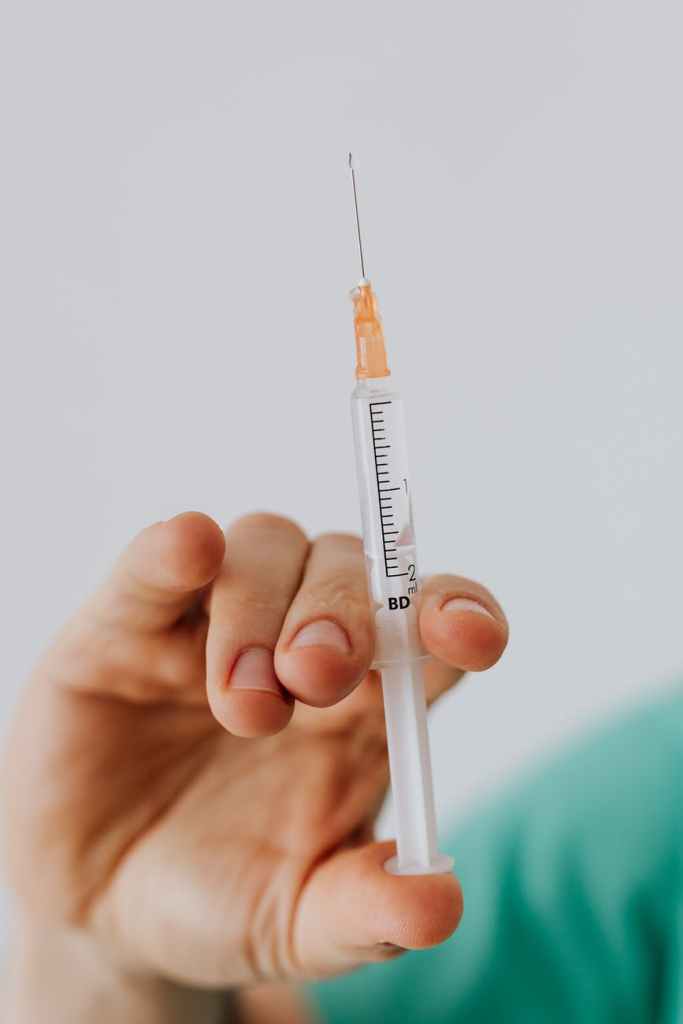
Shingles is another vaccine that isn’t normally talked about until your 65 but with my weekend immune system, it is better safe than sorry by waiting. Shingles are terrible and extremely painful. The Chicken Pox virus lives in your body and can reactivate by becoming Shingles later in life.
I already knew about the vaccinations because of my grandparents but had not thought about needing them at 55 years versus 65 years old.
Talk with your doctor about your risk for Pneumonia, it was a simple lab test and it clearly showed my body could not fight off all but one type. Who knew there were different types of Pneumonia?
The Washington Post
By Amber Leventry
Feb. 17, 2020 at 8:02 a.m. CST
As a parent who is also a survivor of incest, I want nothing more than to protect my children from sexual violence. I constantly wonder what it will take to improve, if not end, rape culture in our society.
Every 73 seconds, an American is sexually assaulted, according to the Rape, Abuse and Incest National Network, or RAINN. According to the Centers for Disease Control and Prevention, nearly 1 in 5 women and 1 in 38 men have experienced completed or attempted rape — forced or coerced vaginal, anal or oral sex. Rape can happen at the hands of known or unknown assailants, including spouses or significant others.

My oldest daughter is 9, and my twins — a boy and a girl — are 6. They are not too young to be educated about sexual health and what healthy relationships look and feel like. We refer to their body parts with the appropriate names; we talk about hygiene, privacy and boundaries. I have taught them about tricky people, and the thing we probably talk more about than anything else is consent.ADADVERTISING
At the core of its meaning, consent is about permission or an agreement to give and take something. When we use the word “consent,” we often use it in a sexual context because when someone is raped, permission has not been given, and something incredibly personal has been taken.
My goal is to protect my children, but I also have a responsibility to send them into the world with respect for all bodies and an understanding of how consent works and why it is important. The nuances of communicating our wants and then hearing the response or seeing it in a person’s body language during nonsexual situations are lessons we can teach our kids now so that later, when the stakes are higher, they already have the tools to build safe sexual relationships.

I was in the kitchen one evening and could hear my kids trading Pokémon cards. My 9-year-old daughter asked her 6-year-old brother if he would give up one of his cards for one she was offering. He hesitated and told her he wasn’t sure. She tried again. He considered but was reluctant. She tried to negotiate. He said no. She continued to offer him cards he might like, but he clearly didn’t want to trade. She was badgering him. I knew it was making him uncomfortable because he wanted to please her, but he didn’t want to say yes; he was saying no but, in my daughter’s opinion, not enthusiastically enough.AD
The situation was making me uncomfortable, too, so I stepped in. I praised my son for using his voice to communicate what he didn’t want. I told my daughter that she needed to walk away from the situation. He was telling her and showing her that he didn’t want to trade. I explained that her desires should never be forced onto someone else.
I reminded my daughter of the phrase “You asked, I/she/he/they answered.” This is meant to eliminate nagging when my kids want me to change my mind, and it helps me teach them that they can’t always get what they want. The phrase is a lesson in consent. “You asked for the card, he said no.”
Lexx Brown-James, a licensed marriage and family therapist, certified sex educator and author of “These are My Eyes, This is My Nose, This is My Vulva, These are My Toes,” is also a parent navigating these issues. “When we teach consent to our children — across the gender spectrum — we also have to teach and model respect, [but] respect has changed so much even throughout my own lifetime,” she says. Brown-James grew up in the South and was taught to obey authority without question, but she points out that the definition of respect has changed. It can be a shared goal of treating others how we would want to be treated, no matter the age or power difference, she says.
Middle schools enter a new era in sex ed: Teaching 13-year-olds about consent
Brown-James says it is important to empower our children to say yes as well as no, and to make them feel like they will be heard. But kids can’t be in control all of the time, so it’s necessary for adults to model informed consent. Brown-James gives the example of a child going to the dentist. It’s scary, and a child may not want to go, but healthy teeth are important. She suggests giving power to a child’s voice even in those situations. Let them choose the side of the mouth the dentist can look at first. Allow the child to say when they need a break. And be sure you or the dentist check in to see how the child is doing.AD
Consent also needs to be visible and identified in everyday acts. Asking kids if we can hug them, tickle them or take a bite of their food are great ways to model patterns of asking before taking and then showing them that their voice has power. Notice how none of the situations discussed so far have anything to do with sex? This is important.
I emphasize “no means no” and “stop means stop” with my kids, but it’s not always easy. If something hurts or makes us uncomfortable, telling someone to stop is still confrontational. We may want to keep the peace rather than face another person’s negative reactions. Although I hope my kids will speak up for themselves, I also want them to be able to interpret the other side of the no. If they are ever in a situation where consent is not clear through words, I want my kids to learn how to read body language so they can safely stop an action that is making someone uncomfortable.
Joe Navarro, 25-year FBI veteran and author of “What Every Body is Saying” and “Louder Than Words,” writes that parents should start to teach about body language as soon as their children can understand simple instructions. He emphasizes that all nonverbal communication has meaning and that body language conveys our emotions. Navarro encourages parents to remind children that learning to read body language is a way to make people comfortable.AD
But what happens when consent is given, but with hesitation? Not all consent is enthusiastic, so Brown-James refers back to teaching kids how to check in. Kids provide plenty of teachable moments for this when they want to do something but are nervous. Brown-James uses an example of her daughter wanting to pet a dog but feeling anxious. She said yes, but her body language did not convey excitement. By using a slow, check-in-as-you-go approach, Brown-James’s daughter got close to the dog, decided where and when she wanted to pet the dog, then finally touched the dog and was ecstatic. With each step, Brown-James asked whether her daughter felt okay.
The work and mindfulness necessary to teach these nuances are worth the initial stumbling points or emotional labor involved. Rape culture will not improve with a one-time talk at puberty. A foundation of empowerment, respect and thoughtfulness for others needs to be put in place early so kids’ intuition can guide them, whether because someone has touched them inappropriately or because they are navigating a new physical relationship as a teen.
Before our kids become teenagers, though, they need the skills to say no for themselves and for others if a situation doesn’t feel right. Deliberate, ongoing and forward-thinking conversations about consent in nonsexual situations will help them navigate higher-stakes sexual decisions when they are older.AD
Amber Leventry is a writer and advocate who lives in Vermont. They run Family Rhetoric by Amber Leventry, a Facebook page devoted to advocating for LGBTQ families one story at a time. Follow them on Twitter and Instagram@amberleventry.
Sign up here for our newsletter. We tweet @On Parenting and have a Facebook discussion page about parenting and working. Join us.
More reading:
Let’s tell kids what they can do online, instead of what they can’t do
Obstetric violence is a real problem. Evelyn Yang’s experience is just one example.
Why you shouldn’t censor your teen’s reading (even the sex and violence)9 Comments
If your only choice is seeing a General Practitioner for chronic or mental illness, you will have to take on the additional responsibility to make sure you’re getting the best healthcare. What you can’t expect is a General Practitioner to be a one-stop shop, they have 15 minutes per patient and treat the most common illnesses. Once your 15 minutes is up, you have to save questions for the next appointment. And while it may be particularly frustrating to have to leave, it can help you to get into the right mindset for research.

We’re not talking about Dr Google here (which can be a very dangerous rabbit hole to go down), but there can be changes in lifestyle and pain management that may work. It’s not a one size fits all approach, but there are remedies like CBD cream that could work (the https://www.health.com/condition/pain/best-cbd-cream-for-pain is a handy resource) or it could be about focusing on mindfulness or more natural techniques like embracing the cold, as has been popularized by people like Wim Hof in recent years. But these approaches shouldn’t replace the help a General Practitioner can provide, just as long as you go into each appointment prepared.
If seeing a General Practitioner for all your chronic illnesses, go into each meeting expecting three questions to get answered, if the conversation doesn’t go off track. Go prepared with questions, concerns or medicine issues but don’t expect more than 15 minutes unless your insurance company allows 30-minute appointments. I schedule 30 minutes with my GP on each visit, that lowers my stress level and allows us to talk more in-depth if needed.
Thank you for nominating me for Advocating for Another in the 9th Annual WEGO Health Awards. I’m honored to be nominated, there are so many heavy hitters at WEGO Health.
Want to vote for me? Here’s how, https://www.wegohealth.com/87797365
I would be honored if you voted for me. Voting is open until the end of July.
Thank you.
Melinda

The WEGO Health Awards program was created to recognize and honor those making a difference in the online health community. Since its inception in 2011, the WEGO Health Awards have proven to be one of the best ways to celebrate the patient advocates, influencers and collaborators sharing their story and raising awareness for their communities. Last year alone, we celebrated over 6k nominees!
This year’s winners will receive:
Still have questions about the program? Click here to get your answers!
There are many ways for nominees to get involved in the WEGO Health Awards, and you’ll be hearing from us with more details soon. In the meantime, be sure to share your nomination with your community.
Congratulations!
The WEGO Health Team
Thank you for nominating me for Best in Show in the 9th Annual WEGO Health Awards. I’m honored to be nominated, there are so many heavy hitters at WEGO Health.
Want to vote for me? Here’s how, https://www.wegohealth.com/87797365
I would be honored if you voted for me. Voting is open until the end of July.
Thank you.
Melinda
The WEGO Health Awards program was created to recognize and honor those making a difference in the online health community. Since its inception in 2011, the WEGO Health Awards have proven to be one of the best ways to celebrate the patient advocates, influencers and collaborators sharing their story and raising awareness for their communities. Last year alone, we celebrated over 6k nominees!
This year’s winners will receive:
Still have questions about the program? Click here to get your answers!
There are many ways for nominees to get involved in the WEGO Health Awards, and you’ll be hearing from us with more details soon. In the meantime, be sure to share your nomination with your community.
Congratulations!
The WEGO Health Team
Thank you for nominating me for Best Kept Secret in the 9th Annual WEGO Health Awards. I’m honored to be nominated, there are so many heavy hitters at WEGO Health.
Want to vote for me? Here’s how: https://www.wegohealth.com/87797365
I would be honored if you voted for me. Voting is open until the end of July.
Thank you.
Melinda
The WEGO Health Awards program was created to recognize and honor those making a difference in the online health community. Since its inception in 2011, the WEGO Health Awards have proven to be one of the best ways to celebrate the patient advocates, influencers and collaborators sharing their story and raising awareness for their communities. Last year alone, we celebrated over 6k nominees!
This year’s winners will receive:
Still have questions about the program? Click here to get your answers!
There are many ways for nominees to get involved in the WEGO Health Awards, and you’ll be hearing from us with more details soon. In the meantime, be sure to share your nomination with your community.
Congratulations!
The WEGO Health Team

June 29, 2020 at 7pm ET The event will address the transgender community, and its experience with male sexual abuse. The free, one-hour event will have three keynote panelists — Lexie Bean, Charlie Hidalgo and Devin-Norelle. Bean will read excerpts from his recently published book – The Ship We Built. Panelists also will respond to questions from webinar attendees. About Bean’s new book, one […]
Webinar on Trans People and Male Sexual Abuse — Survivors Blog Here
Over the years, you might have heard the term ‘superfood’ used increasingly. But what really does it mean? Well, in simple terms, these are foods that are packed with nutrients such as minerals, vitamins, and antioxidants, and so are associated with positive impacts on your health. But how do you know what superfoods to eat then?

The thing is, you may currently include a good number of superfoods in your diet without even knowing, so this list of the 10 most popular superfoods has been put together so that you are made away of well-known superfoods, as well as to inform you about some superfoods that you may not be familiar with.
1. Eggs
Eggs are one of those foods that have stood the test of both time and criticism. No doubt, they are pretty healthy and come loaded with very high-quality proteins. More than that, eggs contain a plethora of minerals and vitamins, some of which include vitamin A, B vitamins, choline, and iron. They also contain two very powerful antioxidants, namely zeaxanthin and lutein, which are known for protecting vision and boosting eyesight. That being said, if you are having issues with your vision, don’t hesitate to visit https://eyeglasses.com for some more information.
2. Dark leafy greens
A lot of people aren’t fans of dark leafy greens, but they’re one of the best superfoods to exist. These types of greens contain several nutrients that the body needs to heal, including zinc, iron, magnesium, fiber, and vitamin C. More so, dark leafy greens have earned their place in the superfoods hall of fame. They might also help reduce your risks of suffering from chronic illnesses such as heart disease and type 2 diabetes. Some examples of these dark leafy greens are kale, spinach, collard greens, and Swiss chard which can be incorporated into your diet via smoothies, soups, and salads.
3. Berries
Many of us who love berries are unaware of the amazing effects that eating them have on the body. For one, berries are very rich in vitamins and minerals as well as certain antioxidants. In fact, berries are particularly effective when it comes to treating digestive issues and are often used in modern medical therapies. Examples of these fruits include blueberries, blackberries, strawberries, and raspberries. You can eat them as they are, or add them to smoothies and desserts.
4. Avocado
Simply put, avocados are great. Yes, they’re good for guacamole, but more than that, this superfood is very rich in healthy fats that keep you feeling full for longer. It also comes packed with antioxidants and fiber that all work to protect against heart diseases. Additionally, this food is can be eaten even on a diet and is even recommended on the Keto diet. Delicious ways to incorporate avocado in your diet include serving it on your morning toast to adding it as an essential ingredient to smoothies and salads.
5. Chia seeds
Chia seeds are tiny, black seeds that have taken the health industry by storm over the past few years. No doubt, these seeds pack a powerful punch when it comes to nutrition. Firstly, they contain pretty much all the essential minerals including calcium, manganese, magnesium, and phosphorus. In addition, vitamin B1, B2, and B3 are also available in abundance. More so, 28 grams of chia seeds contain 11 grams of fiber and just one gram of digestible carbohydrates, making it one of the most suitable foods out there for a low carb diet.
6. Coconut
When it comes to versatile foods, coconuts are out there at the top. They can be consumed as coconut water, coconut oil, coconut flour, coconut flakes, and even just coconut meat. More so, this super food can easily be incorporated into your diet without any headache.
That said, in terms of what makes it so ‘super’ coconut oil especially contains medium-chain triglycerides, which are used as a source of energy once in the body. Furthermore, coconut water is high in vitamins and minerals including potassium, magnesium, sodium, and vitamin C.On top of this, coconut flour is low in gluten and carbs and can be used for baking and desserts.
7. Flax seeds
Flax seeds are one of those foods that didn’t become popular until recently. These seeds contribute towards a healthy heart as they come packed with omega 3 fatty acids that work as anti-inflammatory agents. More som flax seeds can be added to your salads and smoothies by grinding them into a semi fine powder. That being said, they do have other uses apart from consumption. In fact, flax seeds also come in handy as a home remedy for hair growth.
8. Hemp seeds
Yet another super seed is hemp seed. This is a great source of healthy proteins and contains omega 3 and omega 3 fats; both of which work together to reduce the risk of cardiovascular diseases in the body. More recent studies also associate hemp seeds with relieving the symptoms of menopause in women. For consumption, these seeds are typically toasted lightly and then added to foods like salads, oatmeal, and cereal.
9. Salmon
When next you go grocery shopping, be sure to pick up some salmon. This fish is rich in healthy oils that are a great source of energy and contains inflammation reducing omega 3 fats. More so, this fish is packed with wildly sourced protein that can provide you with almost 60 percent of your daily recommended protein intake. It also contains vitamin D as well as bioactive peptides that help in collagen production.
10. Cocoa nibs
Cocoa nibs are essentially just healthier chocolates. These foods range from really sweet to very bitter, so you get to choose just how you like it. More so, it is a great source of fiber and it also contains a good amount of iron and magnesium. More than that, research has shown that eating cocoa nibs can help elevate your mood and brain activity. As for preparation, they can be used in desserts, smoothie bowls, or just on their own as a nice snack.
Melinda

I’m a perfume wearer and I’ll definitely tell you that it smells good but the million dollar question is “Is it Toxic?” Perfumes tend to draw on essential oils in their formulations, but also include a number of chemicals (many known and probable carcinogens) that can outrightly cause a lot of health hazards. Fragrance is […]
May your day be filled with sunshine and surrounded by those you love the most.

Photo by Melinda
Wet countertop and all! Photo taken just for you today.
Shared by Mark Herzlich

I felt an opportunity to raise a young man who finds his worth in building the worth of others. I felt an opportunity to raise a young man who creates safety for those around him. I felt an opportunity to raise a young man who respects people not for their worldly position or achievements, but for their humanity. I felt an opportunity to raise a young man who will pull a master off of a prisoner’s neck, because it is right. I felt an opportunity to raise a young man who will ask if she is okay, who will ask if this is okay, and will ask again because in that moment “she is greater than I”. I felt an opportunity to raise a young man who leads his followers in faith, in love and humility because he knows that in every moment “He is greater than I”. Today I watched. Today I was reminded of the weight of fatherhood. A weight that I will never take for granted. It is my greatest honor to raise you into the good man I know you will become. |
Thank you for stopping by today, I appreciate you! Please social distance, wear a mask, and wash your hands. Have a great weekend! Melinda

For an extra bit of Elvis Presley love!!!!!!
This movie is riveting, heartbreaking, frustrating and will make you mad as hell at the way patients with chronic pain are treated. The story also looks at how doctor’s who try to help pain patients are treated and sometimes shunned. This is a movie for anyone who suffers from chronic pain, loves or knows someone who sufferers from chronic pain or wants to better understand how patients with chronic illnesses can get treated by the medical community. It’s for the whole family to see and from my perspective the more people around you who see this movie, the more understanding they will be of your limitations.
Melinda
By Pat Anson, PNN Editor
A long-awaited documentary about chronic pain in North America is shining a light on the other side of the opioid crisis – how chronic pain patients and their doctors have been marginalized and persecuted in the name of fighting opioid addiction.
“Pain Warriors” is being released by Gravitas Ventures. It is available for streaming on Vimeo, iTunes and Amazon Prime or on DVD.
The 80-minute film takes an intimate look at the lives of four chronic pain patients and their loved ones, including an 11-year old boy living with cancer pain and a doctor who nearly lost his medical license due to allegations he overprescribed opioids.
Two of the “pain warriors” featured in the documentary commit suicide after losing all hope that their pain will be properly treated.
“That captures the essence of our film — invisible, shunned and disbelieved. This is the story of their fight. Pain Warriors is a civil rights movement for our time,” says Tina Petrova, who produced and directed the documentary along with filmmaker Eugene Weis.

“Doctors have been incarcerated, committed suicide, gone broke standing up for appropriate treatments for intractable pain. Families have lost loved ones due to suicides from chronic pain and medical complications such as spinal leaks. This is no small disease. It steals husbands and wives, sons and daughters.”
Pain Warriors is dedicated to Sherri Little, a California woman who took her life at the age of 53 after a last desperate attempt to get treatment for her fibromyalgia and colitis pain. (See “Sherri’s Story: A Final Plea for Help”). Sherri was a good friend of Petrova, who is well-acquainted with the issues faced by chronic pain patients – because she’s one herself.
“I began pre-interviews for the film around 2014, gathering collections of heartbreaking, compelling stories. A pain patient struggling with her own pain demons donated money to the cause, wanting her story told alongside others, and we began making the film in earnest,” she told PNN.
“Has it been easy? I’d say it’s been a hell of a lot of painstaking work by all involved, including the cast, who bravely offered up their vulnerability and very intimate stories. Has it been worth it? Absolutely.”
You can see a preview of Pain Warriors here:https://www.youtube.com/embed/doJlrB_0pLQ?wmode=opaque&enablejsapi=1
The release of Pain Warriors was initially delayed due to funding problems, and then because Petrova suffered a severe back injury during physical therapy. She was bedridden and housebound for over a year.
“I’m hopeful that I’m on the mend at long last, and will be able to take the film across North America, once COVID restrictions are lifted, and lead in-person screenings with the people the film was made for — chronic pain patients and the healthcare professionals that sometimes risk everything fighting for their rights,” says Petrova.
Dr. Mark Ibsen plays a prominent role in the film. The Montana Board of Medicine suspended Ibsen’s medical license in 2016, a decision that was reversed two years later when a judge ruled the board made numerous procedural errors.
Ibsen’s legal battles have not ended. The Board of Medicine has refused to formally close his case, leaving Ibsen in professional limbo. Pharmacists won’t fill his opioid prescriptions and he was forced to close his urgent care clinic in Helena. Now he travels the back roads of Montana writing prescriptions for medical marijuana.
“I’ve been marginalized,” says Ibsen, who plans to sue the Board of Medicine for monetary damages. “Anything the board would say would not completely clear me. I need the judge to say, ‘This is bogus. Stop it. Dismiss the case.’”
Pain Warriors is featured in PNN’s Suggested Reading section, where you can buy the DVD through Amazon.42 Comments35 Likes Share
If you’re looking for ways to look after your mental health but you don’t know where to begin then don’t worry, you’re definitely in the right place. Although it can be overwhelming, you need to be sure you’re doing all that you can to look after yourself, including your mental health. Luckily, there are lots of ways in which you can do exactly that. From practising self-care to getting fresh air, there are lots of small changes you can make to your day-to-day life. With that in mind, here are 5 small ways to look after your mental health every day:

Make Sure You’re Drinking Plenty Of Water And Eating What Your Body Wants
Although you may not feel as though they’re intertwined, your mental health can often be improved by focussing on what your body needs. Whether that means ensuring you’re drinking enough water or listening to what your body wants to eat, you need to be sure you’re focussing on your physical health too. While it may not be your top priority each and every day, remembering to drink water and eat nutritious meals is important. For more information when it comes to the link between mental and physical health, you can visit this site here.
Practise Self-Care As Often As You Can
Another great way to help improve your mental health is to focus on practising self-care as often as you can. Whether you’re taking a long hot bath or you’re spending the evening watching your favourite TV, you may be surprised at how much comfort it can provide. As self-care is different for everyone, you may want to look at some self-care ideas here.
Consider Writing In A Journal
Although this doesn’t work for everyone, writing in a journal is a great way to get all of your thoughts down in one place. Whether you’re planning out your day or you’re writing down the events that have happened that day, writing things down is known to help many people when it comes to mental health. If you’re looking for inspiration when it comes to finding a mindfulness journal, you can visit this site here.
Do Things That Make You Happy
Another great way to focus on your mental health each and every day is to do things that make you happy. Whether that means seeing the people you love or cooking your favourite meal, the things that you love are guaranteed to make you smile. For a guide to finding things that make you happy, you can visit this site here.
Ensure You’re Getting Fresh Air
Finally, you may want to think about getting some fresh air. Although it doesn’t work for everyone, getting outside and going for a walk can help give you a moment of happiness.
With lots of helpful ways to look after your mental health, you can be sure you’re doing all that you can to put yourself first. What else could you do? Did we miss anything? Let us know your thoughts and ideas in the comments section below.
There’s no doubt about it, we’re on the verge of a mental health crisis. Although lockdown measures have been eased all over the country, critics claim that the measures put in place to get the economy back up and running are too much, too soon. However, while many debate the wisdom of reopening the economy at a time when so many are still dying to COVID-19 on a daily basis, one could argue just as fervently that an extended lockdown is a mental health crisis waiting to happen. We all need to do our part to safeguard and improve our mental health. But before you call your doctor for a prescription, you might want to consider the natural mood enhancers that are all around us. We’re talking about the healing and rejuvenating qualities of plants. Letting plants into your life can boost your mental health in a variety of ways.

Here are 5 ways in which plants can ease your stress and anxiety and help to improve your mental health.
Eat more of them
A plant-based diet has a wide range of health benefits. But did you know that certain veggies and fruits contain natural compounds that can help to correct your brain chemistry, ease your stress and boost your mood naturally? Get more of the following in your diet and you may find that your outlook gets a little sunnier;
Surround yourself with them at home
Even with relaxed lockdown measures, you’re probably spending a lot more time at home these days. Why not share your home with some beautiful mood-boosting pals? Houseplants are a great addition to any interior design aesthetic. They oxygenate your living space and imbue your environment with a sense of calm and tranquility.
Spend more time with them outside
Of course, your home isn’t the only place where you can enjoy being close to plants. Indeed, when things get you down, getting out in the open air among trees, plants and flowers can be a real tonic for your wellbeing. Taking a walk in your local park is a great way to do this, as spending some quality time in the garden watching your plants grow.
Use herbal supplements
Plant based health supplements like CBD oil have been linked to positive mental health outcomes in some studies, especially when it comes to managing stress, anxiety and depression. Aches and pains can exacerbate your mental health issues, and there’s also evidence to suggest that topical application of CBD oil can ease pain caused by inflammatory conditions like arthritis.
Use them to make a relaxing drink
Finally, while your cup of joe may give you a jolt in the morning, too much caffeine can actually exacerbate your stress levels and make you jittery. Instead, try a soothing infusion of green tea which is found to have calming effects on the body as well as being an excellent antioxidant.
Make plants your friends to keeping you smiling through this difficult moment.
Thank you for nominating me for Rookie of the Year in the 9th Annual WEGO Health Awards. I’m honored to be nominated, there are so many heavy hitters at WEGO Health.
Want to vote for me? Here’s how, https://www.wegohealth.com/87797365
I would be honored if you voted for me. Voting is open until the end of July.
Thank you.
Melinda
The WEGO Health Awards program was created to recognize and honor those making a difference in the online health community. Since its inception in 2011, the WEGO Health Awards have proven to be one of the best ways to celebrate the patient advocates, influencers and collaborators sharing their story and raising awareness for their communities. Last year alone, we celebrated over 6k nominees!
This year’s winners will receive:
Still have questions about the program? Click here to get your answers!
There are many ways for nominees to get involved in the WEGO Health Awards, and you’ll be hearing from us with more details soon. In the meantime, be sure to share your nomination with your community.
Congratulations!
The WEGO Health Team
You know you have a problem, and your addictive behaviour is beginning to impact other parts of your life. Quitting any kind of addictive behaviour can be very difficult to do, even if you know that what you’re doing is bad for you.

You can quit, although quitting can be a complicated process. There are many physical, mental, and emotional factors that can make giving up hard. This is why many people seek treatment for addiction, like hypnosis, counselling, or even pet friendly rehabs, although some people are successful quitting on their own.
Understanding why quitting is so hard can help you to learn how to overcome your addiction. You can recognise that you are not weak-willed or are failing of you find it difficult.
Tolerance
Tolerance and withdrawal both contribute to addiction. Both are a large part of what get you hooked in the first place, whether your addiction is food, nicotine, or something harder. Without tolerance and withdrawal, you would find quitting much easier.
When you experience an addictive substance or behaviour for the first time, it can be overwhelming, or even unpleasant. If you feel the effects strongly, then you might feel as though there is a low risk of you being tempted to overdo it.
If the effects are mild, then you might think your behaviour is harmless. The more you repeat the behaviour, the less sensitive you become to it and the more you need to feel the same effects. Drugs, including alcohol, work on the brain to create physical tolerance.
Some behaviours, like gambling, produce a feeling of excitement. This excitement may become less intense over time. As your tolerance level develops, you might want to repeat the behaviour more to get the same feelings or effects.
Withdrawal
As you start to become addicted, you can begin to experience withdrawal when you aren’t able to partake in the behaviour. You might experience physical symptoms, like shaking, feeling unwell or an upset stomach, or you might experience emotional symptoms, like anxiety or depression. These symptoms go away when you act on the addictive behaviour.
Physical withdrawal can vary, and usually takes a few days. Withdrawal from drugs or alcohol can be very unpleasant, and even dangerous, so is best undergone under medical supervision.
Impediments For Quitting
Addiction can reach a level where it creates a lot of enternal conflict. You might feel conflicted within yourself, as you want to quit, but also still have urges to engage in whatever you are addicted to. You may also have a conflict with others, both with those who want you to quit, but also with those who want you to keep engaging in the thing you’re trying to give up.
Even after getting through the withdrawal phase, conflict can still exist. Quitting is stressful, and now you’re managing without something you used to use to cope, so this will be tough.
It is important to learn other ways of coping with stress and to have those firmly established, ideally before you quit. This gives you other options to cope. A therapist can help you with this. Without these strategies already in place, you’re likely to experience stronger urges to relapse.
Guilt And Justification
Feeling guilty and uncomfortable about your current behaviour can be a great motivator to help you make a change, whether you want to drink less, or give up gambling. Sometimes, guilt can also work against you, as you find ways to justify the behaviour that you aren’t happy with to yourself and to others. Justification can a big obstacle to quitting.
Common justifications can include:
How Can You Quit?
Therapy can be a great starting point to help you to cope with any uncomfortable feelings and to help you pinpoint the thoughts and feelings that keep you addicted or led you to the behaviour in the first place. Quitting is rarely easy or straightforward, but with a good treatment program, you have a better chance of achieving your goals when you’re ready.
WOW, WOW, and WOW! Thank you for nominating me for Best In Show Blog in the 9th Annual WEGO Health Awards. Voting goes through July 31st.
If you would like to vote for me, here’s how: https://www.wegohealth.com/87797365
I would be honored if you voted for me. Thank you.
Be Well
Melinda
The WEGO Health Awards program was created to recognize and honor those making a difference in the online health community. Since its inception in 2011, the WEGO Health Awards have proven to be one of the best ways to celebrate the patient advocates, influencers and collaborators sharing their story and raising awareness for their communities. Last year alone, we celebrated over 6k nominees!
This year’s winners will receive:
Still have questions about the program? Click here to get your answers!
There are many ways for nominees to get involved in the WEGO Health Awards, and you’ll be hearing from us with more details soon. In the meantime, be sure to share your nomination with your community.
Congratulations!
The WEGO Health Team
I met Lukas Lange CEO of Probably Genetics thru Chronic Illness Bloggers. I did not test their product but want to write about the company since I feel strongly about how genetic testing can help improve the medical community.
There are diseases misdiagnosed every day or take years to diagnose. Genetic testing can shorten the timeline dramatically in determining if you have certain illnesses.
One important factor to consider when doing genetic testing is counseling a part of the service. Why is this so important? Genetic testing is a complex science and needs interpretation by an expert in genetics.
I had my DNA sequenced for family history knowledge and discovered I had several genetic markers for certain illnesses or higher risk for illnesses. This information doesn’t help without an expert spelling out what this means and what I can do with the data.
Probably Genetics provides genetic counseling with their testing services. Here’s a little more about the company. I also included a great post about Fibromyalgia and genetic testing below.
About Probably Genetic
Probably Genetic’s mission is to end the diagnostic odyssey. They have built what they believe is the fastest way to access clinical genetic testing anywhere in the US.
Genetic conditions are not always obvious and certain chronic illnesses may be caused by or have an underlying genetic component. Symptoms like chronic pain, severe fatigue, unexplained muscle or joint pain are common across several conditions. This is why rare genetic conditions can take years for doctors to diagnose.
Probably Genetic combines cutting-edge genetic science with software and technology to get fast, accurate results and shorten diagnostic times from 7 years to 8 weeks. Probably Genetic helps you get the appropriate care with physician-ordered tests and genetic counseling included in our service to help you make the best decisions for you and your family’s care. You can find out more about them here.
This excerpt is taken from the Probably Genetics Blog.
You can read the complete post at https://blog.probablygenetic.com/blogs/genetics-of-fibromyalgia
Is Fibromyalgia coded in your DNA?

Introduction
Fibromyalgia is estimated to affect between 2% and 8% of the world’s population. To put that into perspective, the total number of potential people impacted by fibromyalgia could be nearly twice the population of the entire United States. Yet, for a condition that is so prevalent, its cause remains uncertain.
Fibromyalgia is mainly characterized by chronic, widespread pain across the body. Many fibromyalgia patients also suffer from a combination of other symptoms that impact sleep, energy levels, digestion, and even mental health. The complex symptom combinations and the significant overlap of these symptoms with many other conditions can make fibromyalgia incredibly challenging for doctors to diagnose.
So how are genetics, or what’s in a person’s DNA related to fibromyalgia?
There are many rare genetic conditions that have symptoms which strongly overlap with fibromyalgia
Like fibromyalgia, rare genetic conditions are difficult to diagnose. This is why it takes on average 7 years after the onset of first symptoms for doctors to recognize the condition. Many rare genetic conditions have symptoms that look like those of fibromyalgia. For patients with these conditions, many will receive a fibromyalgia diagnosis first before doctors identify what they have.
For example, many people with Ehlers-Danlos syndrome (EDS) report having chronic widespread pain and chronic fatigue, classic symptoms of fibromyalgia. There are many different types of EDS, but some varieties are also characterized by symptoms such as thin or stretchy skin, or hyper-mobile joints (for example when a person can bend their elbow past 180 degrees). According to this research study: “[hyper-mobile] EDS may often be misdiagnosed as fibromyalgia because of diffuse pain, but they are considered as two distinct conditions”. Of course, it is entirely possible that a patient can have both fibromyalgia and EDS; however, having a complete picture what what a person has is crucial for helping them manage treatment.
In addition to EDS, Myotonic dystrophy type 2 (DM2), a genetic condition characterized by muscle pain, weakness and stiffness also has a strong symptomatic overlap with fibromyalgia. In a study conducted in 2008, doctors found that 3.2% of their cohort of patients with fibromyalgia tested positive for the genetic mutation that causes DM2. Their recommendation with regards to fibromyalgia was that “clinicians should be aware of overlap in the clinical presentation of these [two] distinct disorders”.
Other such genetic conditions where patients might initially be diagnosed with fibromyalgia include female carriers of Fragile X (see this study) and Myotonia Congenita (see here). The conditions mentioned here certainly do not represent a complete list. Furthermore, it’s important to understand that not all cases of fibromyalgia are related to an underlying rare genetic condition
A special thank you to Lukas Lange CEO of Probably Genetics for the opportunity to speak with him. http://www.probablygenetic.com
Melinda Sandor
What’s your passion? Social entrepreneur Noeline Kirabo reflects on her work helping out-of-school young people in Uganda turn their passions into profitable businesses — and shares the two questions you can ask yourself to begin doing the same.
This talk was presented at an official TED conference, and was featured by our editors on the home page.
ABOUT THE SPEAKER
By submitting your email you agree to the terms

We couldn’t be more excited about our lineup. Which talks will you be checking out?
Dr. Sarah BallantyneSpeaker, Author, Health Expert
Dr. David BradyIntegrative Practitioner, Naturopathic/Functional Medicine Physician, AuthorWhole Body Medicine
Teri CochraneIntegrative Practitioner, Nutritional Counselor, Writer, Speaker
Dr. Joel FuhrmanPhysician, Best-Selling Author
Dr. Liz Lipski PhD, CNS, FACN, IFMCP, BCHN, LDNProfessor of Clinical Nutrition, Integrative Health, Nutrition SpecialistInnovative Healing Inc.
Miranda MacphersonSpiritual Teacher, Modern Mystic, Author
Dr. Peter OsborneClinical Director, AuthorOrigins Healthcare
Jessie AceArtist, Illustrator, Podcast Founder & HostDISabled to ENabled
Reverend Linda Anderson-LittlePastor, Author, Spiritual Director, Blogger, Breast Cancer SurvivorSt. Luke’s Lutheran Church, ELCA
Carolyn BoydVisual Artist, Jewelry Designer
V CapaldiPaleo Boss Lady, TEDX Speaker
Amber CarollDirector, Well ConnectedCovia
Allie CashelAuthor, President/Co-FounderSuffering The Silence
Dr. Aruna ChinnakotlaInternal/Advanced Mind-Body/Integrative Medicine, Palliative/Hospice CareKaiser Permanente
Dr. Melissa CongdonMD, FAAP, Fibromyalgia Specialist
Geno CreeseLead FacilitatorDe Colores Arts
Dr. Alexandra CrosswellHealth Psychology PhD, Assistant Professor, PsychiatryUCSF
Elana DavidsonAuthor, Mental Health and Happiness CoachHealing Minds and Hearts
Jacquelyn DavisPodcast Host, ArtistThe Airhead Diaries
Maddie and Angela DeanArtist with Juvenile Dermatomyositis
Allison FineClinical Social Worker, Therapist, FounderThe Center for Chronic Illness
Joanna FrankhamHolistic Health Coach
Dr. Alan GlaseroffFamily Physician, Co-founderStanford Coordinated Care
Keisha GreavesFounder, SpeakerGirls Chronically Rock
Christian HarrisFacilitatorDe Colores Arts
Kimberly HuffAquatic Training SpecialistAquatic Exercise Association
Adrienne KleinIyengar Yoga Instructor
Dr. Sruti LamNaturopathic DoctorThe Center for Health and Wellbeing
Kate LorigDoctor of Public HealthSelf-Management Resource Center
Ellen LovelaceFunctional NutritionistA Balanced Table
Danielle LoweMusic Therapist
Erica LupinacciActor, Producer, Co-FounderSuffering The Silence
Kristina MaciasYoga/Meditation Teacher, Speaker, CoachPrimal Coding
Adriana MarchioneExpressive Arts Therapist, Movement Educator, Documentary Filmmaker
Juana and Estela MataFounder, SpeakerLooms For Lupus
Dr. Erica MatluckNaturopathic Doctor, Nurse Practitioner, Holistic CoachSeven Senses
Monica MichellePodcaster, Writer, IllustratorInvisible Not Broken
Eve MontagueMusic Therapist, Dir. Creative Arts TherapiesSouth Shore Conservatory
Shawna NielsenNurse, Mother, Advocate who Lives with Dermatomyositis
Roke NoirEast_wst Energy Teacher, Wellness Practitioner, Life CoachLabrys Healthcare Circle
Amy OestreicherArtist, Author, Speaker, Playwright
Paula OrregoPoet, Writer
Monica PasqualSinger-Songwriter, Producer
Ariela PaulsenTeacher, Artist, BloggerMighty Well
Dr. Lee PhillipsLCSW, Psychotherapist, Sex Therapist
Rev. Alan PritzInterfaith Minister, Meditation Teacher, Spiritual Coach, Kriya YogiAwake In Life
Dr. Keith RafalMedical Doctor, Rehabilitation Medicine Specialist, FounderOur Heart Speaks
Margo RappaportClinical Director, Nutritional Therapist, MSW, LCSW
Jasmine RaskasArtist, Blogger, Wellness Coach
Sefora RayMarriage and Family TherapistTherapy to Thrive
Kari RogenskiDirector Hummingbird Project, RDT, LMFTSage Eldercare Solutions
Mark RomeroEnergy Healer, Transformational LeaderMark Romero Music
Lori SchwanbeckMFT, CHT Mindfulness Psychotherapist, Meditation Teacher
Malati ShinazyFounder, Author, FacilitatorLead Pacific Consultants
Dr. Mary SiegelClinical Psychologist Specialist, Author
Jess StainbrookExecutive DirectorInvisible Disabilities Association
Dr. Amy StenehjemHealth Advocate, Health Care Navigator, Health Coach
Dr. Heather StuckeyD.Ed., Associate Professor, Director of Research Foundation for Art & HealingPenn State Health & College of Medicine
Mary SwansonIntuitive Practitioner, Healer, Teacher, Facilitator
Rachel TrobmanCEO, CO-FOUNDERUpside Health
Katie WadeDirector, Social CallCovia
Caroline WatersRecording, Performance Artist
NicoleArtist, FounderAllHeART
Select Speakers Panel 1
Select Speakers Panel 2
Special Guest

12 JUN 2020
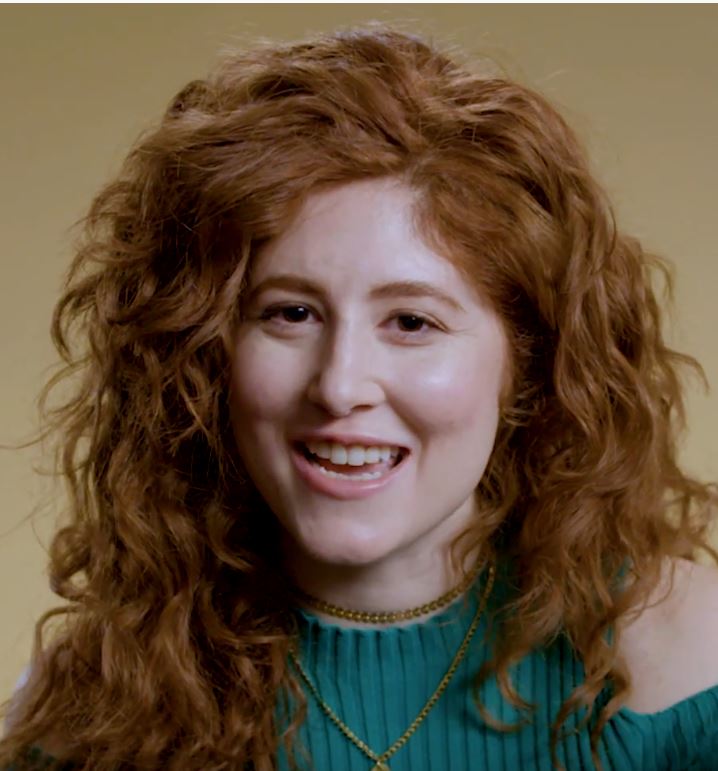
Back when she was in college, actor and comedian Tori Piskin started having blurry vision and debilitating fatigue.
She says it felt like she was living in the movie The Exorcist. “Like the devil was inside of me—something was off.”
Eventually, she was diagnosed and treated for Lyme disease, but many symptoms lingered.
“Fatigue is the biggest symptom I still deal with…It literally feels like rocks are on you.”
Piskin talks about her Lyme disease experience in a video series called “Diagnosis Diaries.” The YouTube series is sponsored by Bustle, an online women’s magazine.
Watch Piskin’s diary entry here:
TOUCHED BY LYME is written by Dorothy Kupcha Leland, LymeDisease.org’s Vice-president and Director of Communications. She is co-author of When Your Child Has Lyme Disease: A Parent’s Survival Guide. Contact her at dleland@lymedisease.org.
« Previous Post Next online meeting of TBD Working Group is July 8Next Post » Horowitz: Reducing inflammation can head off serious COVID complications
Thank you for stopping by today, I appreciate you! Please social distance, wear a mask, and wash your hands. Have a great weekend! Melinda
For an extra bit of Elvis Presley love!!!!!!
Are you ready for some Summer fun? It’s Christmas in July! How about making someone’s day brighter by participating in a card swap! You get to spread sunshine, have sunshine sent your way and there are prizes to win!
With everything going on in the world, who wouldn’t want to send sunshine to another in your home country or abroad. It’s a great way to meet new people and who knows it may come on the day you need it the most.
I’ve teamed up with some bloggers and businesses in the chronic illness bloggers community to help promote a great giveaway to celebrate Chronic Warrior Collectives FREE Christmas in July Spoonie Card Swap https://chronicwarriorcollective.com/card-swap
Entering and sharing the giveaway gives you the chance of winning a prize and helps promote small businesses-all from bloggers in the chronic illness bloggers community. Several bloggers have kindly also signed up to share this giveaway and you can also opt to follow them as an entry choice.The prizes on offer

A Spoonie Survival kit of your choice from https://www.spooniesurvivalkits.com
Learn to Live Well with Chronic Illness’ Ebook by Katie May https://www.ktmy.co.uk (this is being launched this week!)
A blogging and freelancing bundle by Jenna Farmer http://www.thebloglancer.co.ukEbook: How to network online by https://www.lifeofpippa.co.uk
Special thanks to the bloggers who are sharing this giveaway on their own blogs to help our reach:
Jo Jackson from https://teaandcakeforthesoul.wordpress.comTea and Cake for the Soul https://talesofanaturalspoonie.com
Stephie Simpson from http://colitistoostomy.com
Rachael Tomilsom https://accessiblerach.co.uk/blogLaurie Hansom Harmon https://seekingserenityandharmony.com/blog
Lynley Gregory https://topladytalks.comMel Sandor https://lookingforthelight.blog
There will be four winners in total who each will win one prize from the bundle.
Enter via the Rafflecopter link below
Sending sunshine your way!!!!!!
Melinda
 |
| Dear pain warriors, Our Virtual Advocacy Day is here! We recognize that there is a lot going on in the world right now–including COVID-19 and racial injustice, which both urgently deserve attention. But as Congress prepares its budget for 2021, now is our best chance to ask them to fund key recommendations in the “Pain Management Best Practices” report, a roadmap for improving pain care nationwide. We’ve created three easy tools to help you participate, all from the comfort of home. |
| TAKE ACTION NOW |
 | 1. CallEven if you only leave a message or speak with an aide, this is the most effective way to get policymakers’ attention. The link below includes step-by-step instructions, phone numbers, and talking points. Feel free to paraphrase!CALL >> |
 | 2. EmailIf legislators get enough emails on the same subject, they start to pay attention. Our template email campaign takes less than two minutes to send! (We timed it!) You can customize the email and add some of your personal story if you’d like.EMAIL >> |
 | 3. TweetThis requires two steps! 1) Look up and copy down your legislators’ Twitter accounts here. 2) Generate a prewritten Tweet using the link below, and add their account names (using the “@” symbol). You can customize the tweet as you see fit.TWEET >> |
| MORE WAYS TO HELP |
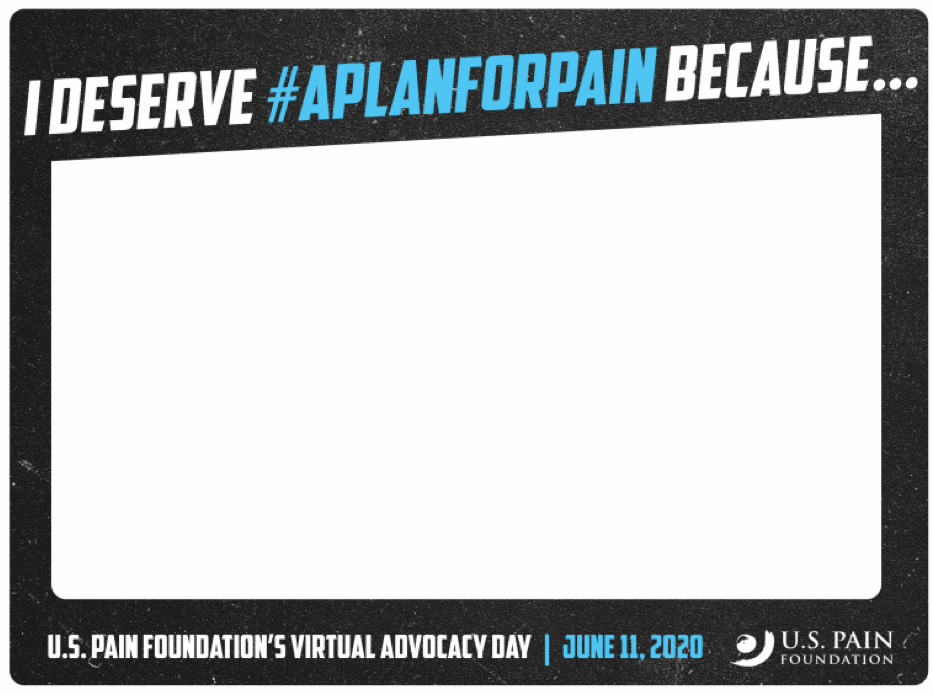 | Our website also has fun graphics to share, a customizable template to print and fill out (pictured at left), and a link to watch Tuesday’s informational webinar, which reviewed the report and how to take action.VISIT THE ACTION CENTER >> |
| Congress requested this report be developed–now, they must follow through on its recommendations and provide funding for #aplanforpain. But they’ll only do that if they hear from their constituents. We have the tools. You have the power to create change! Thank you for your support. Please let us know if you have any questions, or if we can help you advocate in any way. Sincerely, |
 |
 Nicole Hemmenway Nicole Hemmenway |
I’m sure you know several great advocates who make a difference in your life. Now is the time to nominate them for a WEGO HEALTH AWARD. Have a great day.
Melinda
Think about the advocates and influencers you see leading Facebook groups, posting inspiring messages on Instagram and memorable content on TikTok, blogging about their health journey, speaking up and giving insights to healthcare companies, presenting on national stages, and running Twitter chats.
Patient Leaders have started non-profits, published podcast episodes, and authored books – there is no shortage of Patient Leaders’ contributions to the world.
🏆⤵️Click the link below to nominate top Patient Leaders:Nominate NOW! 🏆
Forbes
Brennan Barnard Contributor Education
The global pandemic has devastated much of the nation’s economy. Unemployment is at unthinkable levels and every sector has felt the impact of this crisis, from large corporations and nonprofits to small businesses and schools. One could debate who has been hit the hardest—hospitals, retail, tourism, education—but the fact remains that except for Amazon, Netflix, Zoom, Clorox, Kimberly-Clark, and a few other companies that stand to benefit, times are grim economically.

I am not a scientist, so I won’t pretend to make predictions about the longevity of this virus, potential for a vaccine, or likelihood for a resurgence. Nor am I an economist, so I will not weigh in on whether this is a recession or a depression, and I will refrain from speculating on the long-term fiscal impact. However, I am an educator who has worked with students and families through the 9/11 tragedy and the 2008 recession. I have also seen the great disparity of educational resources, and the inherent inequities, that hold back many in this country. What I know to be true is that no matter when our country opens up, or how fast we bounce back, we need to think about how we stimulate our economy and workforce from the ground up. Guess where that starts? School counselors.
Access to Counseling
School counselors are on the frontline of supporting our nation’s young people as they move through their educational journey, but access to these supports is wildly unjust and inequitable and this has serious implications on the availability of post-secondary planning. While the American School Counselor Association (ASCA) recommends a ratio of 250 students per counselor, according to Department of Education statistics, the national average is 430-to-1. Jill Cook, the assistant director of ASCA explains that encouragingly “the number of school counselors has been rising and the ratio of students per counselor is the lowest it has been in over 30 years.” She says that this is thanks in part to initiatives on the state level like Virginia’s goal to reduce the ratio to 250-to-1, Arizona’s legislation to hire additional counselors (reducing their worst in the nation ratio of 903-to-1), and the Colorado School Counselor Corps grant program. Cook worries, however, that school budgets will be slashed as a result of Covid-19 and that counselor resources will be lost at a time when they are more important than ever.
 lookingforthelight.blog