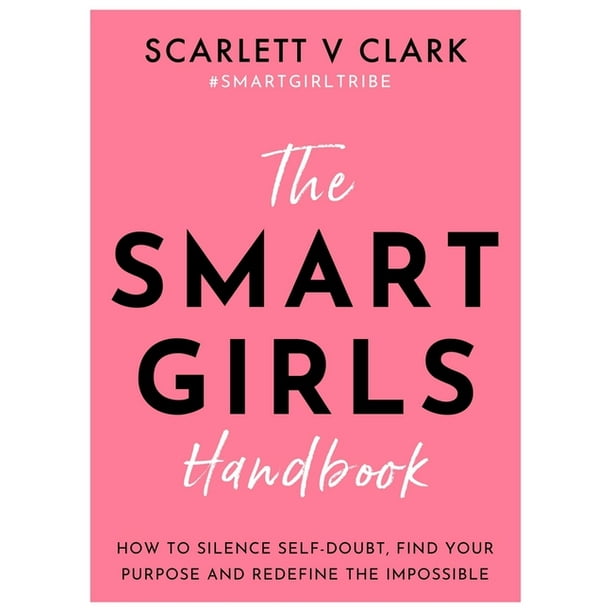
Welbeck Publishing Group kindly gifted me The Smart Girl’s Handbook by Scarlett V Clark for review. Scarlett V Clark was 19 when she started her passion project which is now the UK’s largest Women’s Empowerment organization. Scarlett states she is just a girl who decided to go for it. Go for it she did! Today she helps millions of women overcome life’s obstacles which allows them to live to their full potential.
Blurb
Giving women the tools they need to shine in the modern world, become their fearless and authentic self, and design the life and career that fills them with joy. The Smart Girls Handbook brings together inspiration, game-changing ideas, and empowering words from women around the world who have been through it all.
Scarlett V Clark is a speaker and the award-winning founder and CEO of Smart Girl Tribe, the UK’s number one female empowerment community. She is available to provide extracts and top tip features such as:
• How my toxic relationship became the catalyst to my success
• 6 stress busters to stop feeling anxious
• ‘You grow through what you go through’: embracing failure
• How to silence your inner ‘mean girl’
My Thoughts
The Smart Girl Handbook is for women who are tired of being told what dress size they should be, tired of the negativity surrounding them today, including from other women, and for women who want to be their authentic selves. Life happens, and it’s not always pretty, but with a backbone, determination, and the guidance of The Smart Girl’s Handbook, you can come through unscathed, just slightly bruised but not battered.
Learn not to fall into the traps set out there to trip you up. Life around us is very negative, with news outlets, social media, and even toxic friends. You must learn to rise above the negativity, and Scarlett helps you silence your inner mean girl. The Smart Girl Handbook is all the questions you wish you could have asked when you were younger but had no one or place to turn for the answers.
I encourage every woman to buy Scarlett’s book, The Smart Girl’s Handbook. Maybe even share one with a friend. This is not your average self-help book that has been regurgitated over and over. She’s witty, original, and honest about the problem and how to get the answers. She’s not sharing pie-in-the-sky stories; this is her life, dissected and laid out for you to learn from. I think The Smart Girl book is an excellent primer for moms to help their daughters navigate the rough waters ahead.
Website: www.smartgirltribe.com Facebook: Smart Girl Tribe Instagram: @smartgirltribe Podcast: ‘The Smart Girl Tribe Podcast’ is available on Podbean, Spotify, iTunes, and anywhere you can find podcasts.
Kind words Scarlett sent to me
Hi Melinda,
I am the author of The Smart Girls Handbook and I have to be honest, I cried when I read your review, it’s the first one that came in and you nailed the precise mission I wanted the reader to get out of the book. It would be brilliant to connect further but on launch day (March 4th) I’d love to invite you to share a review on Amazon knowing how inspiring you found it! I really think you could help mothers and other women in purchasing it. My entire business has been built on the idea of women fundamentally deserve more from the media and are fully deserving of living a beautiful life full of confidence, ambition and self-worth. I can’t wait to hear your thoughts, Scarlett X CEO/FOUNDER
WelBeck Publishing Group
We are Welbeck Publishing Group – a globally recognised, independent publisher based in London. Our mission is to deliver talent-driven publishing with leading authors and brands worldwide. Our books and products span a variety of categories including, fiction, non-fiction and stationery and gift. We are renowned for our innovative ideas, production values, and developing long-lasting content.
Welbeck’s amazing product comes to life for adults, children, and families in over 30 languages in more than 60 countries around the world. We have collaborated with many of the world’s leading institutions and licensors including – Disney, Universal, Paramount, HBO, Queen Productions, FIFA, International Mensa, Roald Dahl Literary Estate, the Science, Natural History and Imperial War Museums, and Royal Botanic Gardens, Kew.
As a parent, you are probably constantly worried about your kids, and that’s completely normal. You need to make sure that you feel as though your kids are safe both in and out of the home. That’s easier said than done, particularly when you consider how many dangers could impact your kids every day. So, what dangers are we thinking about here? Let’s explore some of the possibilities.
It’s easy to forget how dangerous cars actually are. After all, you’re hurtling down a highway in a metal tin at about 70. Does that sound safe to you? While technology has evolved considerably to make cars safer, a lot can still go wrong. This is why it’s important to check your car regularly and recognize the signs that it might need a repair. Companies like Elite Automotive will be able to make sure that you can easily fix your car on a budget and ensure that it is safe for the road. You can also think about updating your vehicle to a newer model. When you purchase a later car, you can take advantage of driver-assist tech, the least advanced form of autonomous technology.
Water Woes
You probably don’t think too much about the water coming out of your tap. However, it could be hiding dangers that you haven’t considered. Research has found that most modern water supplies contain incredibly high levels of fluoride. This is the substance that is used in toothpaste, and it’s also used by water companies to clean it. The problem is that fluoride has been found to cause health issues when consumed. It has been linked to everything from brain tumors to cognitive decline. This is why you might want to consider investing in a water filter. The benefit of a water filter is that you can remove all the dangerous chemicals even if the water looks completely normal.
Stranger Danger
Finally, if there’s one worry that trumps all others for parents, it’s certainly the concern about strangers. You only have to read the news to know that the world isn’t safe for kids. There are a lot of people out there who should be considered a threat. To keep your kids safe, you might want to consider using trackers, particularly when they are playing outside independently. Trackers can be very discreet these days and look like accessories that kids wear all the time. These smart devices can even tell you when your child has left a location that you deem to be safe, and you are immediately alerted that they are in trouble. You will immediately be able to contact the authorities.
We hope this helps you understand some of the dangers that you need to be aware of as a parent. You mustn’t overlook these issues, as they can put your kids in serious jeopardy. However, if you take preemptive action, you can guarantee that these problems won’t be plaguing your mind any longer.
Every parent wants their kids to live a healthy and happy life, but they cannot expect their kids to understand all of this themselves. They are not the ones buying the food or paying for clubs and activities, which is why it’s so important for parents to know how to encourage a healthy lifestyle. If you want to ensure your kids grow up big and strong, consider these tips.
Make Health Living Accessible
Your kids will not be able to live a healthy lifestyle if you don’t make healthy living accessible. Filling the home with candies and fatty foods will not do anyone any favors, so it’s worth buying whole foods that are good for their development and mental well-being to ensure they get into good habits early. It can be challenging to change children’s habits as they grow older if they haven’t been exposed to fruits and vegetables already, so establishing this kind of diet early can make a world of difference.
Lead By Example
Similarly, parents need to lead by example. It’s not enough to push healthy foods or habits onto your kids if you don’t do the same, especially as they will look to you as an example. Besides this, you should also avoid common food mistakes that force kids to eat things they might not like, as this will only promote a negative association and could even impact their trust as they won’t feel comfortable eating what you serve them in case you’ve hidden other foods inside.
Encourage Sports and Activities
Healthy living is about what they eat and how they spend their time. Kids naturally need (and want) to burn off energy, so channeling this through sports and activities is an excellent way to introduce them to sports they may play for the rest of their lives. However, while you might want your child to be the next big football star, remember they might not share your interests. Instead, let them explore different sports to find one they love.
A healthy home is a cornerstone of a healthy lifestyle, so understanding how to create this environment is essential. Keeping the space clean and tidy is vital, as is cultivating a positive and supportive environment. Let your kids feel comfortable sharing their stories and feelings, and ask about their day to ensure they can see the value in being open and honest about their lives rather than trying to hide things from you.
Familiarize Them With Doctors
Many kids can be scared of a doctor or dentist, but they need to understand how important regular healthcare and checkups are. You can help them by familiarizing them with medical professionals so they feel at ease. Besides typical doctors, treatment from physiotherapists, opticians, and chiropractic care are also important and can help your kids treat and overcome a variety of potential health issues as they grow up.
Healthy Living
Healthy living can seem tricky for many parents, especially if they don’t have the time to put together lavish meals or cannot afford to buy their kids the newest sports gear. Still, these tips can make it easier for you to establish a healthy base that teaches your kids all they need to know about a healthy lifestyle.
I was kindly gifted The Joy of Selfish by Michelle Elman from WelBeck Publishing Group for an honest review. The book was released earlier this month, and the timing is perfect. This is a must-read for everyone.
When I saw the press release for the book, I knew this book was going to be a great seller. Most people know that taking care of themselves is important, but they don’t consider it critical to their health. Well, it is. If you keep putting yourself behind others and the daily tasks you have, you’ll never get around to yourself. You have to plan and prioritize, and most importantly, you have to buy in 100%.
It doesn’t matter if you’re chronically ill, a mother of five, just retired, or a college student; you need this book. It’s never too late to set boundaries for your life and create the life you want and envision.
About the Author
Michelle Elman is a five-board accredited life coach, award-winning activist, author, and podcaster. In 2020, she was named one of the Top 50 most inspirational women in the UK and is respected globally for her work as a body positivity influencer, best known for her ‘Scarred not Scared’ campaign.
Michelle has over 300k followers across Instagram and Tik Tok and has been a guest on media outlets, including Sky News, Channel 5 News, Loose Women, and BBC Radio London. She’s written for publications including HuffPost, Grazia, Metro, and Stylist. Recently, she coached Emily Atack on her series ‘Adulting’ and appeared on Geordie OGs to discuss online bullying and its impact on mental health. She was also featured in the BBC3 documentary Being East Asian,which aired earlier this year. Michelle’s podcast, In All Honesty, is available on Acast. Her first book, Am I Ugly?, was published in 2018.
Blurb
The Joy of Being Selfish redefines selfishness as a positive act, allowing us to love ourselves and those around us authentically without apology. It explores the different types of boundaries, offers tips on how to start setting them, and helps with the quilt of felt after boundaries are put into place.
Learn how to deal with her being disliked, common responses to boundaries, dealing with invitations, block/mute/delete-how to limit information, learning to express yourself-and most importantly using you inane power to start a new life.
My Thoughts
The idea of taking care of ourselves is being selfish is outdated and ridiculous. If we do nothing but give until we are depleted, who is going to take care of us, let alone our loved ones? I can’t agree with Michelle more on this message. Self-care is not selfish, and if it is, then get selfish.
In 2015, Michelle was a Life Coach at Crossroads in the direction of her career focus. She decided to see a Business Coach. Little did she know this chance meeting would make her future very clear, and she set out on a mission to accomplish her new goals.
The Joy of Selfish is a tool for anyone who needs guidance in setting boundaries. dealing with guilt and self-sabotage, and help with dealing with the outside influences that try to throw you off track.
The Joy of Selfish is a book for everyone, every age, every gender. We can’t be our best selves for others if we don’t take care of ourselves first.
WelBeck Publishing Group
We are Welbeck Publishing Group – a globally recognized, independent publisher based in London. Our mission is to deliver talent-driven publishing with leading authors and brands worldwide. Our books and products span a variety of categories, including fiction, non-fiction, stationery, and gifts. We are renowned for our innovative ideas, production values, and long-lasting content.
Welbeck’s amazing product comes to life for adults, children, and families in over 30 languages in more than 60 countries around the world. We have collaborated with many of the world’s leading institutions and licensors including – Disney, Universal, Paramount, HBO, Queen Productions, FIFA, International Mensa, Roald Dahl Literary Estate, the Science, Natural History and Imperial War Museums, and Royal Botanic Gardens, Kew.
llness invalidation by medical professionals—sometimes called “gaslighting”—is an underappreciated and understudied problem in Lyme disease.
Many Lyme disease patients complain not only of fighting to recover their health but also of fighting to be believed by health care practitioners.
Expecting to receive understanding and proficient care from medical professionals, many instead experience having their persistent debilitating symptoms dismissed, minimized, disbelieved and/or psychologized.
How common is the occurrence of medical gaslighting in Lyme disease? Is illness invalidation by medical professionals related to disease severity? Are there specific constituencies who are being affected more than others?
These are some of the questions that a team of researchers led by Alison Rebman, MPH, Assistant Professor in Medicine and Director for Clinical and Epidemiological Research at the Johns Hopkins Lyme Disease Research Center at Johns Hopkins Medicine, set out to identify and quantify in a cohort of well-characterized Lyme disease patients.
Invalidating encounters
The Johns Hopkins study, published in August 2024 in Scientific Reports, finds that invalidating encounters with medical professionals are common for post-treatment Lyme disease (PTLD) patients, particularly women and younger patients, and also are linked to higher illness severity.
Lyme disease is the most common tick and vector-borne disease in the US with about 500,000 new cases per year. Lyme infections are expanding geographically, and acute and chronic cases are on the rise in the US and Eurasia. Lyme infection-associated chronic illness affects around 2 million Americans and can be difficult to properly diagnose and effectively treat.
A Lyme infection can affect multiple body systems including musculoskeletal, neurologic, and cardiovascular. Patients with early diagnosis and appropriate treatment usually get better. However, about 10-20% of patients even when treated promptly with standard of care antibiotics do not return to health and are functionally impaired by persistent musculoskeletal pain, crushing fatigue, and cognitive dysfunction, known in the research setting as post-treatment Lyme disease (PTLD).
Patients frequently refer to this as “chronic Lyme.” Misdiagnosis and delayed treatments further increase the risk for PTLD as well as for more broadly defined community-based Lyme infection-associated chronic illness or “chronic Lyme.”
Women and younger patients
In the Johns Hopkins study, 49% of the PTLD patients reported a lack of understanding and 29% experienced discounting from medical professionals. Additionally, women and younger patients were at higher risk for experiencing more invalidation than men or older age patients.
The study found, “Before their initial diagnosis of Lyme disease, approximately half (51.3%) had first been told that their symptoms represented another illness or condition. This high rate is consistent with the hypothesis that diagnosis and treatment delays, and possibly exposure to inappropriate treatment, may be risk factors for PTLD.”
Women more often received alternative diagnoses (such as another contested illness like fibromyalgia or ME/CFS and/or a psychological illness) which in turn correlated with more discounting and lack of understanding. PTLD patients who reported the highest levels of illness invalidation were discovered to have greater symptom severity, lower quality of life, and less trust in physicians.
The pervasiveness of Lyme disease illness invalidation and the consequential negative effects on illness burden and health outcomes are not broadly known by medical professionals.
Improved physician education is needed to help engender more patient-centered paradigms that incorporate the patient illness experience and better recognize how that experience may impact the healing process.
National Academies look at IACI
The National Academies of Sciences, Engineering and Medicine (NASEM) has helped validate infection- associated chronic illnesses as being significant public health problems that need greater national attention, a coordinated strategy, and considerably more federal resources.
In July 2024, a follow-up NASEMmeeting focused specifically on Lyme infection-associated chronic Illness. Both forums discussed the importance of listening to and incorporating patients’ illness experience perspectives into improving diagnostic and treatment approaches. For example, patient-driven data such as MyLymeData can be leveraged to improve research and clinical care. It is vital to listen to patients especially when diagnostics are problematic, treatments are inadequate, and the science is contested or evolving.
Building upon insights and collaborative momentum from the NASEM IACI meetings, a coalition of advocates (patient, scientific and medical) are now calling for thecreation of a new National Institutes of Health (NIH) office to help strengthen and coordinate research across infection-associated chronic conditions and illnesses including Lyme infection-associated chronic illness, Long COVID, ME/CFS, PANS/PANDAS, POTS/dysautonomia and others.
Listening to patients will be key to advancing solutions, reducing invalidating patient-practitioner encounters, and improving health outcomes.
Excessive stress is associated with health complications. Are there ways to accurately measure stress levels?
Although stress is a natural and inevitable part of life, many people feel that they’re experiencing excessive stress levels.
However, there’s no objective way to define “excessive stress.” Many people find it hard to express or quantify their stress.
There are a few methods for measuring stress. These look at certain biomarkers — in other words, physiological responses — to assess how your body responds to stress.
Stress response: how you respond to stress triggers on an emotional, biological, or cognitive level
When we talk about measuring stress, we tend to be talking about measuring triggers or responses. Measuring stress triggers can include taking stock of the major life changes you’ve been under.
However, everybody responds to triggers differently. Events that might be very stressful for one person can be easily manageable for the other.
The following ways to measure stress look specifically at measuring your stress response. These methods of measuring stress look at your body’s physiological responses. They record stress biomarkers such as your heart rate and brainwaves to assess how stress affects your body.
Heart rate variability (HRV)
Heart rate variability (HRV) analysis is a common way to measure stress. It involves recording the variation in time between consecutive heartbeats. In other words, it doesn’t just look at how fast your heart is beating, but how the time period between heartbeats changes.
When you’re chronically in fight-or-flight mode, your ANS is unbalanced. This imbalance can show up in your HRV. HRV is lower when you’re in fight-or-flight mode and higher when you’re in a calm state. High HRV is associated with stress resilience and improved cardiovascular health.
A healthcare professional can check your HRV via an electrocardiogram. Personal wearables, such as chest strap monitors, can also measure HRV.
Brainwaves
Electroencephalography (EEG) measures brainwaves. Research suggests that brainwaves can be an accurate way to measure stress response.
In particular, a 2020 study found that alpha asymmetry — an imbalance in alpha brainwave activity on different sides of the brain — could be a potential biomarker for stress.
Mental health practitioners who use neurofeedback can measure brainwaves and train the brain with positive feedback when the EEG finds that treatment goals are being met.
When you’re stressed, your body will produce adrenalin to give you energy to handle your stressor. It’s a part of the fight-or-flight response, and it’s why you might feel restless when anxious.
In times of stress, your body also produces cortisol, which assists with the fight-or-flight response. Cortisol is a hormone produced by the adrenal gland.
Cortisol is also involved in regulating:
blood sugar
inflammation
metabolism
Your cortisol naturally ebbs and flows during the day. Neither cortisol nor adrenalin is “bad,” but when cortisol is chronically high, it can harm your health. For instance, it can lead to the following:
The Perceived Stress Scale (PSS) is a questionnaire that was developed in 1983. It’s used to assess the amount of stress that you feel you’re under.
Unlike the above-mentioned methods of measuring stress, this tool relies on your own perception of your stress. The questions don’t focus on the events you’re currently experiencing, but your emotional and mental state.
It could be helpful to use the PSS to check in with yourself. It’s available in PDF format.
What are stress trackers?
There are at-home devices that claim to track stress. Usually, these devices track stress by measuring your heart rate and heart rate variability. Many fitness trackers, including smartwatches and chest strap monitors, have stress analysis features.
Are wearable stress trackers accurate? It’s not easy to say. There’s a lack of research into whether these are accurate. However, because these trackers only use one variable — typically your heart — they don’t give a complete picture of your body’s stress response.
Stress is a part of life, and it’s natural to feel stressed from time to time. However, excess stress can be harmful to your health.
When is stress considered excessive? There’s no objective answer to this question. However, if you’re experiencing physical symptoms of stress, or if you feel unable to relax, it may be an indication that you should speak with a healthcare professional.
Similarly, if you feel like you can’t cope or feel overwhelmed most of the time, you might benefit from speaking with a doctor or a therapist.
Although these issues can be caused by other factors, it’s worth speaking with a doctor or a therapist if you believe that stress is causing physical or emotional symptoms.
There are a number of ways to manage stress in a healthy way.
Try exercise: Find a form of exercise or movement that you enjoy. Yoga, in particular, is associated with stress reduction, but other forms of exercise can also be helpful.
Practice deep breathing exercises:Research from 2018 suggests deep breathing can activate your parasympathetic nervous system, putting you in a relaxed state.
Limit screen time: Excessive screen time can harm your mental and emotional health, according to 2018 research. Try to find breaks throughout the day to walk away from your screens.
Spend time with others:Research from 2020 suggests that spending time with others can help you feel less lonely and stressed. If you don’t have loved ones nearby, join classes, religious services, or meetup groups to get a regular dose of human interaction.
Try meditating regularly: Research shows that meditation can lower stress and improve overall well-being. If you’re not sure where to start, try a guided meditation.
Spend time in nature: Being in nature can reduce stress and improve your emotional state, according to 2020 research. Try walking in a local park or natural space, taking up an outdoor sport, or simply eating a meal outside every day.
Find support: If a particular stressor feels difficult to cope with, consider joining a relevant support group. For example, if you were recently bereaved, a grief support group might help you process your emotions.
If you’re often stressed, you might find it helpful to speak with a therapist. Anybody can benefit from quality therapy — it can help you build resilience to stress and process stressful events in a supportive environment. If the cost therapy is a concern for you, consider other affordable therapy options.
Stress is a natural part of everyday life. Numerous methods of measuring stress, such as heart rate variability analysis and hormonal testing, could help you find out whether you’re excessively stressed.
However, you don’t need to measure your stress levels in order to justify reaching out for help. If you feel that you could benefit from handling stress better, consider speaking with a therapist or using stress management techniques to improve your well-being.
Thank you for all the great feedback on the Blogger Highlight series. I’ve enjoyed meeting each blogger and sharing their site with you. This week, we highlight Awakening Wonders. Mary is a fellow Texan, where everything is bigger. HAHA. I’m sure you’ve heard the saying. Mary is multi-talented, from her smooth writing to her photography and other creative endeavors. I look forward to each post; she leaves me with a feeling of warmth.
Since early childhood I have had an obsession with the creative process, which always took me on new, enchanted pathways. As a result, there were some stumbles and tumbles along the way, but I always managed to land on my feet! I grew up in southern Minnesota with the magnificent countryside as my creative playground. As a results, I was free to wander, ponder, and dream.
Questions I Asked Mary
M. What are your favorite types of posts?
M. I enjoy posts that are uplifting and positive based while inspiring a reader to have a better day! And I connected to your blog with that in mind!!
M. When you left corporate life behind, what was your goal?
M. Well, I didn’t retire, I just rewired and am enjoying the good life!
Although many narcotic drugs and medications have similar effects or characteristics, each substance is unique. Here are some common examples.
From codeine to heroin, there are many narcotic substances. Some have medical uses and are available by prescription, while others do not.
The term “narcotic” originally referred to any substance that relieved pain and dulled the senses. Some people use the term to refer to all drugs — particularly illegal drugs — but it technically refers to opioids only.
Today, “opioid” is the preferred term, in part due to the connotations the term narcotic has.
Opiates are naturally occurring compounds. Opioids include naturally occurring compounds as well as semi-synthetic and synthetic compounds. Opiates are a subcategory of opioids.
Clinicians often prescribe opioid and opiate medications:
Hydrocodone: This semi-synthetic opioid is typically used to treat severe pain and, in some cases, coughs.
Oxymorphone: A highly potent opioid, oxymorphone is used to help manage severe pain.
Morphine:This medication is used to manage pain in people with moderate or severe acute or chronic pain, particularly in cancer treatment and palliative care.
Fentanyl: A synthetic opioid, fentanyl is approximately 100 times more potent than morphine and 50 times more potent than heroin.
Hydromorphone:This medication is used to help manage moderate to severe acute pain and severe chronic pain. It’s very potent and has a high potential for misuse, so it’s usually only prescribed when other treatments have been unsuccessful.
Tramadol:This medication is used to treat moderate to severe pain, but it has a high potential for misuse. Doctors usually only prescribe it to manage pain when other treatments have been unsuccessful.
What to do if your clinician prescribes a controlled substance
Your doctor or other healthcare professional may recommend a controlled substance to help treat an underlying health condition, like anxiety or insomnia.
They’ll work with you to determine the appropriate dose for your needs and advise you on any side effects or risks associated with use.
Different regions have different laws around prescription medication and other controlled substances. Familiarize yourself with the laws in your area to ensure you’re properly storing your medication.
Some opioid and opiate substances aren’t prescribed by clinicians. They’re typically used for their pleasurable effects and have a high potential for dependence and misuse.
Common examples include:
Opium: This naturally occurring substance is derived from the opium poppy. It creates many different opioids, including heroin, codeine, and morphine. It’s a Schedule II controlled substance in the United States.
Heroin: Made from morphine, heroin often takes the form of white or brown powder or a sticky black substance. It’s a Schedule I controlled substance in the United States.
Lean: This is a liquid mixture of cough syrup containing codeine and soda. It’s also known as “purple drank” or “sizzurp.”
Carfentanil: Veterinarians use this medication to tranquilize large animals, like elephants and rhinoceroses. It’s a Schedule II controlled substance in the United States.
Opiates are naturally occurring compounds. Opioids include naturally occurring compounds as well as semi-synthetic and synthetic compounds. Opiates are a subcategory of opioids.
Clinicians often prescribe opioid and opiate medications:
Hydrocodone: This semi-synthetic opioid is typically used to treat severe pain and, in some cases, coughs.
Oxymorphone: A highly potent opioid, oxymorphone is used to help manage severe pain.
Morphine:This medication is used to manage pain in people with moderate or severe acute or chronic pain, particularly in cancer treatment and palliative care.
Fentanyl: A synthetic opioid, fentanyl is approximately 100 times more potent than morphine and 50 times more potent than heroin.
Hydromorphone:This medication is used to help manage moderate to severe acute pain and severe chronic pain. It’s very potent and has a high potential for misuse, so it’s usually only prescribed when other treatments have been unsuccessful.
Tramadol:This medication is used to treat moderate to severe pain, but it has a high potential for misuse. Doctors usually only prescribe it to manage pain when other treatments have been unsuccessful.
What to do if your clinician prescribes a controlled substance
Your doctor or other healthcare professional may recommend a controlled substance to help treat an underlying health condition, like anxiety or insomnia.
They’ll work with you to determine the appropriate dose for your needs and advise you on any side effects or risks associated with use.
Different regions have different laws around prescription medication and other controlled substances. Familiarize yourself with the laws in your area to ensure you’re properly storing your medication.
Some opioid and opiate substances aren’t prescribed by clinicians. They’re typically used for their pleasurable effects and have a high potential for dependence and misuse.
Common examples include:
Opium: This naturally occurring substance is derived from the opium poppy. It creates many different opioids, including heroin, codeine, and morphine. It’s a Schedule II controlled substance in the United States.
Heroin: Made from morphine, heroin often takes the form of white or brown powder or a sticky black substance. It’s a Schedule I controlled substance in the United States.
Lean: This is a liquid mixture of cough syrup containing codeine and soda. It’s also known as “purple drank” or “sizzurp.”
Carfentanil: Veterinarians use this medication to tranquilize large animals, like elephants and rhinoceroses. It’s a Schedule II controlled substance in the United States.
With substances like opioids, there’s always the potential for tolerance, dependence, and addiction. Although these terms are often used interchangeably, they’re not the same.
When you develop a tolerance to a substance, it becomes less effective. In time, you’ll need a higher dose to get the same effects.
When you develop a dependence, your body begins to rely on the substance to function. It’s not related to the dosage needed to feel the substance’s effects.
Caffeine, for example, can cause physical dependence. Some people develop a headache, have difficulty concentrating, or experience fatigue if they go more than a day or so without coffee or other sources of caffeine.
Addiction, in contrast, is a chronic dysfunction of the brain system involving memory, motivation, and reward. When it’s related to drugs, it’s sometimes referred to as a substance use disorder. It can be managed with treatment.
You can develop an addiction to a wide range of things, from over-the-counter substances — including caffeine, nicotine, and alcohol — to controlled substances.
Different substances have different thresholds for tolerance, dependence, and addiction.
Heroin, for example, has a high potential for addiction. People who use the substance often develop a tolerance, requiring a higher dose or more frequent use to produce the same effect.
Harm reduction and safer substance use
Harm reduction refers to various strategies implemented to reduce the negative consequences associated with drug use. Safer substance use refers to using substances in a way that minimizes harm.
This might include not using a substance while alone or having a trusted friend or loved one check in on you.
Understanding the effects of different substances, using only one substance at a time, and staying hydrated can also reduce your risk of harm.
If you’d like to learn more, many organizations can help. And likewise, if you’re looking for support for yourself or somebody else, there are places you can go.
Adam England lives in the United Kingdom, and his work has appeared in a number of national and international publications. When he’s not working, he’s probably listening to live music.
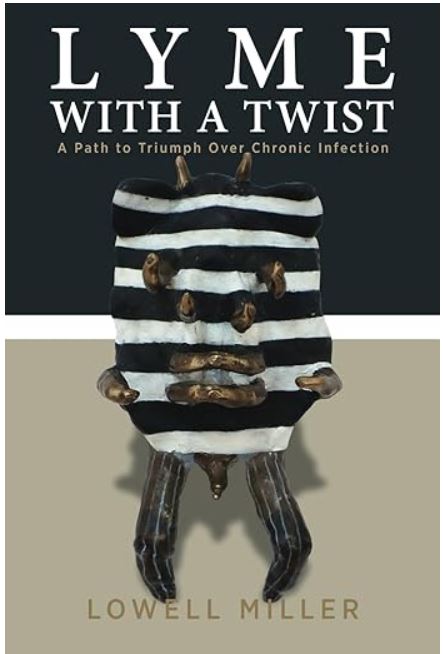
I became a host for Borrelia burgdorferi (the microbe at the root of Lyme disease), at a time when no one knew what it was. This was over 40 years ago, in 1982, only a few years after Lyme disease was discovered.
It would be decades before the telltale symptoms of unseasonal fevers, bull’s-eye rashes, faux-arthritis, and inexplicable neurological symptoms would become more known to people and doctors living in Lyme-endemic areas.
So, I was initially untreated, giving the Lyme bacteria decades to slowly and quietly populate my body, generating few symptoms or warnings along the way.
A devious bug that evades the immune system
As we now know, Borrelia burgdorferi is a devious bug with unique abilities to evade the immune system and keep itself alive. I was healthy, athletic, and active in the world, apparently achieving a kind of multi-year balance, or truce, between the slowly and inexorably growing bacteria and my body’s natural ability to ward it off.
Meantime, Lyme silently and slowly took over, embedding itself—undetected—in my brain.
It was held at bay for most of the first two decades, but that couldn’t go on indefinitely. After a period of intense business stress, I was hit with overt and acute symptoms, as if a storm had blown into my body. Apparently, the microbes had selected my central nervous system as a cozy home, rather than the joint soft tissues that affect so many patients.
Over the next few years, I wrestled with peripheral neuropathy (sirens of pain in my feet), skin and scalp inflammation (what’s going on inside blooms on the surface), Bell’s palsy (complete with an eye patch to hide the purulent discharge), chills and buzzing throughout the body, brain fog, brain dysfunction, deep fatigue, “air hunger,” dizziness and an incipient loss of balance.
This finally crescendoed into a “cryptogenic” stroke [of unknown origin], complete with a week in hospital. It was apparently caused by a weakened small blood vessel that had been undermined by Lyme.
Ok, yes, that’s a typical litany of symptoms for post-treatment (or no-treatment) Lyme disease. As my case rolled out over a second 20 years following the first 20 years of near-dormancy, I became an inadvertent observer and participant in what one might think of as “Lymeworld.”
As a somewhat over-educated guy committed to the world of rationality and science, I began a quest for health in the allopathic or mainstream medicine side of Lymeworld.
Many docs “don’t believe” in Lyme
But as anyone familiar with Lyme knows, the involvement of conventional medical science with Lyme is a heartbreaker. Even today, many doctors don’t “believe” in Lyme (as if it were a mystic religion rather than biological fauna). They wouldn’t know even a fresh case if it bit them on the butt and left a bull’s-eye!
My first internist in my Lyme-endemic geographical area literally fired me as a patient when I tried to convince him to consider Lyme as a possible cause of my painful burning feet.
I went from doctor to doctor, specialist to specialist. I even went to one of the drafters of the Infectious Disease Society of America’s guidelines for Lyme treatment. In a single visit, he dismissed my case as no longer active, though many symptoms were still to come.
I stuck with allopathic doctors, in my heart of hearts believing that after 50 years they would soon have a cure for this bacterial disease, as medicine had cured so many other bacterial conditions.
After getting a high positive count on the Western blot test for Borrelia in my cerebral spinal fluid—not a good thing—I got hooked up with a 30-day intravenous infusion of ceftriaxone. When that finally provided only the most minimal symptom relief, the infectious disease specialist told me: “There’s nothing more we can do for you.”
Those are hard words to hear when you think you’re dying.
But I refused to accept that there was nothing more to do. I became my own advocate and researcher, a path everyone with long-term Lyme must follow—because there is so little help from others.
I’d lost a lot of mental functioning but mercifully could still do online medical research. Being retired, I had the time to turn over every stone.
Devising my own protocol
Eventually, with myself as test subject, I created a multi-pronged protocol based on in vitro studies that indeed began to work, one that grew from a foundation of credible laboratory science (if not quite yet proven in the clinic).
Many of the strange-sounding botanicals I used are in fact the basis of pharmaceuticals, and not toxic or dangerous. Their action is slower because they work to support the body’s own immunity, and they don’t have noticeable side effects. But their efficacy is clear.
I hope it can help people afflicted with Lyme and their loved ones escape the loneliness that Lyme can induce. It takes persistence, discipline, time, and tenacity to recover from a Borrelia infection, and it’s worth the effort. My life has taken a dramatic turn for the better, finally the days are bright again. A message for Lyme sufferers: you can overcome this, you really can.
Making changes to your diet can be challenging, but many people give up before they’ve given their new lifestyle choices enough time to become a habit.
Many find it hard to make changes to their diet, giving up soon after starting.
However, nutrition experts say it takes time for new habits to form.
Breaking things into smaller steps will give you a better chance of achieving your goals.
Finding motivation and support are also important for success.
You know that making better choices like eating better and moving more can help you feel better and live a longer life.
Maybe you even set a New Year’s resolution for yourself to improve your diet and get more exercise. But here you are, a few weeks into your new lifestyle, and your resolve is already wavering.
Change is hard; there’s no doubt about it.
However, experts tell us that there are things we can do to improve our chances of making real, lasting changes. One is being aware that it takes time for your new behaviors to become habits.
Marie Kanagie-McAleese, MD, from the University of Maryland Upper Chesapeake Health, explained: “Some perspectives suggest it takes 21 days to create a new habit. ResearchTrusted Source on behavior change shows an average of 66 days for a behavior change to become a habit, with a range of 2-8 months.”
Kanagie-McAleese went on to say that the specific amount of time is really dependent on the individual as well as the changes that they are trying to make.
Other factors to consider are whether the changes are new to the individual or are simply building on existing behaviors.
Kanagie-McAleese also pointed out that it probably took years for you to create your current pattern of eating habits.
“It will take longer than a month to rewrite those old habit pathways in a person’s brain,” she said, “but it helps to break big change down into smaller, more manageable steps.”
Brittany Placencia, a Nutritionist and founder of Simple Plate Nutrition, advises that the best way to make changes in your eating habits is to tackle one change at a time.
“When you have success with one change, you get a boost of confidence in tackling the next change,” she said. “It is not realistic to change your entire diet all at once and think it will stick long-term.”
One way to do this is to adopt an “addition mindset” rather than a “restriction mindset.”
“You want to figure out what you can add to your current diet to start a healthier path rather than cutting out foods altogether,” she stated.
“For example, begin with aiming to eat five servings of fruits and vegetables per day. That’s it. Don’t worry about other aspects of your eating yet. This is adding nutritious foods to your diet instead of a heavy focus on restricting foods,” she explained.
Placencia said that having an addition mindset can be helpful because you don’t feel like you are doing something wrong, which eliminates one of the common challenges that people face when trying to change their diet.
“Once your diet is balanced with more nutritious foods, it becomes easier and easier to enjoy less nutrient-dense foods like sweets occasionally,” she added, “as you have never felt restricted by them, and you can tell a difference in how your body feels after eating more nutritious versus less nutritious foods.”
Kanagie-McAleese further suggests setting SMART goals (Specific, Measurable, Realistic, and Time-based).
“Instead of saying your goal is simply to snack on more fruit, a SMART goal would be ‘I will choose an apple for my 3 pm afternoon snack on Monday, Wednesday, and Friday each week instead of a bag of chips, starting next Monday,” she explained.
In addition to setting SMART goals, Kanagie-McAleese offered three other tips for successfully changing your eating habits.
Identify your “why“
“If you can connect your goals to deeper motivations, it becomes easier to stick with them,” she remarked. “For instance, eating healthier to prevent diabetes so you can live longer and enjoy your grandkids is more motivating than fitting into a pair of skinny jeans.”
Make it part of your identity
“Linking new, healthy changes to your identity makes the change more intuitive,” said Kanagie-Aleese. “If you want to eat healthy and improve your family’s health, it becomes easier when you identify as someone who prioritizes health and is a good role model for your children.”
Find your community
“It helps to have others that are interested in creating similar habits or who can support you and help to hold you accountable,” she said, adding that working with a certified health and wellness coach for a few weeks or months is one good way to do this.
Eating better can help us feel better and live longer.
However, making changes to our diet can be hard, leading many to quit after a few weeks.
Nutrition experts say it is important to give your new way of eating enough time to become a habit. On average, it takes about 66 days to form a new habit, but it can take up to 8 months, research suggests.
Breaking things into small, manageable goals makes it easier to create lasting changes.
Knowing your why, making your new eating habits part of your identity, and finding your community can also help.
I have been battling depression for several months. I have Treatment Resistant Biplor Disorder. What that means is many medications don’t work on me, or if they do, they stop working at some point. I have been dealing with this up and down since 1992.
One of the medications I started in the Spring, which was working wonders, stopped working. I’ve been working closely with my Psychiatrist to change doses, but nothing is working. He increased the dose today on one of my medications, and I’m always positive it will work. My fingers are crossed.
I’m sure you’ve noticed I have been posting less; I can’t wait to get back to myself.
If your medications stop working, don’t abandon your medications, call your doctor and get the attitude that the next drug will work. You can’t do it alone.
March is not only the beginning of Spring but it is chocked full of awareness days, weeks and months. Due to the size of the list, I only included the monthly awareness days. At the bottom of the post there is a link where you can see the full list.
30 drops of vanilla oleoresin/vanilla botanical extract 1/2 cup organic instant coffee powder
Airtight containers
Coffee beans (optional)
To Make
n a large bowl, combine the milk powder, colloidal oatmeal powder, and Epson salt, and mix well with a wooded spoon. Place the emulsifier starch into a separate smaller bowl. Sprinkle the essential oils over the starch, mix well until the oils are completely enveloped in the starch. Pour this blend over the rest of the ingredients, and mix well to incorporate all the ingredients evenly. Add instant coffee powder, and mix to combine. Transfer the coffee milk bath to a storage container of your choice. with all the ingredients mixed together. If gifting, top the mixture with a few coffee beans for extra decoration.
To take a coffee milk bath at home, place 2 cups of homemade milk bath in warm bathwater. Swirl to mix and enjoy the luxurious, moistening soak, allowing the milk to soften your skin for 20-30 minutes. Gently pat your skin dry, and follow with a moisturizing body butter or lotion to lock in moisturizer
Stress has been linked to cardiovascular disease, depression, and even the common cold.
Stress is all around us. And while some stressors certainly can feel overwhelming, it’s important to remember that not all stress we face is bad.
The National Institutes of Health says stress is “how the body and brain respond to an external cause that may be a one-time or short-term occurrence or happen repeatedly over a long time.”
Our body’s response to stressors can sometimes be helpful — giving us a burst of energy to get away from danger or perform well under pressure, explains Michelle Dossett, MD, PhD, MPH, an internist and an integrative medicine specialist at the University of California in Davis.
Anxiety about a doctor’s visit or a performance review at work, for example, or even something scary, like a car heading right at you, are all examples of short-term stressors.
Long-term stressors have a different effect. “Stress that lasts years or a long time is usually the worst kind of stress,” says Bert Uchino, PhD, a professor of psychology at the University of Utah in Salt Lake City who studies stress in aging populations.
If you’re in a job you hate or you’re a caregiver for a family member with Alzheimer’s disease, for instance, says Dr. Uchino, you may suffer from high levels of chronic (or long-term) stress. That’s where your body “never receives a clear signal to return to normal.”
It’s this type of chronic stress that causes changes in the body that can do damage and contribute to disease in some cases, says Uchino. Blood tests can reveal inflammation, changes in blood pressure, and elevated levels of the stress hormone cortisol, which can all be signs of chronic stress.
9 Illnesses That Stress May Cause or Make Worse
Chronic stress certainly doesn’t help or promote healing in any disease or health problem. Here are some common illnesses that can be caused and made worse by stress.
1. Depression and Other Mental Health Conditions
The exact reason why some people experience depression and anxiety as clinical mood disorders and others do not is still unknown, according to the Centers for Disease Control and Prevention (CDC). Many factors are potentially in play, including genetic, environmental, and psychological conditions, as well as major stressful or traumatic experiences.
Research shows, however, that chronic stress left unmanaged is linked to serious mental disorders like anxiety and depression. Persistent or prolonged stress leads the body to produce certain hormones and chemicals that perpetuate an ongoing state of stress that can have adverse effects on key organs. Around 20 to 25 percent of persons who experience major stressful events will go on to develop depression, according to a commentary and review of research published in JAMA.
2. Insomnia
An informal APA survey from 2013 on stress and sleep found links in both directions. Forty-three percent of the nearly 2,000 adults surveyed reported that stress had caused them to lie awake at night at least one time in the past month. When they didn’t sleep well, 21 percent reported feeling more stressed. Among adults with higher self-reported stress levels (8 or higher on a 10-point scale), 45 percent said they felt more stressed when they didn’t get enough sleep. Finally, adults with lower self-reported stress levels claimed they slept more hours per night on average than adults with higher self-reported stress levels, to the tune of almost an hour less sleep (6.2 versus 7.1 hours a night).
3. Cardiovascular Disease
Chronic stress has long been connected to worsened heart health outcomes. While there’s limited conclusive evidence to say that stress alone can trigger heart disease, there are quite a few ways stress contributes to it, according to a JAMA review. Part of the stress response is a faster heart rate and blood vessel constriction (or vasodilation for some skeletal muscles to help the body move in a fight or flee response), thanks to the stress hormones adrenaline, noradrenaline, and cortisol, according to research. If the body remains in this state for a long time, as in chronic stress, the heart and cardiovascular system may be damaged, according to other research.
Another means by which stress can contribute to heart disease: You might cope with your stress by eating or drinking too much, which in turn can contribute to cardiovascular disease, also according to APA.“Negative emotions and stress can contribute to a heart attack,” Dr. Dossett says. One meta-analysis, for example, found a 50 percent increased risk of cardiovascular disease associated with high levels of work stress.
4. Common Cold
Stress can also weaken your immune function, which can make you more susceptible to infectious diseases like colds, Uchino explains. Researchers conducted an experiment in which they exposed a group of 420 volunteers to the common cold virus and then quarantined them to see if they got sick. The data revealed that participants who suffered from greater overall stress at the start of the study (measured via surveys on stressful life events, perceived stress, and mood) were more likely to become infected with a virus after exposure.
5. HIV and AIDS
Stress does not cause HIV (the virus that causes AIDS, which is sexually transmitted or passed through blood, which can happen when needles are shared). But there is some evidence that stress can worsen severity of the disease. A study of 177 HIV-positive patients found that the stress hormone cortisol (associated with chronic stress) was linked to a higher HIV viral load over four years and accelerated disease progression in people living with HIV. For the study, cortisol levels were measured via urine samples every six months.
Another review, published in 2016, concluded that while the link between stress and clinical outcomes is unclear, higher stress was linked to lower disease-fighting white blood cell counts, higher viral load, and disease worsening. Studies also linked stress with worse treatment adherence, per the review.
6. Gastrointestinal Disease
“Stress can affect gastrointestinal motility,” says Dossett, which is how food moves through your digestive system, increasing your chances of irritable bowel syndrome, inflammatory bowel conditions, gastroesophageal reflux, constipation, diarrhea, and discomfort. “All those things can be impacted by stress,” she says. Research supports this as well.
7. Chronic Pain
Some chronic pain conditions like migraine and lower back pain can be caused, triggered, or worsened when body muscles tense up. A lot of chronic low back pain is related to stress, says Dossett. “Very often it’s muscle tension and tightness that is pulling or creating strain, and then contributing to this sensation of pain.”
A study published in 2021 confirmed a strong relationship between the degree of stress and chronic lower back pain. The researchers concluded that clinicians who treated patients with chronic low back pain should also evaluate a patient’s stress levels.
“Pain is inherently stressful. When the pain does not appear to be remitting or getting better, the concern regarding the pain can turn into fear, anxiety, and hopelessness,” says Joel Frank, PsyD, a psychologist in private practice in Sherman Oaks, California.
A review published in 2017 examined the overlap between chronic stress and chronic pain, finding that both conditions triggered similar responses in the brain, particularly in the hippocampus and amygdala. The researchers also noted, however, that because of the wide variety of ways humans experience chronic pain and stress, these two conditions do not always overlap.
8. Cancer
What causes cancer is a particularly challenging question to answer, says Uchino. Because most patients are diagnosed only after years of cancer cell growth, it’s difficult if not impossible to pinpoint a specific cause. And it’s likely that several factors (someone’s genes, plus an environmental trigger like smoking, air pollution, or stress, for example) contribute.
But there is some evidence in human studies that stress plays a role in the onset of cancer, Uchino says. (It’s also worth noting that some studies have found no link.)
One possible reason why stress might contribute to some cancers: Stress can activate your brain and body’s inflammatory response, as well as stimulating your adrenal glands to release stress hormones called glucocorticoids, among many other downstream effects. Some research suggests that too much of this type of inflammation from chronic stress is the connection with cancer (as well as some autoimmune diseases — see below), Dossett explains.
9. Autoimmune Conditions
“Many inflammatory conditions are exacerbated by stress, and that includes autoimmune conditions like multiple sclerosis, rheumatoid arthritis, lupus, psoriatic arthritis, and psoriasis,” says Dossett. A Swedish population-wide study published in the June 2018 issue of JAMA found that patients with a stress disorder were more likely to develop an autoimmune disorder (9 per 1,000 patients per year compared with 6 per 1,000 among those without stress disorders). Another extensive review on the role of stress in autoimmunity emphasized that this is a relationship that medicine often overlooks.
Summary
The good news is there are many effective ways to manage stress, says Dossett, including yoga and mindfulness. These types of interventions don’t undo or change whatever situation is causing stress (financial woes, a family argument, or a busy schedule), but they can retrain the body’s central nervous system’s response and help dial that response down if it’s been triggered.
But some conditions, such as cardiovascular disease, develop years before they are diagnosed, so more research into interventions is desperately needed, says Uchino.
All things considered, if you want help with your chronic stress or other psychological issues, it’s best to ask your doctor or a trained mental health provider to evaluate and support you based on your needs.
My laptop is going on six years old and needed a new battery. I thought no problem, boy was I wrong. The service was under Apple Care and I took it to a Certified Apple Dealer. Thinking I may have the laptop back in three to four days,
I was totally surprised to hear my laptop had to be sent out because they don’t replace batteries. Now I’m looking at up to two weeks. It would have been nice if their website shared that information. Instructions are sent on how to prepare your device but the directs are not complete. After dropping off the laptop, he tells me I have to go into the Cloud and remove the device. What?????
I’m blessed to have an iPad to work with but it’s like a child’s play toy with a mind of its own.
If I’m not around much please understand what I’m dealing with.
In a bowl, mix together the Castile soap, coconut oil, and essential oils. Add salt and sugar, and stir to combine. Store the scrub in a glass jar. To use, add a small amount of warm water to your and, scrubbing off any excess dirt. Rise with warm water and enjoy your newly moisturized hands.
Use clean, sterilized spray bottles, containers, and tools when making natural products. The dishwasher works well to clean and sterilize tools, particularly for something that will be stored long term. Wipe out any jars or bottles with 100% vinegar before adding a product to the container. Make sure to use clean hands or tools when using and applying the product.
Water Safety
Distilled (or boiled & cooled) water is best to use for any homemade product calling for water because it removes any potential contaminants. Tap water should be boiled for 15 minutes and cooled before use.
Label Products
Label your products with the name and date made. This can be as basic as using a permanent marker to write directly on glass or tape.
Avoid Mixing Certain Products
There are a few ingredients that should not be mixed together due to chemical reactions: this applies mainly to cleaning products.
There are mainly three notorious natural combos, using, using four different ingredients (baking soda, hydrogen peroxide, vinegar, and Castile soap) that should be avoided.
Storage Tips
Store your products in a dark, cool place. Store them in airtight containers to eliminate humidity and other contaminants. Reduce the chance of outside water coming into contact with the product; for example, scoop out a scrub with a spoon rather than your fingers.
Using a motor and pestle or coffee grinder, lightly crush or grind the juniper berries. For the cold-pressed foldlore theodicy, add crushed, rosemary, and calendula petals to a sterilized jar. Top with hemp seed and jojoba oils and seal the jar. Shake to combine and place in a cool dry place for four to six weeks. Give the jar a good shake every few days to aid the infusion. Once the oils are infused, place a layer of cheesecloth over the jar, using the ring to secure it. With the help of a funnel, pour the cooled oil into dropper bottles.
I moved to a new apartment for my job and it had a nice fireplace. I was so excited until I lit it. I knew nothing about fireplaces and didn’t open the flue. My place filled with smoke, and my fire detector was going crazy. I ran downstairs to the only person I had met and he opened the flue for me. What an embarrassment. It got black gunk on the only expensive piece of art I owned.
I’ve always been a curious person, even as a child I was always getting into trouble. When I was five years old, I snuck into the janitor’s closet at daycare. There were big plastic buckets of paint. I opened the lid on one and it looked dried out. So I stuck my arm in the paint and to my surprise only the top was dry. I had to tell on myself because my arm was covered to the shoulder and dripping paint.
This is one of my best stories and one that makes me laugh every time. I stopped to get gas, I put the nozzle in the car as always and put my card in to pay. It wasn’t working, after a few tries, I went in to see what was up. The guy said they were changing shifts and it would be another 30 minutes before the pumps would work. I was so angry, I jumped in my car and took off. I’m driving up the street and people are pointing to the back of my car. I then realized I had torn the nozzle off the gas pump. I laughed till I cried. I got home and threw it in the trash.
When I was 12 years old, my dad’s friend left his car at the house. It was a hot rod and I wanted to drive it. I didn’t know how to drive but I was determined. I asked Daddy, and he said no of course. He was on the phone so when he got really involved in the call, I grabbed the keys and went for a ride. I drove it around the cuddle de sac and back to the house. I parked, then thought I was too far away from the curb so I moved it. The only problem was we had a fire hydrate by our driveway and I got on the gas too much and ran right into the fire hydrant. My dad came out screaming words I won’t use here but he was a maniac.
My best friend was close to my grandparents, one day she placed a huge cucumber in the toilet. She didn’t even tell me. Gramps was the victim! He got such a kick out of it.
These are the Hotel Stories
During the construction of a swanky hotel, I lived in the hotel until our job was completed. My job was to expedite all the furniture, carpet, and artwork for the hotel and at night I ran a temporary crew of about 10 guys. The halls were not carpeted so I wore my roller skates to make sure they were putting furniture in the right room and placed where specified. I did this for 8 months, it was exhausting but I learned so much.
Speaking of the hotels, the same one, all the craftspeople were still working so getting in an elevator is always a wait because there are so many waiting for two construction elevators. One day my boss and I were going to lunch, a full elevator stopped and I jumped in. The doors didn’t shut, and people were hanging on to me, as we fell four floors landing in the basement. My boss did not get on the elevator and he was looking for and couldn’t find me. I was in shock and had crawled around the corner leaning on a wall-shaking, and thinking I could have died.
Also while working at the same hotel, the Fire Department was testing the fire alarms all the time, several times a day. We stopped paying attention and kept working. A Fire Marshal comes into our office and says the fire is in this room. I looked down and sure enough, my trashcan was on fire. Guess my cigarettes were the cause.
At night before the team started placing furniture in the rooms, we would meet in a staging area and discuss the plan for the night. I also ran the elevator while they worked. We always had to use the service elevator. I had the elevator stop between floors on me, one not open, and one time I had to crawl out the top. Not to mention falling four floors. Surprisingly, I’m not afraid of elevators.
Fact: Cap’n Crunch’s full name is Horatio Magellan Crunch
He’s also been called out for only having the bars of a Navy commander, but the so-called cap’n held his ground on Twitter, arguing that captaining the S. S. Guppy with his crew “makes an official Cap’n in any book!” For more fun facts, find out other characters you didn’t know had full names.
Fact: The CIA headquarters has its own Starbucks, but baristas don’t write names on the cups
Fact: Europeans were scared of eating tomatoes when they were introduced
Scholars think Hernán Cortés brought the seeds in 1519 with the intent of the fruits being used ornamentally in gardens. By the 1700s, aristocrats started eating tomatoes, but they were convinced the fruits were poison because people would die after eating them. In reality, the acidity from the tomatoes brought out lead in their pewter plates, so they’d died of lead poisoning. These facts about our world are so surprising, they’re hard to believe.
Fact: The inventor of the microwave appliance only received $2 for his discovery
Percy Spencer was working as a researcher for American Appliance Company (now Raytheon) when he noticed a radar set using electromagnetic waves melted the candy bar in his pocket. He had the idea to make a metal box using microwaves to heat food, but the company was the one to file the patent. He received a $2 bonus but never any royalties. Here are 16 more random facts about money.
Fact: The Eiffel Tower can grow more than six inches during the summer
A cattle rancher in New Jersey is credited for inventing glitter, and it was by accident. Henry Ruschmann from Bernardsville, New Jersey was a machinist who crushed plastic while trying to find a way to dispose of it and thus made glitter in 1934.
Fact: Creature is a vegetarian
Victor Frankenstein’s Creature is actually vegetarian. Frankenstein and Creature are fictional characters created by Mary Shelley in her novel, Frankenstein. In the novel, Creature says, “My food is not that of man; I do not destroy the lamb and the kid to glut my appetite; acorns and berries afford me sufficient nourishment.”
So glad you are enjoying these post, I love hearing your hilarious comments.
As a beginner photographer, the allure of image manipulation can be hard to resist. With powerful editing software at your fingertips, it’s tempting to transform your photos dramatically. However, without understanding the potential side effects, excessive manipulation can do more harm than good. It often takes years of practice to master the subtlety and restraint needed to enhance images effectively without compromising their integrity.
Understanding Image Manipulation
Image manipulation involves altering or enhancing a photograph using various techniques and tools. This can range from basic adjustments like brightness and contrast to more complex edits like retouching, compositing, and adding special effects. While these tools can significantly improve a photo, they can also lead to over-manipulation if not used judiciously.
The Allure of Excessive Editing
For beginners, the excitement of discovering what editing software can do often leads to over-manipulation. Bright colors, extreme contrasts, and flawless skin retouching might initially seem appealing. However, these edits can quickly turn a natural-looking photograph into an unrealistic image that loses its original essence and authenticity.
Side Effects of Over-Manipulation
Loss of Authenticity: Over-editing can make photos look artificial. The charm of a photograph often lies in its natural imperfections, and excessive manipulation can strip away the authenticity that makes an image relatable and engaging.
Reduced Image Quality: Excessive editing, especially when applying filters and effects, can degrade the quality of the image. Overuse of sharpening tools can introduce noise, while aggressive color adjustments can lead to unnatural hues and tonal imbalances.
Viewer Distrust: In an era where authenticity is highly valued, overly manipulated images can lead to viewer distrust. Audiences today are more aware of photo editing techniques and can easily spot when an image has been excessively altered.
Time-Consuming: Spending too much time on editing can be counterproductive. While post-processing is important, it’s essential to strike a balance to ensure you’re not spending more time editing than shooting.
Skill Dependency: Relying heavily on editing software can hinder the development of essential photography skills. It’s crucial to learn how to capture well-composed, properly exposed images in-camera to minimize the need for extensive post-processing.
Finding the Right Balance
Learn the Basics: Start with basic adjustments like exposure, contrast, and color correction. Mastering these foundational edits will help you understand how to enhance your photos without overdoing it.
Preserve Natural Elements: Aim to retain the natural elements of your photographs. Enhance features that draw attention to your subject without overshadowing the overall composition.
Seek Feedback: Share your edited photos with more experienced photographers and ask for their feedback. Constructive criticism can help you recognize when you’ve gone too far with your edits.
Practice Restraint: Less is often more in photo editing. Use a light touch and make incremental changes. Step away from your work and return with fresh eyes to evaluate your edits before finalizing them.
Develop Your Style: Over time, you’ll develop a unique editing style that enhances your work without compromising its integrity. Experiment with different techniques, but always prioritize the story and emotion you want your photo to convey.
Conclusion
Image manipulation is a powerful tool in a photographer’s arsenal, but it requires skill and restraint to use effectively. As a beginner, it’s crucial to understand the potential pitfalls of over-manipulation and strive to find a balance that enhances your images without detracting from their authenticity. With time, practice, and a focus on developing your photography skills, you’ll learn to create stunning images that resonate with viewers and stand the test of time.
Keep experimenting! May your photographic journey be filled with endless discoveries and captivating narratives. If you’re curious to explore more captivating images and the stories behind them,
Here are a few products I’m loving right now. I hope you find a product to add to your household or self-care routine. The list may also give you ideas for a surprise for friends and family. Most products are found on Amazon. I’m not an Amazon Affiliate, I do not make a commission on anything you buy, and using the links does not cost you more.
Verilux HappyLight Lumi Plus
Light Therapy Lamp with 10,000 Lux, UV-Free, LED Bright White Light with Adjustable Brightness, Countdown Timer, & Detachable Stand – Boost Mood, Sleep, and Focus.
Customizable Lighting Experience: Personalize your light therapy with 3 brightness settings and a convenient countdown timer programmable up to 1 hour in 15-minute increments.
I have been feeling down and some of it may be because it’s Winter and there is less light. Therapy Lights are a great way to get extra light in that they mimic sunlight. I use mine for an hour a day.
Andalou Naturals Body Butter
Kukui Cocoa Nourishing Body Cream, 8 Oz, Shea Butter, Cocoa Butter & Argan Oil for Dry Skin, Vegan.
Nourishing Body Butter: This luscious body butter blends shea and cocoa butter with argan oil to nourish, smooth and soften the appearance of dry skin. This rich, nourishing lotion helps hydrate.
This was purchased at Whole Foods, an Amazon grocery store, but Amazon may also carry the product.
This body butter is the best! It comes in a tube and it’s creamy and soft, soaks in quickly, and leaves no greasy residue. The cocoa smell is delicious but not overwhelming and it’s long lasting.
HENCKELS Razor-Sharp Steak Knife Set of 8
German Engineered Informed by 100+ Years of Mastery, Black
SET INCLUDES: Set of eight
SHARP BLADE: Large serrations containing smaller serrations ensure sharpness
QUALITY MANUFACTURING: 4.5 inches steel blades will stay sharp for years
BALANCED KNIFE: Triple riveted handles provide strength and longevity
EASY CLEAN UP: Dishwasher safe; hand washing recommended
Our cheap knife set had seen better days. When I was searching for an upgraded set, not an expensive set, they had to go in the dishwasher. We have a set of expensive Henkels but don’t use them because they have to be hand-washed, I used them when I was single. This set was at a great price point and the blades are sharp.
Bedsure Calming Dog Bed for Small Dogs
Donut Washable Small Pet Bed, 23 inches Anti-Slip Round Fluffy Plush Faux Fur Large Cat Bed, Fits up to 25 lbs Pets, Camel.
Soothing Support: This donut dog bed is ideal for pets who love to curl up. The raised rim snuggles your cat or dog, offering optimal head and neck support and a sense of security. Premium ultra-soft filling offers joint and muscle pain relief.
I have two of these beds and our dogs love them, I often find them asleep with their heads over the edge sleeping. The fabric is shaggy, soft and warm. I put one of their blankets in there and they love it.
Lesure Waterproof Puppy Blanket for Small Dogs
Washable Double Sided Dog Blankets with Warm Jacquard Shag and Soft Sherpa Fleece, Pet Cat Blanket for Couch Protection, 3D Textured Cloud, Blue.
Cuddle-Ready Comfort: One up your snuggle game with Lesure’s waterproof blanket! The feel of soothing Sherpa on one side and an extra plush Jacquard shag on the flip side promises your furry friend’s ultimate warmth and coziness. Light as a feather, this blanket shields your beloved pets from the chill and damp, keeping them toasty and comfy.
The blanket is two-sided and my dogs love the sherpa side, it’s warm and comfy. Our little dog has not shown interest in blankets before but she is attached to this one.
A few drops orange & ginger essential oils (optional)
Salve tins
To Make
In a jar, combine jojoba oil, orange peel, and ginger root. Secure the lid, and store in a dark place for at least two weeks to infuse. Strain the oil and set it aside. In a double boiler over medium heat, combine the infused oil, beeswax, and cocoa butter. Stir until fully melted, about three minutes, and turn the heat off. If using essential oils, add them to the mixture and stir well. Pour the mixture into salve tines, and let it sit for at least an hour until hardened and fully set.
Thank you for all the great feedback on the Blogger Highlight series. I’ve enjoyed meeting each blogger and sharing their blog with you. This week, we highlight Love, Life, Happiness, and More. Tina started blogging in 2020 and has never looked back. She has a big heart, and one of the goals of her blog is to motivate and inspire. We have not followed each other long but she always brightens my day.
Let’s chat! marriage, love, daily motivation, uplifting, self-love & more
Hello, I’m Tina!
I crave peace, and happiness.
I’m a blogger and I love encouraging, inspiring, and motivating people. If you enjoy any of these you are definitely in the right place. 😌
The name of my blog is ~ Love, Life, Happiness & More.
The name comes from what I enjoy, every word means something special to me. I love others, life is what you make it, happiness is a choice, and so much more.
I absolutely love blogging!
Questions I asked Tina:
M. What is your favorite post and why?
T. My favorite post would be Thankful Thursday. I have dedicated Thursday’s to expressing my gratitude for GOD blessings.
M. What was the catalyst that made you decide to start a blog?
T. Starting a blog meant I could start writing. I knew it would be putting myself out there like never before but, I was excited and ready. What the world needs is love, motivation, and peace and that’s what I love blogging about.
Read Tina’s Thankful Thursday post from 2/13/25 HERE.
One of my favorite posts from 2024 is If someone..
The post is about helping someone who seems down or having trouble. Be the rock for them. The message reminds us to think about others.
Stop by and pull up a chair to read through her archives, you will leave inspired.


















 lookingforthelight.blog