Thank you for all the great feedback on the Blogger Highlight series, I’ve enjoyed meeting each blogger and sharing their site with you. This week we highlight the blog of etikser. I have followed both blogs for a long time and truly enjoy the poetry as much as the photography.
My story is a simple one. About five years ago, I decided to start a blog where I could post things I write, as well as some of the photos I take. I found etikser one day when I was shopping for plants. The stone sculpture was sitting on a wood crate, surrounded by outdoor pottery, green plants in plastic pots, and tables and tables of colorful flowers. Something about its friendly face caught my eye, and I named it etikser, and made it the representative of my blog. The word ‘etikser’ started out with the words, ‘red kite’, which is to me a visual symbol for freedom. It ended up etikser, just because I liked the way it sounded.
I post at etikser whenever I have something I want to share (approximately once or twice a month), although I host another blog at clover and ivy, where I post mostly nature photos and ‘a flower for your friday’ each week.
Questions I asked
M. Why did you not use a capital letter in each blog’s name?
E. I believe I started the blog with the lowercase ‘e’ in ‘etikser’ because it seemed more simple and more unpretentious, and I liked the way it looked, as opposed to ‘Etikser’. My blog design was rather simplistic and ‘Etikser’ just doesn’t feel or look right to me. Once I designed the blog with the lowercase ‘e’, it felt natural to me, including with ‘clover and ivy’. The bottom line is it was simply a style thing, and I didn’t give it much thought.
M. What is your favorite post and why?
E. My favorite post? That’s a more difficult question than it should be. “Ferns” is perhaps my favorite. I love fern pictures, and the writing in that post represents how I feel about nature, how we experience nature, and its charm, with our senses and emotions. I always try to write the way I think, and “Ferns” represents to me the way we think and interact with the most basic elements of nature.
He loves nature and this is one of his favorite posts is fern.
Be sure to pull up a chair with a nice warm drink and enjoy reading through the archives, and before you know it, hours will have passed. No doubt, you will want to follow.
If you must drive 10 miles under the speed limit, and get in your lane, it’s called the slow lane.
Whatever the speed limit is except in school zones you can safely drive five miles over the limit. What cop has time to stop you for five miles over?
If a cop is driving in front of you that doesn’t mean you have to slow down by 10 miles an hour. Once you pass the jacklegs on the road, drive at your normal speed, no more than five miles over the limit. If you have a broken tail light, expired tags, or smoking pot out the window, I would stay far behind the cop. They may make your day.
If you are pushing a baby cart, you don’t have the right to walk without looking around and cutting people off, especially those who depend on walking aids. Motherhood is great, but you’re not that important.
If you leave the house with a horrible cough put a mask on, not doing so is rude. Do you want someone to make your family sick?
Leaving verbal reminders on your phone while waiting in the doctor’s office is as annoying as listening to you talk on the phone. If you have to do something with yourself while waiting, step outside the building and talk all you want.
My patience is tested when older people think waiting for the doctor is the time to call all their family members to catch up. Go outside or save for the afternoon when you have nothing to do.
If we have to wait more than 30 minutes for our appointments, we should be paid for our time, and the front desk needs to ask us politely if we would like to reschedule. I don’t care that your computer system has been down for two hours, that’s not my problem, it’s yours. My Orthopedic doctor’s practice has had major issues with the new system since September. What about training? What is their tech support doing?
If you don’t love each other enough to get married, you don’t love each other enough to have a baby.
If you don’t love yourself, you don’t have enough love to have a baby. Having a baby will not fill the void inside.
If you’re engaged for multiple years, what are you waiting for? Are you taking a test drive?
This post is meant to be fun, I’m just sharing my opinions. If you disagree with something I say that’s cool, we all have our opinions. I’m not trying to make my opinion yours and I don’t want you to try to change mine. It’s a free world, we still have free speech.
I didn’t know you when I was born but I’m the luckiest person alive to have you as a Grandfather. It’s funny, I didn’t realize you were my step-grandfather until I was nine years old. It never occurred to me Granny’s last name was different from Daddy’s. One day Granny and I were talking and I saw both names together, I asked her about the difference and she told me about her divorce and that she married you years later. I thought for a minute then said “Gramps is my Gramps.”
You taught me more than I could ever give you credit for. Some of the greatest gifts you gave me were values, integrity, giving your word, making good on your commitments, and doing each project the best you can. God broke the mold when he made you!
Happy birthday, I know you and Granny are celebrating in heaven. She probably made you a German Chocolate cake.
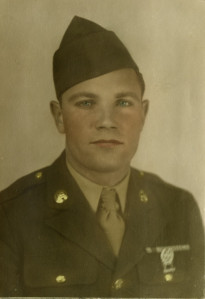
I also celebrate your valor in serving our country and fighting on the front lines in Germany. You were so young when you joined but you knew that was your path. Why you kept your Bronze Star in your toolbox is something I will never understand.
I miss your laugh, words of wisdom, hearing about your life, and eating your great homecooked food, I miss you every minute of every day.
Understanding the impact of your words can make a significant difference. Discover more thoughtful ways to express yourself and create a more caring environment.
Words have immense power. They can uplift and encourage but also wound deeply, often without the speaker even realizing it. This is particularly true for individuals living with bipolar disorder, for whom certain phrases can be not just unhelpful but profoundly hurtful. While some of these comments might seem innocuous or well-meaning, they often reflect misunderstandings about the nature of mental health conditions.
These phrases wouldn’t just be hurtful to someone with bipolar disorder; they can be upsetting to anyone, as they often invalidate feelings and experiences.
The goal isn’t to police language but to encourage awareness and empathy. Many in our community have shared that specific comments, though well-intentioned, can worsen their struggles. Understanding why these phrases are hurtful helps us become better allies and offers support that truly helps.
Here are 10 of the most common and hurtful things people with bipolar disorder have heard:
1. ‘Snap Out of It’
This phrase implies that managing bipolar disorder is simply a matter of willpower, which dismisses the complexity and challenges of the condition. Bipolar disorder is a serious mental health condition that involves severe mood swings, including manic and depressive episodes. Suggesting that someone can “snap out of it” minimizes the profound impact these episodes can have on a person’s life. It also ignores the necessity of medical treatment, therapy, and lifestyle changes to manage the disorder effectively.
A more supportive approach would be acknowledging their struggle and asking how to help, such as, “I can see you’re going through a tough time. How can I support you?”
2. ‘Everyone Has Mood Swings Sometimes’
Comparing typical mood swings to the extreme highs and lows of bipolar disorder minimizes the severity of the condition. Mood swings in bipolar disorder are not just simple changes in emotion; they can be intense and debilitating, affecting every part of a person’s life, from their relationships to their ability to function day-to-day. This comparison can make someone with bipolar disorder feel misunderstood and isolated.
Instead, try expressing empathy without comparison: “I can’t imagine how hard this must be for you. I’m here to listen if you need to talk.”
3. ‘You’re Just Being Overly Dramatic or Emotional’
This can be particularly hurtful as people with bipolar disorder may react strongly due to their condition, and being told they’re overreacting can feel invalidating. Such a statement dismisses their genuine feelings and experiences, which are influenced by their brain-based disorder. It’s essential to recognize that their reactions are not within their complete control.
A better way to respond would be to validate their feelings: “It seems like this is really affecting you. How can I help?”
4. ‘I Wish I Was Manic so I Could Get Stuff Done’
This comment trivializes the manic episodes of bipolar disorder, which can involve risky behaviors, sleep problems, and impaired judgment, not just increased productivity. Mania is not simply a burst of energy; it can be destructive and dangerous. You might inadvertently romanticize a very challenging aspect of the disorder by saying this.
A more compassionate approach would be to ask how they are managing their symptoms: “It must be exhausting dealing with mania. What helps you cope?”
5. ‘Maybe You Should Pray More’
While spiritual practices can be a source of comfort for some, suggesting that prayer alone can manage bipolar disorder dismisses the need for medical treatment and professional support. Mental health conditions like bipolar disorder typically require a combination of medication, therapy, and lifestyle adjustments.
A more helpful comment would be: “I hope you find comfort in your faith, and I’m here to support you in whatever way you need.”
6. ‘You Don’t Seem Like You’re Bipolar’
This is along the same lines as “You seem so normal.” This statement can make someone feel like their struggles are being dismissed or that they are being judged for not showing visible signs of their condition. Bipolar disorder doesn’t have a “look,” and many people work hard to manage their symptoms and appear outwardly stable. It’s essential to recognize that internal experiences can differ greatly from outward appearances.
Instead, you might say: “I admire how well you manage your condition. How are you really feeling?”
7. ‘Why Can’t You Just Be Happy?’
Suggesting that happiness is simply a choice overlooks the complex factors that influence mood in bipolar disorder. Happiness is not a simple decision for someone with a brain-based disorder; it can be influenced by connections between brain cells, life circumstances, and other factors beyond their control. This question can feel dismissive and make the person feel blamed for their condition.
A more supportive statement would be: “I’m sorry you’re feeling this way. What can I do to help?”
8. ‘Have You Tried Just Not Taking Your Meds?’
This can be dangerous advice, as managing bipolar disorder often requires careful medical supervision, and abruptly stopping medication can have serious consequences. Medications for bipolar disorder are usually carefully prescribed and monitored by a healthcare provider to manage symptoms and prevent an episode. Suggesting someone stop their medication can undermine their treatment plan and pose significant risks.
Instead, express support for their treatment plan: “I hope your treatment is helping. How are you finding it?”
9. ‘You Just Need to Exercise More’
While exercise can be beneficial for mental health, suggesting it as a cure-all solution minimizes the complexity of bipolar disorder and the need for comprehensive treatment plans. Exercise is part of a broader treatment strategy that includes medication and therapy.
Instead of suggesting a simple fix, acknowledge the complexity of the condition: “Exercise can be helpful. What else is part of your treatment plan?”
10. ‘You’ve Got It So Good, Why Are You Depressed?’
This minimizes the person’s feelings and implies that their life circumstances should prevent them from feeling depressed, which is not how bipolar disorder works. Depression in bipolar disorder is not about having a bad day; it’s a severe symptom that can occur regardless of external circumstances.
A more empathetic response would be: “I know things might look good from the outside, but I understand that doesn’t change how you feel. How can I support you?”
Tanya Hvilivitzky has spent more than 30 years in the communications field — a career that has included stints as an investigative journalist, managing editor for a lifestyle and wellness magazine, corporate communications director, and researcher/writer. She has been with bpHope (and bp Magazine) since 2016, serving in roles such as features editor, interim editor, and, currently, senior editor. She has been devoted to mental health awareness since she was the editor of Schizophrenia Digest in her early days, and now with a particular focus on highlighting the complexities of bipolar disorder through compassionate, service-based journalism. As an award-winning writer/editor, Tanya received the Beyond Borders Media Award for her 2012 investigative exposé about human trafficking for Niagara Magazine. Her work on this critical topic also earned the Media Freedom Award “Honouring Canada’s Heroes” from the Joy Smith Foundation to Stop Human Trafficking.
In the 21st century, Everyone is so caught up in their lives that they don’t even have time to enjoy themselves and have peace of mind. Among different options, meditation provides a much-needed relief from the fast-paced lifestyle. It sounds hard but it’s simple and rewarding to start meditating. What is Meditation? Normally, we think … Continue reading
My husband told me at lunch that 23&Me is in the financial news saying they are possibly going bankrupt. I wanted to let you know right away for those who were interested. If you are already a client, you can have them delete all your information which I did today. Once they go into bankruptcy if they do you will not have any control of how your DNA is handled and that is a bad place to be.
Another highly respected company that offers ancestry services and has DNA kits is Ancestry.com. I worked with them for ages building my family tree and never had a problem. They are another option to check out. If I were to have my DNA tested again, I would go with Ancestry.com. But I suggest you do your homework and go with the company you feel most comfortable with, just avoid small companies who might not make it long term.
Trauma looks different for everyone, and sometimes we don’t even recognize our own. But learning to do so is important — and one of the first steps toward healing.
Last week a friend of mine reached out to me because they’re struggling. They recently broke up with their partner of 4 years and shared with me that they’re angry at themselves for still feeling depressed weeks after the initial breakup.
The thing is, my friend deserves to be kinder to themselves. For them, their breakup was extremely distressing and left them feeling overwhelmed as they worked to rebuild their life. Some might even consider this type of event “little t” trauma.
If you’ve experienced a stressful event in your life that affects you after the fact and you don’t know why, you might benefit from seeking treatment. It’s important to know that your response to any stressor is valid and deserves attention.
“Big T” vs. “little t” trauma
In the broader sense, trauma can be defined as an emotional response to any event perceived as dangerous by the person who went through it.
Some people use the terms “big T” and “little t” trauma to distinguish between different kinds of stressful experiences and responses. While researchers and most mental health professionals don’t currently use these terms, they helped me better understand that various forms of stressors can have an impact on your mental health.
“Big T” trauma
“Big T” trauma typically refers to events that are universally understood as dangerous or life threatening.
This form of trauma is what often comes to mind when we think of traumatic events, such as serious injuries, sexual violence, or natural disasters. Events like these are specifically referred to in the diagnostic criteria for post-traumatic stress disorder (PTSD).
“Little t” trauma
“Little t” trauma refers to events that may not involve potential death or serious injury but can be stressful enough to negatively affect your mental health.
“Little t” traumas can include — but are by no means limited to — sexual harassment, financial hardship, or breakups.
Pros and cons
For some trauma survivors and psychologists, the terms “big T” and “little t” trauma do more harm than good.
Licensed marriage and family therapist Robyn E. Brickel believes that the terms “big T” and “little t” trauma can minimize and invalidate people’s traumatic experiences. “It’s unhelpful in mental health practice to conceptualize some traumatic events as less or more significant than others,” Brickel writes.
She explains that by doing so, trauma survivors may feel more stigma around their response to an event if it’s considered only “little t” trauma.
Researchers avoid this terminology for a different reason. Within the field of science, trauma specifically refers to life threatening events because of the unique ways in which this degree of danger can affect our brains — such as developing PTSD — and the unique ways in which these symptoms or conditions should be treated.
Referring to extremely stressful but non-life-threatening events as “little t” trauma runs the risk of indicating that such events have the same type of impact on our brains and should be treated in the same way as “big T” trauma. For example, while both “big T” and “little t” trauma can lead to serious mental health conditions, like depression or anxiety, only events that fall under “big T” trauma can cause PTSD and might require specialized treatment.
Despite these important differences, understanding the concept of “little t” trauma was a huge step for me in my recovery.
The concept made me feel validated because it demonstrated that all forms of stressors can have a strong impact on your well-being and should be taken seriously.
If I had never learned about “little t” trauma, I would still believe that I shouldn’t be suffering because other people have it worse than I do. Learning about “little t” trauma helped me stop minimizing my pain and seek treatment.
Trauma validation as a pathway for healing
Acknowledging my trauma and facing it head-on was essential to my recovery journey. I used to have the mindset of: “why does it matter if we acknowledge our trauma? Isn’t it easier to continue minimizing it and pretending it doesn’t exist?”
Today I say, “No, not at all!” For me, avoidance and minimization were actually a big part of my own experience and what led me to be diagnosed with PTSD.
According to the National Center for PTSD, “If you go out of your way to avoid thoughts, feelings, and reminders related to a traumatic event, your symptoms may get worse. Using avoidance as your main way of coping with traumatic memories can make PTSD symptoms worse and make it harder to move on with your life.”
If you realize that you engage in avoidant behaviors when it comes to tough memories from your past, you can change that. The first step toward healing for me was validating my trauma and acknowledging that it impacted my life.
Here are some tips that helped me get there:
1. Self-validation
A great place to start is with yourself. If you don’t yet feel comfortable reaching out to loved ones or a professional for help, that’s OK. You can take some actions to feel validated all by yourself.
Grab your journal: Write down your thoughts, feelings, and symptoms to begin processing.
Get creative: If you don’t feel comfortable writing about your own life, try writing a poem, fictional short story, song, or making visual art about your struggles instead.
Learn more: Take time to self-educate. There are so many stigmas and stereotypes about mental health floating around in our society, but also thousands of resources to help teach you the facts.
2. Community validation and support
Connecting with others and being vulnerable in safe spaces can be incredibly healing.
Turn to a loved one: Talk to a trusted friend or family member about your feelings and experiences.
Use the community: Try to be vulnerable in safe community spaces like mental health support groups, creative writing workshops, art classes, etc.
3. Trauma specialty care
Reaching out to a therapist who specializes in trauma is essential. Many therapeutic practices can help you process your trauma or stressful event in a safe environment.
Individual therapy: Many therapeutic frameworks can help treat PTSD, depression, and other mental health conditions. These include:
Group therapy: Learning about what other people go through can help you feel less alone and realize that you deserve to heal, just like the other group members. However, for treating PTSD, additional individual trauma treatment would be necessary too.
The takeaway
If you’re like my friend from the beginning of this article, you might be struggling with your mental health but avoiding the pain by telling yourself that others have it worse than you.
For me, the real healing began when I stopped minimizing and started validating my painful experiences. In facing the impact of these events, I was able to move forward and start my journey to recovery.
Sharing her journey can help many people and I’m proud of her for writing.
Books are more than just a comfort. They can be a portal to different worlds, a bridge to a new past or future, an outpost for philosophies, and a support system for times of need.
In a literal sense, research shows that reading has the power to change your brain and create different patterns within it. On a practical level, reading allows you to learn new information and skills you might’ve not known before.
While dealing with a mental illness can feel isolating, 20 percent of the U.S. population experiences mental illness each year. Therapy and mindfulness are powerful steps in seeking help. For those looking to learn new skills outside of therapy, libraries and bookstores are teaming with options written by experts and licensed professionals.
Mental health books can be a useful way to process your experiences, learn about psychology, and often find techniques and tools to help you in your daily life. They can aid your mental health toolkit by providing different techniques, scientific research, and stories of others who have faced the same hurdles.
Thank you for visiting my blog and allowing me into your life. Your time here makes me smile. I set a goal to travel the world when I was a child and got the chance through your visit. I appreciate your time reading a post or two and hope you’ve found something that resonates with you. I have not had a chance to visit your home country yet, but it’s on my bucket list.
Take good care of yourself until I see you again. :)
You need blood samples from a female and a male relative to see your complete DNA Genome. The trick here is that male DNA doesn’t pass down to women which means a female needs the help of a male relative to see your complete ancestral history.
Your DNA can reveal a lot about your ancestry-where your ancestors may have come from, when and where they may have migrated around the globe, and how you’re connected to populations worldwide.
Here’s how my Ancestry Composition breaks down
European
Northwestern European 99.6%
Breakdown
British & Irish 81.1 %
French & German 16.1%
Finnish 0.4 %
Broadly Northeastern European 2%
Unassigned 0.1%
Trace Ancestry 0.3%
North African 0.3%
I belong to Haplogroup H which is dominant in the general European population and appears frequently in the continent’s royal houses. I’m a distant relative to Marie Antoinette, Prince Phillip, The Duke of Edinburgh, and famed 16th-century astronomer Nicolaus Copernicus.
The most exciting finding was that I am related to Neanderthals, the first modern humans before extension 40,000 years ago. I’m 2% Neanderthal. Cool, and I like having prehistoric ancestors.
You have more Neanderthal DNA than 66% of other customers according to 23&Me
I have 1510 relatives who have had their DNA tested at 23&Me, I’ve talked with a few but it hasn’t been of great interest to me.
Have you had your DNA tested and taken the trip your ancestors did?
Thank you for all the great feedback on the Blogger Highlight series, I’ve enjoyed meeting each blogger and sharing their site with you. This week we highlight the blog Veselin. We have only followed each other briefly, but his photos grabbed my attention at first sight. His site isn’t just photography, he participates in The Daily Prompt, book reviews, and writes posts as well.
My name is Veselin Nikolov. I work as the lead of the WordPress.com MarTech team. My hobbies are Books and Walking. I’m active on X as dzver and on Goodreads. I am 45 and live in Sofia. I read, work, and try to be a good parent of my 2 kids.
Questions I asked Veselin
M. When did you get into photography and why?
V. My blog is personal, I take these photos to capture some nice traces from my life. Things I saw. I know very little about photography, unfortunately, and rely on the iPhone camera to do the work for me.
M. Did you start counting your steps to lose weight and add a goal to your life?
V. I’m a software engineer who works remotely. I don’t have many reasons to leave the room. This lead me to inactivity and health issues, and I didn’t even realize I’m doing it. I thought going to the gym is enough. It wasn’t. There’s no need for me to lose or gain weight, it’s a quality of life choice. I want to be able to climb mountains again, and at least to reach higher floors without an elevator. So the steps are a way to get there, and a an attempt to change my life. I am close to achieving my goal of averaging 10K steps/day over an entire year. For the next year, I have a peak 🙂
Native American Heritage Month is extremely important to me for two reasons. The first I’m 1/16th Cherokee, and I’m proud of my ancestors. The second more gruesome, our government decided that the Indians weren’t allowed to live in open land like the white man. They rounded up all the tribes and built reservations for them to live without government support. They became second-class citizens and little has changed today. If you read just one book about the brutality of the Native Americans, read about the Trail of Tears. You will see a clear picture of how Native Americans were treated and raped of their land.
——-
Welcome to Native American Heritage Month at the Department of the Interior! National Native American Heritage Month is celebrated each year in November. It is a time to celebrate the traditions, languages, and stories of Native American and Alaska Native communities and ensure their rich histories and contributions continue to thrive with each passing generation. This November and every month, we celebrate the culture and heritage of these remarkable Americans who deeply enrich the quality and character of our Nation. We celebrate Indian Country with its remarkable diversity of American Indian and Alaska Native cultures and peoples while remembering and honoring our veterans who have sacrificed so much to defend our Nation.
Our theme is Weaving together our past, present and future. We will focus on the failed policies of the past with a focus on the Federal Indian Boarding Schools and moving into the present and the work being done to address the intergenerational trauma Native people still face. In partnership with the National Endowment for the Humanities and the Smithsonian Institution, we are working to record the lasting impacts of that era and share that information with all Americans.
As Indigenous people, our past, present and future are all connected.
For me, it’s important to read about how Native Americans were treated by our government because it was brutal and killed thousands and our government rapes their land from them. Native Americans were the first Americans on this great land, not the people migrating on the Mayflower and other ships. No doubt in my mind they were here long before a boat came over.
I’m of Cherokee descent, myself being 1/16th and several of my ancestors are on the Dawns Rolls but many at the time didn’t sign the rolls because they did not trust the government. How could they trust after being driven from their land and pushed into tribal communities with no assistance from the government? It was sink or swim, it’s not different today.
Another blemish from history and little has been done to improve their living standards. I’m happy to have the articles mentioned above that show action is being taken.
Remember to open your mind that’s Thanksgiving to include Native Americans and their make in history.
On November 11th we celebrate all Military Veterans but we should not forget the bravery and sacrifice they made and make every day of the year. Be sure to thank a veteran today and give them a hug.
*We are long overdue for a memorial for the soldiers who fought in Afghanistan. Let’s make this happen! 20 years and thousands of lives lost. Let’s have a permanent memorial to celebrate their bravery.”
WordPress is jiggy today and won’t let write the names of the memorials. The first is the Vietnam Veterans Memorial and the second is the WWII memorial. That’s not trash you see on the ground at the Vietnam Veterans Memorial, it’s flowers or notes to a loved one.
Customer Service has become a relic term, not even common courtesy is extended today.
Medical doctor’s offices claim to be the top in the field with all these awards including ones for customer service. Why is it that I can’t get a critical question answered by my doctor through the portal?
I had to wait an hour on the phone until the receptionist could find a live person to talk with me, I didn’t have anything better to to do. Maybe it’s time we start charging for the hours we spend trying to get answers. It took me from 10/22/24 to 11/6/24 to get someone on the phone and schedule my surgery.
Today I had an appointment with my new pharmacist since I’m changing pharmacies. We scheduled last week to meet today at 2:00 pm, at 2:30 pm I called to say I had other things to do and when she was ready she could call to reschedule. I got a message back saying one of the pharmacists had a meeting that ran long. Why can’t you text me the minute you knew there was a conflict? Again where the hell is the communication. It’s like the medical community has decided it’s no longer their issue. I disagree!
Why did the powers that be allow text spam? Who’s making money here? Or is it that big business has so much power over the FTC that allowed this to happen?
Who is selling my email information? I get a 10-15 spam emails a day. It is impossible to track down because I will not click on any links. Be sure to read the Privacy Information for companies you sign up with to see what they do with your data.
All the issues I was having with Bots were because WordPress shares your information with its so-called partners. I had to search a bit but found a hidden sentence that if clicked allows WordPress to share information with their AI partners for training AI. Ok, I switch it off thinking that mess is over. Not so quick. I went three days without Bots and now they are back with a vengeance. I don’t have a complete problem with AI but I want to know how my content is used and how I get credit for the content. It also screws up the views, it can get so complicated that it’s not worth it. I will say that FaceBook/Meta is the AI bot that attacks my archives daily.
I realize not every town has these problems, that’s great for you. I hope it remains that way for a long time.
I’m observing that most businesses are pushing you to their portals so they don’t have to talk with you. How far down do we go from here? Will we have to make an appointment just to have a question answered?
I don’t care for this lack of human connection one bit, it will only spill over to the rest of our lives. Scary!
What bothers you today about the lack of communication?
The trip to the Mayo wasn’t quite what I expected but you have to remember I was only there for three days. I was scheduled for four days but was so frustrated I left early. The good is that a couple of things were ruled out. For one I don’t have cancer which was a major concern of mine, and I don’t have a bleeding disorder. They did discover I had weakness in my legs, hands, and arms but I did not stay around to meet with the Neurologist. I also found out I have several types of serious Anemia but my Immunologist doesn’t seem to care. Time for a new Immunologist. I even stopped my Antibody Infusion Treatments due to a lack of communication on his part. The Mayo for as good as they are can only handle so many areas of concern due to time constraints. They wanted me to come back for more testing but I refused. The trip cost was very high when you look at airport parking, airline tickets, a rental car, and a hotel, eating, and putting the dogs in the kennel. Not to mention my husband taking a week off work. Maybe I’ll go back at another time but for now, I’m seeking out doctors that can help me locally.
I sought out a Hand Orthopedic doctor for carpel tunnel and the pain I was experiencing. Through the process, I found out I have Osteoarthritis in my thumbs which is one reason for the severe pain. I now wear thumb braces, take low-dose pain medication for arthritis in my hands, and am having carpel tunnel surgery in both hands as well as having a wrist brace taken out that was put in when I broke my wrist in 2018. It’s moved and it causing pain. I hope to have at least the left-hand surgery done this month.
I’ve been battling one Fibromyalgia flare after another for months now. I’ll save the details for the Fibromyalgia post I’m writing.
I have also been battling low-grade depression probably caused by stress and worry. My depression is very sensitive to stress. I’m feeling better but still not my normal self.
One great action I’ve taken is to return to weekly chiropractor visits and monthly massages. This has helped me work the stress out of my body and work to align the degenerative areas. It’s a hurt-so-good stage.
Like everyone, there’s always something we are dealing with and we have to step up to the plate and deal with them. :)
The worst President is the President again, which means we’ll have another four years of trials when he leaves office. I won’t get started on what the next four years will look like.
The Family Cookbook contains recipes my Grandparents used and the type of food I grew up on. Good ole Southern food like dumplings and pecan pie.
What You Need
1/4 ts. vanilla
3 eggs
1 cup sugar
3 tbs. flour
1/2 stick butter or margarine
3/4 cup white Karo
1 cup pecan’s chopped
How To Make
Sprinkle pecans in the bottom of unbaked pie crust
Add filling
Bake at 300 degrees for about an hour
In a bowl add together all of the ingredients except for chopped pecans. Let the butter/margarine get soft before adding.
Sprinkle pecans in the bottom of unbaked pie crust
Add filling
Bake at 300 degrees for about an hour
Since these are family recipes the complete cooking instructions are missing because they knew from memory. My Gramps was the master of Pecan Pies in our family.
I’ve made this Pecan Pie so many times, it’s easy and delicious.
This is a great pie year-round but at holidays, it was always on the table.
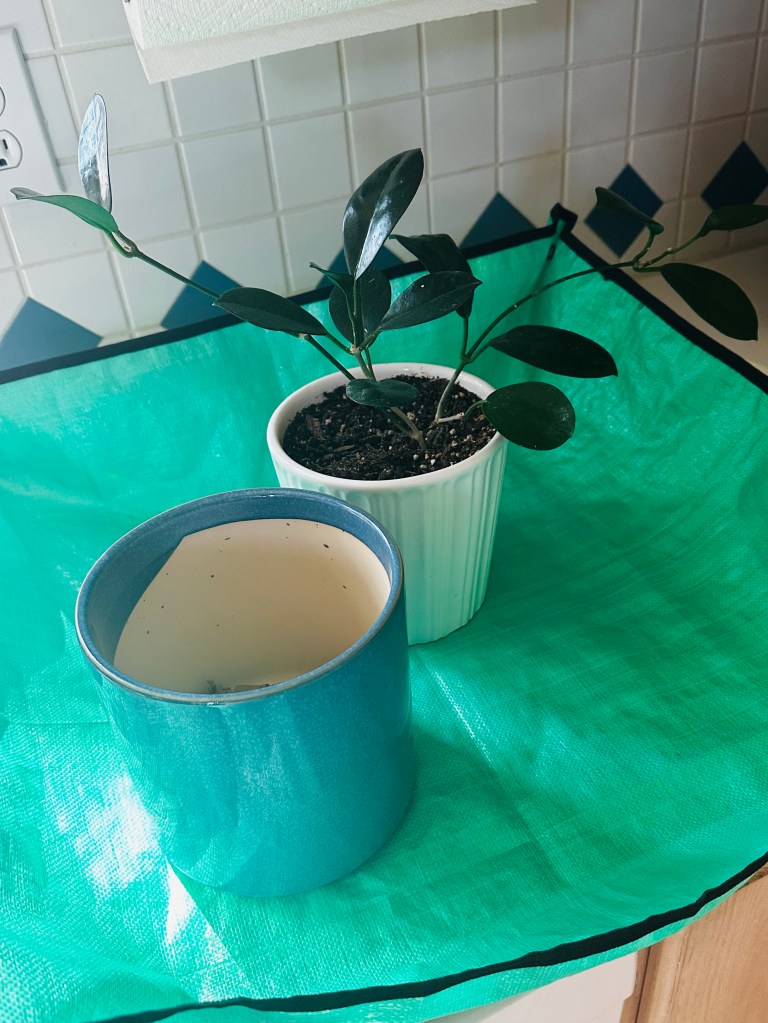
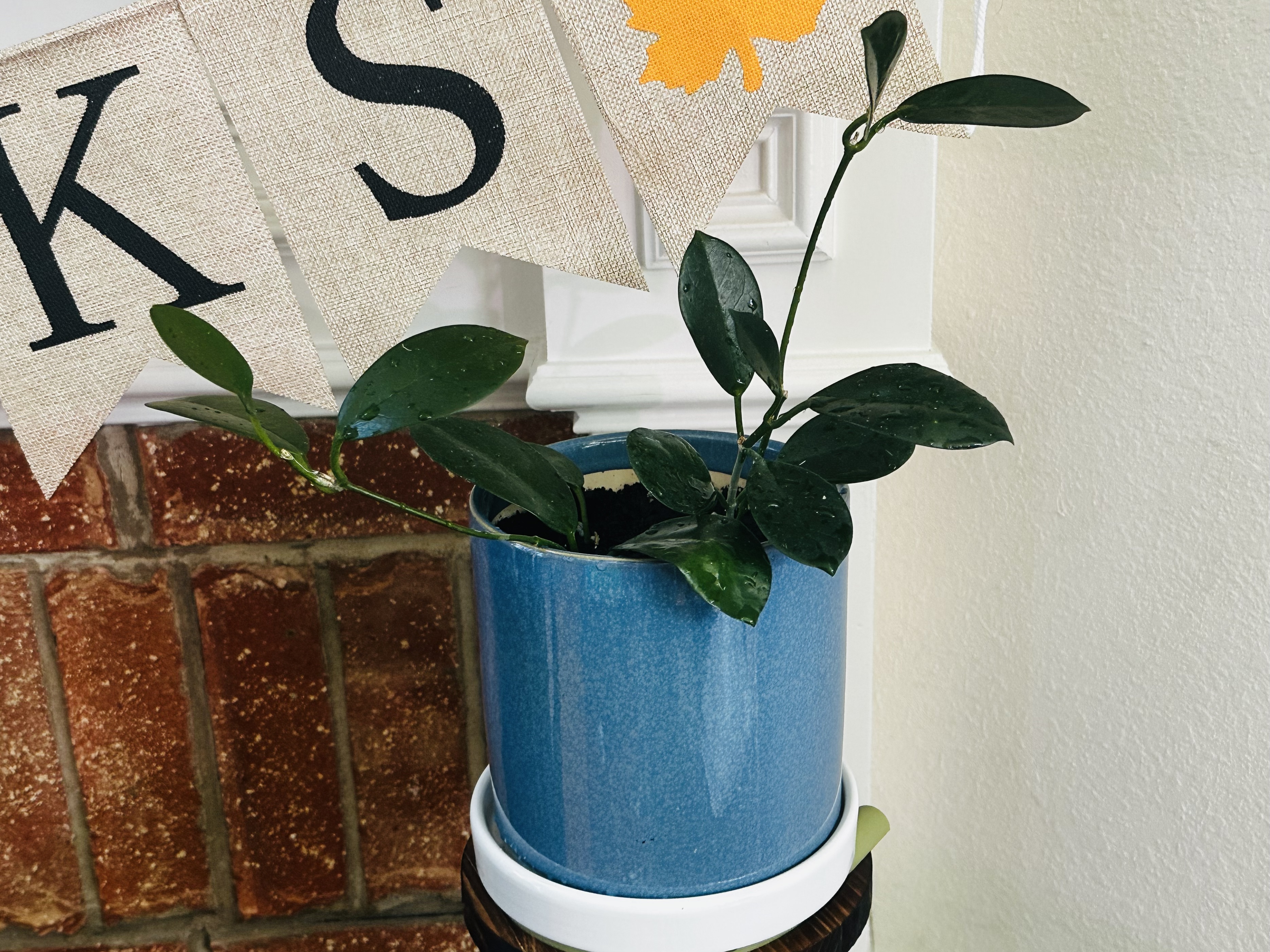
I wrote You Know It’s Crazy When about discovering a plant I had nursed for a couple of years was actually an artificial plant. Well, it’s alive! I stopped watering for a couple of weeks, and the leaves started turning yellow and falling off. I’m completely stumped at this point. I started watering again and decided to replant; surely, it was root-bound. Not so fast, when I removed the plant it had a small root ball and two dead pieces of roots below.
I have no idea why it was not growing. From live plant to artificial plant and back to live plant, it can’t make up its mind.
Self-care is a reliable path to ensure a clean bill of health. Unfortunately, few people make time to commit to self-care routines. It may not entirely be their fault, especially as people juggle several responsibilities simultaneously. However, those who commit to the routine spend an average of forty-two minutes weekly to attend to themselves. It may not sound good enough, but it’s better than nothing. Fortunately, if you find yourself looking for ways to establish a self-care routine, here are things to consider.
People attend to their self-care routines in different ways. For this reason, what may suit one person may not be a perfect fit for others. Usually, the tricky part is starting with the routine and following through with it. However, things can move along smoothly when you get the hang of it. This is why it is important to first identify what makes you feel centered. In all instances, it would be helpful if the things which make you feel centered are positive reinforcements.
On the other hand, if you have trouble with these habits, it can be beneficial to visit https://www.sunshinebehavioralhealth.com/texas/del-rio, which specializes in helping individuals deal with behavioral issues. Once you determine these things, you can establish a routine you can stick to without bailing out. Remember that your efforts in creating a self-care routine should feel comfortable for you. That way, you always look forward to it instead of attempting to find excuses for why you don’t want to.
Make time for the routine
One significant reason people fail to maintain their self-care routines is the inability to set specific times for it. It wouldn’t be wrong to say that scheduling plays a significant role in the success of a self-care routine. Setting a time for it also indicates your discipline to the task at hand. Once you understand this fundamental, it becomes easier to run with it.
Set goals
What is the purpose of a long-term activity without a goal? It is the prize you set your eyes on as you work tirelessly towards it. It is the same when creating a self-care routine. In this instance, your goal is to have your physical, mental, and emotional well-being working in harmony. These three elements form the foundation for a perfect balance in your body. Therefore, your goal can be to live a life devoid of avoidable ill health, and that is possible, all things being equal.
Remain positive-minded
Staying positive-minded relies heavily on being mentally and emotionally optimistic. In other words, even though you acknowledge the presence of negatives, you deliberately choose to focus only on the positive things in life. Indeed, there is truth in the saying that your thoughts can define your well-being. It would help to keep in mind that your level of positive-mindedness can directly influence the outcome of your self-care routines.
To conclude, there are many benefits to establishing a self-care routine. Apart from the obvious positive impact on your health, it can boost your confidence and self-worth.
Thank you for all the great feedback on the Blogger Highlight series, I’ve enjoyed meeting each blogger and sharing their site with you. This week we highlight the blog The Rusty Ruin Journal. Steve’s blog is addictive if you’re into photography and learning about the cameras he uses. His posts are informative and I appreciate him for often taking several photos of the same item in another view. Steve’s use of color grabs you and pulls you right in.
My name is Steve and I and my family live in South Australia. Yes, it’s a long way from many places and there’s so much beautiful scenery to photograph. We like to travel, hike, and see the sights. I have too many cameras to mention, both digital and film; also, too many books on the shelf; and boardgames aplenty that are often played with friends. In between work and family, I try to squeeze in a range of other interests apart from photography, including making music, painting, and writing. Honestly, I never thought I could do any of those things until I decided to stop telling the same self-limiting stories about myself. It was then that I picked up a big camera and taught myself how to use it. I decided that being creative wasn’t about being the best, but about expressing oneself without judgment, ego, or fear. It’s wise to remind myself of that as often as I can.
I asked Steve three questions you will find interesting.
M. How old were you when you took your first photo and what was the photo of?
S. Hmmm, that’s a tough question! I grew up with film but I never had the money for big and expensive cameras. My family were never into photography and our little cheap cameras only came out on special occasions. I’d have made a few casual photos back then, I’m sure, but the first photo I remember making where I was really interested in the framing and composition was of the Pink Sand Dunes in California. I think I was 26 or 27 at the time.
M. Do you display your photos in the house, or elsewhere and what does your family think about your hobby?
S. Actually, most of the things on our walls are my paintings! Of course, we have family photos framed and on display too. I’ve sold a few paintings and photos over the years but I’ve not had any photos framed properly and on display. I should probably fix that, but I never put my ego into my photos so it doesn’t bother me not to see them everywhere. I think my family are likely a bit jaded by all the camera gear I have spilling out from shelves and boxes…haha! There’s a bit of a running joke amongst family and friends that I tend to stop at every patch of rust and get the camera out because I find it interesting, hence the name of the blog. I can’t deny that I like texture, colour, and abstraction!
For me, photography is about connection with the subject, the environment, and why it caught my eye in the first place. I take plenty of photos of flowers and plants but that is not the type of photography I’m talking about. Like the most recent photos of art from The Mayo Clinic, there was a connection, and they pulled me in. Steve also has connections by being in the moment outside of taking photos. He takes in the environment and appreciates the scenery around him.
Be sure to stop by Steve’s blog, The Rust Ruin Journal, say hello, pull up a chair, and dig into his posts. You will get hooked as I did.
The family cookbook contains recipes, my Gramps & Granny used often and is the type of food I grew up on. Good ole Southern food like my Gramps dumplings, to Grannies pecan pie.
What You Need
1/4 cup water
2 cups light brown sugar
1/3 cup margarine
1 1/2 cups pecans
How To Make
Boil water and ingredients and boil for 5 more minutes
Take off stove
Beat for one minute
Drop on wax paper or foil and cool
Remove after it hardens
These are out of this world! We all looked forward to her Pralenes.
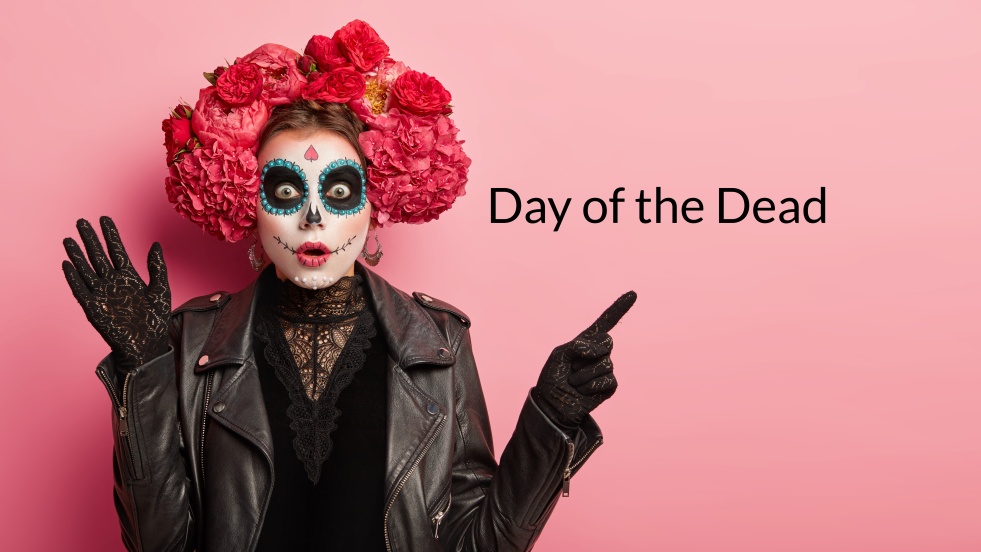
I learned what The Day of the Dead meant by spending time in the New Orleans markets admiring the vignettes. It’s a huge celebration with family and friends welcoming back the souls of the dead.
The roots of the Day of the Dead, celebrated in contemporary Mexico and among those of Mexican heritage in the United States and around the world, go back some 3,000 years, to the rituals honoring the dead in pre-Columbian Mesoamerica. The Aztecs and other Nahua people living in what is now central Mexico held a cyclical view of the universe, and saw death as an integral, ever-present part of life.
During contemporary Day of the Dead festivities, people commonly wear skull masks and eat sugar candy molded into the shape of skulls. The pan de ánimas of All Souls Day rituals in Spain is reflected in pan de muerto, the traditional sweet baked good of Day of the Dead celebrations today. Other food and drink associated with the holiday, but consumed year-round as well, include spicy dark chocolate and the corn-based drink called atole. You can wish someone a happy Day of the Dead by saying, “Feliz día de los Muertos.”
The Day of the Dead celebration sounds very interesting, having the soul of a loved one appear could be life-changing.
No More has announced that No MORE Week is on March 2nd through March 8th, 2025. This Summit is one way to participate and it’s free. The knowledge you gain could save your own life or that of another.
Join us for the NO MORE Week 2025 Tech Summit: Empowering or Endangering – Tech’s Impact on Domestic and Sexual Violence
Attend the NO MORE Week 2025 Tech Summit, a special online event exploring the impacts of technology on domestic and sexual violence, including innovations and dangers. Hear from global experts on the latest research, policy changes, product development, and more.
What should you expect:
Discover the latest global trends in tech-facilitated abuse to gain insight into how technology is exploited by abusers to inflict harm.
Delve into the role of technology in promoting safety and fostering connections.
Have the opportunity to hear from survivors who have experienced various forms of abuse and, importantly, hear their suggestions for change.
Participate in stimulating conversations and workshops led by industry professionals.
Contribute to the generation of innovative ideas that can instigate the necessary systemic changes to address these critical issues.
Equip yourself with the knowledge and resources to make a tangible impact on survivors of domestic and sexual violence. This is an opportunity to be a part of the movement and provide vital support to those in need.
Who should attend:
Survivors of domestic and sexual violence and those closest to them.
Those working with people who have experienced domestic or sexual violence, advocates, and activists
Tech companies and professionals
Legislators
Police and agencies in the Criminal Justice System
Financial institutions
Healthcare professionals or those working in emergency response services
Academics
If you have any questions, please contact info@nomore.org
Empowering or Endangering?: Tech’s Impact on Domestic and Sexual Violence
Chronic illness is hard to live with, but coping by responding with excessive positivity can suppress our real feelings.
Those who live with chronic illnesses know all too well how frequently people shower you with meaningless platitudes like “just be positive” and “mind over matter.”
Of course, how we feel mentally affects our physical health, but being chronically ill also sucks sometimes. It’s OK to acknowledge that reality. But often, when we do, we’re told we’re being overdramatic or to force ourselves to “think our way back to being healthy.”
It’s time to reject toxic positivity and find coping mechanisms that actually work for you instead of methodologies that punish you for having “negative feelings.”
What is toxic positivity?
“Toxic positivity is an expectation that no matter how serious a situation or diagnosis is, a person should maintain an ongoing optimistic and positive outlook and attitude regardless of how serious the circumstances are,” said Chicago-based clinical social worker Iris Waichler, MSW, LCSW.
This invasive method of communication shows up in countless ways, often slipping out of people’s mouths without them even noticing. Sometimes, it comes from the inside, led by an internal battle to just “get over it,” but it typically arises when people place their life view onto others.
“Toxic positivity often looks like someone giving you a motivational quote instead of actually listening, helping, or being there for you,” said Kitty Underhill, a body and self-acceptance coach from London, England. “For example, you could be struggling and communicating that to a friend, and they shut down the conversation with a statement like ‘good vibes only’ or dismissing it as being ‘low frequency.’
“Toxic positivity also looks like using buzzphrases like ‘what doesn’t kill you makes you stronger’ and telling you that you need to have a more positive attitude rather than hearing you out — it’s an emotional cop-out,” she added.
The impact of toxic positivity is wide-ranging and pervasive, sometimes hiding beneath the surface for years before we’re able to recognize that it’s prevented us from feeling the full spectrum of human emotion without feeling guilty for not being cheerful enough for those around us.
“Toxic positivity may cause people to believe their feelings are not worthwhile, create self-doubt and shame, and make them believe their feelings are invalid,” said Waichler. “The unintended consequences may be enhanced insecurity, which lessens self-confidence and self-worth.”
How can it show up in our lives with chronic illness?
The effects may largely be the same, but chronically ill people deal with another poisonous layer when facing toxic positivity: disbelief.
Too often, disabled and chronically ill people are encouraged to “think themselves well” because it’s “mind over matter,” but this neglects reality. A positive outlook can improve someone’s overall well-being. However, it’s not a magical cure for incurable illness.
“A healthy person may not have a real understanding of the physical, medical, and psychological ramifications that chronic illness has on an individual,” Waichler said. “A healthy person’s attempt to “cheer them up” or be unrealistically positive can create feelings of alienation, resentment, and anger for the person on the receiving end.”
Toxic positivity is dismissive because it discards their feelings, insisting that they be processed on the other person’s terms. Unsurprisingly, this is a common occurrence between people with and without chronic illnesses, as it’s easily assumed that we’re being overdramatic or exaggerating our symptoms.
Faced with an onslaught of forced cheerfulness and disbelief, submitting to toxic positivity sometimes feels like the only option, but chronically ill and disabled people deserve to be heard.
“It can be easy to fall for toxic positivity, especially when a lot of ableism depends on disabled folks not speaking up about what they are experiencing and overriding their own comfort and pain levels to make abled folks feel more comfortable,” said Underhill.
“We must remember that toxic positivity is another way of shutting down unpalatable emotions and that our emotions still deserve to be heard and expressed,” she added.
Understanding the difference between toxic positivity and genuine positivity
“Genuine positivity makes space for the negative and doesn’t try to write it off or bat it away,” said Underhill. “Genuine positivity helps you to see things from different angles and perspectives, which can be helpful if we’re getting tunnel vision from feeling hopeless, angry, or upset from experiencing chronic pain issues.”
Where genuine positivity leaves spaces for pain while searching for light, comparatively, toxic positivity shuts down the conversation and obliterates the beautiful spectrum of our emotions.
Resisting the seductive pull of toxic positivity is exhausting, and sometimes, we fall under its spell before it’s possible to throw up a shield.
“If you’ve succumbed to toxic positivity, consider taking a step back to evaluate why you acquiesced,” said Carissa Hodgson, LCSW, OSW-C, director of programs and community outreach at Bright Spot Network and a clinical social worker. “Is it because you don’t have anyone who can authentically support you? Are you struggling with accepting your feelings about an experience? What is it that you need?”
Building your defenses
“To get rid of toxic positivity, it’s worth asking yourself the question, ‘Why do I feel like I cannot hold space for harder emotions?’” said Underhill.
“It’s also worth remembering that no emotion has a moral value. Emotions are not ‘good’ or ‘bad,’” she added. “Emotions are information that we can learn from and take into account.”
Allow yourself to feel everything you need to feel by granting yourself the gift of patience. There is no better defense against toxic positivity than the freedom to feel your emotions without judging them or suffocating them.
Confronting the toxic positivity around us
Try to practice patience when dealing with toxically positive people. It’s hard when you’re so regularly bombarded with it, but know that they are probably trying to empathize. It’s human instinct to jump straight to suggesting solutions. We all do it, even when it’s unwanted.
“Understand that the person is trying to be helpful,” said Waichler. “Help them to then understand how what they said makes you feel.
“Tell a well-meaning loved one with toxic positivity that you appreciate that they are trying to be supportive and positive about your medical condition,” she continued.
Developing healthier coping mechanisms
It’s crucial to develop additional coping mechanisms that manage the mental impact of chronic illness to resist the lure of toxic positivity long term.
“Educate yourselves about the medical condition and how it will progress so your expectations are realistic,” advised Waichler. “It will help you prepare for changes that will evolve in the future.”
Broaden your circle of friends to ensure that your support network is full of people who will understand your experiences with chronic illness. Your loved ones will support you, but unless they also have a chronic illness, they will struggle to understand. Fellow chronically ill people may be better suited to supporting you without relying on toxic positivity to do so.
However, be wary, too. Even the most well-developed support groups can fall prey to toxic positive influences.
“Toxic positivity is often a trojan horse found in online support groups and discussion boards — seemingly helpful and cheery but completely dismissive of the real struggles people are having,” said Hodgson.
As an additional shield, she suggests that people “Create an empowering mantra that entitles you to your feelings, such as ‘My feelings are real’ or ‘I have a right to feel how I want to feel,’ so when you see a dismissive statement, you can repeat your mantra to yourself and keep on reading.”
Medically reviewed on April 20, 2024
I can see how someone chronically ill can fall deep into the positivity route, it feels good at first but over time it overshadows the reality of being chronically ill. As mentioned in the post, many days suck and we can’t just cover them up as if they don’t exist. I’m all for positive energy but if someone just wants to change your thoughts and act like everything is ok, they are not doing you any favor.
Thank you for visiting my blog. I truly appreciate you stopping by. I hope you found a post or two you could relate to and will return soon. I have not been to your home countries, but they are all on my bucket list.
I’m sending you and your family well wishes for health and happiness.

























 lookingforthelight.blog